

Chapters:

Need help with your trip?
Our support team is available 24/7. Request a callback or call us directly at (833) 619-0908
Melbourne trips often start with the CBD, then branch into Southbank dinners, a market morning, and one or two museum stops. That pattern covers the headline sights, but it can miss how much time the city asks for between tram lines, river crossings, and inner-neighborhood meals.
Those distances are not huge, yet they shape the day: trams slow near the core, popular spots fill early, and some of the best streets sit a few stops beyond the center. Without a plan, you can lose time to backtracking or crowding.
This guide lays out the city in a steadier sequence, pairing central landmarks with Abbotsford, St Kilda, Carlton, and the airport side of the trip so each day has a clear purpose.
Useful things to know

Main language(s): English

Currency: The local currency is the Australian dollar (AUD, A$).

Cash and cards: Cards and contactless are widely accepted; carry about A$20 to A$50 ($13 to $33) in cash for small vendors or tips.

Tipping: Round up small bills and tip 10% to 15% at sit-down restaurants if service is good.

Traditional food: Meat pie, chicken parmigiana, lamington, Tim Tam

Water and coffee costs: Water about A$3 to A$5 ($2 to $3), bar espresso about A$4 to A$6 ($3 to $4).

Taxis and ride apps: Uber, Ola, and DiDi operate here; confirm pickup points at Melbourne Airport (MEL).

Plug and voltage: Type I socket, 230V

Dining and shop opening hours: Breakfast runs about 07:00-10:00, lunch 12:00-14:30, and dinner 18:00-21:00. Many kitchens close between lunch and dinner, and some stop serving early on Sundays.

Emergency number: Dial 000 for police, fire, or ambulance.
Where to stay in Melbourne
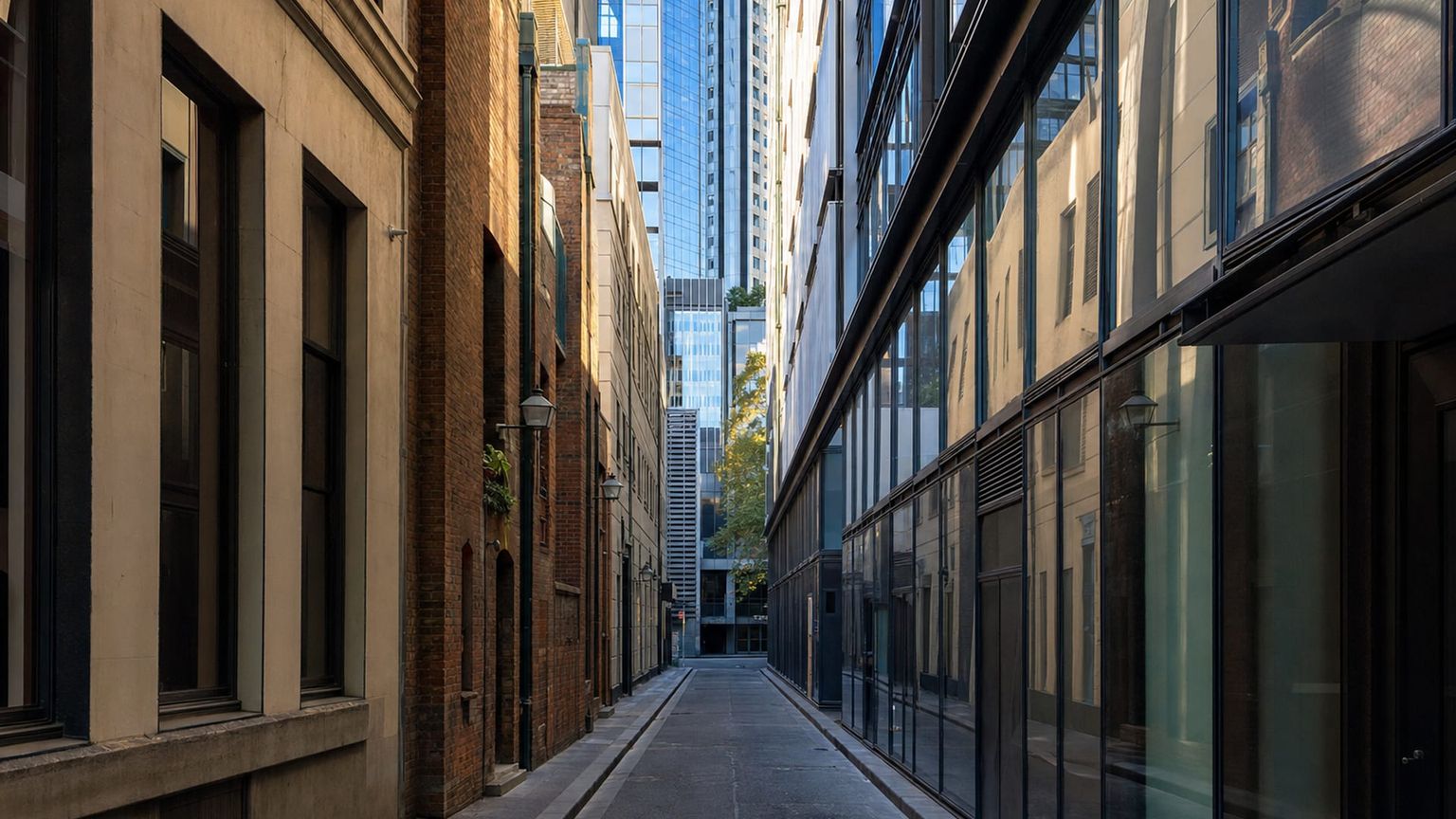
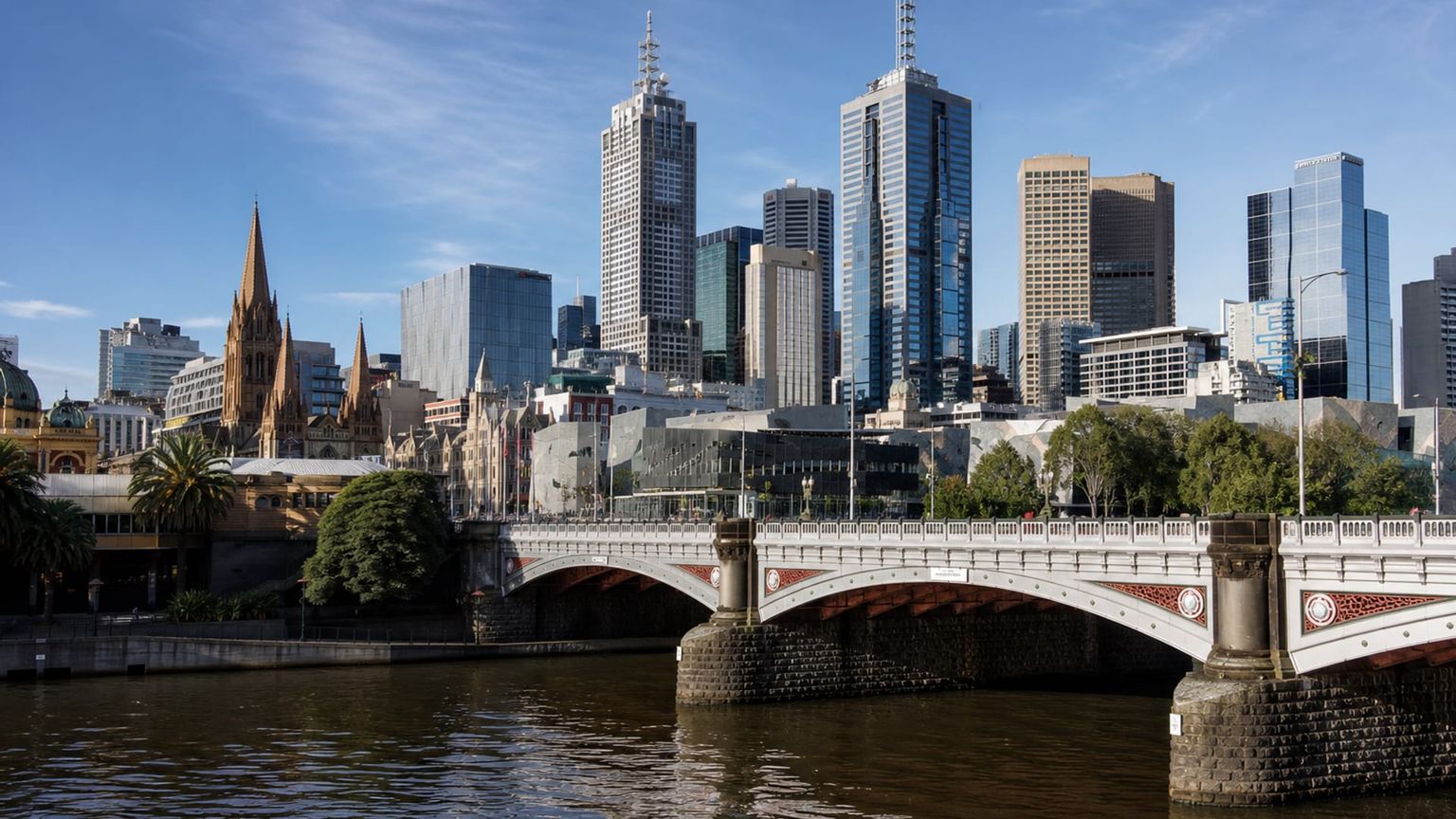
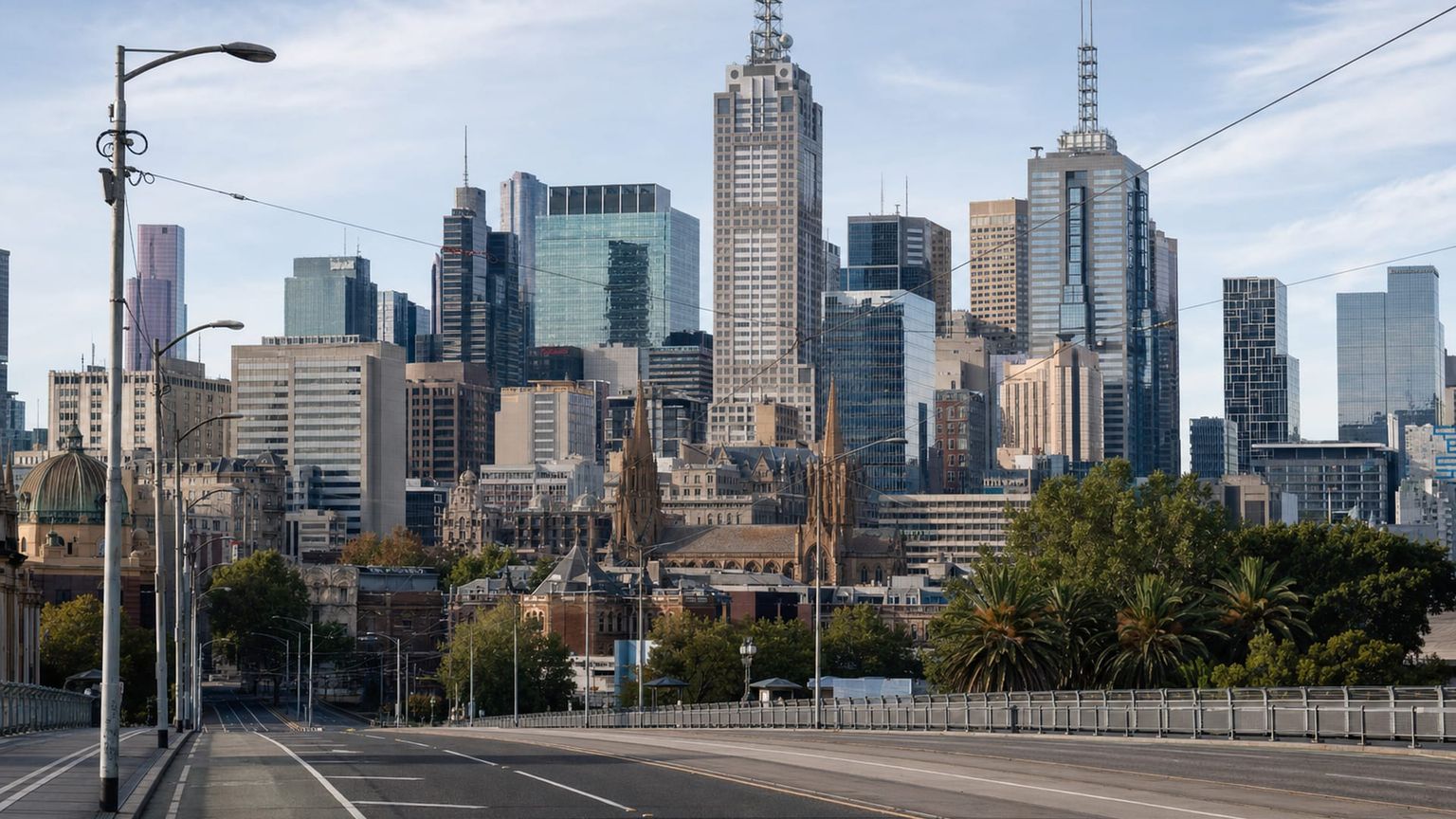
The CBD puts you beside Flinders Street Station, laneways, and major museums, with tram access across the inner city. It suits visitors who want to walk to dining, shopping, and riverfront sights without planning much transport.
Best for: First-time visits, car-free sightseeing, and easy access to major attractions
What to expect: Busy footpaths, tram traffic, office crowds on weekdays, and late activity near bars and restaurants.
Hotel prices: Usually about $180 to $320 per night for well-rated stays
Distance to major sights: 5 to 15 minutes on foot to Federation Square; about 15 to 20 minutes on foot to the National Gallery of Victoria
Quietness: Noisy during the day, and some blocks stay active well into the evening.
Main trade-off: Central hotels cost more, and the busiest blocks can feel crowded, especially near Swanston Street and the station.
Good to know: Choose a side street if you want less late-night noise, since main tram corridors stay active after dark.
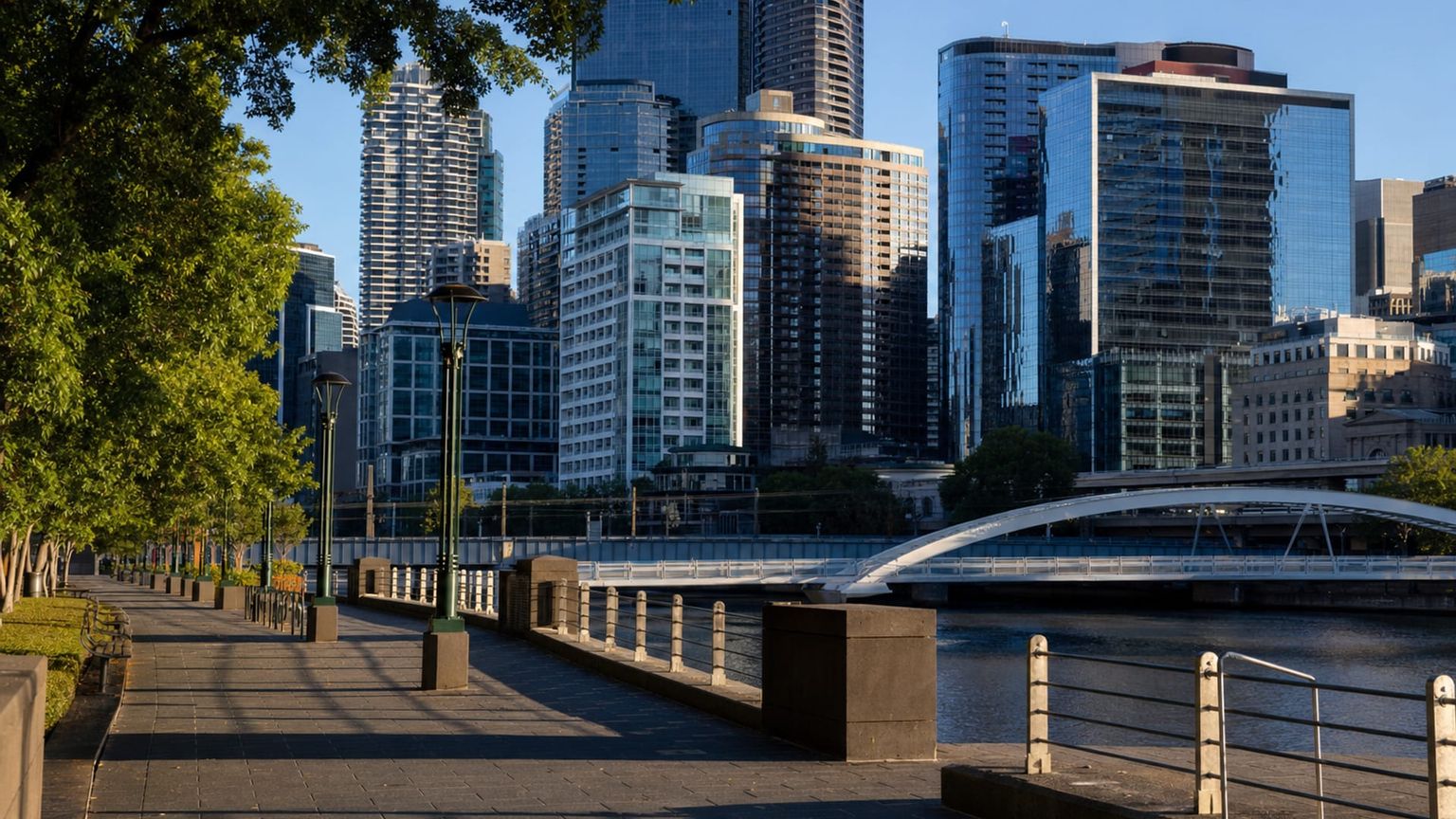
Southbank sits just across the Yarra from the CBD, with the Arts Centre, river promenades, and a dense cluster of towers and hotels. It matters for travelers who want easy access to the casino, galleries, and skyline views after dinner.
Best for: Riverfront stays, arts access, and visitors who want central dining after shows
What to expect: Heavy foot traffic near the promenade, tourists on the river edge, and a steady evening restaurant scene.
Hotel prices: Usually about $190 to $350 per night for well-rated stays
Distance to major sights: 10 to 15 minutes on foot to Federation Square; about 5 to 10 minutes on foot to the National Gallery of Victoria
Quietness: Lively by day and evening, with more noise near restaurants, the casino, and major event nights.
Main trade-off: Rooms often cost more than nearby suburbs, and some towers put you above busy roads and tram lines.
Good to know: Ask for a higher floor or river-facing room if traffic noise matters, because lower levels can pick up street and tram sound.
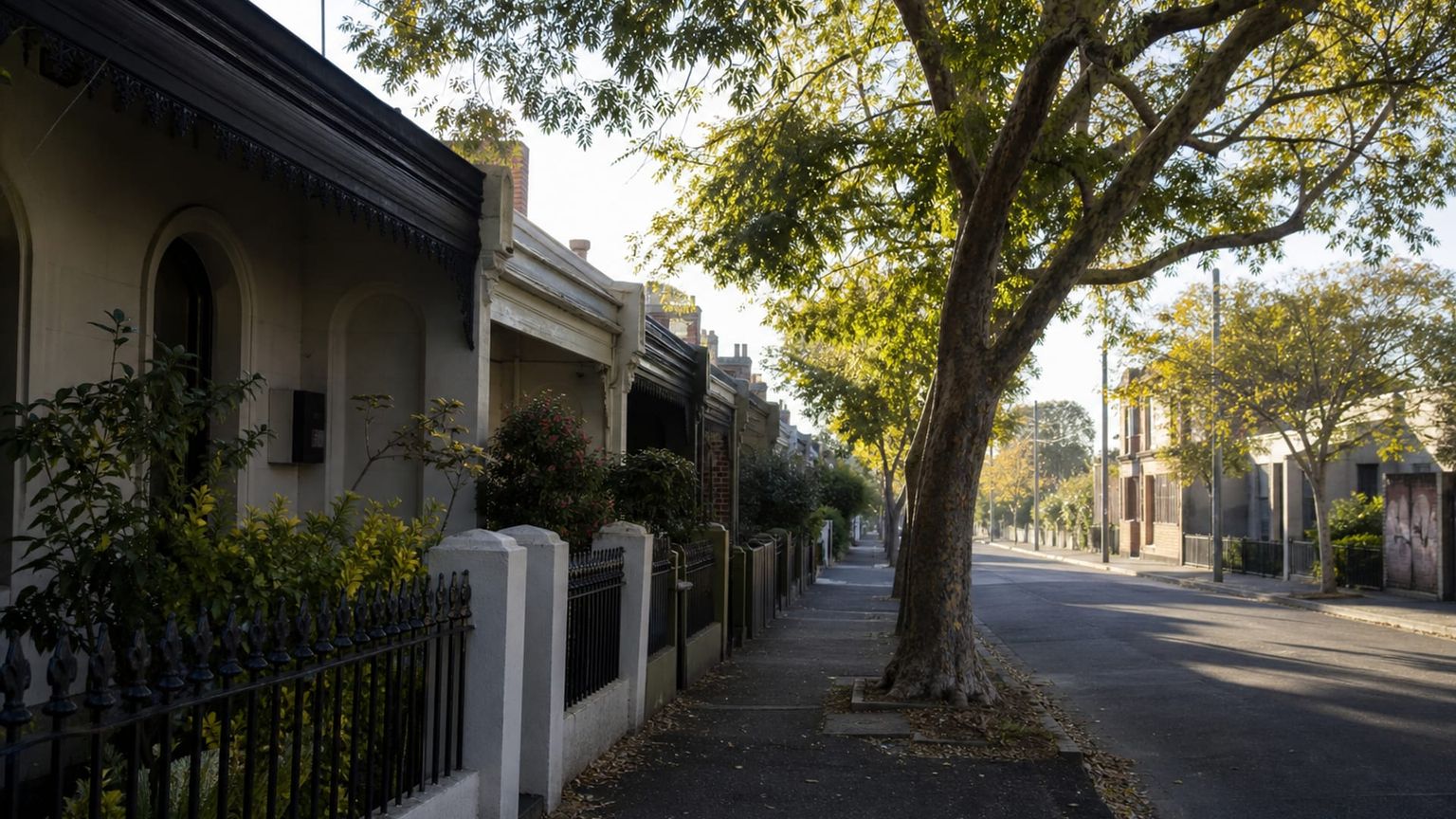
Carlton sits north of the CBD and centers on Lygon Street, the Melbourne Museum, and a strong student and dining presence. It gives you a neighborhood feel close to the city, with easier access to restaurants than many inner suburbs.
Best for: Dining-focused stays, museum visits, and travelers who want a neighborhood base near the center
What to expect: Busy restaurant streets, students, and locals out for meals, with quieter side streets a few blocks away.
Hotel prices: Usually about $160 to $280 per night for well-rated stays
Distance to major sights: 15 to 20 minutes on foot to the CBD; about 10 to 15 minutes on foot to Melbourne Museum
Quietness: Lively on Lygon Street in the evening, calmer on residential streets and after restaurants close.
Main trade-off: You may walk a bit farther for tram-heavy city sights, and the best dining streets can bring late noise.
Good to know: Book near a tram stop if you plan to move around often, since some of the best addresses sit a little off the main lines.
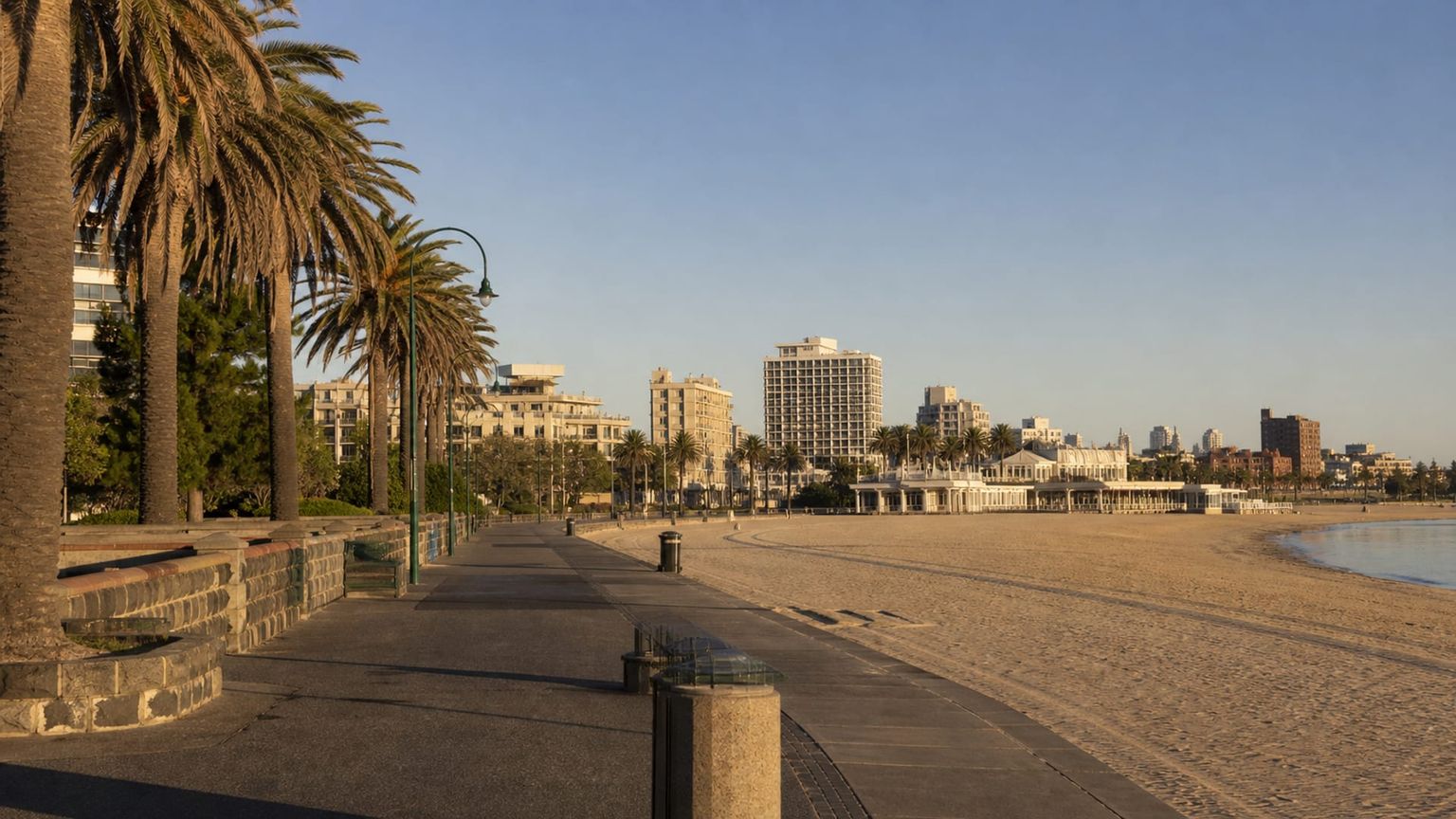
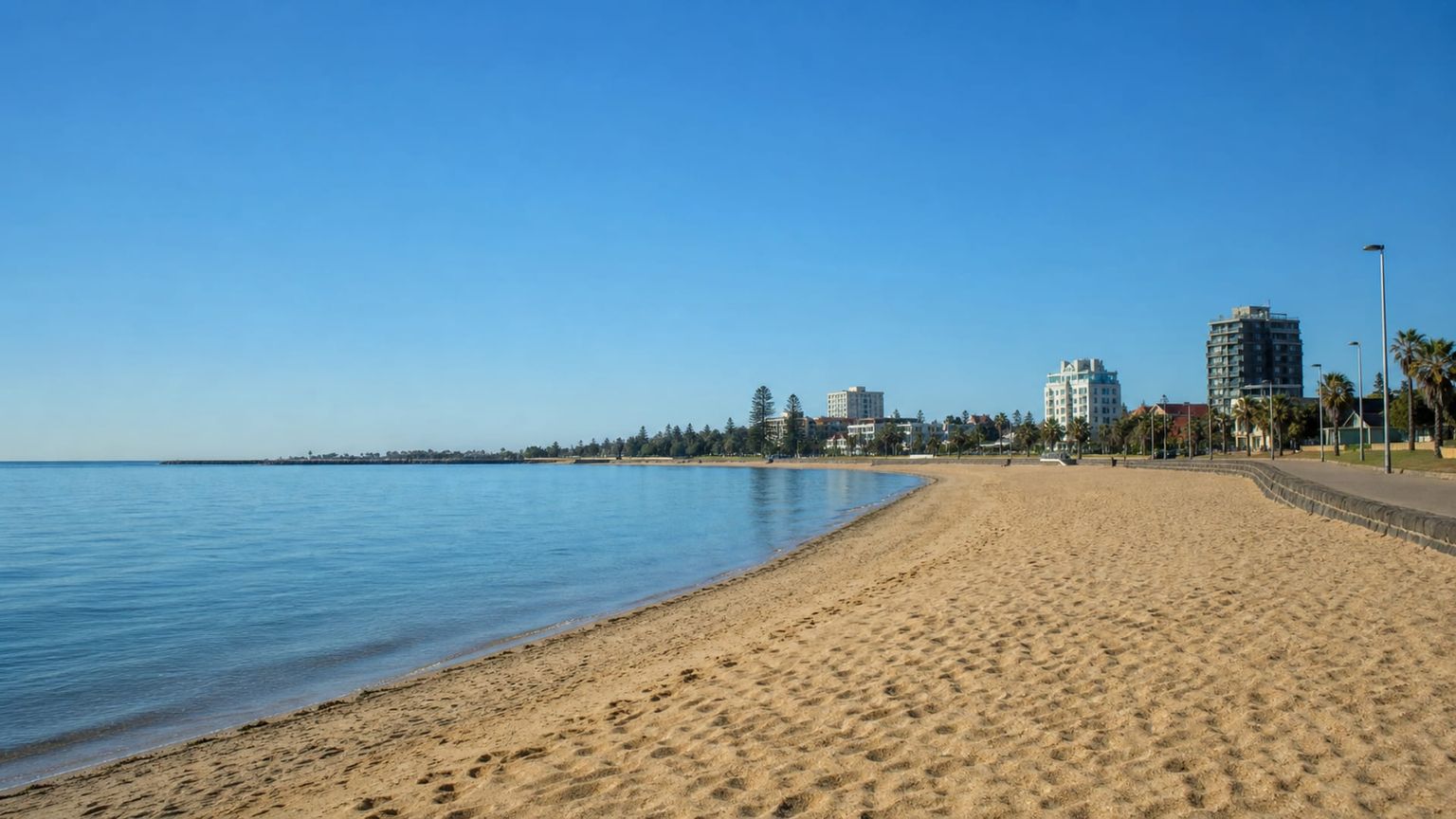
St Kilda sits on Port Phillip Bay and mixes the beach, Luna Park, and a long strip of cafes, bars, and older apartment hotels. It matters for travelers who want sea views and an easygoing base without leaving Melbourne.
Best for: Beach time, relaxed evenings, and travelers who prefer a seaside base
What to expect: Mixed crowds, weekend activity near the foreshore, and a busy commercial strip with trams and nightlife.
Hotel prices: Usually about $170 to $300 per night for well-rated stays
Distance to major sights: About 20 to 25 minutes by tram to the CBD; roughly 10 minutes on foot to St Kilda Beach
Quietness: Calm near the water in the morning, busier and noisier along the main streets at night.
Main trade-off: You gain beach access, but reaching central museums and station hubs takes longer than staying in the core.
Good to know: If you want early mornings by the water, stay a few blocks back from Fitzroy Street, where late noise runs louder.
Travelers usually avoid staying in outer suburbs such as Dandenong, Broadmeadows, and Frankston, since they sit far from central sights and can mean long trips into the city for museums, dining, and shopping. Docklands can also be less convenient for some visitors because parts of it have limited late-night activity and fewer neighborhood-focused amenities than central Melbourne.
Hotel deals
How to get around Melbourne efficiently
Melbourne’s tram network does most of the heavy lifting in the inner city, while trains, buses, taxis, and ride apps fill the gaps once you move beyond the CBD grid.

Metro
for longer distances
Melbourne has no subway-style metro, so most visitors use the Metro Trains suburban rail network from Flinders Street, Southern Cross, and City Loop stations. Myki is the ticket card for trains, trams, and most buses, and a 2-hour fare is about $5 ($7.20) for adults, with daily caps applying. Key airport-side rail access is not direct, so you usually pair a train with a bus or tram for central Melbourne and inner suburbs, with most city-to-city rides taking about 10 to 30 minutes.

Bus and tram
for convenience
Trams define central Melbourne, and the free City Circle tram loops through the CBD on a tourist-facing circuit, while the inner tram grid reaches Southbank, Docklands, Carlton, Fitzroy, St Kilda, and Richmond. Myki fares cover buses and trams too, with the same about $5 ($7.20) 2-hour adult fare and a fare cap system that matters for longer days out. On buses, expect thinner coverage than trams in the core, but stronger reach in outer suburbs, and most central rides take about 10 to 40 minutes.

Taxi
for convenience or late hours
Licensed taxis at Melbourne Airport are metered, not flat-rate, and drivers queue at the official ranks, so you should use the rank rather than accept unsolicited offers in the terminal. A trip into the CBD usually costs roughly $45 to $65 ($65 to $95), with late-night traffic, tolls, and surcharges pushing that higher, and most cabs accept card payments. If you are heading to nearby inner suburbs, fares often land in the roughly $25 to $45 ($36 to $65) range, depending on distance and time of day.
*Prices are based on rates updated as of June 2026 and may change at the time of travel.
Use trams for the CBD, Southbank, Carlton, and St Kilda, trains for longer cross-city hops, and taxis or ride apps when you need point-to-point timing or an airport transfer.
Iconic landmarks
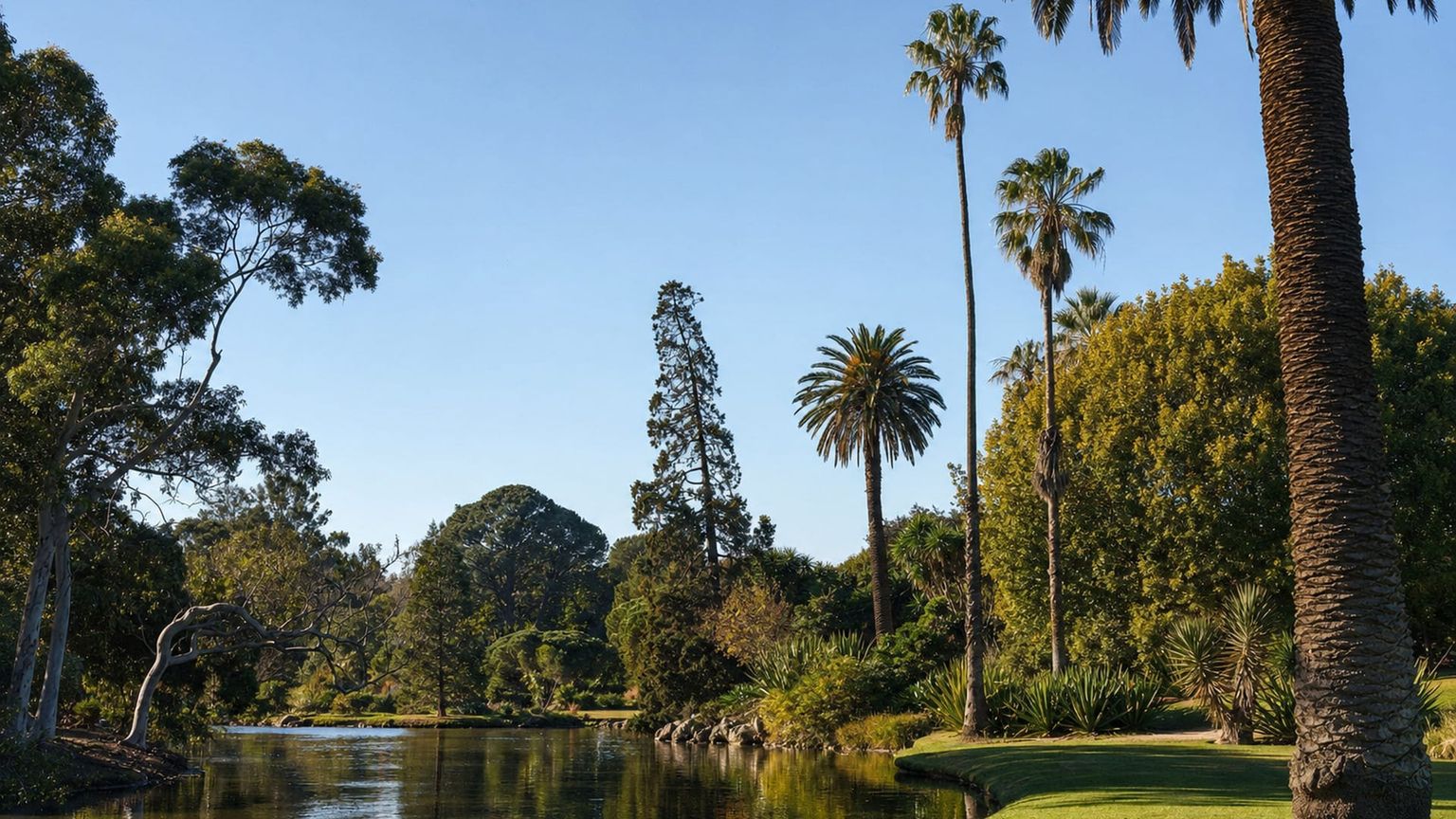
Royal Botanic Gardens Victoria
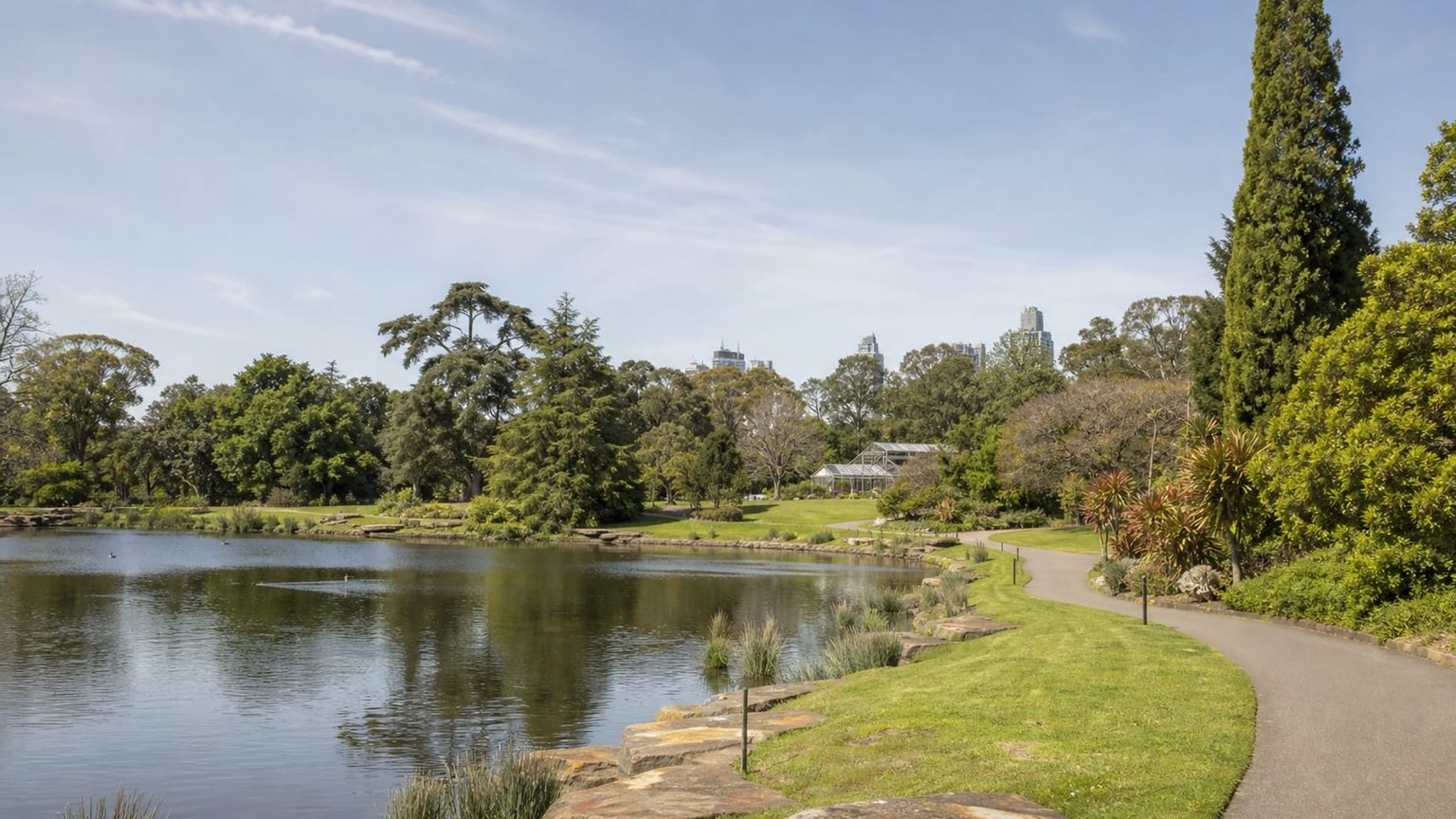
This 94-acre garden on the Yarra River holds more than 8,500 plant species, sweeping lawns, and the iconic Ian Potter Foundation Children’s Garden. Paths link lakes, a tropical glasshouse, and city views in one central walk.
Time needed: About 2 to 3 hours
Entry: Free to access; some guided walks and special events carry separate fees, while most garden paths, lawns, and displays are open without a ticket Visit the official site for details.
Tip: Go early or late afternoon for cooler paths and softer light over the lawns and lake.
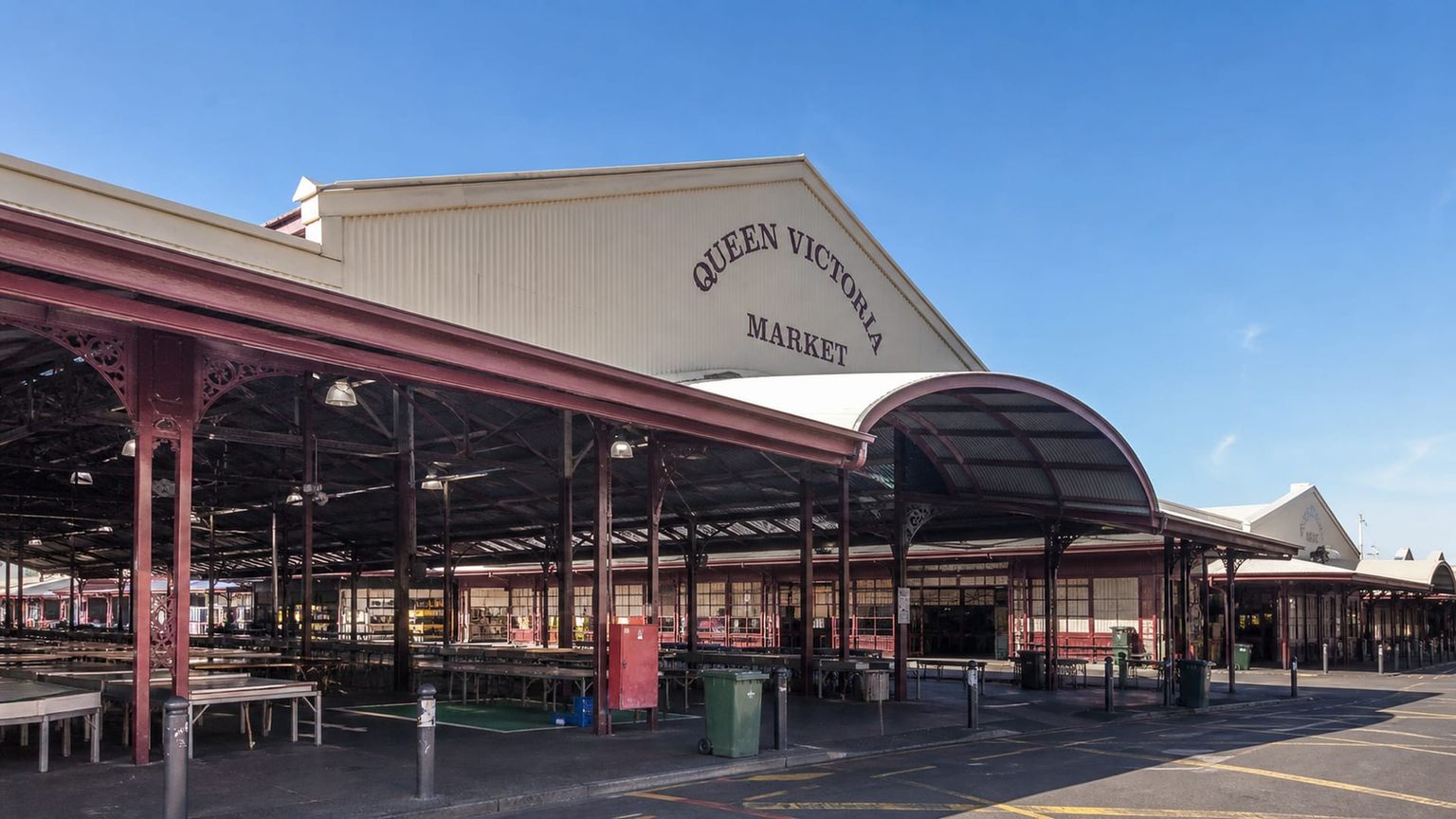
Queen Victoria Market
This 19th-century market covers several city blocks with produce sheds, deli counters, souvenirs, and food stalls. It also adds heritage sheds, open-air lanes, and the busy Wednesday night market in season.
Time needed: About 2 to 3 hours
Entry: Free to enter; food, produce, and retail purchases are extra, and some night market events or special tours have separate ticket prices Visit the official site for details.
Tip: Visit in the morning for the widest produce range and fewer crowds in the aisles.
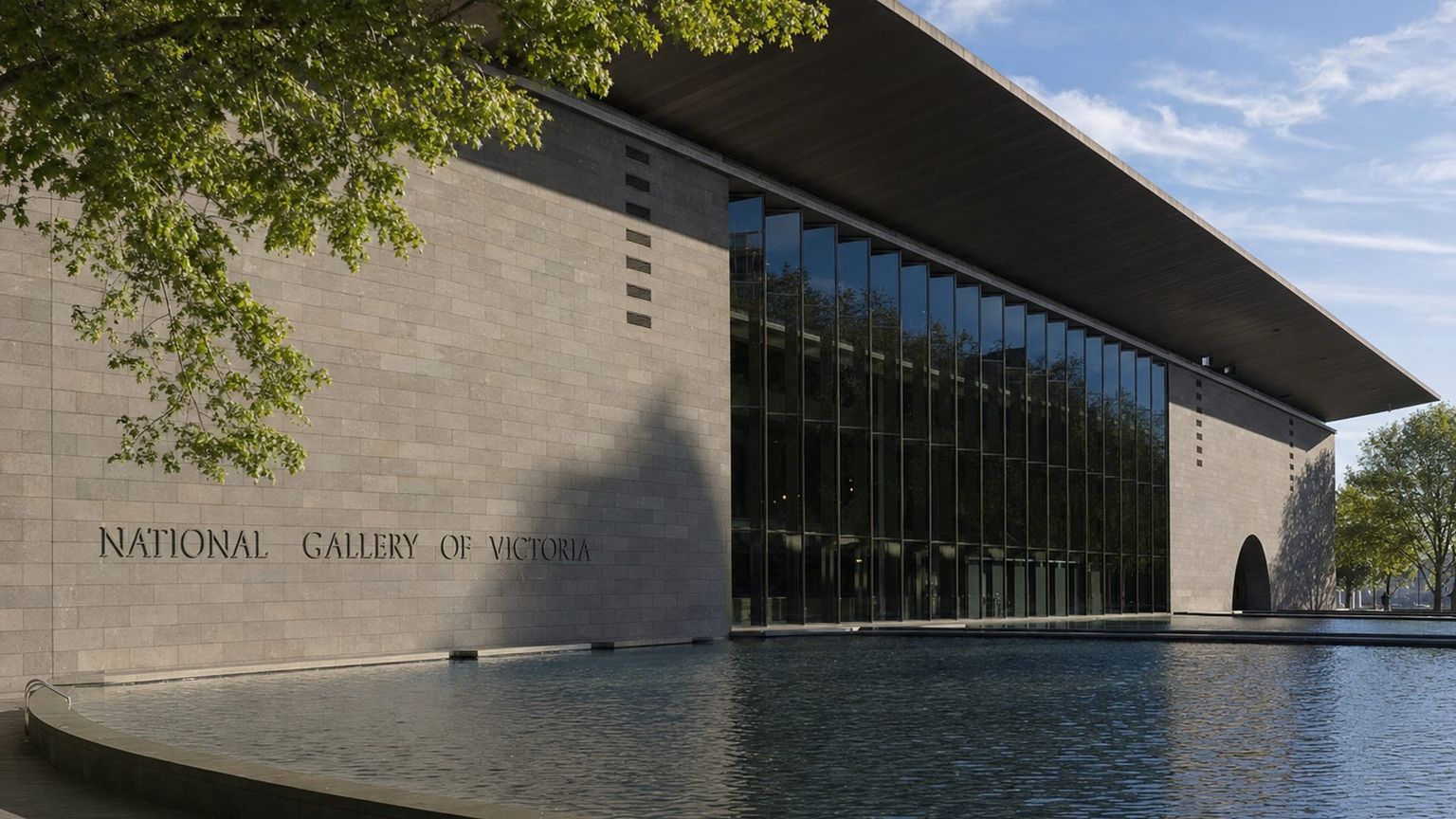
National Gallery of Victoria
NGV International on St Kilda Road holds major Australian and international collections, including paintings, design, fashion, and decorative arts. Its water-wall entrance and Great Hall make it one of Melbourne’s best-known cultural stops.
Time needed: About 2 to 4 hours
Entry: Free general admission to the permanent collection; some special exhibitions and programs are ticketed at separate prices Visit the official site for details.
Tip: Plan extra time for special exhibitions, which can add about an hour to a visit.
Overlooked sites worth visiting

Commons Collective, Abbotsford
A tiny cluster of studios, galleries, and a café sits inside a former factory yard, with murals and open doors that make it worth a slow look. Weekend markets often add local makers and live demonstrations.
Time needed: About 1 to 2 hours
Entry: Free to enter; individual classes, workshops, and event tickets vary by program. The café and market stalls are pay-as-you-go, and some exhibitions or open-studio days may have separate charges depending on the schedule Visit the official site for details.
Tip: Visit on a weekend for the busiest studio activity.

Ricketts Point Marine Sanctuary
Rock shelves, shallow pools, and clear water make this one of Melbourne’s quieter coastal walks, with seabirds and small marine life visible at low tide. It suits an unhurried visit rather than a packed sightseeing stop.
Time needed: About 1 to 2 hours
Entry: Free to access; no admission fee applies to the sanctuary or the shoreline walking areas. Parking near the reserve may use local council time limits, and any guided tide or nature programs, if offered, are priced separately by the operator.
Tip: Go at low tide for the best pool life
Traditional food
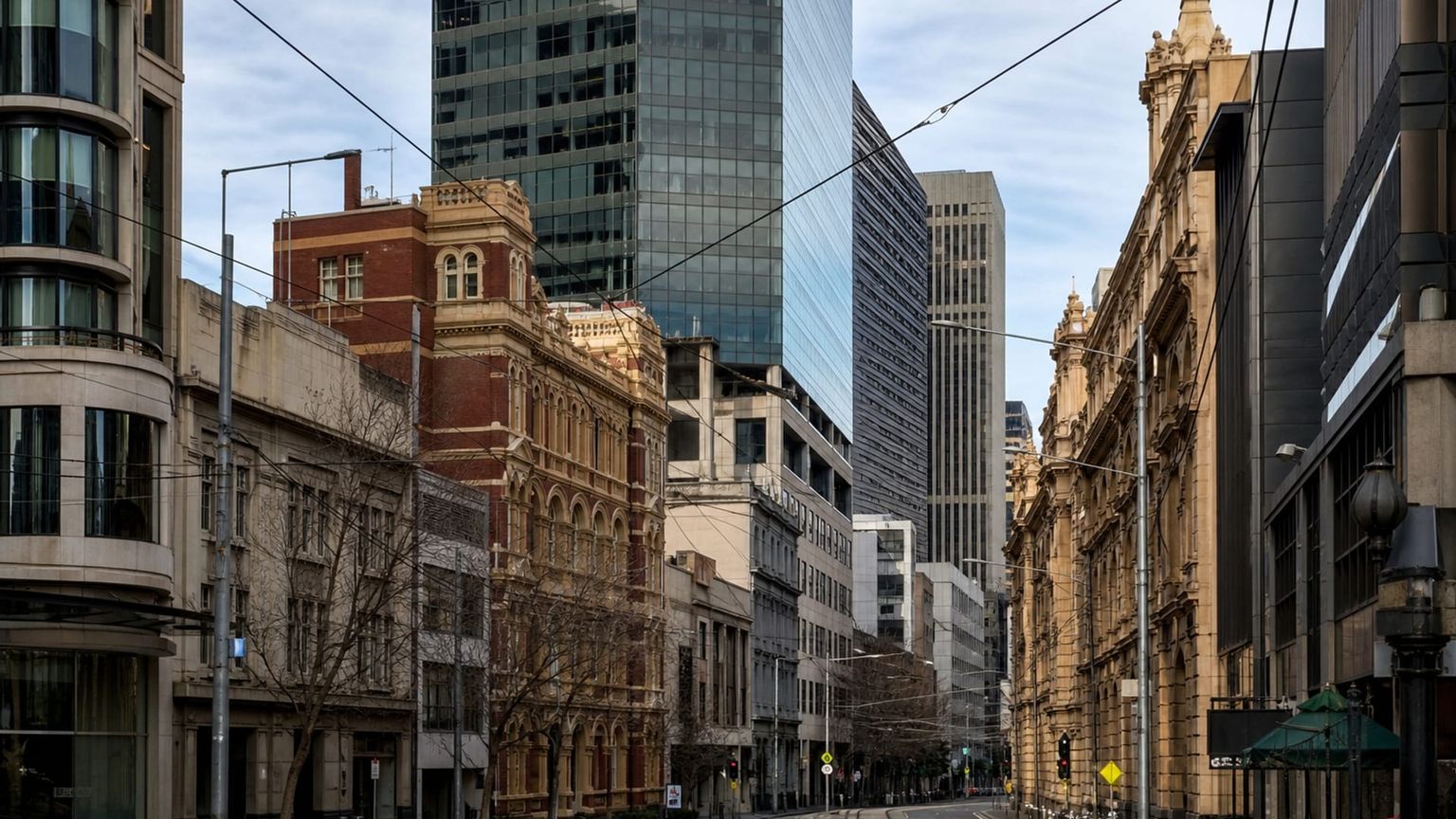
Melbourne eats with a café culture and a plate-heavy dinner scene, where meat pie, chicken parmigiana, lamington, and Tim Tam sit alongside strong coffee, market produce, and late brunch habits.
Meat pie
A classic Australian meat pie is a bakery staple in Melbourne, usually filled with minced beef in gravy and tucked under crisp pastry. For a dependable version, try Pie Face, which has multiple Melbourne locations and keeps the format simple.
Chicken parmigiana
Chicken parmigiana turns up on pub menus across the city, with crumbed chicken, tomato sauce, ham, and melted cheese. The Imperial Hotel in the CBD is a strong place to order it alongside a pub meal and a drink.
Lamington
Lamingtons, sponge cakes coated in chocolate and coconut, show up in bakeries and cafes across Melbourne. Brunetti Oro in Carlton is a well-known stop if you want a polished version with coffee.
Tim Tam
Tim Tams are a supermarket icon rather than a plated dessert, but they belong in any Melbourne food list because locals pair them with coffee as an everyday treat. For an easy place to buy them, pick up a packet at Woolworths Metro in the CBD.
Best time to visit Melbourne
Melbourne’s seasons change the trip more than the map does, with milder months favoring walking days and summer bringing brighter evenings, higher demand, and more time spent near the river or coast.
Best for: River walks, beach time, and long evening meals
What you get: Temperatures sit about 54 to 81°F (12 to 27°C), and the city draws more domestic and international visitors
Trade-offs: Hot spells can make midday sightseeing tiring, and popular restaurants book out early
Best for: Museum days, market visits, and comfortable walking
What you get: Temperatures usually run about 46 to 75°F (8 to 24°C), with moderate crowds and clear conditions
Trade-offs: Evenings cool down quickly, so you may need an extra layer after sunset
Best for: Gallery visits, coffee stops, and lower-season hotel hunting
What you get: Temperatures usually stay about 43 to 59°F (6 to 15°C), with lighter tourist pressure on most weekdays
Trade-offs: Short days and cold, wet spells can push more of the trip indoors
Best for: Garden visits, tramside exploring, and outdoor dining
What you get: Temperatures often range from 48 to 72°F (9 to 22°C), with growing visitor numbers as the weather improves
Trade-offs: Spring weather can swing quickly, so a sunny morning may turn cool by evening
A realistic 5-day plan in Melbourne
Five days in Melbourne works best when you treat the city as a set of linked districts. The plan starts with arrival, then moves through the market core, the gardens, Abbotsford and St Kilda, before ending with a final sweep through the CBD.
Touch down at Melbourne Airport (MEL), then take the SkyBus to Southern Cross Station, which usually takes about 20 to 30 minutes and costs about $24 ($37) one way. From there, a tram or taxi into the Melbourne CBD usually adds about 5 to 15 minutes depending on your hotel. Stay near Flinders Street Station or in Southbank if you want an easy first night, then drink water, drop your bags, and head to a nearby dinner spot on Degraves Street or along Southbank for something simple and early.
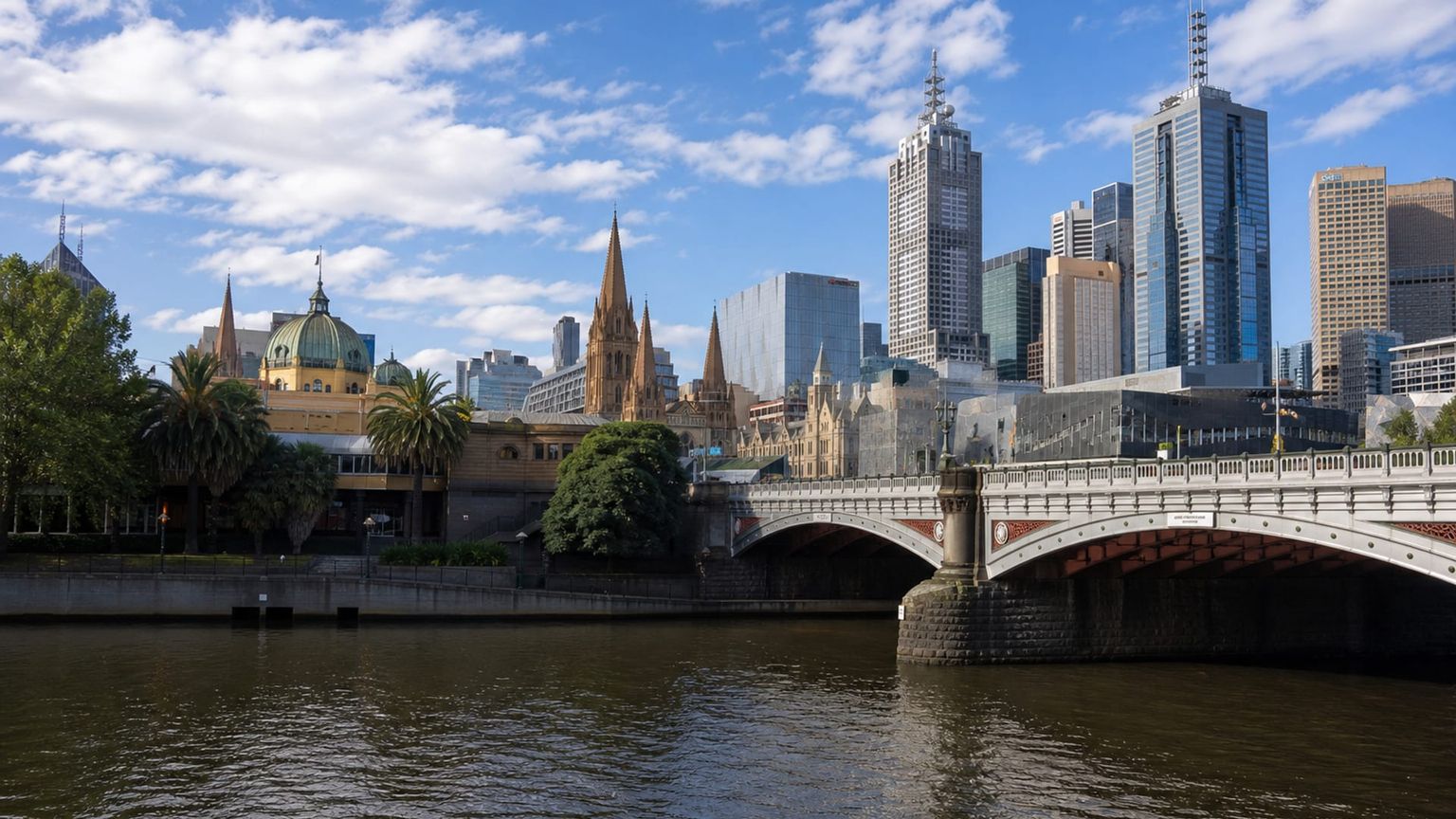
Start at Queen Victoria Market in the morning, where you can spend about 2 to 3 hours browsing produce sheds and food stalls. It is about a 10 to 15 minute tram ride, or roughly a 20 minute walk, from much of the Melbourne CBD, so it pairs well with a central hotel. After lunch, walk about 15 minutes to the National Gallery of Victoria for its permanent collection and, if you want, a ticketed special exhibition. Finish with a 10 minute stroll back through Southbank and the Arts Centre precinct for river views at dusk.
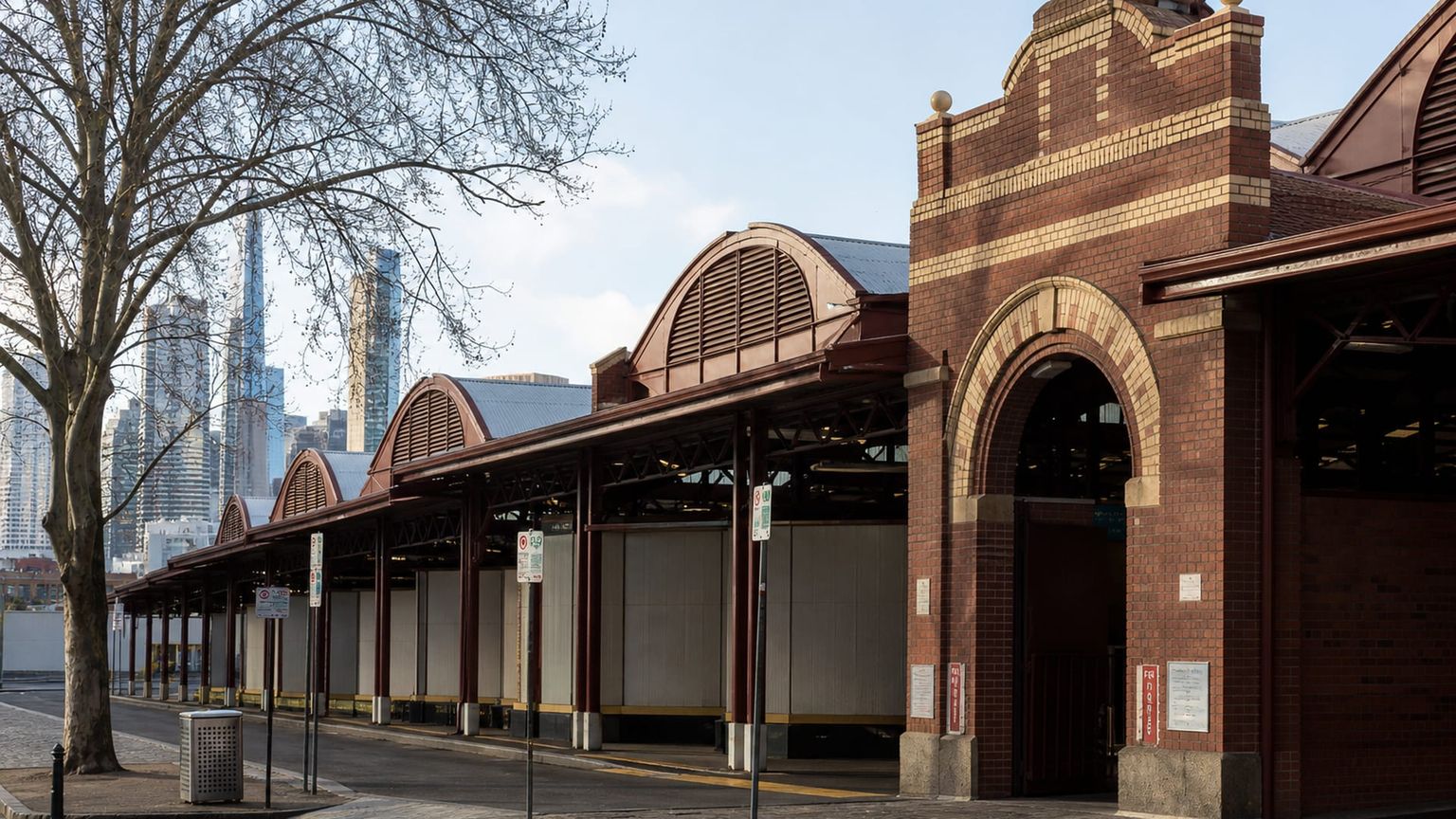
Begin with the Royal Botanic Gardens Victoria, then plan about 2 to 3 hours for lake paths, lawns, and the children’s garden. From Southbank, the gardens sit about 15 to 20 minutes on foot, and from the CBD the walk usually takes about 20 to 25 minutes across the river and along St Kilda Road. After that, take a tram or rideshare north to Carlton, where Lygon Street gives you an easy lunch stop and a different city pace. If you still have energy, continue about 10 to 15 minutes farther to the Melbourne Museum area for a second look at the neighborhood before dinner.
Cross the city for a more local-feeling outing at Commons Collective in Abbotsford, where studios, murals, and weekend market activity can fill about 1 to 2 hours. From the CBD, the trip usually takes about 15 to 25 minutes by tram and a short walk, so it fits well after a late breakfast. Later, head south to St Kilda, which sits about 20 to 25 minutes by tram from the CBD, then spend the late afternoon on the foreshore or along Fitzroy Street before dinner near the beach. If you want one quieter coastal stop instead, Ricketts Point Marine Sanctuary in Beaumaris adds a low-tide shoreline walk about 35 to 45 minutes from central Melbourne by car or rideshare.
For the last day, start with one final museum stop at the National Gallery of Victoria if you want a fresh look at the collection, then move across the river for a shopping and café loop in the Melbourne CBD. Walk the laneways near Flinders Lane and Bourke Street Mall, where you can fit in a relaxed lunch, a last coffee, and a few purchases before heading back to your hotel. If your flight is later in the evening, finish with an easy farewell meal in Carlton on Lygon Street or in Southbank near the river, then collect your bags and head to Melbourne Airport (MEL) with enough time for traffic and check-in.
Business-class flights from the US to Melbourne
Long-haul flights into Melbourne usually route through a mix of Gulf, Asian, and European hubs, so the gap between origin cities often comes down to timing, connections, and fare bands. The two examples below show how that looks from New York and Los Angeles.
From New York, carriers including Qatar Airways, Emirates, Etihad Airways, Singapore Airlines, Air France, and Turkish Airlines commonly price the trip from about $7,500 to $14,000. Nonstop service is not part of this market, so most itineraries run 20 to 22 hours with connections through DOH, DXB, AUH, SIN, CDG, or IST; the best fares usually come from longer itineraries that stretch to roughly 23 to 28 hours.
Los Angeles offers a wider mix of options, with Qantas, Delta Air Lines, United Airlines, Air New Zealand, Singapore Airlines, and Fiji Airways all appearing in the market. Round-trip fares usually run $6,800 to $12,500, and one-stop itineraries often price below nonstop options even when the total journey takes about 15 to 16 hours or stretches to roughly 18 to 26 hours via AKL, SYD, BNE, NAN, HKG, or NRT.
Melbourne feels different when you slow down
A good Melbourne trip has a clear shape: Queen Victoria Market in the morning, the NGV and Southbank across the river, then a tram ride to Carlton, St Kilda, or Abbotsford when you want a different block of the city. Trams, short walks, and one or two larger transfers keep the days connected without overfilling them. If you want help matching hotels, flights, and neighborhood plans, let the AranGrant experts build the trip around the version of Melbourne you want to see







