

Chapters:

Need help with your trip?
Our support team is available 24/7. Request a callback or call us directly at (833) 619-0908
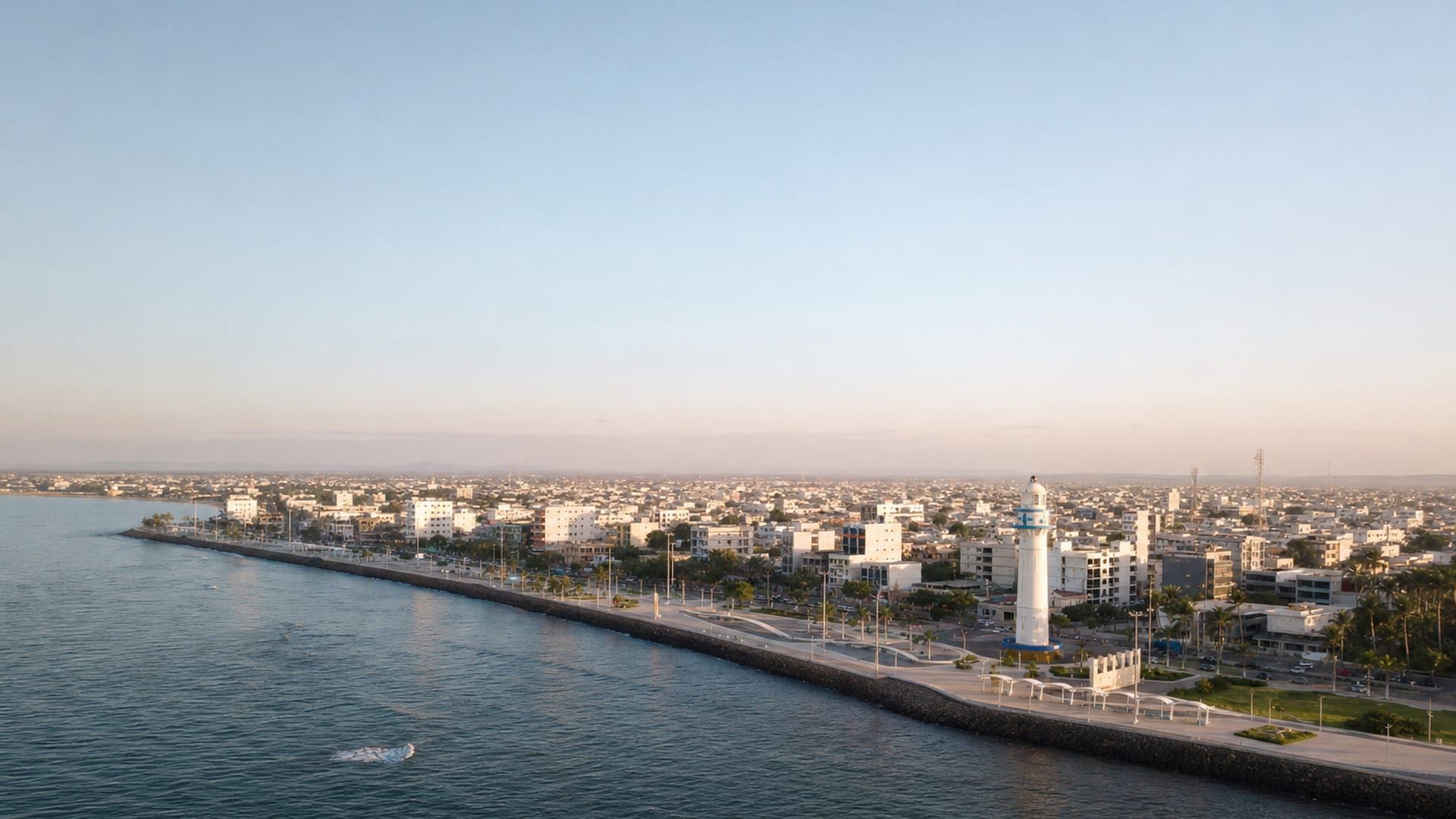
Many trips to Manta start with the waterfront, a beach hotel, and one seafood dinner, then leave the inland museums, port district, and Pacoche for another visit.
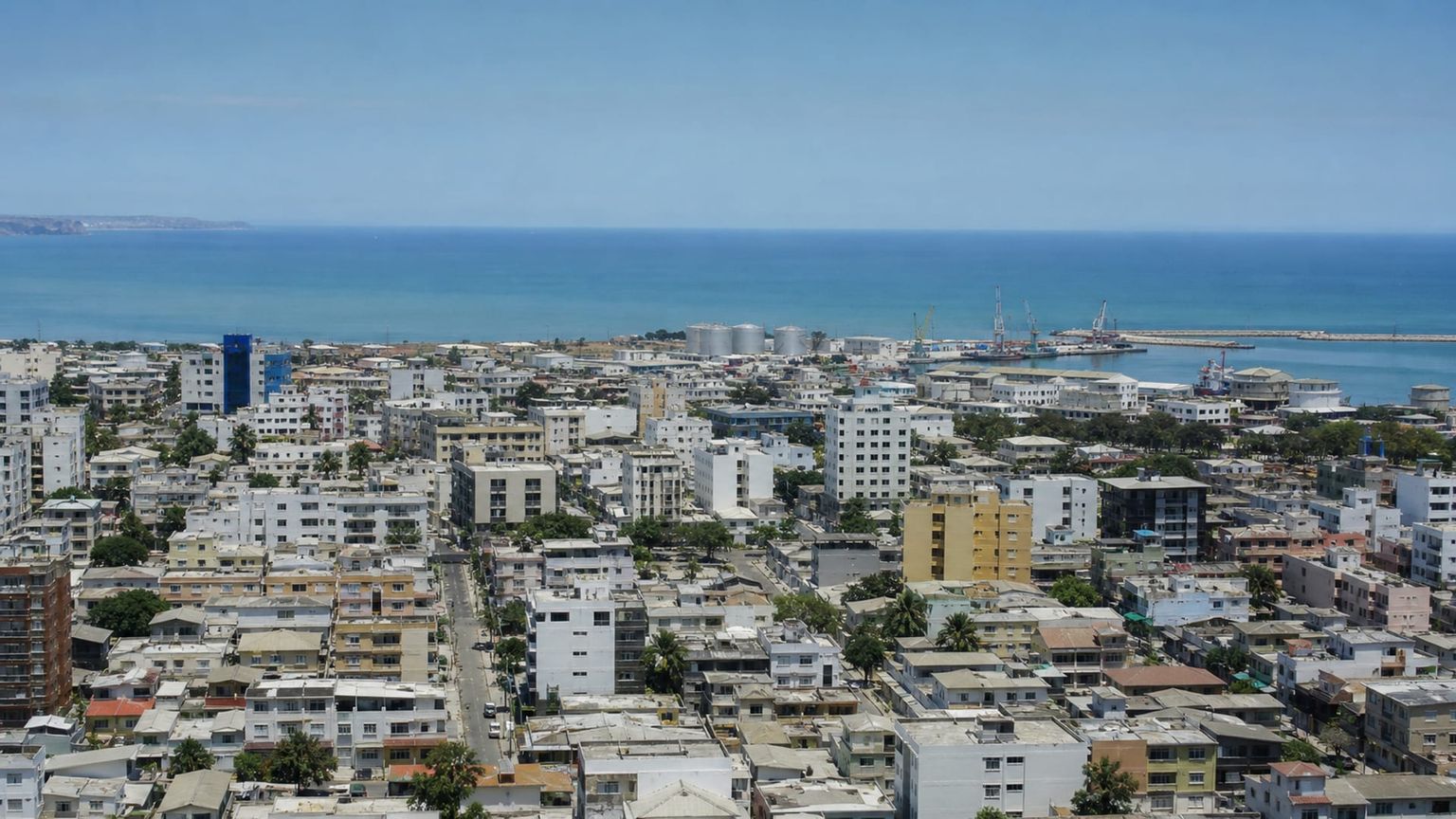
That pattern works for a quick stop, but it can miss the city’s spread. Distances are short by car, yet heat, traffic, and clustered sights change the order you should use, especially if you want beaches and archaeology in one stay.
This guide sets out the city by neighborhood, transit, food, and a five-day plan, so each day has a clear purpose and the airport area never becomes the whole trip.
Useful things to know

Main language(s): Spanish
Hola (OH-lah) – Hello
Por favor (por fah-VOR) – Please
Gracias (GRAH-see-ahs) – Thank you
¿Habla inglés? (AH-blah een-GLAYS) – Do you speak English?
¿Cuánto cuesta? (KWAHN-toh KWES-tah) – How much does it cost?

Currency: The local currency is the US dollar (USD, $).

Cash and cards: Cards and contactless are widely accepted; carry about $20 to $40 in cash for small shops and taxis.

Tipping: Round up small bills; leave 5-10% in nicer restaurants if service is not already included.

Traditional food: Ceviche, encocado de pescado, bolón de verde, patacones

Water and coffee costs: Water ~USD 1 to 2, bar espresso ~USD 1.50 to 3.

Taxis and ride apps: Uber and inDrive operate here; confirm pickup points at the airport.

Plug and voltage: Type A/B socket, 120V

Dining and shop opening hours: Breakfast is about 07:00-09:00, lunch 12:00-14:00, and dinner 19:00-22:00. Many places close between meals, and dinner can start later on weekends.

Emergency number: 911 for police, fire, and medical emergencies.
Where to stay in Manta
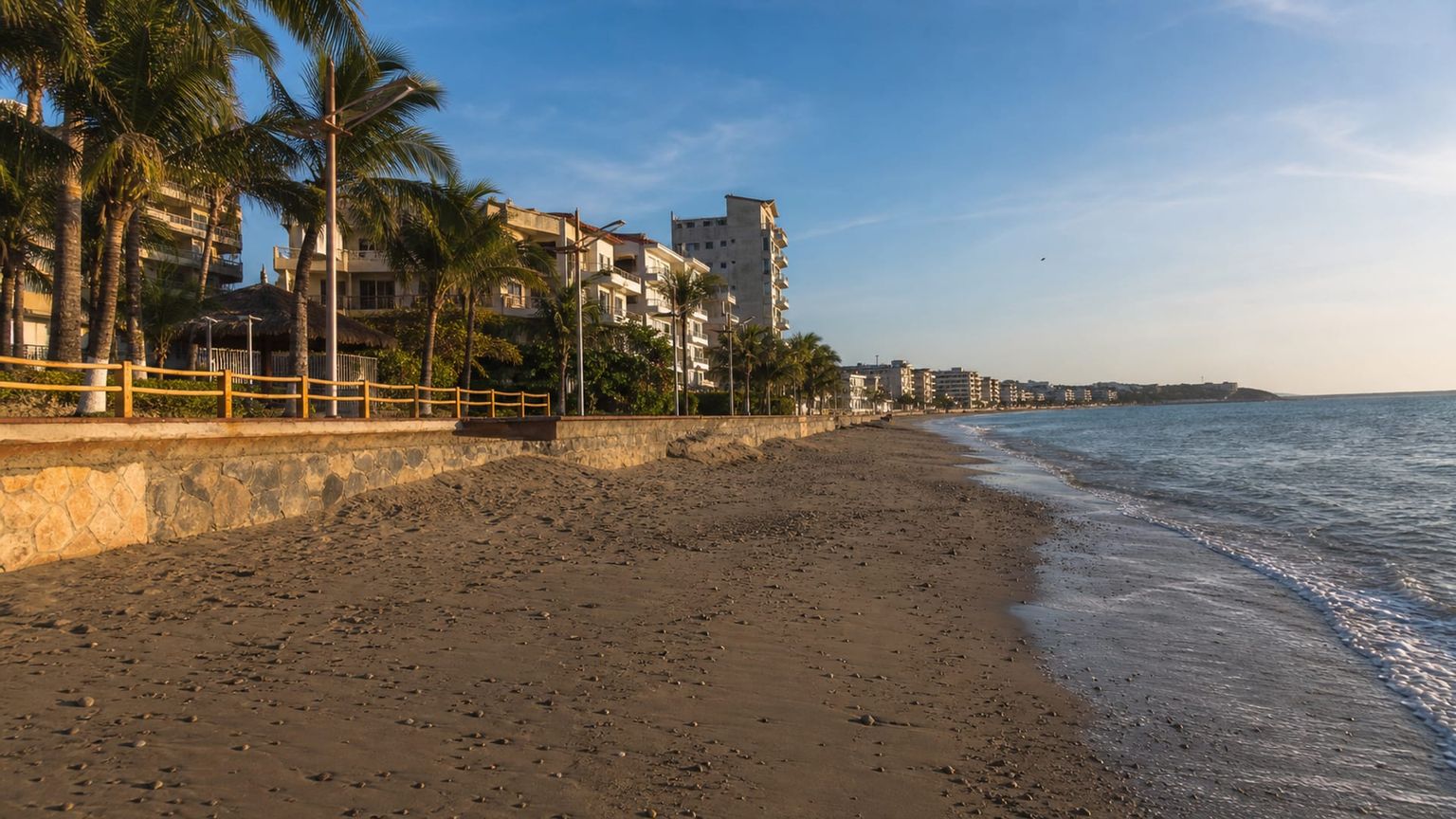
The established waterfront zone around Manta’s best-known beach, with hotels, promenades, and direct access to the bay. It matters because many visitors use it for seaside walks, sunset dining, and a shorter trip to the city’s main sights.
Best for: Beachfront stays, promenade access, and visitors who want to be near the water
What to expect: Beach traffic by day, more foot traffic at sunset, and a concentrated cluster of cafes and hotels.
Hotel prices: Usually about $60 to $160 per night for well-rated stays
Distance to major sights: On foot to Murciélago Beach, 10 to 15 minutes by car to the Ecuadorian Route of the Spondylus seafront, about 15 minutes to central Manta
Quietness: Active through the day and livelier at sunset, then calmer after dinner.
Main trade-off: The best-located rooms tend to cost more, and beachfront blocks can pick up late noise from restaurants.
Good to know: Plan on paying a premium for the closest beach access, especially during holidays and long weekends.
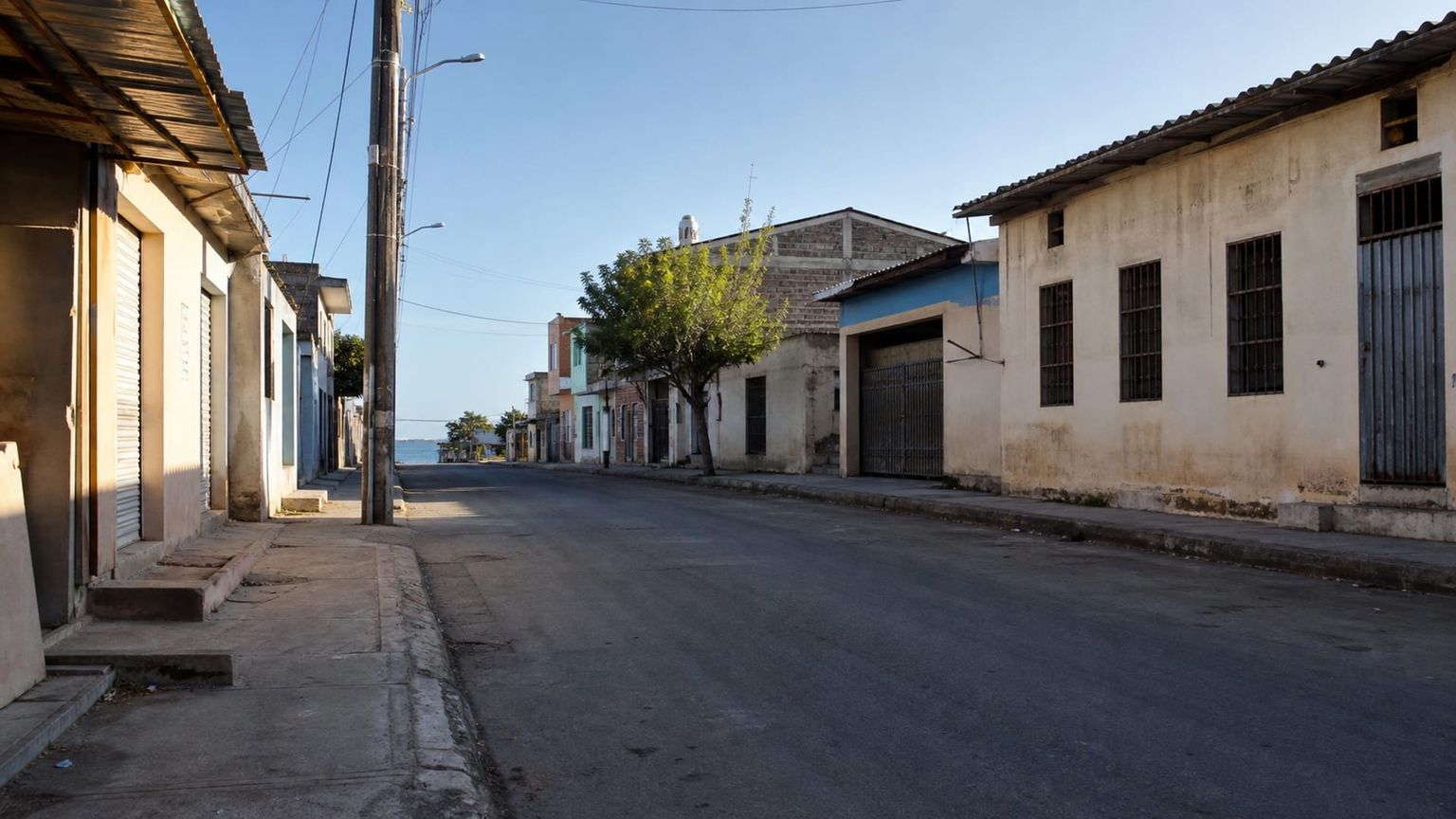
Manta’s working port and market district, with a more local pace, fish markets, and direct access to everyday transit. It matters for visitors who want lower rates and do not mind being closer to the city’s commercial edges.
Best for: Lower hotel rates, market visits, and travelers who do not need a beachside address
What to expect: Busy streets, trucks, market activity, and a stronger local than tourist presence.
Hotel prices: Usually about $35 to $90 per night for well-rated stays
Distance to major sights: 10 to 20 minutes by car to Murciélago Beach, about 15 minutes to the Manta airport area
Quietness: Busy during the day, especially near markets and port roads, then much quieter after business hours.
Main trade-off: You save money, but you will need taxis more often for beaches, dinner, and late outings.
Good to know: Choose a room away from the port approach roads if you want to avoid early-morning truck noise.
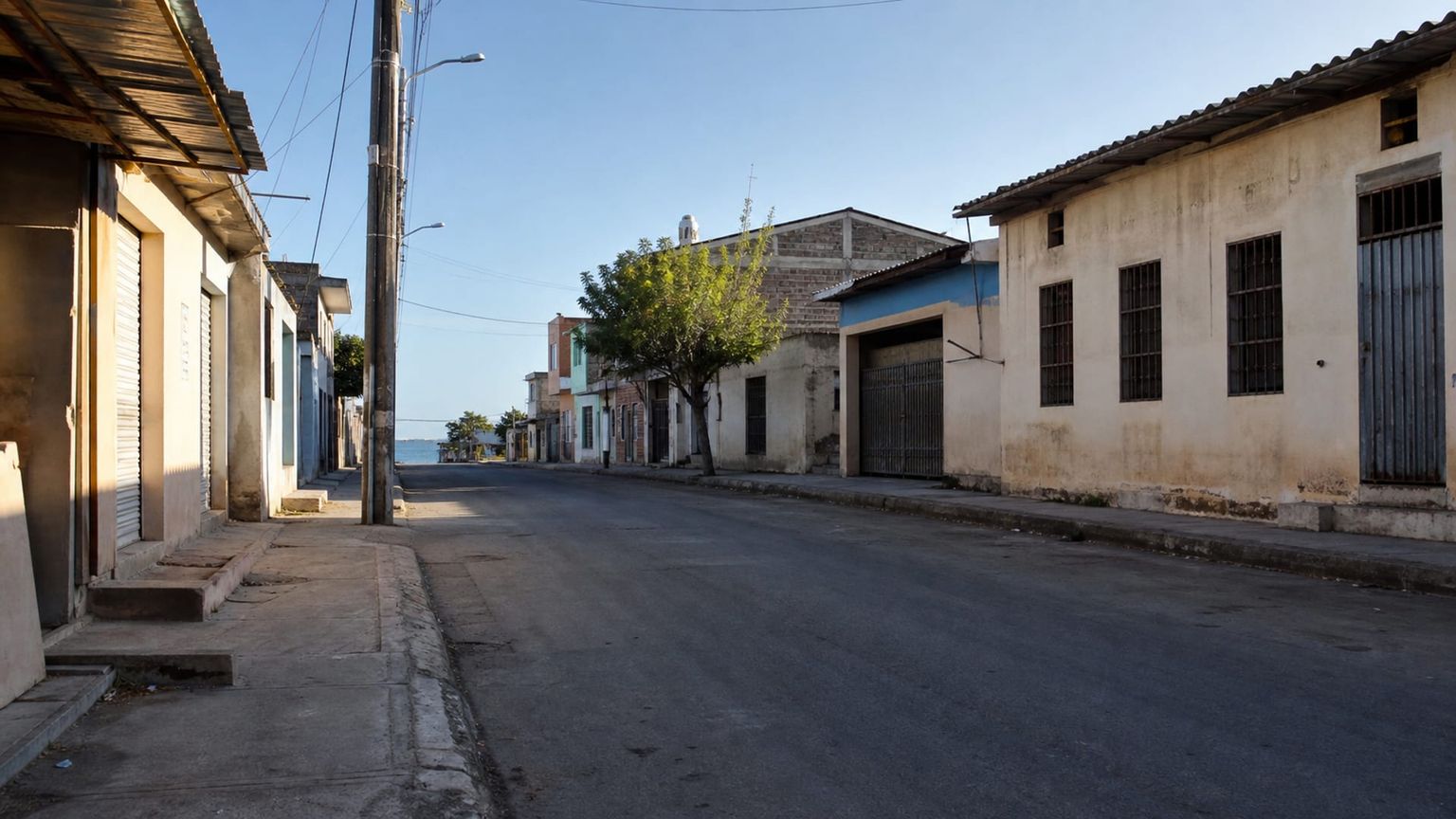
Manta’s downtown core, with civic buildings, shops, banks, and the city’s most direct street grid. It matters for travelers who want an everyday urban base with simple access to transit and services.
Best for: Business trips, errands, and travelers who want a central urban base
What to expect: Steady daytime movement, neighborhood commerce, and far less nightlife than the waterfront.
Hotel prices: Usually about $40 to $110 per night for well-rated stays
Distance to major sights: 15 to 20 minutes by car to Murciélago Beach, about 20 minutes to the Manta airport area
Quietness: Active during office hours, then notably quieter after shops close.
Main trade-off: It is not the best choice for a beach holiday, and evening dining choices can thin out quickly.
Good to know: You will depend on taxis after dark because the waterfront and most late restaurants sit outside the core.
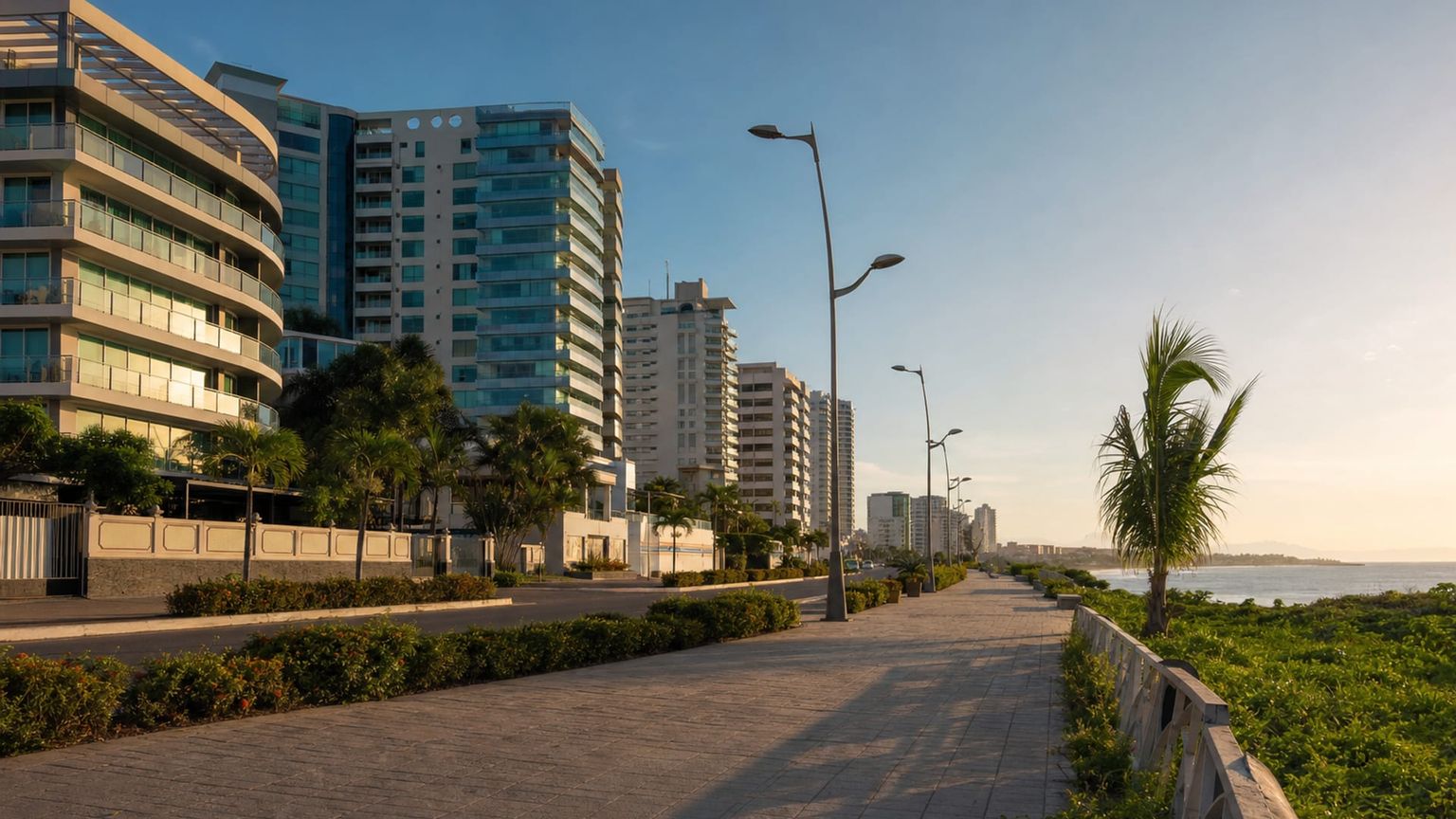
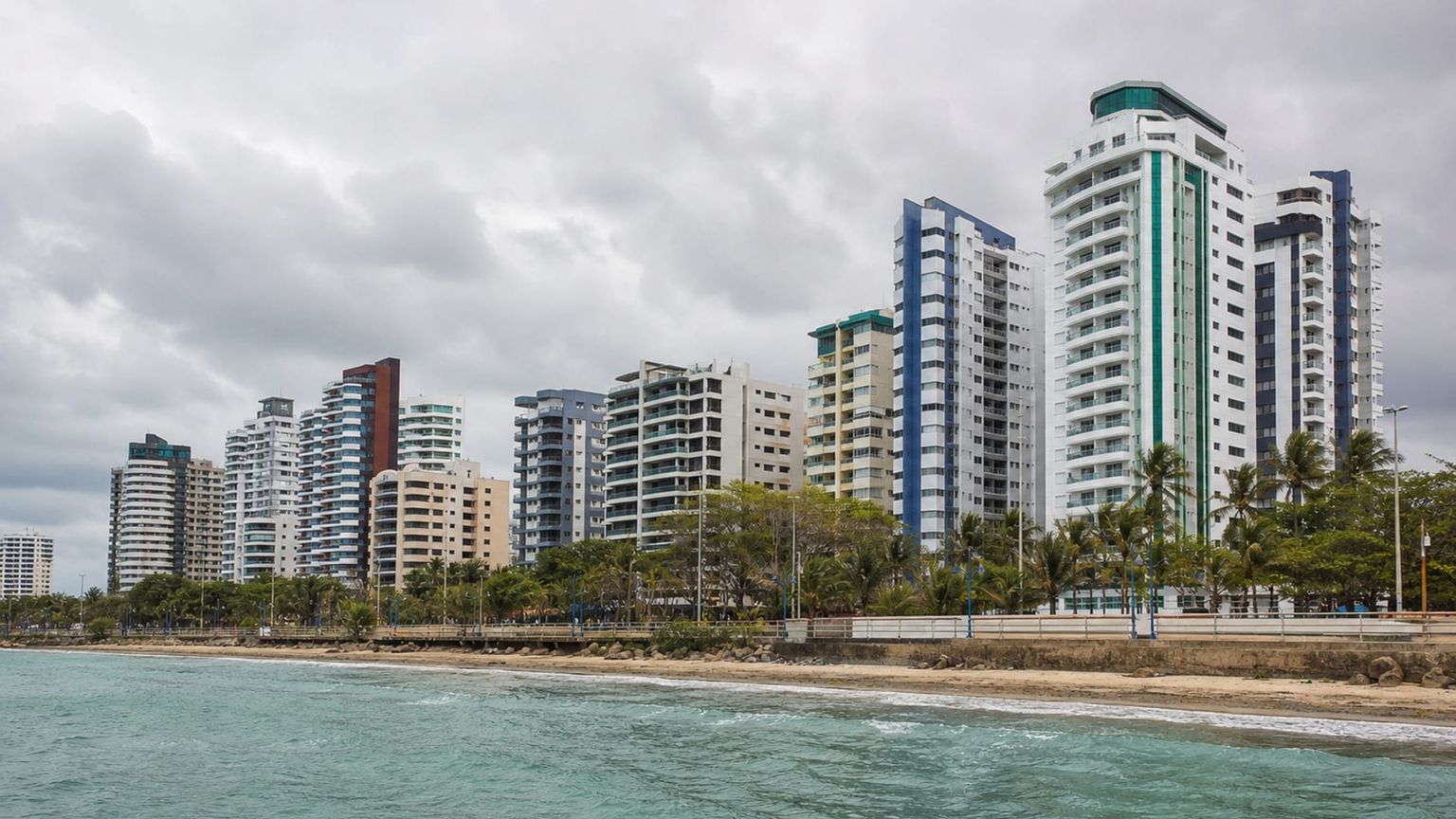
Manta’s main beachfront hotel district, with high-rise stays, sea views, and easy access to restaurants and newer shopping. It suits visitors who want to split time between the shore, dining, and quick rides into the rest of the city.
Best for: Beach time, modern hotels, and travelers who want a central coastal base
What to expect: Wide avenues, newer buildings, and steady activity around hotels, restaurants, and the waterfront.
Hotel prices: Usually about $70 to $180 per night for well-rated stays
Distance to major sights: 10 to 15 minutes by car to the Murciélago waterfront, about 20 minutes to the Manta airport area
Quietness: Busiest in the late afternoon and evening, quieter in the morning and on side streets.
Main trade-off: You pay more here than in inland neighborhoods, and some blocks have traffic noise from the main roads.
Good to know: If you plan to dine out often, this area cuts down on taxi time, but you should book early for weekend stays.
Travelers usually avoid the far northern and inland parts of Tarqui, including areas away from Malecón Escénico, because they sit far from the main seafront sights and have fewer visitor amenities. Los Esteros and the industrial edges near the port are less convenient for a hotel base, since evenings there require longer taxi rides to restaurants and downtown, while rural stretches of San Mateo and Santa Marianita are better for day visits than overnight stays because they are away from central Manta and have limited dining and shopping options.
Hotel deals
How to get around Manta efficiently
Manta has no metro or suburban rail, so taxis, city buses, and ride apps do the heavy lifting between the airport, the waterfront, and the downtown core.

Metro
for longer distances
Manta has no metro or suburban rail, so getting to and from Manta (MEC) means using roads rather than rail. For city trips, plan on taxis or hotel-arranged cars, and allow about 15 to 25 minutes for the central waterfront in light traffic.

Bus and tram
for convenience
City buses cover the main coastal and commercial corridors, but they are not set up as an airport link. Fares are usually about $0.30 to $0.50 per ride, often paid in cash on board, and most routes run from early morning to evening with waits that can stretch to roughly 15 to 30 minutes depending on the line.

Taxi
for convenience or late hours
Licensed taxis use set or negotiated fares rather than meters on many local trips, with short rides often costing about $3 to $6 and airport transfers to central Manta usually about $8 to $15. Use the official taxi rank or ask your hotel to call one, and expect cash to be the most common payment method, though some drivers will accept cards or mobile payments.
*Prices are based on rates updated as of June 2026 and may change at the time of travel.
Use taxis for airport runs and late dinners, buses for low-cost daytime hops along the main corridors, and walking for the Malecon, where the sights sit close together.
Iconic landmarks
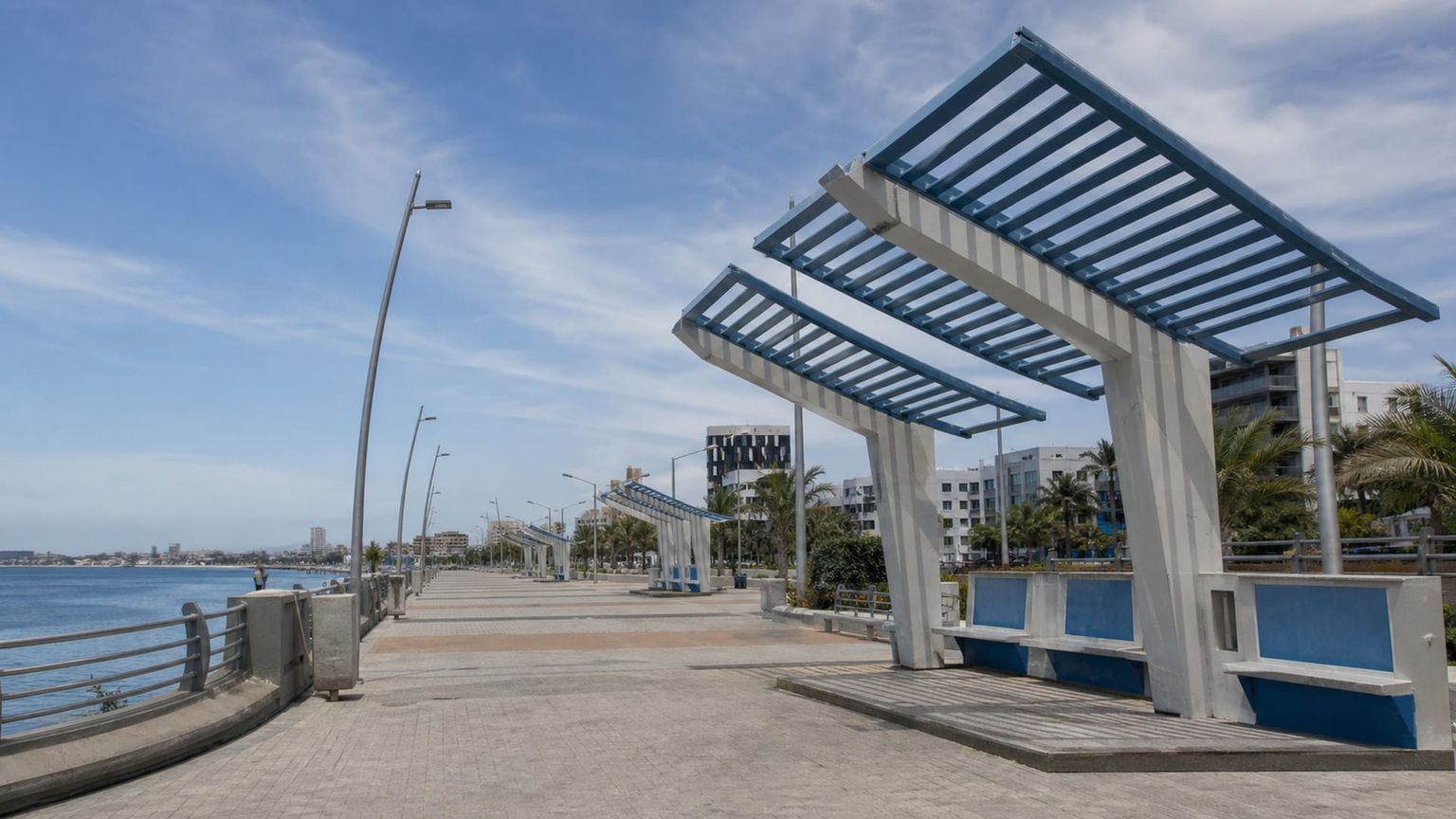
Manta Malecon
The waterfront promenade runs along the city center with sea views, public art, and easy access to beaches, cafés, and the port. It is one of the clearest places to understand Manta’s coastal layout without leaving town.
Time needed: About 1 to 2 hours
Entry: Free to access, with no ticketed entry or timed admission required along the promenade
Tip: Go near sunset for cooler air and a clearer view across the bay from the railings.
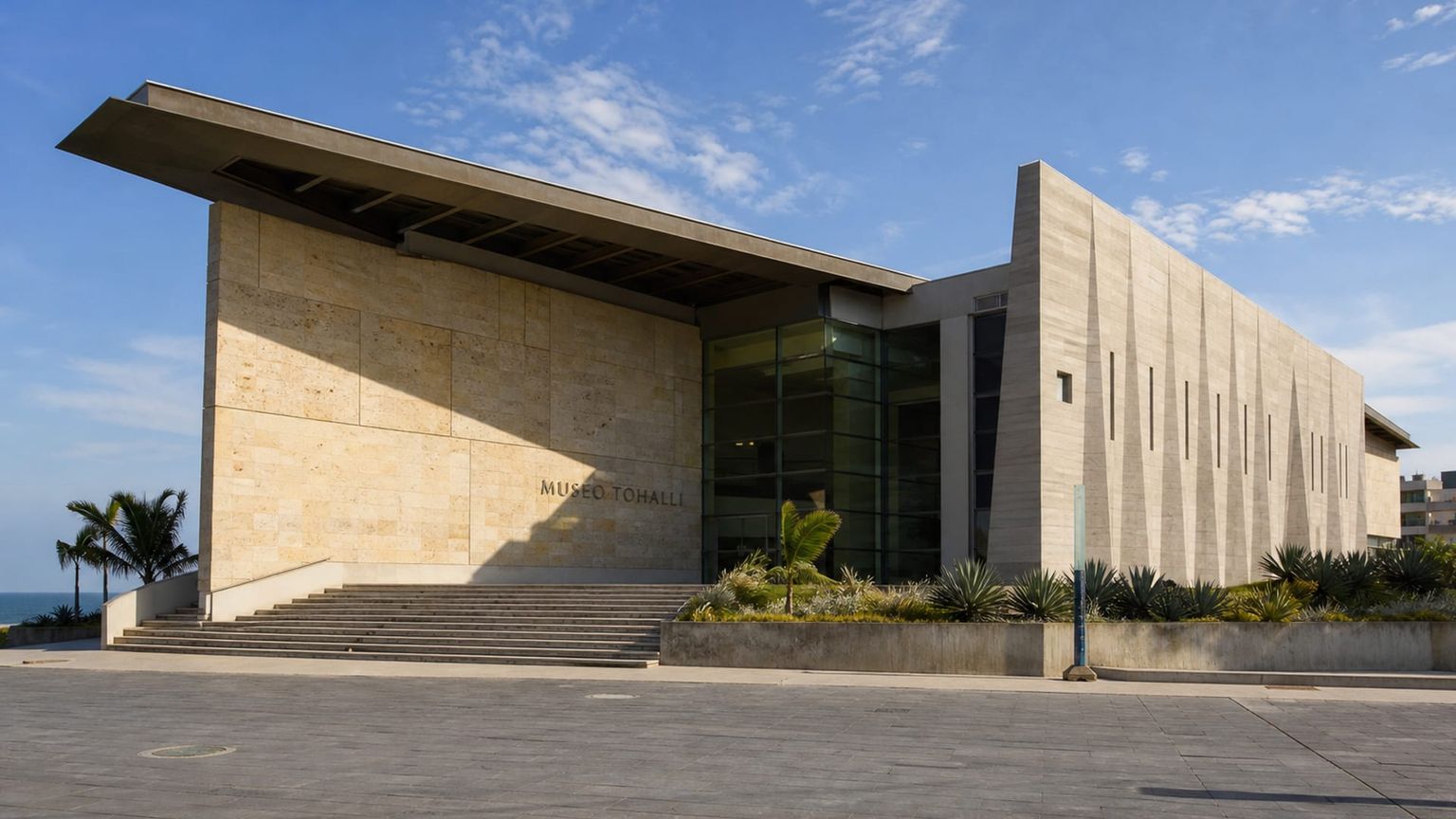
Museo Tohallí
This municipal museum presents Manta’s pre-Columbian heritage, with ceramics, tools, and maritime finds tied to the coastal cultures of Manabí. The compact galleries make it a useful stop before visiting nearby archaeological sites.
Time needed: About 1 to 2 hours
Entry: Admission usually costs about $2 to $4 ($2 to $4), depending on exhibitions and current municipal pricing
Tip: Visit earlier in the day, when the galleries are quieter and easier to study at your own pace.
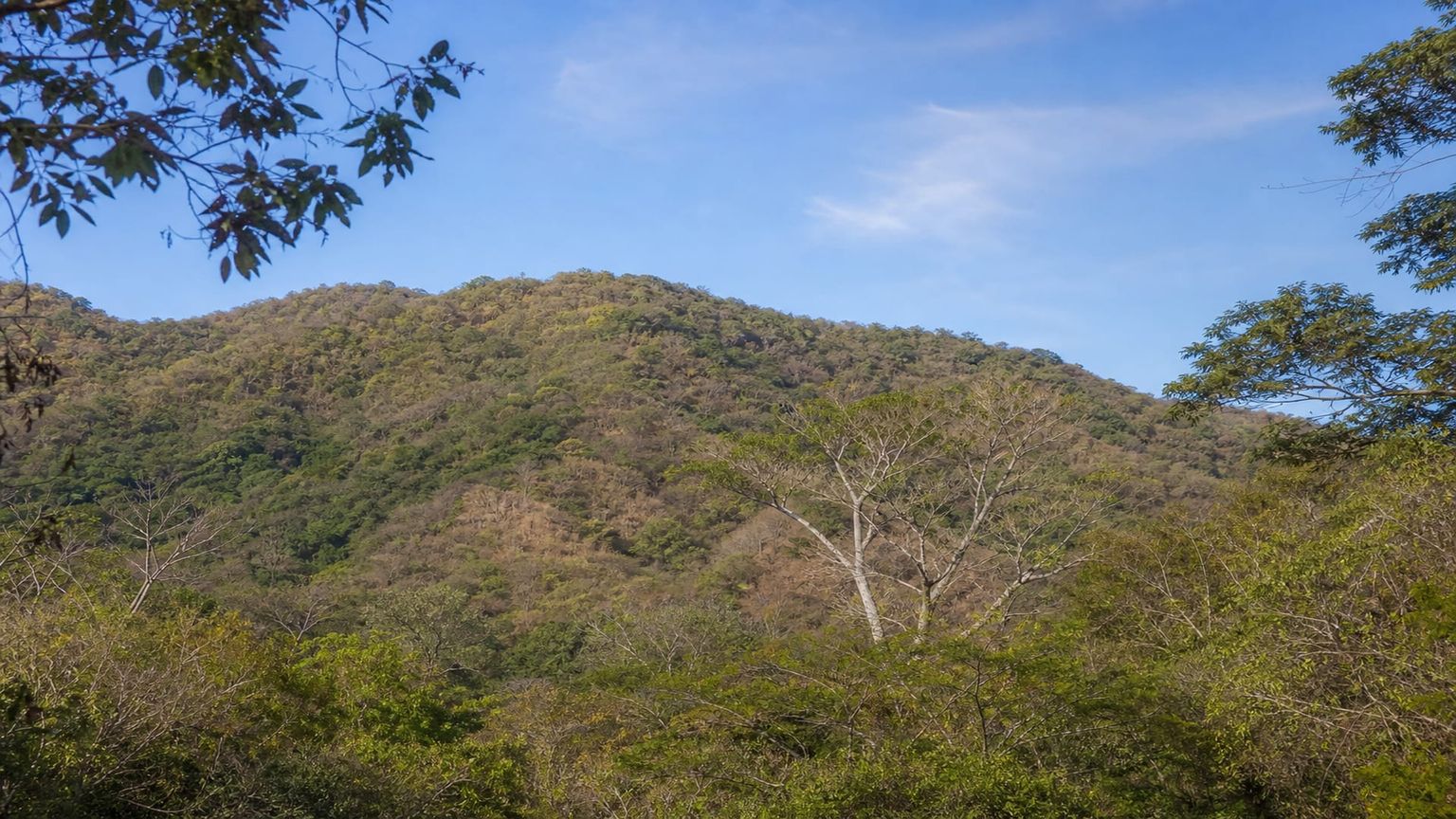
Pacoche Wildlife Refuge
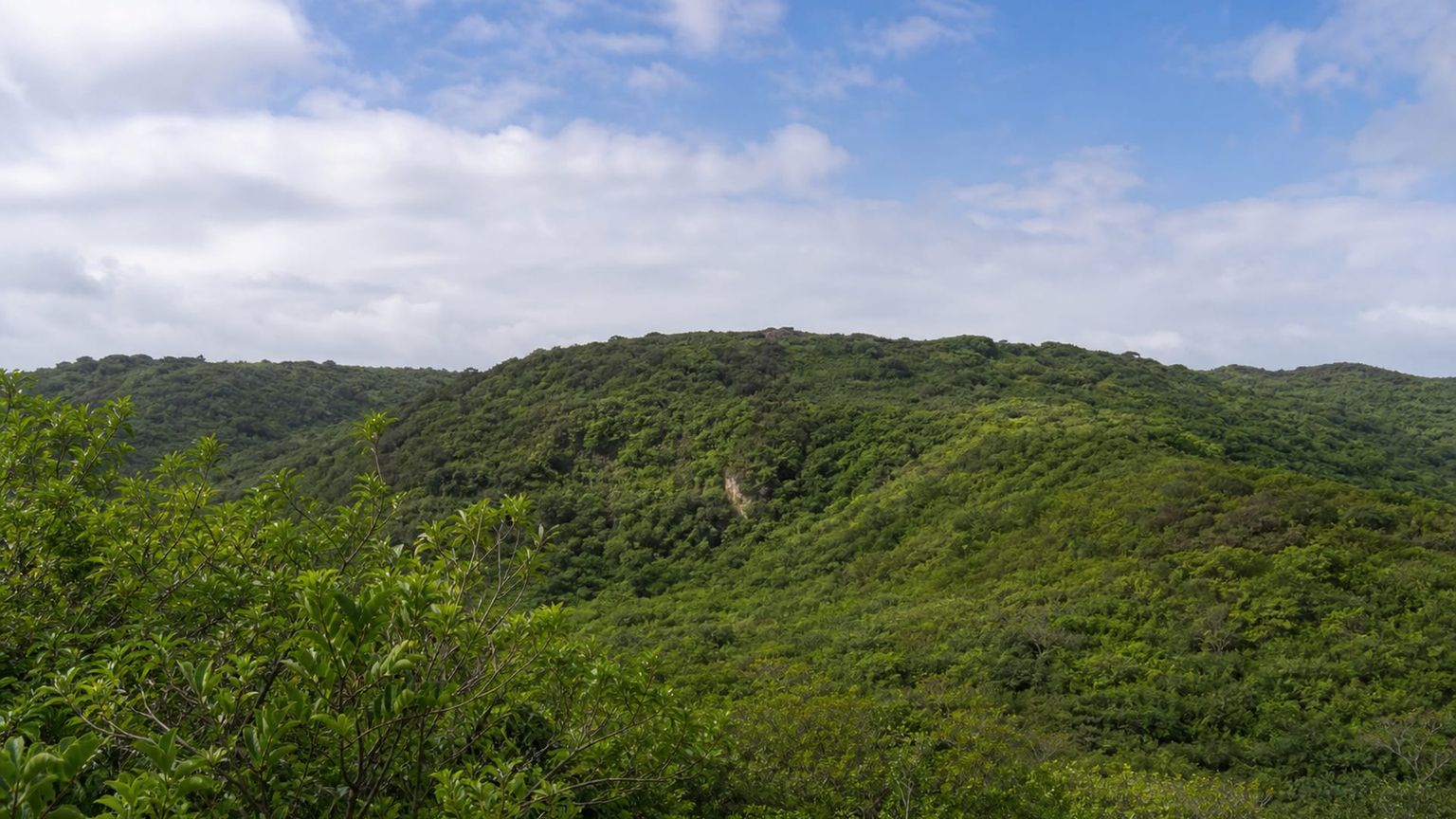
About 30 km north of Manta, Pacoche protects dry forest, monkeys, birds, and a short stretch of Pacific coast. Trails and lookouts offer a rare contrast to the city’s beaches and port districts, all within a day trip range.
Time needed: About 3 to 5 hours
Entry: Entry is usually free or very low cost, with local guide fees and any transport costs paid separately at the site
Tip: Start early, because midday heat makes the trails slower and wildlife harder to spot.
Overlooked sites worth visiting

La Prosperina Archaeological Site
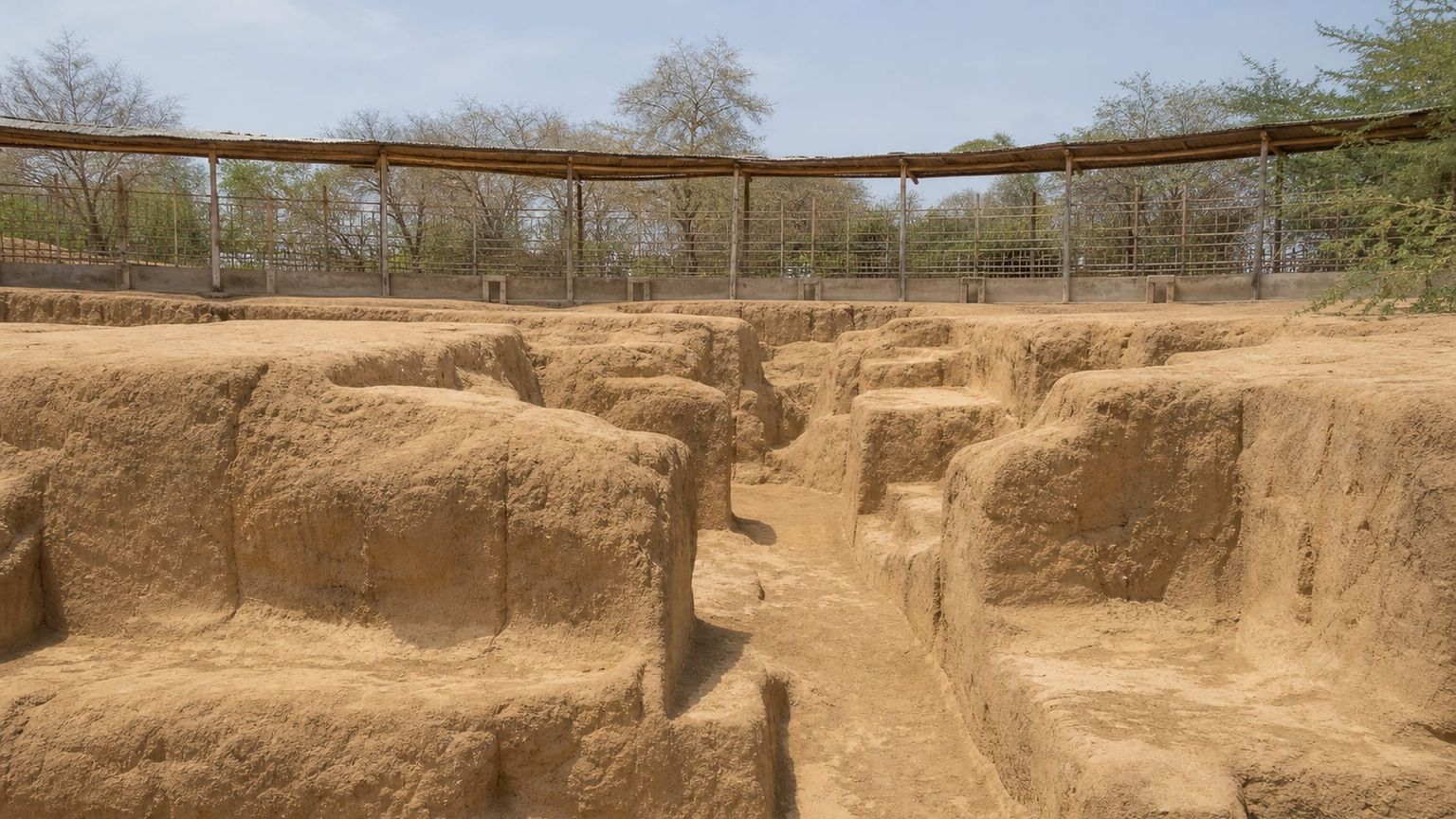
Low stone walls, pathways, and shell fragments mark a pre-Columbian settlement on the outskirts of Manta. It offers a quiet walk with coastal vegetation and open sky, without the crowds of the city beaches.
Time needed: About 1 hour
Entry: Free to access; no formal ticketing or timed entry applies, and visitors can walk the site at no cost. Conditions can be rustic, so expect uneven ground, limited shade, and no on-site visitor facilities.
Tip: Go in the morning for cooler temperatures and clearer light.

Museo Arqueológico del Banco Central del Ecuador, Manta
This compact museum in the city center displays ceramic vessels, metalwork, and funerary pieces from Manabí cultures. It is a focused stop for context before visiting broader archaeological sites nearby.
Time needed: About 1 to 2 hours
Entry: Admission is typically free or low-cost, depending on current museum programming and temporary exhibits. Check opening hours before you go, since public museums in Ecuador can change schedules for holidays and maintenance.
Tip: Check weekday hours, since museum schedules can change.
Traditional food
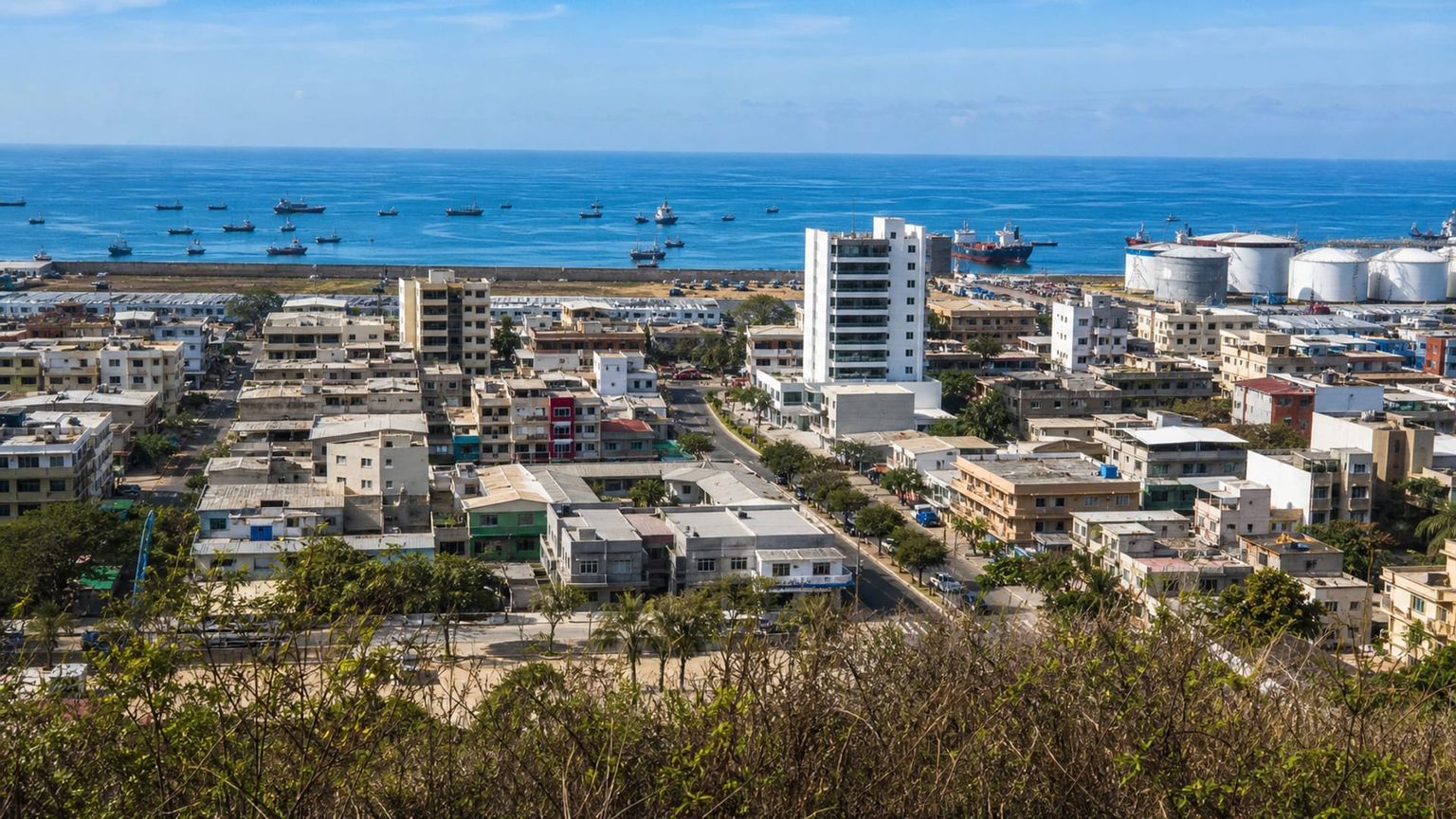
Manta’s table leans on seafood, plantains, and lime-bright seasonings, with ceviche, encocado de pescado, bolón de verde, and patacones anchoring the daily meal schedule. Lunch often carries the most local energy, while evening meals stay unhurried.
Ceviche
Manta’s ceviche usually arrives bright with citrus, onion, and seafood that suits the coastal setting. Try it at Restaurant El Navegante, where the harbor location keeps the focus on fresh catch and a classic Manabí-style plate.
Encocado de pescado
This fish stew uses coconut, herbs, and a savory sauce that sits well with rice and ripe sides. La Cevichería by Barlovento serves a strong version in Manta, with the waterfront setting matching the dish’s coastal roots.
Bolón de verde
Bolón de verde turns mashed green plantain into a filling breakfast or snack, often paired with cheese or pork. At Las Velas, it works well as an early meal before a beach day or a museum run.
Patacones
Patacones bring crisp fried plantain to the table as a side or base for toppings, usually with seafood or cheese. Try them at El Faro, a dependable Manta stop for coastal plates and a casual midday meal.
Best time to visit Manta
Manta stays warm through the year, but the drier months make beach time and day trips easier, while the wetter stretch brings greener hills and more humid afternoons.
Best for: Best for beach time and sunset walks on the Malecon
What you get: About 75-88°F (24-31°C), with moderate crowds and busy waterfront evenings
Trade-offs: Humidity rises, and short showers can interrupt outdoor plans
Best for: Best for balanced sightseeing and easier museum visits
What you get: About 74-86°F (23-30°C), with lighter crowds than peak holiday periods
Trade-offs: Some afternoons still bring heat and haze
Best for: Best for dry-weather outings to Pacoche and the archaeological sites
What you get: About 72-84°F (22-29°C), with the calmest conditions and fewer day-trippers
Trade-offs: Wind can make waterfront evenings feel cooler than expected
Best for: Best for flexible city stays and lower hotel pressure
What you get: About 74-87°F (23-31°C), with moderate crowds and increasing humidity
Trade-offs: Rain becomes more likely as the season progresses
A realistic 5-day plan in Manta
The five-day plan follows Manta’s layout rather than forcing everything into the seafront. It starts with arrival near the bay, then alternates between promenade time, a northbound nature trip, and archaeological stops in town so the transfers stay manageable.
Landing at Manta (MEC) usually puts you about 20 minutes from Barbasquillo by taxi, roughly 15 minutes to Murciélago, and about 20 minutes to Centro, with fares commonly in the $8 to $12 range. If your hotel is on the waterfront, settle into Murciélago or Barbasquillo, then keep dinner close by with a simple seafood meal near the Malecon and plenty of water after the flight.
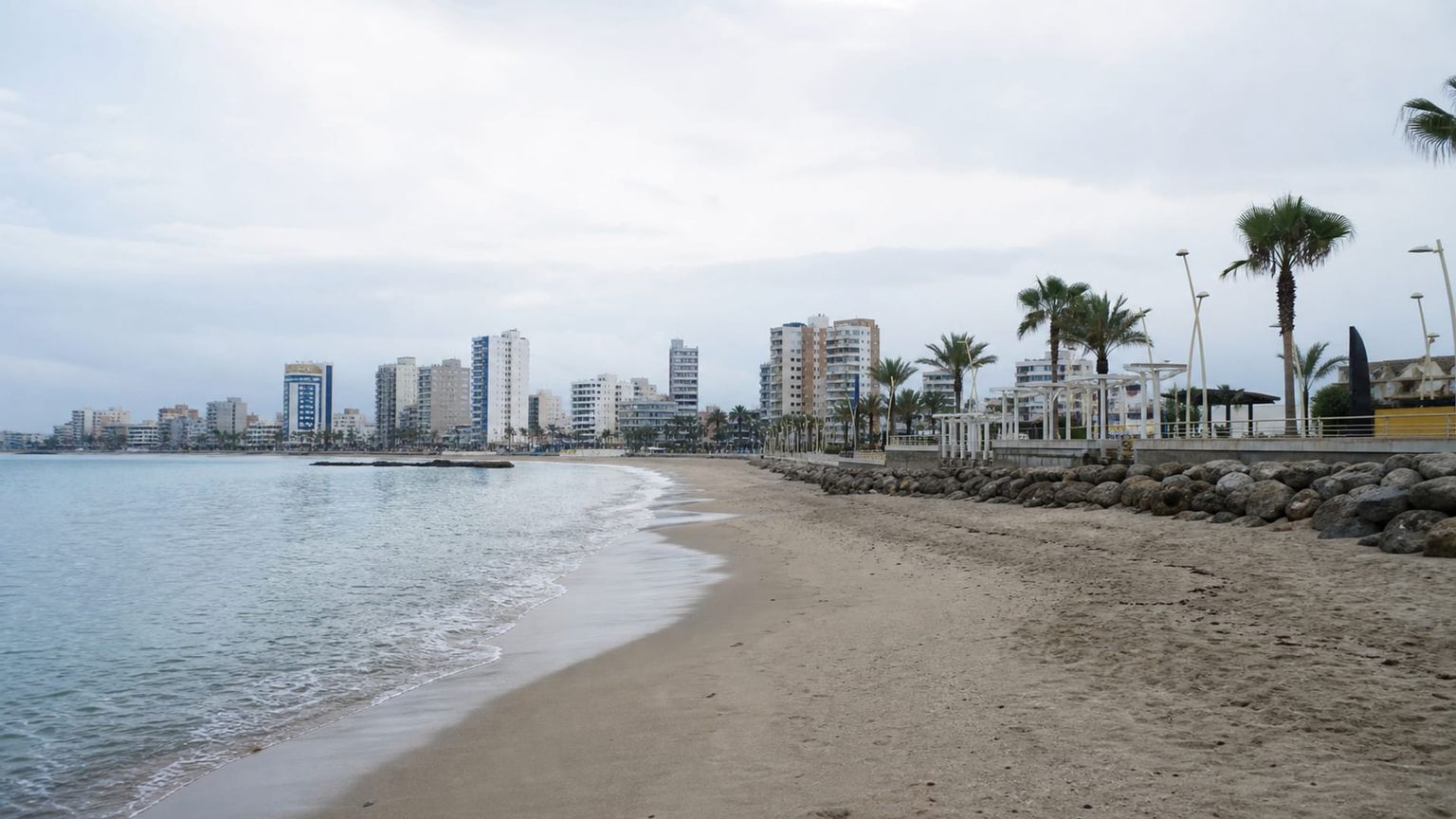
Start on the Manta Malecon in the late morning, then walk the waterfront for about 1 to 2 hours before continuing to Murciélago Beach, which sits within easy reach of the promenade. In the afternoon, take a taxi about 10 minutes to Museo Tohallí, where admission usually runs about $2 to $4 ($2 to $4), and finish with sunset back on the Malecon when the bay light is clearest from the railings.
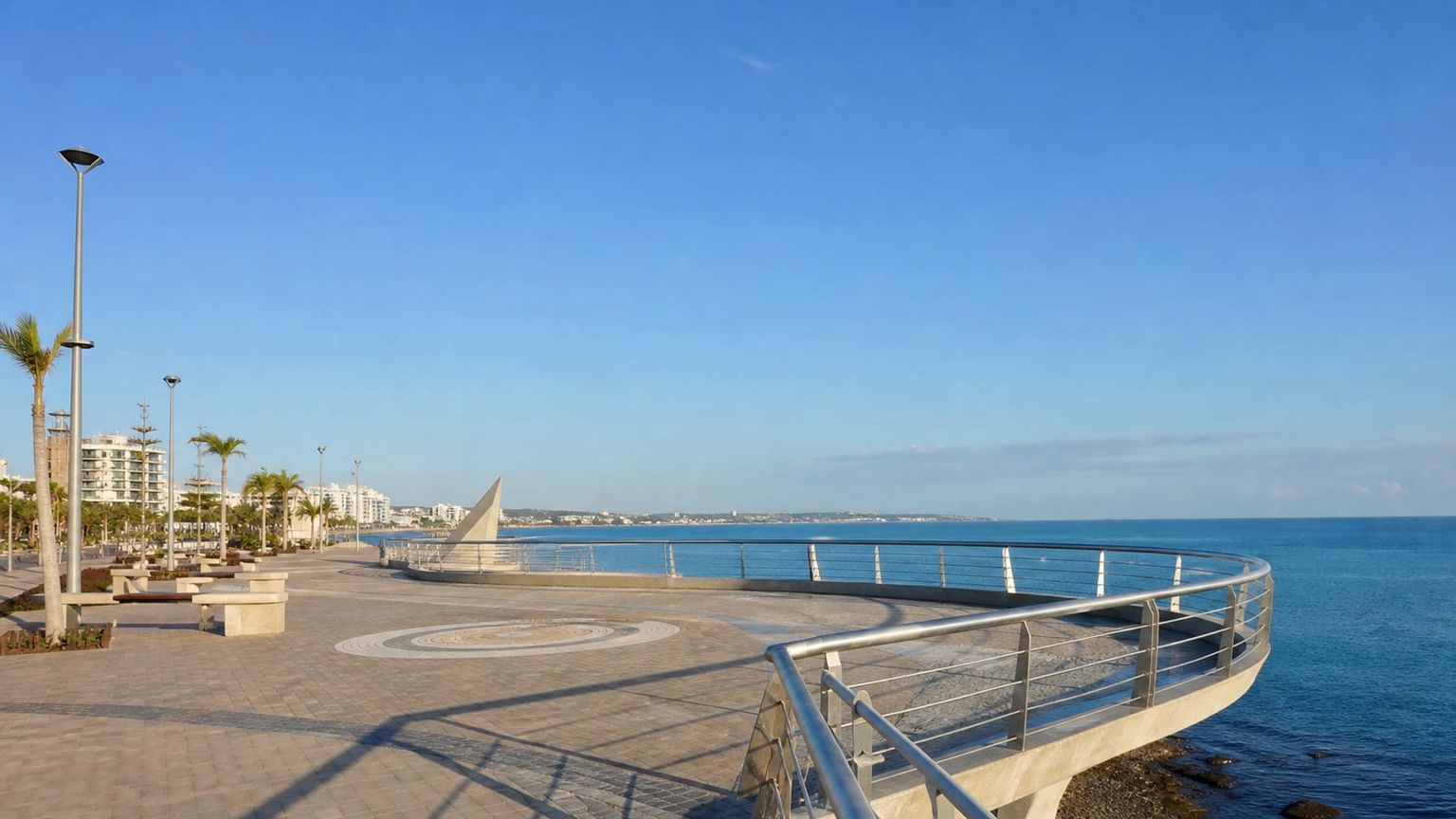
Begin early with Pacoche Wildlife Refuge, about 30 km north of Manta, and plan on a drive of roughly 45 to 60 minutes each way depending on road conditions. Spend about 3 to 5 hours on the trails and lookouts, then return to town for a late lunch in Barbasquillo, about 20 minutes away, before an easy evening near the beach.
A morning at La Prosperina Archaeological Site works well before the day warms up, and a taxi from the waterfront usually takes about 20 to 30 minutes. From there, continue about 15 minutes into the city center for the Museo Arqueológico del Banco Central del Ecuador, Manta, then finish with a slow dinner in Centro or a short ride back to Murciélago if you want to stay near the coast.
For a closing day, pair one last museum stop with an unhurried urban circuit: return to Museo Tohallí or the Museo Arqueológico del Banco Central del Ecuador, Manta, then spend time in Centro for errands and shopping before ending at a café in Barbasquillo or Murciélago. If your flight leaves in the evening, this route keeps transfers short and leaves enough time for a final coffee, a quick souvenir stop, and an easy ride to Manta (MEC).
Business-class flights from the US to Manta
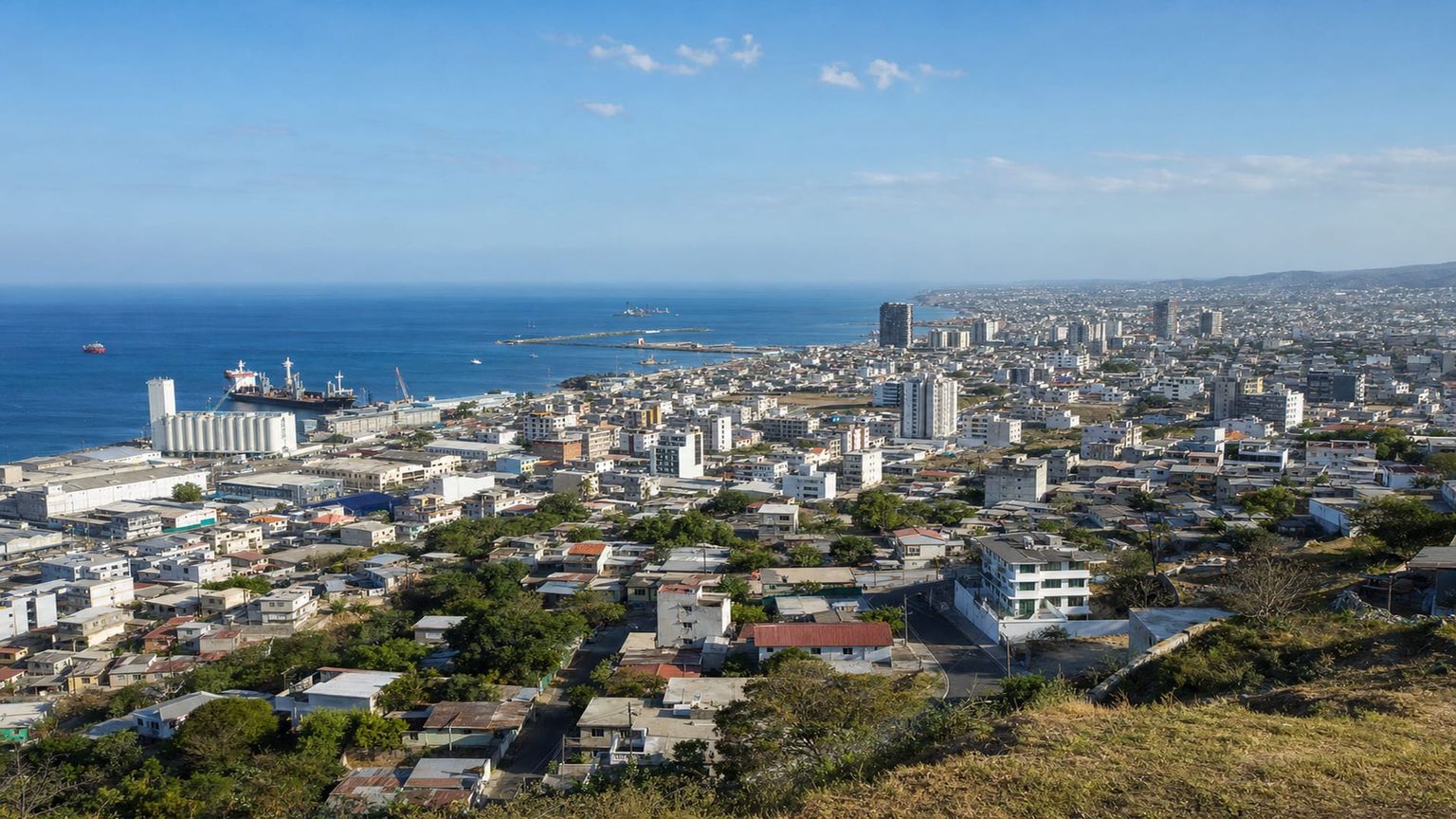
Flights into Manta usually connect through one hub, so the useful comparisons are the airlines, the layover cities, and how long the trip stretches from each coast of the United States. The ranges below show what that looks like from New York and Los Angeles.
From New York, American Airlines, Avianca, Copa Airlines, LATAM Airlines, and United Airlines all appear on one-stop itineraries through Bogotá, Panama City, Lima, Miami, or Mexico City. Round-trip fares from New York to Manta usually start at $1,600 and can reach $3,400.
From Los Angeles, American Airlines, Avianca, Copa Airlines, LATAM Airlines, and United Airlines operate itineraries with layovers in Bogotá, Panama City, Lima, Mexico City, or Santiago, and the journey usually runs about 11 to 16 hours with connections. Round-trip fares generally run $1,500 to $3,200, with one-stop options through Bogotá or Panama City often landing near the lower end of the range.
Manta feels different when you slow down
A deliberate stay in Manta links Murciélago or Barbasquillo with the Malecon, then adds at least one inland stop, whether that is Museo Tohallí, La Prosperina, or a long morning in Pacoche. Taxis make the city easy to sequence, while short walks cover the waterfront without wasting time. If you want the trip shaped around the bay, the markets, and the archaeology, the AranGrant experts can help you plan it well







