

Chapters:

Need help with your trip?
Our support team is available 24/7. Request a callback or call us directly at (833) 619-0908
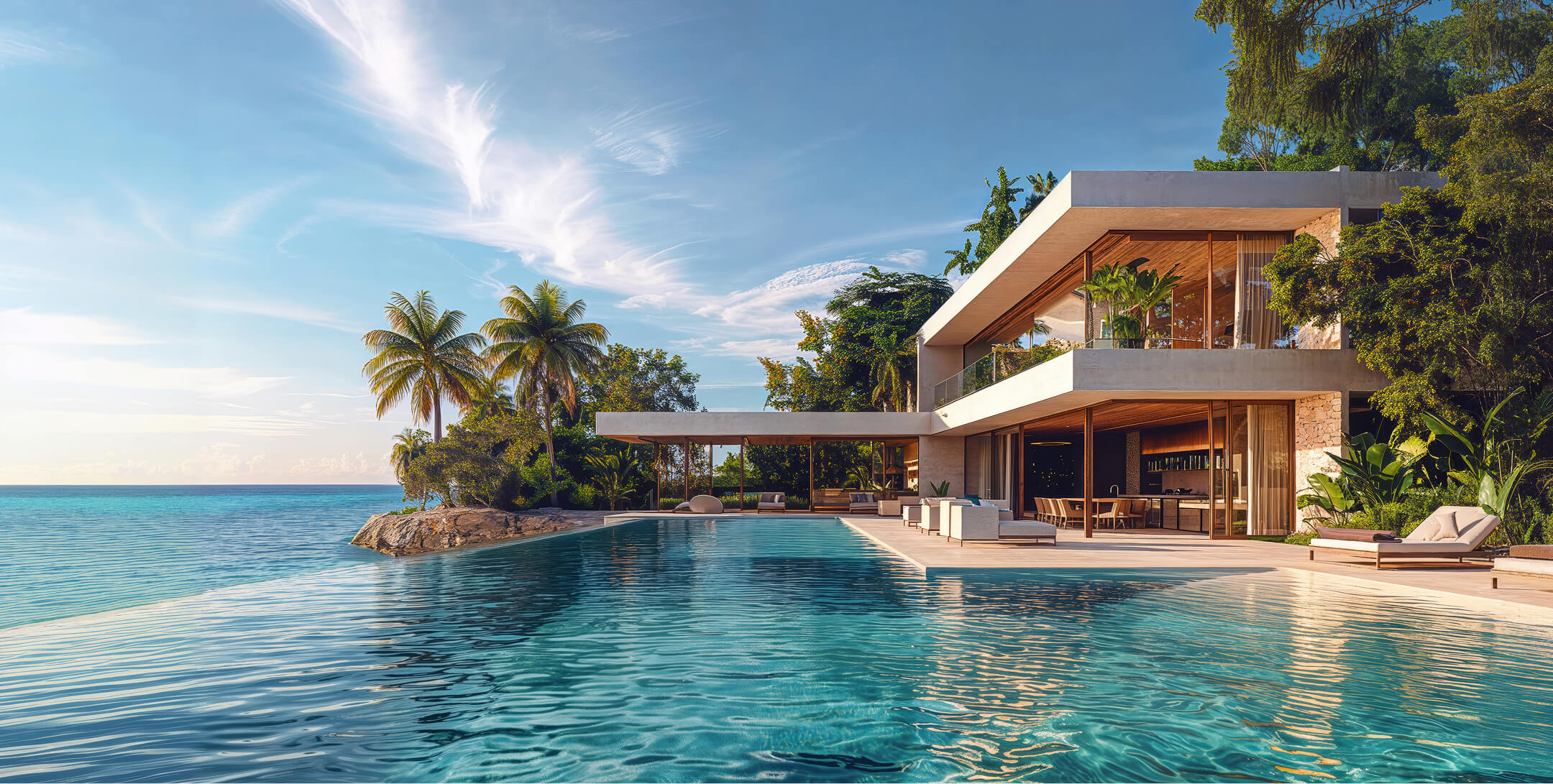
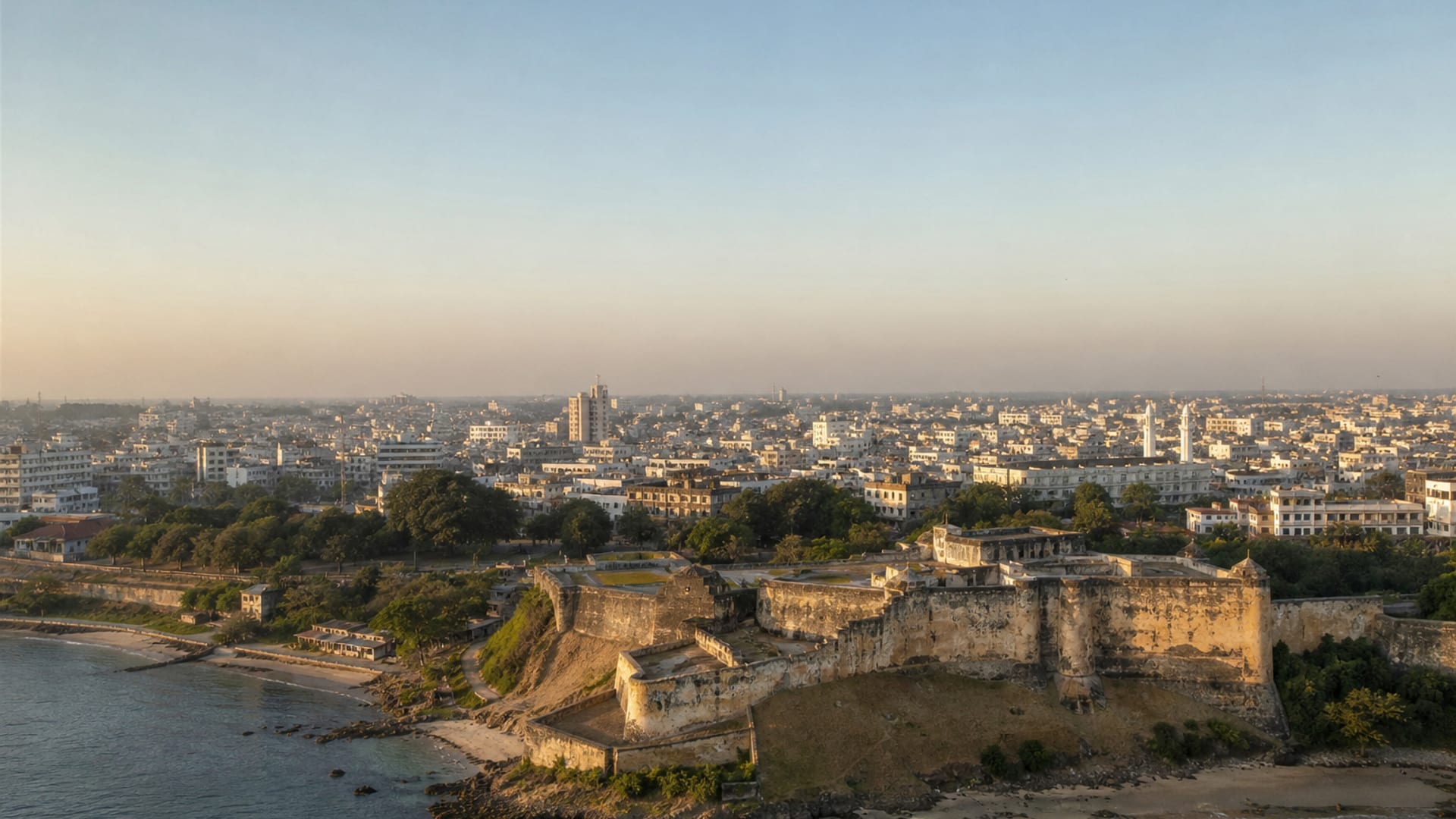
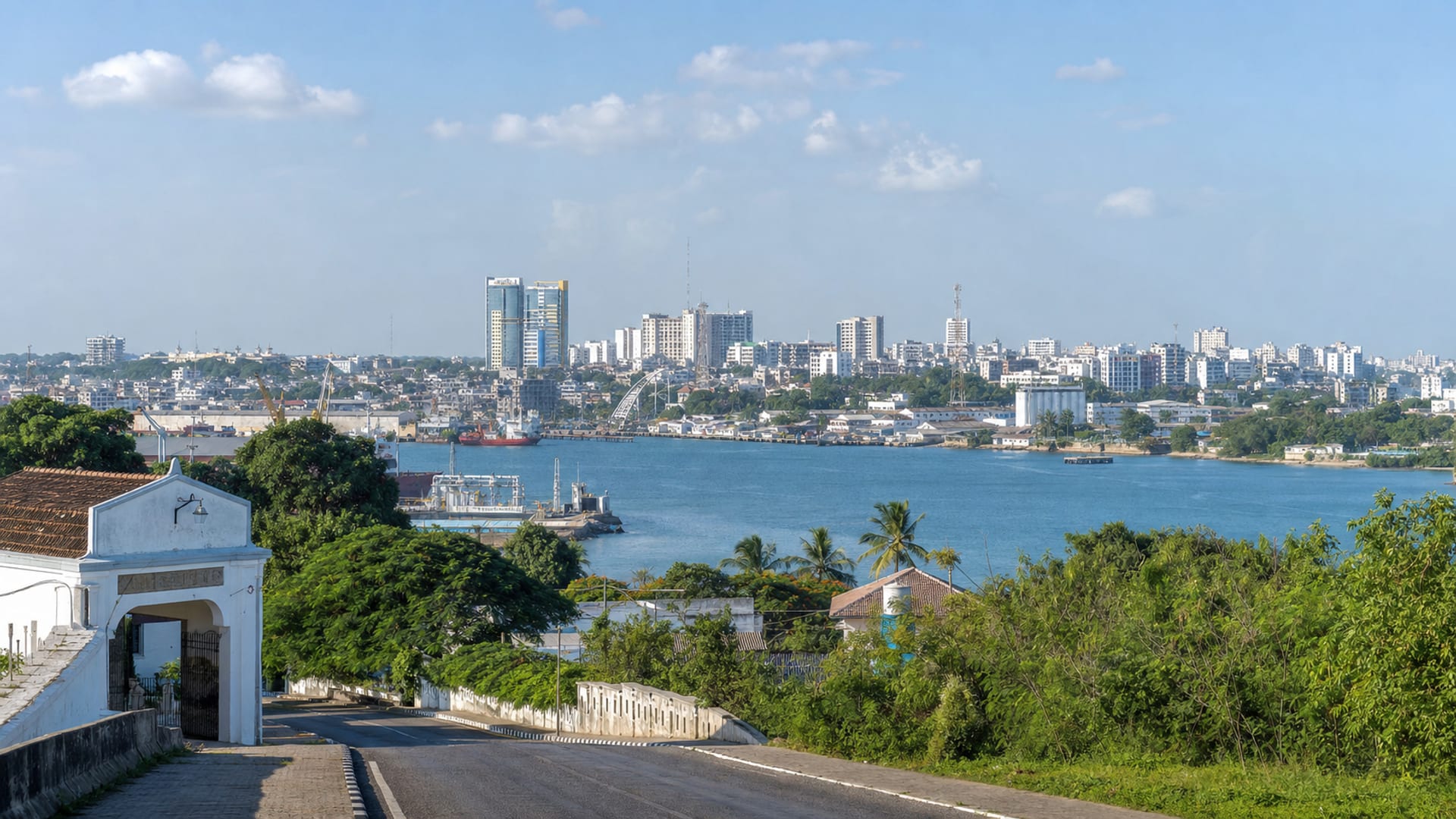
Mombasa is a city split by water. The island at its center holds Fort Jesus and the coral-stone lanes of Old Town, while Nyali and Bamburi stretch north along the coast with beach hotels and resort walls.
South of the island, the Likoni ferry crossing runs on its own clock, most felt during the crowded morning and evening hours, when engines idle and the smell of diesel mixes with salt air. Midday heat slows the historic streets to a crawl, and a short crossing can turn into an hour lost if the timing is wrong.
This guide moves through the island, the coast, and the crossings in a five-day plan built for business-class arrival, so more of your trip goes to exploring and less to waiting.
Useful things to know

Main language(s): Swahili
Jambo (JAHM-boh) – Hello / good morning
Tafadhali (tah-fah-DHAH-lee) – Please
Asante (ah-SAHN-teh) – Thank you
Unaongea Kiingereza? (oo-nah-ohn-GEH-ah kee-in-geh-REH-zah) – Do you speak English?
Hii ni bei gani? (hee-ee nee bay GAH-nee) – How much does it cost?

Currency: Kenyan shilling (KES, KSh)

Cash and cards: Large hotels and malls accept cards and contactless payment. Set aside KSh 1,500 to KSh 3,000 ($12 to $23) in cash for smaller vendors and markets.

Tipping: Round up taxi fares and leave 5% to 10% in restaurants when service is good. Some upscale spots already add a service charge, so check the bill first.

Traditional food: Swahili biryani, coconut crab, pilau, samaki wa kupaka

Water and coffee costs: Bottled water costs KSh 80 to KSh 150 ($0.65 to $1.20), while a cafe espresso costs KSh 150 to KSh 300 ($1.20 to $2.35).

Taxis and ride apps: Bolt and Uber both serve Mombasa. Confirm the fare before you ride at night.

Plug and voltage: Type G socket, 240V

Dining and shop opening hours: Kitchens serve breakfast from 7:00 am to 9:00 am, lunch from noon to 2:30 pm, and dinner from 7:00 pm to 9:30 pm, closing in between.

Emergency number: 999 or 112 for police, fire, or ambulance
Where to stay in Mombasa
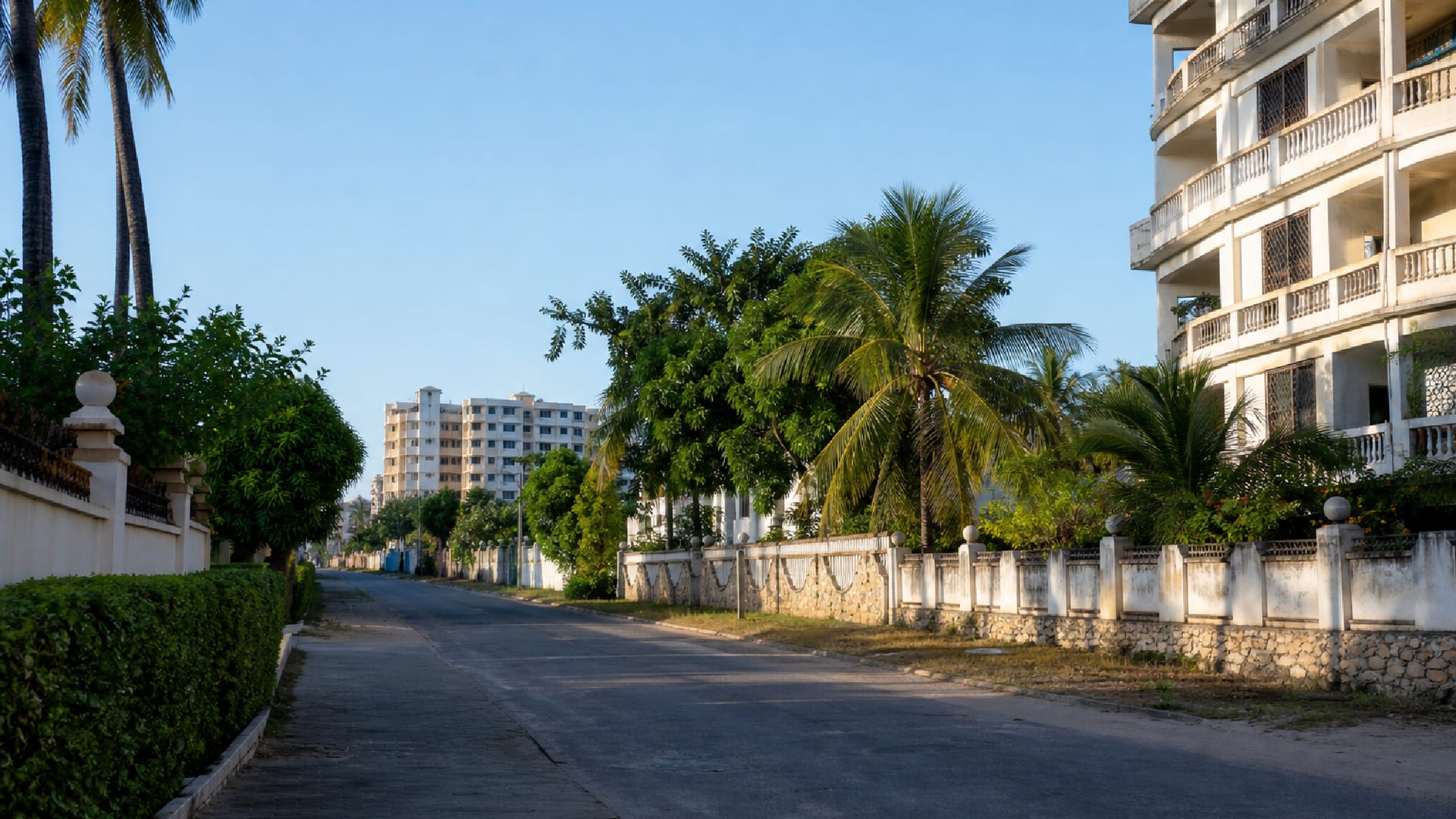
Mombasa’s main resort strip lines the north coast with beachfront hotels, malls, and restaurants. Sea access, a wide choice of stays, and quick rides to the city beaches and the marine park boat launch make this the easiest starting point for travelers who want a coastal stay close to the water.
Best for: Beach stays, families, and travelers who want resort amenities near the coast
What to expect: Busy roads by day, hotel traffic at dinner, and a tourist-heavy stretch near the beach
Hotel prices: Well-rated hotels in Nyali charge KSh 19,000 to KSh 39,000 ($150 to $300) per night.
Distance to major sights: 20 to 35 minutes by taxi to Fort Jesus, 15 to 25 minutes to Mombasa Marine National Park
Quietness: Hotels and side streets stay quiet, while the main road and shopping areas grow busier in the evening.
Main trade-off: You pay more here than in inland districts, and traffic can slow cross-city trips at peak hours.
Good to know: If you split time between the beach and Old Town, choose a hotel near the main road to spend less time in traffic.
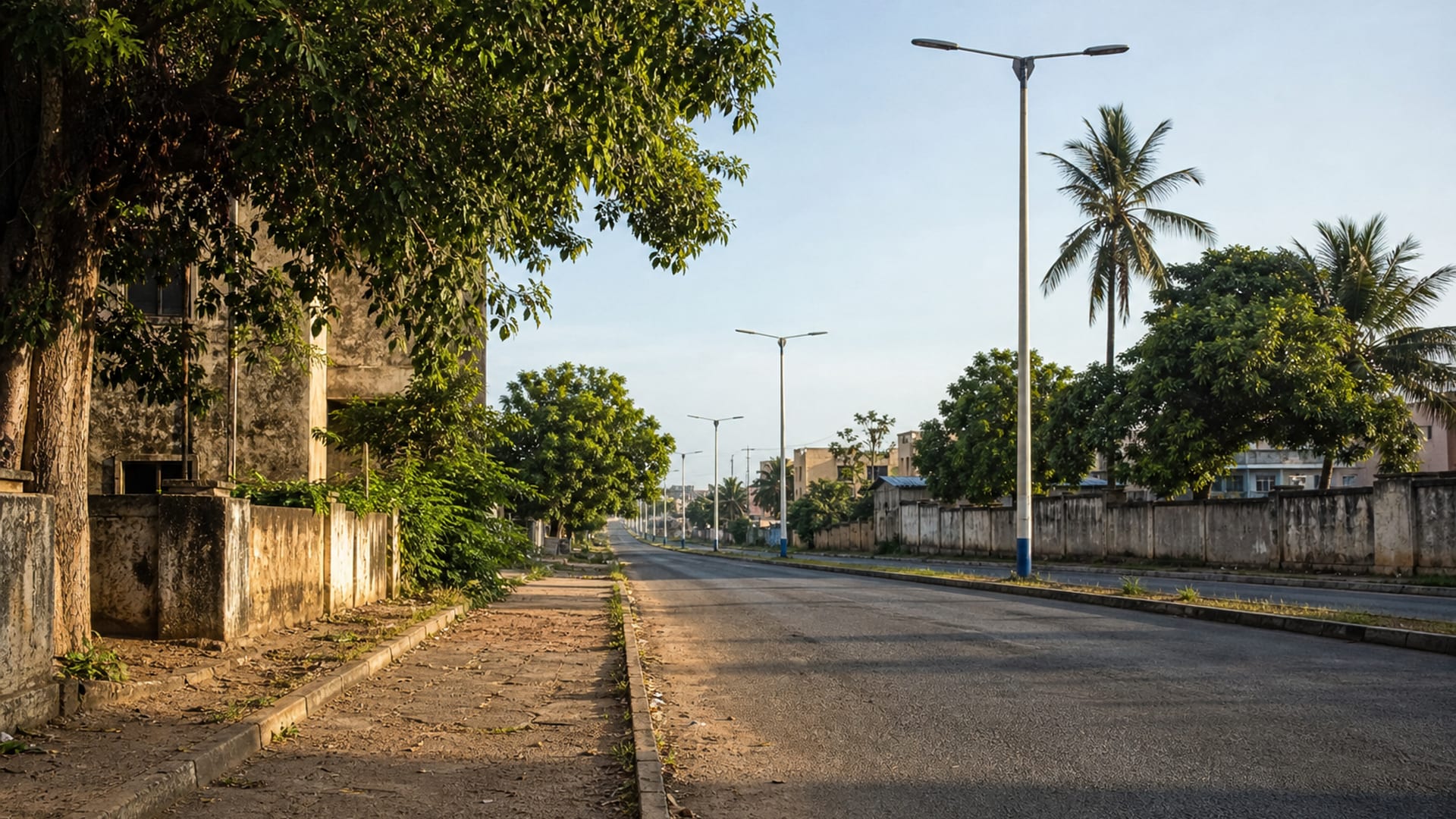
Bamburi, north of Nyali, opens into larger resort compounds with direct beach access and quick links to the highway heading toward Malindi. This suits travelers who want a quieter, lower-key resort stretch and do not mind extra time reaching Mombasa’s historic core and Old Town.
Best for: Resort stays, beach time, and travelers who prefer a quieter stretch of the north coast
What to expect: Wide roads, resort gates, and a steady flow of local traffic, with little of the dense street life found downtown
Hotel prices: Well-rated hotels in Bamburi charge KSh 18,000 to KSh 40,000 ($140 to $310) per night.
Distance to major sights: 30 to 50 minutes by taxi to Fort Jesus, 10 to 20 minutes to Haller Park
Quietness: The highway and hotel entrances are lively during the day, while the area quiets down at night once restaurants close.
Main trade-off: You can get a more spacious room at prices similar to those in other areas, but reaching the Old Town for sightseeing takes longer and costs more in taxi fares.
Good to know: Check whether your hotel is near the beach or the highway, since that decides how far you’ll walk and how long your rides will take.
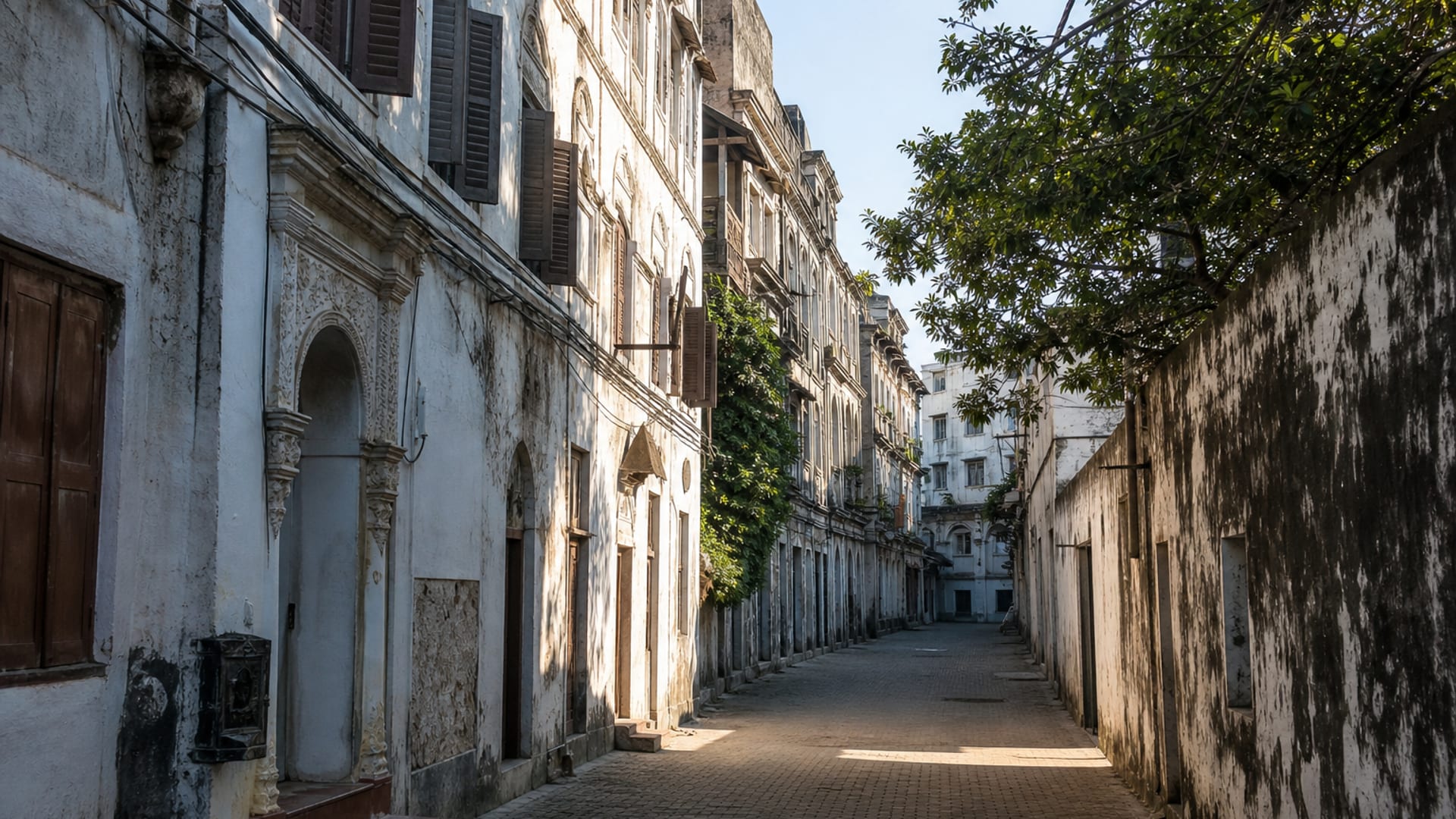
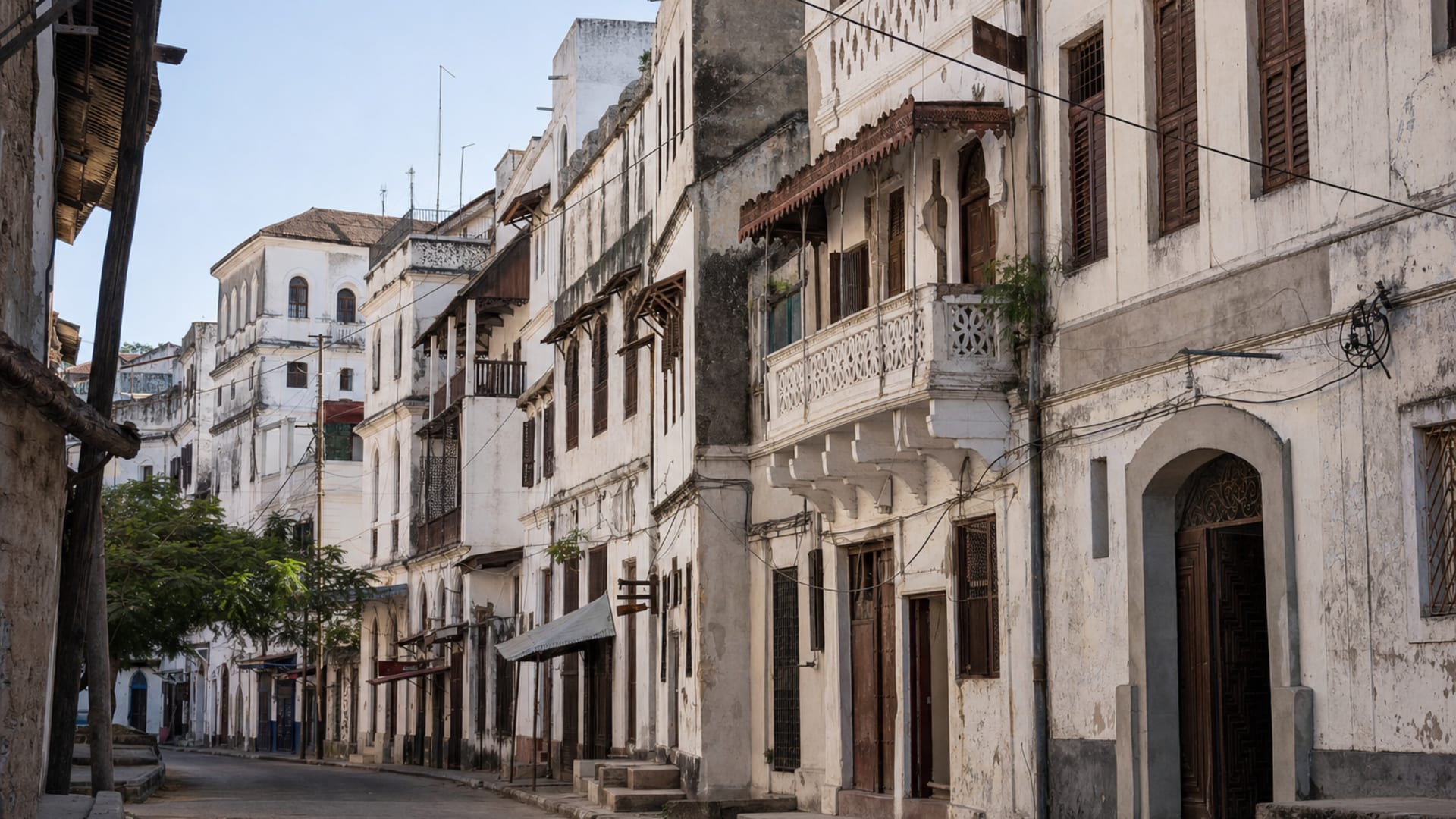
Mombasa Island holds the historic core: Old Town, Fort Jesus, and the main ferry crossing points, all within a short walk of each other. Staying here puts heritage sites, markets, and the busiest stretch of waterfront close by, although it trades resort space and quiet nights for that convenience.
Best for: Sightseeing, short stays, and travelers who want to stay close to historic Mombasa
What to expect: Dense traffic, port activity, and active streets with shops, taxis, and pedestrians through much of the day
Hotel prices: Well-rated hotels on Mombasa Island charge KSh 7,000 to KSh 20,000 ($54 to $155) per night, mostly boutique or heritage stays.
Distance to major sights: A short walk to Fort Jesus and Old Town, 10 to 20 minutes to the city center by taxi
Quietness: Streets are busy and noisy by day, then grow noticeably calmer late at night away from the main roads.
Main trade-off: Rooms near the center put you close to landmarks, but some buildings line crowded streets with limited parking.
Good to know: If you arrive by ferry or plan several Old Town walks, stay on the island to avoid repeated bridge or road crossings.
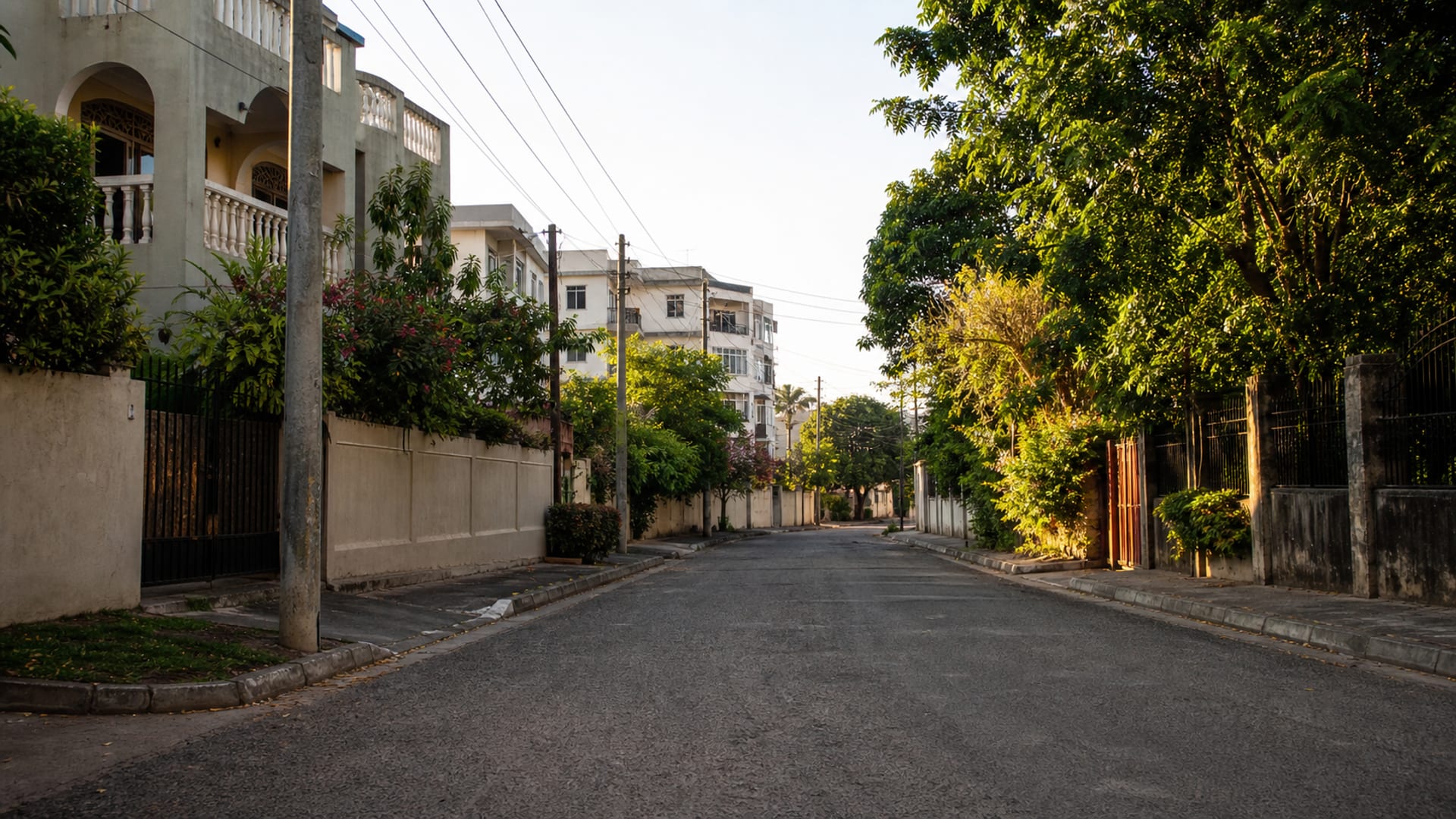
Kizingo occupies the southern tip of Mombasa Island, a quiet residential pocket near Mama Ngina Waterfront and the old harbor, close to State House and Fort Jesus. It’s a good pick for travelers who want fast access to the ferry and the business district without the noise of the waterfront strip.
Best for: Business trips, ferry access, and travelers who want a quieter island stay
What to expect: Mostly residential streets, modest local traffic, and fewer late-night venues than the waterfront or Old Town
Hotel prices: Well-rated hotels here charge KSh 6,000 to KSh 16,000 ($46 to $124) per night.
Distance to major sights: 5 to 15 minutes by taxi to Fort Jesus, 10 to 20 minutes to the Likoni ferry crossing
Quietness: The area is calmer than the waterfront in the evening, with daytime traffic rising near office hours and school runs.
Main trade-off: Expect to taxi to most dinners, since walkable restaurant options are limited nearby.
Good to know: Choose Kizingo to cut ferry access time, but book a car service ahead during weekday peak hours because local roads can clog fast.
Changamwe, Shimanzi, and Makupa lie near the industrial port, far from the beach hotels and Old Town, so most visitors avoid them. Kisauni and parts of Kongowea also have fewer hotels, with longer evening transfers to the coast.
Hotel deals
Getting around Mombasa
Mombasa has no metro, so getting around mainly means taxis, ride apps, and private transfers, with the SGR train covering the longer hop to Nairobi.

Taxi
for everyday convenience
Licensed taxis negotiate fares directly, while Bolt and Uber quote the price before pickup. A short trip in town costs KSh 500 to KSh 1,300 ($4 to $10). Confirm the fare before you get in, and carry cash as a backup for drivers without card readers.

Private transfer
for airport arrivals
A pre-booked private car meets you at arrivals with a fixed price and no queue, unlike flagging down a taxi at the rank. Transfers from Moi International Airport to Mombasa hotels cost KSh 2,500 to KSh 5,200 ($19 to $40), depending on distance.

Train
SGR) (for the trip to Nairobi
Trains leave from the mainland Miritini station and take 5 to 6 hours to reach Nairobi, with three daily departures. First class costs KSh 4,500 ($35), economy class costs KSh 1,500 ($12), and premium class costs KSh 12,000 ($93).
*Prices are based on rates updated as of June 2026 and may change at the time of travel.
Use ride apps or a taxi for everyday trips around town, book a private transfer for airport arrivals, and take the SGR train for the trip north to Nairobi.
Iconic places in Mombasa
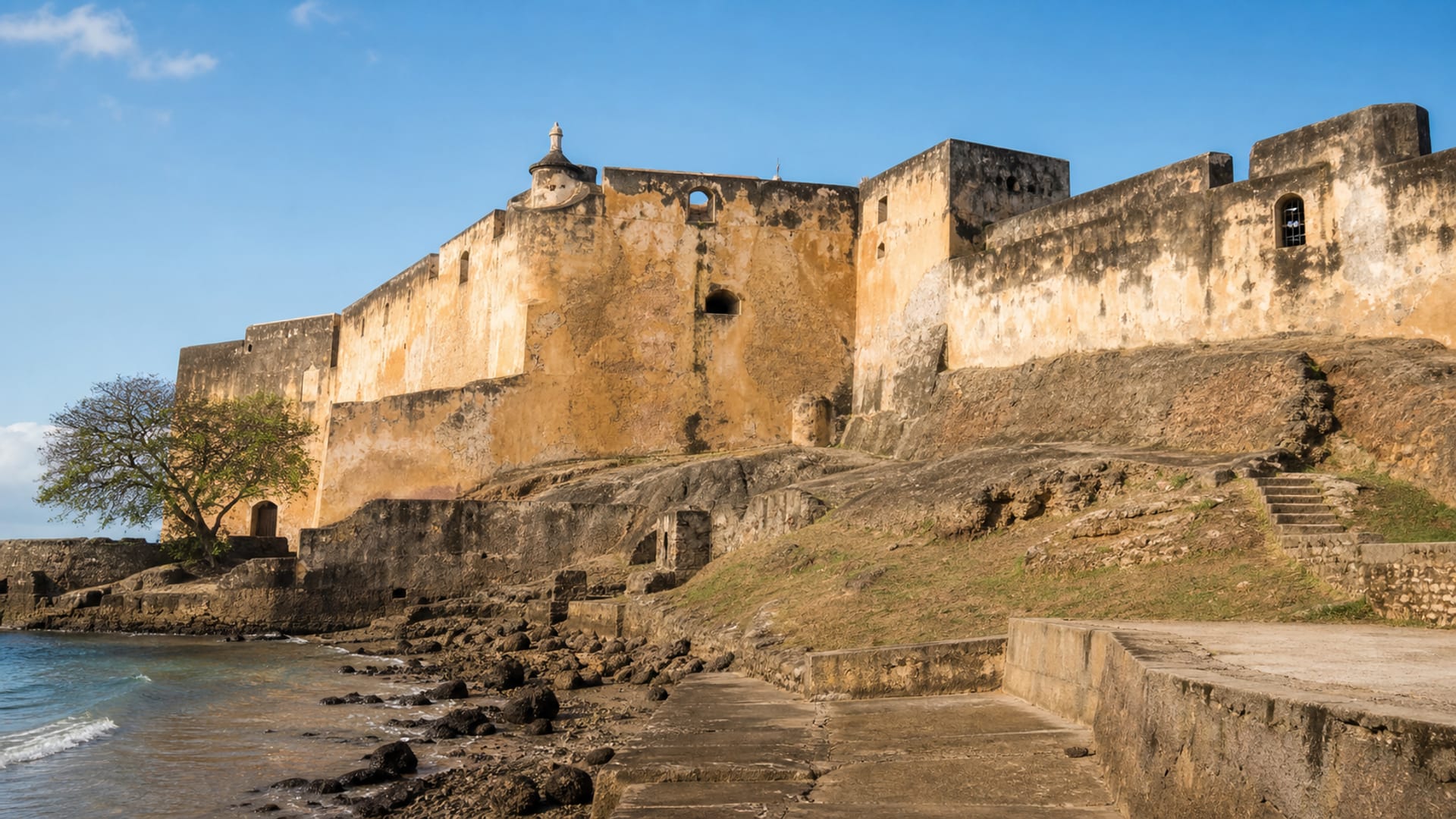
Fort Jesus
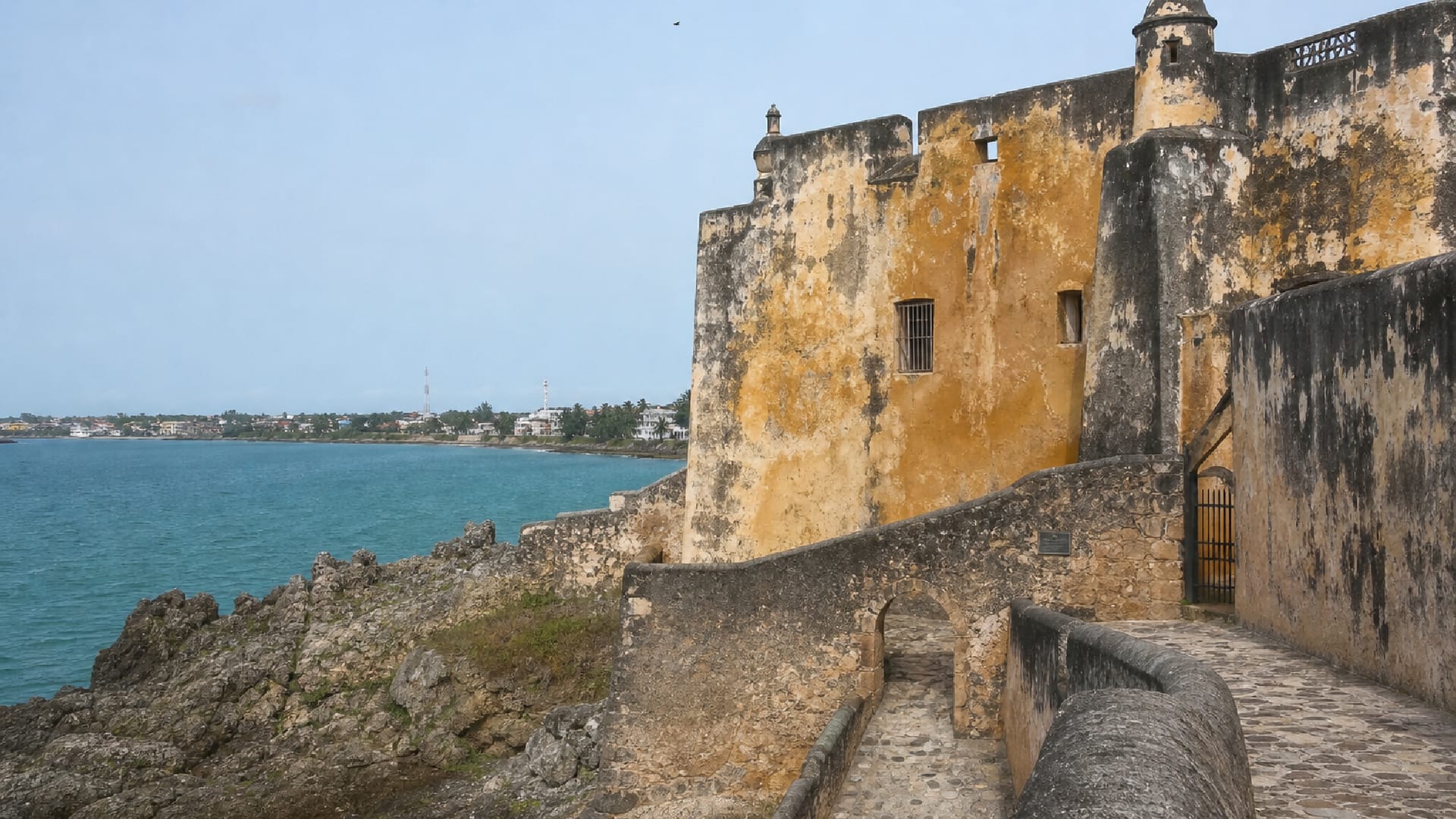
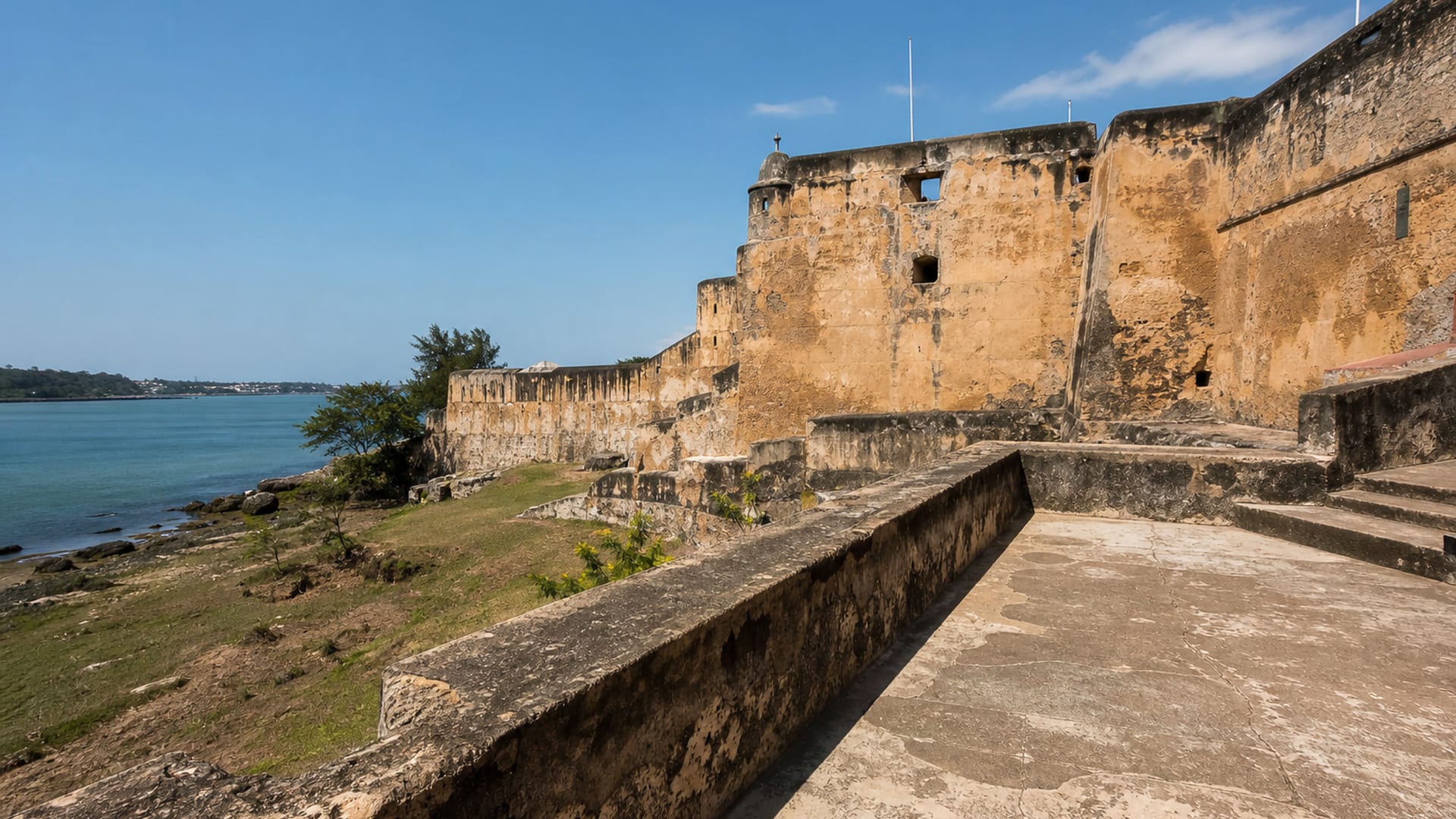
The Portuguese built Fort Jesus in 1593. It anchors Mombasa’s old harbor with thick coral-stone walls, cannon batteries, and a museum on Swahili coastal history. The site also preserves later Omani, British, and Kenyan layers.
Time needed: About 2 hours
Entry: Entry costs KSh 2,200 ($17) for foreigners. Pay by card or using the eCitizen portal; cash isn’t accepted.
Tip: Go early for cooler walls, softer light, and clearer harbor views.
Haller Park
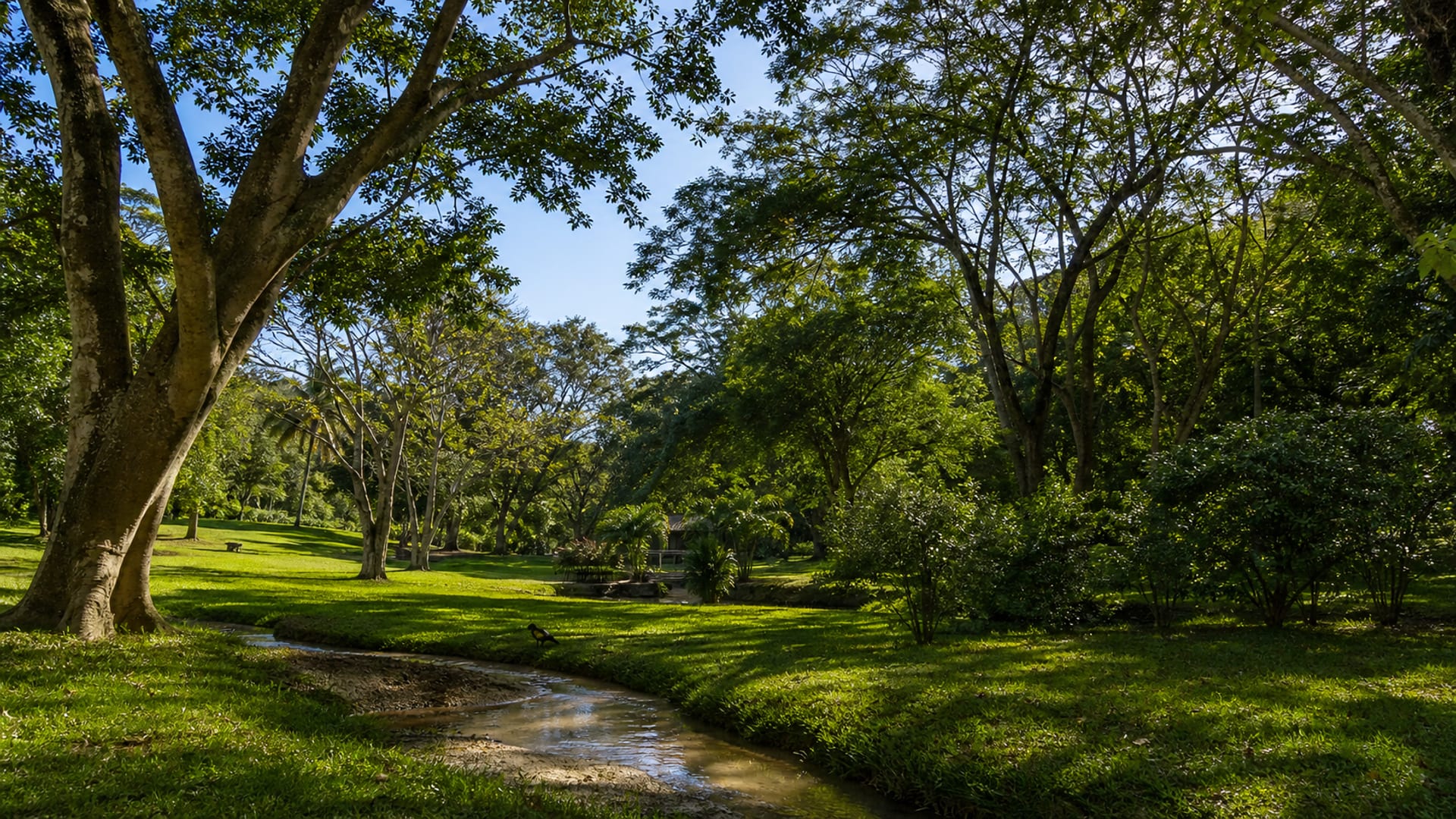
Haller Park transformed a former limestone quarry in Bamburi into a shaded nature reserve with giraffes, hippos, crocodiles, and a small reptile center. Its walking paths make it one of Mombasa’s best wildlife stops inside the city.
Time needed: About 2 to 3 hours
Entry: Entry costs KSh 3,000 ($23) for foreign adults, KSh 1,500 ($12) for children. Visit the official site for details.
Tip: Visit in the morning, when animals are more active and the paths stay cooler.
Mombasa Tusks
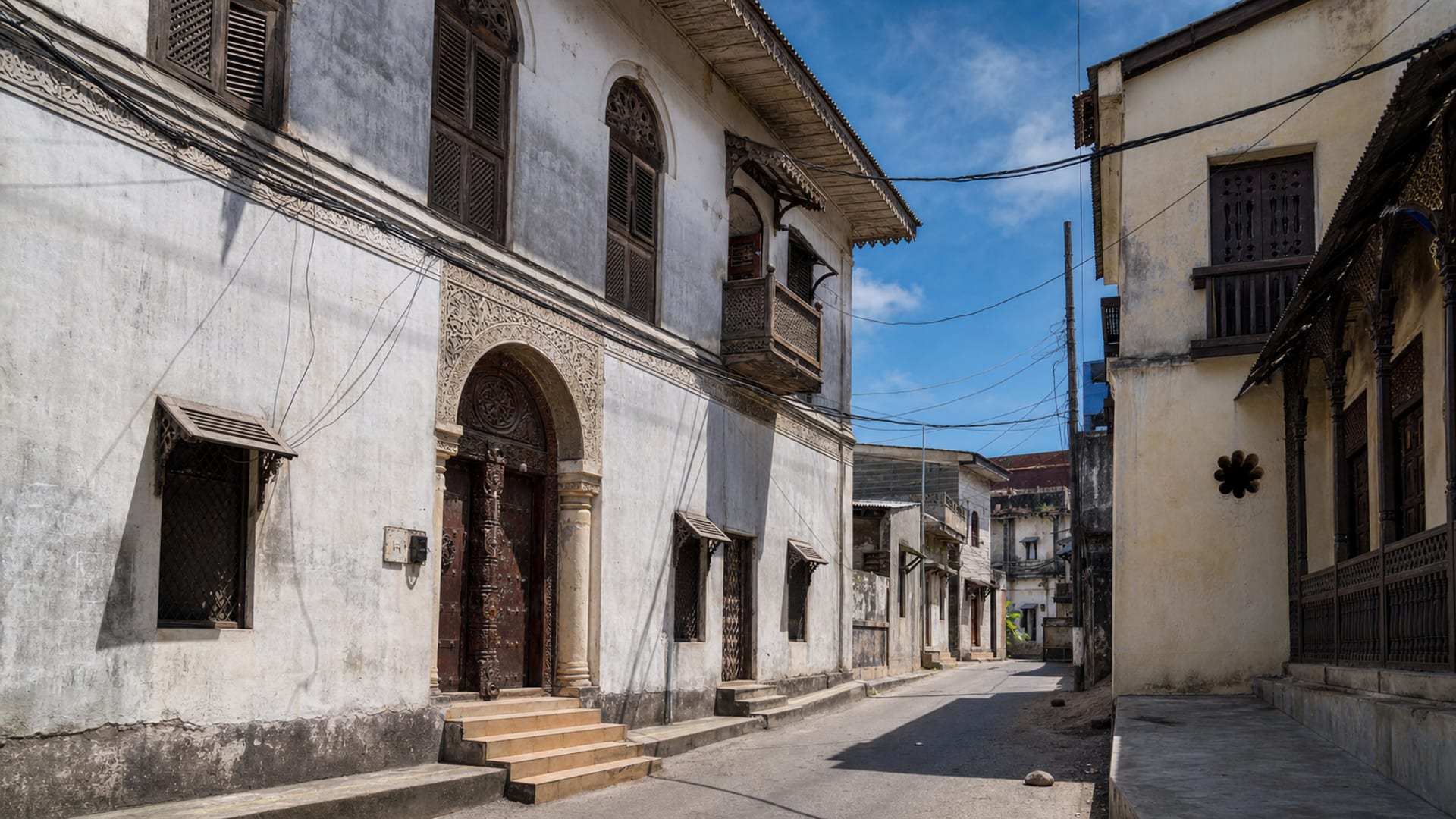
Four aluminum elephant tusks arch over Moi Avenue, marking the entrance to old Mombasa. Workers erected them in 1952 for a royal visit, and they became the unofficial symbol of the city and a favorite photo backdrop.
Time needed: 10 to 15 minutes
Entry: Free
Tip: Visit early morning or evening to skip Moi Avenue’s midday traffic and crowds.
Overlooked places in Mombasa

Bombolulu Workshops and Cultural Centre
A social enterprise where artisans with disabilities craft jewelry and textiles inside a village of traditional homesteads representing Kenya’s tribes, with dance performances included.
Time needed: About 2 to 3 hours
Entry: Admission costs KSh 450 to KSh 750 ($3.50 to $5.80). Workshops are closed on weekends, but the cultural village is open to visitors.
Tip: Visit on a weekday to see the workshops in action.

Nguuni Nature Sanctuary
A quieter alternative to Haller Park, this reclaimed quarry lets giraffes and oryx roam free across grassy hills, with sunset feedings and far fewer crowds.
Time needed: About 1 to 2 hours
Entry: Admission costs KSh 1,200 ($9) for adults, KSh 600 ($5) for children. Visit the official site for details.
Tip: Arrive in the late afternoon for giraffe feeding and cooler sunset light.
What to eat in Mombasa
Coconut, rice, seafood, and warm spices define Mombasa’s kitchen, shaped by centuries of Swahili, Arab, and Indian trade along the coast.
Swahili biryani
Swahili biryani is fragrant rice layered with tender meat or seafood and a coastal spice blend. Blue Room has served the dish in Mombasa since 1952 and is known for it.
Pilau
This one-pot rice dish simmers in a dark broth of caramelized onions, cloves, cardamom, and cinnamon. Jahazi Coffee House in Old Town serves a reliable version near Fort Jesus.
Samaki wa kupaka
Grilled fish finished in a creamy coconut sauce with lime and turmeric captures one of the coast’s clearest flavors. Tamarind Mombasa serves it overlooking the old harbor.
Coconut crab
Whole crab simmered in a rich coconut sauce is a coastal specialty worth the mess. Forodhani, on the Old Town waterfront near Fort Jesus, is known for its coconut crab curry.
Best time to visit
Mombasa has two rainy seasons and two drier ones, with the sea breeze keeping the coast cooler than inland streets.
Best for: Beach time and clear sightseeing mornings during the busiest season
What you get: Temperatures range from 82°F to 90°F (28°C to 32°C), with busy hotel zones and stronger demand around the holidays.
Trade-offs: Afternoons feel hot, and prices rise near Christmas and New Year.
Best for: Lower hotel rates and greener scenery during Mombasa’s quiet season
What you get: Temperatures range from 79°F to 88°F (26°C to 31°C), with fewer visitors than the holiday peak and more room at major sights.
Trade-offs: Rain can interrupt beach time and cause delays on some roads.
Best for: Comfortable city walks and heritage visits without the crowds of peak season
What you get: Temperatures range from 76°F to 84°F (24°C to 29°C), with moderate crowds and easier sightseeing hours.
Trade-offs: Kusi winds roughen the sea, affecting boat trips and diving.
Best for: Mixed beach and culture itineraries before the festive high season begins
What you get: Temperatures range from 79°F to 88°F (26°C to 31°C), with shoulder-season crowds and more room at major sights.
Trade-offs: Short rains can return later in the season, mainly in November.
A 5-day plan in Mombasa
Splitting a five-day Mombasa stay into arrival, the island, the culture stops, and the north-coast wildlife keeps each day focused, with one slower day left for departure.
Land at Mombasa Airport (MBA) and take a private transfer or taxi to your hotel, roughly 15 to 40 minutes depending on whether you’re headed to Kizingo, Mombasa Island, Nyali, or Bamburi. If you land early, rest by the pool or take a short walk near the hotel instead of rushing into sightseeing. Keep the rest of the day light either way, with dinner close by before turning in.
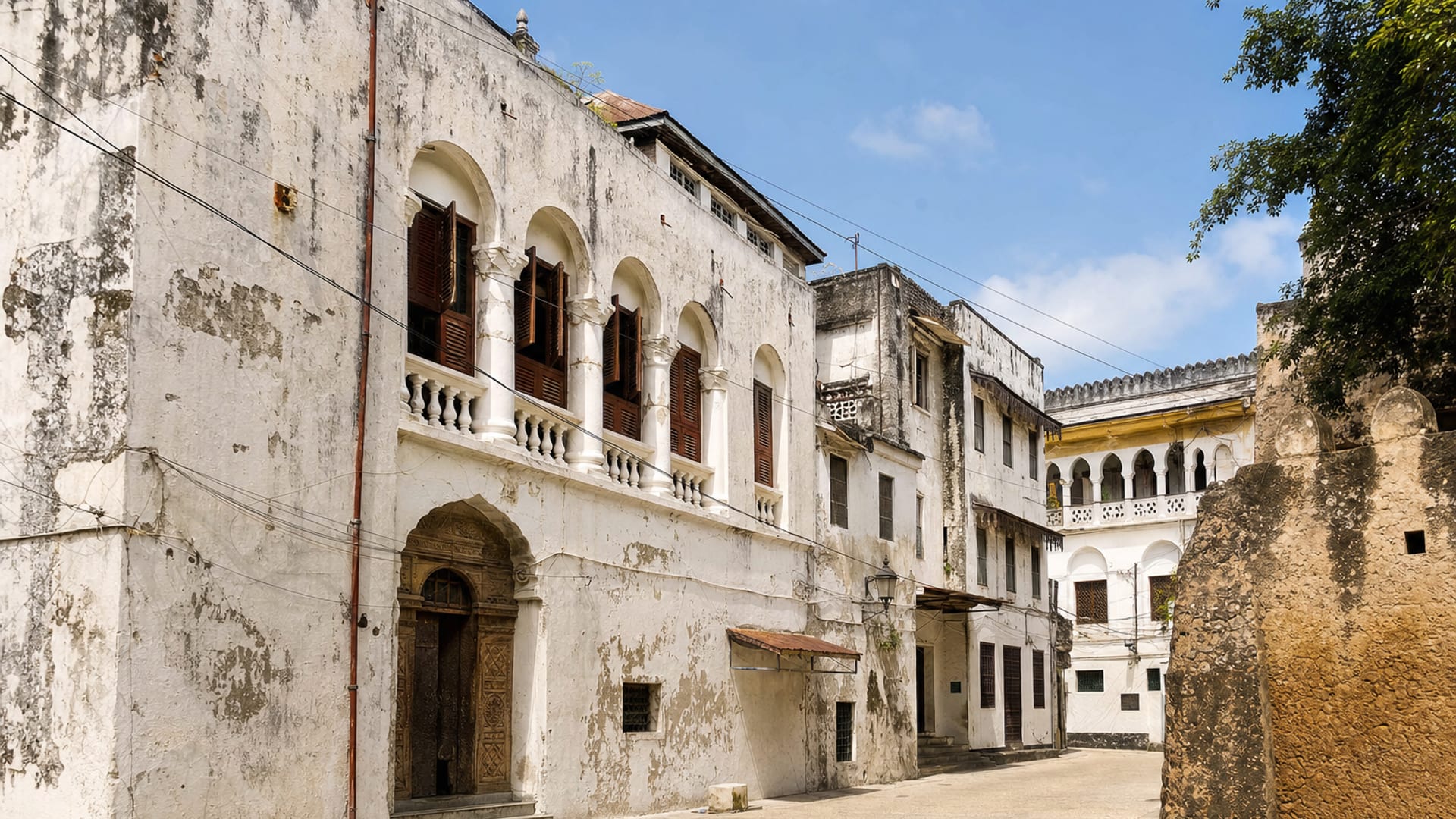
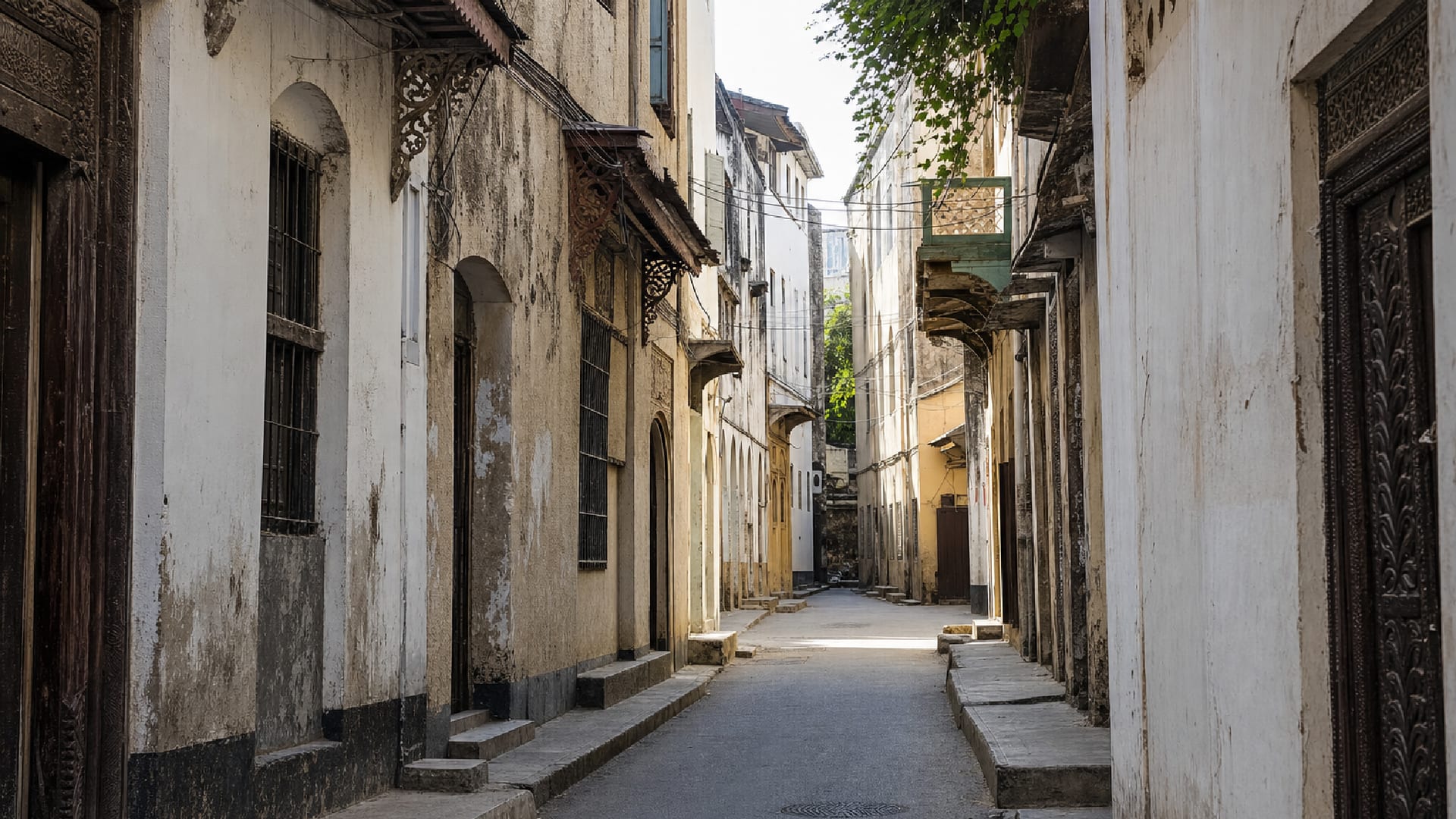
Start on Mombasa Island with Fort Jesus, allowing about 2 hours for the fort and museum galleries. Walk 5 to 10 minutes into Old Town for carved doors, coral houses, and narrow lanes, which take another 1 to 2 hours. An early start keeps both sites comfortable before the midday heat. Stay on the island for lunch, or head back to Kizingo for a quieter afternoon.
Begin with a quick stop at the Mombasa Tusks on Moi Avenue, the city’s aluminum landmark and an easy 10 to 15 minute photo stop. From there, it takes about 15 to 20 minutes by taxi to reach Bombolulu Workshops and Cultural Centre in Kisauni, where artisans with disabilities craft jewelry and textiles inside a village of traditional homesteads. Plan on 2 to 3 hours, and note that the workshops close on weekends.
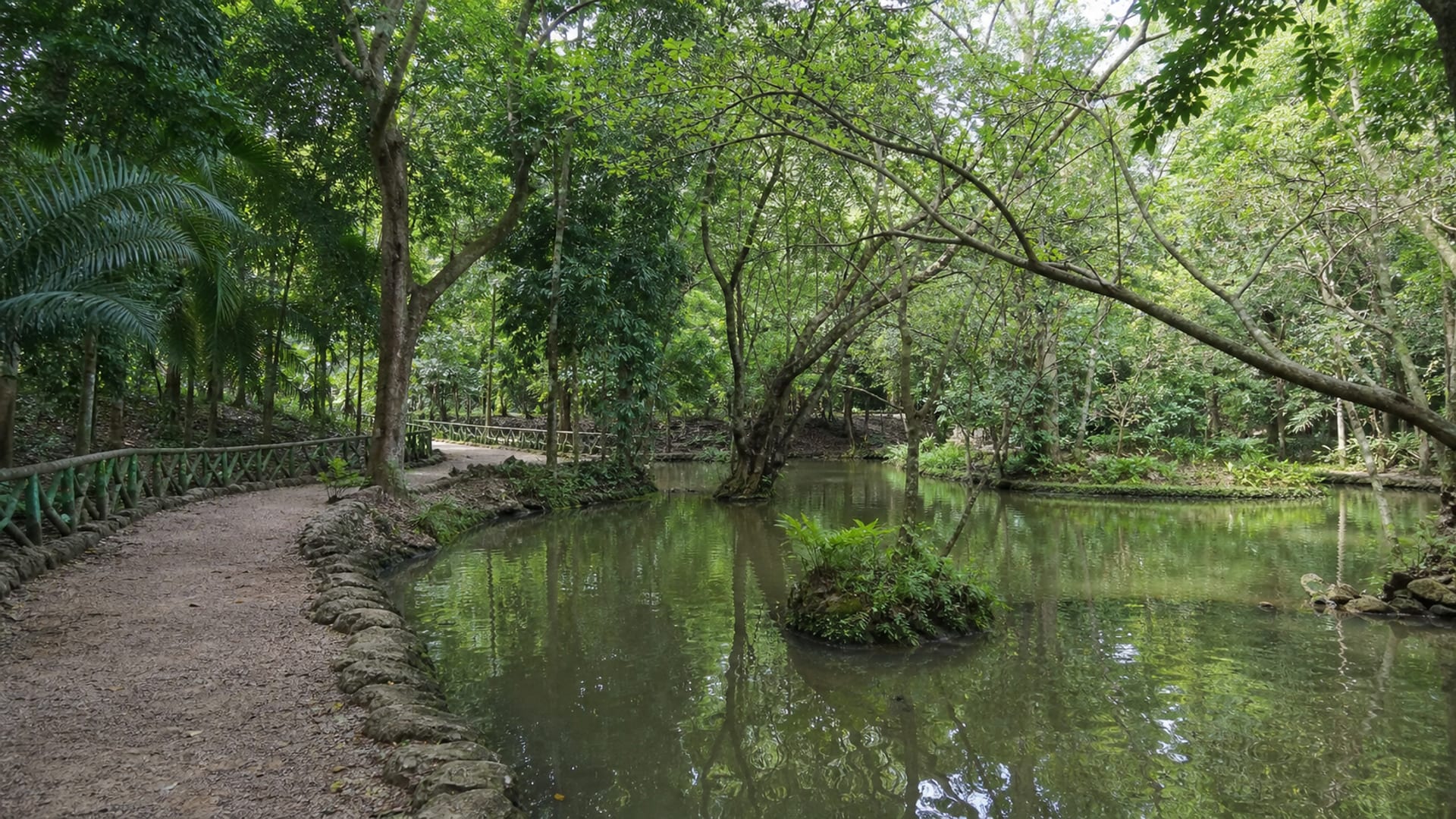
Spend the cooler morning at Haller Park in Bamburi, where walking paths, giraffes, hippos, and a reptile center fill about 2 to 3 hours. Then take a 10-minute taxi ride to Nguuni Nature Sanctuary, a quieter reserve where giraffes and oryx roam free across grassy hills, best visited in the late afternoon for the sunset feeding. End the day with a beachside dinner in Nyali or Bamburi.
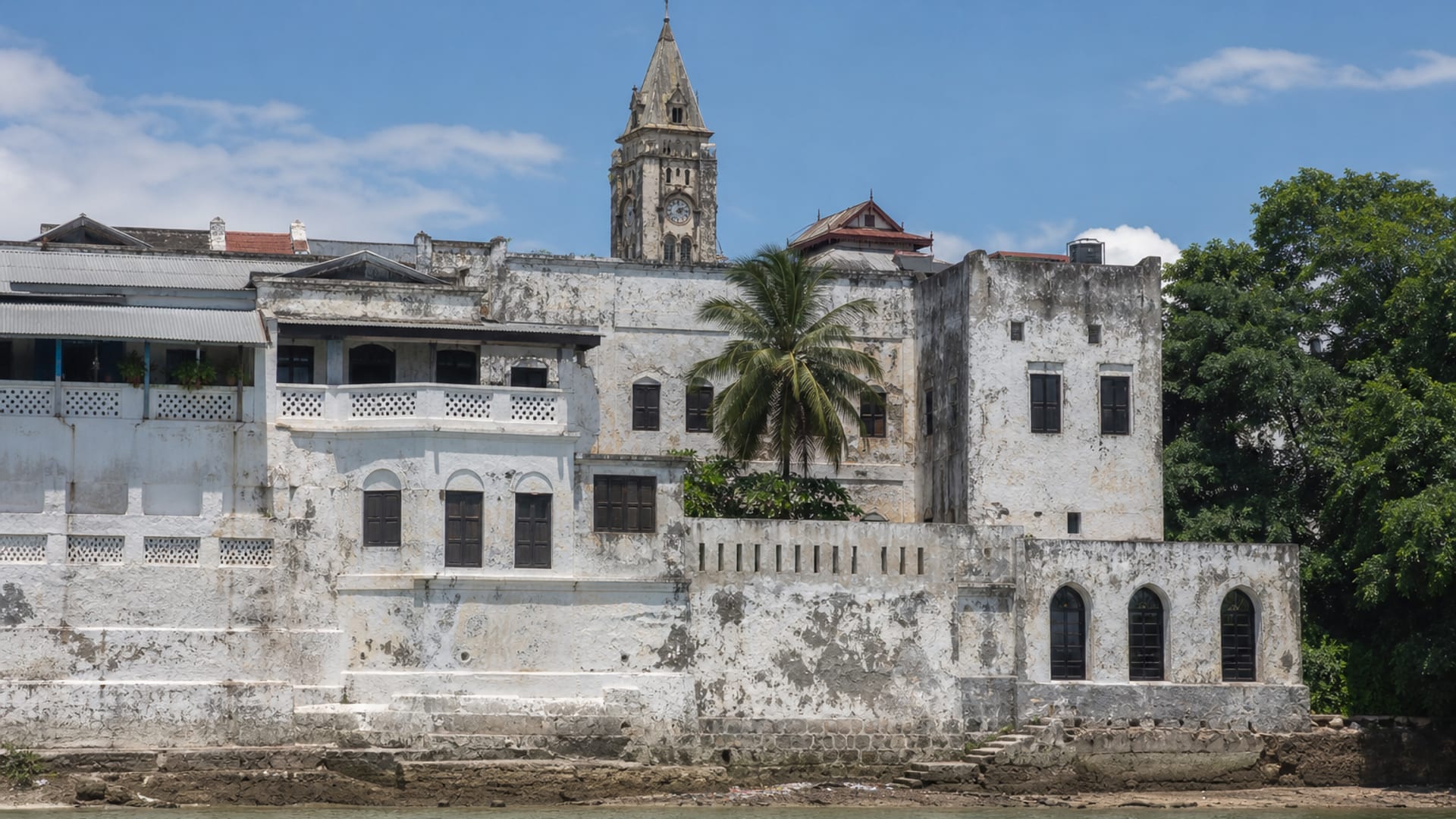
Keep the pace light on your last day. Stay near your hotel, browse a shopping center in Nyali or Bamburi, and settle in at a beachfront cafe for lunch. If you’re departing from the island, allow extra time for the transfer to Mombasa (MBA), since traffic near the airport can build in the afternoon.
Business-class flights from the US to Mombasa
No nonstop business-class flights connect the US to Mombasa. Both East and West coasts route through a major hub, most often in the Gulf or East Africa.
New York (JFK) to Mombasa (MBA)
Kenya Airways, Qatar Airways, Turkish Airlines, Emirates, and Ethiopian Airlines connect New York (JFK) to Mombasa (MBA) with one stop, commonly in Nairobi (NBO), Doha (DOH), Istanbul (IST), Dubai (DXB), or Addis Ababa (ADD). Total travel time is 16 to 25 hours. Round-trip business-class fares on this route start at $4,200 and reach $6,500 or more.
Los Angeles (LAX) to Mombasa (MBA)
Turkish Airlines, Qatar Airways, Emirates, Ethiopian Airlines, and Kenya Airways offer one-stop flights between Los Angeles (LAX) and Mombasa (MBA), with a layover in Istanbul (IST), Doha (DOH), Dubai (DXB), Addis Ababa (ADD), or Nairobi (NBO). flights on this route take 21 to 28 hours; round-trip business-class fares start at $5,300 and reach $7,700 or more.
Take Mombasa slowly: From old town streets to the Indian Ocean
A paced Mombasa trip gives each place its own moment: Fort Jesus before the heat, Old Town in softer afternoon light, Nyali or Bamburi at sunset. Taxis, ride apps, and short walks connect the pieces without rushing. AranGrant can handle the most planning-heavy part: business-class flights from the US and hotels across the island and the coast.