

Chapters:

Need help with your trip?
Our support team is available 24/7. Request a callback or call us directly at (833) 619-0908
Gran Canaria gives you several very different trips within a relatively small island, so where you stay and how you divide your time changes the experience. Las Palmas is the most convenient starting point for city walks, restaurants, museums, and Las Canteras beach, while the interior adds mountain roads, archaeological sites, and hiking routes such as Roque Nublo.
A few well-planned day trips let you see more without spending every day in the car. This guide explains the best areas to stay, how to get around, what to eat, when to visit, and how to organize five days with enough time for both the capital and the island beyond it.
Useful things to know

Main language(s): Spanish
Hola (OH-lah) – Hello / good morning
Por favor (por fah-VOR) – Please
Gracias (GRAH-syahs) – Thank you
¿Habla inglés? (AH-blah een-GLAYS) – Do you speak English?
¿Cuánto cuesta? (KWAHN-toh KWEHS-tah) – How much does it cost?

Currency: Euro (EUR, €)

Cash and cards: Cards and contactless payments are widely accepted; carry €20 to €40 ($23 to $46) in cash for small purchases or buses.

Tipping: Round up small bills; leave 5%–10% in sit-down restaurants if the service is good.

Traditional food: Papas arrugadas, mojo rojo, sancocho canario, and gofio are worth trying in Gran Canaria.

Water and coffee costs: Bottled water costs €2 ($2.30), and a bar espresso is €1.50 to €2.50 ($2 to $3).

Taxis and ride apps: Free Now operates here, but availability can be thin outside the airport and main tourist zones.

Plug and voltage: Type C/F socket, 230V

Dining and shop opening hours: Breakfast is between 7:30 am and 10:30 am, lunch is from 1:00 pm to 3:30 pm, and dinner is between 8:00 pm and 10:30 pm. Many kitchens close between lunch and dinner.

Emergency number: 112 for police, fire, and medical emergencies
Where to stay in Gran Canaria
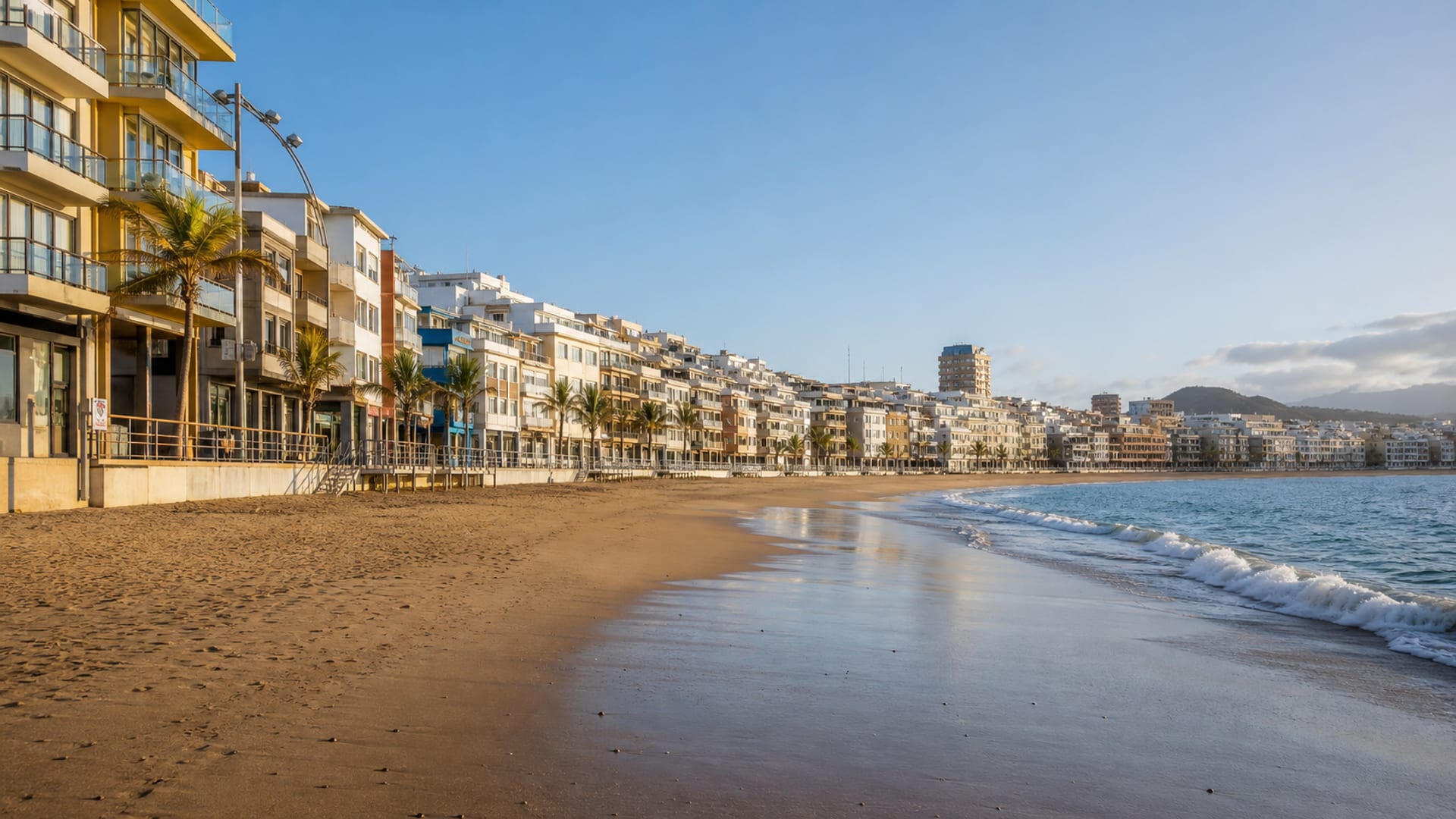
Las Canteras is Gran Canaria’s best-known beach strip in Las Palmas, lined with cafes, apartments, and a long promenade. It is ideal for easy seaside walks, swimming, and restaurant access without a car.
Best for: Beach time, dining, and visitors who want to stay near the waterfront
What to expect: Busy promenade traffic by day, with more relaxed movement after dinner and active weekends near the sand.
Hotel prices: Well-rated stays cost €100 to €205 ($115 to $240) per night.
Distance to major sights: About 10 minutes by bus to Vegueta, approximately a 5- to 15-minute walk to Santa Catalina
Quietness: Lively in the daytime, then quieter on side streets at night, though the seafront still has late activity
Main trade-off: You pay more for the location, and the most desirable rooms near the beach can book up early in high season.
Good to know: If you want restaurants and sights within walking distance and prefer not to rely on transport, this is the most convenient area to stay in the city.
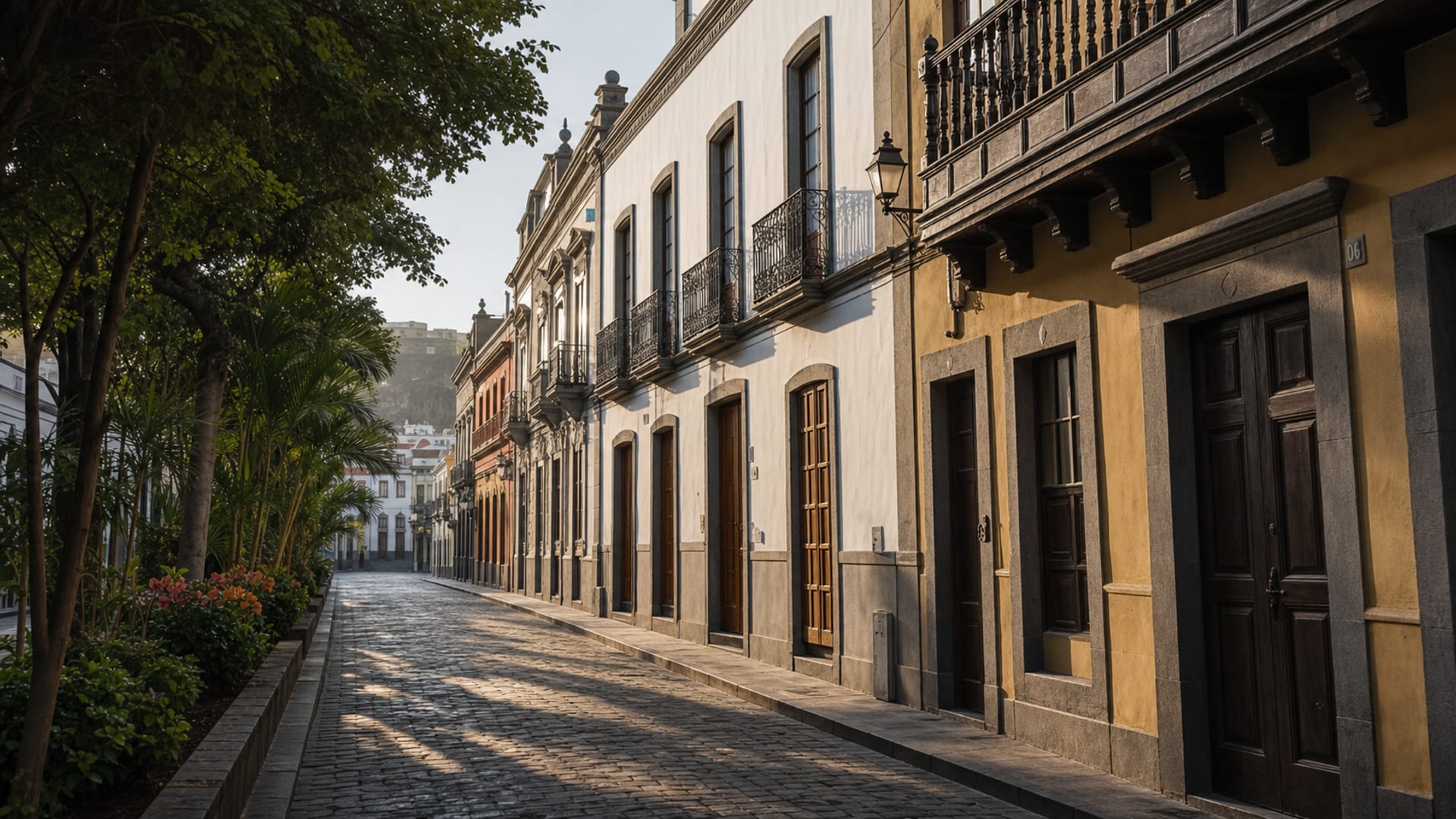
Triana is the historic shopping and dining district just inland from Vegueta, with pedestrian streets, architecture, and easy transit links. Old-town sightseeing, cafes, and everyday city life fit into one compact, walkable area.
Best for: Sightseeing, shopping, and travelers who want a central urban location
What to expect: Busy daytime foot traffic, many locals running errands, and a steady dinner crowd on the main streets
Hotel prices: Well-rated stays cost €85 to €165 ($100 to $190) per night.
Distance to major sights: About 5 to 10 minutes on foot to Vegueta, roughly 15 minutes by bus to Las Canteras
Quietness: Active through the day and early evening, then calmer once the shops close, especially away from the main pedestrian streets
Main trade-off: Rooms can be smaller than in other districts, and street-facing units pick up noise from buses and late shoppers.
Good to know: Parking is limited, so this area is better suited to travelers who plan to walk or use buses and taxis.
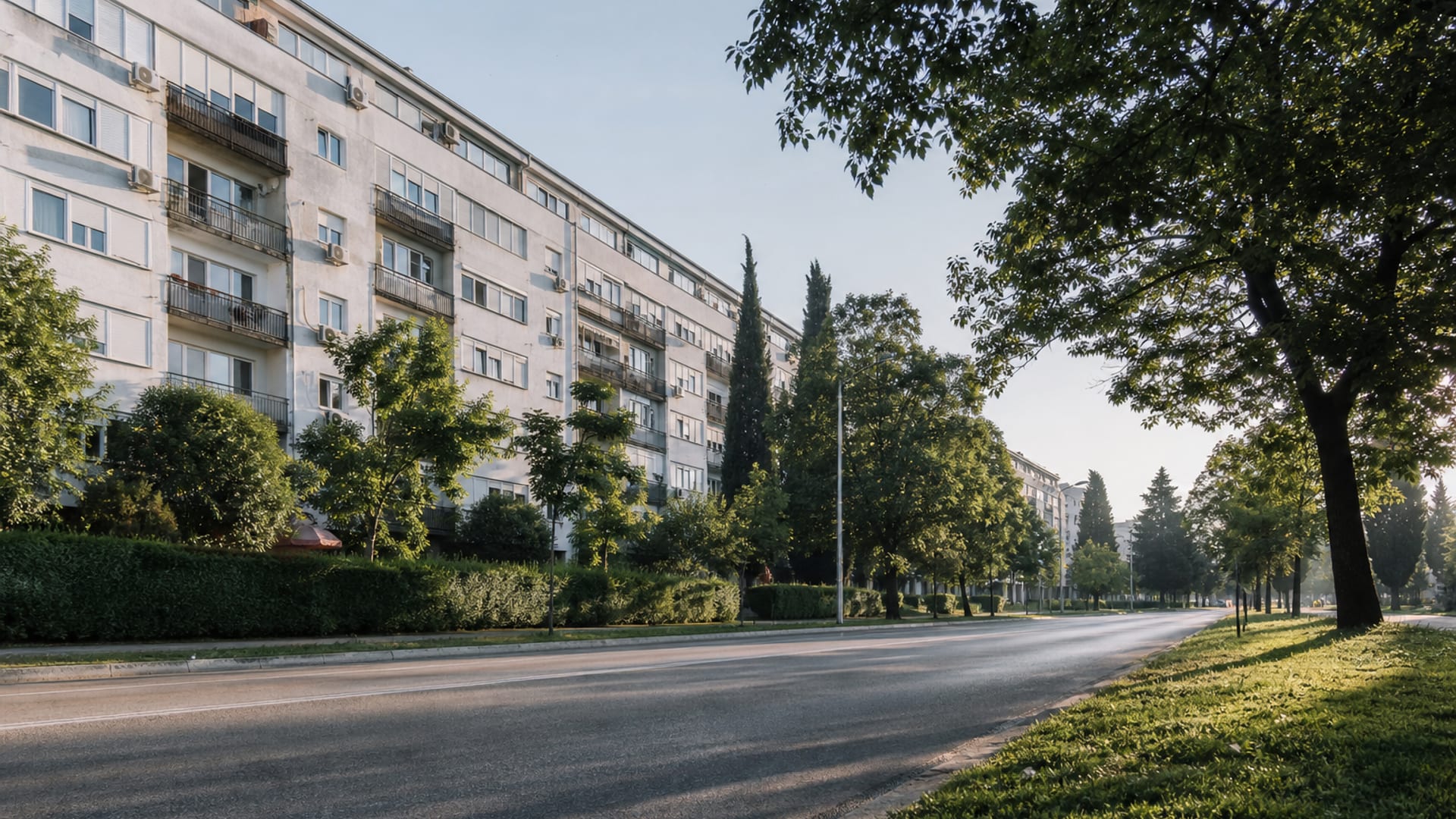
Vegueta is Las Palmas’ old quarter, known for the cathedral, museum cluster, and colonial-era lanes. It is ideal for travelers who want the city’s historic core on the doorstep and do not mind a slower nighttime scene.
Best for: Historic sightseeing, museums, and short walks to the cathedral area
What to expect: Tourist foot traffic by day, quieter lanes at night, and a more residential pace than the beach district
Hotel prices: Well-rated stays cost €80 to €150 ($90 to $170) per night.
Distance to major sights: About 5 minutes on foot to the Cathedral, roughly 20 minutes by bus to Las Canteras
Quietness: Evenings are quiet, with little nightlife once most day visitors have left.
Main trade-off: You are farther from the main beach, so evening plans by the coast usually require a ride.
Good to know: This area is especially convenient for early museum visits because several nearby sights open before most of the city gets busy.
Tauro, Puerto Rico, and Amadores are less convenient if you want easy access to cultural sights; they are resort areas far from the capital. Fataga and San Bartolomé de Tirajana are also less suitable for first-time visitors; they are inland and require longer trips to the coast and restaurants.
Hotel deals
How to get around Gran Canaria efficiently
Getting around Gran Canaria means combining intercity buses, taxis, and ride-hailing apps in town, plus a rental car for the mountainous interior.

Bus
for budget travel between the airport and southern resorts
Global, the island bus network, operates the island’s only public transport, linking the airport, Las Palmas, and resorts like Maspalomas and Playa del Inglés. Fares are from €2.30 to €6.90 ($3 to $8), with airport-to-resort trips taking 30 to 60 minutes. Buy tickets on board with cash or card.

Taxi and ride-hailing apps
for convenience or late hours
Licensed taxis are metered. Rides from the airport cost €26–€37 ($30–$43) to Las Palmas and €40–€55 ($46–$63) to Maspalomas or Playa del Inglés. Free Now and Cabify work as taxi alternatives. There are fewer rideshare cars available outside the city and main resort areas.

Rental car
for reaching Roque Nublo, Guayadeque, and other inland sights
A rental car gives you flexibility for exploring mountain villages, viewpoints, and trailheads. You can pick up a car at the airport. Compact and economy cars are €15–€50 ($17–$46) a day; SUVs cost €40–€50 ($35–$58), useful for the island’s steep mountain roads. Prices climb in the high season.
*Prices are based on rates updated as of September 2026 and may change at the time of travel.
Take buses for budget city and airport rides, taxis or ride-hailing apps for convenience, and a rental car to reach the mountainous interior independently.
Iconic landmarks
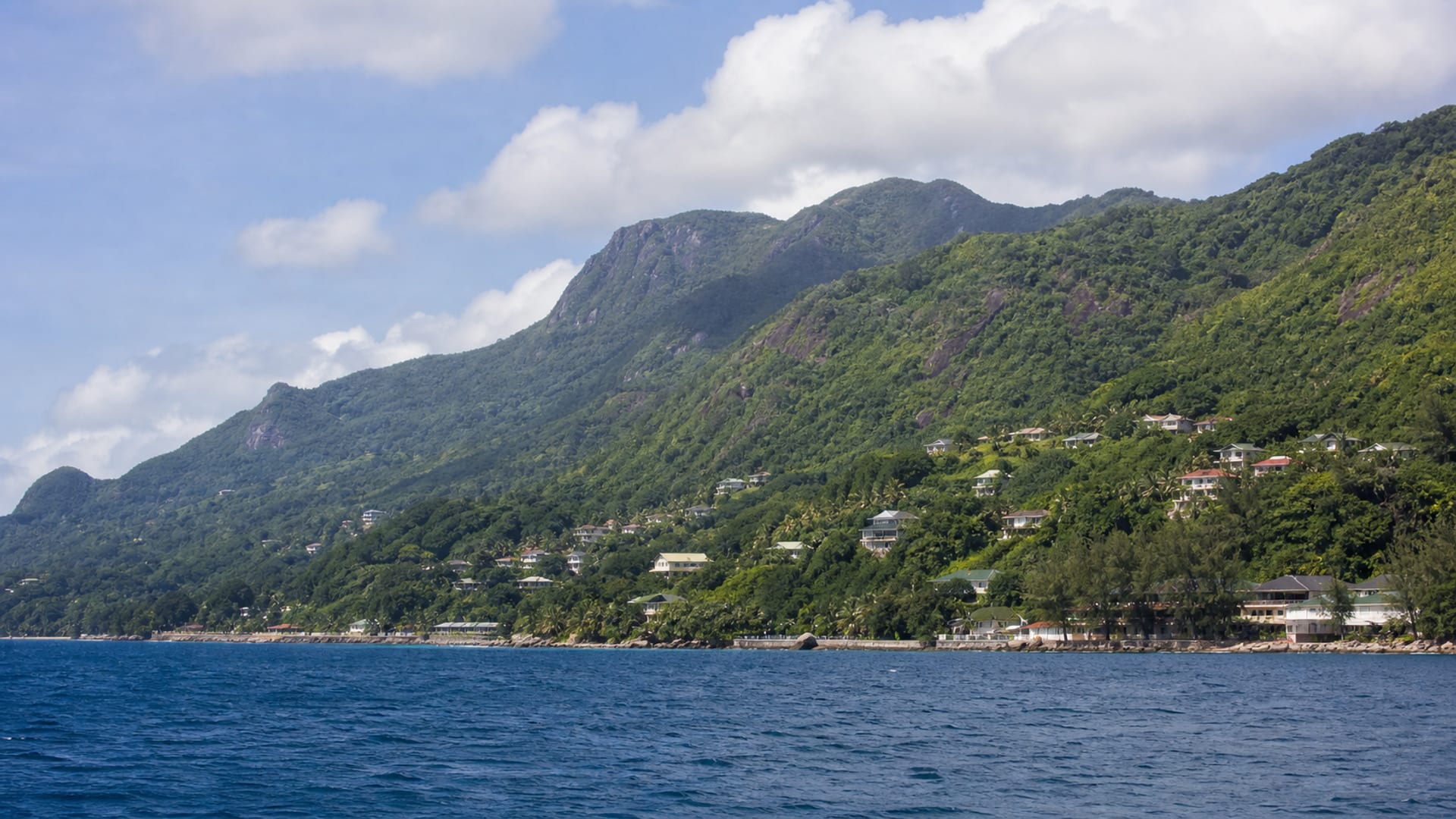
Roque Nublo
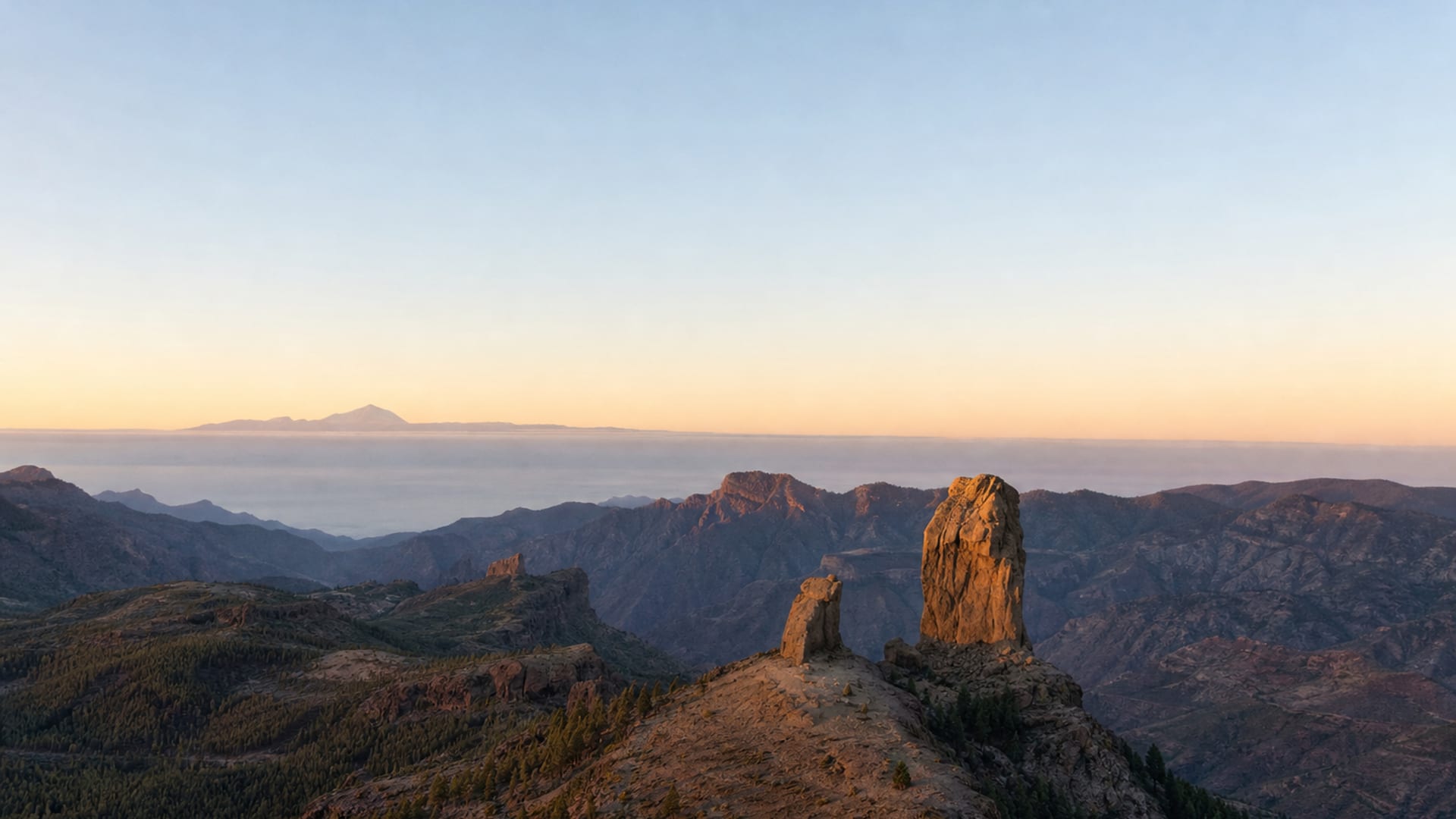
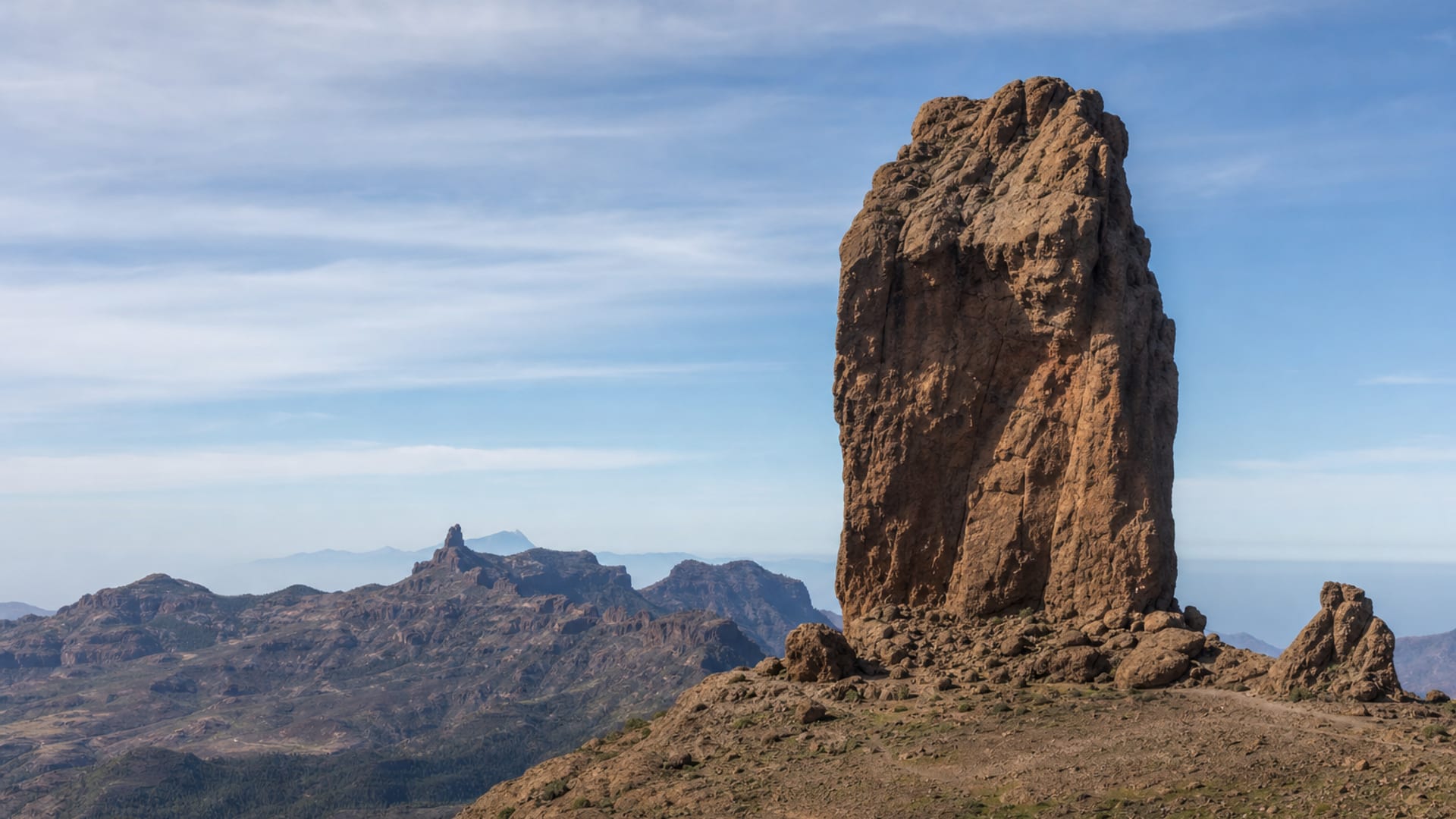
A basalt monolith rising from Gran Canaria’s central highlands, Roque Nublo is the island’s most recognizable natural landmark. The signed trail from the checkpoint winds past volcanic ridges and deep ravines to sweeping views that, on clear days, stretch to Tenerife’s Mount Teide.
Time needed: About 2 to 3 hours total, including the walk from the parking zone
Entry: Free, but you need to make a reservation online in advance. Visit the official site for details.
Tip: Book your slot in advance, then go early for cooler air, soft light, and fewer crowds.
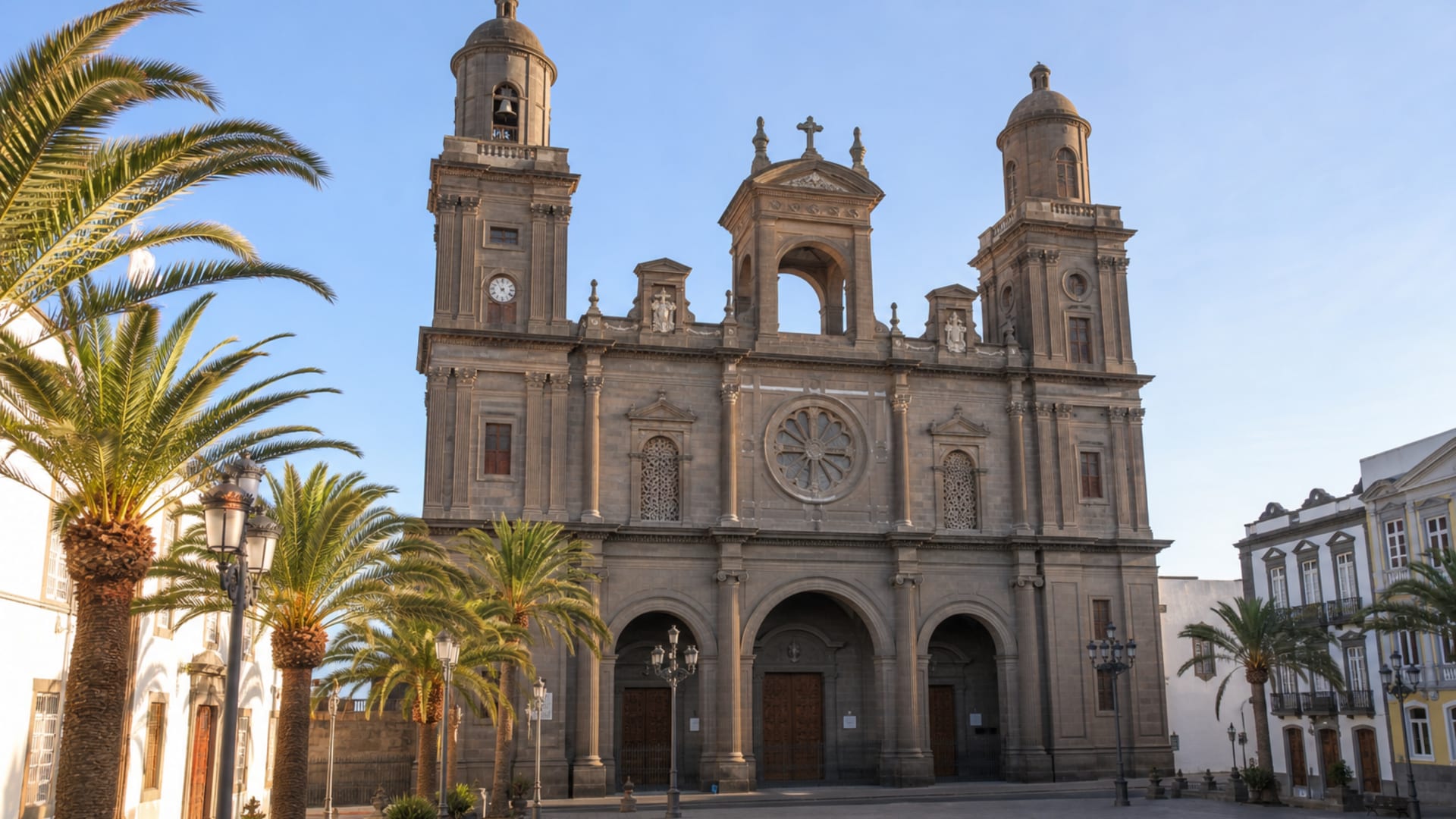
Catedral Basílica de Santa Ana
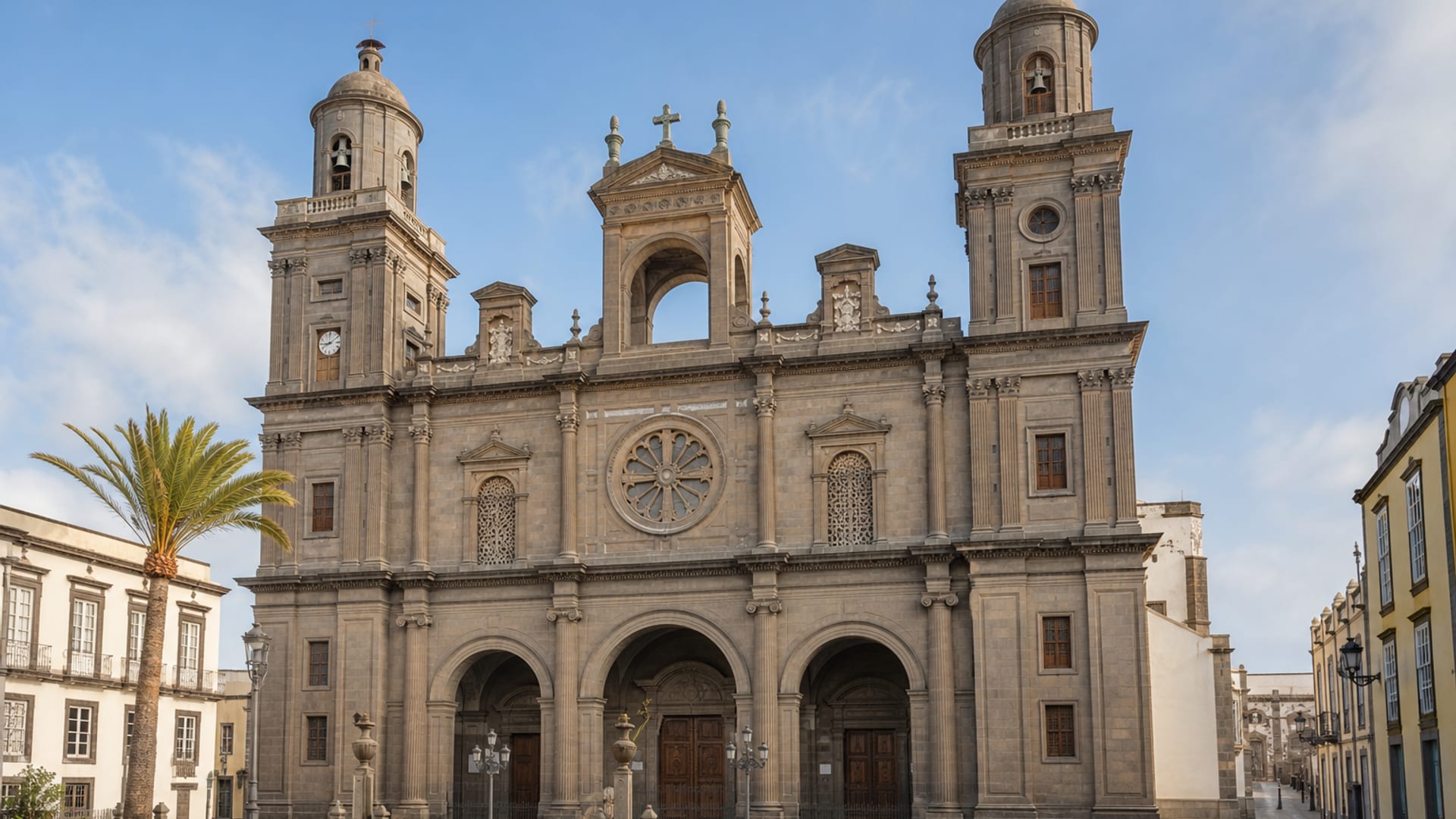
Las Palmas Cathedral stands at the heart of Vegueta, with Gothic, Renaissance, and Neoclassical elements behind its Neoclassical facade. The tower climb gives you wide views over the city, port, and Atlantic, while Plaza de Santa Ana provides the clearest view of the cathedral’s exterior.
Time needed: About 1 to 2 hours for the cathedral, tower, and museum
Entry: The general fee is €8 ($9), and it includes tower and museum access. Visit the official site for details.
Tip: Visit after 10:00 am, when the square is livelier, and the light suits the facade.
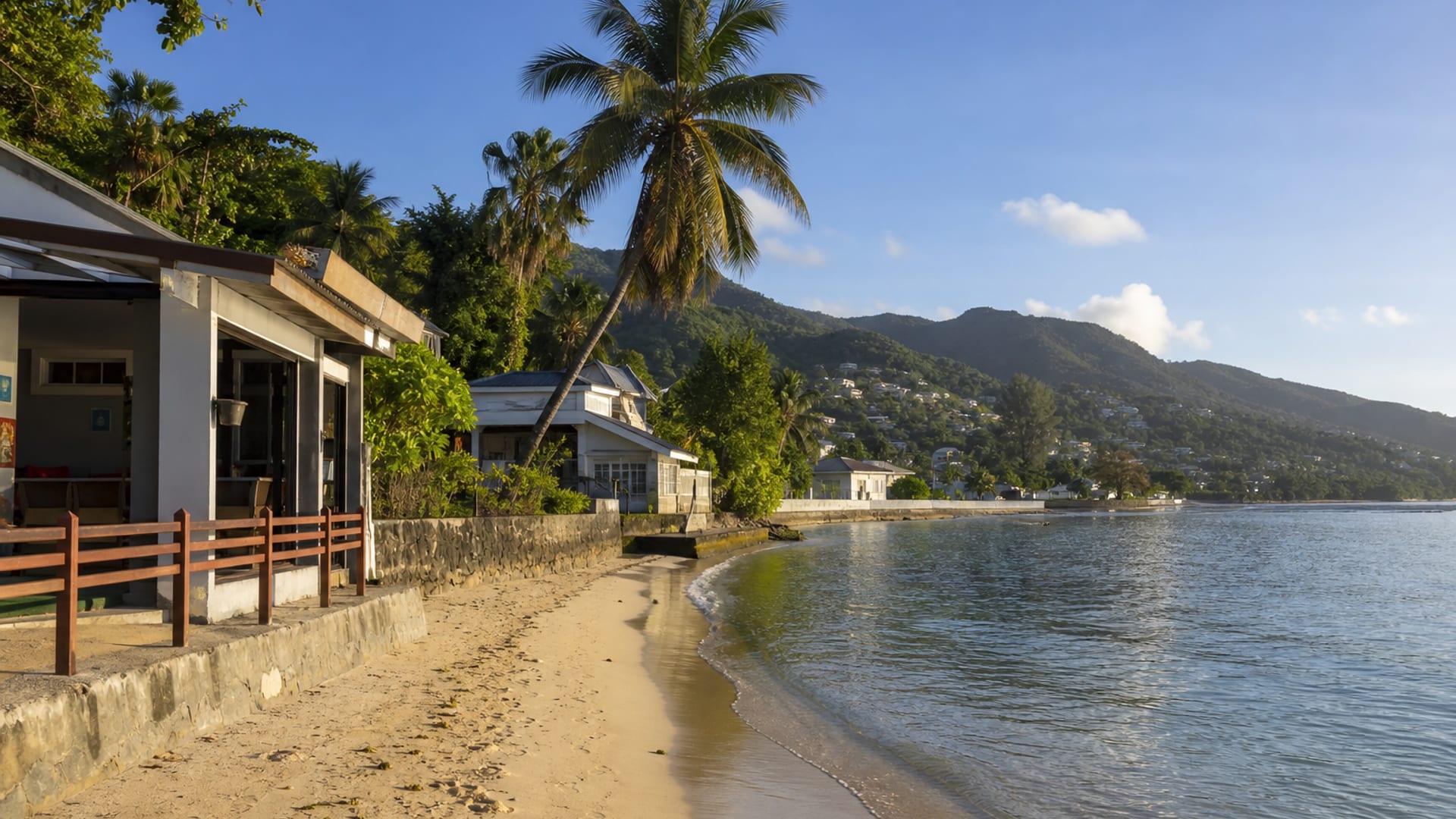
Dunas de Maspalomas
The Maspalomas dunes form a protected coastal landscape of wind-shaped sand, salt marsh, and a long beach edge in the south of the island. Walk the marked paths at sunrise or sunset for the sharpest contours and the best temperature.
Time needed: About 1 to 3 hours
Entry: Free. Beach facilities and nearby parking may charge separately.
Tip: Wear closed shoes and avoid midday heat, when the sand and exposure become intense.
Overlooked sites worth visiting

Barranco de Guayadeque
Barranco de Guayadeque is a steep volcanic ravine lined with cave houses, small hermitages, and a few family-run restaurants. Walk the lower trails for cliffs, terraces, and clear views of traditional rock-cut homes.
Time needed: About 2 to 4 hours
Entry: The ravine roads and public viewpoints are free to explore; some cave museums and chapels charge separately. The museum visits are €3 to €5 ($3.50 to $6).
Tip: Go in the morning for cooler walking and better cliff light.

Cenobio de Valerón
This compact troglodyte granary cuts hundreds of storage niches into a volcanic cliff, with a short marked path and big views over the north coast. It pairs archaeology with a quick stop.
Time needed: About 45 minutes to 1 hour
Entry: Standard admission is €3 ($3.50) per adult. Tickets cover the site visit and the small interpretation area on the trail approach. Visit the official site for details.
Tip: Visit near opening time to avoid heat on the uphill approach.
Traditional food
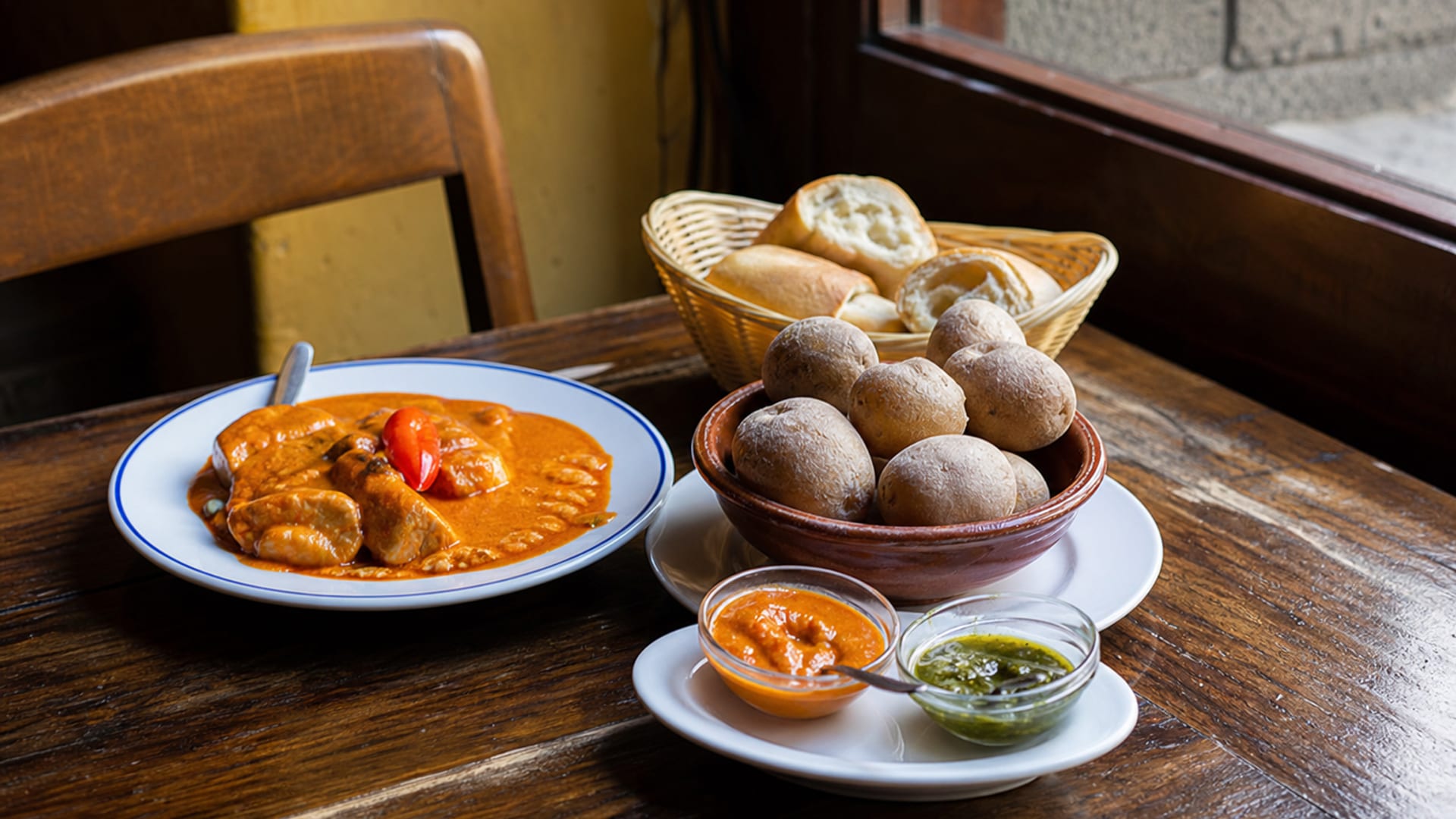
Potatoes, wrinkled salt-crust skins, local sauces, fish, and grainy gofio define Gran Canaria’s cooking, served as simple plates that suit long lunches and late dinners.
Papas arrugadas
These wrinkled potatoes arrive with bright mojo sauces and appear on almost every Canarian table. At La Marinera in Las Palmas, order them alongside fresh seafood at a table overlooking Las Canteras beach.
Mojo rojo
The red pepper sauce brings heat, garlic, and paprika to potatoes, fish, and grilled meats. Casa Montesdeoca in Vegueta serves it in a setting that suits a longer old-town meal.
Sancocho canario
This salted fish dish with sweet potato, potatoes, and mojo suits a slow, unhurried lunch. For one of the island’s best versions, go to Segundo Restaurante in nearby Telde, a local favorite for the dish.
Gofio
Gofio appears in soups, desserts, and baked dishes, adding a toasted cereal flavor to many Canarian recipes. At El Equilibrista 33, near Las Alcaravaneras, it appears throughout the menu in dishes such as maki de gofio, escaldón de gofio, and gofio-based desserts.
Best time to visit Gran Canaria
Gran Canaria stays mild for most of the year, but the best time to visit depends on whether you plan to spend more time at the beach, explore the city on foot, or hike in the mountains.
Best for: Warm city stays and winter sun on the coast
What you get: About 63°F to 72°F (17°C to 22°C), with lighter crowds than summer and comfortable walking weather
Trade-offs: Higher demand can push up room rates during holiday periods.
Best for: Balanced weather for Las Palmas and day trips inland
What you get: About 65°F to 75°F (18°C to 24°C), with moderate crowds and long daylight
Trade-offs: Calima and occasional strong winds can reduce visibility on some days.
Best for: Beach days and long evenings by Las Canteras
What you get: About 70°F to 81°F (21°C to 27°C), with the busiest coastal stretches and more families in town
Trade-offs: Heat and stronger sun make midday sightseeing less appealing.
Best for: Swimming, hiking, and quiet days in the city
What you get: About 68°F to 79°F (20°C to 26°C), with smaller crowds after the summer peak
Trade-offs: Early fall can still be hot on exposed inland trails and roads.
A realistic 5-day plan in Gran Canaria
This five-day itinerary keeps Las Palmas at the center of the trip and adds one inland excursion at a time. You get mornings in the old town, afternoons by the coast, two separate day trips, and a final day that leaves enough time for the airport transfer.
After landing at Gran Canaria Airport (LPA), take a taxi to Las Palmas, which costs €26 to €39 ($30 to $45). The airport bus costs roughly €2.50 to €4.50 ($3 to $5) and serves stops near Triana, Vegueta, and Las Canteras. Stay near Las Canteras if you want dinner close to the waterfront, or choose Triana for pedestrian streets and easier access to the historic center. After check-in, have a light dinner at a nearby cafe or tapas restaurant and leave sightseeing for the next morning.
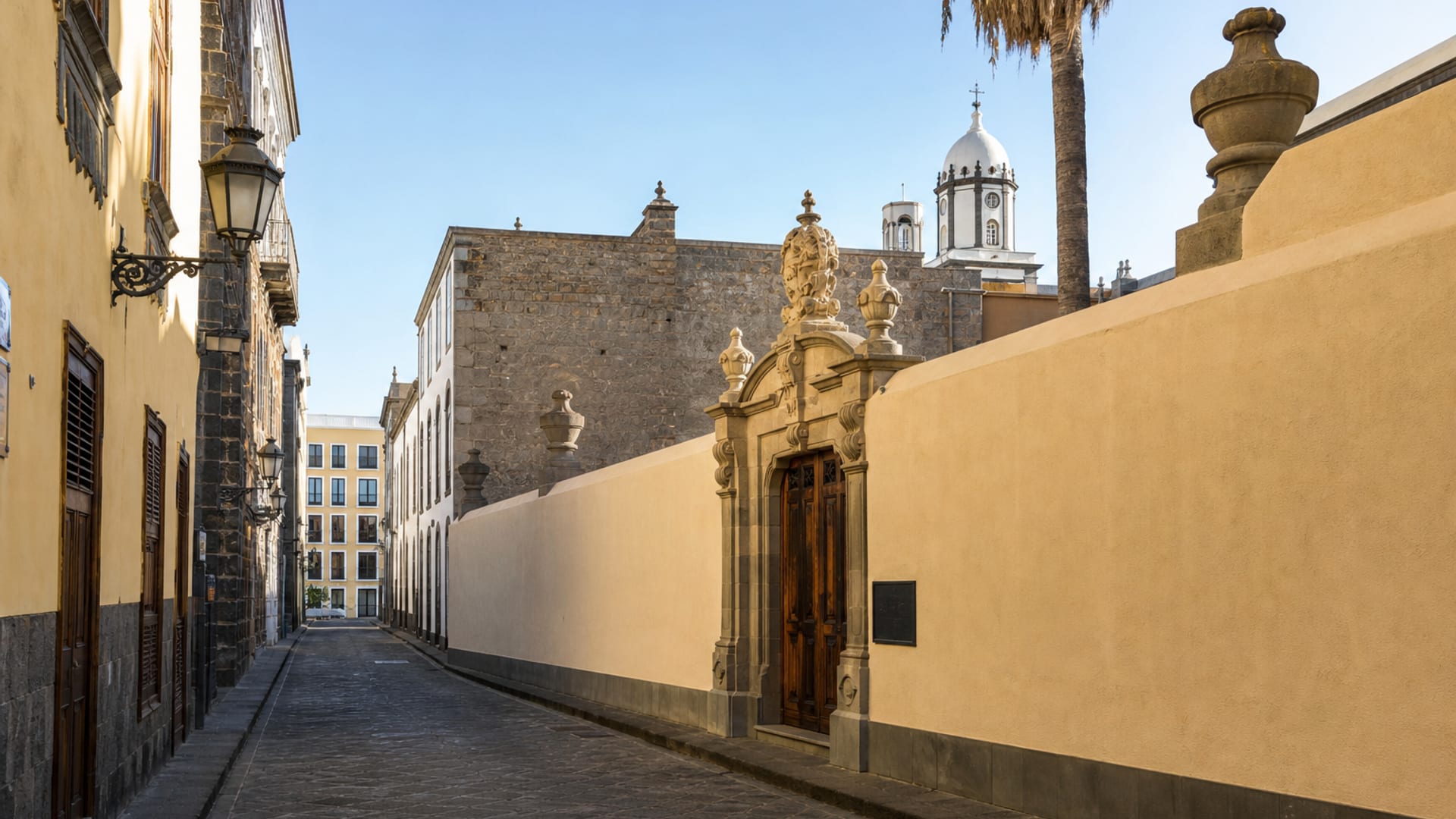
Start in Vegueta at the Catedral Basílica de Santa Ana after 10:00 am. Allow about 1 to 2 hours for the cathedral and tower, then spend a few minutes walking through the surrounding streets of the old quarter. Continue to Triana, about 5 to 10 minutes on foot, for lunch and time along its pedestrian shopping streets and historic facades. In the afternoon, take a bus to Las Canteras, a trip of about 15 to 20 minutes, and finish the day with a walk along the seafront and dinner nearby.
Start early, since the drive from Las Palmas to Cruz de Los Llanos, the closest parking area to the trail, takes up to 1.5 hoursminutes. From there, walk about 1 hour, or roughly 2.3 miles (3.7 km), to the trail checkpoint, or take the short shuttle bus for about €1.40 ($1.50). Continue on foot to the monolith and allow roughly 2 to 3 hours for the full outing. On the return to Las Palmas, stop in Vegueta for a late lunch or museum visit. For a quieter evening, continue to Las Canteras for sunset and dinner nearby.
Drive to Barranco de Guayadeque in the morning, about 35 to 45 minutes from Las Palmas, and allow 2 to 4 hours for the ravine, cave houses, and viewpoints. Continue north to Cenobio de Valerón on the return trip. The detour adds about 1 hour of driving, and the site takes roughly 45 minutes to 1 hour to visit. Finish the day in Triana, where you can have dinner and spend the evening on its pedestrian streets after the drive back to the city.
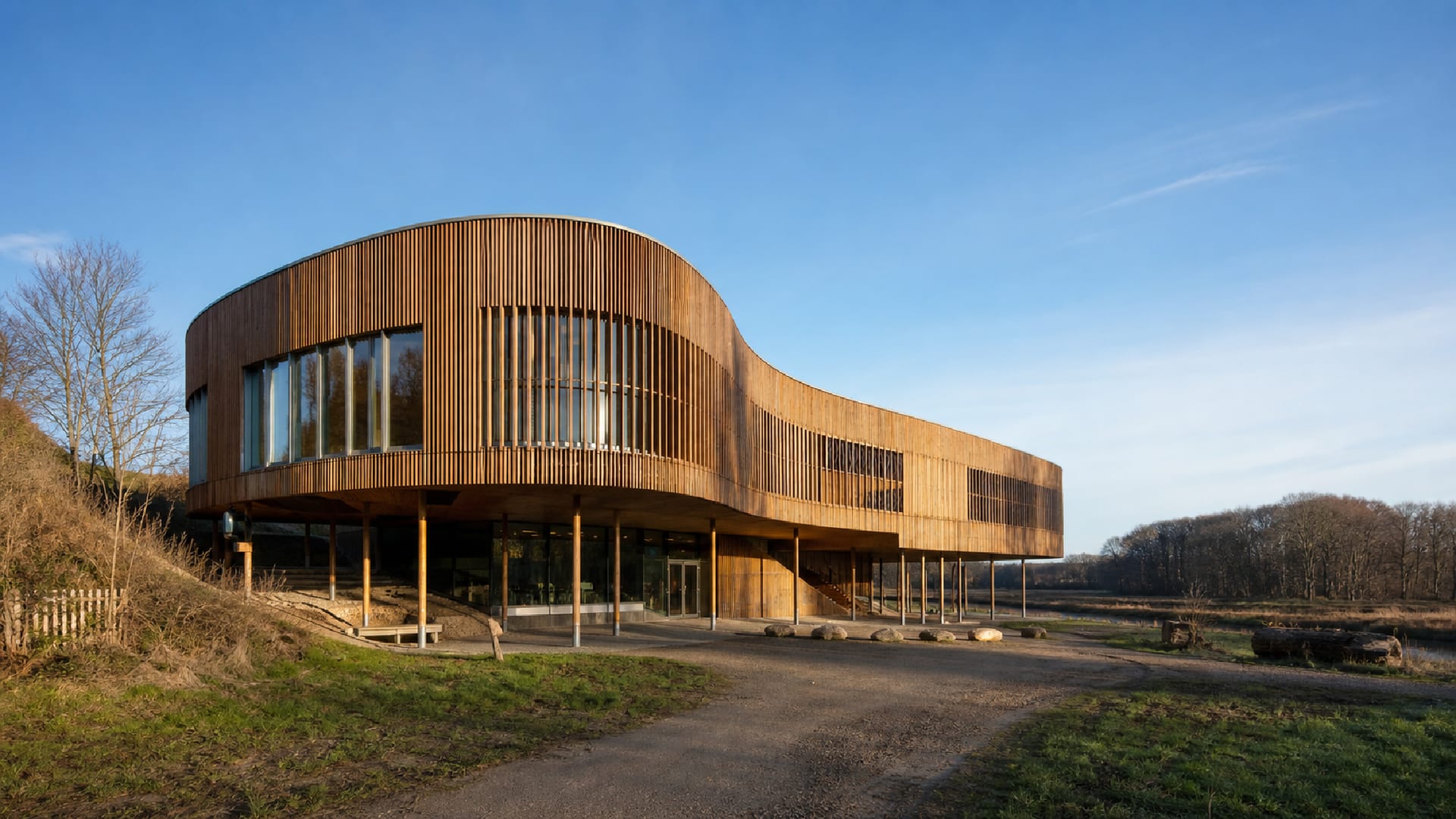
Keep the final day close to the city center. Start with a short museum visit in Vegueta, or return to Cathedral Square for one last walk through the old quarter. Spend the late morning in Triana, then head to Las Canteras for coffee or lunch by the sea if your flight departs later in the day. If you still have time before leaving for the airport, take a final walk along the promenade and return to your hotel before the transfer.
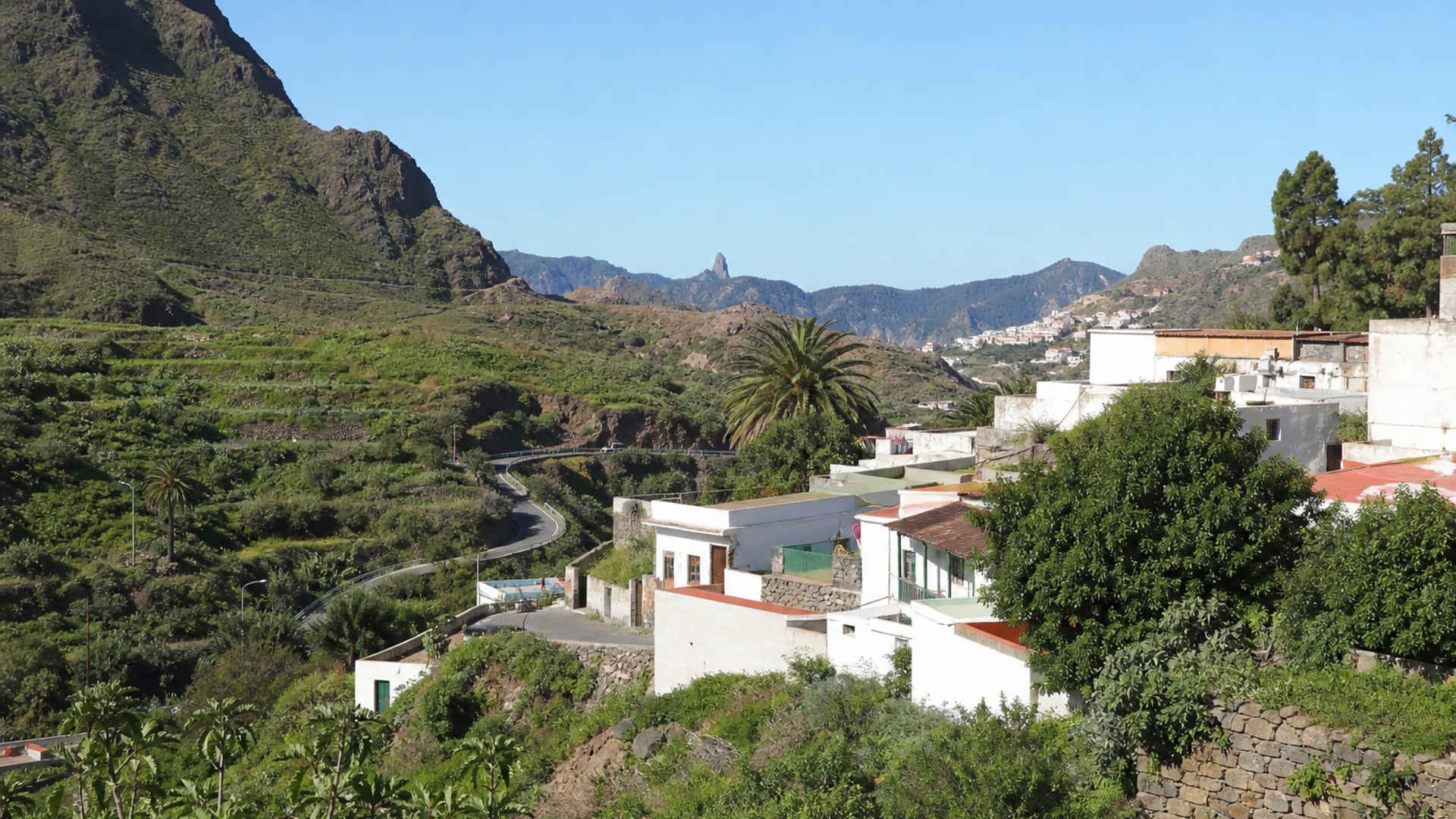
Business-class flights from the US to Gran Canaria
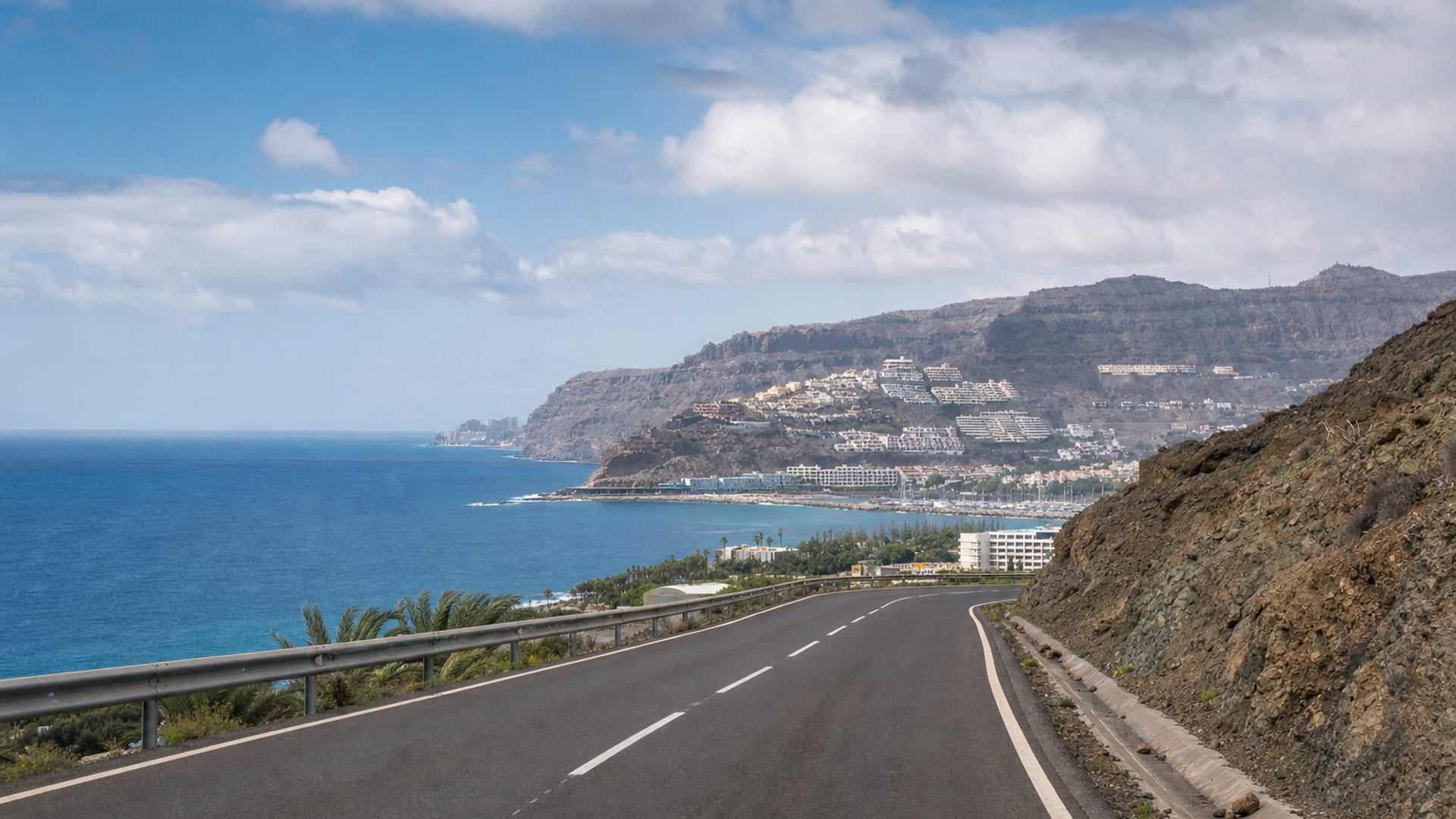
There are no nonstop flights from the US to Gran Canaria (LPA), so most business-class itineraries require one connection in a European hub.
New York (JFK) to Gran Canaria (LPA)
From New York (JFK), Iberia offers the most frequent flights to Gran Canaria, with one stop through Madrid; Air Europa, Lufthansa, Swiss International Air Lines, TAP Air Portugal, and United Airlines also fly this route via Lisbon (LIS), Frankfurt (FRA), Zurich (ZRH), or Munich (MUC). The trip takes 10 to 15 hours total, with round-trip business fares starting at $2,400 and reaching $4,800.
Los Angeles (LAX) to Gran Canaria (LPA)
Los Angeles (LAX) has no nonstop flights to Gran Canaria either. The trip takes between 13 and 18 hours. Iberia, Lufthansa, Air Europa, TAP Air Portugal, British Airways, and United Airlines all offer one-stop flights through Madrid (MAD), Lisbon (LIS), Frankfurt (FRA), London (LHR), or Paris (CDG). Round-trip business fares on this route range from $2,600 to $5,200.
See more of Gran Canaria by moving slower
Gran Canaria is easier to enjoy when you give each part of the trip enough time. Spend unhurried evenings near Las Canteras, leave room for cafes and shopping in Triana, and explore Vegueta without squeezing the cathedral and museums into a rushed visit. Add an early start for Roque Nublo and a separate drive through Guayadeque, and the itinerary stays balanced. If you want help planning the trip from the US to Gran Canario, AranGrant experts can shape the route around your dates, priorities, and preferred pace.







