

Chapters:

Need help with your trip?
Our support team is available 24/7. Request a callback or call us directly at (833) 619-0908
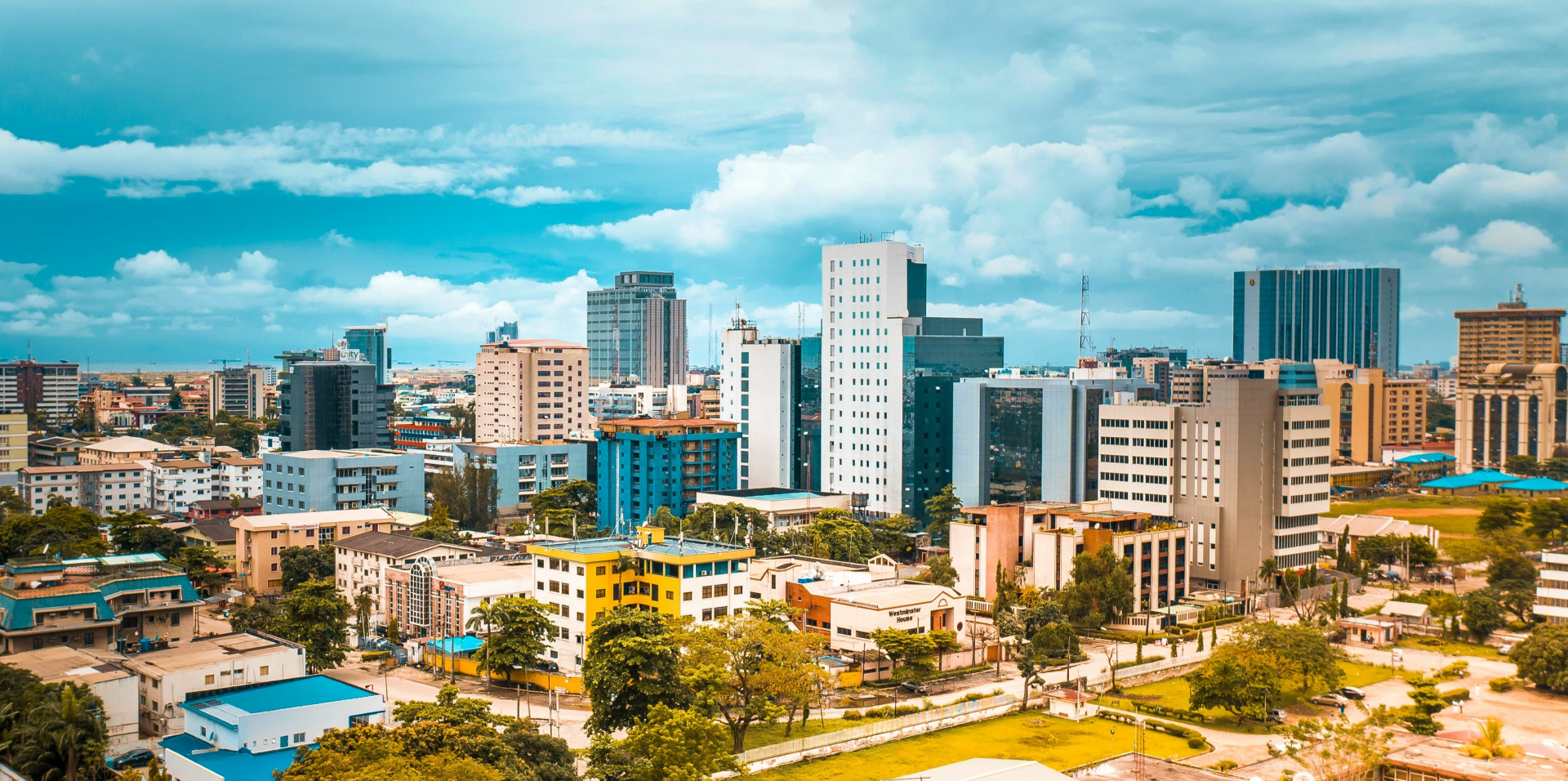
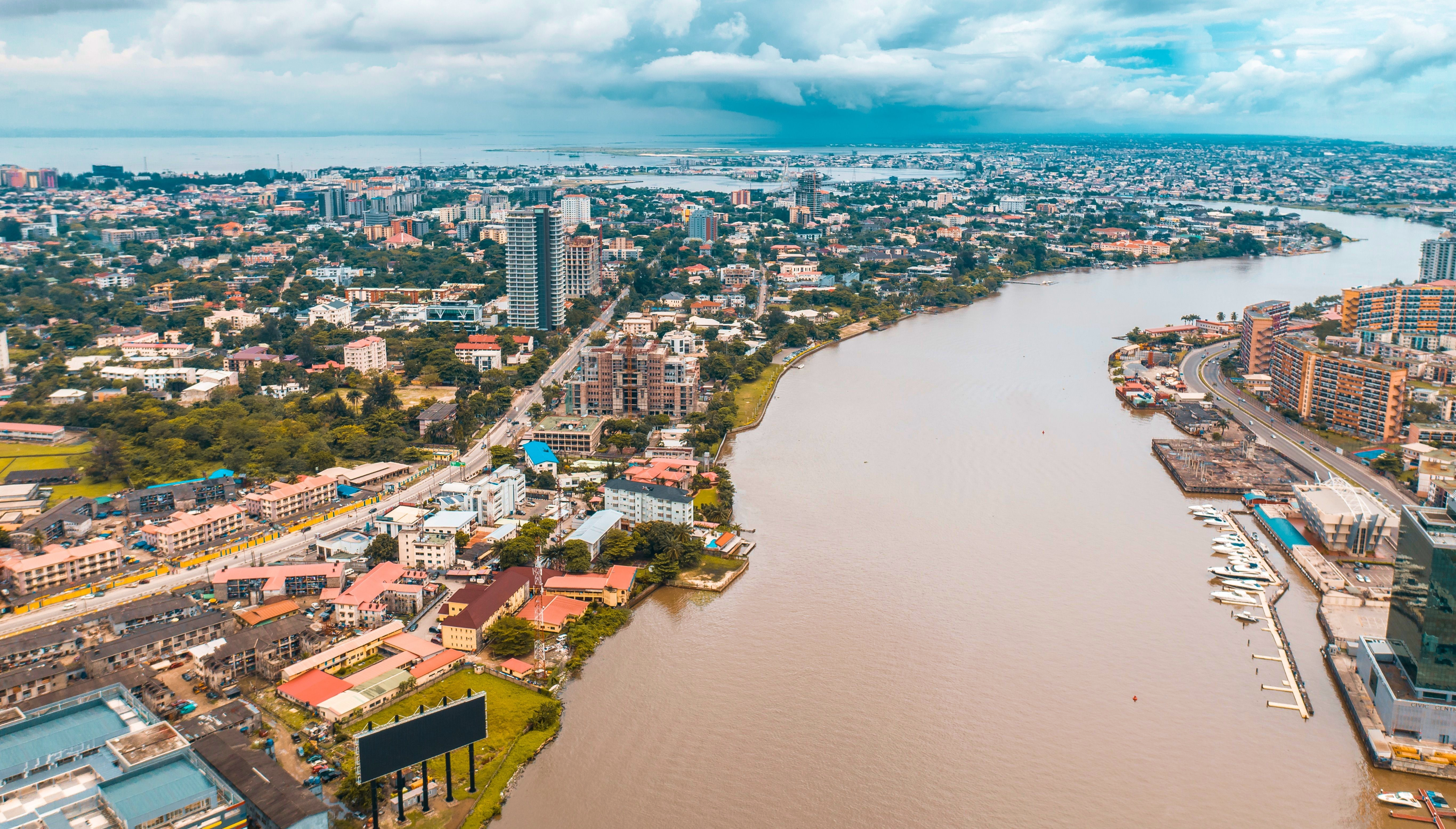
Lagos moves at its own rhythm, where waterfront districts, busy markets, and residential enclaves sit closer on the map than they feel in practice. First-time visitors often plan full days around short distances, only to find that traffic, timing, and shifting routes reshape the schedule. The city rewards a slower, more deliberate approach, where you give each landmark its space.
This guide lays out a simple way to experience Lagos, covering where to stay, what to eat, how to navigate the city, and how to organize your five day-trip.
Useful things to know

Main language(s): English

Currency: Nigerian naira (NGN, ₦)

Cash and cards: Card and contactless payments are accepted in many hotels and larger shops, but carry about ₦20,000 to ₦50,000 in cash for taxis and smaller purchases.

Tipping: Round up small bills; 5%–10% is common at more upscale restaurants if service is good.

Traditional food: Jollof rice, efo riro, suya, pepper soup

Water and coffee costs: A bottle of water costs ₦1,000 ($0.60). Bars serve espresso for ₦3,000–₦5,000 ($2.20–$3.60).

Taxis and ride apps: Uber and Bolt operate here; confirm the pickup point before you request a ride.

Plug and voltage: Mainly type G socket; type D is found in older properties, 230V

Dining and shop opening hours: Breakfast is usually served between 07:00 am and 10:00 am, lunch from 12:00 pm to 3:00 pm, and dinner from 6:00 pm to 10:00 pm. Some restaurants open later, and street food often runs into the night.

Emergency number: Dial 112 for police, fire, and ambulance.
Where to stay in Lagos
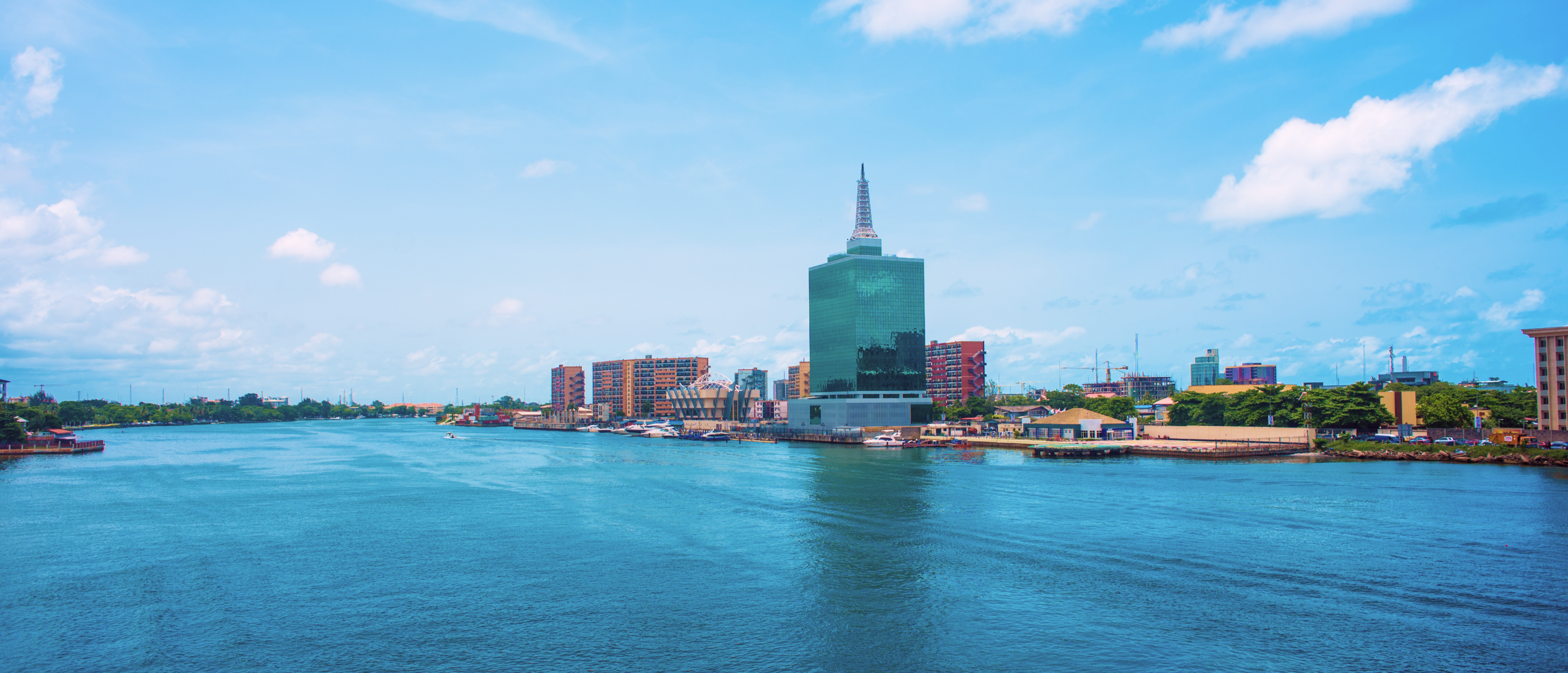
Lagos’s main business-and-dining district, Victoria Island, pairs high-rise hotels with restaurants, galleries, and easy access to the waterfront. It is a good fit for travelers who want the city’s widest mix of upscale hotels and restaurants, and quick links to Ikoyi, Lekki, and the mainland.
Best for: Business travel, dining, nightlife, and travelers who want a central hotel location
What to expect: Busy avenues, late dinner spots, and a steady stream of office traffic on weekdays, with more leisure crowds in the evenings and on weekends
Hotel prices: Usually ₦165,300 to ₦413,300 ($120 to $300) per night for well-rated hotels
Distance to major sights: It takes 15 to 25 minutes by car to reach National Museum Lagos.
Quietness: Lively by day and evening, with traffic noise on the main roads; quieter on interior streets after office hours
Main trade-off: Hotel rates rise quickly, and peak-hour traffic can make short rides take longer than expected.
Good to know: Choose a hotel away from Ozumba Mbadiwe or other major roads if you want less road noise at night.
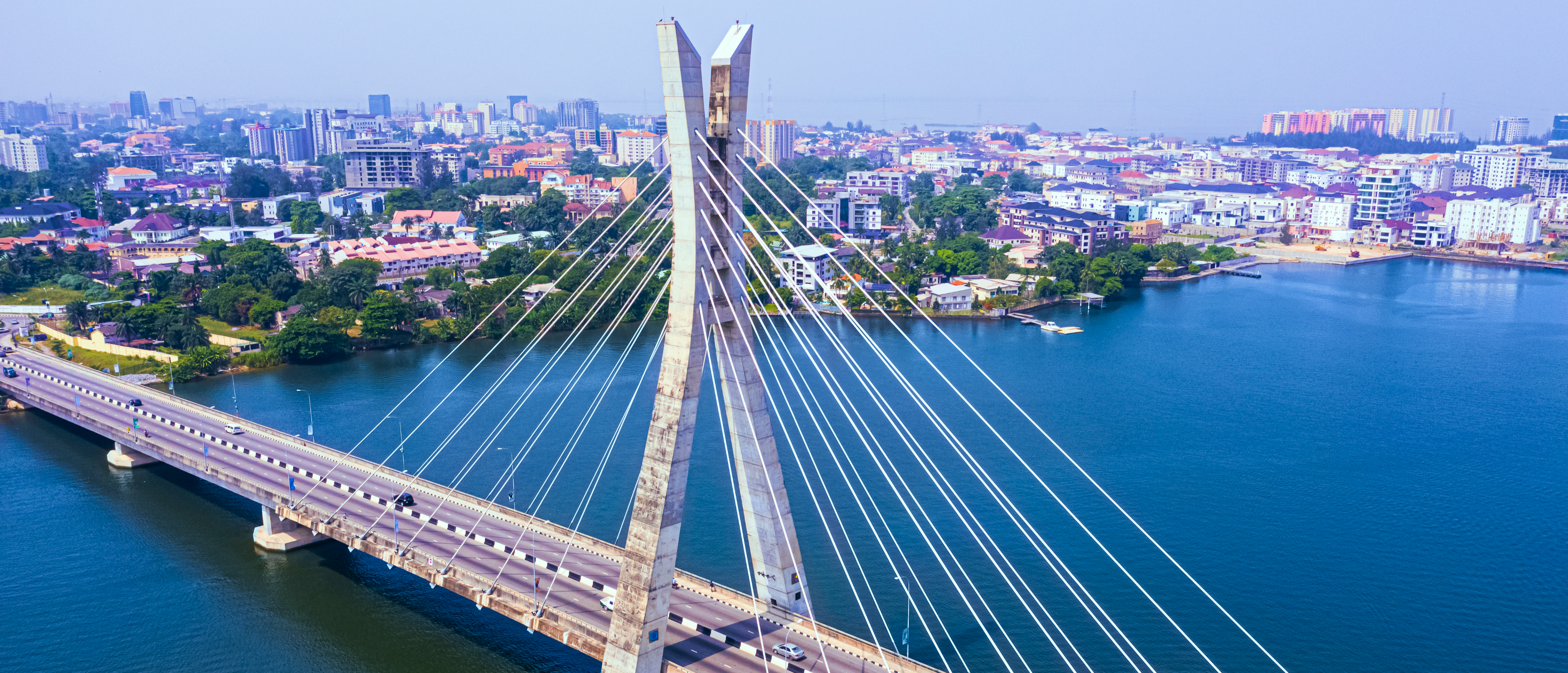
Ikoyi is one of Lagos’s most upmarket residential areas, with tree-lined streets, embassies, clubs, and a high concentration of large houses and serviced apartments. It gives visitors a calmer, more residential stay close to Victoria Island and the lagoon edge.
Best for: Longer stays, upscale residential atmosphere, and easy access to Victoria Island
What to expect: Leafy streets, security gates, private clubs, and far less street bustle than nearby commercial districts
Hotel prices: Typically between ₦206,600 and ₦551,000 ($150–$400) per night for upscale stays
Distance to major sights: About 10 minutes by car to National Museum Lagos
Quietness: Quieter than Victoria Island in the day, with some evening calm, except near main roads and club areas
Main trade-off: You may pay more for a room than in other districts, and you might need a car ride even for simple errands.
Good to know: Nightlife and casual late dining are limited, so plan to visit Victoria Island or Lekki for evenings out.
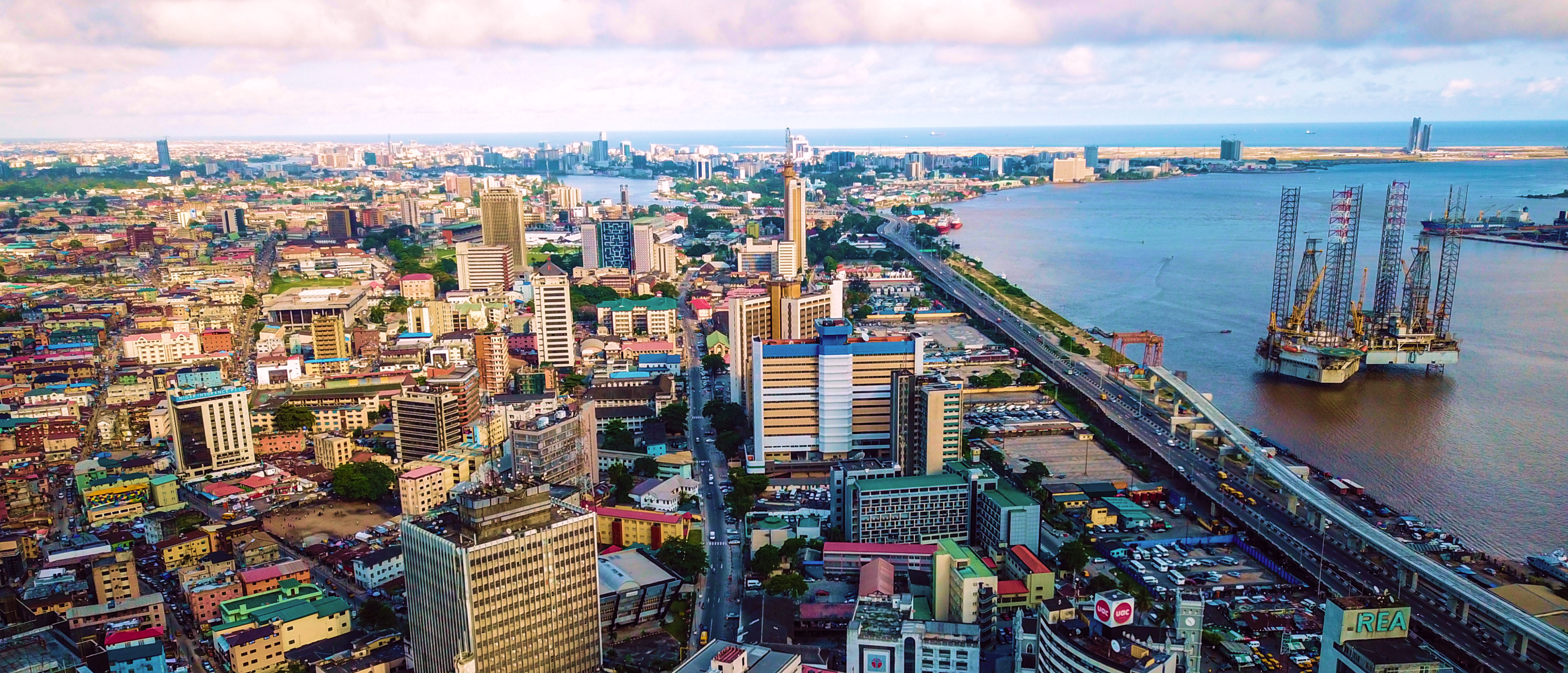
Lekki Phase 1 is a planned neighborhood with restaurants, bars, short-stay apartments, and newer housing streets. Many visitors choose it for access to Lagos’s eastern waterfront, malls, and newer leisure spots.
Best for: Apartments, dining, bars, and travelers spending time on Lagos’s eastern side
What to expect: A busy mix of residential blocks, traffic at junctions, and active evenings near restaurant streets, with quieter areas inside the estate layout
Hotel prices: Costs per night usually range from ₦110,200 to ₦303,100 ($80–$220).
Distance to major sights: Up to 40 minutes away by car from the National Museum Lagos, depending on traffic
Quietness: Moderate in the day and livelier at night near food and bar streets; inner residential lanes are calmer.
Main trade-off: The distance to central Lagos landmarks can add significant transfer time, especially during rush hour.
Good to know: If you need early starts in central Lagos, build extra time into your schedule for rides, as they can take much longer in peak traffic.
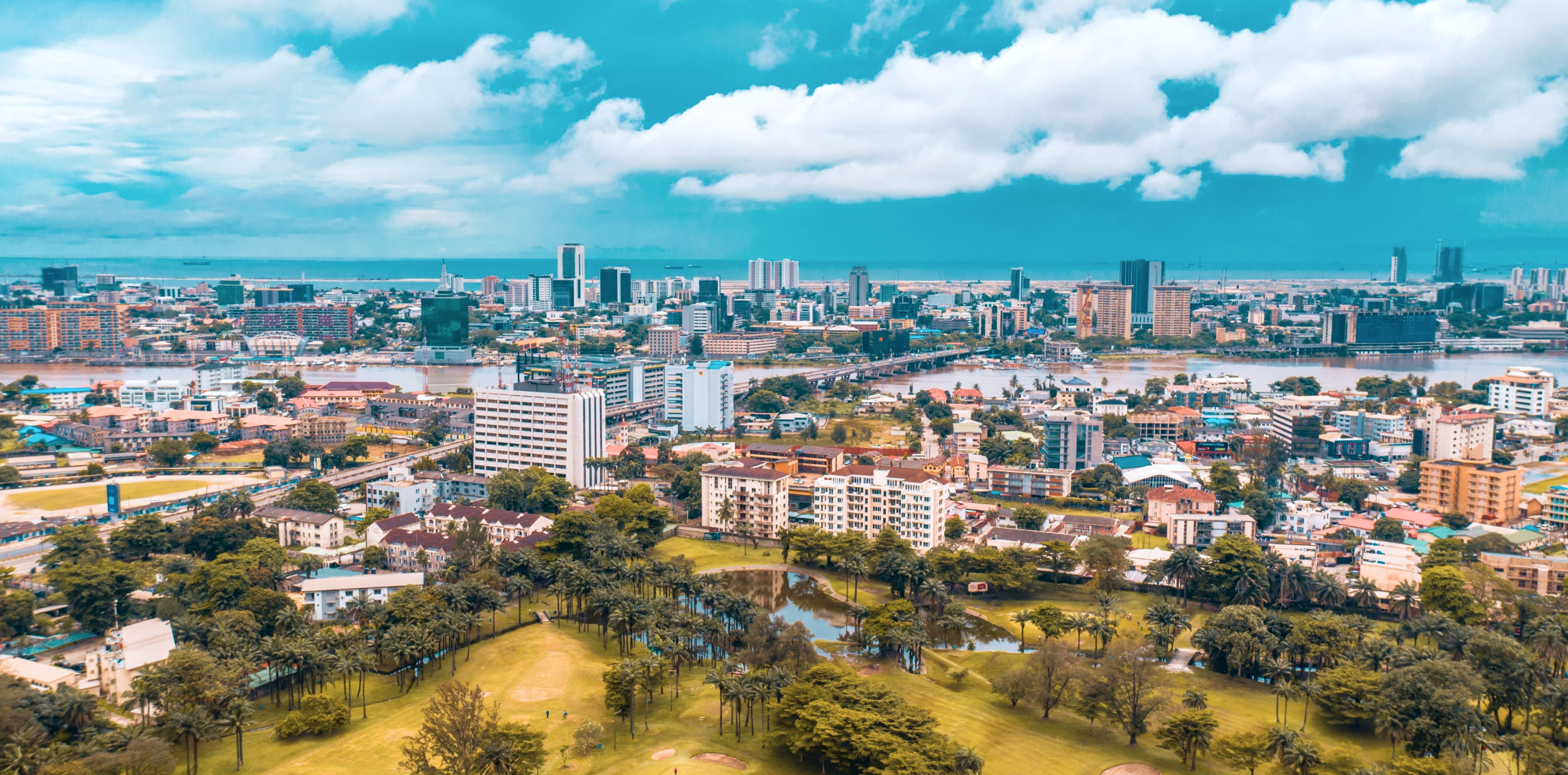
Ikeja GRA is an established, low-rise residential district in Lagos Mainland, close to the airport corridor and government offices. It gives travelers easier access to Murtala Muhammed Airport, business addresses, and quieter streets than the city’s coastal districts.
Best for: Airport access, business trips, and travelers who prefer an inland location
What to expect: Tree-lined streets, compounds, and a more residential pace than the waterfront districts, with steady traffic on nearby arterial roads
Hotel prices: Usually about ₦96,400 to ₦248,000 ($70–$180) per night for well-rated stays
Distance to major sights: About 10 to 20 minutes by car to Murtala Muhammed Airport (LOS)
Quietness: The area is generally quieter during the day and evening than on Victoria Island, although traffic and generator noise can increase near larger roads.
Main trade-off: You will be farther from most waterfront restaurants and sightseeing spots, so cross-city trips take longer.
Good to know: Some hotels are off the main roads and are easier to reach by taxi than on foot.
Travelers usually avoid staying in Ajah, Sangotedo, and Ibeju-Lekki because they are far from the main visitor areas on Lagos Island and the mainland, and evening trips can take a long time in traffic.
Hotel deals
How to get around Lagos efficiently
Lagos has no metro for airport-area visitors, so your trip to the hotel needs careful planning, using BRT buses, metro, taxis, or ride-hailing apps.

Metro
for longer distances
Lagos has two operational rail lines: the Blue Line, opened in September 2023, and the Red Line, opened in October 2024, both part of the Lagos Rail Mass Transit system. The Red Line serves Ikeja, an area close to the domestic terminal of Murtala Muhammed International Airport (LOS).

Bus
for convenience
BRT bus lanes are Lagos’ main public-transit backbone. Fares are low, usually about ₦300 ($0.20), depending on the route and distance, and payment is commonly cashless via a Cowry Card or app-based ticketing. For rides from the airport to the city, you will need to walk and change buses.

Taxi
for convenience or late hours
Licensed taxis and app-based cars use taximeters or charge fares quoted by drivers before departure. Trips from the LOS airport start at ₦5000 ($3.60), with higher prices in heavy traffic or late at night. Use only marked cabs or cars from recognized ride-hailing apps.
*Prices are based on rates updated as of June 2026 and may change at the time of travel.
BRT suits longer trips on main roads, taxis are the most stress-free door-to-door option, and walking is a good option only for short distances.
Iconic landmarks
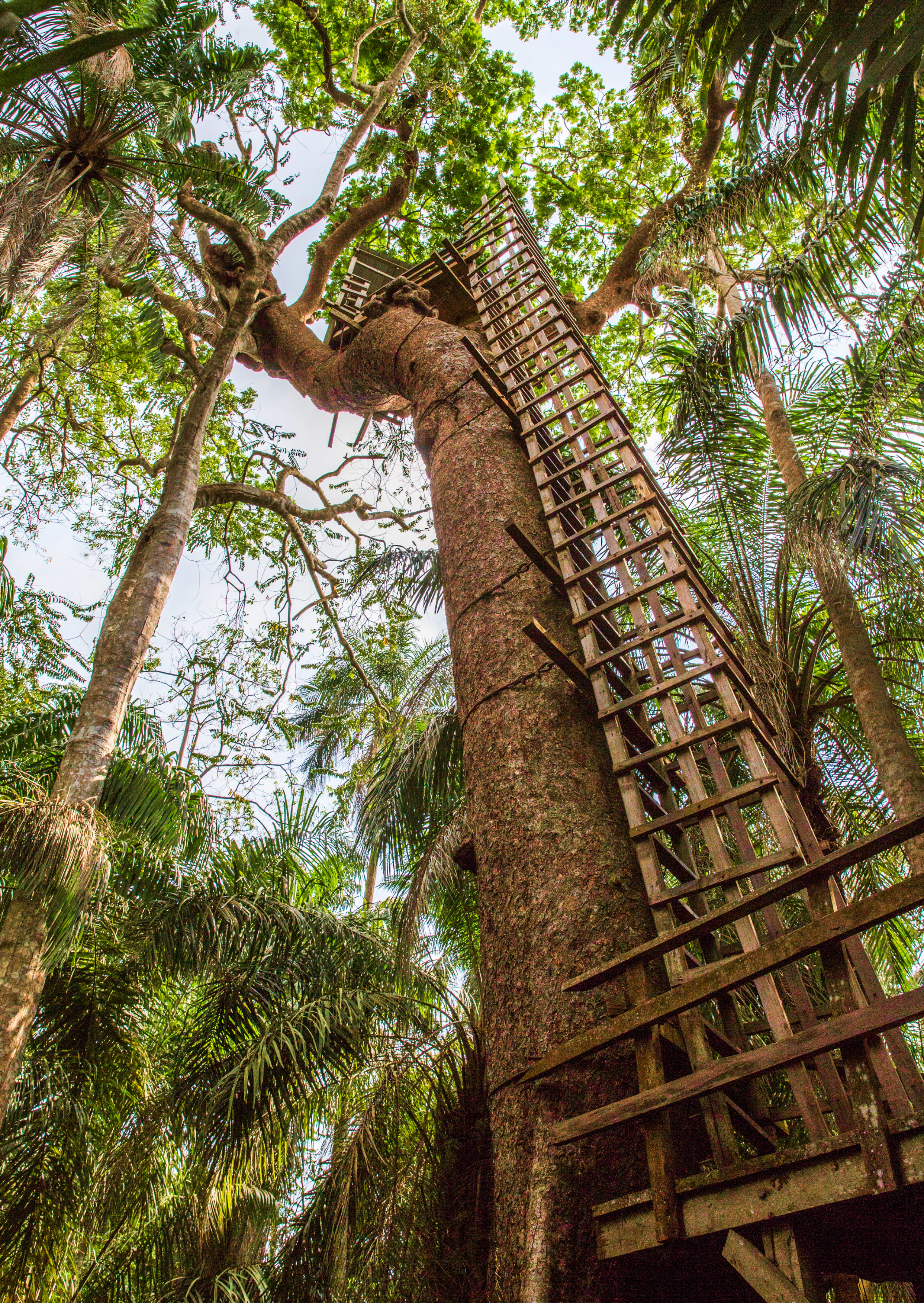
Lekki Conservation Centre
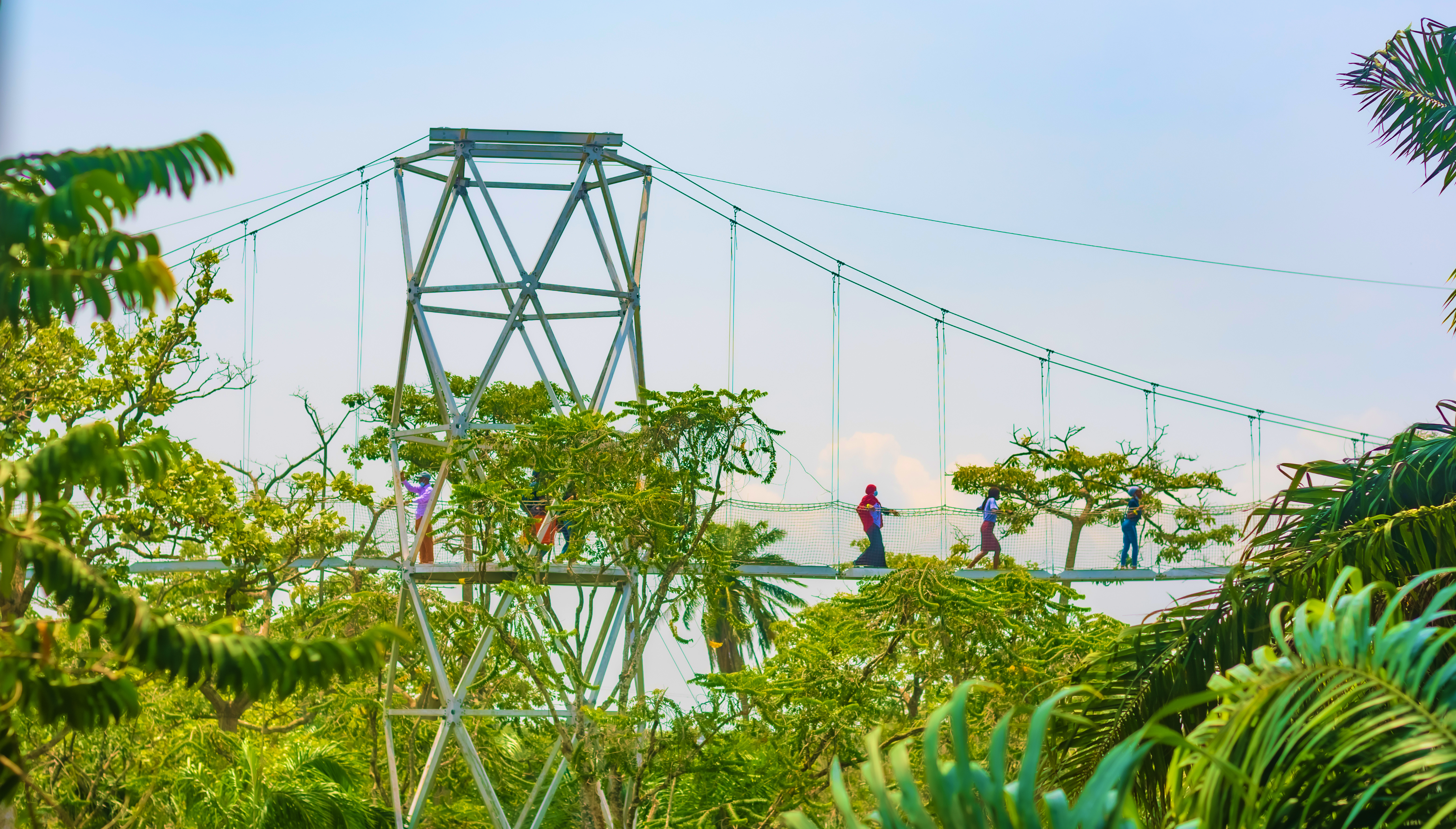
This 193-acre (78-hectare) nature reserve on Lagos’ Lekki Peninsula pairs a raised boardwalk with mangrove swamp, birds, and monkeys. Its 1,316-foot (401-meter) canopy walkway gives a rare high view over the treetops and wetlands.
Time needed: About 2 to 3 hours
Entry: Tickets cost ₦3,000 ($2.20). There is a ₦5,000 ($3.60) fee for the canopy walkway Visit the official site for details.
Tip: Go early on a weekday for cooler boardwalk conditions and lighter foot traffic.
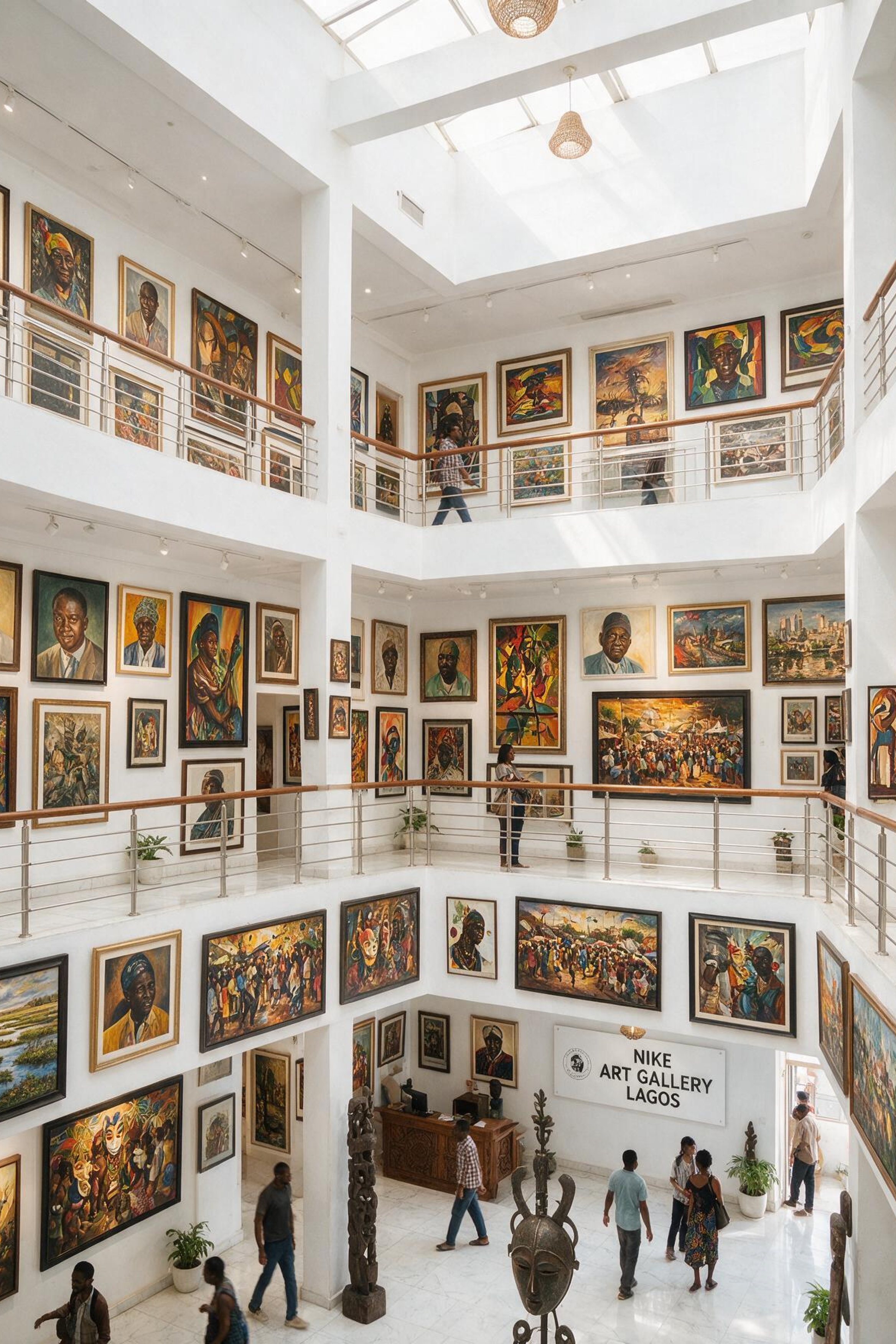
Nike Art Gallery
One of West Africa’s largest art spaces, Nike Art Gallery spans five floors of textiles, painting, beadwork, and sculpture. The collection shows contemporary Nigerian craft traditions in a compact, easy-to-navigate setting.
Time needed: About 1 to 2 hours
Entry: Free for individuals; groups are charged a fee Visit the official site for details.
Tip: Visit late morning, when staff can explain the main rooms before the midday rush.
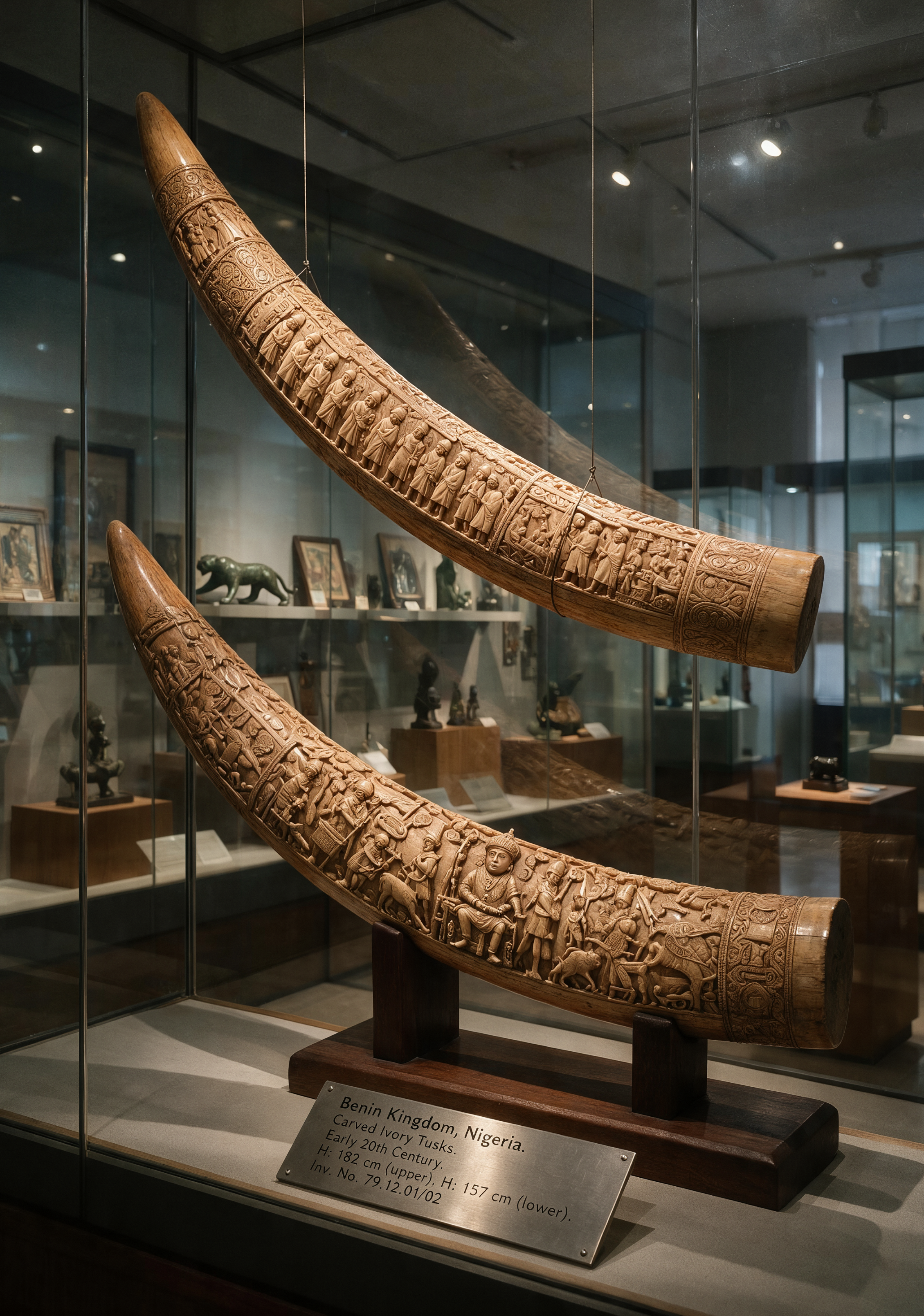
National Museum Lagos
Set in Onikan, the National Museum Lagos displays Nigerian bronzes, masks, carvings, and modern history exhibits. Its most famous piece is the bullet-riddled Mercedes-Benz in which military head of state General Murtala Muhammed was assassinated in 1976.
Time needed: About 1 to 2 hours
Entry: Tickets cost ₦3,000– ₦7,500 ($2.20–$5.50) for adults Visit the official site for details.
Tip: Arrive earlier in the day, then pair the visit with a stop at nearby Tafawa Balewa Square.
Overlooked sites worth visiting
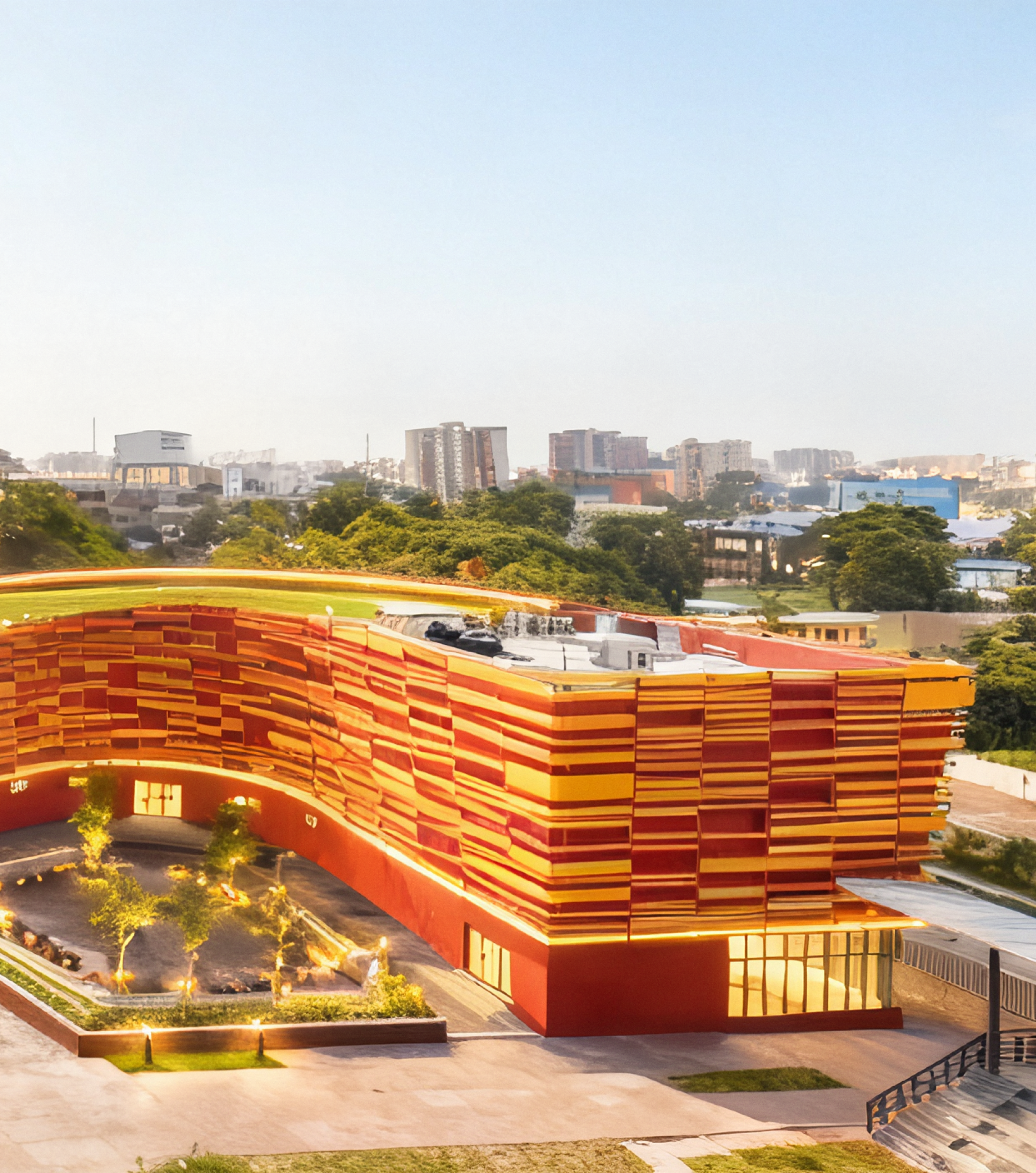
Lekki Conservation Centre
Walk the canopy boardwalk over mangroves and palms, then climb the long suspended bridge for a view above the wetland canopy. Monkeys and birdlife turn the site into a pleasant stop east of the city.
Time needed: About 2 to 3 hours
Entry: Admission is about $4,400 ($4) for adults and about $2,200 ($2) for children, with extra charges for the canopy walk and some activity areas. Prices can change, so confirm at the gate before you visit.
Tip: Arrive early for cooler weather and lighter foot traffic.
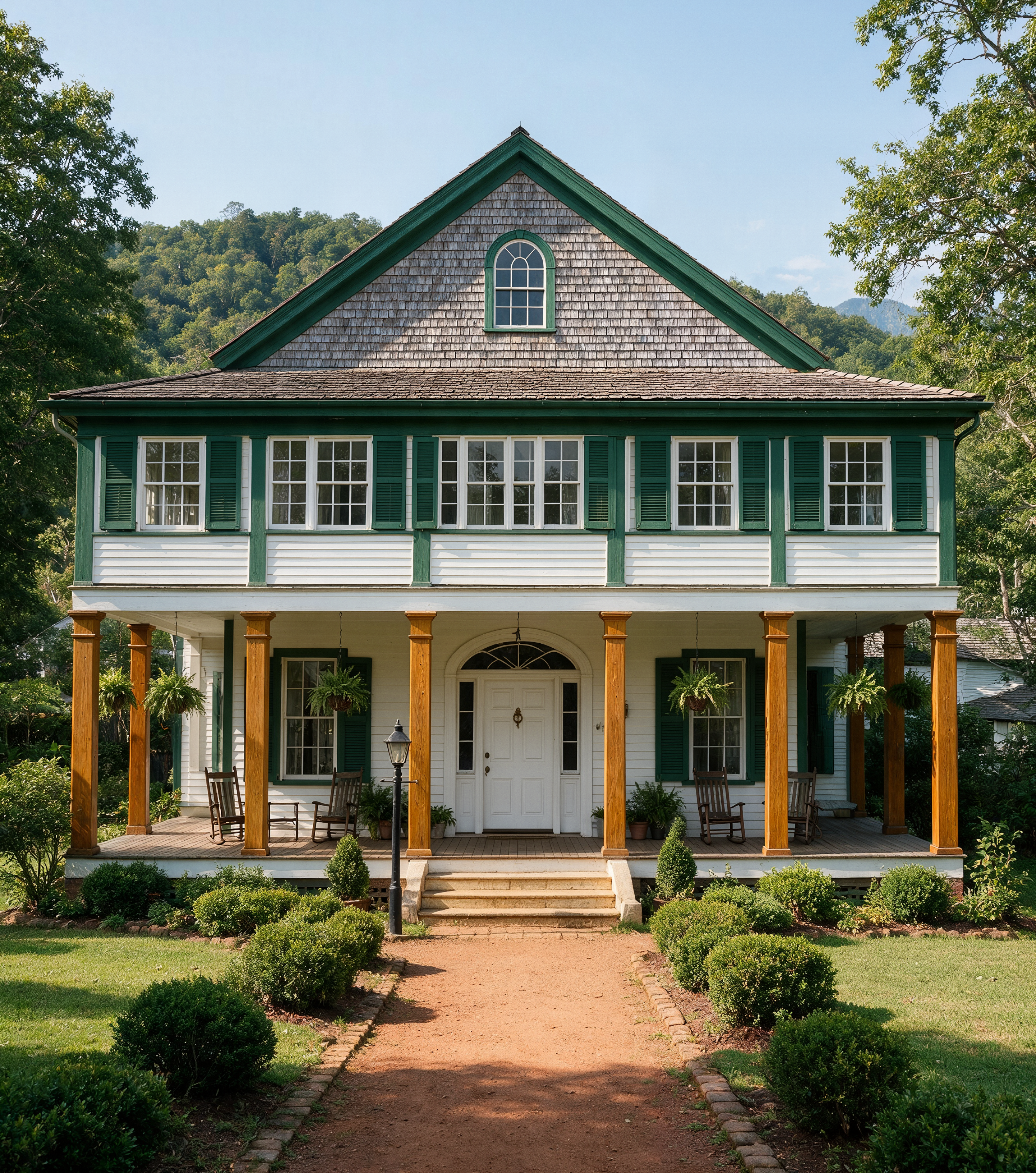
Jaekel House
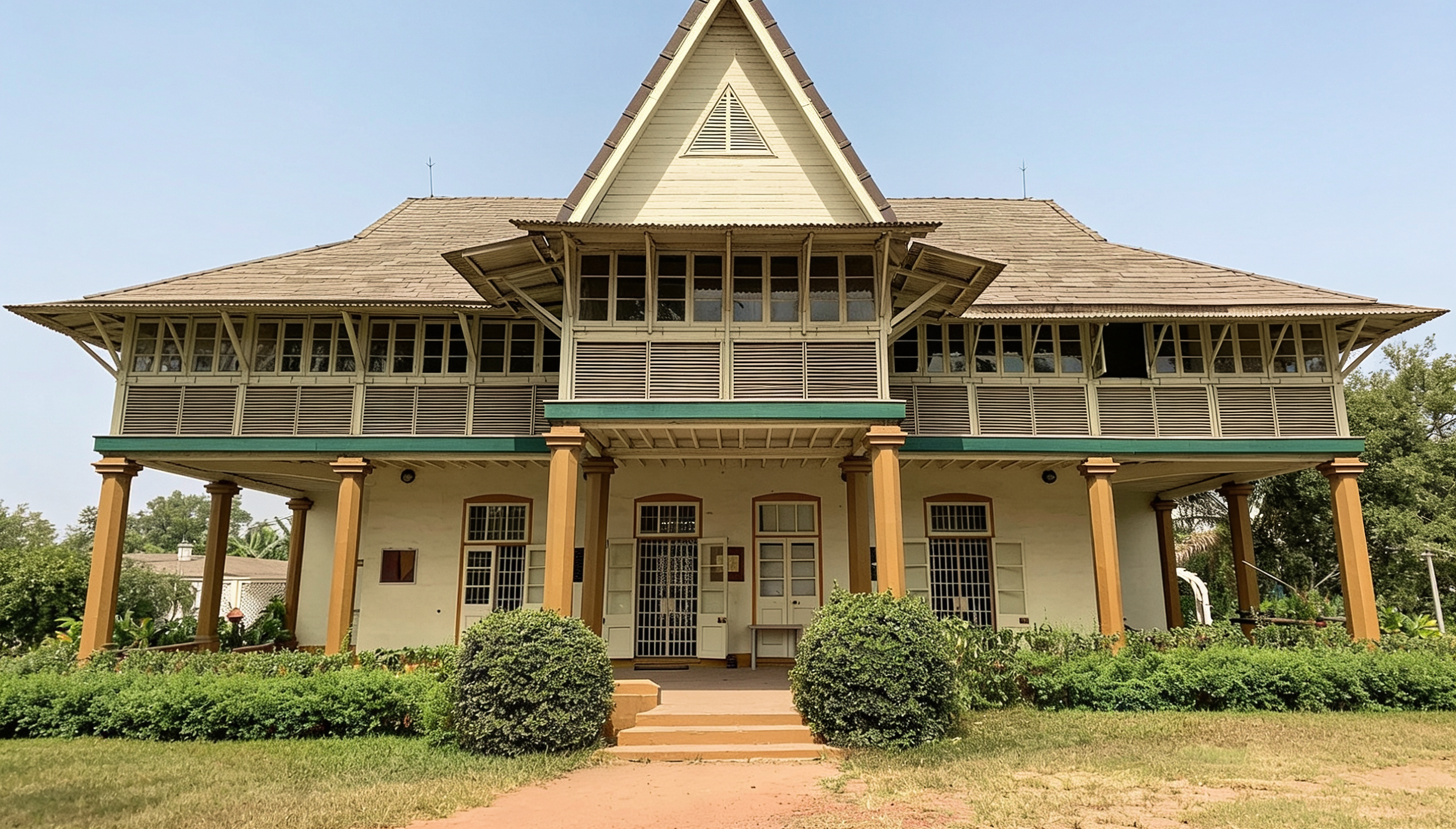
This 19th-century mansion in Ebute Metta served as the residence of senior Nigerian Railway Corporation officials and has since been preserved as a museum on Nigerian rail history.
Time needed: About 1 hour
Entry: Entry fees are negotiable at the gate, typically between ₦1,000 and ₦2,000 ($0.70 and $1.50).
Tip: Go on a weekday for a guided visit.
Traditional food
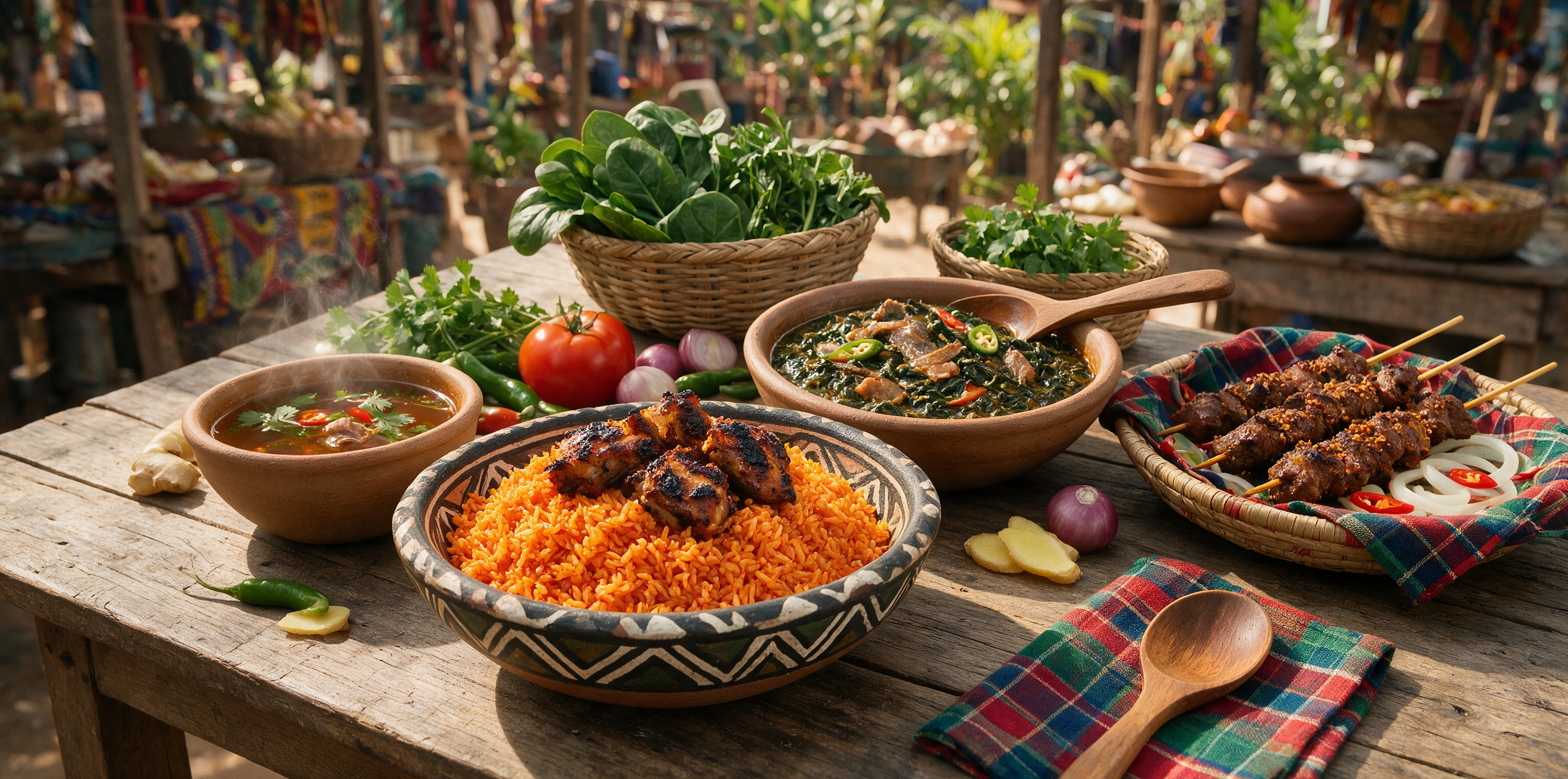
Lagos cuisine combines rice, leafy stews, grilled meat, and pepper heat in dishes such as jollof rice, efo riro, suya, and pepper soup, served everywhere from street stalls to formal restaurants.
Jollof rice
This tomato-rich rice dish anchors many Lagos meals, especially when paired with fried plantain, chicken, or beef. For a canonical stop in the city, try the version at Terra Kulture in Victoria Island.
Efo riro
Efo riro is a spinach-heavy Yoruba stew built on peppers, palm oil, and assorted meat or fish. NOK by Alara in Victoria Island offers it with pounded yams.
Suya
Suya brings spiced grilled beef or chicken, sliced thin and served with onions and pepper. For a well-known Lagos version, visit Yellow Chilli in Victoria Island.
Pepper soup
Pepper soup is a light, sharply seasoned broth that often comes with fish, goat, or chicken. OfadaBoy in Lekki is a good restaurant for a clear, pepper-forward bowl.
Best time to visit Lagos
Lagos stays warm year-round, but rain, humidity, and traffic pressure change how comfortable each day feels. The drier months make moving around easier than the wet season.
Best for: Dry weather, beach time, and easier sightseeing days
What you get: About 79°F to 91°F (26°C to 33°C), with lively crowds and higher hotel demand
Trade-offs: Holiday traffic and prices rise, especially near Victoria Island and the waterfront.
Best for: Museum visits, gallery time, and city stays before the heaviest rains
What you get: About 77°F to 93°F (25°C to 34°C), with moderate crowds and frequent afternoon showers from April onward
Trade-offs: Rain can slow cross-city rides and make late-day plans less predictable.
Best for: Indoor dining, art spaces, and quieter shoulder-season travel
What you get: About 75°F to 86°F (24°C to 30°C), with lighter visitor flow and frequent wet spells
Trade-offs: Cloud cover and rain can limit long outdoor stops.
Best for: Balanced city exploring and late-season waterfront time
What you get: About 77°F to 88°F (25°C to 31°C), with September and October still wet and crowds easing from November as the rains taper off
Trade-offs: Stormier weeks through October can still interrupt road plans and outdoor visits.
A realistic 5-day plan in Lagos
This five-day plan includes the most important landmarks, from museums, conservation land, railway history, to a last-day stop before the airport.
Land at Lagos (LOS) and plan a taxi or pre-booked car to Victoria Island or Ikoyi, which takes 25–50 minutes and costs ₦27,000–₦55,000 ($20–$40), depending on traffic and the pickup point. Check in, drink water before heading out, then keep dinner close to your hotel, with a first meal on Victoria Island. If you arrive late, Ikoyi offers a quieter overnight stay, while Victoria Island puts you closer to restaurants and the waterfront for tomorrow.
Begin in Onikan at the National Museum Lagos, where admission costs ₦3,000 to ₦7,500 ($2.20 to $5.50) and a visit takes about 1 to 2 hours. Then walk or take a short 10-minute ride to Tafawa Balewa Square to see the surrounding civic center. From there, continue for 20–30 minutes by car to Nike Art Gallery in Lekki, where you can see textiles, beadwork, and sculpture. Finish with dinner back on Victoria Island, since the return from Lekki takes up to 45 minutes in evening traffic.
Head east early for Lekki Conservation Centre, because the canopy walkway is more enjoyable before midday heat. The drive from Victoria Island usually takes 35 to 60 minutes, and the visit itself lasts 2–3 hours, with a general admission fee of ₦3,000 ($2.20), plus a canopy walkway fee of ₦5,000 ($3.60). Afterward, stay in Lekki for lunch, then return to Lekki Phase 1 for the evening, about 15 to 30 minutes away by car.
Start with Jaekel House in Ebute Metta, a compact stop 25–45 minutes from Victoria Island, depending on traffic, and allow roughly 1 hour for the railway house and museum grounds. From there, head back toward the island for a relaxed lunch, then spend the afternoon in Ikoyi, where leafy streets and quieter residential blocks create a calm contrast to the mainland morning. A late dinner on Victoria Island is easiest, since the drive from Ikoyi is usually only 10 to 20 minutes in light traffic.
Before you go to the airport, make time for one final stop at the National Museum Lagos if you want a short cultural visit, or return to Nike Art Gallery if you prefer to browse art before departure. For shopping, stay in Victoria Island, where malls, boutiques, and gift shops are easy to reach, and then pause for coffee in Ikoyi if you want a calmer last hour near the lagoon. Leave for Lagos (LOS) early, since a hotel-to-airport trip can take up to 50 minutes or longer in peak traffic.
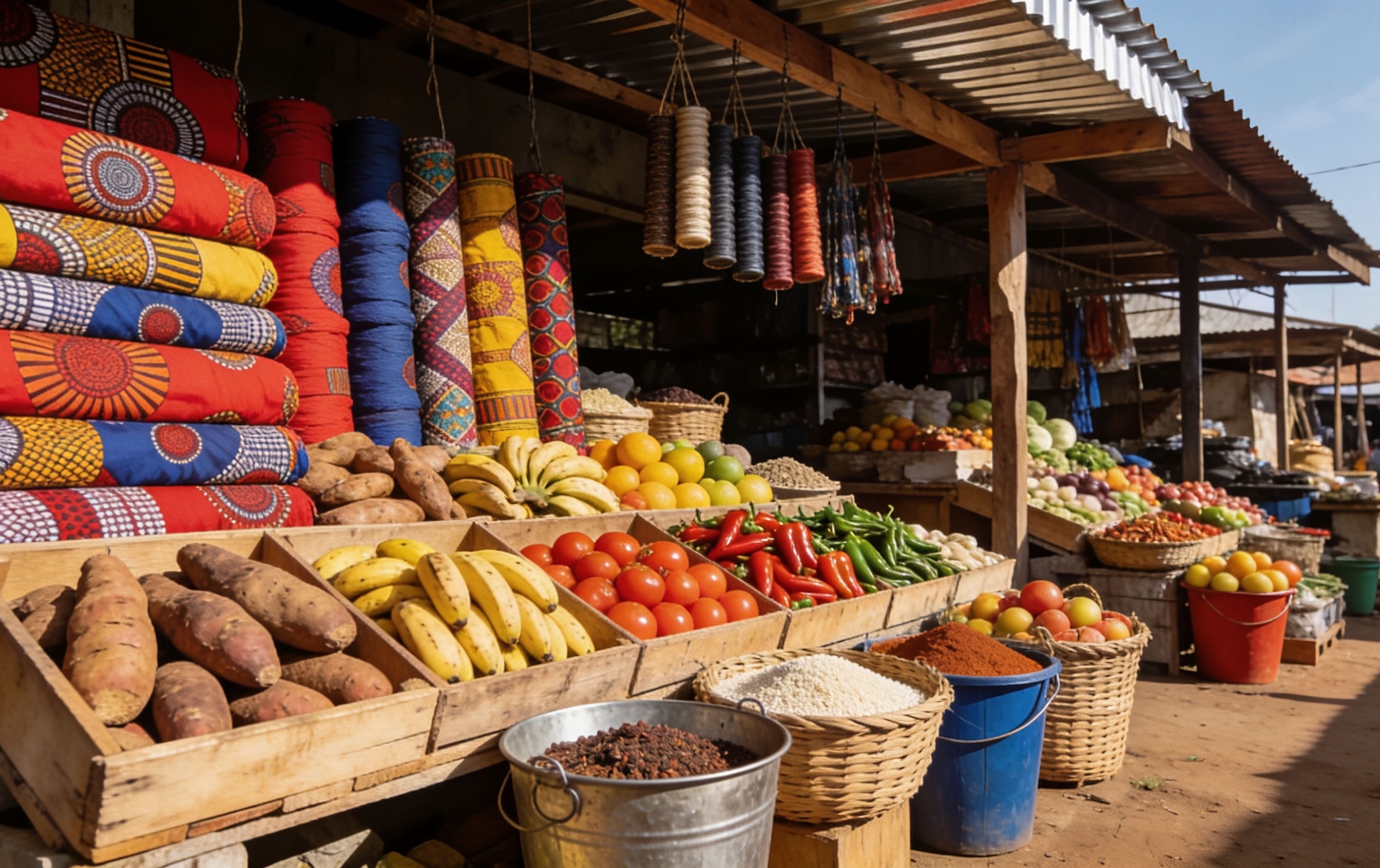
Business-class flights from the US to Lagos
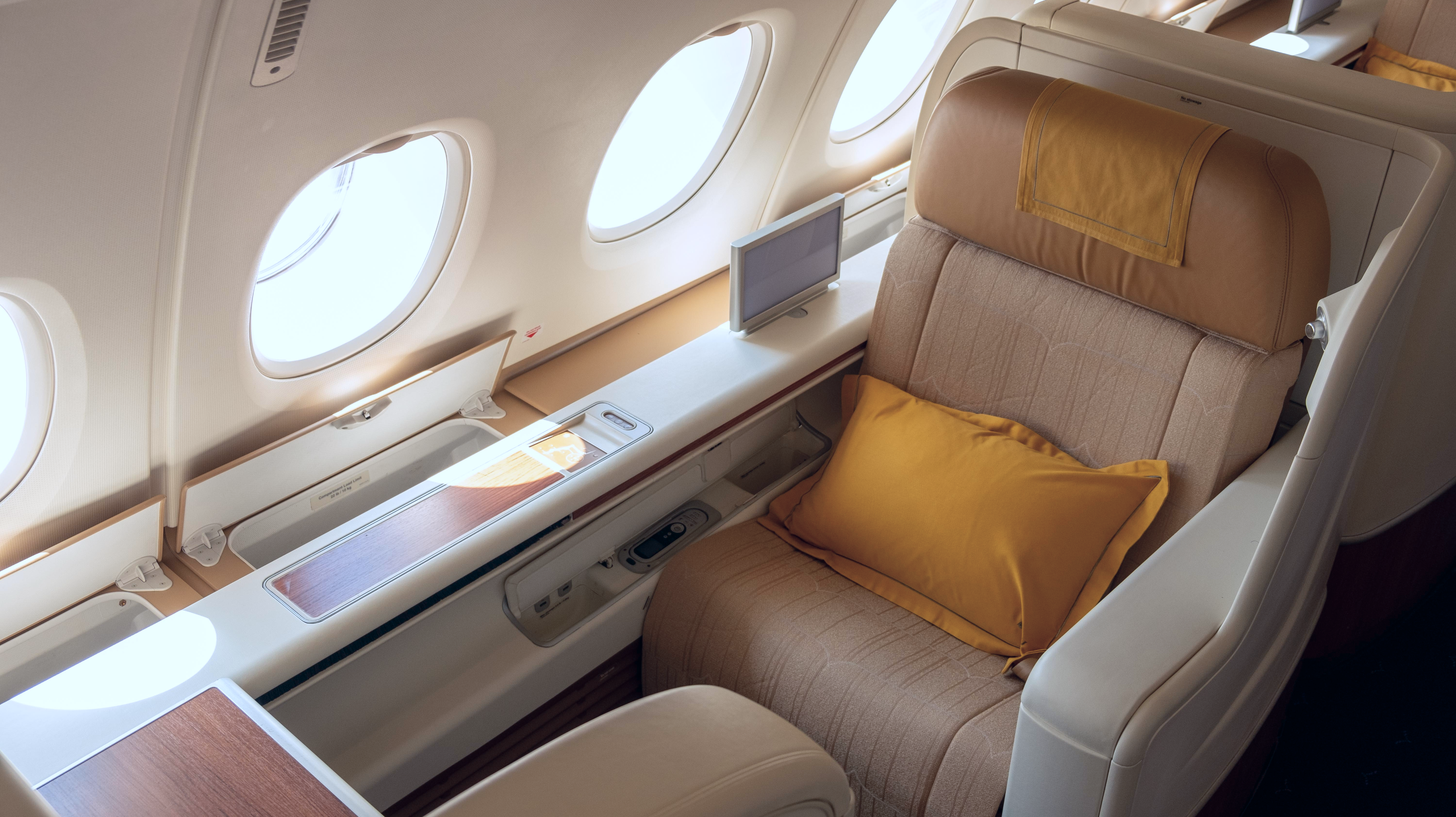
You can find business-class flights to Lagos from major hubs across the United States. The examples below show typical options from both the East Coast and the West Coast in 2026.
New York (JFK) to Lagos (LOS)
Delta Air Lines will operate nonstop business-class flights on this route from December 1st, 2026. These flights take 10 hours and cost between $5,000 and $8,800. If you prefer a layover, airlines such as Air France, Lufthansa, Turkish Airlines, and Royal Air Maroc offer flights through hubs like Paris (CDG), Istanbul (IST), or Casablanca (CMN). These itineraries take 14 to 25 hours, depending on the layover. Round-trip business-class tickets start at $2,700 and can rise to $5,000 close to departure.
Los Angeles (LAX) to Lagos (LOS)
Airlines such as Air France, British Airways, Lufthansa, Turkish Airlines, Qatar Airways, Ethiopian Airlines, and Royal Air Maroc offer connecting business-class flights from LAX. These typically include a layover in hubs like London (LHR), Frankfurt (FRA), Istanbul (IST), Doha (DOH), Addis Ababa (ADD), or Casablanca (CMN). The travel time ranges from 18 to 24 hours, depending on the layover. Round-trip fares generally cost between $5,100 and $6,400.
Lagos feels different when you slow down
A Lagos trip is well-planned when you account for the city’s distances and organize each day accordingly, from Victoria Island dinners to Onikan museums, Lekki’s conservation spaces, and a quieter hour in Ikoyi before departure. That approach helps you minimize the time you spend traveling from place to place, and lets you enjoy your vacation fully. If you want help choosing flights and hotels for Lagos, connect with the AranGrant experts for a trip planned around timing, comfort, and the city’s pace.







