

Chapters:

Need help with your trip?
Our support team is available 24/7. Request a callback or call us directly at (833) 619-0908
Lima rewards travelers who look past the first-stop version of the city. Many itineraries center on Miraflores and a single plaza in the Historic Centre, while the older layers, the catacombs, and the coastal edges get only a quick visit.
That approach can leave you moving too far between districts, arriving at crowded sites late, and spending more time in traffic than at the places themselves. Lima’s scale makes timing and neighborhood choice matter.
This guide organizes the city by area and pace, so you can see colonial, pre-Inca, and coastal Lima without packing the days too tightly.
Useful things to know

Main language(s): Spanish
Hola (OH-lah) – Hello
Por favor (pohr fah-VOR) – Please
Gracias (GRAH-syahs) – Thank you
¿Habla inglés? (AH-blah een-GLAYS) – Do you speak English?
¿Cuánto cuesta? (KWAHN-toh KWESS-tah) – How much does it cost?

Currency: The local currency is the Peruvian sol (PEN, S/).

Cash and cards: Cards and contactless are widely accepted; carry about S/50 to S/100 ($13 to $27) for taxis, tips, and small shops.

Tipping: Round up small bills; leave about 10% in midrange restaurants if service was good.

Traditional food: Ceviche, lomo saltado, anticuchos, causa limeña

Water and coffee costs: Water about S/4 to S/8 ($1 to $2), bar espresso about S/8 to S/12 ($2 to $3).

Taxis and ride apps: Uber, Cabify, and InDrive operate here; confirm the plate before boarding.

Plug and voltage: Type A/C socket, 220V

Dining and shop opening hours: Breakfast is about 7:00-10:00 am, lunch 1:00-4:00 pm, and dinner 8:00-11:00 pm. Many restaurants close between lunch and dinner.

Emergency number: 105 for police, 106 for ambulance, 116 for fire.
Where to stay in Lima
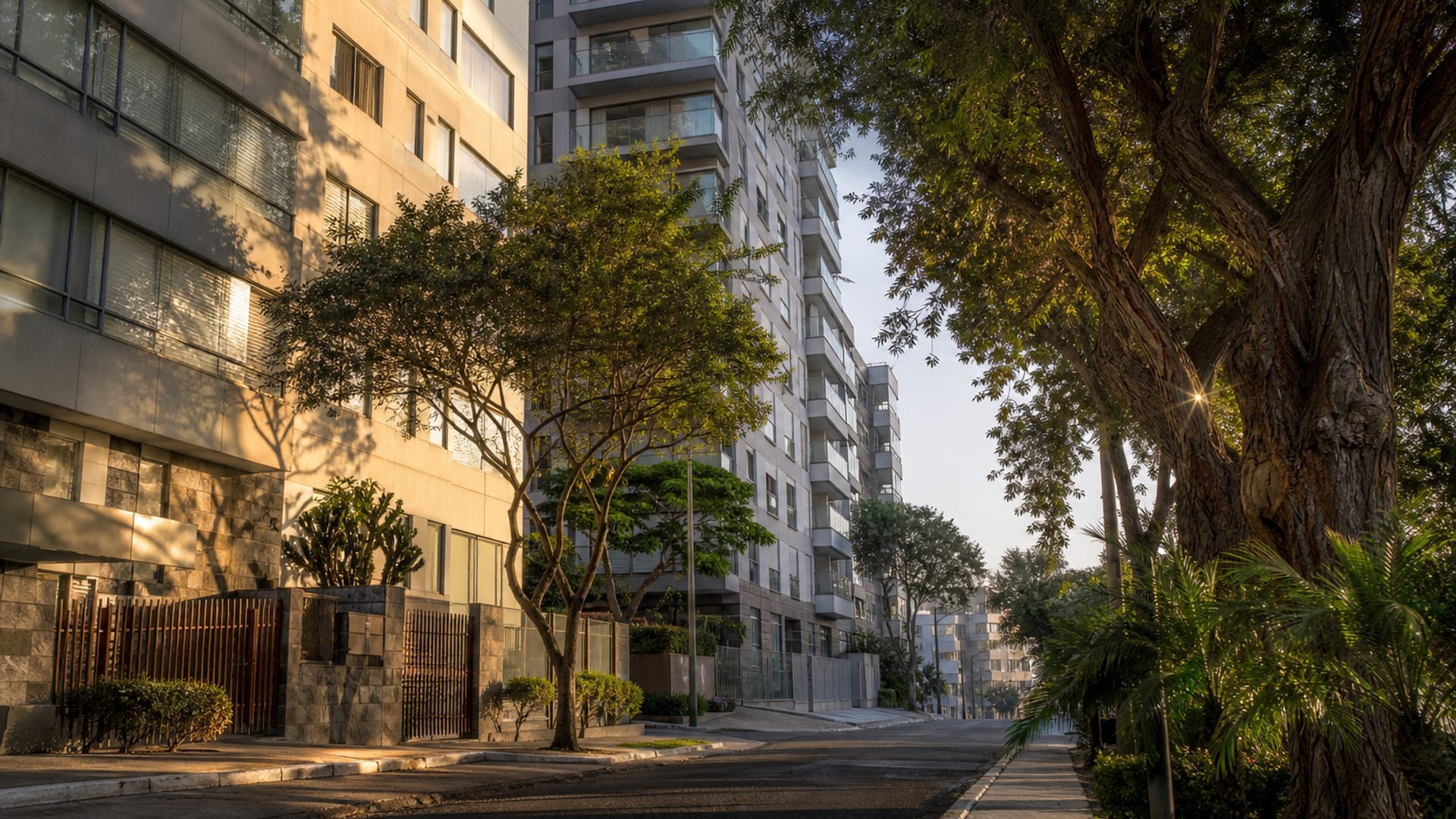
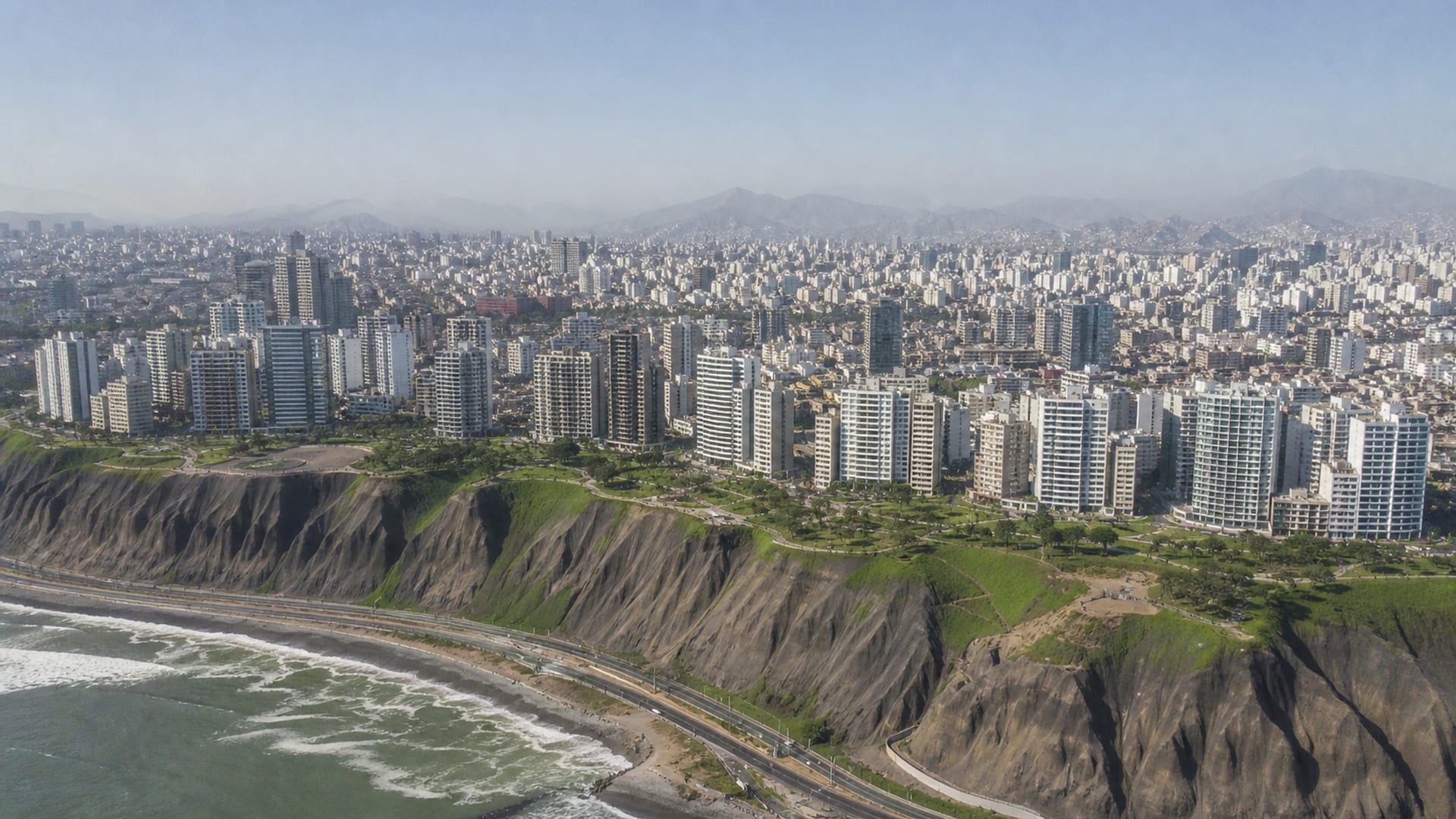
Lima’s best-known coastal district, Miraflores clusters hotels, cafés, malls, and oceanfront parks on the city’s southern edge. It works well as a base for visitors who want easy access to the Malecón, dining, and direct links into central Lima.
Best for: First-time visits, dining, shopping, and coastal walks
What to expect: Busy sidewalks, steady restaurant traffic, and a strong flow of visitors, especially near Larcomar and the Malecón.
Hotel prices: Usually about $90 to $220 per night for well-rated stays
Distance to major sights: 20 to 30 minutes by taxi to the Historic Centre; about 15 minutes on foot to the Malecón
Quietness: Daytime is active and heavily visited, while evenings settle into restaurant and bar traffic near the main avenues.
Main trade-off: Rates run higher than in many other Lima districts, and the most central blocks can feel busy late into the evening.
Good to know: Choose a hotel a few blocks inland if you want easier sleep, since the oceanfront streets and main shopping corridors see the most late movement.
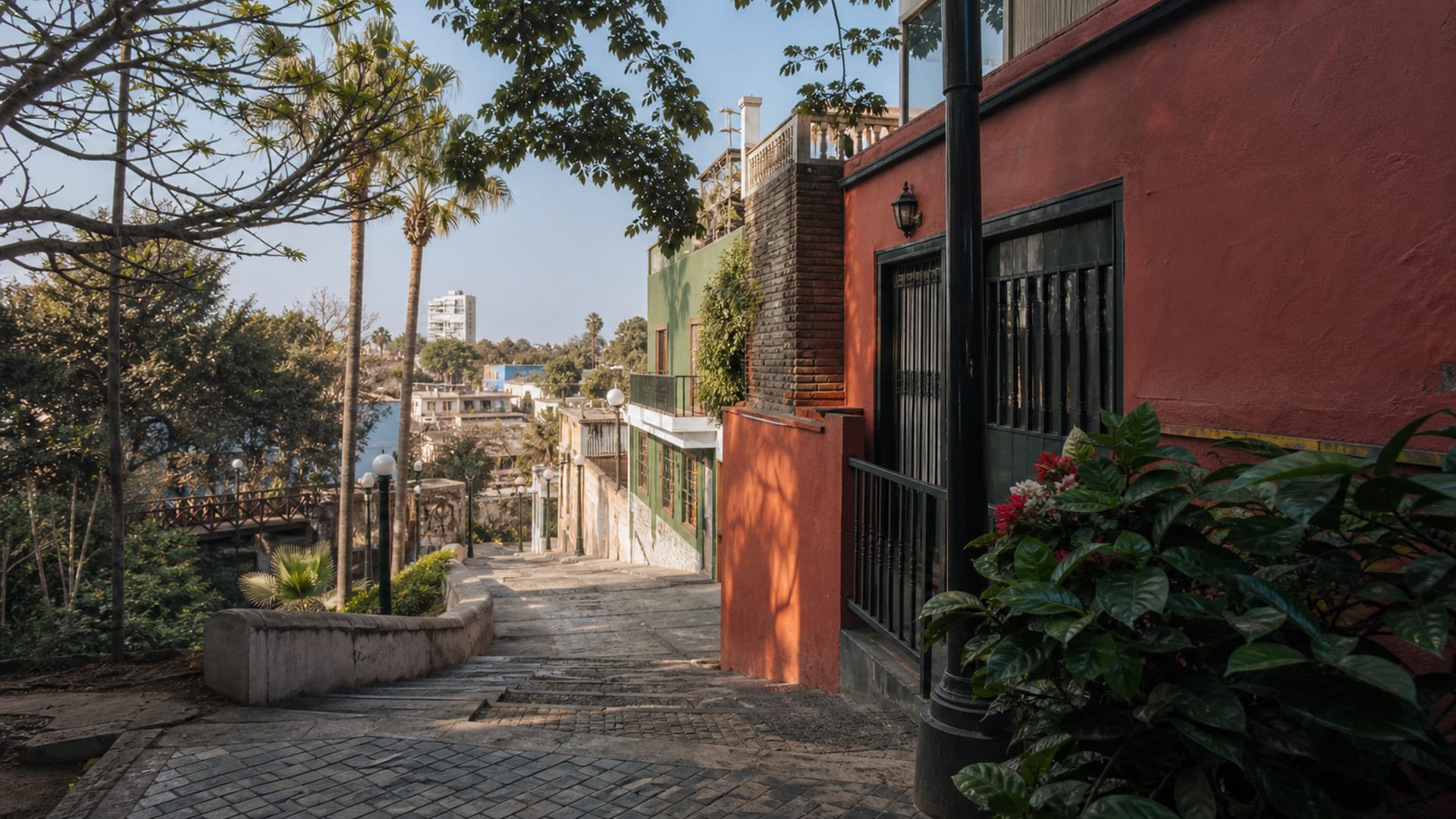
Barranco is Lima’s arts district, with colonial houses, galleries, destination restaurants, and a nightlife scene centered on walkable streets. It suits travelers who want character on the doorstep and do not mind a livelier evening setting.
Best for: Nightlife, design-minded stays, and travelers who want a walkable neighborhood
What to expect: Creative, restaurant-heavy streets by day, then more traffic from diners, bars, and music venues after dark.
Hotel prices: Usually about $80 to $200 per night for well-rated stays
Distance to major sights: 15 to 25 minutes by taxi to the Historic Centre; about 10 minutes on foot to the Puente de los Suspiros area
Quietness: Quieter in the morning, then noticeably louder at night near the main bar and dining streets.
Main trade-off: You gain more character than in larger hotel districts, but late-night noise and weekend crowds can be an issue near the busiest blocks.
Good to know: If you are a light sleeper, avoid rooms facing the main nightlife streets, especially on weekends when music and taxis keep the area active late.
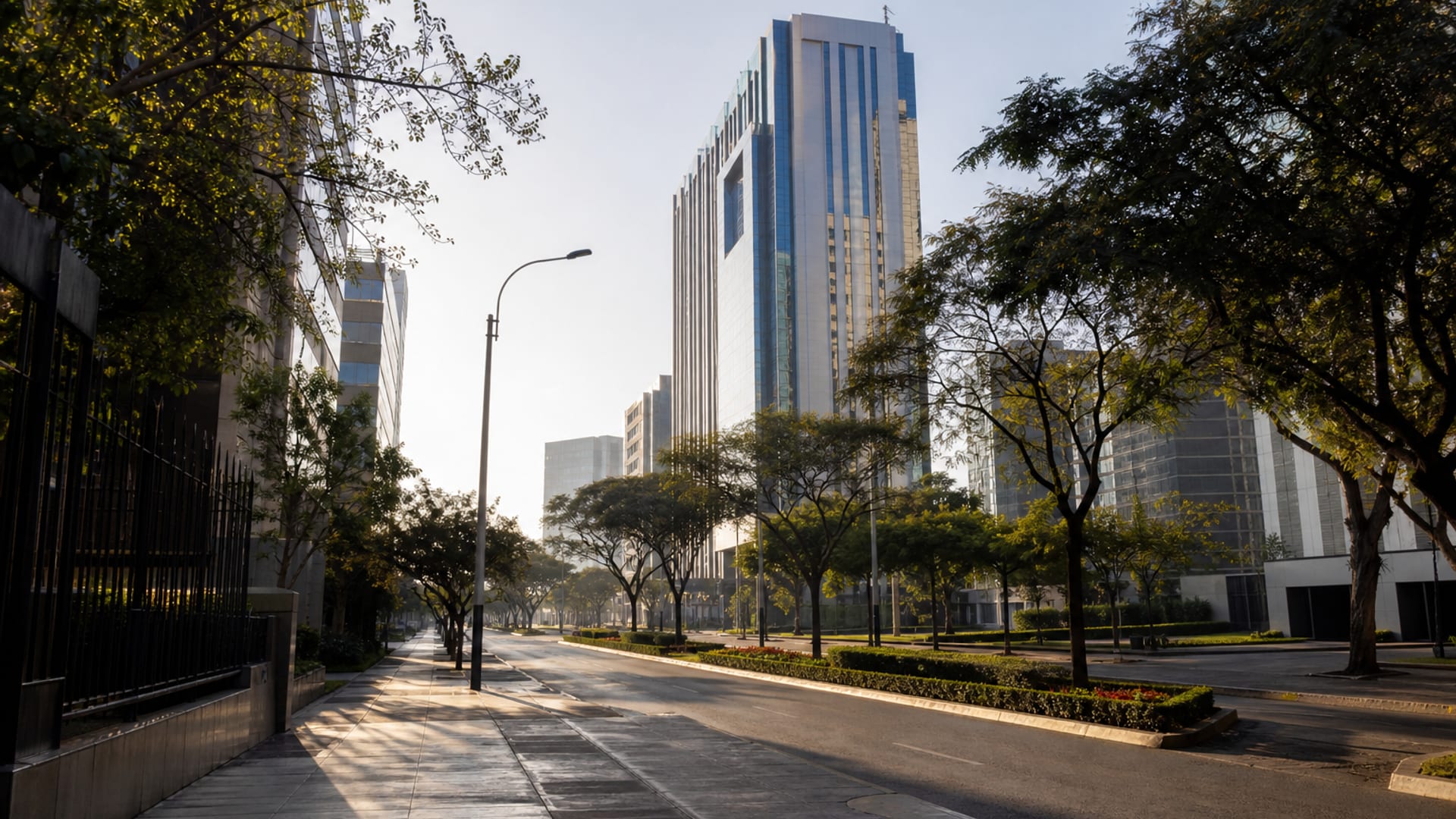
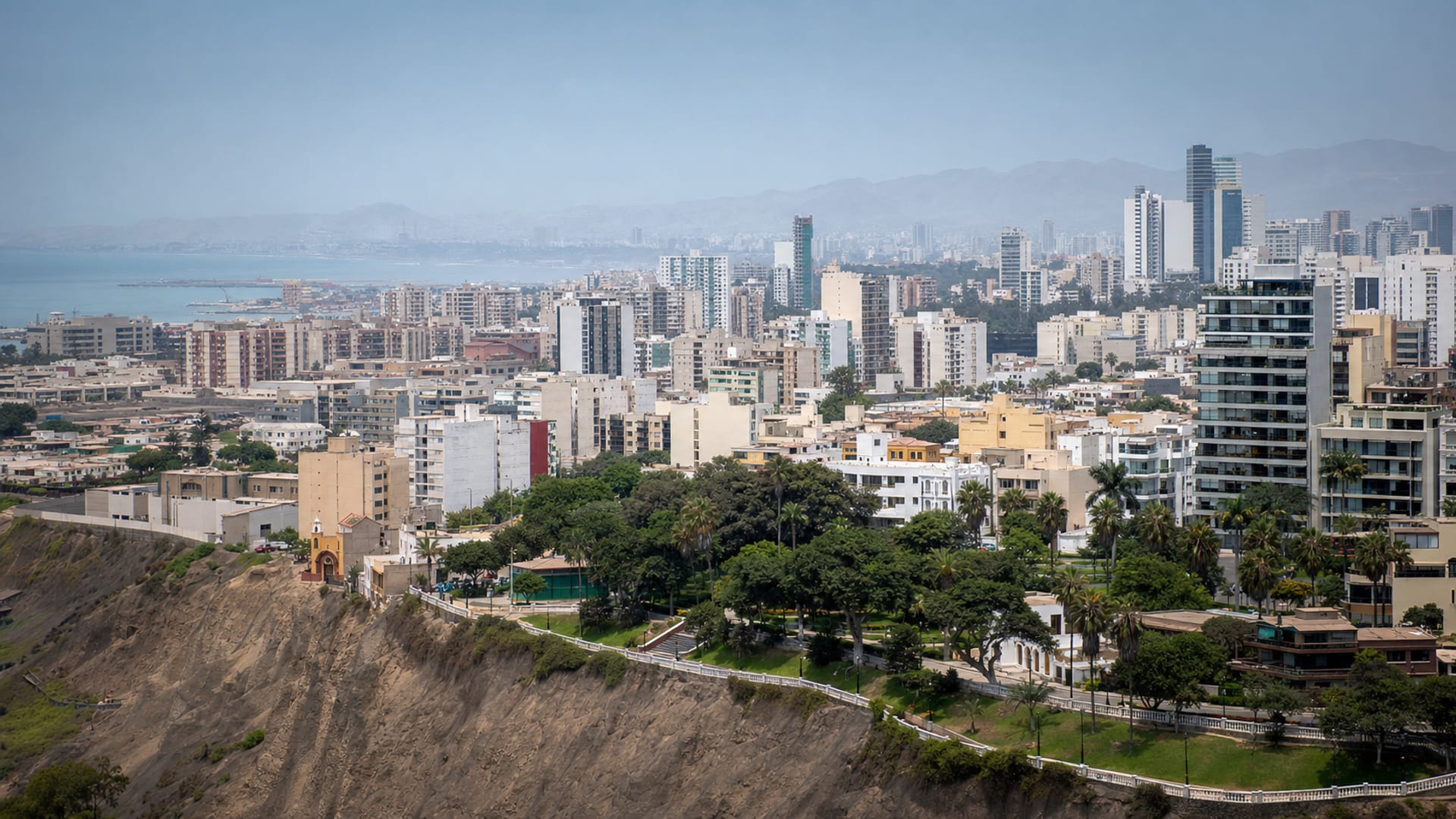
San Isidro is Lima’s business and embassy district, known for tree-lined streets, high-end hotels, and easy access to parks and corporate offices. It is a sensible base for travelers who want a calmer setting without losing access to Miraflores and central Lima.
Best for: Business trips, quieter stays, and travelers who prefer upscale hotels
What to expect: Tidy avenues, office traffic on weekdays, and fewer late-night crowds than in Miraflores or Barranco.
Hotel prices: Usually about $110 to $260 per night for well-rated stays
Distance to major sights: 20 to 35 minutes by taxi to the Historic Centre; about 10 minutes by taxi to Miraflores
Quietness: Daytime brings commuter and business activity, while evenings are much calmer outside the main restaurant pockets.
Main trade-off: You will be farther from the most concentrated nightlife and some tourist sights, so taxis matter more after dark.
Good to know: Plan meals ahead if you stay on a residential block, since dinner choices thin out quickly once you move away from the hotel and office corridors.
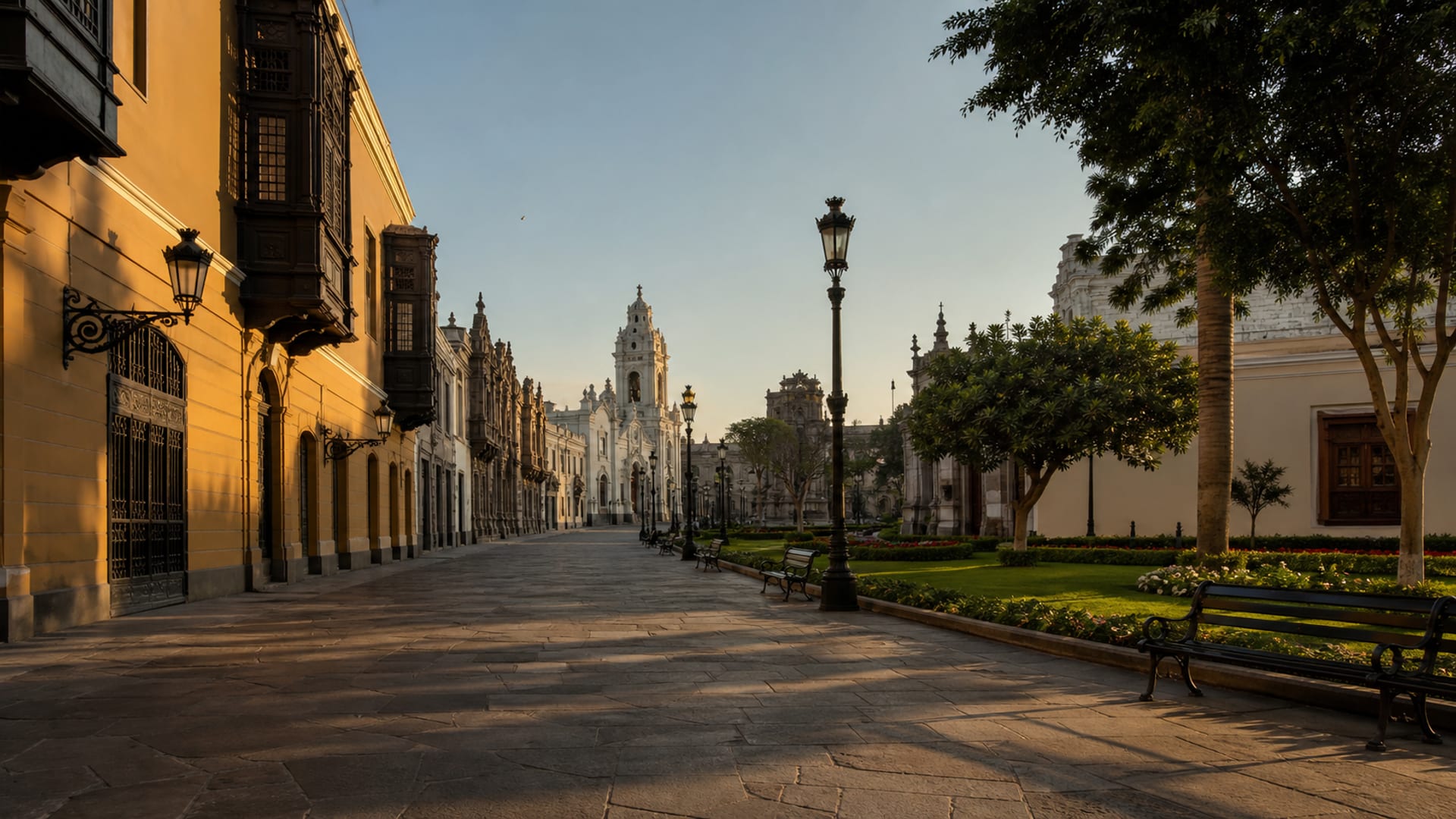
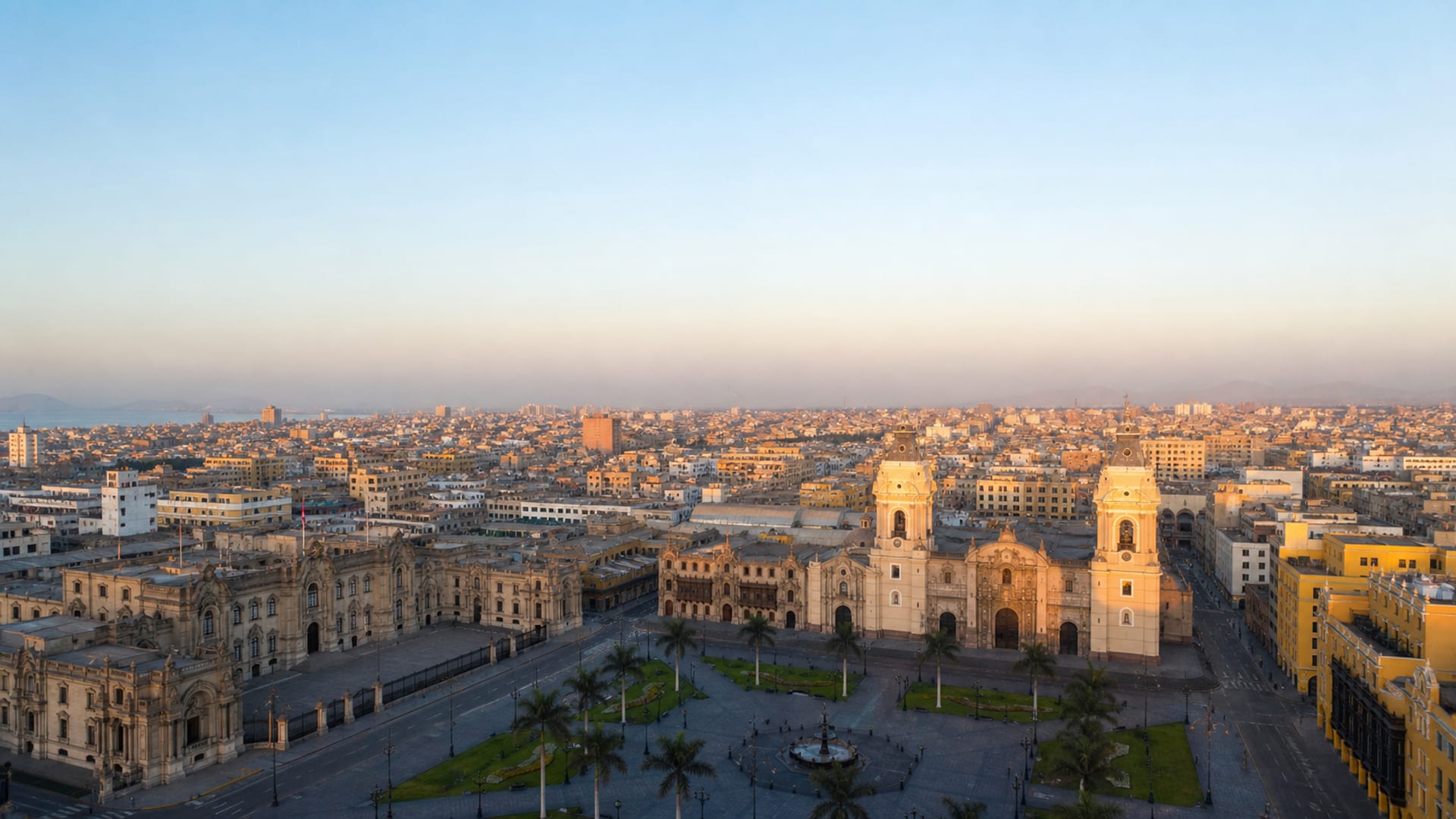
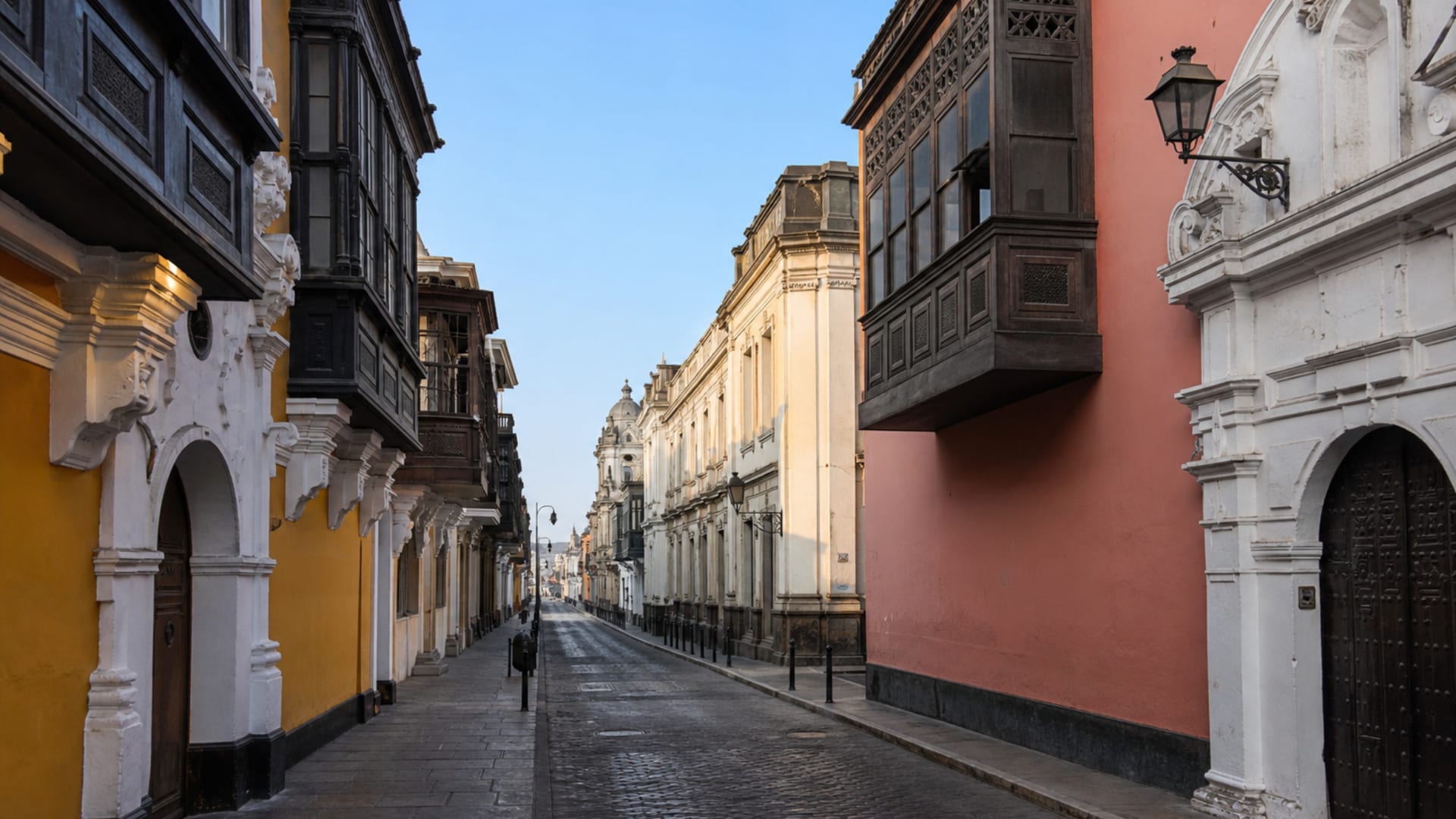
Lima’s Historic Centre clusters the Plaza Mayor, colonial churches, museums, and government buildings in the city’s oldest core. It puts major heritage sights close together, which suits travelers focused on architecture and daytime sightseeing.
Best for: Architecture, museums, and short walking distances to major colonial sights
What to expect: Intense daytime street activity, tour groups, and traffic around the main plazas, with a much quieter feel after business hours.
Hotel prices: Usually about $50 to $140 per night for well-rated stays
Distance to major sights: On foot to the Plaza Mayor and Cathedral; 10 to 15 minutes by taxi to the Museo de Arte de Lima
Quietness: Very active during the day, then much calmer at night once offices close and tourist traffic drops.
Main trade-off: The area is not the best match for late dinners or an easy nightlife base, and some blocks feel less comfortable after dark.
Good to know: Book a property near the core plazas if you want the simplest walking access, because blocks farther out can feel isolated once the museums close.
Travelers usually avoid staying in Lima’s San Juan de Lurigancho, Villa El Salvador, and Ventanilla because they sit far from the main visitor areas in Miraflores, Barranco, and Lima Centro, with limited hotel choices and long cross-city trips. Peripheral parts of Callao are also less convenient for most visitors, since they are far from major sights and can make evening taxi travel more time-consuming.
Hotel deals
How to get around Lima efficiently
Lima’s Metro Line 1, Metropolitano corridors, and fixed-fare taxis each cover different parts of the city, so the best choice changes with the district and the distance.

Metro
for longer distances
Lima has one Metro line, Line 1, it links Villa El Salvador with Bayóvar and cuts through key districts such as San Juan de Lurigancho, El Agustino, La Victoria, and Surquillo. Trains usually run from about 5:00 am to 11:00 pm, with a stored-value card system and fares of about $0.60 ($2.20) per ride; expect roughly 45 to 60 minutes from end to end, depending on waits and station access. For airport trips, the Metro does not reach Jorge Chávez Airport, so you still need a taxi or bus connection.

Metropolitano and Buses
for the main north-south routes
Metropolitano corridors and the main city bus network cover the densest parts of Lima, with dedicated trunk routes linking the northern and southern corridors through stations such as Naranjal, Central, and Matellini. Fares are usually about $0.60 ($2.20) to $0.90 ($3.30), with stored-value cards and transfer rules that depend on the line, while rides across the trunk can take roughly 30 to 90 minutes based on distance and boarding queues. Use the posted route maps at stations and on major avenues, because many buses stop only on flagged corridors or at signed stops, not wherever you ask.

Taxi
for convenience or late hours
Licensed taxis in Lima do not usually use meters, they quote a fixed fare before departure, and app-based cars often price more clearly than street-hail taxis. From Jorge Chávez Airport, expect about $10 to $25 for central districts, while shorter city rides often run about $3 to $8; most taxis accept cash, and some app cars take cards in the app. Choose registered airport counters, hotel-arranged cars, or well-known ride-hailing apps rather than unmarked street cars, and confirm the price before you get in.
*Prices are based on rates updated as of June 2026 and may change at the time of travel.
Use the Metro and Metropolitano for long cross-city stretches, taxis or ride-hailing apps for airport runs and evening returns, and walking for compact areas like the Historic Centre, Miraflores, and Barranco.
Iconic landmarks
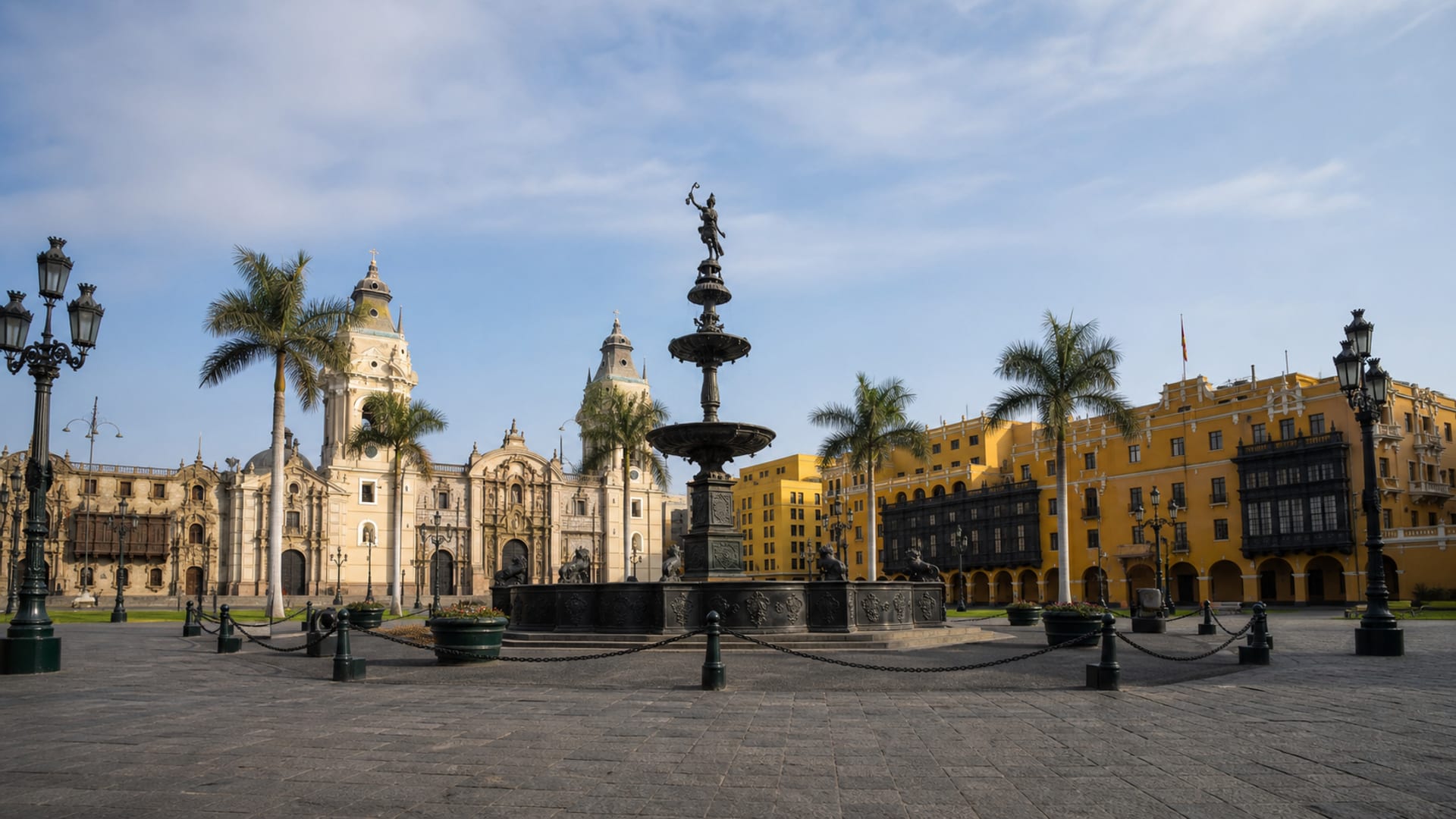
Plaza Mayor
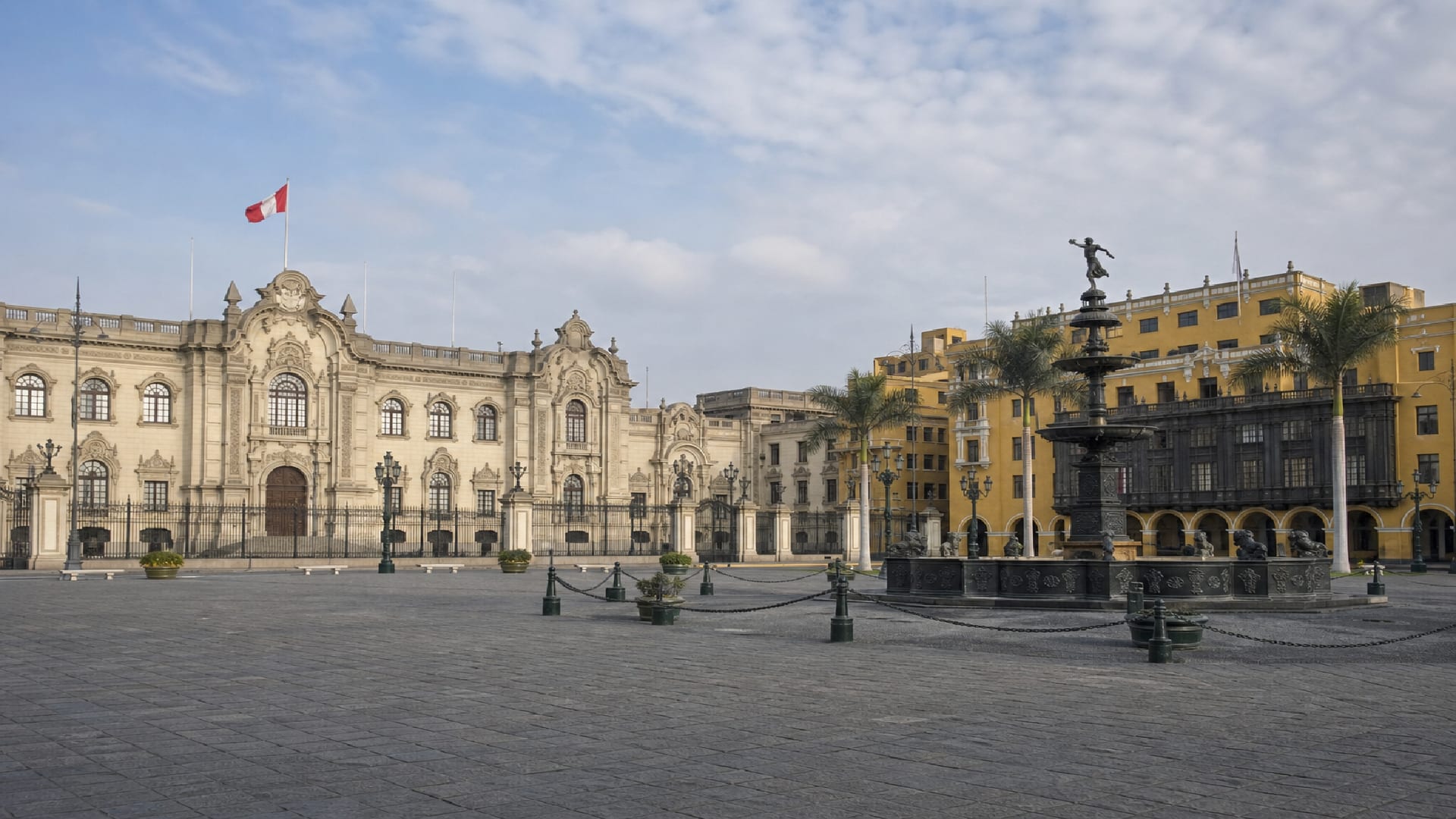
Lima’s historic main square anchors the UNESCO-listed center, framed by the Government Palace, Cathedral of Lima, and municipal buildings. It gives you the city’s colonial core in one walk, with arcades, fountains, and formal civic monuments.
Time needed: About 1 to 2 hours
Entry: Free to access; some neighboring monuments charge separate admission, and security checks apply at the Government Palace and Cathedral areas.
Tip: Go in the morning for lighter crowds and better light on the arcades.
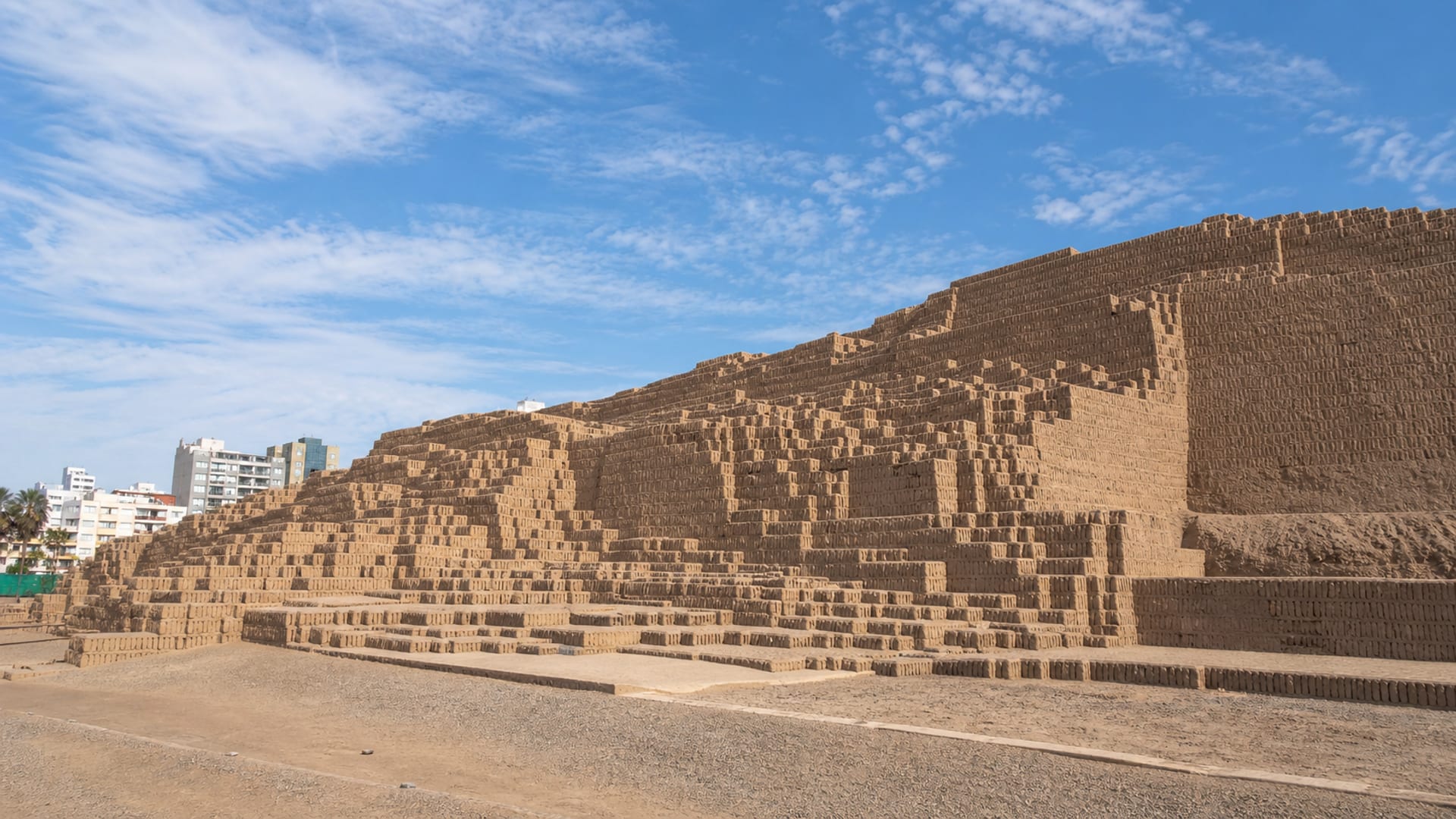
Huaca Pucllana
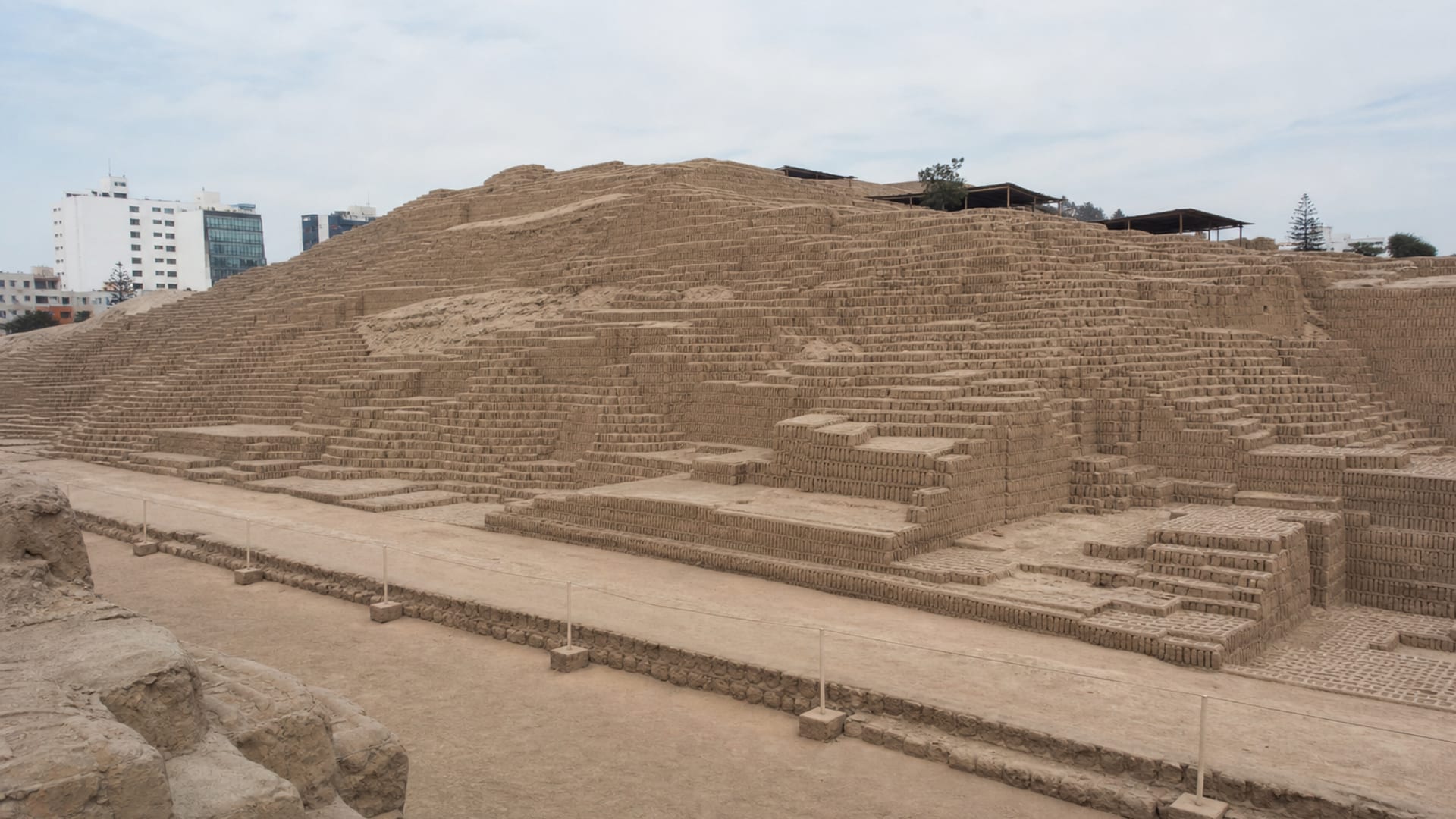
This adobe pyramid rises in Miraflores as a major pre-Inca ceremonial site, with seven stepped terraces and a small site museum. Its brickwork and guided access show how an ancient city sat inside modern Lima.
Time needed: About 1 to 2 hours
Entry: Admission costs about $13 ($50), with separate rates for the site museum and night restaurant area; guided visits are included during opening hours Visit the official site for details.
Tip: Visit late afternoon, then stay for the site’s evening lighting if you dine nearby.
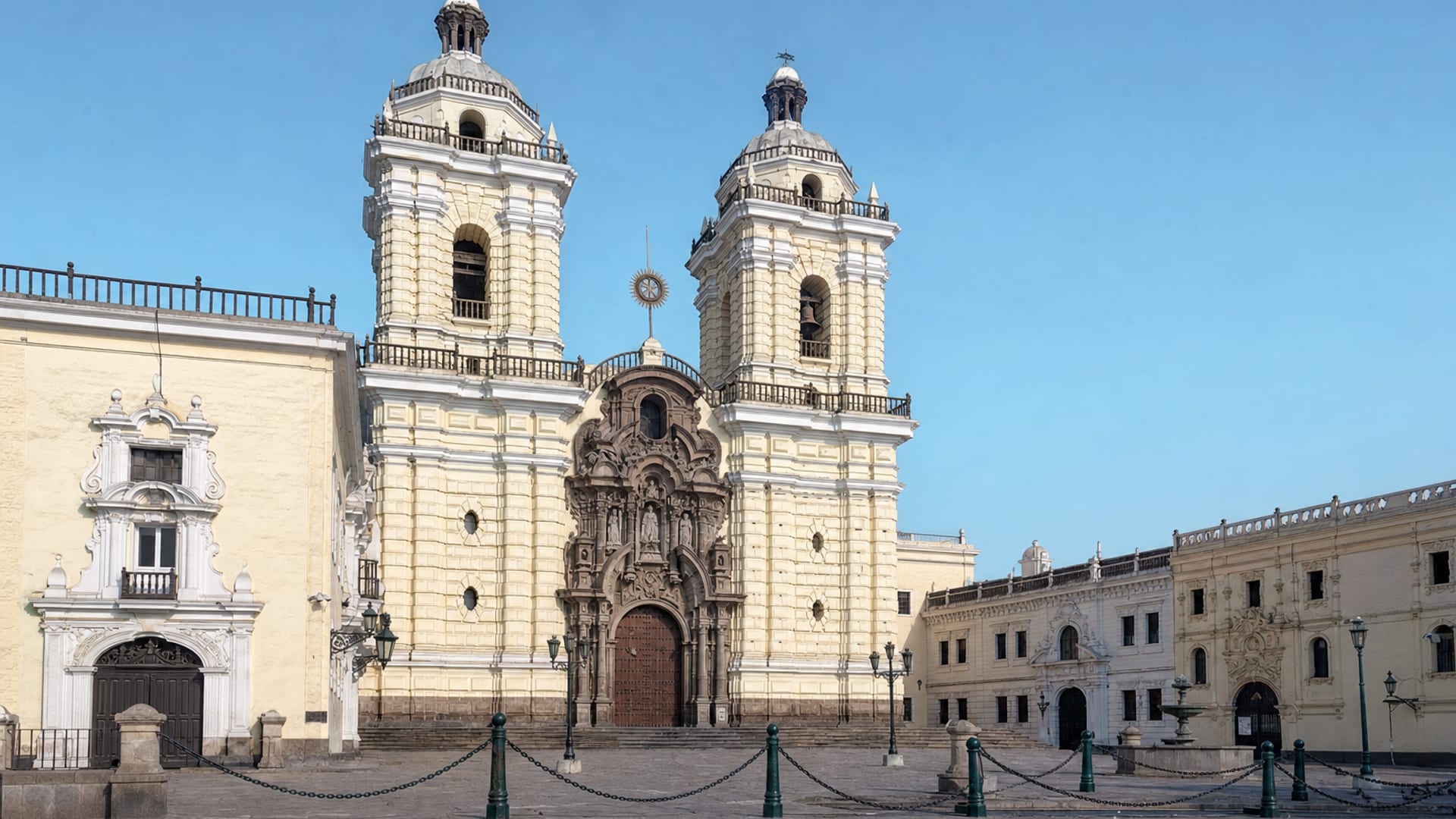
Convento de San Francisco
The San Francisco complex pairs a baroque church with one of Lima’s best-known colonial libraries and catacombs. Its carved ceilings, cloisters, and underground burial chambers make it a dense stop in the historic center.
Time needed: About 1 to 2 hours
Entry: Tickets cost about $7 ($25) for the church, cloisters, library, and catacombs; guided entry times regulate access to the underground sections Visit the official site for details.
Tip: Arrive early in the day, before tour groups fill the catacomb passages.
Overlooked sites worth visiting

Huaca Huallamarca
This pre-Inca adobe pyramid in San Isidro sits beside a small museum, with rebuilt terraces and pottery from the Lima culture. It gives a clear view of the district’s older layers.
Time needed: About 45 minutes
Entry: Entry costs S/10 ($3) for adults, with reduced rates for students and seniors; children under 5 enter free. The site usually opens Tuesday to Sunday, with hours that vary by season.
Tip: Go in the morning for cooler air and fewer school groups.

Casa Museo José Carlos Mariátegui
This compact house museum in Breña preserves the rooms where writer José Carlos Mariátegui lived and worked. Letters, books, and photos trace his role in Peru’s political and literary history.
Time needed: About 1 hour
Entry: Admission is about S/5 ($1.30) for general visitors, with lower rates for students in some cases. Hours are limited and can change for holidays, so confirm before you go.
Tip: Check opening days first, then pair it with a daytime visit.
Traditional food
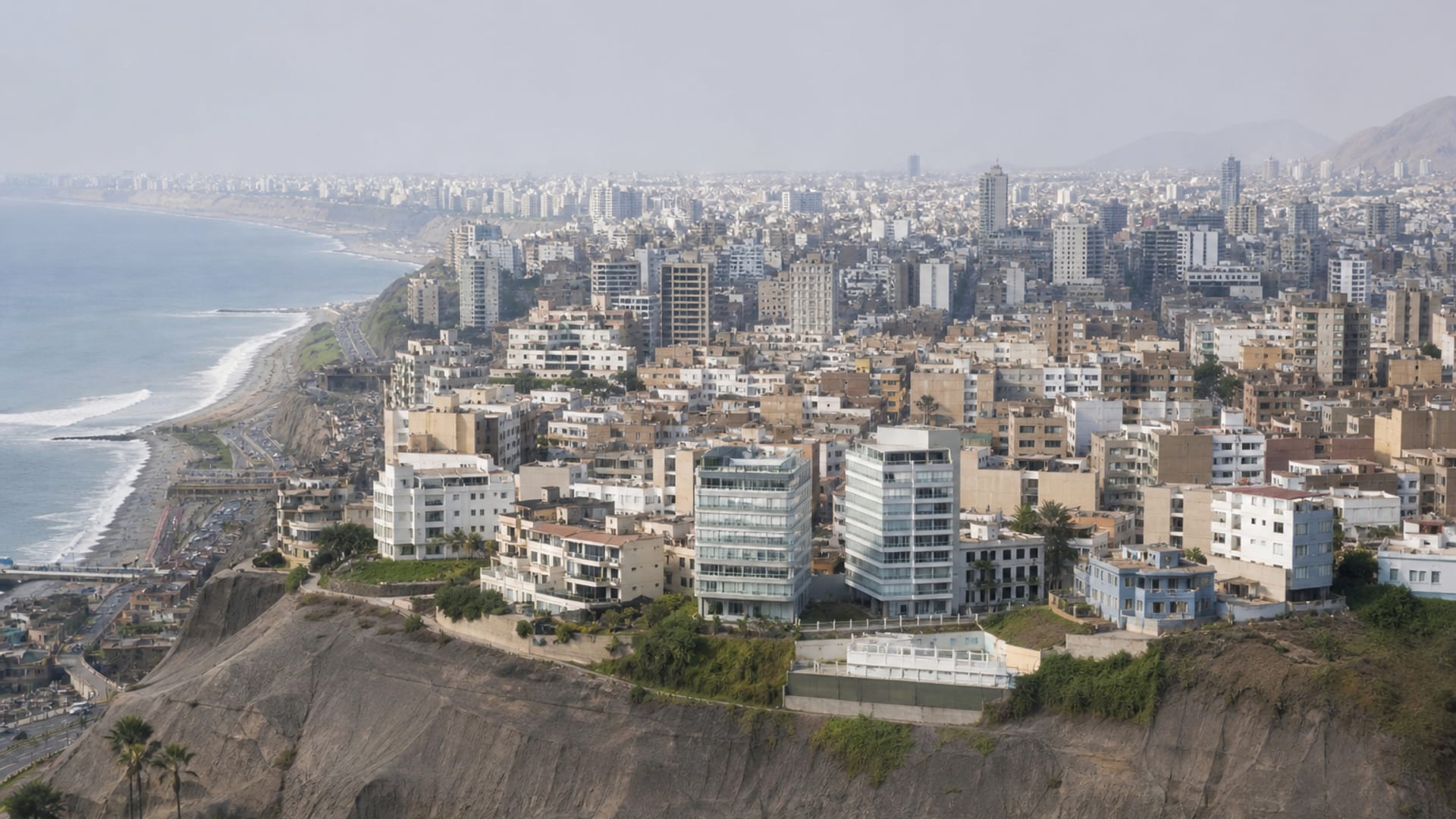
Lima’s kitchen turns ceviche, lomo saltado, anticuchos, and causa limeña into a daily habit of bright acid, grilled meat, and aji heat, with lunch and dinner often organized around dedicated neighborhood restaurants.
Ceviche
Lima’s signature ceviche balances citrus, chili, and just-caught fish, often with sweet potato and corn on the side. La Mar in Miraflores is one of the city’s best-known places for it.
Lomo saltado
This wok-seared beef dish folds soy sauce, onion, tomato, and fries into one of Lima’s defining comfort plates. Panchita in Miraflores serves a widely respected version.
Anticuchos
Anticuchos are grilled skewers, traditionally made with beef heart and brushed with a peppery marinade. Rafael Osterling’s restaurant in San Isidro offers a polished take on the classic.
Causa limeña
Causa limeña layers seasoned potato with avocado, tuna, chicken, or seafood into a chilled starter that belongs to Lima’s coastal table. Isolina in Barranco is a strong place to order it.
Best time to visit Lima
Lima’s best months usually bring drier skies and cooler evenings, while summer can add humidity, brighter beach weather, and heavier demand on coastal districts.
Best for: Beach walks, long evenings, and coastal dining
What you get: About 75 to 83°F (24 to 28°C), with more humidity and larger visitor numbers in Miraflores and Barranco
Trade-offs: Afternoons can feel warmer and traffic often slows on weekend coastal routes
Best for: Balanced sightseeing and easier movement between districts
What you get: About 66 to 77°F (19 to 25°C), with lighter crowds after the summer peak
Trade-offs: Mornings can start gray, especially near the coast
Best for: Museums, food stops, and colonial sightseeing
What you get: About 58 to 68°F (14 to 20°C), with cool, damp air and fewer leisure travelers
Trade-offs: The sky often stays overcast for much of the day
Best for: Mixing pre-Inca sites, city walks, and outdoor lunches
What you get: About 63 to 72°F (17 to 22°C), with moderate crowds and improving light
Trade-offs: Weather can shift between misty mornings and clearer afternoons
A realistic 5-day plan in Lima
Five days in Lima works best when you separate the city into clear blocks: the colonial core, the coastal districts, the pre-Inca huacas, and one final day for a flexible finish. That pace leaves room for traffic and for the long lunch windows many restaurants keep.
Land at Lima (LIM) and take a taxi app or official airport taxi to Miraflores or San Isidro, which usually takes about 45 to 75 minutes and costs roughly $18 to $35 depending on traffic and the time of day. If you arrive before dinner, settle into a hotel a few blocks inland so you are not right on the busiest beachfront streets, then drink water, change, and keep the evening close to the room. For a first meal, choose a low-key cevichería or café in Miraflores, where you can walk about 10 to 15 minutes to the Malecón if you still have energy.
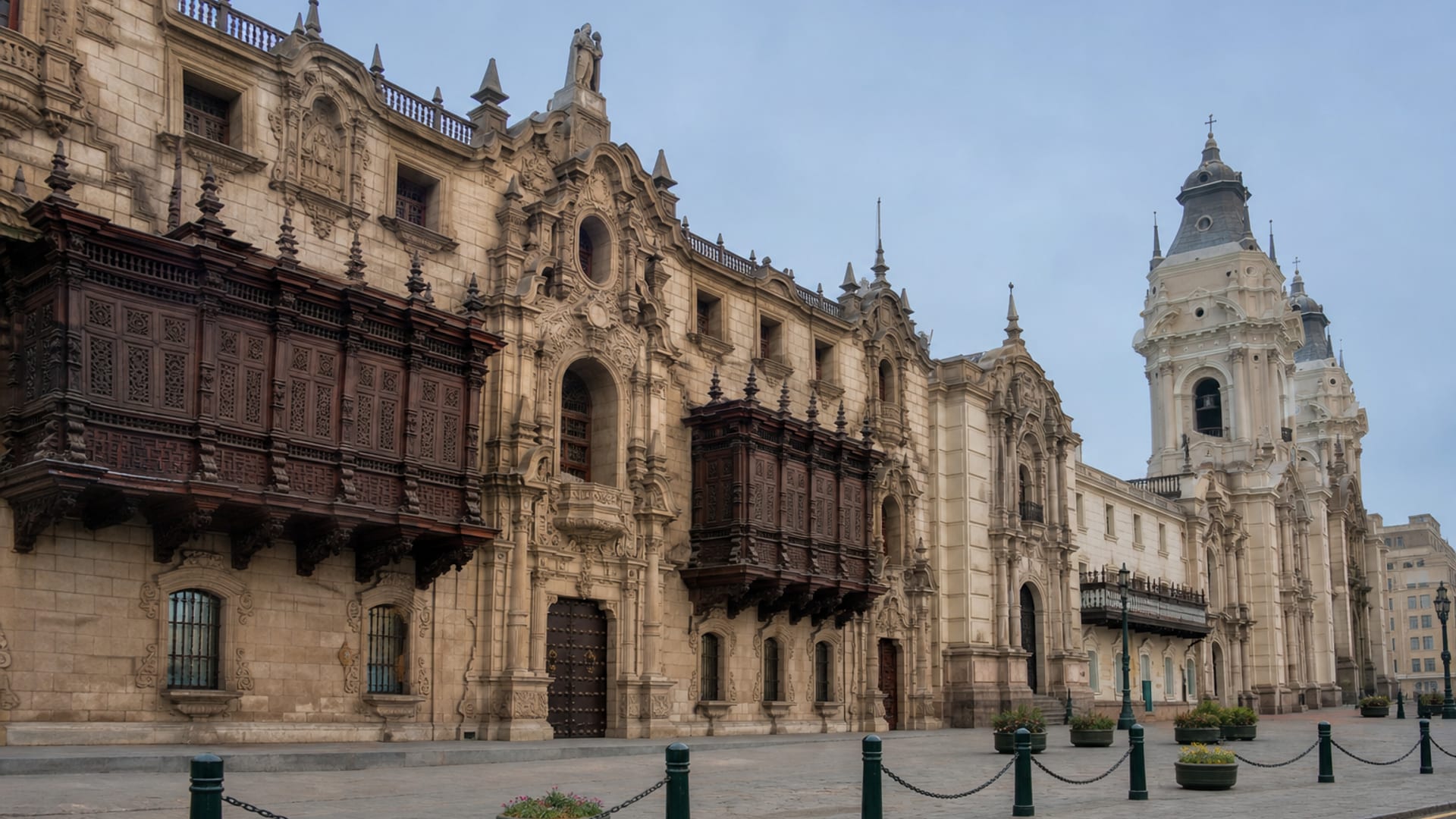
Start in the Historic Centre at Plaza Mayor, where the Cathedral and Government Palace frame Lima’s colonial core, then continue to Convento de San Francisco, about 10 minutes away on foot. Go into the San Francisco complex early, since the cloisters and catacombs draw tour groups later in the day. After lunch nearby, take a taxi to Barranco, roughly 25 to 35 minutes depending on traffic, and end with a walk past Puente de los Suspiros, the district’s most photographed corner, before dinner on one of the nearby restaurant streets.
Begin in Miraflores at Huaca Pucllana, then plan about 15 to 20 minutes on foot or a short taxi ride to reach the Malecón for ocean views and park paths. The pre-Inca pyramid gives the morning a clear historical focus, while the cliff-top walk adds a wider view of the coast. If you want a longer outing, stay in Miraflores for lunch near Larcomar, then head to Barranco in about 15 minutes by taxi for galleries, a slower stroll, and dinner after dark.
Head to San Isidro first, where Huaca Huallamarca gives you a compact pre-Inca site and a useful contrast with the district’s office towers, then continue by taxi to the Historic Centre in about 20 to 30 minutes. From there, pair Plaza Mayor with the surrounding arcades and museums, or return to Convento de San Francisco if you want a deeper look at Lima’s colonial interiors. If you still have time in the late afternoon, finish with a quiet meal back in San Isidro, where dinner options cluster near the main hotel streets.
Start the last day with a single final stop that fits your flight time, such as the Museo de Arte de Lima if you are heading to the airport from the city center, then spend the rest of the afternoon in Miraflores or Barranco for shopping and a long coffee. In Miraflores, Larcomar offers easy last-minute browsing with ocean views, while Barranco suits a slower café stop near the arts streets before a taxi back to Lima (LIM). Leave enough time for the airport transfer, since traffic can add a full extra half hour during busy evening periods.
Business-class flights from the US to Lima
Long-haul flights to Lima usually route through a hub in the Americas, so the best option depends on where you are starting and how much time you want to spend en route. The nonstop choices shorten the trip, but one-stop itineraries can lower the fare.
From New York, Aeromexico, American Airlines, Delta Air Lines, LATAM Airlines, Copa Airlines, and Avianca all serve Lima. Nonstop itineraries usually take about 8 to 9 hours, while one-stop plans often connect through MEX, PTY, BOG, or SCL and usually run about 10 to 16 hours. Round-trip fares usually start at $2,200, with nonstop itineraries often landing closer to $3,500.
Los Angeles travelers have a wider spread of options, with American Airlines, Delta Air Lines, LATAM Airlines, Aeromexico, Copa Airlines, and Avianca on the route. Round-trip fares generally begin near $2,000, and if you do not mind a layover, common routings via MEX or PTY can cut the price to about $1,200 to $1,700. Nonstop flights take about 8 to 9 hours.
Lima feels different when you slow down
A well-paced Lima trip moves between Miraflores, Barranco, San Isidro, and the Historic Centre with purpose, then leaves room for Huaca Pucllana or San Francisco when the day still has energy. Taxis, Metro Line 1, and short walks do most of the work if you plan around traffic and lunch breaks. If you want help matching neighborhoods, flights, and meal stops, the AranGrant experts can shape the right Lima itinerary for you







