

Chapters:

Need help with your trip?
Our support team is available 24/7. Request a callback or call us directly at (833) 619-0908
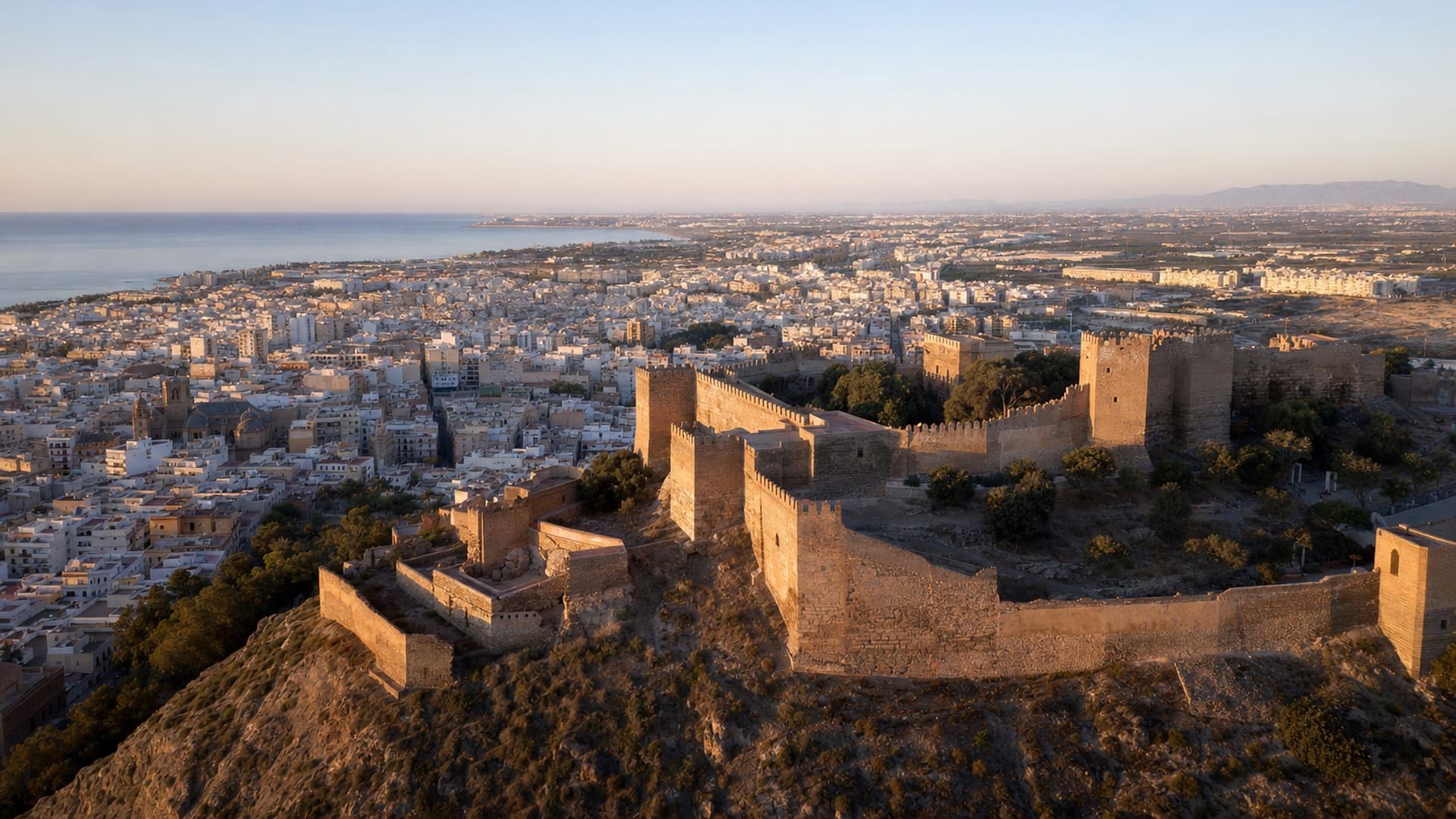
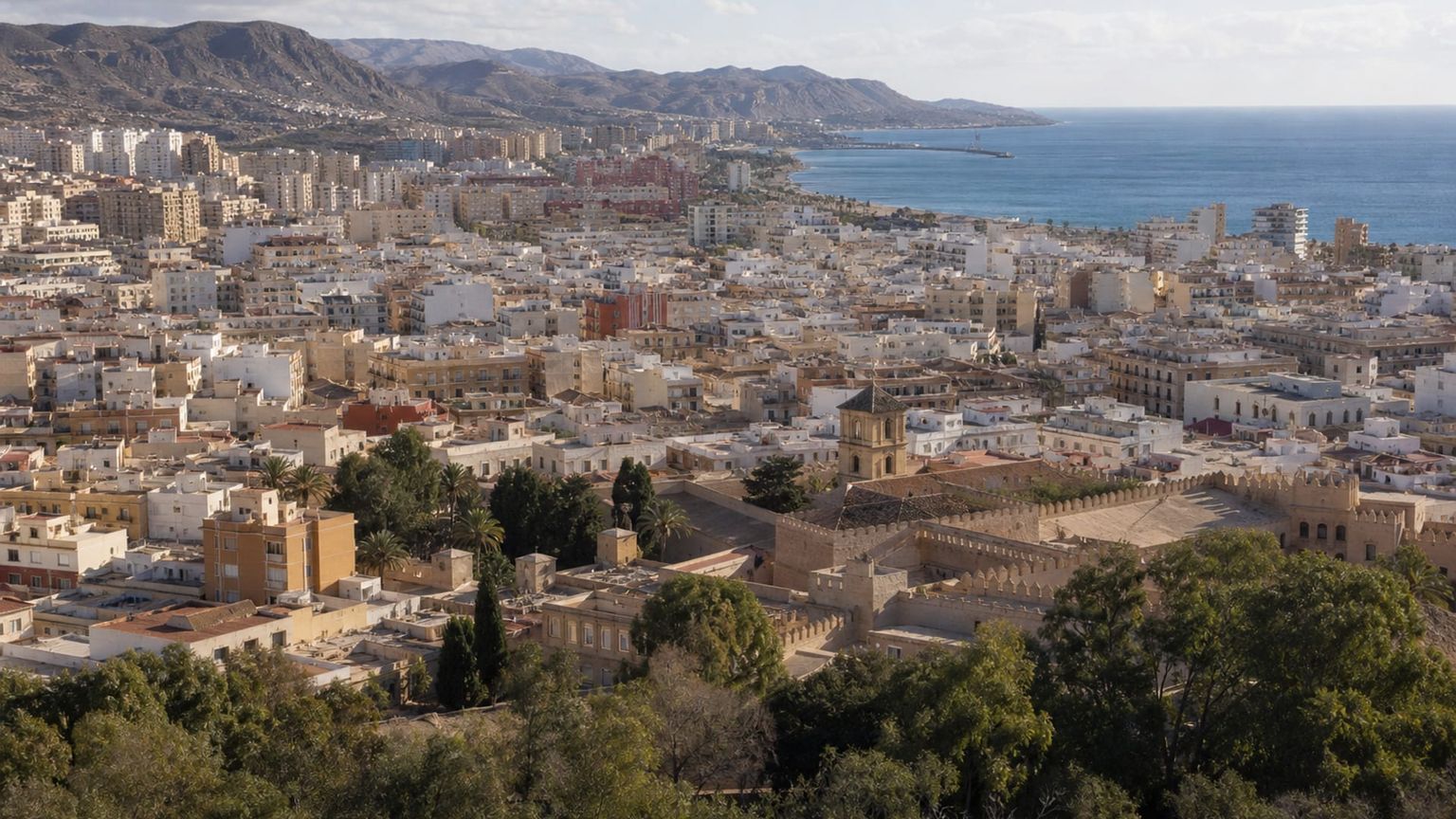
Many first trips to Almería follow the same arc, a quick look at the cathedral, a climb to the Alcazaba, then a late meal without much sense of how the center, waterfront, and beach district fit together. Travelers often miss how much the city changes by block and by hour.
That matters here because the main sights sit on separate levels and the seafront lies far enough east that walking plans can lose time if you string them together without a map. Heat, opening hours, and midday closures also shape the day more than visitors expect.
This guide keeps the core compact, then adds the beach, wartime tunnels, and harbor edge in an order that matches the city’s geography. It gives you a cleaner base choice, a better day-by-day flow, and route notes that make short transfers work with less guesswork.
Useful things to know

Main language(s): Spanish
Hola (OH-lah) – Hello
Por favor (por fah-VOR) – Please
Gracias (GRAH-see-ahs) – Thank you
¿Habla inglés? (AH-blah een-GLAYS) – Do you speak English?
¿Cuánto cuesta? (KWAHN-toh KWES-tah) – How much does it cost?

Currency: The local currency is the euro (EUR, €).

Cash and cards: Cards and contactless are widely accepted; carry about €20 to €40 ($22 to $43) in cash for small cafes and kiosks.

Tipping: Round up small bills; leave about 5-10% for good table service.

Traditional food: gurullos, migas, cherigan, plato almeriense

Water and coffee costs: Water ~€1.50 to €2 ($2 to $2), bar espresso ~€1.50 to €2 ($2 to $2).

Taxis and ride apps: Uber and Cabify operate here; local taxis are common too.

Plug and voltage: Type C/F socket, 230V

Dining and shop opening hours: Breakfast is about 08:00-10:30, lunch 13:30-15:30, and dinner 20:30-23:00. Many kitchens close between lunch and dinner.

Emergency number: 112 for police, fire, and medical emergencies.
Where to stay in Almería
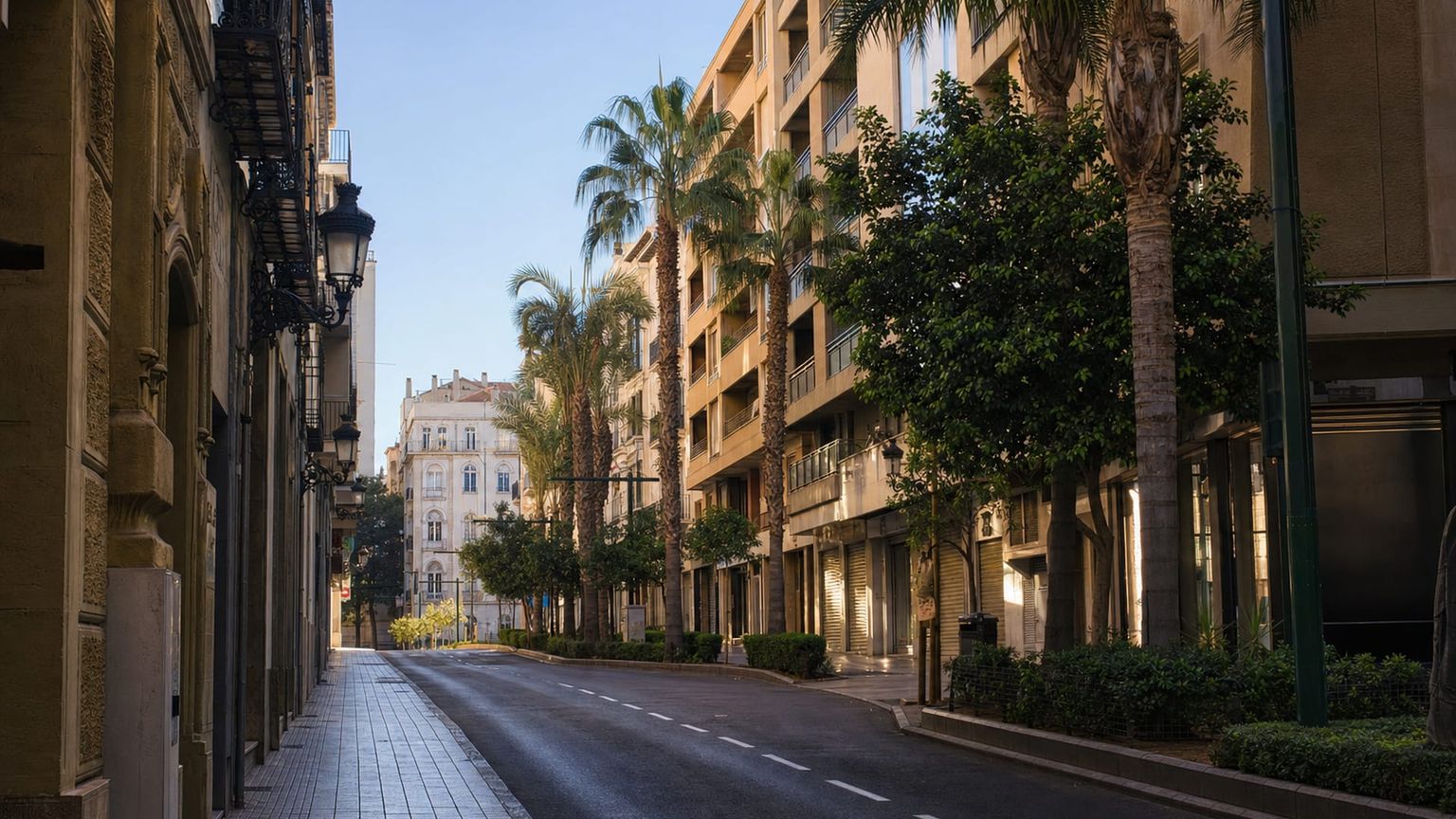
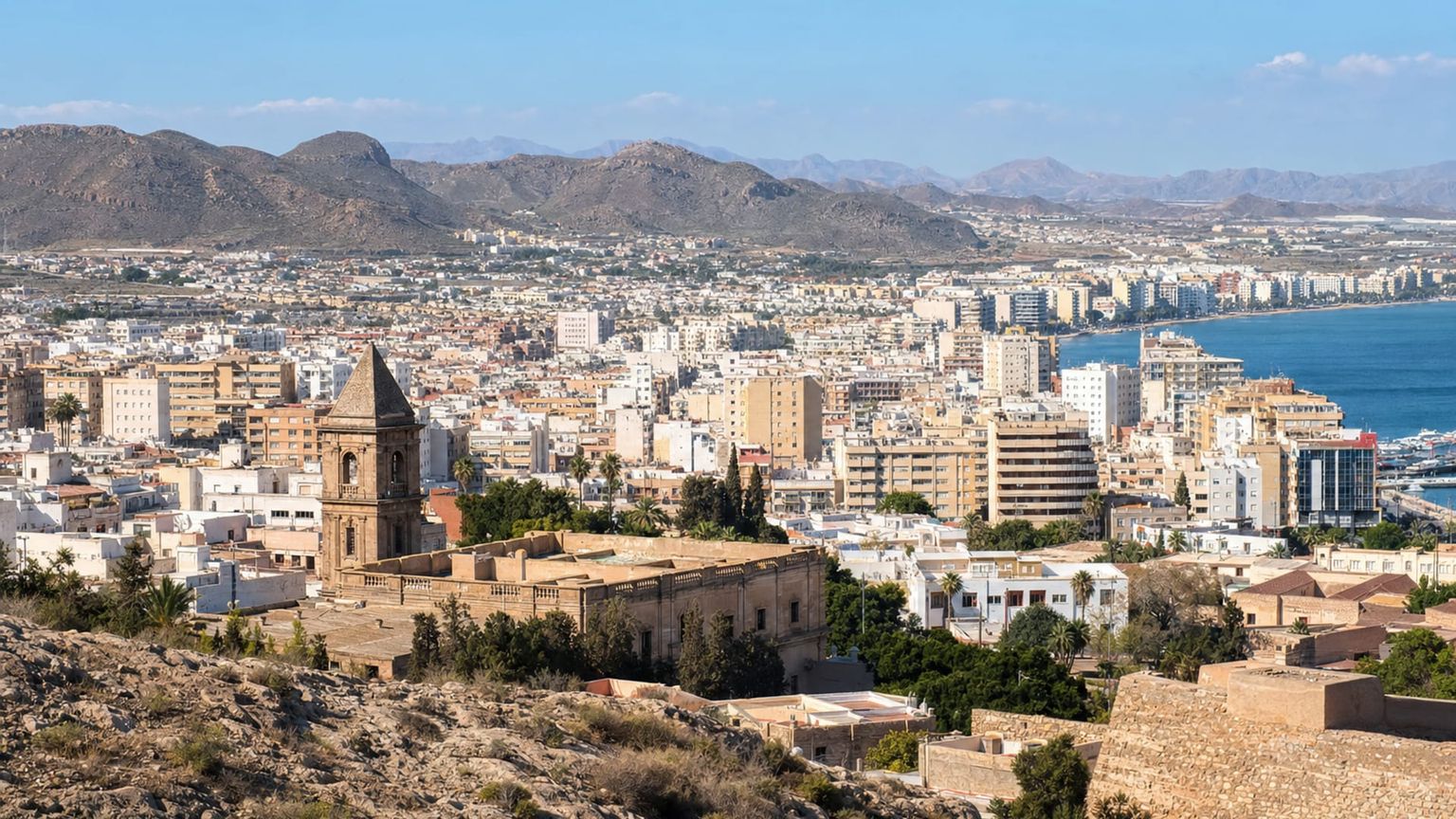
Almería’s historic center puts you beside the cathedral, tapas bars, and the old shopping streets that give the city its main urban core. It works well for visitors who want to walk to museums, the harbor edge, and many restaurants without relying on taxis.
Best for: First-time visits, sightseeing, and staying close to dining and nightlife
What to expect: Expect busy pedestrian streets by day, with more tapas traffic and moderate noise in the evening.
Hotel prices: Usually about €70 to €140 (~$77 to ~$154) per night for well-rated stays
Distance to major sights: 5 to 10 minutes on foot to Almería Cathedral, about 12 minutes on foot to the Alcazaba
Quietness: Daytime is lively and busy; evenings stay active, especially on restaurant streets.
Main trade-off: Central addresses bring more foot traffic and nighttime noise, and parking can be difficult.
Good to know: Book here if you want to move on foot, but choose a room off the main nightlife streets if you sleep lightly.
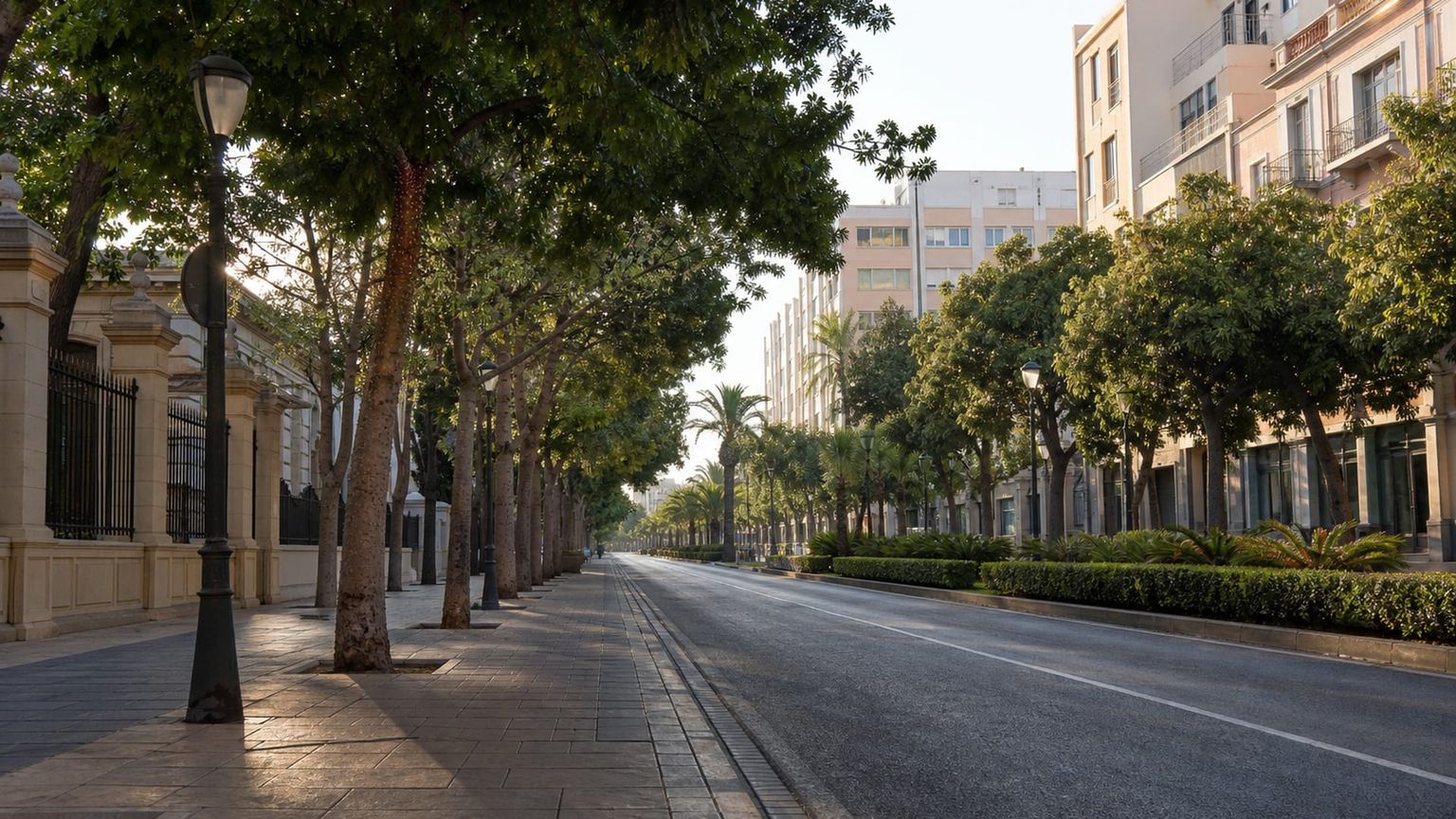
La Rambla follows one of Almería’s broad central avenues, linking the historic core with newer residential blocks and everyday shops. It suits travelers who want a slightly more residential base while still staying close to the center and the beach bus links.
Best for: Travelers who want a central but less intense base with good access to shops and buses
What to expect: Expect a local pace, steady daytime activity, and quieter streets than the old center after dinner.
Hotel prices: Usually about €65 to €120 (~$72 to ~$132) per night for well-rated stays
Distance to major sights: About 15 minutes on foot to Almería Cathedral, about 20 minutes by bus to Playa de San Miguel
Quietness: Daytime is active with local errands; evenings are calmer than the historic center.
Main trade-off: You will walk a bit more for the main sights, and the area has fewer late-night options right outside your door.
Good to know: It is a good compromise if you want easier parking and more apartment-style lodging without giving up central access.
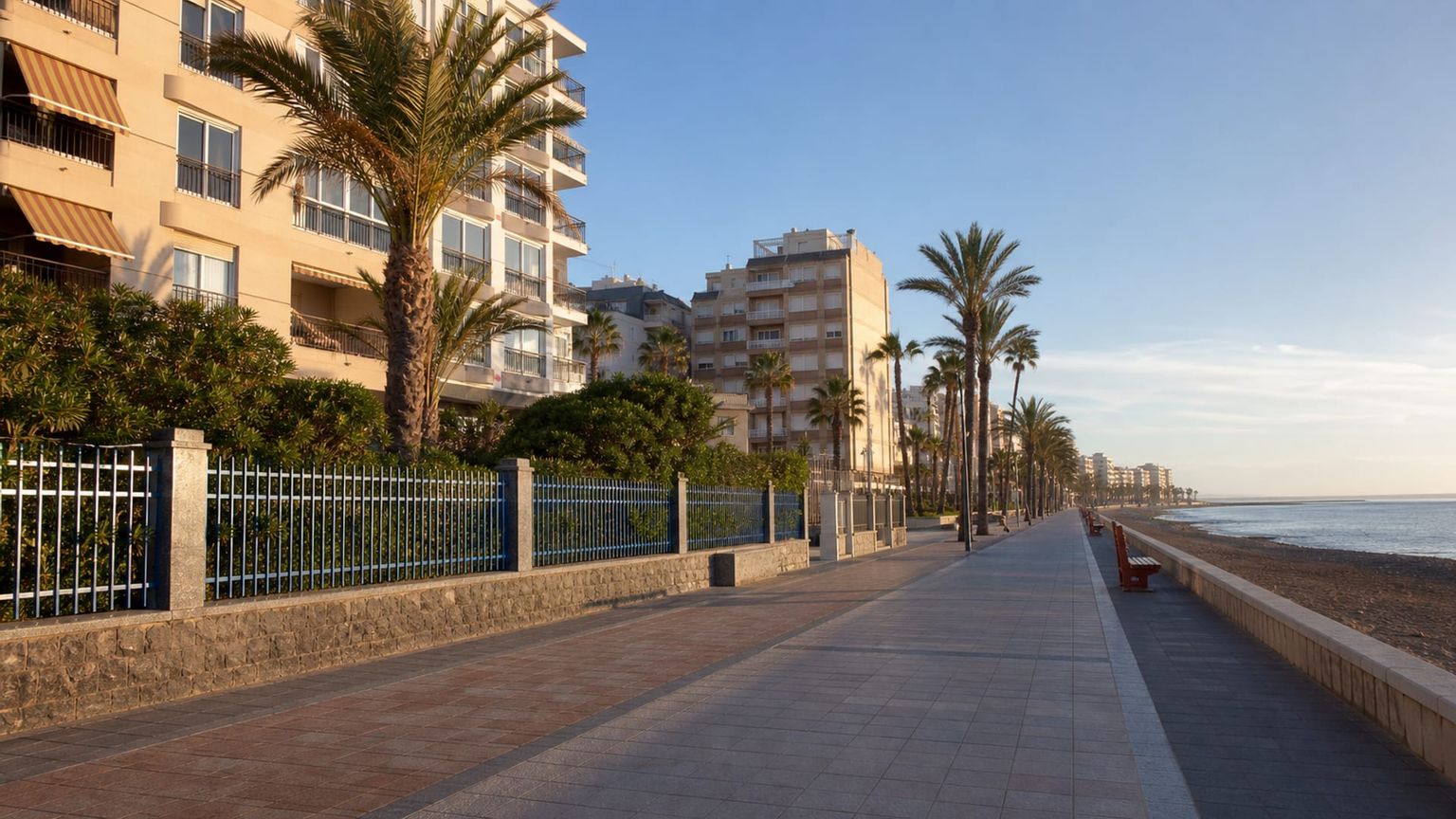
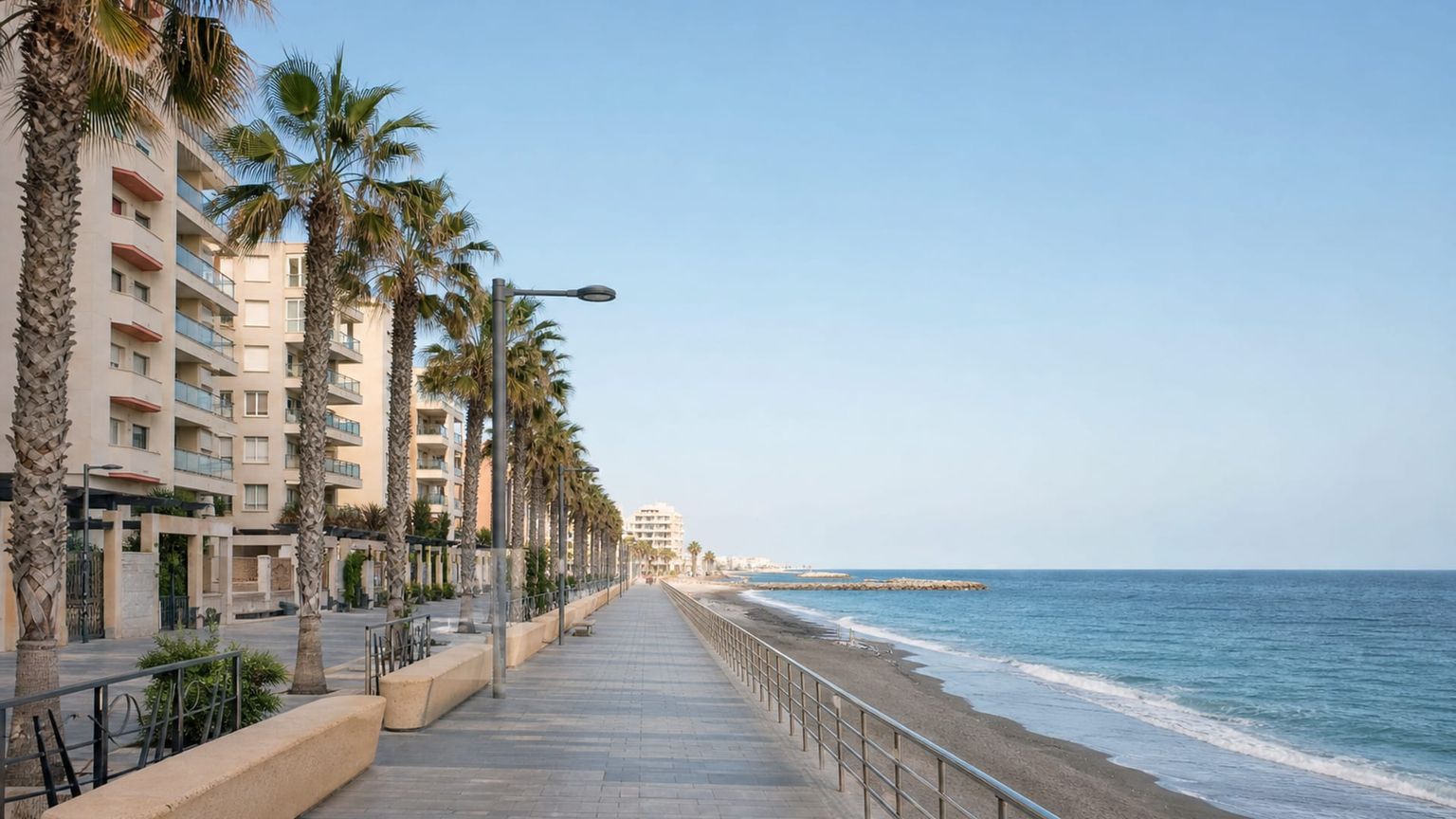
Zapillo is Almería’s seafront district, set along the city beach and the promenade east of the center. It matters if you want sand, sea views, and an easy beach routine while still reaching downtown by bus or a longer walk.
Best for: Beach stays, families, and travelers who want a sea-facing base
What to expect: Expect a busy promenade, beachgoers in season, and a more relaxed street scene than the old town.
Hotel prices: Usually about €75 to €150 (~$83 to ~$165) per night for well-rated stays
Distance to major sights: About 10 minutes on foot to Playa de San Miguel, about 20 to 25 minutes by bus to Almería Cathedral
Quietness: Daytime is lively near the beach; evenings are calmer once the promenade crowds thin.
Main trade-off: You gain beach access, but you give up some walking convenience for the cathedral, Alcazaba, and old town dining.
Good to know: Pick this area if the beach is part of the trip, but check whether your hotel has strong summer air conditioning.
Travelers usually avoid El Alquián, Retamar, and Costacabana for a hotel base, since they sit east of the city center, have fewer visitor amenities, and require more transit time to reach the Alcazaba, cathedral area, and the old town. The outskirts near Carrefour and the airport road are also less convenient for overnight stays because they are mainly retail and business zones, with limited evening dining and little to do on foot.
Hotel deals
How to get around Almería efficiently
Almería has no metro, so most visitors move with buses, taxis, and walking, while the center, port, and Zapillo each call for a different mix.

Metro
for longer distances
Almería has no metro network, so visitors rely on buses, taxis, and walking for the city center and beachfront. For trips beyond the core, suburban or intercity rail is not the local urban substitute, so plan surface transport instead.

Bus and tram
for convenience
Urban buses cover the center, the seafront, and links to nearby neighborhoods, with main rides usually taking about 10 to 25 minutes. A single ticket typically costs about $1.30 to $1.60 (€1.20 to €1.50), and passes or contactless options may be available on some services. Check the posted timetable at the stop, because evening and Sunday frequencies thin out.

Taxi
for convenience or late hours
Licensed taxis use meters, not flat citywide fares, and you can take one from ranks, book by phone, or use a local app. A trip inside central Almería often costs about $5 to $10 (€4.50 to €9), while Almería Airport to the center is usually about $22 to $30 (€20 to €28), depending on luggage, nighttime surcharges, and traffic. Most cabs accept cards, but carry some cash in case the terminal does not work.
*Prices are based on rates updated as of June 2026 and may change at the time of travel.
Use walking for Centro and the hill sights, buses for Zapillo and cross-town links, and taxis when you want to cut the climb back from the Alcazaba or reach the airport on a tighter schedule.
Iconic landmarks
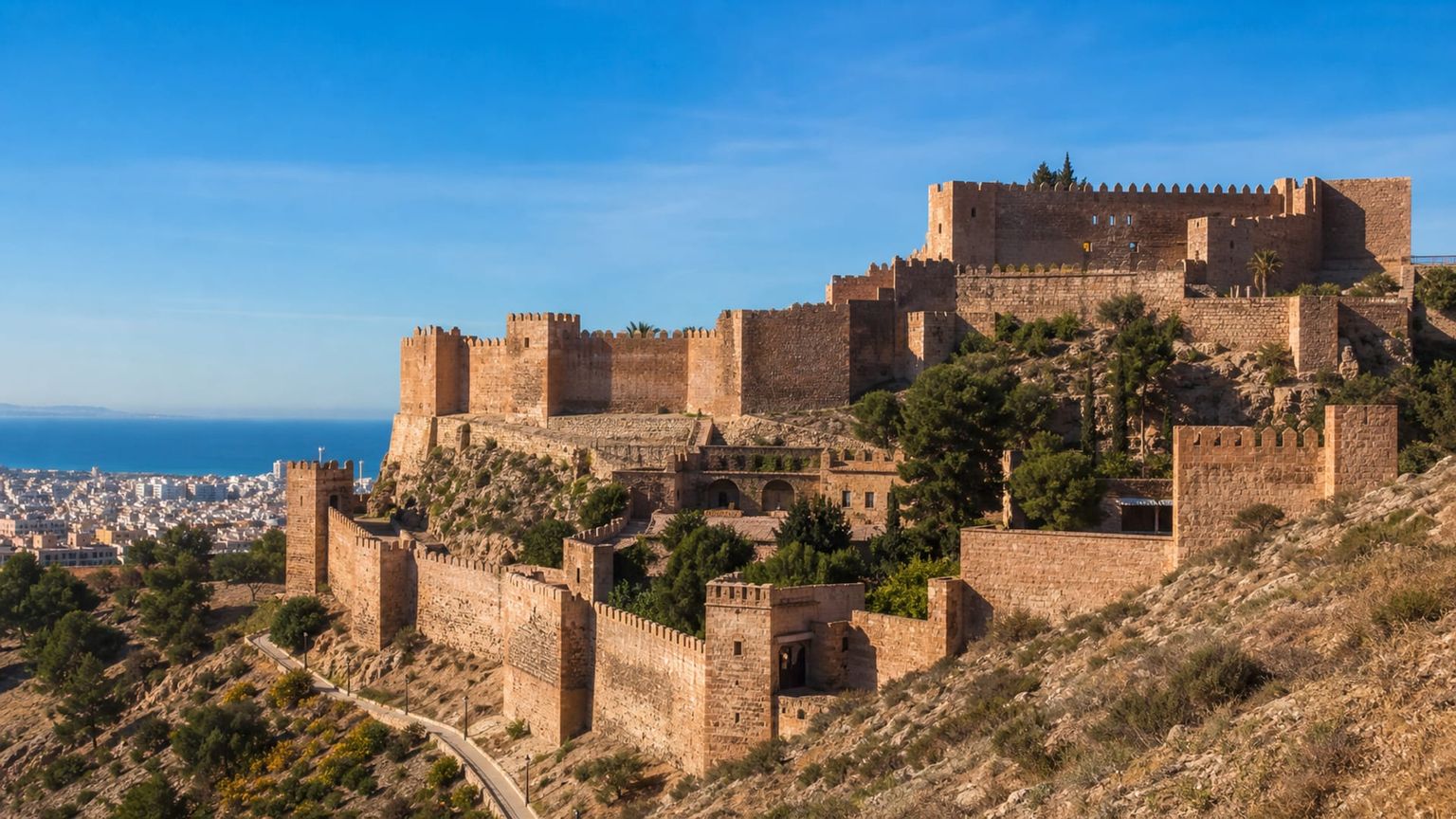
Alcazaba of Almería
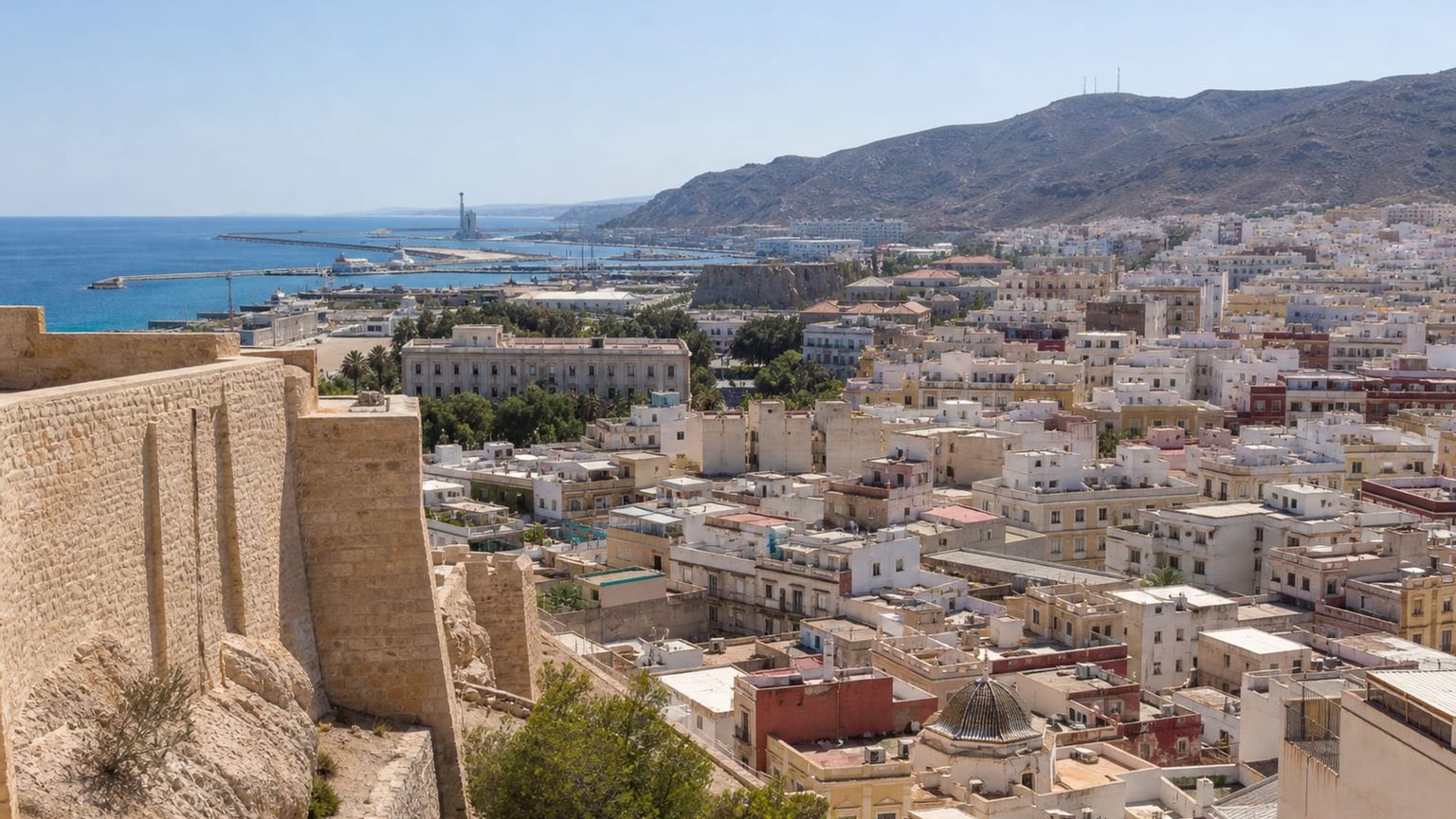
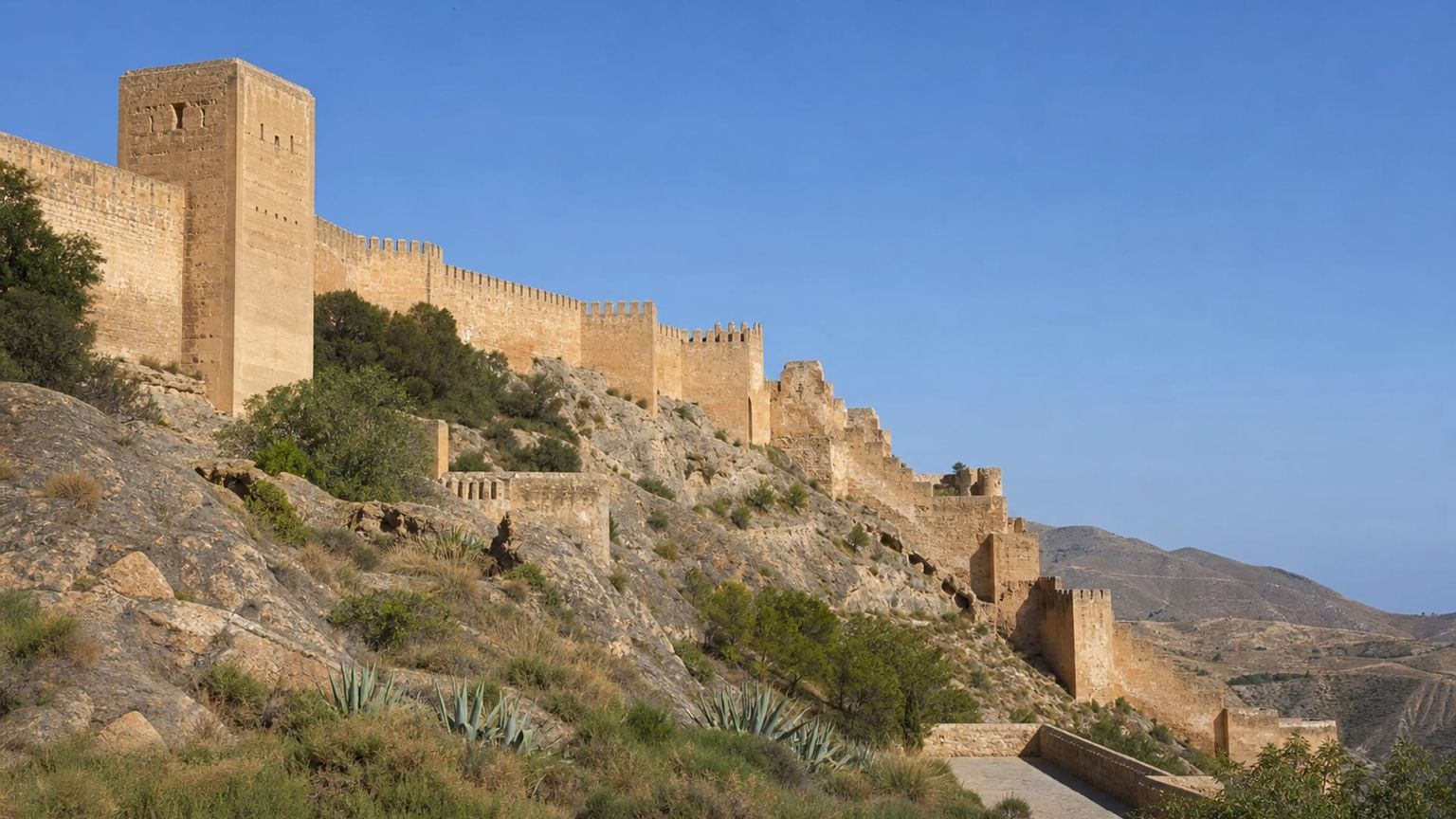
This 10th-century hilltop fortress overlooks the harbor and old town, with restored walls, towers, and gardens that trace Almería’s Islamic and Christian layers. The upper terraces also frame wide views across the city and bay.
Time needed: About 2 to 3 hours
Entry: Admission costs $3 to $4 (€2.50 to €3.50) for adults, with reduced rates for students, seniors, and some guided visits; children under 12 enter free. Visit the official site for details.
Tip: Go near opening time for cooler walls and softer light on the upper terraces.
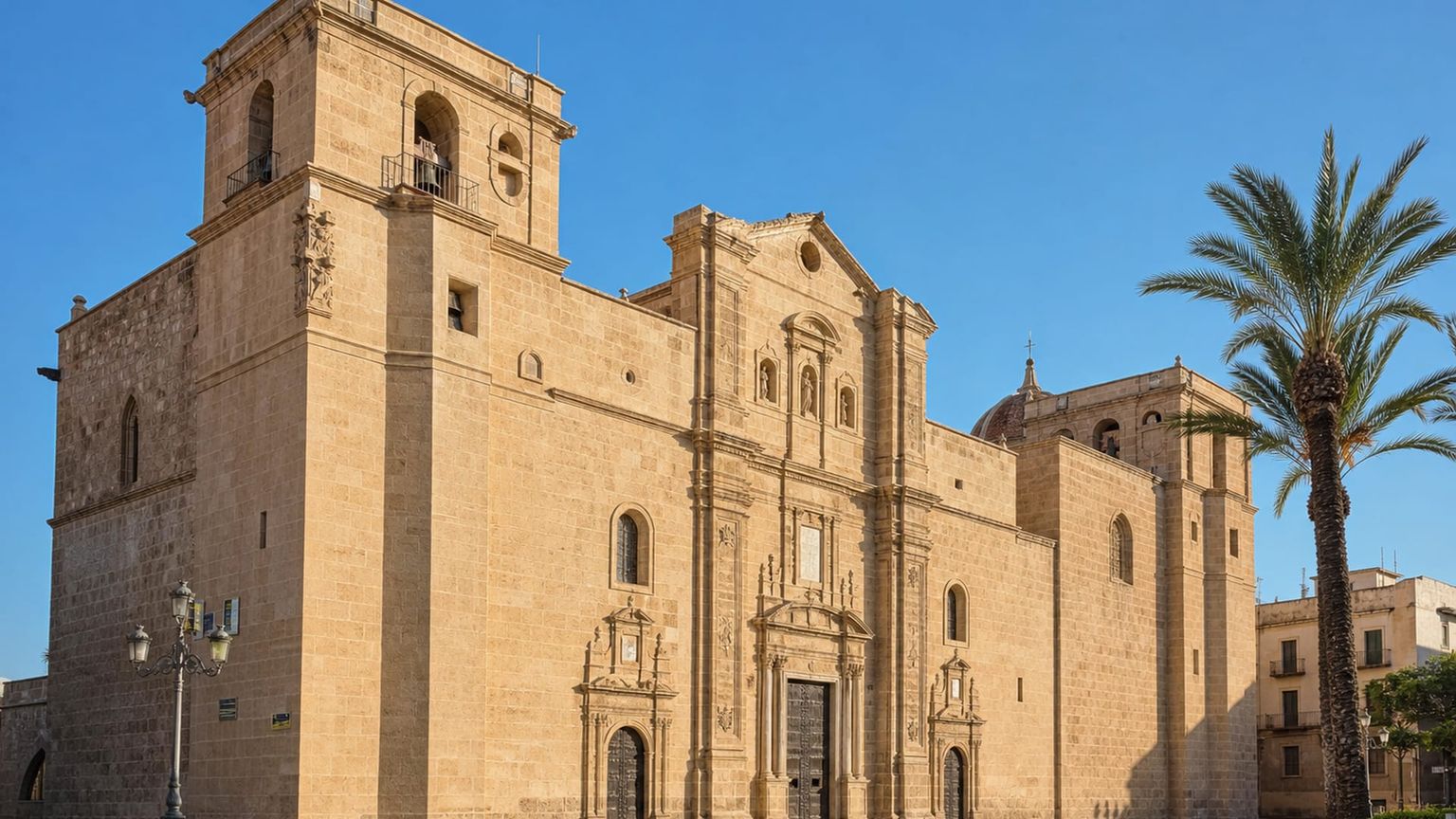
Cathedral of Almería
Built after the 1522 earthquake, this cathedral combines a fortified exterior with Gothic, Renaissance, and Baroque details. Inside, the choir, chapels, and cloister show why it ranks among the city’s key monuments.
Time needed: About 1 to 2 hours
Entry: Admission costs $5 to $7 (€4 to €6) for the cathedral and cloister, with reduced rates for children, students, and selected pilgrim visits. Visit the official site for details.
Tip: Visit late morning, then step outside to see the façade lit more clearly.
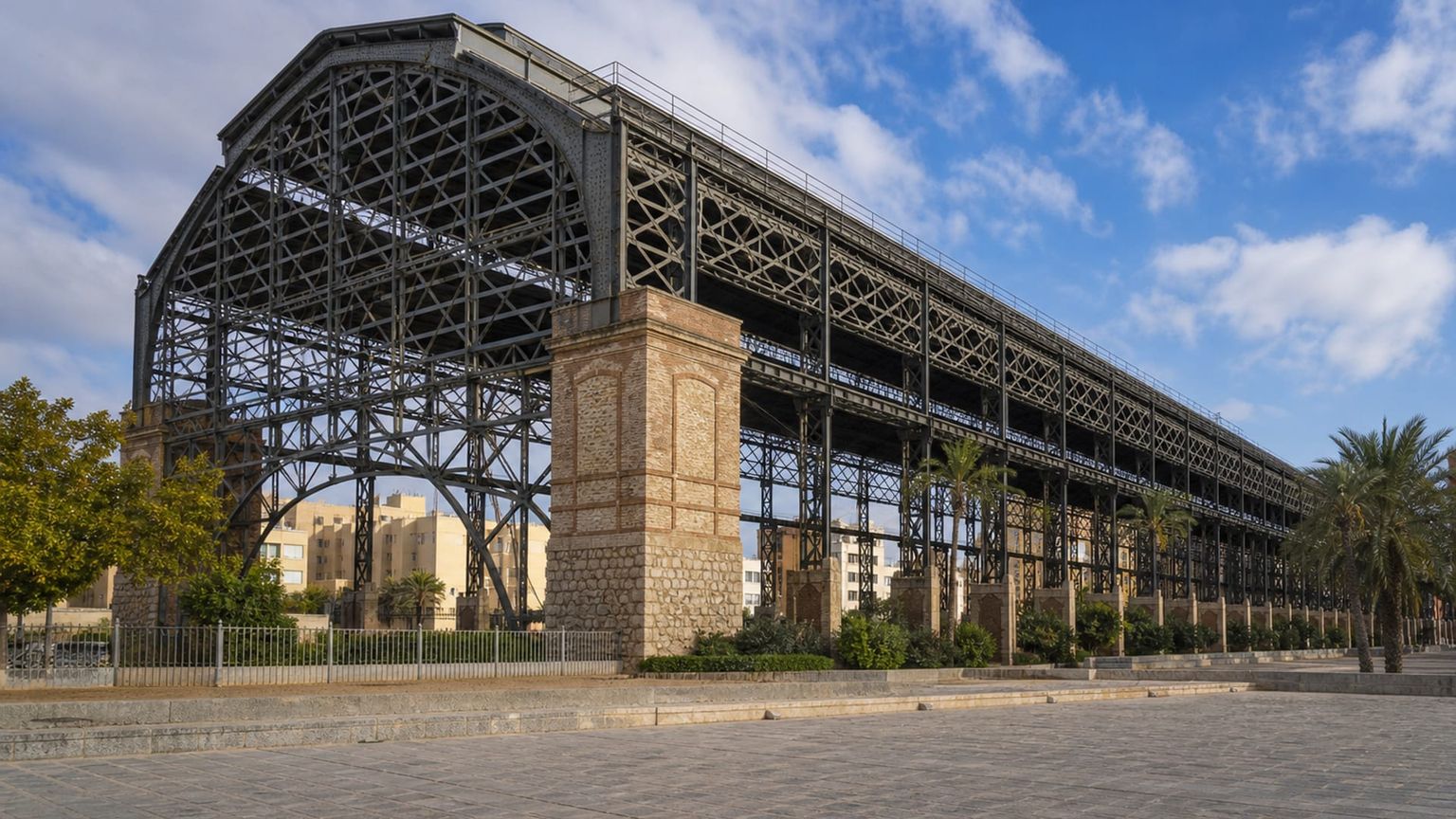
Cable Inglés
This iron ore loading dock stretches into the port as a striking 1904 industrial relic, now restored for pedestrians. Its long steel frame, sea views, and sunset light make it one of Almería’s most photographed sites.
Time needed: About 30 to 45 minutes
Entry: Free to access; no timed ticket is required, and the pedestrian route stays open for self-guided visits from the waterfront side.
Tip: Come at sunset for the best color on the steel frame and harbor water.
Overlooked sites worth visiting

Alcazaba of Almería
This hilltop fortress above the old quarter pairs open terraces with cisterns, walls, and gardens. Its upper sections give wide city and harbor views, while the lower enclosures show the site’s Moorish defensive layout.
Time needed: About 1.5 to 2 hours
Entry: Admission is free for EU citizens and about $1.50 ($1.40) for other visitors. Temporary closures can affect specific towers or sections, so check the city listing before visiting and allow time for the uphill walk. Visit the official site for details.
Tip: Visit near sunset for softer light on the walls and harbor.

Refugios de la Guerra Civil, Almería
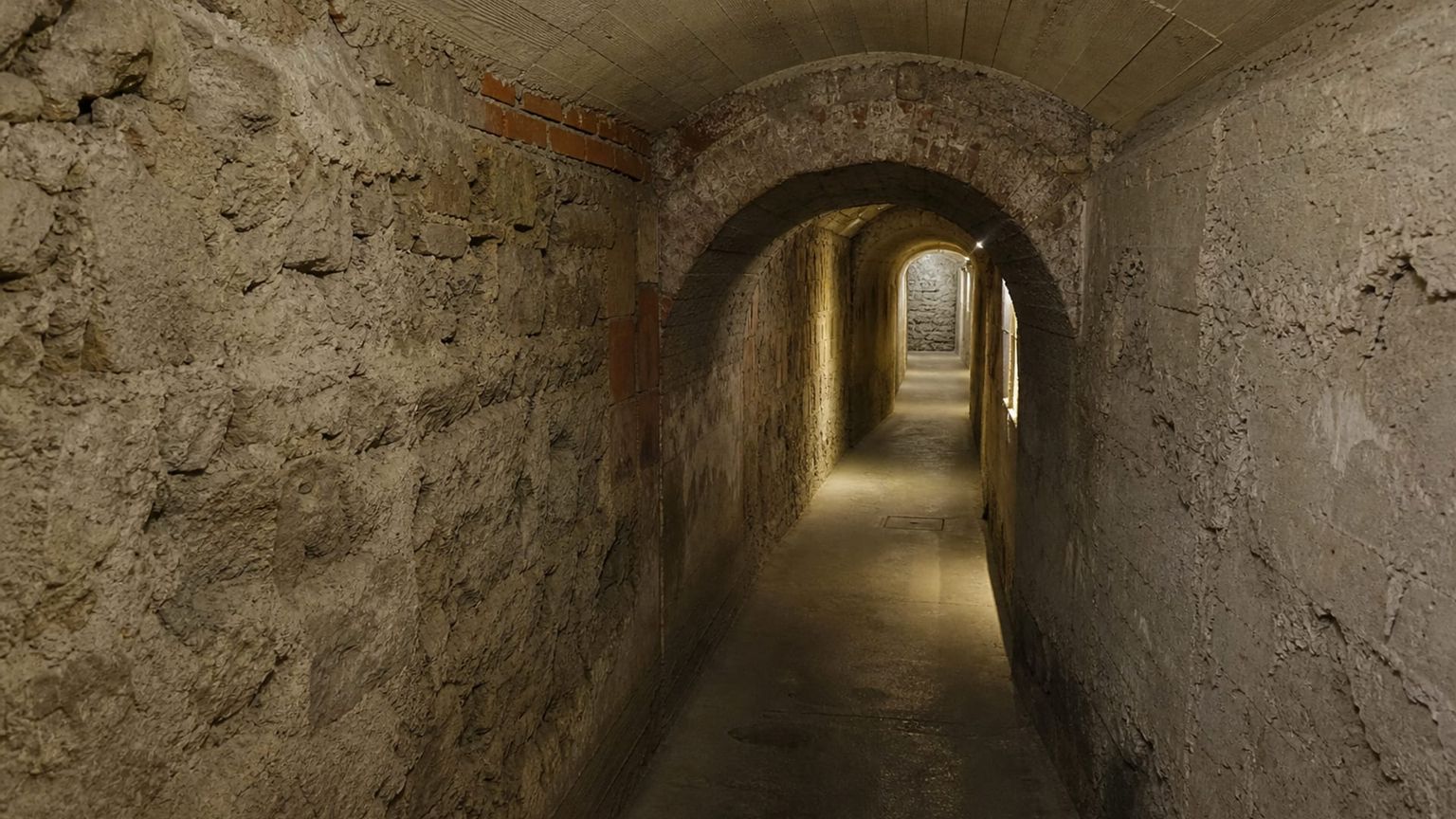
This 1-km underground shelter network traces Almería’s wartime defenses beneath the city center. Guided visits lead through tunnels, air-raid rooms, and interpretation panels that explain daily life during bombardment.
Time needed: About 1 hour
Entry: Guided admission is about $7 ($6.50) for adults, with reduced rates for children, students, and seniors. Check the municipal schedule before you go, since timed visits limit group size and hours change by season. Visit the official site for details.
Tip: Go early in the day for smaller groups and cooler tunnels.
Traditional food
Almería cooking leans on seafood, olive oil, peppers, and salt-baked or stewed flavors, with gurullos, migas, cherigan, and plato almeriense showing up in homes and tapas bars. Lunch runs late, dinner later, and the best meals often come as a string of small plates.
Gurullos
This saffron-tinged stew of hand-rolled pasta and meat or seafood appears in traditional kitchens across Almería. Casa Puga in Centro is a classic place to order it with a local wine or beer.
Migas
Almería’s version of migas uses fried crumbs, garlic, and seasonal sides, often with fish, peppers, or grapes depending on the time of year. La Encina in the city center serves a well-regarded take in a traditional dining room.
Cherigan
A cherigan is a toasted sandwich or open-faced snack topped with tuna, ham, cheese, or other simple ingredients, and it anchors many tapas rounds. Taberna Nuestra Tierra in Centro is a dependable stop for a broad tapa selection that includes it.
Plato almeriense
This hearty mixed plate usually brings together local staples such as eggs, chorizo, potatoes, and regional extras in one serving. Restaurante Bar Casa Joaquín is a long-running address where the dish fits the house style.
Best time to visit Almería
Almería rewards shoulder seasons most of all, when the heat softens enough for hill climbs and waterfront walks, while summer pushes many plans toward early mornings and sea breezes.
Best for: Best for the Alcazaba, long walks, and mild terrace dining
What you get: About 63 to 77°F (17 to 25°C), with moderate crowds and easy sightseeing weather
Trade-offs: Easter travel can raise hotel demand and crowd key monuments
Best for: Best for the beach, evening promenades, and late dinners
What you get: About 77 to 93°F (25 to 34°C), with heavier beach traffic and hot afternoons
Trade-offs: Midday heat can limit uphill visits and outdoor wandering
Best for: Best for balanced sightseeing and calmer city-center pacing
What you get: About 68 to 82°F (20 to 28°C), with lighter crowds and comfortable walking
Trade-offs: Occasional rain and shorter days can trim the evening window
Best for: Best for museum-style sightseeing and low-key city breaks
What you get: About 54 to 66°F (12 to 19°C), with lighter crowds and crisp walking weather
Trade-offs: Beach time is limited, and some days can feel cool and windy by the water
A realistic 5-day plan in Almería
Five days in Almería work best when you separate the hill, the old center, and the seafront instead of trying to stack them in one sweep. The plan below keeps the most demanding walking early, then gives the beach and departure day more breathing room.
Land at Almería Airport (LEI) and take a taxi or airport bus into Centro, which usually takes about 15 to 20 minutes by taxi and costs roughly $18 to $25, or about $4 to $6 on the bus, depending on the operator and stop. If you prefer a quieter first night, base yourself on La Rambla; if you want to step out for tapas and short walks, Centro puts you closer to the cathedral and the harbor edge. After check-in, refill a water bottle, then keep dinner simple with seafood or tapas near Plaza Vieja or along the central streets, where you can eat without crossing much of the city.
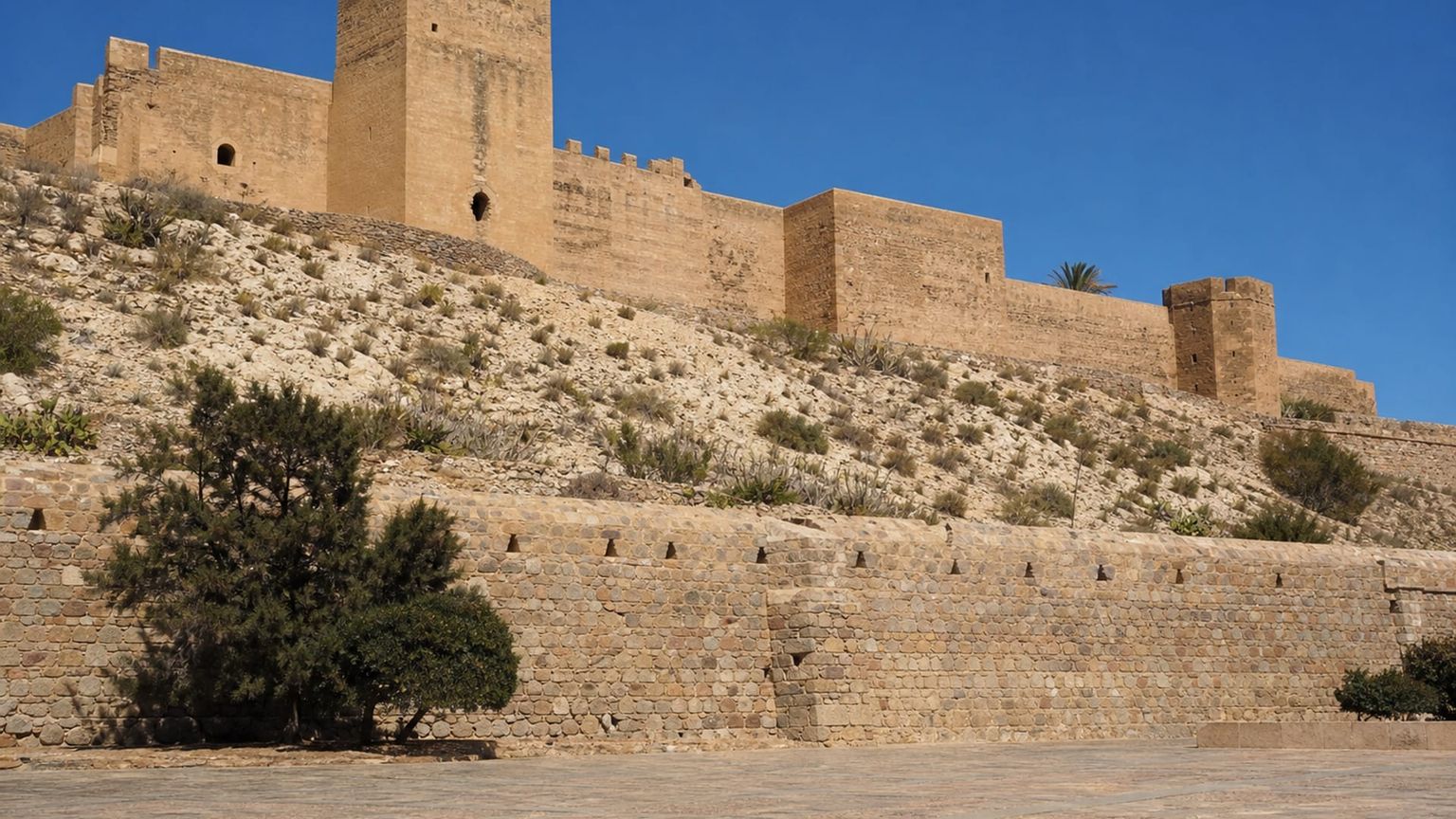
Start at the Cathedral of Almería late in the morning, when the façade reads clearly in the light, then walk about 8 to 10 minutes uphill to the Alcazaba of Almería for the fortress terraces and harbor views. Plan about 1 to 2 hours at the cathedral and roughly 1.5 to 2 hours at the Alcazaba, with an easy break between them for coffee in Centro. If you want a quieter and more atmospheric close, finish the afternoon at Cable Inglés, about a 15 to 20 minute walk or a short taxi ride from the hill district, then stay for sunset over the port.
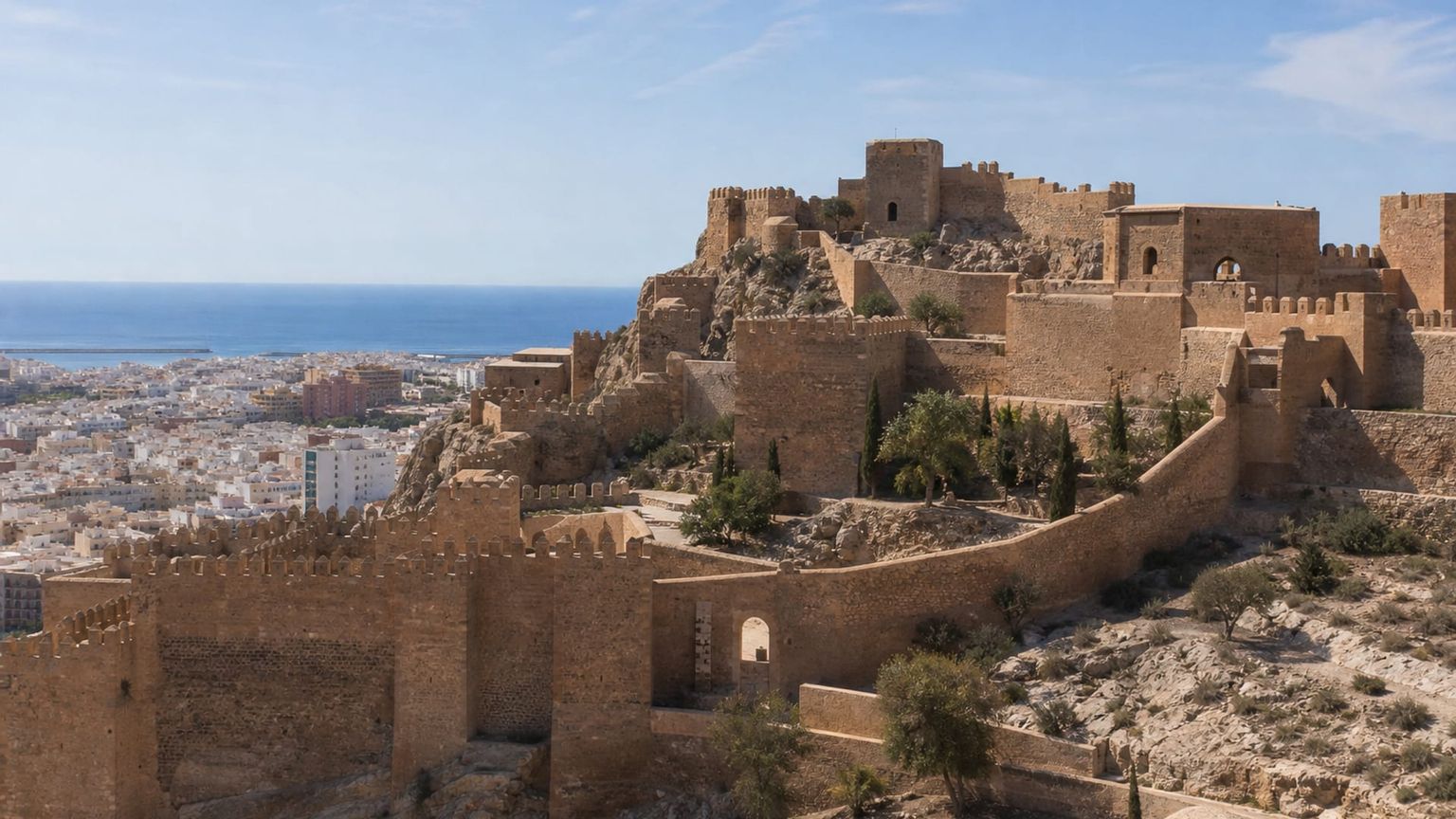
Begin underground at the Refugios de la Guerra Civil, Almería, where timed guided visits usually take about 1 hour, then walk about 10 to 12 minutes to the cathedral area for lunch in the old center. In the afternoon, return uphill to the Alcazaba of Almería if you want a second look at the walls and terraces, or spend that time in nearby streets and small shops before ending at Cable Inglés, about 15 minutes away on foot from the waterfront side. This mix keeps the day centered on the city core while giving you both wartime history and the port edge in one circuit.
Head to Zapillo for a slower sea-facing morning, then follow the promenade and beach for a long walk before taking a bus back toward Centro for lunch. From Zapillo, Almería Cathedral is about 20 to 25 minutes by bus, so you can pair the shoreline with an afternoon in the old quarter without losing much time. If the weather is warm, break for a swim or a café stop near the seafront, then return to the harbor area for an easy final evening walk along the waterfront.
Begin with one last cultural stop at the Cathedral of Almería or, if you already covered it in detail, a shorter revisit to Cable Inglés for harbor views before you pack. Spend the middle of the day in La Rambla, where you can browse everyday shops and pick up snacks or gifts without the density of the old center, then settle into a café in Centro for one final coffee and pastry. If your flight leaves later, a low-key lunch near Plaza Vieja keeps you close to both the taxi stand and the airport bus stop.
Business-class flights from the US to Almería
Flights to Almería usually connect through major European hubs, so the useful question is which routing gives you the best balance of timing and price. Here are two long-haul examples to frame the trip from New York and Los Angeles.
From New York, airlines such as Iberia, TAP Air Portugal, Lufthansa, Air France, and British Airways sell one-stop itineraries into Almería, with total travel time typically about 12 to 18 hours. Common connection points include MAD, LIS, FRA, CDG, and LHR. Round-trip fares from New York usually start at $2,200 and can reach about $4,800.
Los Angeles itineraries on Iberia, Lufthansa, Air France, British Airways, and TAP Air Portugal usually route through one of several European hubs, and total trip time tends to land around 14 to 20 hours. Common connection points include MAD, LIS, FRA, CDG, and LHR. From Los Angeles, expect roughly $2,400 to $5,200 for a round trip.
Almería feels different when you slow down
A deliberate Almería trip starts in Centro, moves uphill to the Alcazaba, then drops back to the cathedral, Cable Inglés, and the promenade at Zapillo without forcing the whole city into one day. That order gives the hills, tunnels, and waterfront their own time, with buses and taxis filling the gaps when the walk gets long. If you want help shaping that mix, the AranGrant experts can build your route around La Rambla, the old town, and the beach







