

Chapters:

Need help with your trip?
Our support team is available 24/7. Request a callback or call us directly at (833) 619-0908
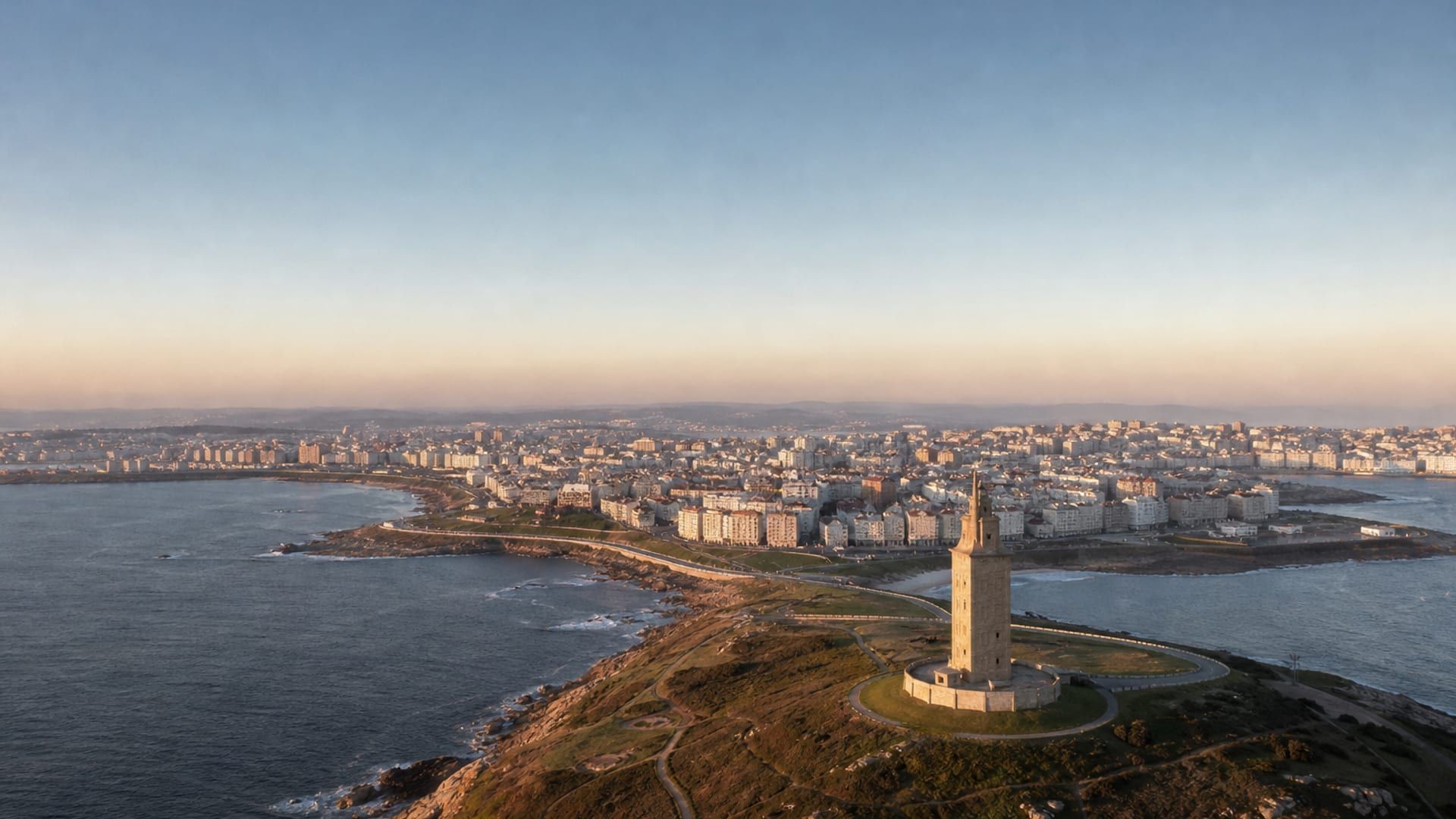
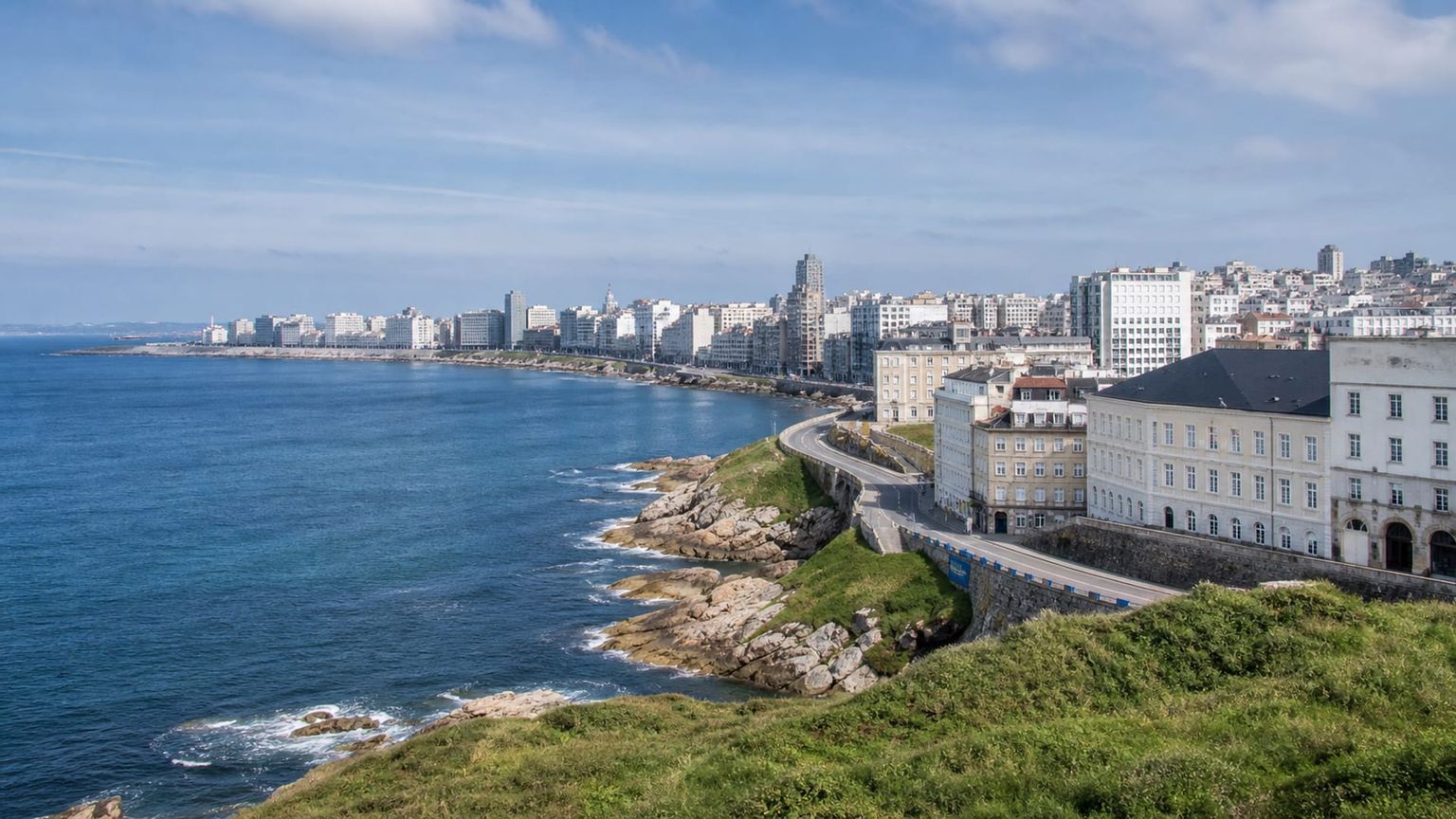
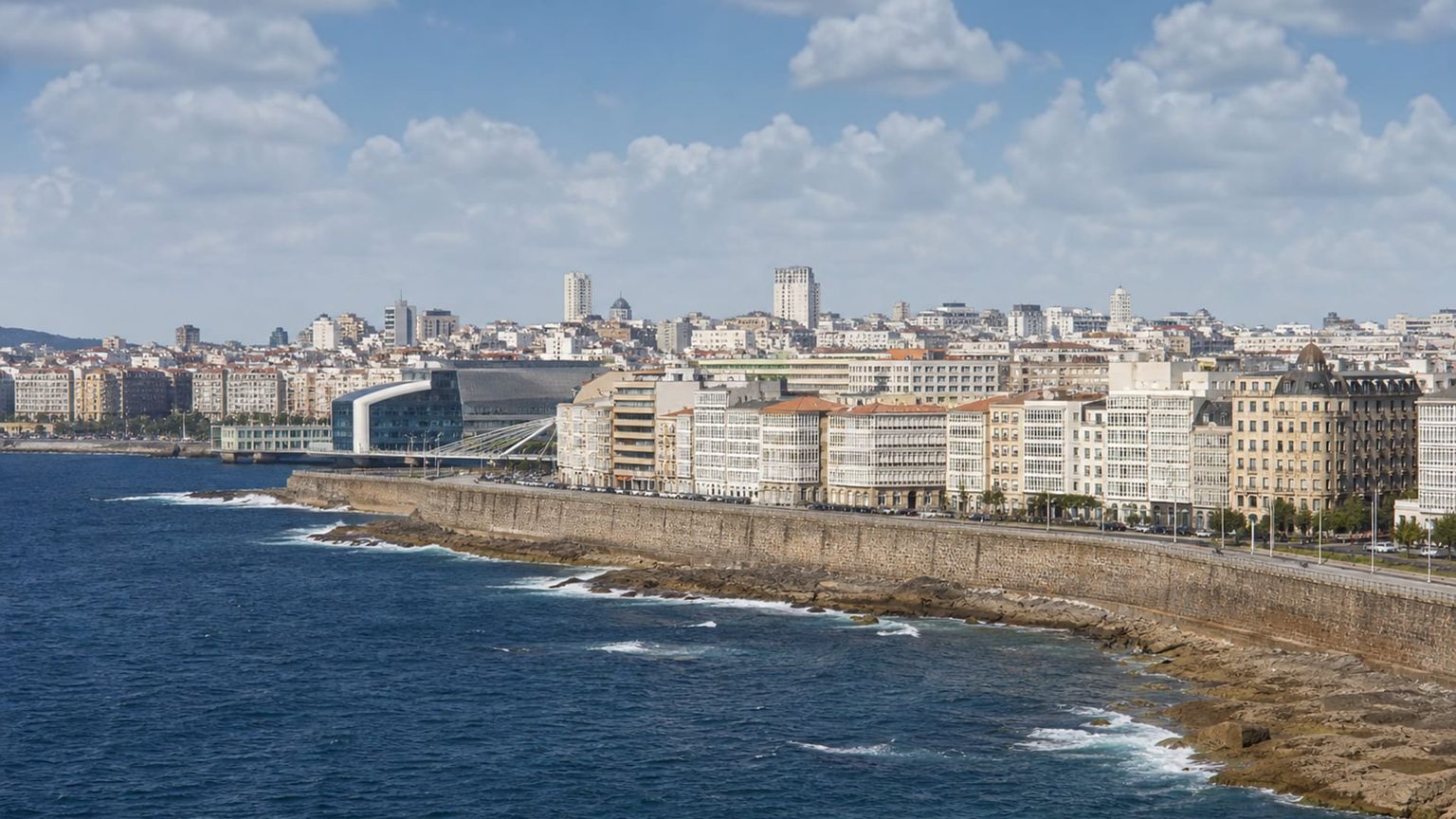
A Coruña is the kind of city that quickly feels manageable. The old town, María Pita Square, and the Marina are close together, while Riazor Beach and the long seafront keep the Atlantic in view through much of the day. A museum visit can lead into a seafood lunch, a walk by the harbor, or some time on the beach without filling every hour.
Farther west, the Tower of Hercules and Monte de San Pedro add broader coastal views and a different side of the city. Galician food, compact neighborhoods, and short distances help keep the pace relaxed even when you want to see plenty.
This article will help you choose where to stay, plan your days, move between neighborhoods, and leave enough time to enjoy A Coruña without rushing.
Useful things to know

Main language(s): Spanish
Hola (OH-lah) – Hello
Por favor (por fah-VOR) – Please
Gracias (GRAH-see-ahs) – Thank you
¿Habla inglés? (AH-blah een-GLAYS) – Do you speak English?
¿Cuánto cuesta? (KWAN-toh KWEHS-tah) – How much does it cost?

Currency: Euro (EUR, €)

Cash and cards: Credit and debit cards are widely accepted, although some smaller businesses may set a minimum card spend. Carrying a little cash is still useful.

Tipping: Tipping is optional. In restaurants, hotels, and taxis, leaving 5% to 10% is customary when you want to recognize good service.

Traditional food: Pulpo á feira, empanada gallega, percebes, tortilla de Betanzos, and lacón con grelos are among the Galician specialties commonly found in A Coruña.

Water and coffee costs: An espresso commonly costs €1.60 to €2 ($1.80 to $2.20), while bottled water at cafés and restaurants is often €2 to €3 ($2.20 to $3.40).

Taxis and ride apps: Cabify operates in A Coruña. You can also book local taxis through Radio Taxi, Tele Taxi, or the PideTaxi app.

Plug and voltage: Type C and F sockets use 230V at 50Hz. US travelers need a plug adapter and should check that their devices support 230V.

Dining and shop opening hours: Breakfast is commonly available from 7:00 am to noon, lunch from 1:00 to 4:00 pm, and dinner from 8:00 to 11:30 pm. Many shops close on Sundays.

Emergency number: Call 112 for police, fire, ambulance, and other emergencies. The number is free and operates 24 hours a day.
Where to stay in A Coruña
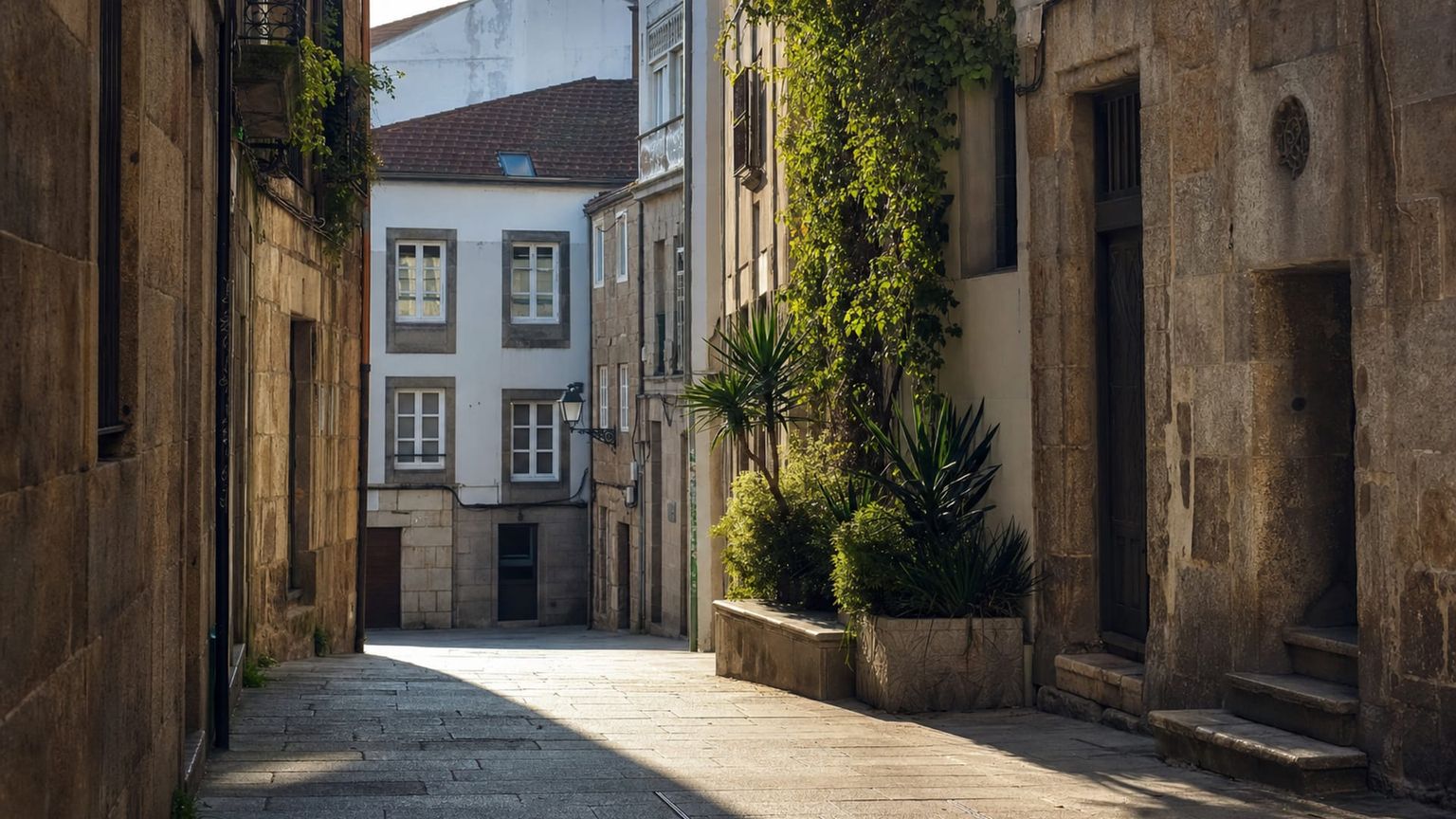
Ciudad Vieja forms A Coruña’s historic core, with cobbled streets, small squares, Romanesque churches, noble houses, cafés, and artisan shops. María Pita Square and the Parrote waterfront border the area, so many central sights are a short walk away, while the city restricts vehicle access inside.
Best for: Sightseeing, dining, and travelers who want a compact historic base
What to expect: Expect narrow streets, evening restaurant spillover, and regular foot traffic, with a busier mood near the main squares and quieter side lanes after dinner.
Hotel prices: Usually about 95€ to 180€ (~$105 to ~$198) per night for well-rated stays
Distance to major sights: About 10 minutes on foot to María Pita Square and 15 minutes on foot to the port promenade
Quietness: Quieter in the morning and late at night, busier through dinner and on weekend evenings
Main trade-off: Some streets are pedestrian-only or tight for taxis, and the liveliest blocks can bring late noise from bars and diners.
Good to know: Taxis are allowed to enter the restricted area. Public garages at María Pita, Maestranza, and Mariña Parrote provide parking near the Old Town.
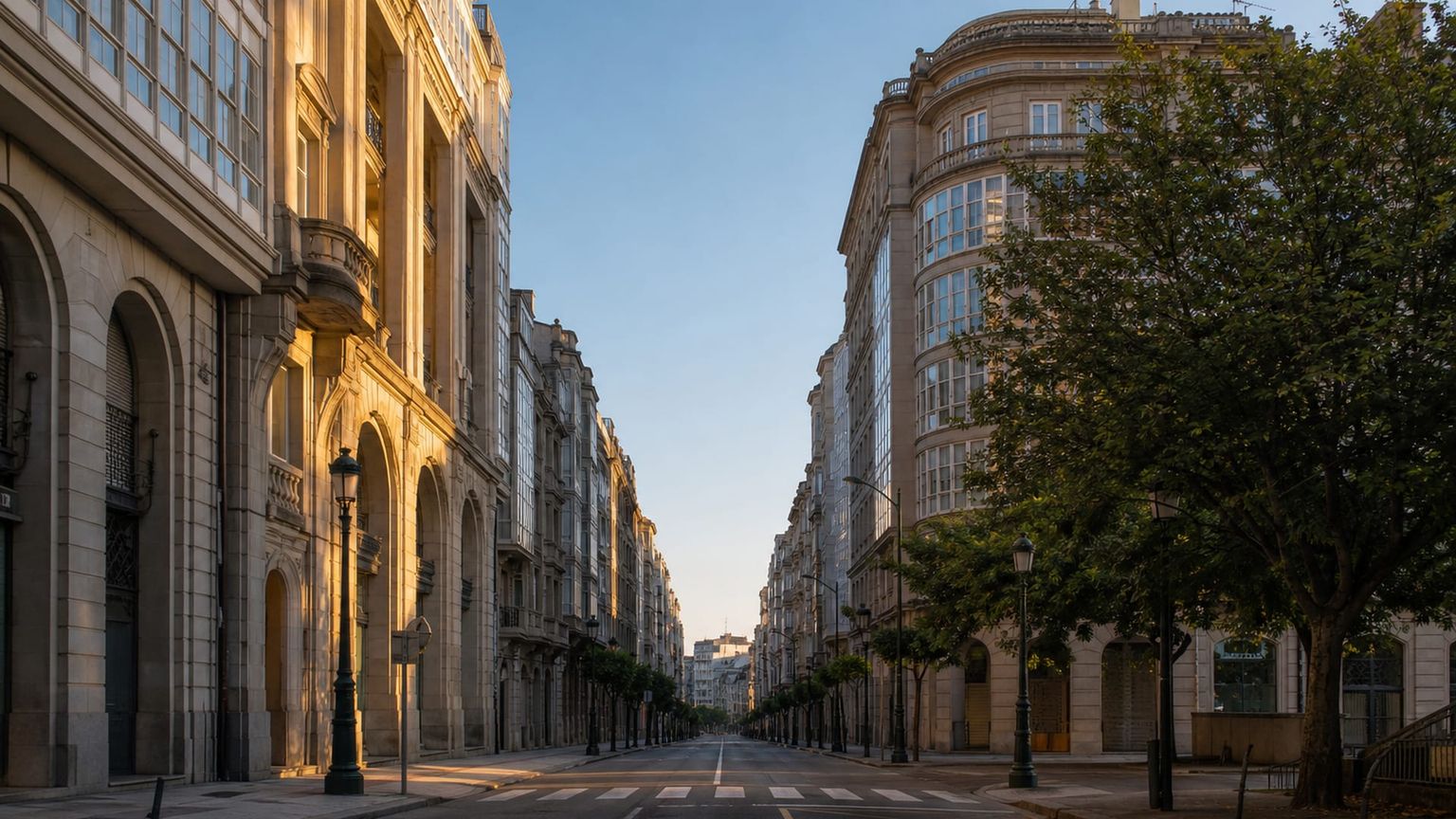
Ensanche is a central residential and shopping district around Plaza de Lugo, Juan Flórez, and Juana de Vega, with broad streets, apartment blocks, cafés, fashion stores, and several hotels. Riazor Beach and the historic center are both within walking distance, so the area suits varied daily plans.
Best for: Shoppers, business travelers, and visitors who want central access with wider streets
What to expect: Expect steady daytime foot traffic, café terraces, and a more residential feel after business hours, with activity concentrated along the main avenues and shopping streets.
Hotel prices: Usually about 85€ to 160€ (~$94 to ~$176) per night for well-rated stays
Distance to major sights: About 12 minutes on foot to María Pita Square and 15 to 20 minutes on foot to Riazor Beach
Quietness: Busier in the day, calmer after office hours except on the main commercial streets
Main trade-off: You will usually walk a bit farther to the most atmospheric waterfront blocks and historic lanes than you would from the old town.
Good to know: Plaza de Lugo is A Coruña’s main shopping focus, while Juan Flórez has the original Zara store, which opened on the street in 1975.
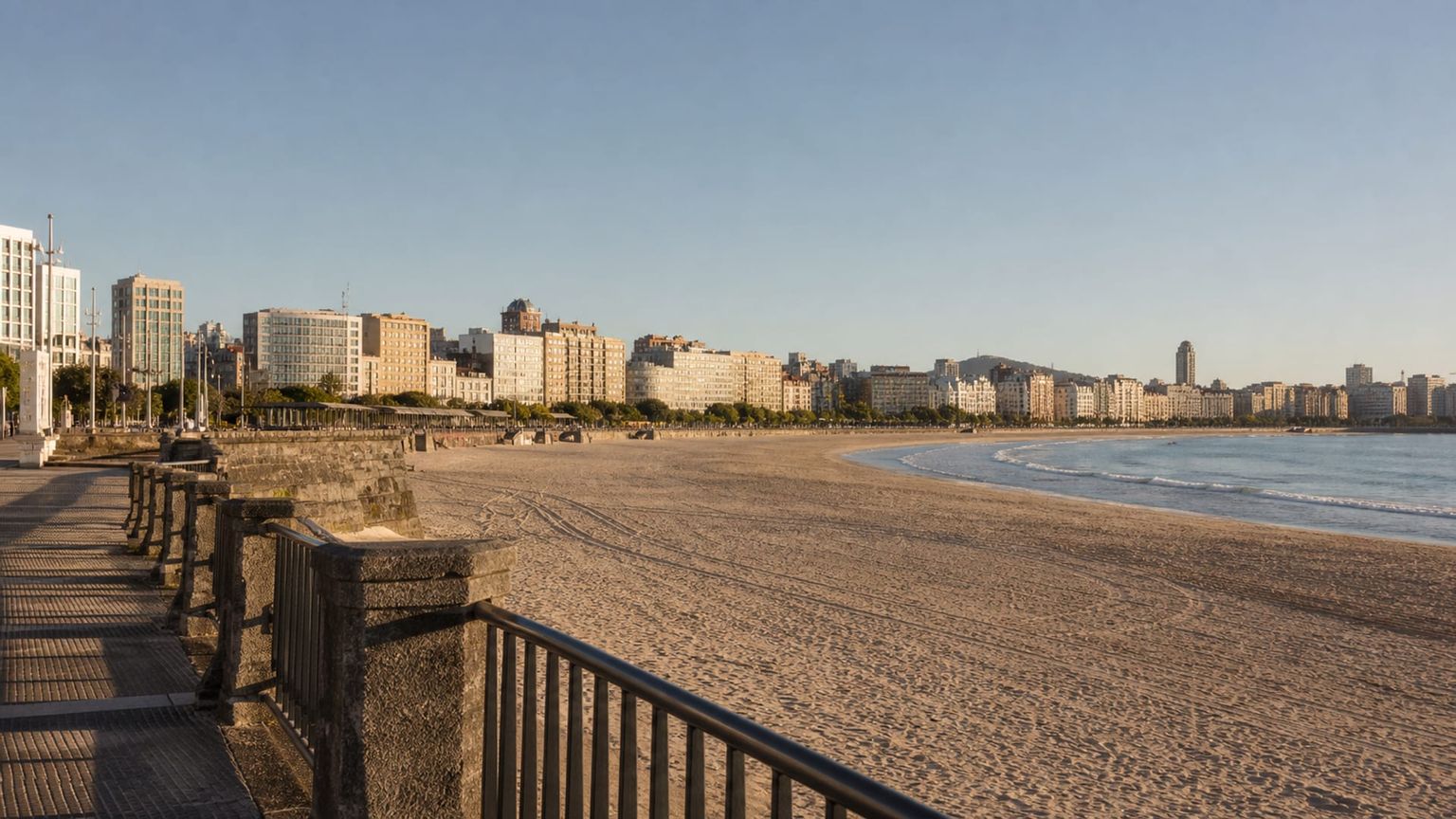
Riazor is A Coruña’s central beachfront area, with the sandy urban beach, seafront promenade, apartments, hotels, and Riazor Stadium close together. The historic center remains walkable, while the promenade follows the coast for long walks, running, cycling, and time by the water.
Best for: Beach access, promenade walks, and travelers who prefer a seaside base
What to expect: Expect a lively seafront by day, joggers and walkers along the promenade, and a quieter residential mood a block or two inland after dark.
Hotel prices: Usually about 100€ to 190€ (~$110 to ~$209) per night for well-rated stays
Distance to major sights: About 20 minutes on foot to María Pita Square and 5 minutes on foot to Riazor Beach
Quietness: Busier along the seafront in the day, notably quieter inland and later in the evening
Main trade-off: You give up some historic-center convenience, so nights out in the old town usually mean a longer walk or a short taxi ride.
Good to know: Not all hotel rooms offer sea views. Many hotels sell separate interior and sea-view rooms, so check the room type before reserving.
For a first visit, Novo Mesoiro and Elviña place you farther from Ciudad Vieja and the waterfront. Os Castros and Matogrande have direct bus links, but central areas reduce daily travel time to most sights, especially on a short stay.
Hotel deals
How to get around A Coruña efficiently
A Coruña has no metro or operating tram, so urban buses, taxis, and BiciCoruña handle most trips beyond the compact center and along the waterfront.

Urban bus
for most city trips
Urban buses link the center with Riazor, the Tower of Hercules, outer neighborhoods, and the railway station. A single fare costs €1.30 ($1.45) and must be paid in cash; transfers are free within 45 minutes only with eligible bus passes.

Taxi
for luggage, late hours, and direct rides
Taxis are useful for direct trips, especially with luggage or late at night. Daytime fares start at €4.30 ($4.80), while nights and weekends start at €4.80 ($5.40). The final fare increases with distance, and airport trips use the meter.

BiciCoruña
for short rides and the waterfront
BiciCoruña is A Coruña’s public bike-share system, with standard and electric bikes available across the city. A 30-day occasional subscription costs €10 ($11.20), then rides cost €0.015 ($0.017) per minute on standard bikes and €0.030 ($0.034) per minute on electric bikes.
*Prices are based on rates updated as of October 2026 and may change at the time of travel.
Use buses for most cross-city trips, taxis for direct or late rides, and BiciCoruña for short waterfront journeys when the weather is suitable for cycling.
Iconic landmarks
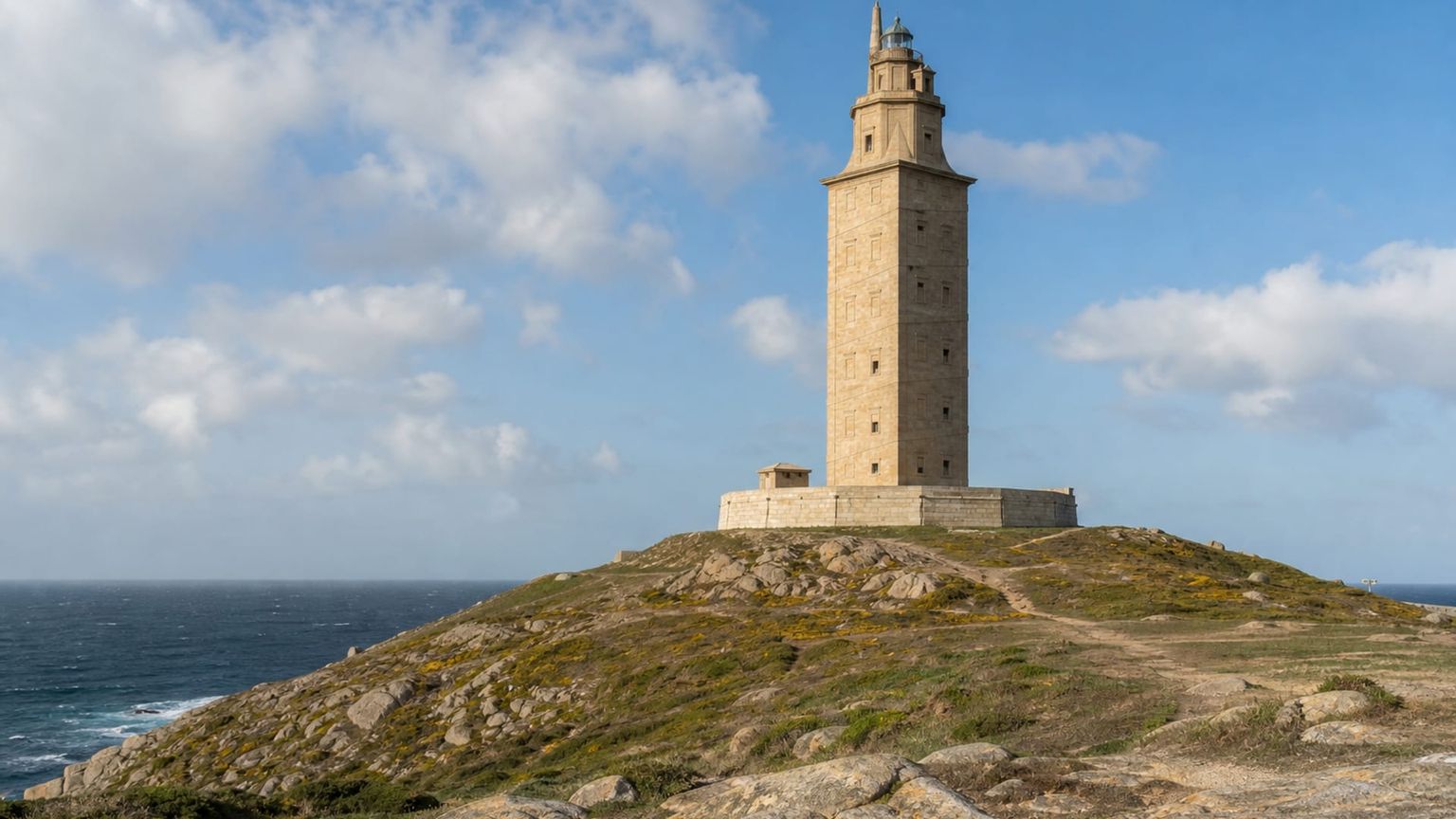
Tower of Hercules
The Tower of Hercules has stood on A Coruña’s Atlantic headland since Roman times and remains the world’s oldest working Roman lighthouse. Its 234 steps lead to coastal views, while the surrounding sculpture park and walking paths extend the visit across Punta Herminia.
Time needed: About 1 to 2 hours
Entry: Standard admission is free; tower access costs $3 to $4 (€2.50 to €3.50), with reduced rates for students, seniors, and groups. Visit the official site for details.
Tip: Capacity is limited to 32 visitors every 30 minutes, so reserve online.
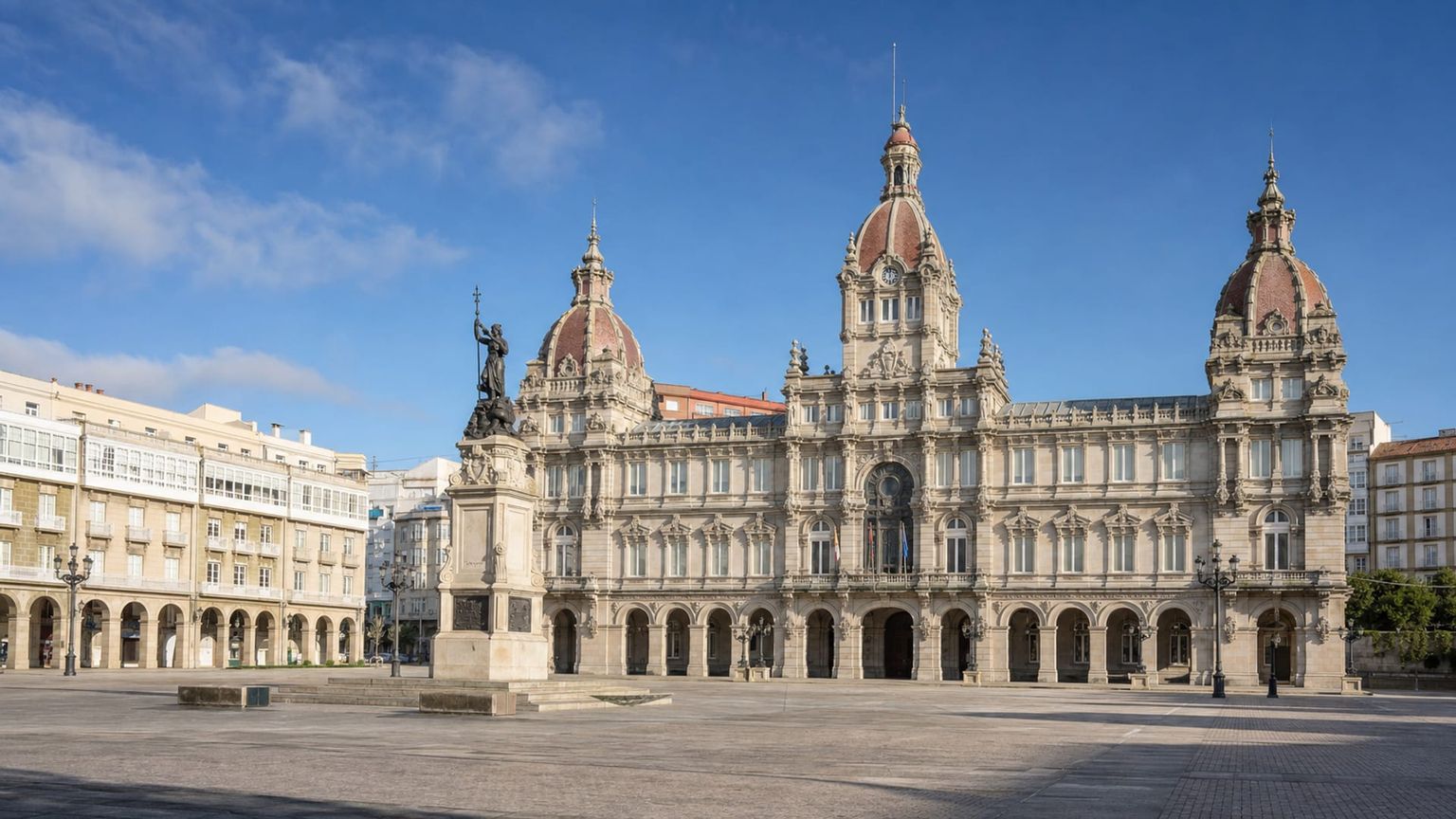
Maria Pita Square
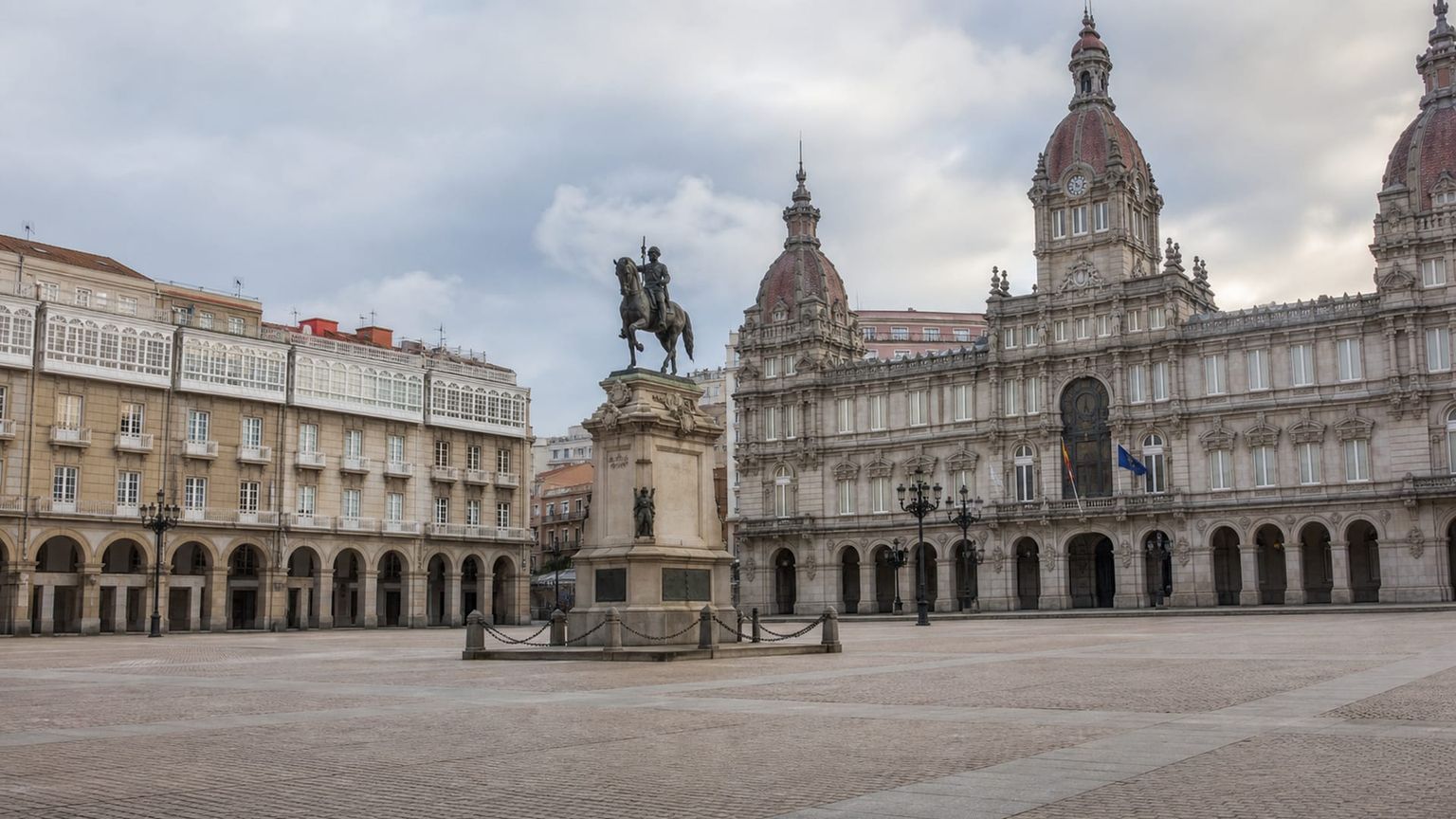
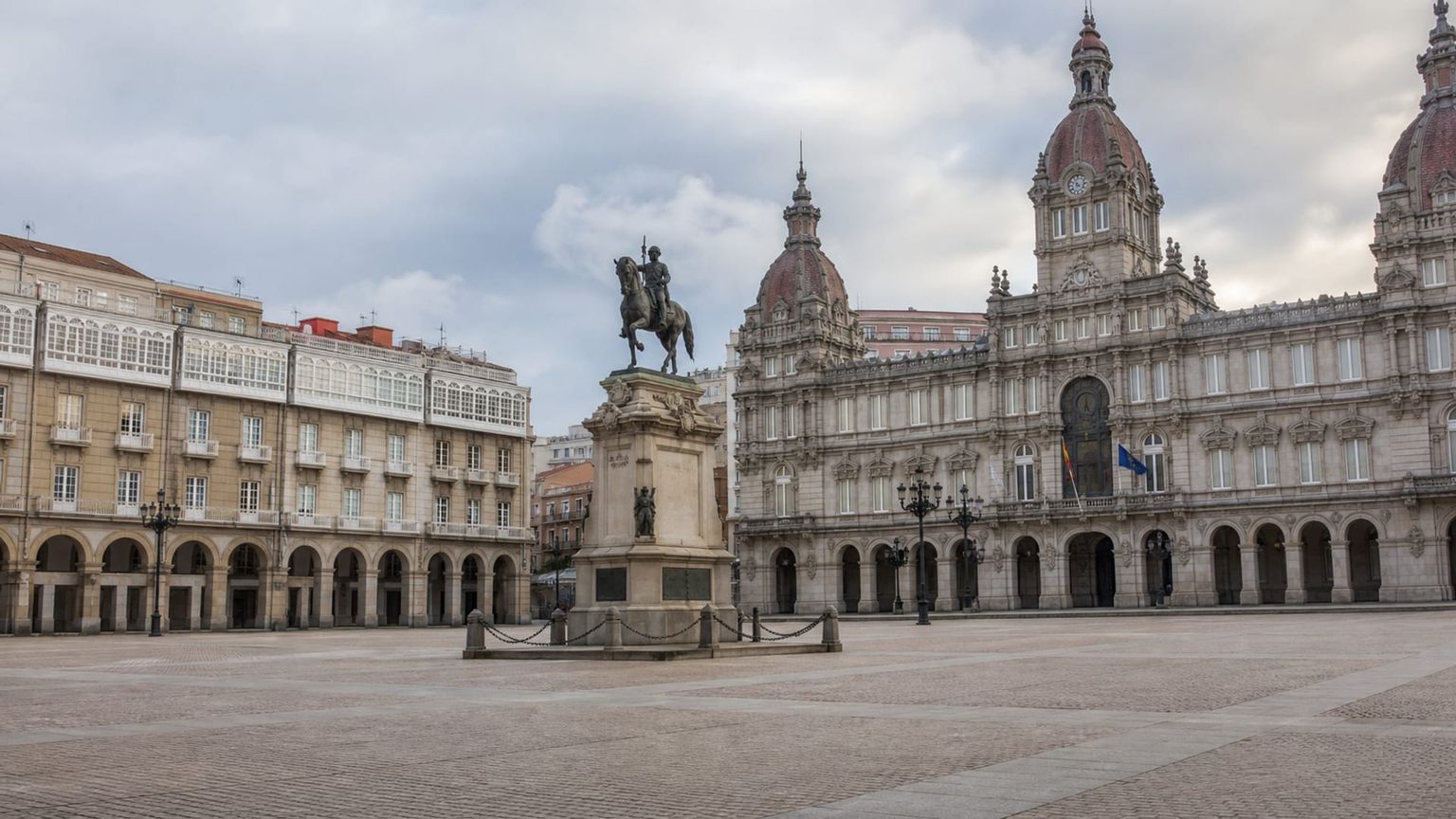
María Pita Square forms the civic center of A Coruña, with the Modernist City Hall filling its northern side and arcaded buildings lining the other three. A bronze statue of María Pita stands at the center, and cafés beneath the arches connect the square with Ciudad Vieja.
Time needed: About 30 to 45 minutes
Entry: Free to access at all hours; no ticket is required, and the square can be visited at any time from the surrounding streets.
Tip: Continue through the eastern side of the square into Ciudad Vieja after your visit.
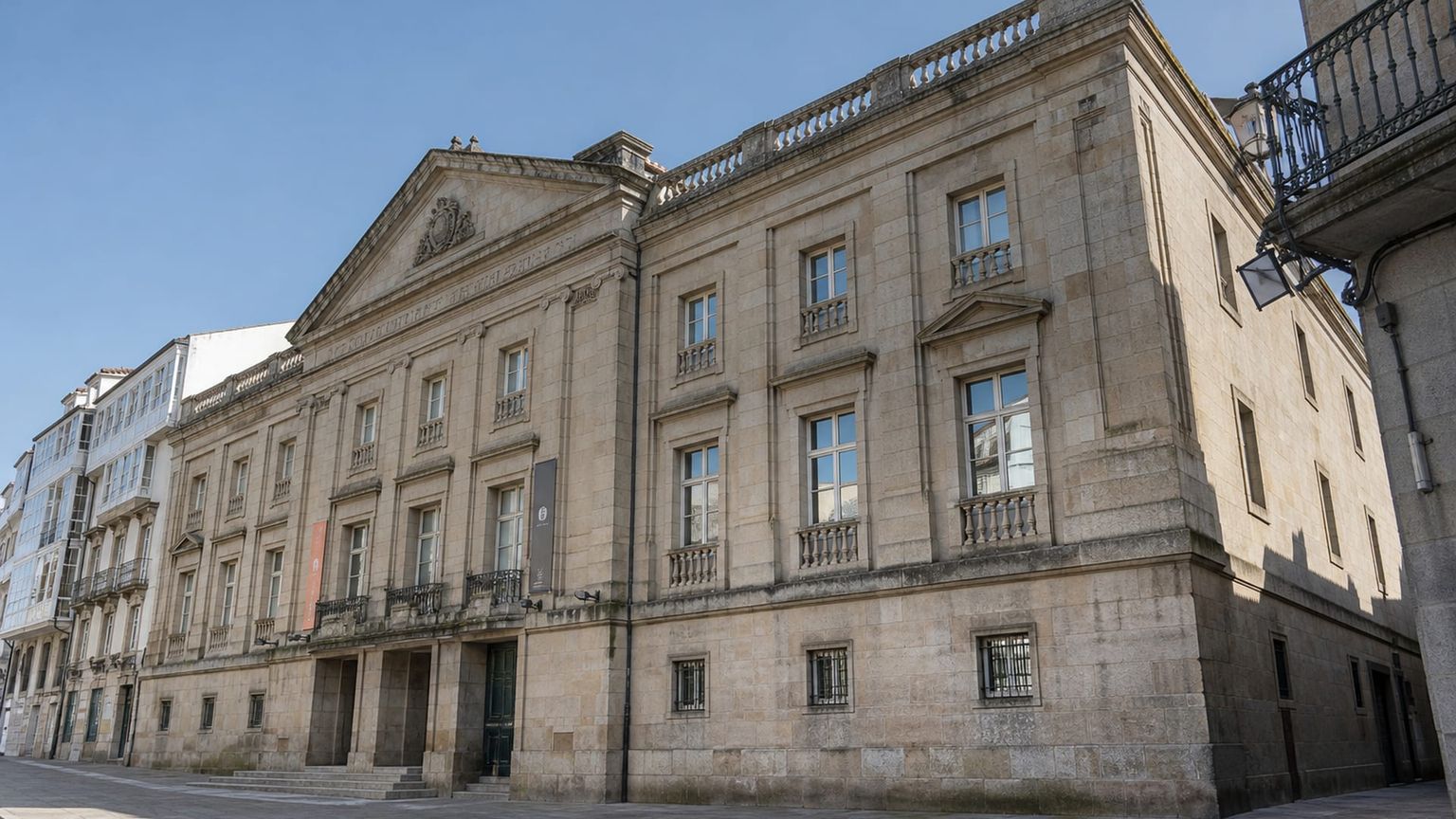
Santiago de Compostela Cathedral Museum
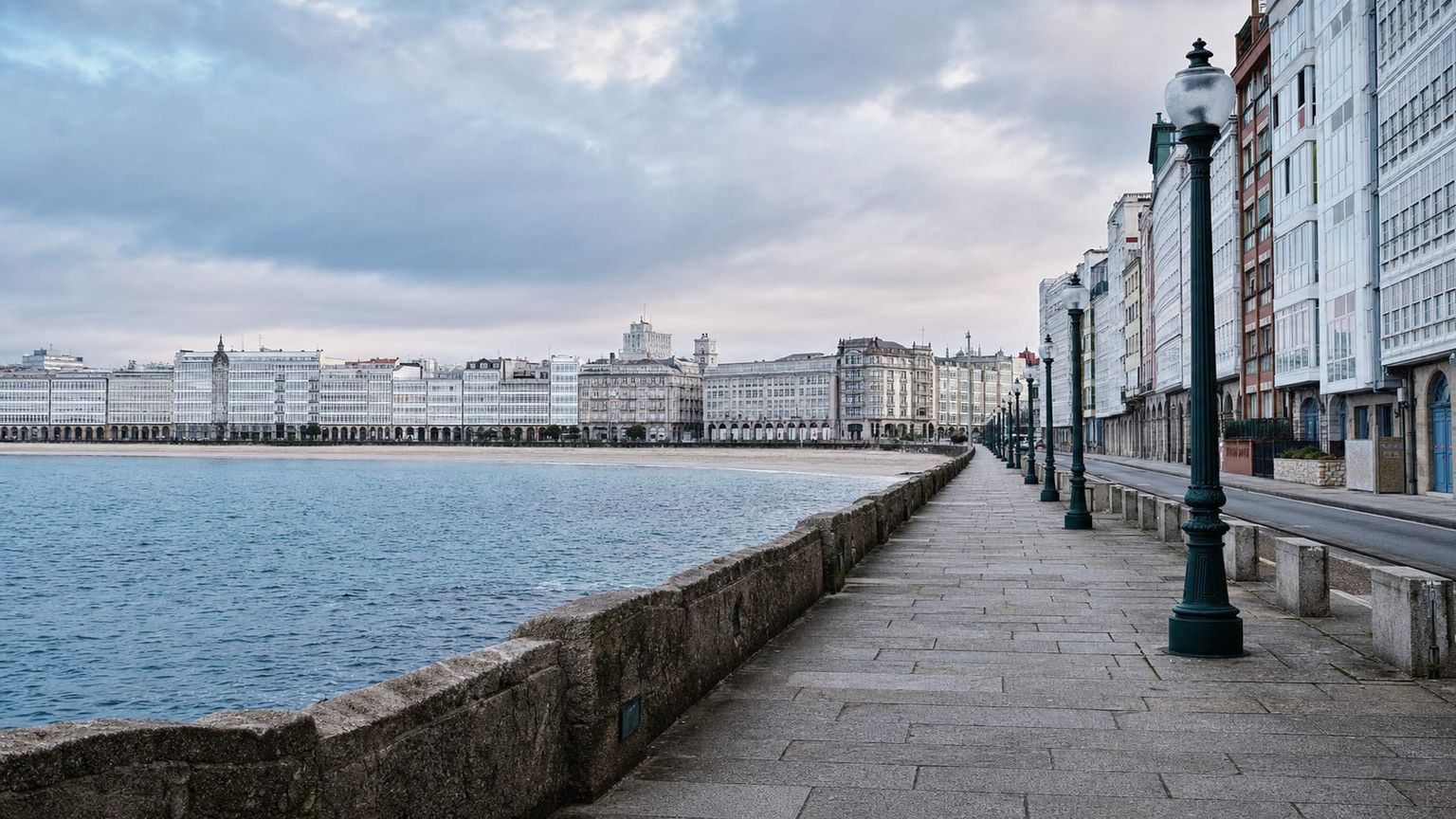
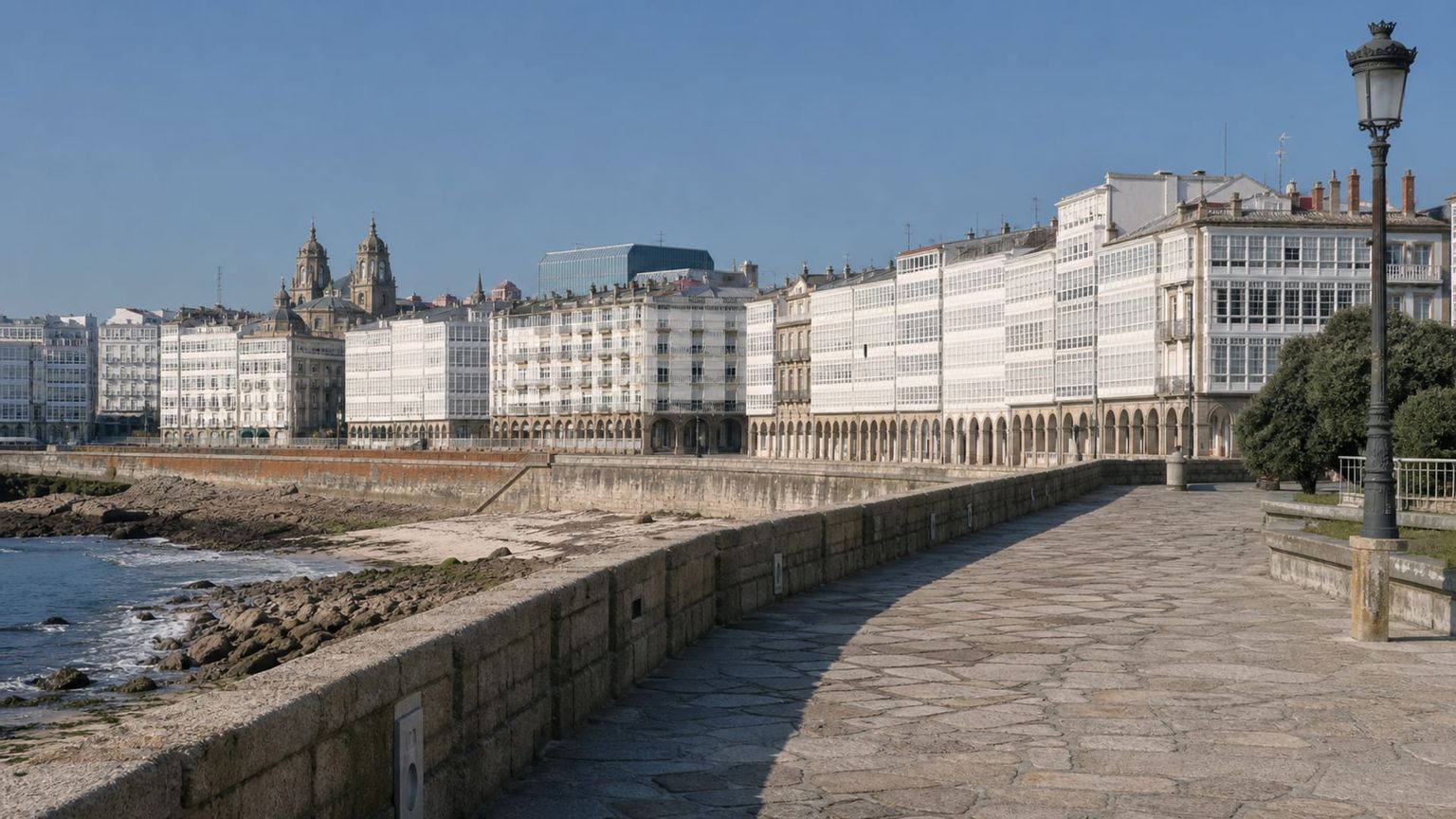
The Galerías de la Marina form A Coruña’s distinctive glass-fronted waterfront, built mainly in the late 19th century. Their enclosed balconies protected homes from Atlantic weather and created the long, reflective façade that gave A Coruña its nickname, the City of Glass.
Time needed: About 1 to 2 hours
Entry: Standard admission costs $4 to $7 (€3 to €6), with reduced rates for children, students, and guided-group visits on select days. Visit the official site for details.
Tip: Walk along the harbor side for the clearest full-length view of the glass façades.
Overlooked sites worth visiting

Monte de San Pedro
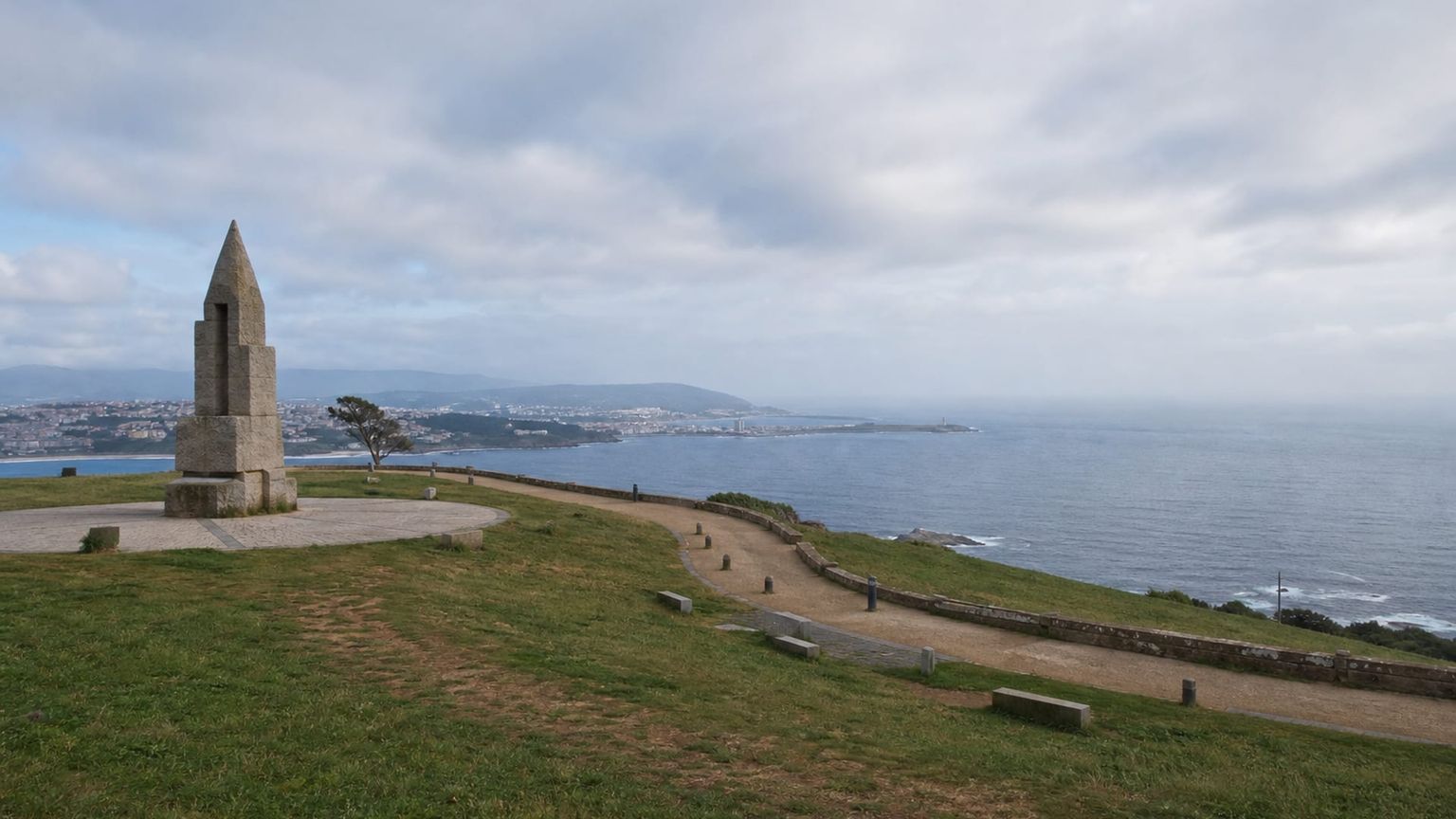
Monte de San Pedro is a former coastal defense site turned public park, with two large Vickers guns, lawns, Atlantic views, and a covered 360-degree viewpoint above A Coruña’s western shoreline.
Time needed: About 1 to 2 hours
Entry: Free to enter. The panoramic elevator and the historic battery area are open as a public park, while some seasonal or event-based activities nearby can carry separate charges.
Tip: Visit late in the day for broad views over the city, bay, and Atlantic coast.

Museo de Bellas Artes da Coruña
Inside the Museo de Belas Artes, the collection covers Spanish and Galician art from the 15th century onward, including painting, sculpture, ceramics, and 233 prints by Francisco de Goya.
Time needed: About 1 to 2 hours
Entry: Admission is free on the first Friday of each month and at other posted times for certain visitors; standard general admission is free, with occasional special exhibitions priced separately. Visit the official site for details.
Tip: Check the current exhibition calendar before visiting; the museum closes on Mondays.
Traditional food
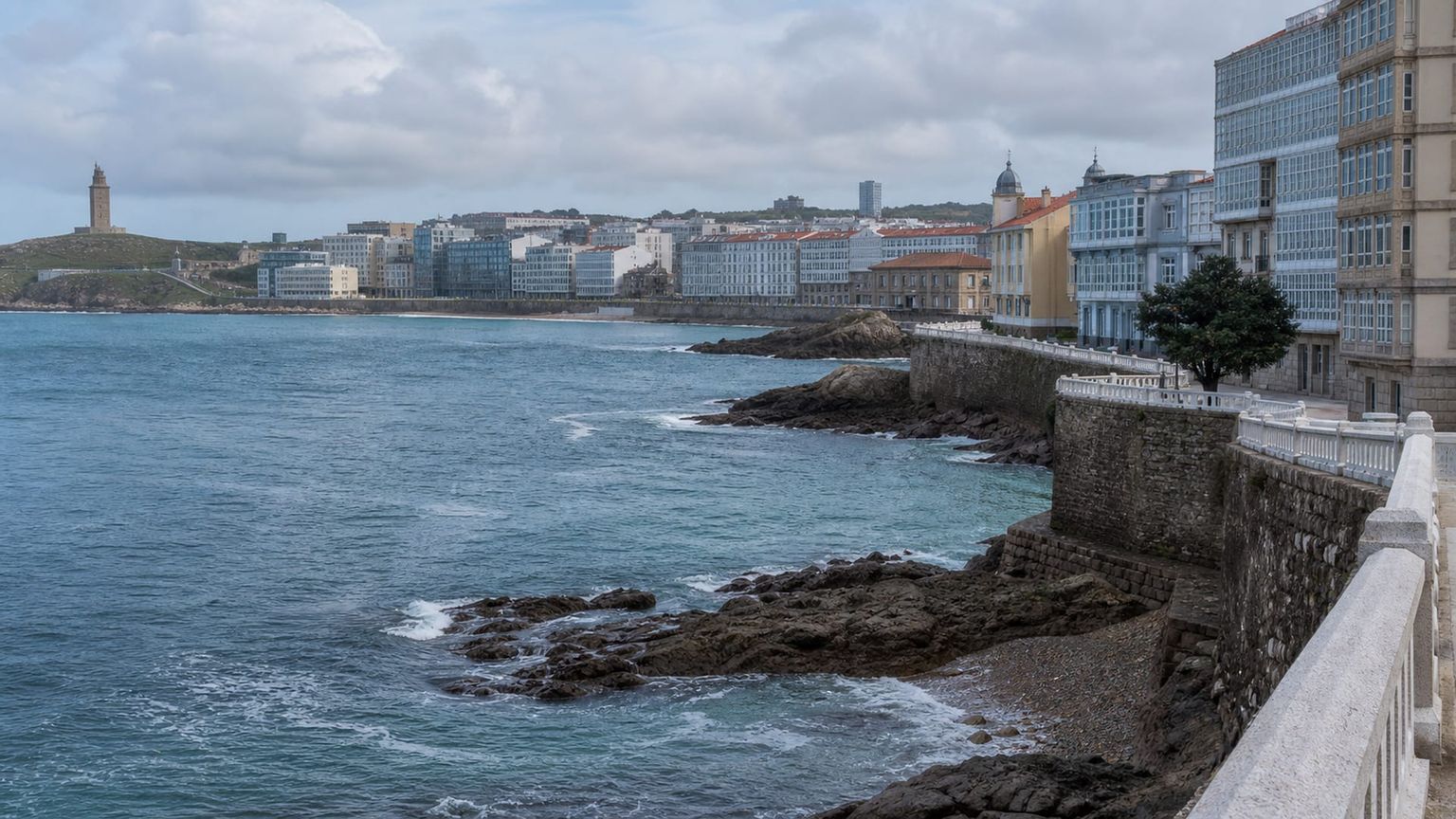
A Coruña’s traditional cooking reflects Galicia’s Atlantic coast, with octopus, shellfish, savory pies, and almond desserts appearing regularly on menus across the city and its old quarter.
Pulpo a la gallega
Pulpo a la gallega, or pulpo á feira, is boiled octopus seasoned with olive oil, paprika, and coarse salt. Pulpeira O Fiuza, near the Tower of Hercules, specializes in the dish and has served traditional Galician food for more than 50 years.
Empanada gallega
Empanada gallega wraps a savory filling inside baked dough, with tuna, meat, seafood, and other fillings common across Galicia. La Penela María Pita serves empanada gallega at its restaurant on the city’s main civic square.
Percebes
Percebes are goose barnacles gathered from wave-battered rocks and usually cooked briefly in salted water. Restaurante La Sartén lists them on its seafood menu, where they are sold by weight alongside other Galician shellfish.
Tarta de Santiago
Tarta de Santiago is an almond cake made with ground almonds, eggs, and sugar, then finished with powdered sugar and the Cross of Saint James. Taberna O Secreto on Alameda lists the traditional Galician cake among its desserts.
Best time to visit A Coruña
A Coruña has mild Atlantic weather year-round, but summer brings the driest days, while rain increases sharply from October through winter.
Best for: City walks, gardens, terraces, and sightseeing before the summer crowds
What you get: Average highs rise from 60°F (16°C) in March to 65°F (18°C) in May, with longer days and rain on roughly 11 to 13 days each month.
Trade-offs: Spring weather changes quickly, so cool wind and rain can interrupt longer coastal walks at times
Best for: Beach days, waterfront walks, outdoor dining, and the city’s summer festivals
What you get: Average highs reach 69°F–73°F (21°C–23°C), with the year’s lowest rainfall and major events including San Juan and the María Pita Festivals.
Trade-offs: June and August festivals bring busy streets and beaches, while Atlantic water stays cool even in summer.
Best for: Museum visits, coastal walks, seasonal food, and lighter visitor numbers
What you get: Average highs fall from 72°F (22°C) in September to 61°F (16°C) in November, while rainfall rises sharply in October and November.
Trade-offs: October and November bring far more rain than September, along with shorter days for outdoor plans.
Best for: Museums, concerts, seafood meals, and shorter walks between indoor stops
What you get: Average highs stay near 57°F (14°C), with frequent rain, high humidity, and rougher Atlantic conditions along the exposed coast.
Trade-offs: Frequent rain, wind, and short daylight can cut coastal walks short and limit time at exposed viewpoints.
A realistic 5-day plan in A Coruña
Over five days, you can visit A Coruña’s harbor and Old Town together, then move toward the Tower of Hercules, museums, Riazor, and Monte de San Pedro. A lighter final morning leaves room for lunch, a walk through the center, and a ride to the airport without rushing.
After landing at A Coruña Airport, take a taxi or the A4 airport bus toward the center; the bus stops at Puerta Real and the Marina. Once you have checked in to your hotel, walk along Avenida de la Marina to see the glass-fronted galleries and harbor, then continue toward María Pita Square at an easy pace. Keep dinner nearby and order something Galician, such as pulpo or empanada, before turning in after the journey.
Spend the morning in Ciudad Vieja, walking from María Pita Square through its cobbled streets, Romanesque churches, small plazas, and the Jardín de San Carlos. After lunch, head to the Tower of Hercules and follow the sculpture park and coastal paths across the headland. The tower and its surrounding paths provide sweeping views of the Atlantic coast.
Visit the Museo de Belas Artes in the morning for Spanish and Galician painting, sculpture, ceramics, and Goya prints. After lunch near Plaza de Lugo, browse the Ensanche shopping streets before walking to Casa Museo Picasso on Payo Gómez, where rooms recreate the home Picasso lived in as a boy. It reopens at 5:00 pm Tuesday through Saturday. If Day 3 falls on Sunday or Monday, switch it with Day 4 because Casa Picasso closes both days.
Spend the late morning at Riazor Beach, then follow the promenade past the stadium, with the Atlantic on one side and the city on the other. After lunch, take a taxi up to Monte de San Pedro, where old Vickers guns, lawns, and viewpoints overlook A Coruña and the coast. The panoramic elevator is temporarily closed, so use the road entrance. Stay through the late afternoon if the weather is clear, then return to the center for dinner.
Keep the last morning close to the center. Walk beneath the glass galleries on Avenida de la Marina, continue through Calle Real for shops and local gifts, then stop for coffee before collecting your bags. If time permits, have lunch near María Pita instead of adding another museum. To the airport, take a metered taxi or the A4 bus from central stops, including Puerta Real and the Marina, and leave enough time for check-in and security.
Business-class flights from the US to A Coruña
A Coruña (LCG) has no nonstop flights from JFK or LAX, so business-class trips from the US require one stop in Madrid before the final flight to LCG.
New York (JFK) to A Coruña (LCG)
From New York (JFK), Air Europa and Iberia both reach A Coruña (LCG) with one stop in Madrid (MAD); there are no nonstop flights to LCG. Total journey times range from about 9 to 22 hours. Round-trip business-class fares typically cost from $4,000 to $9,000. In high demand, ticket prices may reach $15,000 or more.
Los Angeles (LAX) to A Coruña (LCG)
Los Angeles (LAX) offers fewer one-stop flight options to A Coruña (LCG). Iberia offers flights on this route with a layover in Madrid (MAD), while Lufthansa offers seasonal flights with a layover in Frankfurt (FRA). The shortest flights on this route take about 14 hours. Round-trip business-class fares typically range from $6,300 to $10,000; flights on high-demand dates may cost up to $16,000.
Take A Coruña one area at a time
A Coruña is compact, but it is easier to enjoy when you do not try to cover the Old Town, beaches, museums, and headlands in the same day. Group nearby places together and leave time for a long lunch, a waterfront walk, or an unplanned stop along the way. Once your dates are clear, AranGrant can help with business-class flights to A Coruña (LCG) and hotel options that fit your trip.







