

Chapters:

Need help with your trip?
Our support team is available 24/7. Request a callback or call us directly at (833) 619-0908
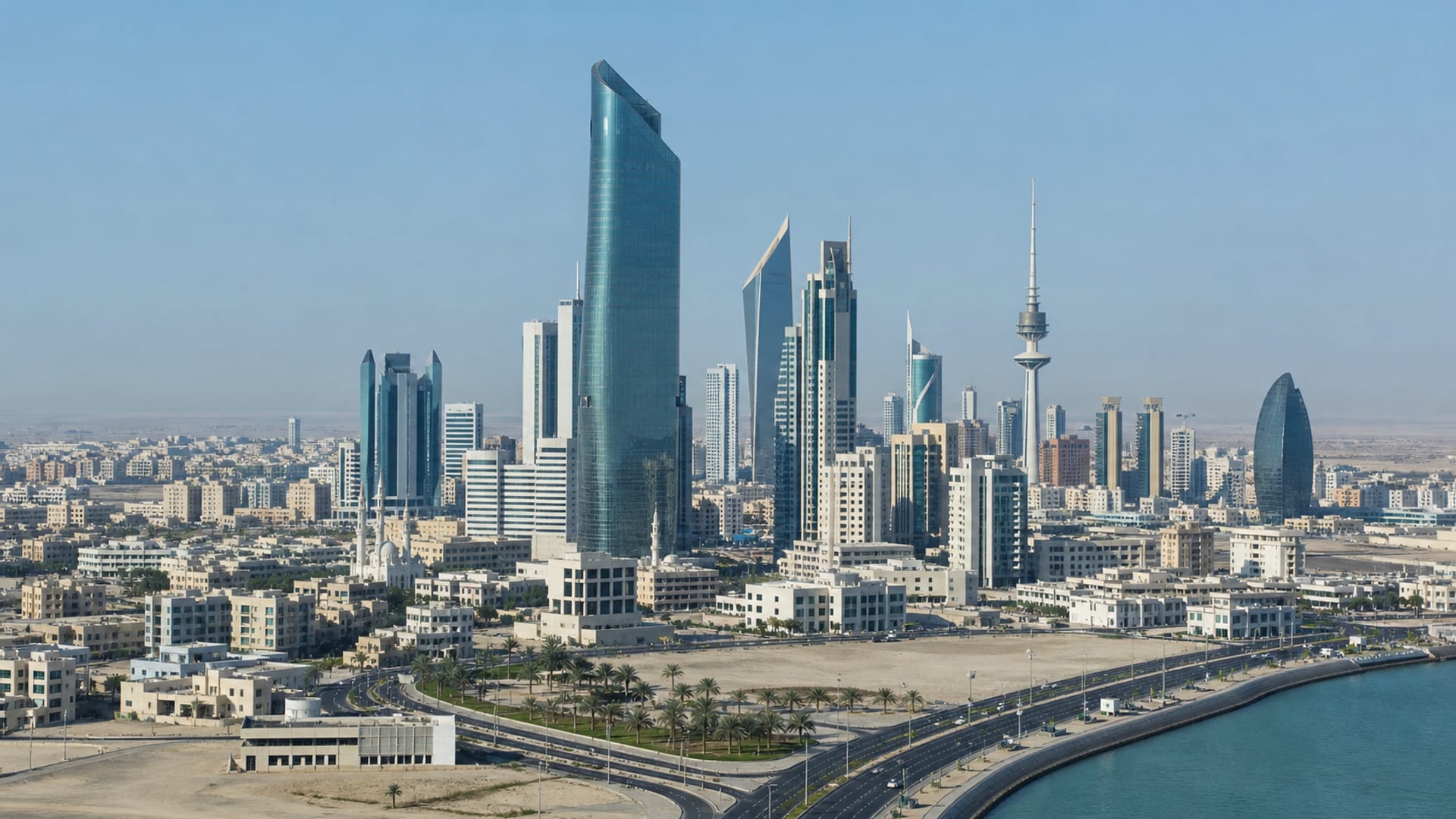
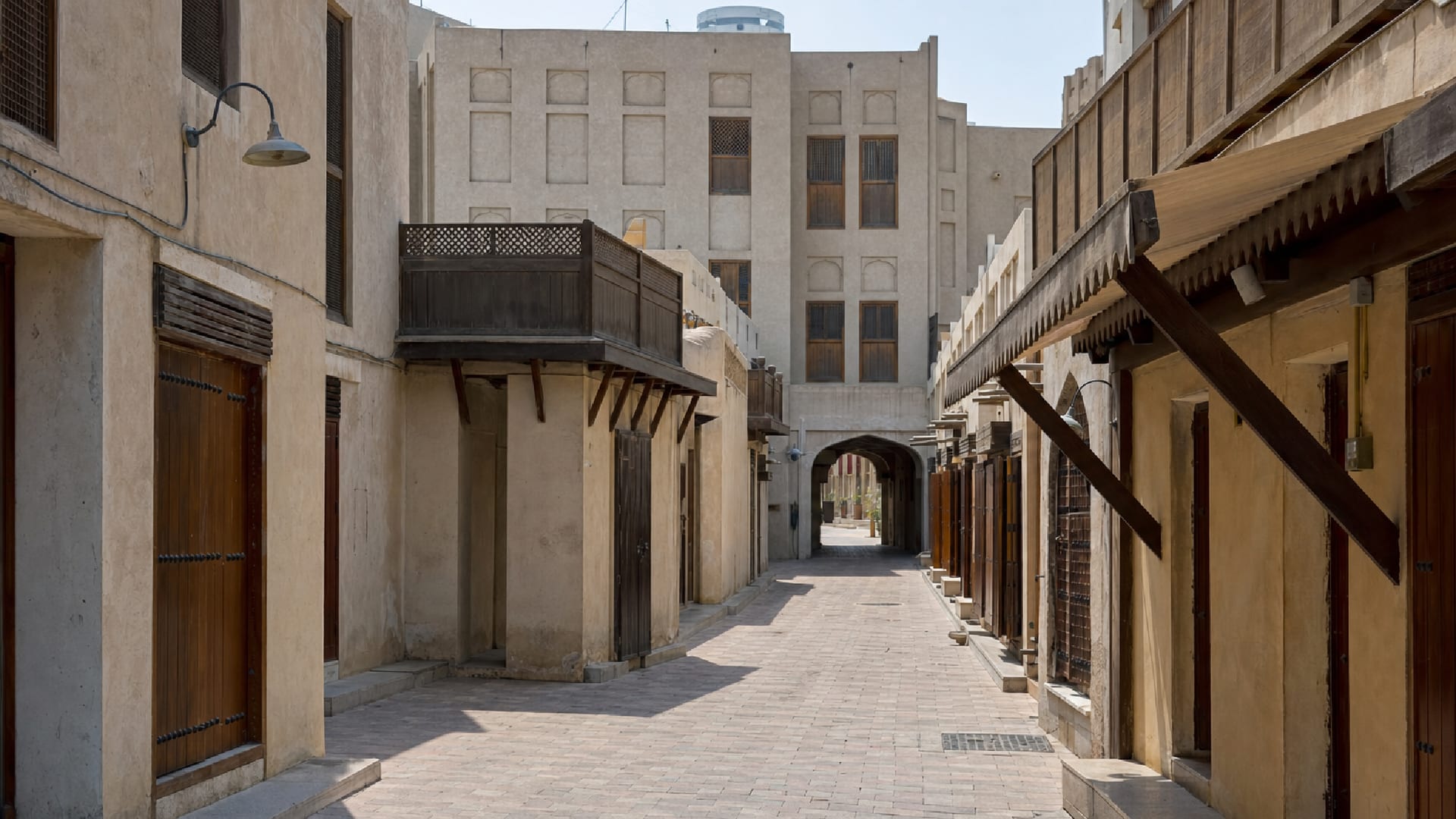
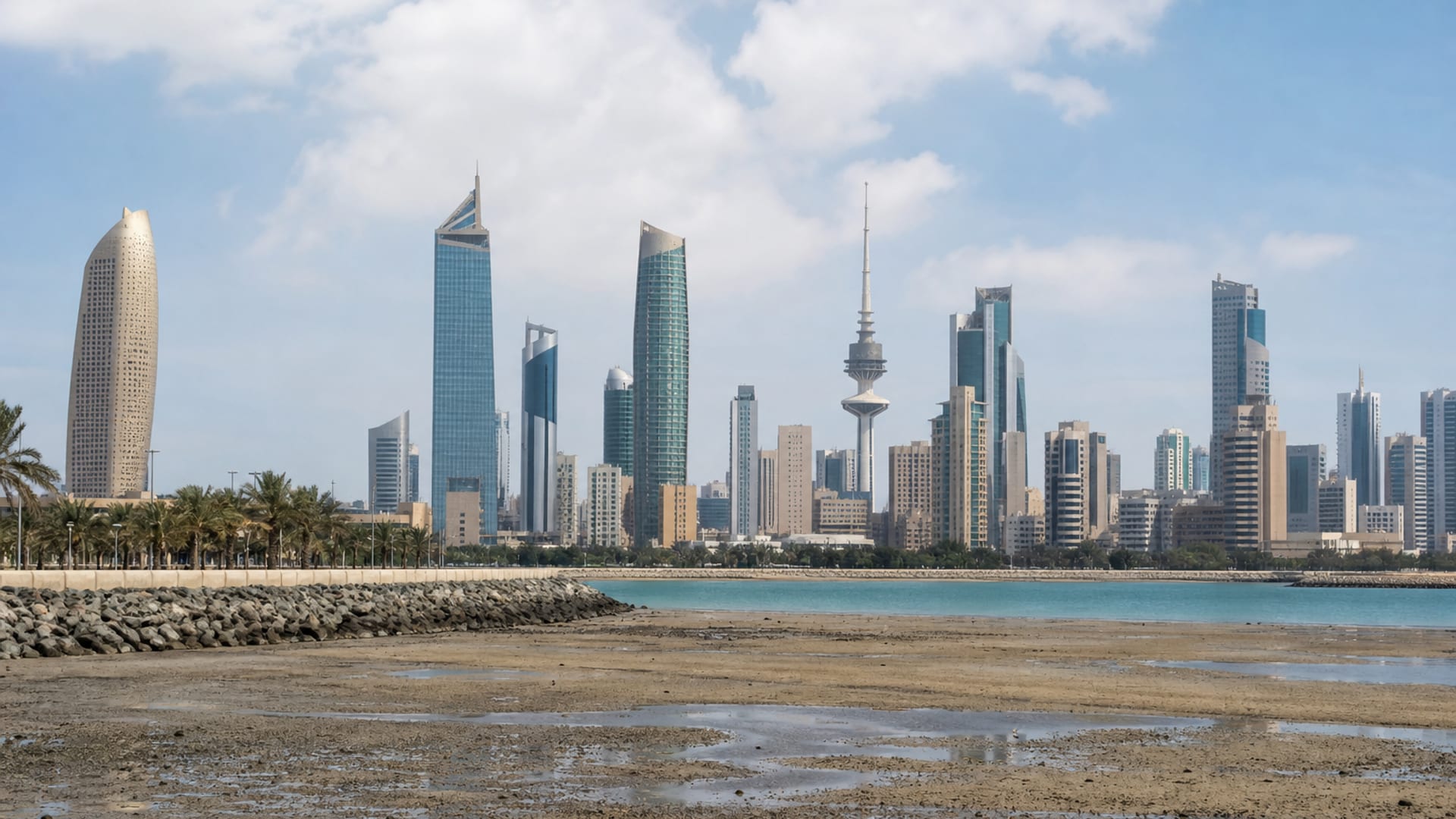
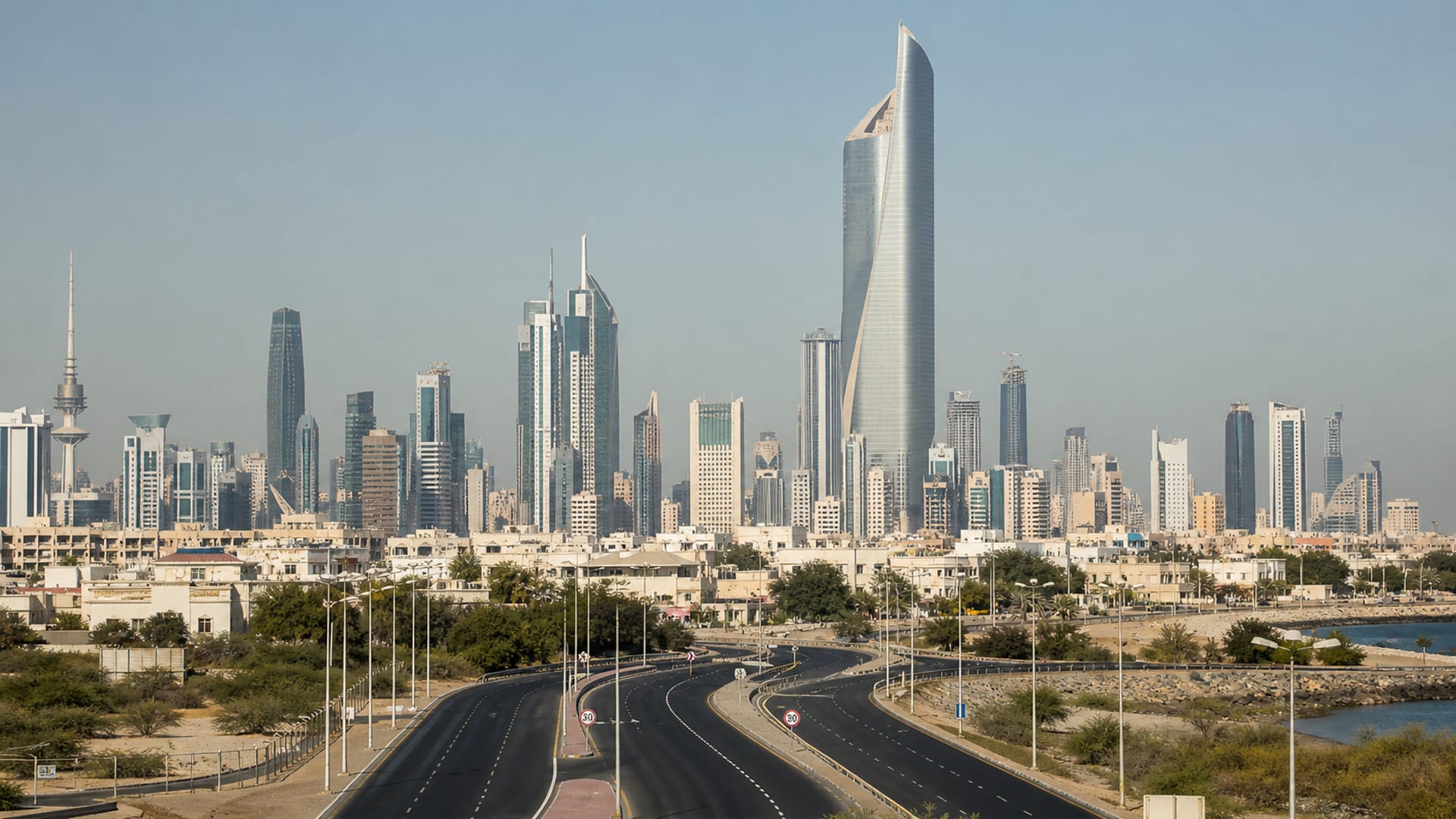
Kuwait City is a place of contrasts, where glass towers and broad roads stand close to traditional markets, mosques, museums, and the Gulf waterfront. The city spreads out more than many visitors expect, so choosing where to stay and grouping nearby sights can make each day noticeably easier.
A few days give you time to see the Grand Mosque, browse Souq Al-Mubarakiya, visit Kuwait Towers, and explore newer cultural spaces such as Sheikh Abdullah Al-Salem Cultural Centre. Salmiya and Sharq add waterfront restaurants and shopping, while Al Shaheed Park brings a quieter stretch of green into the city.
With the heat, traffic, and distances between districts in mind, a little planning helps you see more without rushing from one side of Kuwait City to the other.
Useful things to know

Main language(s): Arabic
Marhaban (mar-ha-ban) – Hello
Min fadlak (min fad-lak) – Please
Shukran (shook-ran) – Thank you
Hal tatakallam al-ingliziyya? (hal ta-ta-kal-lam al-in-gli-zi-ya) – Do you speak English?
Kam ath-thaman? (kam ath-tha-man) – How much does it cost?

Currency: Kuwaiti dinar (KWD, د.ك)

Cash and cards: Cards and contactless payments are widely accepted. Carrying some cash is still useful for smaller purchases and some taxis.

Tipping: Tipping is optional. Around 10% is reasonable in restaurants when no service charge is included, and you are happy with the service.

Traditional food: Machboos, mutabbaq samak, harees, and gers ogaily are among the traditional Kuwaiti dishes and desserts commonly associated with the city.

Water and coffee costs: Bottled water in shops can cost KWD 0.10–KWD 0.25 ($0.30–$0.80), while an espresso is commonly KWD 1–KWD 1.5 ($3.20–$4.85).

Taxis and ride apps: Careem and Uber operate in Kuwait City. Regular taxis are also widely available, with fares varying by distance, traffic, and pickup point.

Plug and voltage: Kuwait uses Type G sockets with 240V, 50Hz electricity. US travelers need a plug adapter, and some devices may need a voltage converter.

Dining and shop opening hours: Major malls often stay open until about 11:00 pm, while many restaurants serve until 11:00 pm or midnight. Friday and Ramadan hours vary.

Emergency number: Dial 112 for police, ambulance, and fire.
Where to stay in Kuwait City
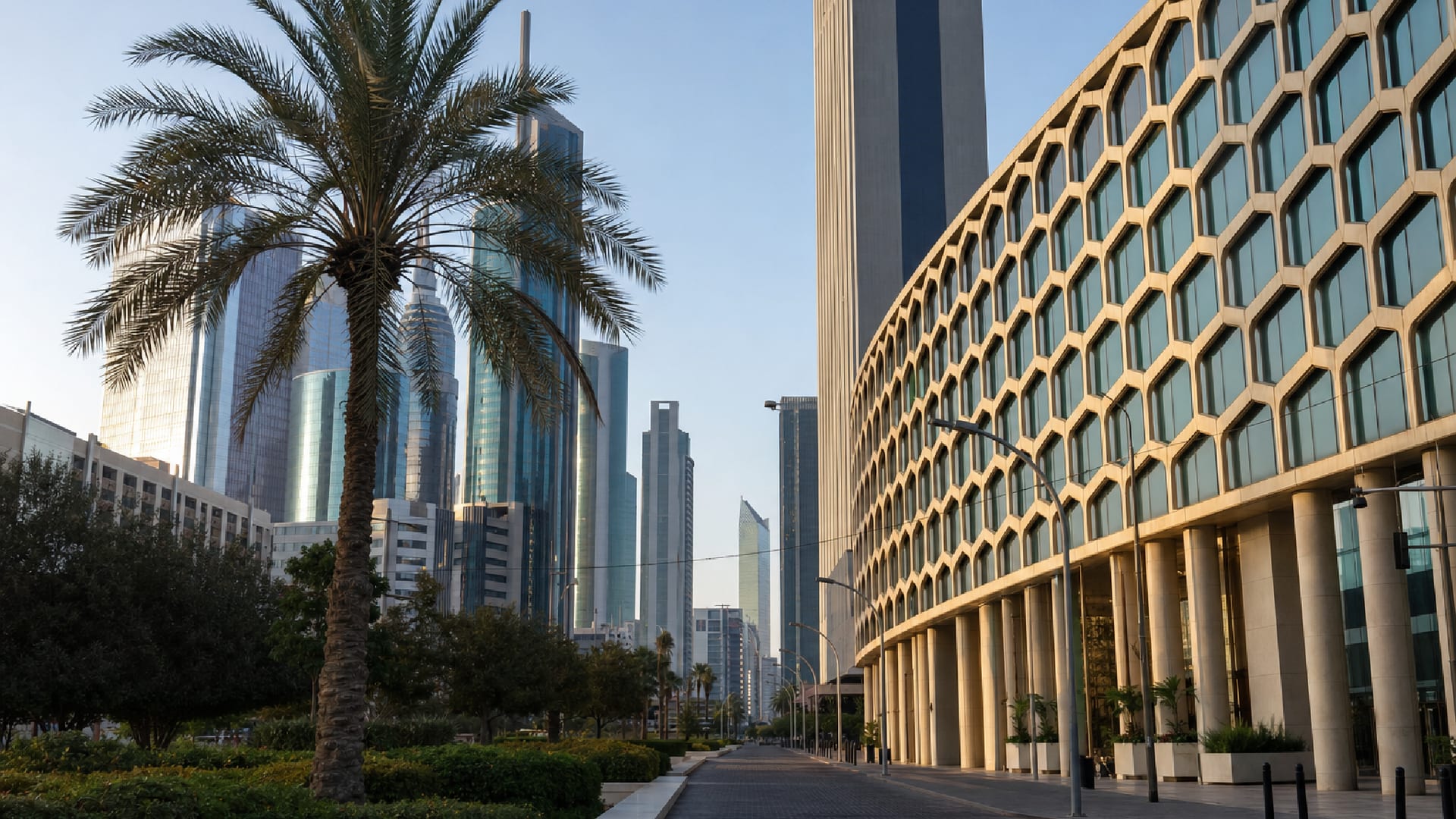
Central Kuwait City spans areas such as Sharq, Qibla, and Mirqab, placing hotels near business towers, ministries, malls, and parts of Arabian Gulf Street. The Grand Mosque, Kuwait Towers, museums, restaurants, and major shopping areas are all within a short drive from many hotels.
Best for: Business trips, shopping, and short stays with quick access to central attractions
What to expect: Busy streets by day, with office workers, shoppers, and steady taxi traffic; evenings are calmer around closed offices and malls.
Hotel prices: Usually about 30 KWD to 80 KWD (~98$ to ~262$) per night for well-rated stays
Distance to major sights: About 10 minutes by taxi to the Grand Mosque, about 15 minutes to Kuwait Towers
Quietness: Lively and traffic-heavy in the day, quieter after office hours with moderate evening activity near malls
Main trade-off: You pay more for central addresses, and the area is less atmospheric than the waterfront or older districts.
Good to know: For meetings and short stays, choose a hotel near the places you will visit most; central districts vary enough that exact location affects taxi time.
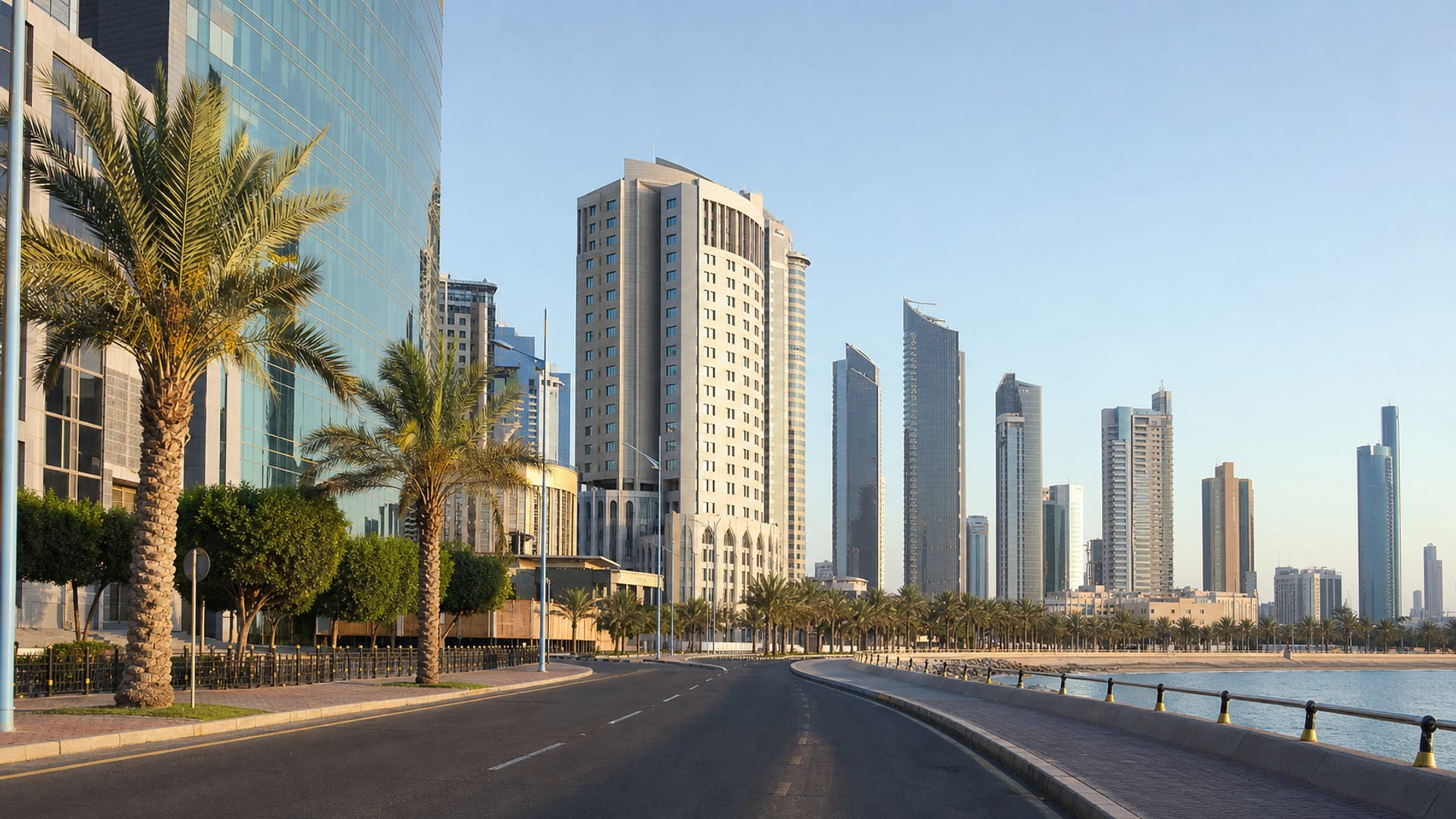
Sharq is a central business district beside Arabian Gulf Road, with office towers, financial institutions, hotels, malls, and waterfront access. Kuwait Towers are within the district, while restaurants and shops cluster around hotels, commercial streets, and shopping centers.
Best for: Waterfront access, central dining, and travelers who prefer a modern urban base
What to expect: Broad roads, high-rises, and active weekday traffic; the waterfront draws walkers in the cooler parts of the day.
Hotel prices: Usually about 35 KWD to 90 KWD (~114$ to ~295$) per night for well-rated stays
Distance to major sights: About 5 to 10 minutes by taxi to Kuwait Towers, about 10 to 15 minutes to Souq Al-Mubarakiya
Quietness: Busy on weekdays and around dinner time, quieter late at night once offices close
Main trade-off: Hotels near the water can cost more, and you will still rely on taxis for most historic sights.
Good to know: Check how close your hotel is to Arabian Gulf Road or the places you plan to visit, as location within Sharq can noticeably change travel times.
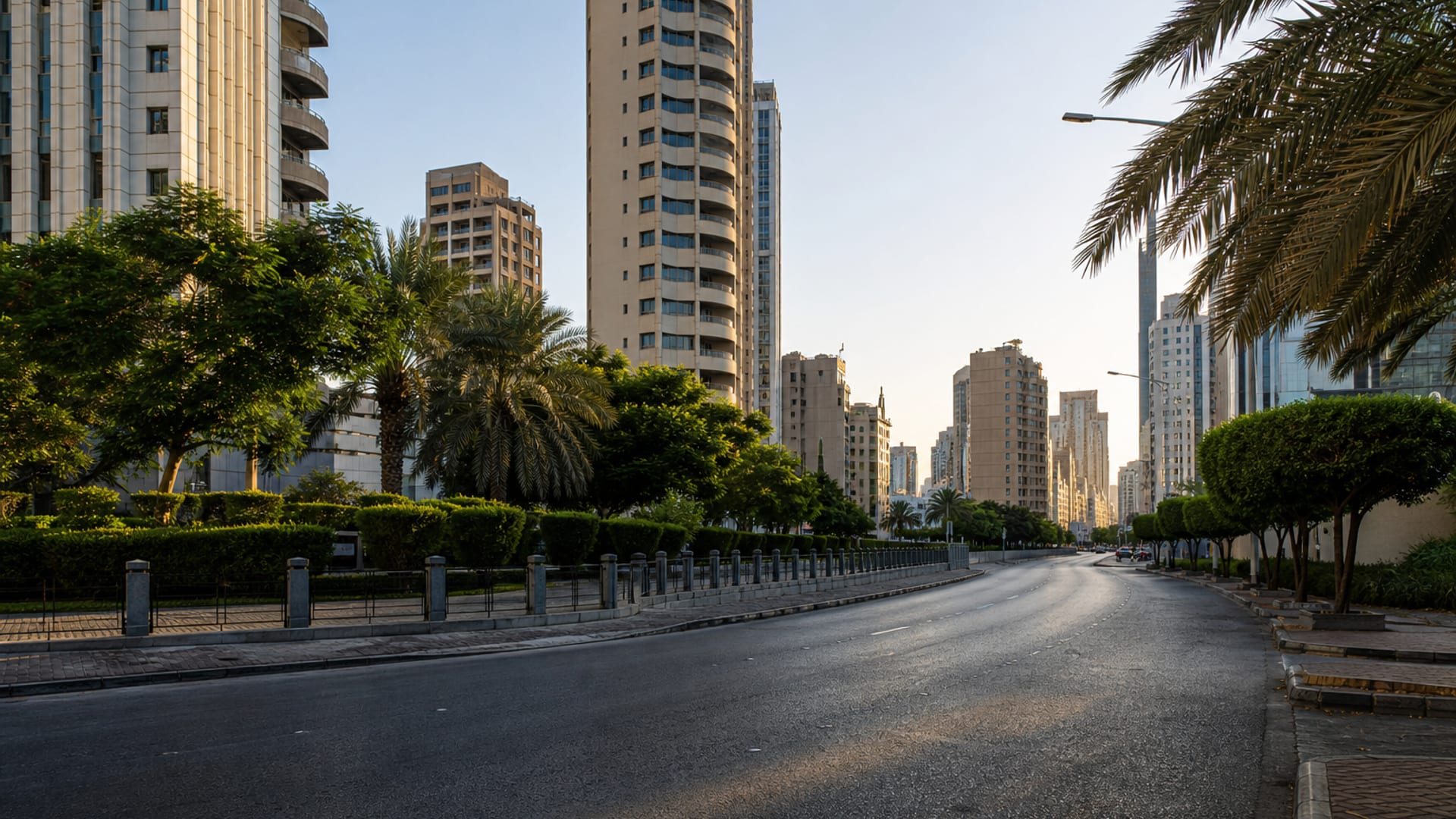
Salmiya is a large coastal district east of central Kuwait City, with apartment blocks, hotels, malls, restaurants, cafés, and waterfront areas around Marina Crescent. It suits longer stays when dining and everyday services are more important than being close to the main and historic districts.
Best for: Longer stays, family trips, seaside walks, and restaurant-heavy itineraries
What to expect: Active commercial streets, dense apartment blocks, and plenty of foot traffic near malls and the waterfront, especially in the evening.
Hotel prices: Usually about 25 KWD to 70 KWD (~82$ to ~229$) per night for well-rated stays
Distance to major sights: About 20 to 25 minutes by taxi to Kuwait Towers, about 30 minutes to the Grand Mosque
Quietness: Moderately busy during the day, livelier at night around restaurants and malls, quieter on residential side streets
Main trade-off: It sits farther from the historic core, so sightseeing days usually start with a longer taxi ride.
Good to know: Around Marina Crescent and Salem Al Mubarak Street, many restaurants and cafés are close together, but walkability varies elsewhere in Salmiya.
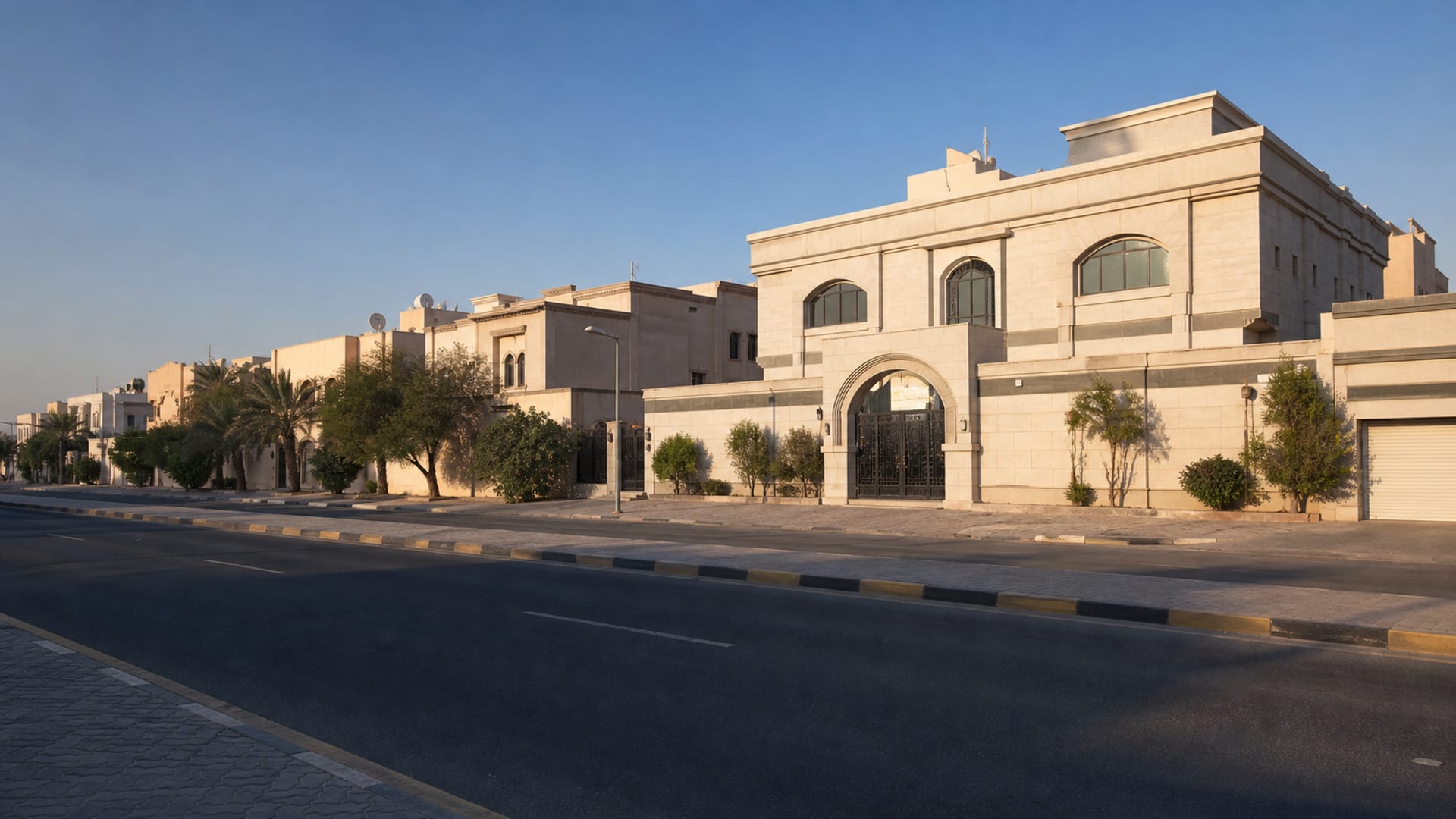
Mubarak Al-Kabeer is a mainly residential area south of central Kuwait City, with local shops, services, and road links toward the airport. Hotel options within the district are limited, so it suits travelers who are comfortable relying on a car or taxi for most meals, meetings, and sightseeing.
Best for: Quiet residential stays, longer visits, and travelers with rental cars or airport schedules
What to expect: Mostly residential streets, local shops, and light evening activity rather than a dense hotel strip or tourist scene.
Hotel prices: Usually about 20 KWD to 55 KWD (~65$ to ~180$) per night for well-rated stays
Distance to major sights: About 20 minutes by taxi to Kuwait International Airport, about 25 to 35 minutes to Kuwait Towers
Quietness: Calm in the daytime and even quieter at night, with little late-night street activity
Main trade-off: You save on room rates, but you trade away walkability and spend more on taxis for central meals and sightseeing.
Good to know: Check the exact property location before booking, since hotels are sparse and many listings for Mubarak Al-Kabeer are located elsewhere in the governorate.
For a city-focused stay, Fahaheel and Jleeb Al Shuyoukh add substantial travel time to the main sights. Salmiya and Hawalli are closer, but central Kuwait City or Sharq keeps museums, the souq, and Kuwait Towers easier to reach.
Hotel deals
How to get around Kuwait City efficiently
Kuwait City is easiest to cover by road, with buses for lower-cost trips and taxis or ride-hailing for faster door-to-door travel.

Metro
for longer distances
KPTC buses connect Kuwait City with the airport and districts such as Salmiya, Hawally, and Fahaheel. Airport routes 13, 99, and 501 cost KWD 0.25–KWD 0.30 ($0.80–$0.97). Services are inexpensive, but traffic, wait times, and indirect routes can slow longer trips.

Bus and tram
for convenience
Taxis and ride-hailing suit airport transfers, late arrivals, and direct trips between sights. Airport taxis charge a fixed KWD 8 ($26) to Kuwait City, while regular taxis use meters. Careem and Uber show the current fare in the app before you book, so prices vary by route and demand.

Taxi
for convenience or late hours
A rental car offers more flexibility for longer stays and trips outside the center, but parking and heavy traffic can add hassle. Airport rentals start at KWD 12 ($40) per day before fuel and extras. Foreign visitors on a visit visa need an international driving permit to rent a car.
*Prices are based on rates updated as of September 2026 and may change at the time of travel.
Use buses when price is the priority, taxis or ride-hailing for direct city trips, and a rental car only when your plans extend well beyond central Kuwait City.
Iconic landmarks
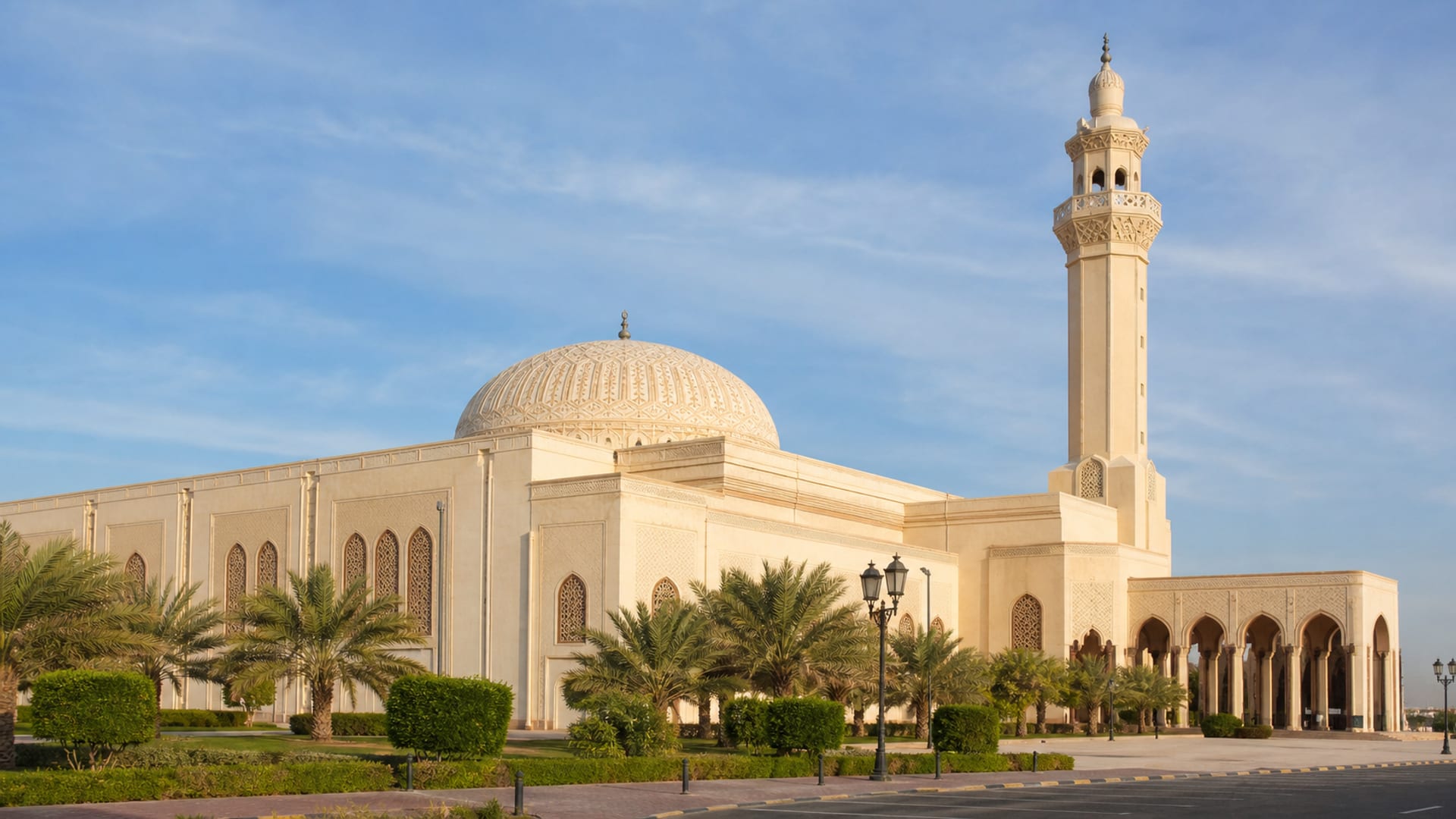
Grand Mosque
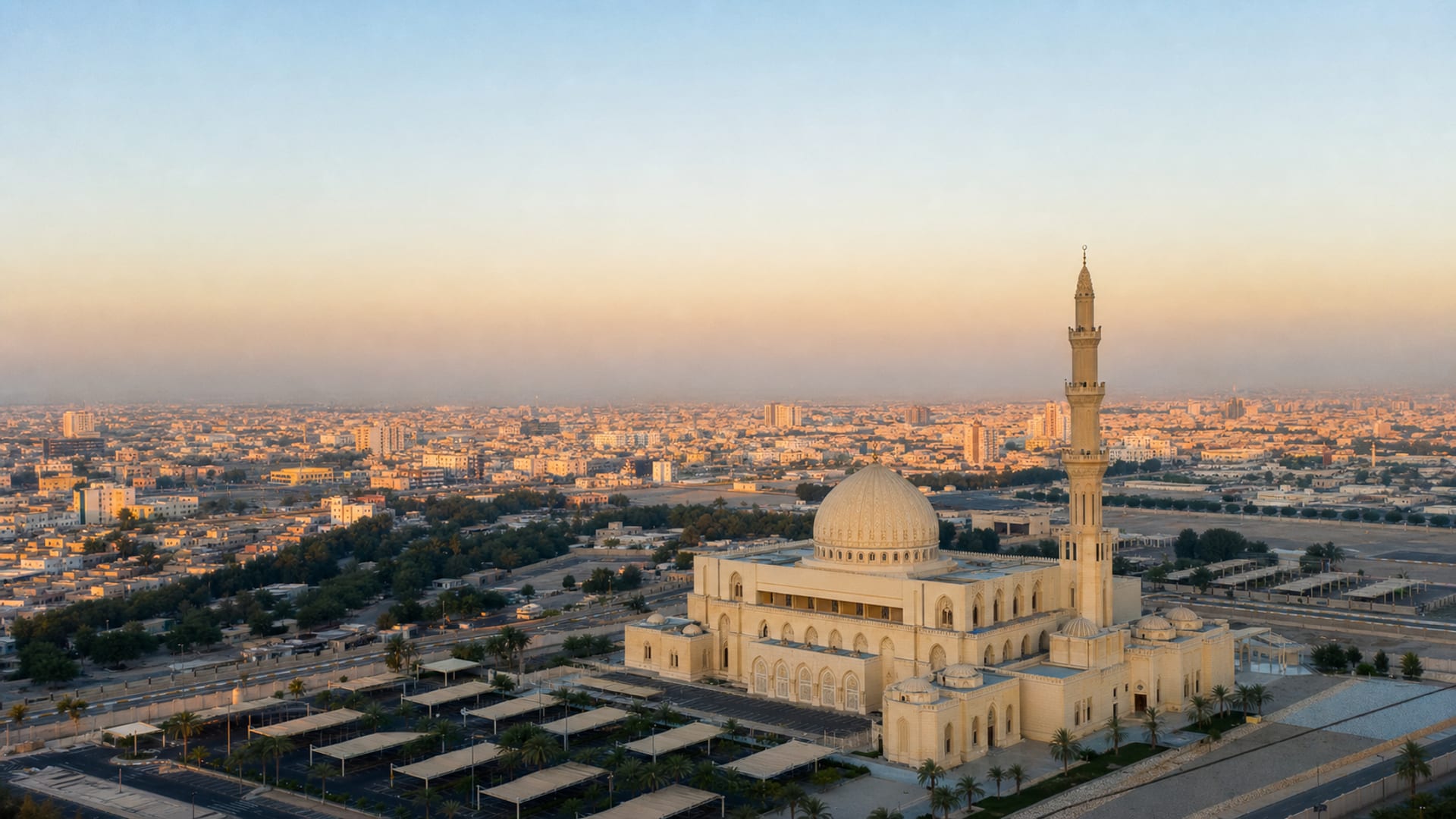
The Grand Mosque is Kuwait’s largest mosque and one of the capital’s main Islamic landmarks. Opened in 1986, it has a 243-foot (74-meter) minaret, a vast central dome, Arabic calligraphy, carved woodwork, and a main prayer hall that holds thousands of worshippers.
Time needed: About 1 hour
Entry: Free to visit, guided interior access is available outside prayer times with modest dress and visitor registration at the reception desk. Visit the official site for details.
Tip: Dress modestly and plan the visit outside prayer times.
Kuwait Towers
Kuwait Towers rise beside Arabian Gulf Road and form the city’s most recognizable skyline landmark. The main tower reaches 614 feet (187 meters), while its viewing sphere rotates above the Gulf, opening wide views across Kuwait City, the waterfront, and the surrounding coastline.
Time needed: About 2 to 3 hours
Entry: Free to enter, with paid dining, cinema, and attraction costs varying by tenant and activity within the mall complex. Visit the official site for details.
Tip: Visit late in the afternoon to see the skyline before and after sunset.
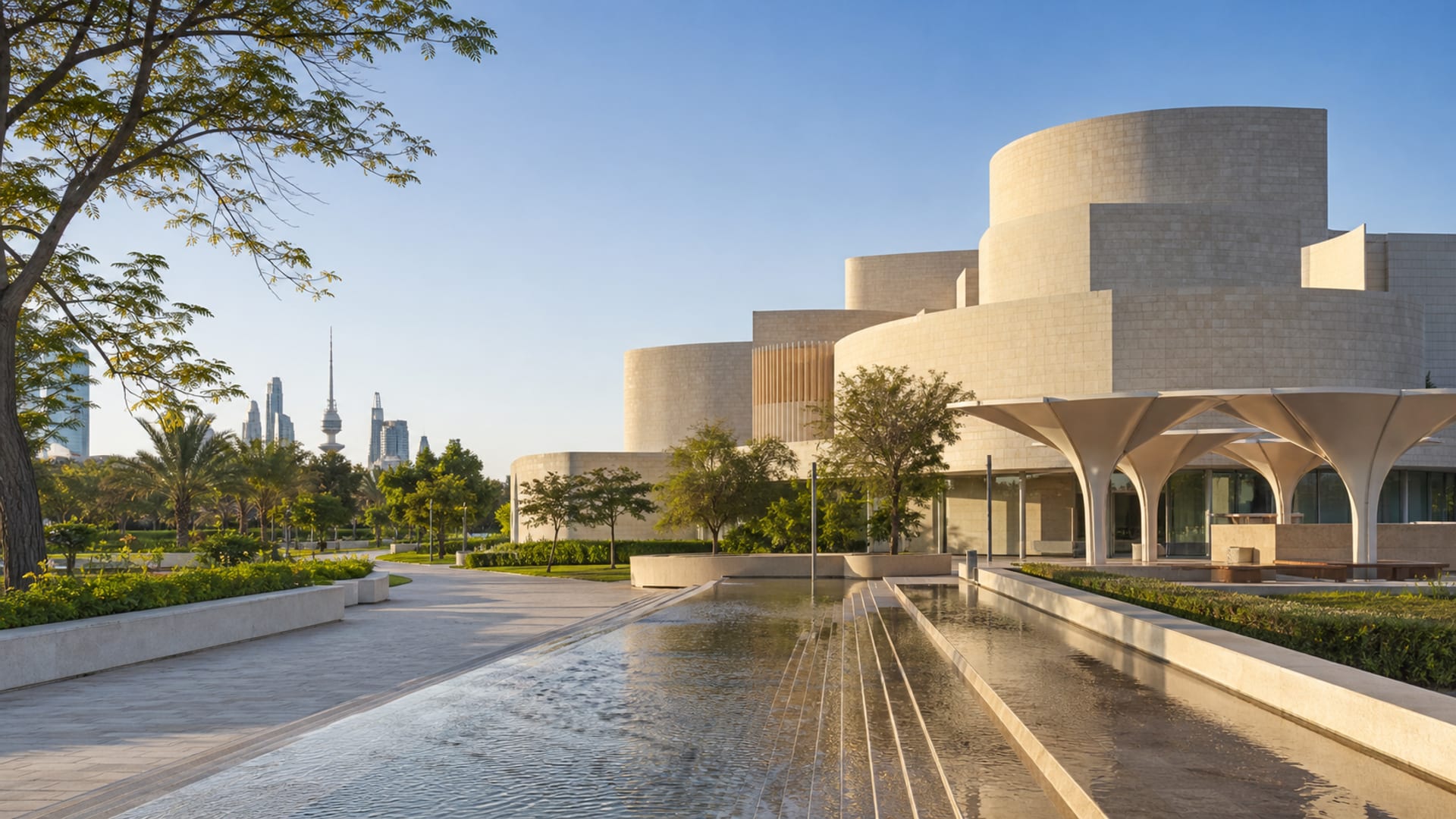
Al Shaheed Park
Al Shaheed Park covers over 2 million square feet (200,000 square meters) near central Kuwait City and includes botanical gardens, a lake, walking paths, and two museums exploring Kuwait’s history and natural environment. Its landscaped grounds provide a green setting away from the surrounding business districts.
Time needed: About 2 hours
Entry: Free to enter, with museum admission charged separately and seasonal programming priced on site at the park’s visitor facilities. Visit the official site for details.
Tip: Visit later in the day when temperatures are lower for walking.
Overlooked sites worth visiting

Souq Al-Mubarakiya
Souq Al-Mubarakiya is one of Kuwait’s oldest markets, with covered lanes lined by spice, perfume, textile, gold, and food stalls. Traditional restaurants and cafés fill the surrounding streets.
Time needed: About 1 to 2 hours
Entry: Free to enter; meals, snacks, and souvenirs are extra. Expect to spend about $3 to $10 for a snack, roughly $15 to $30 for a casual lunch, and more for larger purchases.
Tip: Visit later in the afternoon when temperatures are lower, and more stalls are active.

Sadu House
Sadu House occupies a traditional Kuwaiti home from 1936 and explores Bedouin weaving through historic textiles, tent furnishings, garments, tools, and displays explaining the techniques behind Al Sadu.
Time needed: About 1 hour
Entry: Guided visits are free, though donations are welcome. Modest dress is required, and women may need an abaya or scarf, which is often provided on site; check visit times before you go. Visit the official site for details.
Tip: Leave time for the shop, which carries textiles, bags, and Sadu-inspired homeware.
Traditional food
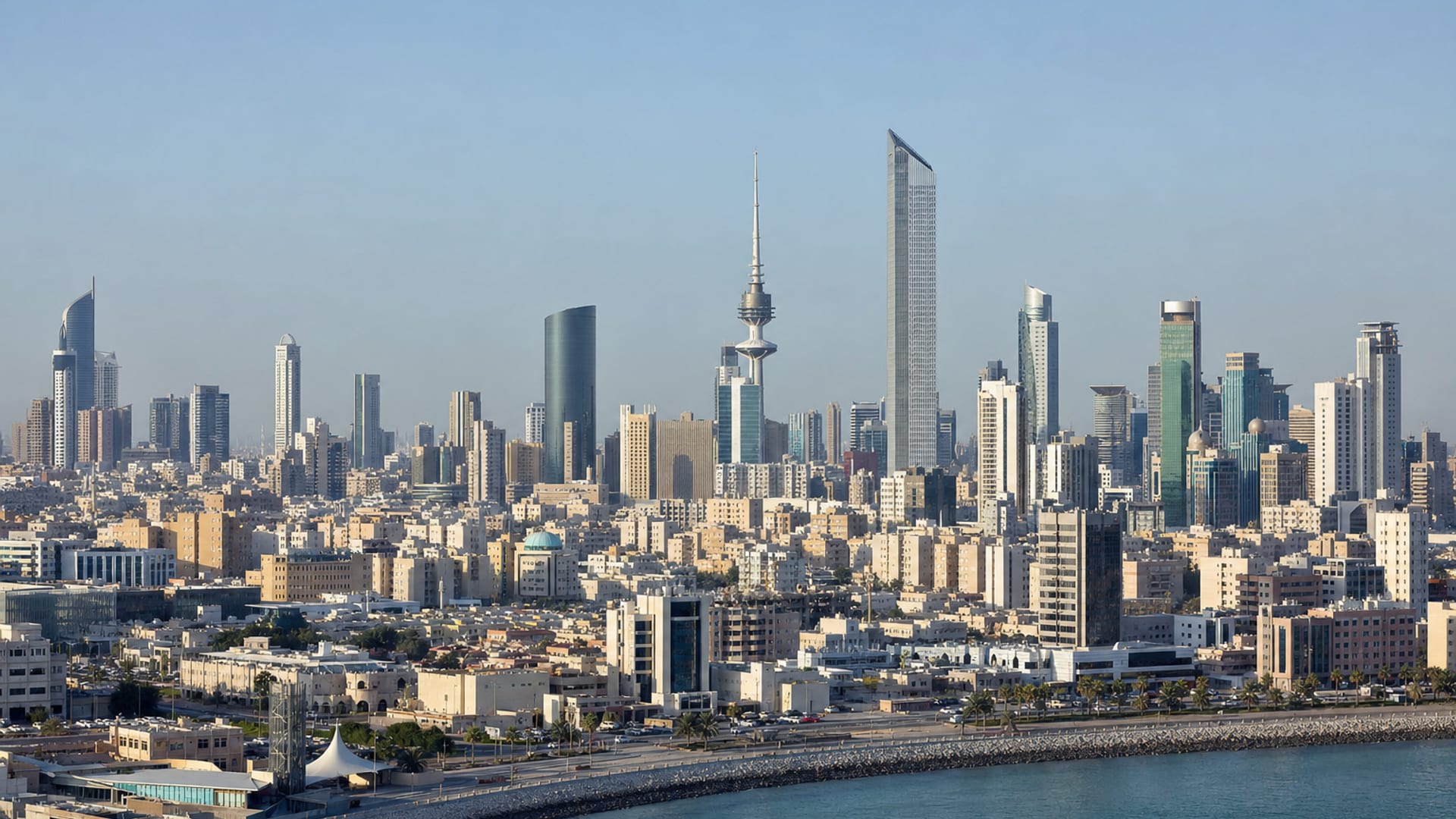
Kuwaiti cooking centers on rice, fish, lamb, wheat, saffron, cardamom, and dried lime. Machboos, mutabbaq samak, harees, and gers ogaily show the mix of savory staples and spiced sweets.
Machboos
Machboos combines basmati rice with chicken or lamb, seasoned with saffron, cardamom, mixed spices, and often dried lime, then served with tomato-based daqoos on the side. Haseer Restaurant serves both chicken and lamb versions.
Mutabbaq Samak
Mutabbaq samak pairs seasoned rice with fish, commonly zubaidi or hammour, with the fish and rice cooked separately before being served together with onions and spices. Freej Swaeleh serves both Mutabbaq Zubaidi and Mutabbaq Hamoor.
Harees
Harees is made by slowly cooking wheat with meat until both break down into a thick, smooth dish, then finishing it with ghee or spices. It is especially common during Ramadan. Haseer Restaurant lists harees on its current menu.
Gers ogaily
Gers ogaily is a soft Kuwaiti sponge cake flavored with saffron, cardamom, and rosewater, then usually topped with sesame seeds before baking. It is commonly served with tea or coffee. Damlooj Lounge serves a traditional version.
Best time to visit Kuwait City
Kuwait City is easiest to explore outdoors from late fall through early spring, before rising temperatures make longer walks less practical.
Best for: Souq visits, parks, waterfront walks, and spending more of the day outdoors
What you get: Temperatures usually range from 47°F to 71°F (8°C to 22°C), with mild daytime weather and cooler evenings across Kuwait City.
Trade-offs: Evenings can feel chilly, and occasional rain or cooler spells may mean bringing an extra layer.
Best for: Outdoor sightseeing in March and April, while daytime temperatures are milder
What you get: March is mild, but temperatures rise through spring, from 57°F (14°C) to daytime highs near 106°F (41°C) toward the end of May.
Trade-offs: April and May can get very hot, and dust storms and occasional thunderstorms can disrupt plans.
Best for: Shopping malls, museums, restaurants, and other indoor places during summer
What you get: Average highs reach 113°F to 116°F (45°C to 47°C), and nighttime temperatures often stay above 84°F (29°C) through the summer.
Trade-offs: Outdoor sightseeing is difficult for long periods, and strong sun or dust can make daytime plans tiring.
Best for: Outdoor sightseeing from late October onward, when daytime temperatures fall
What you get: September highs stay near 111°F (44°C), then temperatures fall steadily through October and November, with cooler days and evenings.
Trade-offs: September is still extremely hot, so longer outdoor visits are easier later in the season.
A realistic 5-day plan in Kuwait City
A five-day stay in Kuwait City gives you time to see the main cultural sights, historic areas, waterfront, and shopping districts without rushing. Grouping nearby places on the same day cuts down on taxi time and avoids unnecessary backtracking.
After landing at Kuwait International Airport, take a taxi into central Kuwait City or Sharq. The fixed airport fare to Kuwait City is KWD 8 ($26), and the drive often takes 15 to 25 minutes outside heavy traffic. After you check in, keep the evening light with dinner near your hotel and a short walk if the weather is comfortable. It is an easy first look at the city after a long travel day.
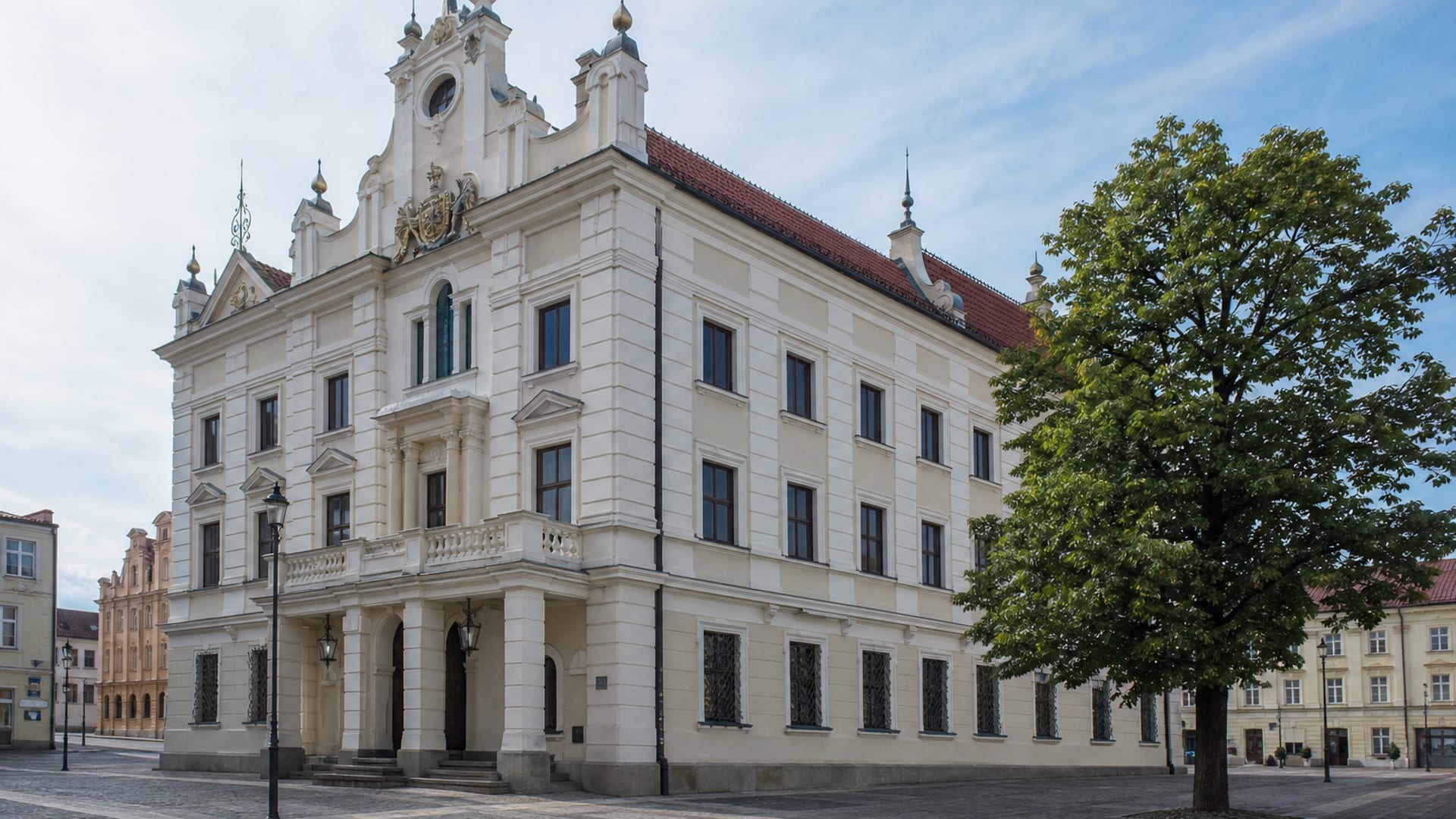
Spend the morning at Sheikh Abdullah Al-Salem Cultural Centre, where six museums cover natural history, science, space, Arabic and Islamic science, and the arts. After a few hours inside, head to Salmiya for Marina Crescent and the waterfront. Cafés, sea views, and restaurants make the second half of the day feel less structured, and staying in the area through dinner avoids an unnecessary trip back across the city.
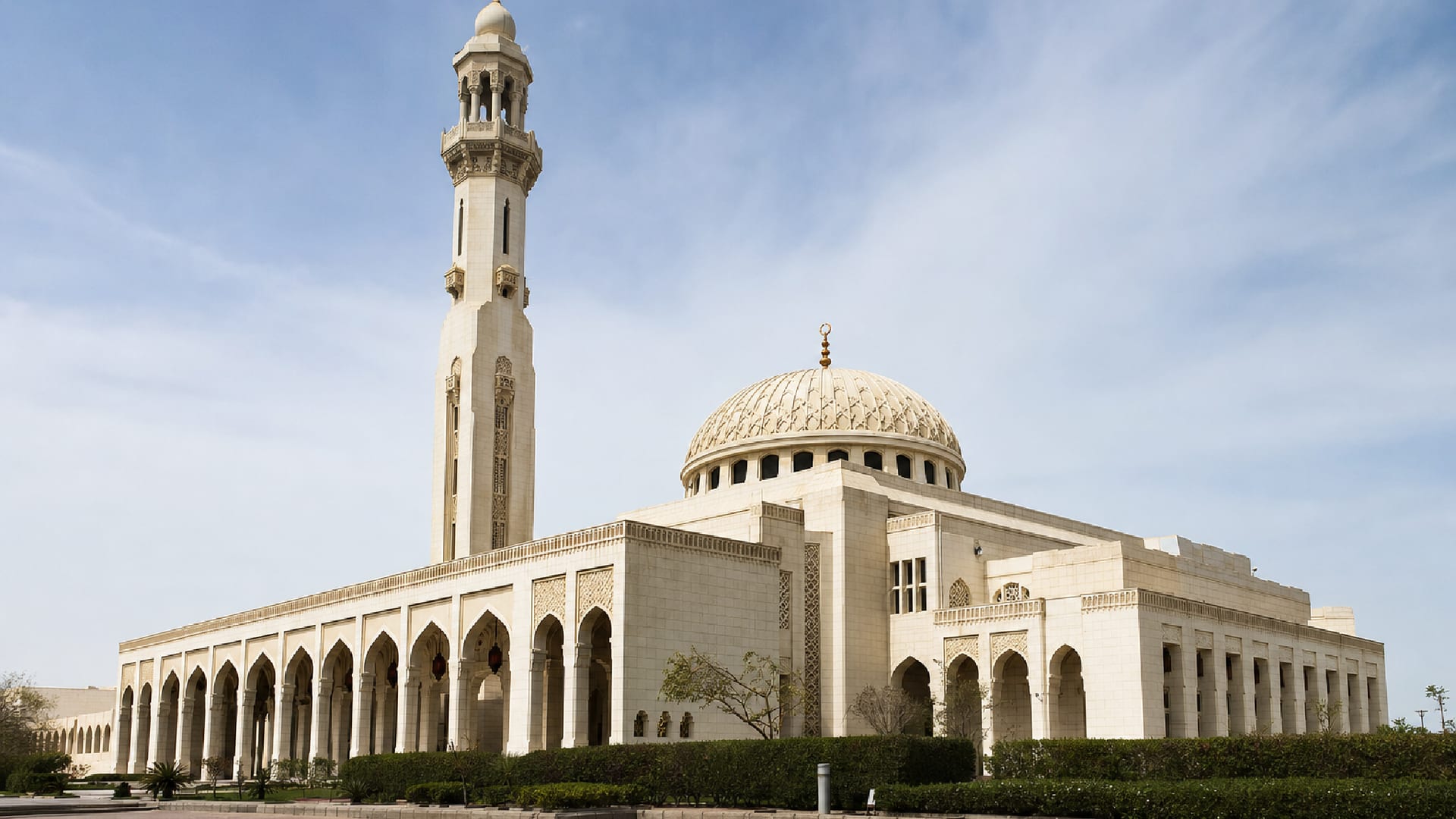
Begin with a pre-arranged visit to the Grand Mosque, where the vast prayer hall, dome, calligraphy, and carved woodwork set the tone for the day. Continue to Souq Al-Mubarakiya for spices, perfumes, textiles, and lunch at one of the market restaurants. Later, visit Sadu House to see Bedouin weaving, historic textiles, and traditional Kuwaiti design inside a home built in 1936, adding a quieter look at the country’s craft traditions.
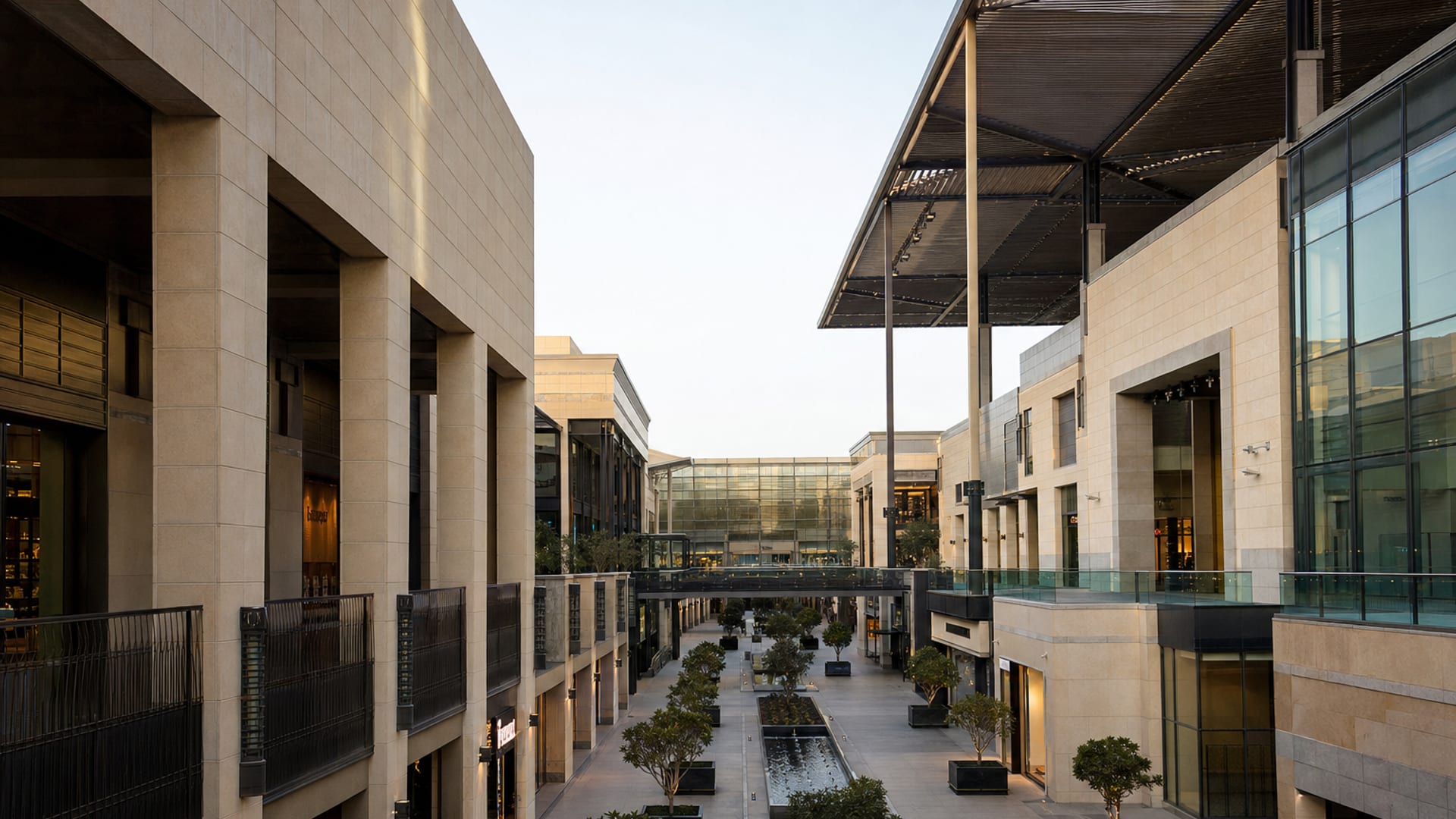
Start at Al Shaheed Park, where botanical gardens, a lake, walking paths, and two museums fill a large green space near central Kuwait City. Spend a few hours there, then head to Kuwait Towers in the late afternoon. From the rotating viewing sphere, you can look across the skyline and Arabian Gulf as the light softens. Finish with dinner in Sharq or along the waterfront while you are already in that part of the city.
Keep the final day simple with a late breakfast and a few hours at The Avenues, where shops, cafés, and restaurants give you plenty to do without adding another major sightseeing stop. Return to the hotel for your luggage, then leave for Kuwait International Airport (KWI) with extra time for traffic. The lighter schedule keeps the departure day easy while still adding a different side of Kuwait City before you leave.
Business-class flights from the US to Kuwait City
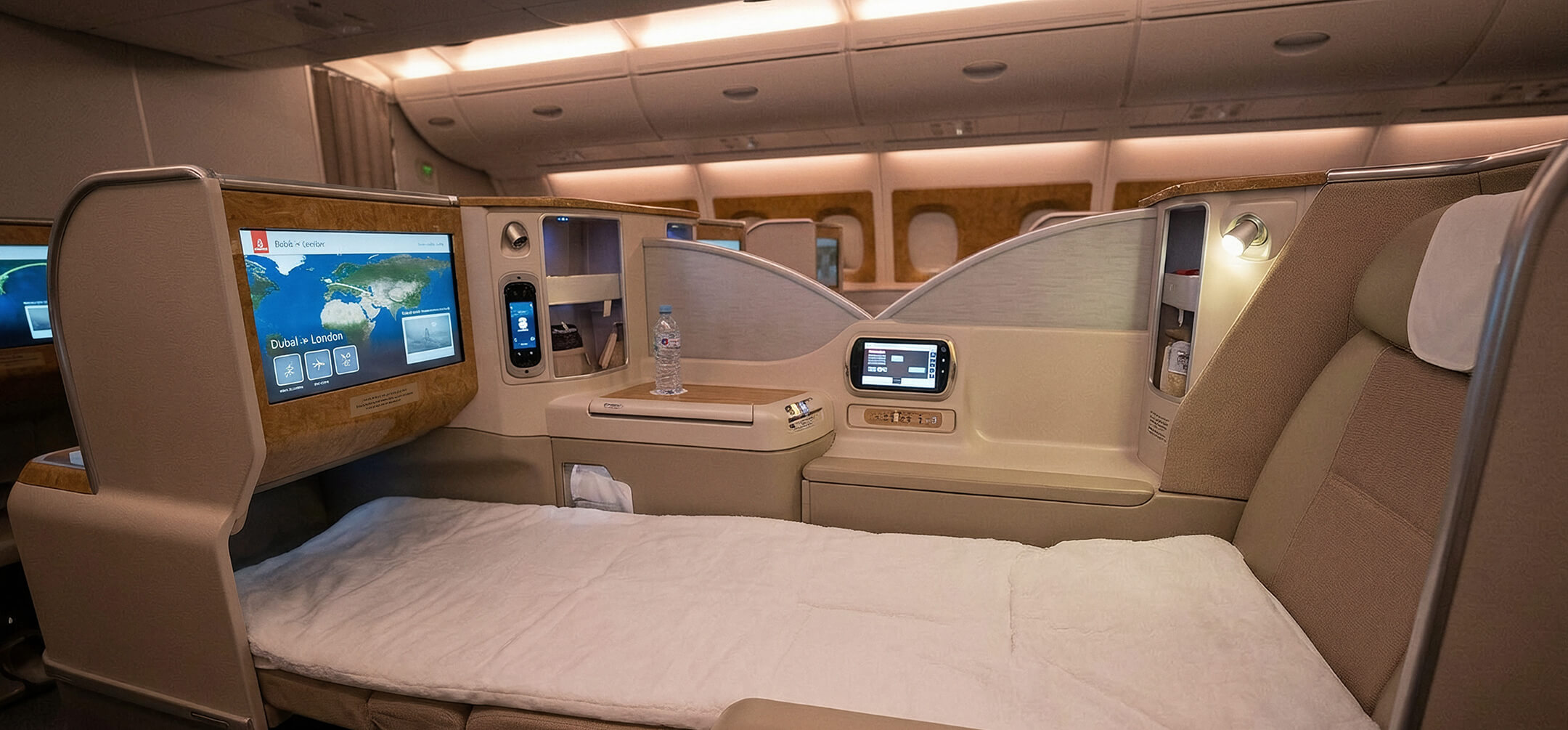
There are no nonstop flights from the US to Kuwait City, but several one-stop routes connect through major hubs in Europe and the Middle East.
New York (JFK) to Kuwait City (KWI)
From New York (JFK), you have a broad choice of one-stop business-class routes. Turkish Airlines connects through Istanbul (IST), Royal Jordanian through Amman (AMM), Etihad through Abu Dhabi (AUH), Emirates through Dubai (DXB), Qatar Airways through Doha (DOH), EgyptAir through Cairo (CAI), and Saudia through Riyadh (RUH). Most trips take about 14 to 21 hours, while longer layovers can push the journey closer to 38 hours. Round-trip fares typically range from $3,500 to $9,600.
Los Angeles (LAX) to Kuwait City (KWI)
From Los Angeles (LAX), the main one-stop options include Qatar Airways via Doha (DOH) and Turkish Airlines via Istanbul (IST). United Airlines also offers itineraries in collaboration with Kuwait Airways and Lufthansa through London Heathrow (LHR). Total travel time is usually between 19 and 32 hours, depending on the layover, while round-trip business-class fares generally range from $4,500 to $10,100.
Putting your Kuwait City trip together
Kuwait City is easier to enjoy when each day has a clear focus and nearby stops are grouped together. The heat, traffic, and spread-out layout can shape how much you comfortably fit into a day, so a little structure goes a long way. Choosing a hotel near the areas you expect to visit most can also cut down on unnecessary taxi time. Once your itinerary is set, AranGrant travel experts can help with business-class flights and hotel stays, leaving you to focus on the city itself from arrival to departure.