

Chapters:

Need help with your trip?
Our support team is available 24/7. Request a callback or call us directly at (833) 619-0908
Most visitors begin with the Mission House, the Stone Store, and a quick waterfall stop, then leave the rest of Kerikeri to a single afternoon. That sequence works, but it misses how spread out the town and inlet can be.
Short drives add up, cafés close early, and the best light at Rainbow Falls or the basin often arrives outside the usual midday rush. Without a plan, you can spend time circling between small pockets instead of using them well.
This guide sets the days in a cleaner order, pairing the center, the basin, the inlet, and the waterfall with the right pace and timing so each stop earns its place.
Useful things to know

Main language(s): English

Currency: The local currency is the New Zealand dollar (NZD, $).

Cash and cards: Cards and contactless are widely accepted; carry about NZ$20 to NZ$50 cash ($12 to $30) for small shops and rural stops.

Tipping: Tip 10% at restaurants if service is good; round up small bills and taxis.

Traditional food: Hangi, kaimoana, pavlova, fish and chips

Water and coffee costs: Water about NZ$3 to NZ$4 ($2 to $2.50), bar espresso about NZ$4 to NZ$6 ($2.50 to $3.50).

Taxis and ride apps: Uber and Ola operate here; availability can be limited outside peak times.

Plug and voltage: Type I socket, 230V

Dining and shop opening hours: Breakfast runs about 07:00-10:00, lunch 11:30-14:00, and dinner 17:30-20:30. Many kitchens close early outside the holiday season.

Emergency number: Dial 111 for police, fire, or ambulance.
Where to stay in Kerikeri
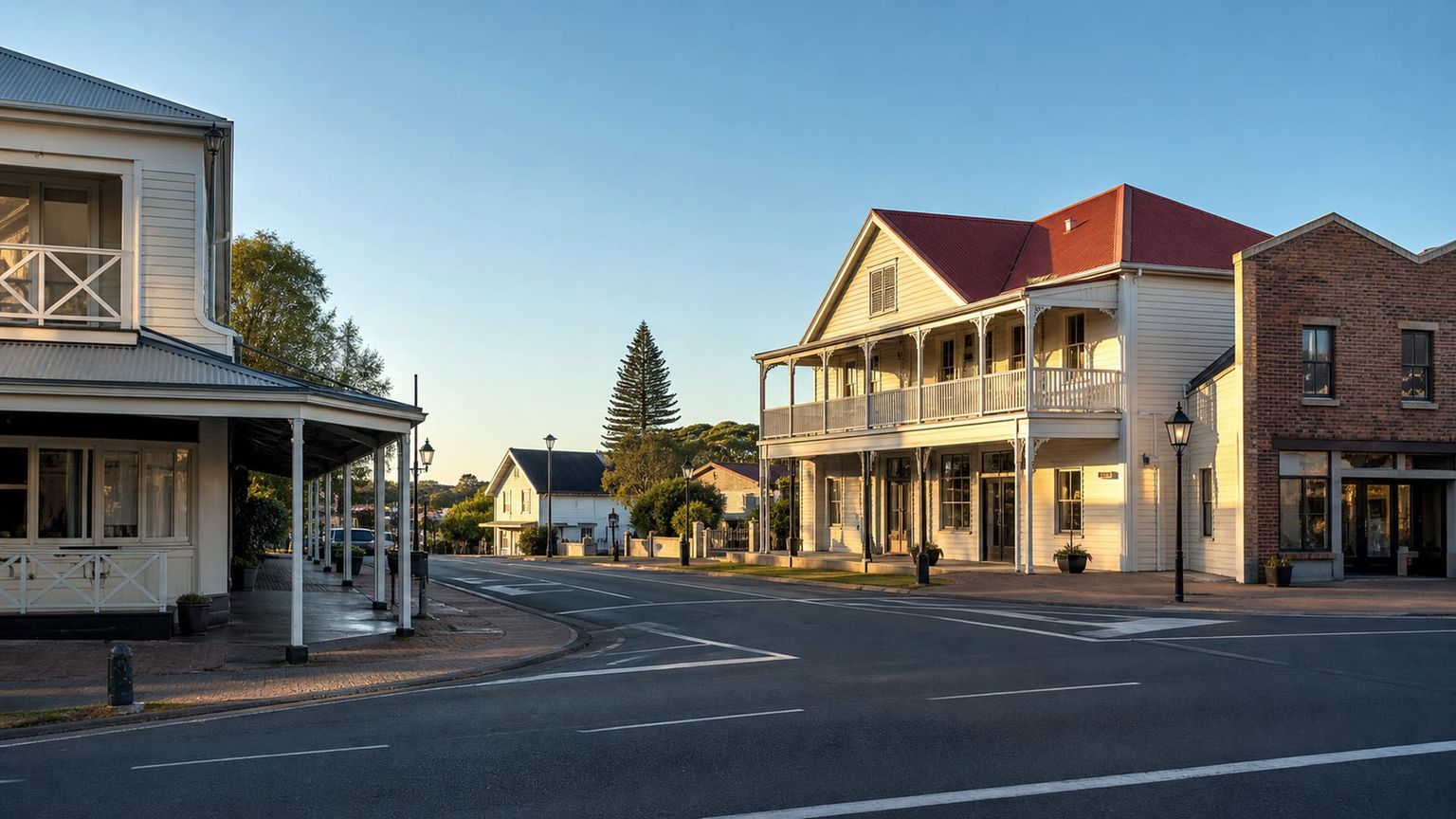
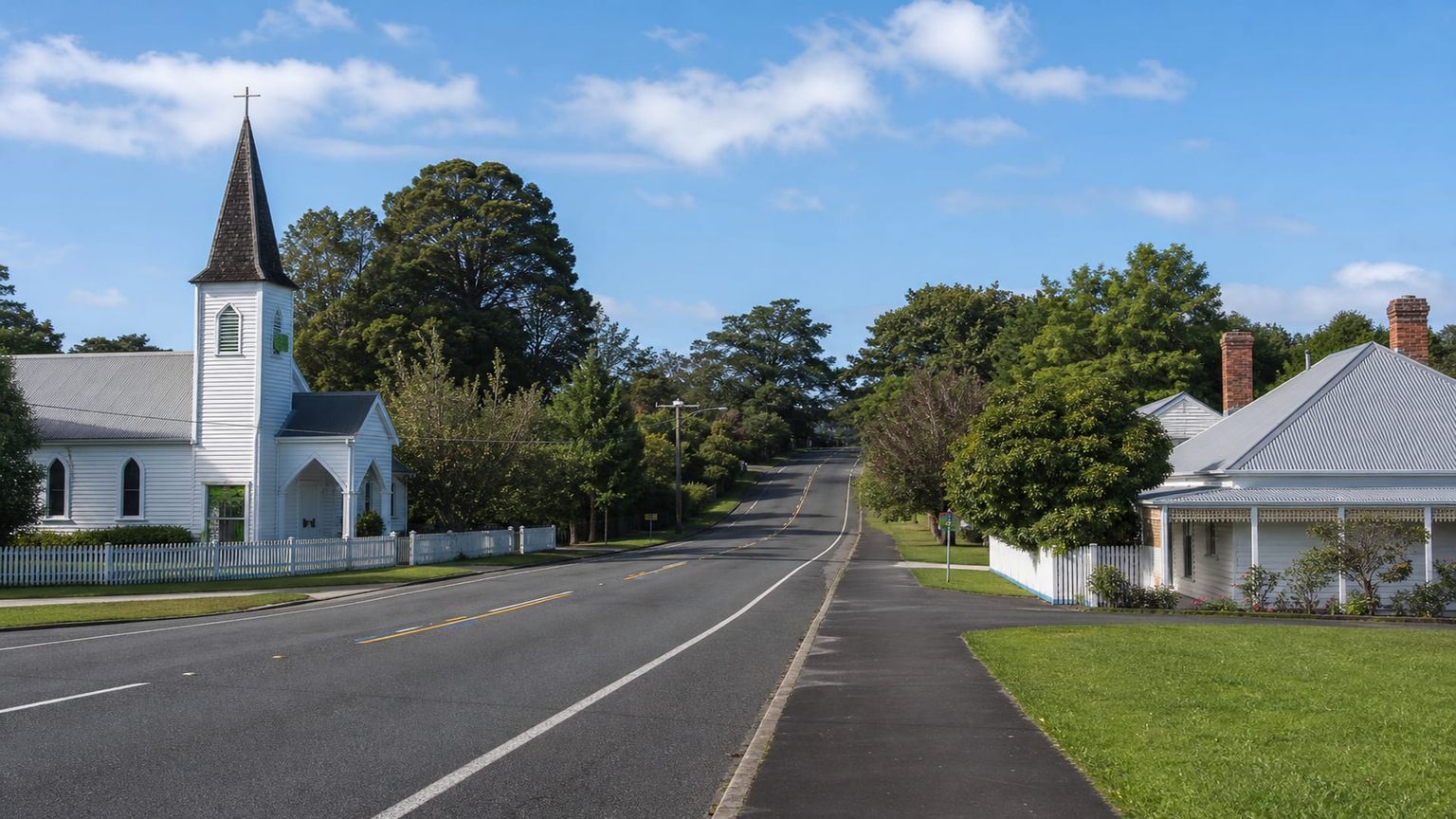
Kerikeri Township is the compact center of town, with cafés, shops, supermarkets, and easy access to the airport road. It suits visitors who want to walk to daily essentials and use the town as a base for the Bay of Islands.
Best for: Walking to cafés, errands, and central access to the Bay of Islands
What to expect: A small-town center with modest street life, daytime activity around shops, and quieter evenings after retail hours.
Hotel prices: Usually about $120 to $220 per night for well-rated stays
Distance to major sights: 5 to 10 minutes by foot to Kerikeri Basin and about 10 minutes by car to Kerikeri Airport (KKE)
Quietness: Busier in the day, with a much calmer feel after shops close
Main trade-off: You will pay for the most central location, and some properties sit near main roads or retail traffic.
Good to know: If you want to eat out without driving every time, this is the easiest place to stay, but evenings can feel sparse once the town center shuts down.
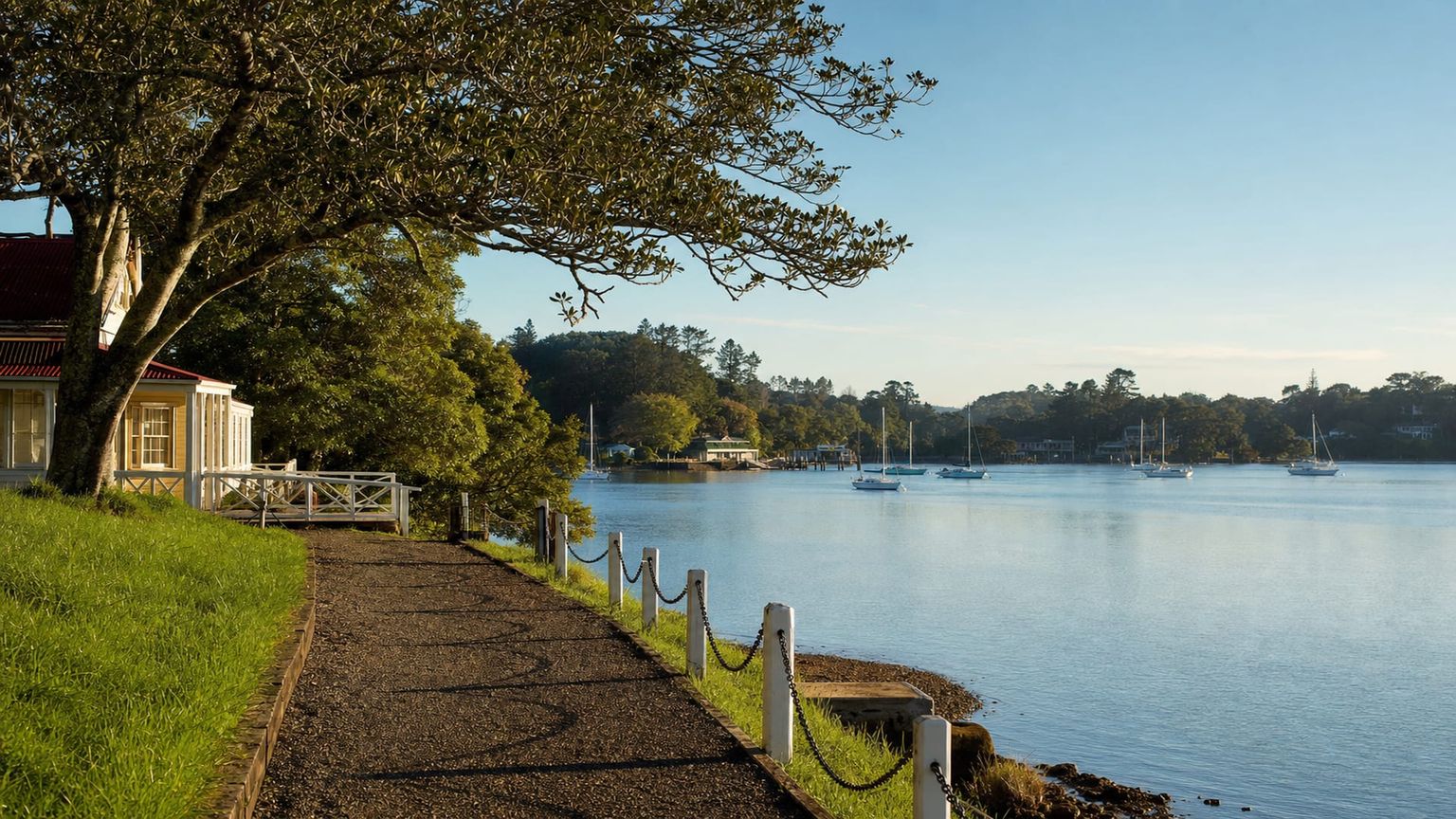
Kerikeri Basin sits beside the historic waterfront where you can visit Kerikeri Mission Station and Stone Store, the area’s best-known heritage sights. It appeals to travelers who want scenery, history, and river views within easy reach of the center.
Best for: Heritage sightseeing, river views, and a scenic base near central Kerikeri
What to expect: A low-rise area with light visitor traffic, heritage-site activity by day, and a subdued mood after tour hours.
Hotel prices: Usually about $140 to $260 per night for well-rated stays
Distance to major sights: On foot to Stone Store and Kerikeri Mission Station, and about 5 minutes by car to Kerikeri Township
Quietness: Calm most of the day, then very quiet in the evening
Main trade-off: You stay close to the main sights, but dining and shopping choices are fewer than in the township.
Good to know: If you plan early museum visits or riverside walks, staying here cuts down on short car trips, though dinner options thin out fast after dark.
Rangitane is a coastal area just north of Kerikeri with beach access, estuary views, and a more residential feel than the town center. It works for travelers who want space, water views, and an easy drive back to town.
Best for: Beach time, quieter residential stays, and travelers with a car
What to expect: Residential streets, light local traffic, and a relaxed pace with more activity near the coast than on the roads.
Hotel prices: Usually about $130 to $240 per night for well-rated stays
Distance to major sights: About 10 minutes by car to Kerikeri Township and about 15 minutes by car to Kerikeri Airport (KKE)
Quietness: Quiet through the day, with only occasional evening movement
Main trade-off: You gain a more spacious setting, but you will need a car for dining, groceries, and most sightseeing.
Good to know: Choose this area if you value a coastal setting more than walkability, because evening plans almost always mean a drive into town.
Travelers usually avoid staying far from Kerikeri town center, especially in scattered rural spots along State Highway 10, because you will be away from the main shops, cafes, and day-to-day visitor amenities. Outlying areas near the Kerikeri Inlet and farther reaches of Waipapa are also less convenient if you want to walk to sights or keep evening dining and transport simple.
Hotel deals
How to get around Kerikeri efficiently
Kerikeri has no rail or tram network, so local movement depends on roads, with short taxi, shuttle, bus, or rideshare trips filling the gaps between the township, the basin, and the airport.

Metro
for longer distances
Kerikeri has no metro or suburban rail, so local trips rely on roads rather than a fixed rail network. For airport transfers and short hops, plan on buses, shuttle vans, or taxis instead, with drive times into town usually about 5 to 10 minutes.

Bus and tram
for convenience
Kerikeri does not have a tram network, and local bus coverage is limited compared with larger New Zealand towns. Buses mainly link the airport area with Kerikeri township and nearby Bay of Islands stops, so check timetables in advance; fares vary, but short rides often cost about $2 to $6 ($3 to $9) depending on distance and operator, with some services using prepaid passes or cashless payment.

Taxi
for convenience or late hours
Licensed taxis in Kerikeri usually run on meters rather than fixed fares, though some operators quote an airport transfer price in advance. A trip between Kerikeri Airport and the town center typically costs about $12 to $25 ($18 to $38), while longer rides to Paihia or Russell cost more; most cabs take cards, but it is sensible to confirm payment before you set off.
*Prices are based on rates updated as of June 2026 and may change at the time of travel.
Walk the township when you can, use taxis or rideshares for quick airport and basin hops, and reserve a car for Aroha Island, Rangitane, and the wider Bay of Islands.
Iconic landmarks
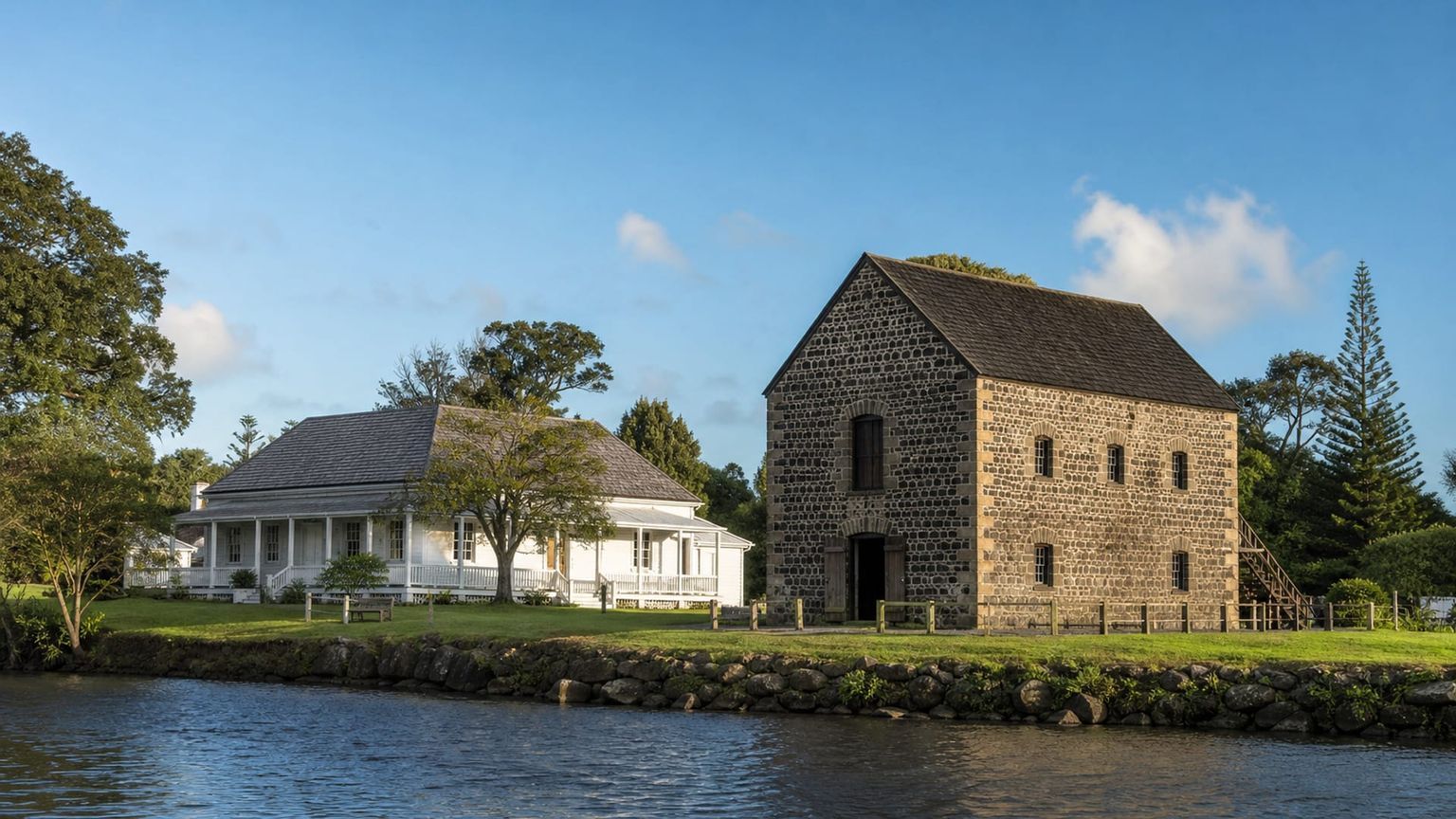
Kerikeri Mission House and Stone Store
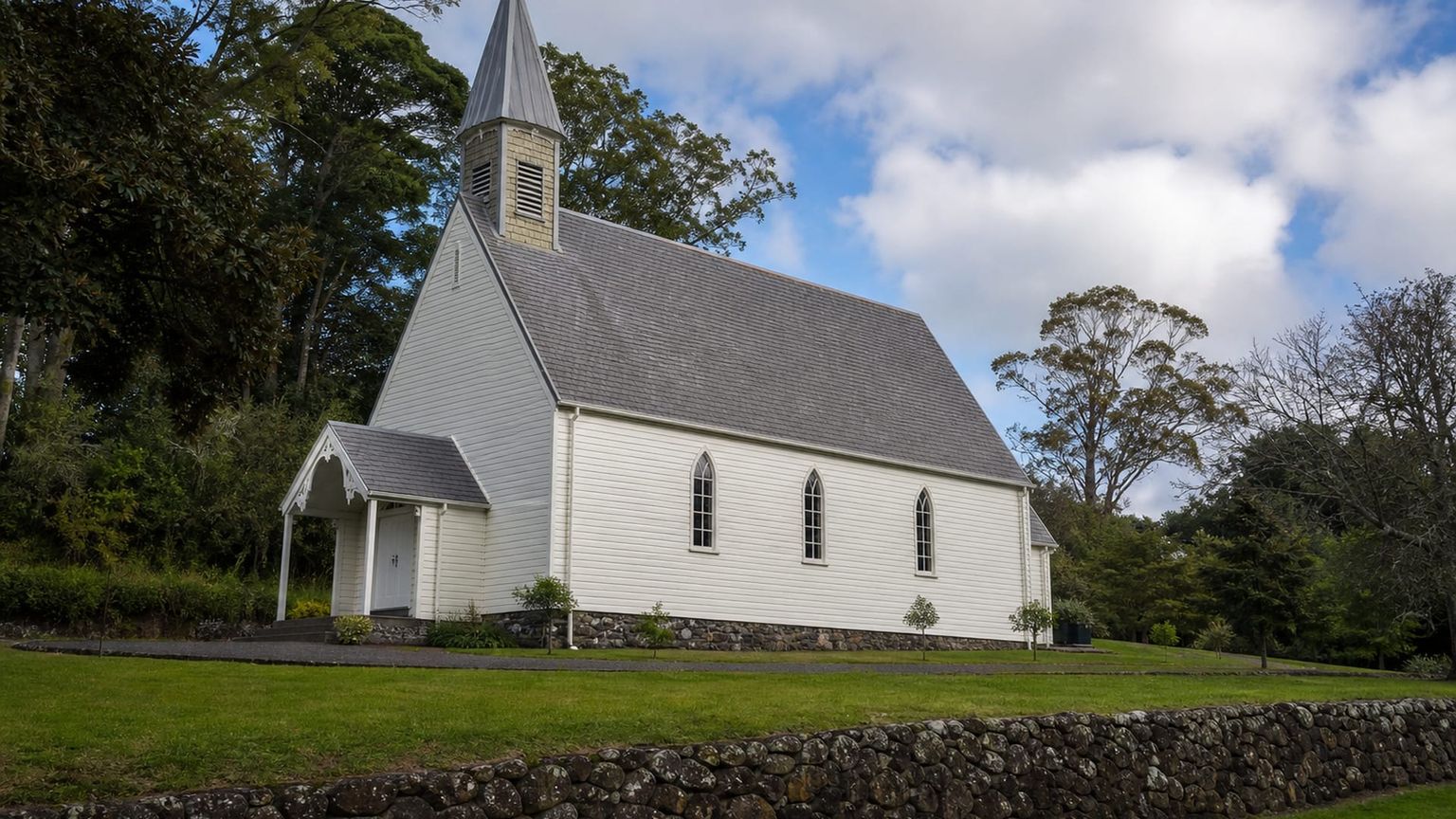
Built in 1822, the Kerikeri Mission House is New Zealand’s oldest surviving European building, beside the 1836 Stone Store. The riverside setting and small museum give a clear view of early Bay of Islands settlement.
Time needed: About 1 to 2 hours
Entry: Entry to the mission precinct costs $0 to $15 (NZ$0 to NZ$25), with some displays free and guided house access priced separately. Visit the official site for details.
Tip: Visit late morning, when the house light and river frontage photograph well.
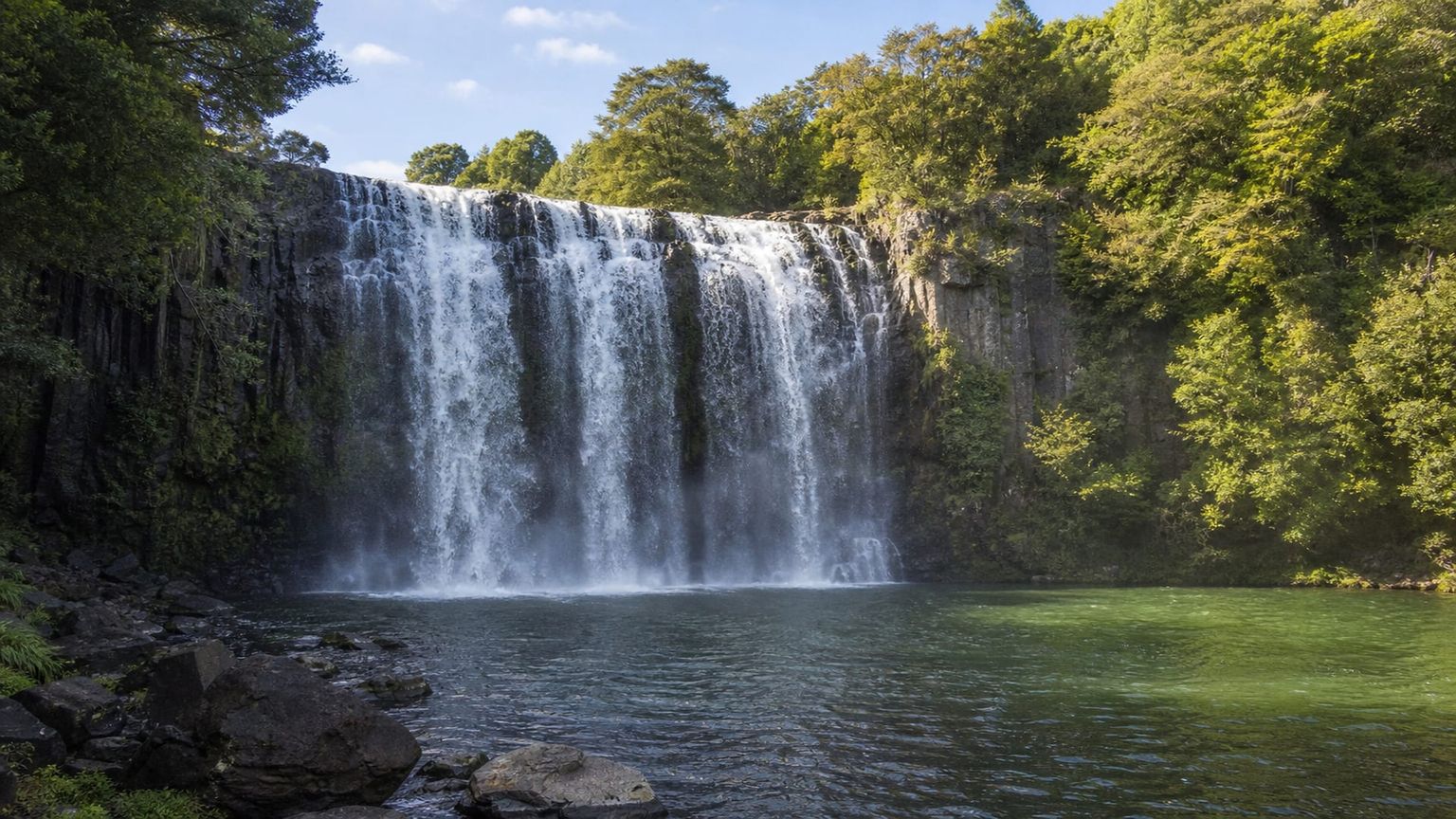
Rainbow Falls
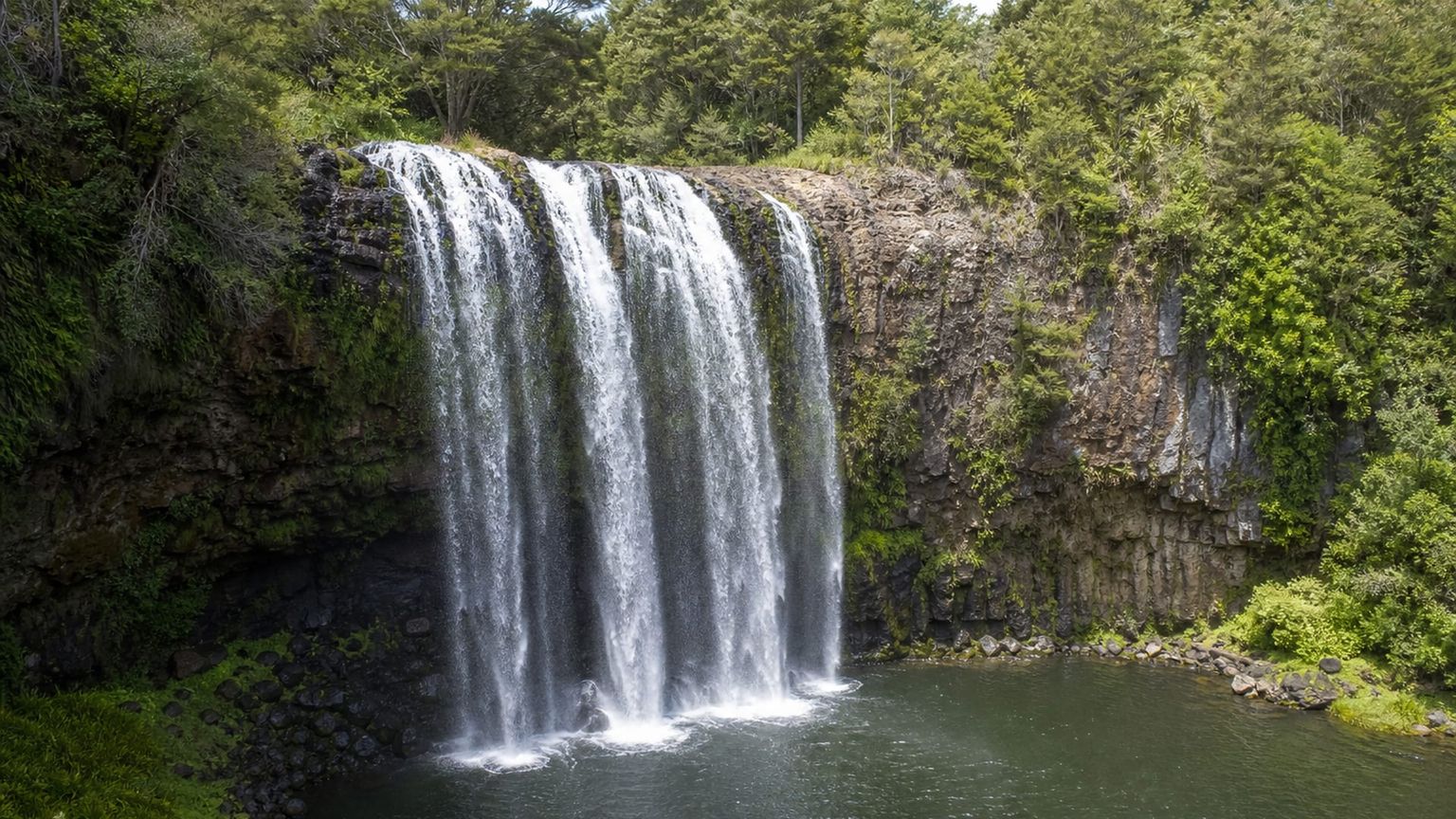
Rainbow Falls drops about 27 meters into a bush-lined pool on the Kerikeri River, with a short path from the car park to the main viewing platform. A second track follows the river to lower viewpoints and swimming spots.
Time needed: About 45 minutes to 1 hour
Entry: Free to access, with no ticket required; parking is at the reserve and the walking tracks are open during daylight hours.
Tip: Go after rain or in the morning, when the waterfall flow and light are best.
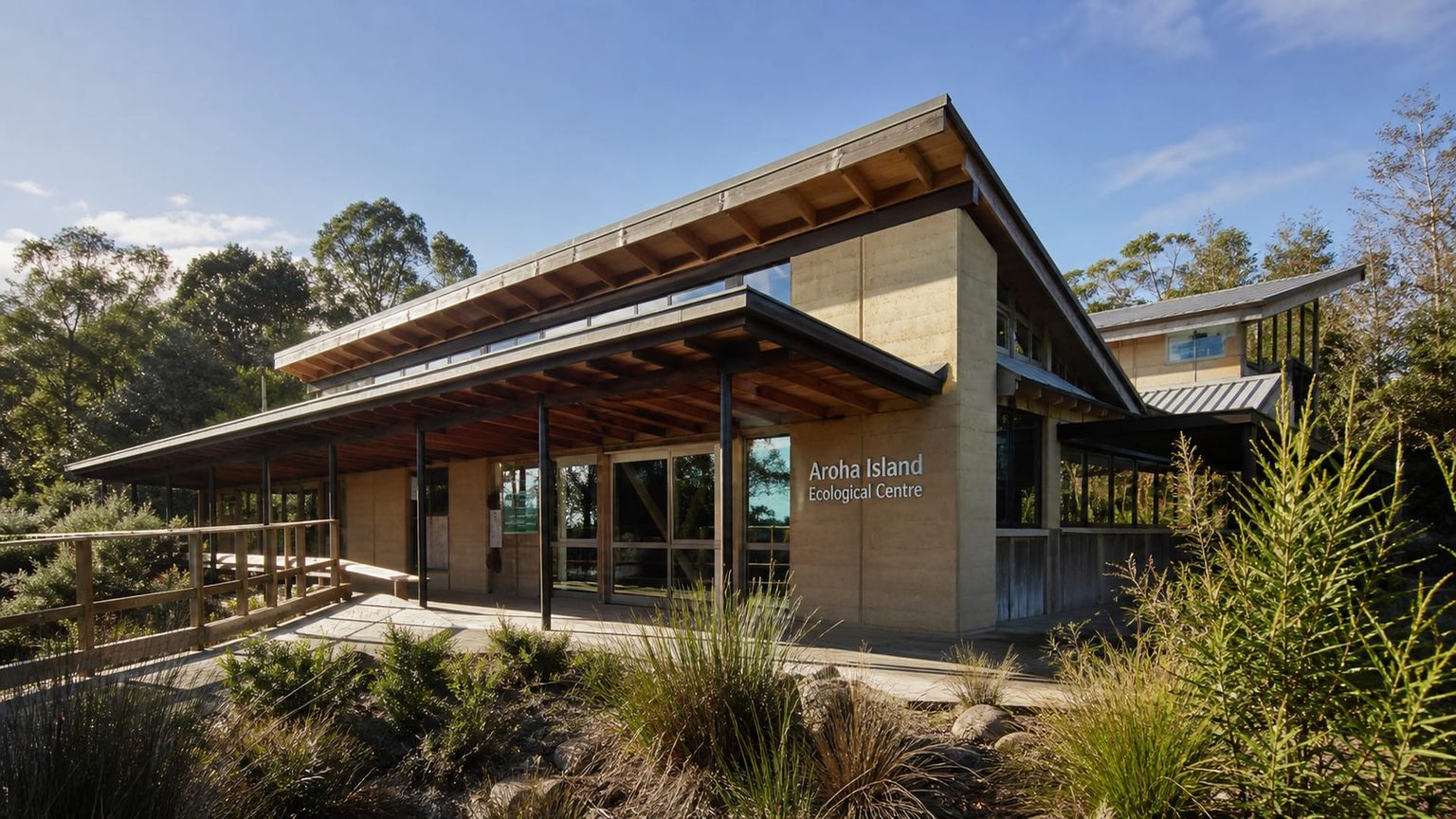
Aroha Island Ecological Centre
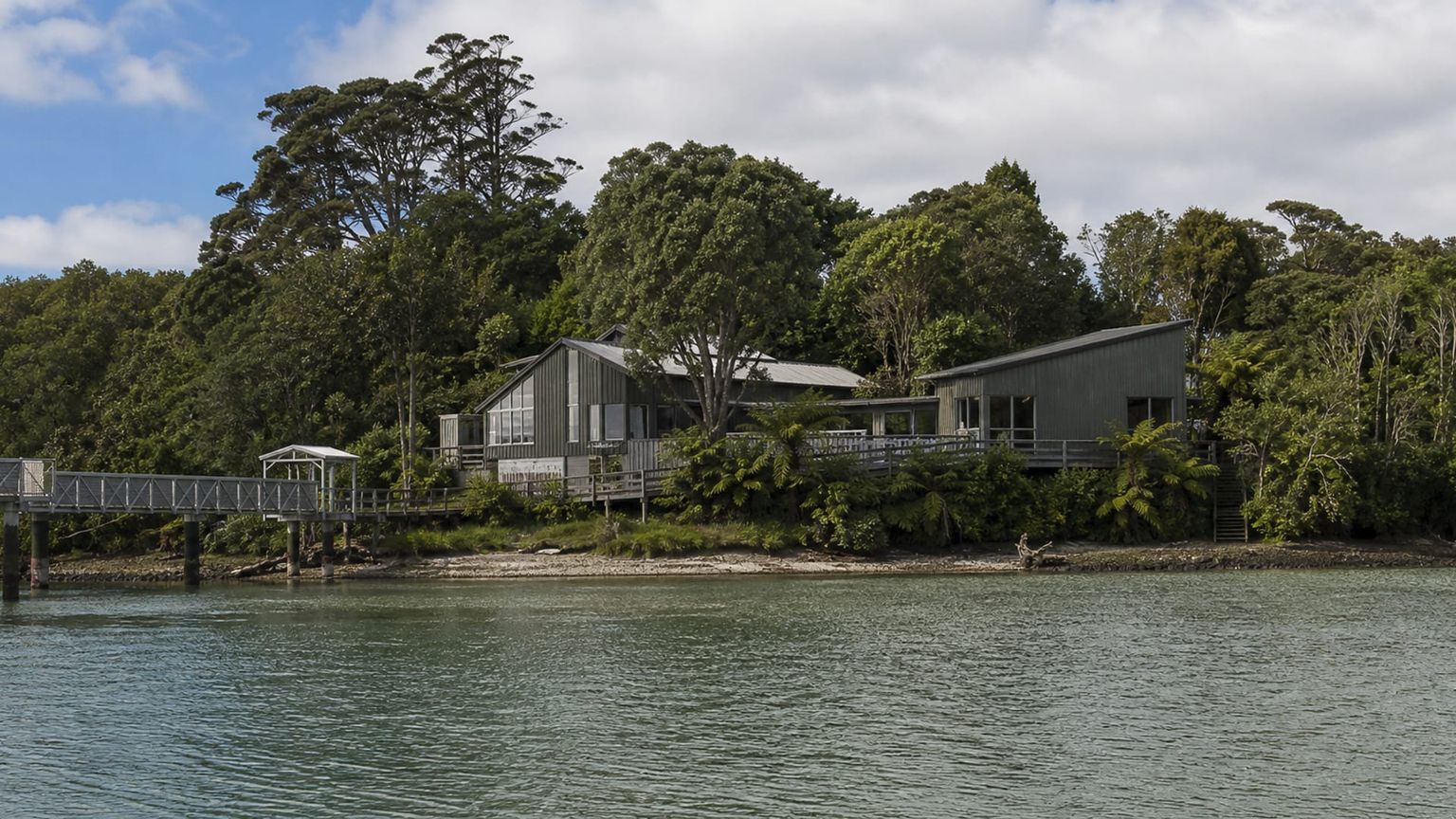
Aroha Island sits in the Kerikeri Inlet, about 15 kilometers from town, and protects native bush, tidal flats, and birdlife. Its boardwalks and low-key trails make it a good place to see the habitat behind the bay’s shoreline.
Time needed: About 1 to 2 hours
Entry: Free to access, with a donation box on site; some guided activities and conservation programs may charge separate fees. Visit the official site for details.
Tip: Plan your visit near low tide, when the estuary edges are easier to explore.
Overlooked sites worth visiting

Rainbow Falls
A short walk from the car park leads to a 27-meter waterfall framed by nikau and kauri forest. The viewing platform sits close to the spray, and side paths reach quieter riverbank lookouts.
Time needed: About 45 minutes to 1 hour
Entry: Free to visit. Access the reserve and viewing platforms costs nothing, and there is no ticketing desk or timed entry. Parking is also free at the trailhead, though spaces can fill on sunny afternoons.
Tip: Go after rain for stronger flow and richer spray.

Rewa’s Village
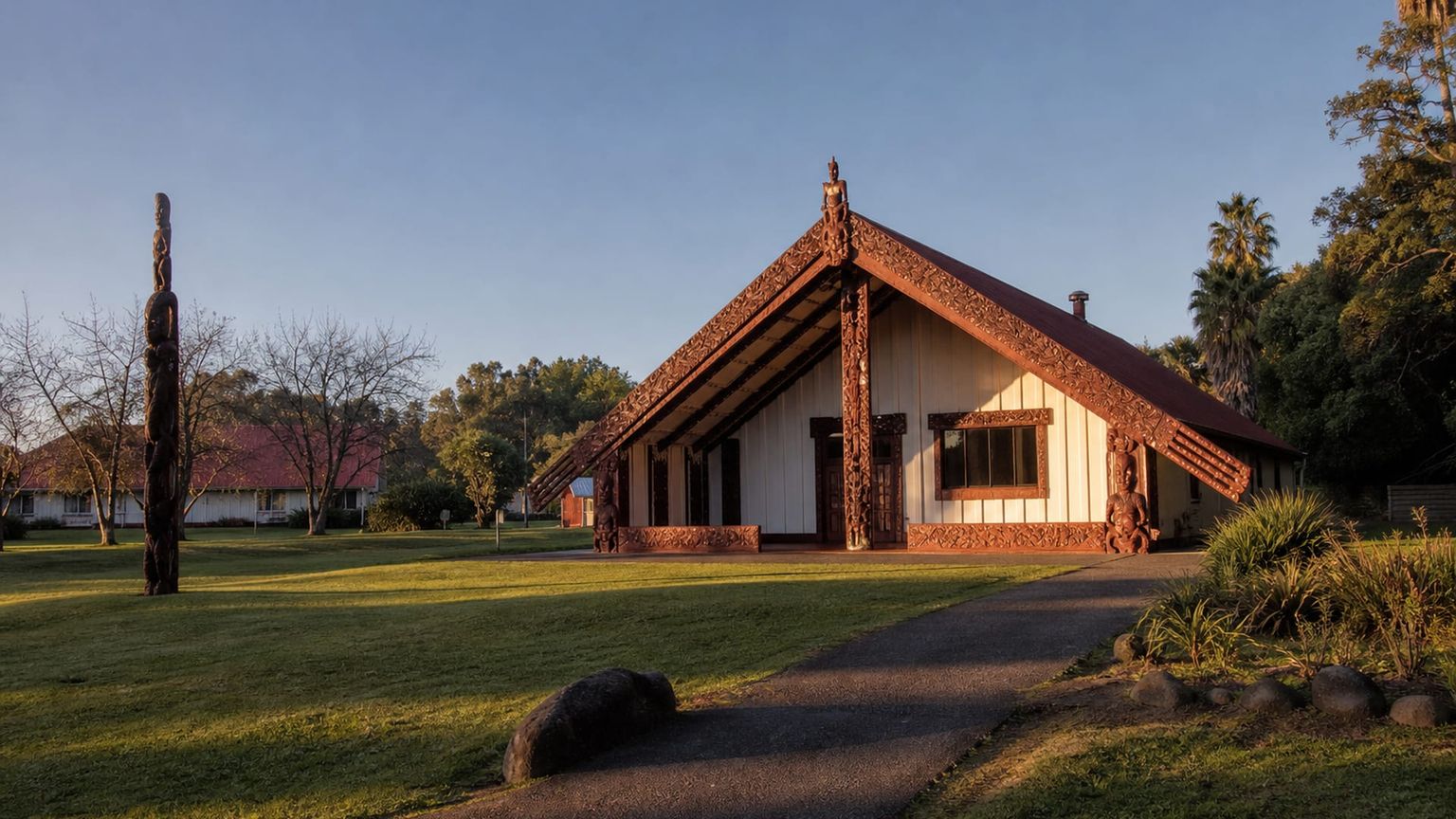
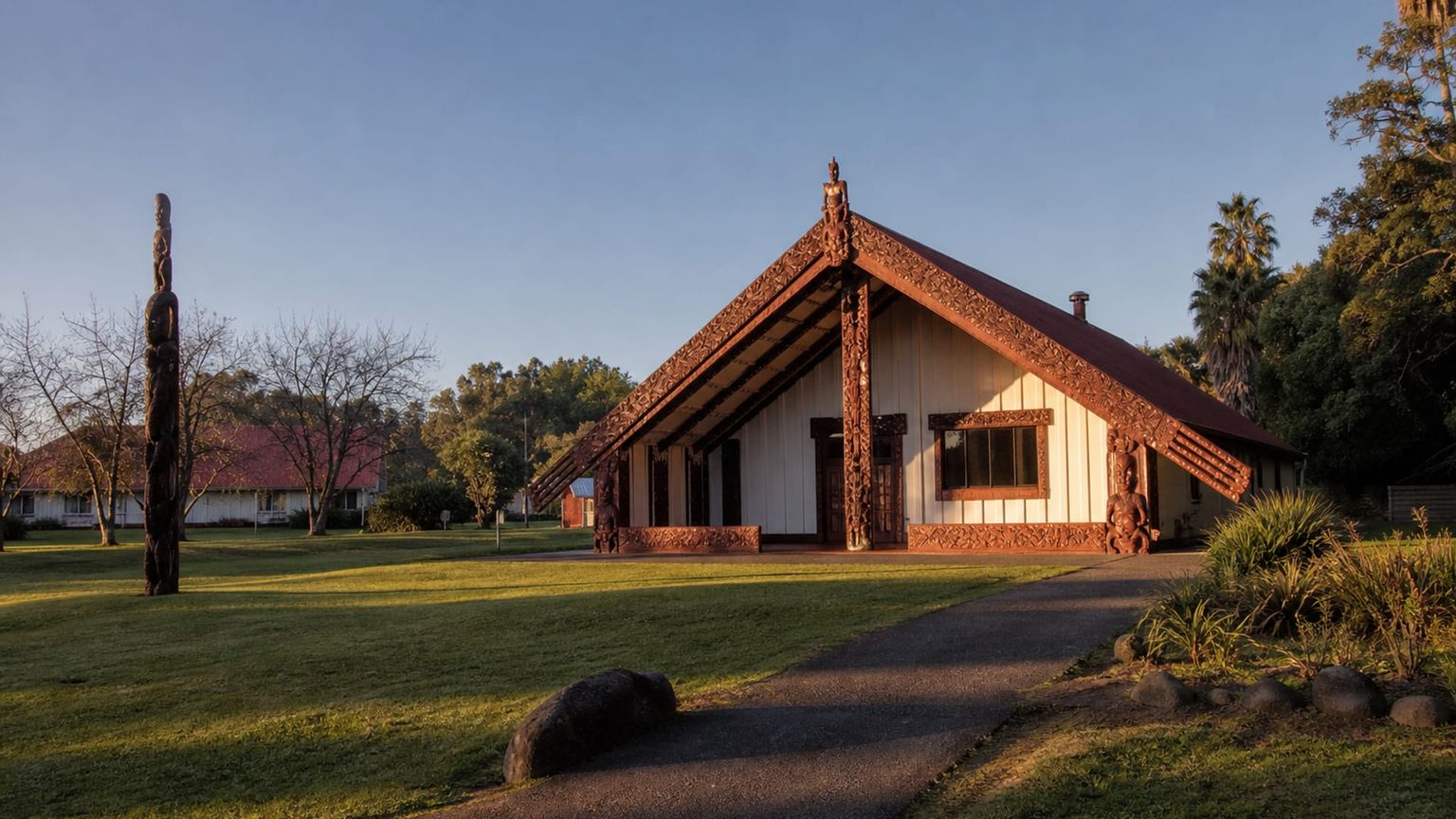
This Māori village replica presents carved meeting-house details, a wharenui, and riverbank plantings in a compact setting near town. Interpretive panels explain local life, making it a focused cultural stop.
Time needed: About 45 minutes to 1 hour
Entry: Adult admission is approximately $6 to $12 ($10 to $20 NZD), with reduced prices for children and family passes sometimes offered. Hours can vary by season, so check the operator before visiting. Visit the official site for details.
Tip: Allow extra time for the carvings and river views.
Traditional food
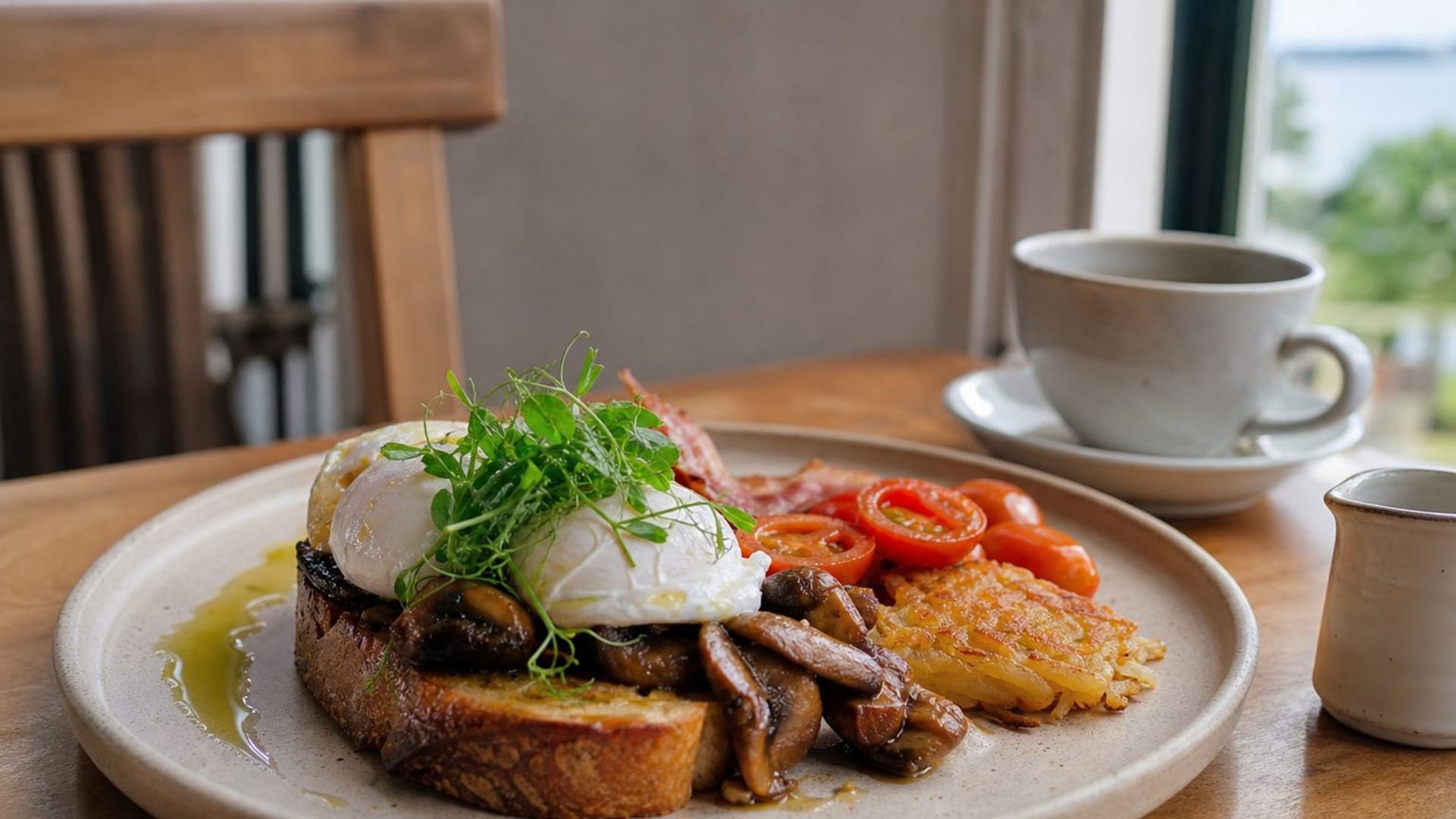
Kerikeri’s table leans on fresh seafood, Māori cooking traditions, and classic New Zealand sweets, with hangi, kaimoana, pavlova, and fish and chips shaping the local mix.
Hangi
Slow-cooked earth-oven food brings together meat, vegetables, and smoky depth. For a Kerikeri meal with that heritage link, Palms Restaurant is a strong pick when it appears on the menu.
Kaimoana
Fresh seafood, often served simply, suits Kerikeri’s coastal setting and inlet access. The Stone Store Cafe is a fitting place to look for local seafood dishes near the historic basin.
Pavlova
This meringue-and-fruit dessert shows up across New Zealand menus and makes an easy end to a meal. Discover Kerikeri often serves it in a way that suits a relaxed lunch stop.
Fish and chips
A classic takeaway order for a town with water nearby, fish and chips fits a casual evening in Kerikeri Township. The local takeaway options make it an easy choice after a day on the road.
Best time to visit Kerikeri
Kerikeri changes more by rainfall and school holiday traffic than by extreme temperatures, so the best window depends on whether you want fuller waterfalls, quieter roads, or longer outdoor daylight.
Best for: Waterfalls, flowering gardens, and lighter outdoor days
What you get: About 54°F to 68°F (12°C to 20°C), with moderate crowds and changing weather
Trade-offs: Showers can interrupt longer coastal plans
Best for: Beach time, long daylight, and easy day trips
What you get: About 63°F to 77°F (17°C to 25°C), with the heaviest visitor traffic and holiday demand
Trade-offs: Accommodation prices and road traffic rise
Best for: Heritage visits and calmer sightseeing
What you get: About 57°F to 72°F (14°C to 22°C), with lighter crowds and comfortable walking weather
Trade-offs: Some attractions trim hours after peak season
Best for: Low-key museum time and quiet scenic drives
What you get: About 46°F to 62°F (8°C to 17°C), with the fewest crowds and cooler mornings
Trade-offs: Shorter days and more frequent rain limit outdoor plans
A realistic 5-day plan in Kerikeri
A good five-day stay in Kerikeri uses the town in layers: arrival in the center, heritage in the basin, an inlet day, a waterfall reset, and a final morning close to the cafés before departure.
Land at Kerikeri Airport (KKE) and take a taxi or rental car into Kerikeri Township, about 10 minutes away and roughly $18 to $35. If you are staying in the township, check in there and keep dinner close to the center, since cafés and casual eateries are easiest to reach on foot before the evening quiet sets in. Drink plenty of water, walk a little after the flight, and settle in with an early meal rather than planning a long outing.
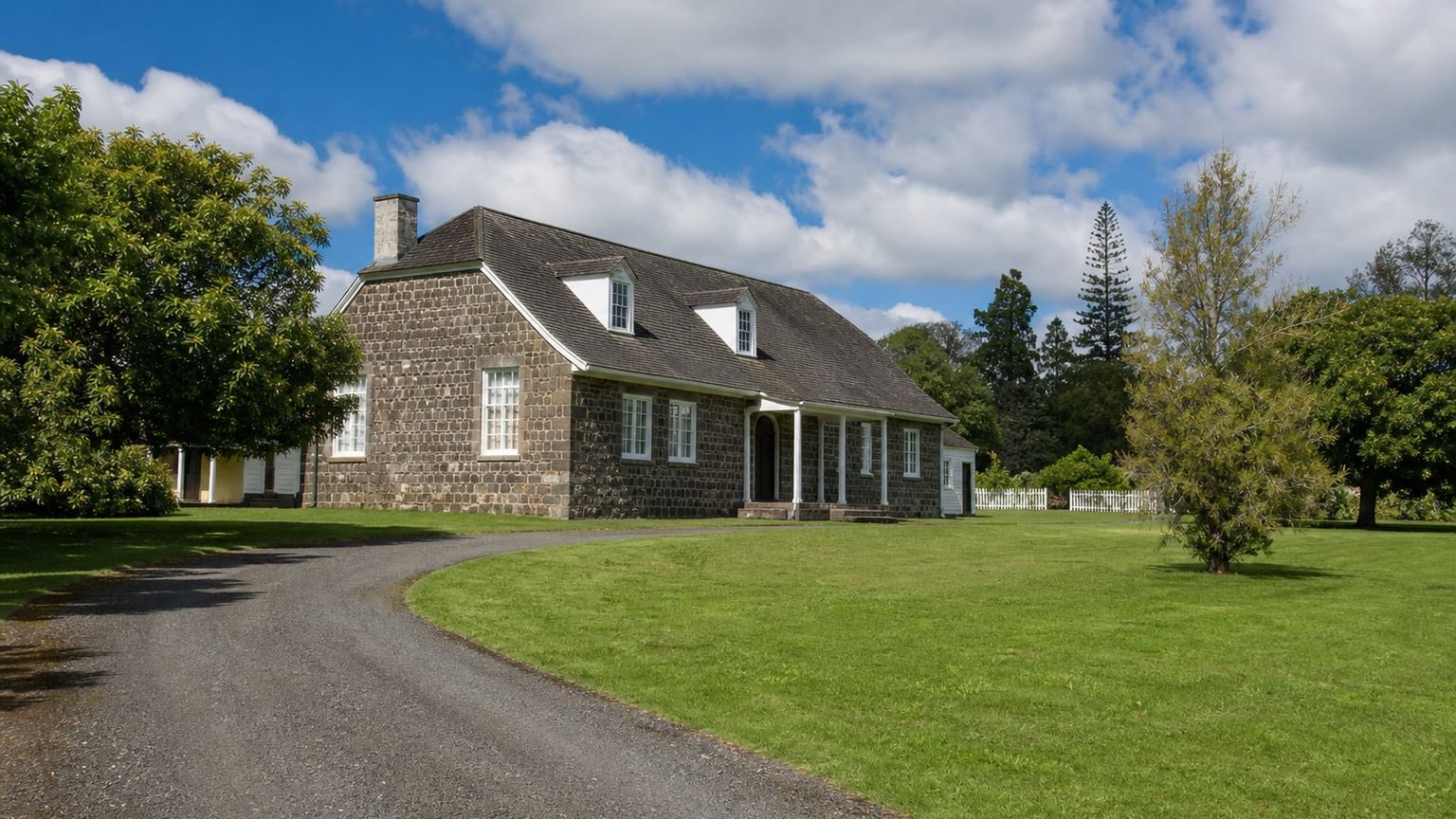
Start in Kerikeri Basin, then walk to the Kerikeri Mission House and Stone Store for a late-morning visit, which takes about 1 to 2 hours. From there, continue to Rewa’s Village, about a 10-minute walk away, for carved details and river views, then return to town for lunch in Kerikeri Township. In the afternoon, drive about 10 minutes to Rainbow Falls, where the loop to the main lookout takes roughly 45 minutes to 1 hour.
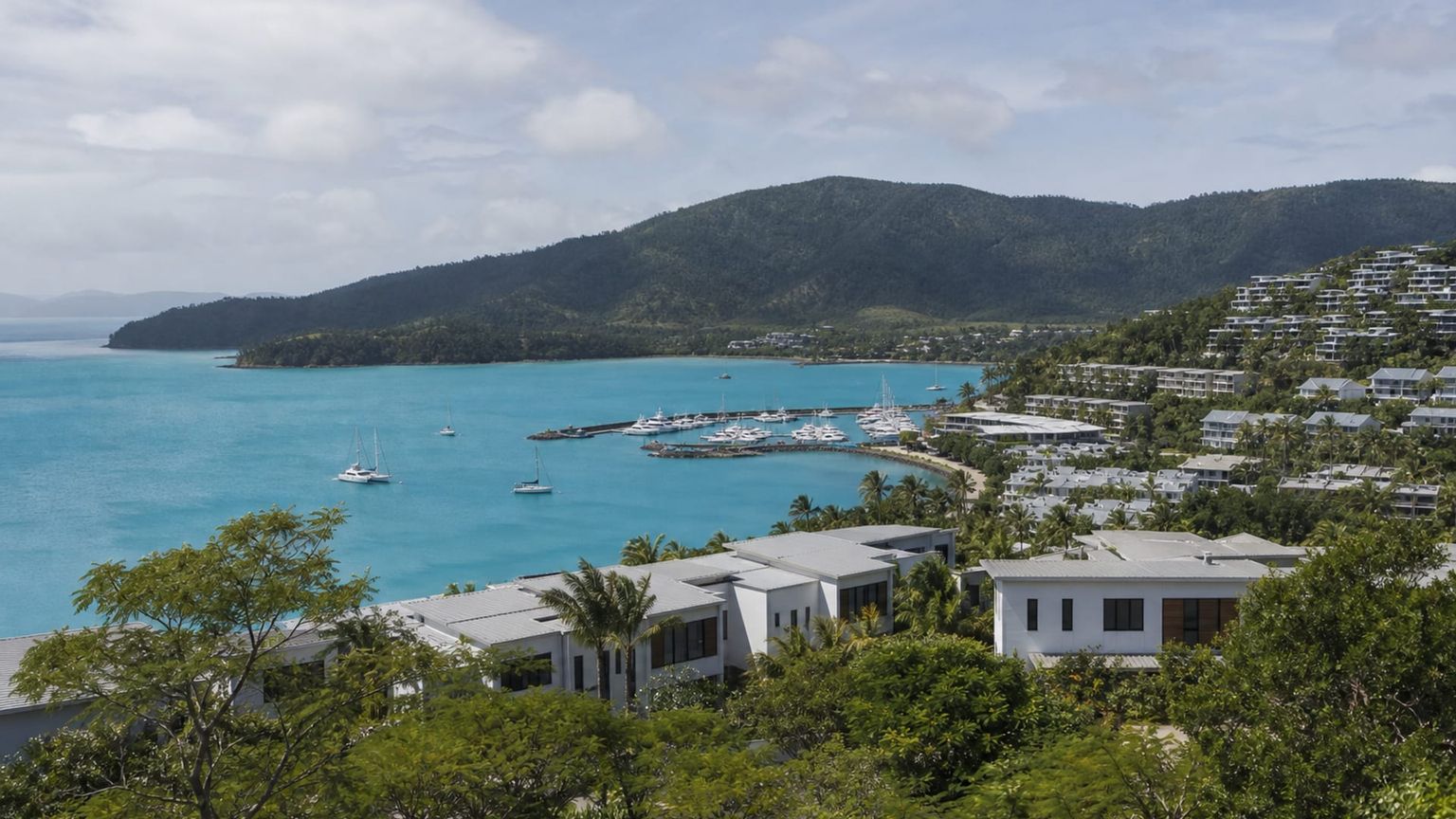
Aroha Island fits well as the first stop, about 20 minutes by car from Kerikeri Township, especially if you want the tide to shape the visit. Spend about 1 to 2 hours on the boardwalks and trails, then drive back toward town for a relaxed lunch in Kerikeri Basin or the township. If you still have energy later in the day, return to the basin for an easy riverfront walk near the historic precinct, where the scenery changes with the light and costs nothing to enjoy.
Begin with a morning at Rainbow Falls if you want the strongest water flow, then drive back through town for a second, slower look at Kerikeri Mission House and Stone Store, particularly the museum rooms and river edge. After that, spend time in Kerikeri Township for errands, a bakery stop, or a longer café lunch, since this is the best area for walking between shops. Finish with an unhurried loop through Kerikeri Basin, about 5 minutes by car from the center, so you can pair the heritage setting with a final look at the waterfront.
Before you head for Kerikeri Airport (KKE), stop for one last café breakfast in Kerikeri Township, then browse any remaining shops in the same district while the town is still active. If you want a final cultural stop, Rewa’s Village takes about 45 minutes to 1 hour and sits close enough to fit before departure, though it works best only if your timing is generous. A short lunch near the township gives you an easy exit to the airport road without stretching the day.
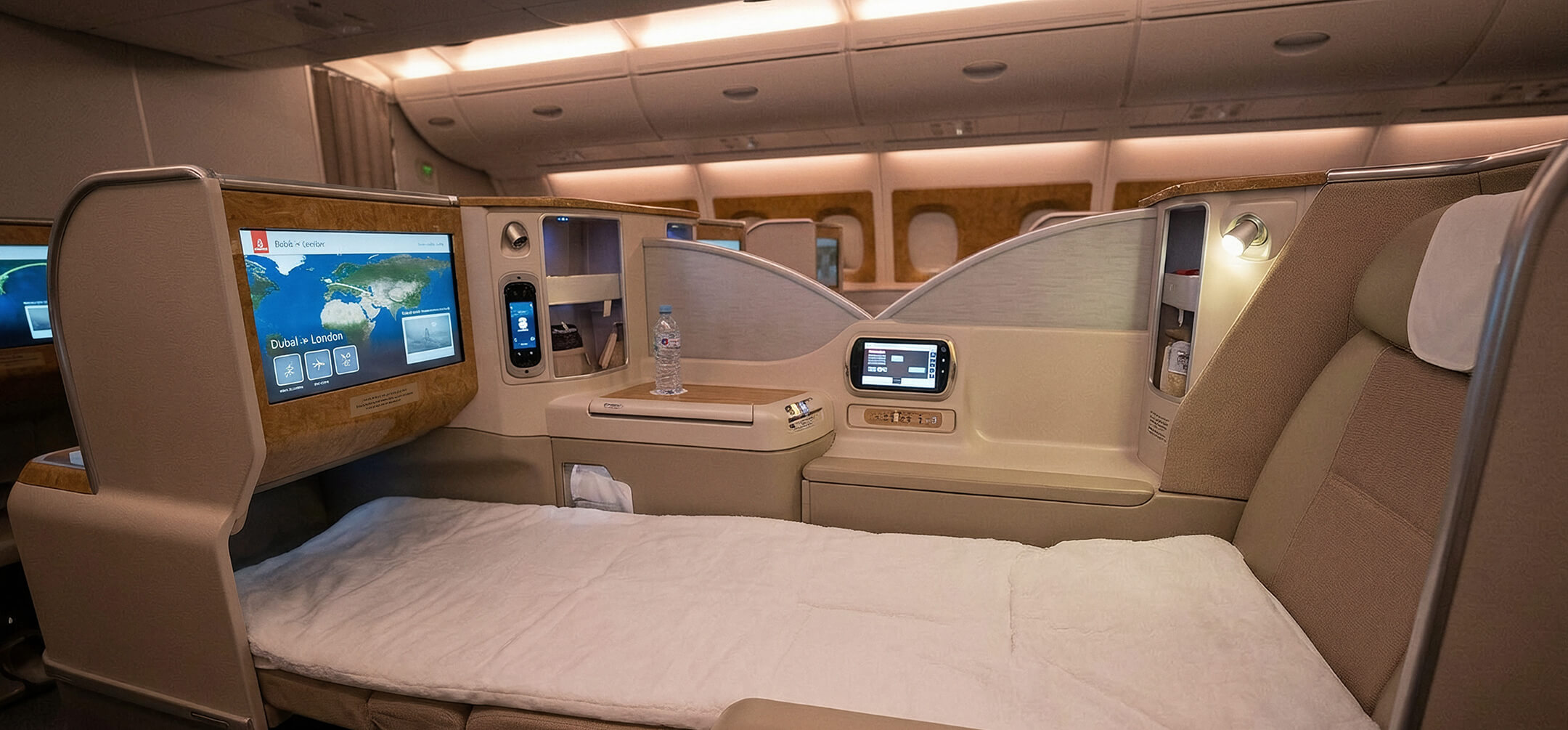
Business-class flights from the US to Kerikeri
Reaching Kerikeri from New York or Los Angeles usually means a routed journey rather than a direct long-haul flight, so the choice comes down to layover length and airline mix. The business-class examples below show the main trade-offs.
From New York, Air New Zealand, Qantas, Cathay Pacific, Singapore Airlines, and Emirates can all appear on the ticketing path, with one-stop journeys usually routing through LAX, HKG, SYD, AKL, or DOH. Expect roughly 21 to 32 hours in transit, and fares from $6,200 to $9,500 round-trip.
Los Angeles gives you a shorter overall trip, and the airline mix often includes Air New Zealand, Qantas, Fiji Airways, Cathay Pacific, and Singapore Airlines. The fastest options still take about 15 to 24 hours with connections, while fares usually run from $5,100 to $8,400 round-trip.
Kerikeri feels different when you slow down
A deliberate Kerikeri trip works best when you keep the geography clear: the township for meals and errands, the basin for heritage, Rainbow Falls for an early outing, and Aroha Island or Rangitane only when you have the time and transport for them. Short taxi rides, a possible rental car, and early dining hours all matter here. If you want a tailored plan, AranGrant experts can help you line up the basin, the waterfall, and the right place to stay