

Chapters:

Need help with your trip?
Our support team is available 24/7. Request a callback or call us directly at (833) 619-0908
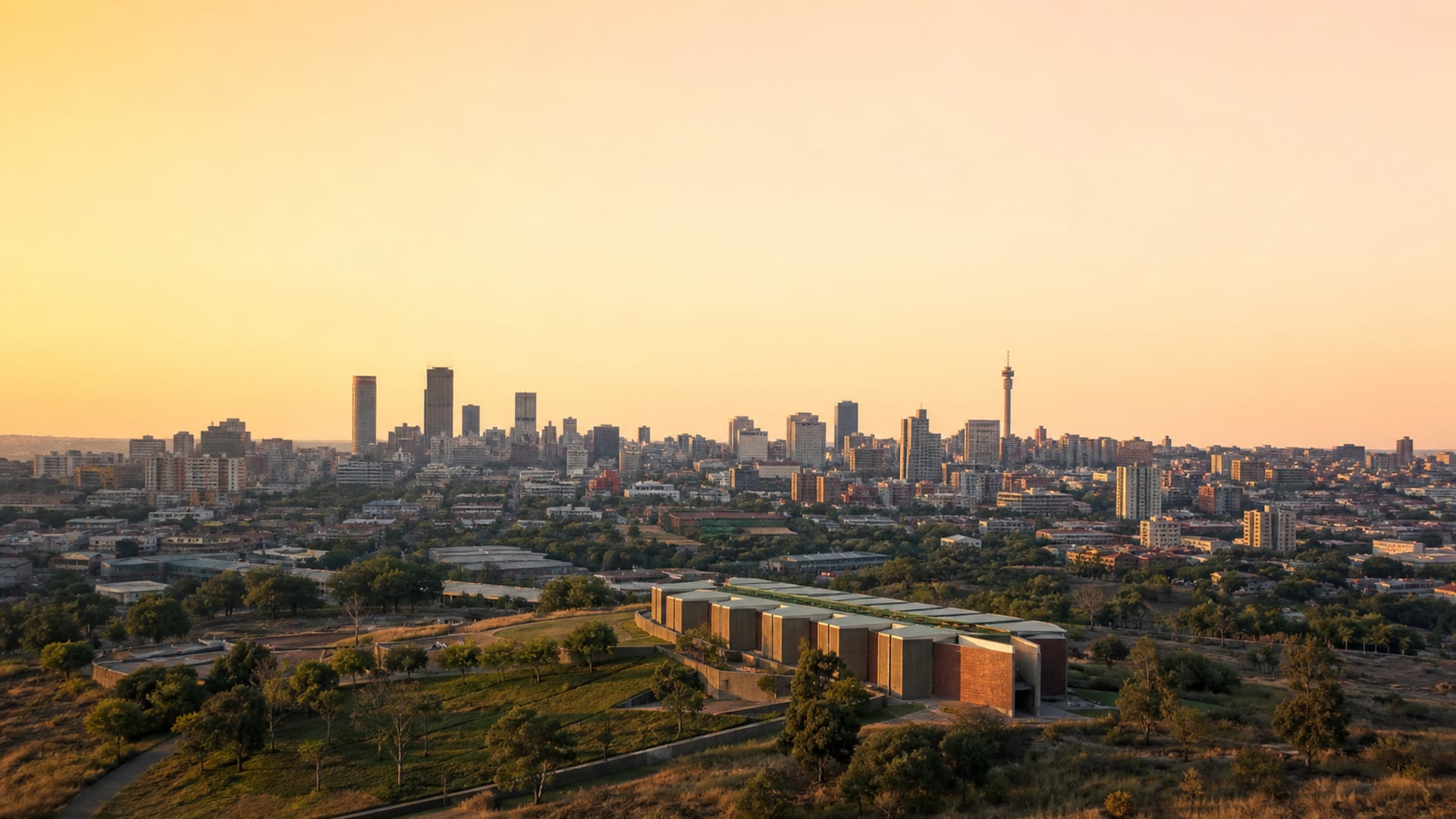
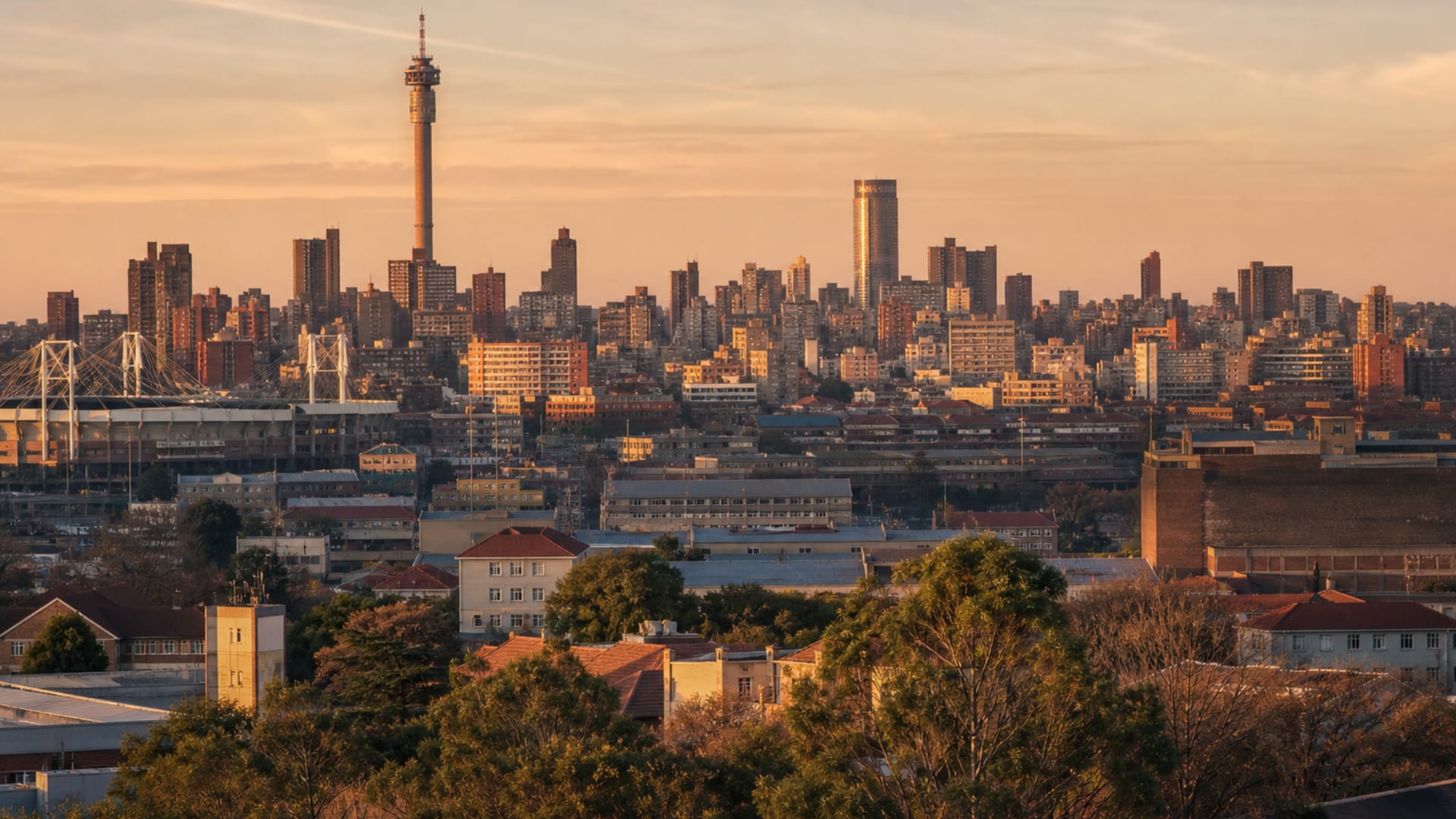
Johannesburg trips often start with Sandton hotels, a ride from the airport, and a quick museum day before people head back north. That pattern misses how much ground the city covers, and how much time you lose when you ignore the links between districts.
Constitution Hill, Maboneng, the Apartheid Museum, and Walter Sisulu National Botanical Garden sit in very different parts of the metro, so a loose plan turns into long transfers, crowded cross-town runs, and rushed stops.
This guide keeps the trip ordered by geography, with neighborhood bases, timed museum visits, and day-by-day routing that cuts repeat backtracking.
Useful things to know

Main language(s): English

Currency: The local currency is the South African rand (ZAR, R).

Cash and cards: Cards and contactless are widely accepted; carry about ZAR 200 to 500 ($11 to $27) for small vendors and tips.

Tipping: Tip 10-15% at sit-down restaurants; round up taxis and small bills.

Traditional food: bobotie, bunny chow, boerewors, vetkoek

Water and coffee costs: Water ~ZAR 15 ($1), bar espresso ~ZAR 25 to 35 ($1 to $2).

Taxis and ride apps: Uber and Bolt operate here; confirm the pickup point in the app before leaving the terminal.

Plug and voltage: Type M socket, 230V

Dining and shop opening hours: Breakfast is about 06:30-10:00, lunch 12:00-14:00, and dinner 18:00-21:00. Many restaurants close by 22:00, later in Sandton and Rosebank.

Emergency number: 112 for mobile emergencies, 10111 for police, ambulance, or fire.
Where to stay in Johannesburg
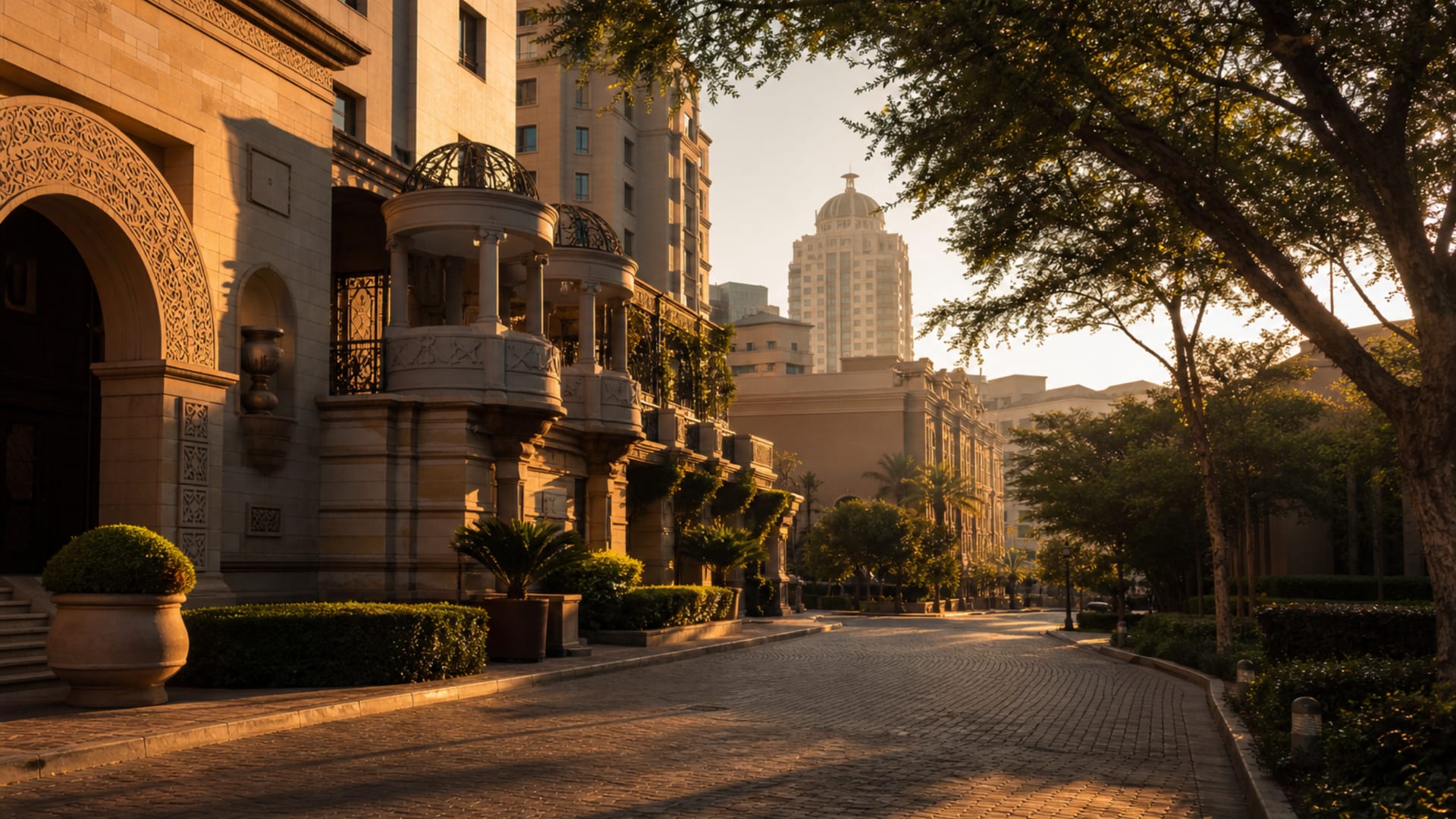
Johannesburg’s main northern business district, Sandton combines upscale hotels, offices, and the Sandton City and Nelson Mandela Square complex. It suits travelers who want the city’s largest dining and retail cluster close at hand.
Best for: Business trips, upscale stays, shopping, and easy Gautrain access
What to expect: Wide avenues, busy malls, and a lot of weekday foot traffic, with the most activity around office towers and restaurants.
Hotel prices: Usually about R1,800 to R4,500 (~$95 to ~$235) per night for well-rated stays
Distance to major sights: About 25 minutes by car to the Apartheid Museum, about 20 minutes by car to the Johannesburg Botanical Garden
Quietness: Quieter at night than by day, with restaurant and hotel activity tapering after business hours.
Main trade-off: You will pay more here than in many central neighborhoods, and major sights need a taxi or ride-hail.
Good to know: Use Sandton if you want the easiest access to Johannesburg (Gautrain) and the strongest concentration of full-service hotels; evenings are centered on restaurants and malls, not late nightlife.
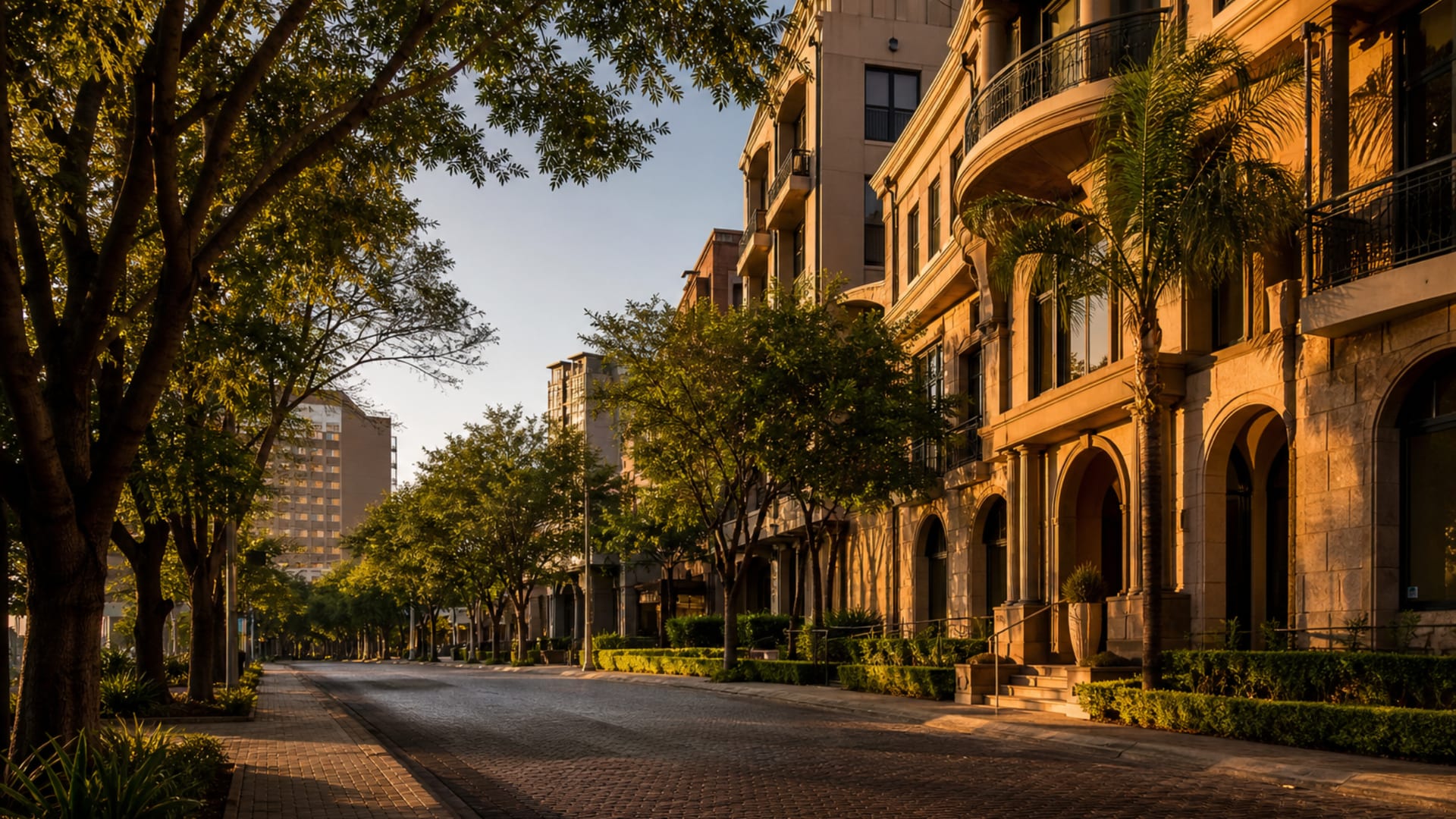
Rosebank sits just north of the inner city and blends hotels, offices, and a walkable retail strip around the Rosebank Mall and The Zone. It works well for visitors who want a livelier base without staying in the busiest business core.
Best for: Walkable dining, shopping, and travelers who want a compact north-side base
What to expect: Busy sidewalks, café terraces, and mall traffic by day, with a moderate evening scene around restaurants and bars.
Hotel prices: Usually about R1,500 to R3,800 (~$80 to ~$200) per night for well-rated stays
Distance to major sights: About 15 minutes by car to the Johannesburg Zoo, about 20 minutes by car to the Apartheid Museum
Quietness: Busy through the day, then notably calmer late at night once the restaurants close.
Main trade-off: Rooms can cost more than in inner suburbs, and you will still rely on taxis for most major landmarks.
Good to know: Stay here if you want a neighborhood where you can walk to dinner and shops, but note that the Gautrain helps most for Sandton or the airport, not for sightseeing.
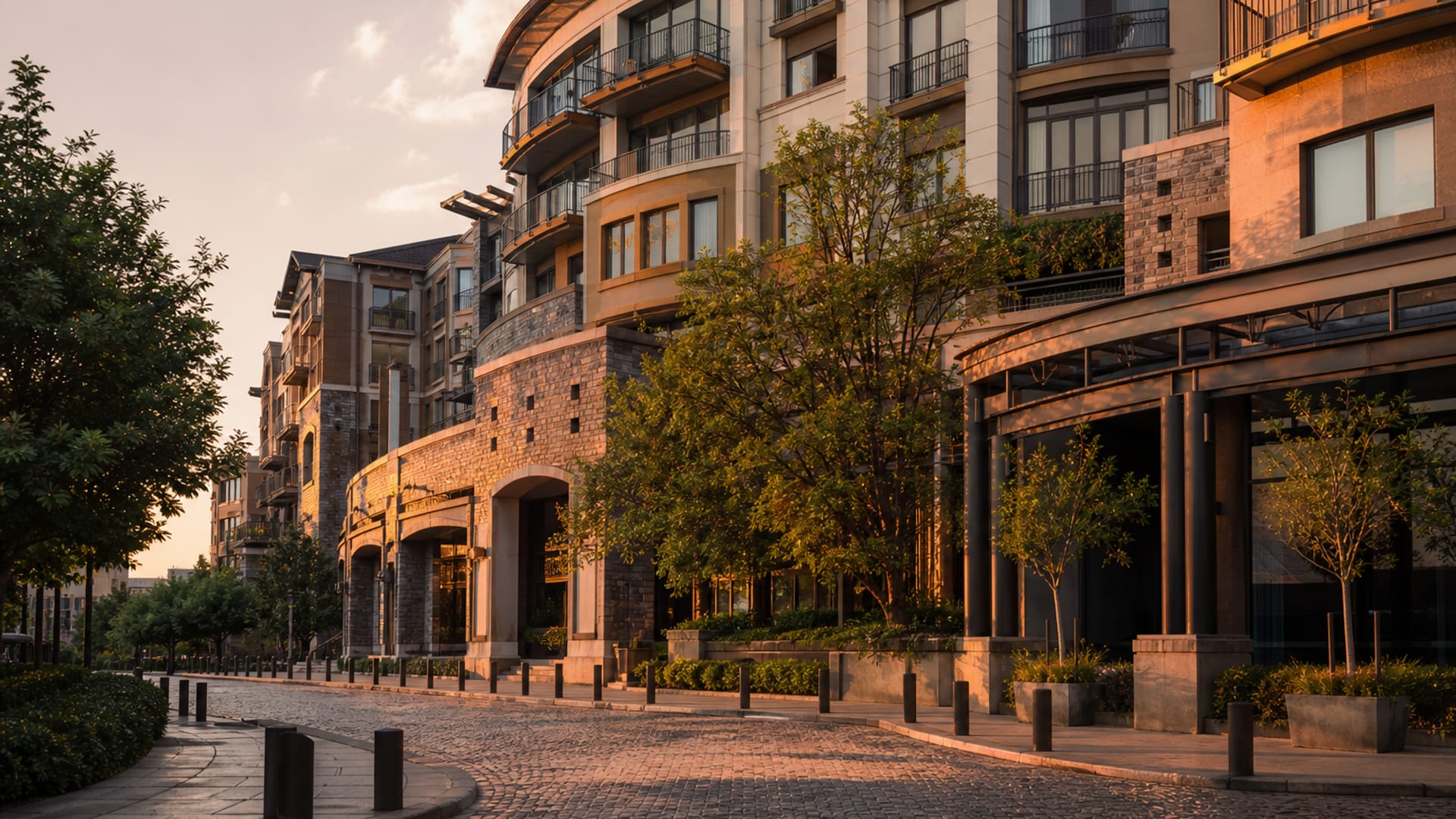
Melrose Arch is a controlled mixed-use precinct in the north of Johannesburg, known for hotels, offices, restaurants, and secure pedestrian streets. It matters for travelers who prefer a compact, gated base with everything clustered in one place.
Best for: Short business stays, dining, and travelers who want a compact secure precinct
What to expect: Steady pedestrian traffic, restaurant patios, and an orderly commercial feel, especially around dinner and weekday lunch.
Hotel prices: Usually about R1,700 to R3,900 (~$90 to ~$205) per night for well-rated stays
Distance to major sights: About 20 minutes by car to the Johannesburg Zoo, about 25 minutes by car to the Apartheid Museum
Quietness: Lively in the evening around restaurants, then very quiet once the precinct clears out.
Main trade-off: The setting feels contained, so you will need transport for most cultural sites and for a broader choice of neighborhoods.
Good to know: Choose it if you value a contained base with on-site dining and security controls; the compromise is that it feels more like a precinct than a neighborhood.
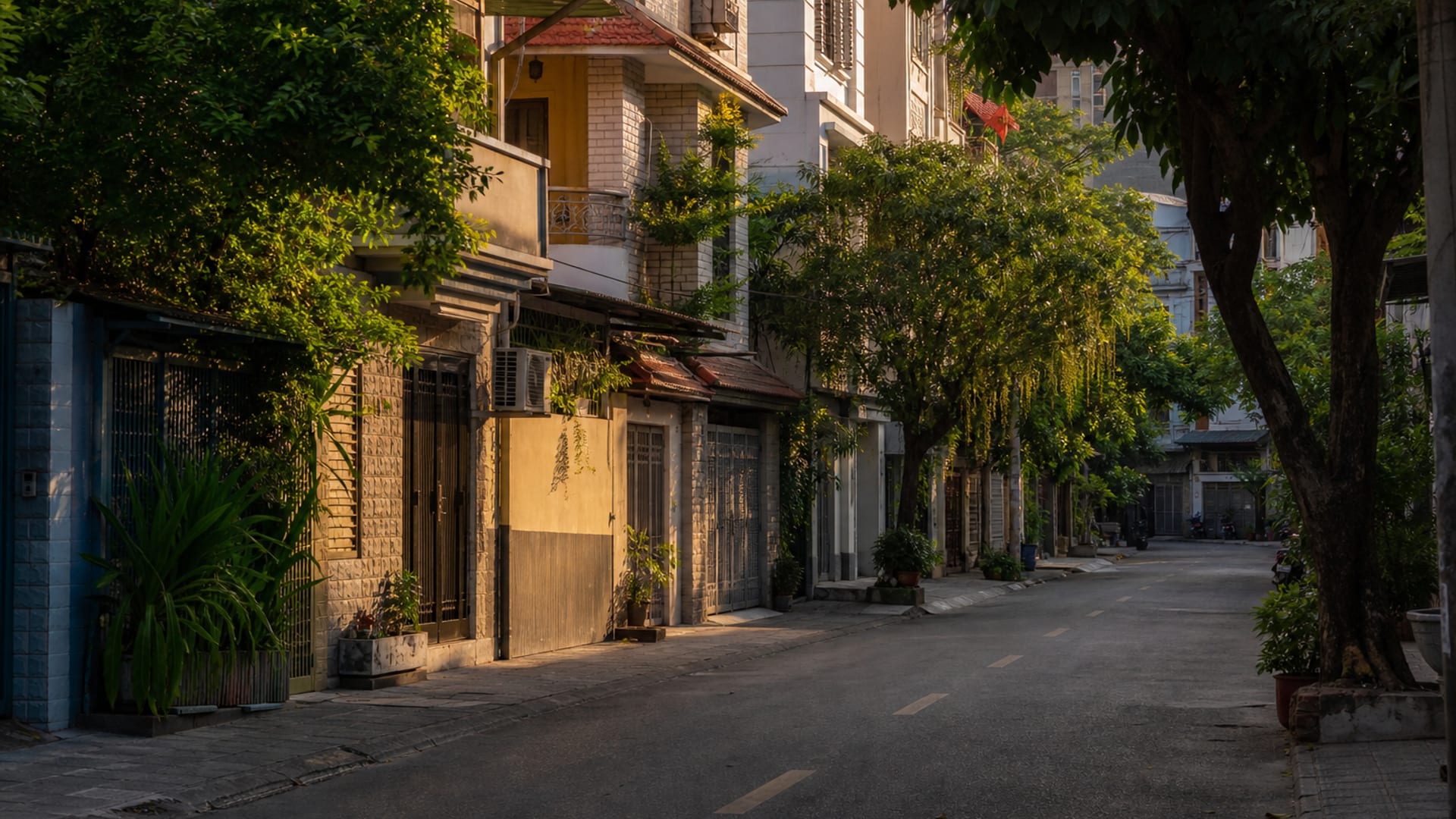
Maboneng is an inner-city district east of the center, known for warehouse conversions, galleries, cafés, and a creative street scene. It gives visitors a more urban stay with easy access to downtown museums and markets.
Best for: Creative districts, nightlife, and visitors who want an inner-city setting
What to expect: Busy sidewalks on weekends, mural-covered blocks, and a mix of visitors, residents, and event crowds.
Hotel prices: Usually about R900 to R2,800 (~$48 to ~$145) per night for well-rated stays
Distance to major sights: About 10 minutes by car to the Johannesburg Art Gallery, about 15 minutes by car to the Apartheid Museum
Quietness: Active and noisy in the evening on event nights, then much quieter after late venues close.
Main trade-off: Some blocks feel lively, but the area is not the best fit if you want a quiet night or a suburban hotel environment.
Good to know: Stay here if you plan to use galleries, bars, and markets at close range; after dark, pick your accommodation with care and use taxis for longer hops.
Travelers usually avoid staying in Soweto, because it sits well southwest of the main museum and shopping districts, and evening trips back from central Johannesburg can be long. Sandton, Rosebank, Midrand, and OR Tambo airport hotels are also less convenient if you want to spend most of your time in the inner city or Maboneng, since they put you far from many of the main sights and nightlife areas.
Hotel deals
How to get around Johannesburg efficiently
Johannesburg has no city metro, so the Gautrain, Rea Vaya buses, taxis, and ride-hail each fill a different role across the metro.

Train
for longer distances
Johannesburg has no city metro, so visitors usually rely on the Gautrain for fast rail links instead: from Johannesburg (JNB) to Sandton takes about 15 minutes and to Pretoria about 40 minutes. Fares vary by distance, but a trip between central Johannesburg stations and Sandton is usually about $2 to $6 (about ZAR 40 to ZAR 110), with stored-value cards and single-ride tickets both valid for the trip they are purchased for.

Bus
for fixed routes
Rea Vaya buses cover key corridors such as Soweto, the inner city, and Sandton, with trunk services running every roughly 10 to 20 minutes on busy routes; use a tap card or ticket at stations, and short rides often cost about $0.80 to $1.50 (about ZAR 15 to ZAR 28) depending on distance. Mini-bus taxis cover far more of the city than fixed-route buses, but they require local knowledge because stops are informal and routes can change by destination.

Taxi
for museum trips, luggage, or late arrivals
Licensed metered taxis and app-based cars are the safest default, and metered rides are usually about $4 to $10 (about ZAR 75 to ZAR 190) for short inner-city trips, rising to about $20 to $35 (about ZAR 380 to ZAR 660) for longer cross-town journeys. From Johannesburg (JNB), airport taxis and ride-hailing cars use metered or app-set pricing rather than a universal flat fare, and most drivers accept card through the app, while street taxis usually expect cash.
*Prices are based on rates updated as of June 2026 and may change at the time of travel.
Use the Gautrain for airport and Sandton links, buses for a few fixed corridors, and taxis or ride-hail for the museum and garden trips that sit farther apart.
Iconic landmarks
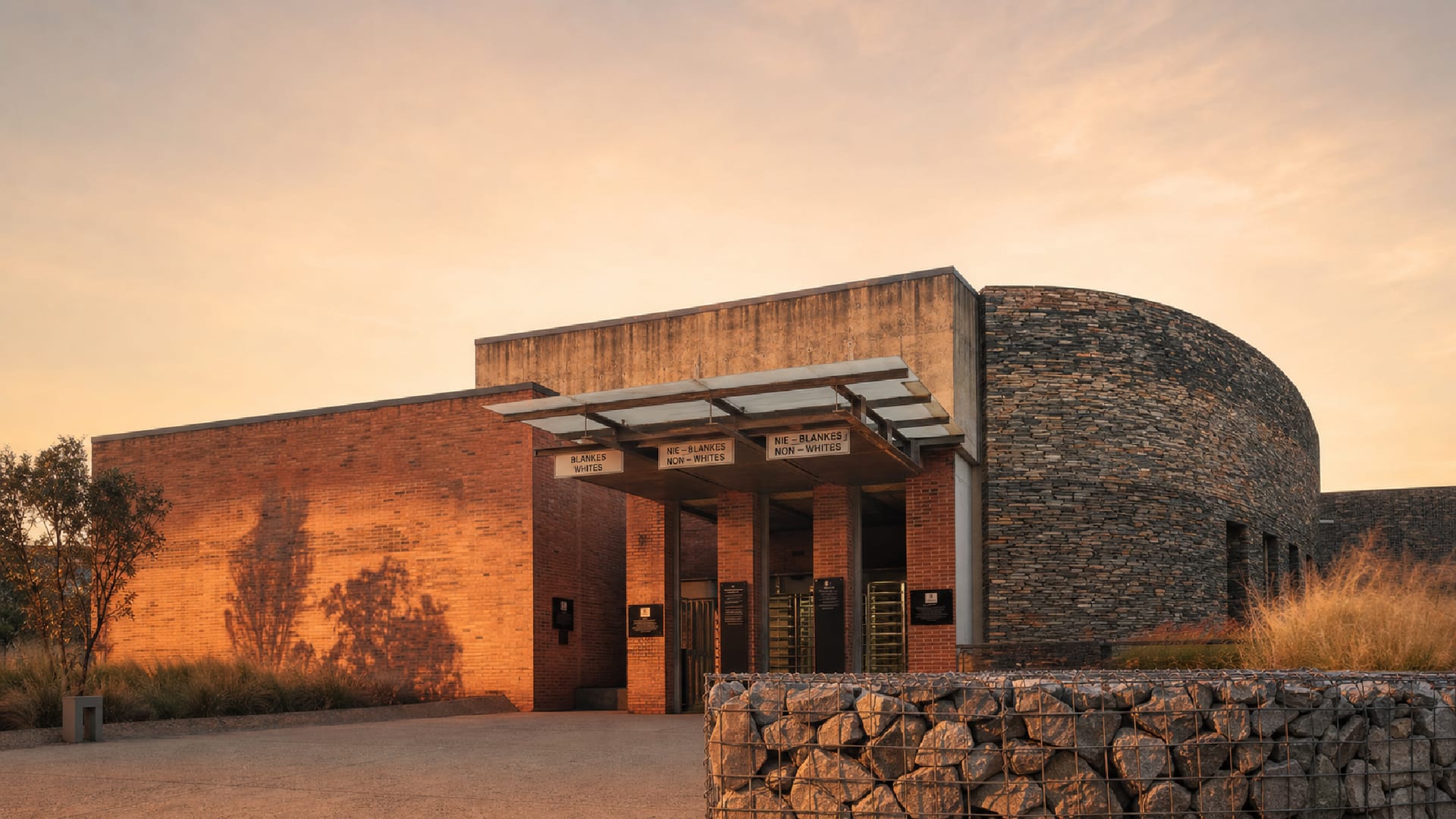
Apartheid Museum
This museum traces South Africa’s racial segregation laws through original documents, photographs, and filmed testimony. Its sequence of galleries ends with a focused look at the transition to democracy, making it one of Johannesburg’s most important museum visits.
Time needed: About 2 to 3 hours
Entry: Tickets cost about $10 to $12 (R190 to R220) Visit the official site for details.
Tip: Go early on a weekday, then pair the visit with Gold Reef City next door.
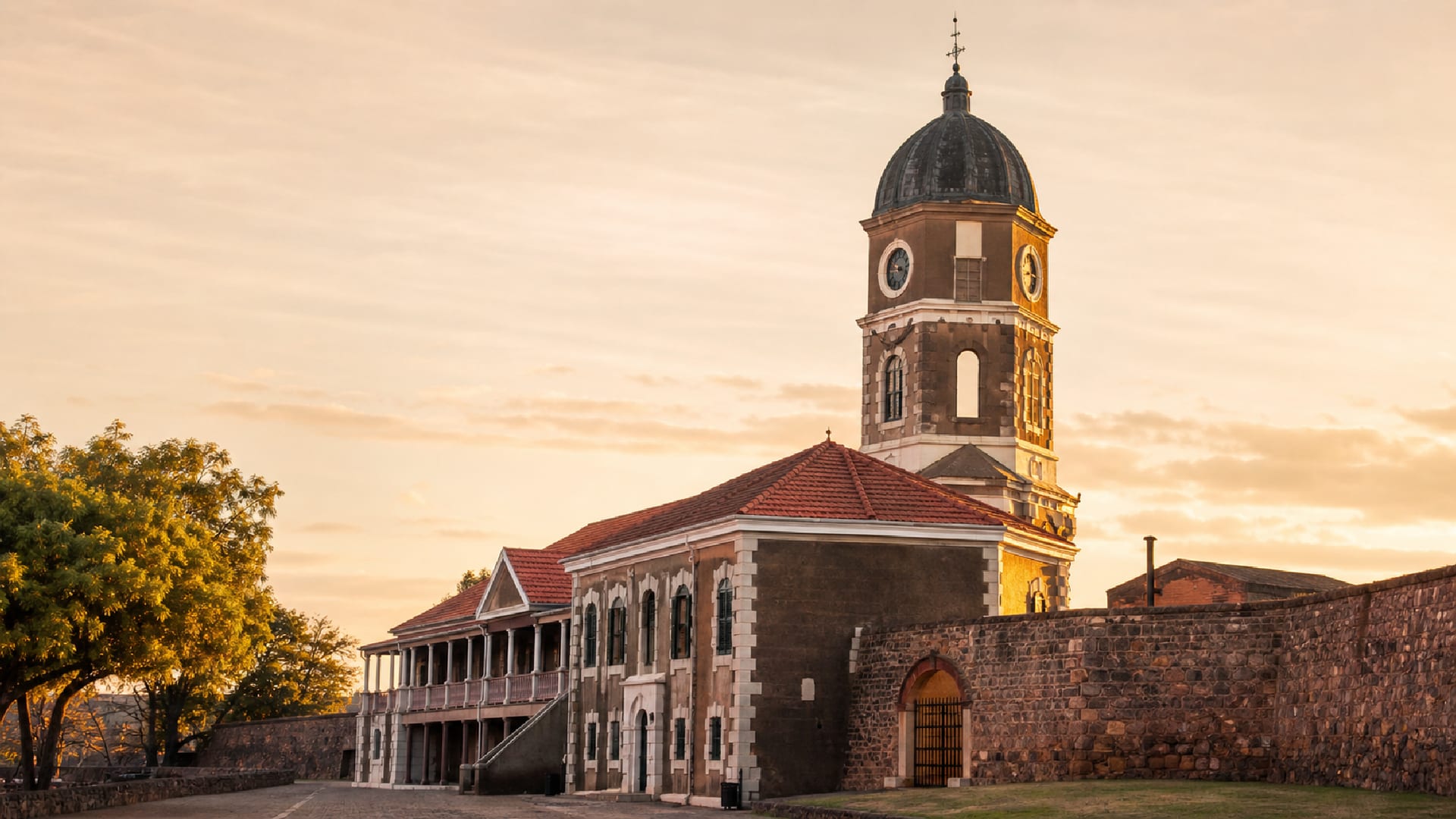
Constitution Hill
Constitution Hill combines a former fort, Old Fort prison, and the Constitutional Court on one hill above the city. The site links colonial rule, apartheid incarceration, and the modern constitutional order through preserved cells and guided interpretation.
Time needed: About 2 to 3 hours
Entry: Tickets cost about $9 to $11 (R170 to R210) Visit the official site for details.
Tip: Visit in the morning, when tours run more often and the courtyards are quieter.
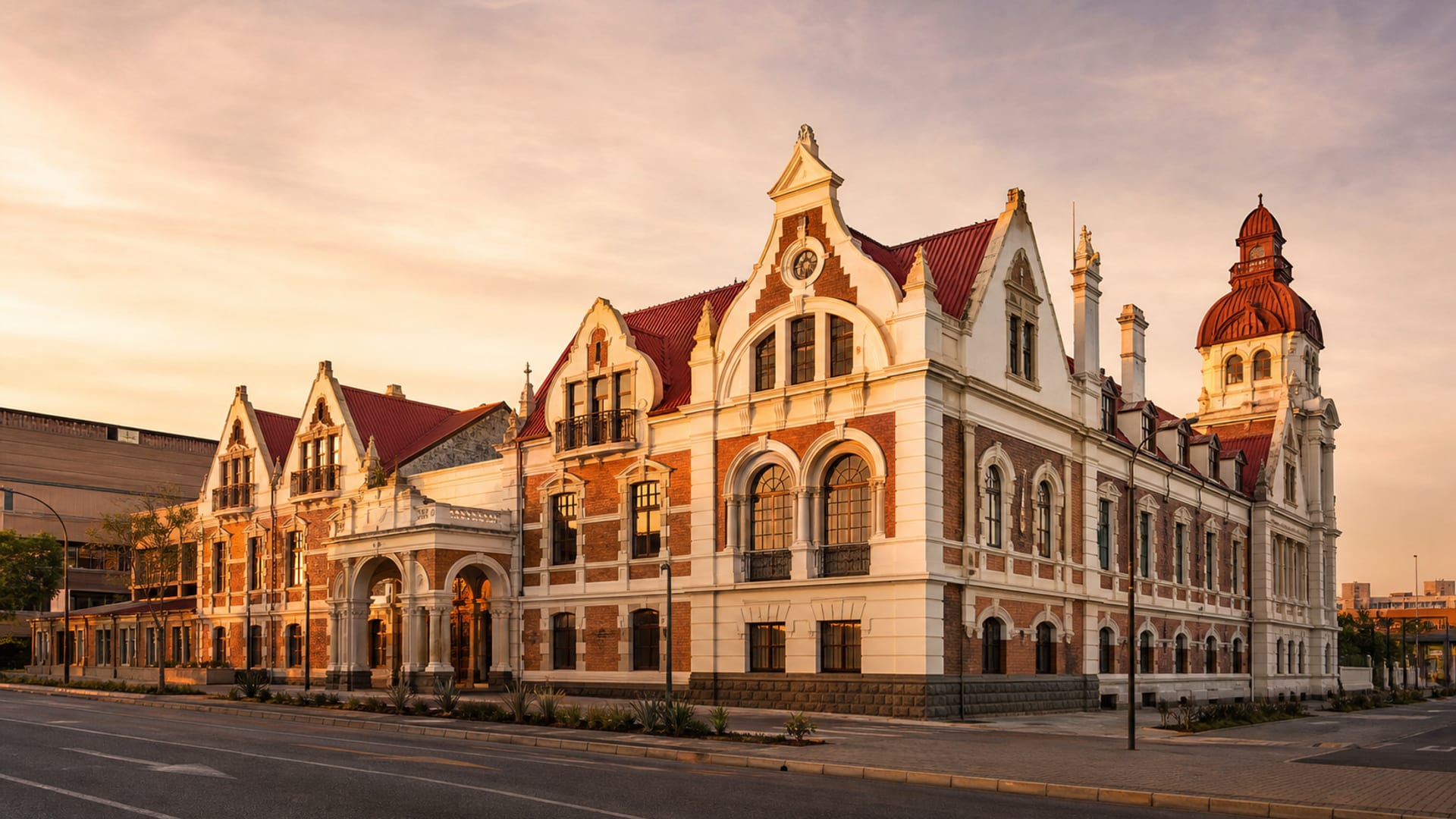
SAB World of Beer
This brewery museum explains Johannesburg’s beer history through brewing equipment, tastings, and the story of South African Breweries. It sits in Newtown, close to other inner-city cultural stops, and works well as a short, urban detour.
Time needed: About 1.5 to 2 hours
Entry: Tours and tastings cost about $7 to $10 (R130 to R190) Visit the official site for details.
Tip: Choose an afternoon slot, then stay nearby for dinner in Newtown.
Overlooked sites worth visiting

Walter Sisulu National Botanical Garden
A large garden in Roodepoort with paved trails, waterfall views, and nesting Verreaux’s eagles. The wide lawns and rock pools reward slow visits, and the bird hides add a second layer.
Time needed: About 2 to 3 hours
Entry: Adults pay about $4 (R75), children about $2 (R40), with reduced rates for pensioners and students. Opening hours vary by season, and the garden is run by South African National Biodiversity Institute Visit the official site for details.
Tip: Go early for cooler paths and better bird activity.

Constitution Hill
This compact heritage site combines former prisons, court buildings, and exhibitions on South Africa’s constitutional history. Its small footprint makes it easy to pair with nearby walking time in Braamfontein.
Time needed: About 1 to 2 hours
Entry: Adults pay about $8 (R150), students about $5 (R100), and children under 12 pay about $4 (R80). Tickets cover the museum precinct and guided access to selected historic buildings; check the site for current tour times and any temporary closures Visit the official site for details.
Tip: Join a guided tour to access more of the old prison complex.
Traditional food
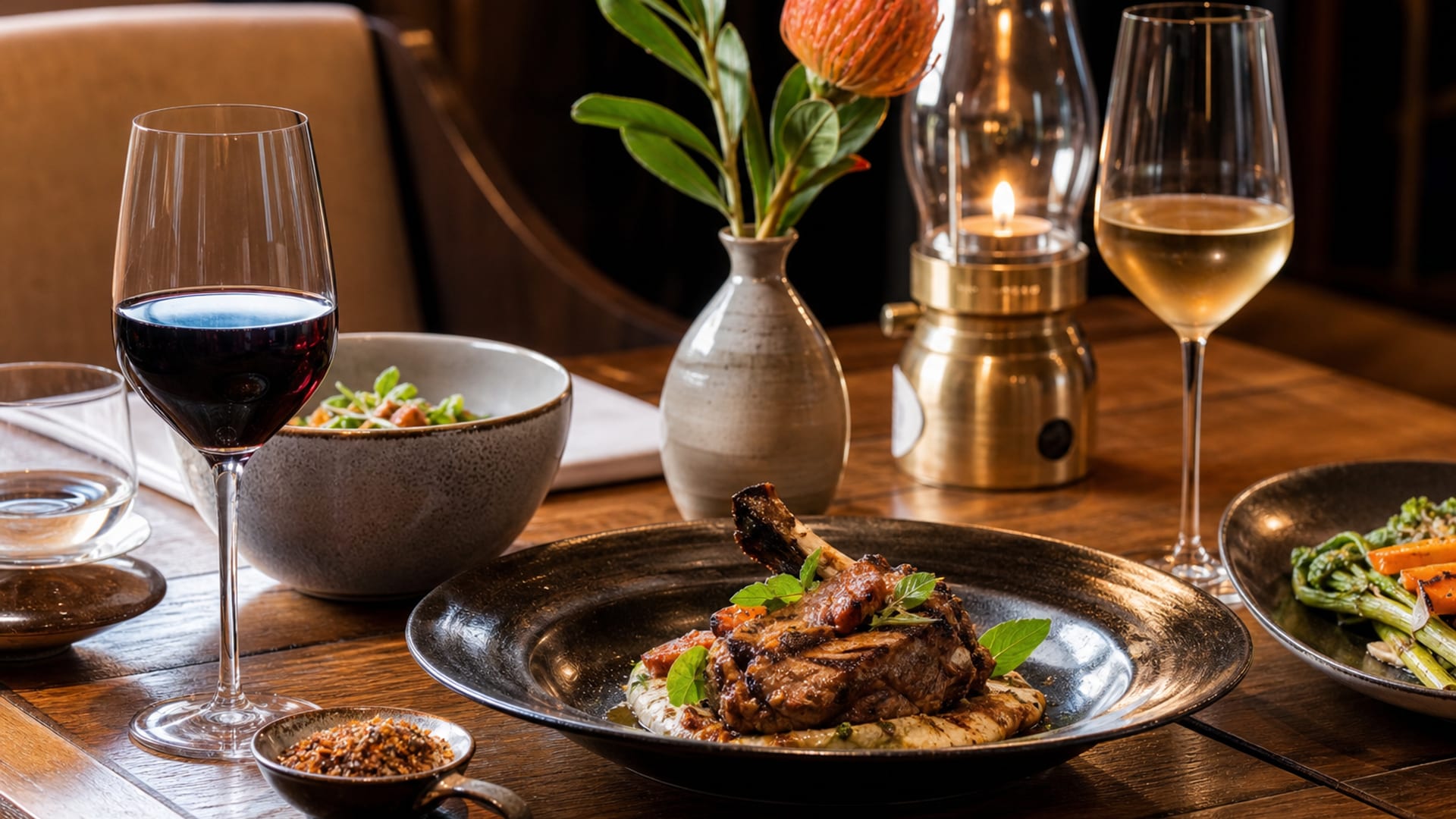
Johannesburg dining leans on meat, maize, and bold spice, from bobotie and bunny chow to boerewors and vetkoek. Meals often center on generous portions, quick lunches, and restaurant rooms that fill early in the evening.
Bobotie
Spiced minced meat baked with a savory egg topping, bobotie shows up at many South African tables and works well as a first-order classic. Try it at Moyo Melrose Arch, where it sits naturally beside other local dishes.
Bunny chow
This hollowed loaf filled with curry brings heat, starch, and a clear Durban influence, but it travels well into Johannesburg menus. The signature stop is The Potato Shed in Linden, where the dish draws steady demand.
Boerewors
Coiled spiced sausage, usually grilled and served with sides such as pap and relish, boerewors is one of the city’s most familiar meat dishes. Head to Turn ‘n Tender in Rosebank for a dependable version in a full restaurant setting.
Vetkoek
Vetkoek, a fried dough bread often filled with mince or jam, gives Johannesburg snack counters an easy staple. Kream Restaurant in The Leonardo serves an elevated local take that keeps the dish grounded in the city’s dining scene.
Best time to visit Johannesburg
Johannesburg works best in the dry winter months, but spring and autumn also suit city sightseeing, while summer brings afternoon storms and warmer, wetter days.
Best for: Green gardens, long evenings, and indoor museum days
What you get: Expect about 63 to 82°F (17 to 28°C), with afternoon thunderstorms and lighter crowds at some indoor sights
Trade-offs: Rain can interrupt outdoor plans and stretch road times
Best for: Clear museum days and easier cross-town movement
What you get: Expect about 50 to 77°F (10 to 25°C), with warm afternoons, cool mornings, and moderate crowds
Trade-offs: Temperatures can swing a lot between morning and afternoon
Best for: Dry sightseeing, skyline views, and long museum runs
What you get: Expect about 39 to 70°F (4 to 21°C), with crisp mornings, sunny afternoons, and lower rain risk
Trade-offs: Early starts can feel cold, especially for the garden and outdoor stops
Best for: Botanical garden visits and a city that has not yet turned humid
What you get: Expect about 54 to 79°F (12 to 26°C), with bright days and moderate crowds
Trade-offs: Late spring can bring more heat and the first storms
A realistic 5-day plan in Johannesburg
A five-day Johannesburg trip works best when you group the city by district instead of treating it as one center. This plan starts near Sandton or Rosebank, then moves south and east for the main history stops before ending with a lighter shopping and transfer day.
Touch down at Johannesburg (JNB), then take the Gautrain to Sandton if you want the cleanest first-night arrival, or a metered taxi or ride-hail into Rosebank or Melrose Arch if your hotel sits there. The rail trip to Sandton usually takes about 15 to 20 minutes and costs about $4 to $6 (R70 to R110); by road, expect roughly 25 to 40 minutes from the airport depending on traffic, with fares often about $18 to $35 (R350 to R650). After checking in, drink water, settle in near your hotel, and keep dinner close, Sandton City or Nelson Mandela Square for a convenient restaurant cluster, or Rosebank Mall if you are staying farther north.
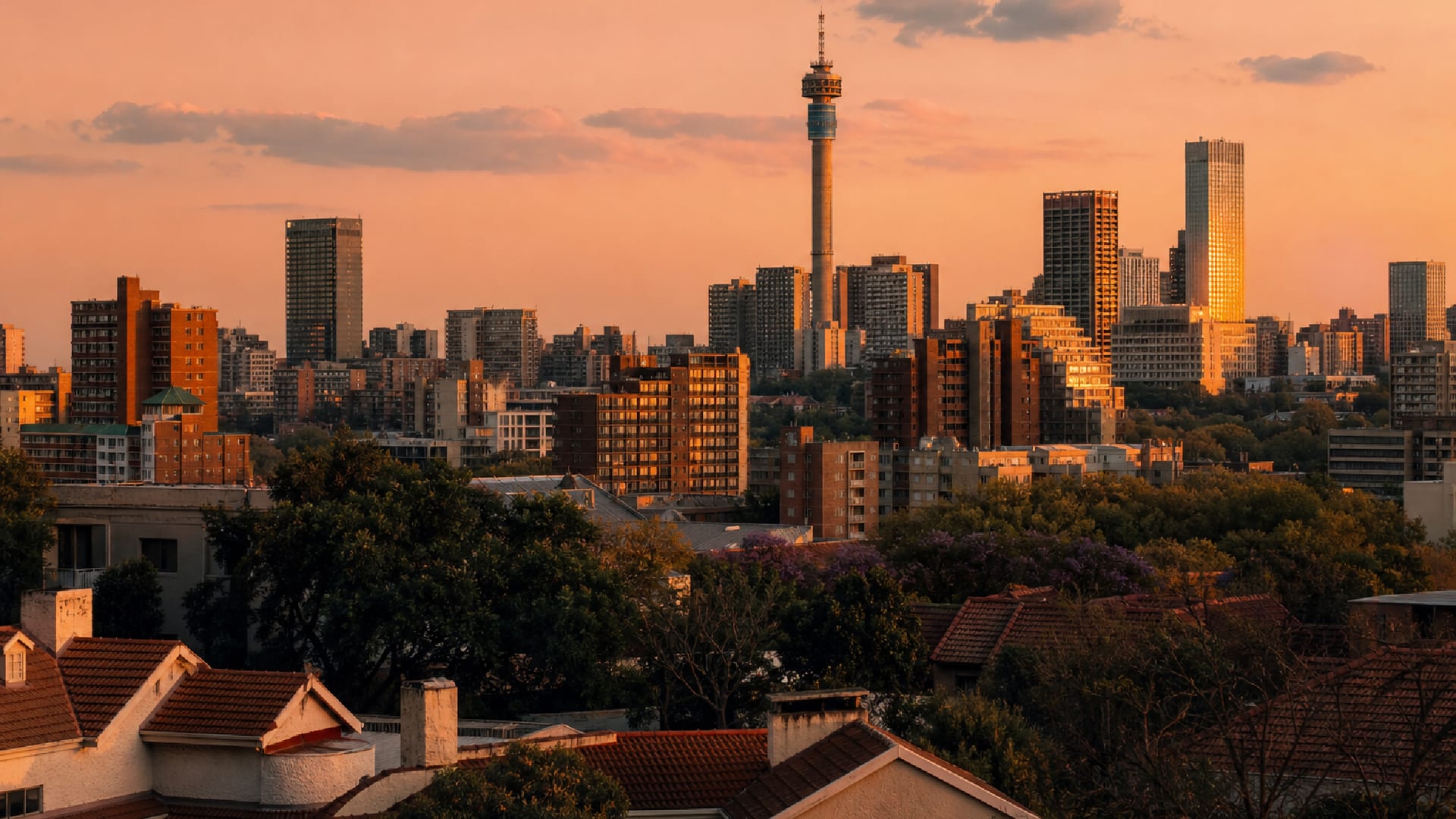
Constitution Hill sets the tone this morning, and it pairs well with Braamfontein because the two stops sit only about 10 minutes apart by car. Start at the former prison and court complex for about 2 to 3 hours, then continue to nearby downtown streets for a second look at the city’s civic core before heading back north. If you are based in Rosebank or Sandton, plan on roughly 15 to 25 minutes each way by taxi, with lunch back in Rosebank afterward to keep the rest of the day compact.
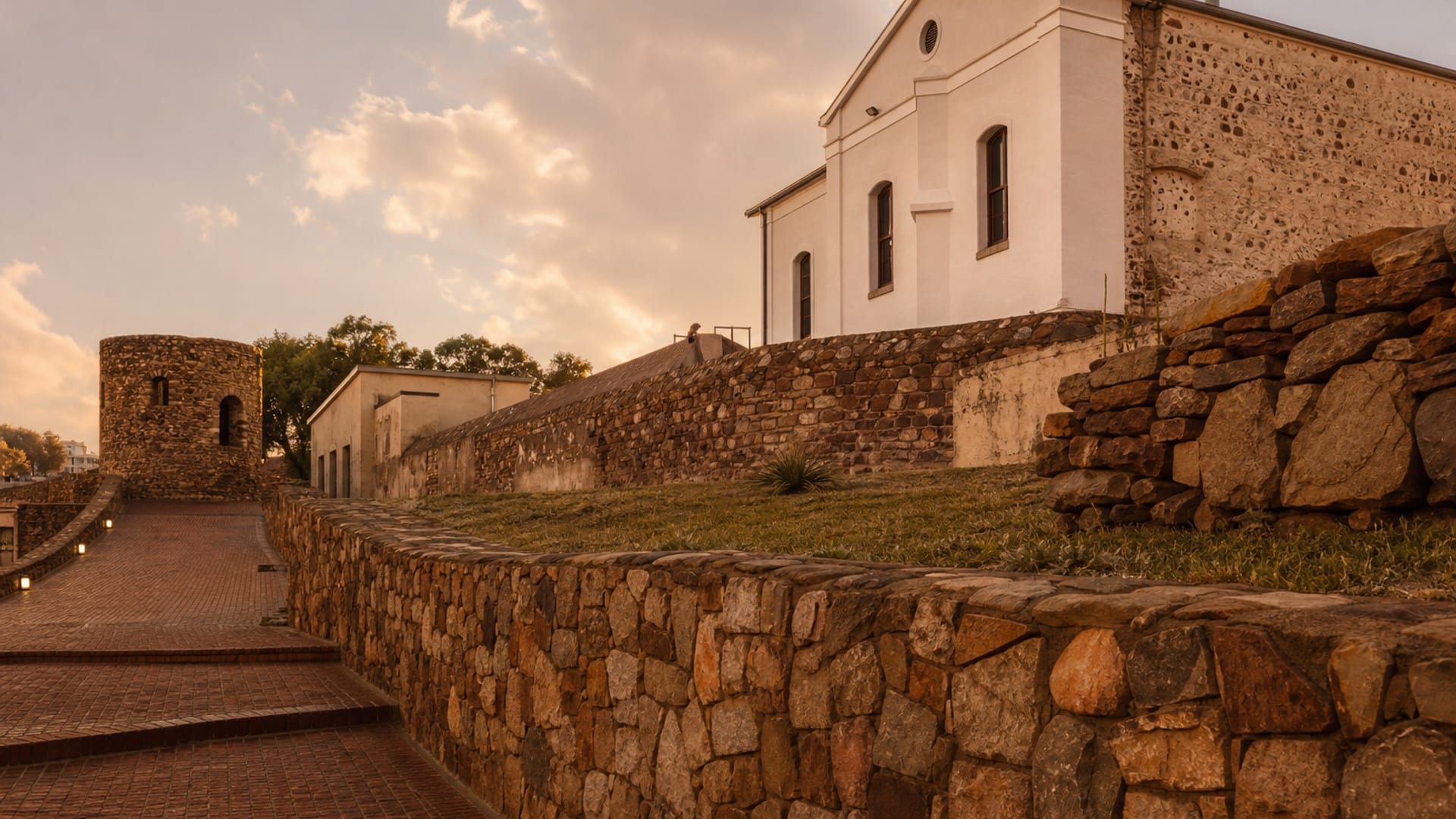
From Maboneng, it is an easy 15-minute ride to the Apartheid Museum, which deserves about 2 to 3 hours before lunch. Go early, then continue to Gold Reef City next door if you want to add a second stop without crossing the city again; the two sites sit close enough that one taxi trip covers both. By late afternoon, return to Maboneng for a coffee stop or an early dinner, where warehouse blocks and gallery fronts give you a different inner-city backdrop than the morning’s museum visit.
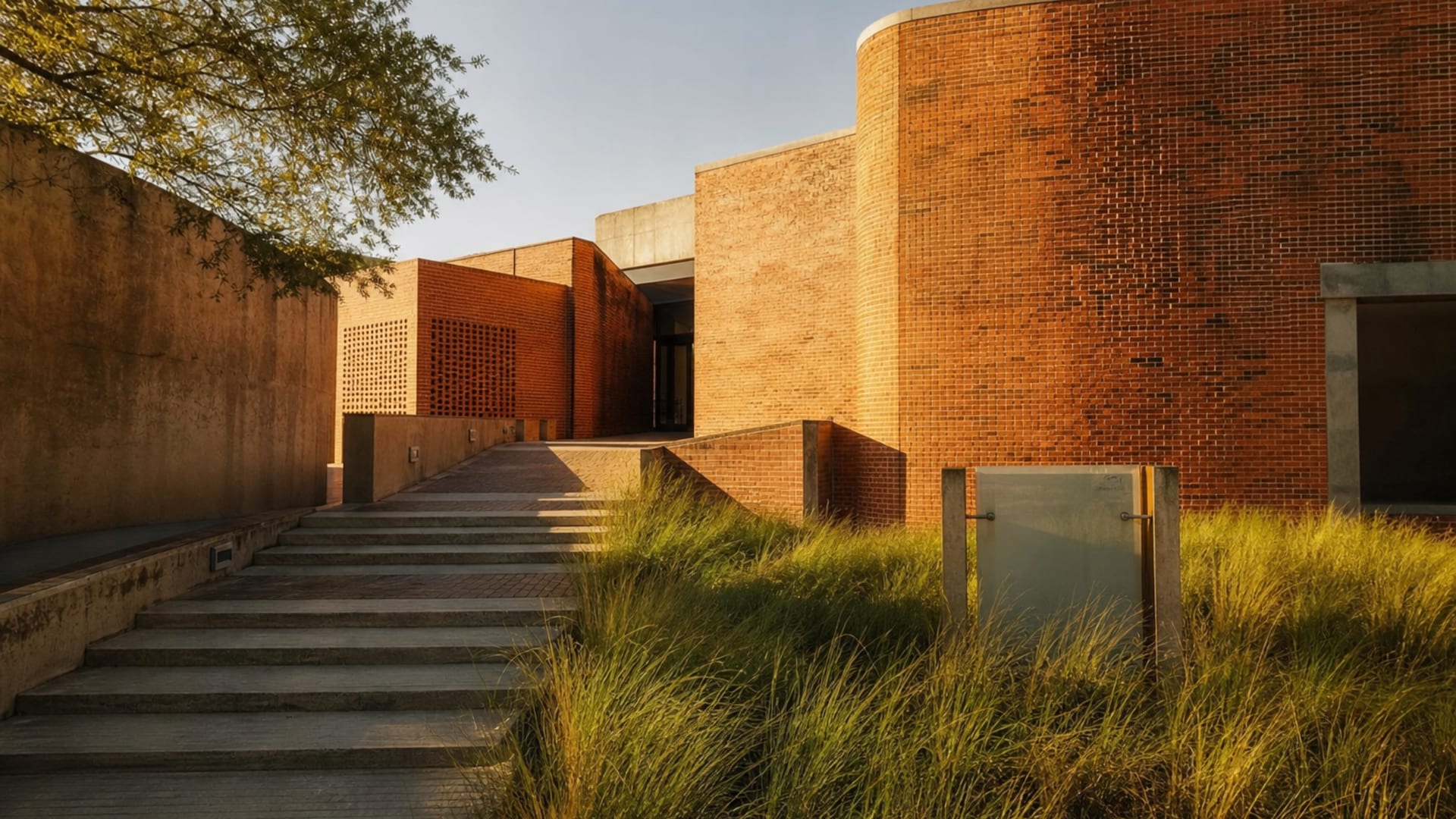
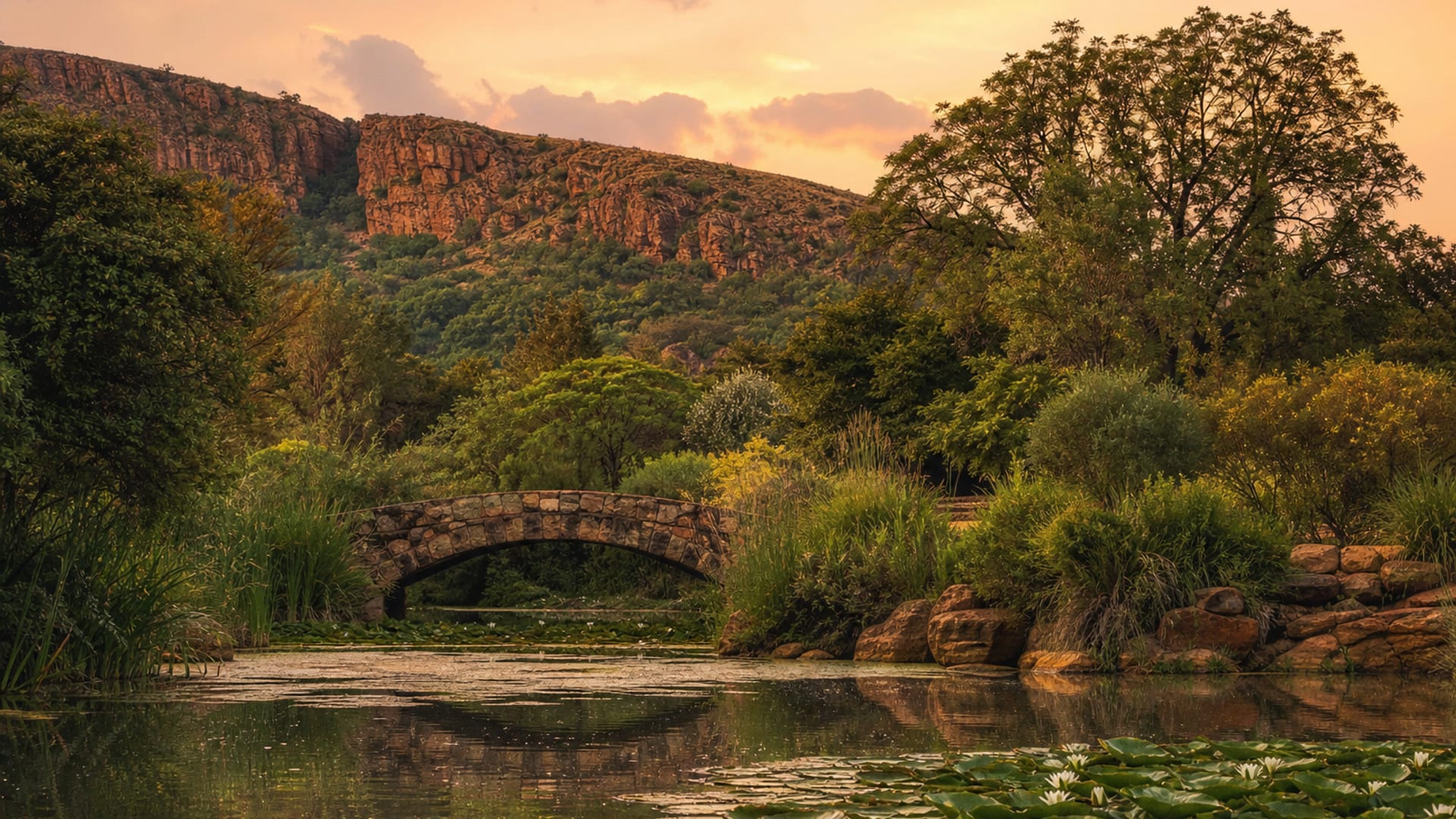
Walter Sisulu National Botanical Garden makes a clean change of pace, and the drive from Sandton or Rosebank usually takes about 30 to 45 minutes, depending on traffic. Aim for the morning, when the paths are cooler and bird activity is better, then spend about 2 to 3 hours walking the paved trails, waterfall viewpoints, and bird hides. Afterward, head back toward the north side for a late lunch or a quiet early evening in Melrose Arch, which cuts down on backtracking after a longer west-side outing.
A final morning in Johannesburg works best with one last museum stop, then a simple shopping-and-coffee circuit before your airport transfer. If you have not already visited Constitution Hill, fit it in early, then return to Rosebank for the Rosebank Mall and The Zone, where you can pick up gifts, have lunch, and sit down for coffee without crossing the city again. From there, allow about 25 to 35 minutes by Gautrain or road back to Johannesburg (JNB) for your departure, depending on whether you are heading straight to the airport from Sandton, Rosebank, or Melrose Arch.
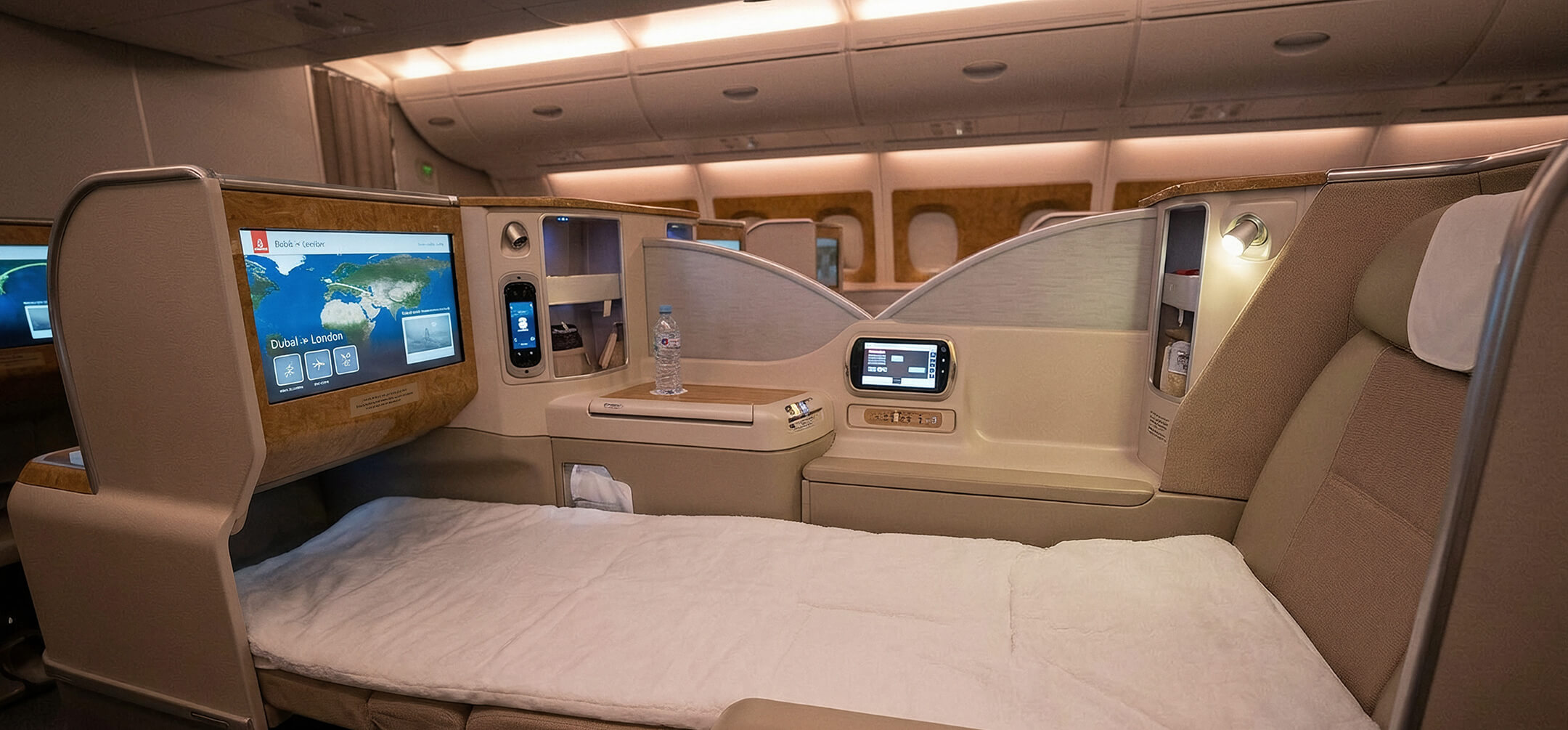
Business-class flights from the US to Johannesburg
Business-class fares to Johannesburg vary sharply by coast and by whether you accept a stop. From New York, the market is built around one-stop routings; from Los Angeles, nonstop options exist on some carriers, but one-stop itineraries often price lower.
From New York, airlines such as Emirates, Qatar Airways, Turkish Airlines, Ethiopian Airlines, Air France, and British Airways sell fares from $4,800 to $9,500 round-trip. Nonstop travel takes about 15 to 16 hours, while common one-stop routings via Doha (DOH), Dubai (DXB), Istanbul (IST), Addis Ababa (ADD), Paris (CDG), or London (LHR) usually add about 18 to 23 hours overall and can trim the fare.
Los Angeles fares usually start from $4,600 and can reach $9,000 round-trip, with nonstop tickets sitting at the top of that range. Emirates, Qatar Airways, Turkish Airlines, Ethiopian Airlines, Lufthansa, and Air France operate on this market, and nonstop flying takes about 18 to 19 hours.
Johannesburg feels different when you slow down
A well-paced Johannesburg trip links Sandton or Rosebank to Constitution Hill, Maboneng, the Apartheid Museum, and Walter Sisulu National Botanical Garden without forcing repeat cross-town trips. Gautrain, taxis, and a clear order of visits do most of the work, while your dinners can stay close to the neighborhood you chose. If you want help matching flights, hotels, and sightseeing days, the AranGrant experts can help you shape the route before you book