

Chapters:

Need help with your trip?
Our support team is available 24/7. Request a callback or call us directly at (833) 619-0908
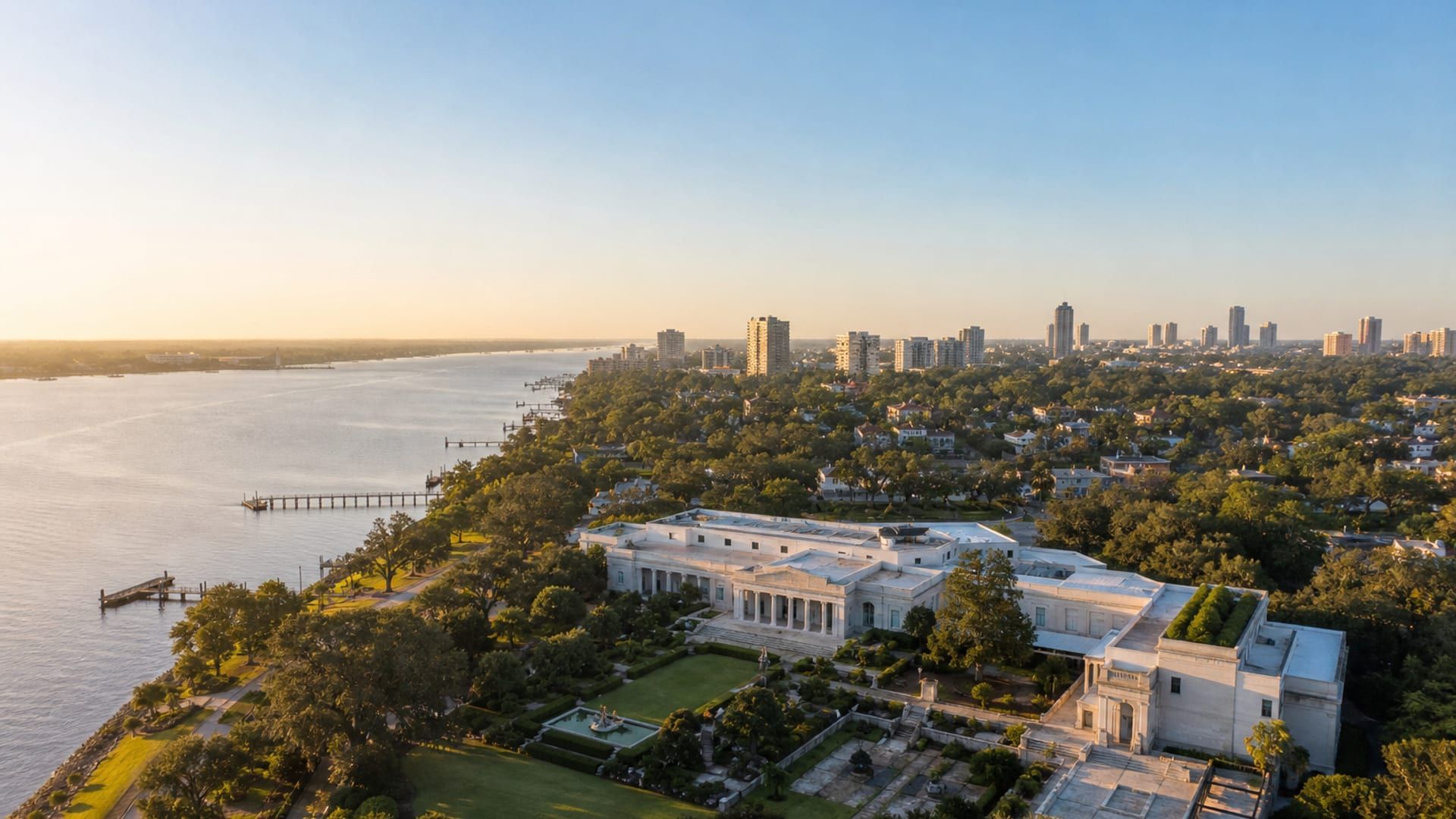
Jacksonville trips often start with the airport, a downtown hotel, and a quick run to the beaches or a museum, but travelers sometimes skip the river neighborhoods that tie the city together. That leaves longer drives and fewer easy dinner options than expected.
Distances matter here, as do bridge crossings, parking fees, and the gap between compact districts and spread-out sights. A day that looks simple on a map can take more planning once you add traffic and evening closures.
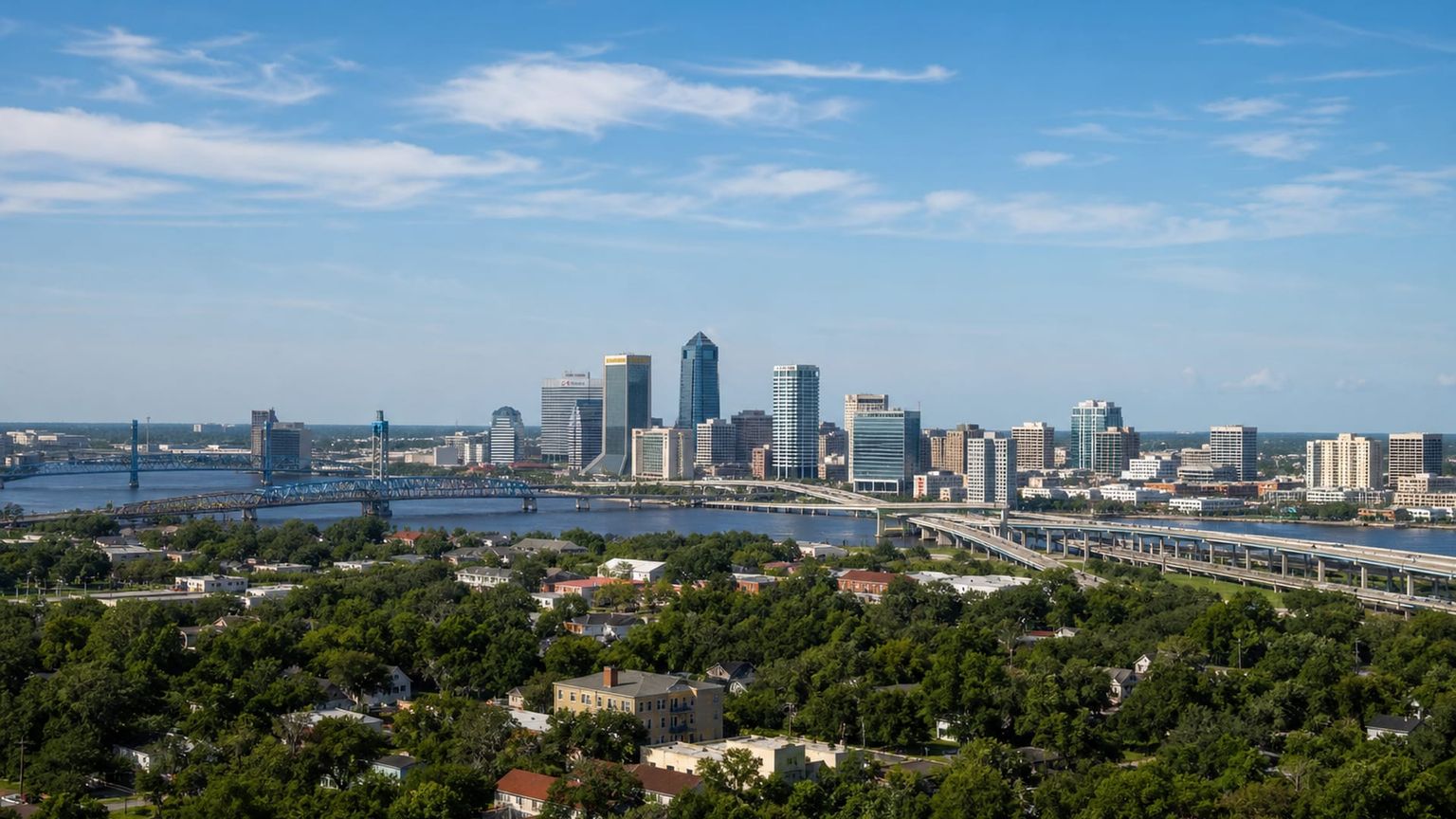
This guide sets out a tighter route through Southbank, Downtown Jacksonville, Riverside, San Marco, and the northside sights, so each day builds from the last without wasting time between stops.
Useful things to know

Main language(s): English

Currency: The local currency is the US dollar (USD, $).

Cash and cards: Cards and contactless are widely accepted; carry about $20 to $40 in cash for tips, small purchases, or backups.

Tipping: Tip 15% to 20% at sit-down restaurants; round up small bills, and tip taxis about 10%.

Traditional food: Shrimp and grits, fried catfish, smoked mullet dip, Minorcan clam chowder

Water and coffee costs: Water about $2 ($2), bar espresso about $4 ($4).

Taxis and ride apps: Uber and Lyft operate here; wait times can rise late at night.

Plug and voltage: Type A/B socket, 120V

Dining and shop opening hours: Breakfast is often 07:00-10:00, lunch 11:30-14:00, and dinner 17:00-21:00. Many spots close mid-afternoon.

Emergency number: Dial 911 for police, fire, and medical emergencies.
Where to stay in Jacksonville
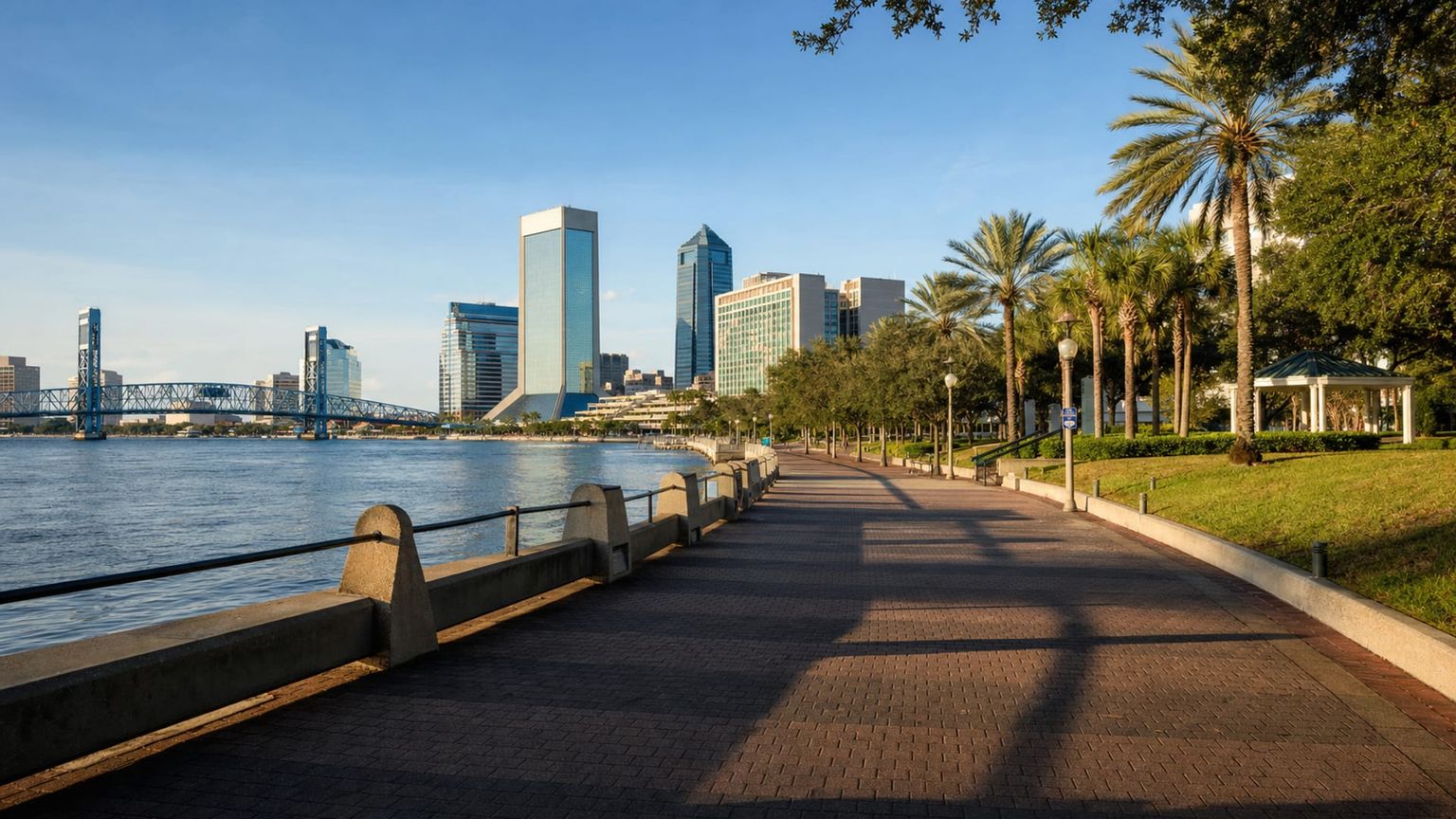
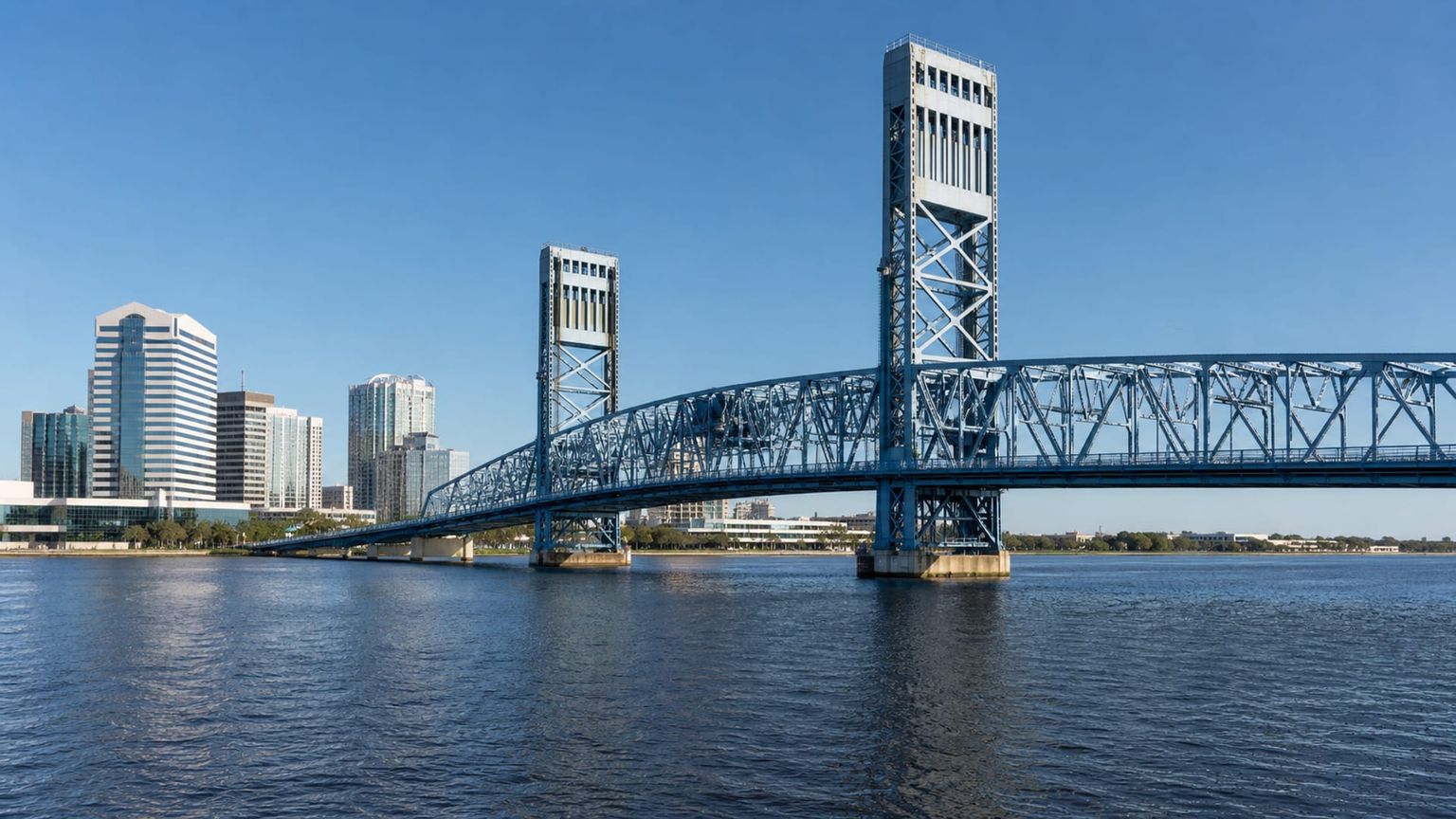
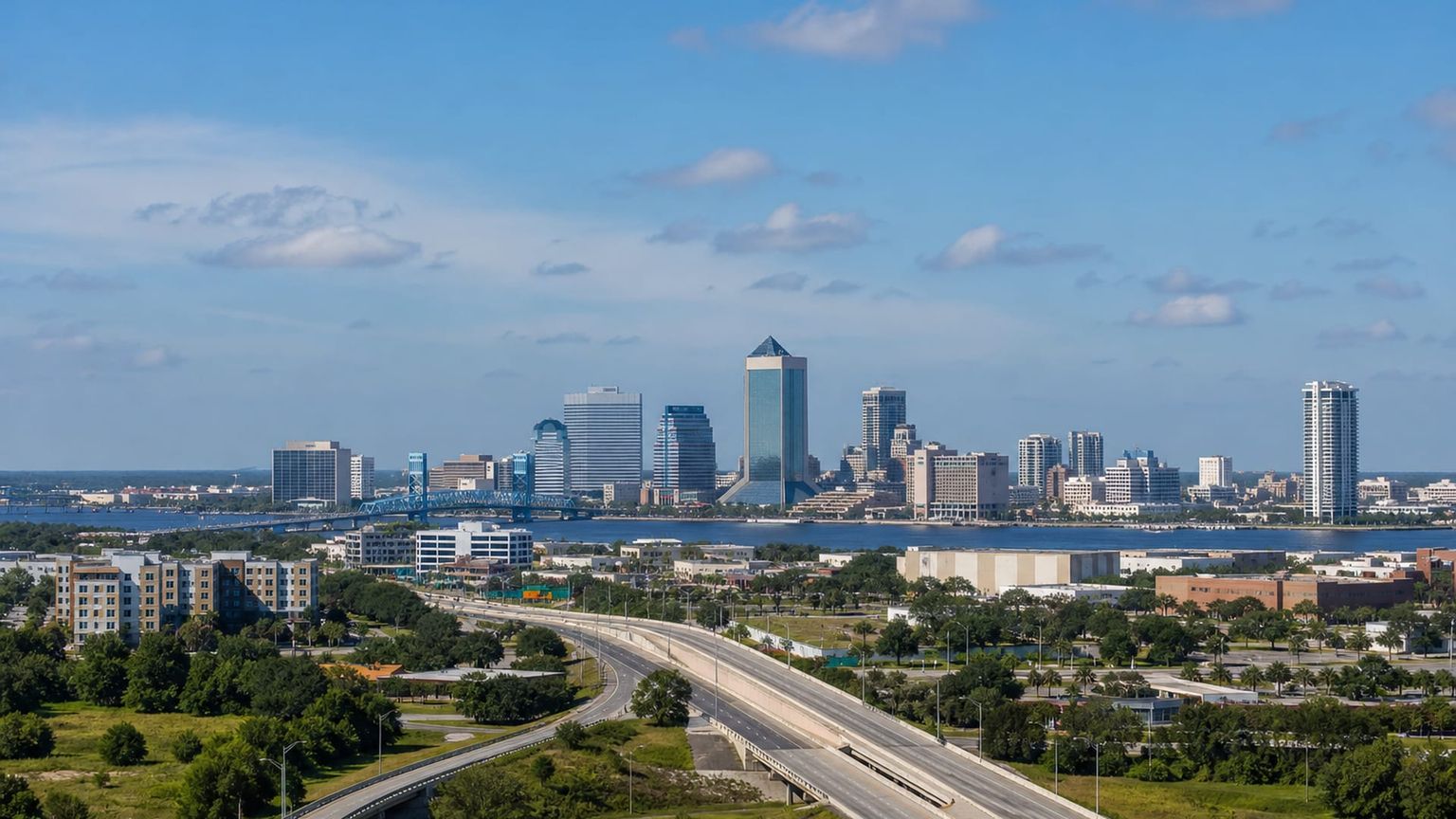
The city’s core along the St. Johns River, with the convention center, business towers, sports venues, and the Main Street and Northbank waterfront areas. It suits travelers who want transit access, river views, and the easiest reach to landmarks.
Best for: Business trips, riverfront stays, and visitors who want quick access to the Southbank and central museums
What to expect: Weekdays bring office traffic and light pedestrian flow, while evenings can be sparse outside event nights.
Hotel prices: Usually about $160 to $300 per night for well-rated stays
Distance to major sights: 5 to 15 minutes by foot to the Jacksonville Landing area and about 10 minutes by transit to the Cummer Museum
Quietness: Quieter in the evening on non-event nights, busier around games, concerts, and office hours.
Main trade-off: You will pay more for river views and newer towers, and restaurant choices thin out after business hours.
Good to know: If you plan late dinners or bars, check whether your hotel sits near the Main Street and Southbank connectors, since walkability drops fast after dark.
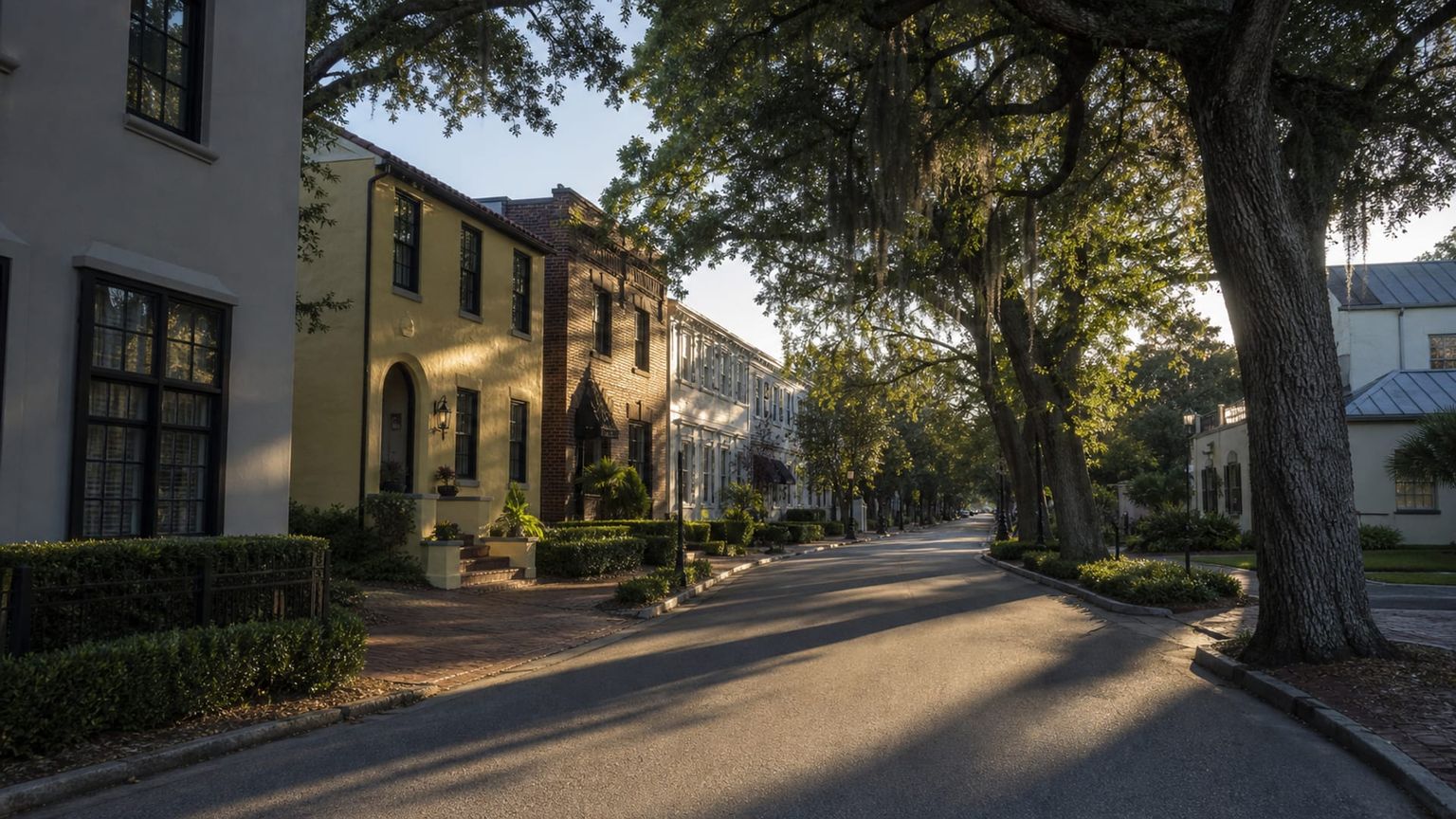
A historic Southbank neighborhood with brick streets, independent restaurants, and small parks near the St. Johns River. It matters because it gives you a walkable base with dining and an easy bridge connection to downtown.
Best for: Dining-focused stays, couples, and visitors who want a walkable neighborhood close to downtown
What to expect: The streets see steady local foot traffic, with a busy restaurant scene on evenings and weekends.
Hotel prices: Usually about $170 to $320 per night for well-rated stays
Distance to major sights: About 10 minutes by transit to Downtown Jacksonville and about 15 minutes by foot to the Southbank Riverwalk
Quietness: Quieter on weekday mornings, livelier and noisier near restaurants in the evening.
Main trade-off: Rooms can cost more than in outer neighborhoods, and parking can be tighter near the main dining blocks.
Good to know: Some blocks sit farther from the bridge than they look on a map, so confirm whether your hotel is actually in the restaurant core or on a quieter side street.
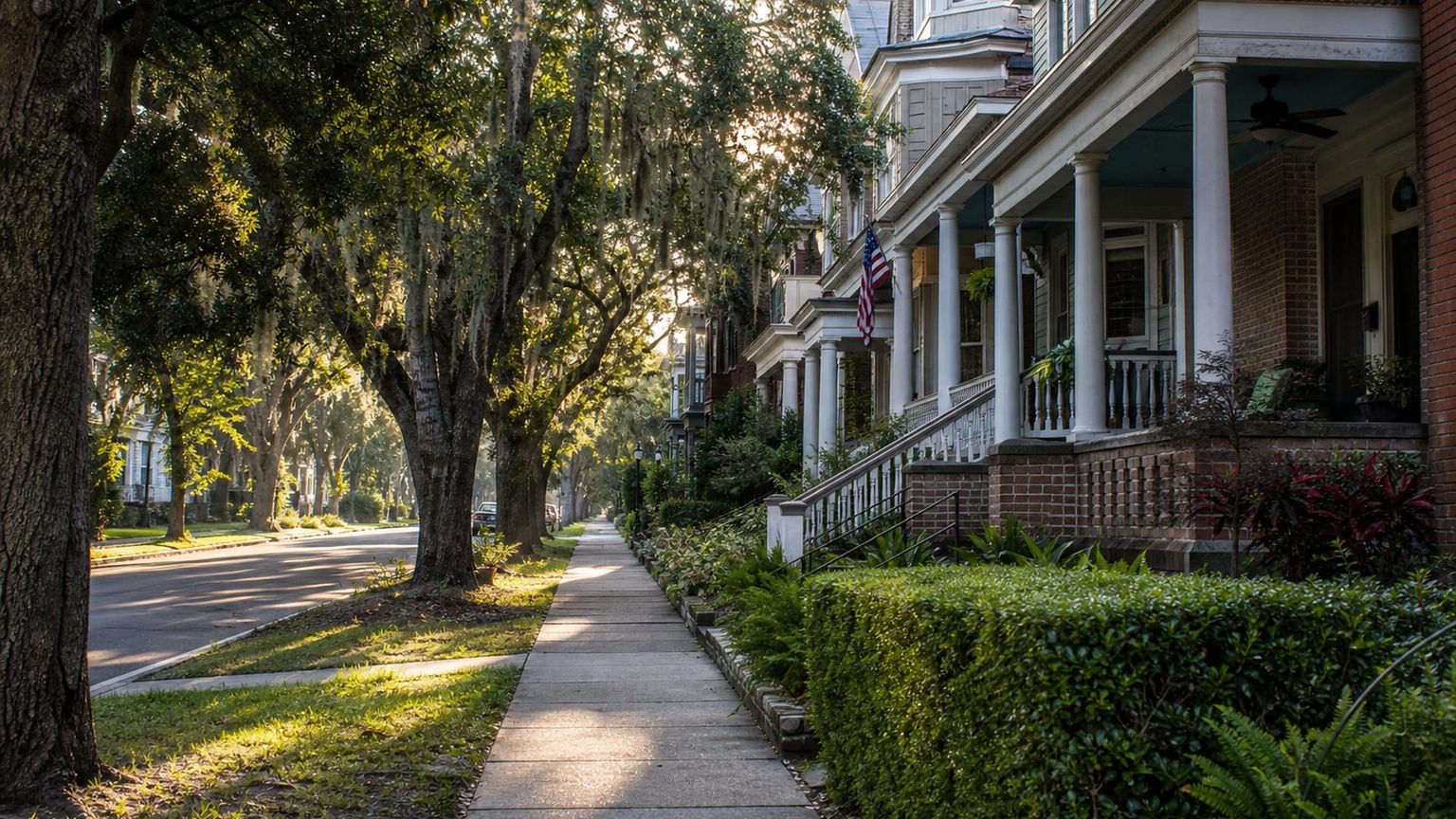
An in-city neighborhood west of downtown known for bungalow streets, indie shops, cafés, and the 5 Points district. It is a good fit if you want a local-feeling base with easy access to museums, parks, and downtown.
Best for: Food and café trips, longer stays, and travelers who prefer a residential setting with nearby nightlife
What to expect: Expect active sidewalks in 5 Points and along the main commercial streets, plus quieter side streets a short walk away.
Hotel prices: Usually about $150 to $280 per night for well-rated stays
Distance to major sights: About 10 minutes by transit to the Cummer Museum and roughly 15 minutes by transit to Downtown Jacksonville
Quietness: Busy near 5 Points at night, calmer on residential blocks and on weekday mornings.
Main trade-off: You may need a car or rideshare for some attractions, and the most walkable blocks book up first.
Good to know: If you want dinners within walking distance, aim for a stay near 5 Points, because the residential streets around it can feel much farther from restaurants than the map suggests.
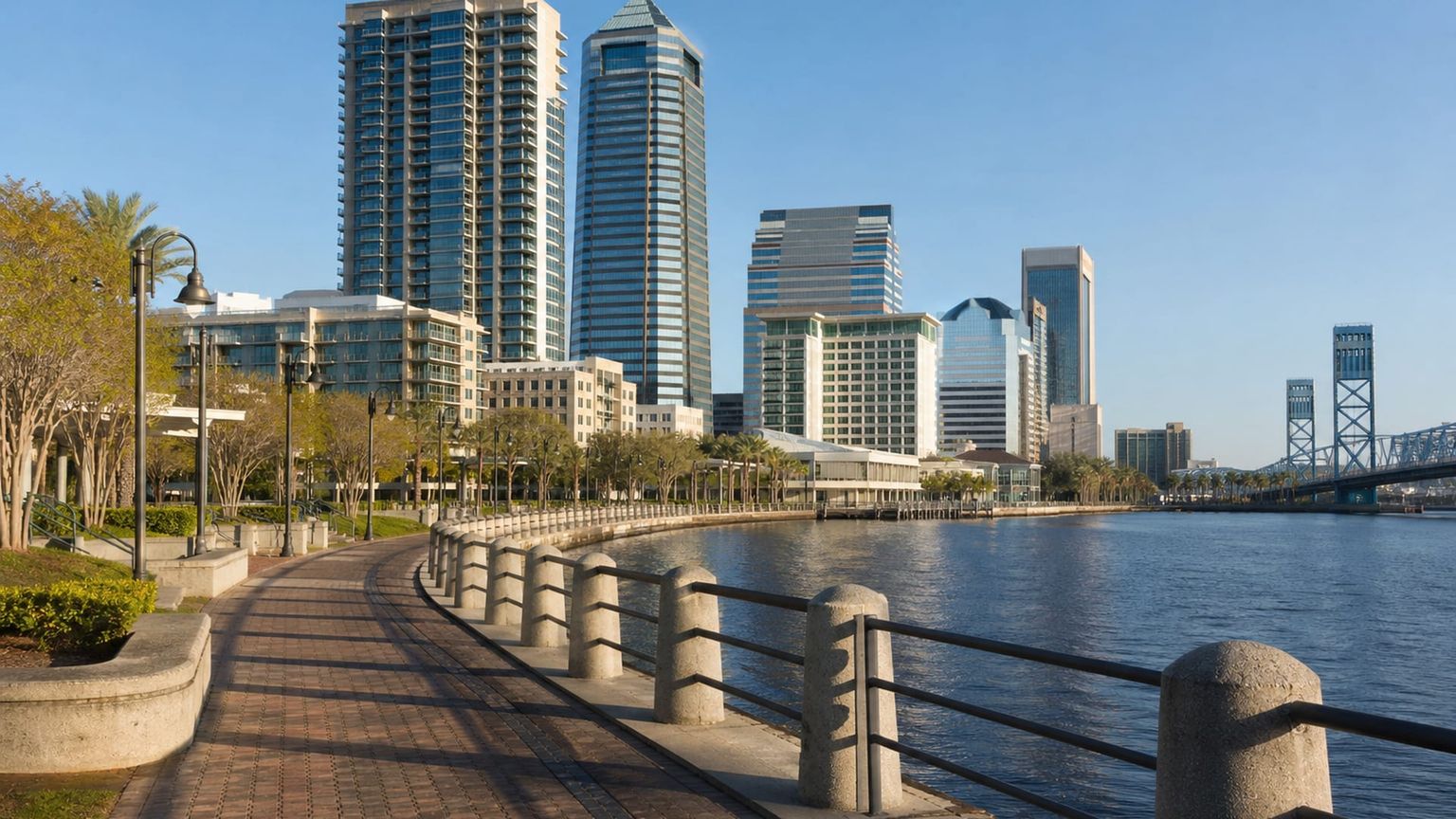
The riverfront district on the east side of the St. Johns River, close to downtown, hospitals, offices, and the Riverwalk. It suits visitors who want skyline views, quick downtown access, and an easy base for central Jacksonville.
Best for: River views, downtown access, and travelers who want a central base without staying in the busiest core
What to expect: Traffic is steady on main roads, while the riverfront paths stay calmer than the downtown blocks across the water.
Hotel prices: Usually about $150 to $290 per night for well-rated stays
Distance to major sights: About 5 to 10 minutes by transit to Downtown Jacksonville and roughly 10 minutes by foot to the Southbank Riverwalk
Quietness: Quieter at night than downtown, though main roads stay active with commuter traffic.
Main trade-off: Dining and nightlife are thinner than on the opposite bank, so you may cross the river for more choices.
Good to know: If you are arriving by car, check parking fees before booking, because riverfront hotels in this area often price parking separately.
Travelers usually avoid staying in northwest Jacksonville near Cecil Commerce Center, because it sits far from the main visitor areas and has few hotel-adjacent amenities. Moncrief, Talleyrand, and parts of South Jacksonville are also less convenient for most visitors, since they are farther from downtown, the beaches, and St. Johns Town Center, which can make evening travel and dining options more limited.
Hotel deals
How to get around Jacksonville efficiently
Jacksonville leans on cars, ride-hailing, and a limited bus network, while the free Skyway only helps for short downtown hops.

Metro
for longer distances
Jacksonville has no subway or metro system; the main rail alternative is the Jacksonville Skyway downtown, a free automated people mover with a few stations serving the business district and the sports complex. For most visitors, it works as a short downtown connector rather than a citywide network.

Bus and tram
for convenience
Jacksonville Transportation Authority buses cover downtown, the beaches, the Southside, and key corridors such as JAX Airport, with fares of $1.75 per ride, or a 7-day pass for $13. The bus system uses the First Coast Flyer on its busiest routes, and typical trips from downtown to the beaches take about 45 to 60 minutes depending on traffic and transfers.

Taxi
for convenience or late hours
At Jacksonville International Airport, licensed taxis use metered fares rather than set citywide flat rates, with airport trips to downtown or the beaches typically costing about $35 to $60 before tip depending on traffic and exact drop-off point. You can queue at the official taxi stand at the terminal, and most cabs accept cards as well as cash.
*Prices are based on rates updated as of June 2026 and may change at the time of travel.
Use rideshares or taxis for direct transfers, buses for budget moves along major corridors, and the Skyway when you only need a short downtown connection.
Iconic landmarks
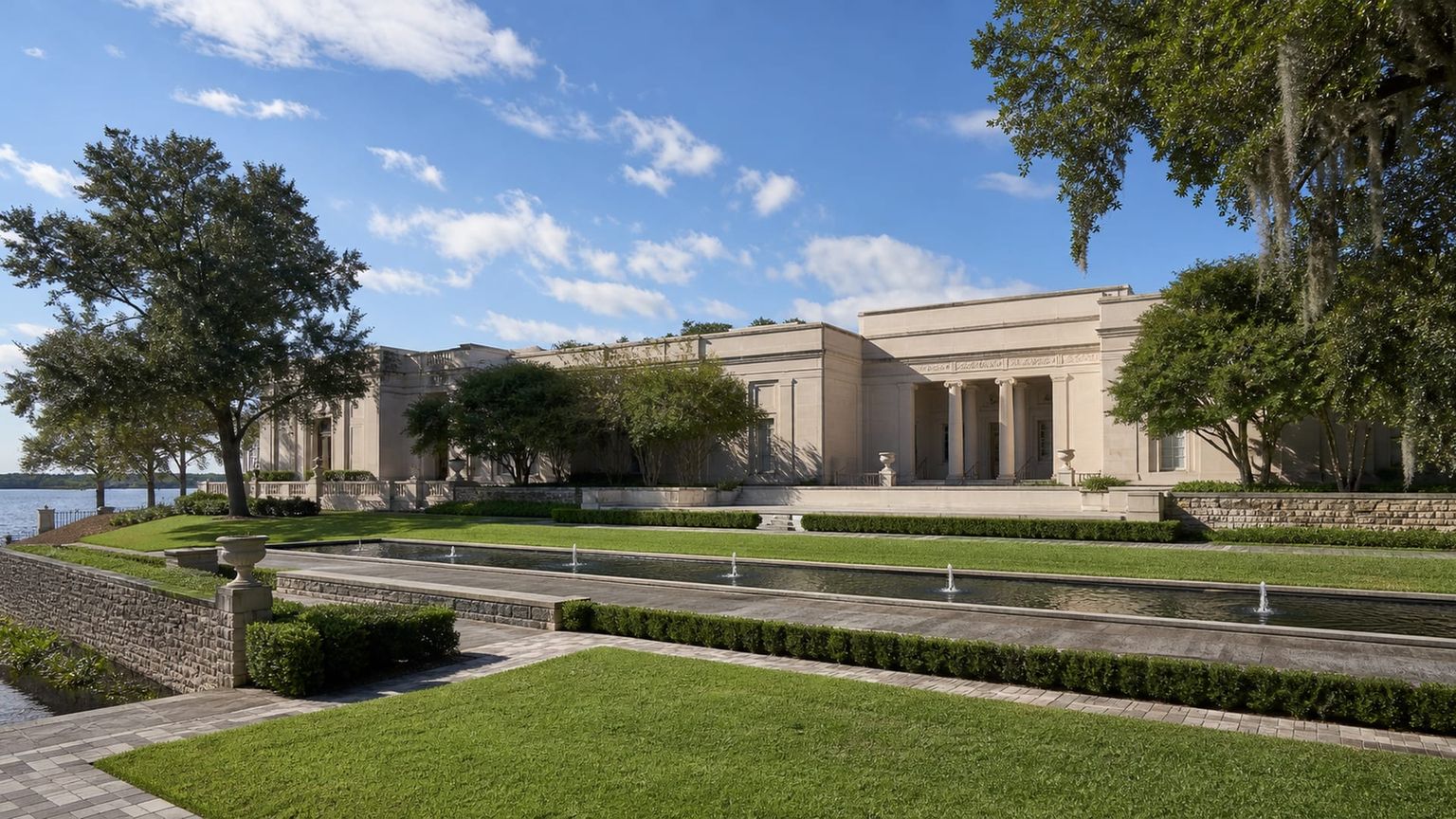
Cummer Museum of Art and Gardens
The Cummer pairs a compact art collection with riverfront gardens on the St. Johns. Its holdings span European and American works, and the historic gardens include terraces, fountains, and a reflected view of the river.
Time needed: About 2 to 3 hours
Entry: Standard admission costs $18 for adults, $14 for seniors 60 and older, $10 for students, and free for children 5 and under. Visit the official site for details.
Tip: Visit in late afternoon, when the gardens and riverfront light are at their best.
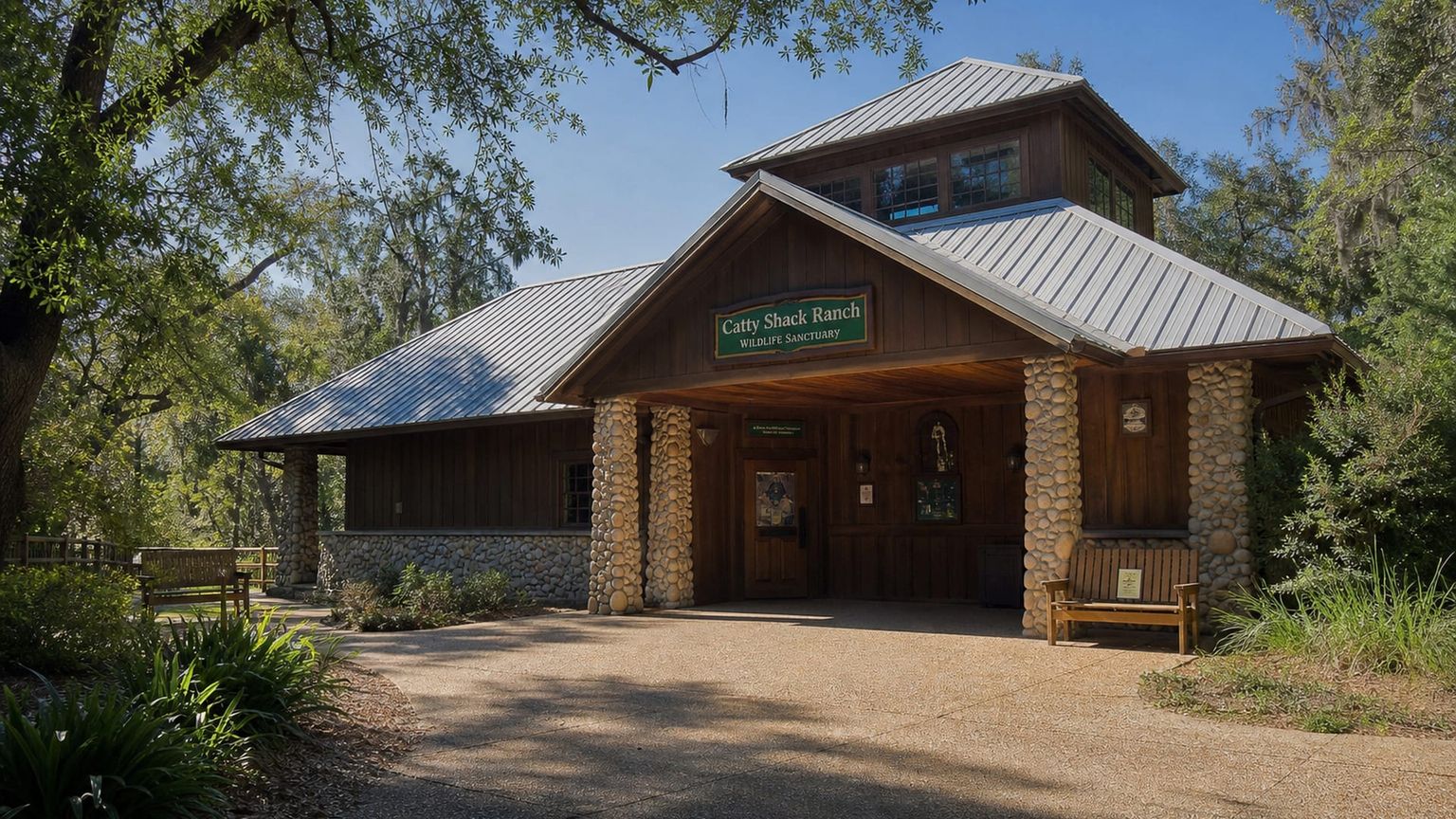
Catty Shack Ranch Wildlife Sanctuary
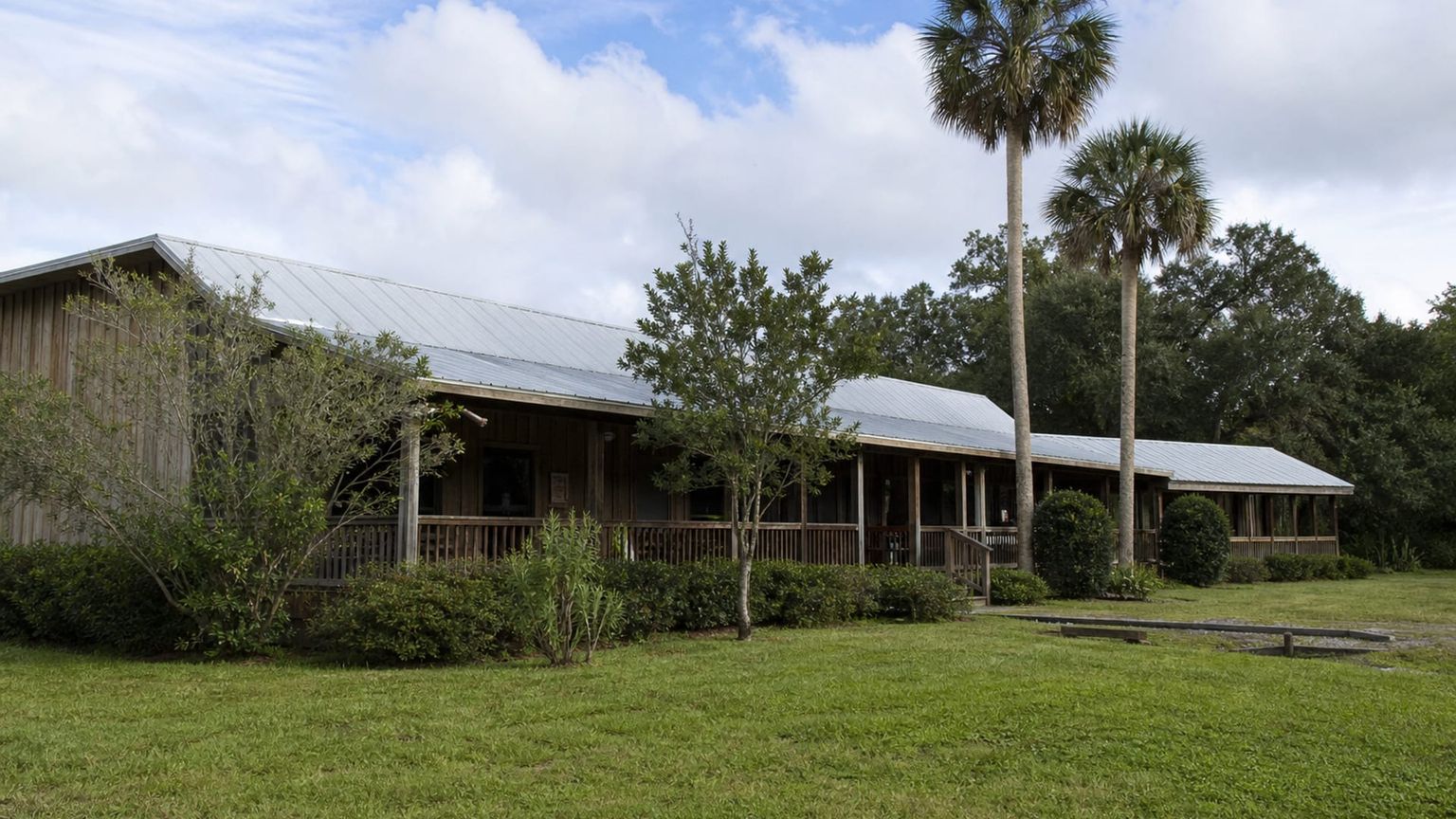
Catty Shack Ranch houses rescued big cats, including tigers, lions, leopards, and cougars, on a north Jacksonville property. Guided visits explain each animal’s history, feeding schedules, and the sanctuary’s rescue work.
Time needed: About 1 to 2 hours
Entry: Admission costs $20 for adults, $15 for children ages 3 to 11, and free for children 2 and under; evening feedings cost extra. Visit the official site for details.
Tip: Choose the evening feeding if you want the most active animal viewing.
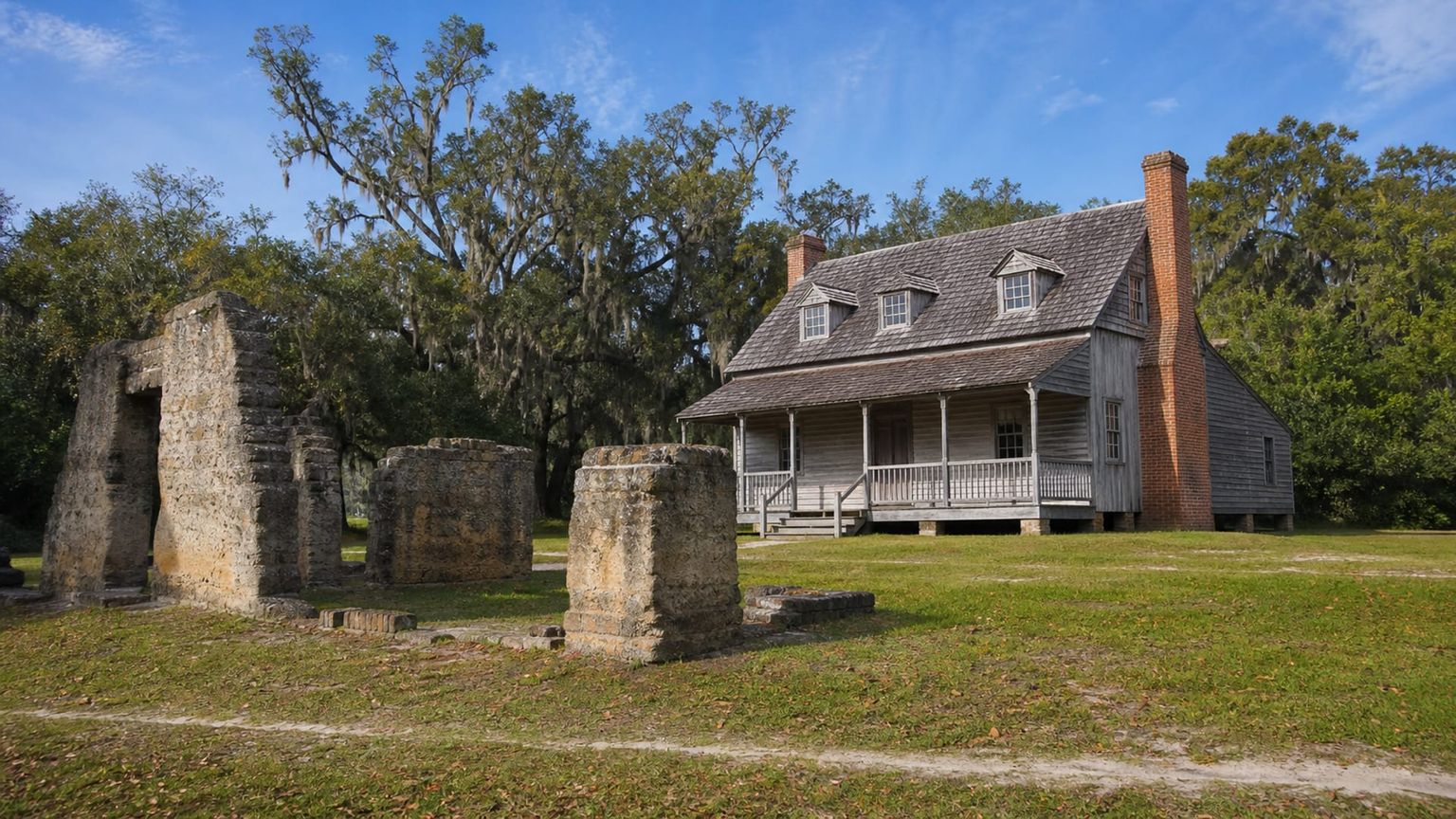
Kingsley Plantation
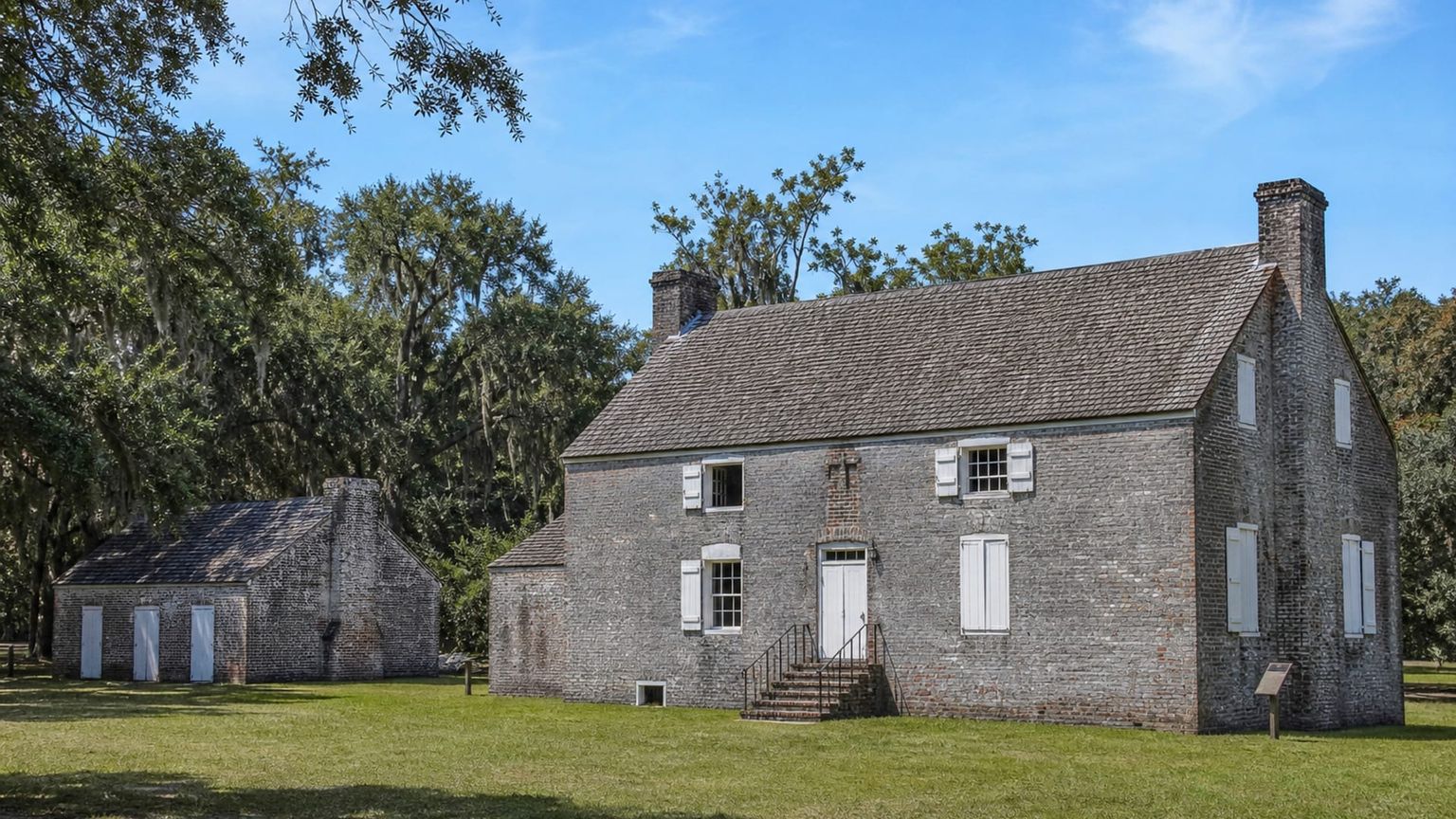
Kingsley Plantation preserves a 19th-century plantation house, tabby slave quarters, and the remnants of an agricultural estate on Fort George Island. The National Park Service site adds Marsh views and a clear record of the area’s layered history.
Time needed: About 1 to 2 hours
Entry: Free to access through the National Park Service; parking is free, and ranger-led programs may have limited seasonal schedules. Visit the official site for details.
Tip: Go early for cooler air, open parking, and softer light on the tabby ruins.
Overlooked sites worth visiting

The Cummer Museum of Art and Gardens
Riverfront gardens, a small but strong European and American art collection, and a handful of historic rooms make this one of Jacksonville’s quieter cultural stops. The gardens are the main draw.
Time needed: About 1.5 to 2.5 hours
Entry: Admission is typically $20 ($20) for adults, $14 ($14) for seniors, students, and active military, and free for children 5 and under; special exhibitions or evening events can carry separate pricing, so check current rates before you go. Visit the official site for details.
Tip: Visit late afternoon for softer light in the gardens.

Tillie K. Fowler Regional Park
This Westside park pairs elevated views with a boardwalk through salt marsh, plus short trails that stay quieter than Jacksonville’s beachside parks. It suits an easy walk, birdwatching, and a pause near the water.
Time needed: About 1 to 2 hours
Entry: Free to access; no admission fee is charged for the park, trails, boardwalk, or picnic areas. Parking is also free, though the lot can fill on weekends and during cooler months when locals come for walking, cycling, and marsh views.
Tip: Go near sunset for better marsh color and cooler walking.
Traditional food
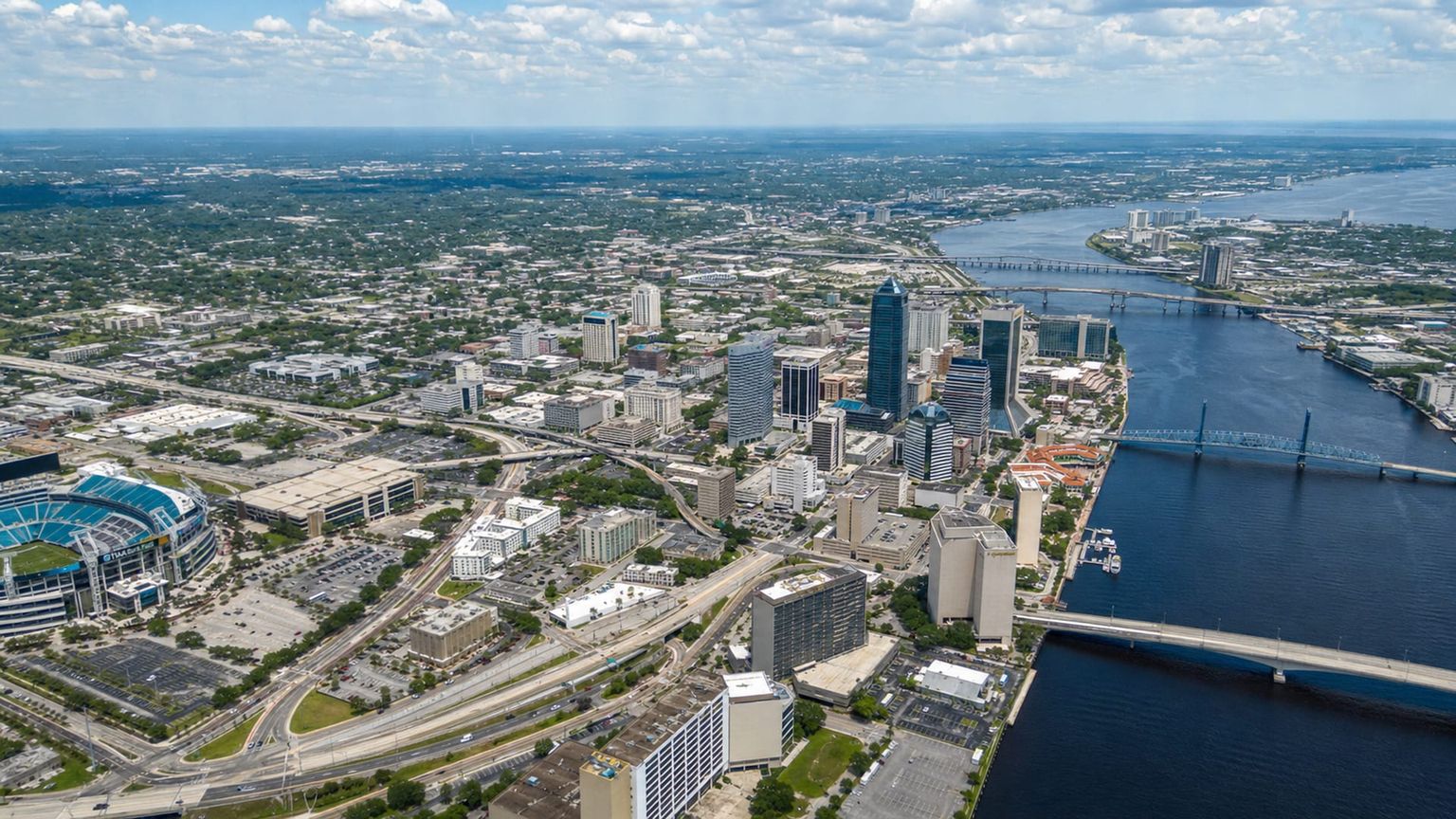
Jacksonville food leans on shrimp, catfish, chowder, and smoked seafood, with Gulf and Atlantic influences showing up in casual spots and riverfront dining rooms alike. Expect Lowcountry-style plates, fried baskets, and no-fuss seafood counters.
Shrimp and grits
Creamy grits with seasoned shrimp anchor many local menus, especially where Southern breakfast and dinner plates overlap. Map it to Blue Fish Restaurant and Oyster Bar, a downtown spot that handles the dish with a coastal edge.
Fried catfish
Cornmeal-fried catfish shows up in Jacksonville as a crisp, dependable plate with hushpuppies or fries. Maple Street Biscuit Company serves a well-known version in the metro area, with Jacksonville outposts that keep it in regular rotation.
Smoked mullet dip
Smoked mullet dip brings the region’s seafood tradition into a spreadable starter, usually with crackers or toast. The Blue Crab Crabhouse is a strong Jacksonville pick for this style, with a menu that leans into local fish and shellfish.
Minorcan clam chowder
Minorcan clam chowder adds heat and tomato depth to the local seafood table, and it belongs on any first-time food list. Safe Harbor Seafood Market & Restaurant in Jacksonville Beach is a useful place to try it alongside the day’s catch.
Best time to visit Jacksonville
Jacksonville stays mild for much of the year, but summer humidity and hurricane-season storms can shift the day-to-day feel of a trip.
Best for: Best for long walks, museum visits, and low-humidity days
What you get: About 46 to 68°F (8 to 20°C), with lighter crowds and clearer sightseeing days
Trade-offs: Evening temperatures can feel cool near the river
Best for: Best for gardens, riverfront strolls, and outdoor dining
What you get: About 58 to 83°F (14 to 28°C), with moderate crowds before summer travel picks up
Trade-offs: Pollen can be noticeable in some weeks
Best for: Best for beach time and late indoor museum stops
What you get: About 74 to 91°F (23 to 33°C), with heavier humidity and a busier family travel scene
Trade-offs: Afternoon heat and thunderstorms can shorten outdoor plans
Best for: Best for balanced weather and easier pacing between neighborhoods
What you get: About 61 to 84°F (16 to 29°C), with moderate crowds and improving comfort after peak heat
Trade-offs: Storm season can still affect coastal plans
A realistic 5-day plan in Jacksonville
The five-day plan starts with an easy arrival, then moves through the Cummer, Kingsley Plantation, Catty Shack Ranch, and a final westside park stop. It keeps the river neighborhoods close together and lets the longer drives sit on their own days.
Arrive at Jacksonville (JAX) and take a rideshare or taxi to Southbank or Downtown Jacksonville, which usually takes about 15 to 25 minutes and costs roughly $25 to $40, depending on traffic and your exact hotel. If you land late, book a room near the Southbank Riverwalk or the downtown riverfront so you can settle in quickly, fill a water bottle, and walk to an early dinner at a San Marco restaurant or a hotel dining room without crossing the city. Keep the evening short and local, with a light meal, an early night, and a quick check of tomorrow’s transit or parking plan.
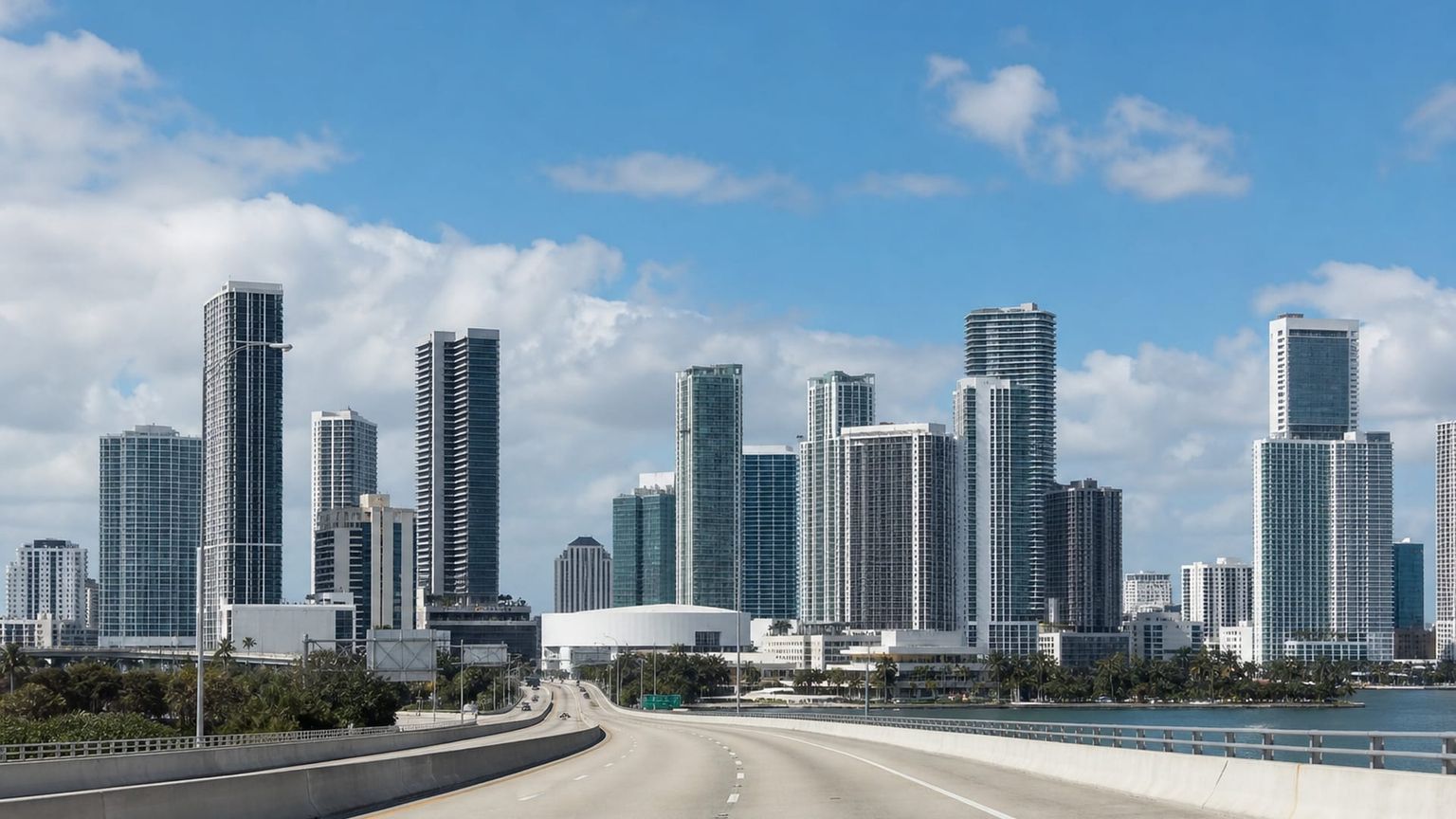
Start with the Cummer Museum of Art and Gardens in late afternoon, when the river light is strongest, then spend about 2 to 3 hours moving between the galleries and the gardens. From Downtown Jacksonville, a transit ride takes about 10 minutes, or about 15 minutes from Riverside, so it fits neatly into a half-day plan. Afterward, continue to Riverside for an early dinner in 5 Points, roughly 10 to 15 minutes by rideshare from the museum, and finish with a stroll past the bungalow streets before heading back.
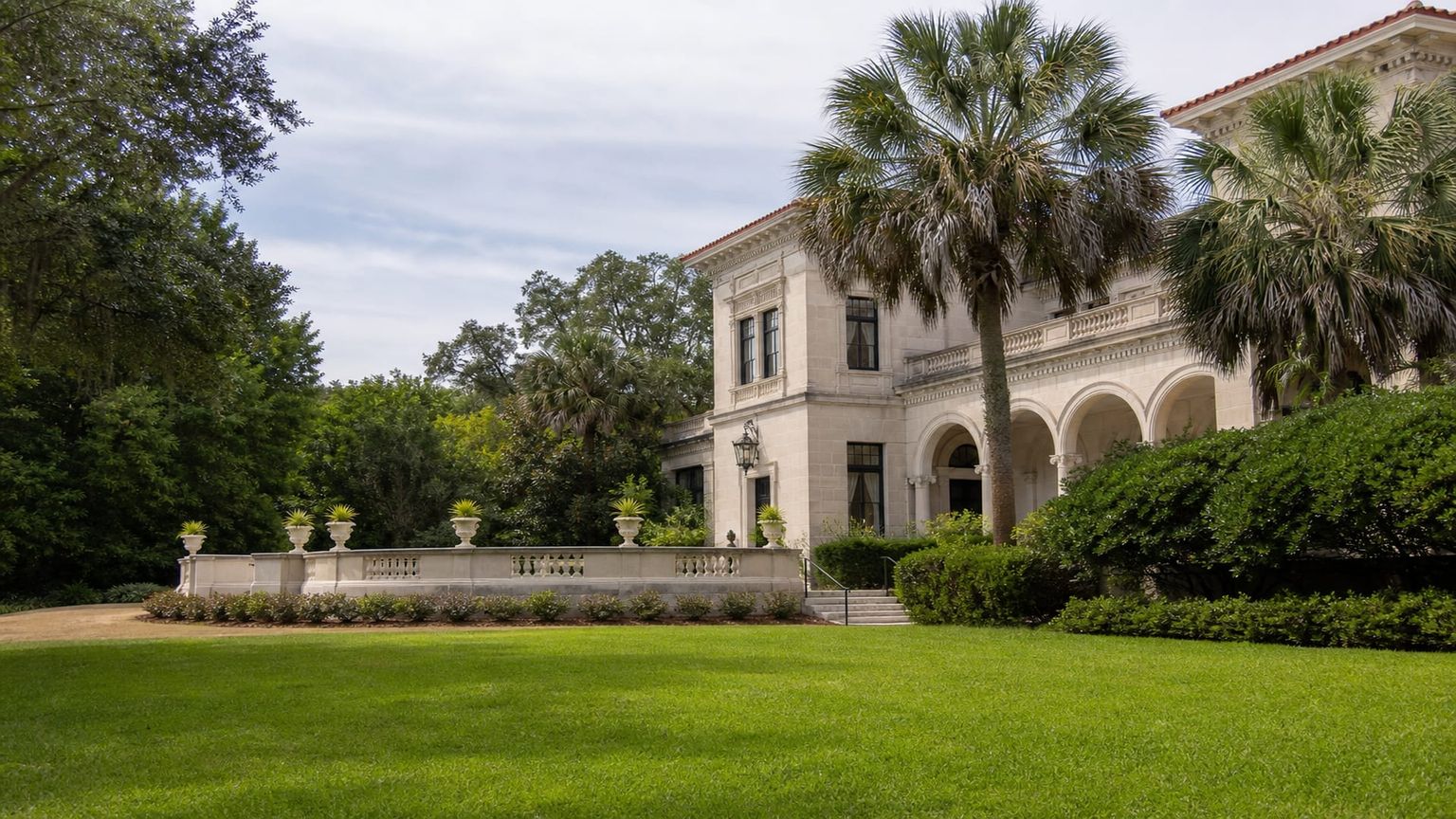
Kingsley Plantation fills the morning with a more historic pace, and the drive from Downtown Jacksonville takes about 45 to 60 minutes, depending on traffic and bridge timing. Give yourself about 1 to 2 hours to walk the plantation house grounds, the tabby quarters, and the marsh edge, then return inland for a late lunch in San Marco. From Kingsley, San Marco is about 50 to 70 minutes by car, so the pairing works best if you treat the plantation as the day’s anchor and keep the rest of the schedule simple.
Head north for Catty Shack Ranch Wildlife Sanctuary, where the evening feeding gives you the most active viewing, and plan on about 1 to 2 hours there. From Downtown Jacksonville, the drive usually takes about 25 to 35 minutes, so an afternoon departure leaves time to arrive before feeding schedules start. Back in town, cross to Southbank for dinner near the river, or stay in Downtown Jacksonville if you want a shorter post-visit drive and skyline views after dark.
Begin with a quieter final stop at Tillie K. Fowler Regional Park, which is free to enter and works well for a short marsh walk or a last look at Jacksonville’s westside landscape. From Downtown Jacksonville, the drive is usually about 20 to 30 minutes, and the boardwalk and trails take about 1 to 2 hours if you move at an easy pace. Afterward, head to San Marco for a café stop and a final round of shopping, then, if time allows, return to the Cummer Museum area for a last look at the riverfront gardens before heading to JAX.
Business-class flights from the US to Jacksonville
Jacksonville links to the Northeast and West Coast through a mix of nonstop and one-stop itineraries, and the price spread often comes down to timing as much as carrier choice. The routes below show the most common patterns from New York and Los Angeles.
From New York, American Airlines, Delta Air Lines, JetBlue, United Airlines, Air Canada, and Air France all appear on the market. Nonstop flying usually takes about 2 to 2.5 hours, while one-stop itineraries through CLT, ATL, DFW, IAH, or YYZ can stretch to about 4.5 to 8 hours; round-trip fares often start at $500 and rise to about $1,300.
Los Angeles options usually route through DFW, DEN, IAH, CLT, or ATL if you choose not to fly nonstop, and that can bring fares down. American Airlines, Delta Air Lines, United Airlines, Alaska Airlines, Air Canada, and Copa Airlines serve the market; direct flying takes about 4.5 to 5.5 hours, while one-stop trips often run 7 to 12 hours and typically price around $450 to $1,200 round trip.
Jacksonville feels different when you slow down
A deliberate Jacksonville trip stays close to the St. Johns River, then steps outward into Riverside, San Marco, and the northside sights when the schedule asks for it. That approach keeps downtown crossings, transit rides, and dinner plans in the same frame, instead of turning each outing into a separate project. If you want help shaping those days around the Cummer, Kingsley Plantation, or Southbank, AranGrant experts can help you plan the route







