

Chapters:

Need help with your trip?
Our support team is available 24/7. Request a callback or call us directly at (833) 619-0908
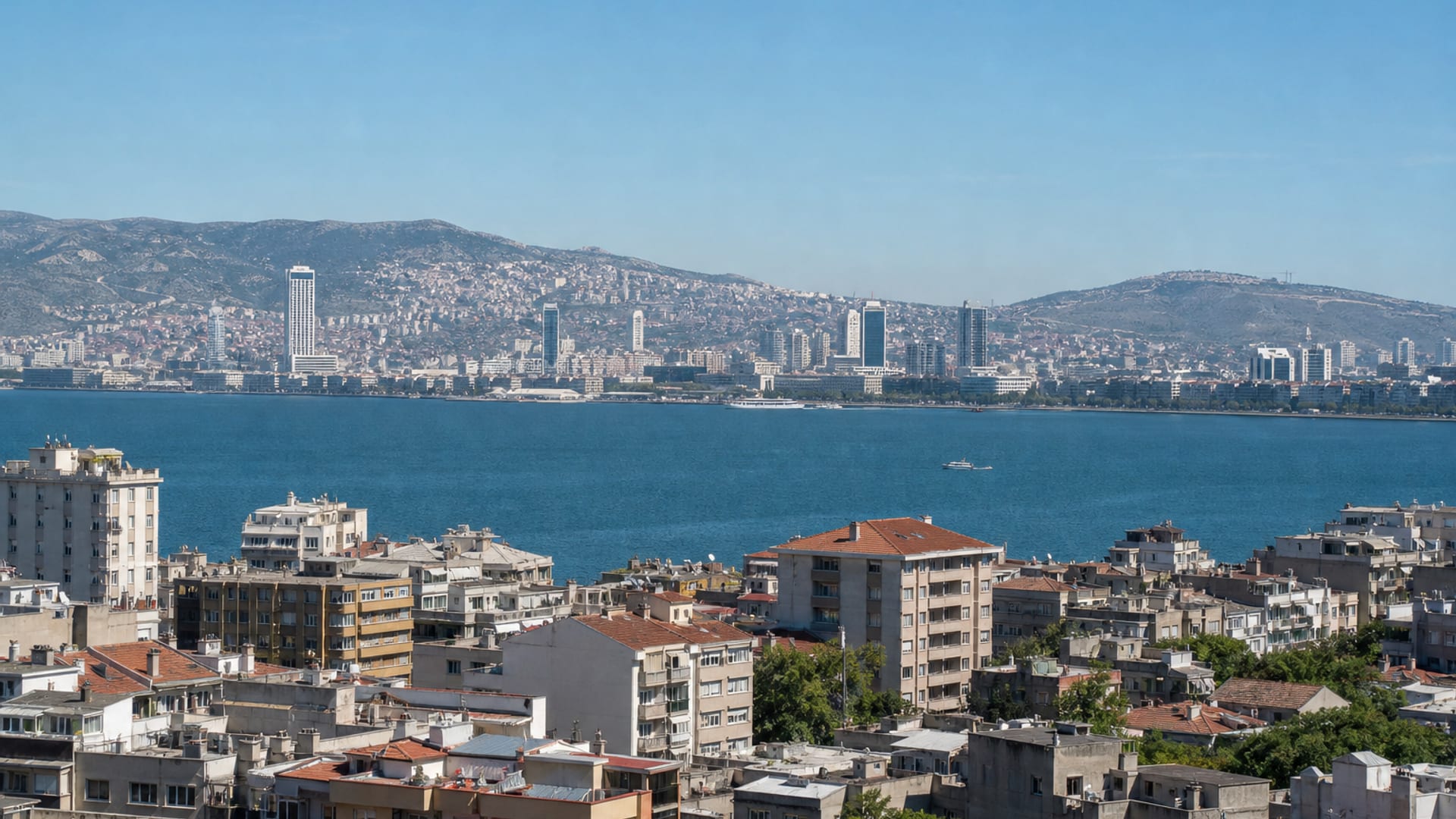
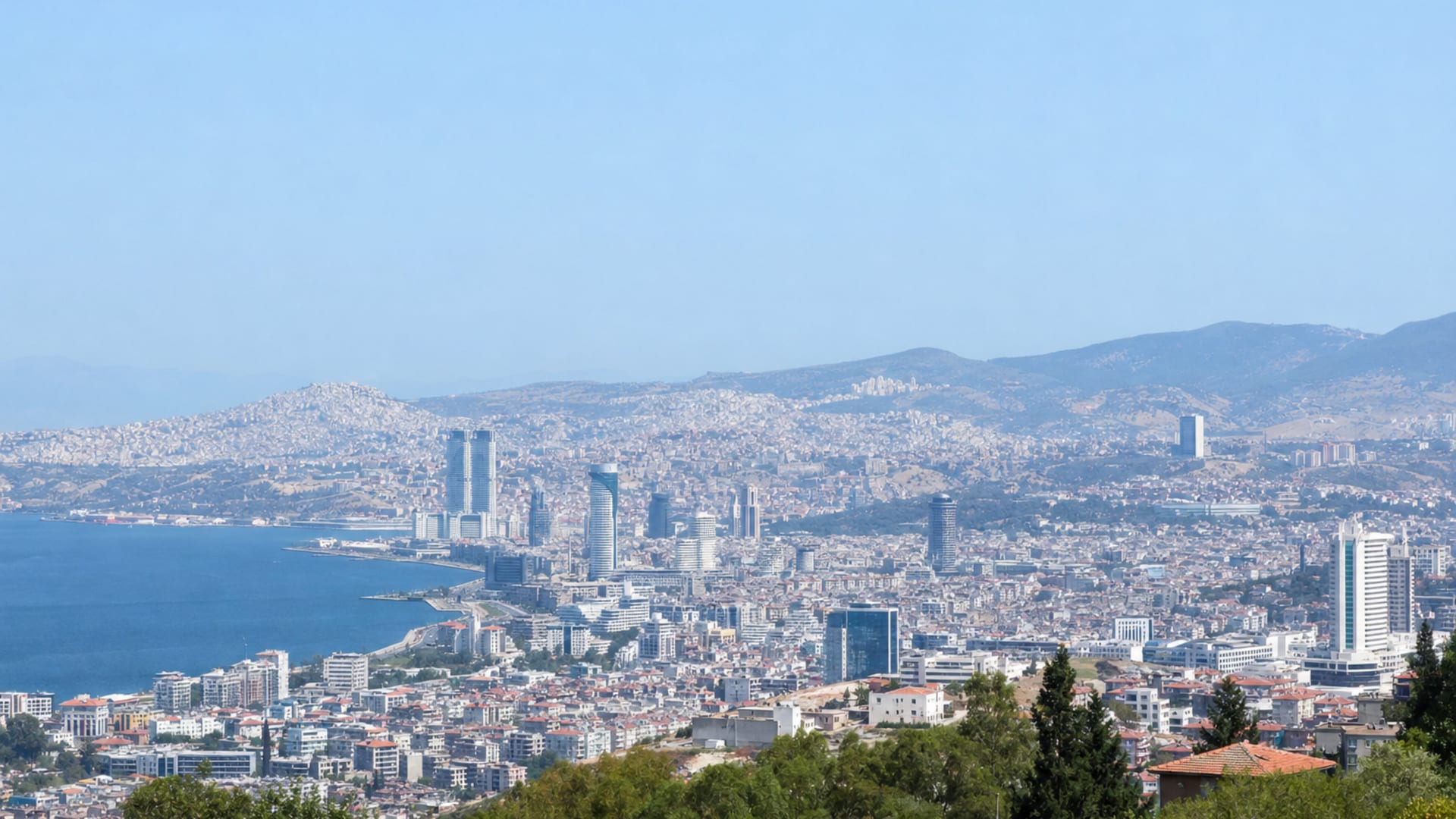
Izmir stretches along the Aegean coast, with Kordon and Konak facing the bay while Kemeraltı’s market streets, the Agora, and hillside neighborhoods extend inland. Ferries also connect the waterfront districts, giving the city a different rhythm from destinations organized around a single historic center.
Five days give you time to separate the waterfront, markets, archaeological sites, and outer districts without turning every day into a cross-city route. This guide covers where to stay, how to get around, what to eat, and how to organize the main sights in a practical order.
Useful things to know

Main language(s): Turkish
Merhaba (mehr-hah-bah) – Hello / good morning
Lütfen (loot-fen) – Please
Teşekkür ederim (teh-shehk-kur eh-deh-reem) – Thank you
İngilizce konuşuyor musunuz? (in-gee-leez-jeh koh-noo-shoo-yor moo-soo-nooz) – Do you speak English?
Ne kadar? (neh kah-dar) – How much does it cost?

Currency: Turkish lira (TRY, ₺)

Cash and cards: Cards are widely accepted at hotels, restaurants, and larger shops, but keep TRY 500 to TRY 1,000 ($10 to $21) for markets, smaller businesses, and cash payments.

Tipping: Leave approximately 10% at restaurants when service is not included, and round up taxi fares when appropriate.

Traditional food: Boyoz, İzmir köfte, kumru, and zeytinyağlı enginar are among İzmir’s best-known local dishes.

Water and coffee costs: Bottled water typically costs TRY 15 to TRY 50 ($0.30 to $1), while an espresso generally costs TRY 120 to TRY 180 ($2.50 to $3.75).
0 ($3).

Taxis and ride apps: BiTaksi and Uber are available; Uber connects passengers with licensed local taxis in İzmir.

Plug and voltage: Type C/F socket, 230V, 50Hz

Dining and shop opening hours: Restaurants commonly serve lunch from 12:00 pm to 2:30 pm and dinner from 7:00 pm to 10:00 pm. Shops generally stay open throughout the afternoon.

Emergency number: Dial 112 for police, fire, or medical emergencies.
Where to stay in Izmir
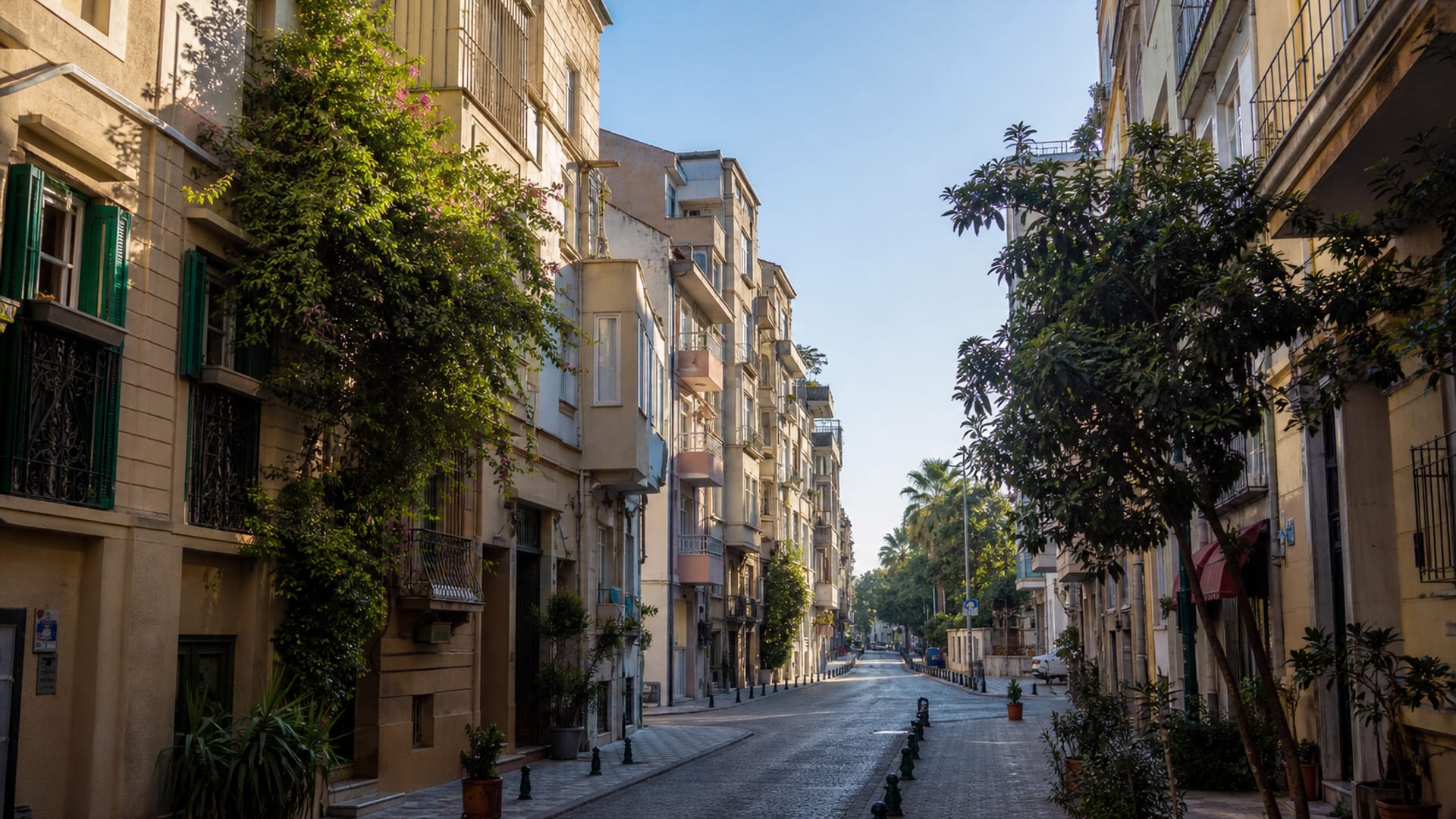
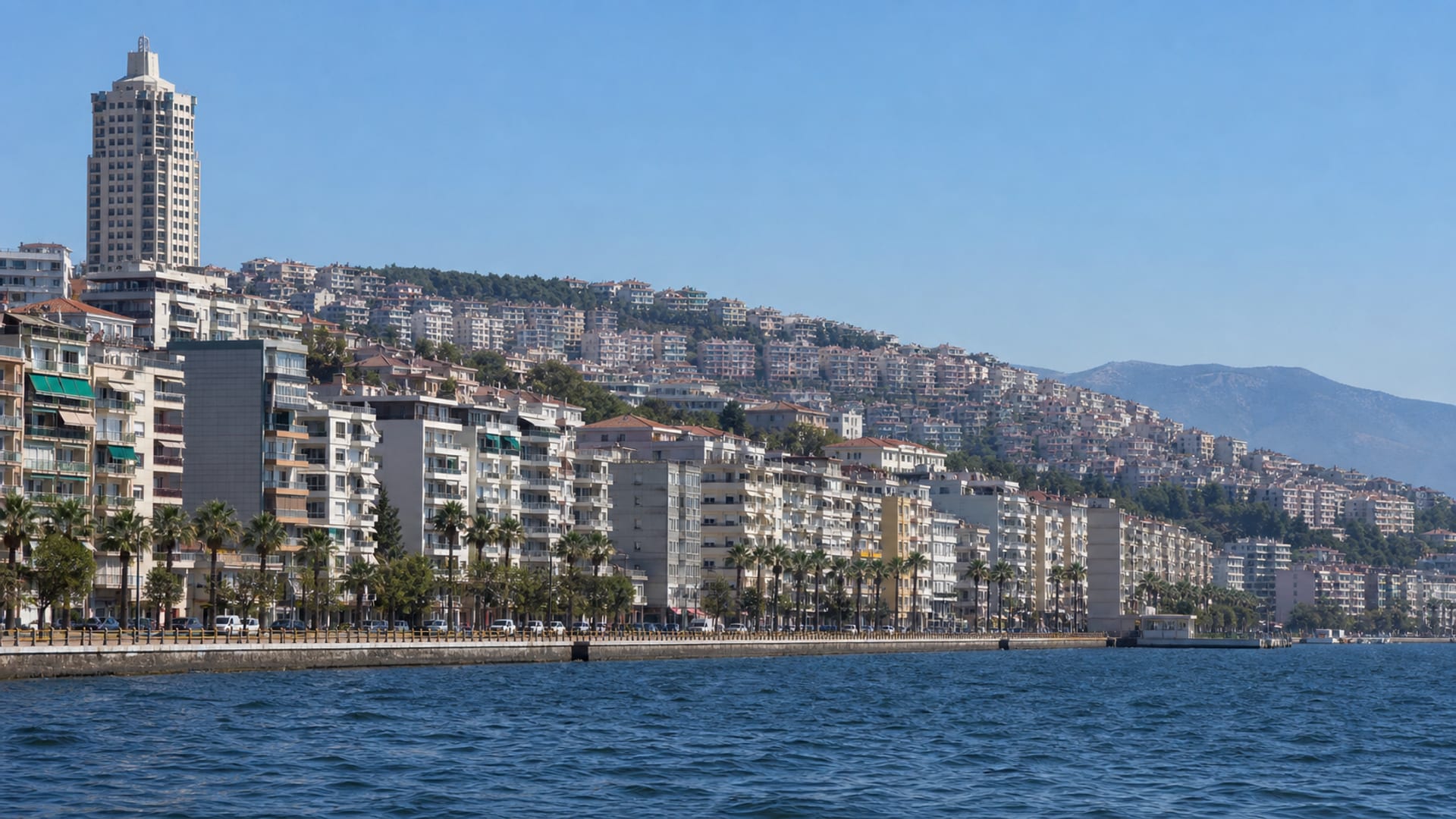
Alsancak is one of Izmir’s busiest central districts, with Kordon, restaurants, bars, shops, hotels, and major transport links nearby. It suits visitors who want dining and nightlife within walking distance with easy connections to the rest of Izmir.
Best for: Dining, nightlife, waterfront walks, and easy access to public transport
What to expect: Busy streets, cafés, restaurants, and steady foot traffic into the evening
Hotel prices: Well-rated hotels generally cost TRY 3,400 to TRY 8,700 ($70 to $180) per night.
Distance to major sights: 5 to 15 minutes on foot to Kordon and 10 to 15 minutes by transit to Konak Square
Quietness: Active throughout the day, with more noise around nightlife streets after dark
Main trade-off: Waterfront rooms cost more, and the busiest streets can stay noisy late.
Good to know: Choose a side street if you want easy access to Kordon without staying directly above bars or restaurants.
Konak contains some of Izmir’s most recognizable central sights, including the Clock Tower, Kemeraltı, ferry piers, and major transport links. It suits first-time visitors who want the historic core and waterfront within easy reach.
Best for: Sightseeing, ferries, and travelers who want to stay near Izmir’s historic core
What to expect: Heavy daytime activity, commuters, shoppers, and visitors around the square and Kemeraltı
Hotel prices: Nightly rates usually range from TRY 2,900 to TRY 7,200 ($60 to $150).
Distance to major sights: 5 to 10 minutes on foot to Izmir Clock Tower and Kemeraltı
Quietness: Busy during the day, with less activity once shops and offices close
Main trade-off: Some streets feel more commercial than residential, and daytime traffic can be heavy.
Good to know: Stay closer to the waterfront or Kemeraltı if sightseeing is your priority.
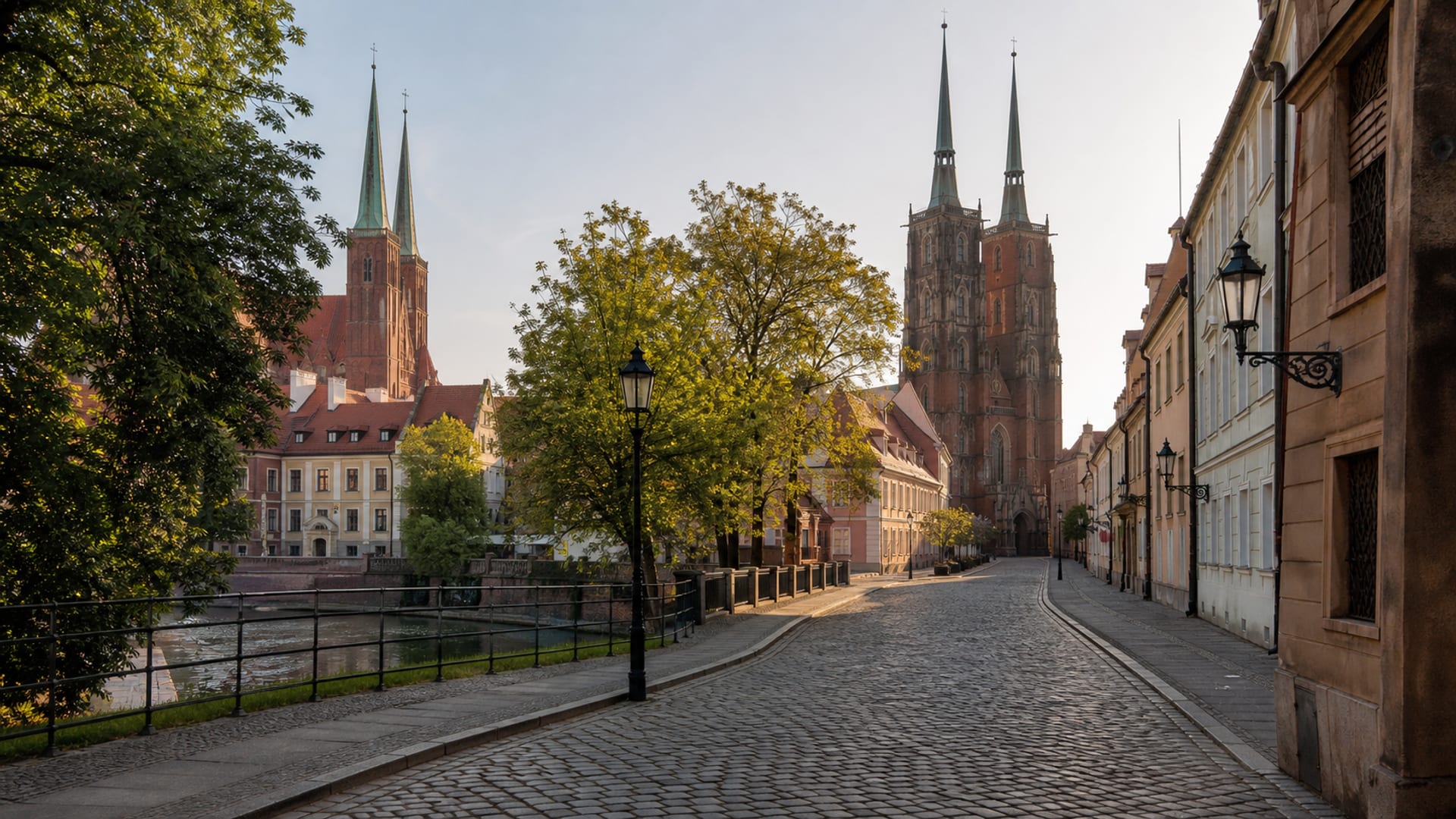
Basmane is located inland from Konak around its historic railway station, with budget hotels, metro access, and Kemeraltı within reach. It suits travelers who prioritize lower room rates and public transport over waterfront surroundings.
Best for: Budget stays, rail arrivals, and short visits that prioritize transit access
What to expect: Busy station streets, local commerce, budget hotels, and heavy daytime movement
Hotel prices: Expect to pay TRY 1,700 to TRY 4,300 ($35 to $90) per night.
Distance to major sights: 15 to 20 minutes on foot to Konak and Kemeraltı, depending on the route
Quietness: Busy during the day, then quieter after shops and station traffic ease
Main trade-off: The streets around the station feel less polished than Alsancak or the waterfront.
Good to know: Choose a well-reviewed hotel close to the station or main streets if you expect to return after dark.
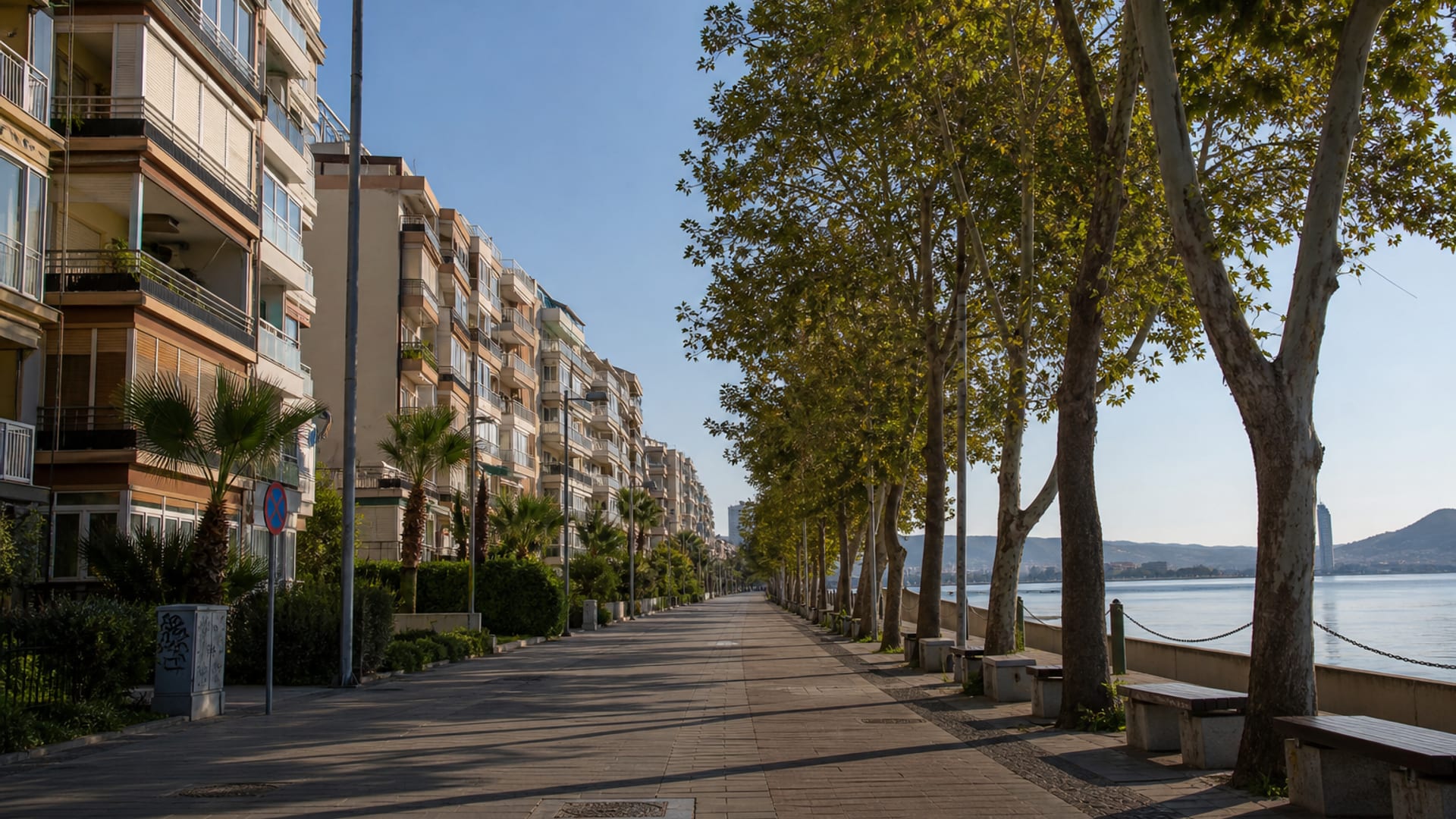
Karşıyaka stretches along the northern side of Izmir Bay, with a busy bazaar, cafés, restaurants, waterfront paths, and frequent ferry connections. It suits longer stays and visitors who prefer a residential district while keeping central Izmir accessible by boat.
Best for: Longer stays, waterfront walks, dining, and a residential setting
What to expect: Local shopping streets, cafés, ferry traffic, and lively waterfront areas
Hotel prices: Hotels generally cost TRY 2,600 to TRY 6,700 ($55 to $140) per night.
Distance to major sights: 25 to 35 minutes by ferry to Konak Square; roughly 10 minutes on foot to the seafront
Quietness: Active around the bazaar and ferry pier, with quieter residential streets farther inland
Main trade-off: Central sightseeing requires crossing the bay, which adds another transport step.
Good to know: Stay near Karşıyaka Pier if you plan to use ferries frequently for trips into central Izmir.
Bornova, Bayraklı, outer Gaziemir, and airport-side areas are less practical for a first sightseeing-focused stay because they add travel time to Konak, Alsancak, Kemeraltı, and the waterfront. They make more sense for business, airport access, or longer stays than for a short city break.
Hotel deals
How to get around Izmir efficiently
Izmir’s metro, trams, ferries, buses, and taxis cover different parts of the city, from central districts to cross-bay and airport trips.

Metro
for longer distances
Izmir Metro links Fahrettin Altay with Evka 3 and connects with tram, ferry, and suburban rail services at key points. A standard İzmirim Kart ride costs TRY 35 ($0.75), with free transfers for 90 minutes after the first tap on eligible city services.

Bus and tram
for convenience
Konak Tram follows the central waterfront, while Karşıyaka Tram serves the northern shore. Buses reach neighborhoods beyond the rail network. Standard İzmirim Kart fares cost TRY 35 ($0.75), with eligible transfers included for 90 minutes. Airport bus routes use a separate fare of TRY 77 ($1.60).

Taxi
for convenience or late hours
Licensed taxis use meters, and fares depend on distance, traffic, and time of day. A ride from central Izmir to Adnan Menderes Airport costs TRY 600 to TRY 960 ($12 to $20), while shorter city trips often cost TRY 145 to TRY 385 ($3 to $8). Use licensed yellow taxis or book through BiTaksi or Uber.
*Prices are based on rates updated as of June 2026 and may change at the time of travel.
Use the metro and tram for central trips, ferries for crossing the bay, buses for neighborhoods beyond the rail network, and taxis for late arrivals or airport transfers.
Iconic landmarks
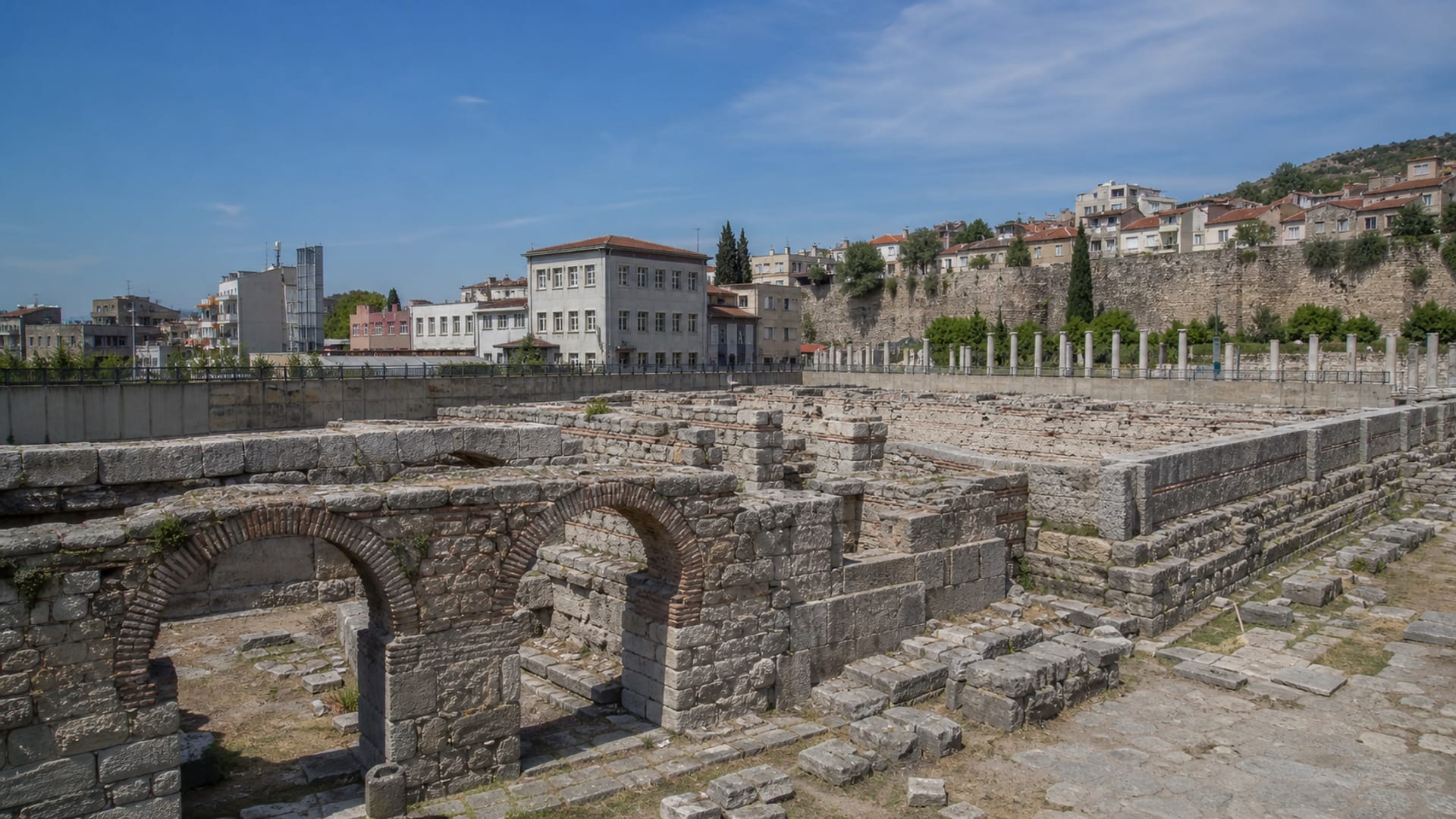
Agora Open Air Museum
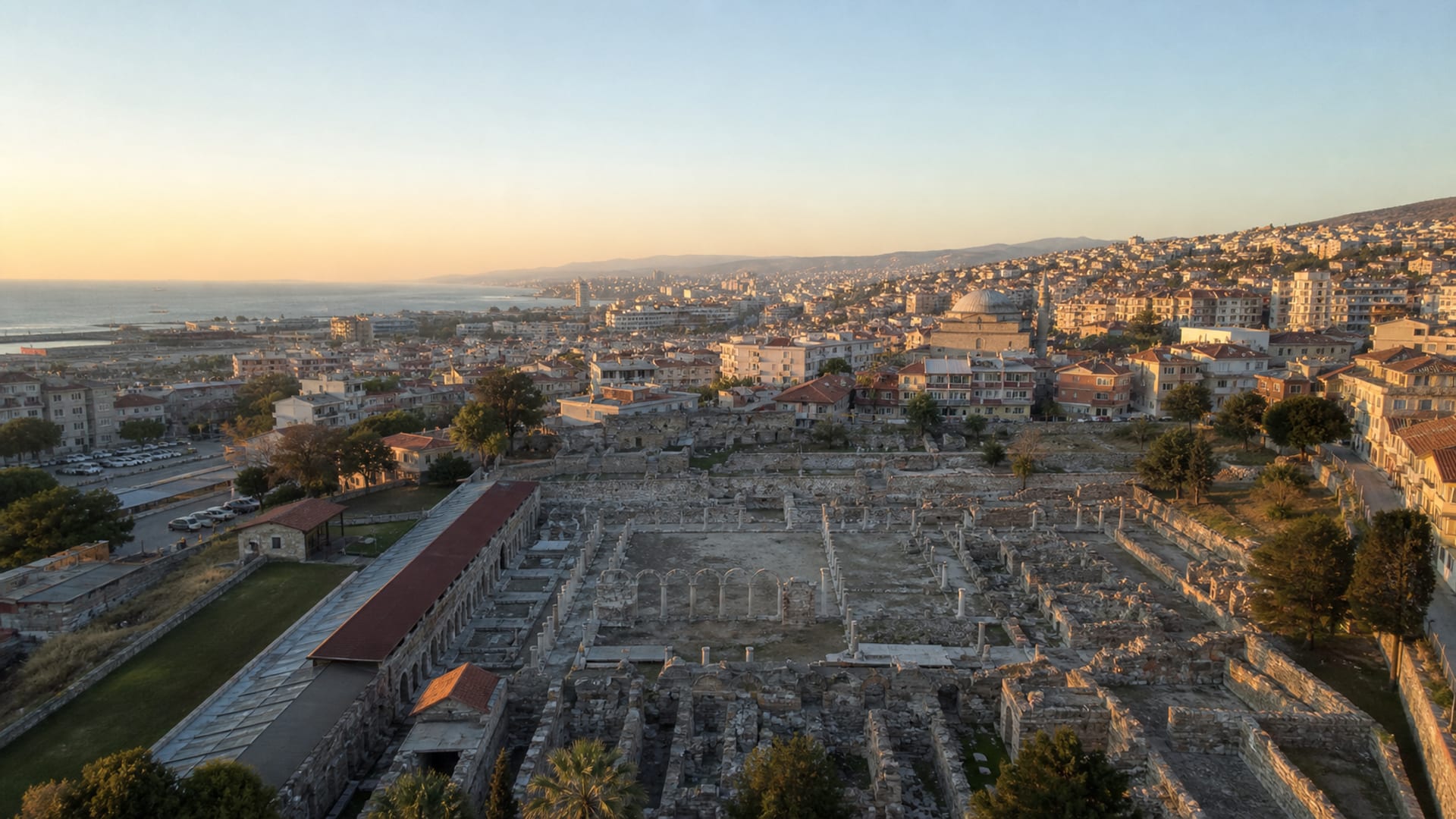
The Smyrna Agora preserves Roman colonnades, vaulted passages, shops, and public spaces beneath modern Izmir. Much of the surviving complex dates to the 2nd century AD and shows how the ancient city’s political and commercial center was organized.
Time needed: 1 to 2 hours
Entry: Admission costs TRY 160 to TRY 260 ($5 to $8), with reduced rates for students and children. Visit the official site for details.
Tip: Go early for cooler weather and softer light across the stonework, especially in summer.
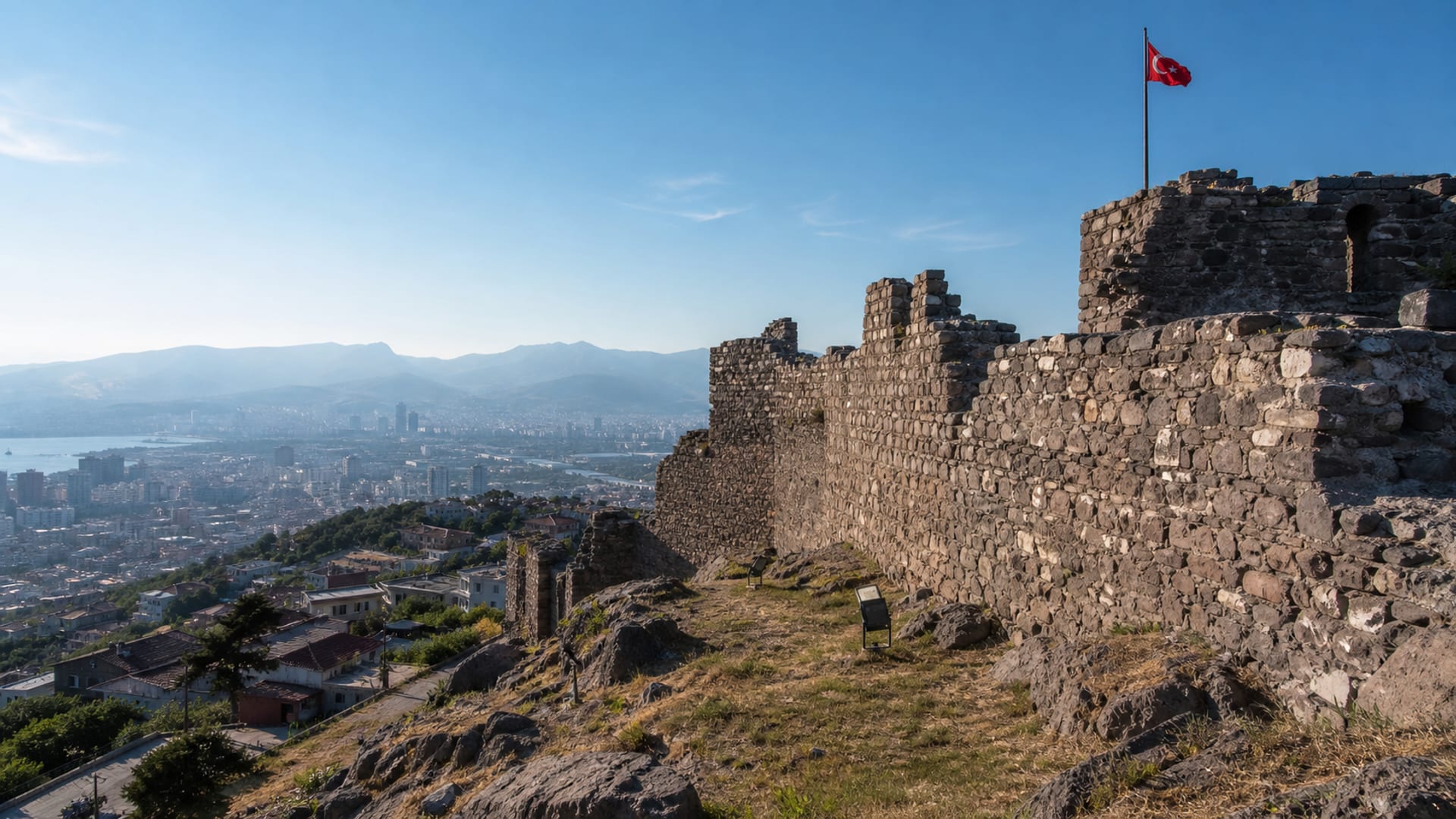
Kadifekale
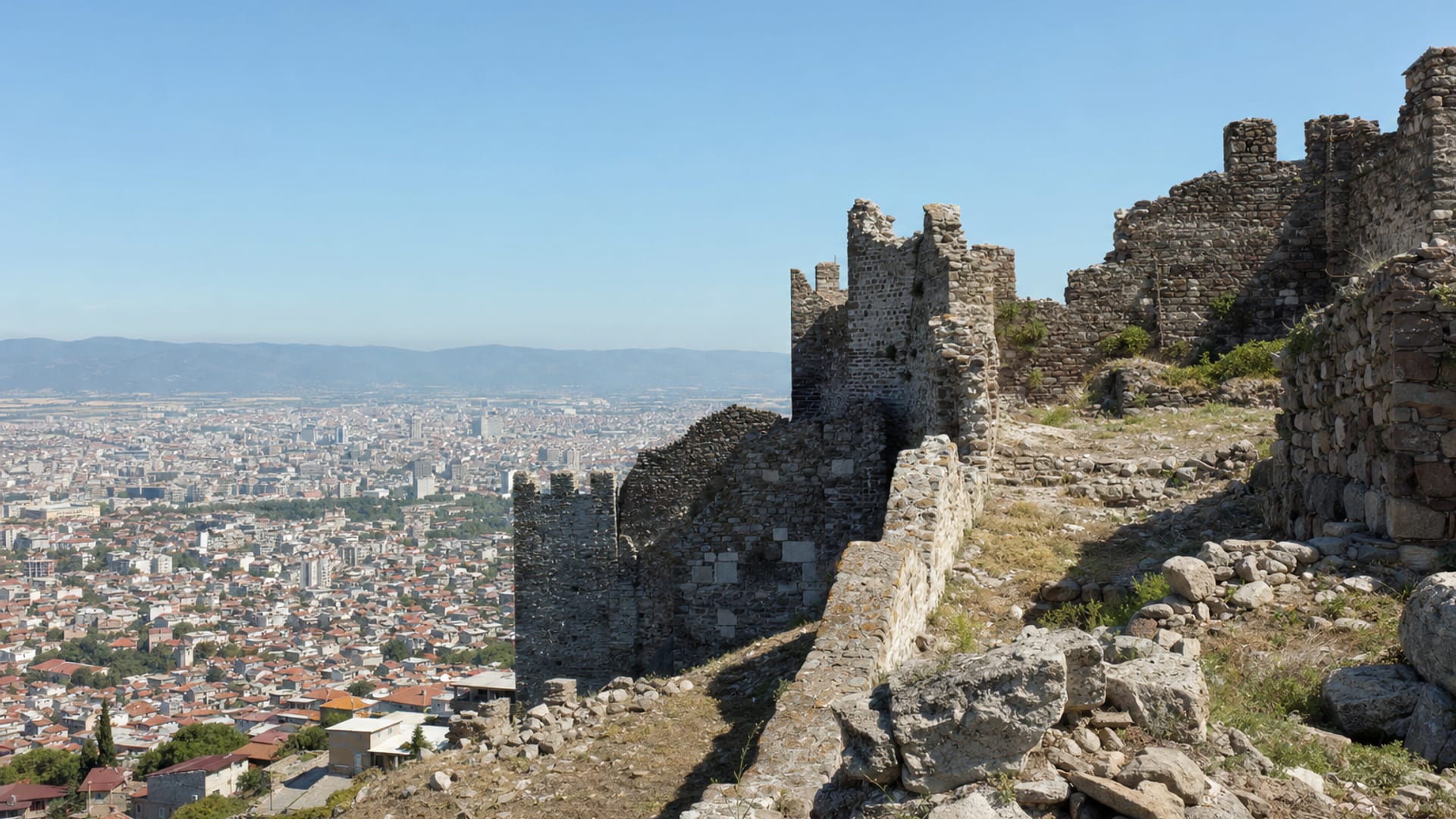
Kadifekale crowns Pagos Hill above Izmir, with surviving walls and remains from the Hellenistic, Roman, Byzantine, and Ottoman periods. Its elevated position gives broad views across the city and Gulf of Izmir.
Time needed: 1 to 2 hours
Entry: Free to access. Some sections may close temporarily for restoration or maintenance.
Tip: Visit in the late afternoon for cooler temperatures and clearer views over the bay.
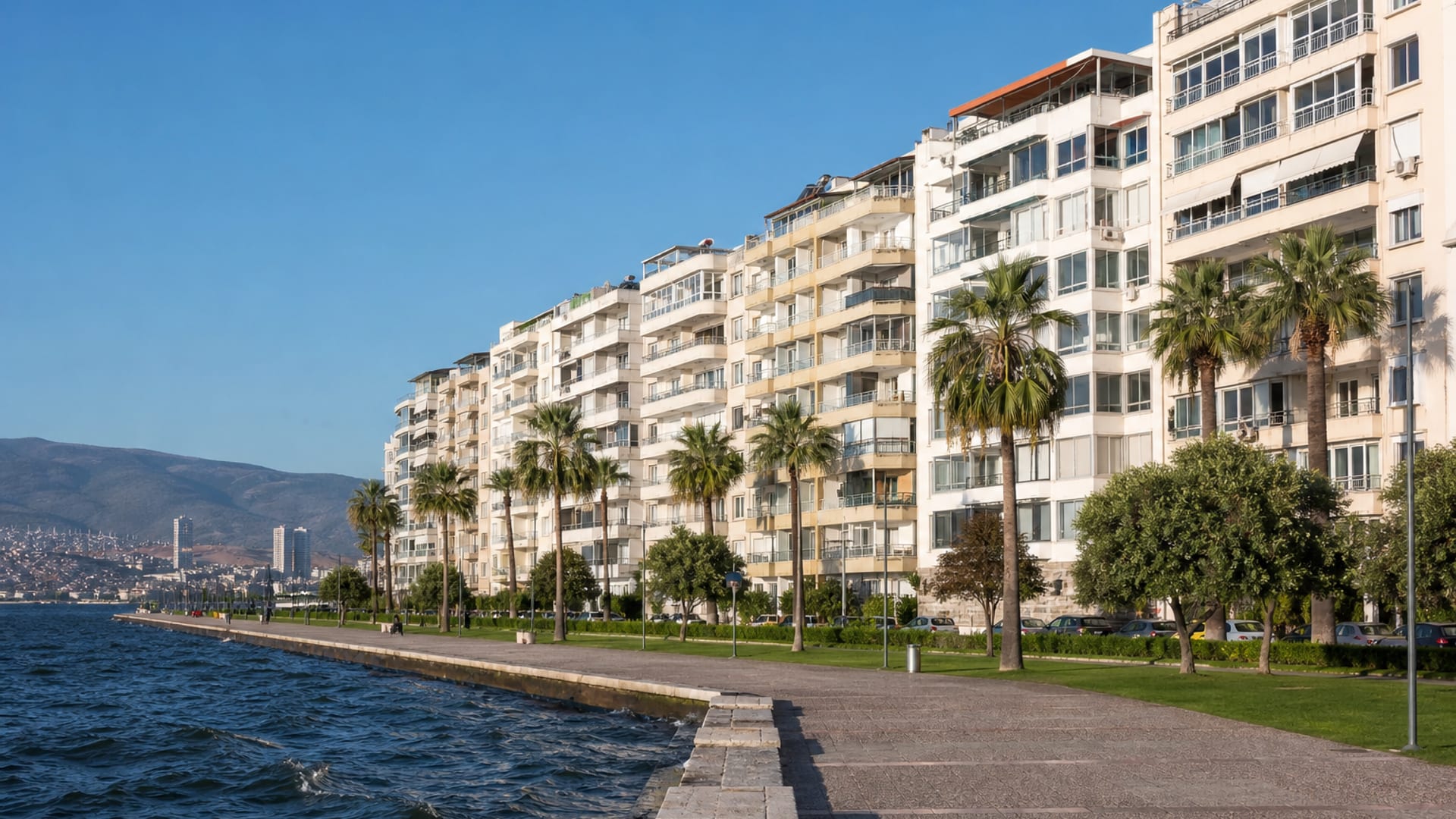
Kordon waterfront promenade
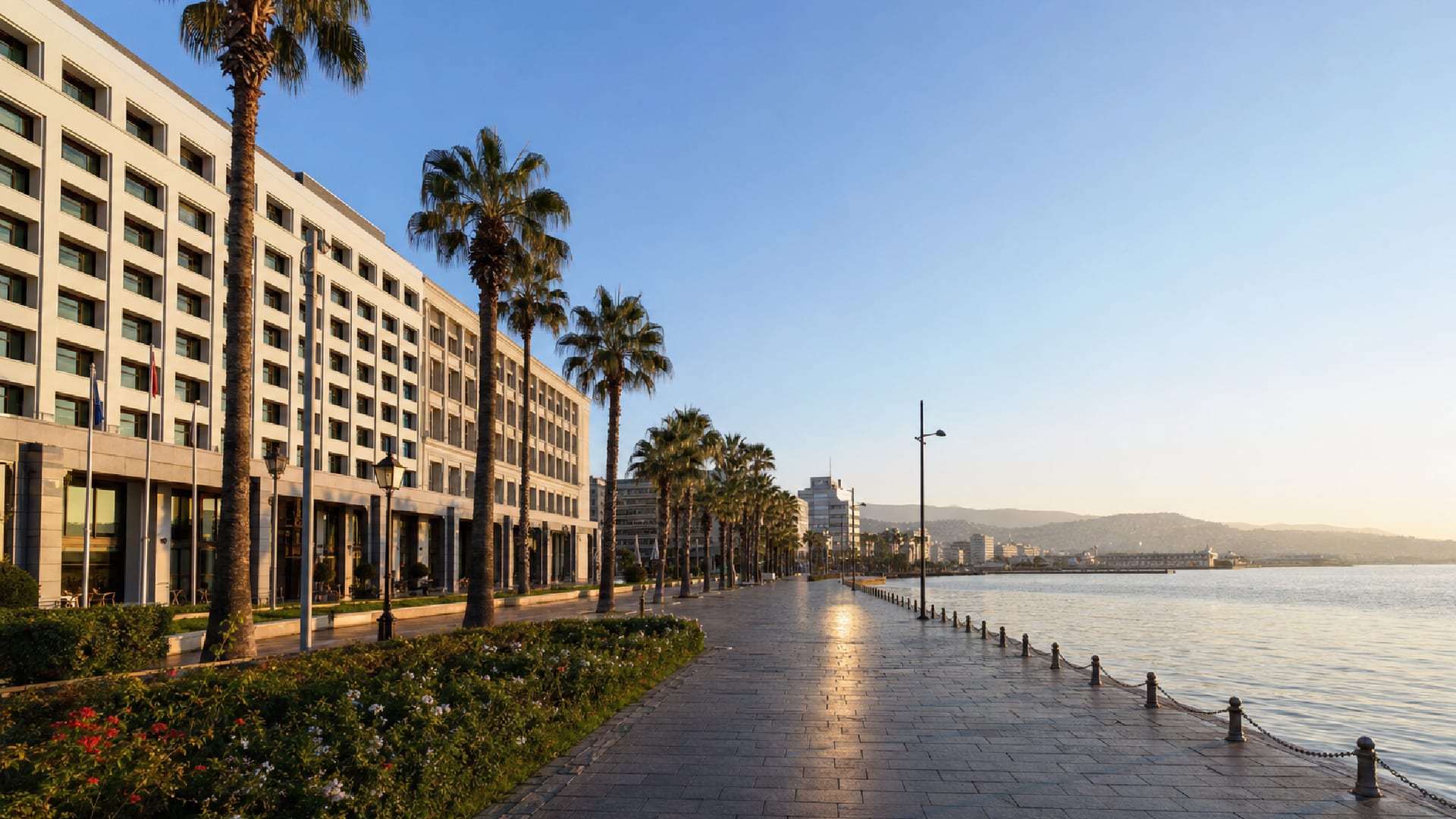
Kordon follows the bay through central Izmir, with lawns, cafés, ferry views, and long pedestrian stretches beside the water. It is one of the city’s most popular places for an evening walk.
Time needed: 1 to 2 hours
Entry: Free
Tip: Visit in the late afternoon and stay through sunset.
Overlooked sites worth visiting

Historical Elevator
Built in 1907, the Historical Elevator links the lower streets of Karataş with the hillside above. The restored tower rises above Dario Moreno Street and opens onto a terrace with wide views over Izmir Bay.
Time needed: 30 to 45 minutes
Entry: Free. The elevator and viewing area are open daily.
Tip: Visit near sunset for the best light over the bay.

Hisar Mosque and Kemeraltı backstreets
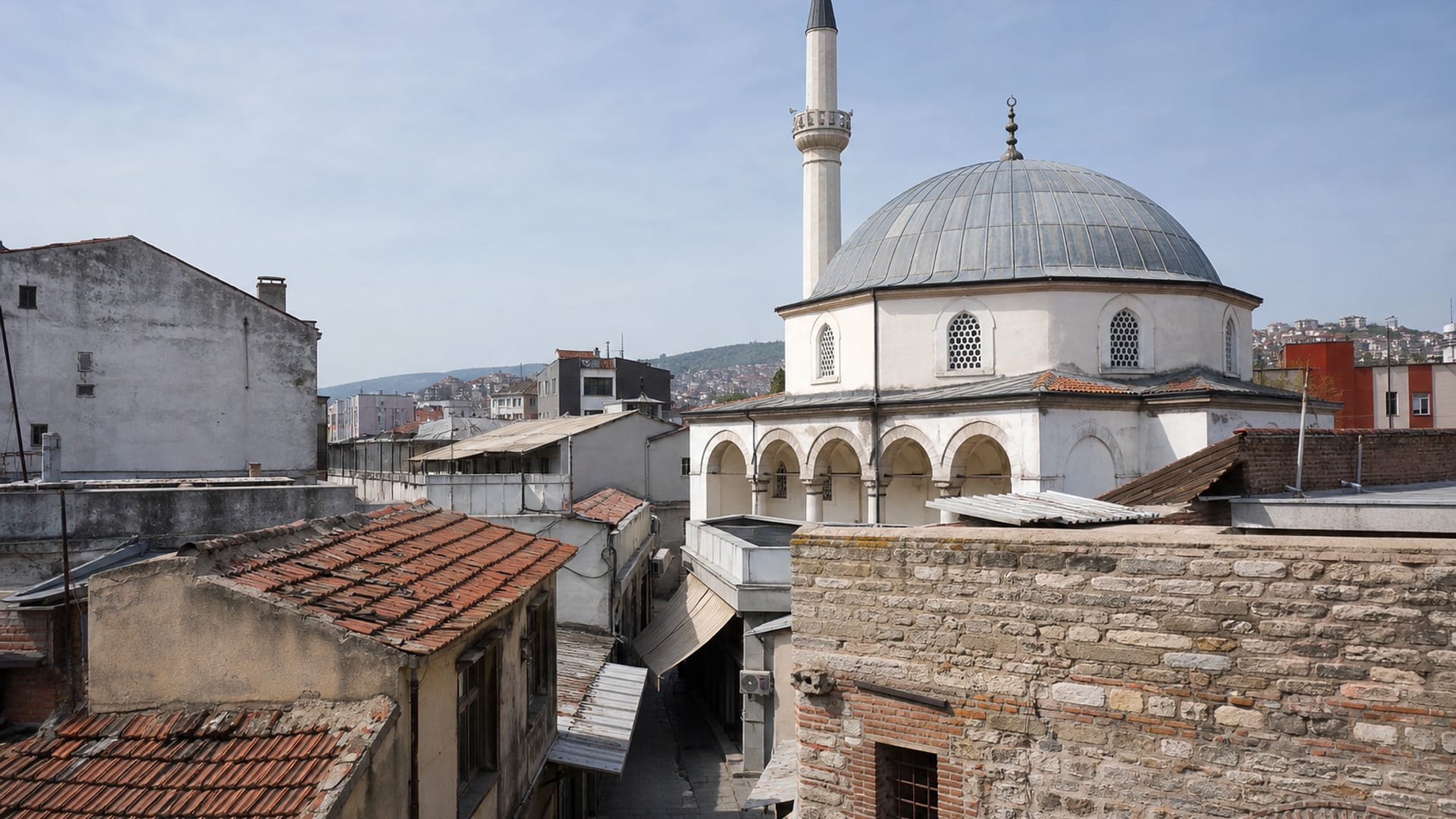
Hisar Mosque stands within Kemeraltı, surrounded by market lanes, hans, workshops, and small courtyards. The mosque dates to the late 16th century and makes an easy stop while exploring the older commercial streets.
Time needed: 1 to 2 hours
Entry: Free. Dress modestly and avoid visiting the prayer hall during prayer times.
Tip: Visit before noon, then continue through the quieter lanes around Kemeraltı.
Traditional food
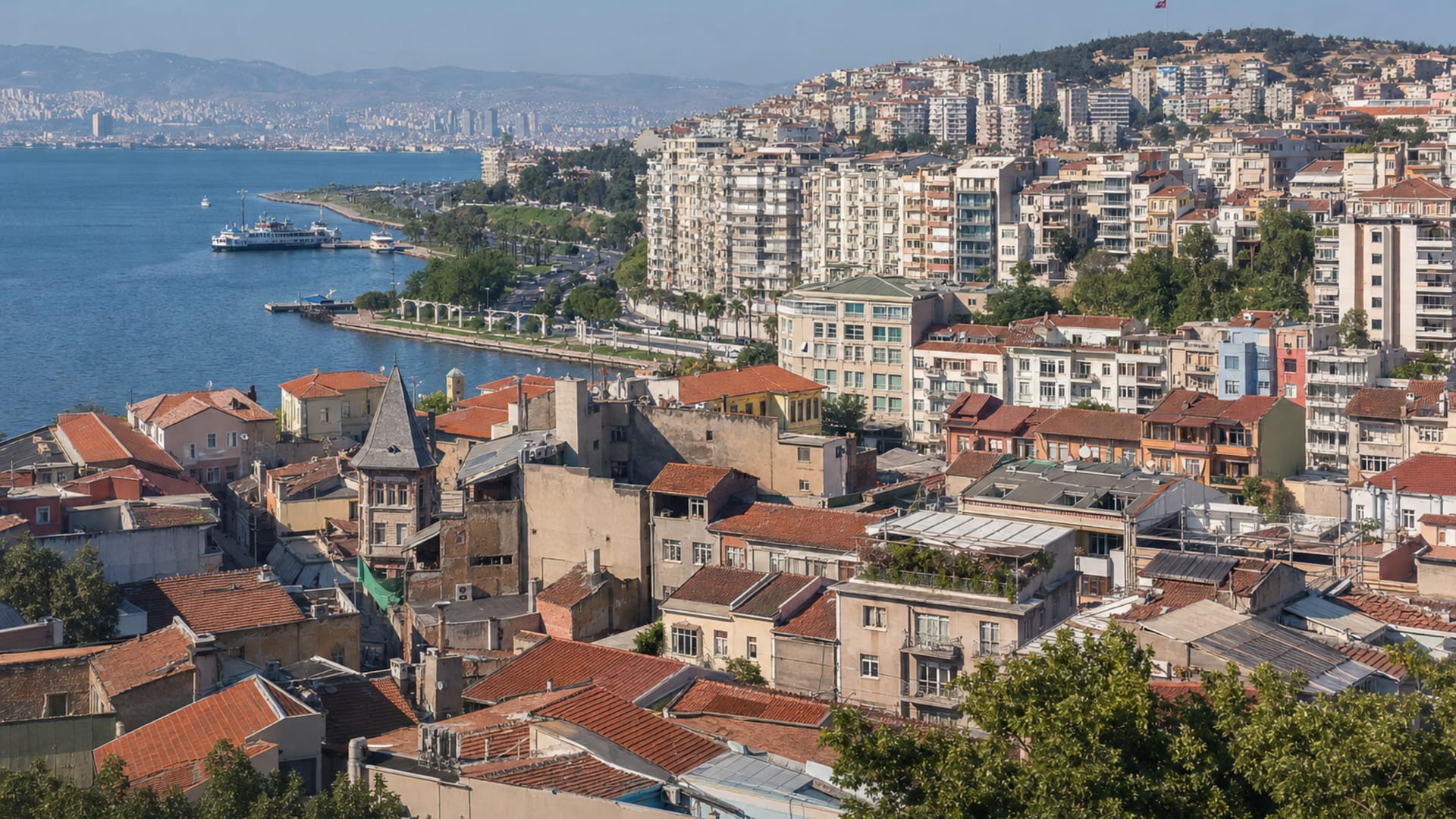
Izmir cuisine combines olive oil, herbs, vegetables, seafood, baked pastries, and grilled meat, with boyoz, İzmir köfte, kumru, and zeytinyağlı enginar among its best-known local dishes.
Boyoz
Boyoz is a flaky baked pastry commonly eaten for breakfast with tea, cheese, or a boiled egg. Alsancak Dostlar Fırını is one of İzmir’s best-known places to try both traditional and filled versions.
İzmir köfte
İzmir köfte combines meatballs, potatoes, tomatoes, and peppers baked together in a rich sauce. İzmir Spor Lokantası in Konak serves the dish as part of its traditional home-style menu.
Kumru
Kumru uses sesame-crusted bread filled with cheese, tomato, and cured or grilled meats. Kumrucu Şevki in Bostanlı is a long-established İzmir name closely associated with this local sandwich.
Zeytinyağlı enginar
Zeytinyağlı enginar features artichokes cooked in olive oil with vegetables and herbs, reflecting the Aegean side of İzmir’s cuisine. Adabeyi Balık Restaurant at Konak Pier serves it among its cold starters.
Best time to visit Izmir
Izmir has long, hot summers and mild winters. Spring and fall bring the most comfortable sightseeing weather, while summer is better suited to early starts and evenings by the bay.
Best for: Museum walks, Kordon, and market streets
What you get: 59°F to 77°F (15°C to 25°C), with mild weather and comfortable conditions for longer walks
Trade-offs: Rain can interrupt some outdoor plans.
Best for: Bayfront evenings, ferry rides, and late dinners
What you get: 75°F to 93°F (24°C to 34°C), with hot days and the largest crowds near the waterfront
Trade-offs: Midday sightseeing can feel tiring.
Best for: Sightseeing, food stops, and hilltop views
What you get: 61°F to 82°F (16°C to 28°C), with warm early-season weather and manageable crowds
Trade-offs: Days become noticeably shorter by late fall.
Best for: Museums, quieter streets, and lower-season sightseeing
What you get: 46°F to 59°F (8°C to 15°C), with lighter crowds and cooler evenings along the waterfront
Trade-offs: Rain and wind can affect outdoor plans.
A realistic 5-day plan in Izmir
Five days offer you time to explore Izmir’s waterfront, historic center, market streets, and hilltop sights without repeating the same landmarks. This plan keeps the first days central, then adds Kadifekale and a final waterfront morning before departure.
Land at Izmir Adnan Menderes Airport (ADB), then take a taxi or airport shuttle to Alsancak or Konak. The trip usually takes 25 to 35 minutes, and taxis cost roughly TRY 480 to TRY 865 ($10 to $18). Check in, then keep the first evening light with a walk along Kordon and dinner near the waterfront.
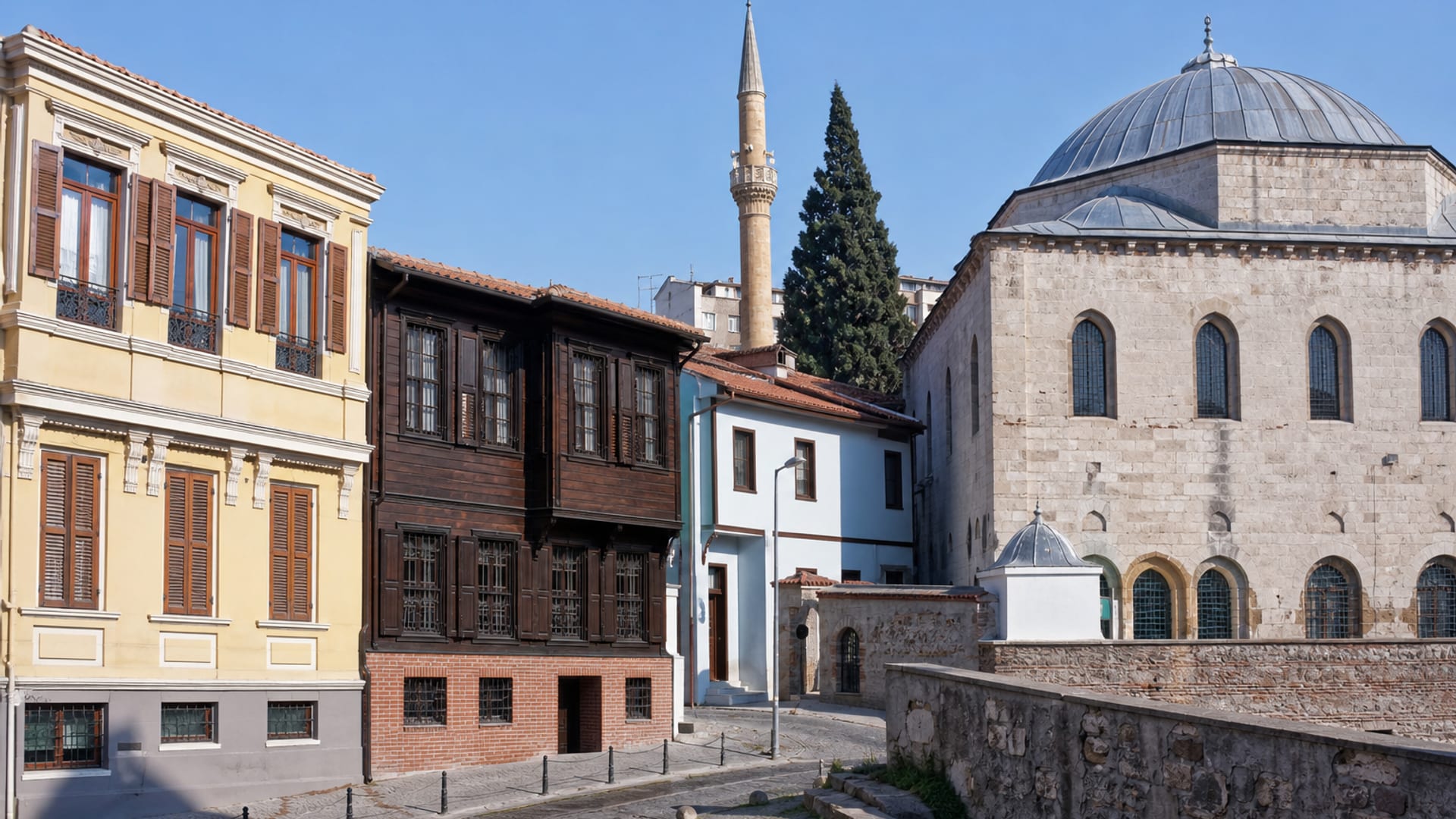
Start at the Agora Open Air Museum and allow 1 to 2 hours for the Roman streets, basilica, and vaulted passages. Walk 10 to 15 minutes toward Konak for the Izmir Clock Tower and ferry area, then continue along the waterfront toward Kordon. Stay for sunset and dinner nearby.
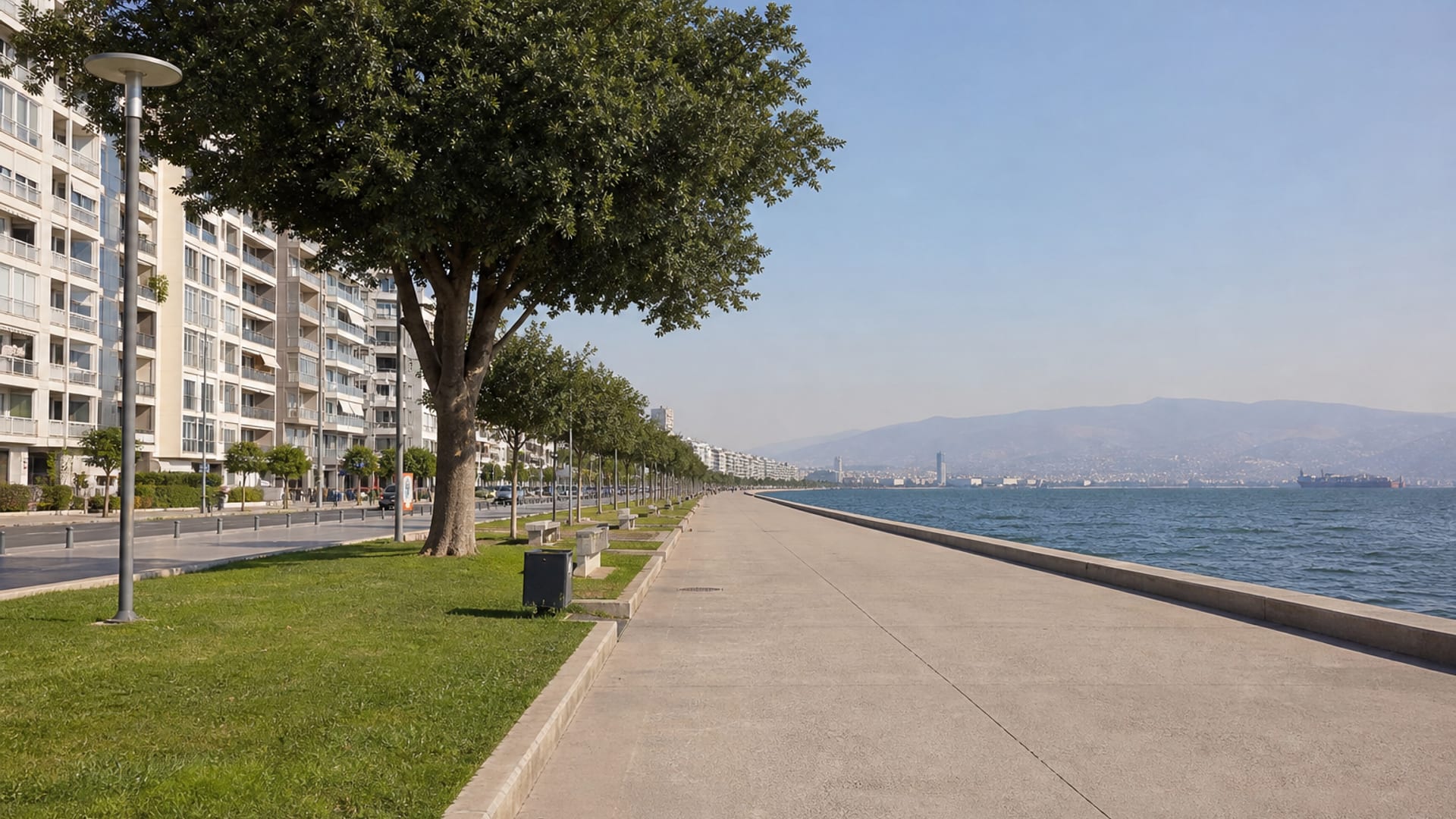
Begin at Hisar Mosque and spend the morning exploring Kemeraltı’s market lanes, hans, shops, and courtyards. After lunch, head toward the Historical Elevator in Karataş for bay views and a walk along Dario Moreno Street. Return to Konak or Alsancak for dinner.
Visit Kadifekale in the late afternoon and allow 1 to 2 hours for the surviving walls and views over Izmir Bay. Take a taxi back to Alsancak, which usually takes 15 to 20 minutes, then spend the evening around Kordon, Kıbrıs Şehitleri Street, and the surrounding restaurants.
Take the ferry to Karşıyaka for a final waterfront walk, coffee, and a browse through the local shopping streets near the pier. Return across the bay, collect your bags, and allow extra time for the trip to Izmir Adnan Menderes Airport (ADB) during peak traffic.
Business-class flights from the US to Izmir
Flights into Izmir usually connect through major European and Middle Eastern hubs, so the route you choose depends on where you start and how much time you want to spend en route. The East Coast and West Coast options follow different patterns.
From New York (JFK), Turkish Airlines, Lufthansa, Swiss International Air Lines, Air France, and Qatar Airways all serve routes to Izmir with about 11 to 12 hours nonstop unavailable, so most itineraries run through IST, FRA, ZRH, CDG, or DOH and take roughly 13 to 18 hours overall. Round-trip fares from New York (JFK) to Izmir usually start at $2,600 and can reach $5,500.
Los Angeles (LAX) itineraries often run through IST, FRA, DOH, CDG, or LHR, and the total journey usually lands at roughly 15 to 21 hours. Turkish Airlines, Lufthansa, Qatar Airways, Air France, and British Airways serve the route, and round trips from Los Angeles (LAX) typically cost about $2,800 to $6,200.
Izmir is easier when each district gets its own time
Izmir feels more manageable when Konak and Kemeraltı handle the historic core, Kordon and Alsancak take the waterfront hours, and Kadifekale stays separate from the central loop. Metro, tram, ferries, and taxis cover the longer links without overloading the day. AranGrant experts can help you find business-class flights and hotels that fit your dates and preferred location.







