

Chapters:

Need help with your trip?
Our support team is available 24/7. Request a callback or call us directly at (833) 619-0908
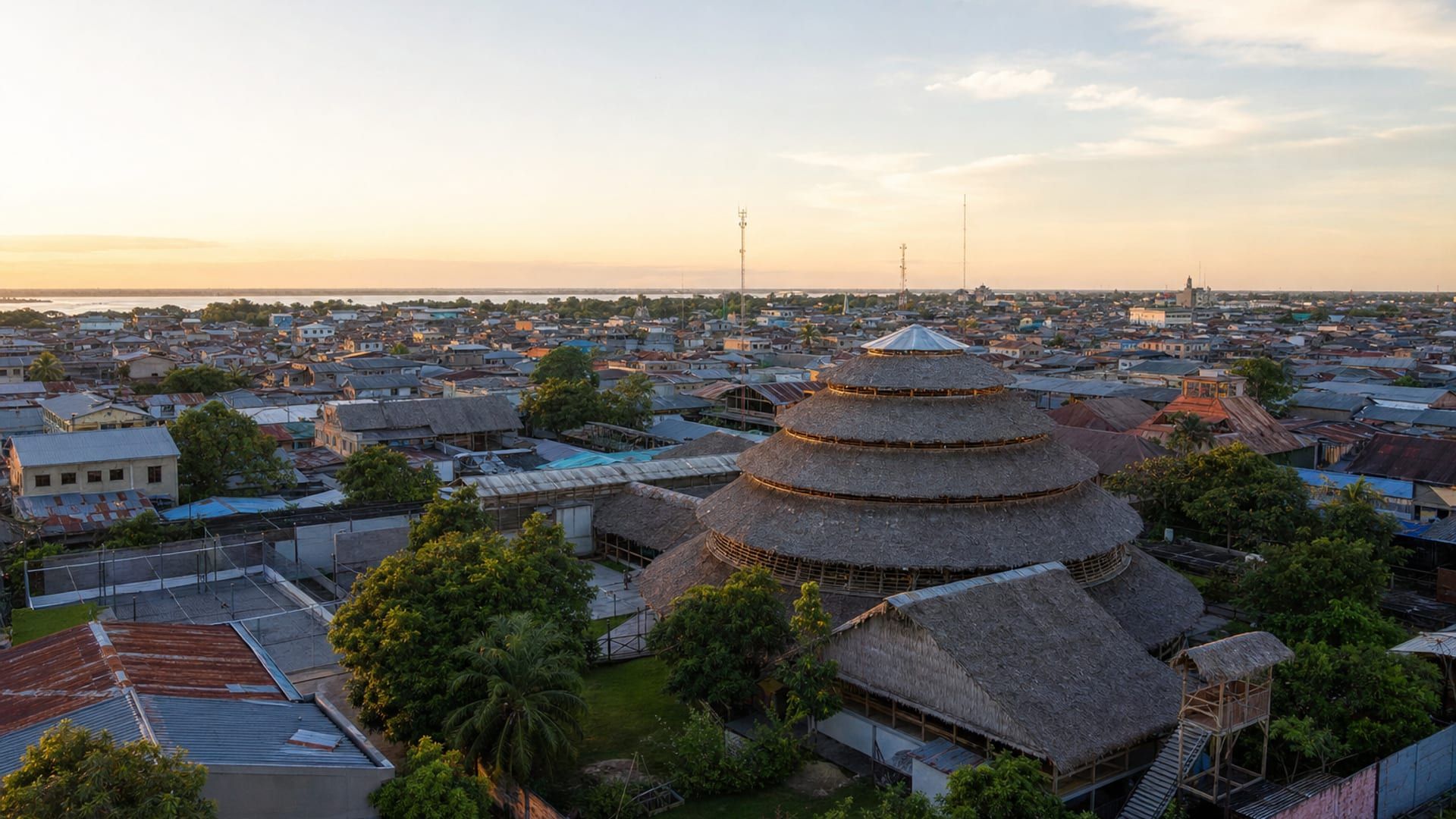
Iquitos feels different from other Peruvian cities because the river is part of how the city works.
Plaza de Armas, Belén, and the waterfront cover most central sightseeing, while boat trips, wildlife lodges, and riverside communities begin from ports such as Bellavista Nanay or farther south along the Iquitos–Nauta road. Mototaxis handle most short trips in town, but longer outings need more planning. Heat, traffic near the markets, and the time needed to reach river docks can slow the day.
This guide shows you where to stay, how to get around, what to eat, and how to divide five days between central Iquitos and the surrounding rainforest.
Useful things to know

Main language(s): Spanish is the main language. Indigenous Amazonian languages such as Kukama-Kukamiria, Bora, and Yagua are also spoken in Loreto.
Hola (OH-lah) – Hello
Por favor (por fah-VOR) – Please
Gracias (GRAH-syahs) – Thank you
¿Habla inglés? (AH-blah een-GLAYS?) – Do you speak English?
¿Cuánto cuesta? (KWAN-toh KWEHS-tah?) – How much does it cost?

Currency: Peruvian sol (PEN, S/)

Cash and cards: Cards are common at larger hotels and restaurants. Carry PEN 100–PEN 200 ($29–$58) for markets, mototaxis, and small shops.

Tipping: Tipping is optional. Roughly 10% is considered appropriate in restaurants when you are happy with the service.

Traditional food: Juane, tacacho con cecina, patarashca, inchicapi, and paiche are among the best-known dishes associated with Iquitos and Loreto.

Water and coffee costs: Bottled water costs PEN 3–PEN 5 ($0.90–$1.45), while a cappuccino is approximately PEN 13 ($3.80).


Dining and shop opening hours: Lunch is common from noon to 3 pm and dinner from 7 pm to 10 pm. Markets and local shops generally open earlier in the day.

Emergency number: Call 105 for police, 116 for fire services, and 106 for SAMU medical emergencies.
Where to stay in Iquitos
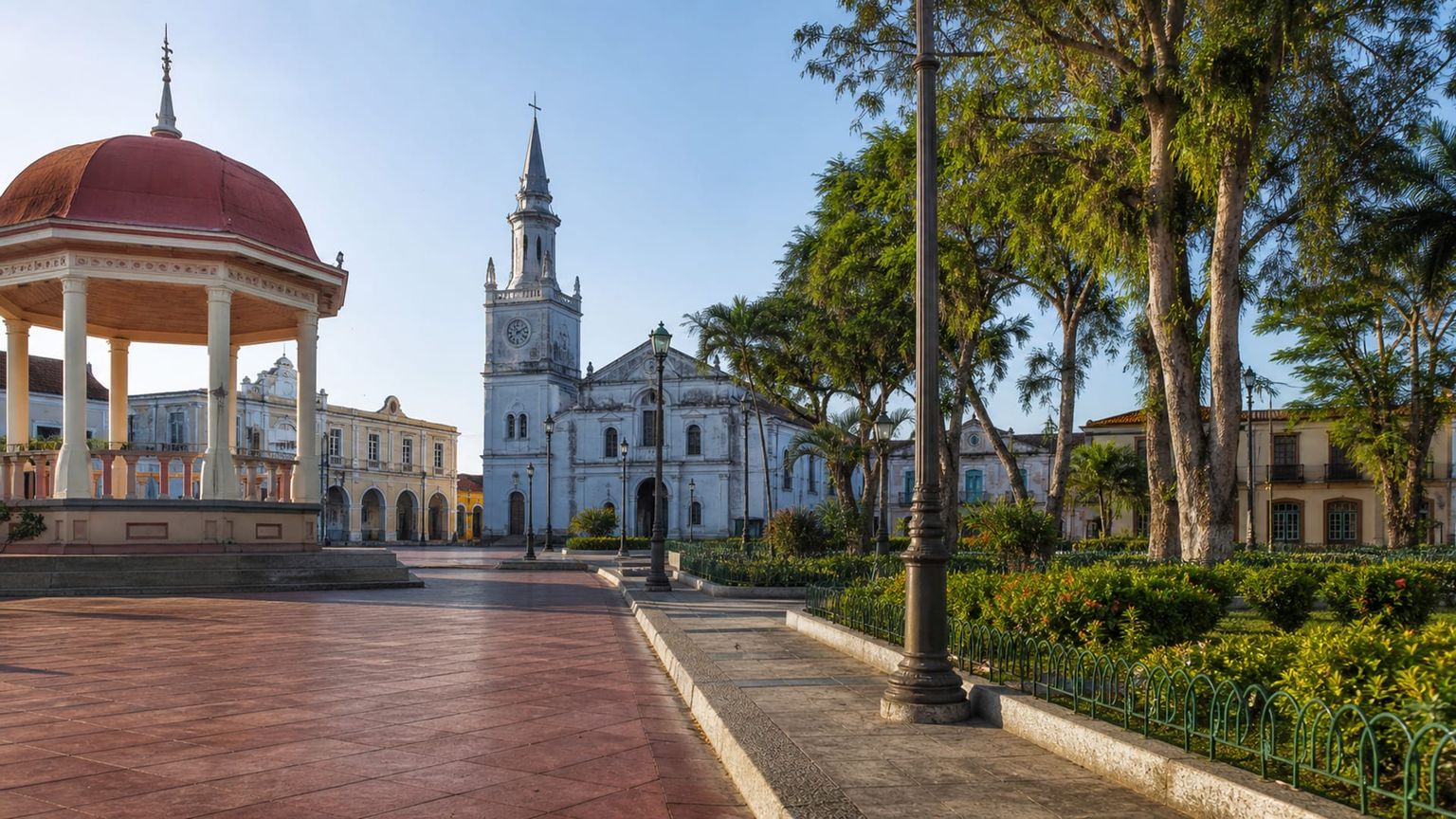
The Plaza de Armas area is central Iquitos, with historic buildings, restaurants, banks, shops, and river access within a few blocks. Belén Market lies farther south, while mototaxis and tour pickups are easy to find along the main streets throughout the day and evening.
Best for: First-time visits, river access, and travelers who want the city’s main sights within walking distance
What to expect: Busy sidewalks in the day, more local traffic than nightlife, and the most obvious concentration of services in the city center.
Hotel prices: Usually about $35 to $90 per night for well-rated stays
Distance to major sights: 5 to 10 minutes on foot to Plaza de Armas and the Malecón Tarapacá
Quietness: Lively by day, quieter after dinner once the offices close and the riverfront slows down.
Main trade-off: You pay more for centrality, and some streets get noisy from traffic, motorbikes, and music in the evening.
Good to know: Central hotels make early tour pickups and luggage storage easier before river departures.
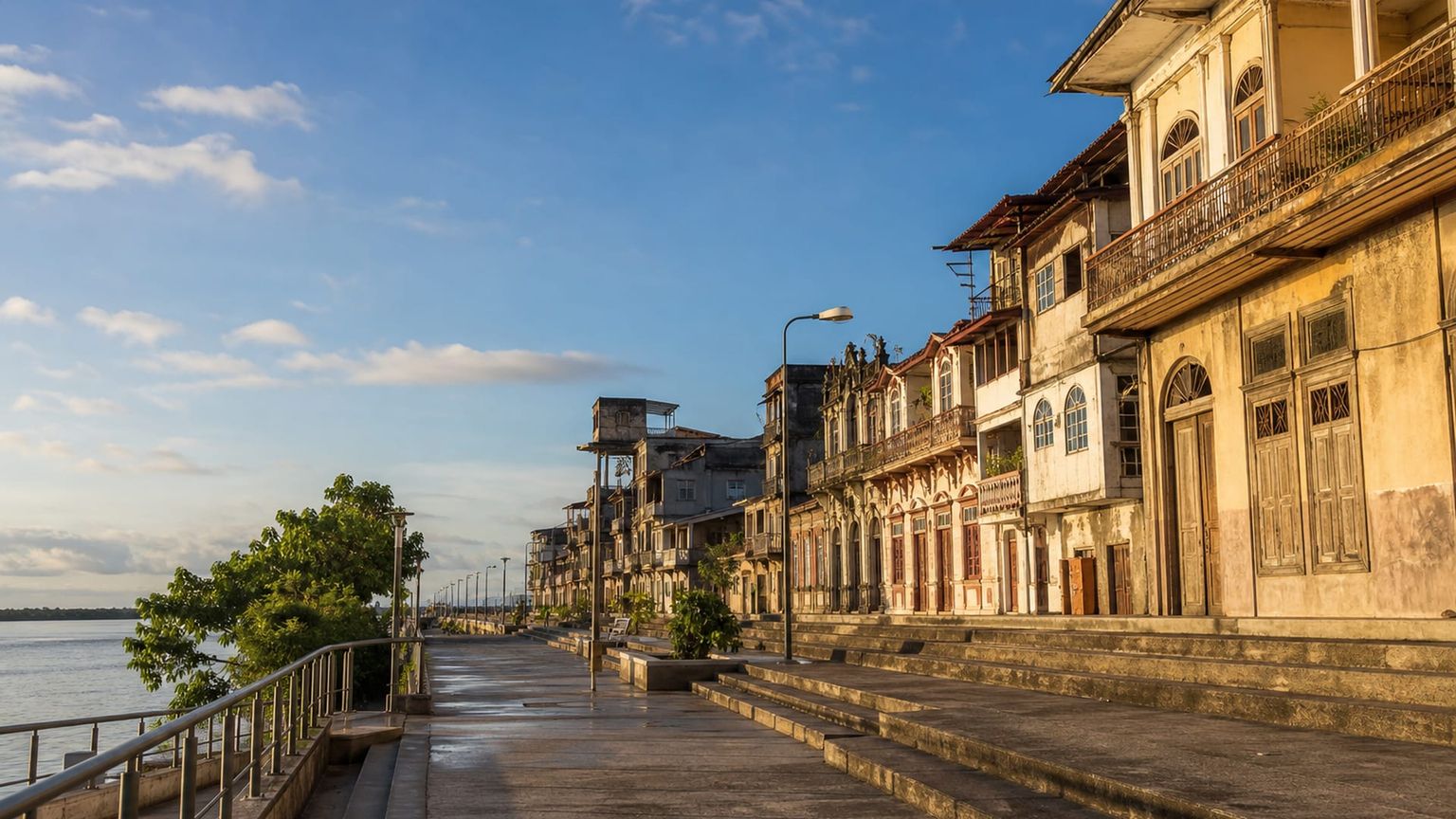
Malecón Tarapacá follows the eastern edge of central Iquitos above the Itaya River, with river views, restaurants, bars, historic buildings, and quick access to Plaza de Armas. The promenade becomes busier toward sunset, while side streets connect back into the commercial center.
Best for: Riverside walks, sunset views, and travelers who want quick access to the central waterfront
What to expect: A mix of pedestrians, vendors, and traffic near the main riverfront blocks, with more activity near sunset and boat hours.
Hotel prices: Usually about $30 to $85 per night for well-rated stays
Distance to major sights: About 5 minutes on foot to Plaza de Armas and 10 to 15 minutes on foot to the main market
Quietness: Active during the day, then calmer at night except near the busiest waterfront corners.
Main trade-off: Rooms closest to the river can pick up noise from traffic, people, and docks, especially if you stay near the liveliest stretches.
Good to know: An upper-floor room can reduce street noise and humidity near the waterfront.
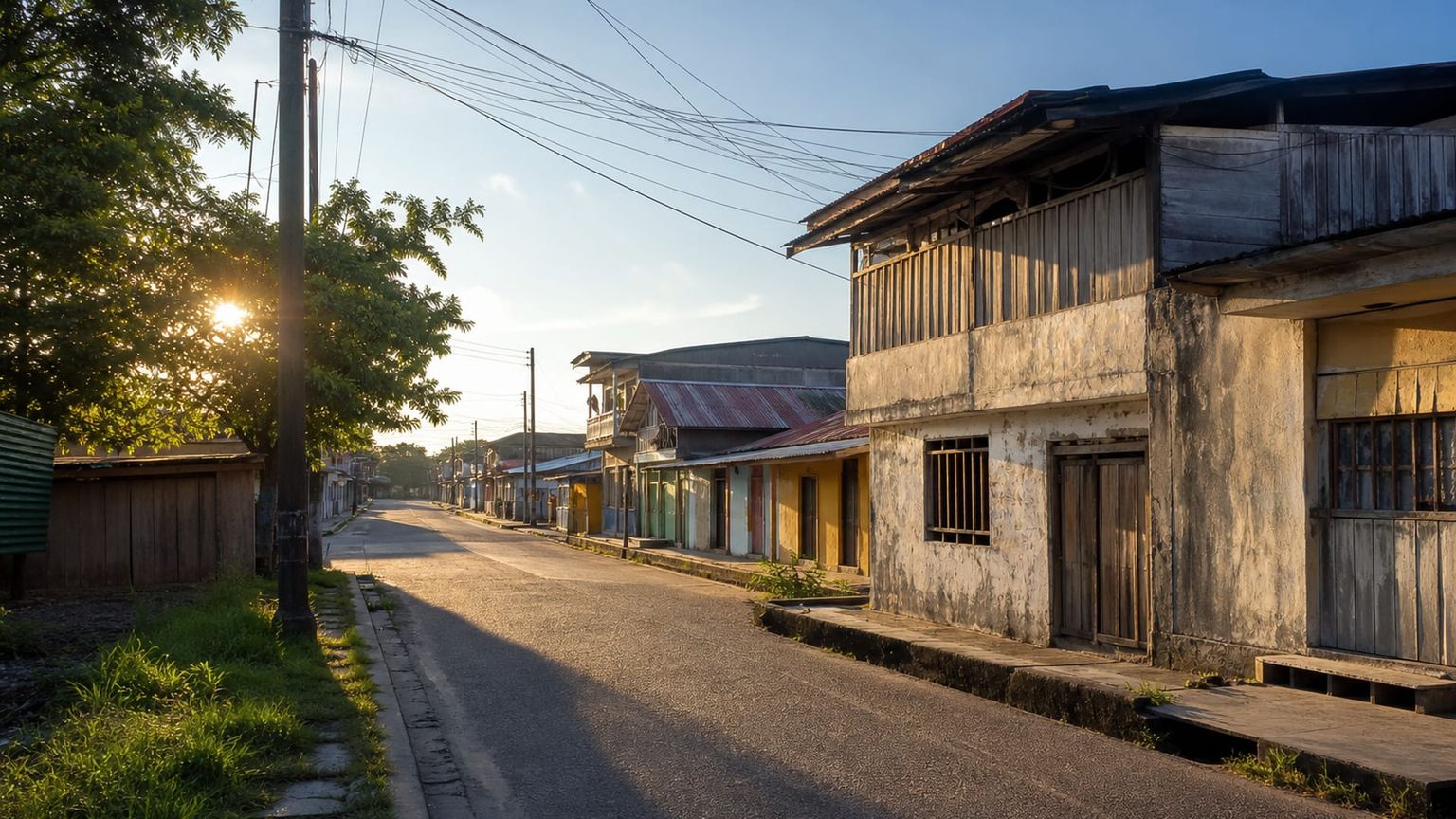
Punchana extends north of central Iquitos toward Bellavista Nanay, where river traffic, local markets, neighborhood streets, and the tourist marina shape the area. Boats leave from this side of the city for Nanay River trips, while Plaza de Armas remains a short mototaxi ride south.
Best for: Budget-conscious stays, port access, and visitors who do not mind using taxis for most outings
What to expect: More everyday neighborhood life than tourist foot traffic, with working streets, small shops, and a lower-key evening scene.
Hotel prices: Usually about $20 to $55 per night for well-rated stays
Distance to major sights: About 10 to 20 minutes by taxi to Plaza de Armas and the Malecón Tarapacá
Quietness: Often calmer than the center in the evening, though daytime activity around markets and roads can be busy.
Main trade-off: You will save money, but you will rely more on taxis or motos to reach the riverfront, restaurants, and tour departures.
Good to know: Staying closer to Bellavista Nanay helps if your river trip leaves from the northern marina.
For a first stay, choose Plaza de Armas or Malecón Tarapacá so restaurants, riverfront walks, and tour pickups stay close. Pick Punchana mainly if your plans start around Bellavista Nanay or you want lower hotel rates.
Hotel deals
How to get around Iquitos efficiently
Iquitos relies on mototaxis, local buses, and car taxis. Most central trips are short, while the airport and outer districts take longer.

Mototaxis
for longer distances
Mototaxis handle most short trips in Iquitos and are easy to find near Plaza de Armas, Belén, and Bellavista Nanay. Typical urban fares run PEN 5–PEN 10 ($1.45–$2.90). Agree on the price before boarding, and carry small bills for payment.


Taxis and ride apps
for convenience or late hours
Car taxis and ride apps suit airport transfers, luggage, and late arrivals. A car taxi between central Iquitos and the airport typically costs PEN 50 ($14.50). Uber and inDrive show the fare before booking, while street taxis usually require you to agree on a price first.
*Prices are based on rates updated as of September 2026 and may change at the time of travel.
Use mototaxis for short urban trips, buses for low-cost routes across town, and car taxis or ride apps when luggage or late hours make a direct ride easier.
Iconic landmarks
Plaza de Armas and Casa de Fierro
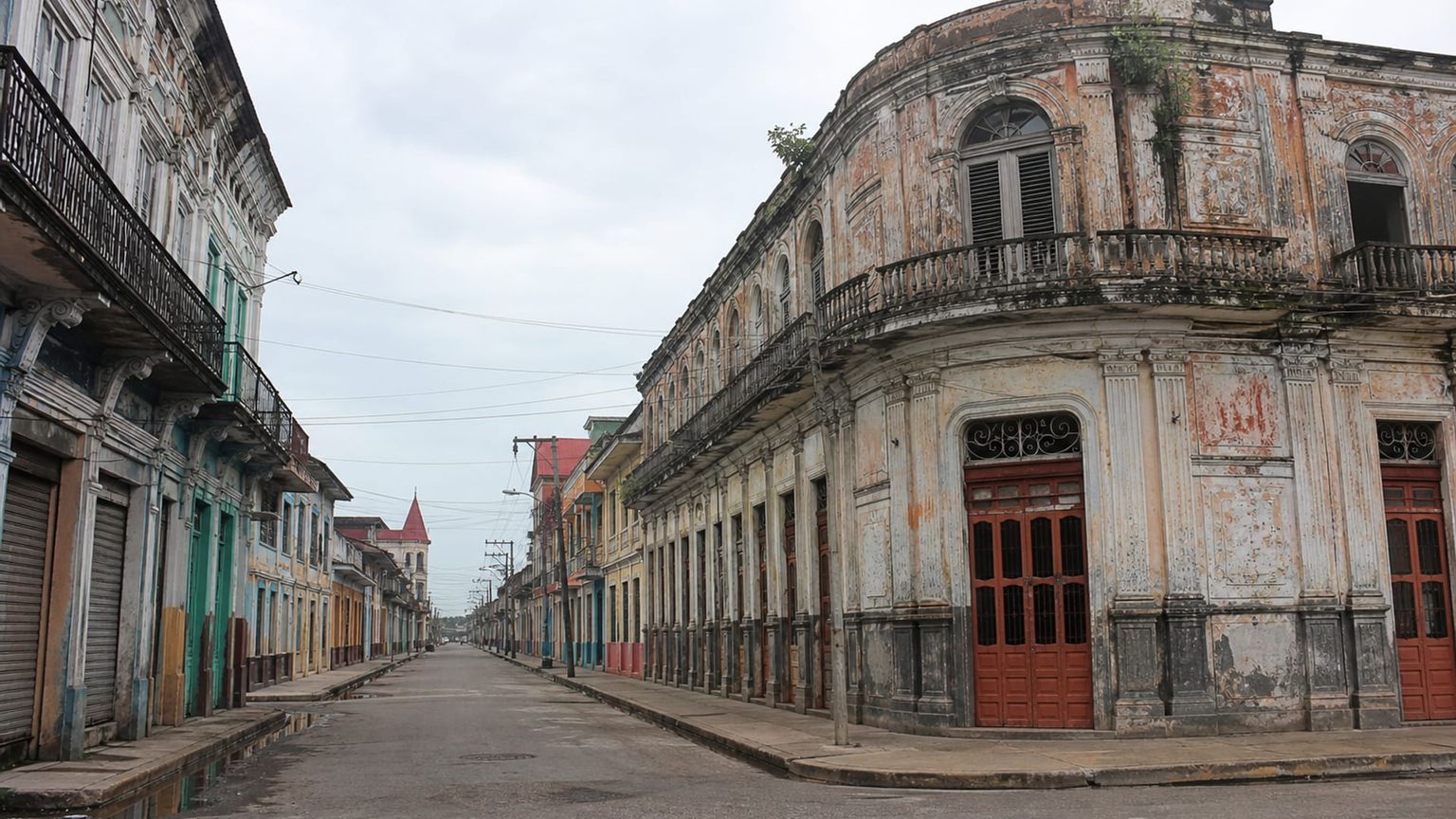
Plaza de Armas is the heart of Iquitos’ historic center, framed by the cathedral, restaurants, and rubber-boom architecture. On one corner, Casa de Fierro stands out for its iron structure, a striking reminder of the wealth and European influence that reshaped the city in the late 1800s.
Time needed: 45 minutes to 1 hour
Entry: Free
Tip: Continue toward Malecón Tarapacá afterward to see more of the historic center and its surviving rubber-boom buildings.
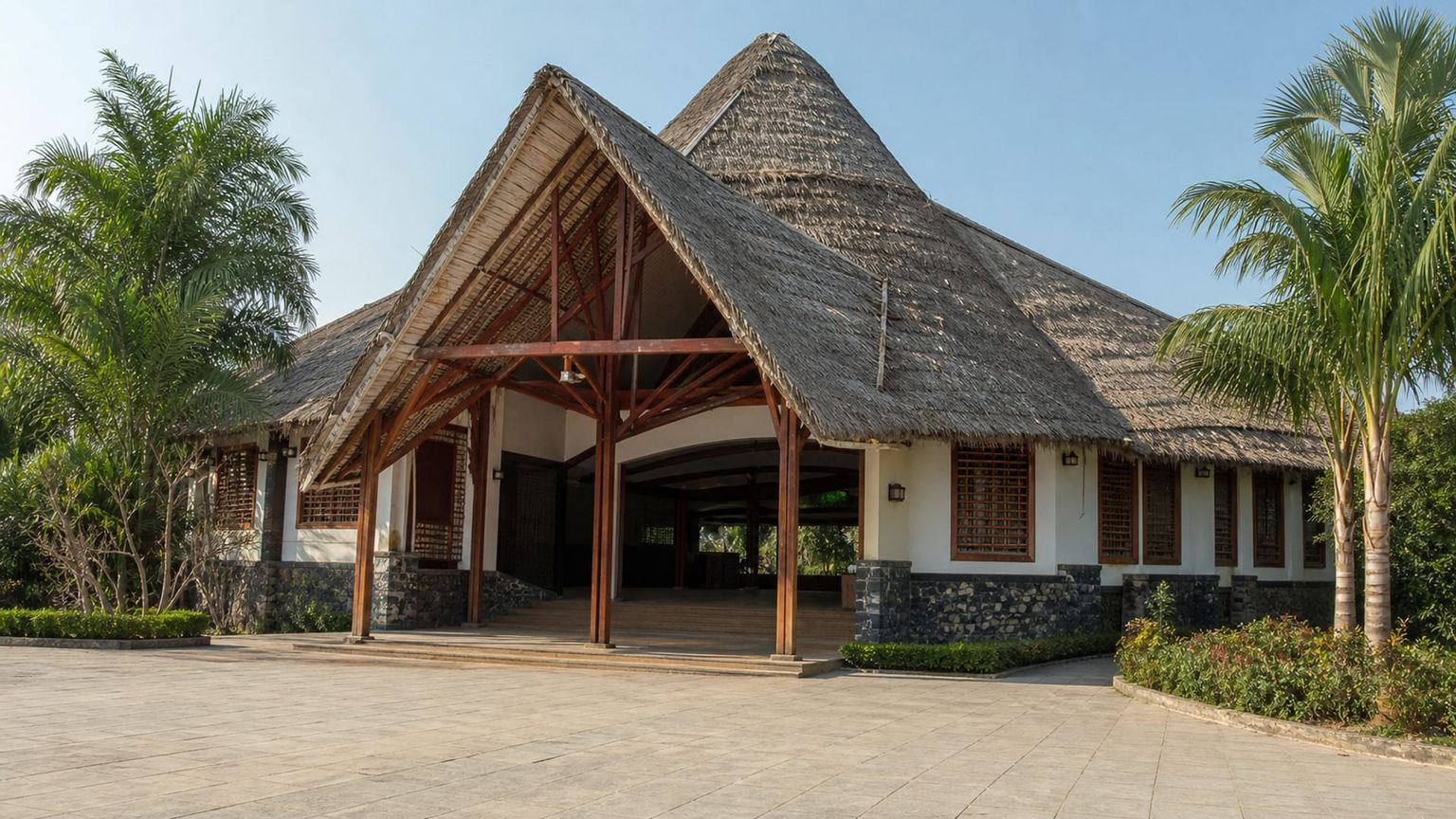
Quistococha Tourist Complex
Quistococha Tourist Park combines a lagoon, forest paths, Amazonian wildlife displays, and the white-sand Tunchi Beach 9 miles (14 km) southeast of central Iquitos. It is one of the easiest places near the city to spend a few hours outdoors while seeing regional plants and animals in one setting. Time needed: 2–3 hours
Time needed: About 3 to 4 hours
Entry: A ticket costs PEN 15 ($4.40) for foreign visitors. Check the official website for more details.
Tip: Allow 35 minutes each way by mototaxi from Plaza de Armas, in addition to the time you plan to spend inside the park.
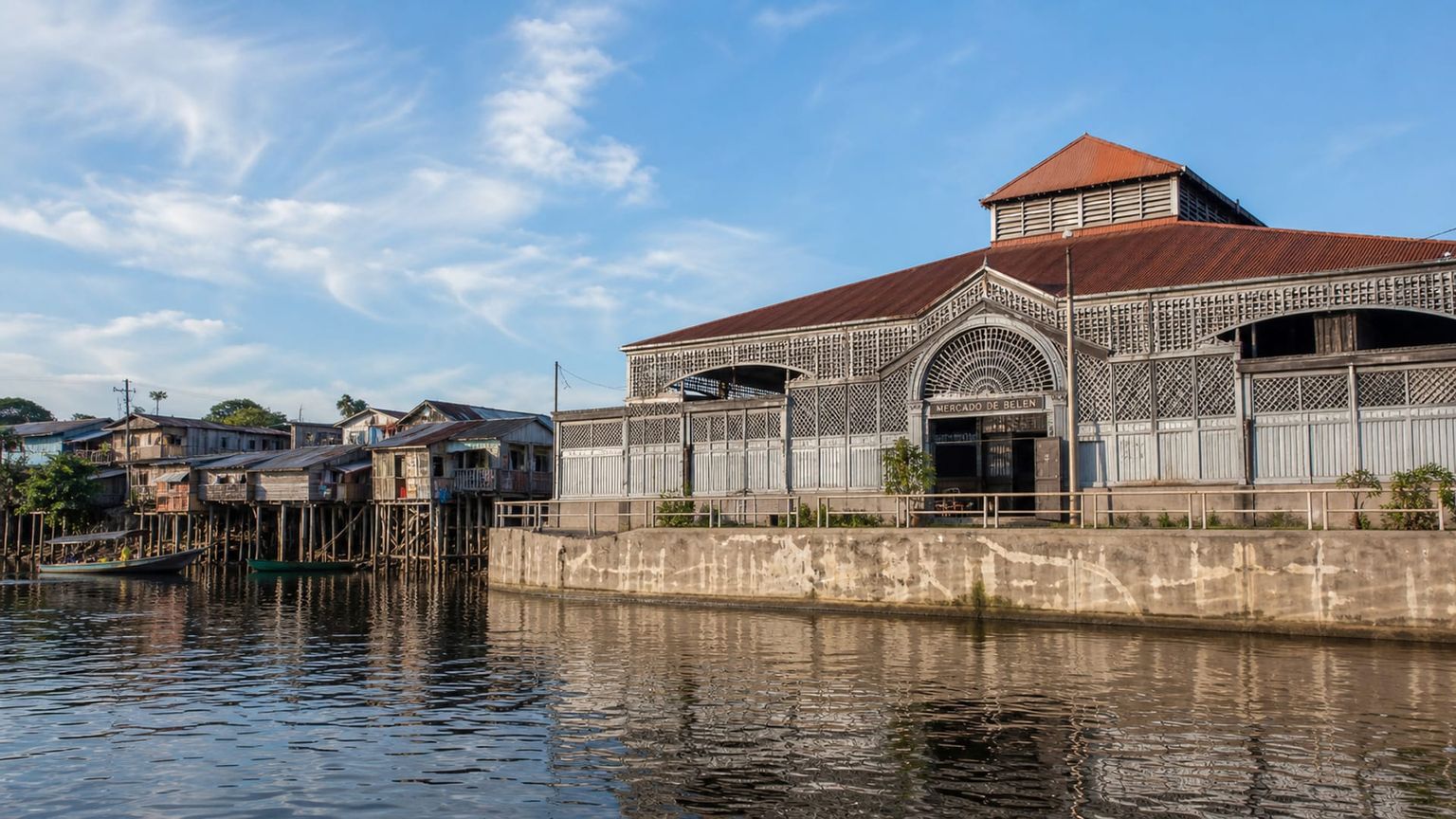
Belén Market and stilt houses
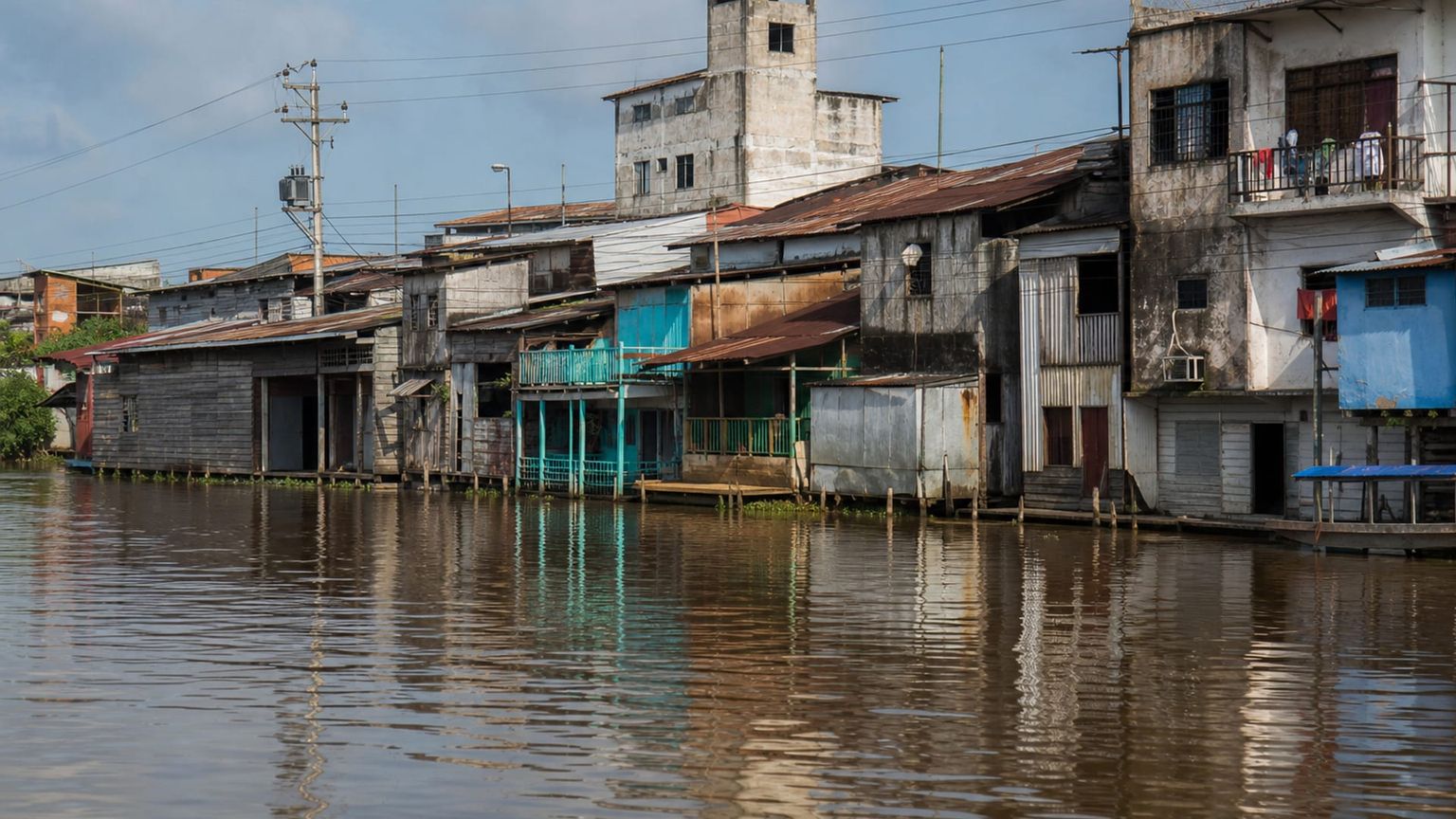
Belén is one of Iquitos’ most distinctive districts, with a busy market in the upper area and riverside neighborhoods shaped by seasonal flooding below. Stalls sell Amazonian fish, fruit, medicinal plants, and everyday goods, while Lower Belén shows how homes and commerce adapt to life beside the Itaya River.
Time needed: 1.5–2 hours
Entry: It is a free area to visit.
Tip: Start with the market, then arrange a local guide if you want to continue into Lower Belén or take a canoe ride through the riverside area.
Overlooked sites worth visiting

Museo Barco Histórico Ayapua
Moored on the Itaya River, the 1906 Ayapua is a former rubber-trade vessel with 10 exhibition rooms, period objects, maps, and navigation equipment that trace Iquitos’ river history.
Time needed: A visit takes 1–1.5 hours.
Entry: General admission costs PEN 15 ($4.40). Check the official website for more details.
Tip: Visit earlier in the day so you have time to explore the exhibition rooms without rushing.

Museo de Culturas Indígenas Amazónicas
This small museum on Malecón Tarapacá explores Indigenous cultures across the Amazon through ceremonial objects, tools, clothing, featherwork, and displays on daily life and belief systems.
Time needed: You will need 1–1.5 hours for an in-depth visit.
Entry: Foreign visitors pay PEN 20 ($5.80). Check the official website for more details.
Tip: Pair it with a walk along Malecón Tarapacá, which is only a few minutes away.
Traditional food
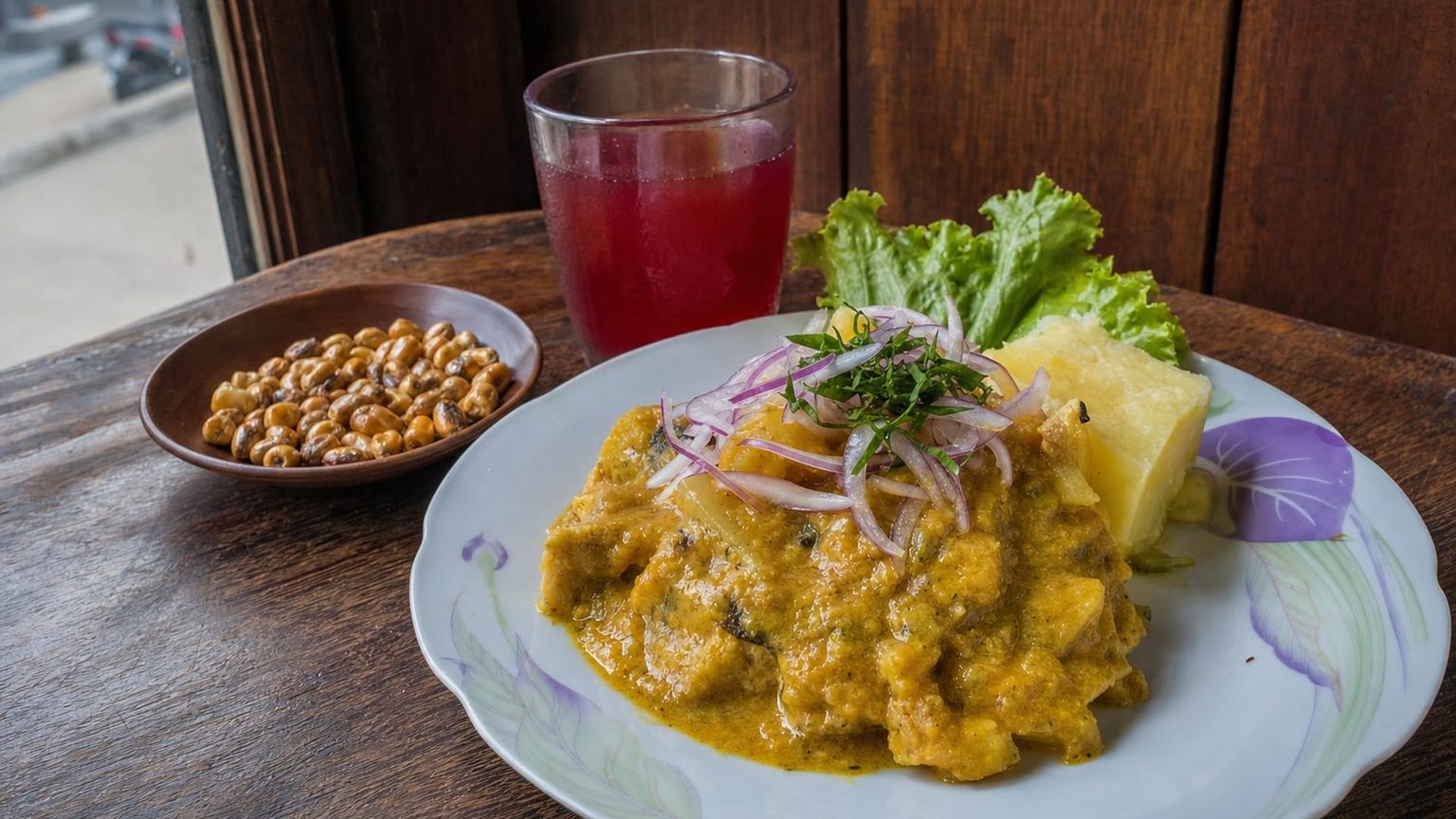
Iquitos cooking centers on river fish, plantains, cassava, smoked pork, peanuts, and bijao leaves. These four dishes are a useful introduction to the city’s Amazonian food traditions.
Juane
Juane combines seasoned rice with chicken or hen, egg, and olives, all wrapped in bijao leaves and boiled. Blanquita serves several versions in the evening, including juane made with chicken or hen. Restaurant Guru
Tacacho with cecina
Tacacho con cecina pairs mashed roasted green plantain, often mixed with pork fat, with slices of smoked, dried pork. Bora Hotel serves the classic combination on its Amazonian menu in Iquitos.
Patarashca
Patarashca is river fish seasoned with onion, garlic, tomato, herbs, and regional peppers, then wrapped in bijao leaves and grilled. Al Frio y Al Fuego serves a version made with doncella, cassava, and palm-heart salad.
Inchicapi
Inchicapi is a thick Amazonian soup made with chicken or hen, ground peanuts, cassava, corn, and cilantro. Ikiitu includes it among its Loreto classics, offering the traditional soup in a more contemporary dining setting
Best time to visit Iquitos
Iquitos is hot and humid year-round. Rainfall and river levels are more important than traditional seasons when deciding when to visit.
Best for: River travel, flooded-forest excursions, and lush Amazon scenery by boat
What you get: Frequent rain and rising rivers reshape the landscape, while daytime temperatures generally range from 72°F–91°F (22°C–33°C).
Trade-offs: Heavy rain and afternoon storms can disrupt walks, road trips, and outdoor plans.
Best for: Boat excursions, wildlife viewing, and seeing Amazon channels at their fullest
What you get: April brings some of the year’s heaviest rainfall, with temperatures near 72°F–89°F (22°C–32°C) and waterways still at high levels
Trade-offs: Rain remains frequent, and trails can stay muddy even as precipitation begins easing in May.
Best for: Longer outdoor days, jungle walks, and easier overland excursions from Iquitos
What you get: Rainfall drops noticeably during these months, making outdoor plans easier, while temperatures usually stay between 70°F–90°F (21°C–32°C).
Trade-offs: Brief friaje events can sharply lower temperatures for a few days, especially from June to August.
Best for: River beaches, city walks, and lower-water excursions outside central Iquitos
What you get: Lower river levels can reveal white-sand beaches, while warmer days reach roughly 71°F–91°F (22°C–33°C) before rainfall increases again.
Trade-offs: Heat becomes more noticeable late in the season, and wetter conditions begin returning in October.
A realistic 5-day plan in Iquitos
This five-day plan keeps Iquitos manageable by grouping the southern attractions, Belén, and the historic center on separate days. It leaves the first evening light after your flight and keeps the final morning flexible for departure.
After landing at Iquitos (IQT), take a taxi or mototaxi to your hotel and keep the first afternoon easy. Check in, have a late lunch if you need one, and walk only the streets closest to your hotel to get a feel for the heat and traffic. In the evening, choose dinner near the center and turn in early. You will have several longer outdoor days ahead, so there is little value in squeezing a major attraction into your arrival day when you are still adjusting to the climate.
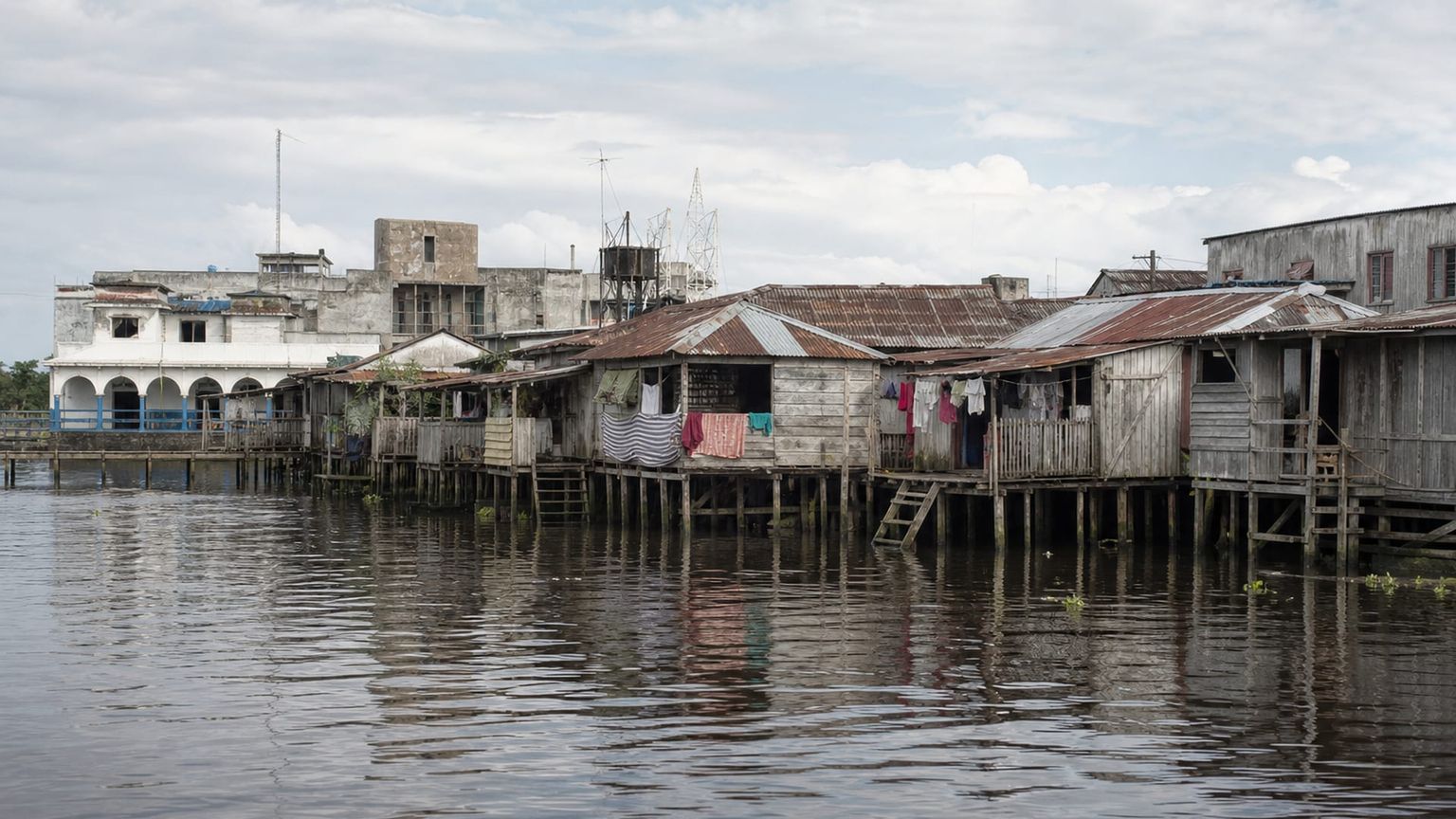
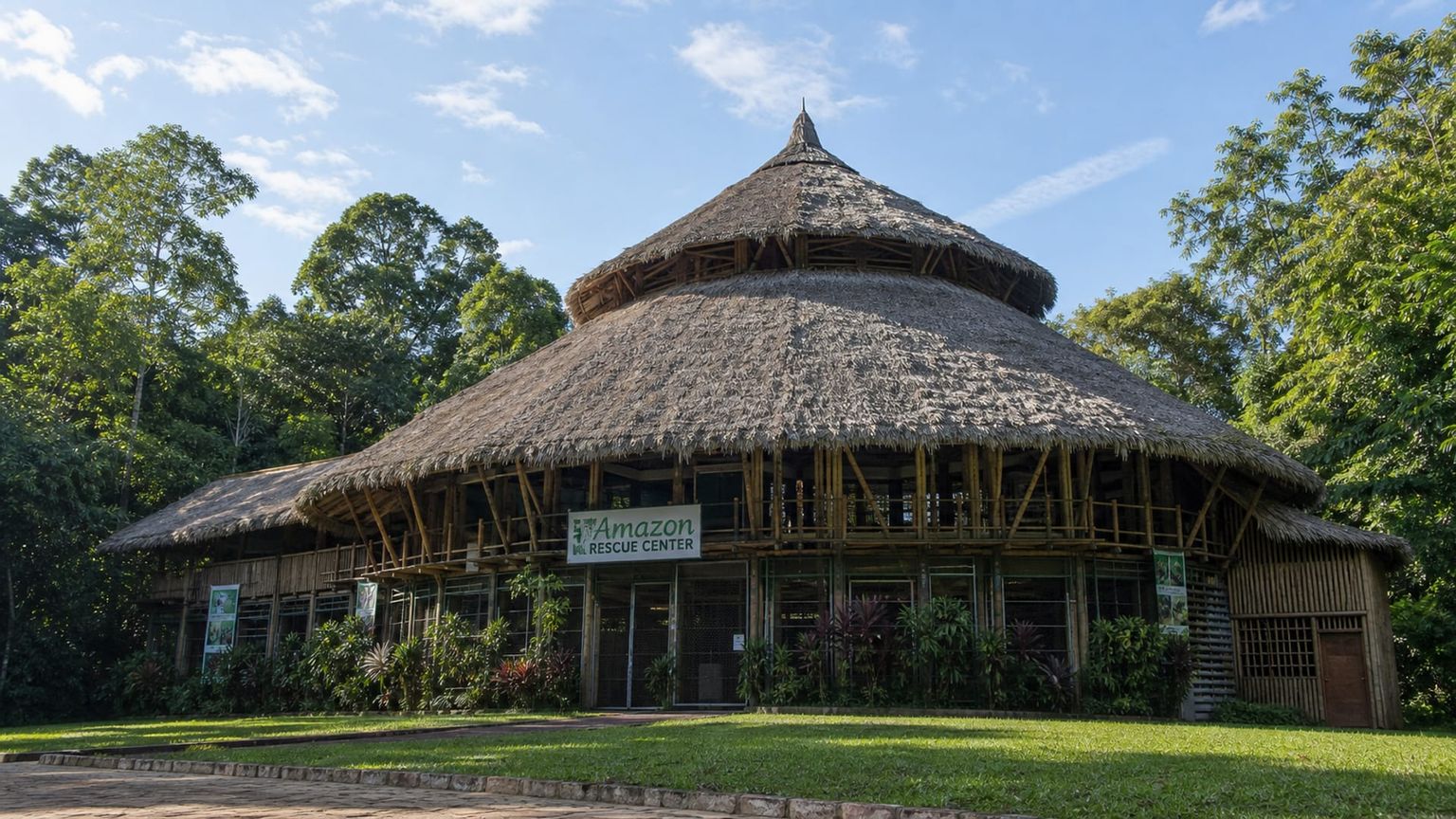
Spend the morning at the Amazon Rescue Center, where the focus is on rehabilitating Amazonian wildlife, including manatees. Afterward, continue south to Quistococha Tourist Park instead of returning to the center between stops. Give yourself time for the forest paths, wildlife areas, lagoon, and Tunchi Beach, then head back to Iquitos before dinner. Pairing the two keeps your longest overland sightseeing on one day and avoids crossing the city twice.
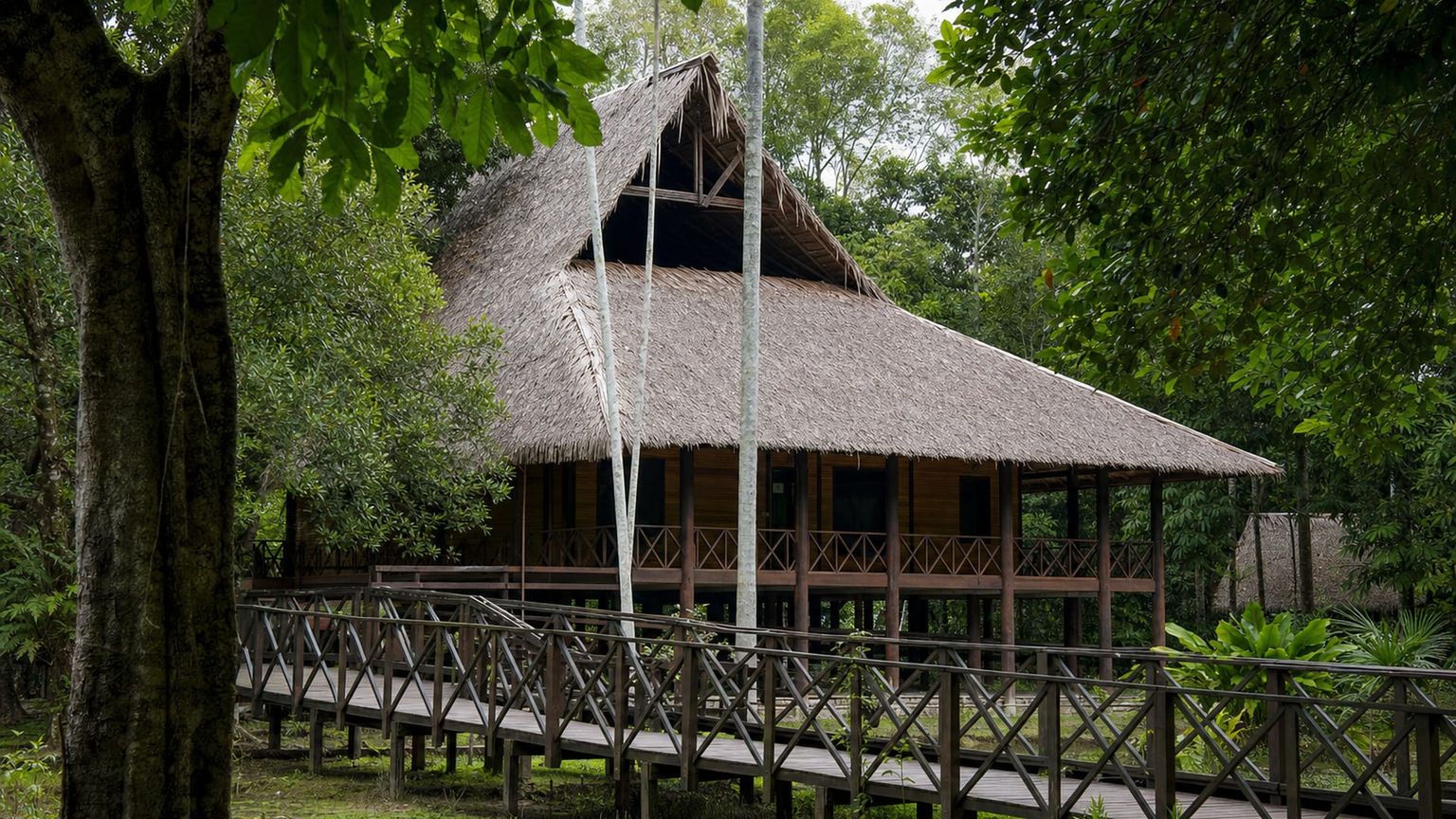
Go to Belén Market early, when the food, fish, produce, medicinal plants, and household stalls are at their most active. From the upper market, continue with a local guide into Lower Belén to see how homes and businesses adapt to seasonal river levels. Depending on conditions, add a short canoe or boat ride before lunch. Keep the afternoon unstructured so you can slow down after the market, stop for something cold to drink, and avoid forcing another major stop into the hottest part of the day.
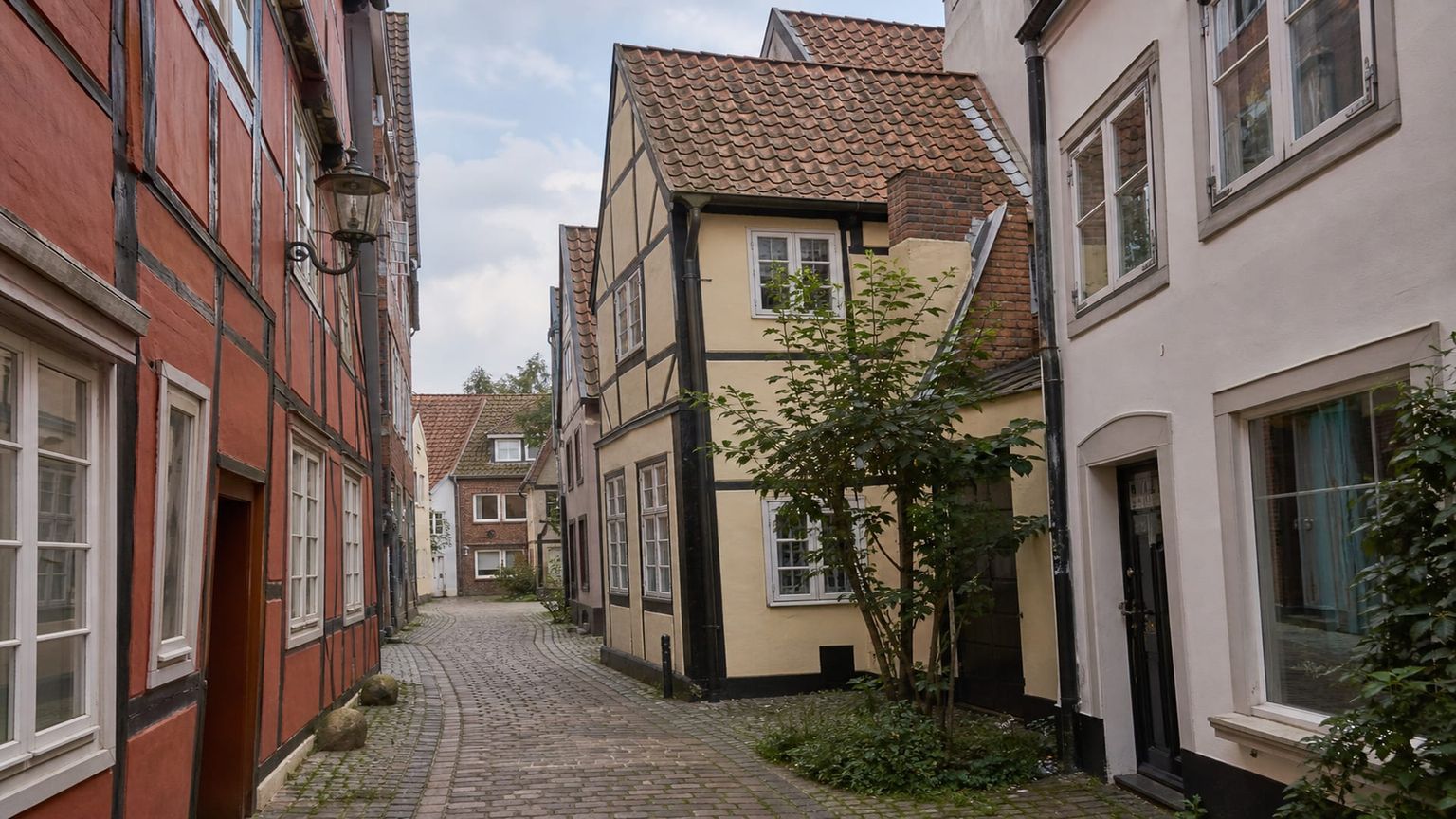
Use this day for the historic center, where the main stops are close enough to explore on foot. Walk through Plaza de Armas, look closely at Casa de Fierro, then follow the older streets toward Malecón Tarapacá. Later, visit the Museo Barco Histórico Ayapua for the rubber-era and river-navigation exhibits inside the restored vessel. Break for lunch between stops, then stay near the waterfront into the early evening instead of adding another cross-city ride.
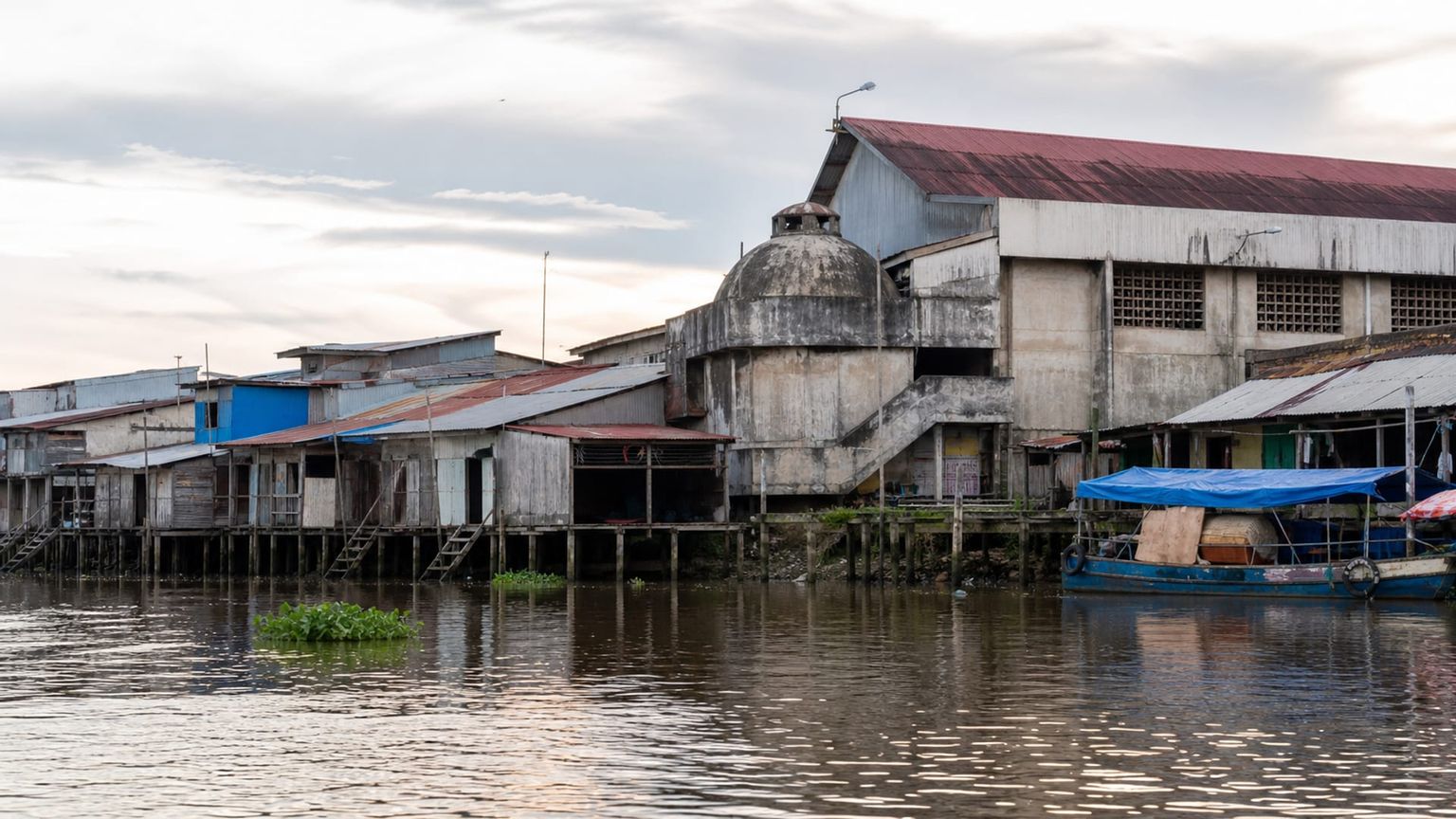
Keep the final morning close to your hotel. Visit the Museo de Culturas Indígenas Amazónicas on Malecón Tarapacá, where the collection covers clothing, tools, ceremonial objects, and daily life across Amazonian communities. Afterward, stop for coffee or an early lunch nearby, collect your bags, and leave for Iquitos (IQT) with a comfortable margin. The museum gives you one worthwhile cultural stop without sending you far from the center or creating a rushed departure.
Business-class flights from the US to Iquitos
Business-class trips from both US coasts reach Iquitos with at least one connection, with Lima serving as the main gateway for the final domestic flight.
New York (JFK) to Iquitos (IQT)
LATAM flies nonstop from New York to Lima (LIM), then continues to Iquitos on its domestic network. The shortest itineraries take about 14 hours, while longer layovers can push the trip toward 17 hours. Round-trip business-class tickets typically range from $3,500 to $5,500. Premium cabins are available only on the long-haul flight to Lima.
Los Angeles (LAX) to Iquitos (IQT)
From Los Angeles, LATAM is the only airline offering one-stop flights on this route, connecting through Lima (LIM) before the 2-hour flight to Iquitos. The shortest journeys take about 14 hours, while many options fall in the 15 to 18-hour range. Business-class tickets generally cost $4,000–$6,500, with higher prices on peak dates.
A city built around the Amazon
Iquitos moves between very different settings: the historic streets near Plaza de Armas, the markets and waterways of Belén, and the forest just beyond the city. That contrast is what gives the trip its character, especially when you leave enough room to experience each part without rushing through it. When you are ready to plan the journey, AranGrant can help you compare business-class flights to Iquitos and hotels that fit your preferred location and budget.