

Chapters:

Need help with your trip?
Our support team is available 24/7. Request a callback or call us directly at (833) 619-0908
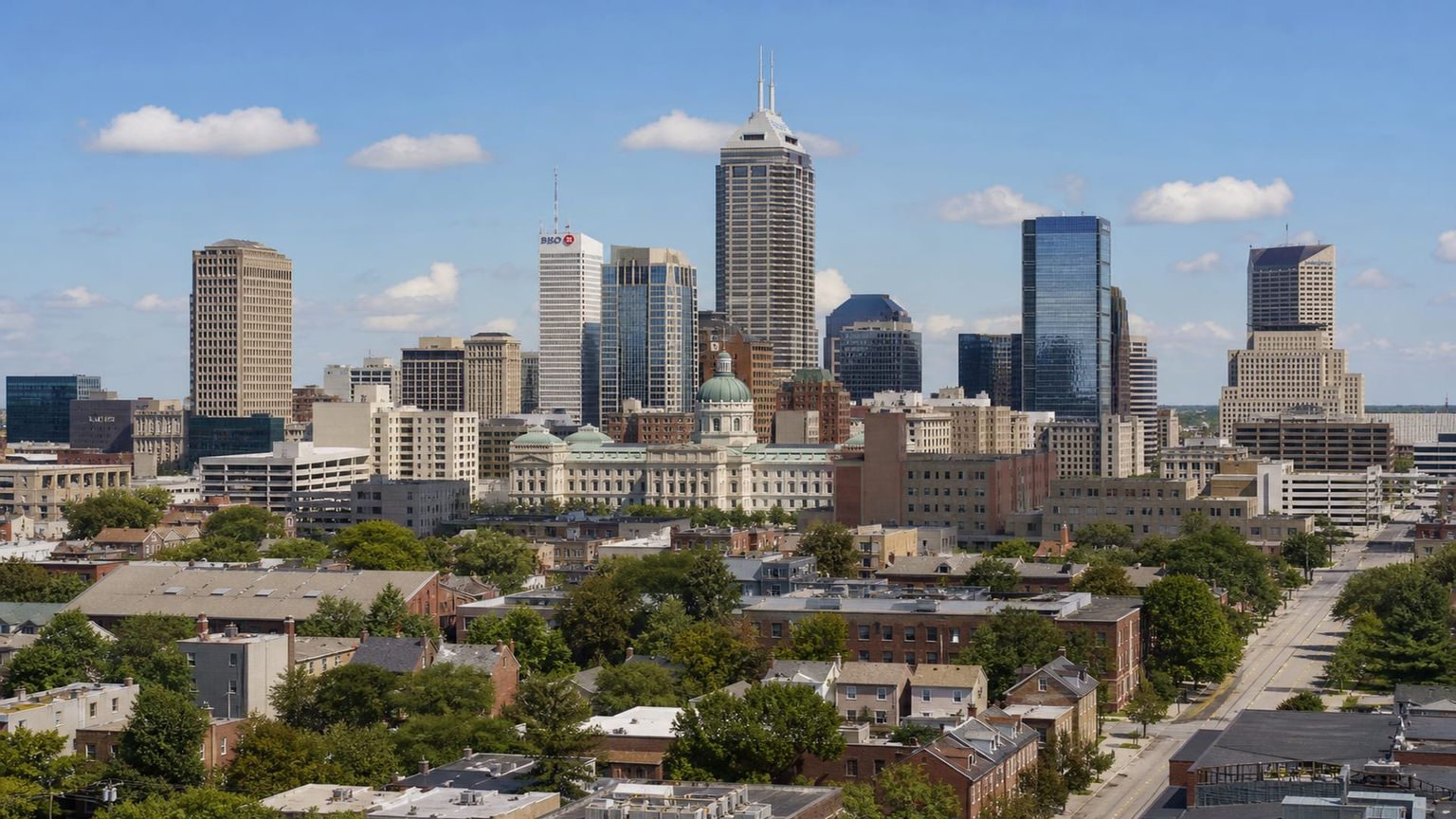
Indianapolis trips often begin with downtown hotels, a quick museum stop, and a race-track visit, yet many travelers still miss how much time the city can take between districts. The gap is not distance alone, it is the way sights spread across the core, north side, and west side.
A museum morning can turn into a long rideshare chain if you stay too far out or stack neighborhoods without checking the map. Evening plans also split quickly, since dining pockets sit in separate clusters and late returns are slower once traffic builds.
This guide keeps the route in view from the start, with stays, food stops, and day-by-day pacing arranged to reduce backtracking and make each move fit the city’s layout.
Useful things to know

Main language(s): English

Currency: The local currency is the US dollar (USD, $).

Cash and cards: Cards and contactless are widely accepted; carry about $20 to $40 in cash for tips, small purchases, and backups.

Tipping: Tip 15-20% in restaurants if service is not included; round up taxis and small checks.

Traditional food: pork tenderloin sandwich, sugar cream pie, fried biscuits and gravy, corn bread

Water and coffee costs: Water about $2 ($2), bar espresso about $4 ($4).

Taxis and ride apps: Uber and Lyft operate here; check pickup zones at Indianapolis (IND).

Plug and voltage: Type A/B socket, 120V

Dining and shop opening hours: Breakfast runs about 07:00-09:00, lunch 11:30-13:30, and dinner 17:30-20:30. Many kitchens close by 21:00.

Emergency number: Call 911 for police, fire, or medical emergencies.
Where to stay in Indianapolis
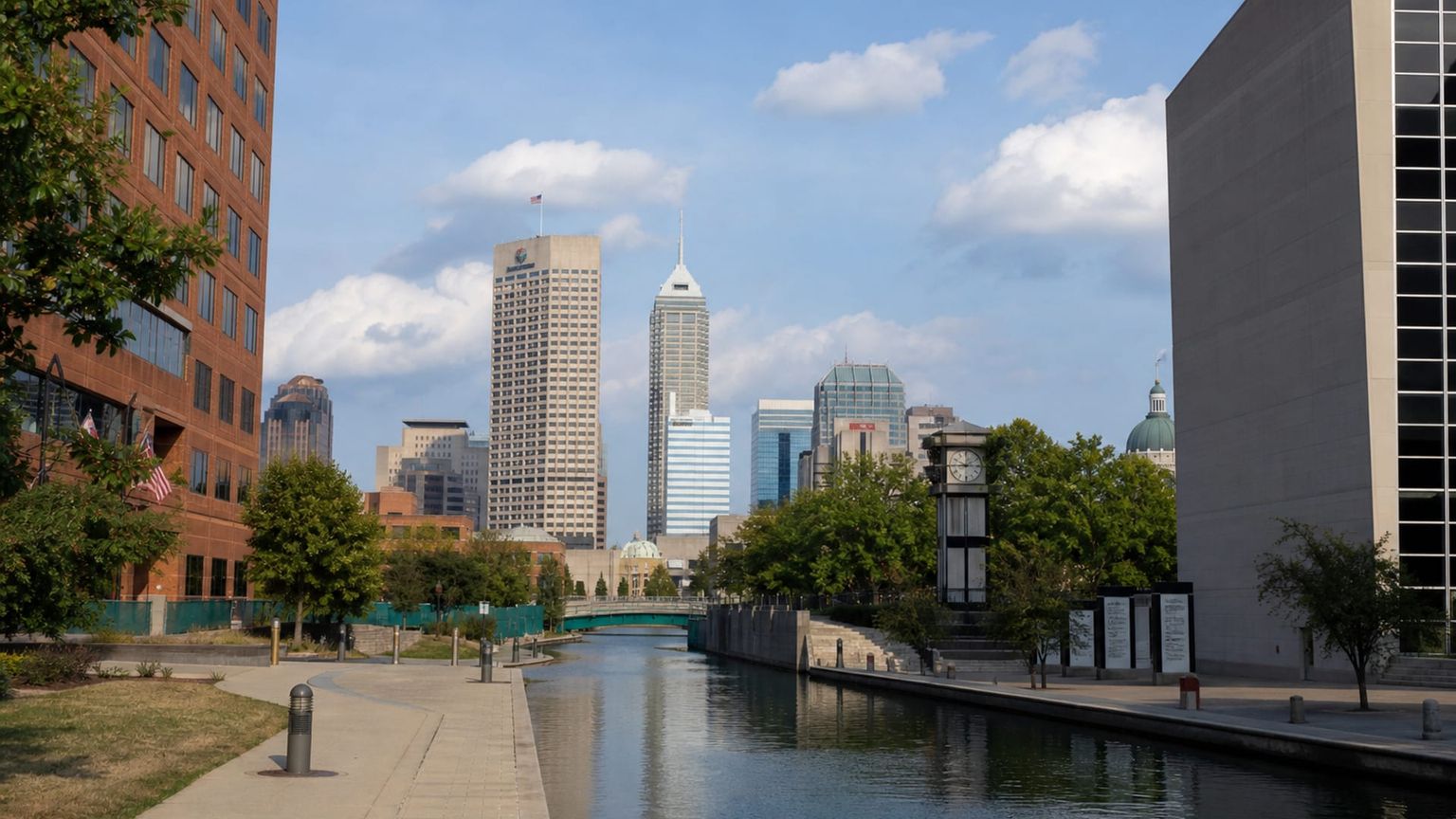
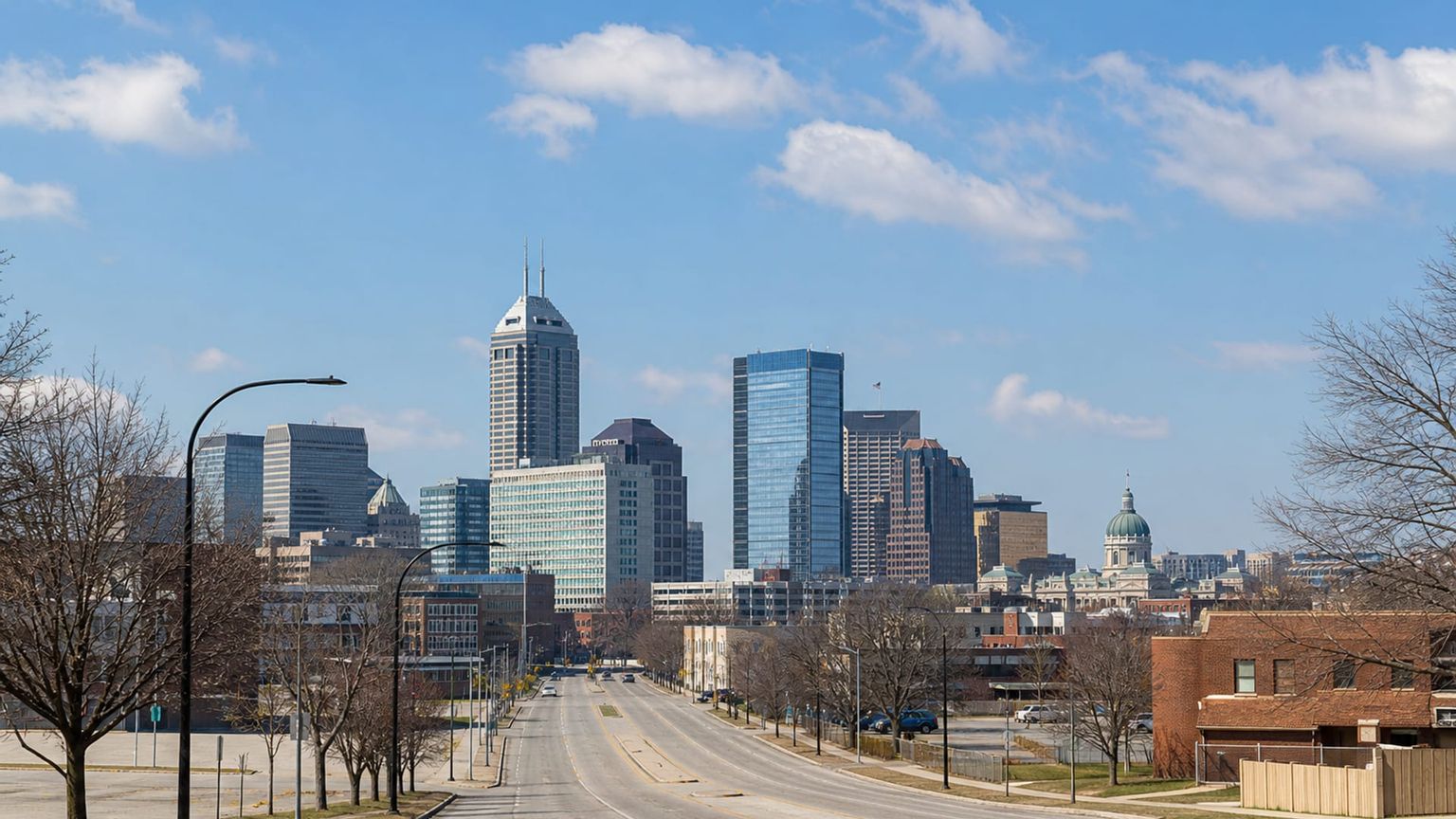
The city center packs the main hotel stock, the Indiana Convention Center, and direct access to Monument Circle, White River State Park, and the canal. It suits visitors who want to spend more time on foot and less time crossing the city for museums, games, and meetings.
Best for: First-time visits, convention trips, sports fans, and travelers who want to walk to major sights
What to expect: Busy sidewalks by day, a lighter dining crowd at night, and the most visitor traffic in the city.
Hotel prices: Usually about $180 to $320 per night for well-rated stays
Distance to major sights: 5 to 15 minutes on foot to Monument Circle; about 10 to 20 minutes on foot to White River State Park
Quietness: Quieter late at night, though event weekends and game days bring more noise and foot traffic.
Main trade-off: You pay more for central convenience, and the busiest blocks can feel exposed to convention and stadium traffic.
Good to know: Parking often costs extra, so factor that into the nightly total if you plan to keep a car.
Mass Ave is a compact arts and dining district northeast of downtown, lined with theaters, boutiques, and bars. It matters because it gives you an easy base for dinner, nightlife, and a walkable route back to the city center.
Best for: Dining, nightlife, theatergoers, and visitors who want a walkable evening scene
What to expect: Steady foot traffic around restaurants and bars, with the liveliest streets after dinner.
Hotel prices: Usually about $170 to $300 per night for well-rated stays
Distance to major sights: About 20 to 25 minutes on foot to Monument Circle; about 10 minutes by rideshare to the Indiana Convention Center
Quietness: Quieter in the morning, then much livelier after dark, especially near bars and performance venues.
Main trade-off: Room rates can run high for the size of the area, and late-night noise is common on weekend blocks.
Good to know: If you plan early museum mornings, choose a room away from the main bar strips so late traffic does not carry into the night.
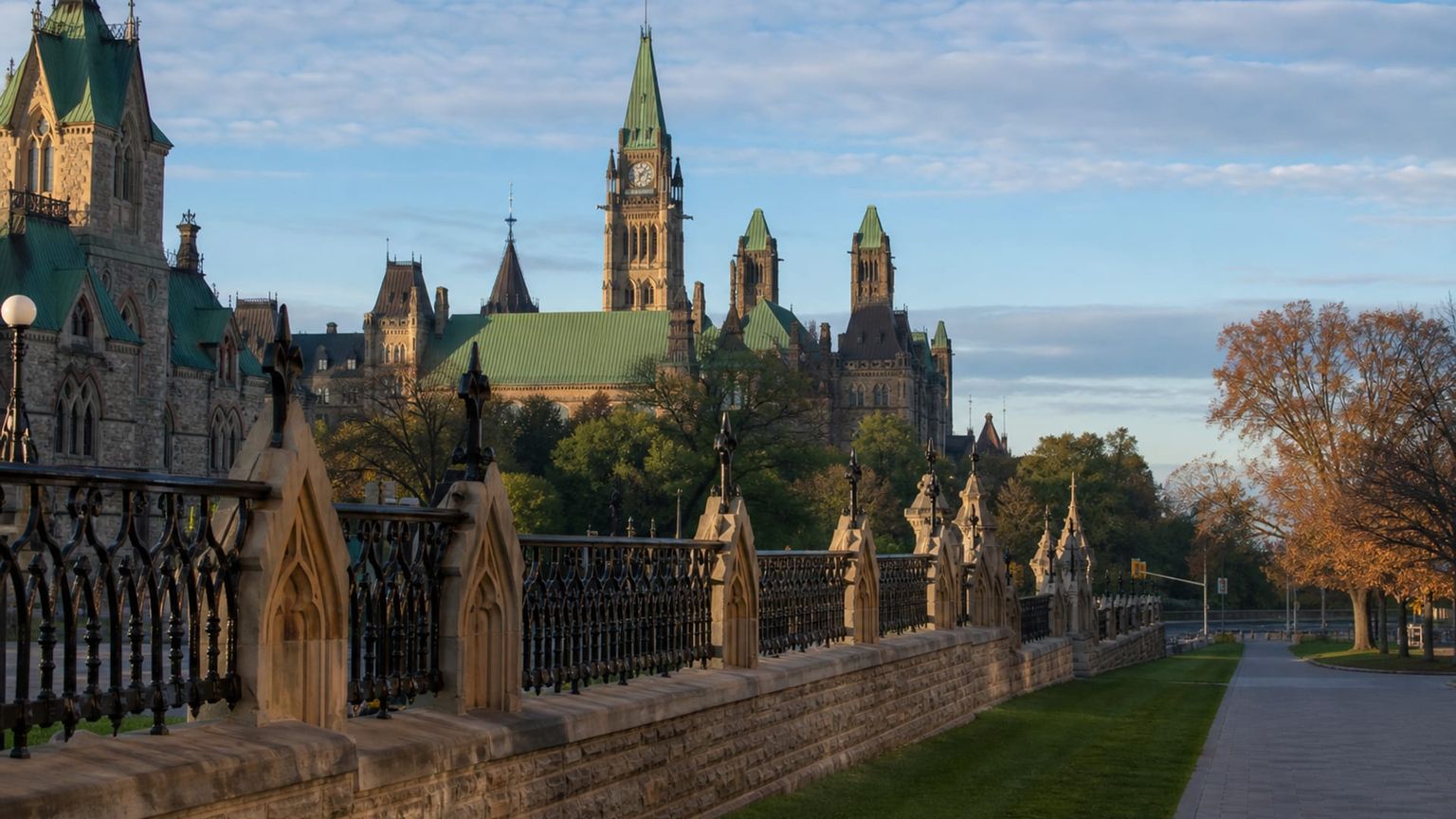
Fountain Square sits just southeast of downtown and mixes older buildings, music venues, restaurants, and galleries. It works well for travelers who want a neighborhood feel with a short ride to the central sights and a stronger local dining scene.
Best for: Nightlife, live music, restaurants, and repeat visitors who prefer a local neighborhood base
What to expect: Active evenings around bars and venues, with quieter side streets and fewer daytime crowds than downtown.
Hotel prices: Usually about $140 to $250 per night for well-rated stays
Distance to major sights: About 10 to 15 minutes by rideshare to Monument Circle; about 15 to 20 minutes by rideshare to White River State Park
Quietness: Calmer in the day, then noticeably louder near entertainment blocks after dinner.
Main trade-off: You will need rides for most major sights, and the busiest blocks can be noisy on weekend nights.
Good to know: Public transit is limited here, so check whether your hotel offers parking if you expect to move around the city by car.
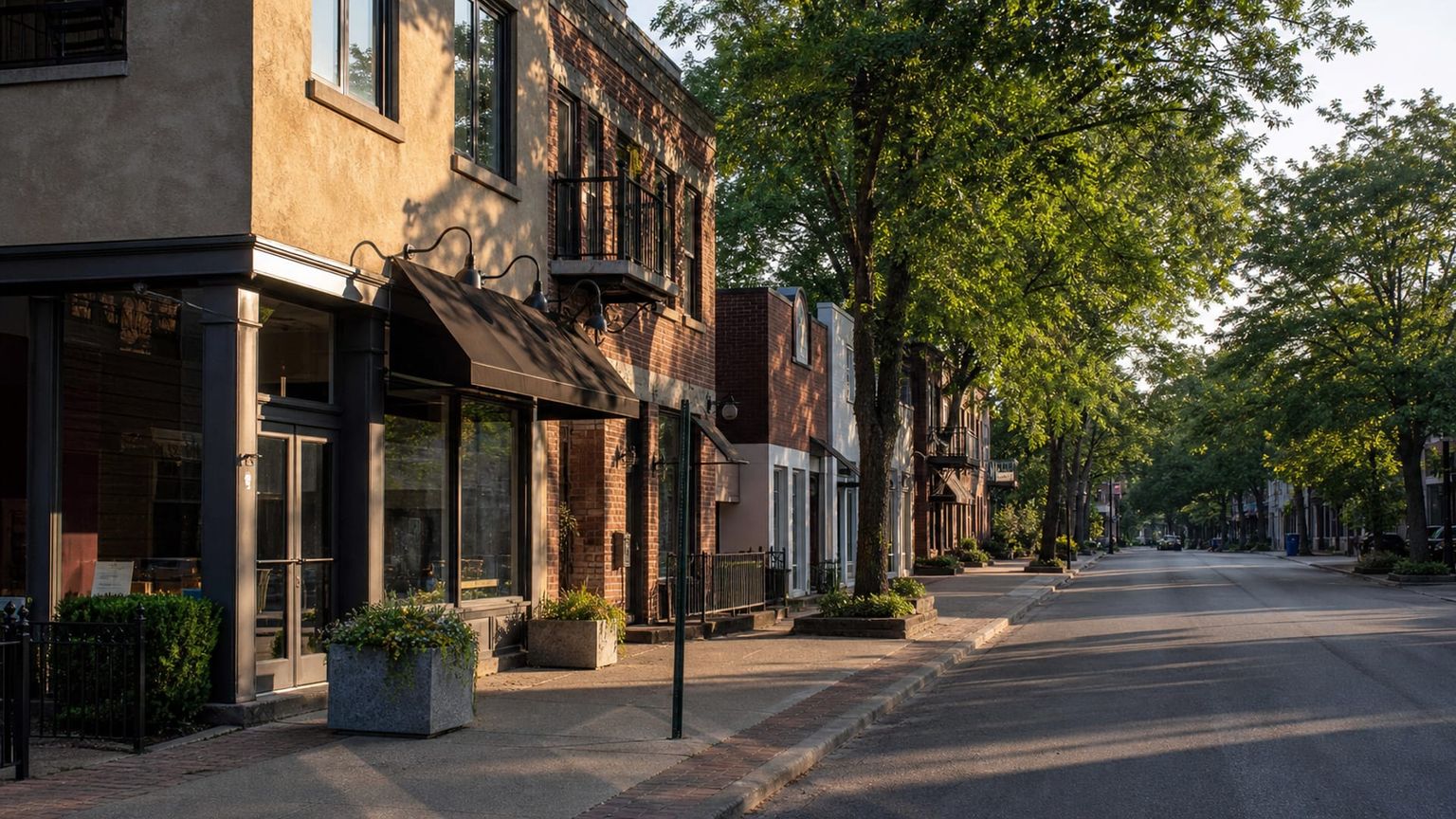
Broad Ripple is a north side district known for its bars, cafes, trails, and younger crowd. It suits travelers who want a local nightlife base with nearby parks and do not mind being farther from the main downtown attractions.
Best for: Nightlife, dining, walking trails, and travelers who prefer a neighborhood with a younger crowd
What to expect: Busy evenings on the main strip, relaxed daytime cafe traffic, and more locals than tourists.
Hotel prices: Usually about $130 to $240 per night for well-rated stays
Distance to major sights: About 25 to 35 minutes by car to Monument Circle; about 20 to 25 minutes by car to the Indianapolis Museum of Art at Newfields
Quietness: Mostly calm by day away from the main strip, but the bar area gets loud late into the evening.
Main trade-off: It is farther from the core sights, so rideshares or a car add time and cost to every downtown outing.
Good to know: Choose this only if your plans center on evening dining and bars, since repeated trips into downtown add up quickly.
Travelers usually avoid staying in far southside and southeast Indianapolis neighborhoods such as Camby and Wanamaker, because they sit well south of downtown, the canal district, and the main museum cluster, which makes evening trips back from central sights longer. Areas on the far northwest edge near Eagle Creek, plus outlying suburban hotel strips in Castleton and along I-70 east of downtown, are less convenient for visitors who want walkable dining, concentrated attractions, and shorter rides after dark.
Hotel deals
How to get around Indianapolis efficiently
Indianapolis has no metro, so most visitors move between downtown, the museum districts, and the airport with buses, rideshares, taxis, or the Red Line BRT.

Metro
for longer distances
Indianapolis has no metro or subway, so visitors rely on buses, rideshares, and taxis for downtown and airport trips. The closest rail-like option is the South Shore Line at Indianapolis (none), which does not serve the city; for most journeys, plan on road transport instead.

Bus and tram
for convenience
IndyGo runs the main bus network, with fares of $1.75 for a single ride and about $4 for a day pass, both typically valid for the stated trip or service day. The Red Line BRT is the fastest public-transit corridor, linking Broad Ripple, downtown, and the University of Indianapolis with frequent stops and dedicated lanes on much of the route. Most other routes funnel through downtown or major shopping and employment areas, and buses usually take 20 to 45 minutes for inner-city trips depending on traffic and transfers.

Taxi
for convenience or late hours
Licensed taxis use metered fares, not set citywide flat rates, and airport trips to downtown usually cost about $30 to $40 before tip, depending on traffic and waiting time. Cabs line up at Indianapolis (IND) and can also be booked by phone or app through local companies, with cards accepted in most vehicles. Short downtown rides often run about $10 to $20, while longer cross-city trips can reach roughly $25 to $35.
*Prices are based on rates updated as of June 2026 and may change at the time of travel.
Walk for downtown blocks, use IndyGo for cheaper cross-town trips, and switch to rideshares or taxis when you need to reach Eagle Creek, Broad Ripple, or the airport on a tighter clock.
Iconic landmarks
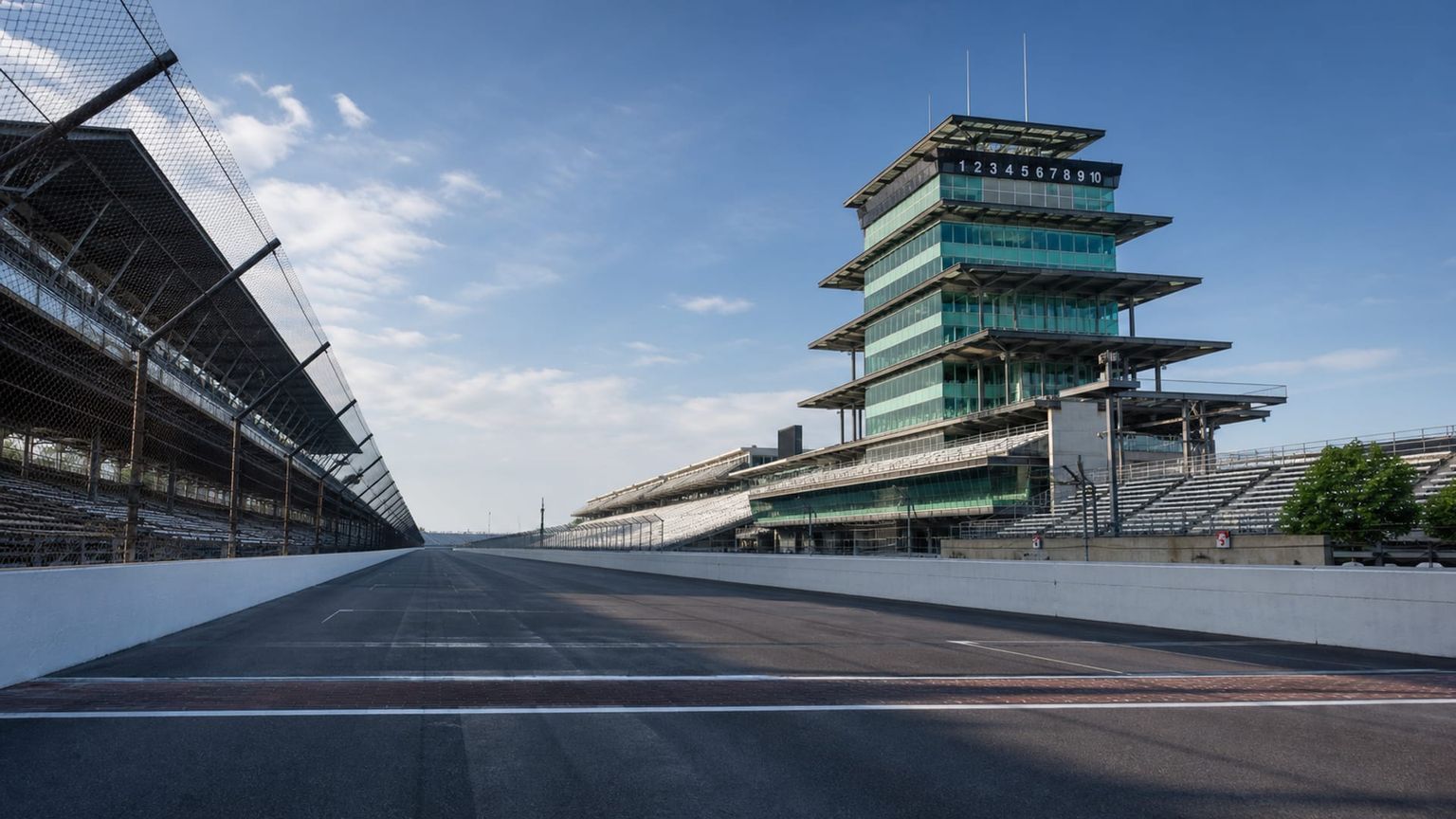
Indianapolis Motor Speedway
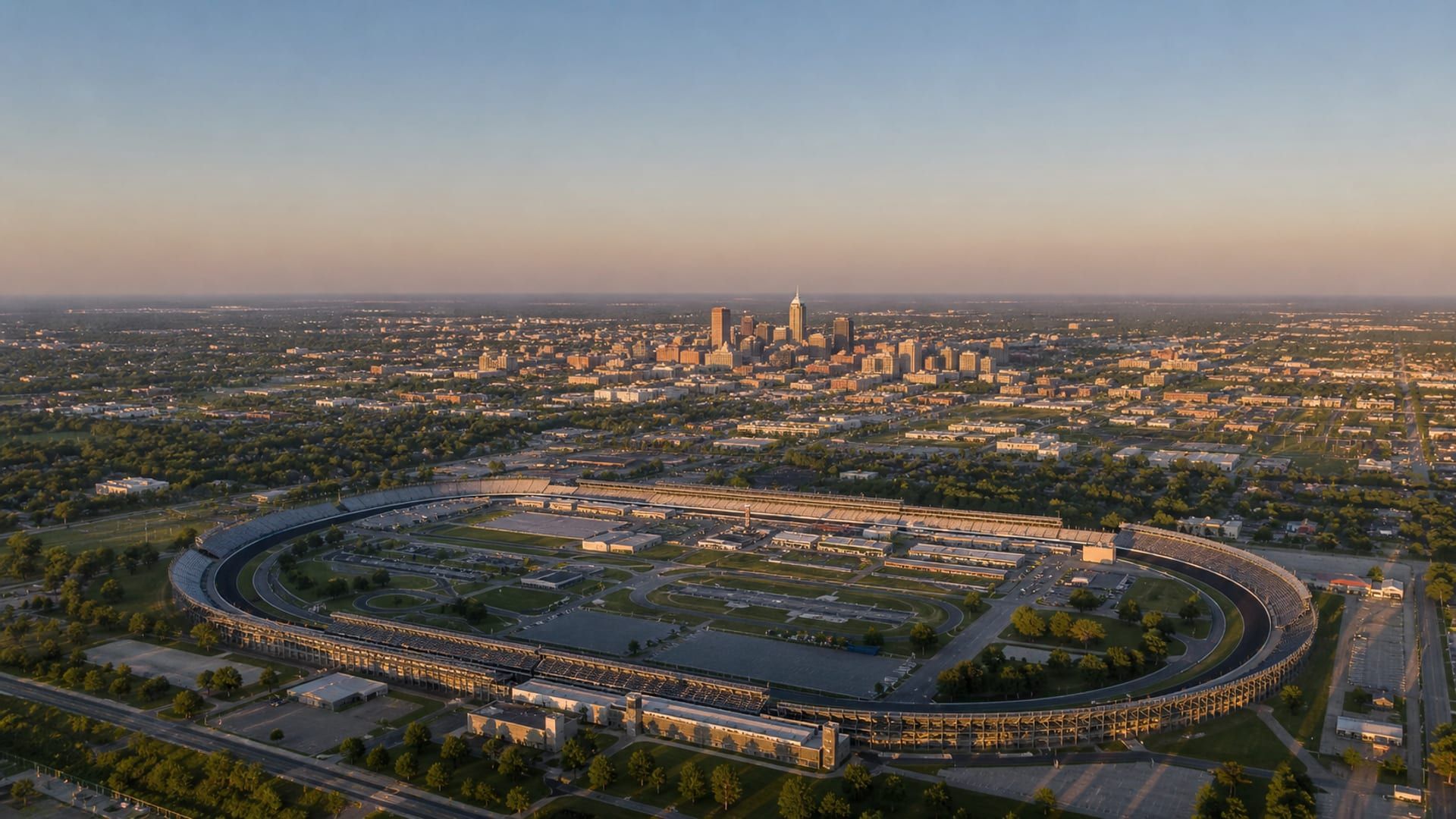
The world’s largest spectator racing venue sits about 7 miles northwest of downtown and anchors the city’s racing identity. The oval hosts the Indianapolis 500 and the museum, with cars, trophies, and track access when events allow.
Time needed: About 2 to 3 hours
Entry: Museum admission is about $20 ($20) for adults, about $18 ($18) for seniors, and about $10 ($10) for children ages 6 to 15; younger children enter free. Visit the official site for details.
Tip: Visit on a non-race day for the clearest museum access and open track views.
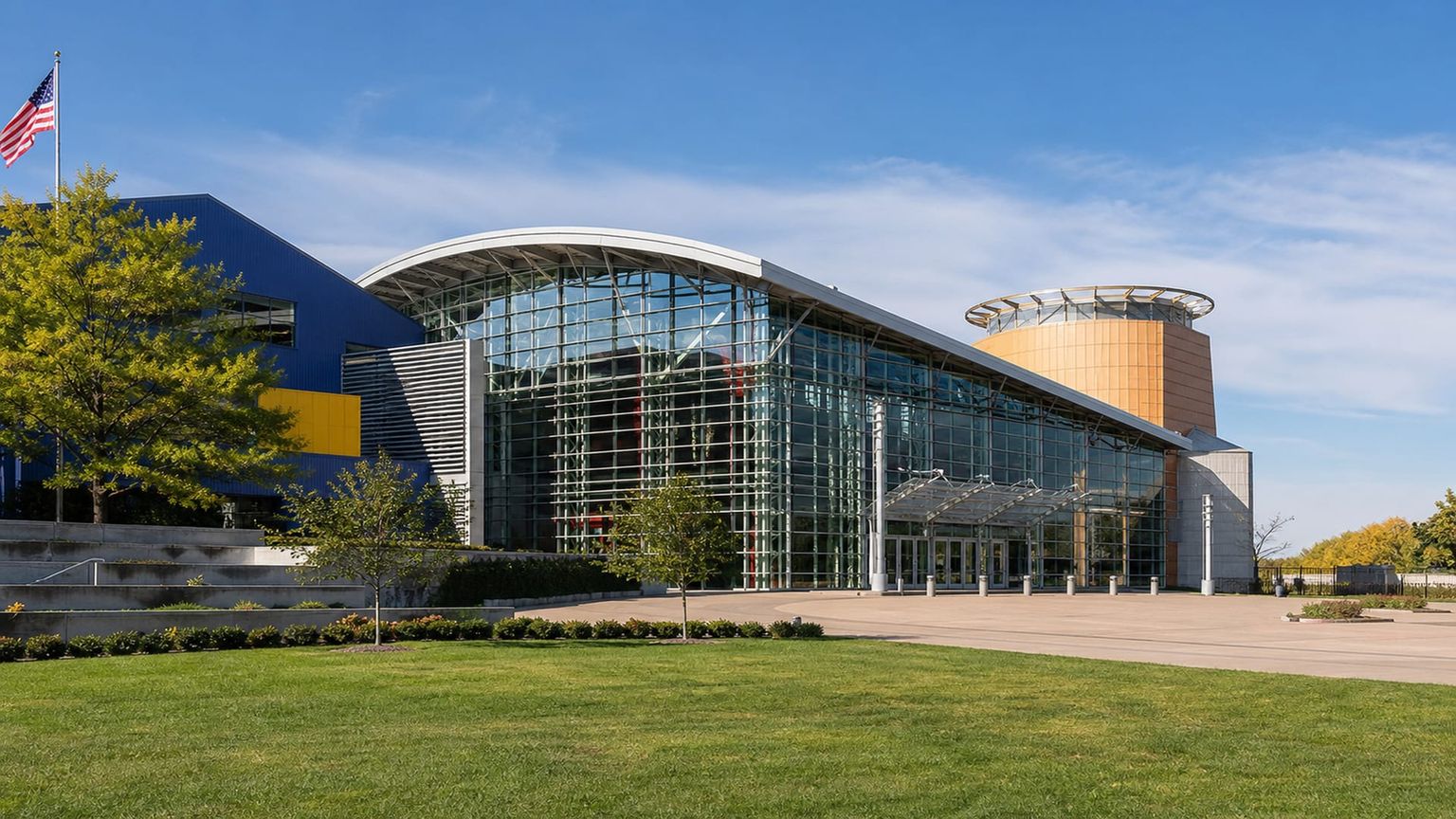
Children's Museum of Indianapolis
This museum in the Meridian-Kessler area, about 4 miles north of downtown, is the largest children’s museum in the world. Its five floors cover dinosaurs, space, history, and hands-on galleries that suit both families and adults.
Time needed: About 3 to 5 hours
Entry: Tickets cost about $29.75 ($29.75) for adults and children ages 2 and up; infants under 2 enter free, with discounts for seniors and Indiana residents. Visit the official site for details.
Tip: Go early on weekends, then start with the top-floor galleries before crowds build.
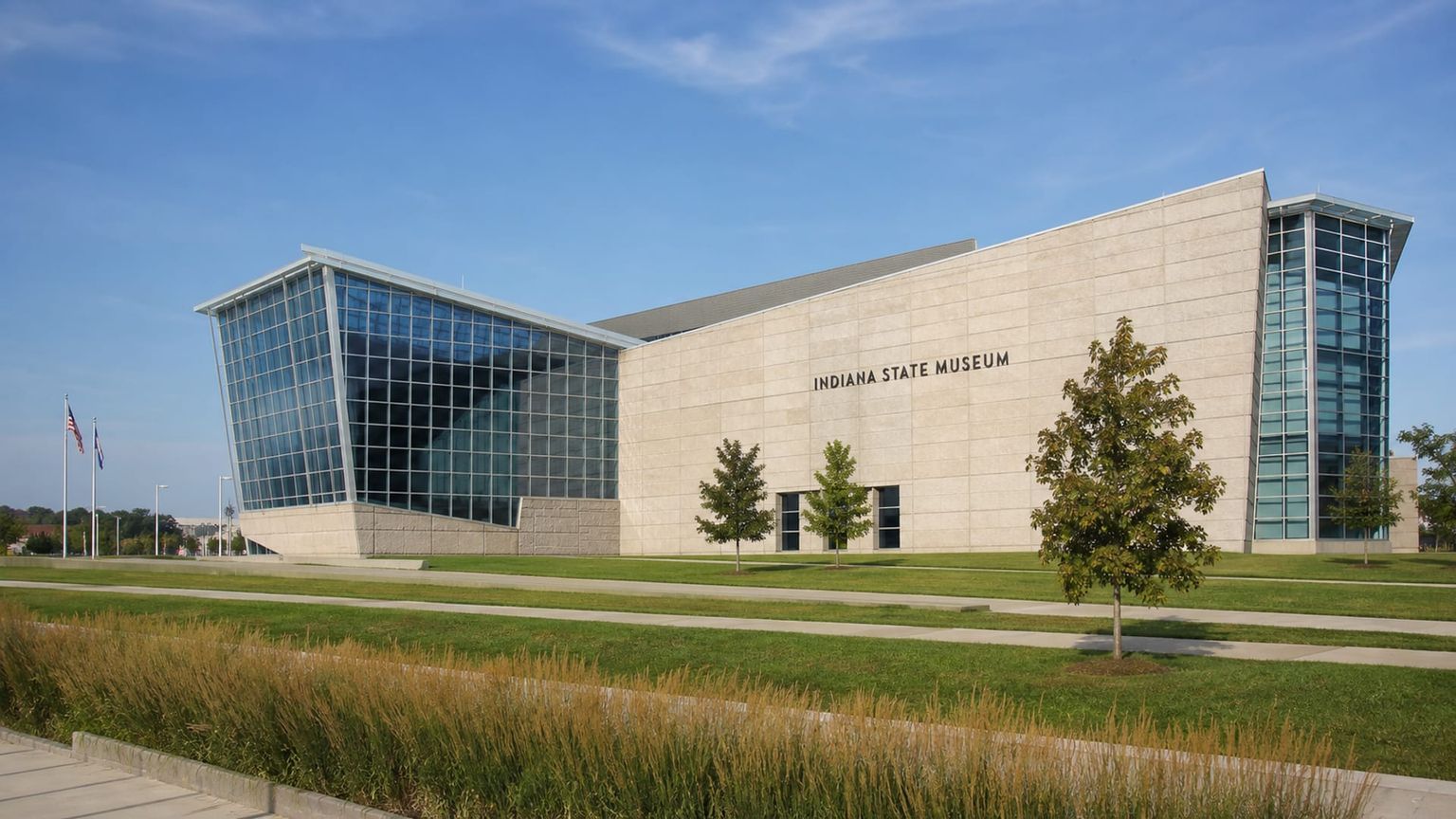
Indiana State Museum
Set in White River State Park downtown, this museum traces Indiana’s natural history, technology, and culture in one compact visit. It also gives easy access to the canal and nearby park landmarks, making it a strong anchor for a city day.
Time needed: About 2 to 3 hours
Entry: General admission costs about $22 ($22) for adults, about $16 ($16) for youth ages 3 to 17, and about $18 ($18) for seniors. Visit the official site for details.
Tip: Pair it with a late-afternoon walk in White River State Park for better light.
Overlooked sites worth visiting

Eagle Creek Park
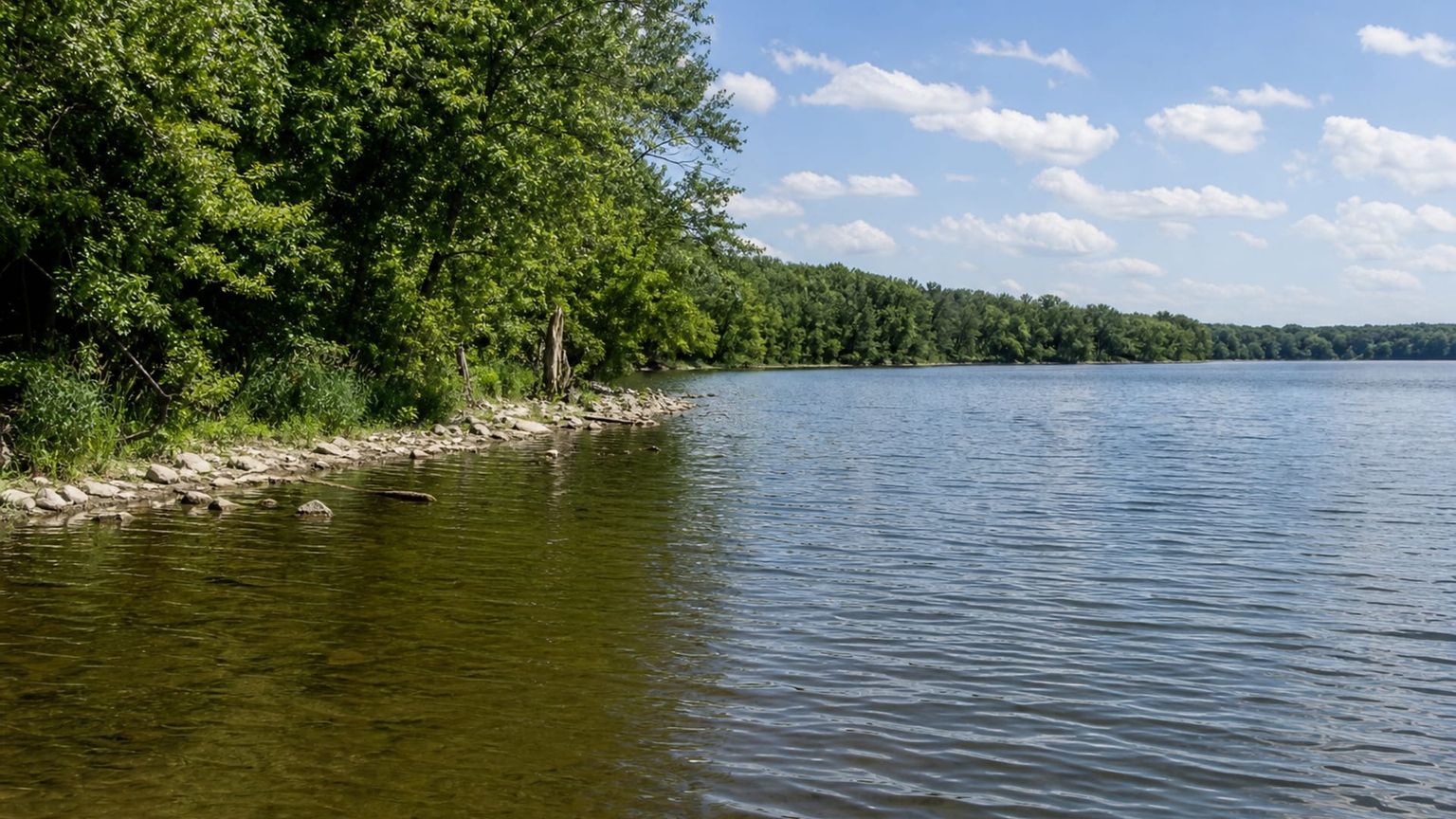
Indiana’s largest city park pairs wooded trails, a reservoir shoreline, and birdwatching hides west of downtown. The quietest corners sit near the nature center and the far shoreline roads.
Time needed: About 2 to 4 hours
Entry: Car entry costs $6 ($6.50) on weekdays and $7 ($7.60) on weekends for Indianapolis residents, with higher rates for nonresidents; separate fees apply for boat launch use and some programs. Visit the official site for details.
Tip: Go early for calmer trails and better bird activity.

James Whitcomb Riley Museum Home
This preserved 1890s house in Lockerbie Square shows the poet’s original furnishings, stained glass, and carved woodwork. It is compact, but the guided rooms give a clear look at Indianapolis literary history.
Time needed: About 45 minutes to 1 hour
Entry: Adult admission costs $10 ($10), seniors and students $8 ($8), and children 6 to 12 $5 ($5); children under 6 enter free. Guided tours run on set days, so check current hours before you go. Visit the official site for details.
Tip: Tours are easiest to enjoy when you arrive near opening.
Traditional food
Indianapolis leans on pork tenderloin sandwiches, fried biscuits and gravy, sugar cream pie, and cornbread, with diner counters and neighborhood spots serving the city’s most familiar plates.
Pork tenderloin sandwich
A Hoosier classic: a breaded cutlet served on a bun that is usually too small for the meat. Shapiro’s Delicatessen is a classic Indianapolis stop for this style.
Sugar cream pie
This smooth custard pie is one of Indiana’s signature sweets, often finished with nutmeg or cinnamon. The cake-and-pie counter at Pots & Pans Pie Co. keeps a local version on point.
Fried biscuits and gravy
A hearty breakfast plate built for a slow start, with crisp biscuits under rich sausage gravy. Lincoln Square Pancake House serves a dependable Indianapolis version.
Cornbread
Cornbread shows up beside chili, fried chicken, and breakfast plates across the city, usually with a soft crumb and a little sweetness. Mimi Blue Meatballs serves a well-liked take as a side.
Best time to visit Indianapolis
Indianapolis changes most with temperature and humidity, while peak visitor periods cluster around spring events, summer weekends, and fall sports calendars.
Best for: Museums, park walks, and festival weekends
What you get: About 48-72°F (9-22°C), with moderate crowds and busier weekends as events fill downtown
Trade-offs: Rain can interrupt long outdoor days
Best for: Baseball, evening dining, and longer park hours
What you get: About 68-88°F (20-31°C), with higher humidity and the largest visitor crowd spikes on race and concert dates
Trade-offs: Heat and humidity make midday walking less comfortable
Best for: Neighborhood dining, museum visits, and clear sightseeing days
What you get: About 50-74°F (10-23°C), with moderate crowds and easier availability outside major game weekends
Trade-offs: Weather turns cooler and less predictable in late November
Best for: Indoor museums and quieter hotel rates
What you get: About 23-42°F (-5-6°C), with lighter tourist traffic and occasional snow or ice
Trade-offs: Cold conditions shorten park time and slow local travel
A realistic 5-day plan in Indianapolis
This five-day plan keeps the central museums, neighborhood dining, and outer green spaces in a workable order. It starts downtown, then moves outward to the Speedway, the museum campus, Fountain Square, Eagle Creek, and a final morning in Lockerbie Square before departure.
Land at Indianapolis (IND), then take a rideshare or taxi downtown in about 20 to 25 minutes for roughly $25 to $35. If you want the easiest first night, stay in Downtown Indianapolis near Monument Circle or the canal, so you can settle in without another long trip. Drink some water, unpack, and head to a simple dinner in the downtown core, where you can keep the evening short and walk back to your hotel.
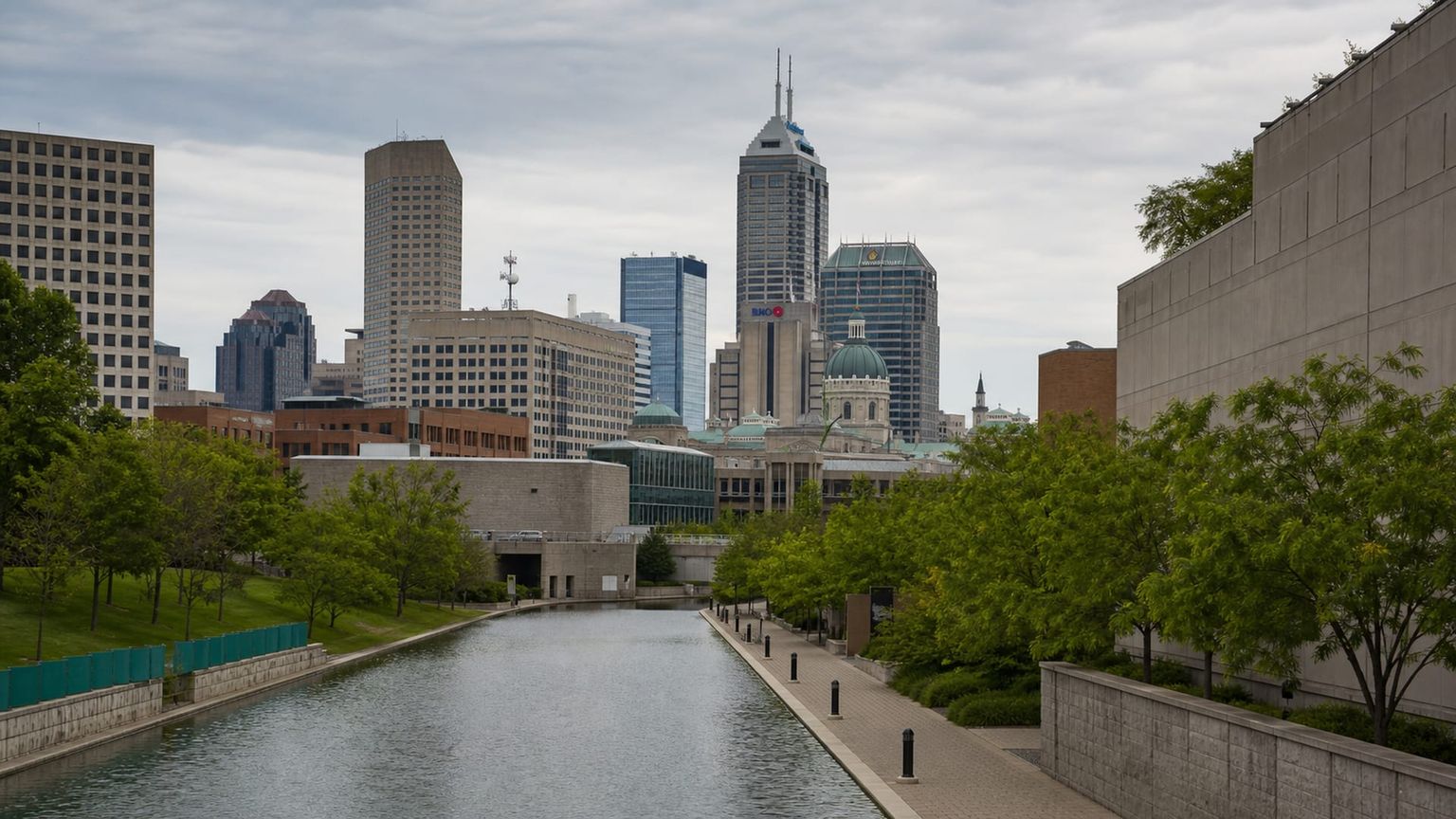
Start at the Indiana State Museum in White River State Park, then walk about 10 minutes to the canal for an easy loop past the water and park paths. From there, it is about a 15-minute walk to Monument Circle, where the city center gives you a clear read on downtown before lunch. Spend the afternoon at the Indianapolis Motor Speedway, about 20 to 25 minutes by rideshare from downtown, then return to Mass Ave for dinner and an evening stroll among the restaurants and theaters.
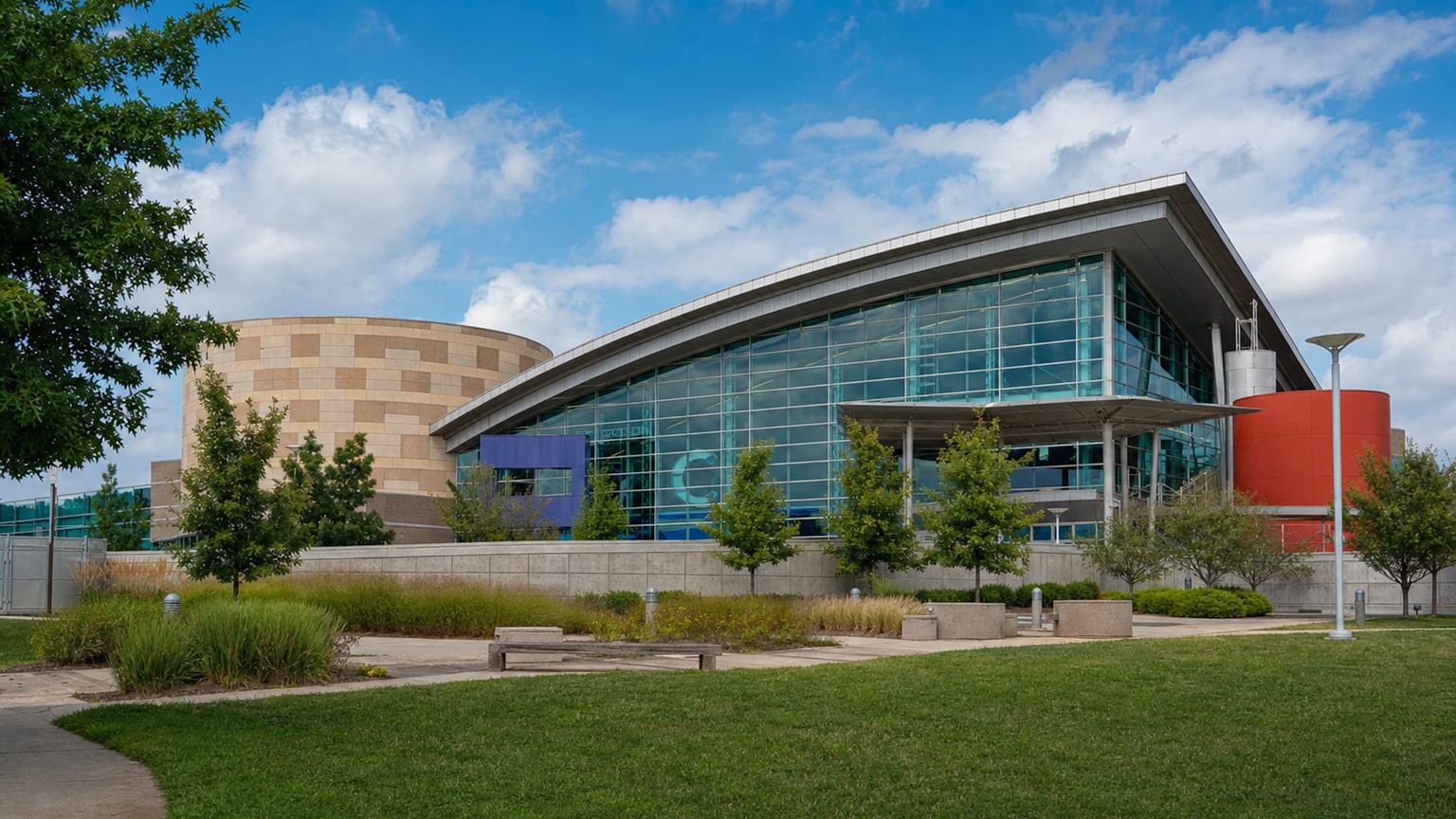
Begin early at the Children’s Museum of Indianapolis, about 15 to 20 minutes by rideshare from Downtown Indianapolis, so you can cover the top floors before the busiest window. After about 3 to 5 hours inside, ride to Fountain Square in roughly 15 minutes for a late lunch and a slower neighborhood walk past music venues and galleries. Finish with dinner back downtown, where the return trip from Fountain Square takes about 10 to 15 minutes by rideshare.
For a quieter change of pace, head west to Eagle Creek Park, about 25 to 30 minutes by car from downtown, and spend 2 to 4 hours on the trails and reservoir shoreline. Plan on lunch afterward in Broad Ripple, about 20 minutes by car, where cafes and local spots give the day a different pace from the city center. In the evening, return to Mass Ave for dinner, since it keeps the night close to the downtown core and puts you within an easy rideshare of your hotel.
One last morning works well for the James Whitcomb Riley Museum Home in Lockerbie Square, where a guided visit takes about 45 minutes to 1 hour and the house gives you a small but vivid look at local history. Afterward, browse nearby shops in Mass Ave, then settle into a café in Fountain Square for coffee and a late breakfast before you pack up. If your flight leaves in the afternoon, leave enough time for the 20 to 25 minute ride back to Indianapolis (IND) from downtown.
Business-class flights from the US to Indianapolis
Indianapolis sees most long-haul visitors connect through major hubs, so the route matters as much as the fare. The examples below show how East Coast and West Coast departures usually line up.
From New York (JFK), Delta Air Lines, American Airlines, United Airlines, JetBlue, Air Canada, and Lufthansa all serve Indianapolis (IND), and the nonstop trip takes about 2 to 2.5 hours. If you do not mind a connection, common routings via Chicago (ORD), Charlotte (CLT), Dallas/Fort Worth (DFW), or Toronto (YYZ) usually take 4 to 7 hours, and round-trip fares start at $450 and can reach $1,200.
Los Angeles (LAX) travelers usually connect through Denver (DEN), Dallas/Fort Worth (DFW), Chicago (ORD), Phoenix (PHX), or Salt Lake City (SLC) on Delta Air Lines, American Airlines, United Airlines, Alaska Airlines, or Southwest Airlines, with total travel time about 6 to 9 hours. From $500, round-trip fares can climb to $1,400.
Indianapolis feels different when you slow down
A good Indianapolis stay ties downtown walks, a rideshare to the Speedway, a slower afternoon in White River State Park, and one last meal in Fountain Square or Mass Ave into a single route. That approach keeps the city legible without packing the day too tightly. If you want help shaping the right base near Monument Circle or planning the airport return from IND, AranGrant experts can help you line up the details







