

Chapters:

Need help with your trip?
Our support team is available 24/7. Request a callback or call us directly at (833) 619-0908
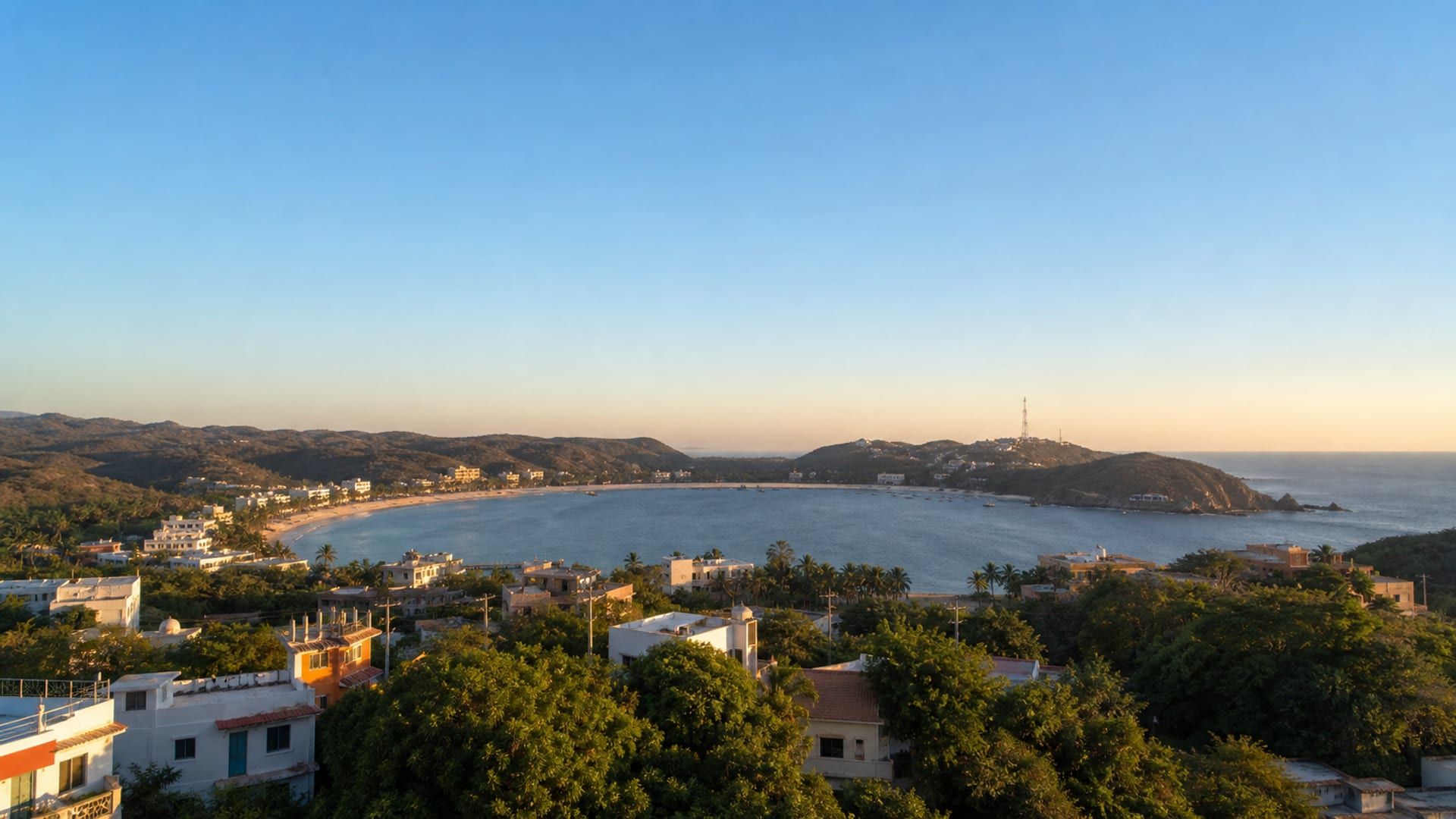
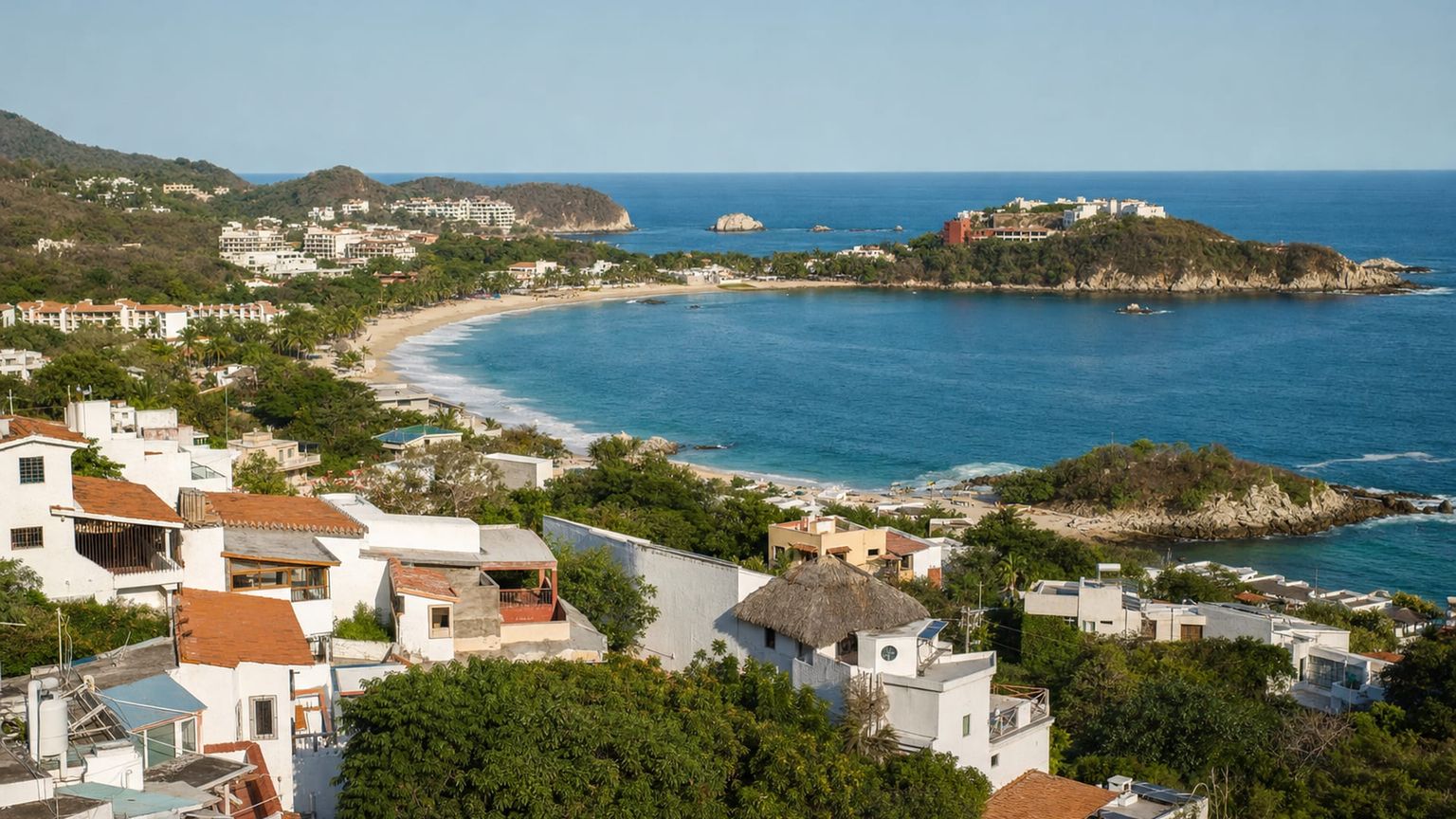
Huatulco trips often begin with the same plan, a beach hotel, a taxi from Huatulco International Airport (HUX), and a dinner near the plaza, while the bays and inland neighborhoods stay oddly separate in many itineraries.
That pattern works for quick stays, but it can leave you crossing town more often than needed, timing beaches poorly, and missing how different Santa Cruz, La Crucecita, and Tangolunda each shape the day.
This guide maps the stay in a cleaner order, with beaches, food, transfers, and day trips arranged so you can move through Huatulco without wasting morning light or evening energy.
Useful things to know

Main language(s): Spanish
Hola (OH-lah) – Hello
Por favor (por fah-VOR) – Please
Gracias (GRAH-syahs) – Thank you
¿Habla inglés? (AH-blah een-GLAYS) – Do you speak English?
¿Cuánto cuesta? (KWAN-toh KWES-tah) – How much does it cost?

Currency: The local currency is the Mexican peso (MXN, $).

Cash and cards: Cards and contactless are widely accepted in hotels and larger restaurants; carry about MXN 500 to 1,000 ($30 to $60) in cash.

Tipping: Round up for small bills; leave about 10% in restaurants if service is good.

Traditional food: tlayudas, mole negro, pescado a la talla, memelas

Water and coffee costs: Water about MXN 25 ($1.50), bar espresso about MXN 45 ($2.50).

Taxis and ride apps: Uber and Didi operate here; availability can be thin late at night.

Plug and voltage: Type A/B socket, 127V

Dining and shop opening hours: Breakfast is about 08:00-11:00, lunch 13:00-16:00, and dinner 19:00-22:00. Many kitchens close between lunch and dinner.

Emergency number: 911 for police, fire, and medical emergencies.
Where to stay in Huatulco
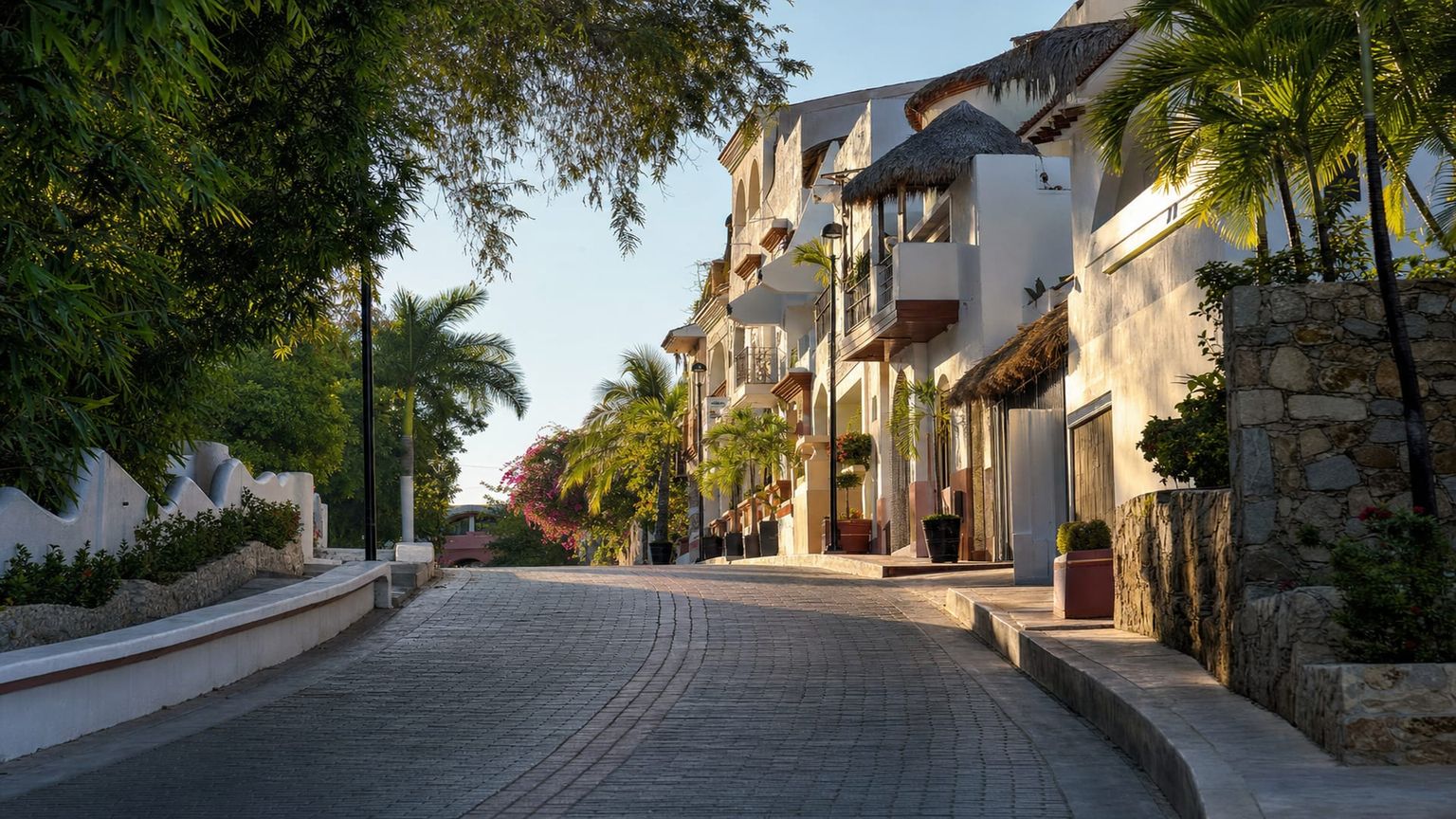
Huatulco’s main resort strip centers on Tangolunda, Chahué, and Santa Cruz bays, where many of the area’s hotels, restaurants, and beaches cluster. It suits travelers who want the widest choice of stays, easy beach access, and the shortest hops to tour boats and tour operators.
Best for: Beach time, resort stays, and travelers who want the broadest hotel choice
What to expect: Expect resort traffic, beach visitors, and a steady flow of tour pickups near the main bays.
Hotel prices: Usually about MXN 1,800 to MXN 4,500 (~$105 to ~$265) per night for well-rated stays
Distance to major sights: About 10 to 15 minutes by taxi to Santa Cruz Bay, about 20 minutes to La Entrega Beach
Quietness: Busy by day, quieter at night once beach traffic and dinner crowds thin out.
Main trade-off: You pay more here than in inland parts of Huatulco, and the most walkable pockets can feel busy in high season.
Good to know: If you plan several beach days and boat outings, this is the easiest place to keep your transfers short.
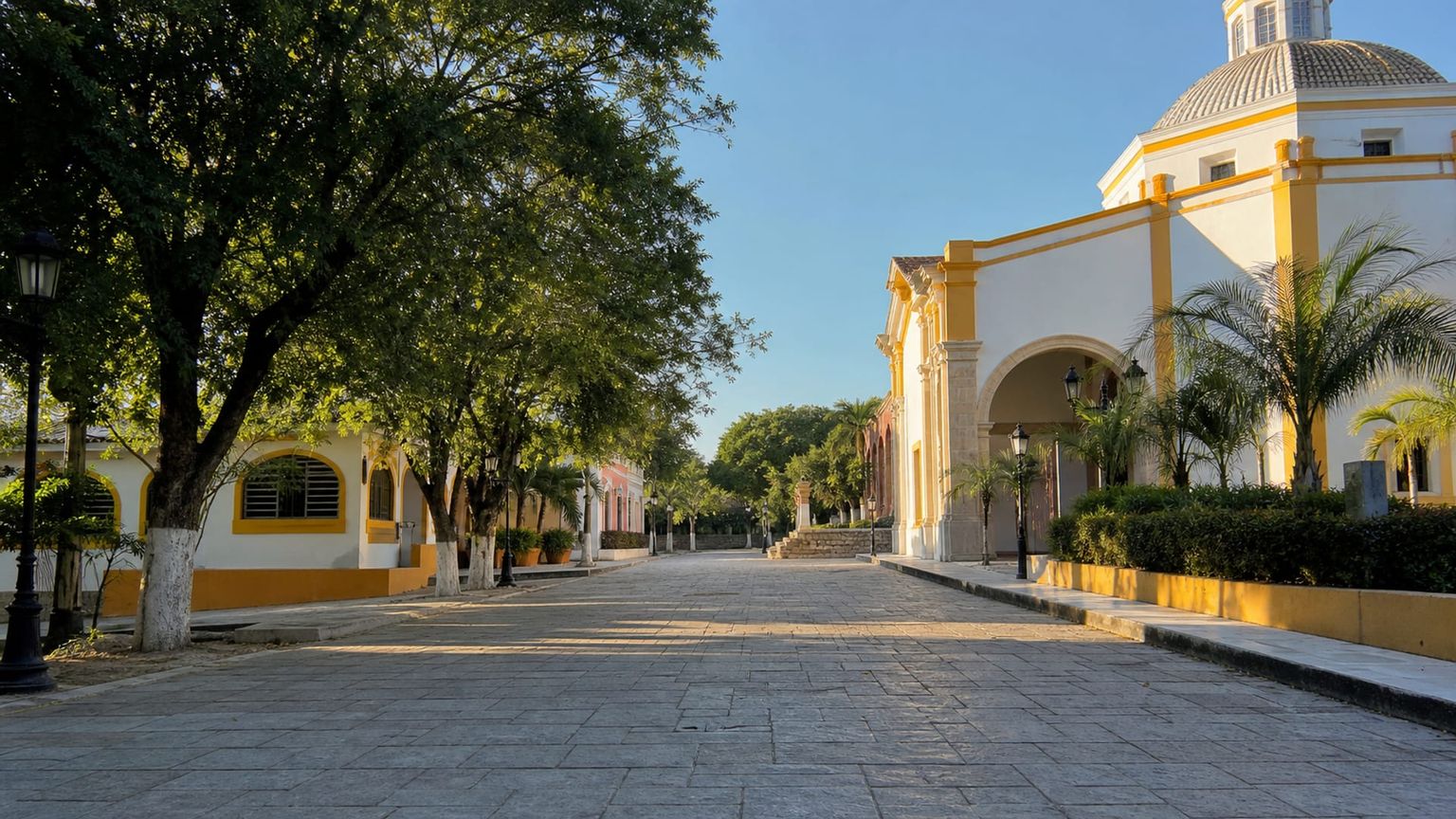
La Crucecita is Huatulco’s town center, with the main plaza, local restaurants, shops, and everyday services clustered around the church and market streets. It matters because you get the most local dining and the easiest access to buses, taxis, and basic errands.
Best for: Dining, local atmosphere, and travelers who want an inland base near everyday amenities
What to expect: Expect foot traffic near the plaza, local families, and a busier street scene than the beach bays.
Hotel prices: Usually about MXN 1,200 to MXN 3,000 (~$70 to ~$175) per night for well-rated stays
Distance to major sights: About 10 minutes by taxi to Santa Cruz Bay, about 15 minutes to Tangolunda Bay
Quietness: Lively in the afternoon and early evening, then quieter on side streets late at night.
Main trade-off: You stay farther from the sand, so beach days usually require a taxi or shuttle.
Good to know: Choose this if you want more restaurant choice after sunset and do not mind paying for a ride to the beach.
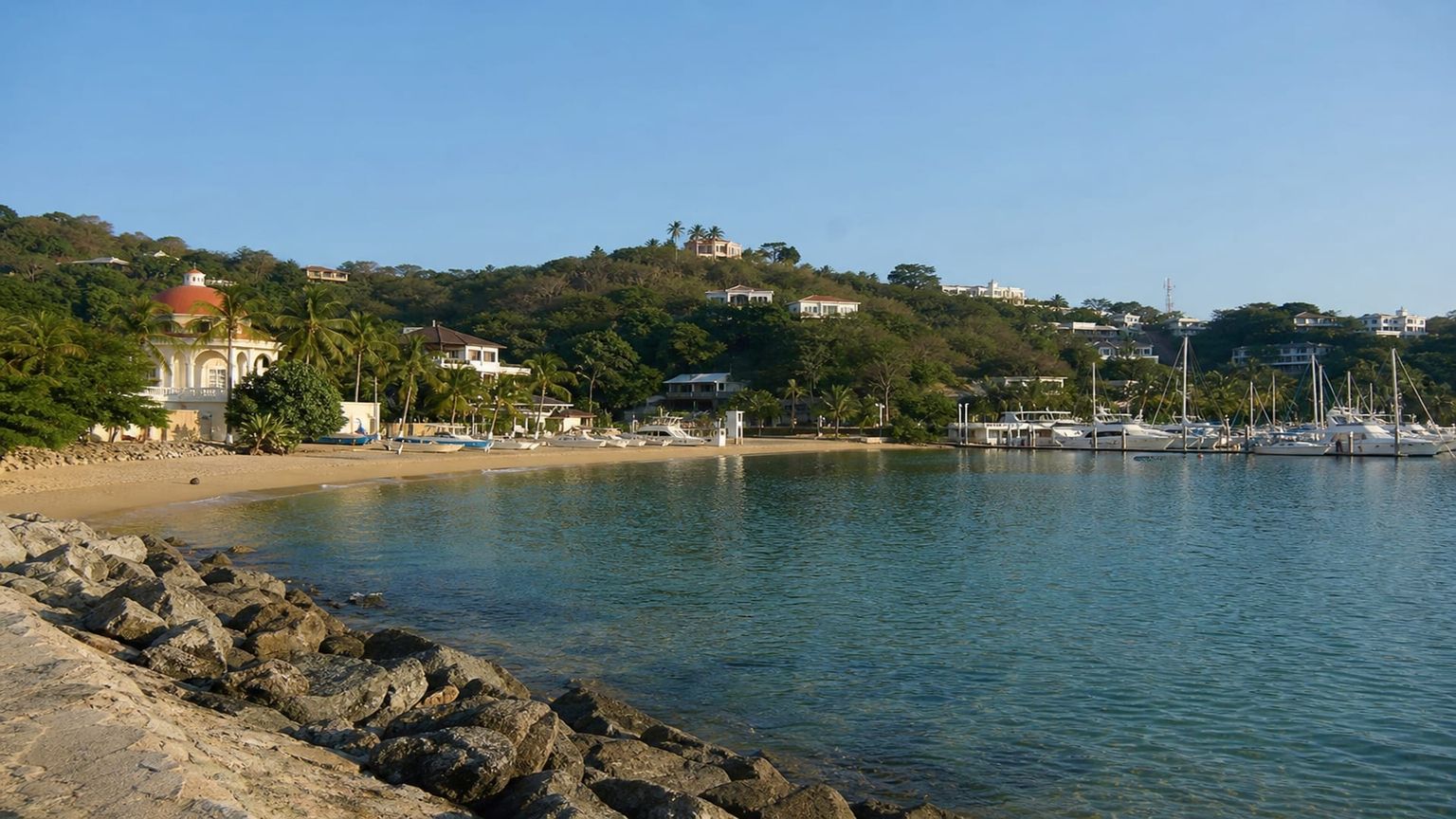
Santa Cruz sits around the port and beach area, with tour boats, waterfront restaurants, and a compact cluster of hotels close to the sand. It matters if you want to walk to beach time, catamaran departures, and casual seafood spots without relying on a car.
Best for: Boat tours, beach access, and short stays with little need for a car
What to expect: Expect a compact tourist area with daytime activity around the beach, pier, and tour desks.
Hotel prices: Usually about MXN 1,500 to MXN 3,800 (~$88 to ~$223) per night for well-rated stays
Distance to major sights: On foot to Santa Cruz Bay, about 15 to 20 minutes by taxi to La Entrega Beach
Quietness: Active during the day, then calmer after dinner once the beach and pier empty out.
Main trade-off: The closest rooms can sit near boat traffic and day-trip crowds, especially in peak season.
Good to know: Stay here if you want to walk to the beach and depart early for bay-hopping tours without a taxi.
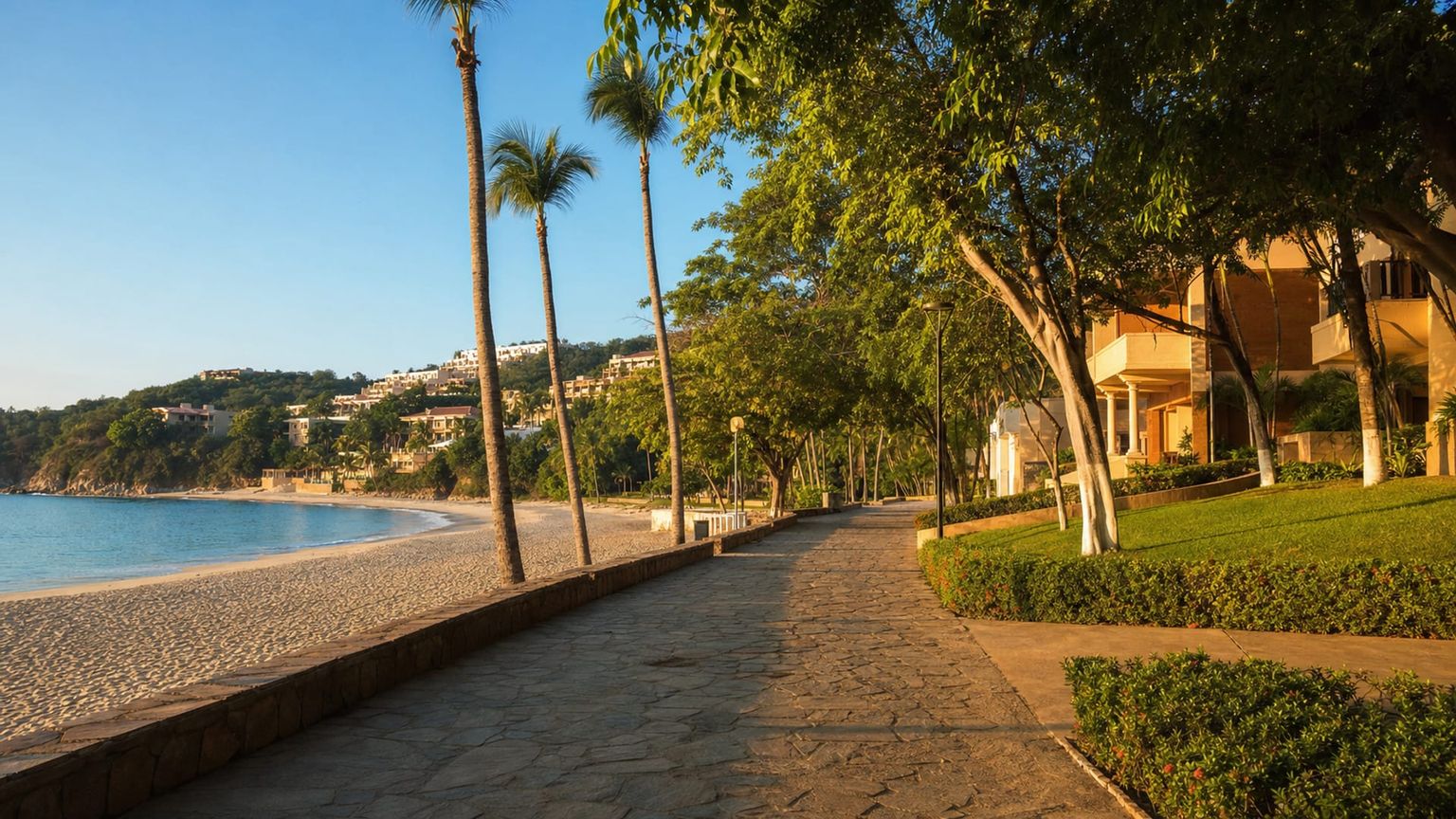
Tangolunda is the upscale hotel zone east of the main bay area, with larger resorts, golf, and a long beachfront backed by planned developments. It matters for travelers who want a quieter resort setting and more space than the town center offers.
Best for: Resort stays, golf, and travelers who prefer a quieter beachfront base
What to expect: Expect gated resort grounds, wide roads, and more hotel guests than local street life.
Hotel prices: Usually about MXN 2,500 to MXN 6,500 (~$147 to ~$382) per night for well-rated stays
Distance to major sights: About 20 minutes by taxi to Santa Cruz Bay, about 15 minutes to La Crucecita
Quietness: Usually quiet in the morning and evening, with more activity around resort pools and beach clubs in the day.
Main trade-off: The area is less walkable for food and errands, so you will often depend on taxis.
Good to know: Pick this if you want a larger resort property and are fine trading walkability for space.
Travelers usually avoid Bahías de Huatulco’s farthest inland residential pockets, because they sit well away from Santa Cruz, La Crucecita, and the main beach bays, with limited visitor amenities and more dependence on car travel at night. The fringe areas north of La Crucecita and the road-outskirts toward the airport are also less convenient, since they place you farther from restaurants, tour pickups, and evening dining in town.
Hotel deals
How to get around Huatulco efficiently
Huatulco does not have a metro, so most visitors move between Santa Cruz, La Crucecita, and Tangolunda by taxi, colectivo, or on foot for short stretches.

Metro
for longer distances
Huatulco has no metro system, so visitors usually rely on minibuses, colectivos, and taxis instead; for longer hops, use the local roads rather than looking for rail-based transit.

Bus and tram
for convenience
Buses and colectivos link Santa Cruz, La Crucecita, Tangolunda, and nearby beach areas, with short local rides usually costing about $0.50 to $2 MXN 9 to MXN 35 and trips staying valid only for that single ride; routes are informal, so ask the driver or your hotel for the correct vehicle before boarding.

Taxi
for convenience or late hours
Licensed taxis in Huatulco usually charge fixed, negotiated fares rather than using meters, and a ride between the airport and the resort strip commonly costs about $20 to $35 USD MXN 340 to MXN 600, while shorter town trips often run about $3 to $8 USD MXN 50 to MXN 140; confirm the fare before you get in, carry cash, and expect most drivers to prefer pesos.
*Prices are based on rates updated as of June 2026 and may change at the time of travel.
Use taxis for airport runs and beach hops, colectivos for low-cost local links, and walking when you stay in Santa Cruz or around La Crucecita’s plaza.
Iconic landmarks
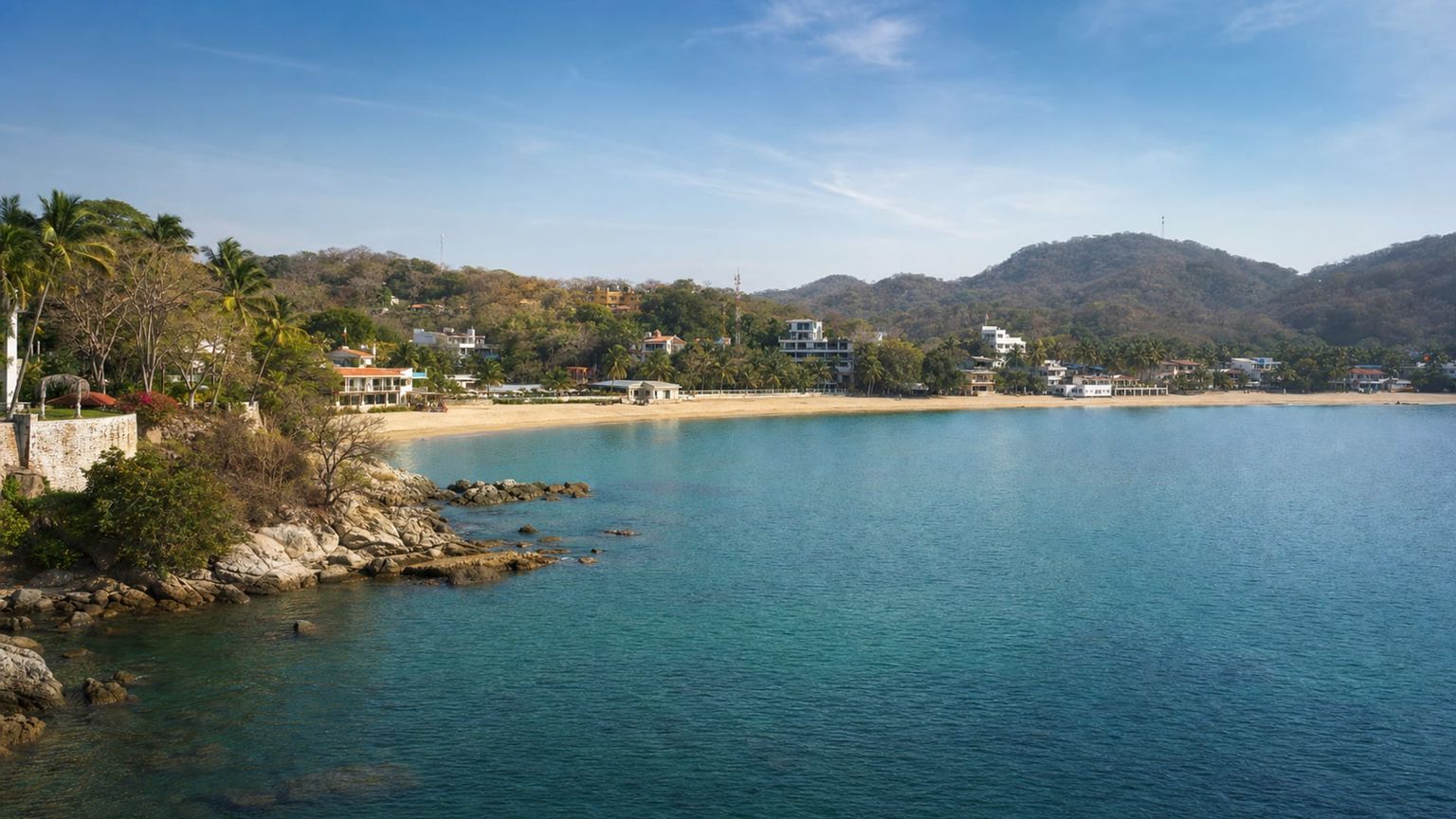
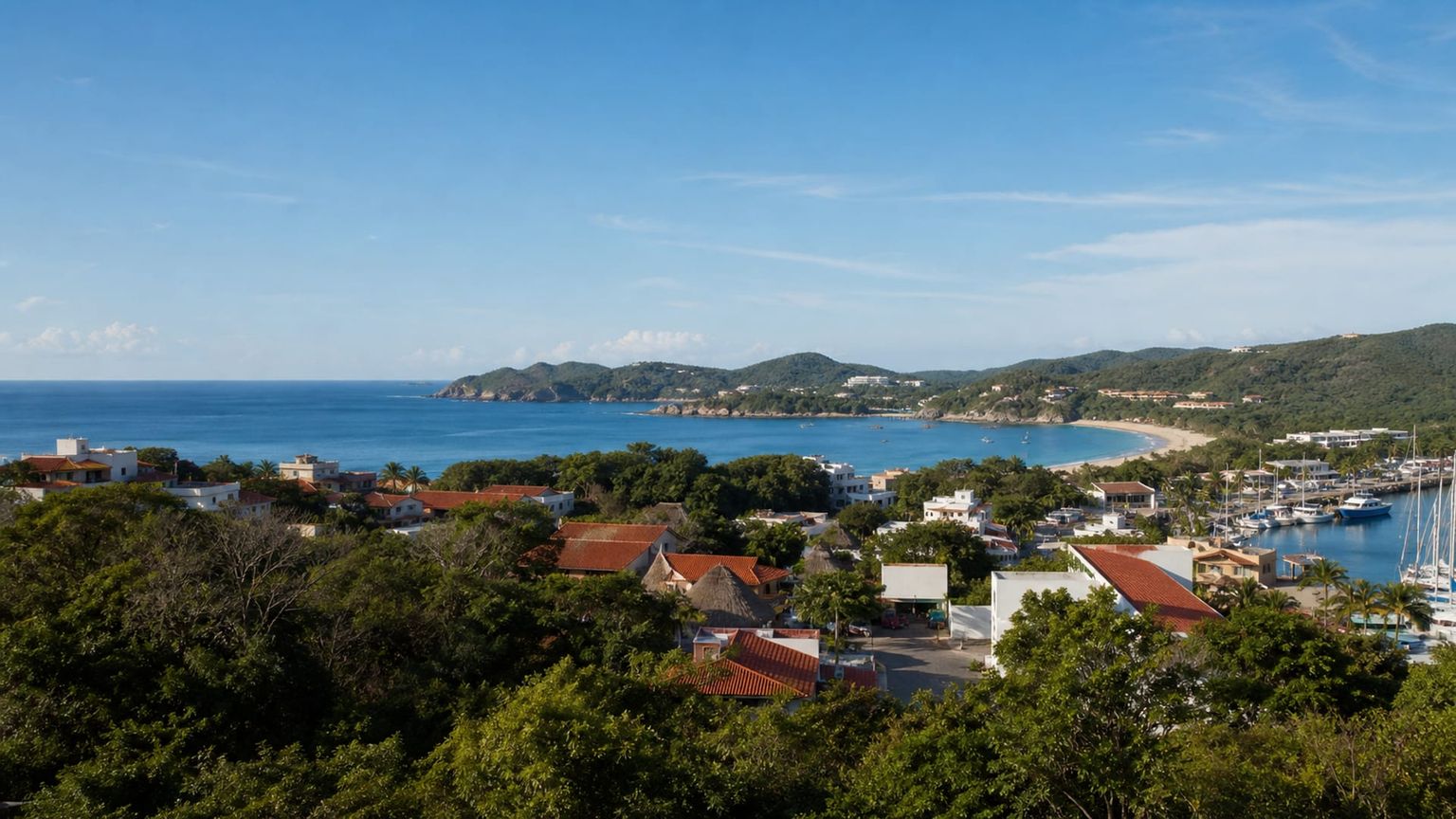
Bahía de Santa Cruz
Santa Cruz Bay is Huatulco’s main harbor-front cove, with a sheltered beach, waterfront promenade, and boat departures for the bays. Its calm water and central location make it one of the easiest places to orient yourself in town.
Time needed: About 1 to 2 hours
Entry: Free to access; boat tours and beach rentals are priced separately by operators on the waterfront.
Tip: Go early for calmer water and lighter shade, then stay for the morning boat departures.
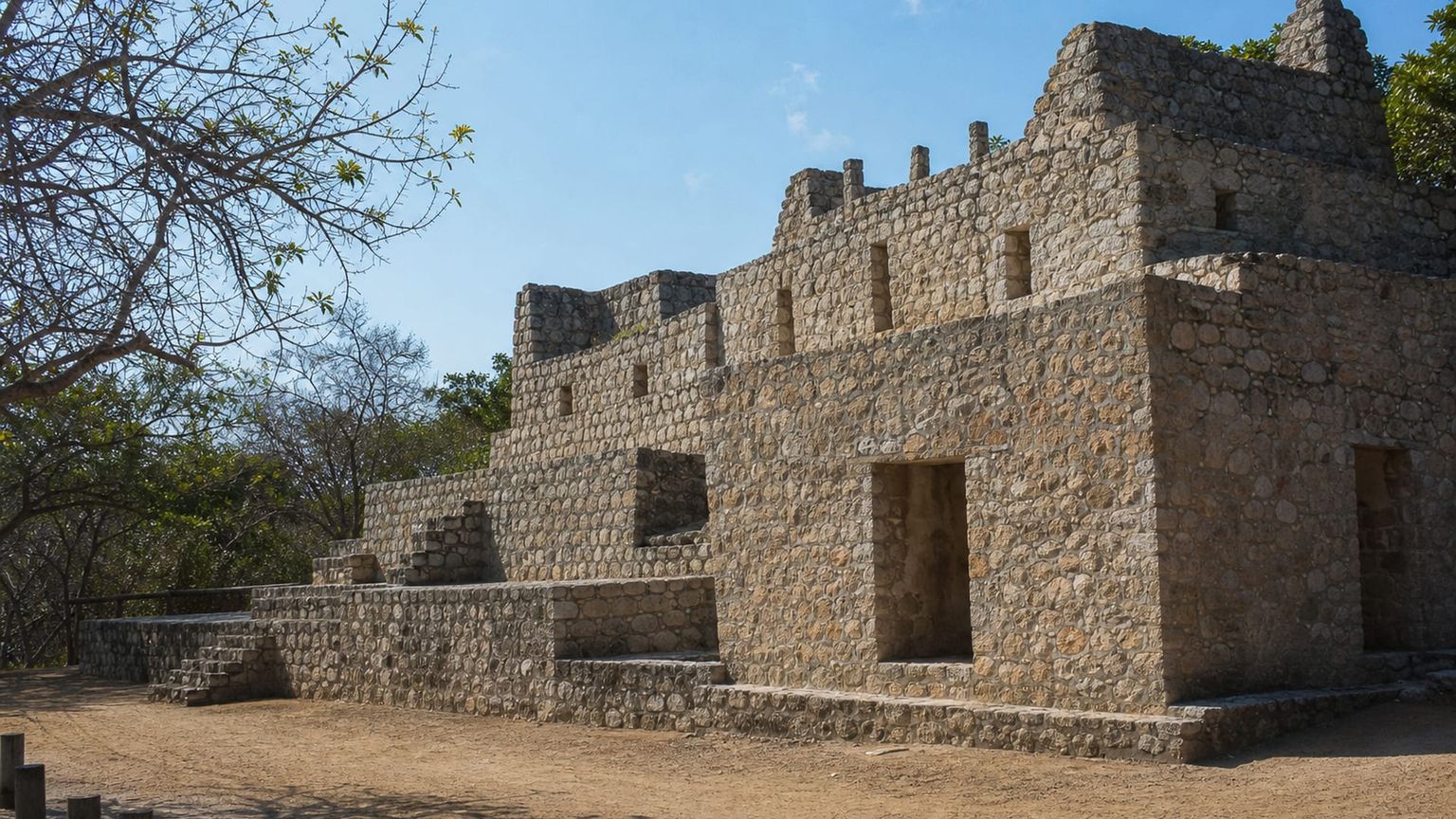
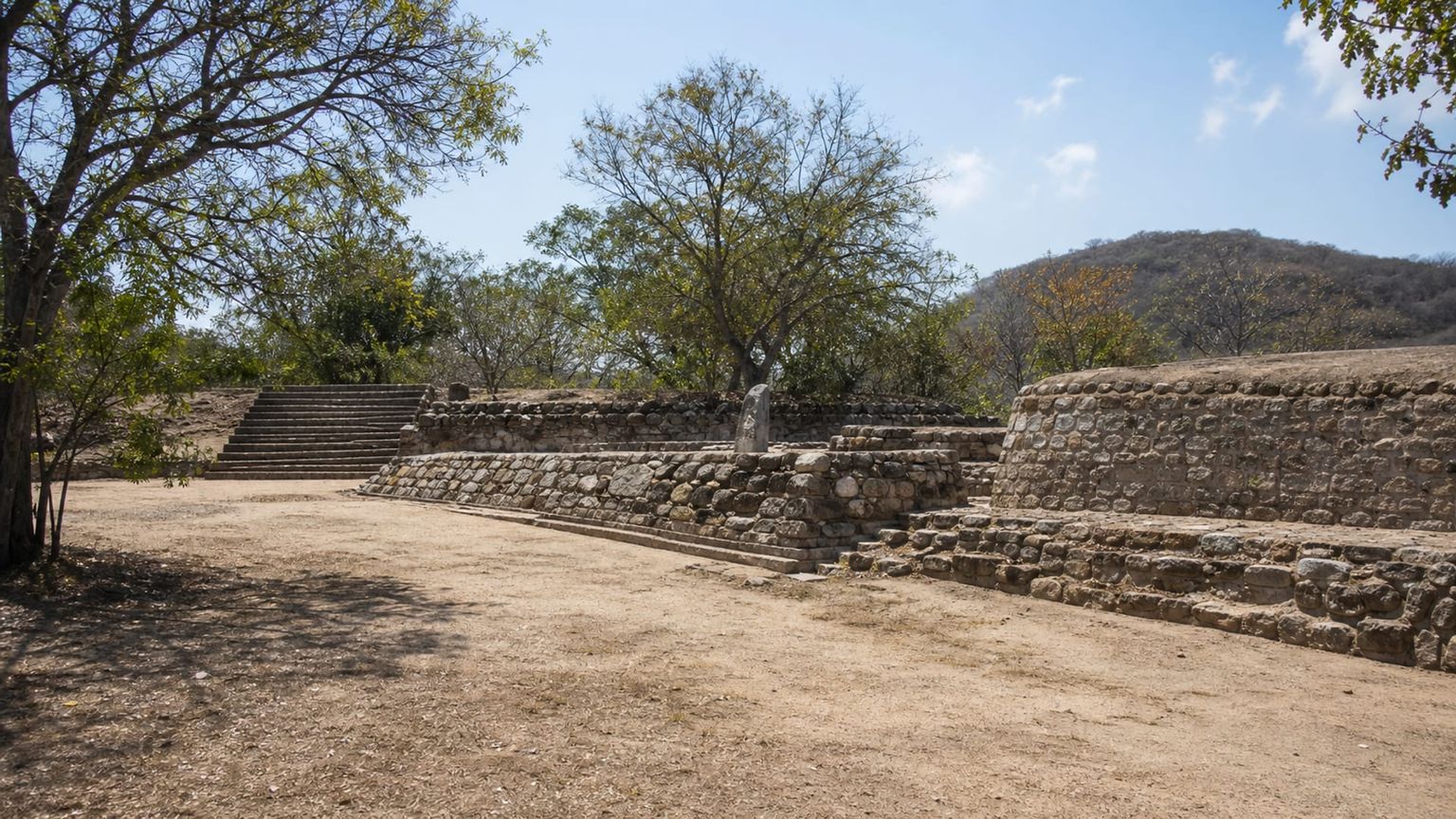
Parque Eco-Arqueológico Copalita
This eco-archaeological park sits by the Copalita River mouth, about 10 km from Huatulco’s center. It combines a small pre-Hispanic site, a museum, and a riverside trail with sea views and native vegetation.
Time needed: About 2 to 3 hours
Entry: Admission is about $8 ($130 MXN) for adults and about $4 ($65 MXN) for children. Visit the official site for details.
Tip: Visit in the morning, when the trail stays cooler and the museum has the best light.
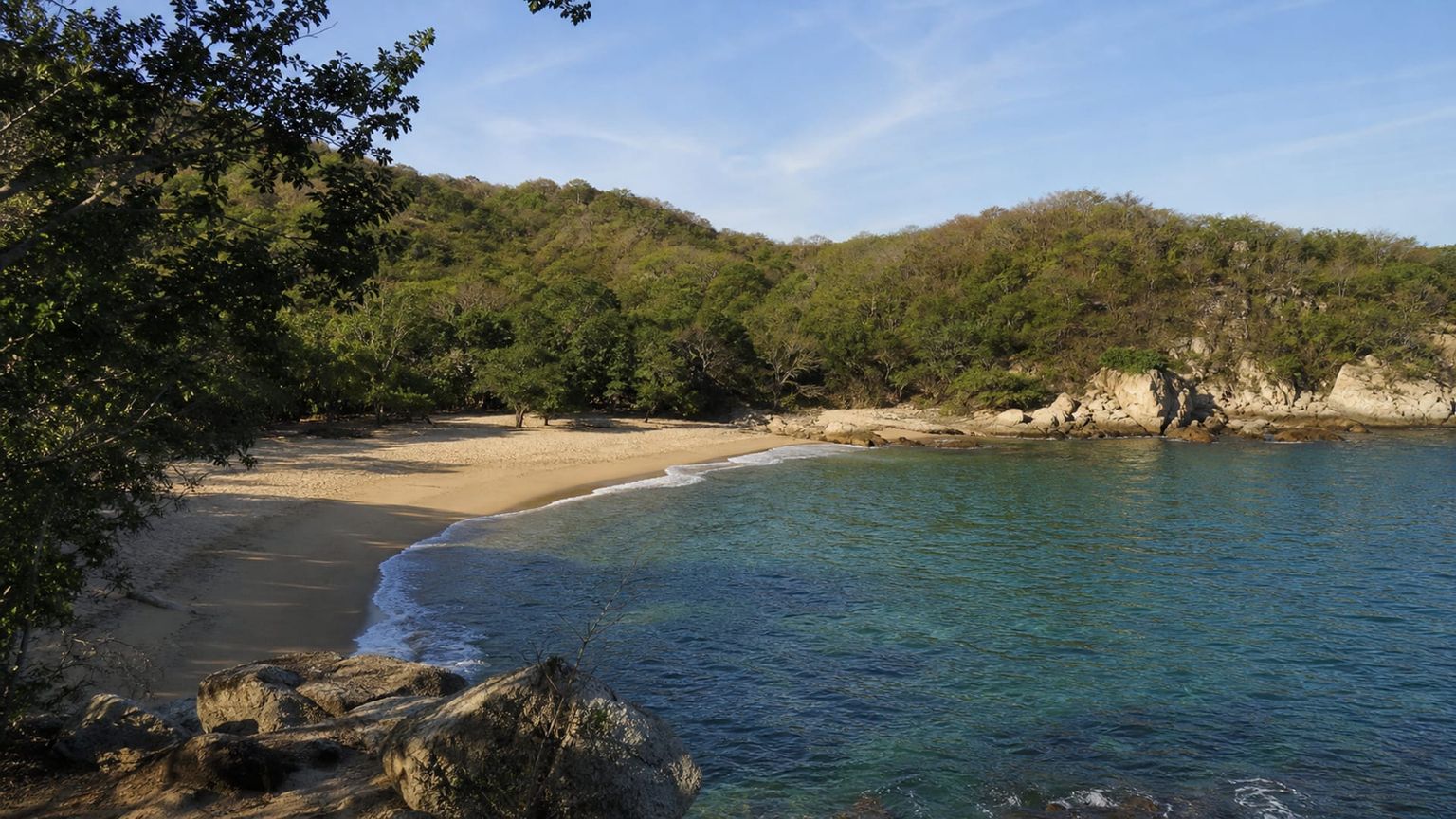
Playa La Entrega
Playa La Entrega is a small cove within the bays area, known for clear water and a protected reef close to shore. Snorkelers come for easy access from the beach, and the compact size makes it simple to pair with a short swim or lunch stop.
Time needed: About 2 to 3 hours
Entry: Free to access; snorkeling gear and beach chairs typically cost about $5 to $15 ($85 to $260 MXN) per item.
Tip: Arrive before late morning, when boats and day trippers leave more space on the sand.
Overlooked sites worth visiting

Santa Cruz Bay boardwalk
This waterfront promenade traces the curve of Santa Cruz Bay, with fishing boats, views of the harbor, and direct access to the beach. Go early for calmer water and cooler walking temperatures.
Time needed: About 1 hour
Entry: Free to access, with no admission fee for the promenade itself. Nearby beach clubs and boat operators charge separately for loungers, umbrellas, and excursions, usually from about $5 to $20 ($90 to $350 MXN) depending on the day and the vendor.
Tip: Visit at sunrise for the clearest bay views.

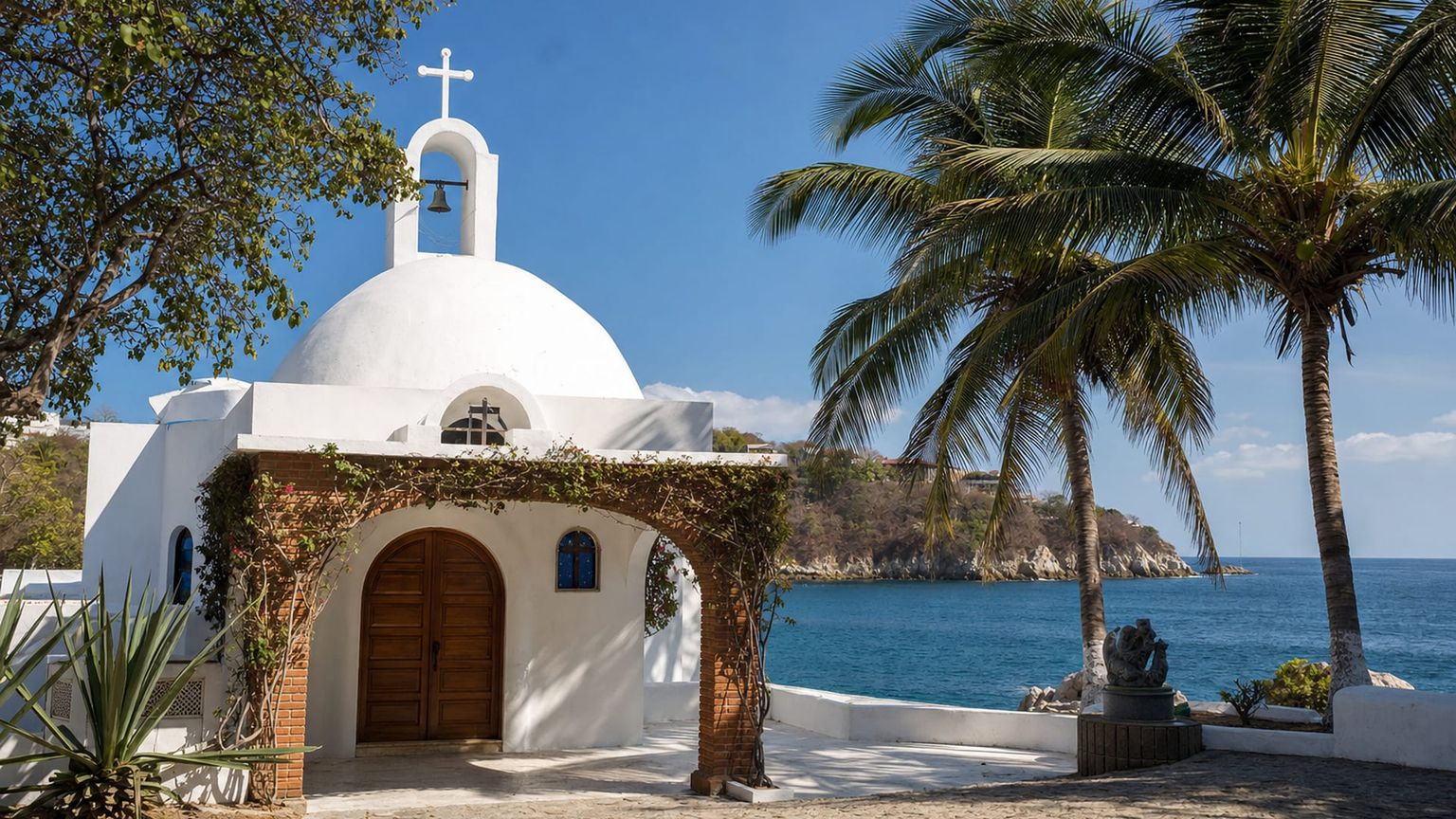
Maguey Beach chapel
This small waterfront chapel sits above Maguey Beach, with whitewashed walls, a simple altar, and views across the cove. Its compact scale and hilltop setting make it an easy stop before or after the sand.
Time needed: About 30 to 45 minutes
Entry: Free to access. The chapel has no posted admission fee, and you can visit on foot during daylight hours. If you continue to the beach below, expect separate costs for chairs, shade, food, and water taxi rides from the harbor, often about $4 to $15 ($70 to $260 MXN).
Tip: Go in late afternoon for softer light over the cove.
Traditional food
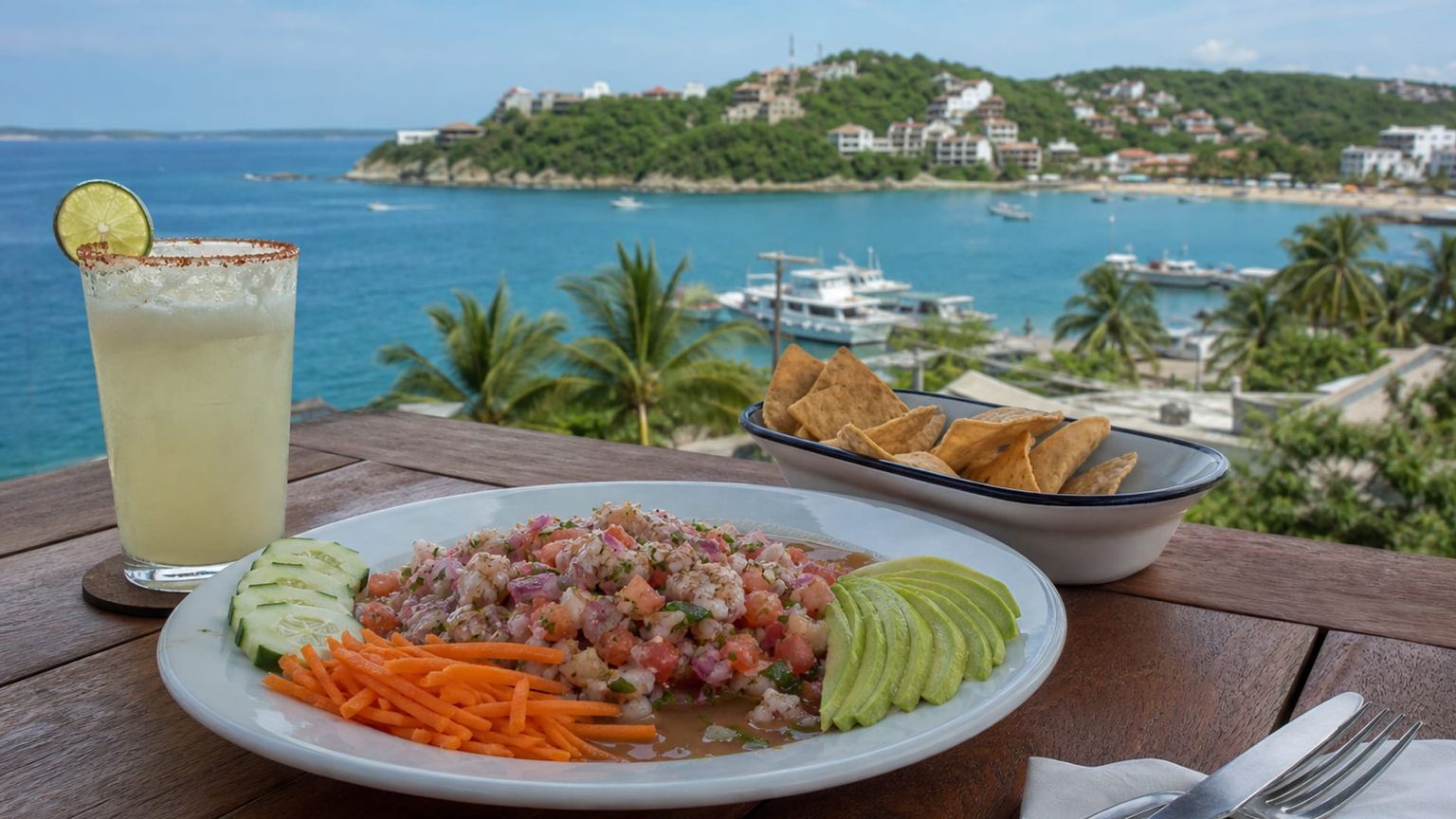
Huatulco’s table leans on seafood, corn, smoky chile sauces, and Oaxacan staples like tlayudas and memelas. Lunch is the main meal, and many kitchens pause between lunch and dinner, so timing matters.
tlayudas
A large crisp tortilla topped with beans, cheese, lettuce, and meat, tlayudas suit Huatulco’s easygoing lunch and dinner scene. For a strong local version, eat it at Terra-Cotta in La Crucecita.
mole negro
Rich, dark mole with layered chile, spice, and cacao notes, usually served over chicken or turkey. Las Parotas, in Huatulco’s Tangolunda area, is a dependable place to order it.
pescado a la talla
Grilled fish coated in chile marinade and cooked until the edges char, this is one of the most fitting dishes for a bay town. A place to look for it is El Sabor de Oaxaca, near La Crucecita.
memelas
Thick corn cakes topped with beans, cheese, and salsa, memelas work well for breakfast or an early lunch. At Restaurant Ve El Mar, you can order them before heading back to the beach.
Best time to visit Huatulco
Huatulco stays warm year-round, but sea conditions, humidity, and crowd levels shift enough that the best time depends on whether you want calmer beaches or lighter hotel demand.
Best for: Best for dry weather and reliable beach days
What you get: About 75 to 86°F (24 to 30°C), with the driest conditions and the busiest hotels and tour boats
Trade-offs: Expect higher prices and fuller beaches
Best for: Best for warm water and long swimming days
What you get: About 79 to 91°F (26 to 33°C), with moderate crowds before the hottest stretch
Trade-offs: Heat rises toward late spring
Best for: Best for quieter stays and better hotel availability
What you get: About 77 to 88°F (25 to 31°C), with fewer visitors and a higher chance of rain
Trade-offs: Afternoon showers can interrupt beach time
Best for: Best for lower rates and a slower pace after the rains
What you get: About 75 to 87°F (24 to 31°C), with warm water and lighter crowds
Trade-offs: Storm risk is higher early in the season
A realistic 5-day plan in Huatulco
A five-day stay in Huatulco works best when the first two days stay close to Santa Cruz, then the middle of the trip moves inland for Copalita and the plaza, before the final beach day and departure loop tie everything together.
Land at Huatulco (HUX), then take a taxi or prebooked transfer to Bahías de Huatulco or Santa Cruz, which usually takes about 15 to 25 minutes and costs roughly $20 to $35 USD, about MXN 340 to MXN 600. Settle into a hotel near Santa Cruz Bay if you want an easy first walk, or stay in La Crucecita if you prefer more dinner choice close to the plaza. After you check in, keep the evening simple: drink water, take a short stroll on the Santa Cruz Bay boardwalk, and have an early seafood dinner in Santa Cruz or around the La Crucecita plaza.
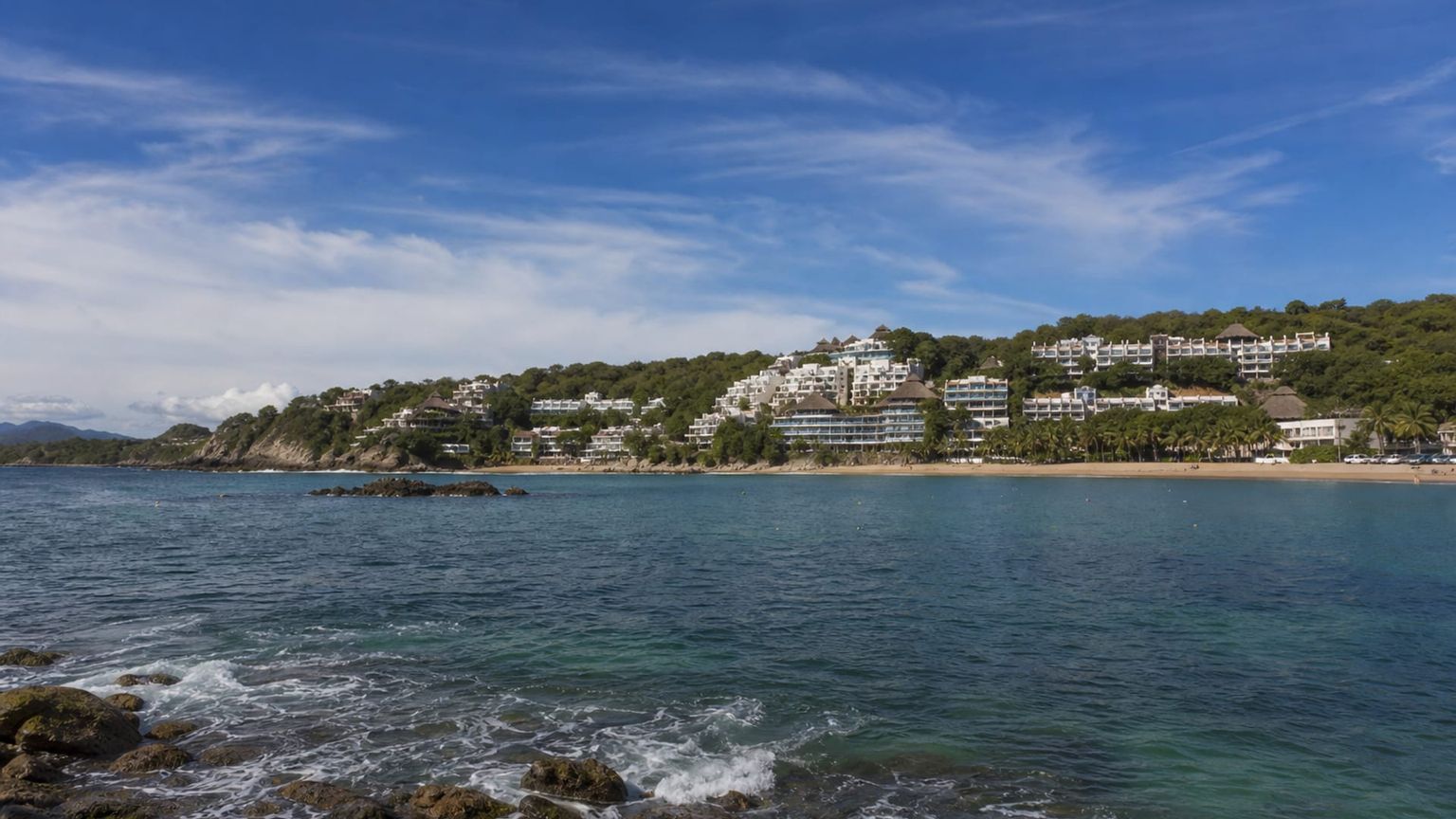
Start at Bahía de Santa Cruz early, when the bay is calmer and the promenade is easiest to enjoy, then spend about 1 to 2 hours along the waterfront and beach. From there, walk or take a short taxi ride of about 5 to 10 minutes to the Santa Cruz Bay boardwalk for harbor views and boat activity, then continue by boat or organized tour toward Playa La Entrega, which is about 15 to 20 minutes away by taxi from Santa Cruz if you return overland. Finish with a long swim and snorkeling session at Playa La Entrega, where the protected cove keeps the water clear and the day feels complete without a long transit chain.
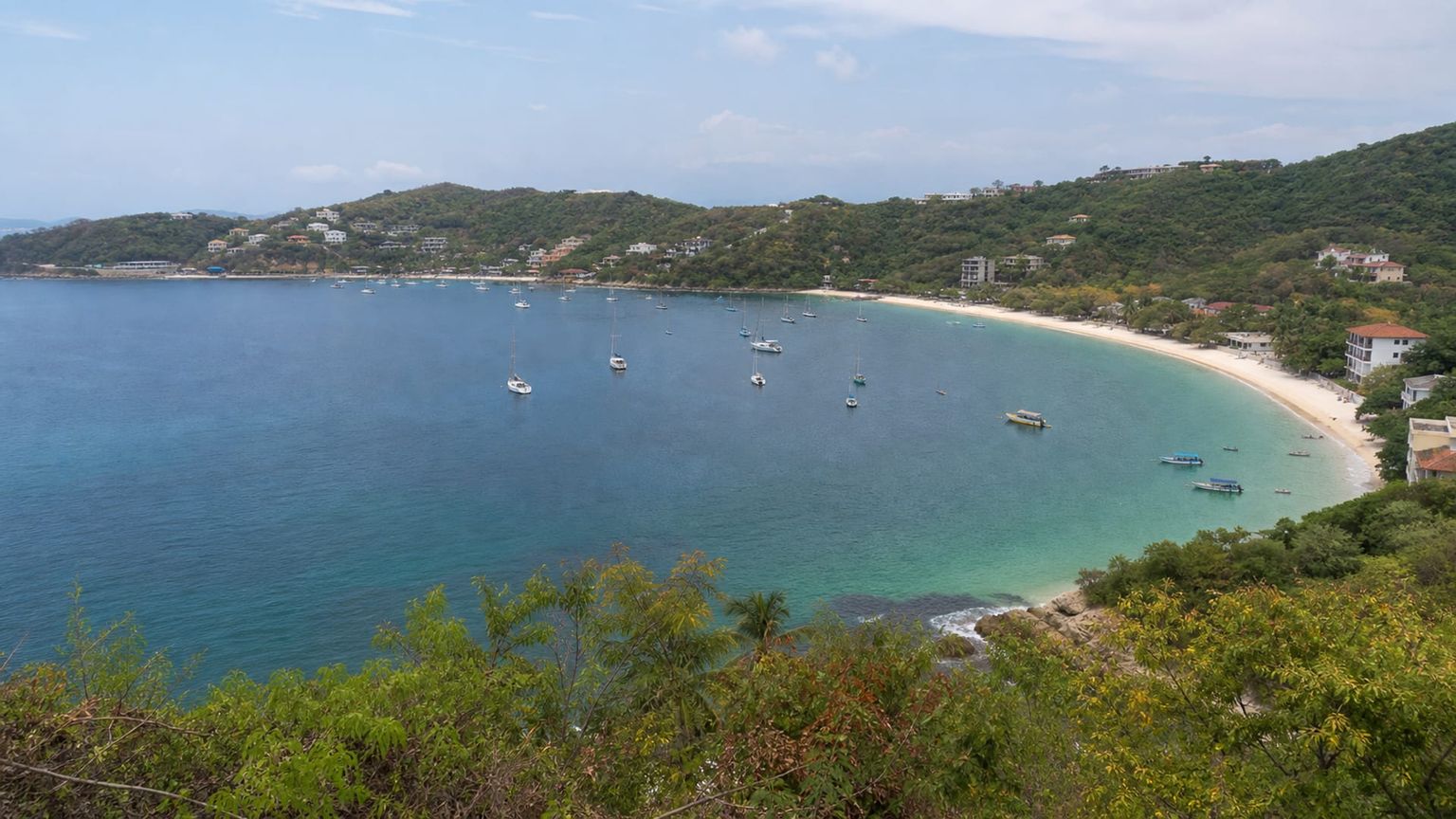
Begin in La Crucecita with breakfast near the plaza, then take a taxi to Parque Eco-Arqueológico Copalita, a ride of about 20 to 30 minutes from town. Spend roughly 2 to 3 hours on the museum visit and riverside trail, then return to La Crucecita for lunch and a slower afternoon among the shops and street activity around the church and market streets. In the evening, head back to Bahías de Huatulco or stay in town for dinner, depending on whether you want a beachside table or easier access to cafés and local restaurants.
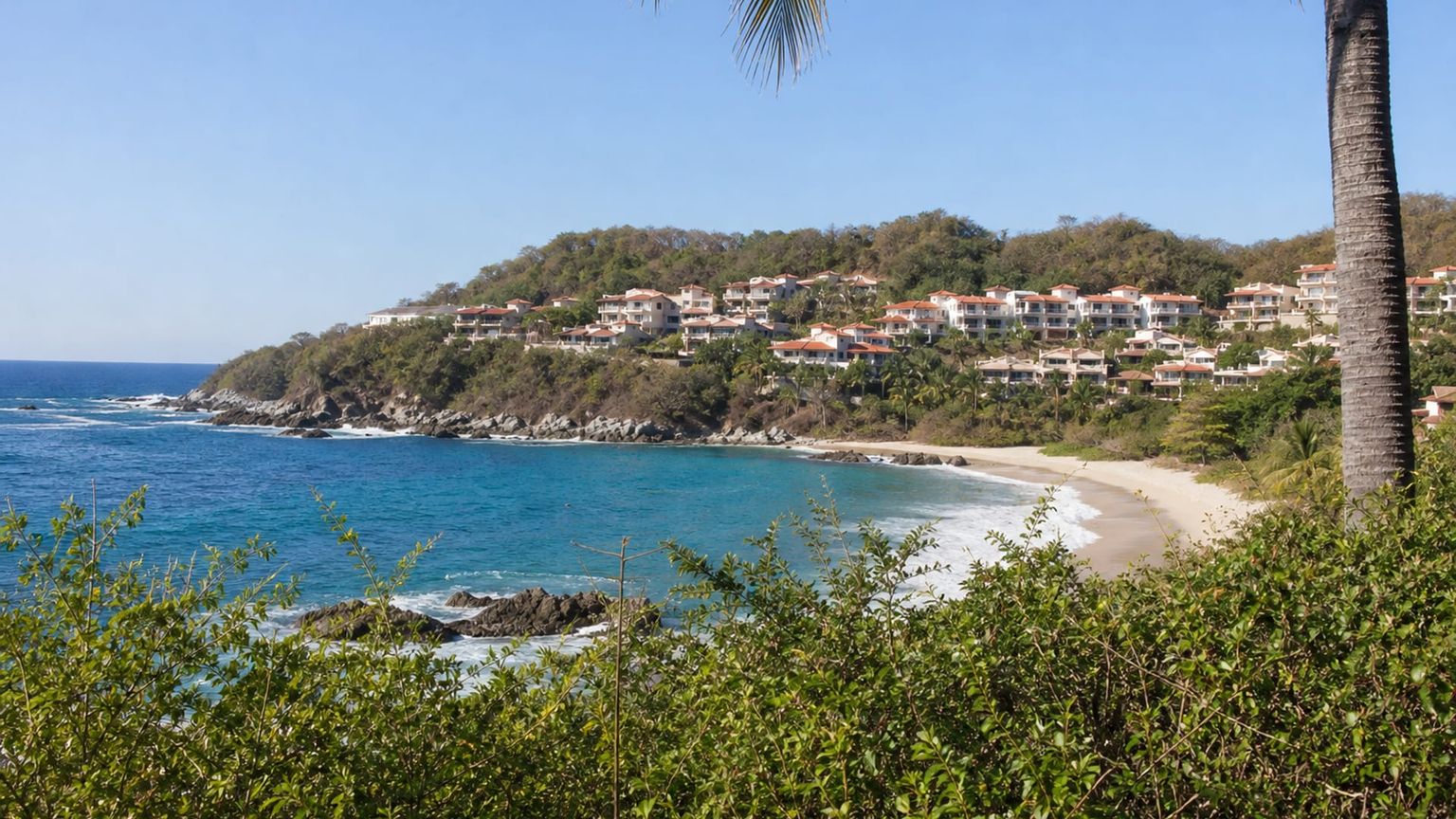
An early taxi to Maguey Beach sets up the day well, and the ride from Santa Cruz or La Crucecita usually takes about 10 to 20 minutes depending on traffic and where you start. Stop first at the Maguey Beach chapel, then continue down to the cove for a swim or a beach lunch, with the chapel visit taking about 30 to 45 minutes and the beach side fitting into a longer stay. Late in the afternoon, head back to Santa Cruz for one more slow walk on the boardwalk, then finish with sunset drinks near the harbor or a quiet dinner in Santa Cruz.
For your last morning, stay near La Crucecita and begin with a café breakfast before a final loop through the town center’s shops and market streets. If you want one last cultural stop, return to Parque Eco-Arqueológico Copalita for a shorter museum visit, or keep the day in town with souvenir shopping and a relaxed lunch near the plaza. Plan your airport transfer from Huatulco (HUX) with enough buffer for traffic, then leave from the neighborhood that best matches your flight time, La Crucecita for errands or Bahías de Huatulco for a beachside send-off.
Business-class flights from the US to Huatulco
Huatulco links most often through Mexico City or a handful of U.S. hubs, so the route you choose usually depends on where you start and how much connection time you can accept. The examples below show how the East Coast and West Coast differ.
From New York, American Airlines, Aeromexico, United Airlines, Air Canada, and Air France all appear in the mix, with nonstop travel taking about 5 to 6 hours when available. If you do not mind a stop, common layover hubs include Mexico City (MEX), Houston (IAH), or Dallas/Fort Worth (DFW), and those one-stop trips usually land in the $900 to $1,600 range.
Los Angeles travelers usually see Aeromexico, American Airlines, Alaska Airlines, and United Airlines on the board, and the trip can be nonstop in about 4 to 5 hours. If you connect instead, common layover hubs include Mexico City (MEX), Phoenix (PHX), Dallas/Fort Worth (DFW), Houston (IAH), and San Francisco (SFO), with many fares starting near $1,200 and reaching about $2,400.
Huatulco feels different when you slow down
A deliberate Huatulco trip gives each part of town a clear role, Santa Cruz for the first beach walk, La Crucecita for lunch and dinner, Copalita for a morning inland break, and Maguey for a final cove stop. Taxis, colectivos, and short walks do the work, so the days feel connected without forcing long cross-town detours. If you want help shaping the route, the AranGrant experts can build your Huatulco stay around the bay or the plaza