

Chapters:

Need help with your trip?
Our support team is available 24/7. Request a callback or call us directly at (833) 619-0908
Harare spreads farther than its central grid suggests, and traffic can turn a short distance on the map into a much longer part of the day. The Avenues keeps you close to central museums and offices, Avondale puts everyday shopping and dining nearby, while Borrowdale shifts you toward the northern suburbs.
The airport is southeast of the center, which also makes arrival and departure days poor choices for cross-city sightseeing. Grouping museums, markets, nature stops, and northern-suburb dining by location cuts unnecessary taxi rides and leaves more time at each stop. This guide explains where to stay, how to get around, what to eat, and how to organize five days in Harare without repeated detours.
Useful things to know

Main language(s): (m-HOH-roh) – Hello
Ndapota (nda-POH-tah) – Please
Ndatenda (nda-TEN-dah) – Thank you
Unotaura Chirungu here? (oo-noh-TAW-rah chee-ROON-goo HEH-reh) – Do you speak English?
Imarii? (ee-mah-REE) – How much is it?

Currency: Zimbabwe Gold (ZWG, ZiG). US dollars are also widely used, particularly for cash transactions.

Cash and cards: Carry small US dollar notes and some Zimbabwe Gold. Cards are accepted at many larger hotels and restaurants, but cash is useful for markets and smaller businesses.

Tipping: Leave about 10% in restaurants when service is good, and a service charge hasn’t already been added.

Traditional food: Sadza, muriwo, beef stew, and kapenta are some of the most popular local dishes.

Water and coffee costs: Bottled water costs ZWG 27 ($1), while coffee is commonly ZWG 53 to ZWG 80 ($2 to $3).

Taxis and ride apps: Bolt operates in Harare. Licensed taxis are also available through hotels and advance bookings.

Plug and voltage: Type G socket, 220–240V, 50Hz

Dining and shop opening hours: Restaurants commonly serve lunch from noon and dinner from 6:30 pm or 7:00 pm. Larger malls and supermarkets generally stay open later than independent shops.

Emergency number: Call 999 or 112 for an ambulance, police, or fire rescue.
Where to stay in Harare
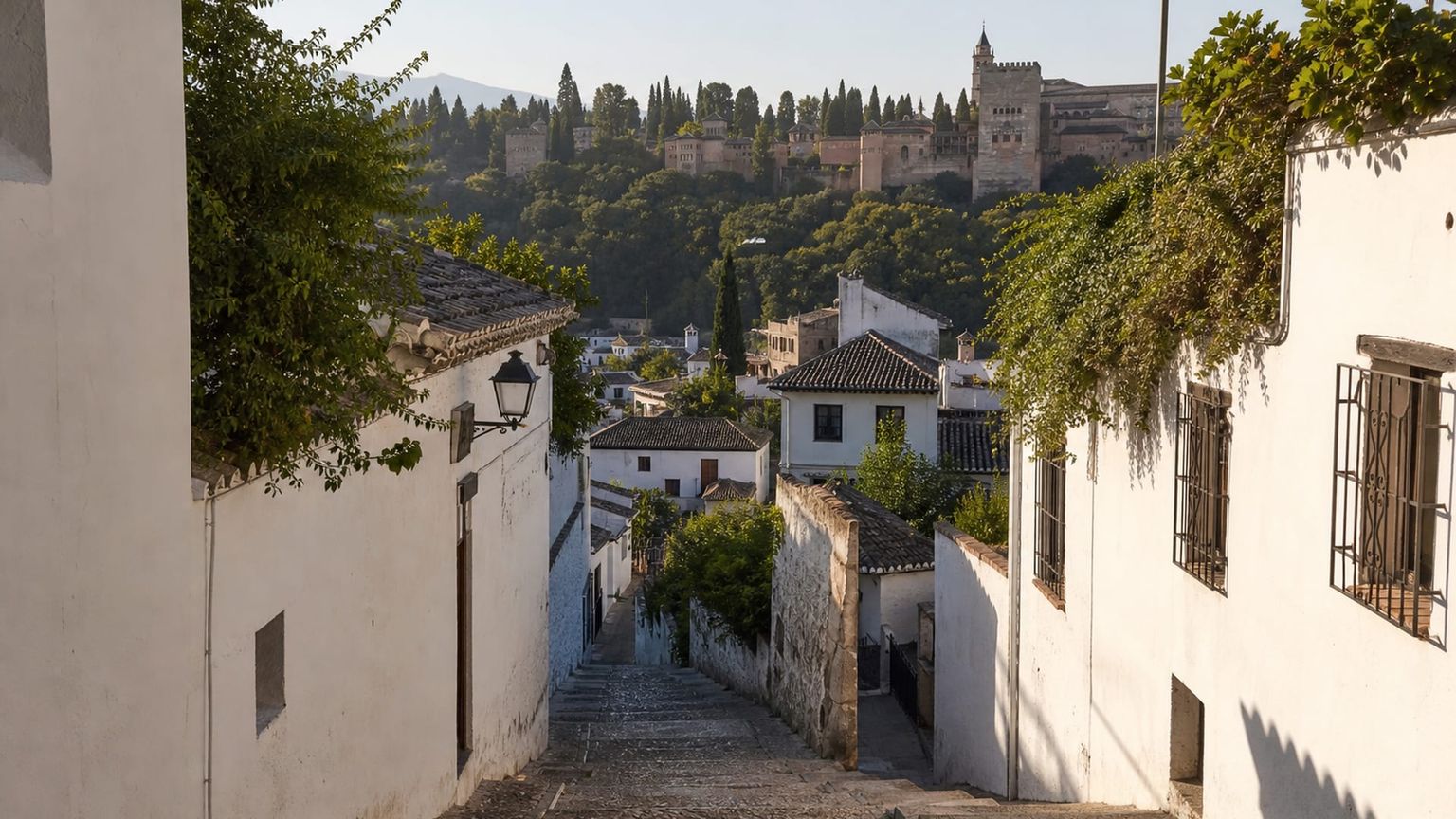
Immediately north of Harare’s central business district (CBD), the Avenues combines hotels, apartments, clinics, offices, restaurants, and residential streets. Its central position keeps the National Gallery, Harare Gardens, business districts, and several dining areas within short taxi trips.
Best for: Business trips, short stays, museums, and central access
What to expect: Hotels, apartments, restaurants, offices, clinics, and steady daytime traffic
Hotel prices: ZWG 2,100 to ZWG 4,800 ($80 to $180) per night for well-rated stays
Distance to major sights: 5 to 10 minutes by taxi to Harare Gardens and the National Gallery
Quietness: Quieter in the evening, with noticeable daytime movement from offices and clinics
Main trade-off: Central convenience usually comes with more traffic on major streets.
Good to know: On Baines Avenue, restaurants, central sights, and everyday services are all close.
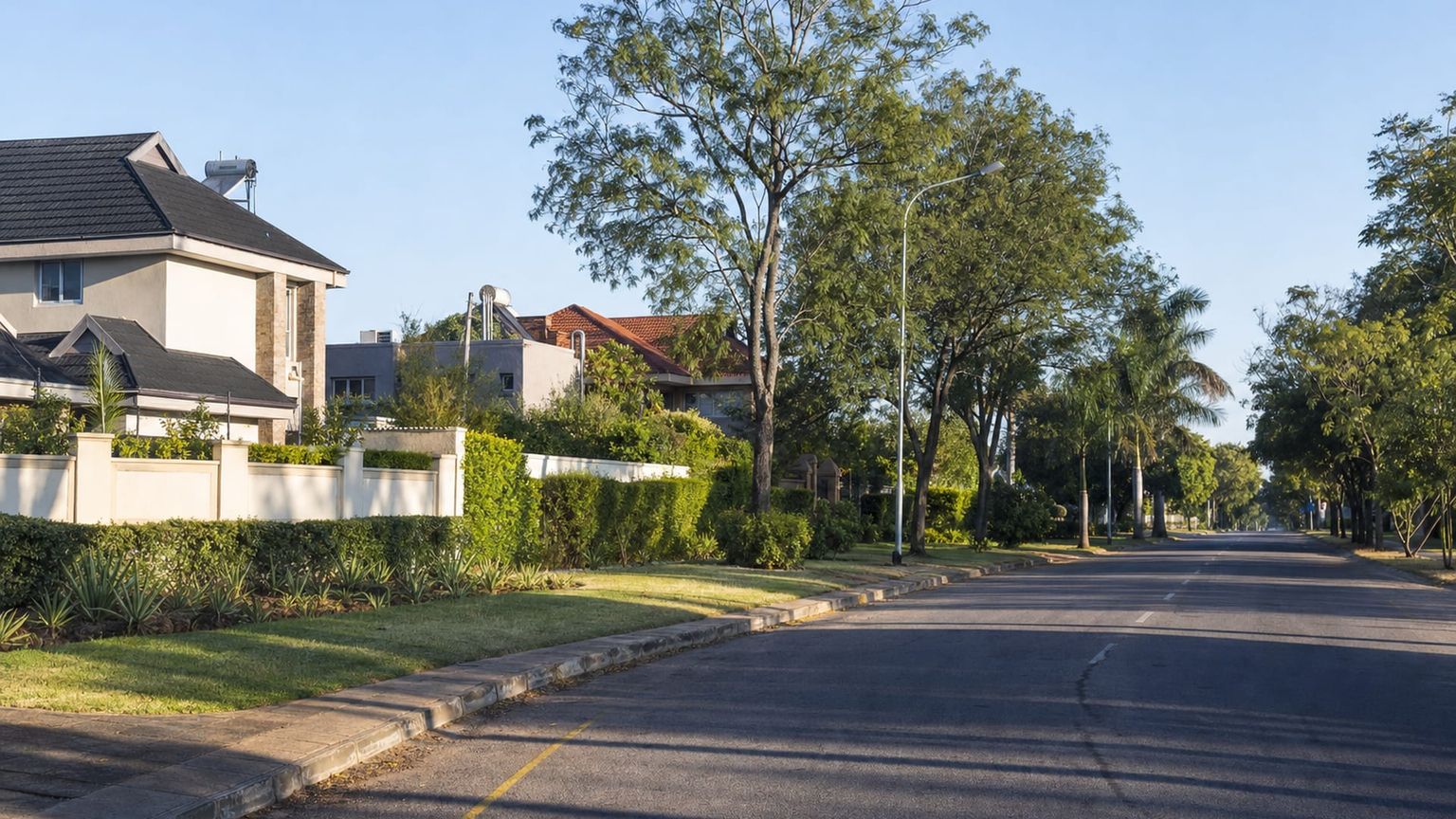
Avondale lies northwest of central Harare and mixes residential streets with apartments, cafés, restaurants, supermarkets, and Avondale Shopping Centre. It gives longer-stay visitors useful everyday services while keeping both the central business district and northern suburbs within practical taxi distance.
Best for: Longer stays, cafés, shopping, and everyday services
What to expect: Residential streets mixed with shops, restaurants, and apartments
Hotel prices: ZWG 1,850 to ZWG 4,250 ($70 to $160) per night for well-rated stays
Distance to major sights: 10 to 15 minutes by taxi to Harare Gardens and the National Gallery
Quietness: Residential streets have less traffic after business hours.
Main trade-off: Reaching central museums requires more taxi trips than from the Avenues.
Good to know: You can find grocery shops, cafés, and casual dining spots at Avondale Shopping Centre.
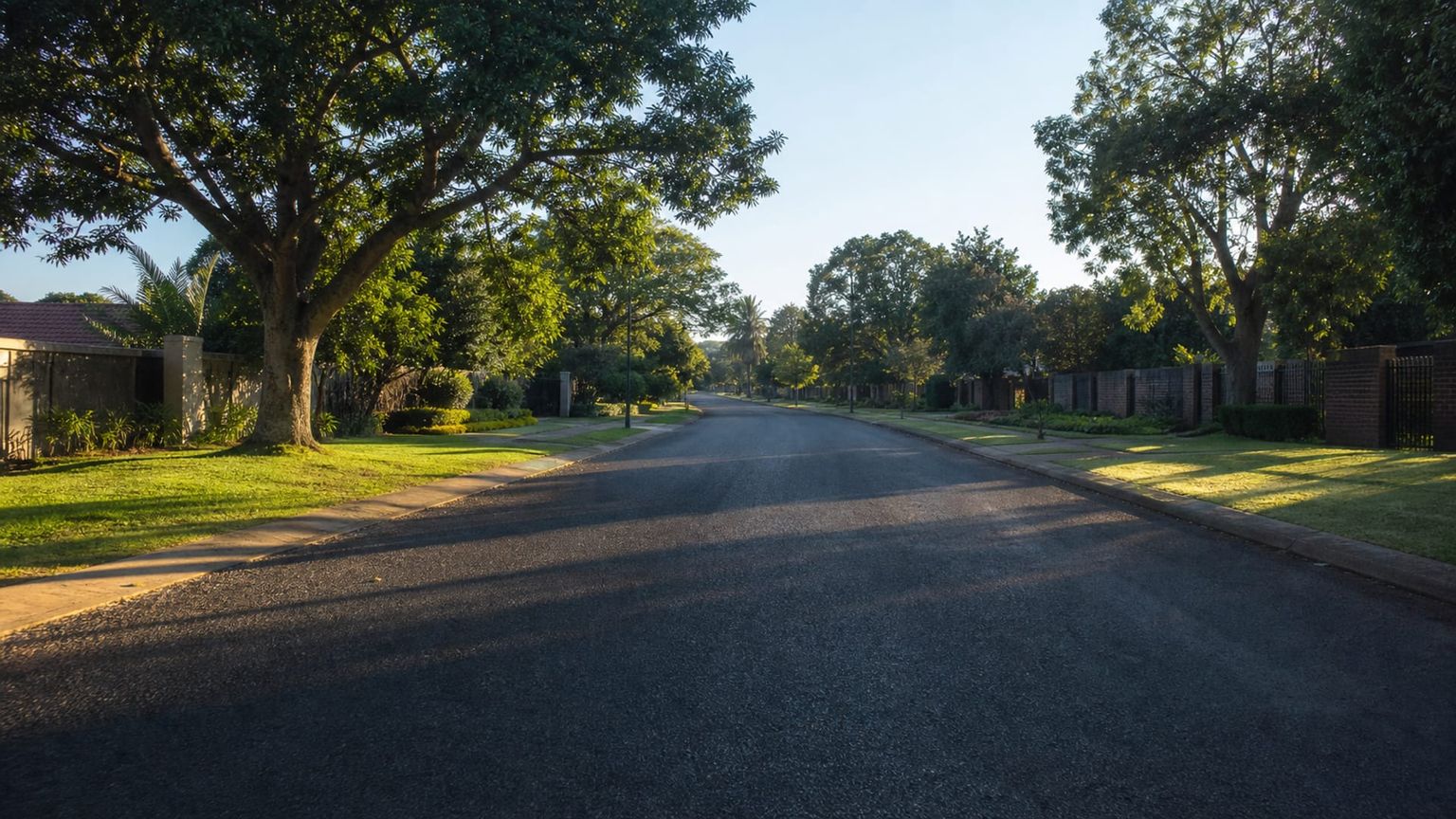
Borrowdale occupies Harare’s northern suburbs, where larger residential properties mix with guesthouses, restaurants, shopping centers, and Sam Levy’s Village. It suits visitors who prioritize larger properties, dining, and shopping in northern Harare over sightseeing in the city center.
Best for: Higher-end stays, shopping, dining, and northern-suburb meetings
What to expect: Larger properties, shopping centers, restaurants, and a car-oriented layout
Hotel prices: ZWG 3,200 to ZWG 7,450 ($120 to $280) per night for well-rated stays
Distance to major sights: 20 to 30 minutes by taxi to central Harare
Quietness: Residential streets carry less through traffic than the shopping areas.
Main trade-off: Central museums require longer taxi or rideshare trips.
Good to know: Close to Sam Levy’s Village, there are several restaurants and shops within walking distance.
Warren Park, Rugare, Dzivarasekwa, and Southerton are less practical for a short first visit focused on central museums, restaurants, and the northern suburbs because reaching the main visitor areas usually requires additional road travel.
Hotel deals
How to get around Harare efficiently
Harare has no urban rail network, so most trips rely on ride-hailing, taxis, buses, and commuter omnibuses.

Metro
for longer distances
Bolt operates in Harare and lets you see the quoted fare before accepting a ride. You can also book a licensed taxi through hotels or by phone. A taxi ride between the airport and central Harare takes 20–30 minutes and costs ZWG 530 to ZWG 800 ($20 to $30). Agree on the fare before departure.

Bus and tram
for convenience
ZUPCO operates urban services in Harare. Fares for trips up to 12 miles (20 km) are ZWG 13 ($0.50); longer trips cost up to ZWG 27 ($1). ZUPCO accepts electronic payment methods including EcoCash and swipe payments.

Taxi
for convenience or late hours
Commuter omnibuses, usually called kombis, connect the central business district with areas including Mbare, Avondale, and Borrowdale. A typical urban trip costs ZWG 13 ($0.50), although fares can vary by operator and route. Carry small cash and confirm your destination and fare before boarding.
*Prices are based on rates updated as of September 2026 and may change at the time of travel.
Use Bolt or taxis when time and convenience are priorities, ZUPCO buses for inexpensive longer trips, and kombis when you are comfortable navigating established local routes.
Iconic landmarks
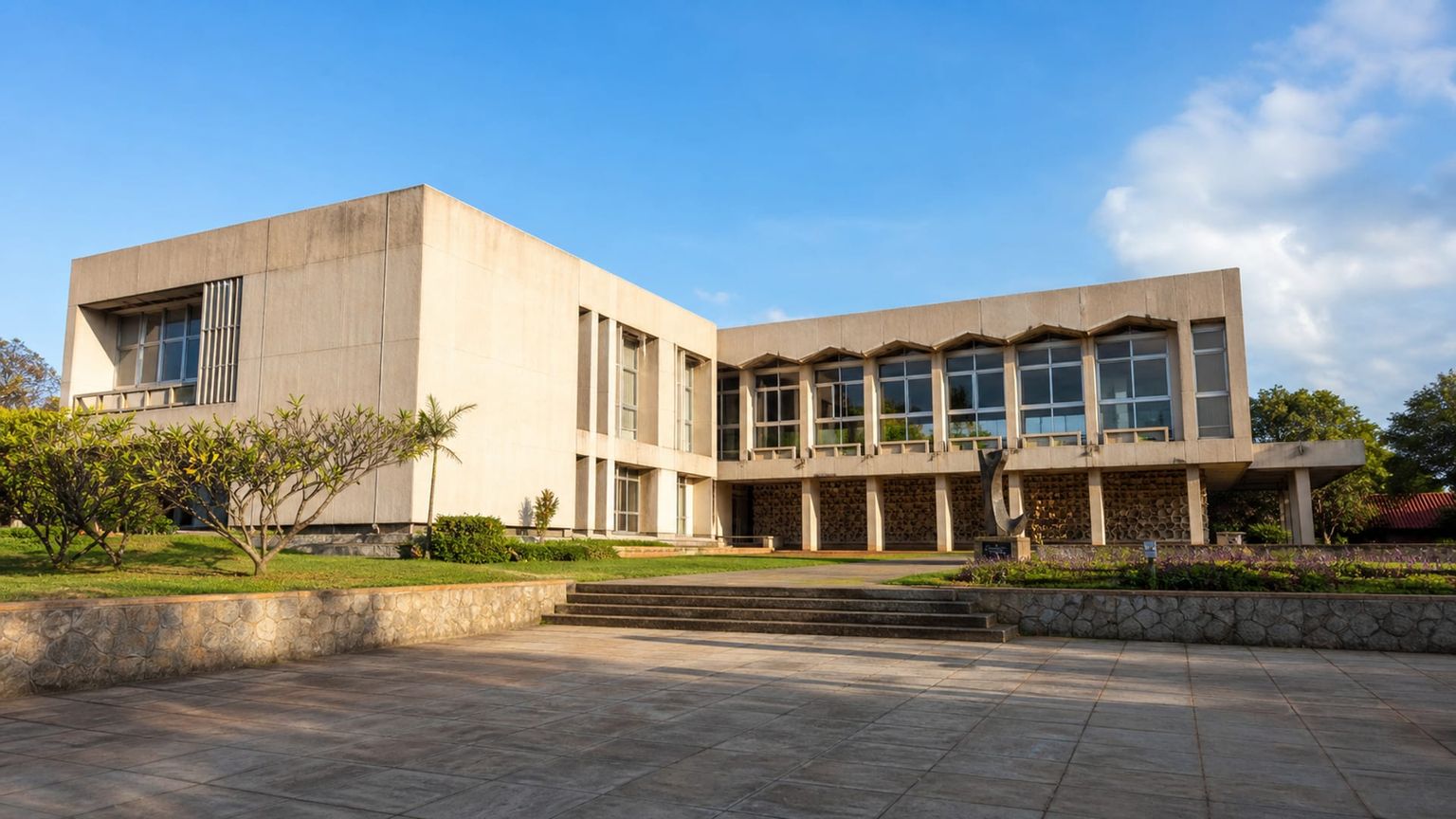
National Gallery of Zimbabwe
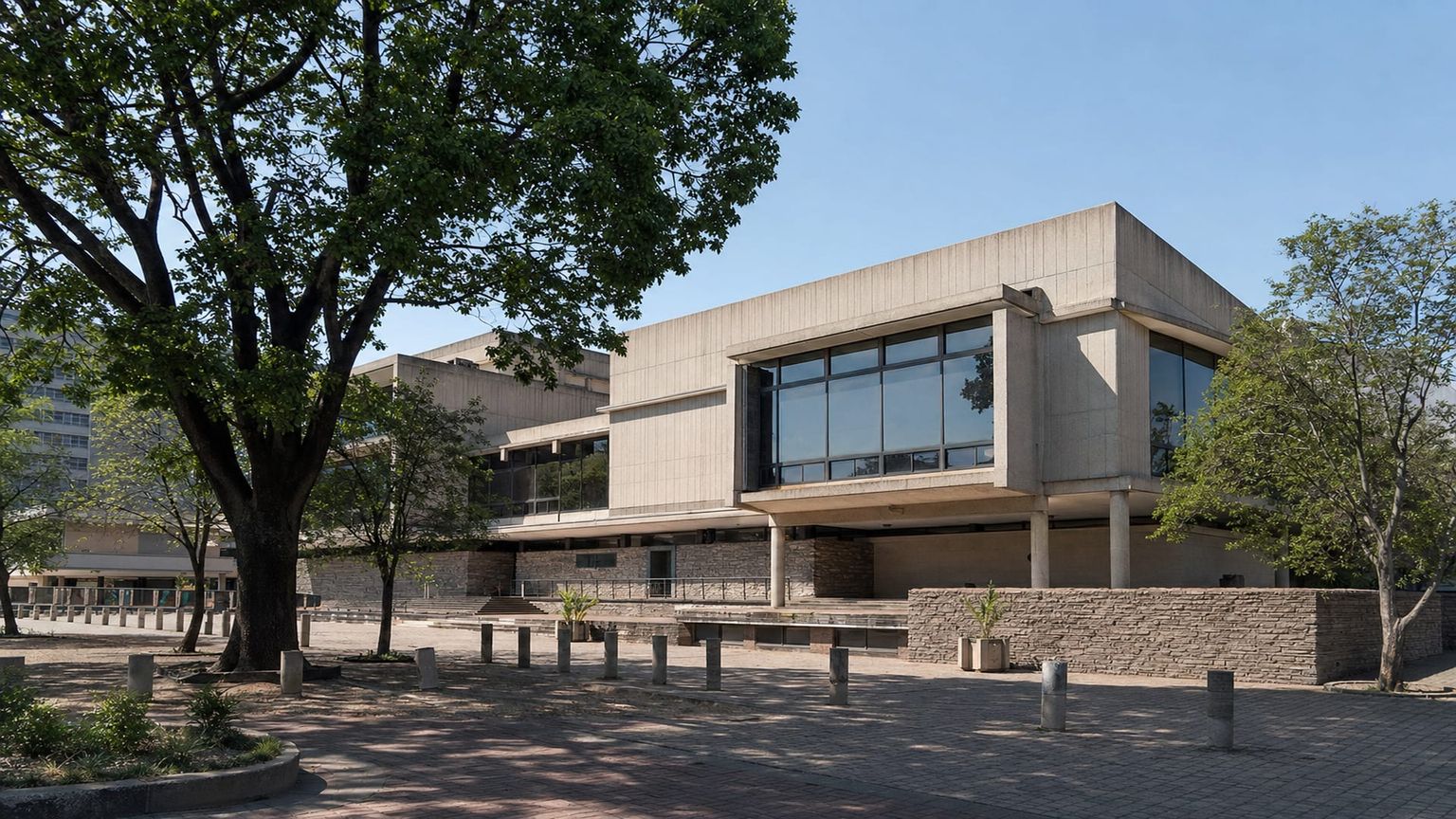
The National Gallery presents Zimbabwean painting, sculpture, photography, and mixed-media art alongside changing exhibitions. Its location beside Harare Gardens makes it one of the easiest cultural stops to include in a central sightseeing day.
Time needed: 1 to 2 hours
Entry: ZWG 400 ($15) for international non-African adults. Open daily from 9:00 am to 4:30 pm, except public holidays. Visit the official site for details.
Tip: Go in the morning, then pair it with nearby galleries before lunch.
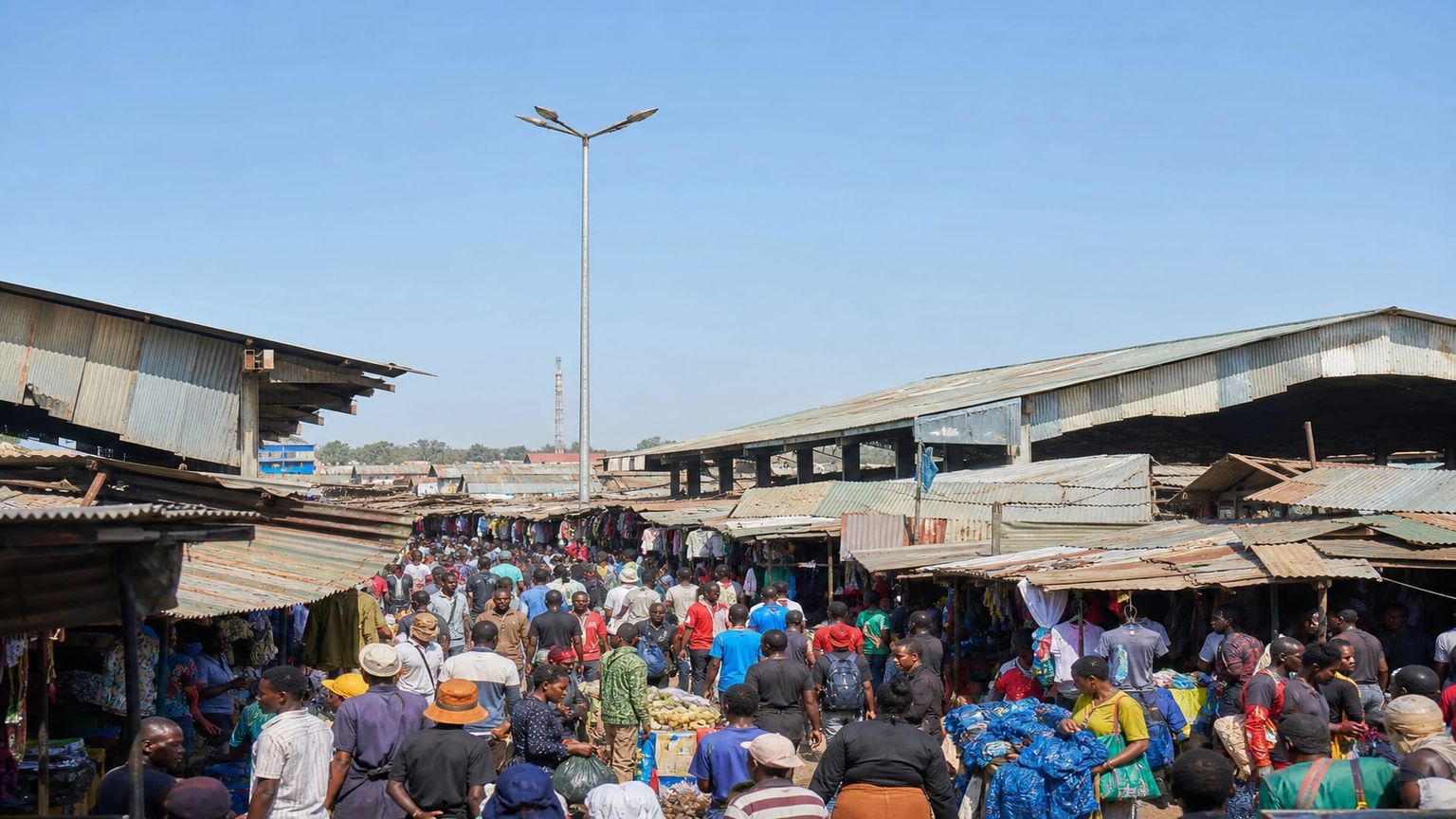
Mbare Musika
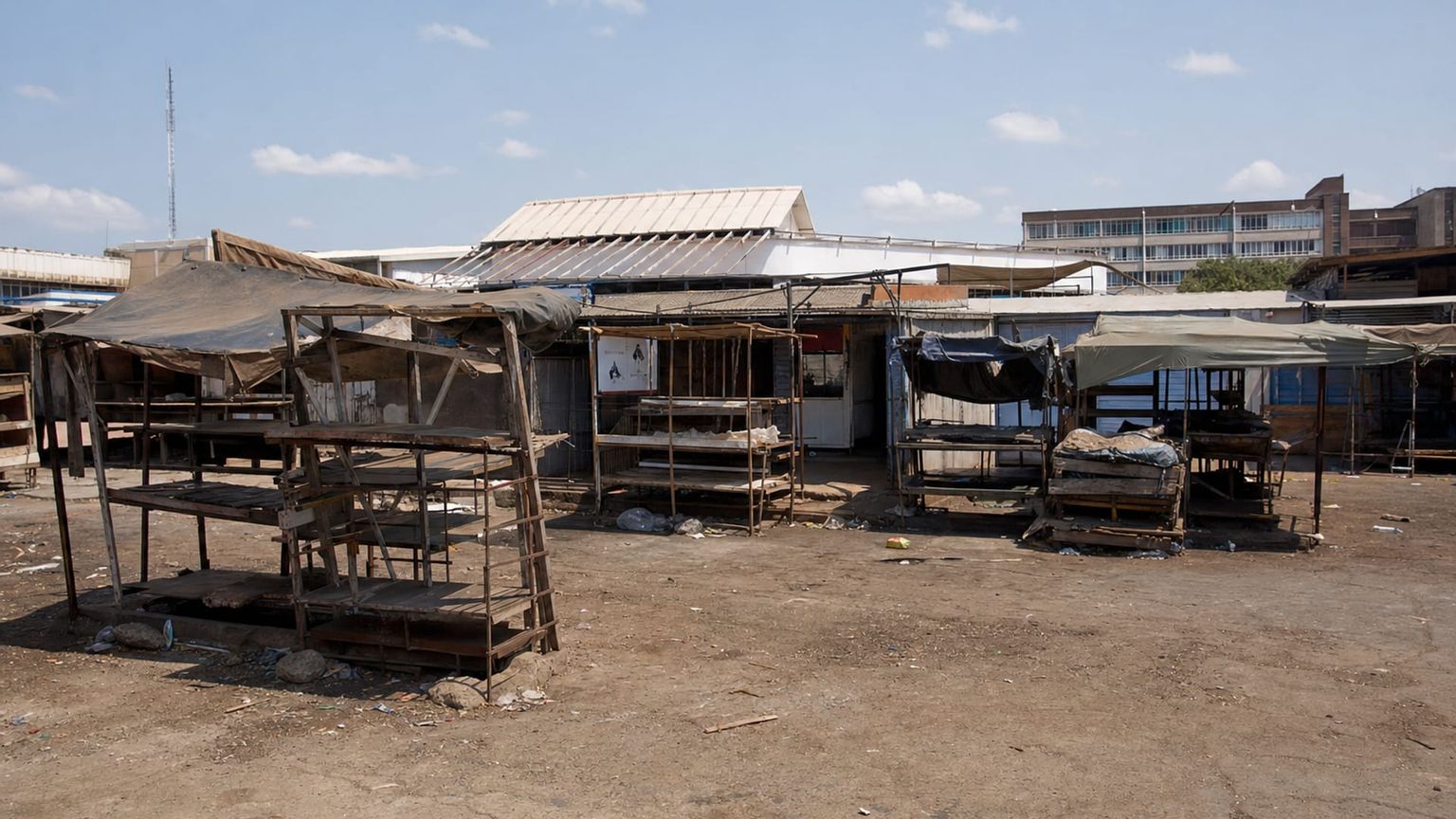
Mbare Musika is one of Harare’s major trading and transport centers, with produce, clothing, household goods, and other merchandise moving through a densely packed market area. It provides a direct look at the commercial side of everyday life beyond Harare’s malls and formal retail districts.
Time needed: 1 to 2 hours
Entry: Free
Tip: Go earlier in the day when trading is active, and temperatures are lower.
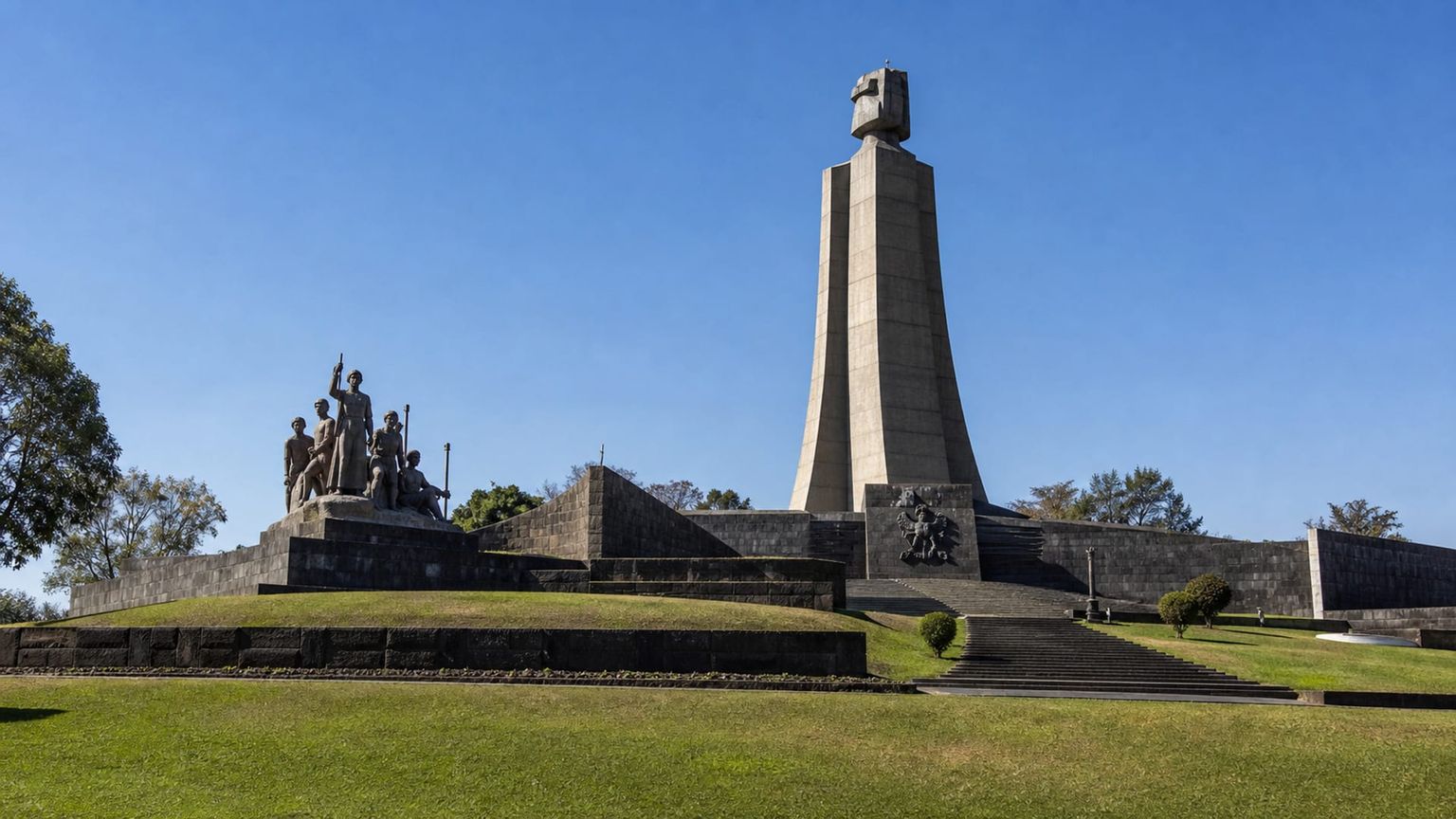
National Heroes Acre
Seven miles (11 km) west of central Harare, National Heroes Acre is a national memorial and burial site connected with Zimbabwe’s liberation history. The hilltop complex includes monumental sculptures, commemorative structures, graves, and views toward the city.
Time needed: 1.5 hours
Entry: The admission fee for adults is US$10. You can buy tickets online in advance or on site.
Tip: Arrange return transport in advance because the site is outside the central sightseeing area.
Overlooked sites worth visiting

Mukuvisi Woodlands
Mukuvisi Woodlands protects natural woodland only a short drive from central Harare, with walking trails and wildlife including giraffe, zebra, and antelope. It gives you an accessible nature stop without committing a full day to a reserve outside the city.
Time needed: 2 to 3 hours
Entry: ZWG 160 ($6) for adults. Open daily from 8:00 am to 5:00 pm. Visit the official site for details.
Tip: Go early for cooler walking conditions, or book a guided walk in advance.

Chiremba Balancing Rocks
Located about 8 miles (13 km) southeast of Harare, Chiremba Balancing Rocks is a national heritage site of large granite formations shaped by long-term weathering and erosion. The formations are among Zimbabwe’s recognizable natural landmarks.
Time needed: 1 to 1.5 hours
Entry: The admission fee for adults is US$10. You can buy tickets online in advance or on site. Visit the official site for details.
Tip: Put this stop on your departure side of the itinerary because it lies southeast of central Harare.
Traditional food
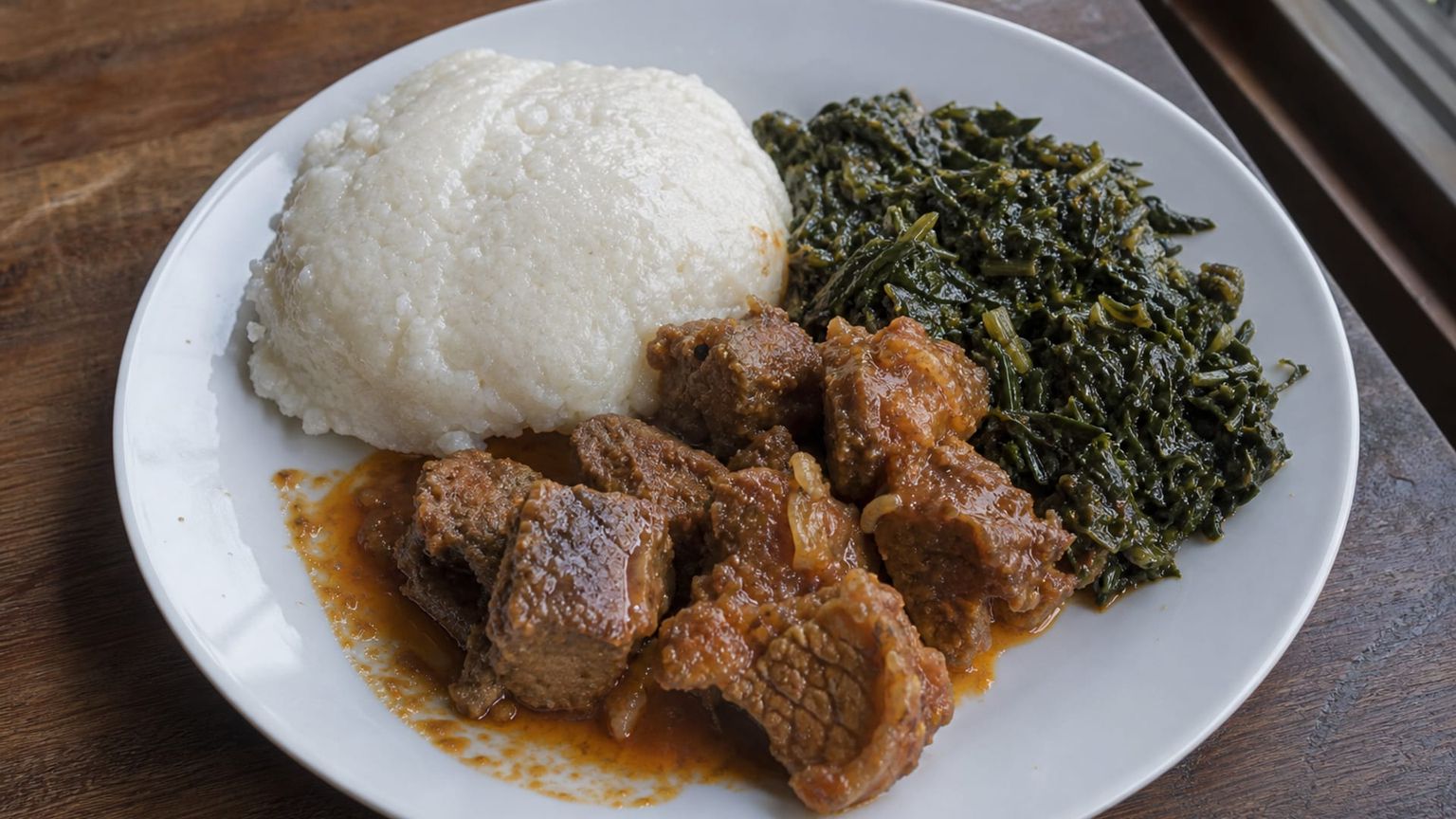
Harare is a good place to try Zimbabwean staples made with maize, leafy vegetables, meat stews, and dried fish, with both traditional restaurants and casual cafés serving them.
Sadza with beef stew
Sadza is a thick maize-meal staple commonly served with meat and vegetables. Beef stew adds a tomato-and-onion-based sauce that is easy to scoop with the sadza. Gava’s Restaurant in Harare currently serves sadza with beef stew and green vegetables.
Muboora with dovi
Muboora uses pumpkin leaves cooked until tender, while dovi adds peanut butter for a richer, nuttier sauce. It is one of several leafy vegetable preparations served beside sadza and meat. MC Mamoo Foods currently lists muboora with or without dovi.
Kapenta
Kapenta are small dried freshwater fish with a concentrated salty flavor, commonly cooked with tomato and onion or served as a side with sadza. ACS Café in Newlands currently lists matemba, another local name for kapenta, among its traditional sides.
Roadrunner chicken
Roadrunner chicken is a traditional Zimbabwean free-range chicken stew, valued for its firmer texture and deeper flavor than standard broiler chicken. Gava’s Restaurant in Belgravia serves it as a slow-cooked traditional stew.
Best time to visit Harare
Harare has a warm rainy season and a cool, very dry winter, with April through October offering the most reliable conditions for outdoor sightseeing.
Best for: Green landscapes, markets, gardens, and travelers comfortable with rain
What you get: 62°F to 79°F (17°C to 26°C), with warm days and the year’s most frequent rainfall
Trade-offs: Afternoon rain can interrupt outdoor plans and add time to road journeys.
Best for: Museums, markets, gardens, nature walks, and comfortable sightseeing
What you get: 52°F to 78°F (11°C to 26°C), with rainfall dropping sharply as the season progresses
Trade-offs: Late-May mornings can feel cool before temperatures rise.
Best for: Dry weather, clear skies, walking, wildlife stops, and longer sightseeing days
What you get: 47°F to 74°F (8°C to 23°C), with cool mornings, mild afternoons, and very little rain
Trade-offs: Early mornings and evenings can be chilly, especially in June and July.
Best for: Jacaranda season, outdoor visits, markets, and bright dry-season weather
What you get: 56°F to 82°F (13°C to 28°C), with temperatures rising before the summer rains return
Trade-offs: October and November can become hot before afternoon rain provides relief.
A realistic 5-day plan in Harare
Five days let you keep Harare’s central museums, Mbare, Mukuvisi, the northern suburbs, and the southeastern sights on separate days. The order also moves your final sightseeing closer to the airport instead of sending you back across the city.
Land at Robert Gabriel Mugabe International Airport (HRE) and take a taxi or ride-hailing car to your hotel. Keep the first day light, especially if you are staying in the Avenues or Avondale. Check in, pick up water and cash for smaller purchases, then have dinner near your hotel instead of starting with a cross-city trip.
Start at the National Gallery of Zimbabwe, which opened in 1957 and holds a collection of over 6,000 works spanning Zimbabwean contemporary art, traditional sculpture, and international pieces. Allow 1 to 2 hours for the permanent and temporary exhibitions. Admission for international non-African adults is ZWG 400 ($15); guided tours run throughout the day. Walk next door to Harare Gardens, then use the afternoon for central Harare before returning to the Avenues or Avondale for dinner.
Go to Mbare Musika in the morning, when the market is active and temperatures are lower. This is Zimbabwe’s largest farm produce market and one of the most active trading hubs in southern Africa. The market also holds Shona sculptures, wooden craftware, basketry, and traditional clothing. Allow 1 to 2 hours, then return toward central Harare for lunch before continuing west to National Heroes Acre. Give the memorial 1 to 1.5 hours and arrange your return taxi before leaving the center.
Head early to Mukuvisi Woodlands, an urban wildlife reserve on the eastern edge of Harare where you can walk trails alongside zebra, giraffe, impala, and over 200 bird species. Spend 2 to 3 hours on the trails and viewing areas. Standard adult admission is ZWG 160 ($6), and the reserve opens from 8:00 am to 5:00 pm. Continue north after lunch to Borrowdale for Sam Levy’s Village, cafés, shopping, or dinner instead of returning there on a separate day.
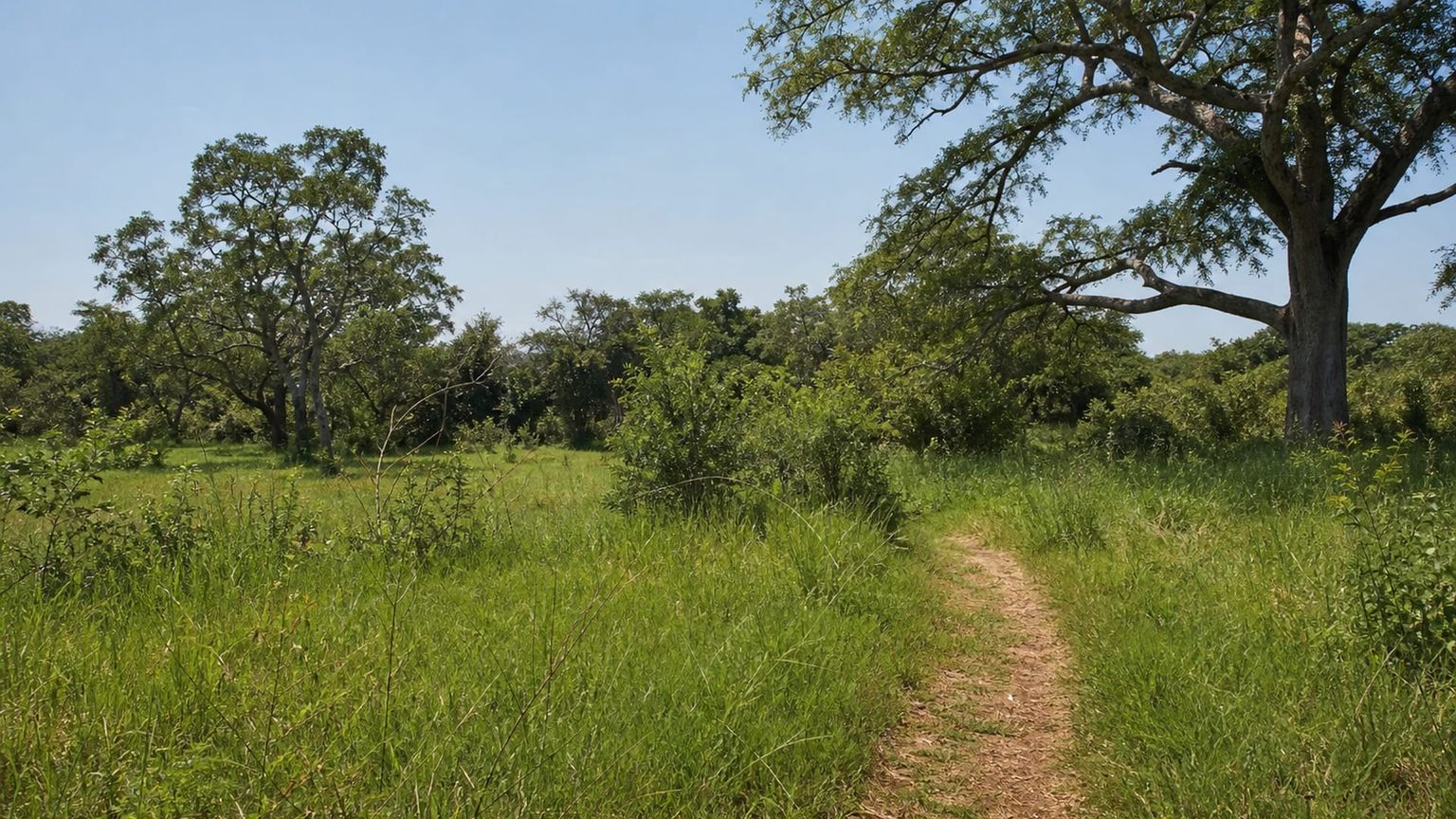
If your flight leaves later in the day, visit Chiremba Balancing Rocks southeast of Harare before continuing toward Robert Gabriel Mugabe International Airport. Allow 1 to 1.5 hours for the granite formations and walking paths, then leave a comfortable margin for the remaining airport transfer and check-in.
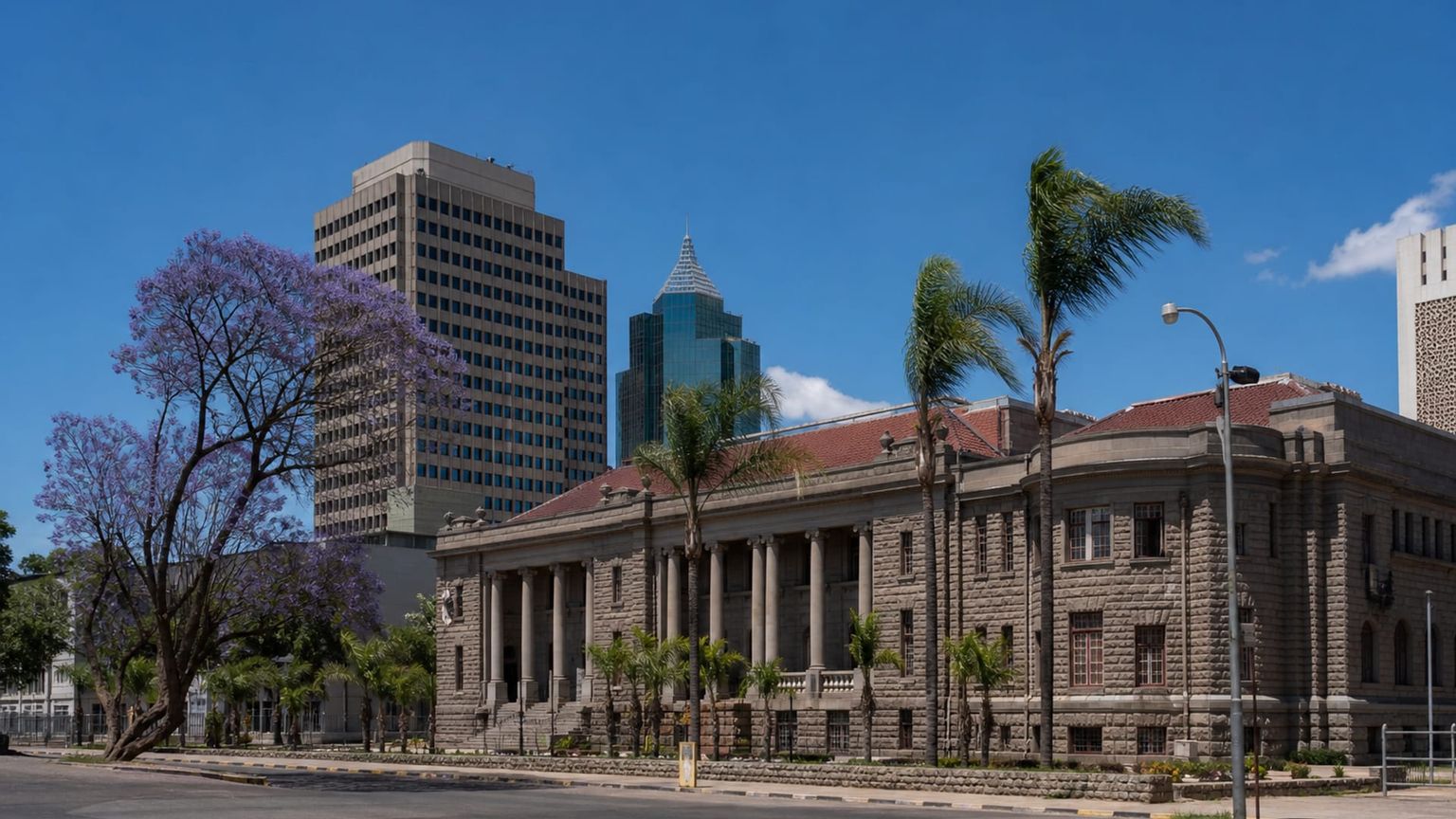
Business-class flights from the US to Harare
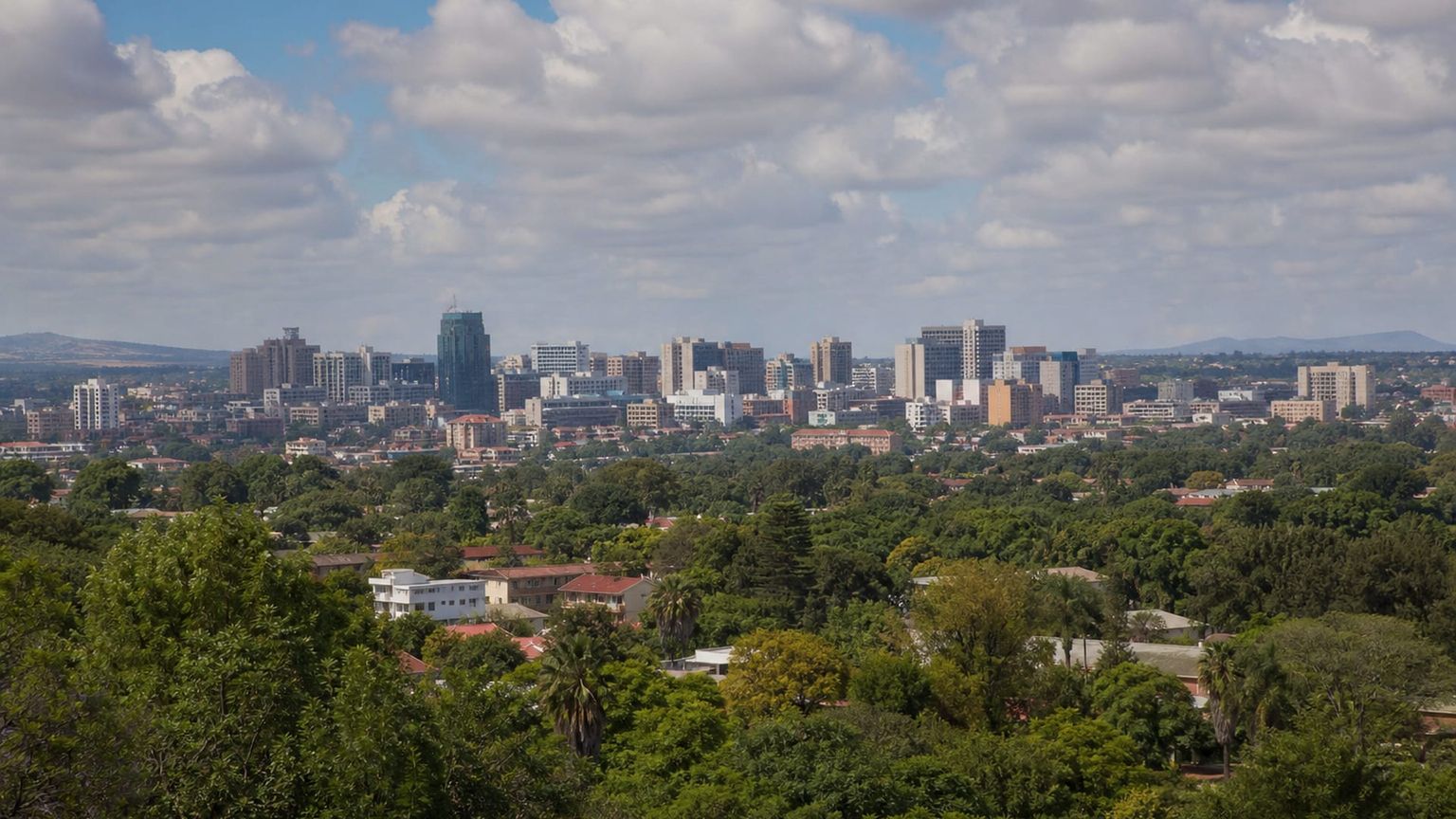
Flights from the US require two stops before reaching Harare, so layover length significantly affects total journey time.
New York (JFK) to Harare (HRE)
From New York, Kenya Airways offers flights to Harare (HRE) via Jomo Kenyatta International Airport (NBO) in Nairobi and Kenneth Kaunda International Airport (LUN) in Lusaka. The trip can take about 39 hours, depending on the layovers, with round-trip business-class fares ranging from $5,800 to $13,800. Other airlines offering flights on this route are Emirates, Turkish Airlines in partnership with Airlink, and Etihad Airways in partnership with Ethiopian Airlines.
Los Angeles (LAX) to Harare (HRE)
Emirates offers flights from Los Angeles (LAX) to Harare (HRE) through Dubai International Airport (DXB) and Kenneth Kaunda International Airport (LUN). Total journey time is about 40 hours, with round-trip business-class fares ranging from $9,000 to $14,700. Travelers can also find two-stop flights on this route with Qatar Airways, British Airways in partnership with Airlink, and United Airlines in partnership with Ethiopian Airlines.
Harare feels different when you slow down
Harare is easier to explore when you group each day by area instead of crossing the city repeatedly between central sights, Mbare, Mukuvisi, and the northern suburbs. AranGrant experts can help you compare business-class flights and hotels that fit your dates and preferred location.







