

Chapters:

Need help with your trip?
Our support team is available 24/7. Request a callback or call us directly at (833) 619-0908
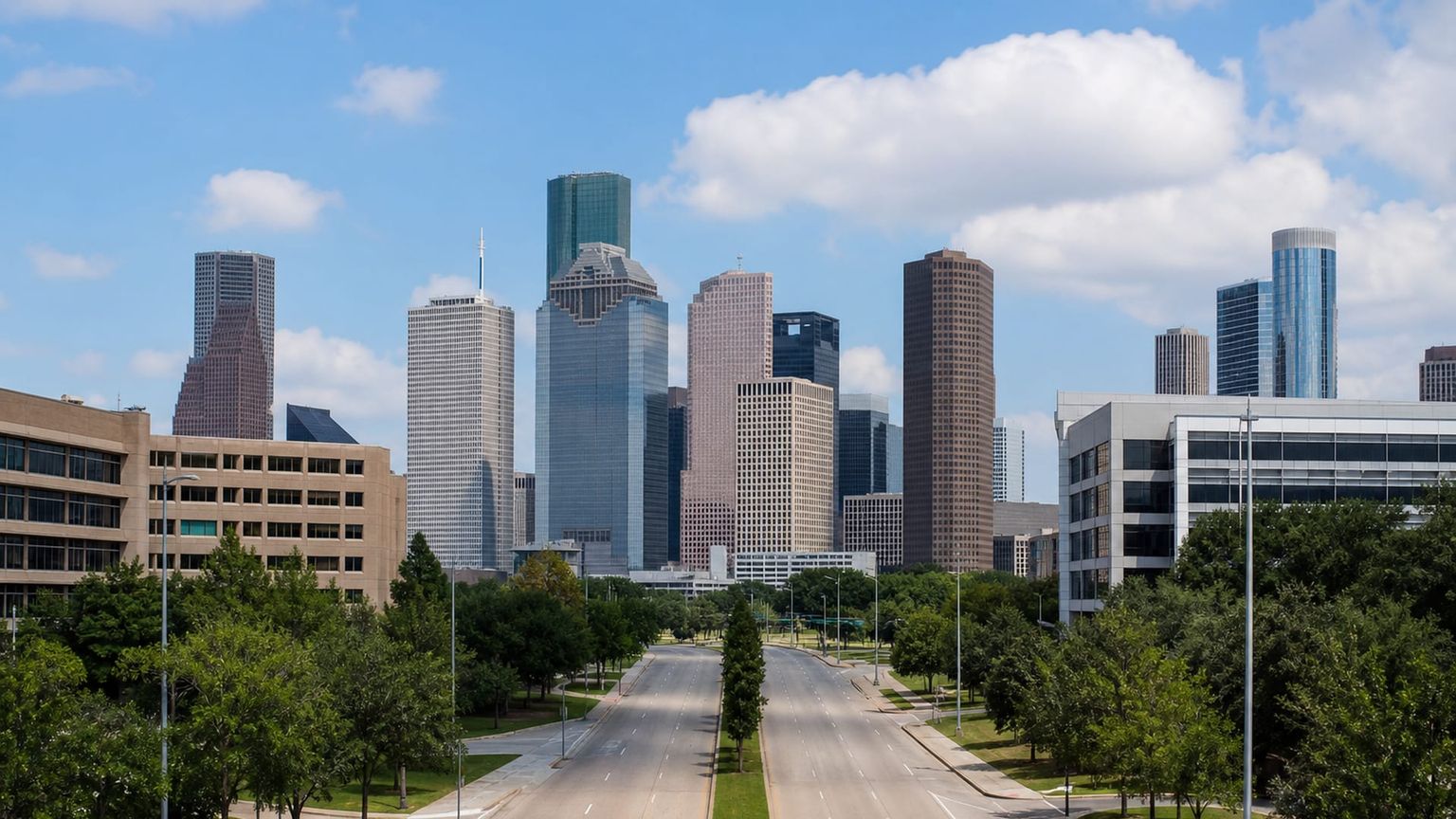
Houston rewards trips that move by district, not by impulse. Visitors often pair a downtown hotel with one museum and one dinner, then underestimate how much ground separates the city’s major sights, neighborhoods, and airport approaches.
That gap matters because traffic changes quickly, the light rail covers only a few central corridors, and cross-town rides can stretch a simple plan into a rushed one. A late start can also turn an easy museum day into a long transfer chain.
This guide separates Houston into clear blocks, from where to stay to how to move, what to eat, and how to pair attractions with sensible routes, so each day has a defined purpose.
Useful things to know

Main language(s): English

Currency: The local currency is the US dollar (USD, $).

Cash and cards: Cards and contactless are widely accepted; carry about $20 to $40 cash for tips and small purchases.

Tipping: Tip 15-20% in restaurants; round up for taxis and small bills.

Traditional food: Tex-Mex breakfast tacos, chili con carne, barbecue brisket, Gulf Coast shrimp

Water and coffee costs: Water about $2 ($2), bar espresso about $4 ($4).

Taxis and ride apps: Uber and Lyft operate here; pickup zones can be restricted at the airport.

Plug and voltage: Type A/B socket, 120V

Dining and shop opening hours: Breakfast 07:00-10:00, lunch 11:30-14:00, dinner 18:00-21:00. Many kitchens stay open later on weekends, but some lunch spots close mid-afternoon.

Emergency number: 911 for police, fire, and medical emergencies.
Where to stay in Houston
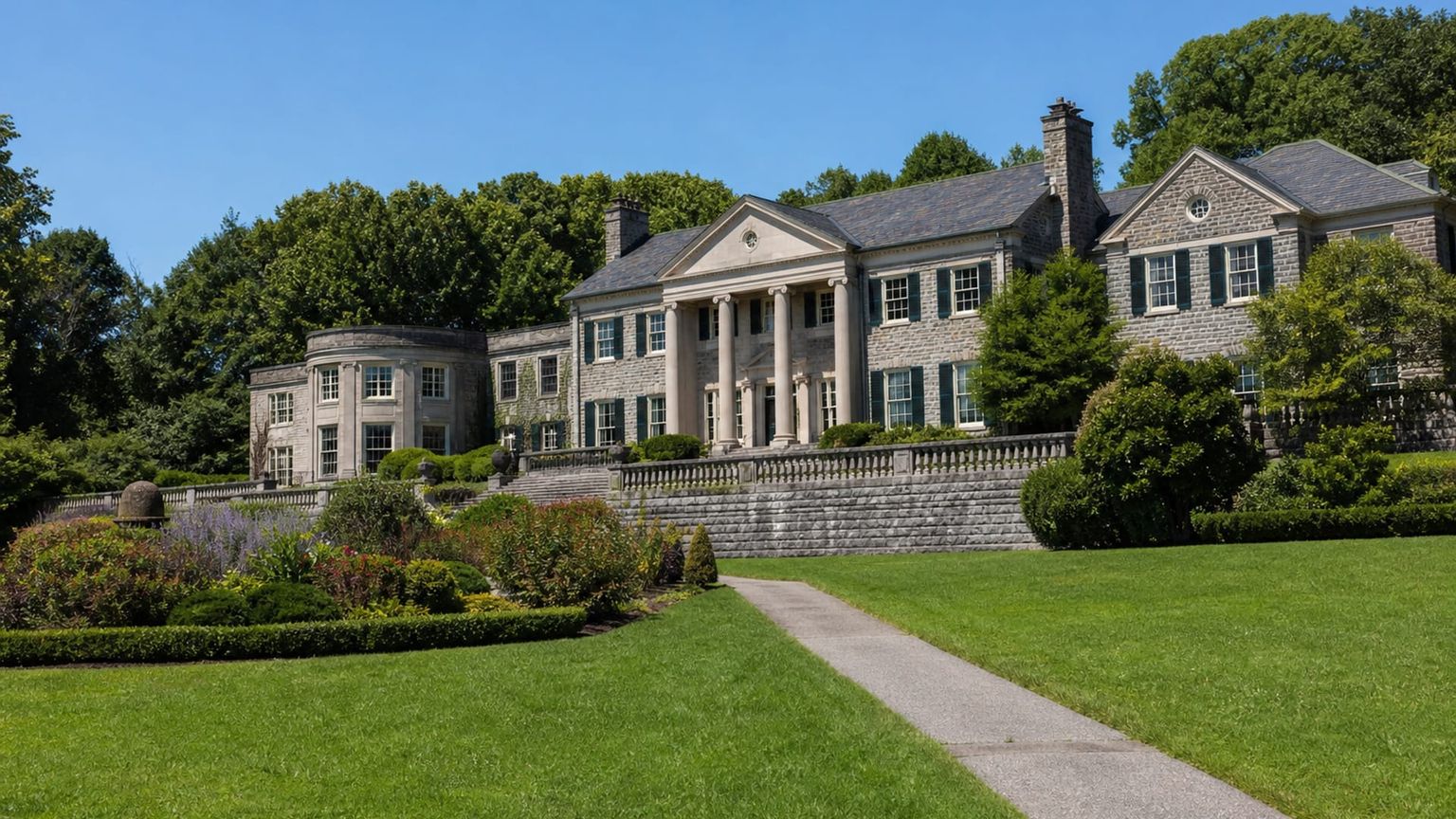
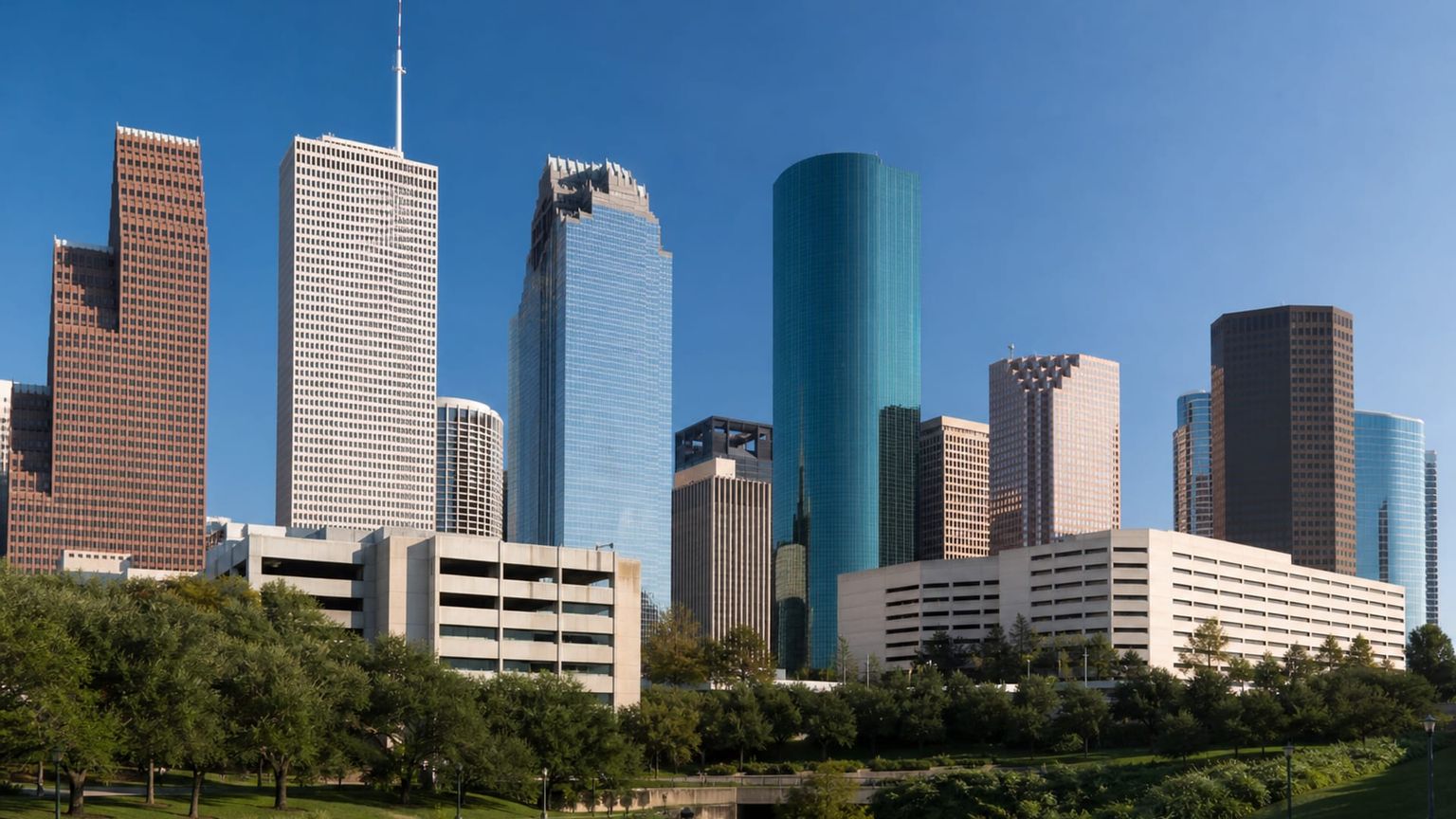
Houston’s core business and convention district, with the Theater District, Discovery Green, and major transit links close together. It suits travelers who want the city’s main museums, restaurants, and sports venues within a short ride or walk.
Best for: First-time visits, convention trips, and access to downtown museums, theaters, and sports venues
What to expect: Weekdays bring office traffic and lunch crowds; evenings thin out outside event times, with more activity near hotels, bars, and arena dates.
Hotel prices: Usually about $160 to $300 per night for well-rated stays
Distance to major sights: 10 to 15 minutes on foot to Discovery Green; about 10 minutes by transit to the Theater District
Quietness: Busy during the day, quieter on weeknights except around event venues
Main trade-off: You will pay for centrality, and some blocks empty out after office hours, so the surroundings can feel sparse between events.
Good to know: If you plan late dinners or shows, check whether your hotel sits close to the light rail or you may rely on short rides after dark.
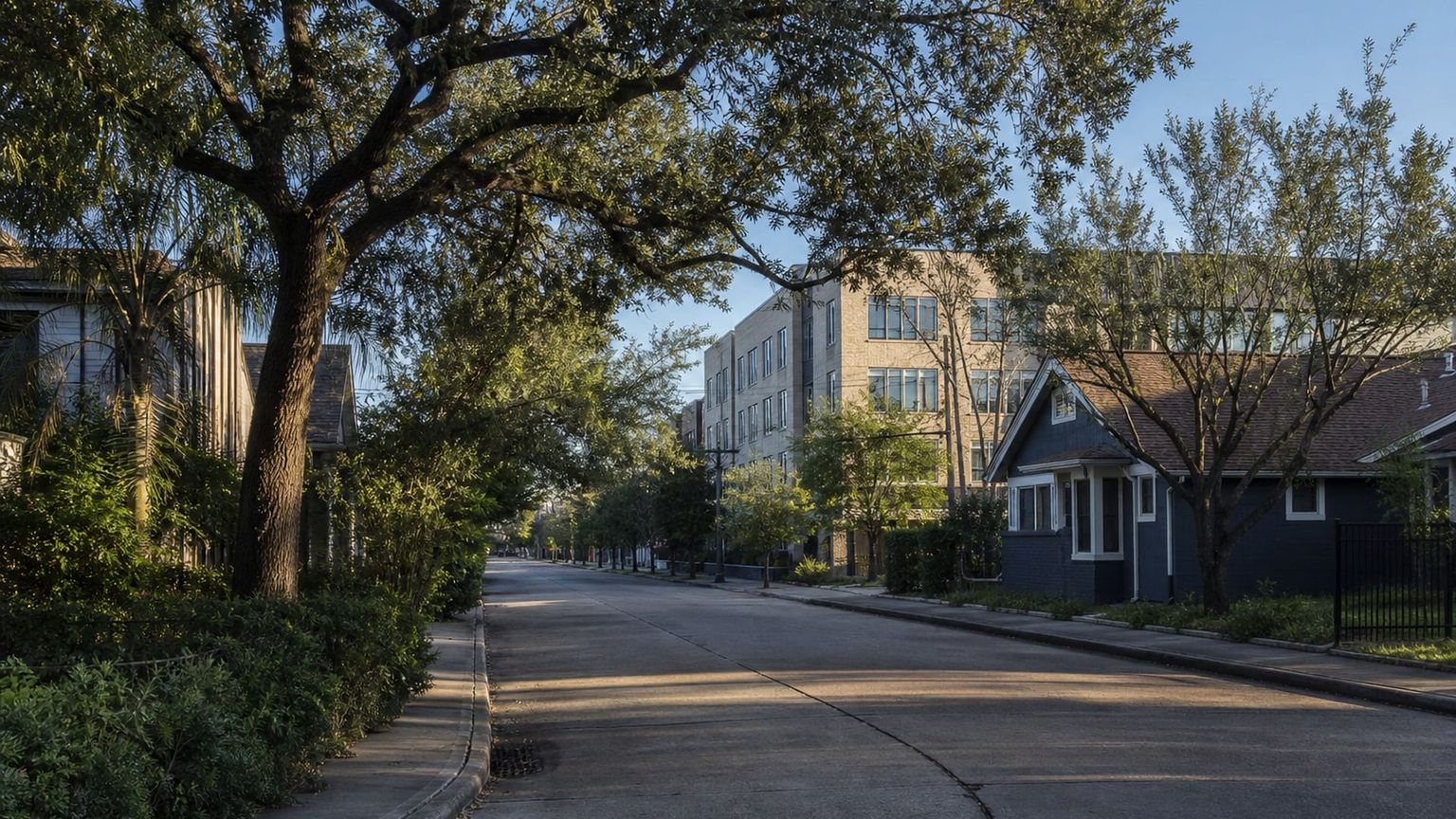
A dense inner-loop neighborhood west of downtown, known for independent restaurants, small bars, galleries, and leafy residential streets. It works well for travelers who want a walkable base with easy access to museums, Midtown, and the Museum District.
Best for: Dining, nightlife, galleries, and travelers who want an inner-loop neighborhood with more street life
What to expect: Cafes, patios, and bars keep the sidewalks active, especially along Westheimer and Montrose Boulevard; side streets are calmer and more residential.
Hotel prices: Usually about $140 to $280 per night for well-rated stays
Distance to major sights: About 10 minutes by car to the Museum District; roughly 15 minutes by car to downtown Houston
Quietness: Lively in the evening on main streets, quieter on residential blocks and later at night
Main trade-off: Many stays are in smaller hotels or apartments, so you may trade full-service amenities for a better location and a more local setting.
Good to know: Parking can be limited or expensive, so choose a property with on-site parking if you expect to drive often.
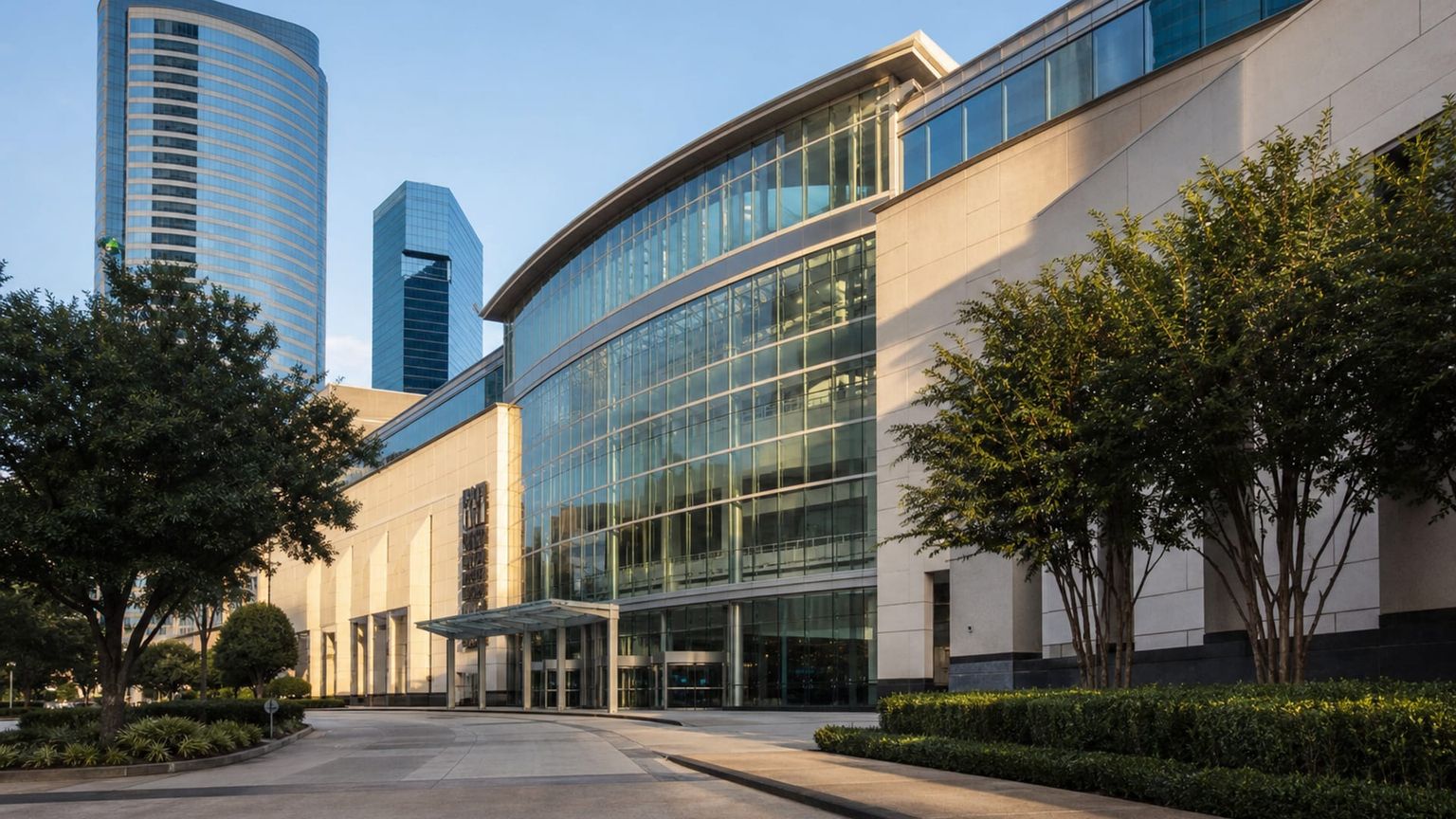
Houston’s major shopping and hotel district, centered on one of the city’s largest malls and a cluster of high-rise accommodations. It appeals to visitors who want lots of hotels, easy car access, and close reach to Uptown dining and offices.
Best for: Shopping trips, business travel, and visitors who want a wide range of hotels
What to expect: Large roads, malls, and office towers shape the area, with steady daytime traffic and more movement in the evenings near restaurants and hotel bars.
Hotel prices: Usually about $130 to $260 per night for well-rated stays
Distance to major sights: About 20 minutes by car to downtown Houston; roughly 15 minutes by car to Memorial Park
Quietness: Busy through the day and into the evening, with quieter hotel corridors away from the mall
Main trade-off: You get many hotel choices, but the area is car-oriented and less convenient if you want to rely on walking for meals and sightseeing.
Good to know: If you are visiting during peak shopping weekends, allow extra time for traffic in and out of the mall district.
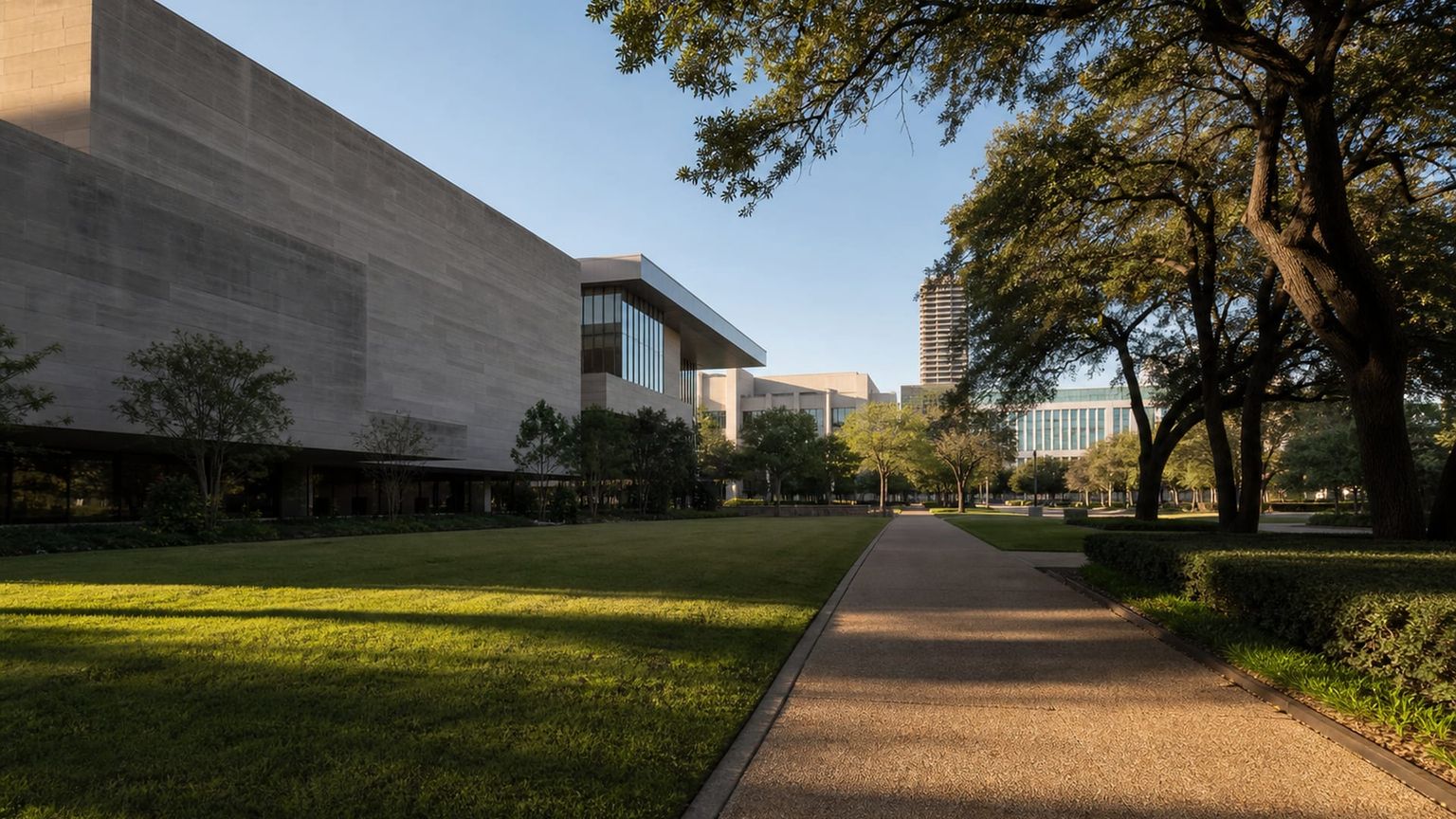
Houston’s museum and park cluster south of downtown, home to the Museum of Fine Arts, the Houston Museum of Natural Science, and Hermann Park. It suits visitors who want the city’s main cultural sites close together and easy to reach without crossing the whole metro.
Best for: Museum visits, park time, and travelers who want to stay near Houston’s main cultural attractions
What to expect: Daytime brings families, school groups, and museum crowds; evenings are calmer, with activity centered on restaurants and events near Hermann Park.
Hotel prices: Usually about $170 to $320 per night for well-rated stays
Distance to major sights: 5 to 15 minutes on foot to Hermann Park; about 15 minutes by transit to downtown Houston
Quietness: Active during museum hours, with quieter streets after closing time and late at night
Main trade-off: Lodging can be limited compared with downtown or the Galleria, so booking early matters, especially on major event weekends.
Good to know: Some blocks sit closer to the train line than others, so check your room’s location if light-rail noise matters to you.
Travelers usually avoid staying in Greenspoint, far north of downtown with limited visitor amenities and a long commute to the main museum and theater districts. East End, the Ship Channel area, and the industrial stretches near Hobby Airport are also less convenient for most visitors because they sit well away from the main sightseeing areas and can mean awkward evening travel after dinner or events.
Hotel deals
How to get around Houston efficiently
Houston has no subway network in the HOU area, so METRO buses, rideshares, taxis, and the Red Line do the heavy lifting between the airport, downtown, the Museum District, and NRG Park.

Metro
for longer distances
Houston has no subway or tram network in the HOU area, so visitors rely on METRO buses, rideshares, taxis, and occasional commuter rail only when traveling farther into the city. If you need rail, the METRORail Red Line serves downtown, Midtown, the Museum District, and NRG Park, with local trips typically taking about 15 to 35 minutes between central neighborhoods.

Bus and tram
for convenience
METRO buses cover the strongest local network near HOU, including links to downtown, the Texas Medical Center, the Galleria area, and outlying park-and-ride points; a local ride costs $1.25, and a day pass costs $3.00. Fares are valid for 3 hours after purchase, and you can pay with a Q Card, cash on board, or the METRO Q mobile app; allow about 30 to 60 minutes for many cross-city trips, depending on traffic.

Taxi
for convenience or late hours
Licensed Houston taxis use metered fares, not set airport flat rates, with the meter typically starting near $2.75 to $3.50, then adding roughly $2.50 to $3.00 per mile and waiting time. From Houston (HOU) to downtown, expect about $35 to $50 before tip in normal traffic, with most drivers accepting cards, though cash is still common for short trips and tips.
*Prices are based on rates updated as of July 2026 and may change at the time of travel.
Use METRO buses for budget cross-city trips, the Red Line for central neighborhoods, and taxis or rideshares when you need a direct airport run or a late-night return.
Iconic landmarks
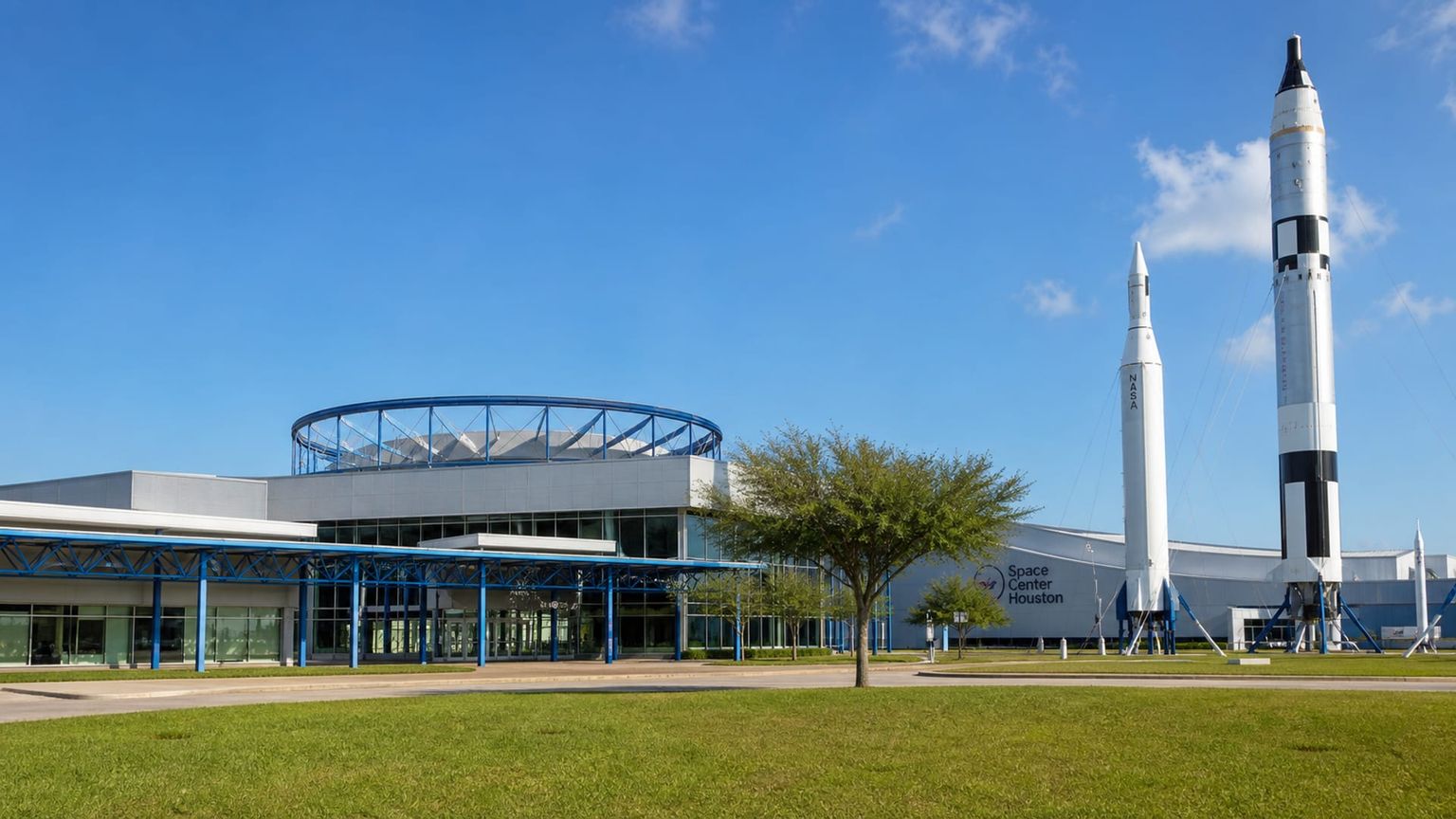
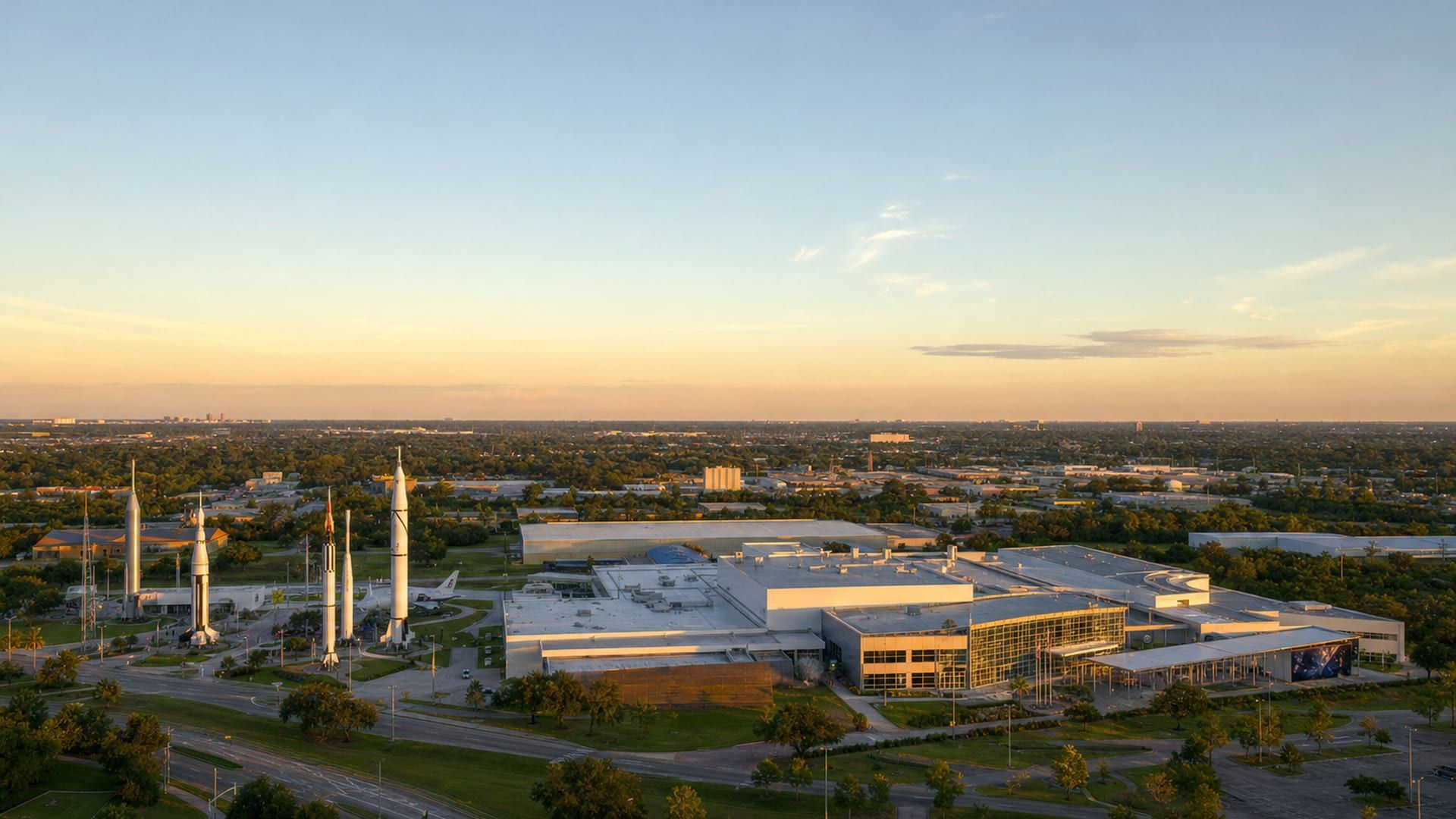
Space Center Houston
NASA’s official visitor center sits about 30 km southeast of downtown and pairs spacecraft, mission control, and astronaut artifacts with tram access to the working Johnson Space Center campus. It is Houston’s clearest window into human spaceflight.
Time needed: About 3 to 4 hours
Entry: Admission costs $32.95 to $39.95 ($32.95 to $39.95), with higher pricing for peak dates and extra mission and tram experiences sold separately. Visit the official site for details.
Tip: Arrive early on weekdays, then take the tram tour before midday heat builds.
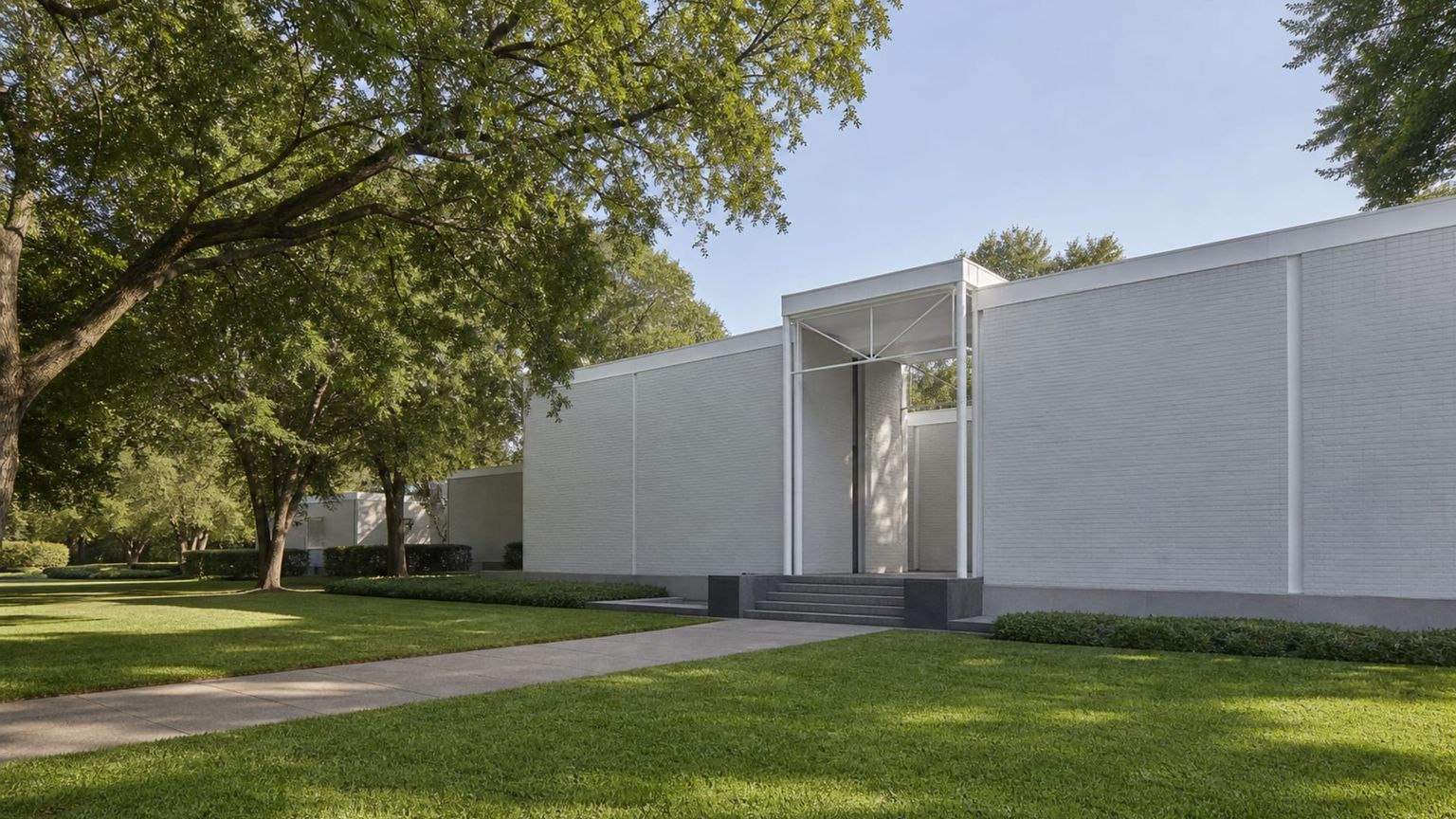
The Menil Collection
This free museum campus in the Montrose area pairs the Menil Collection with the Rothko Chapel and Dan Flavin installations, all within an easy walk. The setting gives Houston a rare concentration of modern art in one neighborhood.
Time needed: About 2 to 3 hours
Entry: Free to access, with no general admission charge; special talks or events may carry separate fees. Visit the official site for details.
Tip: Go late morning for calmer galleries, then walk the sculpture garden before lunch.
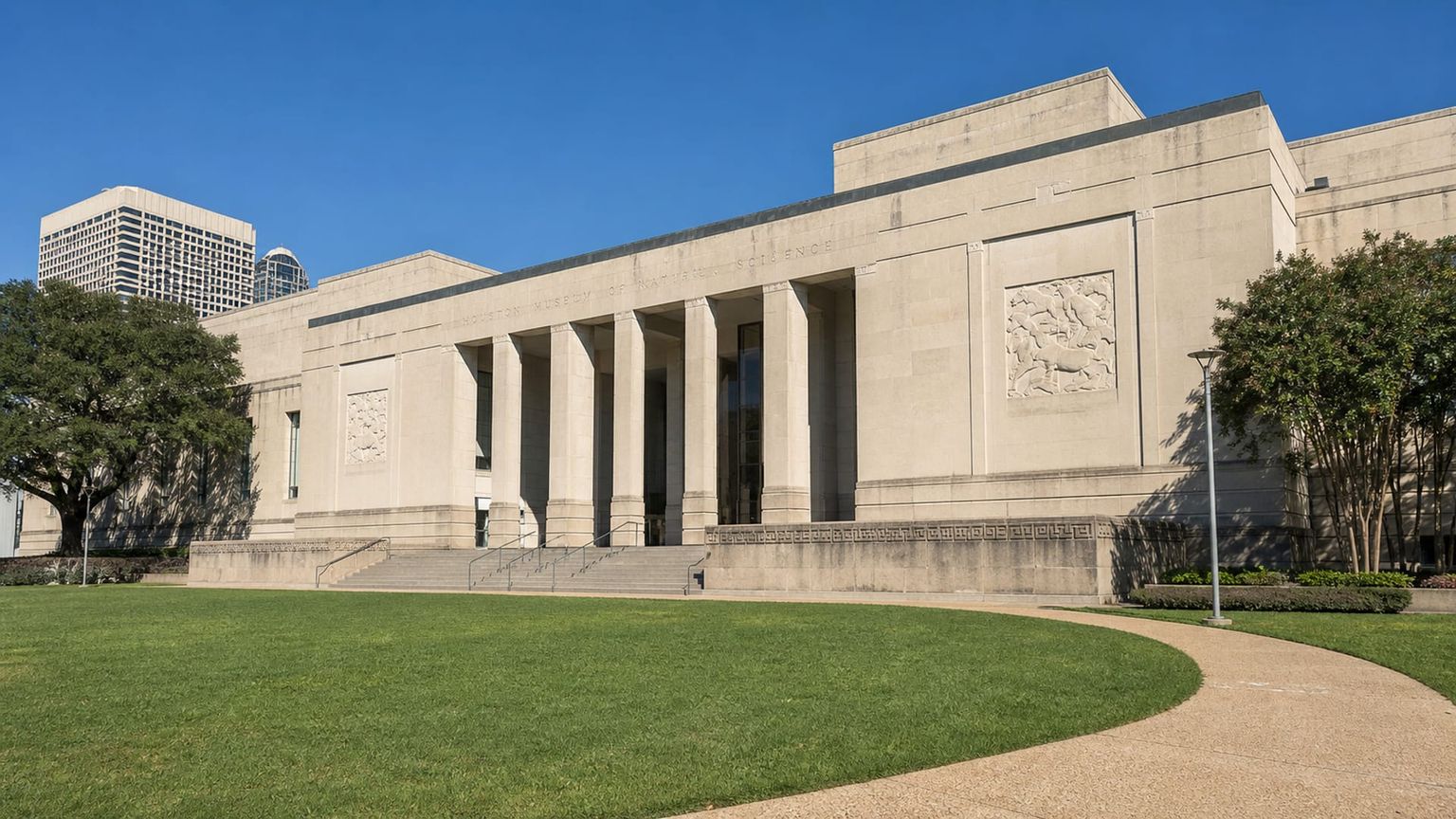
Houston Museum of Natural Science
Anchored in Hermann Park, this museum combines dinosaur halls, gems, gems, and mineral collections, a butterfly center, and rotating science exhibits. Its central location makes it one of Houston’s most visited indoor attractions.
Time needed: About 3 to 4 hours
Entry: Admission costs $25 to $30 ($25 to $30), with separate charges for the butterfly center, planetarium, and special exhibitions. Visit the official site for details.
Tip: Start with the dinosaur hall, then use the afternoon for the butterfly center.
Overlooked sites worth visiting

Downtown Aquarium's rainforest pyramid
This glass-sided tropical habitat sits inside the Downtown Aquarium complex and packs birds, reptiles, and dense planting into a compact indoor route. It works well as a short detour near the Theater District.
Time needed: About 1 hour
Entry: Aquarium admission starts at about $25 ($25), with combo tickets and exhibit add-ons priced higher on select dates. Check the current calendar before you go, because timed-entry availability and promotion windows change by day. Visit the official site for details.
Tip: Visit on a weekday morning for the shortest lines.

The Orange Show Center for Visionary Art
The Orange Show is a hand-built folk-art environment with mosaics, found objects, and winding passageways that turn a small East End property into a layered art stop. Its details reward a slow walk and close looking.
Time needed: About 45 minutes
Entry: General admission is free on some open-house dates and about $10 to $15 ($10 to $15) for many guided visits and events, depending on the program. Special tours, festivals, and artist-led gatherings can cost more, so check the calendar before you arrive. Visit the official site for details.
Tip: Go in late afternoon for better light on the mosaics.
Traditional food
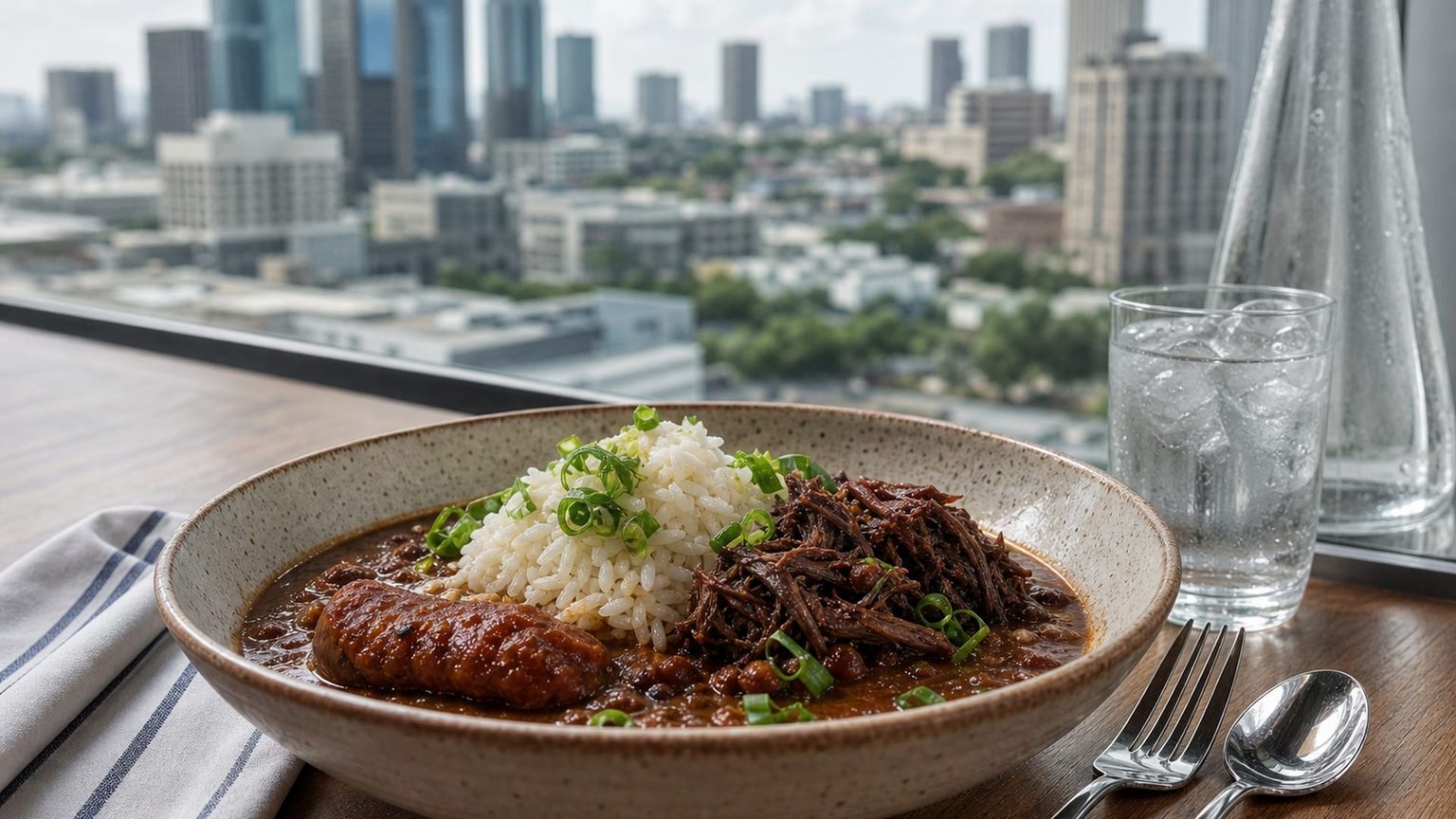
Houston’s table leans on Tex-Mex breakfast tacos, chili con carne, barbecue brisket, and Gulf Coast shrimp, with smoky heat, soft tortillas, and plenty of late meals after work or games.
Breakfast tacos
Flour tortillas, eggs, potatoes, cheese, and bacon or chorizo make this a Houston staple, best eaten early with salsa. Tacos A Go Go is a dependable citywide reference for the style.
Chili con carne
Houston versions lean hearty and pepper-forward, with beef, spices, and a slow-cooked depth that suits a casual lunch or supper. The Original Ninfa’s on Navigation serves a classic take in the city.
Barbecue brisket
Central Texas-style brisket shows up across Houston, sliced tender with a dark bark and smoke layered through the meat. Truth BBQ is one of the city’s best-known stops for it.
Gulf Coast shrimp
Grilled, fried, or folded into pasta and rice dishes, Gulf shrimp bring a lighter coastal note to Houston menus. Goode Company Seafood is a long-running local choice for the dish.
Best time to visit Houston
Houston stays warm for much of the year, with spring and fall giving the most comfortable museum and walking days, while summer demands more time indoors and closer attention to heat and storms.
Best for: Museum days, park time, and patio dining
What you get: About 65 to 86°F (18 to 30°C), with manageable crowds outside spring events
Trade-offs: Rain and humidity can build quickly in late spring
Best for: Indoor attractions and air-conditioned evenings
What you get: About 76 to 95°F (24 to 35°C), with lighter museum lines but heavier heat
Trade-offs: High humidity and afternoon storms can disrupt long outdoor plans
Best for: City walks, food trips, and longer sightseeing days
What you get: About 67 to 86°F (19 to 30°C), with comfortable shoulder-season crowds
Trade-offs: Hurricane season can affect travel in early fall
Best for: Low-key museum visits and easier restaurant reservations
What you get: About 46 to 68°F (8 to 20°C), with lighter crowds than in peak travel periods
Trade-offs: A few cold fronts can bring sharp temperature swings
A realistic 5-day plan in Houston
Five days in Houston work best when each day stays tied to one part of the city. The plan below keeps the airport arrival simple, groups museums with nearby neighborhoods, and leaves the final day light enough for a clean departure.
Touch down at Houston (HOU), then take a rideshare or taxi into Downtown Houston or Montrose, which usually takes about 20 to 35 minutes and costs roughly $35 to $55 before tip, depending on traffic and your exact hotel. If you arrive late, stay near Discovery Green or in the Theater District so dinner is an easy walk, then keep the evening simple with water, a short neighborhood stroll, and an early meal at a downtown café or hotel restaurant.
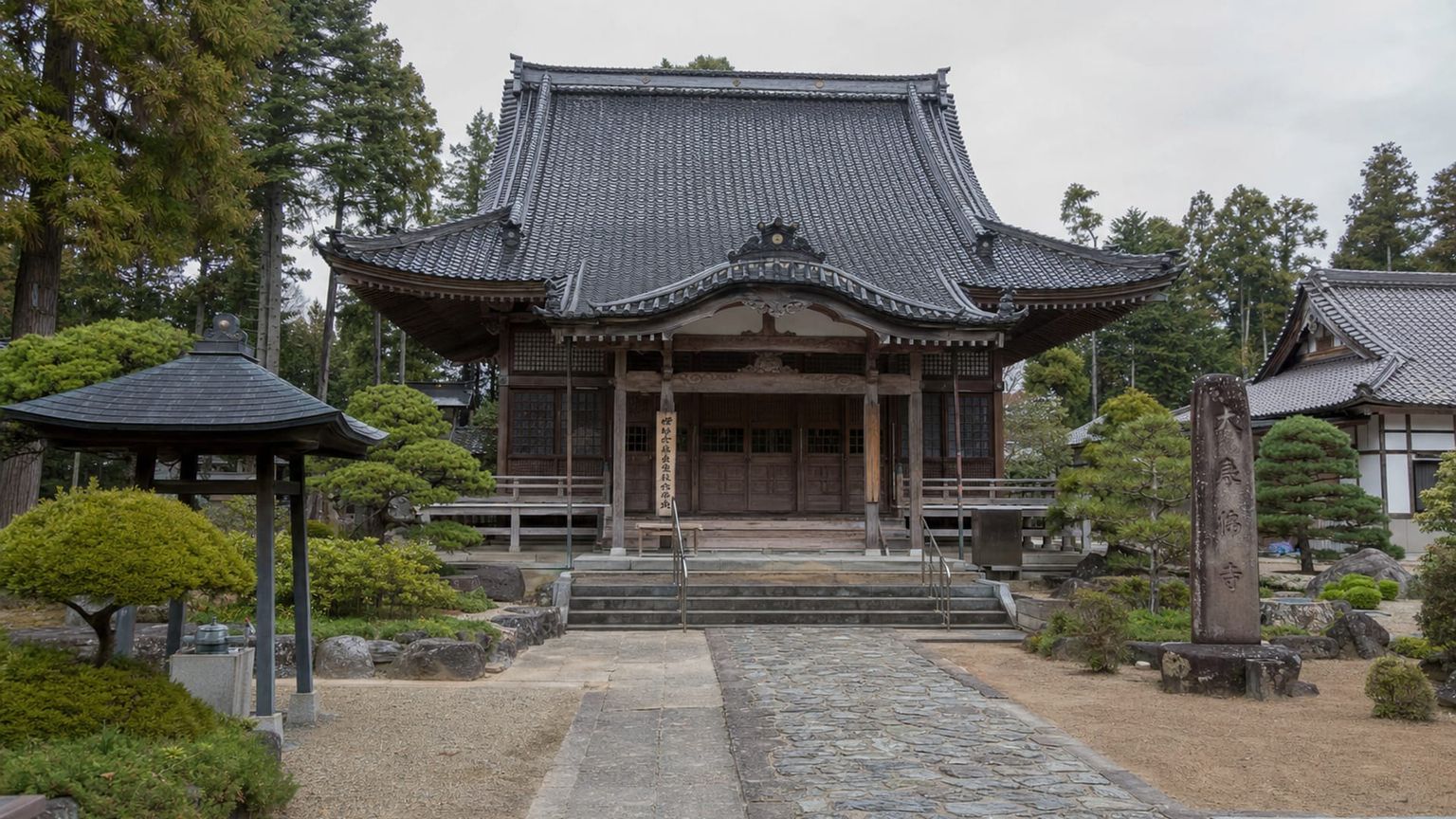
Start at Space Center Houston in the morning, because the drive from Downtown Houston takes about 35 to 45 minutes and the tram tour works best before the heat builds. Spend about 3 to 4 hours with the spacecraft exhibits and mission control displays, then head back to the city for a late lunch in Montrose, about 30 to 40 minutes by car from the space center. Finish with the Menil Collection, roughly 10 minutes by car from Montrose hotels, and linger in the sculpture garden before an easy dinner nearby.
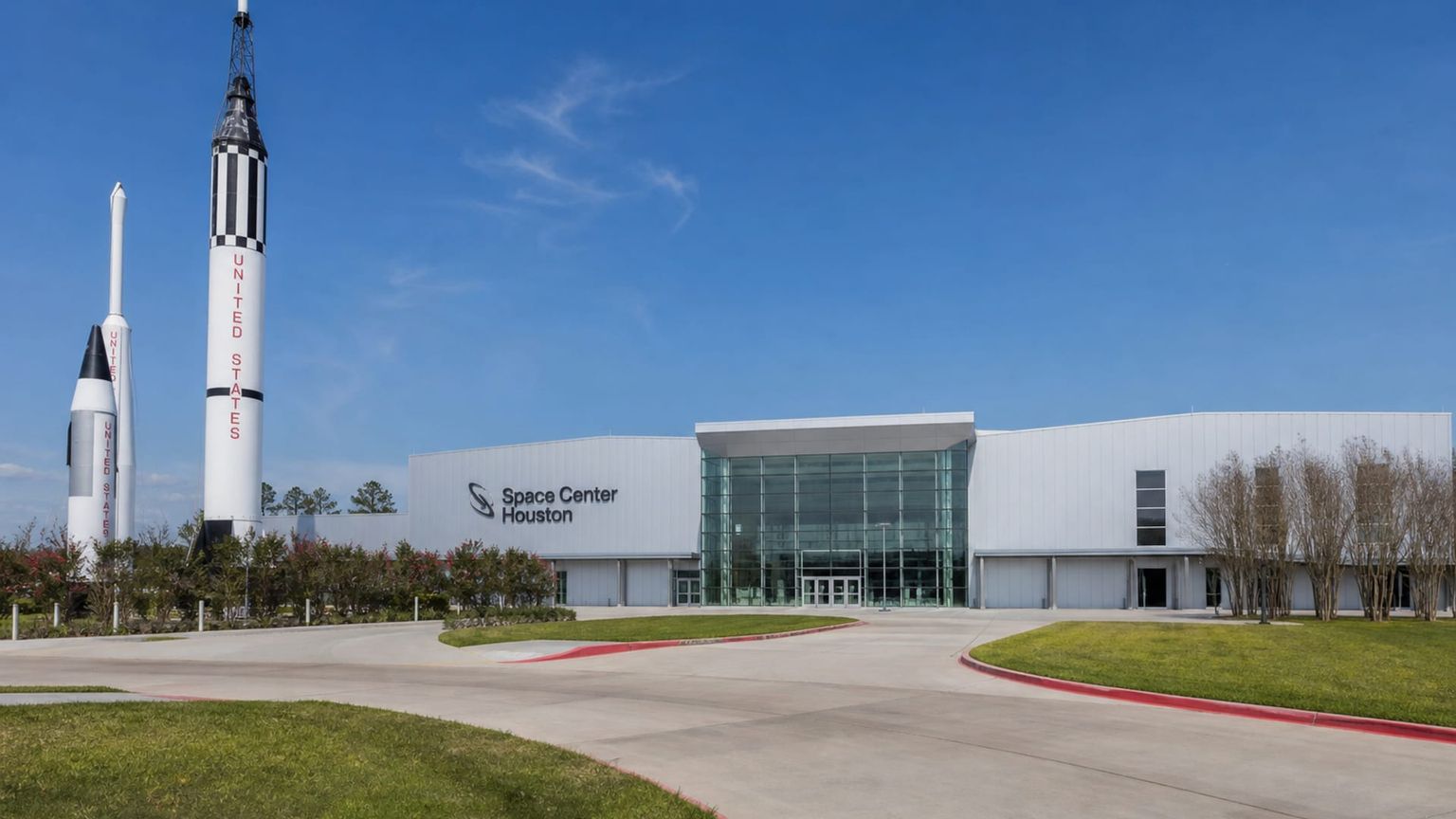
Begin in Hermann Park with the Houston Museum of Natural Science, then stay on site for about 3 to 4 hours to see the dinosaur halls, gems, and butterfly center. From the Museum District, the Menil Collection is about 10 minutes by car or a longer transit ride, so it fits neatly into the afternoon without a lot of backtracking. End the day at The Orange Show Center for Visionary Art in the East End, roughly 15 to 20 minutes by car from the Museum District, where the mosaics and found-object details reward unhurried looking.
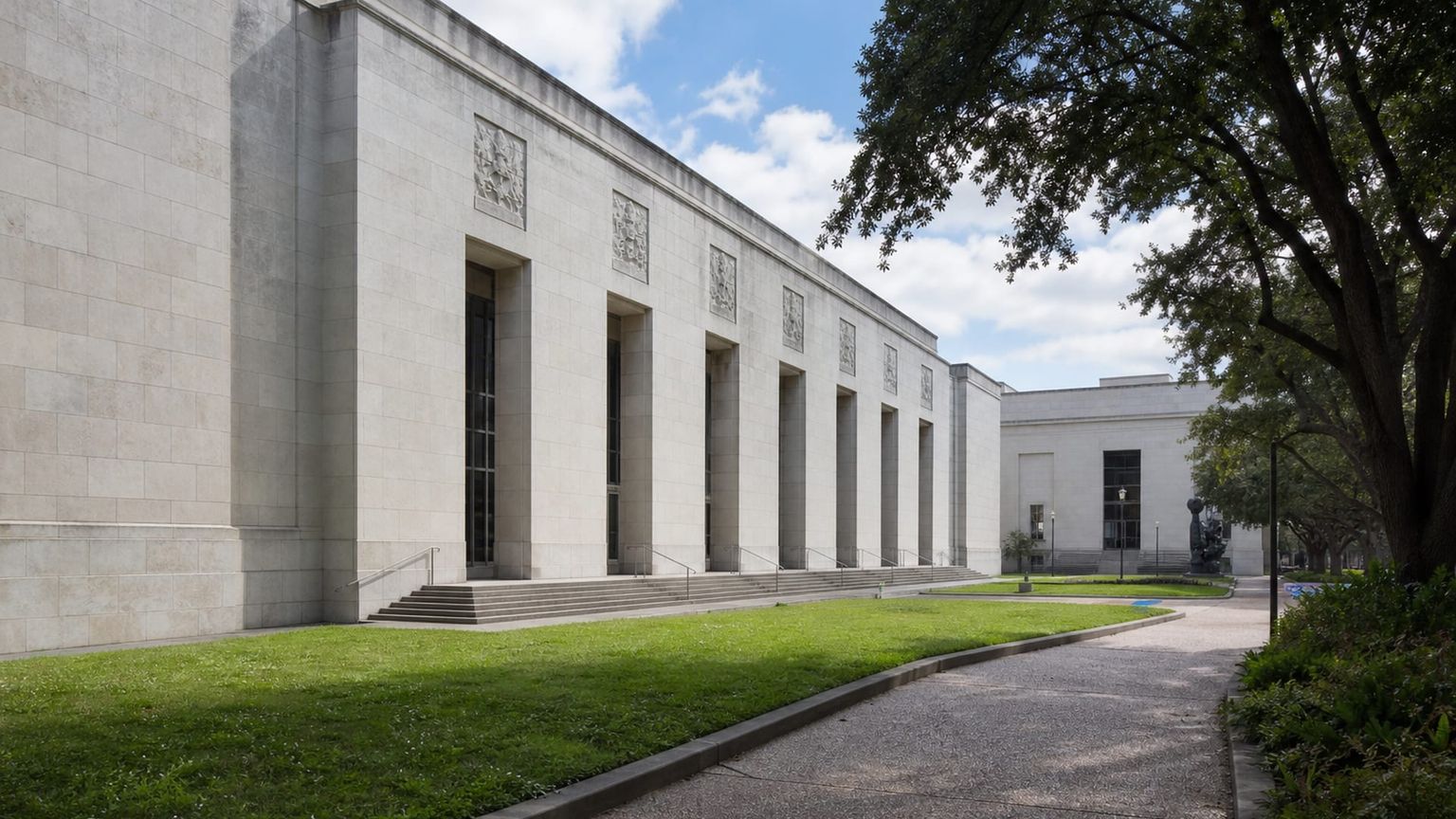
Downtown fits best for this day, because the main stops sit close together and the walking stays simple. Start at the Downtown Aquarium’s rainforest pyramid for about an hour, then walk about 10 to 15 minutes to the Theater District for lunch or a coffee break near the transit spine. After that, give yourself time for Discovery Green and the surrounding blocks, with an easy return to your hotel on foot or by a short rideshare before dinner.
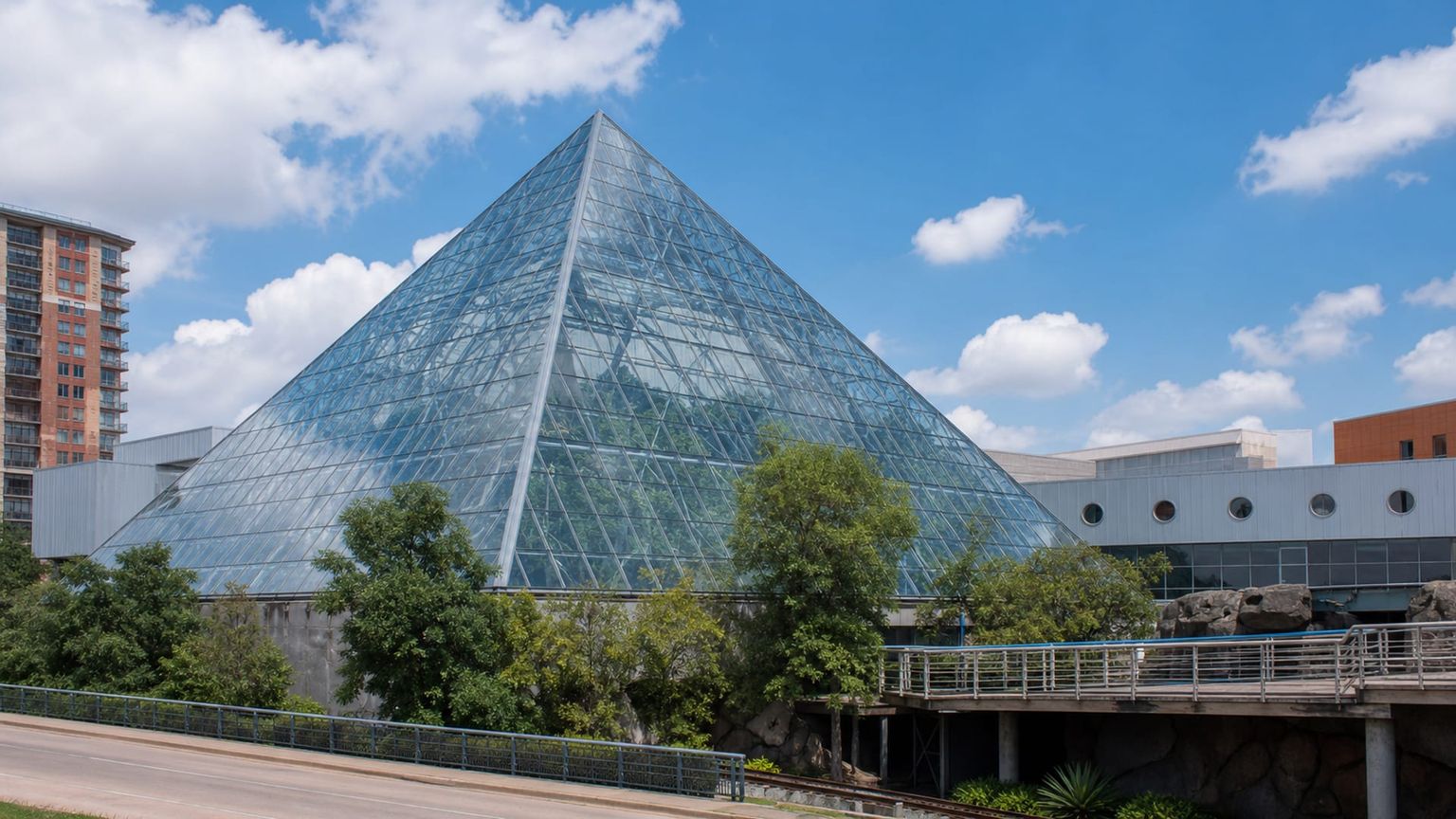
A final morning in Houston works well as a low-key mix of one last museum stop, shopping, and a café break. If you want one more cultural visit, return to the Menil Collection in Montrose, then spend the afternoon at The Galleria, about 15 minutes by car from the district and roughly 20 minutes from downtown, for gifts or last-minute browsing. Finish at a café in Montrose before heading to Houston (HOU), which keeps the last hours close to good coffee, shaded streets, and an easy ride to the airport.
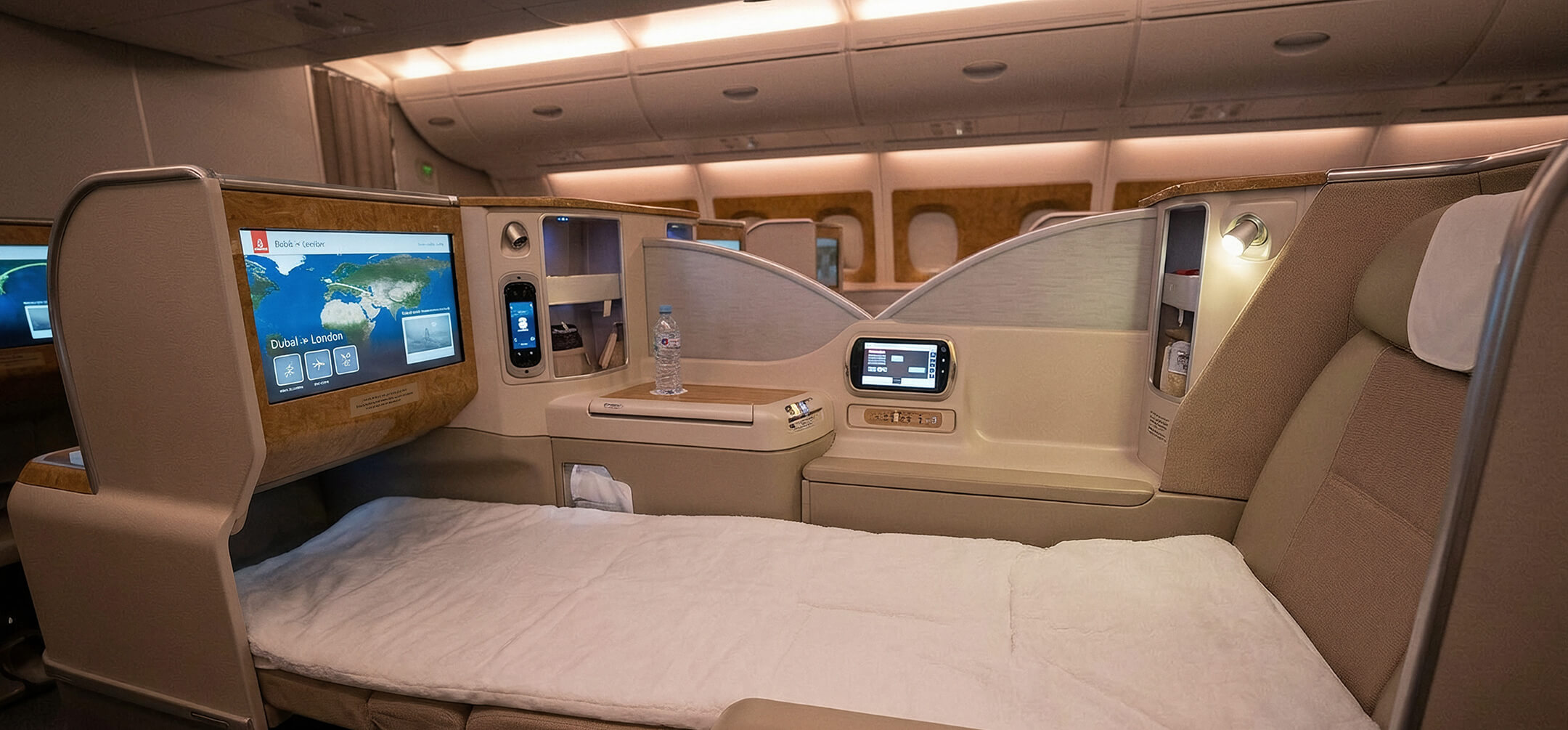
Business-class flights from the US to Houston
Houston links well to both coasts, with nonstop options on the East Coast side and route choices from the West Coast that can lower fares if you accept a stop. The examples below show how the trip usually pencils out.
From New York (JFK), Newark (EWR), or New York (LGA), United Airlines, Delta Air Lines, American Airlines, JetBlue, Singapore Airlines, and Qatar Airways operate on this route. Nonstop flights take about 3 to 4 hours, while one-stop trips via Atlanta (ATL), Dallas/Fort Worth (DFW), or Chicago (ORD) often cut fares to about $300 to $800.
Los Angeles (LAX) itineraries usually come in with United Airlines, American Airlines, Delta Air Lines, Alaska Airlines, or Hawaiian Airlines. Round-trip fares generally start at $500 and reach $1,400, and one-stop trips through Denver (DEN), Phoenix (PHX), or Dallas/Fort Worth (DFW) often sit lower, at roughly $350 to $900.
Houston feels different when you slow down
A well-paced Houston trip starts with the right base, then follows the city’s own map, downtown for the first night, the Museum District for culture, Montrose for meals, and a short rideshare when the day stretches wider than the rail. That approach keeps the schedule readable without flattening the city’s range. If you want help shaping the trip, AranGrant experts can match your stay, flights, and neighborhoods to the way Houston actually moves