

Chapters:

Need help with your trip?
Our support team is available 24/7. Request a callback or call us directly at (833) 619-0908
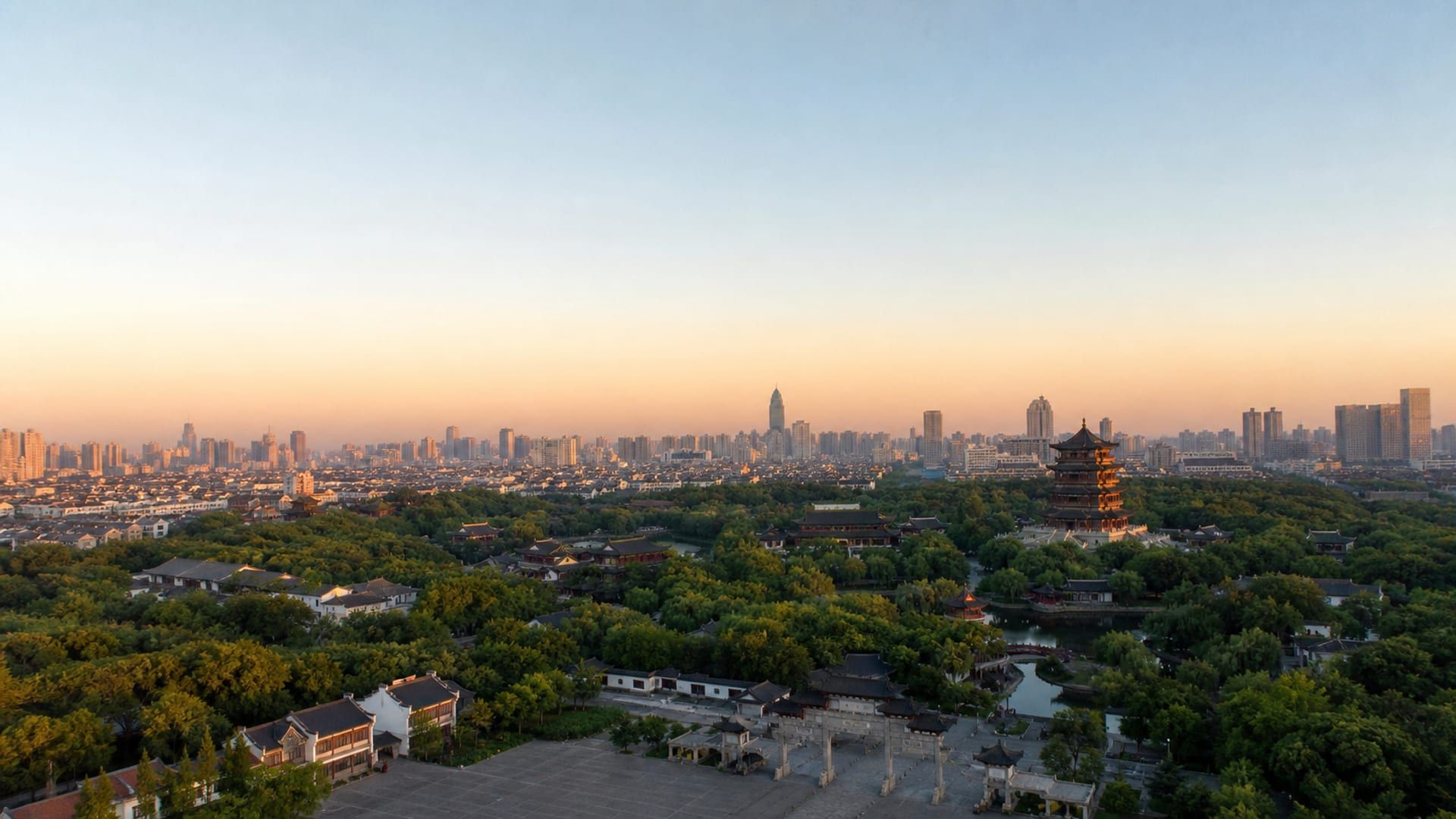
Hefei often gets treated as a stopover, with visitors splitting their time between one lake, one museum, and an airport transfer. That plan can work, but it misses how spread out the city is and how much time short taxi hops and metro links can save.
The bigger issue is pace: the center rewards sequencing, not improvising. A day that starts in Luyang and ends in Shushan can run long if you do not group sights by district, and evening traffic near Swan Lake can stretch simple cross-town moves.
This guide builds the trip in that order, with neighborhoods, transit, food, and flight planning arranged so each day has a clear base and a realistic finish.
Useful things to know

Main language(s): Mandarin Chinese
你好 (nǐ hǎo) – Hello / good morning
请 (qǐng) – Please
谢谢 (xièxie) – Thank you
你会说英语吗? (nǐ huì shuō yīngyǔ ma?) – Do you speak English?
这个多少钱? (zhège duōshao qián?) – How much does it cost?

Currency: The local currency is the Chinese yuan (CNY, ¥).

Cash and cards: Cards and contactless are widely accepted; carry about ¥100 to ¥300 ($14 to $42) in cash for small shops and taxis.

Tipping: Tipping is not customary; round up only for very small bills if you want.

Traditional food: Luosifen, Stinky Mandarin Fish, Hairy Tofu, Hefei roast duck

Water and coffee costs: Water about ¥2 to ¥4 ($0.30 to $0.60), bar espresso about ¥20 to ¥35 ($3 to $5).

Taxis and ride apps: DiDi operates here; taxis are common, and app English support can be limited.

Plug and voltage: Type A/C socket, 220V

Dining and shop opening hours: Breakfast runs about 07:00-09:00, lunch 11:30-13:30, and dinner 18:00-20:30. Some restaurants close between lunch and dinner.

Emergency number: 110 police, 119 fire, 120 ambulance.
Where to stay in Hefei
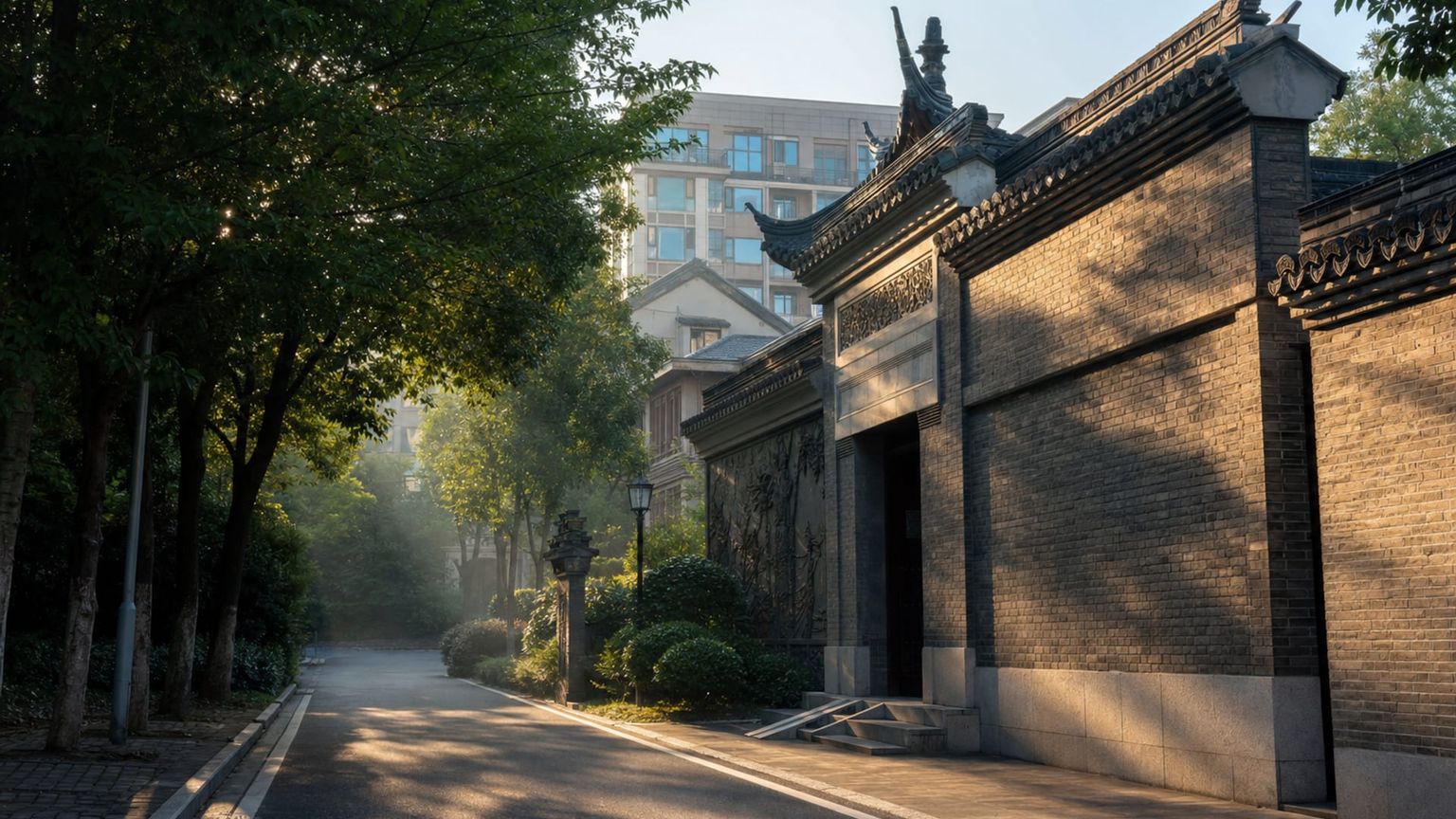
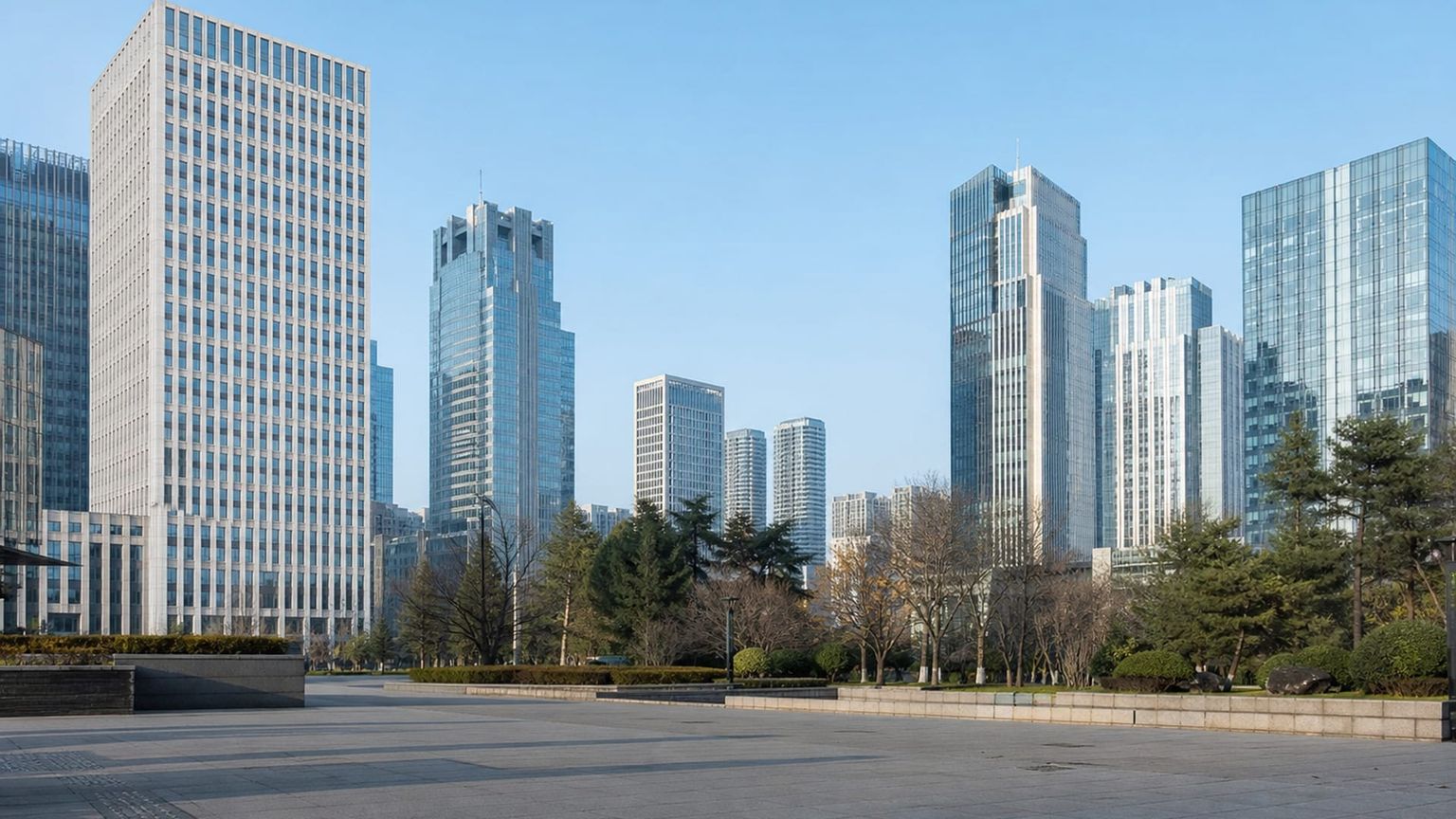
Hefei’s main west-side district pulls together government offices, malls, hotels, and easy access to major roads. It suits visitors who want a central base with broad dining and shopping options, plus a faster hop to Swan Lake and other modern sights.
Best for: Business trips, shopping, and a central base for modern Hefei
What to expect: Busy avenues, mall traffic, and steady foot traffic near commercial blocks, with quieter side streets after dark.
Hotel prices: Usually about $45 to $110 per night for well-rated stays
Distance to major sights: About 15 to 25 minutes by taxi to Swan Lake, roughly 25 minutes to Hefei Railway Station
Quietness: Busy by day, quieter on residential streets in the evening.
Main trade-off: You will spend more time in commercial corridors than in older sightseeing streets, and the most convenient hotels sit near traffic.
Good to know: Choose a hotel close to a metro stop if you plan to move across the city often, since this district is spread out.
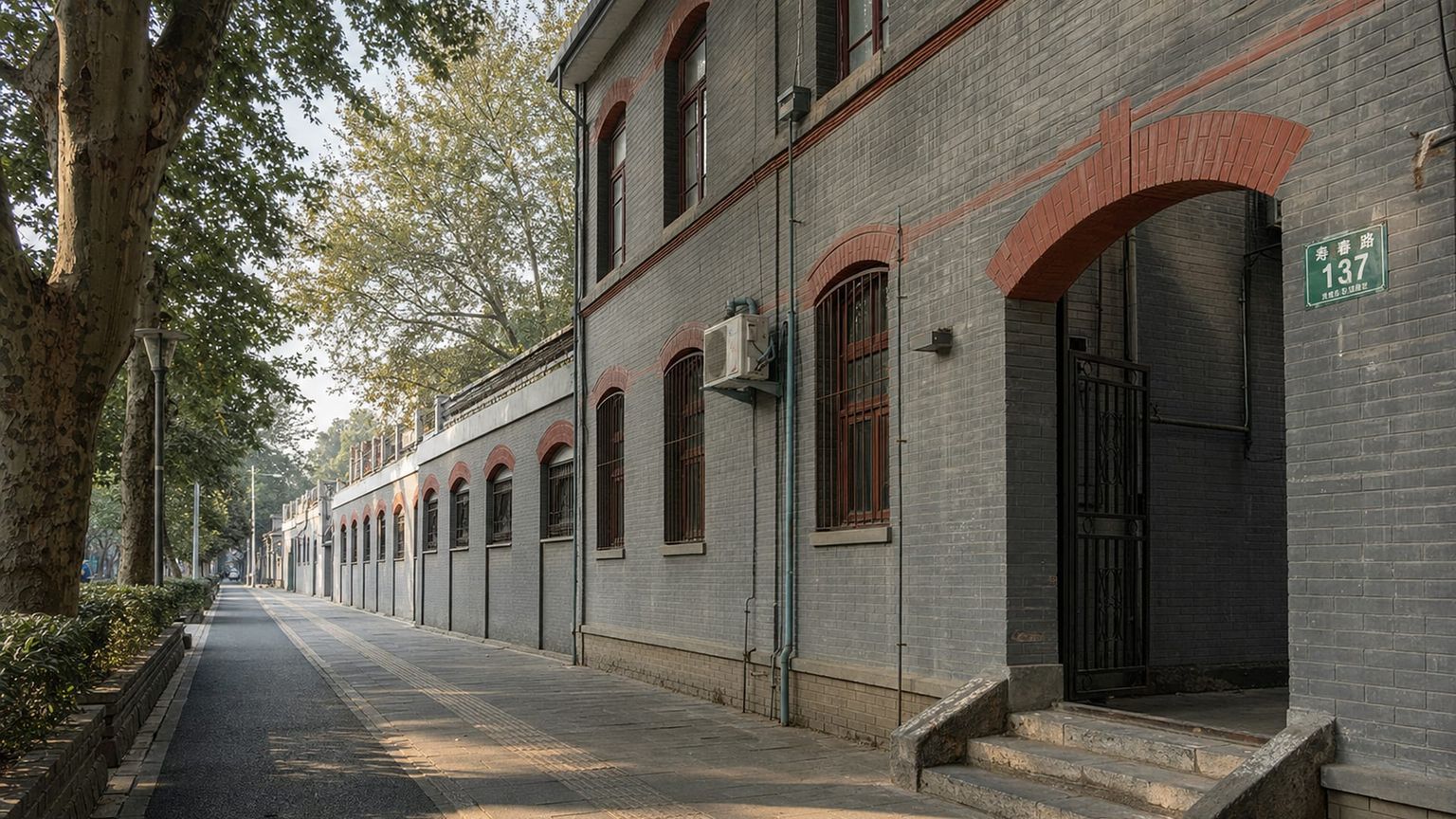
Luyang holds some of Hefei’s older commercial streets, dense housing, and several major public institutions. It works well if you want a more central stay with quick reach to museums, parks, and the city’s older street grid.
Best for: Museum visits, city walking, and travelers who want a more central local base
What to expect: Active streets, local shops, and a mix of office workers and residents, especially along the main corridors.
Hotel prices: Usually about $40 to $100 per night for well-rated stays
Distance to major sights: About 10 to 20 minutes by taxi to Xiaoyaojin Park, roughly 20 minutes to Anhui Museum
Quietness: Lively in the daytime, with calmer residential pockets after dinner.
Main trade-off: The best-located hotels are not always the newest, and traffic on main roads can slow evening returns.
Good to know: If you want easy evening meals, stay near the larger commercial streets rather than the deep residential blocks.
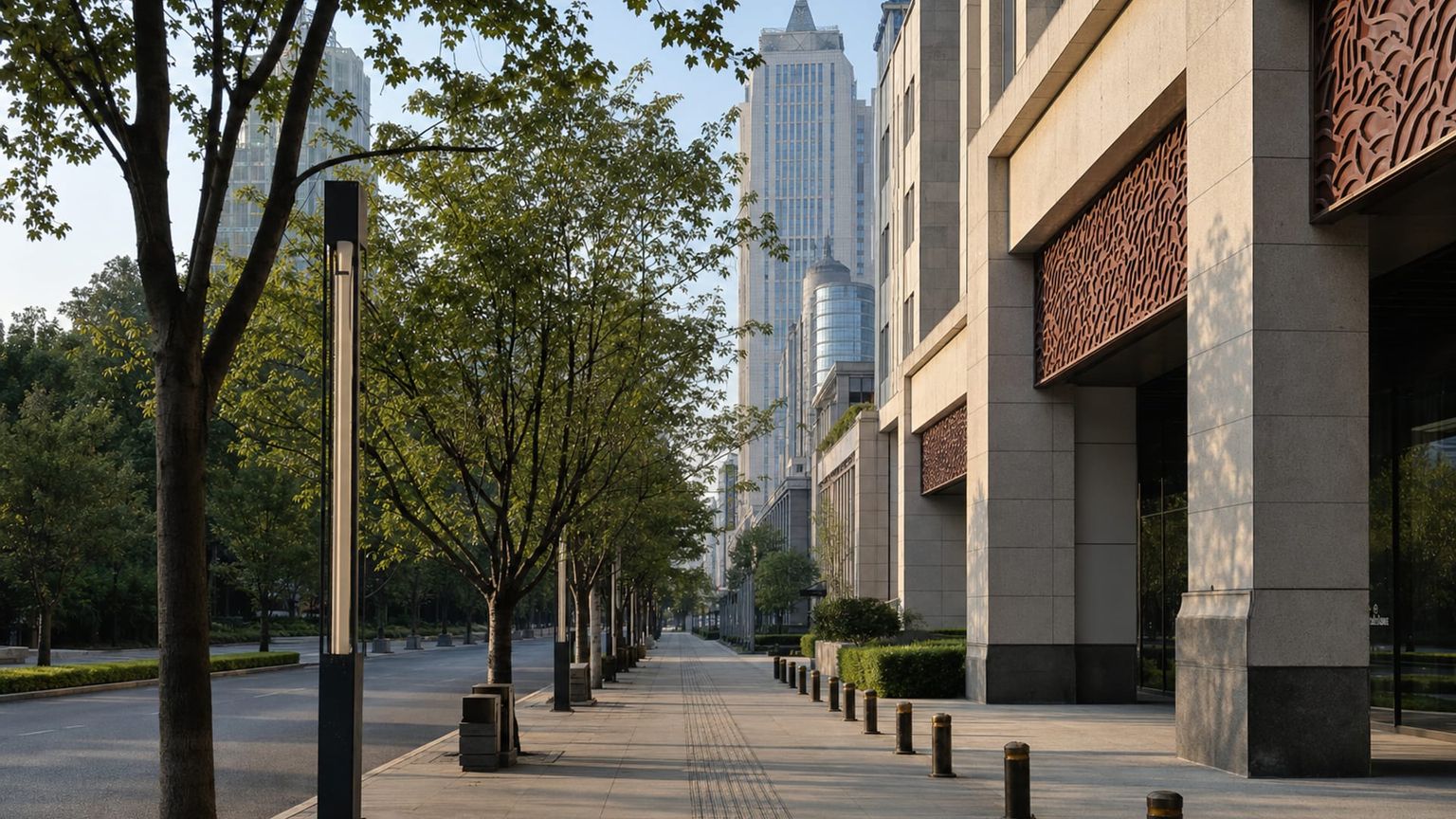
Baohe covers much of southern and eastern Hefei, including newer residential and commercial zones with large parks and lake access. It is a useful base for travelers who want newer hotels, wider roads, and easier movement toward the city edge.
Best for: Newer hotels, family stays, and access to parks and southern Hefei
What to expect: Broad roads, modern apartment blocks, and calmer evening streets than the busiest central districts.
Hotel prices: Usually about $35 to $95 per night for well-rated stays
Distance to major sights: About 20 to 35 minutes by taxi to Hefei Swan Lake, roughly 25 minutes to Hefei Railway Station
Quietness: Quieter than the core districts during the day, with very calm evenings in residential sections.
Main trade-off: You may need longer rides for the oldest sights and central dining streets, especially at peak traffic times.
Good to know: Pick this area if you value newer hotels, but check the exact metro or taxi access before booking because the district is broad.
Travelers usually avoid staying in Yaohai’s far eastern and northern edges, where hotels sit well away from the main sights in the city center and evening transit takes longer. Parts of Feixi County are also less convenient for a visit centered on Hefei, since they are far from areas like Swan Lake and Li Hongzhang’s Former Residence and have fewer visitor-oriented dining and hotel options.
Hotel deals
How to get around Hefei efficiently
Hefei works best with a mix of taxis, metro rides, and walking, since the airport sits outside the center and the main sights cluster across a few large districts.

Metro
for longer distances
Hefei has a growing metro network, with Line 1 linking Hefei Xinqiao International Airport area access via rail connections farther into the city rather than a direct airport stop, and transfers through Hefei South Railway Station and other central hubs. Fares are distance-based, usually about $0.40 to $1.10 (about ¥3 to ¥8), with tickets valid for the single trip; most rides into the center take roughly 25 to 45 minutes depending on the line and transfer.

Bus and tram
for convenience
City buses cover the airport area, stations, and major districts more broadly, with fares usually about $0.20 to $0.50 (about ¥1 to ¥3) per ride. Use cash, transit card, or mobile payment where accepted, and expect airport-to-central Hefei trips to take about 60 to 90 minutes because buses make many stops; tram coverage is limited compared with the bus network.

Taxi
for convenience or late hours
Licensed taxis use metered fares, not fixed airport pricing, and a ride from Hefei Xinqiao International Airport area to central Hefei typically costs about $12 to $20 (about ¥85 to ¥145), depending on traffic and distance. Flag taxis at official stands or book through a ride-hailing app, and drivers usually accept cash or mobile payment; late-night trips can run a little higher, while the city center is often about 35 to 50 minutes away.
*Prices are based on rates updated as of June 2026 and may change at the time of travel.
Use the metro for longer center-to-center moves, taxis for airport transfers and cross-district hops, and buses only when time matters less than cost.
Iconic landmarks
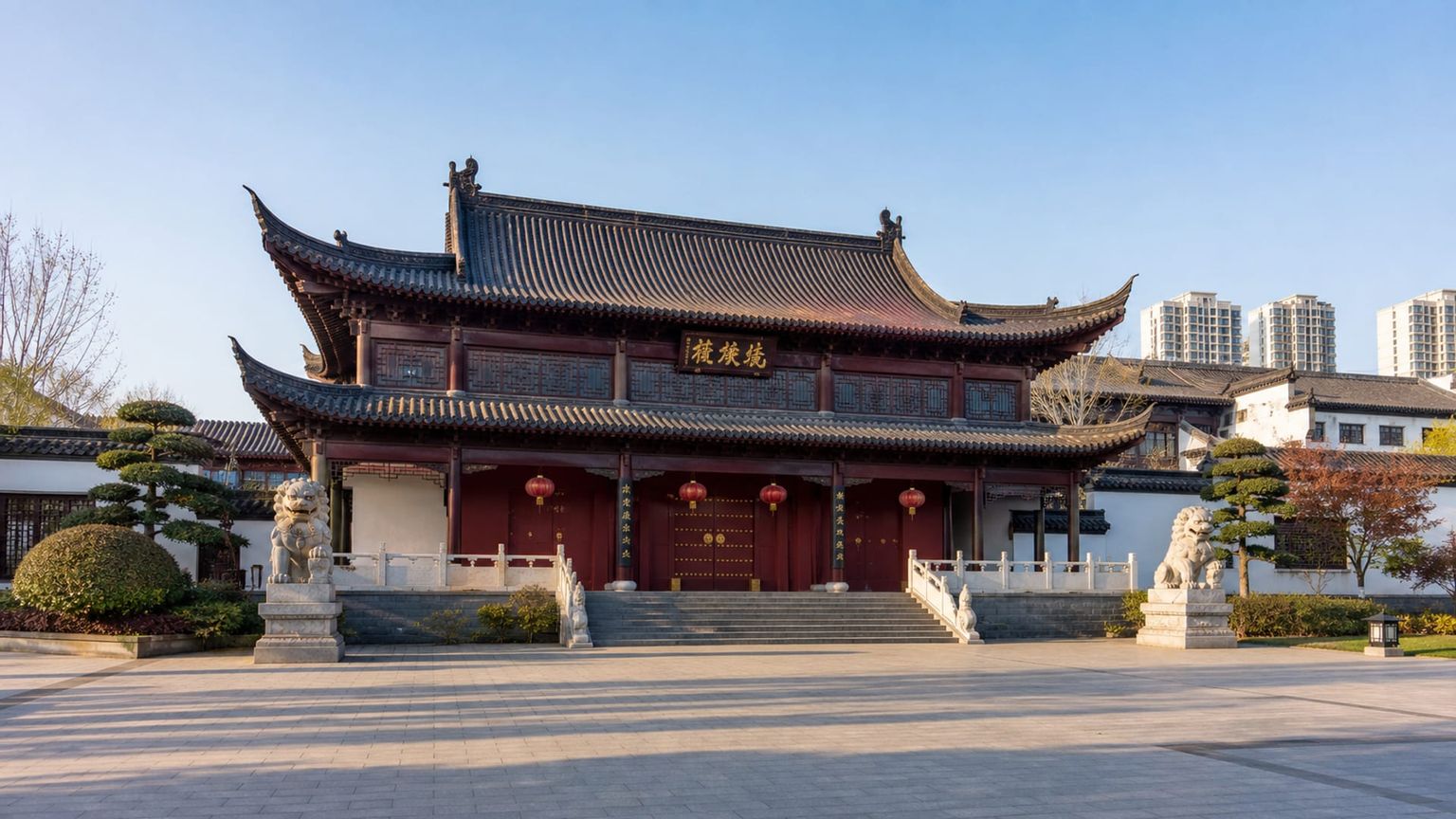
Lord Bao Park
A central memorial park built around Bao Zheng, the Song-dynasty official remembered for incorruptibility. It pairs pavilions, lakeside paths, and the Bao Zheng Memorial Hall, so you can combine green space with Hefei history in one visit.
Time needed: About 1 to 2 hours
Entry: Free to access, with paid admission only for select indoor exhibits and special displays.
Tip: Go in the early morning for softer light and fewer crowds on the lakeside paths.
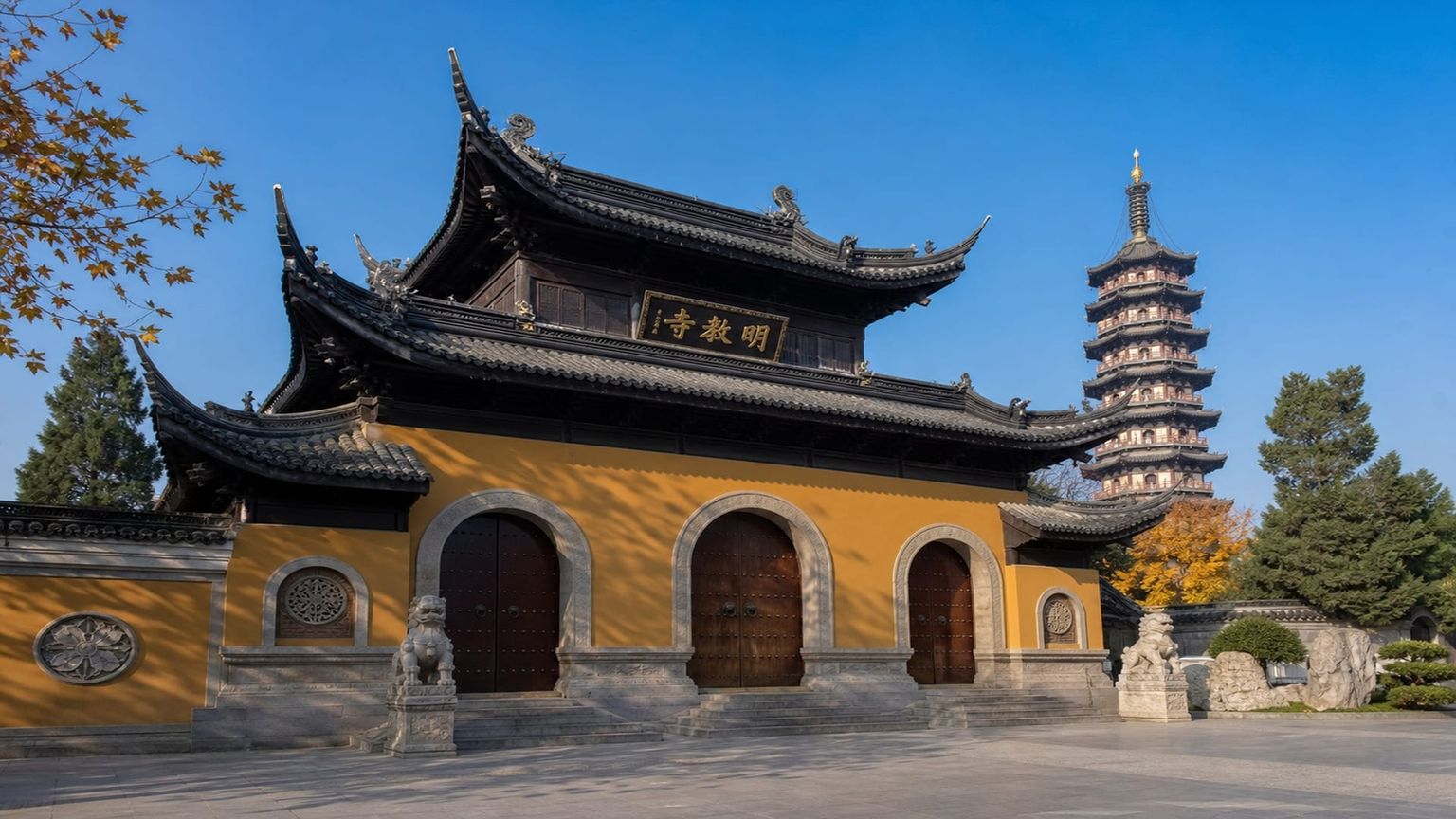
Hefei Mingjiao Temple
This active Buddhist temple gives a close look at a long-running place of worship in the city center. Expect incense-filled courtyards, prayer halls, and a compact layout that makes it easy to pair with nearby downtown sights.
Time needed: About 1 hour
Entry: Free to enter, with small charges for incense, donations, and select seasonal events.
Tip: Visit outside major prayer times if you want quieter courtyards and clearer views.
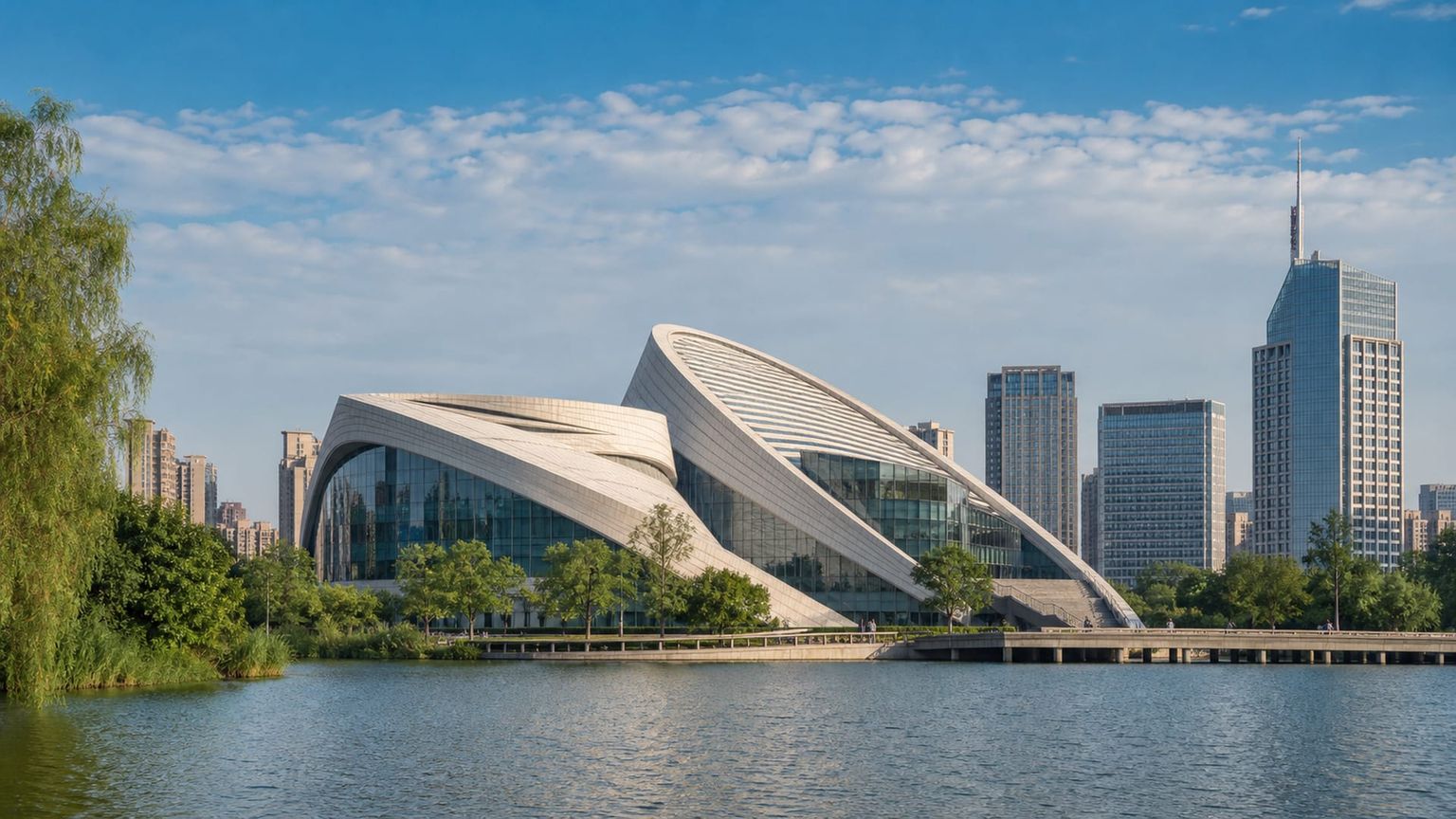
Hefei Swan Lake
Swan Lake is Hefei’s best-known urban waterfront, with broad promenades, bridges, and skyline views from the surrounding parks. It works well for an evening walk or a daytime circuit that shows the city’s newer side.
Time needed: About 1 to 2 hours
Entry: Free to access, with separate fees for boat rides, ferris wheel rides, and some park facilities.
Tip: Start at sunset, then stay after dark for the lakefront lighting and reflections.
Overlooked sites worth visiting

Xiaoyaojin Park
A central lake, mature trees, and paved paths make this one of Hefei’s easiest low-key outdoor breaks. Locals come for morning exercise, boat rides, and seasonal flowers.
Time needed: About 1 to 2 hours
Entry: Free to enter. Boat rental and amusement rides cost extra, typically about $2 to $8 (about ¥15 to ¥60) depending on the activity and season; the park itself has no admission fee.
Tip: Visit early for quieter paths and softer light over the lake.

Anhui Museum
This compact provincial museum is best known for its bronze, porcelain, and Han dynasty finds. The galleries are manageable in one visit, with clear labels and a focused collection.
Time needed: About 2 hours
Entry: Free entry with ID registration at the gate. Special exhibitions may charge roughly $3 to $10 (about ¥20 to ¥70), depending on the show and the museum’s current program. Visit the official site for details.
Tip: Arrive midmorning to avoid the longest check-in line.
Traditional food
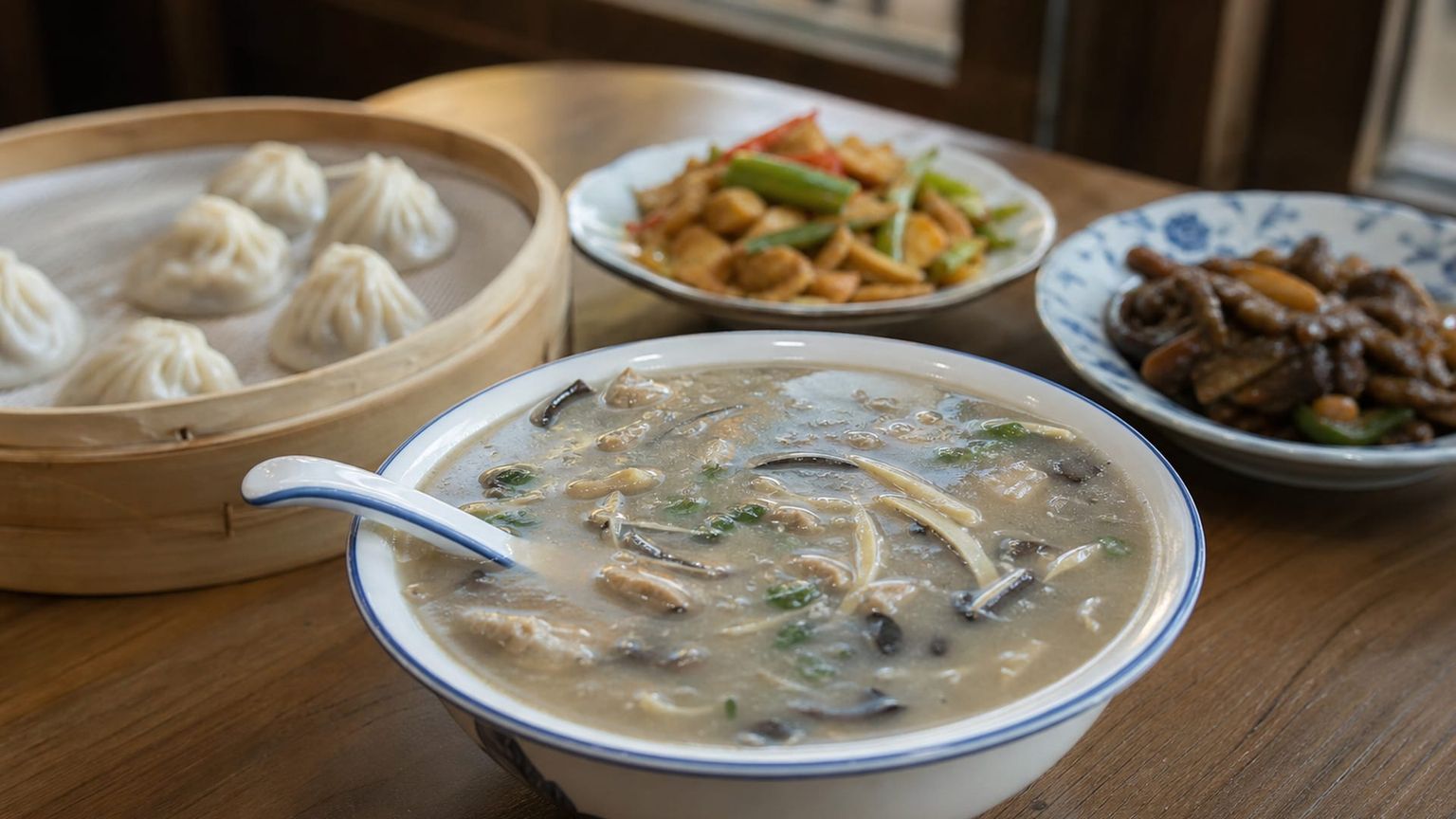
Hefei cooking leans on freshwater fish, duck, tofu, and bold fermented flavors, so expect soups, braises, and late meals built for sharing. Luosifen, stinky mandarin fish, hairy tofu, and roast duck show the city’s taste for depth over delicacy.
Luosifen
This rice-noodle bowl brings a sour, spicy, and deeply savory broth with pickled bamboo shoots and river snail stock. In Hefei, the canonical stop is Luosifen specialty shops near Luyang District, where the dish fits a quick lunch or late dinner.
Stinky Mandarin Fish
A classic Anhui dish, stinky mandarin fish is braised until the flesh turns tender and the fermented aroma gives way to a rich, slightly sweet sauce. Anhui restaurants in Hefei, such as Hefei Jixiang Restaurant, are the right place to order it.
Hairy Tofu
Hairy tofu develops a thin surface mold before frying or steaming, which gives it a crisp shell and a mild, creamy center. Laojiekou-style snack spots and Anhui eateries in central Hefei serve it well, with Huacheng Laozhai as a dependable choice.
Hefei roast duck
Hefei roast duck usually arrives with bronzed skin, juicy meat, and a seasoning profile that stays fragrant rather than heavy. Dongxinglou, a long-running Anhui restaurant in Hefei, is a canonical place to order it with rice and vegetables.
Best time to visit Hefei
Hefei has hot, humid summers, cool winters, and the most comfortable walking weather in spring and autumn, so the right season depends on how much time you want outdoors.
Best for: Park walks, temple visits, and city sightseeing
What you get: Temperatures usually range from about 43 to 79°F (6 to 26°C), with moderate crowds outside holiday periods.
Trade-offs: Spring rain can interrupt longer outdoor days.
Best for: Lake views in the evening and indoor museum time during the day
What you get: Expect about 73 to 95°F (23 to 35°C), with higher humidity and the heaviest domestic travel crowds.
Trade-offs: Midday heat makes long walks tiring.
Best for: Clear skies, comfortable walks, and the best all-around city conditions
What you get: Temperatures tend to sit around 48 to 82°F (9 to 28°C), with manageable crowds after the early holiday period.
Trade-offs: Popular dates can still fill hotels quickly.
Best for: Museum time and quieter streets
What you get: Typical temperatures run from about 28 to 46°F (-2 to 8°C), and crowds are usually lighter except during Lunar New Year.
Trade-offs: Cold, damp days make long outdoor stops less inviting.
A realistic 5-day plan in Hefei
A five-day Hefei trip works best when you separate the older central sites from the lakefront and the modern west side. The plan below keeps those movements limited, so each day can finish with a sensible meal and a short ride back to the hotel.
Land at Hefei Xinqiao International Airport (HFE), then take a taxi into Shushan District in about 45 to 60 minutes for roughly $15 to $22 (about ¥110 to ¥160), depending on traffic. Check into a hotel near a metro stop if you plan to move across the city by rail over the next few days, then keep dinner close to the hotel with a simple noodle shop or local Anhui dishes before an early night and plenty of water.
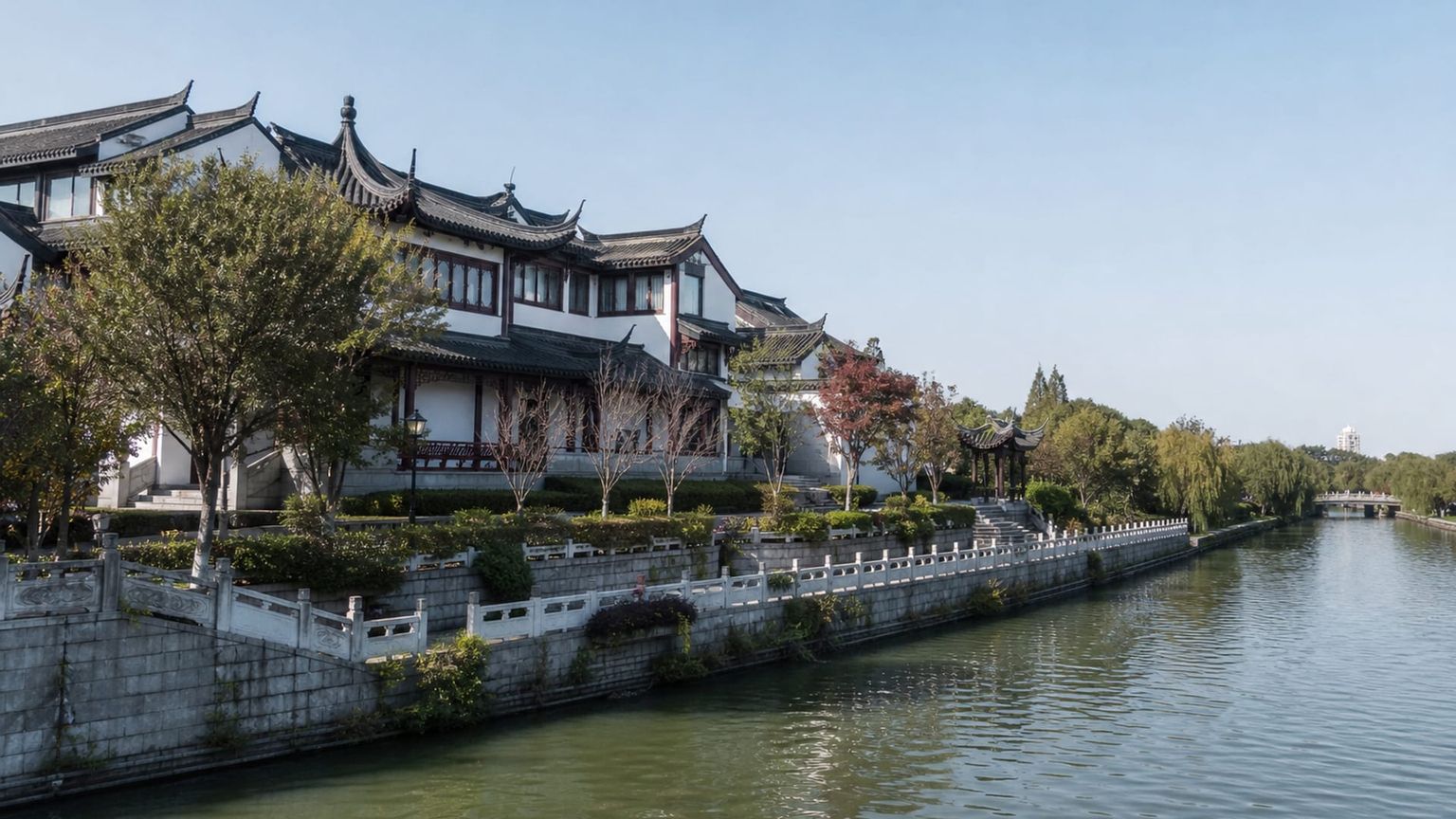
Start in Luyang District at Anhui Museum, where free entry with ID registration lets you spend about 2 hours on bronze, porcelain, and Han dynasty displays. From there, take a taxi to Xiaoyaojin Park in about 10 minutes, or walk roughly 25 minutes if the weather is comfortable, for a slower lake-and-tree break. Finish with a 10-minute taxi ride to Lord Bao Park, where pavilions, lakeside paths, and the Bao Zheng Memorial Hall make an easy late-afternoon stop before dinner back in central Luyang.
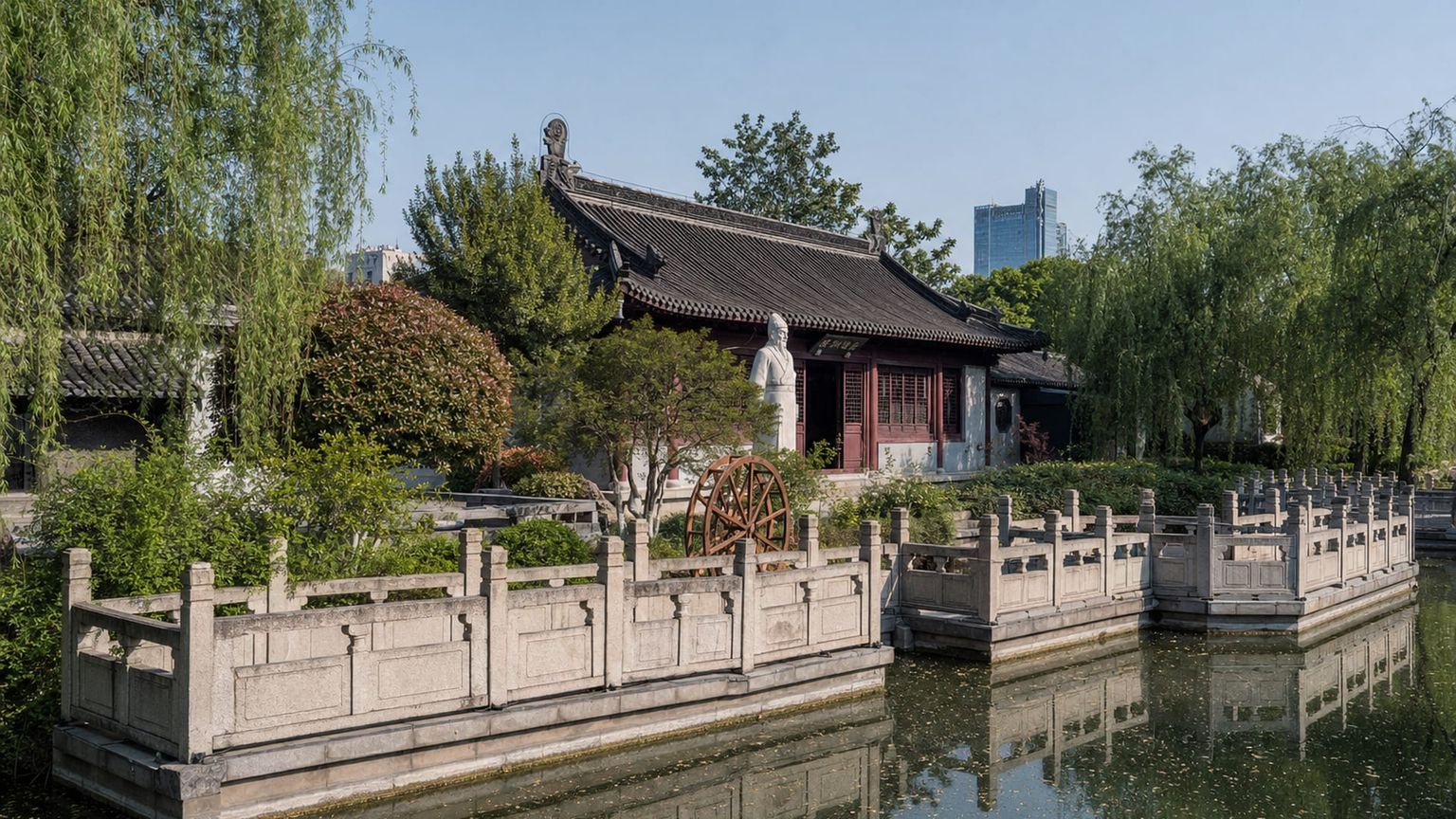
Begin at Hefei Mingjiao Temple, which usually takes about 1 hour and sits well for a calm morning before the crowds build. Afterward, ride a taxi to Xiaoyaojin Park in about 10 minutes to walk the paths and, if you want, take a short boat ride on the lake. In the late afternoon, continue by taxi to Hefei Swan Lake in about 20 to 25 minutes, then stay for the promenades and skyline views after sunset.
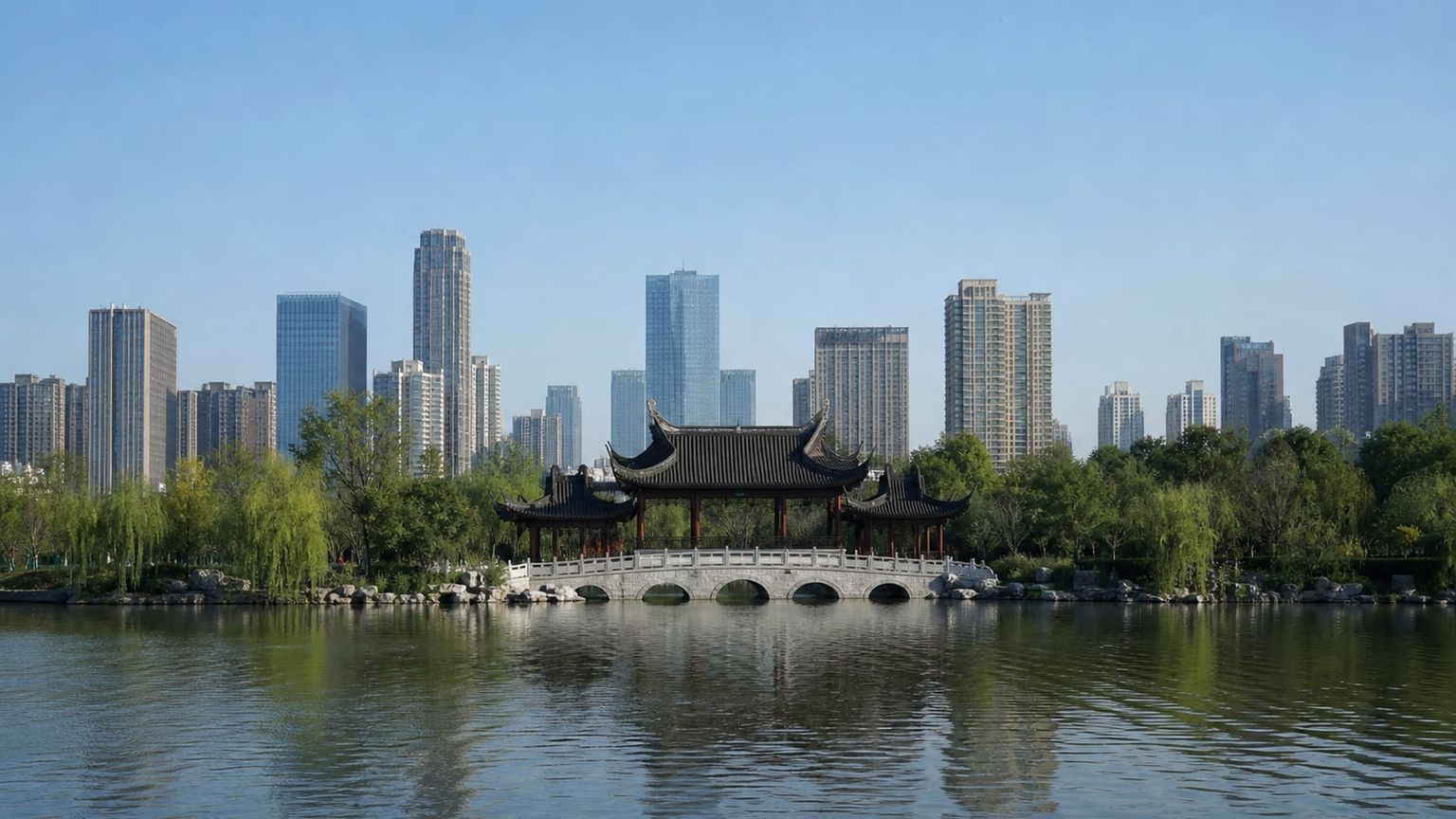
An evening at Hefei Swan Lake works best after a midday visit to Lord Bao Park, about 15 minutes away by taxi from most central hotels in Luyang. Spend 1 to 2 hours at the park, then head to Swan Lake in about 20 minutes for bridges, wide promenades, and city lights reflected on the water. If you still have energy, finish with dinner in Shushan District, where the mall and office corridors offer the widest choice of late meals.
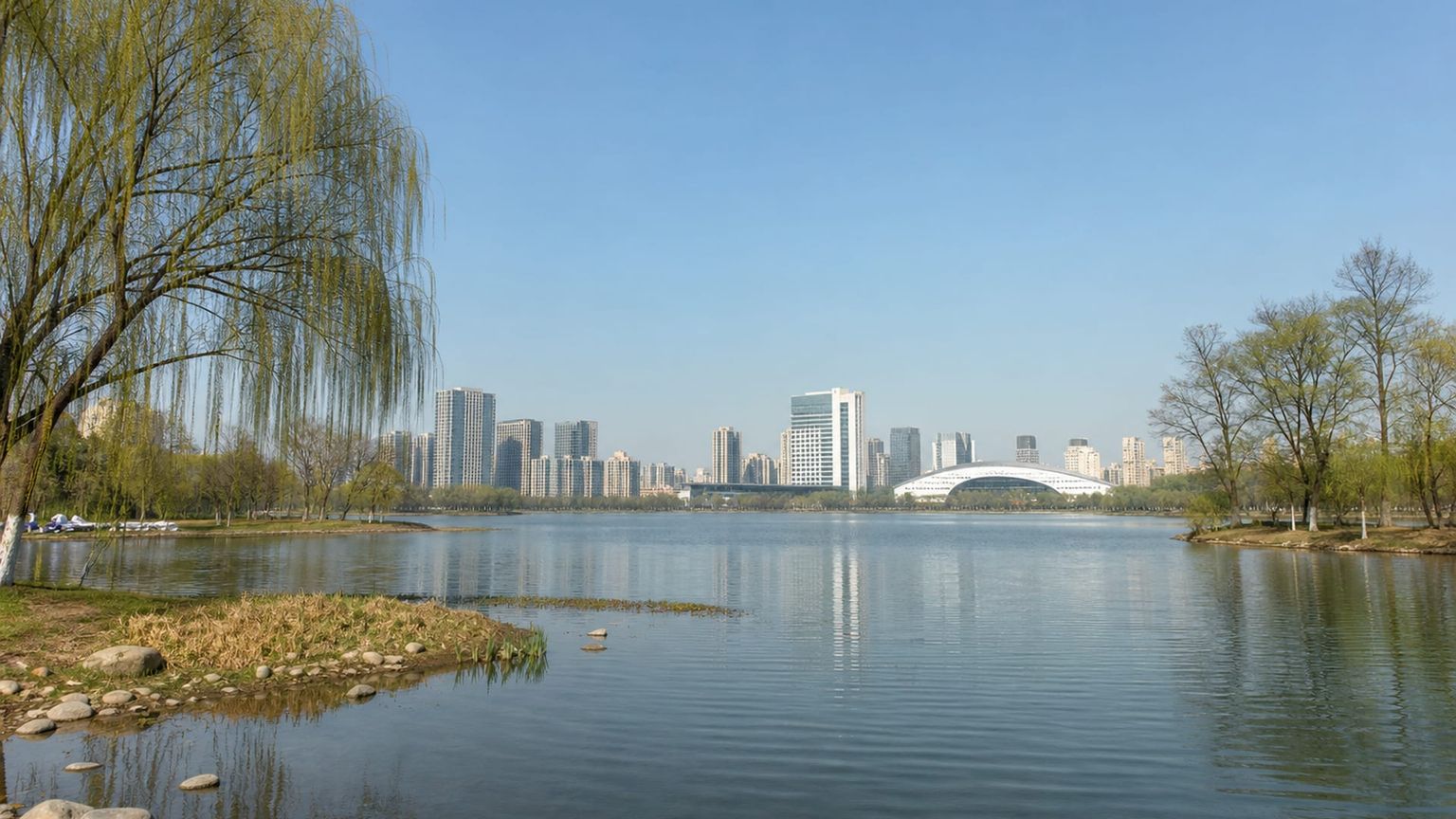
Begin with one last museum stop at Anhui Museum if you missed it earlier, or return for a shorter second visit and a final look at the collections before the flight home. After that, head to Shushan District for shopping in the main commercial blocks, then pause at a café in Luyang District for coffee or tea before packing up and going to Hefei Xinqiao International Airport (HFE).
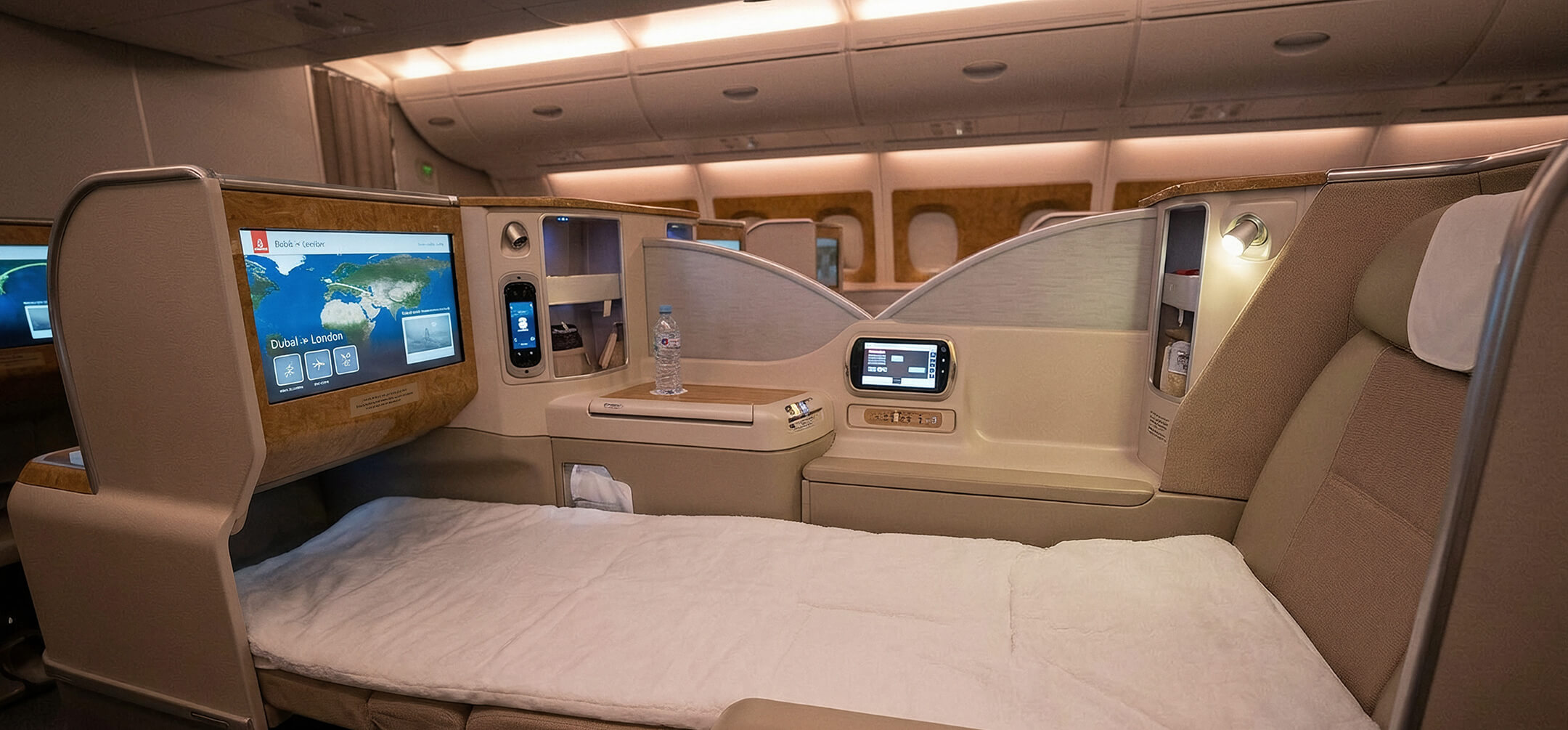
Business-class flights from the US to Hefei
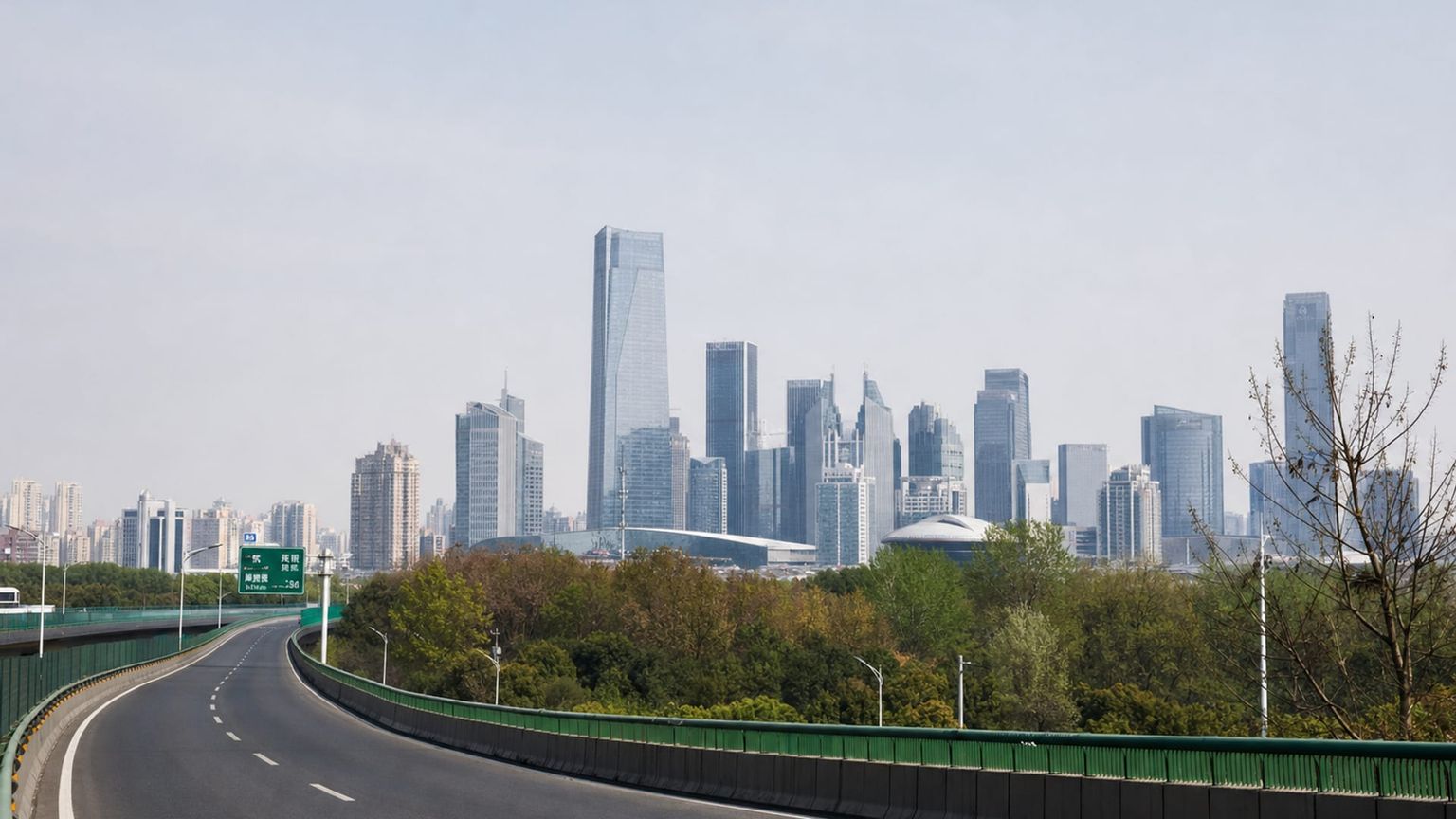
Flights to Hefei usually connect through major Asian hubs, so the best itinerary depends on whether you value the shorter total trip or the lower fare. The examples below show how the East Coast and West Coast routes tend to differ.
From New York, Air China, China Eastern Airlines, Cathay Pacific, Korean Air, ANA, and United Airlines are the main carriers to check. Published fares can start from $4,500 and reach $8,500 round-trip, while common routings via Beijing (PEK), Shanghai (PVG), Hong Kong (HKG), or Seoul (ICN) can lower the fare to about $2,400 to $4,800.
From Los Angeles, China Eastern Airlines, Air China, Cathay Pacific, Korean Air, EVA Air, and ANA are the airlines to compare. Round-trip fares run about $4,300 to $8,200, and nonstop options take roughly 16 to 18 hours; if you choose a connection, expect about 19 to 26 hours total through hubs such as Beijing (PEK), Shanghai (PVG), Hong Kong (HKG), Seoul (ICN), Tokyo (NRT), or Taipei (TPE).
Hefei feels different when you slow down
A well-planned Hefei trip gives each district a job: Luyang for museums and older streets, Shushan for Swan Lake and hotel access, and the airport road only at the start and end. With taxis for cross-town hops and the metro for longer center moves, the days stay anchored in actual neighborhoods instead of lost in transit. If you want a route shaped around Lord Bao Park, Mingjiao Temple, and Swan Lake, AranGrant experts can map it out for you