

Chapters:

Need help with your trip?
Our support team is available 24/7. Request a callback or call us directly at (833) 619-0908
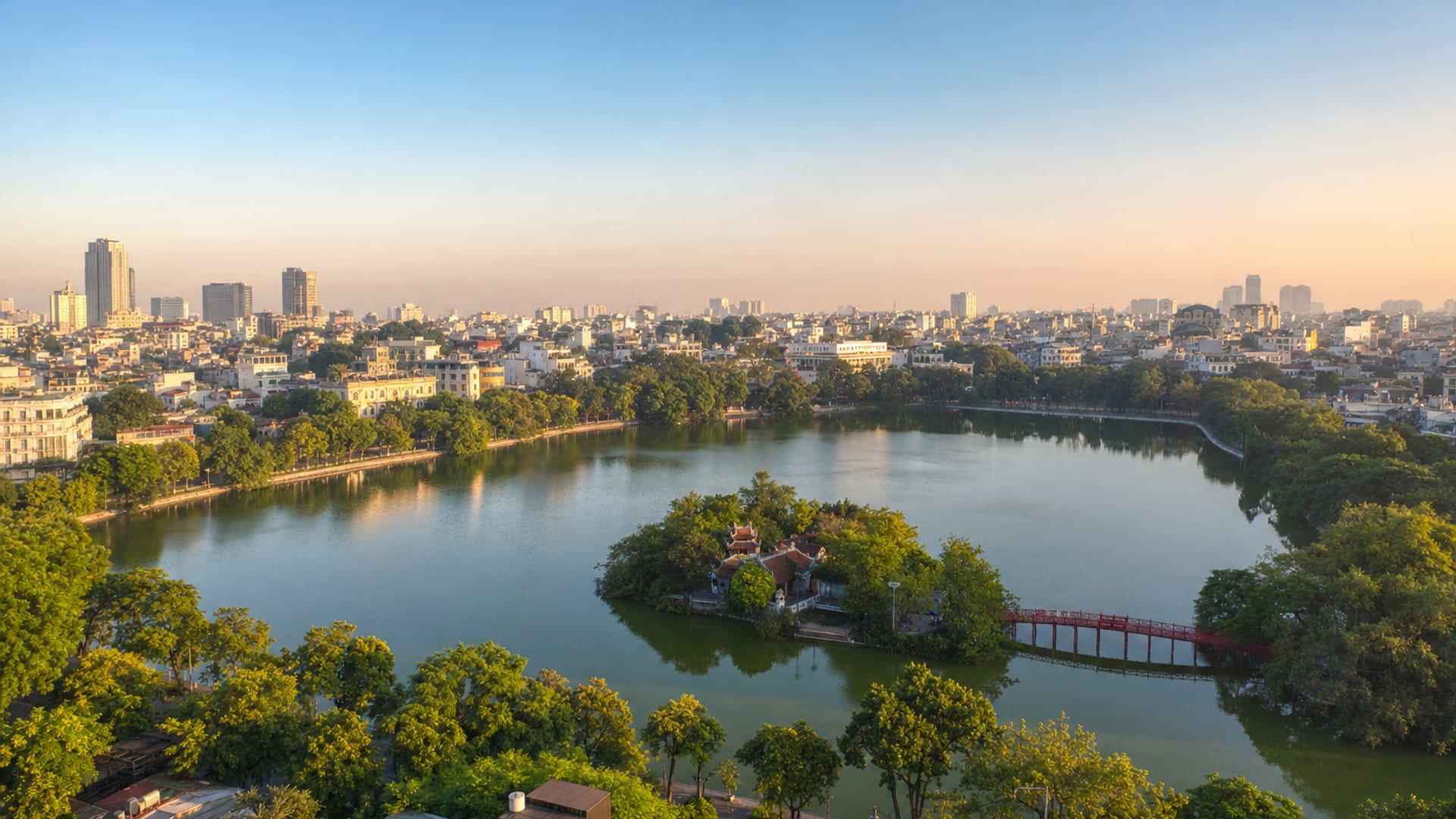
Hanoi often begins with an airport transfer into the Old Quarter, a first bowl of pho, and a quick sweep past Hoan Kiem Lake. What many travelers miss is how much time slips away if they treat the center as one compact block and ignore how districts and traffic change the day.
The city rewards short hops, but a bad sequence can turn a temple visit into a long cross-town ride and push dinner into late traffic. The streets are dense, the sidewalks narrow, and even a few kilometers can take longer than expected once the evening rush builds.
This guide sets out the city by neighborhood, then layers in food, transport, and day plans in an order that matches how Hanoi actually moves. It keeps the sights close together when that matters and saves the longer edges of the city for the right part of the day.
Useful things to know
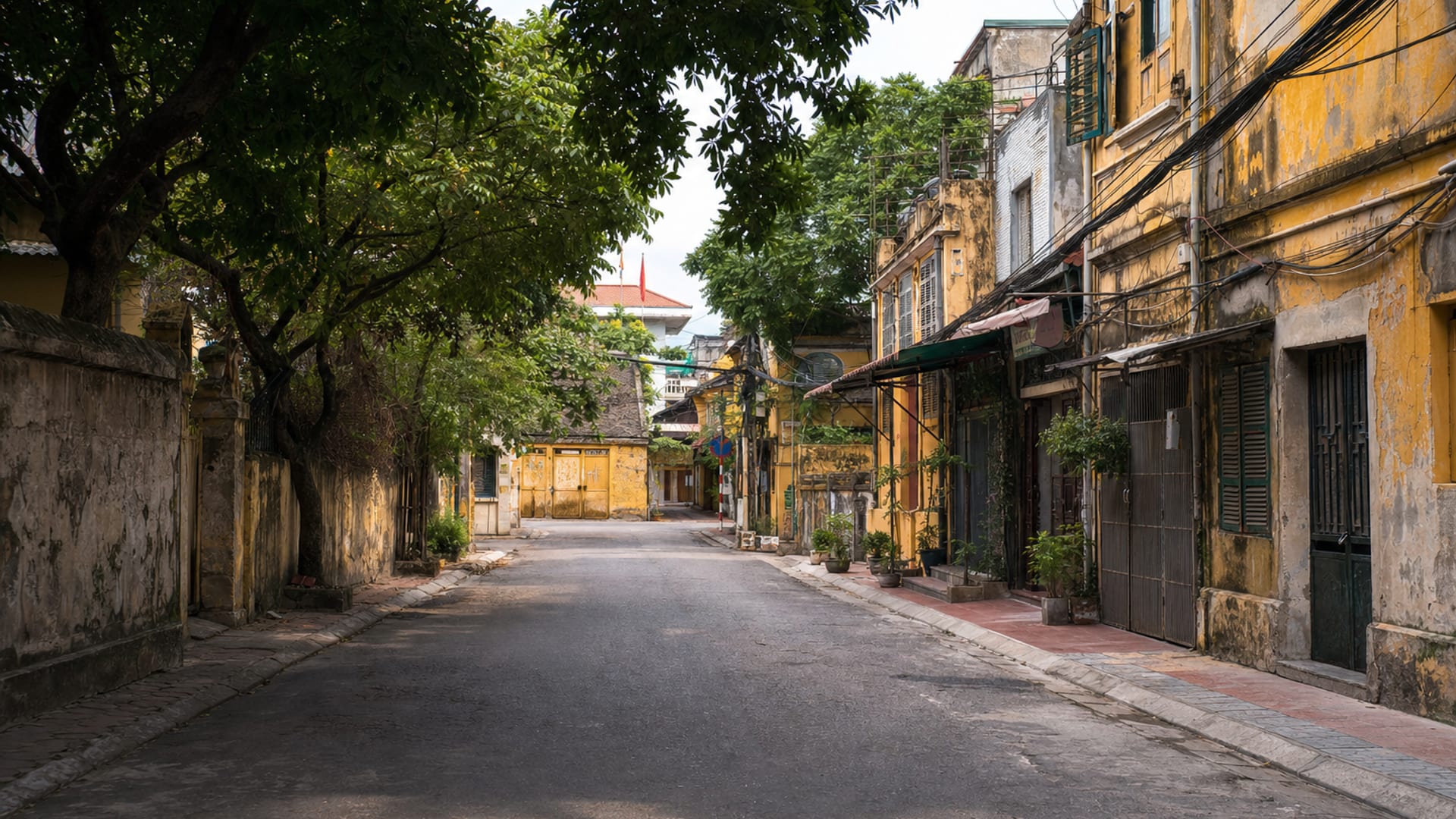

Main language(s): Vietnamese
Xin chào (sin chow) – Hello
Làm ơn (lahm uhn) – Please
Cảm ơn (gahm uhn) – Thank you
Bạn có nói tiếng Anh không? (bahn koh noi tee-eng uhng khong) – Do you speak English?
Bao nhiêu tiền? (bow nyew tee-en) – How much does it cost?

Currency: The local currency is the Vietnamese dong (VND, ₫).

Cash and cards: Cards and contactless are widely accepted in hotels and larger venues; carry about ₫300,000 to ₫500,000 ($12 to $20) for smaller places.

Tipping: Tipping is not expected; round up small bills or leave about 5% for good service.

Traditional food: pho, bun cha, cha ca La Vong, banh cuon

Water and coffee costs: Water about ₫10,000 to ₫20,000 ($0.40 to $0.80), bar espresso about ₫40,000 to ₫60,000 ($1.60 to $2.

Taxis and ride apps: Grab and Be operate here; confirm the plate before you get in.

Plug and voltage: Type A/C socket, 220V

Dining and shop opening hours: Breakfast is about 06:00-09:00, lunch 11:30-13:30, and dinner 18:00-21:00. Some street-food spots open late, while many cafes close by about 22:00.

Emergency number: 113 police, 114 fire, 115 ambulance.
Where to stay in Hanoi
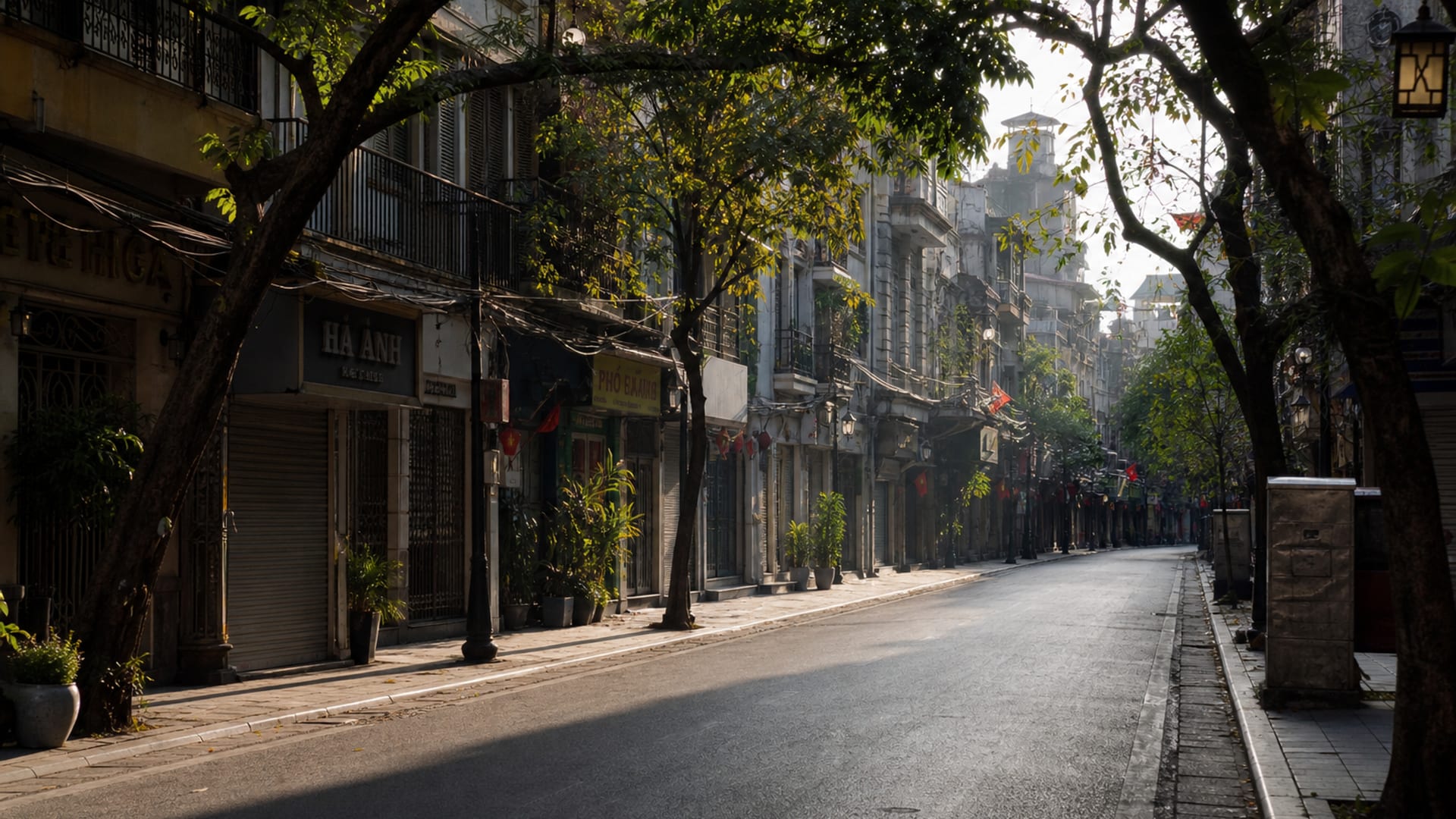
Hanoi’s historic merchant core packs narrow streets, tube houses, markets, cafes, and plenty of guesthouses into a dense grid. It matters because most first visits center on its walkable access to Hoan Kiem Lake, temples, food streets, and night activity.
Best for: First-time visits, street food, and walking to major sights
What to expect: Expect tight lanes, constant foot traffic, motorbikes threading past shops, and a late-evening scene that stays active on weekends.
Hotel prices: Usually about $35 to $120 per night for well-rated stays
Distance to major sights: 5 to 15 minutes on foot to Hoan Kiem Lake; about 15 to 25 minutes on foot to the Hanoi Opera House
Quietness: Busy from morning through late night, with the loudest streets near bars and night markets; side lanes settle earlier.
Main trade-off: Rooms here often cost more per square meter, and some buildings face street noise or limited elevator access.
Good to know: Book higher floors or inner-facing rooms if you are sensitive to motorbike noise, because many buildings sit on lively pedestrian-heavy streets.
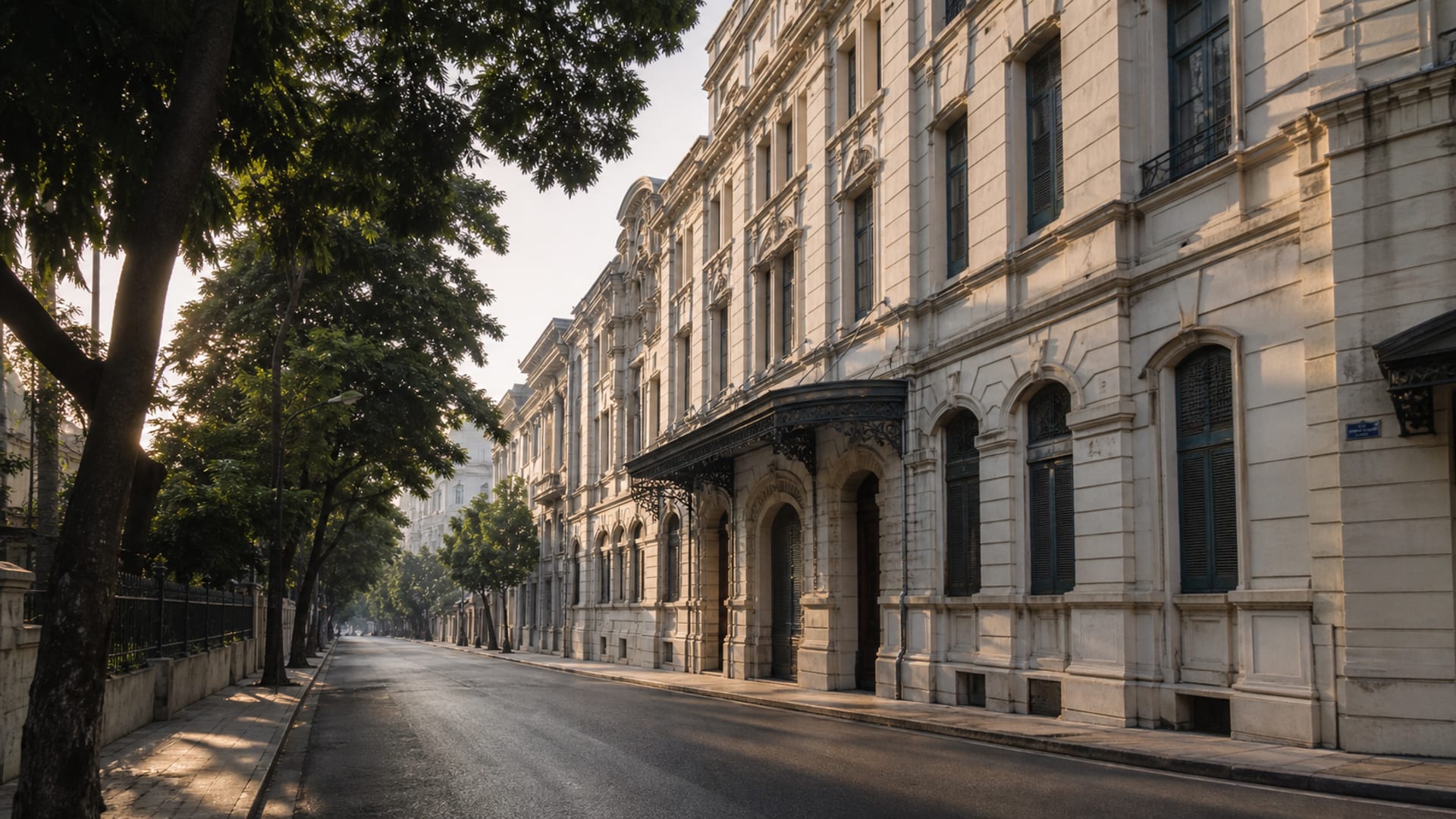
The French Quarter sits south and east of Hoan Kiem Lake, with broad boulevards, colonial-era buildings, embassies, and upscale hotels. It matters for travelers who want central access, easier taxi pickups, and a more spacious streetscape than the Old Quarter.
Best for: Upscale stays, business trips, and easy access to central landmarks
What to expect: Expect wider sidewalks, heavier car traffic than foot traffic, and a calmer evening pace outside the hotel and restaurant strips.
Hotel prices: Usually about $80 to $220 per night for well-rated stays
Distance to major sights: 5 to 20 minutes on foot to Hoan Kiem Lake; about 10 to 20 minutes by taxi to the Temple of Literature
Quietness: Quieter in the day than the Old Quarter, with traffic on major roads; evenings are calmer except near larger hotels and dining streets.
Main trade-off: You will usually pay more here, and the area has fewer cheap guesthouses and late-night street-food choices than nearby lanes.
Good to know: If you plan to rely on taxis after dark, this quarter usually makes pickup and drop-off easier than the tighter streets north of the lake.
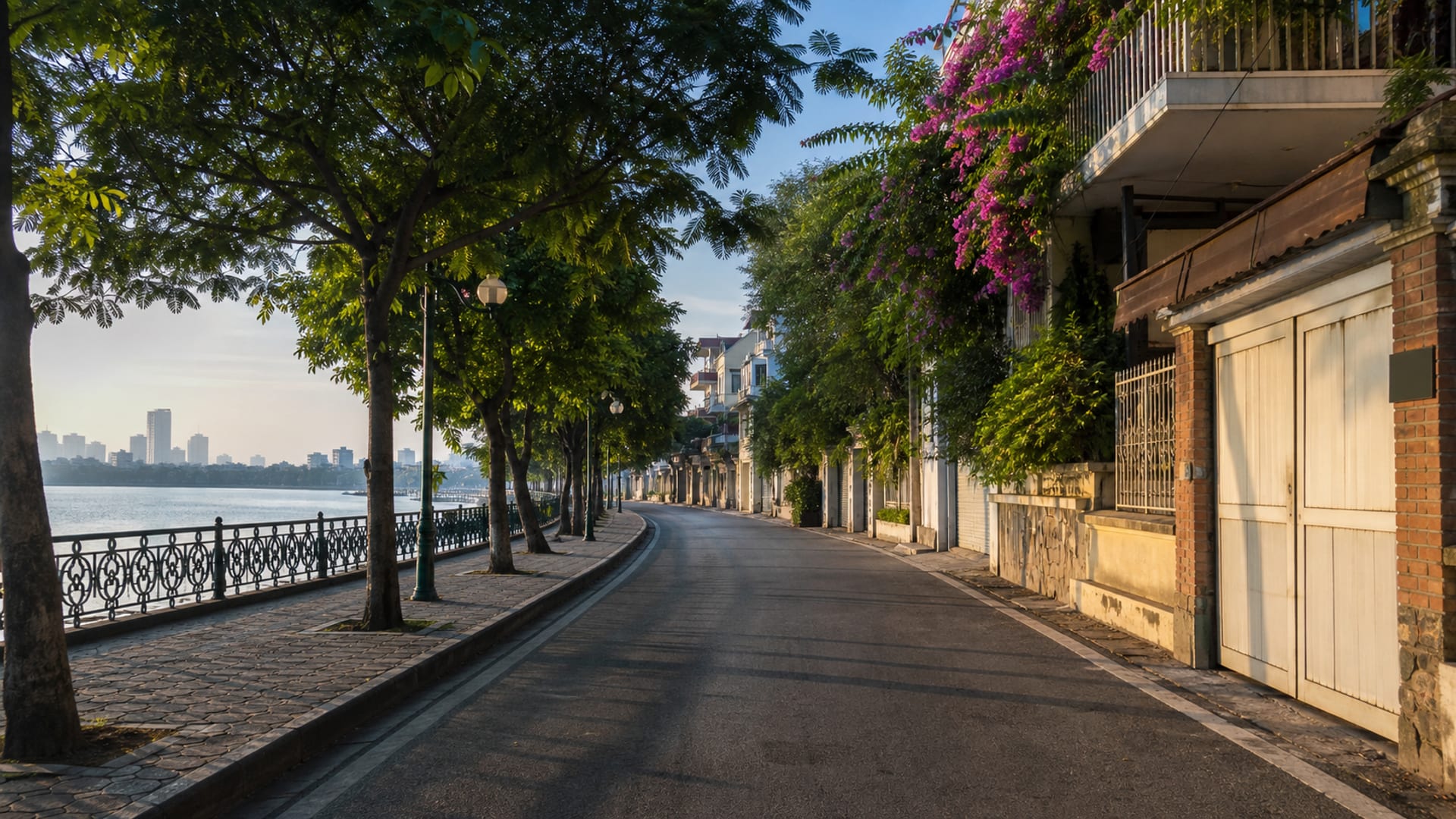
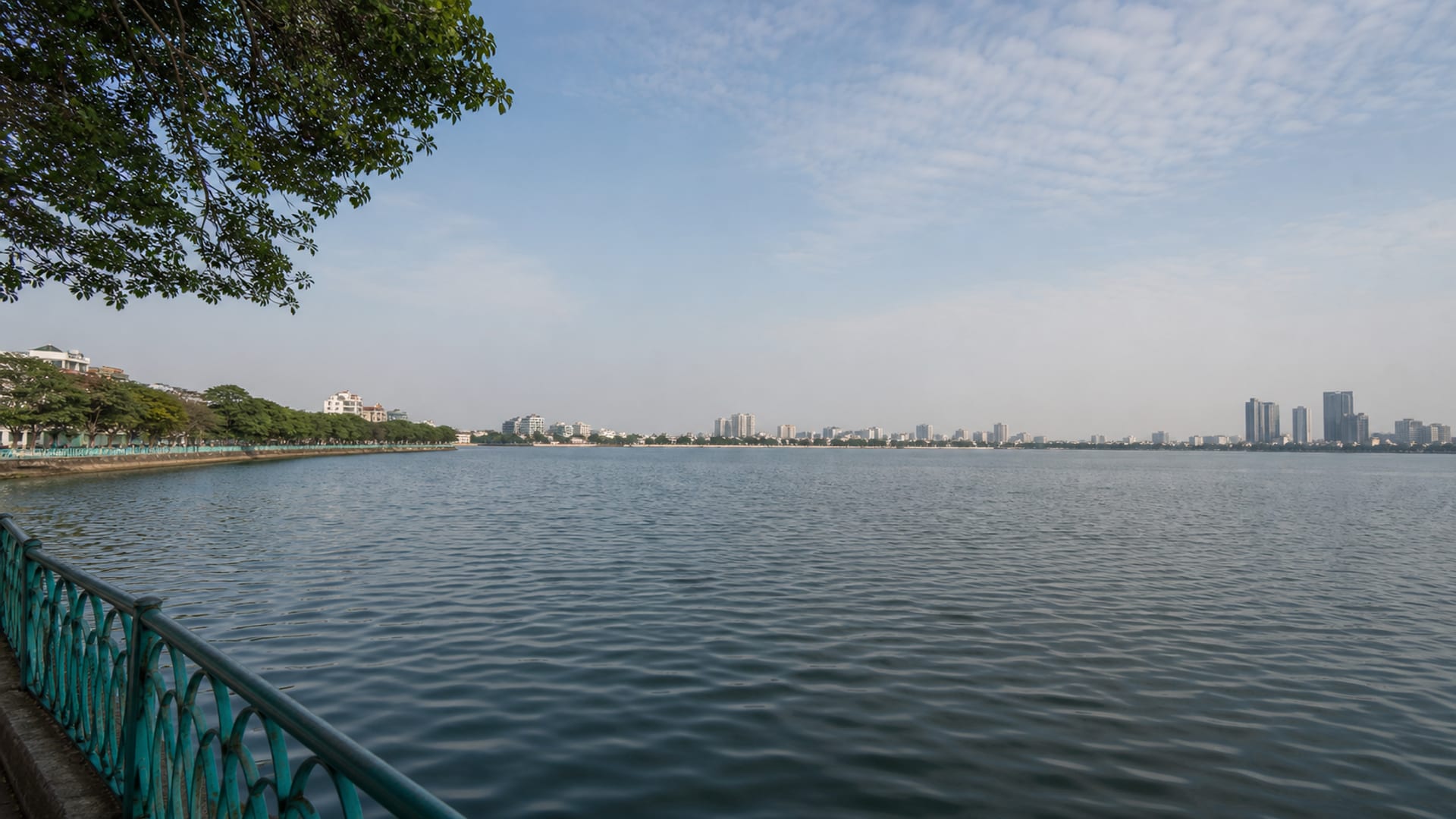
Tay Ho, centered on West Lake, is Hanoi’s largest expat and lakeside district, with serviced apartments, cafes, restaurants, and weekend brunch spots. It matters for longer stays and travelers who want more space, water views, and an easy base away from the tightest central streets.
Best for: Longer stays, families, lakeside walks, and dining variety
What to expect: Expect wider roads, more apartment living than hotel concentration, and a mix of local life, expat cafes, and lakefront exercise traffic.
Hotel prices: Usually about $40 to $160 per night for well-rated stays
Distance to major sights: About 20 to 35 minutes by taxi to Hoan Kiem Lake; about 15 to 25 minutes by taxi to the Old Quarter
Quietness: Calmer by the lake and in residential blocks, though main roads and weekend dining strips can stay active into the evening.
Main trade-off: You will spend more time reaching the old center, and the district’s most appealing spots are spread out rather than clustered.
Good to know: Check exact distances before you book, because some listings sit deep in residential lanes that add time to even short taxi rides.
Travelers usually avoid staying in Hoang Mai District and Long Bien District, since both sit well away from the Old Quarter, Hoan Kiem Lake, and the main dining streets, which adds time to most sightseeing and evening plans. Parts of Gia Lam District and outlying stretches of Bac Tu Liem District are also less convenient, with fewer visitor amenities and longer taxi rides back after dinner or a night out.
Hotel deals
How to get around Hanoi efficiently
Bus 86 links Hanoi (Noi Bai) Airport with the center, but taxis and ride-hailing apps do better once you start moving between the Old Quarter, Ba Dinh, Tay Ho, and the French Quarter.

Metro
for longer distances
Hanoi does not have a metro link from Hanoi (HAN) into the city center; the closest rail option is the urban metro network from other parts of the city, while airport trips still usually use road transport. If you plan to use it later in a stay, check station-to-station fares, which are typically about $0.30 to $0.60 (VND 8,000 to 15,000) for a short ride, with tickets valid for a single trip only. For airport arrivals, expect a taxi or bus instead, since the rail network does not currently connect directly to the terminal.

Bus and tram
for convenience
Bus 86 connects Hanoi (HAN) with the Old Quarter and Hanoi Railway Station, and it is the main public-transit choice for airport arrivals. The fare is about $1.20 (VND 30,000), tickets are valid for one ride, and the trip takes roughly 45 to 60 minutes depending on traffic. Regular city buses also serve the airport area, but they are slower and better suited to travelers with light luggage and flexible timing.

Taxi
for convenience or late hours
Licensed taxis at Hanoi (HAN) use metered fares, not fixed citywide rates, and airport trips to central Hanoi usually cost about $12 to $20 (VND 300,000 to 500,000), with more depending on traffic and late-night surcharges. Order from the official taxi ranks or use a ride-hailing app to avoid unlicensed drivers; most cabs take cash, and some accept cards or app payment. The drive to the Old Quarter takes about 35 to 60 minutes in normal conditions.
*Prices are based on rates updated as of June 2026 and may change at the time of travel.
Use Bus 86 for a low-cost airport arrival, taxis or ride-hailing for longer cross-city legs, and walking when you are already within the Old Quarter or around Hoan Kiem Lake.
Iconic landmarks
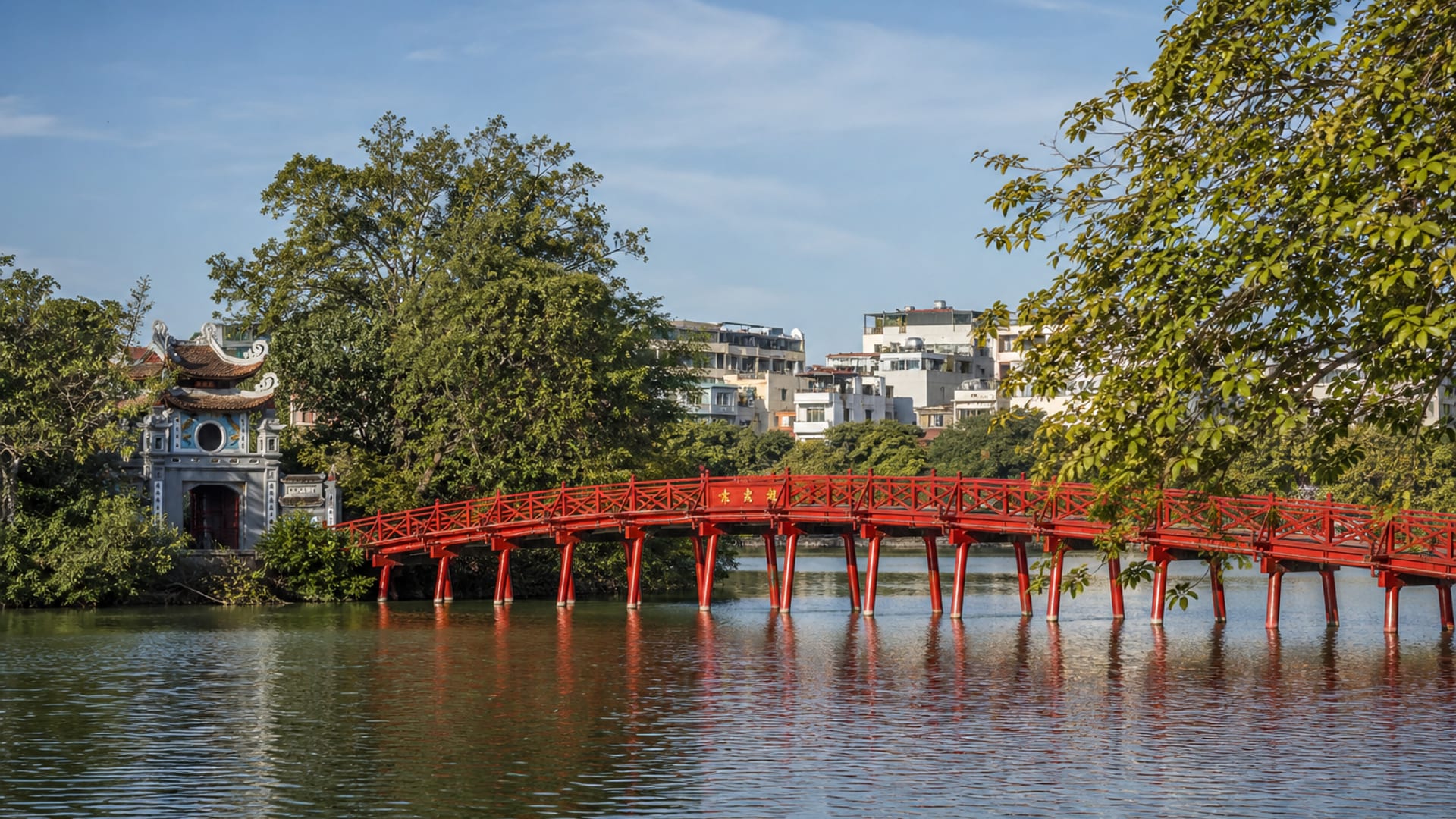
Hoan Kiem Lake and Ngoc Son Temple
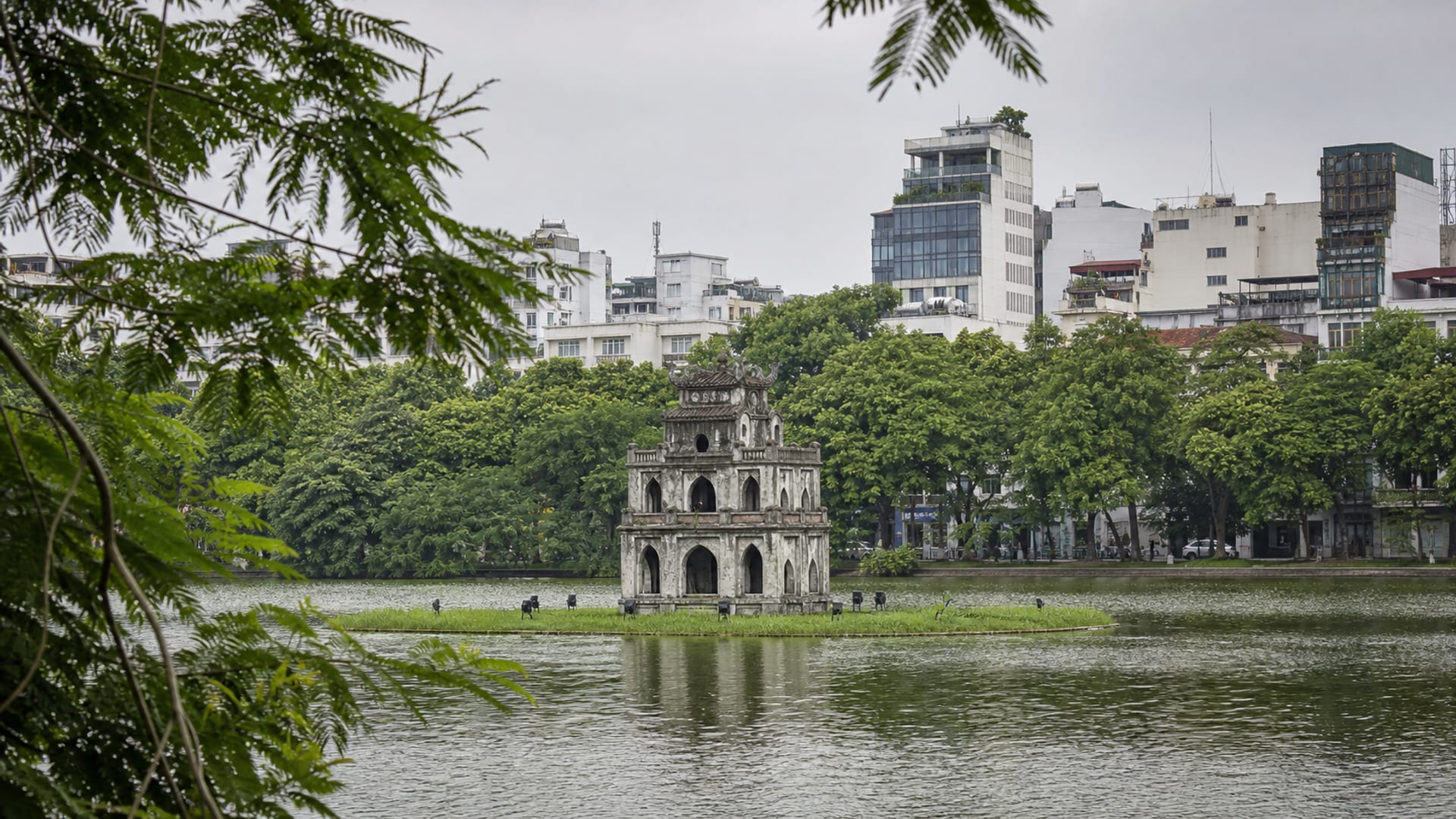
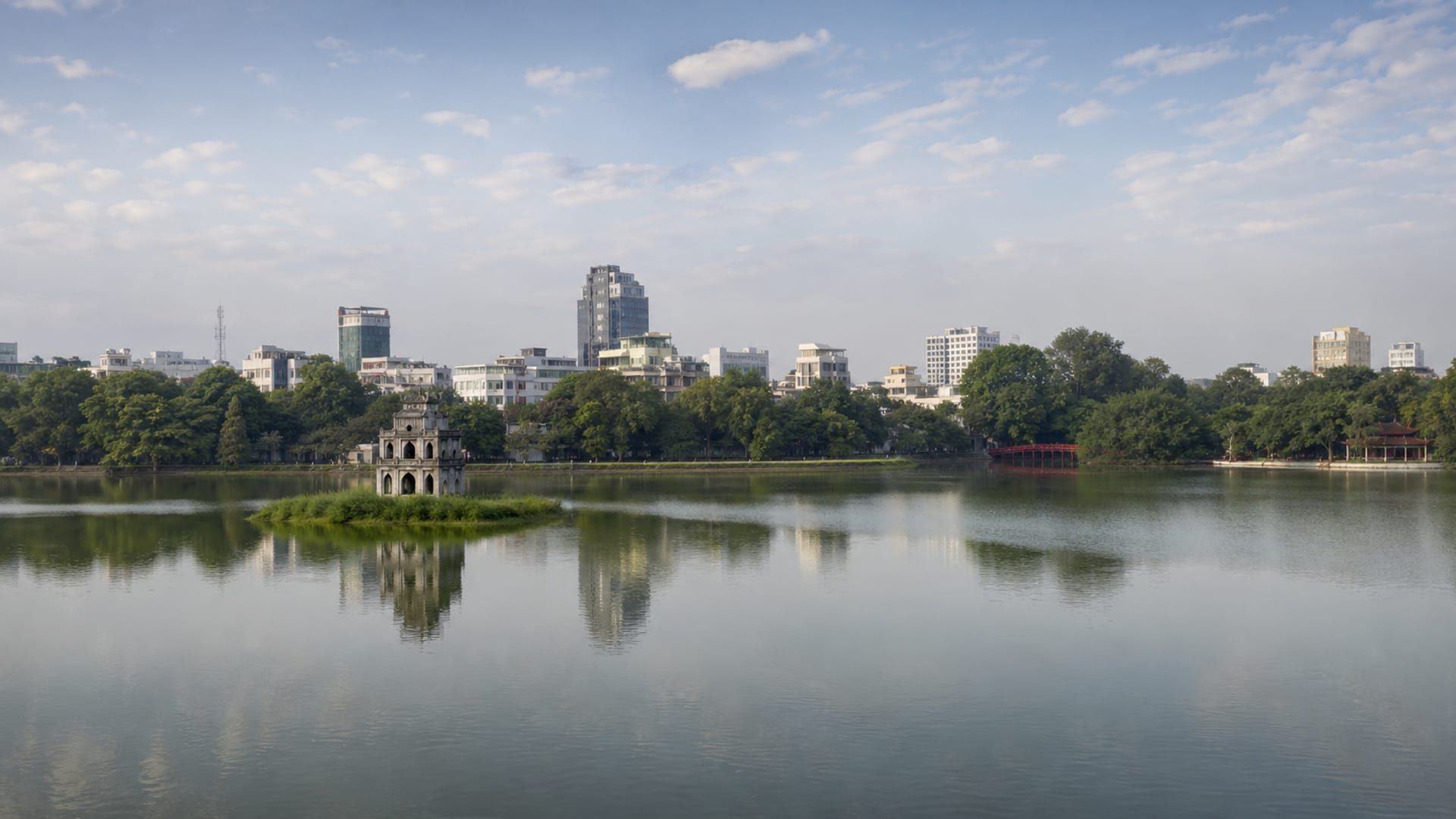
At Hanoi’s center, Hoan Kiem Lake brings together a tree-lined promenade, the red Huc Bridge, and Ngoc Son Temple on a small island. Early mornings fill with walkers, tai chi groups, and open lake views before the traffic thickens.
Time needed: About 1 to 2 hours
Entry: Access to the lake is free; Ngoc Son Temple tickets cost about $1.20 (30,000 VND) for adults, with small extra charges for some camera gear.
Tip: Go at sunrise or after 6:00 pm for cooler air and lighter pedestrian traffic.
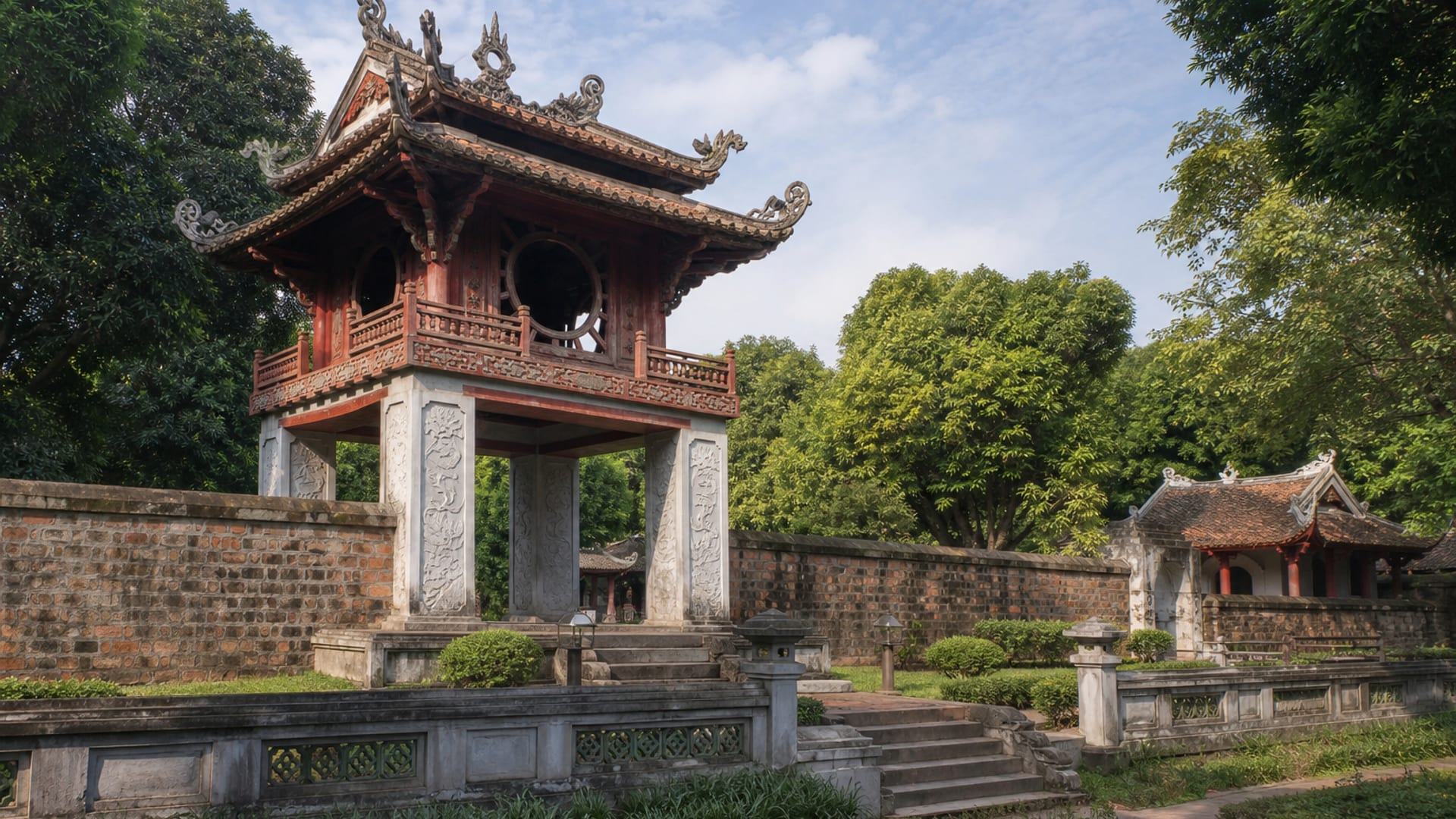
Temple of Literature
Founded in 1070, the Temple of Literature honors Confucian learning with courtyards, stone steles, and shaded ponds. Its restored gates and halls give a clear view of Hanoi’s imperial past within an easy central stop.
Time needed: About 1 to 2 hours
Entry: Admission is about $1.20 (30,000 VND) per adult, with lower prices for students and children; audio guides cost extra at the gate Visit the official site for details.
Tip: Visit before 9:00 am to avoid tour groups and midday heat in the courtyards.
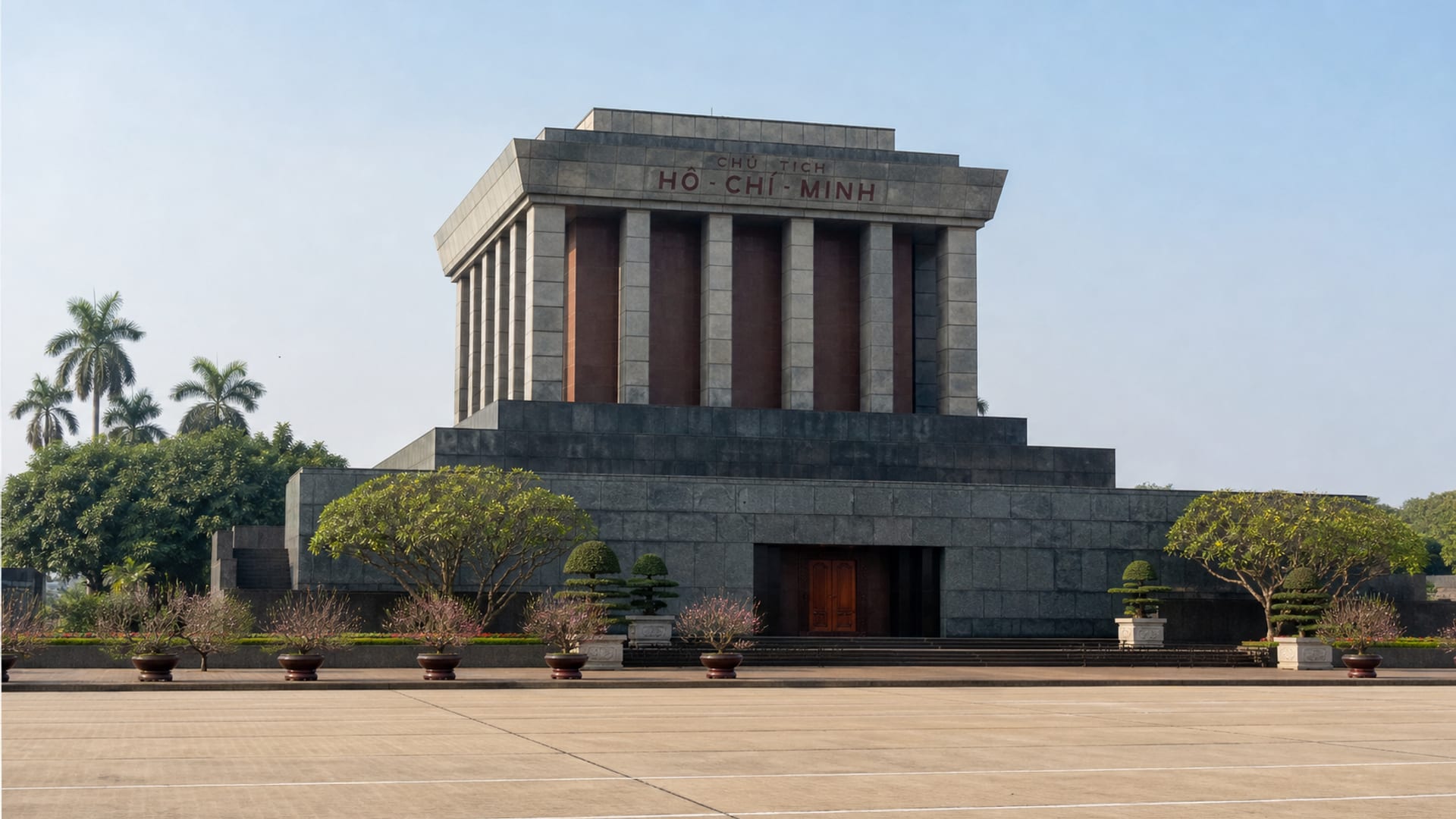
Ho Chi Minh Mausoleum
The Ho Chi Minh Mausoleum anchors Ba Dinh Square with a granite tomb, military guards, and wide ceremonial grounds. Nearby sites include the stilt house and One Pillar Pagoda, making this one of Hanoi’s key historic stops.
Time needed: About 1 to 2 hours
Entry: Admission is free, but security screening is required and visiting hours are limited to set morning or early afternoon windows Visit the official site for details.
Tip: Dress modestly and arrive early, since the queue is shortest in the first hour.
Overlooked sites worth visiting

Bat Trang Ceramic Village
Riverside lanes line old kiln houses, family workshops, and small shops selling hand-thrown bowls and tiles. Visitors can watch potters at work, then try the wheel at a studio.
Time needed: About 2 to 3 hours
Entry: Free to enter the village streets; pottery workshops and hands-on sessions usually cost about $2 to $10 ($50,000 to 250,000 VND) depending on the studio, the piece you make, and firing or shipping.
Tip: Go on a weekday morning for quieter lanes and better workshop access.

Ngoc Ha Flower Garden and B52 Lake
A compact neighborhood pair in Ba Dinh, this pocket garden and former crash site mix lotus ponds, tree shade, and local memorials. Walk both in one loop, then stop for coffee nearby.
Time needed: About 1 hour
Entry: Free to access. The garden paths, lake edge, and memorial area are open without tickets, and you can visit on your own schedule. Budget extra only if you join a paid guided walk or buy drinks at nearby cafes.
Tip: Visit near sunset, when the water and flower beds photograph well.
Traditional food
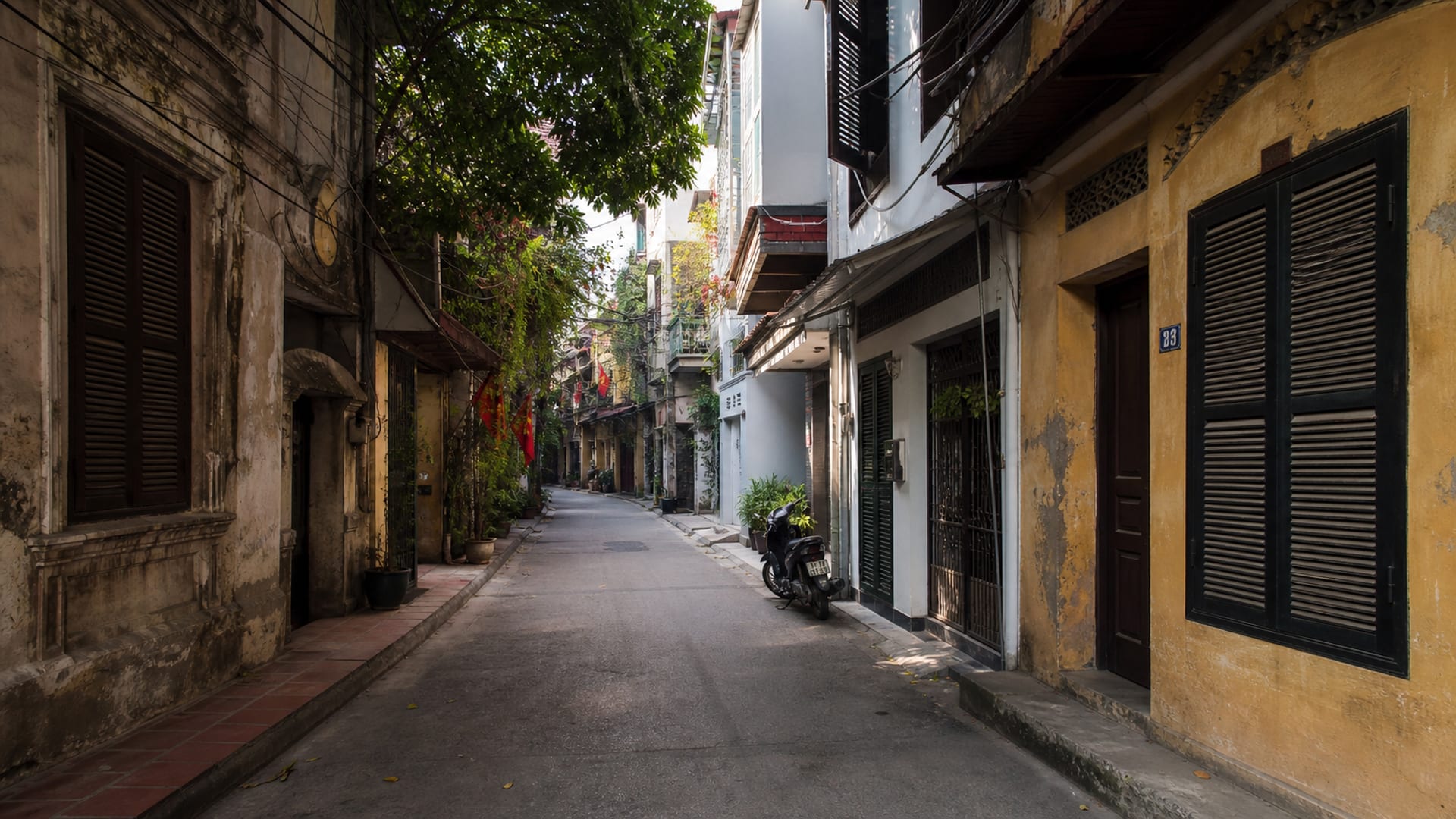
Hanoi cooking leans on rice noodles, herbs, grilled pork, and a clear broth style that keeps flavors bright. Pho, bun cha, cha ca La Vong, and banh cuon show the city’s habit of building a meal from one strong base and a few focused accents.
Pho
This rice noodle soup defines breakfast in Hanoi, with beef or chicken, herbs, and a broth that varies by shop. Pho Thin serves one of the city’s best-known versions and remains a canonical stop for the dish.
Bun cha
Charcoal-grilled pork, rice noodles, herbs, and a dipping bowl make bun cha one of Hanoi’s most distinctive lunches. Bun Cha Huong Lien is the best-known address for it and still draws steady crowds.
Cha ca La Vong
This turmeric fish dish comes with dill, noodles, and a tabletop pan that finishes at the table. Cha Ca Thang Long is a classic place to order it in Hanoi and keeps the dish close to its local roots.
Banh cuon
Thin steamed rice rolls filled with minced pork and mushrooms, then finished with herbs and dipping sauce, make a light first meal of the day. Banh Cuon Ba Hanh is a dependable Hanoi stop for the dish.
Best time to visit Hanoi
Hanoi changes with the seasons, so the best months depend on whether you want cooler walking weather, lighter rain, or clear winter air for longer days outdoors.
Best for: Mild walks, flower viewing, and long sightseeing days
What you get: Temperatures roughly 68°F to 86°F (20°C to 30°C), with rising humidity and moderate crowds as the weather improves
Trade-offs: Late spring can turn warm and damp by midday
Best for: Indoor museums, lake evenings, and slower midday pacing
What you get: Temperatures roughly 79°F to 95°F (26°C to 35°C), with heavier rain and fewer international visitors outside holiday periods
Trade-offs: Heat and sudden showers make afternoon movement slower
Best for: The clearest days for temples, lakes, and walking routes
What you get: Temperatures roughly 72°F to 88°F (22°C to 31°C), with lighter humidity and some of the busiest travel weeks
Trade-offs: Popular dates can book up early
Best for: Cooler temple visits, coffee breaks, and city walks
What you get: Temperatures roughly 54°F to 72°F (12°C to 22°C), with lighter rain but occasional damp, gray days and steady local activity
Trade-offs: Mornings can feel chilly enough to need a layer
A realistic 5-day plan in Hanoi
Five days gives Hanoi enough space for the essentials without forcing long zigzags across the city. The plan starts close to the center, then adds Ba Dinh, Bat Trang, Tay Ho, and a final shopping morning before departure.
From Hanoi (HAN), a taxi or prebooked car to the Old Quarter usually takes about 30 to 45 minutes and costs roughly $13 to $22, more if traffic is heavy after 5:00 pm. If you prefer a calmer base, the French Quarter adds only a few minutes and makes late check-ins simpler, especially near hotels east of Hoan Kiem Lake. Once you settle in, drink water, take a short walk by Hoan Kiem Lake if you have energy, and keep dinner close to your hotel with a bowl of pho or bun cha in the Old Quarter so you do not spend the evening in transit.
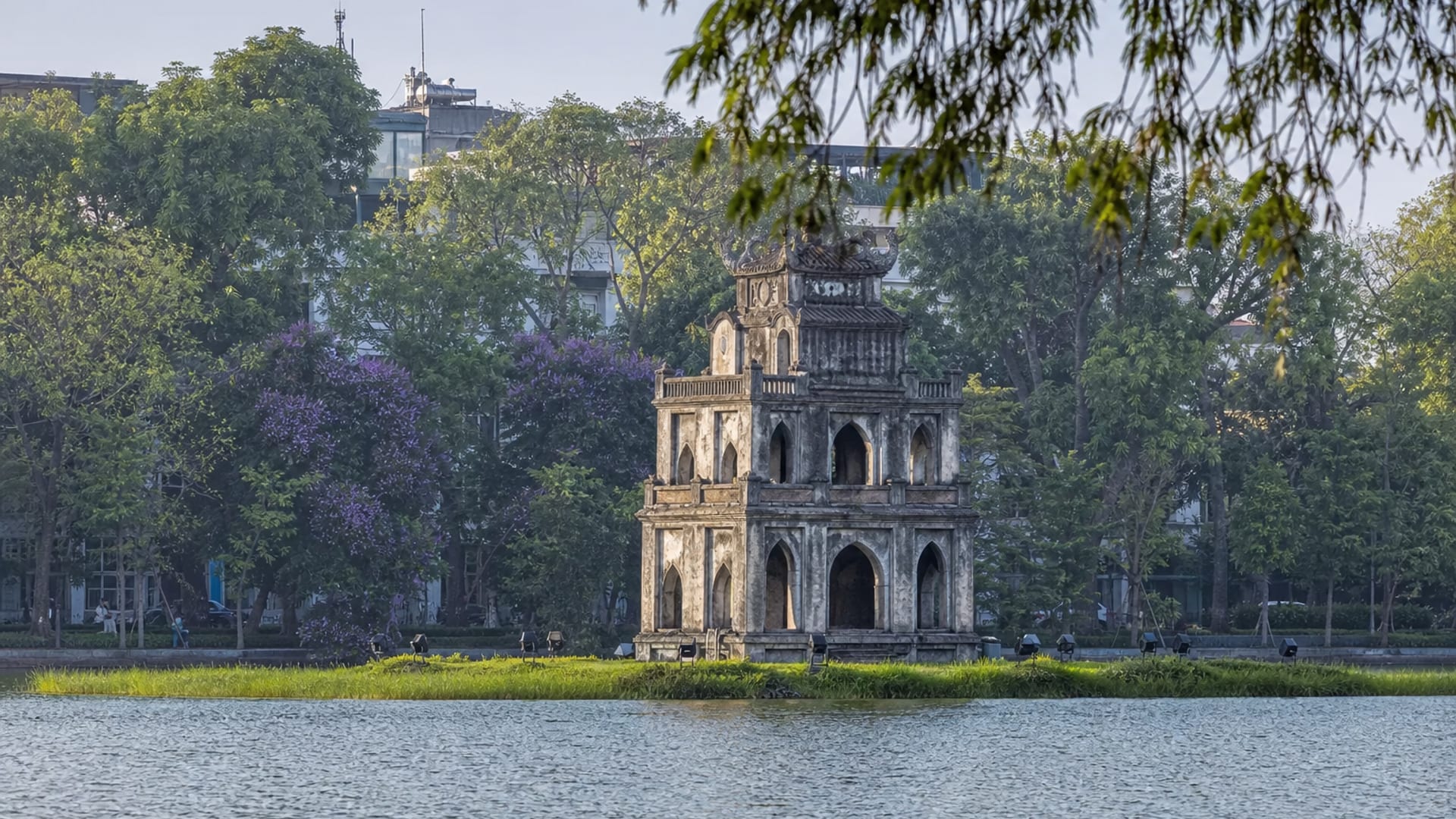
Begin before 9:00 am at the Temple of Literature, then take a taxi about 10 to 15 minutes to Ho Chi Minh Mausoleum and the Ba Dinh Square area for the stilt house and One Pillar Pagoda nearby. Lunch can stay simple in Ba Dinh, then ride about 15 minutes back toward the center for Hoan Kiem Lake and Ngoc Son Temple, which works well in late afternoon when the promenade is livelier and the light is better. Finish with coffee or a light dessert in the Old Quarter, about a 5 to 10 minute walk from the lake.
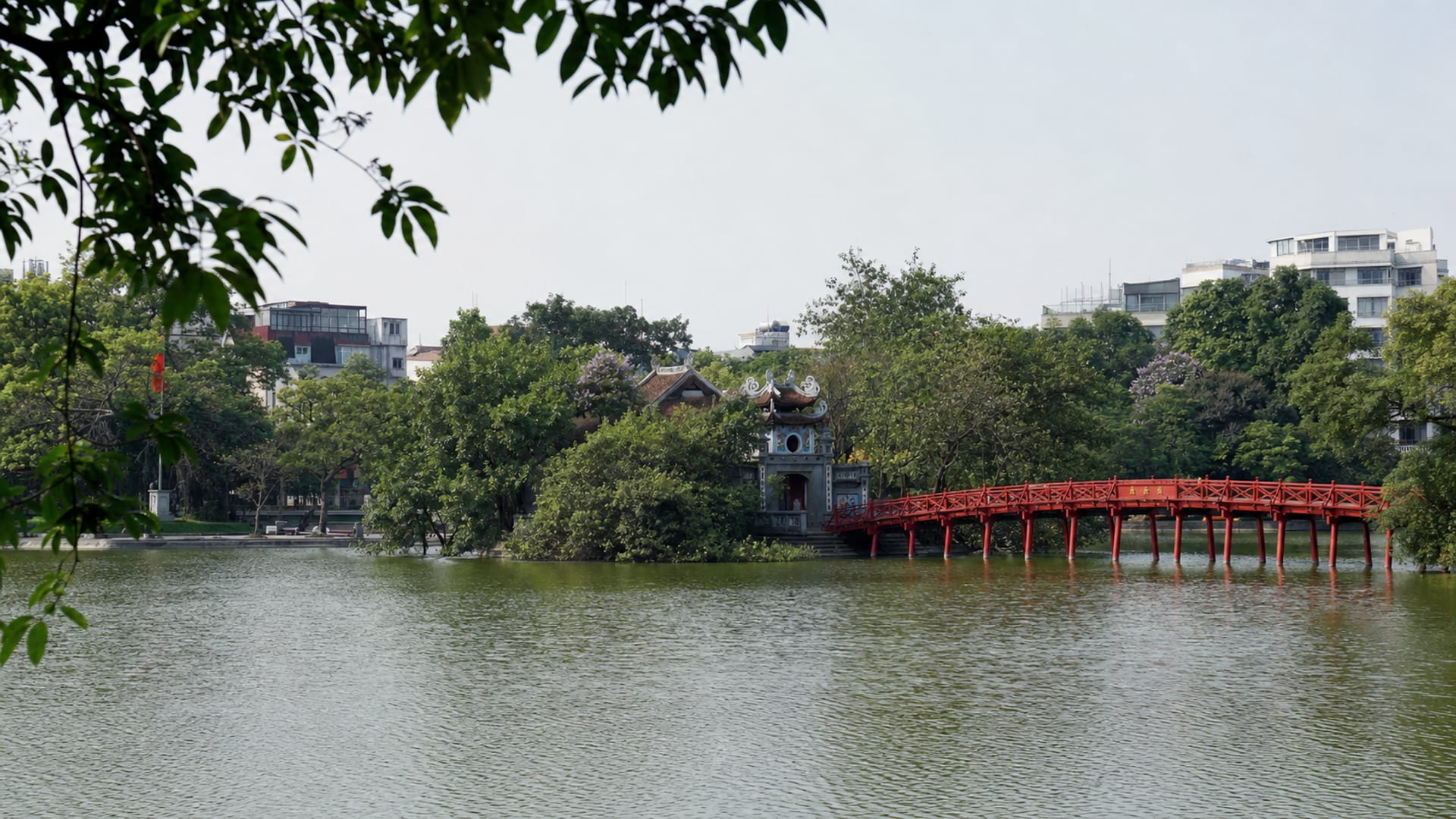
Start the morning in Bat Trang Ceramic Village, roughly 45 minutes to 1 hour from central Hanoi by taxi, depending on traffic, and spend a couple of hours moving through the kiln lanes and workshop spaces. Return to the city for lunch, then continue about 25 to 35 minutes by car to the French Quarter for a slower afternoon among its boulevards, colonial facades, and easy hotel pickups. If you want dinner nearby, stay in the same district so you can avoid a second long cross-city ride after dark.
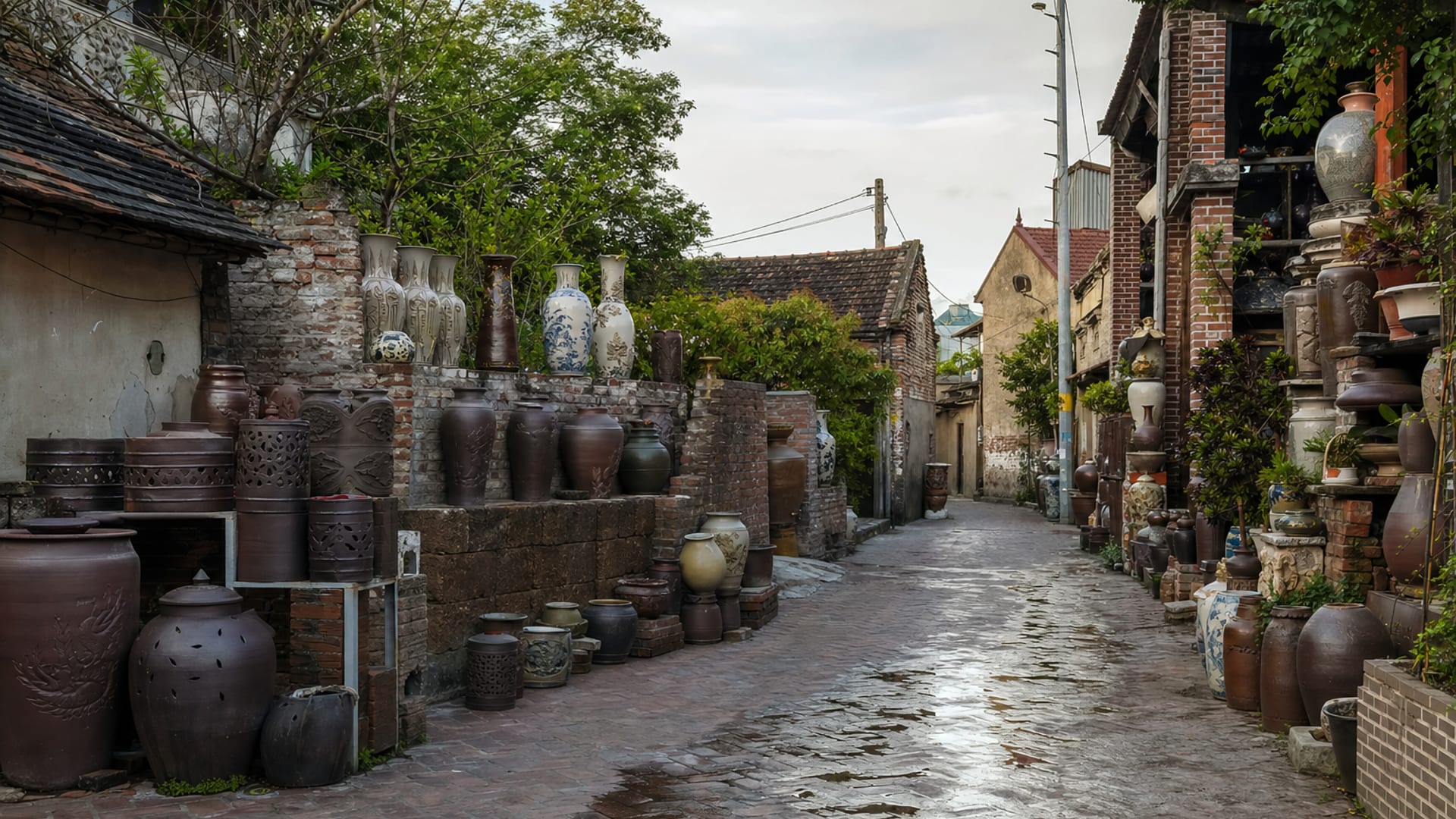
West Lake gives today a different pace, so begin in Tay Ho with breakfast near the water before heading to Ngoc Ha Flower Garden and B52 Lake, about 20 to 30 minutes by taxi from the lakefront. From there, you can continue to the nearby Ba Dinh area for a second look at the district’s memorial sites, then return to Tay Ho for a lakeside lunch and an afternoon cafe stop. If you want one more central loop, Hoan Kiem Lake sits about 20 to 35 minutes away by taxi, which makes it easy to end the day back near the Old Quarter for dinner.
A final morning works best at a museum or heritage stop before shopping, so head back to the French Quarter for a short culture stop, then move to the Old Quarter for last-minute lacquerware, coffee, tea, and snack purchases. If you still have time, walk a little farther into the lanes near Hoan Kiem Lake for one last cafe break, or return to Tay Ho for a quieter lakeside coffee before your transfer. Plan about 30 to 45 minutes to reach Hanoi (HAN) from the center, and give yourself extra time if you are leaving after the evening traffic builds.
Business-class flights from the US to Hanoi
Hanoi usually reaches long-haul travelers through one-stop itineraries, and the useful comparison is how the routing and duration change between New York and Los Angeles. The fares below are business-class examples, since that is where the route choices show up most clearly.
From New York, All Nippon Airways, Japan Airlines, Korean Air, Cathay Pacific, Emirates, and Qatar Airways commonly appear on itineraries that take about 18 to 22 hours with a stop. Typical layover hubs include ICN, HKG, NRT, DOH, DXB, and TPE, and fares usually run $4,500 to $7,500 round trip.
Los Angeles travelers usually see All Nippon Airways, Japan Airlines, Korean Air, Cathay Pacific, EVA Air, and Singapore Airlines, with one-stop trips through ICN, HKG, NRT, TPE, SIN, or BKK. The journey generally takes about 15 to 20 hours with a connection, and fares often start at $3,800 and reach about $6,800 round trip.
Hanoi feels different when you slow down
A good Hanoi stay works in layers: Hoan Kiem Lake and the Old Quarter for walking, Ba Dinh for memorial sites, Tay Ho for slower evenings, and the French Quarter for easier car pickups. Add Bus 86 on arrival, then use taxis or ride-hailing when the day stretches past a few neighborhoods. If you want help shaping the route, AranGrant experts can match your dates to the season that suits Hanoi best







