

Chapters:

Need help with your trip?
Our support team is available 24/7. Request a callback or call us directly at (833) 619-0908
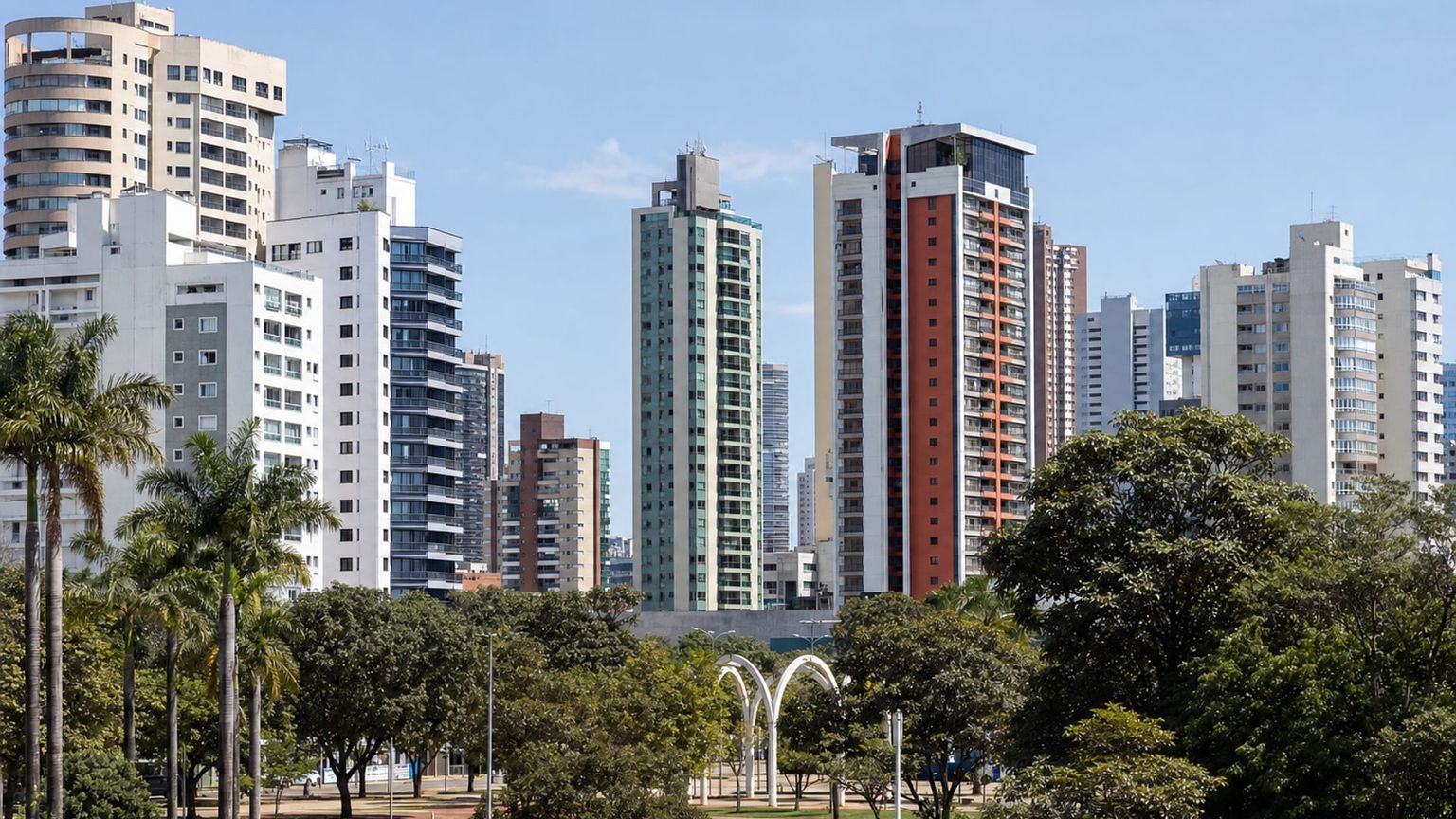
Goiânia spreads well beyond its civic center, with parks, restaurants, shopping districts, and cultural sites divided among neighborhoods such as Marista, Bueno, Centro, and Jardim Goiás. Choosing where to stay changes how much time you spend crossing the city each day.
Traffic builds on the main avenues during peak periods, while several central attractions can be combined without a car once you reach them. The civic center, southern parks, and eastern districts each show a different side of the city. This guide covers where to stay, transportation, major sights, local food, seasonal conditions, and a five-day plan.
Useful things to know

Main language(s): Portuguese
olá (oh-LAH) – hello
por favor (pohr fah-VOR) – please
obrigado (oh-bree-GAH-doh) – thank you
a senhora fala inglês? (ah se-NYOH-rah FAH-lah een-GLAYS?) – do you speak English?
quanto custa? (KWAHN-toh KOOS-tah?) – how much does it cost?

Currency: Brazilian real (BRL, R$)

Cash and cards: Cards and contactless payments are widely accepted. Carry R$50 to R$100 (US$9 to US$19) for small purchases and businesses that prefer cash.

Tipping: Restaurants commonly add a 10% service charge. If it is not included, 10% is customary for good service.

Traditional food: Empadão goiano, arroz com pequi, galinhada, pamonha

Water and coffee costs: Bottled water costs R$5 (US$0.95), while an espresso costs R$8 to R$12 (US$1.50 to US$2.25).

Taxis and ride apps: Uber and 99 operate in Goiânia alongside licensed taxis. Confirm the vehicle and license plate before entering a ride-app car.

Plug and voltage: Type N sockets are standard. Goiânia commonly uses 220V, so check your accommodation’s network before connecting voltage-sensitive devices.

Dining and shop opening hours: Lunch commonly runs from noon to 2:30 pm, with dinner starting from 7:00 pm. Some restaurants close between meals, while bars are open until late.

Emergency number: Call 190 for police, 192 for ambulance services, and 193 for fire and rescue.
Where to stay in Goiânia
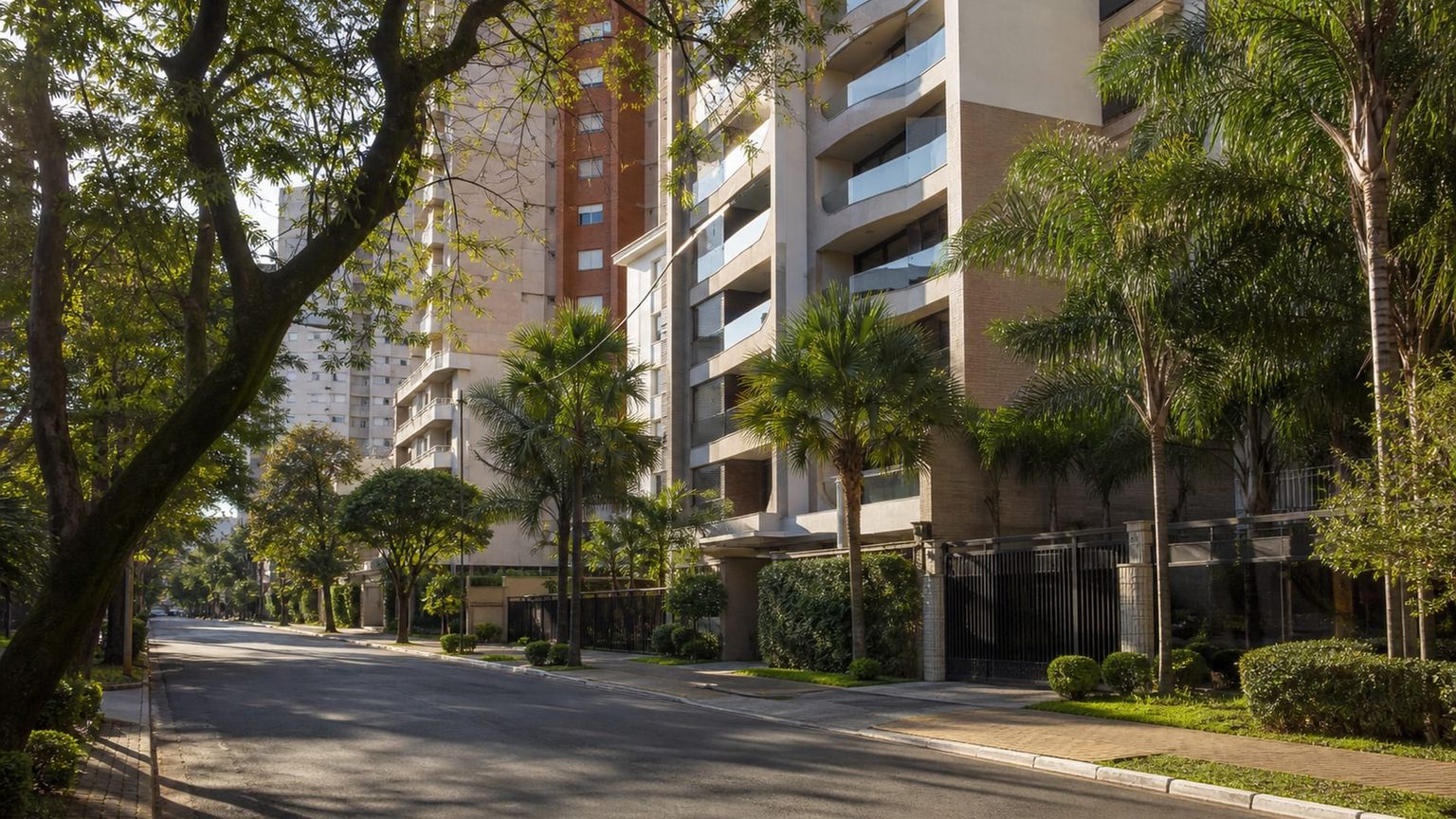
Setor Marista is one of Goiânia’s main dining and nightlife districts, with upscale hotels, restaurants, bars, and shops concentrated near its busiest avenues. It suits travelers who want plenty of dinner choices nearby while remaining within a short drive of central sights.
Best for: Dining, nightlife, upscale hotels, and business trips
What to expect: Busy restaurants and bars after work, with regular traffic along the main avenues
Hotel prices: R$350 to R$700 (US$66 to US$132) per night for well-rated stays
Distance to major sights: 10 minutes by car to Bosque dos Buritis and 15 minutes to Praça Cívica
Quietness: Side streets settle earlier, while restaurant and bar areas remain lively later into the evening.
Main trade-off: Hotels cost more than in central districts, and nightlife adds street noise around the busiest blocks.
Good to know: Choose a room away from the main restaurant streets if nighttime noise is a concern.
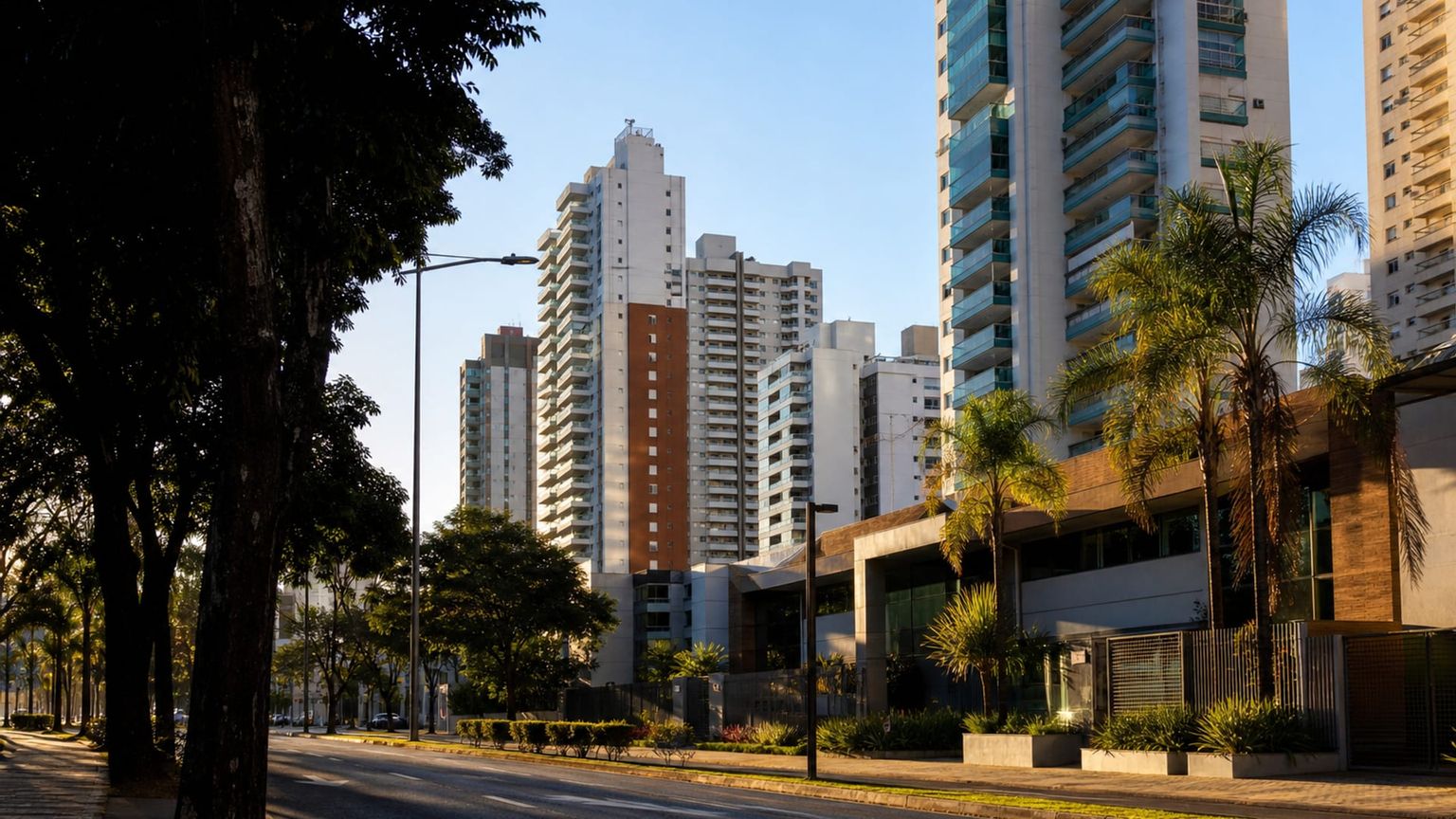
Setor Bueno is a large residential and commercial district with supermarkets, restaurants, apartment-style hotels, and Parque Vaca Brava. It gives travelers on longer stays access to plenty of everyday services, although its size means many trips still require a car ride.
Best for: Longer stays, families, casual dining, and travelers who want everyday services nearby
What to expect: Busy main avenues, quieter residential streets, supermarkets, restaurants, and steady daytime activity
Hotel prices: R$250 to R$500 (US$47 to US$94) per night for well-rated stays
Distance to major sights: 15 minutes by car to Bosque dos Buritis and 20 minutes to Praça Cívica
Quietness: Interior residential streets calm down at night, while the main avenues continue carrying traffic.
Main trade-off: The district covers a large area, so central sightseeing generally requires taxis or rideshare cars.
Good to know: Check the exact location because staying beside Vaca Brava differs considerably from the district’s outer edges.
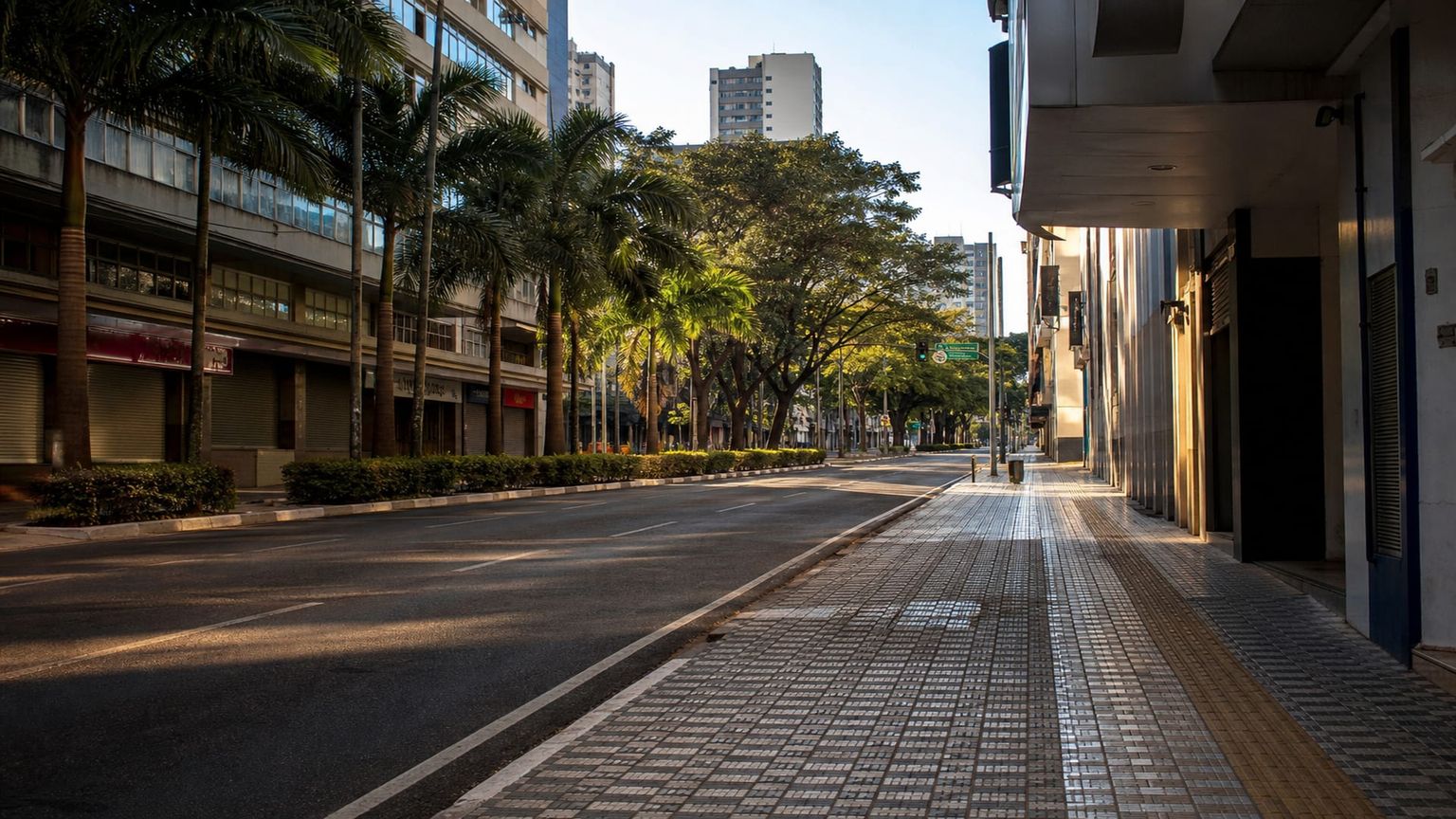
Centro places you near Praça Cívica, Goiânia’s Art Deco heritage, Mercado Central, and several civic and cultural sights. Commerce keeps the streets busy during the day, but activity drops after shops and offices close, making the area more convenient for sightseeing than late-night dining.
Best for: Civic landmarks, Art Deco architecture, public transportation, and shorter stays
What to expect: Busy daytime commerce and pedestrian traffic, followed by noticeably quieter streets after business hours
Hotel prices: R$180 to R$380 (US$34 to US$72) per night for well-rated stays
Distance to major sights: 5 to 10 minutes on foot to Praça Cívica and 15 minutes to Bosque dos Buritis
Quietness: Commercial streets become much calmer once shops and offices close for the day.
Main trade-off: Dining options become more limited at night, and some streets have little pedestrian activity after dark.
Good to know: Plan a taxi or ride-app car for evening trips instead of assuming you will walk back to your hotel.
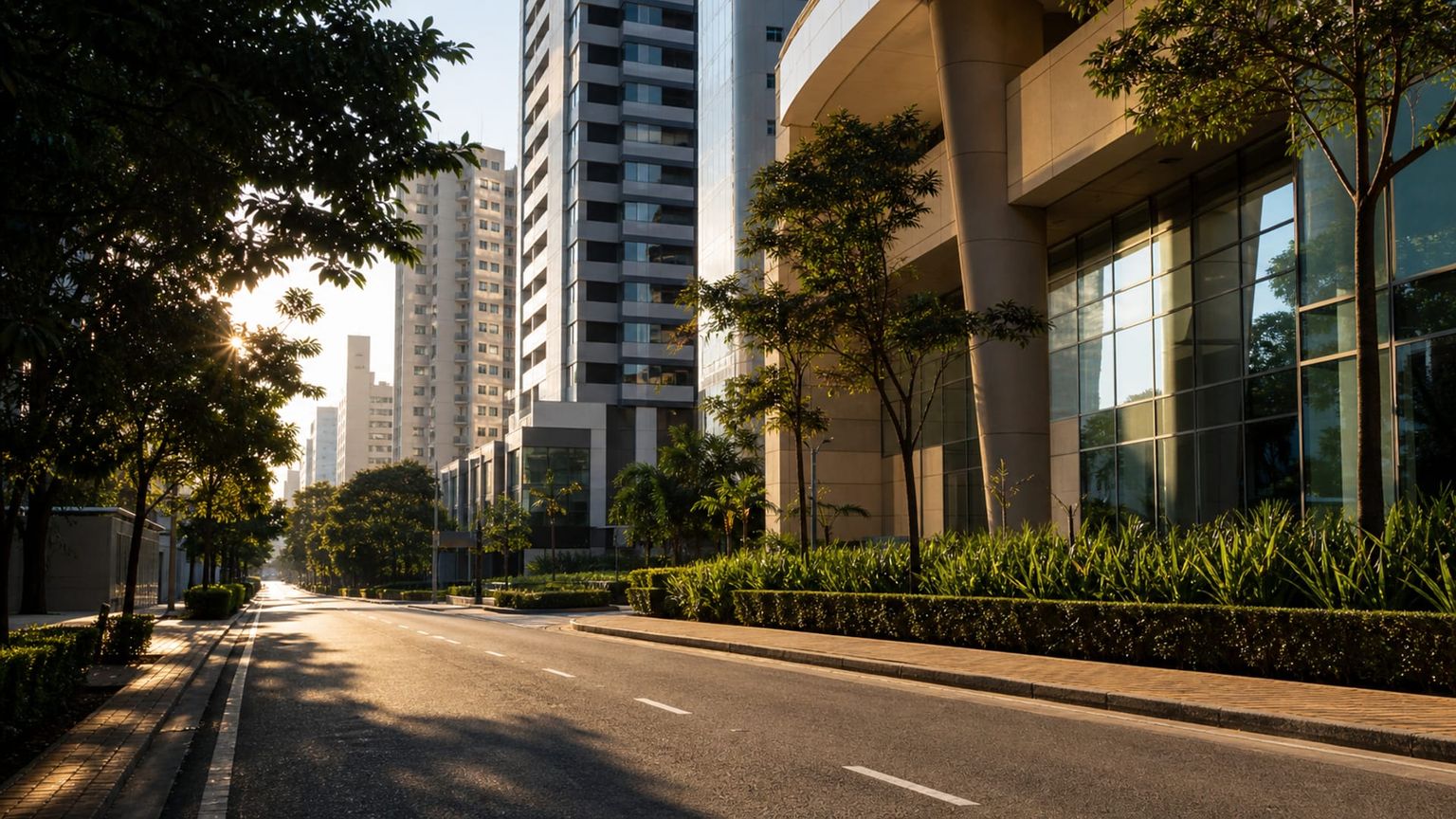
Jardim Goiás combines newer apartment towers, Parque Flamboyant, shopping centers, restaurants, and broad avenues east of the center. It suits travelers who prioritize modern hotels and shopping and expect to use taxis, ride apps, or a car for sightseeing.
Best for: Shopping, modern hotels, Parque Flamboyant, and travelers using cars or ride apps
What to expect: Large blocks, broad avenues, malls, newer towers, restaurants, and less pedestrian activity than Marista
Hotel prices: R$300 to R$600 (US$57 to US$113) per night for well-rated stays
Distance to major sights: 20 minutes by car to Praça Cívica and 5 to 10 minutes to Parque Flamboyant
Quietness: Residential blocks are calmer at night, with most evening activity concentrated near malls and restaurants.
Main trade-off: Trips to the historic center require more driving, and many streets favor vehicles over pedestrians.
Good to know: Stay near Flamboyant Shopping or the park if you want restaurants and services within a shorter walk.
Jardim Cerrado, Residencial Vale do Araguaia, and Parque Santa Rita are less convenient for a sightseeing trip because they are outside Goiânia’s principal visitor districts. Jardim Novo Mundo also adds unnecessary travel if your plans focus on the center.
Hotel deals
How to get around Goiânia efficiently
Goiânia has no metro, so buses, rideshare services, and taxis handle most visitor trips between its central districts, parks, and airport.

Metro
for longer distances
The RMTC bus network connects Centro with major residential and commercial districts. The passenger fare is R$4.30 (US$0.80). Cross-city journeys commonly take 20 to 45 minutes depending on the route and traffic.

Bus and tram
for convenience
Uber and 99 operate throughout Goiânia. Uber reports an average fare of R$35 (US$6.60) from Goiânia–Santa Genoveva Airport (GYN) into the city, with an average travel time of 22 minutes. Live prices vary with traffic and demand.

Taxi
for convenience or late hours
Licensed taxis use regulated meters and are available at Goiânia–Santa Genoveva Airport. Trips between the airport and central districts generally take 20 to 35 minutes depending on traffic. Confirm the payment method before departure.
*Prices are based on rates updated as of October 2026 and may change at the time of travel.
Use buses when price takes priority, rideshare services for most trips between visitor districts, and taxis when you do not want to rely on an app.
Iconic landmarks
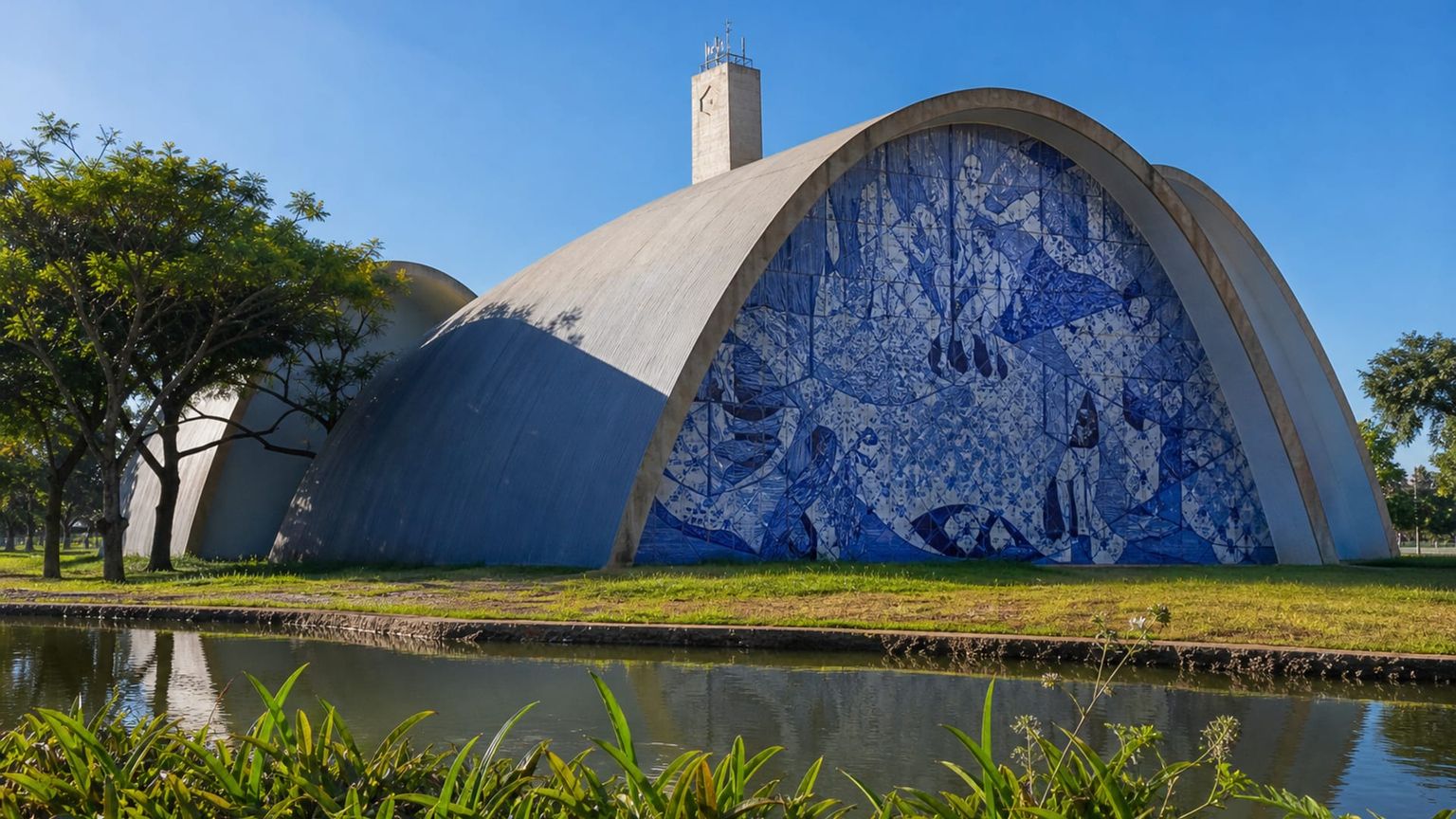
Bosque dos Buritis
Created as part of Goiânia’s original urban plan, Bosque dos Buritis combines lakes, walking paths, mature vegetation, recreation areas, and the Museu de Arte de Goiânia. Its central location makes it easy to combine with the city’s civic sights.
Time needed: 1 to 2 hours
Entry: Free. The park is open daily from 7:00 am to 10:00 pm.
Tip: Visit in the morning, then continue toward the civic center while temperatures are lower.
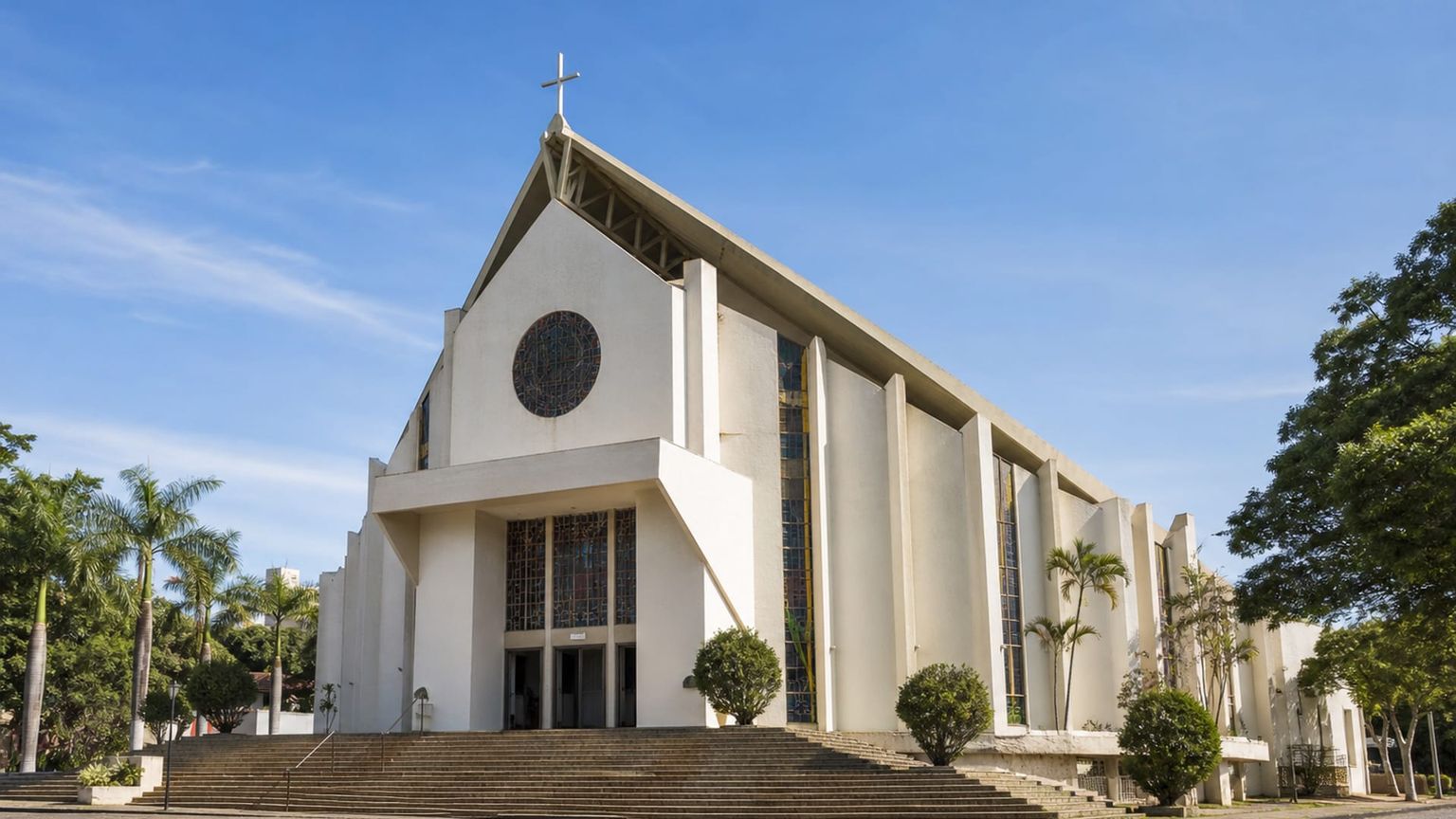
Catedral Metropolitana de Goiânia
The Catedral Metropolitana Nossa Senhora Auxiliadora is one of Goiânia’s principal Catholic churches. Its architecture and central location make it an easy addition to Praça Cívica and the city’s wider Art Deco sightseeing area.
Time needed: 45 minutes to 1 hour
Entry: Free. Access may be restricted during Masses and religious events. Visit the official site for details.
Tip: Visit outside scheduled services if you want more time to see the interior
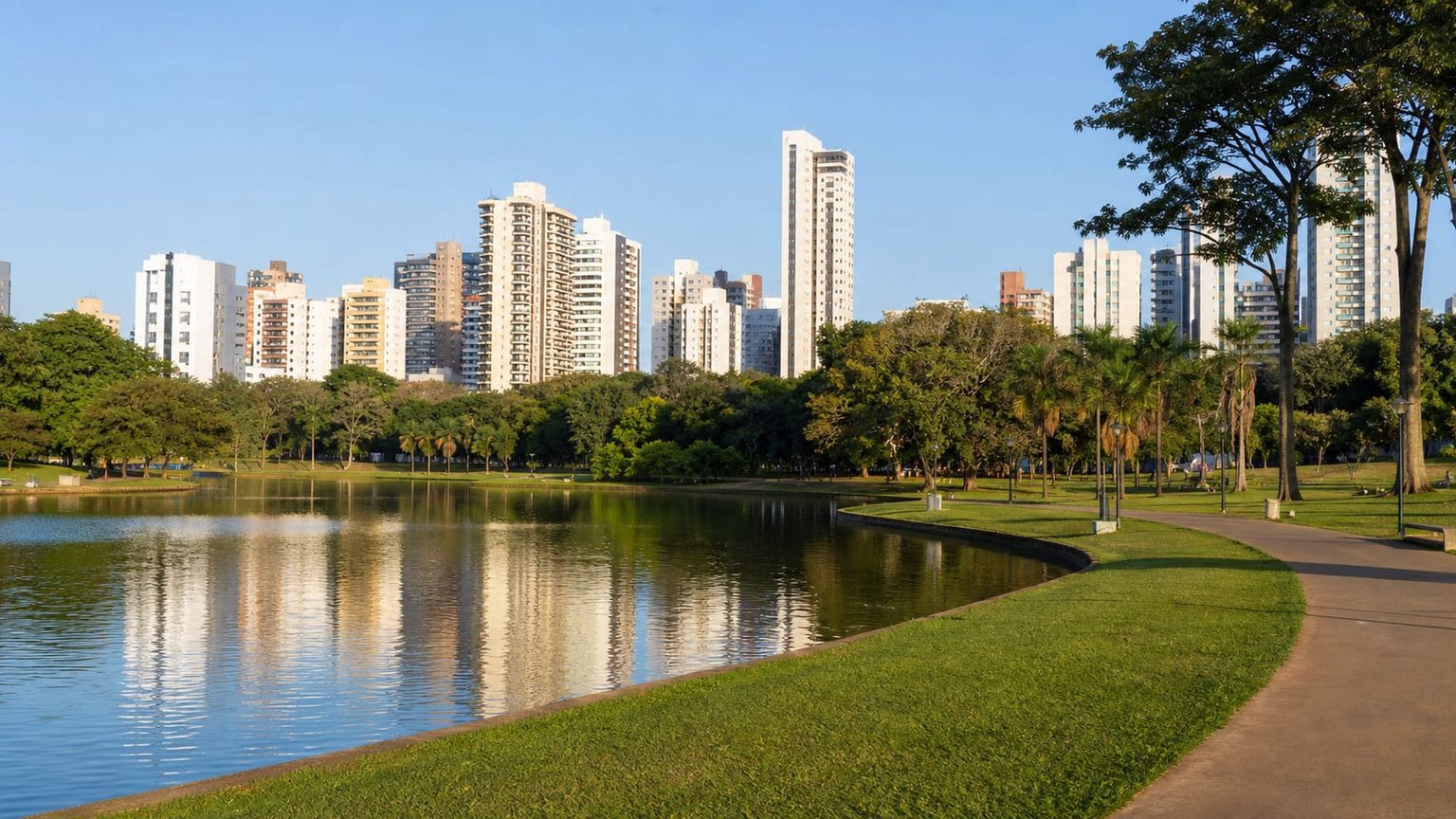
Parque Vaca Brava
Parque Vaca Brava occupies 837,000 square feet (77,760 square meters) in Setor Bueno, with a lake, walking track, exercise facilities, children’s areas, and landscaped spaces. Its location inside one of Goiânia’s busiest districts makes it an easy everyday park stop.
Time needed: 1 to 2 hours
Entry: Free
Tip: Visit in the late afternoon, when temperatures ease and the paths become more active.
Overlooked sites worth visiting

Mercado Central de Goiânia
Operating in its current location since 1986, Mercado Central brings together regional foods, cheeses, sweets, preserved pequi, empadas, spices, crafts, and other Goiás products in Centro.
Time needed: 1 to 1.5 hours
Entry: Free. Open Monday to Friday from 7:00 am to 6:00 pm and Saturday and Sunday from 7:00 am to 2:00 pm.
Tip: Visit before lunch for the widest choice of food stalls and regional products.

Memorial do Cerrado
On PUC Goiás’s Campus II, Memorial do Cerrado explores the natural and cultural history of the Cerrado through museum collections and recreated environments representing different periods and communities.
Time needed: 1 to 2 hours
Entry: Admission is R$12 (US$2.25). Open Tuesday to Sunday from 8:00 am to noon and from 1:00 pm to 5:00 pm. Visit the official website for more information.
Tip: Leave time for both the indoor collections and recreated outdoor environments.
Traditional food
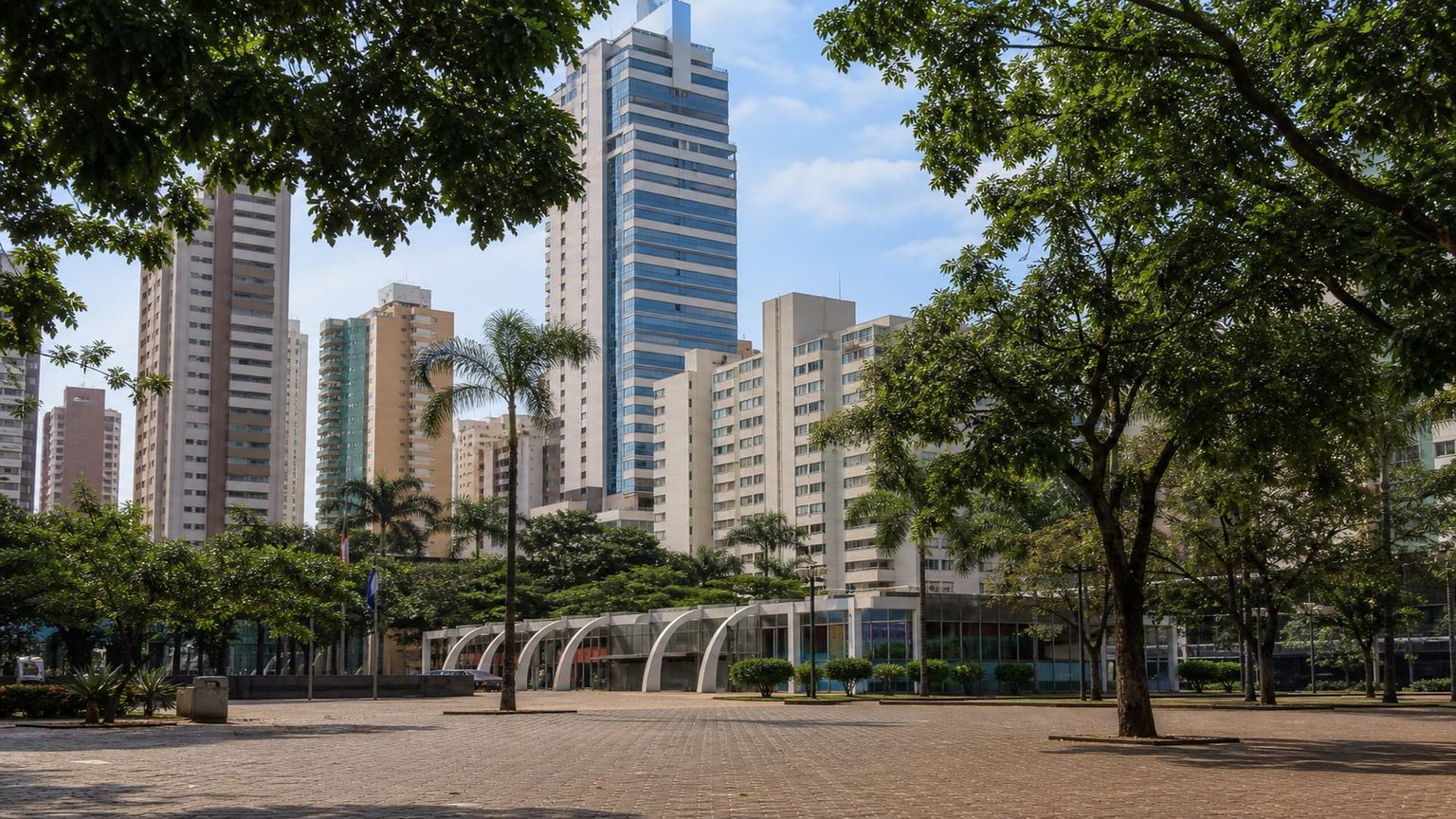
Goiânia’s regional cooking draws on Cerrado ingredients, corn, chicken, pork, cheese, pequi, and guariroba, with substantial dishes that appear frequently at lunch.
Empadão goiano
Empadão goiano is a substantial savory pie filled with ingredients such as chicken, sausage, cheese, guariroba, and vegetables. Chão Nativo in Goiânia includes empadão goiano among its traditional Goiás dishes.
Arroz com pequi
Arroz com pequi combines rice with the intensely aromatic Cerrado fruit closely associated with Goiás cooking. Chão Nativo serves a risotto-style arroz com pequi among its regional dishes.
Galinhada
Galinhada cooks rice and chicken together with seasonings and is one of Goiás’s substantial traditional lunch dishes. Chão Nativo currently includes galinhada on its Goiás-focused menu.
Pamonha
Pamonha is made from fresh corn paste wrapped and cooked in corn husks, with both sweet and savory versions common in Goiás. Pamonharia Goiânia serves sweet, savory, cheese, guariroba, and other versions.
Best time to visit Goiânia
Goiânia warms up early and softens a little in the cooler months, so the best season depends on whether you want drier afternoons or lighter crowds.
Best for: Green parks, indoor cultural stops, and travelers comfortable with rain
What you get: 68°F–88°F (20°C–31°C), with warm conditions, high humidity, and frequent rainfall
Trade-offs: Heavy afternoon rain can interrupt park visits and other outdoor plans.
Best for: Park visits, city sightseeing, and the transition into drier weather
What you get: 64°F–86°F (18°C–30°C), with rainfall decreasing as the dry season approaches
Trade-offs: March and April can still bring substantial rain and humid afternoons.
Best for: Dry days, parks, architectural walks, and comfortable morning sightseeing
What you get: 57°F–86°F (14°C–30°C), with very little rain, sunny days, and cooler mornings
Trade-offs: Humidity becomes very low during prolonged dry periods, particularly in August.
Best for: Outdoor sightseeing before the wet season becomes established
What you get: 64°F–91°F (18°C–33°C), with hot afternoons followed by increasingly frequent rain
Trade-offs: September can be particularly hot and dry before rainfall increases later in the season.
A realistic 5-day plan in Goiânia
Five days gives you enough time to separate Goiânia’s civic center, southern parks, Cerrado history, and eastern districts. Keeping nearby attractions together limits unnecessary drives across the city and leaves the hottest part of the afternoon for lunch or indoor stops.
Land at Goiânia–Santa Genoveva Airport (GYN) and take a taxi or ride-app car to Setor Marista. An Uber trip into Goiânia averages 22 minutes and costs R$35 (US$6.60), although traffic and demand can change both. After checking in, stay within Marista for dinner instead of adding another cross-city trip.
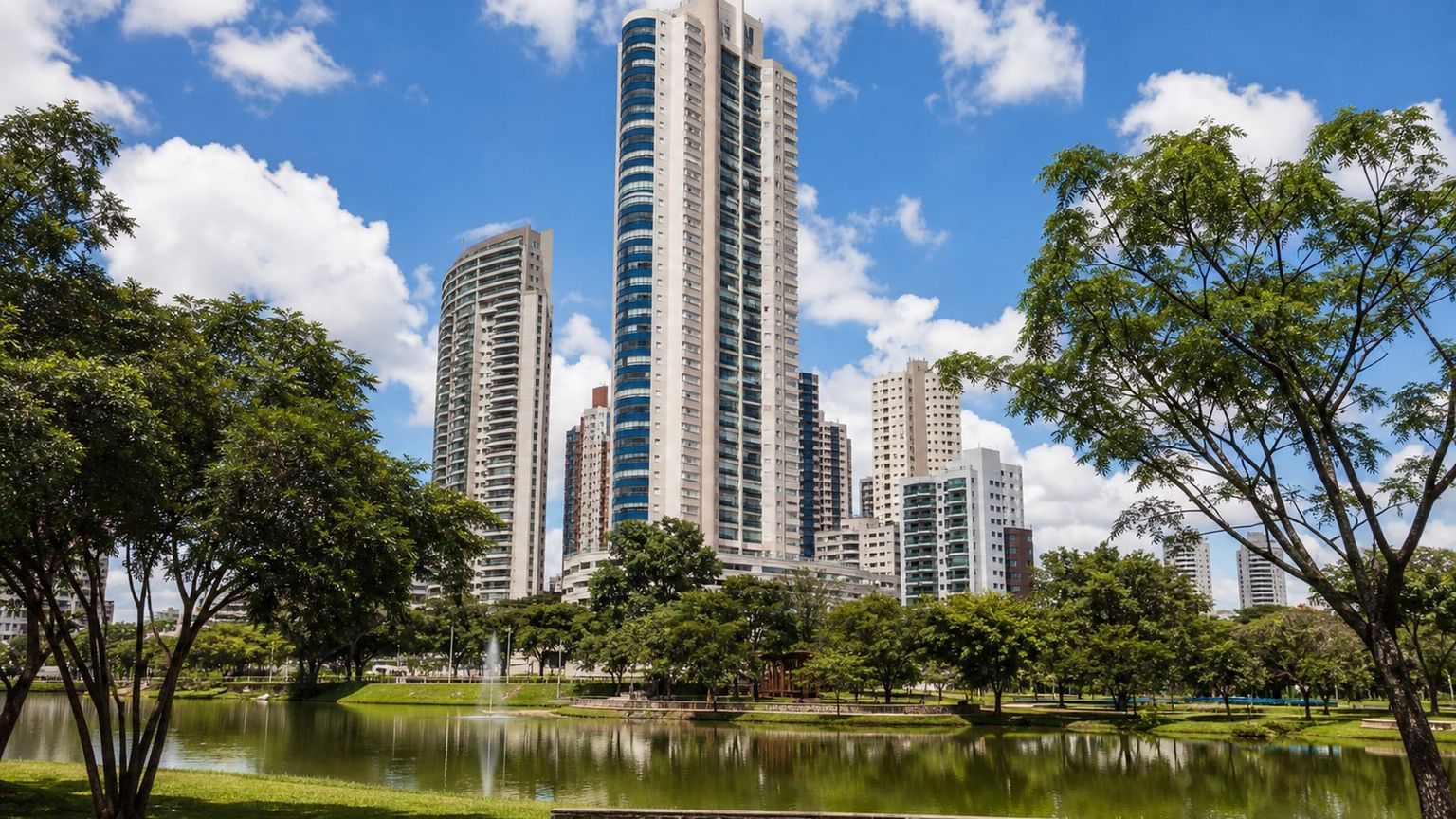
Start at Bosque dos Buritis, Goiânia’s oldest park, established in 1933. Three artificial lakes connected by stone channels form the park’s center, with walking trails through dense cerrado vegetation and the Museu de Arte de Goiânia integrated into the grounds. The park also holds the Monumento à Paz Mundial and a large water fountain. Arrive early before the heat builds. After exploring, walk 10 minutes to the civic center for Praça Cívica, the Palácio das Esmeraldas, and the Catedral Metropolitana, then have lunch in Centro.
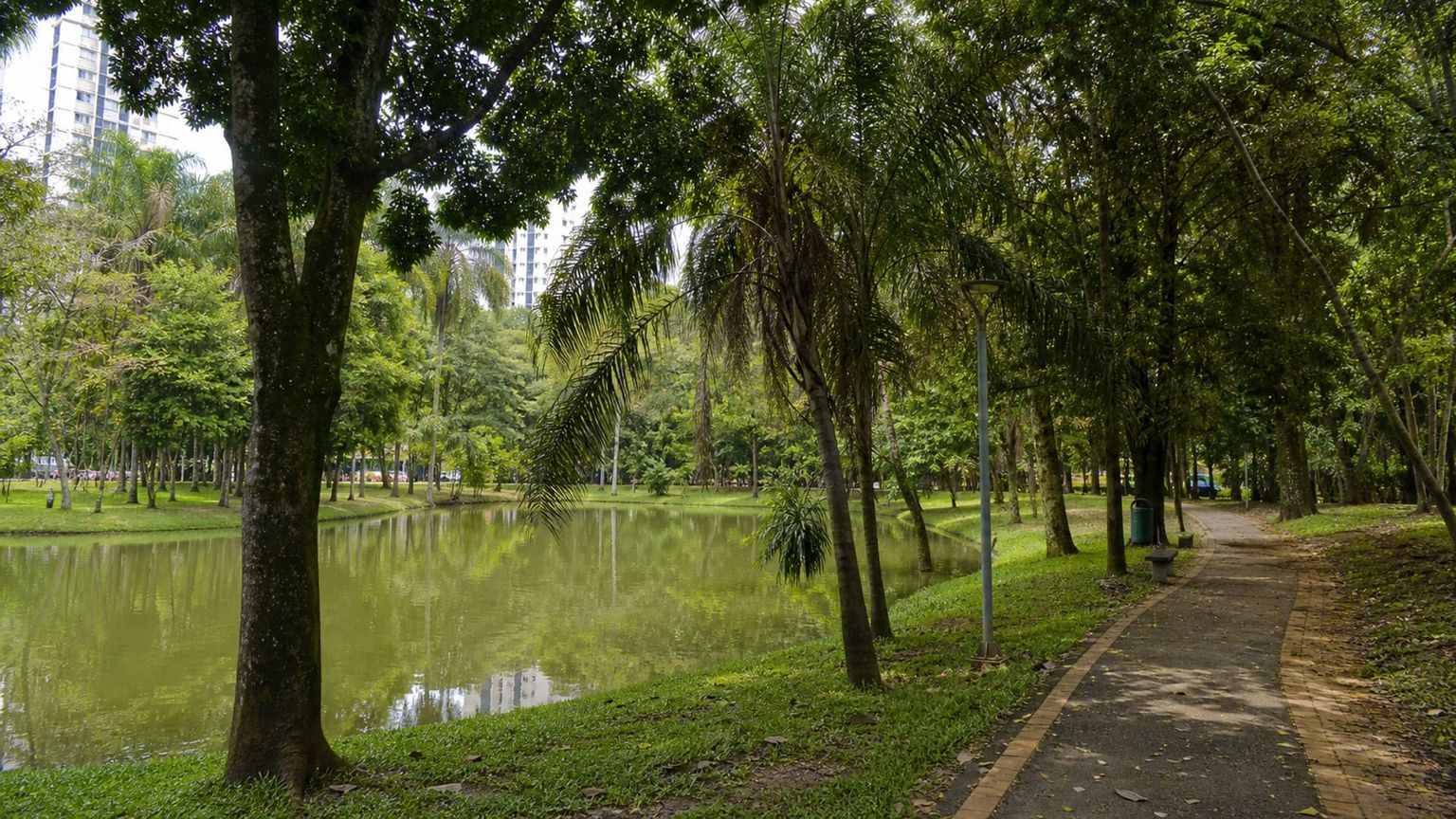
Take a taxi to Memorial do Cerrado on the PUC Goiás Campus II in Jardim Mariliza, about 20 minutes from central Goiânia. The open-air complex traces the Cerrado biome and Brazilian history across five themed environments: a Natural History Museum with fossils, the Vila Cenográfica de Santa Luzia, a reconstruction of a Portuguese village, an indigenous Timbira village, a quilombo, and an ecological trail. Continue to Setor Bueno for lunch, then spend the late afternoon at Parque Vaca Brava before staying in the district for dinner.
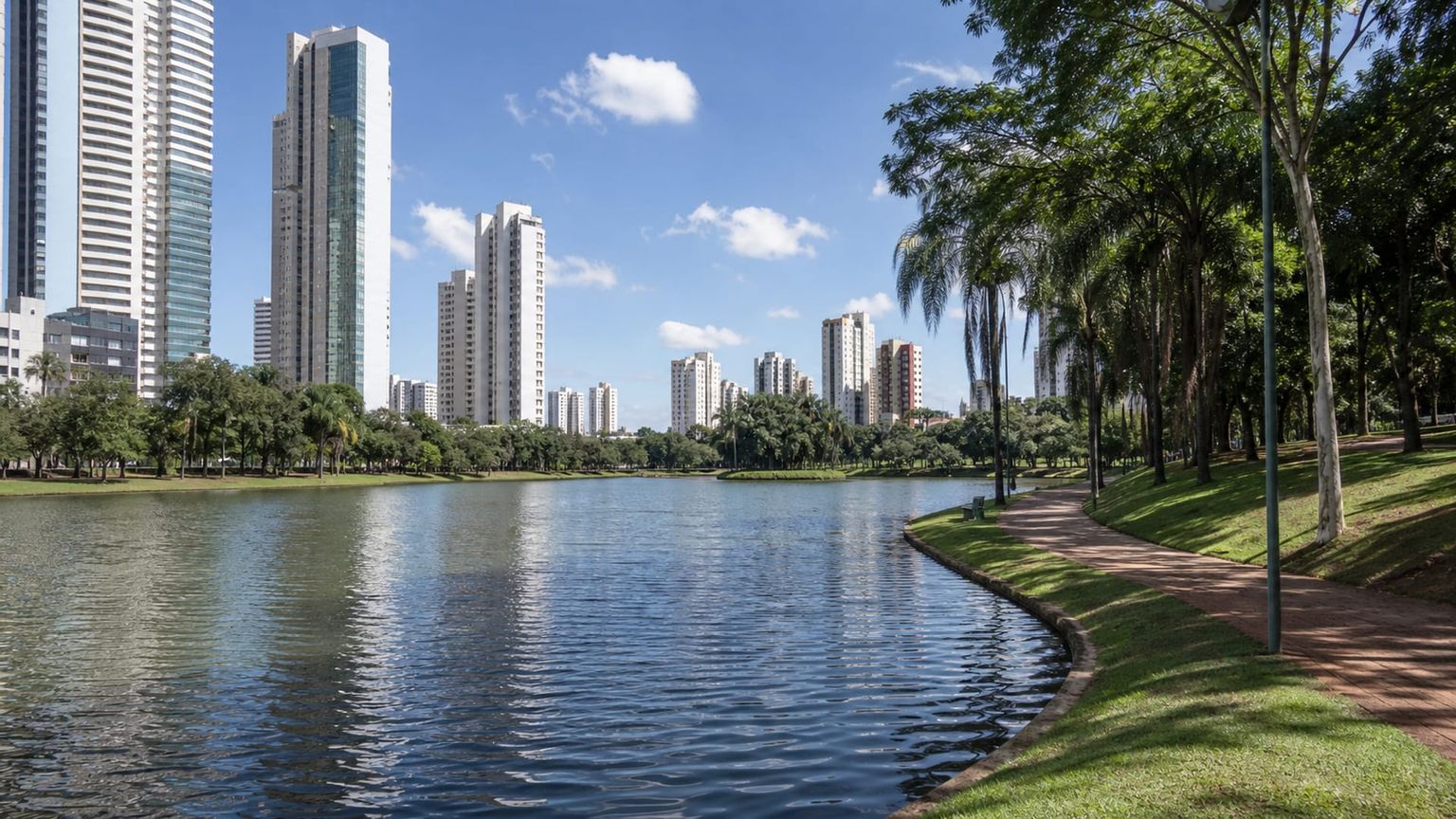
Spend the morning in Jardim Goiás, starting with Parque Flamboyant before the afternoon heat builds. The park covers 185 acres (75 hectares) and features walking and cycling paths, lakes, and preserved cerrado vegetation. Continue to the nearby shopping and restaurant district along Avenida Deputado Jamel Cecílio for lunch and browsing, then return to Marista later in the day for dinner.
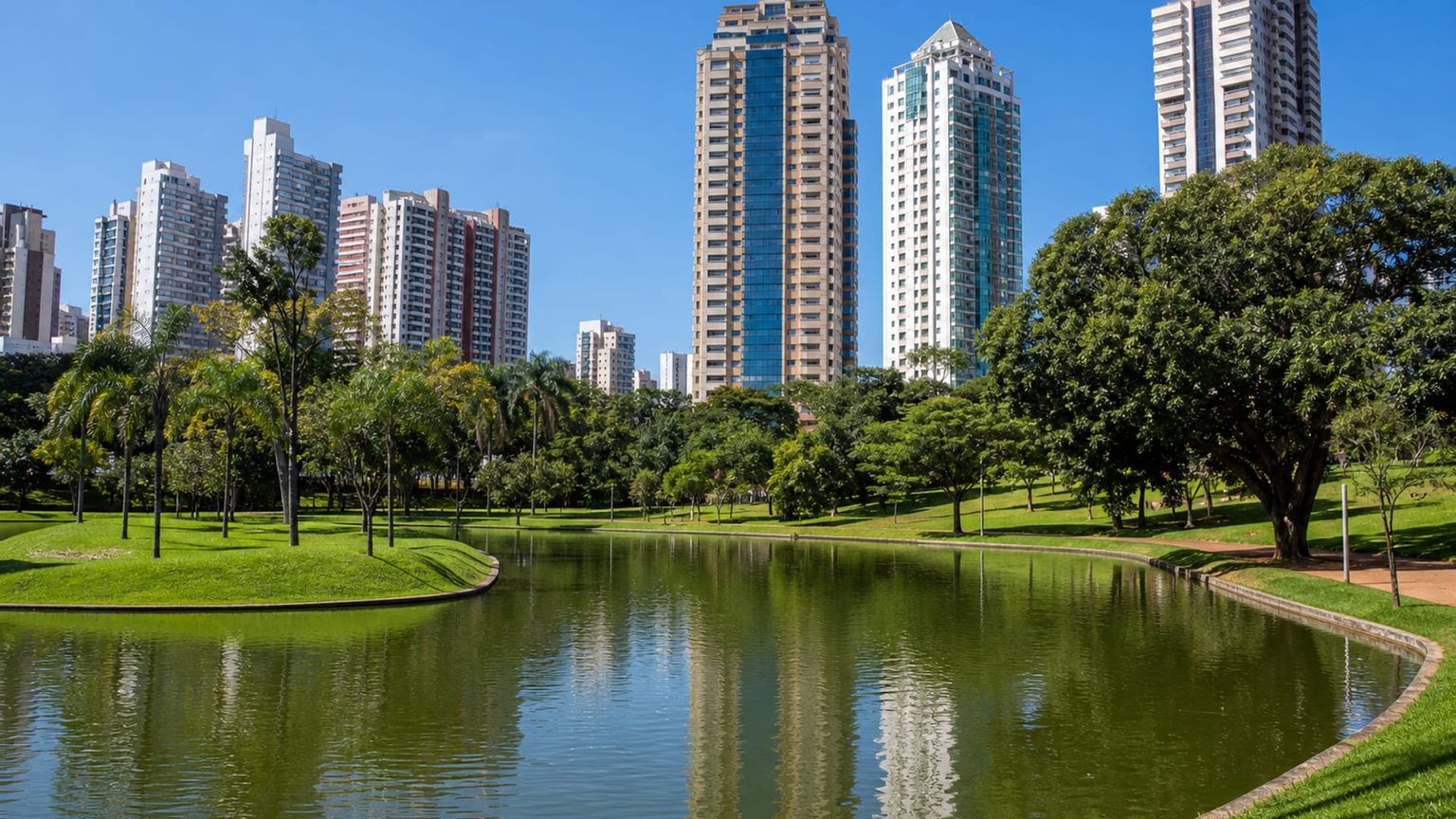
Visit Mercado Central in the morning for regional foods, cheeses, sweets, spices, and local products without repeating an earlier attraction. Have an early lunch nearby, collect your luggage, and continue to Goiânia–Santa Genoveva Airport with extra time for traffic on the main avenues.

Business-class flights from the US to Goiânia
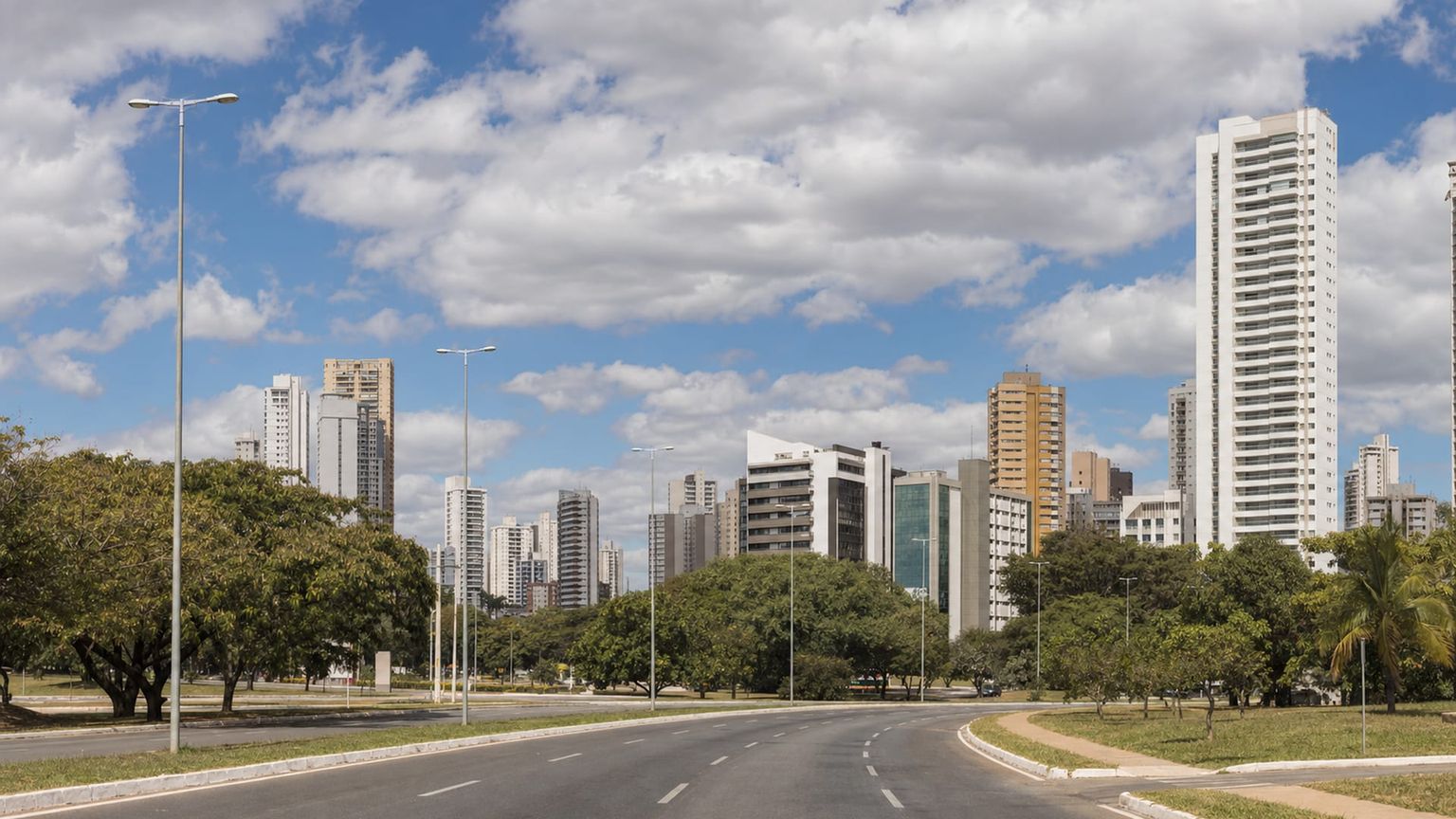
Business-class trips from the US to Goiânia require at least one layover, with total journey time depending on the route and layover length.
New York (JFK) to Goiânia (GYN)
From New York, travelers can take a one-stop flight with LATAM Airlines through São Paulo/Guarulhos International Airport (GRU) to Goiânia. Total journey time typically ranges from 13 to 16 hours, with round-trip business-class fares from US$5,500 to US$11,500. Alternatively, travelers can take codeshare flights on this route with American Airlines and Gol Airlines, Delta Air Lines and LATAM Airlines, or Copa Airlines with Gol Airlines.
Los Angeles (LAX) to Goiânia (GYN)
From Los Angeles, LATAM routes through Arturo Merino Benítez International Airport (SCL) in Santiago, followed by a second connection in Brazil, commonly São Paulo/Guarulhos International Airport (GRU), before the final flight to Goiânia. Total journey time typically ranges from 17 to 21 hours, with round-trip business-class fares from US$5,000 to US$7,300.
Plan Goiânia by area
Goiânia is easier to explore when you keep Centro, the southern parks, and Jardim Goiás in separate parts of the trip instead of crossing the city repeatedly. AranGrant experts can help you compare business-class flights and hotels that fit your dates and preferred location.