

Chapters:

Need help with your trip?
Our support team is available 24/7. Request a callback or call us directly at (833) 619-0908
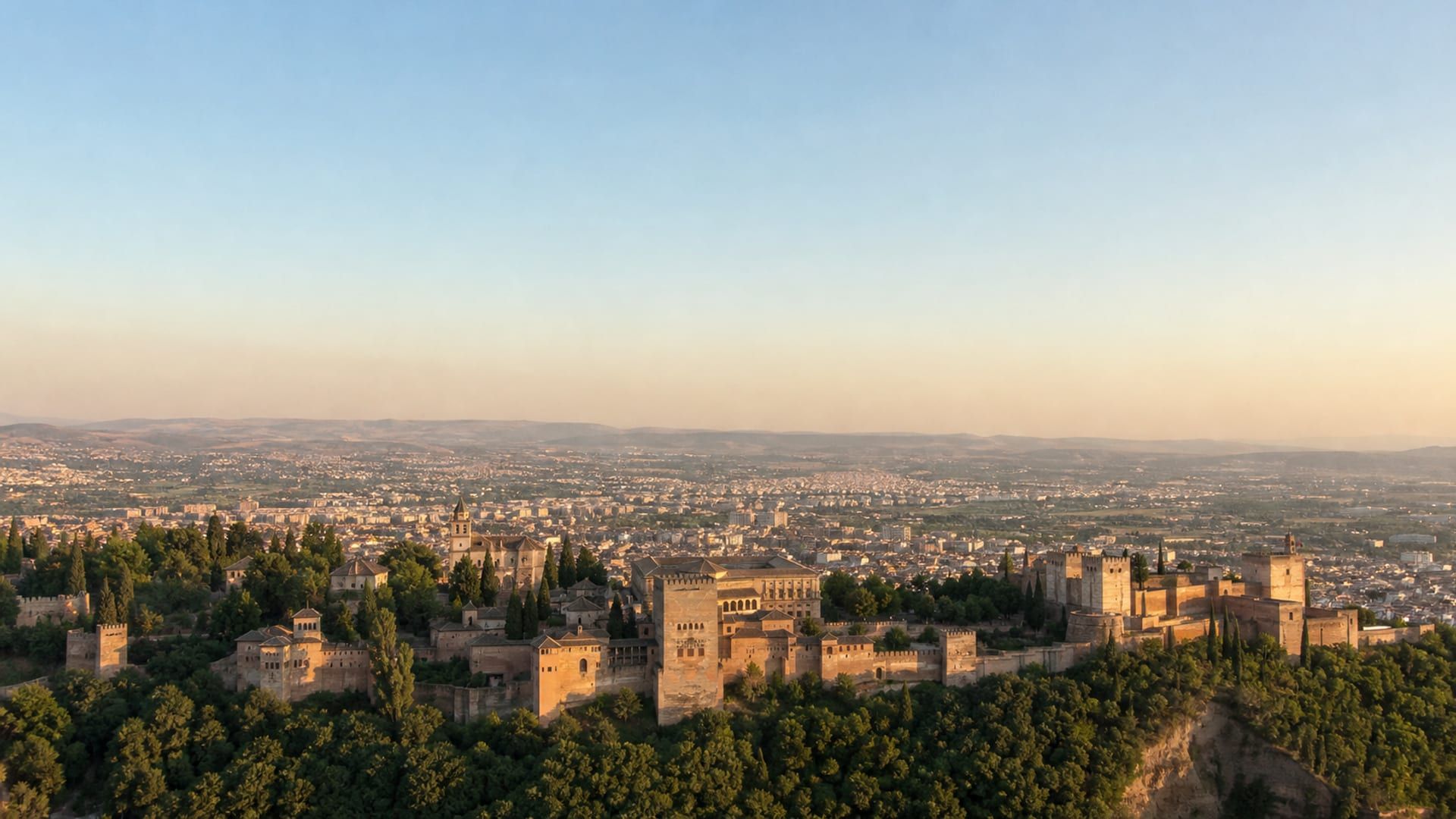
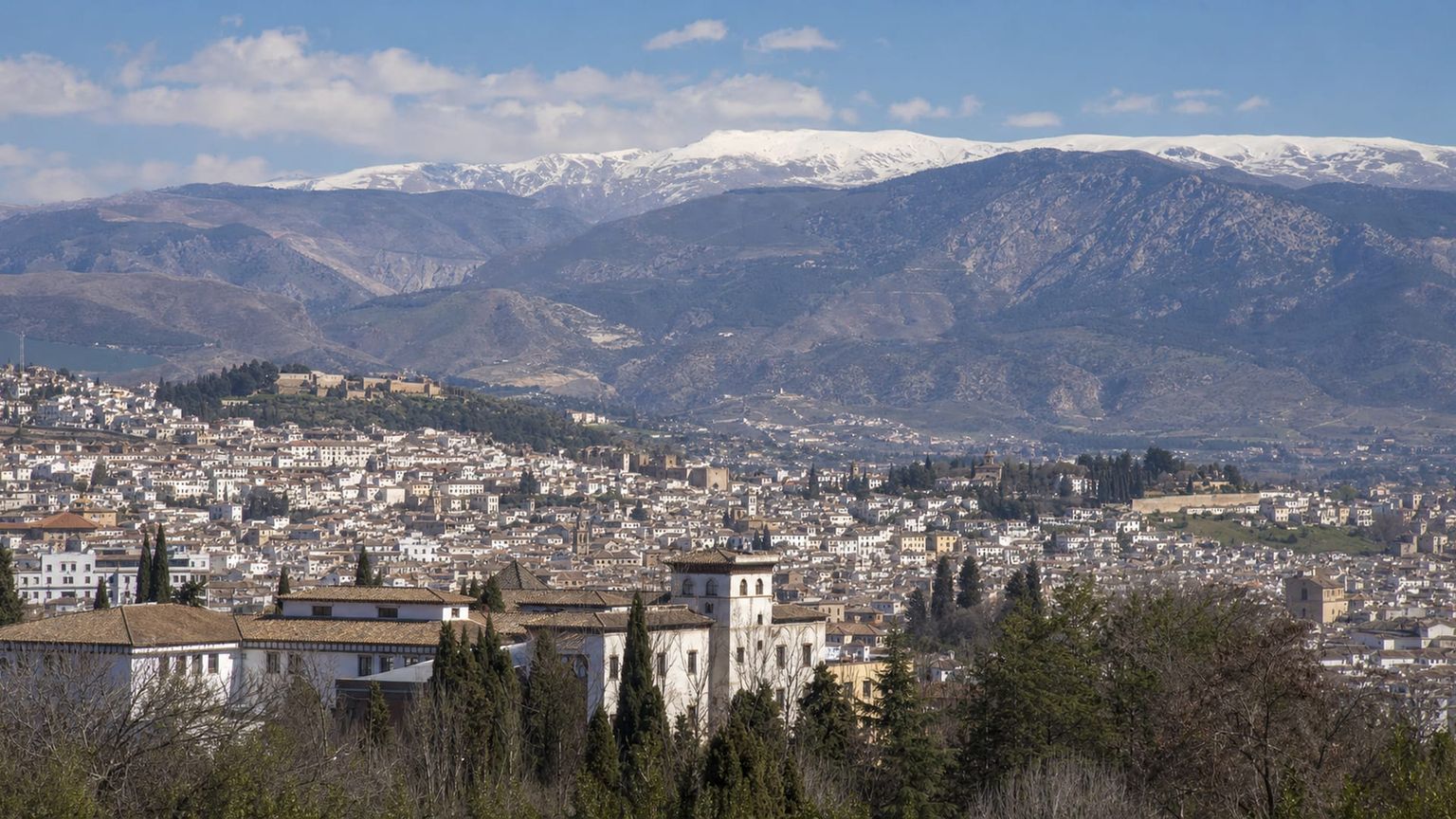
Granada is compact on a map, but its steep streets make the city feel much larger once you start moving between districts. The Alhambra rises above the center, the Albaicín climbs the opposite hillside, and areas such as Realejo and Centro bring together tapas bars, plazas, churches, and everyday city life at lower elevations.
That layout shapes the way a visit works. Trying to combine the Alhambra, the Albaicín, and central sights in one stretch can turn a short itinerary into a long day of uphill walks and repeated transfers.
This guide separates Granada by area, so five days can cover its major monuments, historic quarters, food streets, and quieter viewpoints without rushing from one side of the city to the other.
Useful things to know

Main language(s): Spanish
Hola (OH-lah) – Hello
Por favor (por fah-VOR) – Please
Gracias (GRAH-syahs) – Thank you
¿Habla inglés? (AH-blah een-GLAYS) – Do you speak English?
¿Cuánto cuesta? (KWAHN-toh KWES-tah) – How much does it cost?

Currency: Euro (EUR, €)

Cash and cards: Cards and contactless payments are widely accepted. Carry €20–€40 ($22–$45) in cash for small bars, markets, or purchases below a card minimum.

Tipping: Tipping is optional. In restaurants, bars, hotels, and taxis, 5%–10% is common when you are happy with the service.

Traditional food: Granada’s best-known traditional foods include tortilla del Sacromonte, piononos, remojón granadino, and habas con jamón.

Water and coffee costs: A small bottle of water costs €1.50–€2 ($1.70–$2.25), while an espresso at a café usually costs €1.50–€2.50 ($1.70–$2.80).

Taxis and ride apps: Licensed taxis are easy to find, and Uber operates in Granada.

Plug and voltage: Spain uses Type C and F plugs with a 230V, 50Hz supply. US travelers need an adapter and should check that devices support 230V.

Dining and shop opening hours: Restaurants commonly serve lunch from 1:00 pm to 4:00 pm and dinner from 8:00 pm to 11:30 pm. Shops are often open from 10:00 am to 9:00 pm; some close between 2:00 pm and 5:00 pm.

Emergency number: Call 112 for police, fire, ambulance, and other emergency services.
Where to stay in Granada
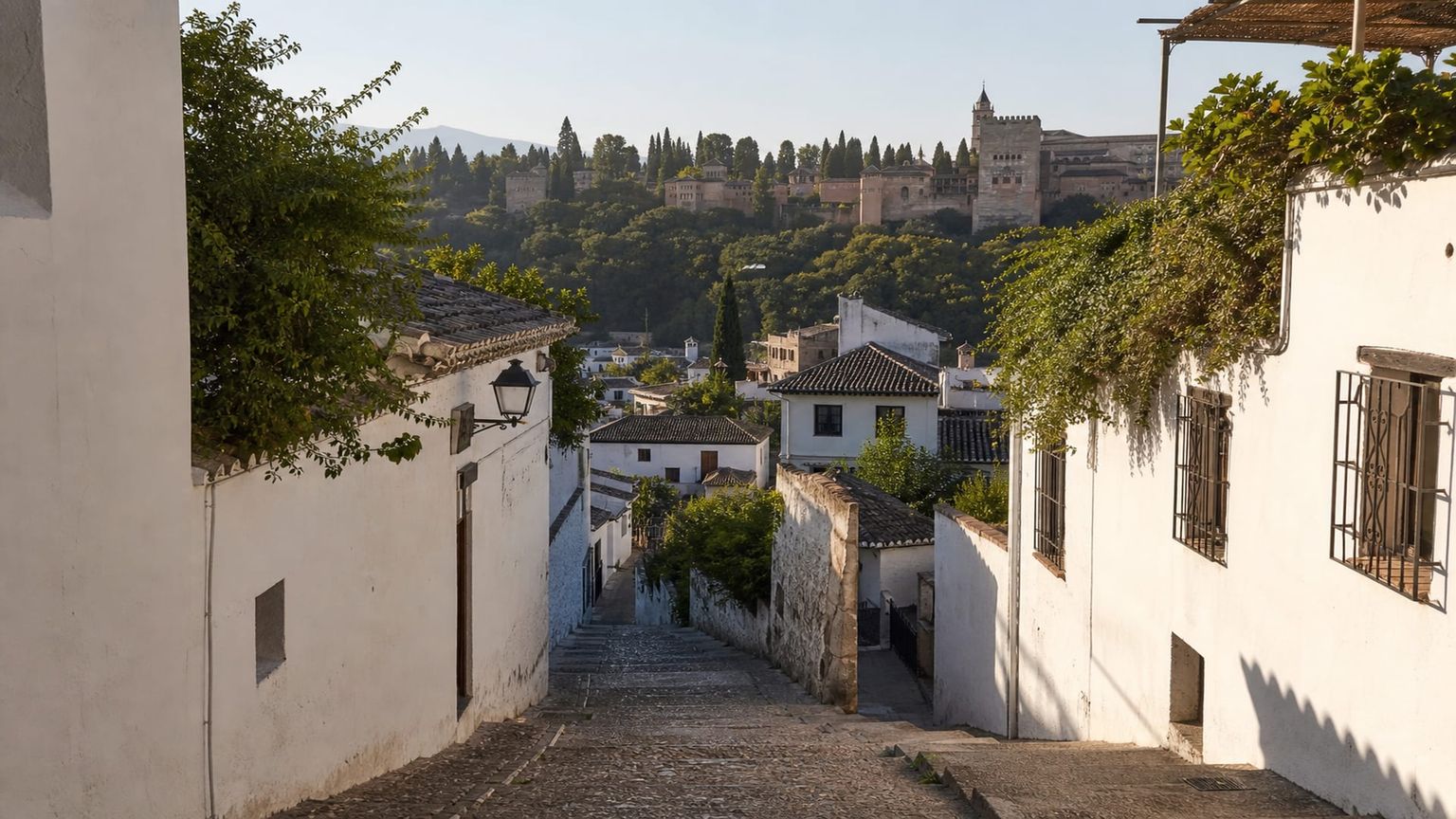
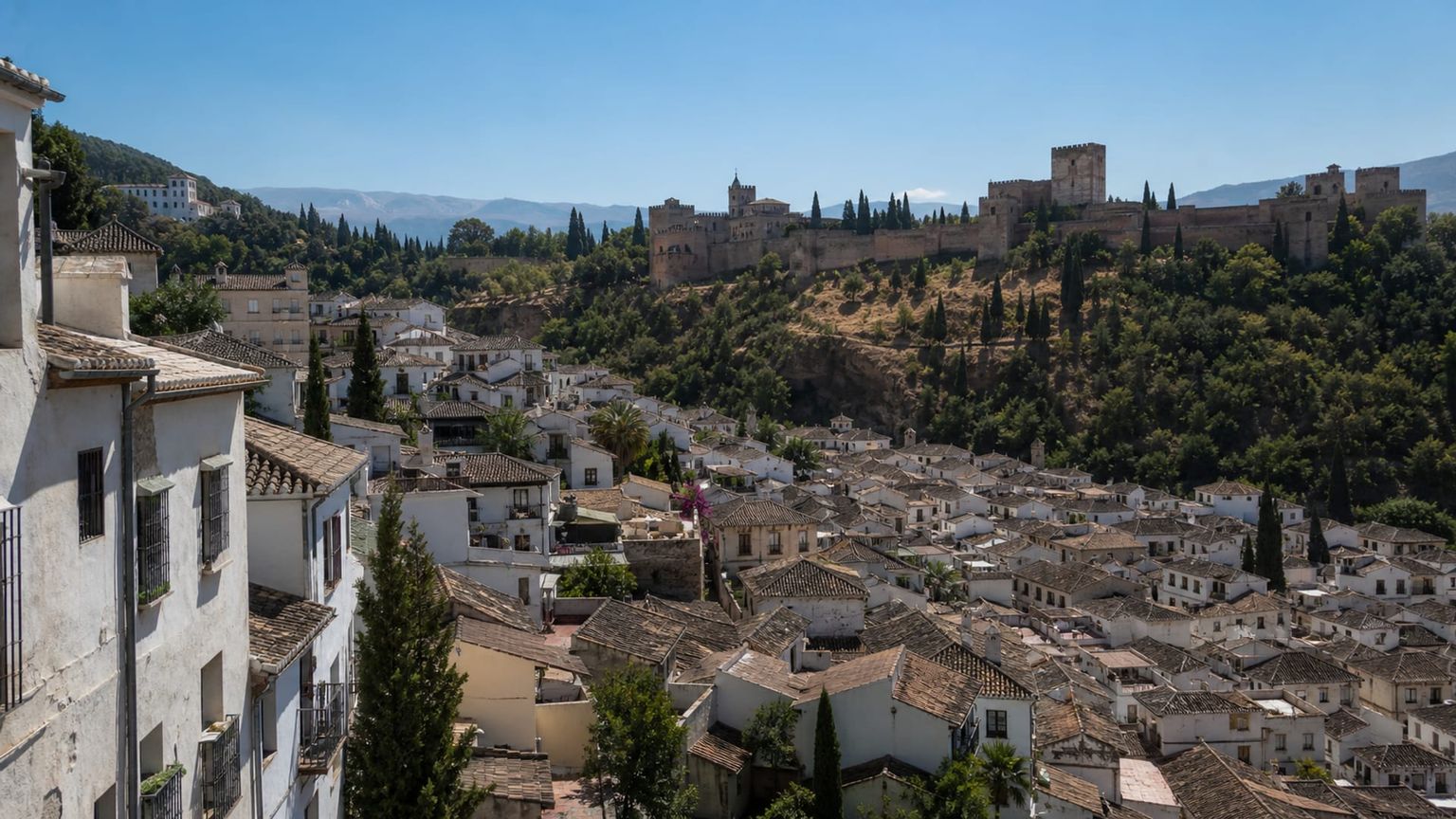
Albaicín climbs the hillside above the Darro, with whitewashed lanes, small plazas, historic houses, and some of Granada’s best views toward the Alhambra. It suits travelers who value atmosphere and scenery and do not mind steep streets, stairs, or limited vehicle access near many hotels.
Best for: Historic atmosphere, scenic walks, and travelers who want views of the Alhambra
What to expect: Expect steep cobbled streets, small plazas, and steady daytime foot traffic, then a much quieter evening scene away from the main squares.
Hotel prices: Usually about €90 to €180 (~$98 to ~$197) per night for well-rated stays
Distance to major sights: About 15 to 25 minutes on foot to the Cathedral and roughly 20 to 30 minutes on foot to the Alhambra viewpoints
Quietness: Quieter after sunset on side streets, though the main viewpoints stay active at dusk.
Main trade-off: The hills make luggage, late-night returns, and taxi access less convenient than in the flatter center.
Good to know: Choose a hotel near a taxi drop-off point if you are traveling with heavy luggage.
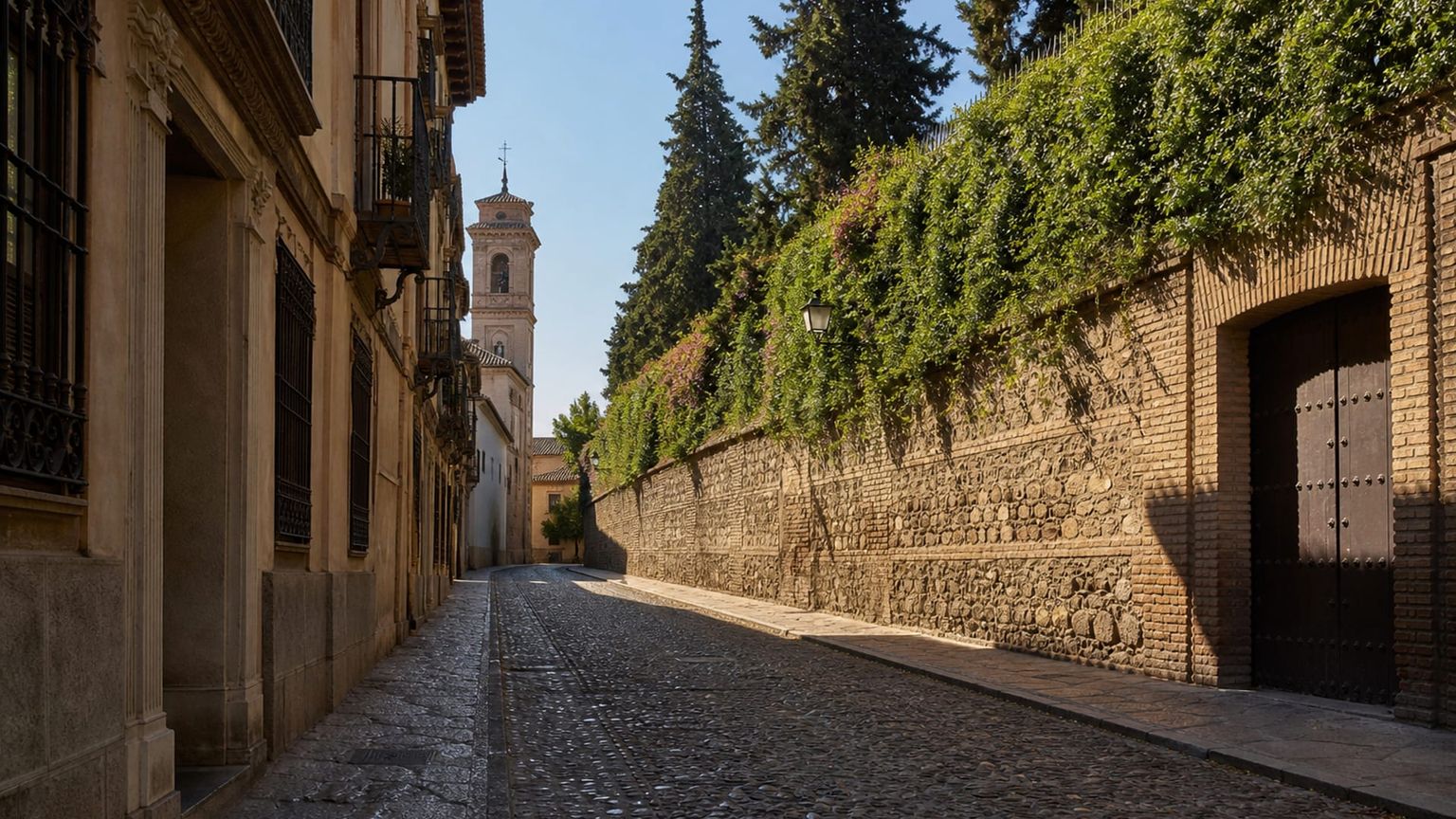
Centro places you close to Granada Cathedral, Plaza Bib-Rambla, shopping streets, restaurants, and the city’s main commercial activity. It is the easiest area for first-time visitors who want a broad choice of hotels, dining, buses, and major sights within a short walk of one another.
Best for: First-time visits, dining, shopping, and staying close to transit
What to expect: Expect the busiest street life in the city, especially around shopping hours and meal times, with a constant flow of locals, students, and visitors.
Hotel prices: Usually about €80 to €170 (~$87 to ~$186) per night for well-rated stays
Distance to major sights: About 5 to 10 minutes on foot to the Cathedral and roughly 20 to 30 minutes by bus or foot to the Alhambra entrance
Quietness: Busy through the day and into the evening, then calmer on residential side streets late at night.
Main trade-off: You will be farther from the Alhambra’s hilltop setting, and some central streets can feel lively well past dinner.
Good to know: Choose a room away from nightlife streets if you plan early starts for the Alhambra.
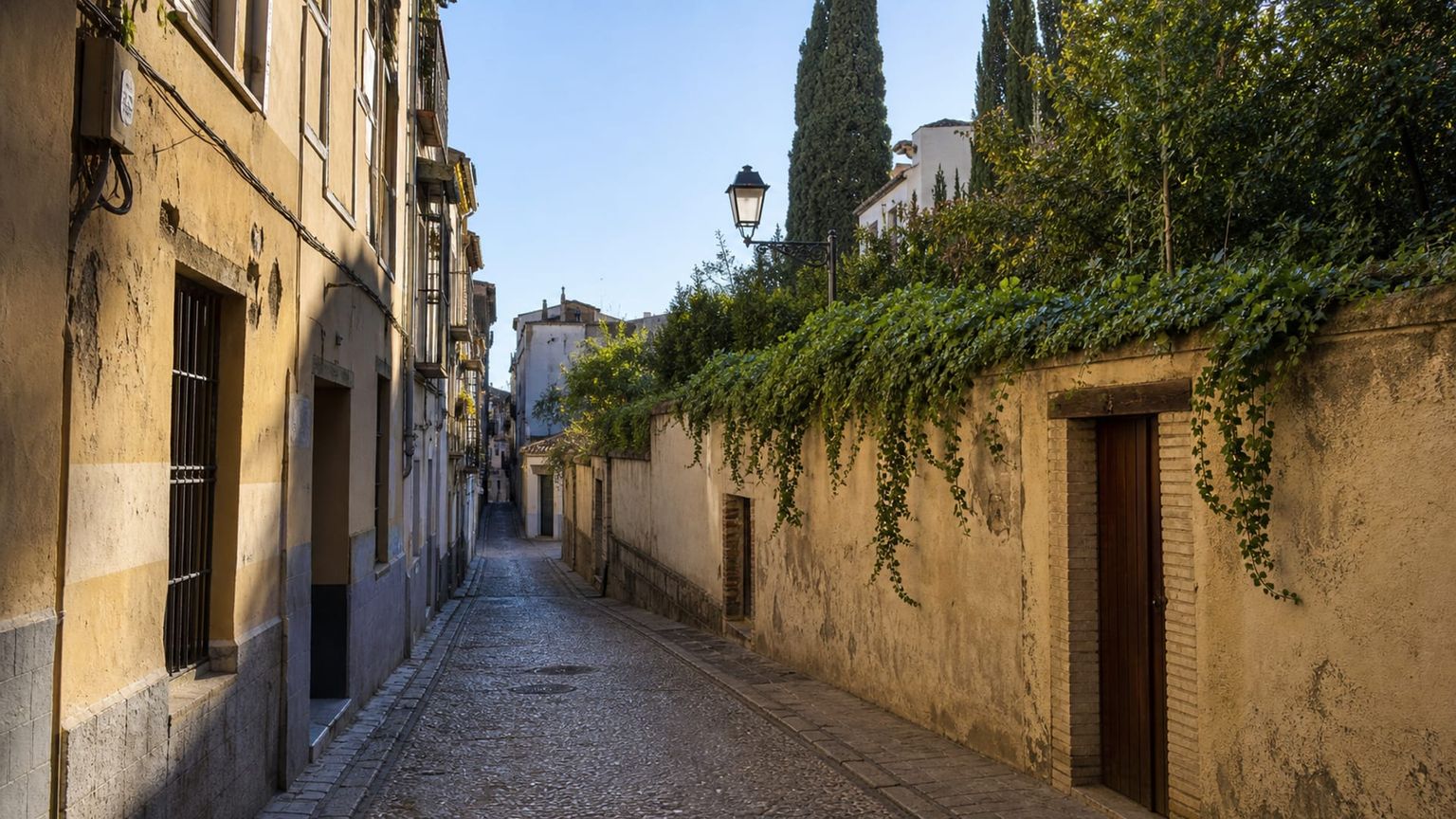
Realejo, Granada’s former Jewish quarter, lies between the center and the Alhambra hillside, with tapas bars, narrow streets, small plazas, and local residential life. It offers easy access to central sights while feeling less commercial than the busiest streets around the Cathedral.
Best for: Food-focused stays, walking access to the center, and a slightly calmer base than the main core
What to expect: Expect a mix of local residents, small bars, and visitors, with active evenings near restaurant streets and quieter side lanes nearby.
Hotel prices: Usually about €85 to €160 (~$93 to ~$175) per night for well-rated stays
Distance to major sights: About 10 to 15 minutes on foot to the Cathedral and roughly 20 to 25 minutes on foot to the Alhambra entrance
Quietness: Moderately busy by day, then more subdued at night except near the busiest tapas streets.
Main trade-off: Parking is limited, and some streets are narrow enough that transfers and taxis work better than driving yourself.
Good to know: Check the exact street before booking, as noise and incline can change noticeably within a few blocks.
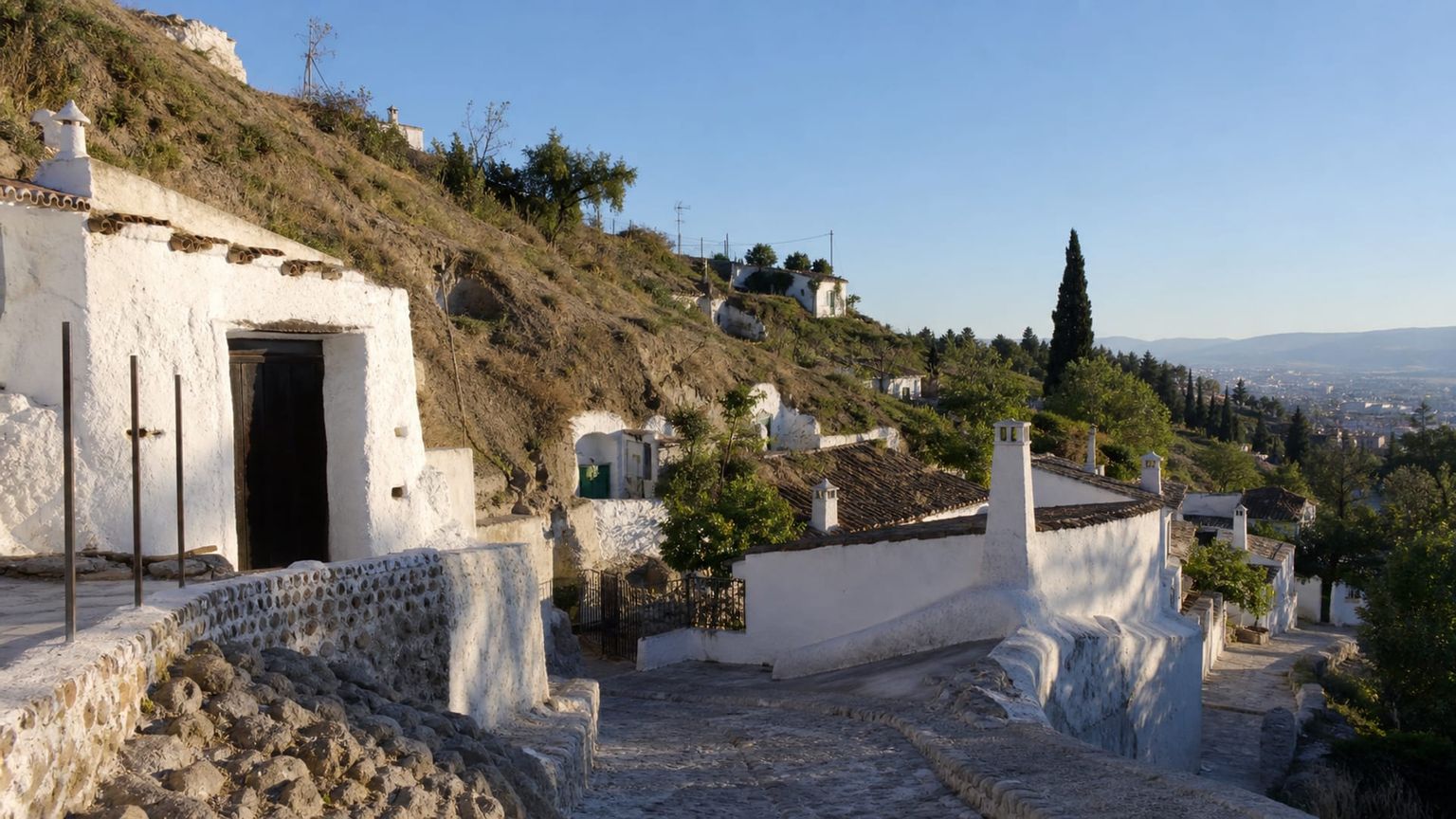
Sacromonte stretches along the hillside east of the Albaicín and is known for cave houses, flamenco venues, and broad views across Granada. It suits travelers who want a distinctive historic setting and evening performances, but steep terrain and limited hotel selection make location especially important.
Best for: Flamenco, views, and travelers who prefer a distinctive hillside setting
What to expect: Expect steep lanes, scattered housing, and fewer everyday conveniences, with the most activity clustered around evening performances and viewpoint stops.
Hotel prices: Usually about €85 to €170 (~$93 to ~$186) per night for well-rated stays
Distance to major sights: About 15 to 20 minutes on foot to the Albaicín viewpoints and roughly 25 to 35 minutes by bus or taxi to the Cathedral
Quietness: Quiet during the day outside the main lanes, then livelier at night near flamenco venues.
Main trade-off: The setting is memorable, but you give up easy late-night access to central restaurants and flatter walking routes.
Good to know: Check the nearest road or bus stop before booking, especially if you have luggage or mobility concerns.
Choose Centro or Realejo if easy access to restaurants, buses, and major sights is a priority. Albaicín and Sacromonte offer more atmosphere and views, but steep streets and limited vehicle access can complicate trips with luggage and late returns.
Hotel deals
How to get around Granada efficiently
Granada’s hills make public transport useful even when distances look short. City buses cover the historic areas, while taxis and the airport bus fill the main gaps.

City buses
for rides to Alhambra, Albaicín, and Sacromonte
City buses are the most useful option for sightseeing. Lines C30 and C32 serve Alhambra, C31 reaches Albaicín, and C34 continues toward Sacromonte. A single ticket costs €1.60 ($1.80), with transfers permitted within 60 minutes.

Airport bus
for airport transfers
Line 245 connects Federico García Lorca Granada-Jaén Airport (GRX) with Granada Bus Station, Gran Vía, the Cathedral area, and Palacio de Congresos. The trip takes roughly 45 minutes, and a one-way ticket costs €3.10 ($3.50).

Taxi
for late arrivals and steep hotel access
Licensed taxis are useful for luggage, late arrivals, and hotels on steep or narrow streets. Urban fares are metered, with minimum charges starting at €4.25 ($4.75). Airport trips use separate interurban tariffs, so the total depends on distance and travel time.
*Prices are based on rates updated as of October 2026 and may change at the time of travel.
Use city buses for Granada’s historic hills, the airport bus for the cheapest GRX transfer, and taxis when luggage, steep streets, or late hours matter.
Iconic landmarks
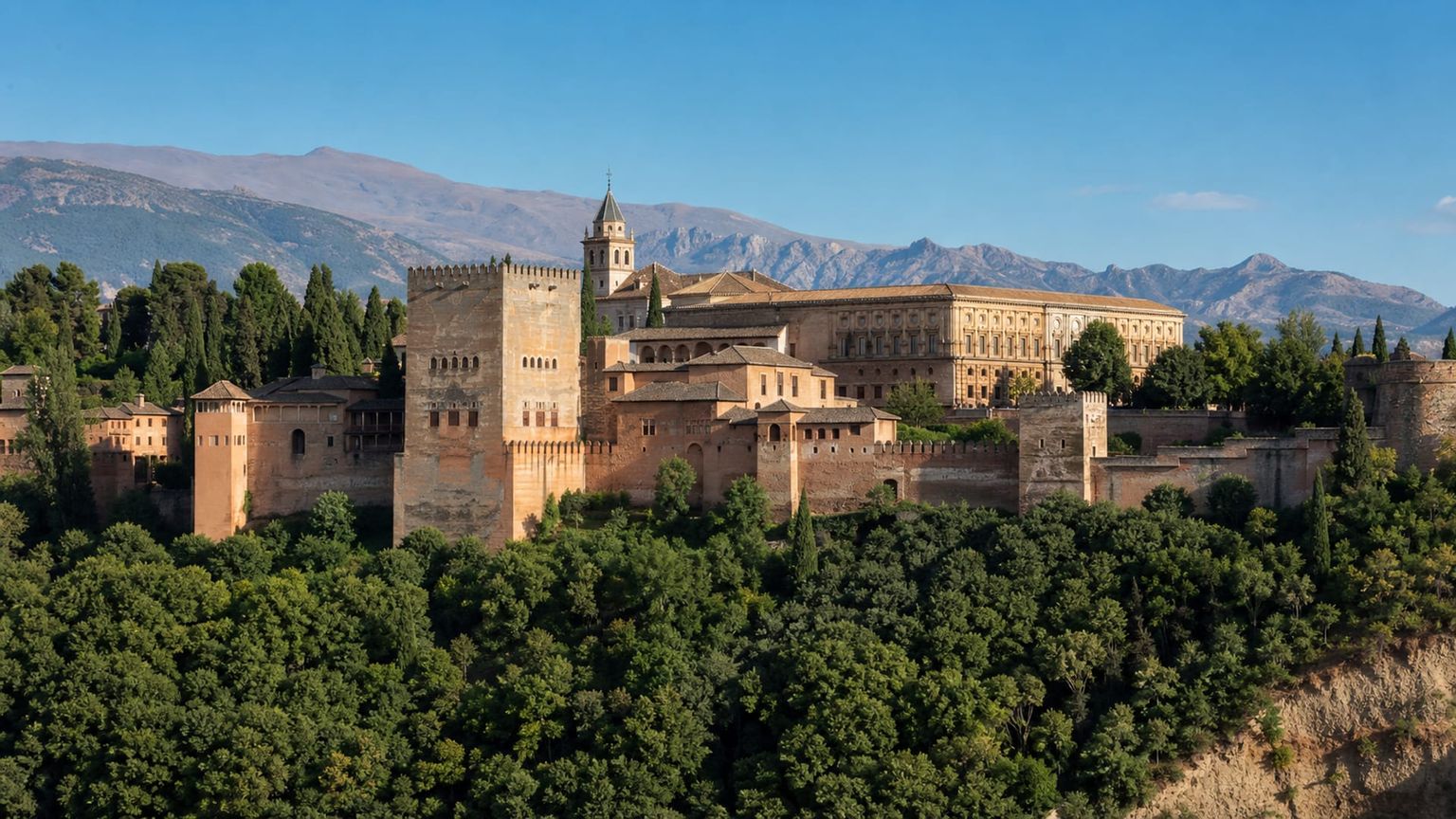
Alhambra
Granada’s Alhambra crowns Sabika Hill with the Nasrid Palaces, Alcazaba, Generalife, courtyards, gardens, and fortified walls. Its carved stucco, intricate tilework, reflecting pools, and broad views over Granada make the UNESCO-listed complex the city’s defining monument.
Time needed: A visit takes 3–4 hours.
Entry: General admission costs €22.27 ($25), with timed Nasrid Palace entry. Visit the official website for details.
Tip: Book well ahead and arrive before your timed Nasrid Palace entry.
Granada Cathedral
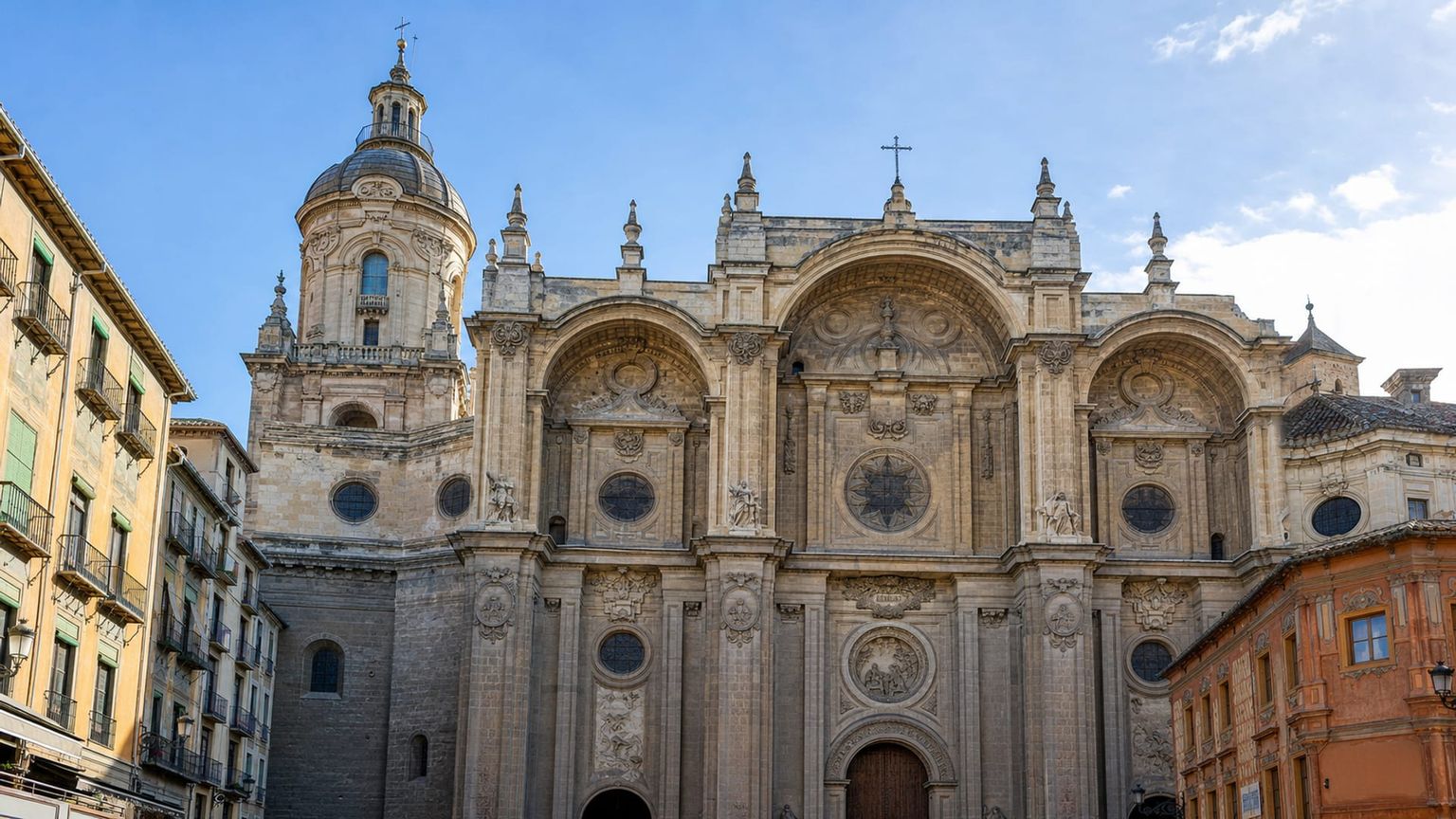
Granada Cathedral fills the historic center with a vast Renaissance interior, monumental columns, a circular main chapel, and an imposing facade by Alonso Cano. The scale, white stone, and richly decorated chapels make it one of the clearest architectural statements of post-Nasrid Granada.
Time needed: A visit takes 1–1.5 hours.
Entry: Regular admission is €7 ($8). The fee may increase during special exhibitions. Visit the official website for details.
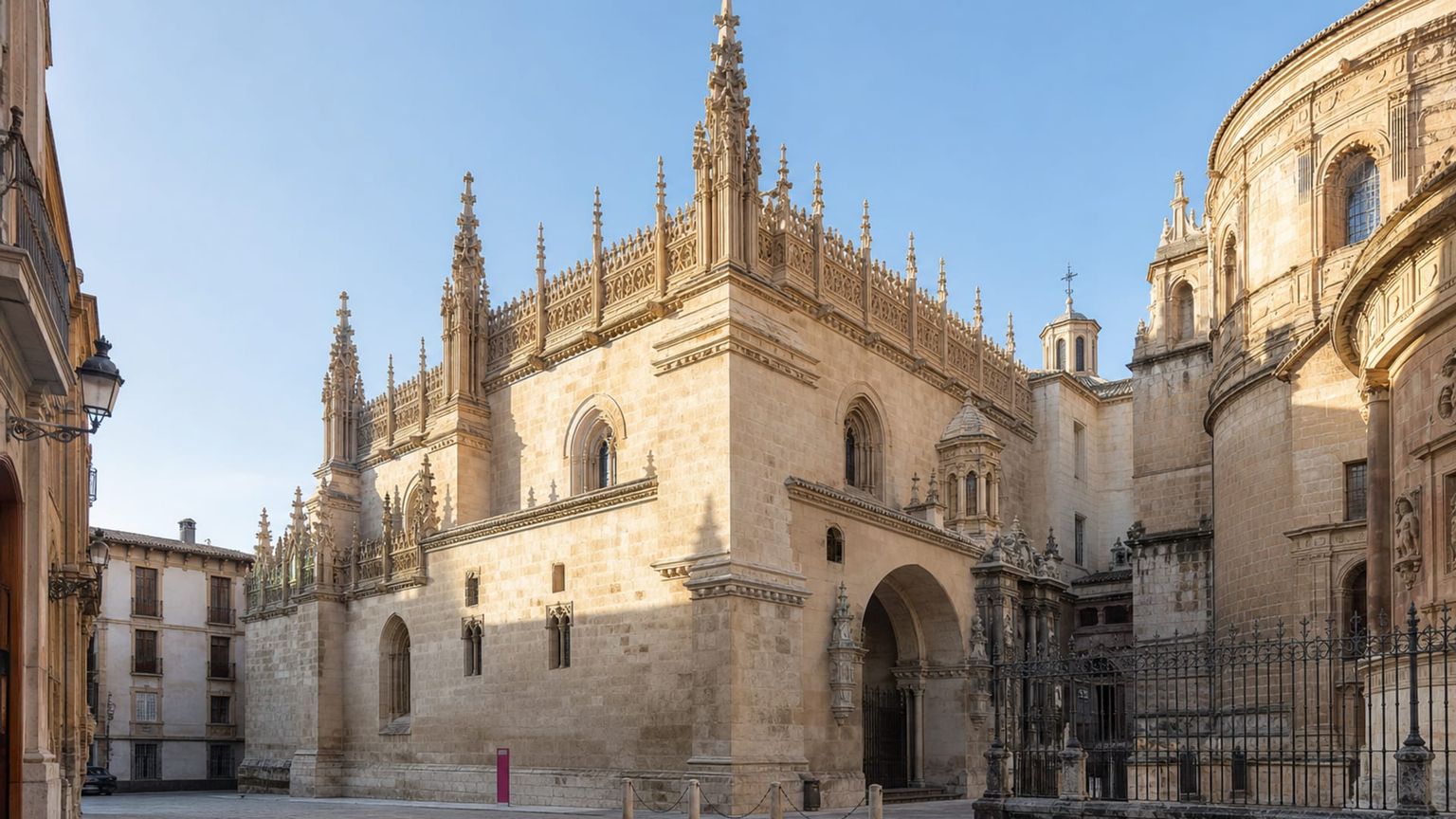
Tip: Pair it with the Royal Chapel next door, which requires a separate ticket.
Mirador de San Nicolás
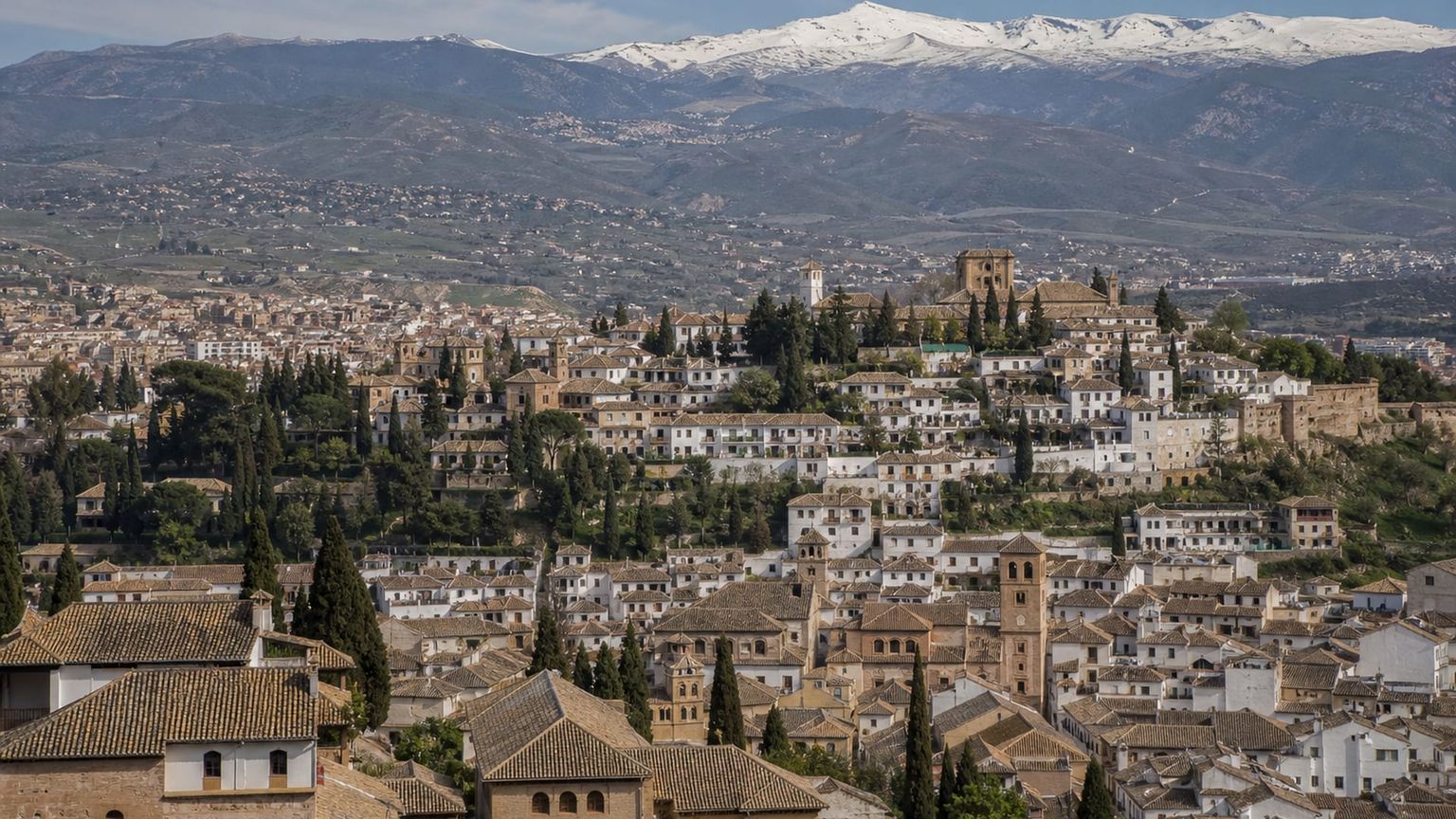
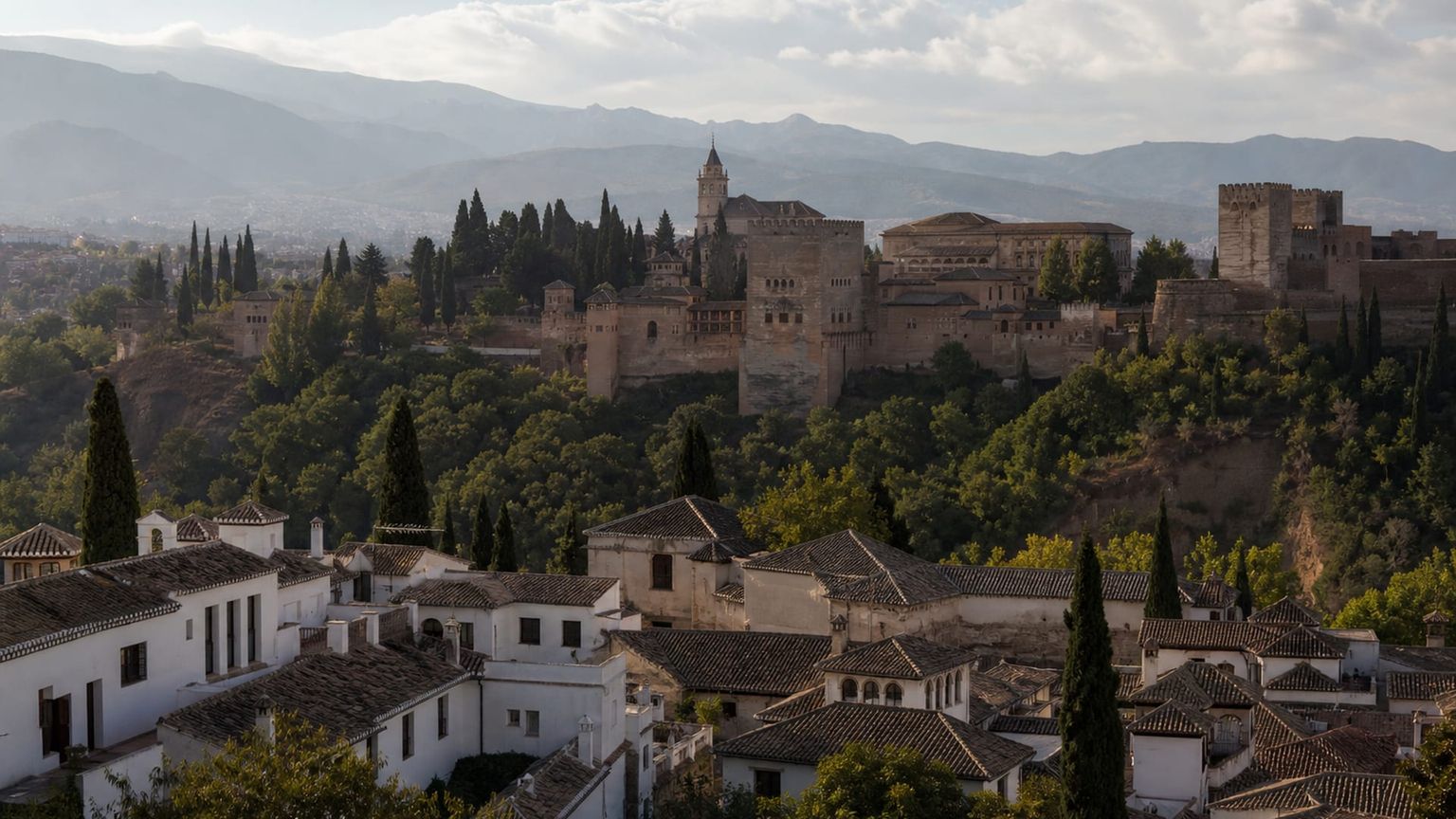
Mirador de San Nicolás opens directly toward the Alhambra across the Darro valley, with the Sierra Nevada rising behind it on clear days. The surrounding Albaicín lanes, whitewashed houses, and small plazas make the walk to the viewpoint part of the experience, especially near sunset.
Time needed: A visit takes 30–45 minutes.
Entry: You can visit the viewpoint for free. Visit the official site for details.
Tip: Visit before sunset for daylight and evening views of the Alhambra.
Overlooked sites worth visiting

Carmen de los Mártires
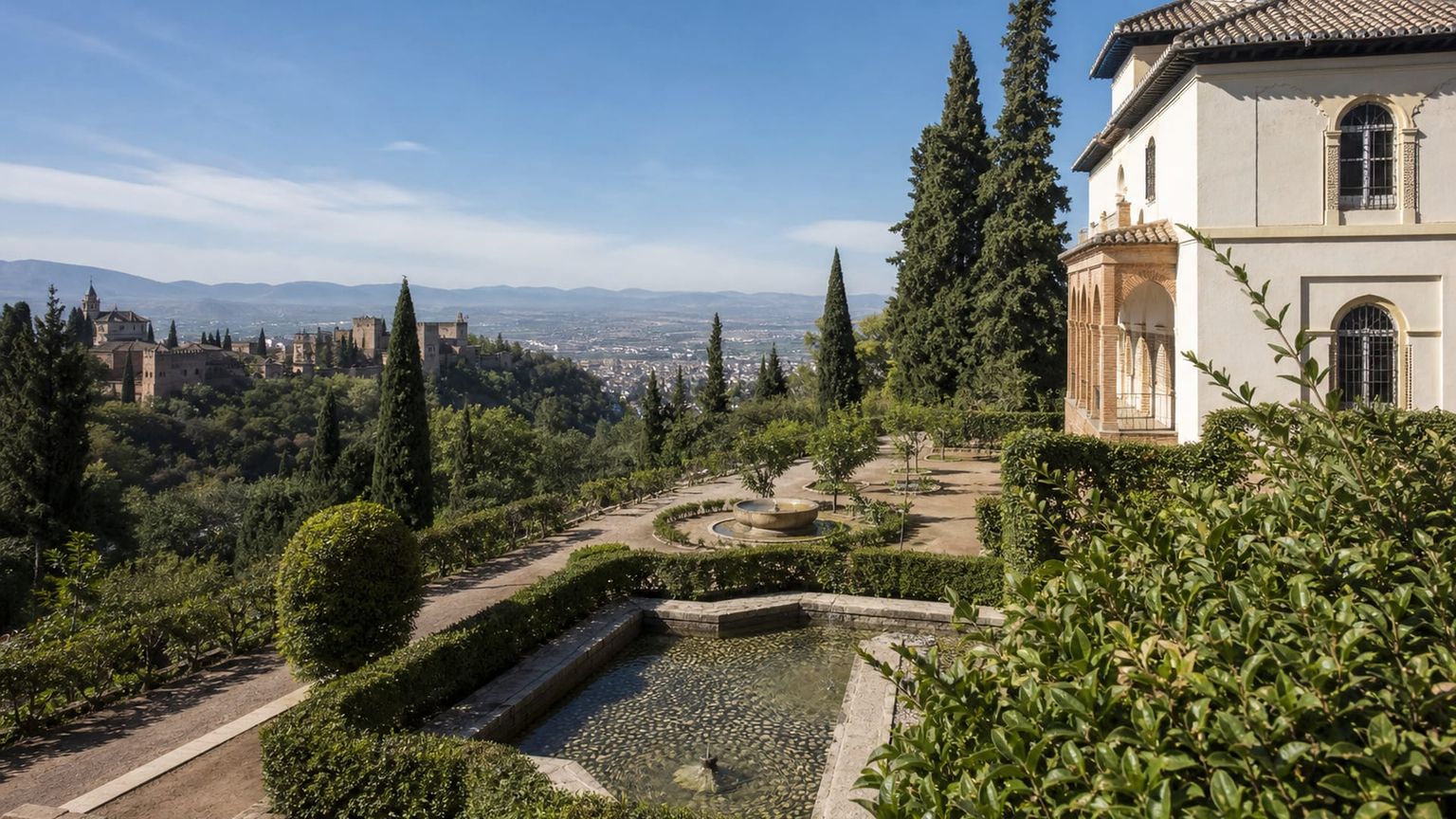
Carmen de los Mártires surrounds a 19th-century palace with French, English, palm, and landscape gardens, plus a Nasrid-style courtyard overlooking Granada and the surrounding hills.
Time needed: A visit takes approximately 1 hour.
Entry: The gardens are free to enter; the palace interior is not open to the public. Visit the official website for details.
Tip: Visit late afternoon for cooler paths and softer light over the city.

Corral del Carbón
Corral del Carbón is a 14th-century Nasrid merchant inn and warehouse, with a monumental horseshoe-arched entrance leading into a compact courtyard surrounded by upper galleries.
Time needed: A visit takes 30–45 minutes.
Entry: The Andalusian Monuments ticket costs €8.48 ($9.50). Admission is free on Sundays. Visit the official website for details.
Tip: Stop here while exploring the Cathedral and nearby historic center.
Traditional food
Granada’s cooking draws on olive oil, cured ham, broad beans, cod, oranges, and rich local sweets, with tapas bars and traditional restaurants keeping these dishes in regular rotation.
Tortilla del Sacromonte
Tortilla del Sacromonte is a rich omelet traditionally made with eggs, lamb or pork offal, and sometimes ham, peas, or other vegetables. Venta del Gallo in Sacromonte serves it as one of its classic Granada specialties.
Piononos
Piononos are small rolled sponge cakes soaked in syrup, filled with cream, and finished with a layer of toasted custard on top. Casa Ysla specializes in the original Santa Fe recipe and remains one of the best-known places to try them.
Remojón granadino
Remojón granadino combines orange, salted cod, olives, onion, and olive oil in a sweet, salty, and citrusy salad that is especially common in warmer weather. Parador de Granada serves it among its traditional regional dishes.
Habas con jamón
Habas con jamón pairs tender broad beans with diced cured ham, usually cooked simply with onion and olive oil so the ingredients stay at the center of the dish. La Botillería serves a version with tender beans, ham, and prawns.
Best time to visit Granada
Granada is easiest to explore in spring and fall, when mild days favor the Alhambra, Albaicín, and long walks through the center.
Best for: Alhambra visits, Albaicín walks, gardens, and long afternoons outdoors
What you get: Temperatures rise from 41°F to 75°F (5°C–24°C), gardens bloom, daylight lengthens, and afternoons warm steadily by May.
Trade-offs: Semana Santa brings processions and heavier demand, so hotels and Alhambra tickets need earlier booking.
Best for: Evening tapas, sunset viewpoints, shaded gardens, and late sightseeing
What you get: Long, dry days bring 58°F–94°F (15°C–34°C), strong afternoon sun, and warm evenings that naturally push sightseeing later into the day.
Trade-offs: July and August heat makes steep daytime climbs through Albaicín and the Alhambra tiring.
Best for: Historic districts, outdoor dining, photography, and comfortable city walks
What you get: September can still feel summery, but 42°F–84°F (5°C–29°C) gives way to cooler evenings, softer light, and a sharper November chill.
Trade-offs: Rain becomes more frequent later in fall, and November evenings can feel sharply colder.
Best for: Museums, quieter streets, clear mountain views, and daytime sightseeing
What you get: Cold mornings at 34°F–58°F (1°C–15°C) contrast with brighter afternoons, frequent frost, and snow visible across the Sierra Nevada.
Trade-offs: Cold nights and occasional rain shorten comfortable outdoor time, especially after sunset.
A realistic 5-day plan in Granada
Granada is easier to enjoy when each day has its own rhythm. Give the Alhambra its own morning, save the hillside quarters for another day, and keep the center separate. That way, the trip feels varied without turning every day into a climb.
After landing at Federico García Lorca Granada-Jaén Airport (GRX), head into Centro or Realejo and keep the first evening easy. After you check in, take a short walk around Plaza Bib-Rambla, find a nearby tapas bar, and let the city come to you without chasing a major sight. If the flight was long, stop there. Granada gets much steeper once you leave the center, so saving the hills for later makes the first night feel relaxed instead of rushed.
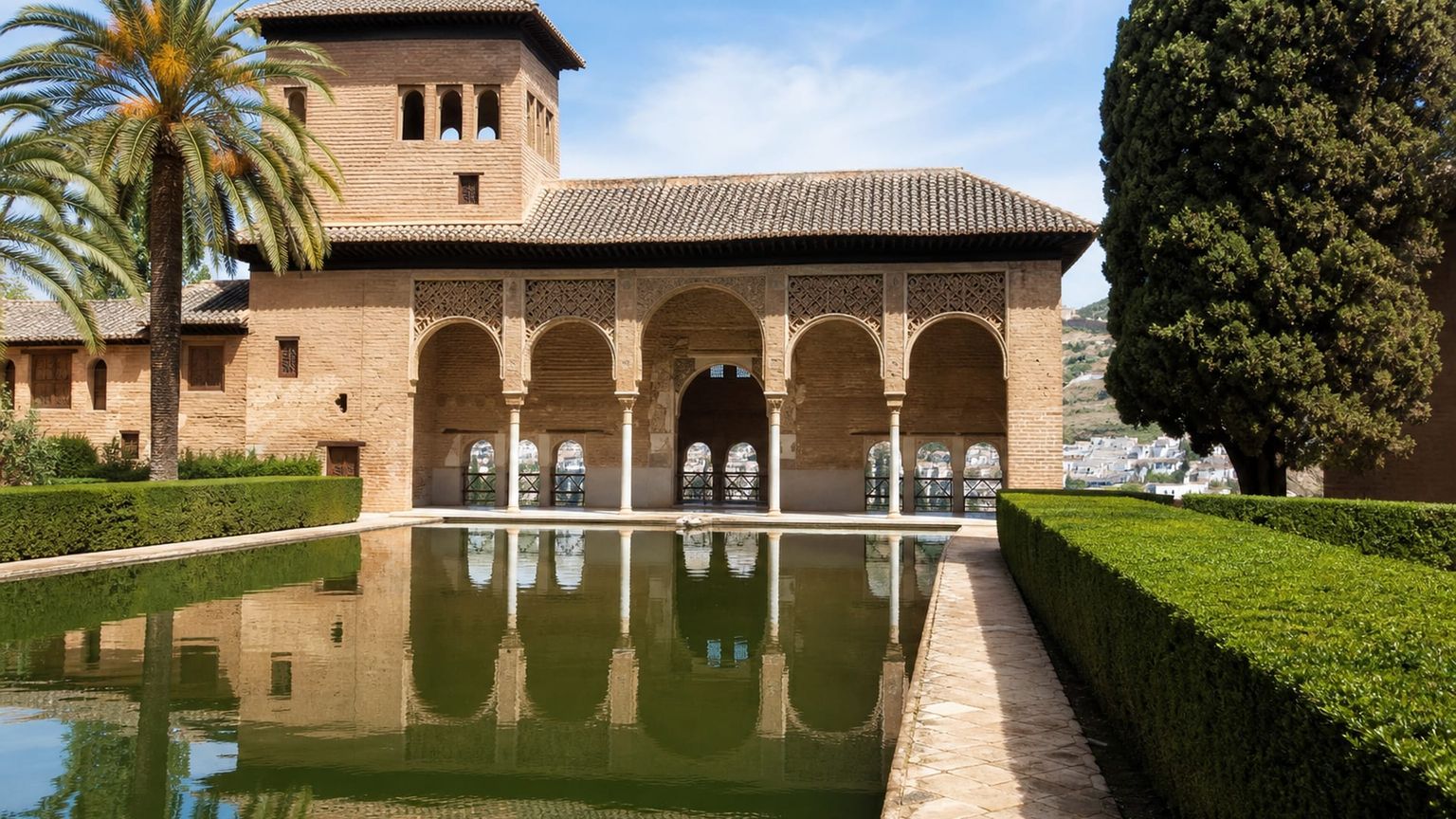
The Alhambra deserves a day that is not crowded with anything else. Start with your timed Nasrid Palaces entry, then walk through the Alcazaba and Generalife at a pace that lets you notice the details instead of rushing from room to room. After lunch, walk to Carmen de los Mártires for quieter gardens and open views over Granada. By late afternoon, head down toward Realejo for dinner instead of climbing the hill again later.
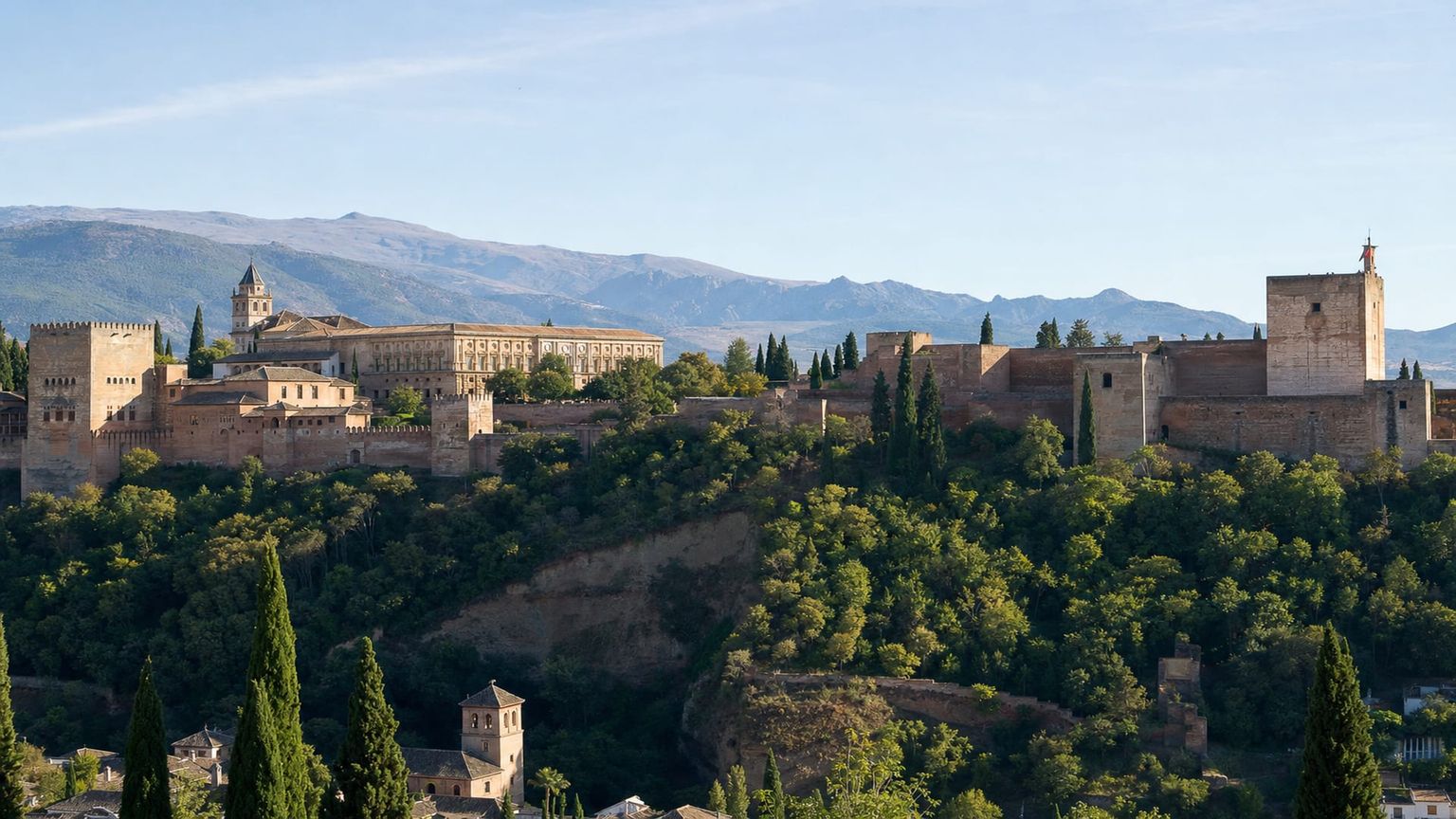
If Granada’s old hillside quarters are what you came for, give this day to the Albaicín and Sacromonte. Begin beside the Darro, follow Carrera del Darro and Paseo de los Tristes, then climb slowly toward Mirador de San Nicolás through whitewashed lanes and small plazas. Later, continue into Sacromonte for cave houses and valley views. Stay for an evening flamenco performance if that interests you, then take a taxi back instead of retracing the climb on foot.
This is the easiest day to keep almost entirely on foot. Start at Granada Cathedral and the Royal Chapel, then slip into the Alcaicería before continuing to Plaza Bib-Rambla and Corral del Carbón. The distances are short, so there is no reason to race between stops. Take a long lunch, wander the nearby shopping streets, and leave space for coffee or another tapas stop. After the previous two hill days, the flatter center gives your legs a break without feeling like a slow day.
Keep the final morning in Realejo, where you can still see something worthwhile without committing to a long route before departure. Walk through Campo del Príncipe, stop at Cuarto Real de Santo Domingo if the timing fits, then choose a café or tapas bar for one last meal. Because Realejo is close to Centro and the airport bus route, you can pick up your bags and leave without crossing Granada again.
Business-class flights from the US to Granada
Granada has no nonstop service from the US. Thus, flights from both New York (JFK) and Los Angeles (LAX) have at least one layover in a major hub.
New York (JFK) to Granada (GRX)
Iberia, British Airways, and American Airlines operate connecting flights to Granada (GRX) from New York (JFK). These flights have 1 or 2 stops in Madrid (MAD), Boston (BOS), or London (LHR). The total travel time is usually 10–18 hours. Round-trip business-class fares generally range from $2,200 to $5,500, with Easter and summer dates often priced higher.
Los Angeles (LAX) to Granada (GRX)
The same airlines, Iberia, American Airlines, and British Airways, also offer connecting flights from Los Angeles (LAX) to Granada (GRX). These flights usually have 2 layovers in Chicago (ORD), Dallas (DFW), Miami (MIA), or Madrid (MAD). The longer transatlantic flight pushes the full journey closer to 17–30 hours. Business-class tickets on this route usually cost between $2,600 and $6,200.
Granada comes together one neighborhood at a time
Granada is easier to appreciate when the Alhambra, Albaicín, Sacromonte, Realejo, and the historic center each have their own place in the trip. Grouping nearby sights keeps the steepest walks and transfers from taking over the day, while still leaving room for tapas, viewpoints, and slower evenings. When you are ready to plan your stay, AranGrant can help you compare business-class flights to Granada and hotels in the area that fit your trip.