

Chapters:

Need help with your trip?
Our support team is available 24/7. Request a callback or call us directly at (833) 619-0908
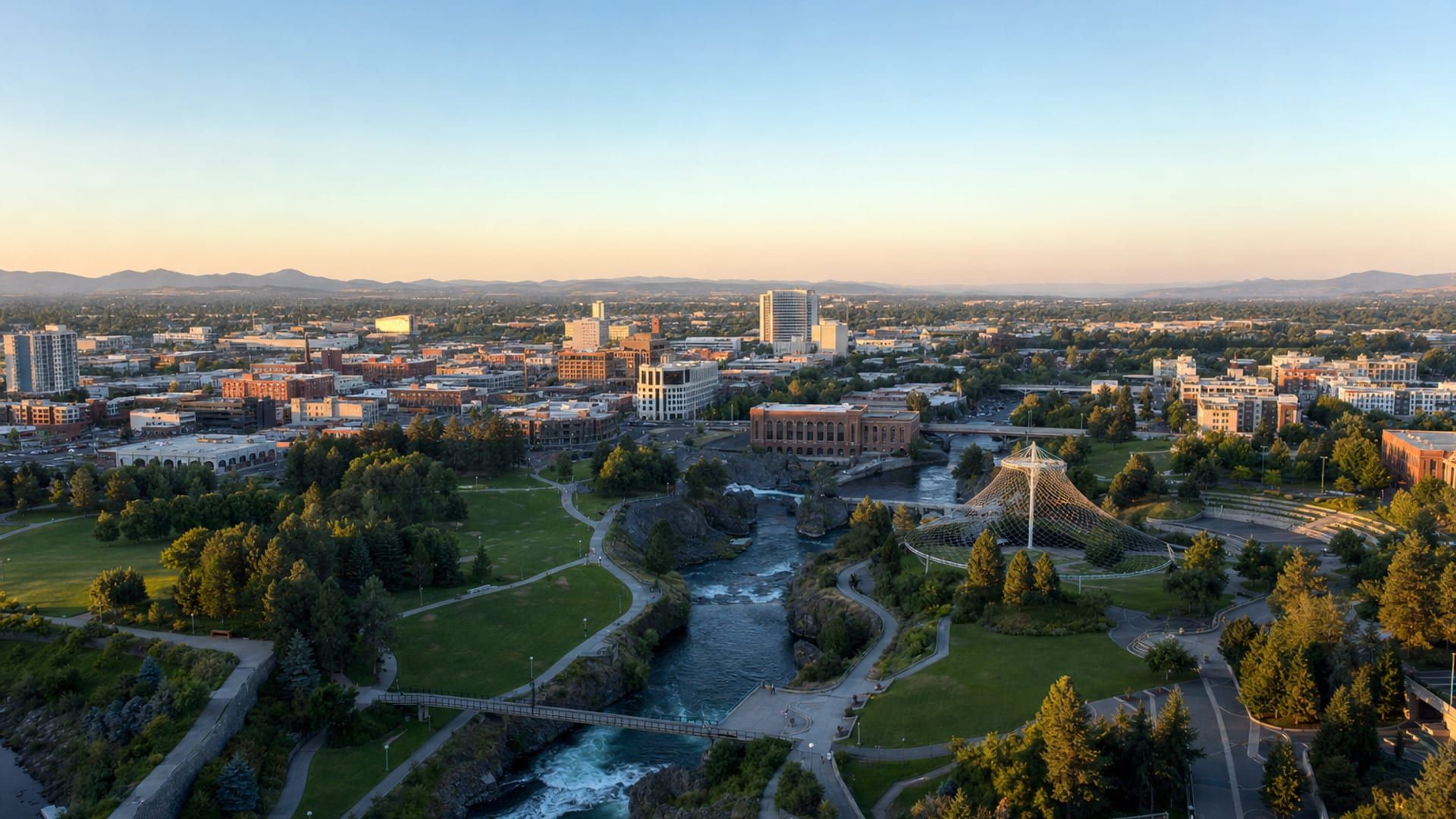
Spokane itineraries often center on one easy cluster, Riverfront Park, Downtown Spokane, and a single South Hill stop, yet many visitors still underplan the time between them. They miss how much the city opens up once you mix the riverfront with the older neighborhoods and the garden-heavy south side.
That gap matters because Spokane spreads out enough that casual zigzagging can waste time, and event traffic, one-way streets, and limited late transit shape the day more than first-time visitors expect. A meal plan also helps, since kitchen hours are not uniform.
This guide organizes the city by neighborhood, timing, and transfer time, so each day has a clear anchor and the distances stay manageable.
Useful things to know

Main language(s): English

Currency: The local currency is the US dollar (USD, $).

Cash and cards: Cards and contactless are widely accepted; carry about $20 to $40 in cash for tips, small purchases, and any cash-only spots.

Tipping: Tip 15-20% at sit-down restaurants; round up small tabs and tip a few dollars for coffee or counter service.

Traditional food: Indian fry bread, huckleberry pie, Spokane-style pizza, smoked salmon

Water and coffee costs: Water about $2 ($2), bar espresso about $4 ($4).

Taxis and ride apps: Uber and Lyft operate here; availability can thin late at night.

Plug and voltage: Type B socket, 120V

Dining and shop opening hours: Breakfast 07:00-10:00, lunch 11:30-14:00, dinner 17:00-21:00. Some restaurants close by 22:00, and a few kitchens shut one day a week.

Emergency number: 911 for police, fire, and medical emergencies.
Where to stay in Spokane
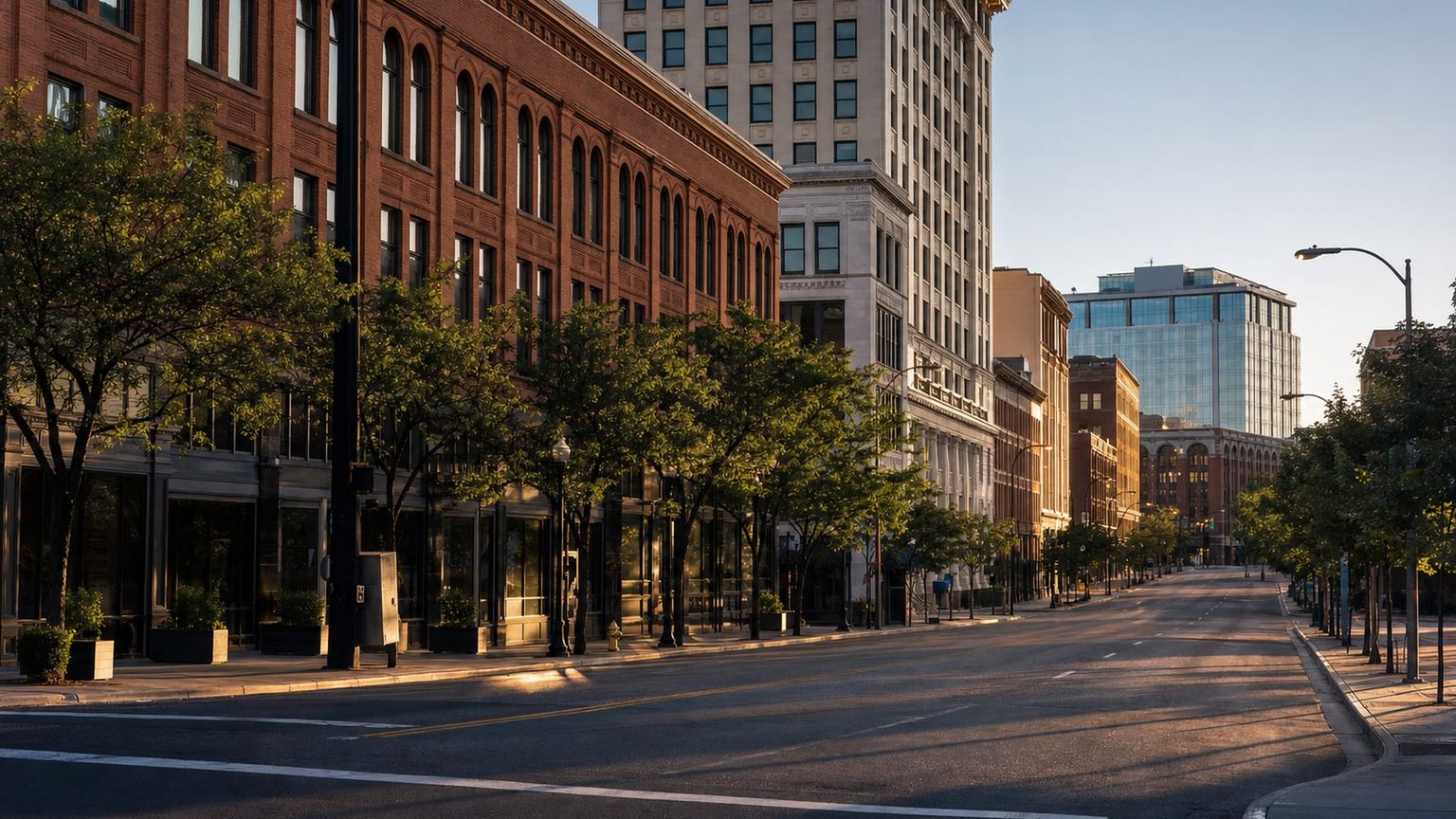
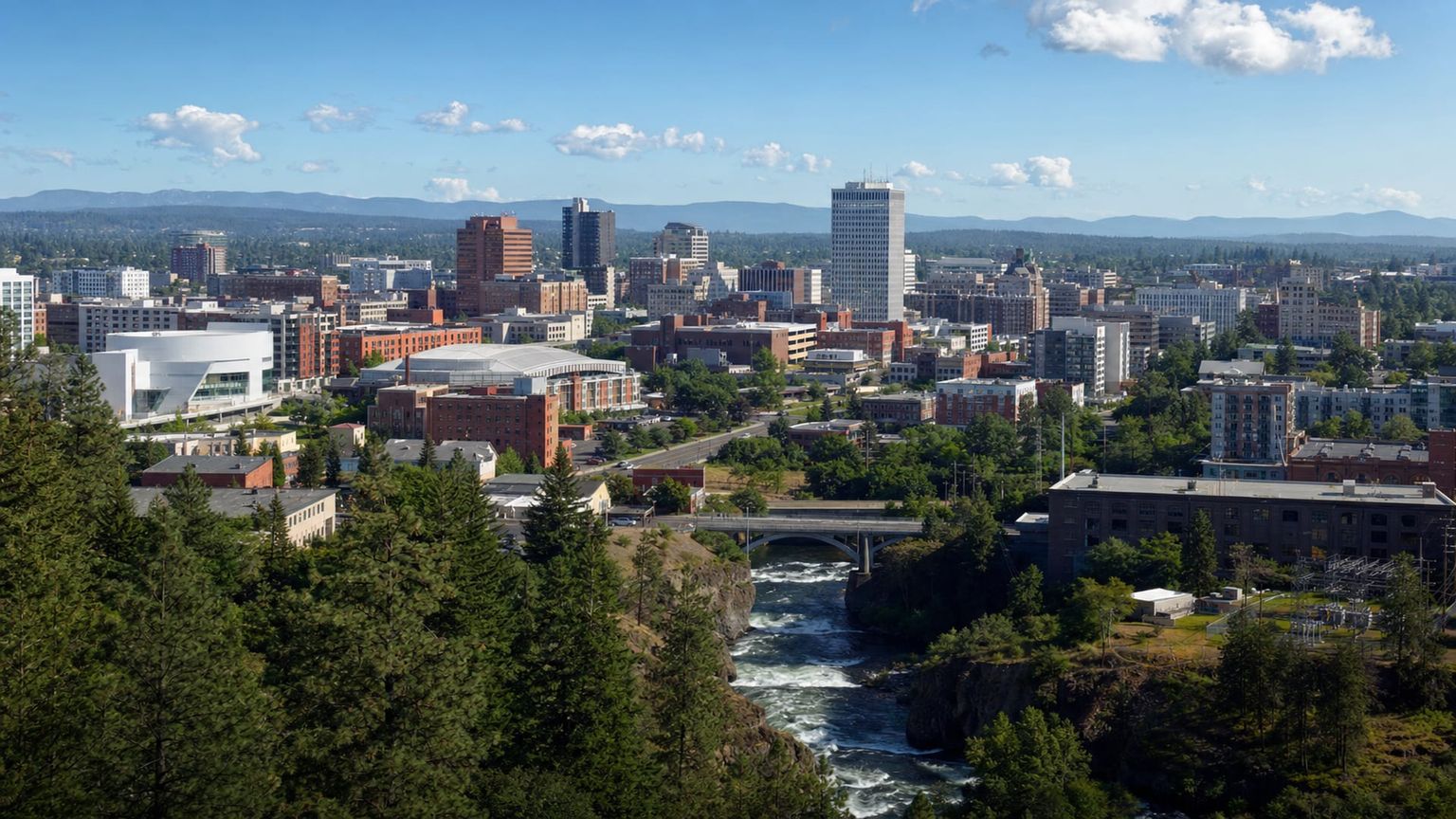
The city center puts you close to Riverfront Park, the Spokane River, and the main dining blocks around Main and Riverside. It suits visitors who want the easiest access to museums, events, and the region’s busiest hotel cluster.
Best for: Sightseeing, dining, events, and travelers who want to move around on foot
What to expect: Busy sidewalks by day, with a steady mix of office workers, hotel guests, and people heading to restaurants or shows.
Hotel prices: Usually about $140 to $260 per night for well-rated stays
Distance to major sights: 5 to 15 minutes on foot to Riverfront Park, 10 to 20 minutes on foot to the Spokane Convention Center
Quietness: Livelier in the day and evening, then quieter late at night once restaurants close.
Main trade-off: You will pay more for the central location, and some blocks feel active late into the evening.
Good to know: If you plan to use rideshares, confirm late-night pickup spots, since one-way streets and event traffic can slow them down.
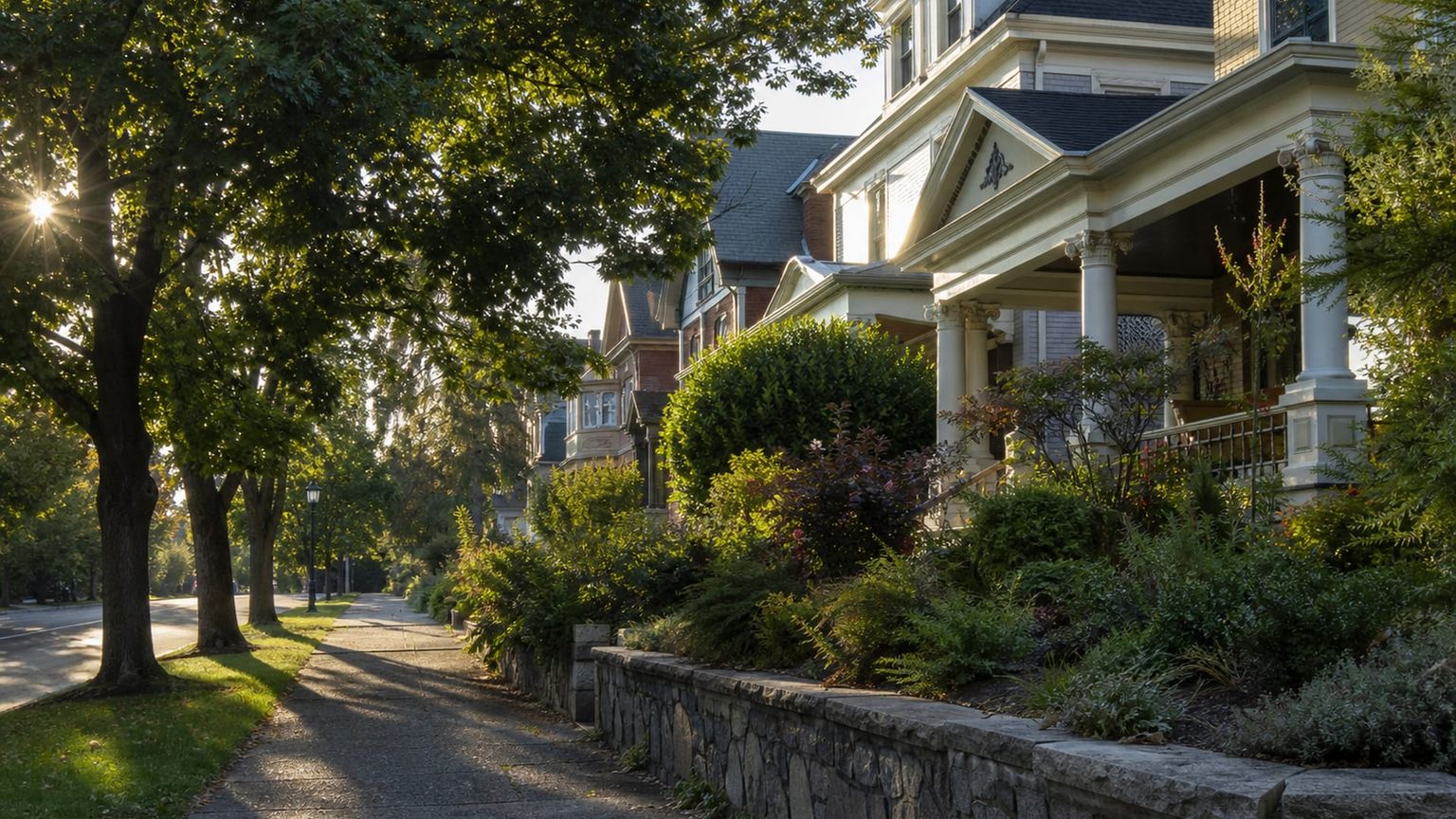
Browne’s Addition sits just west of downtown and pairs historic homes with quick access to the city center. It works well if you want a neighborhood feel without giving up an easy ride to restaurants, museums, and riverfront sights.
Best for: Historic charm, quieter evenings, and close-in stays with easy downtown access
What to expect: Tree-lined streets, older houses, and lighter foot traffic than downtown, with neighborhood bars and cafes along main corridors.
Hotel prices: Usually about $120 to $220 per night for well-rated stays
Distance to major sights: About 10 minutes by car or 20 to 25 minutes on foot to Riverfront Park, about 10 minutes by car to downtown museums
Quietness: Calm in the evening on residential streets, with more activity near the main roads.
Main trade-off: You may have fewer hotel choices, and some attractions still require a car or rideshare.
Good to know: Street parking can be tighter near older apartment buildings, so check whether your stay includes a reserved space.
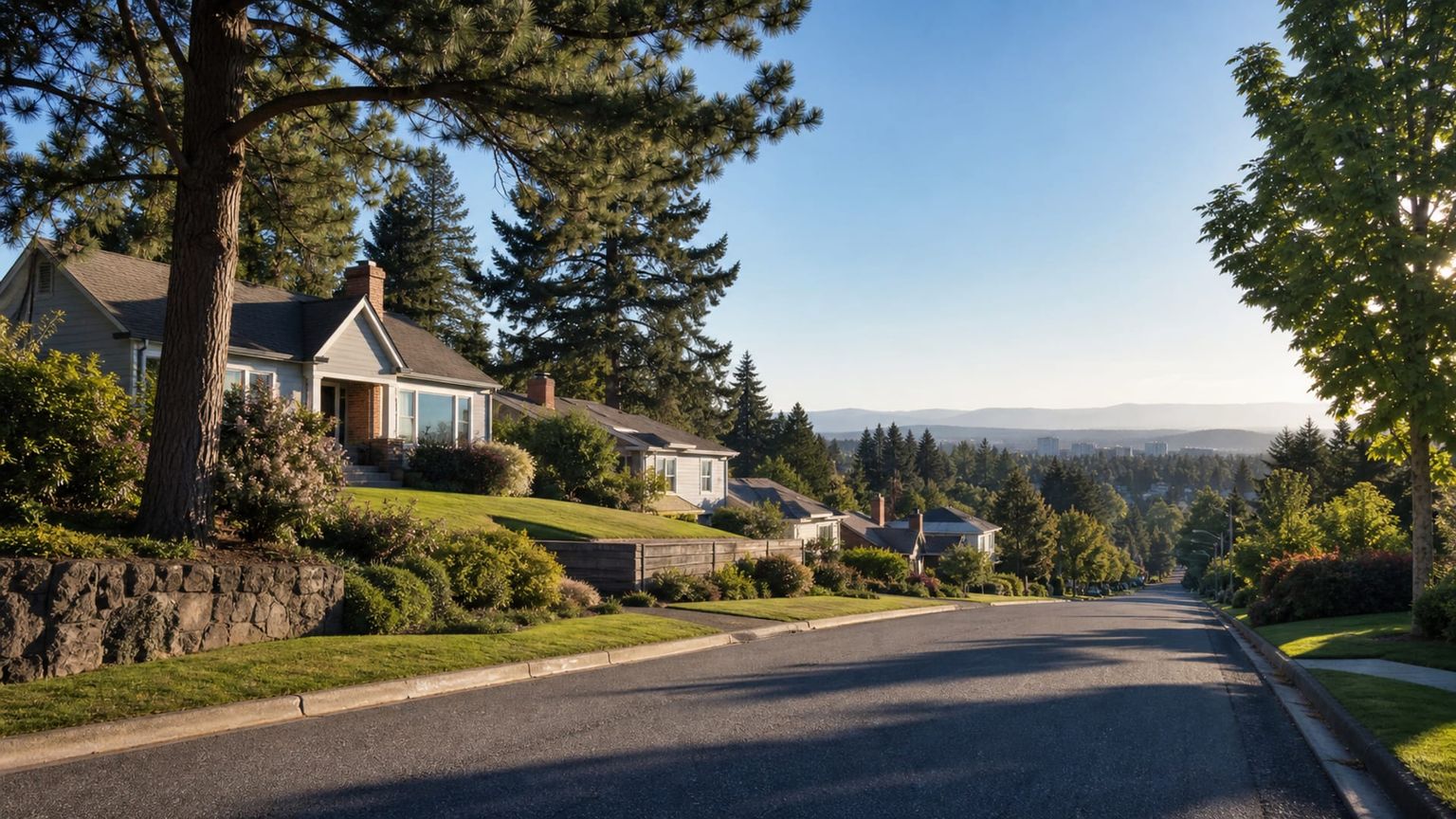
South Hill is a large residential district south of downtown with parks, local shops, and a wider spread of lodging. It suits travelers who prefer a more residential base and do not mind a short ride to the riverfront and downtown core.
Best for: Longer stays, family trips, and travelers who prefer a residential base
What to expect: Mostly neighborhood traffic, grocery runs, and local diners, with busier pockets near Perry Street and main arterials.
Hotel prices: Usually about $110 to $200 per night for well-rated stays
Distance to major sights: About 10 to 20 minutes by car to Riverfront Park, roughly 15 minutes by car to the Northwest Museum of Arts and Culture
Quietness: Quieter at night than downtown, though major roads stay active during rush hour.
Main trade-off: You will usually need transit, a car, or rideshare for most central attractions.
Good to know: If you want to walk for breakfast or dinner, choose a stay near one of the main commercial strips rather than a deeper residential block.
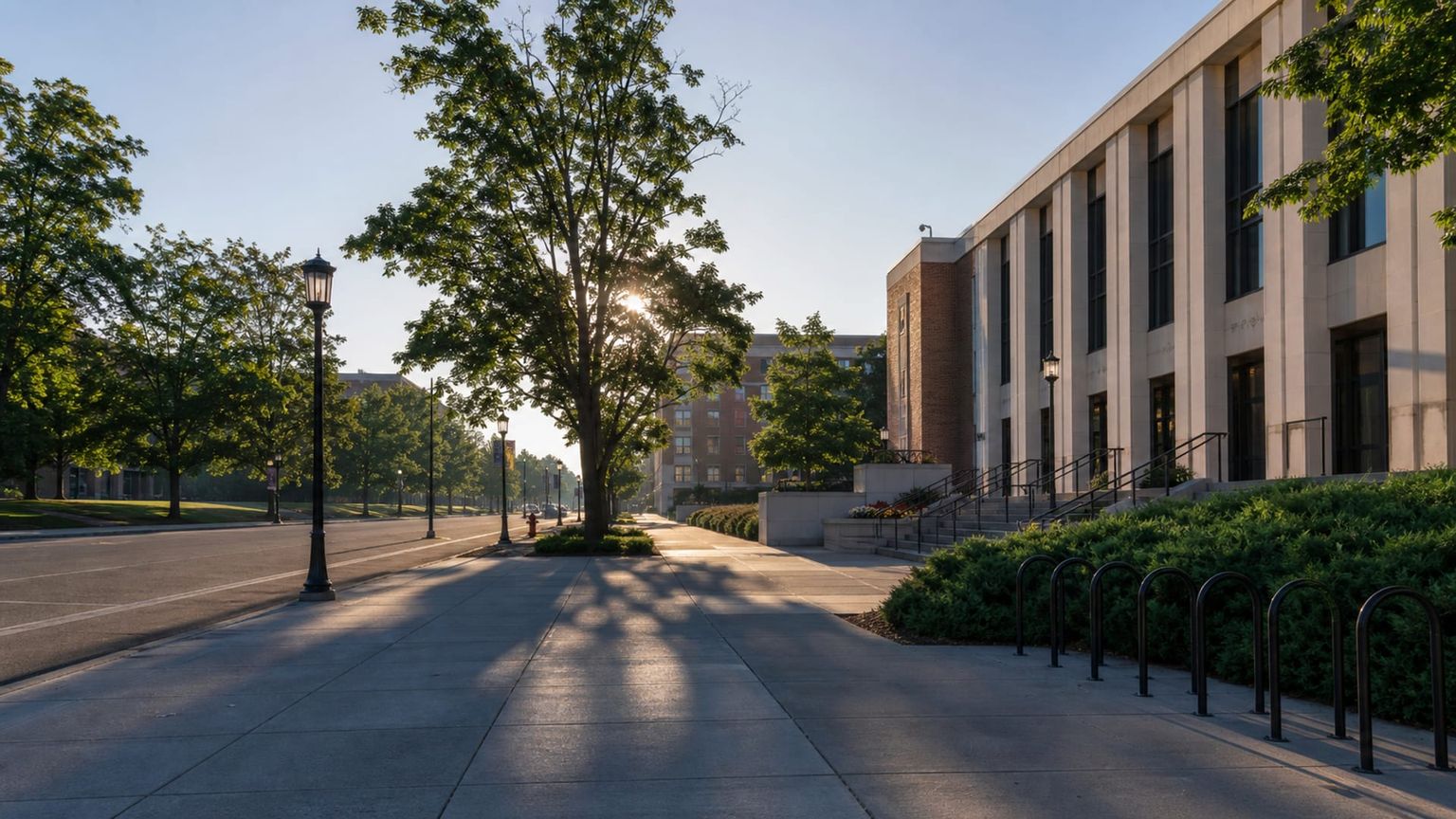
The University District spans the area around Gonzaga University and nearby medical and academic buildings east of downtown. It is a useful base for visitors who want walkable access to campus, the Centennial Trail, and a direct line into the city center.
Best for: Campus visits, walkable trail access, and travelers who want a direct link to downtown
What to expect: Student foot traffic, coffee shops, and a lively weekday pace near campus, with quieter side streets away from the main corridors.
Hotel prices: Usually about $130 to $230 per night for well-rated stays
Distance to major sights: About 10 to 15 minutes on foot to Gonzaga University, about 15 to 20 minutes by car to Riverfront Park
Quietness: Active on weekdays and during school events, then noticeably quieter later at night.
Main trade-off: Hotel inventory is smaller than downtown, and event weekends can push up rates near campus.
Good to know: If your trip overlaps with a game or graduation, book early, since parking and room rates rise fast around the university.
Travelers usually avoid staying in Airway Heights, as it sits west of the airport and about 8 to 10 miles from downtown Spokane and the riverfront sights, so evening trips back from the center take time. East Central and Hillyard are also less convenient for visitors, since they are far from most tourist areas and have fewer hotel options and visitor-oriented amenities than downtown, the University District, or the South Hill.
Hotel deals
How to get around Spokane efficiently
Spokane has no metro, so most visitors move between neighborhoods by walking, Spokane Transit Authority buses, taxis, or rideshares.

Metro
for longer distances
Spokane has no metro or subway, so visitors usually rely on buses, taxis, rideshares, or a rental car; the closest rail-style option is regional Amtrak service at Spokane station, with no urban underground network to use for local trips.

Bus and tram
for convenience
Spokane Transit Authority operates the main bus network, with frequent service on core corridors such as downtown, Browne’s Addition, and the lower South Hill, plus the Spokane Transit Authority Plaza as the main transfer point. A single ride costs $2 ($2) and a day pass is $4 ($4), with passes and transfers timed for about 2 hours of validity; buses are the best option for downtown-to-neighborhood trips, while service thins in the evenings and on Sundays.

Taxi
for convenience or late hours
Licensed taxis in Spokane are metered, not set by flat citywide fares, and rides from Spokane International Airport, Spokane (GEG), to downtown usually cost about $25 to $35 before tip, depending on traffic and exact drop-off. You can hail at the airport taxi stand, call a local company, or book in advance; most cabs take cards and cash, and short cross-town trips commonly land in the $12 to $25 range.
*Prices are based on rates updated as of June 2026 and may change at the time of travel.
Walk downtown and around Riverfront Park, use the bus for core corridor trips, and rely on taxis or rideshares when South Hill or the airport sits on the day’s edge.
Iconic landmarks
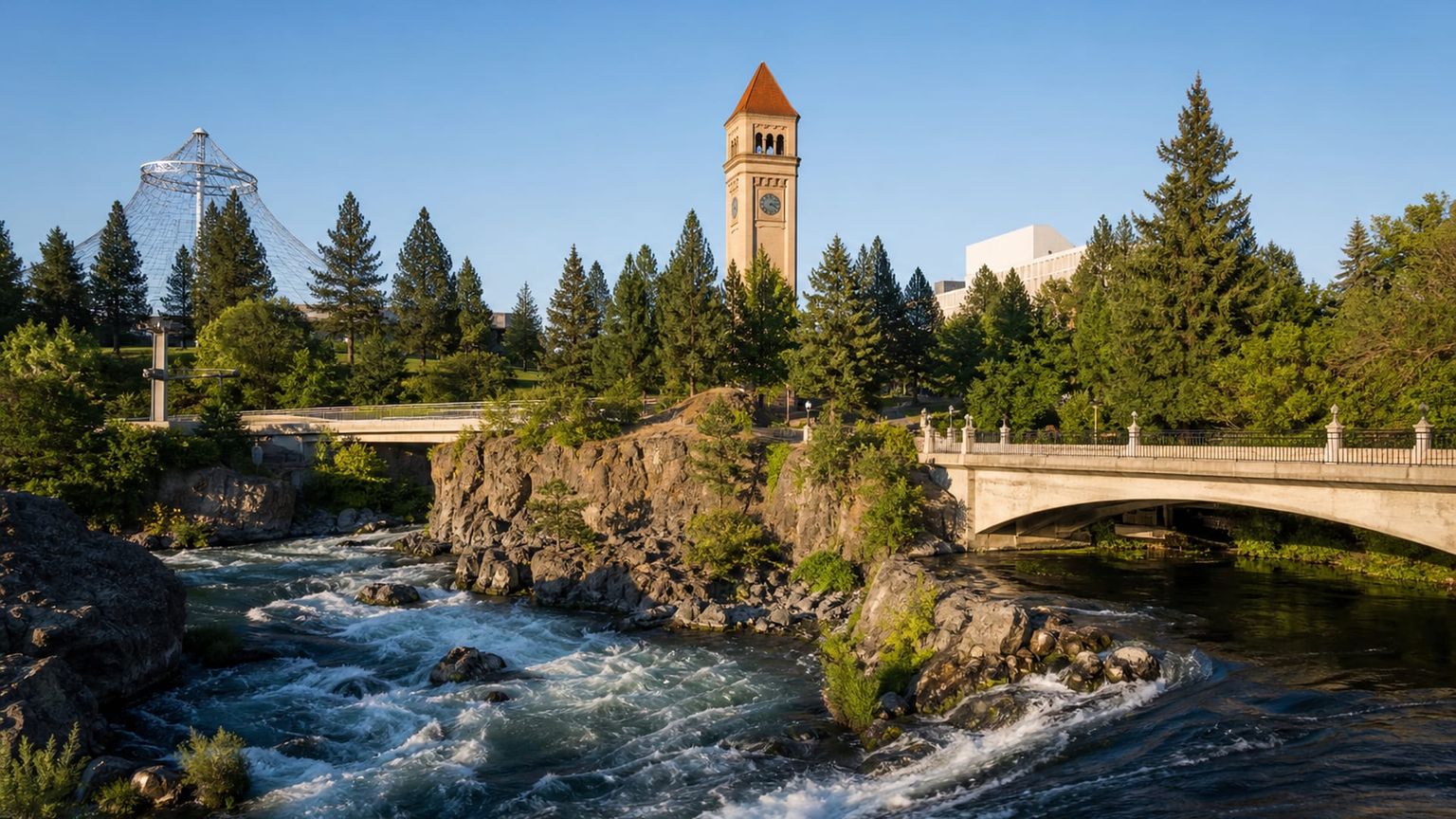
Riverfront Park
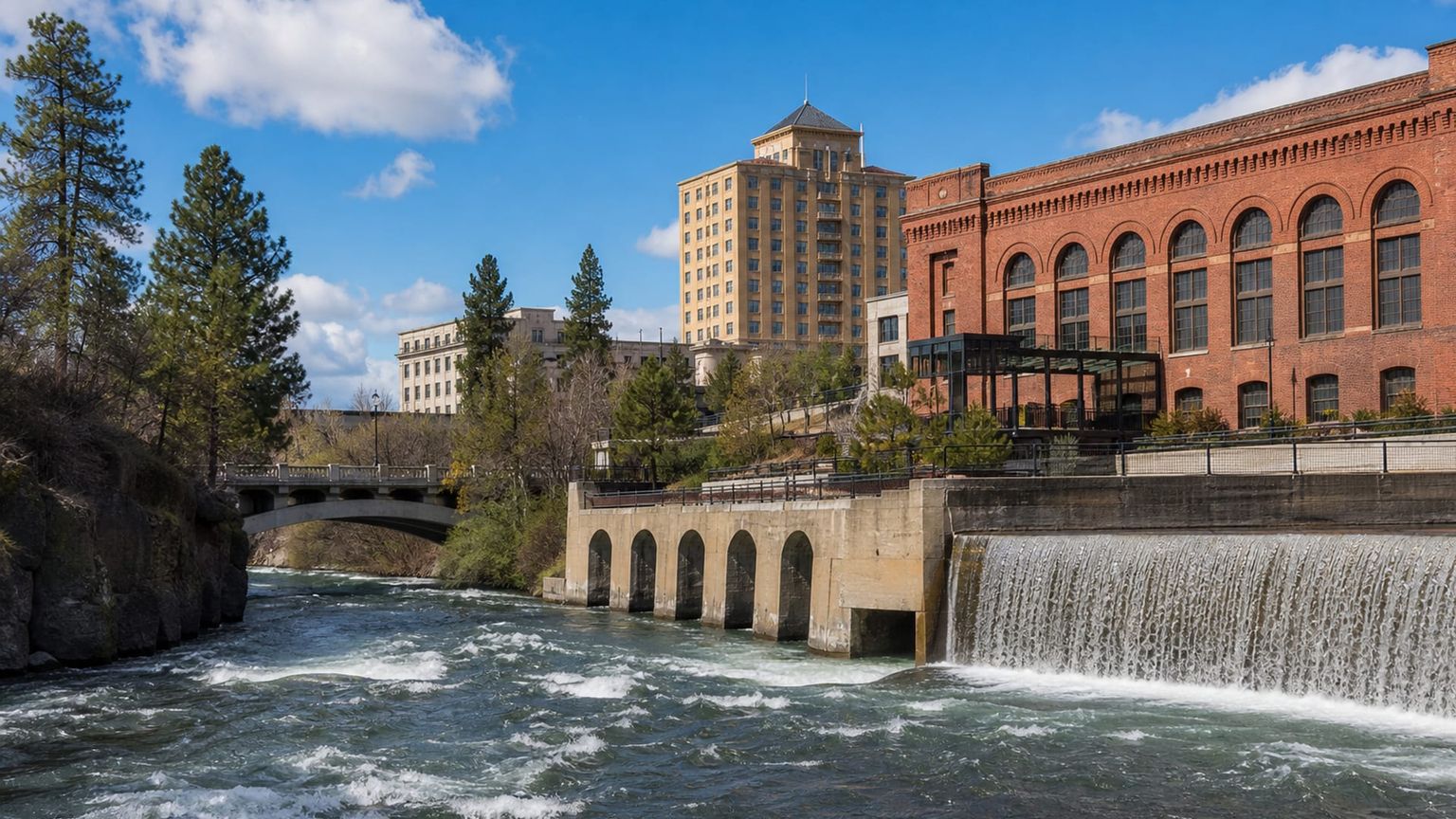
Spokane’s central riverfront park links the Spokane River, Riverfront SkyRide, Numerica Skate Ribbon, and a wide set of walking paths. It also includes the Looff Carrousel and views of Spokane Falls from several bridges and overlooks.
Time needed: About 2 to 3 hours
Entry: Free to access; some attractions, including the SkyRide and carrousel, sell separate tickets, typically $7 to $10 ($7 to $10) per ride or entry. Visit the official site for details.
Tip: Go near sunset for the falls overlooks and the best light on the river walk.
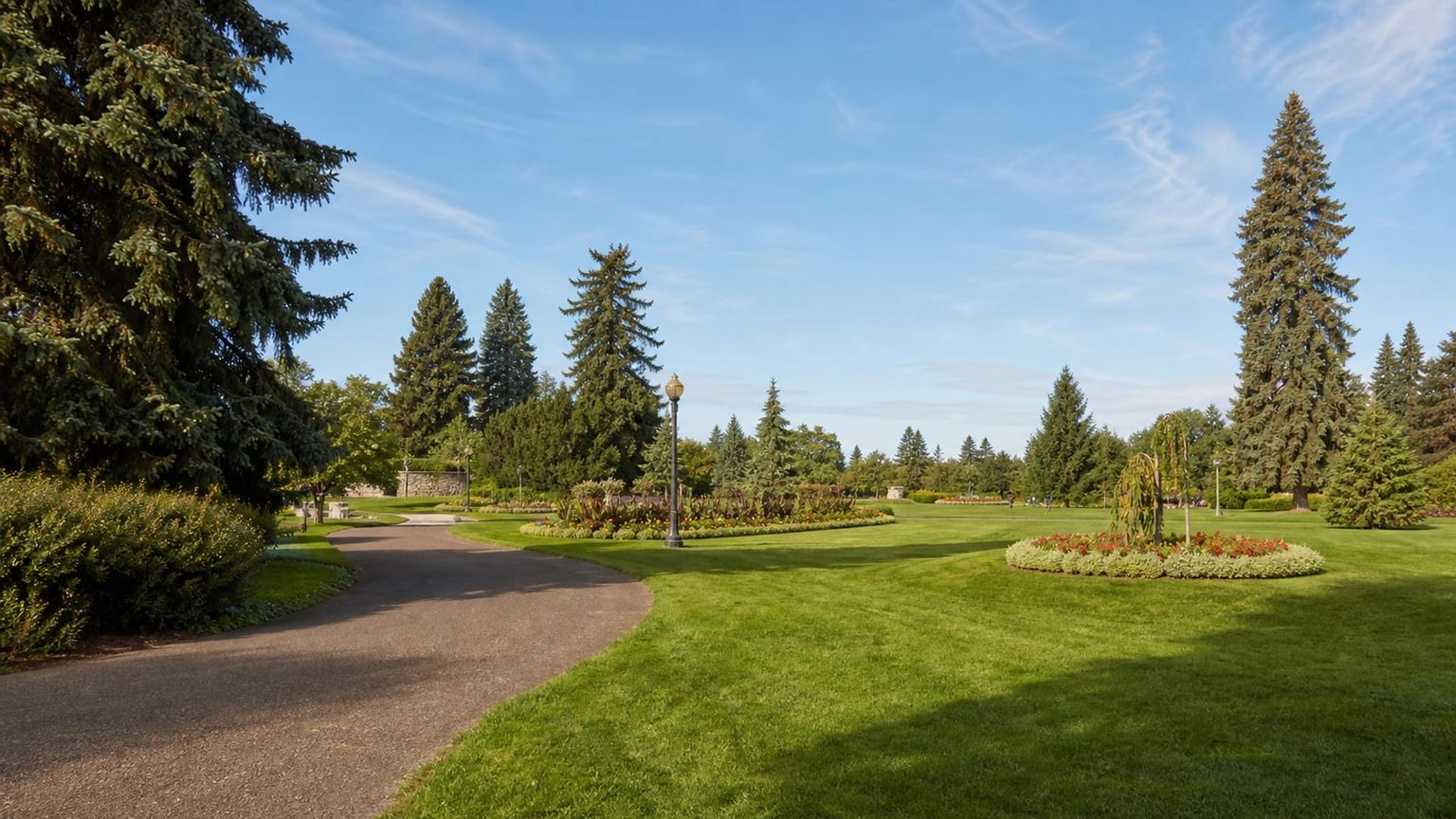
Manito Park
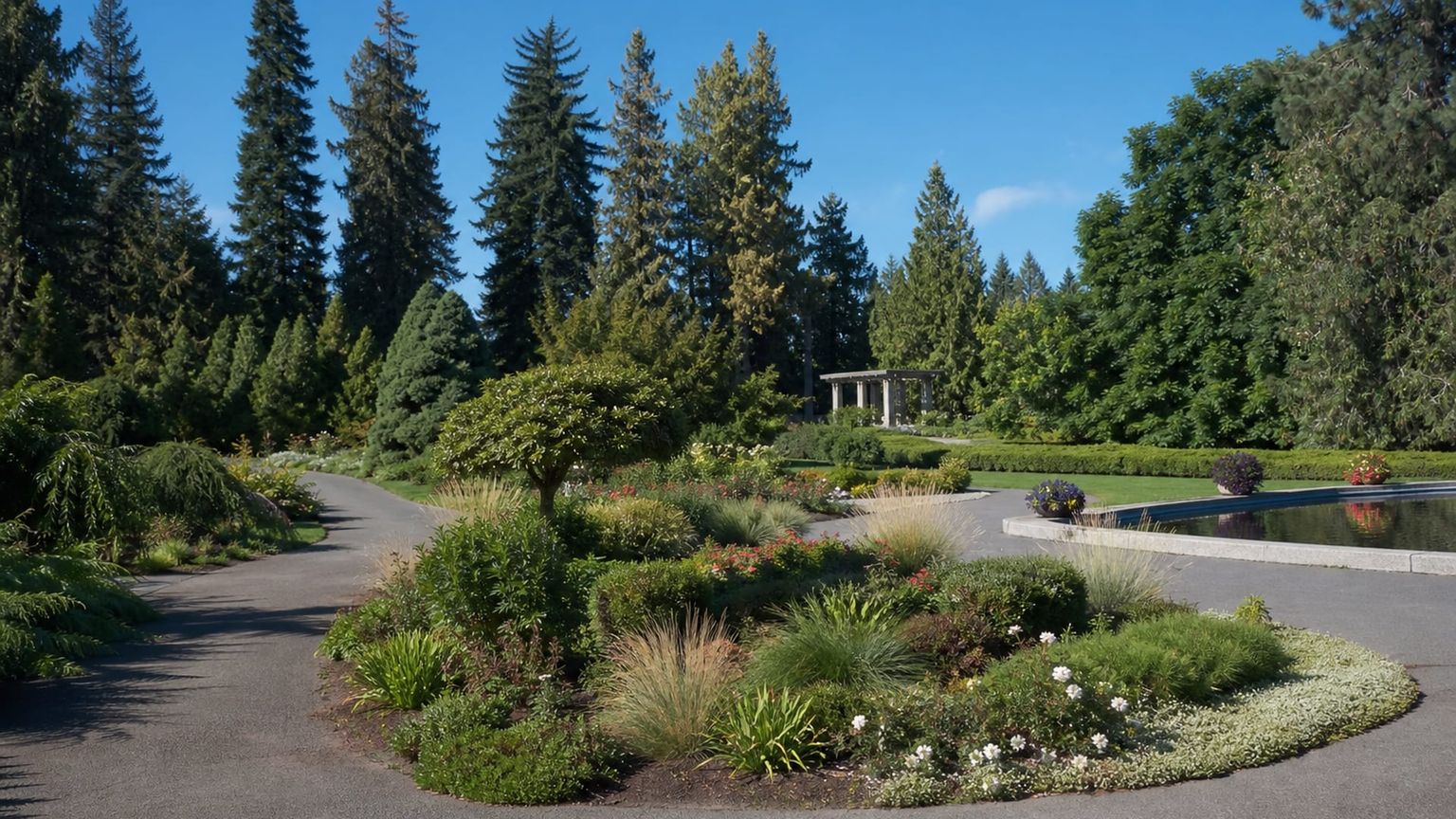
This South Hill park pairs formal gardens with broad lawns, a conservatory, and long walking paths. The Duncan Gardens, Nishinomiya Tsutakawa Japanese Garden, and Gaiser Conservatory anchor most visits.
Time needed: About 2 to 3 hours
Entry: Free to access; Gaiser Conservatory accepts donations, and special events or programs may carry separate fees for select dates. Visit the official site for details.
Tip: Visit in late spring or early summer, when the flower beds are at their fullest.
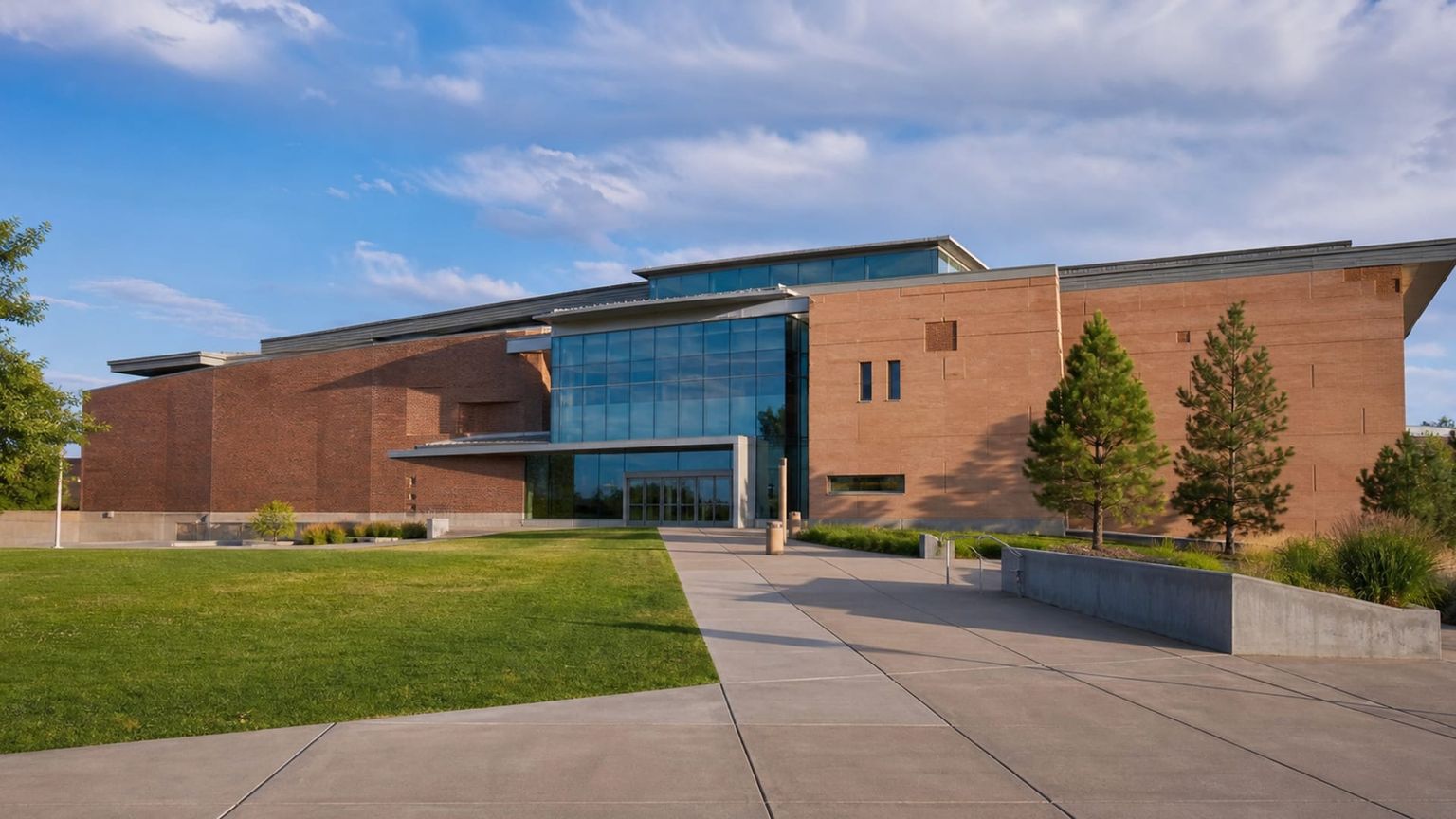
Northwest Museum of Arts and Culture
The MAC covers Inland Northwest history, regional art, and rotating exhibitions in a single museum campus. Its collections include Spokane’s early settlement, Native cultures, and a substantial archive of local objects and photographs.
Time needed: About 2 to 3 hours
Entry: Admission typically costs $12 ($12) for adults, $10 ($10) for seniors and students, and is free for children under 5. Visit the official site for details.
Tip: Plan extra time for rotating exhibitions, since they often shift the museum’s focus.
Overlooked sites worth visiting

Manito Park and Duncan Garden
Manito Park pairs formal beds, a conservatory, and tree-lined paths on Spokane’s South Hill. Duncan Garden’s geometric layout gives the visit a clear focal point without needing a long stay.
Time needed: About 1 to 2 hours
Entry: Free to access; the park and garden are open to the public without an admission fee. Seasonal features, including the Gaiser Conservatory and some specialty displays, may have separate hours or closures.
Tip: Go late afternoon for softer light on the flower beds.

Campbell House
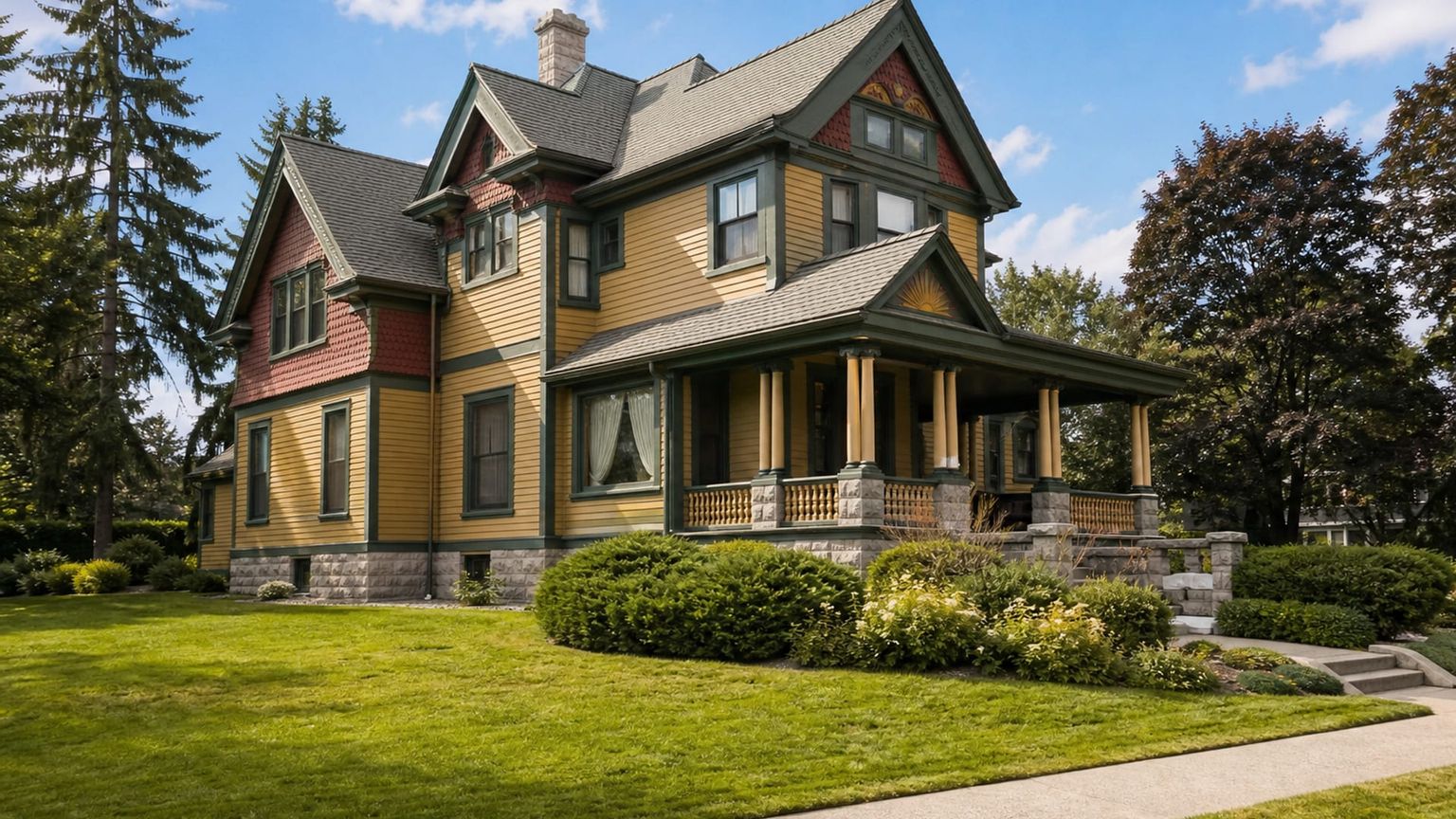
This 1898 Tudor Revival house preserves original woodwork, stained glass, and period furnishings in a compact setting. Guided visits cover the rooms, the architecture, and the family story in one stop.
Time needed: About 1 hour
Entry: Standard guided tour tickets cost about $10 to $15 ($10 to $15), with discounts for seniors, students, and children when offered. Tours run on a limited schedule, so check current hours before you go. Visit the official site for details.
Tip: Check the tour calendar before arriving; departure times are limited.
Traditional food
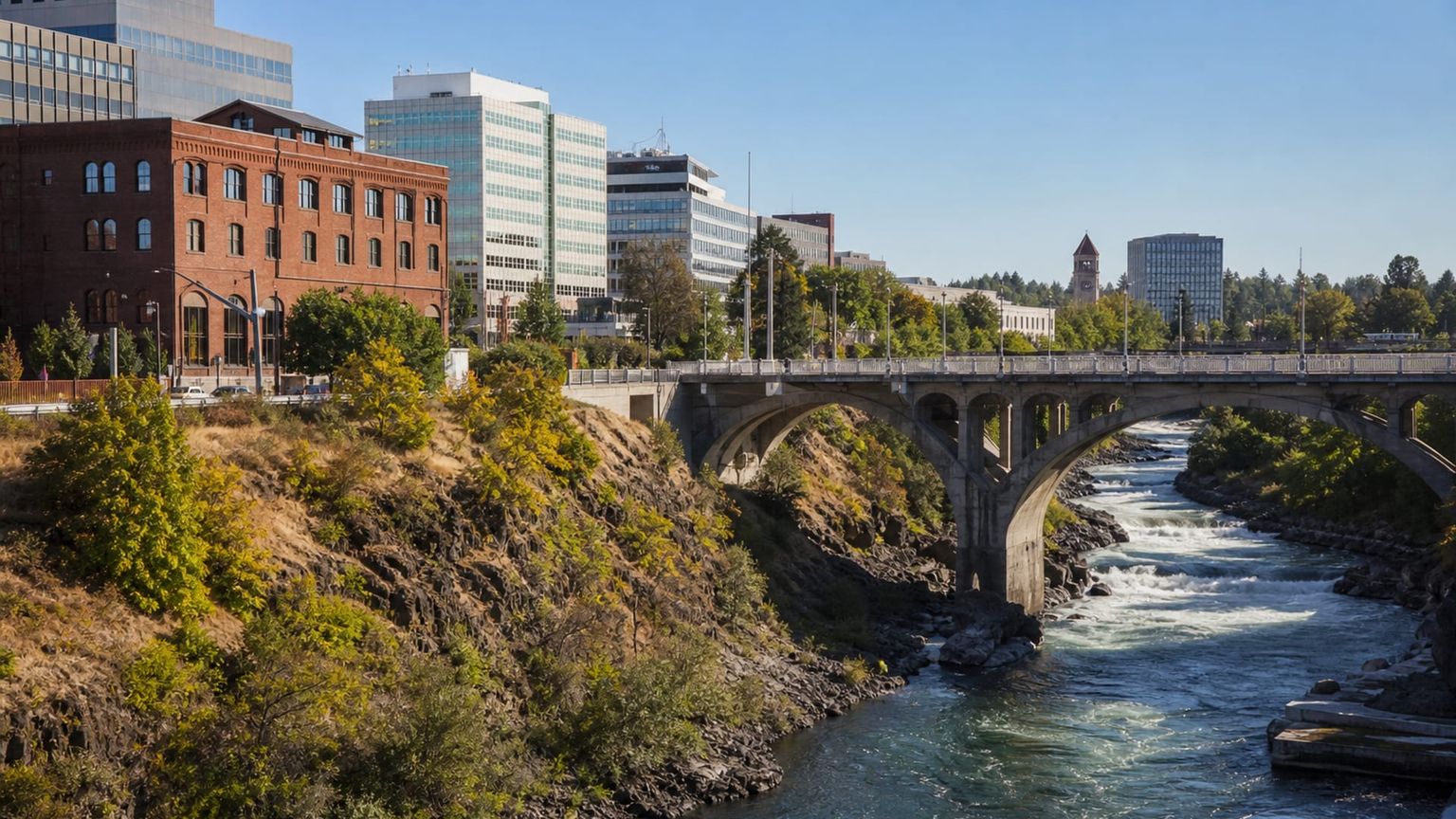
Spokane’s table leans on Inland Northwest produce, hearty breads, and regional favorites such as Indian fry bread and huckleberry pie. You will also see smoked salmon and pizza with a local twist, usually in casual rooms that close earlier than big-city dining rooms.
Indian fry bread
Warm, crisp, and best when it arrives fresh, Indian fry bread shows up in Spokane as a regional comfort dish with both savory and sweet uses. One of the best-known places to order it is Indigenous Eats, where the menu centers Native-inspired dishes.
Huckleberry pie
This regional dessert brings tart berry flavor and a Western Northwest identity to the table, often with a simple crust that lets the filling lead. Chaps Restaurant is a classic Spokane-area stop for a slice.
Spokane-style pizza
Local pizza usually means a thick, hearty pie built for casual dinners and shared tables rather than a thin, New York-style slice. Flying Goat has become a Spokane favorite for creative pies and a strong neighborhood dinner crowd.
Smoked salmon
Smoked salmon fits Spokane’s broader Northwest pantry, with rich flavor that pairs well with salads, toast, or a simple breakfast plate. Wild Sage Bistro is a dependable downtown choice when you want it in a more composed meal.
Best time to visit Spokane
Spokane changes more by light and temperature than by season alone, with gardens, riverfront walks, and museum time all shifting in usefulness as the year warms or cools.
Best for: Gardens, trail walks, and mild downtown sightseeing
What you get: Highs roughly 50 to 70°F (10 to 21°C), with light crowds except during graduation and spring events
Trade-offs: Rain and cool mornings can shorten outdoor plans
Best for: Riverfront evenings, park visits, and patio meals
What you get: Highs about 75 to 90°F (24 to 32°C), with the busiest parks and the most festival traffic
Trade-offs: Heat and peak demand can raise hotel prices
Best for: Museum visits, neighborhood walks, and park color
What you get: Highs roughly 45 to 70°F (7 to 21°C), with moderate crowds and clearer downtown movement after summer
Trade-offs: Evenings cool quickly, especially by the river
Best for: Indoor museums and short, focused city stays
What you get: Highs about 30 to 40°F (-1 to 4°C), with lighter visitor traffic and fewer outdoor hours
Trade-offs: Snow and cold can slow South Hill and airport transfers
A realistic 5-day plan in Spokane
A five-day Spokane stay works best when the riverfront, South Hill, and the museum district each get their own block of time. That keeps transfers clear, leaves room for meals, and avoids stitching together too many cross-town detours in one day.
Touch down at Spokane (GEG) and take a rideshare or taxi into Downtown Spokane, which usually takes about 15 to 20 minutes and costs roughly $25 to $35. Check in near Main and Riverside if you want the easiest first-night walk to dinner, then settle in with water, a short stroll along the riverfront blocks, and an early meal in the downtown dining core before an early night.
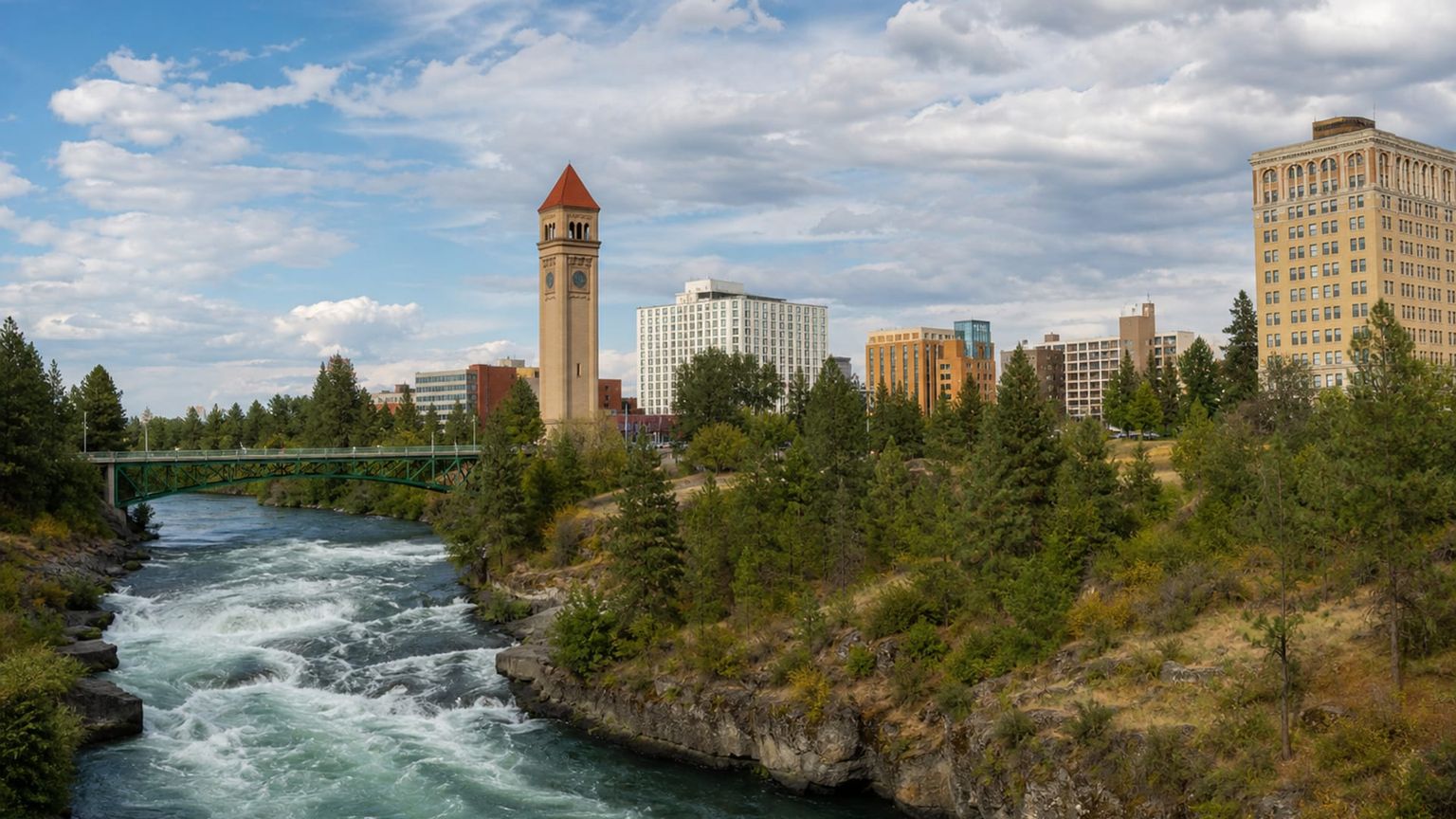
Start with Riverfront Park in the late afternoon, about 2 to 3 hours, then walk the Spokane River overlooks, the SkyRide area, and the Looff Carrousel; if you want the best light, aim for sunset near the falls. From downtown hotels, expect about a 5 to 15 minute walk to the park, and a full evening back on Main or Riverside for dinner keeps the day compact.
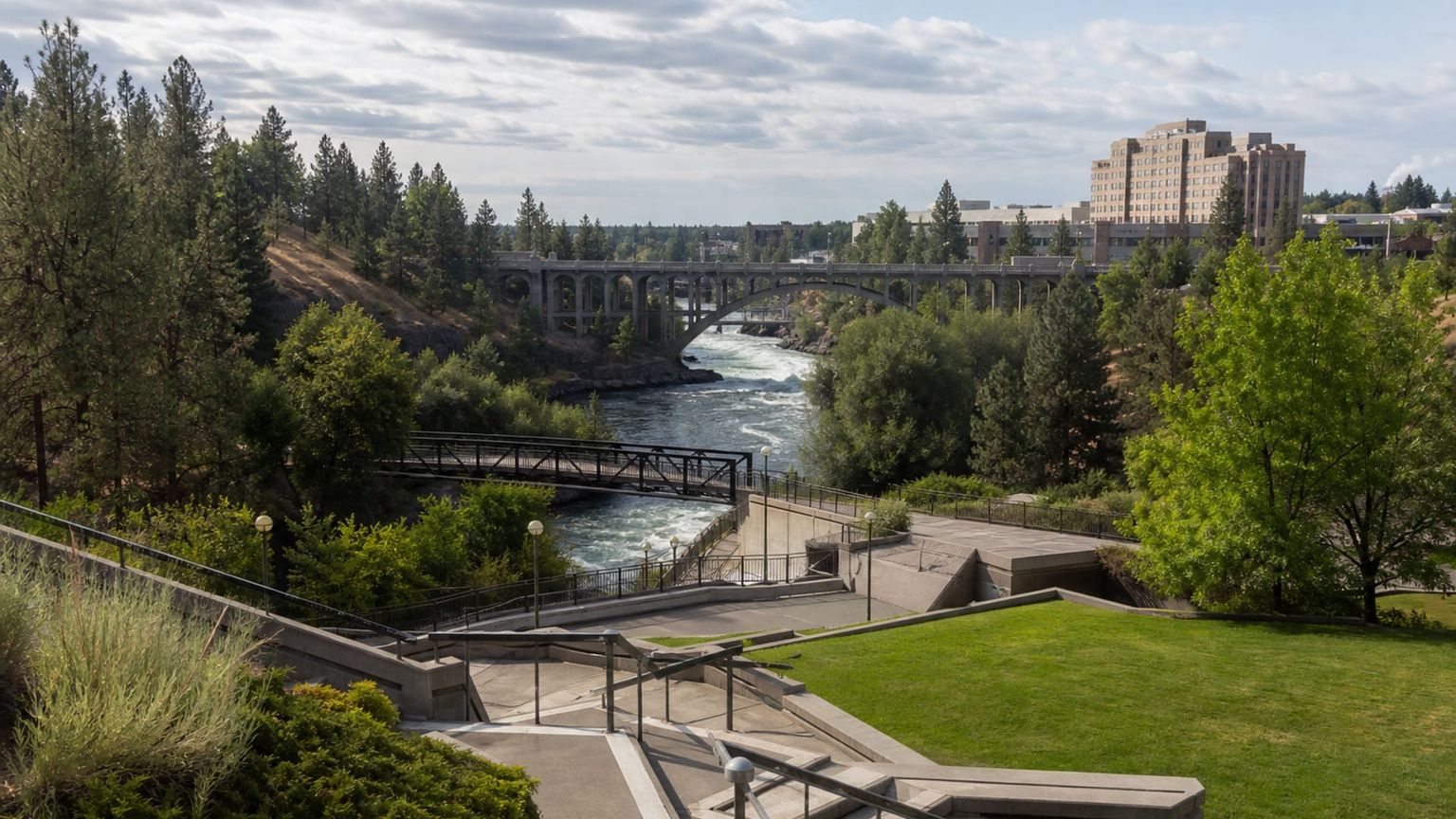
Begin on South Hill at Manito Park and Duncan Garden, where you can spend about 1 to 2 hours among the formal beds and tree-lined paths. From there, a rideshare to the Northwest Museum of Arts and Culture takes about 10 to 15 minutes, and the museum visit adds another 2 to 3 hours with Spokane history, regional art, and rotating exhibitions. Wrap up with dinner back in Downtown Spokane or near your South Hill stay, depending on where you are based.
A morning at Campbell House gives the day a historic start, with guided tours lasting about 1 hour and tickets usually costing about $10 to $15. Afterward, pair it with another walk through Manito Park and the broader South Hill area, then cross back toward downtown for an easy evening, since the drive from South Hill to the city center takes about 10 to 20 minutes.
One last museum stop fits well before departure, especially if your flight leaves in the afternoon, and the Northwest Museum of Arts and Culture works neatly for that role at about 2 to 3 hours. Before heading to Spokane (GEG), spend time in Downtown Spokane or Browne’s Addition for coffee and a final meal, then leave enough time for a 15 to 20 minute airport ride and any downtown traffic delays.
Business-class flights from the US to Spokane
Flights into Spokane usually route through a small set of hub cities, so the best fare often depends on whether you are departing from the East Coast or the West Coast. The travel time difference is meaningful, especially once a connection enters the picture.
From New York, airlines including American Airlines, Alaska Airlines, Delta Air Lines, and United Airlines usually route to Spokane through ORD, DEN, SFO, or SEA, with total travel time of about 7 to 10 hours and nonstop flying time of roughly 5 to 6 hours when a direct option is available. Round-trip fares from New York usually start at $700 and can reach $1,700.
Los Angeles travelers can often choose Alaska Airlines, American Airlines, Delta Air Lines, United Airlines, or Southwest Airlines, and nonstop flights take about 2.5 to 3 hours. If you connect, the trip typically stretches to about 4.5 to 7 hours through DEN, SFO, SEA, or PHX, while round-trip fares from Los Angeles usually start at $450 and can reach $1,200.
Spokane feels different when you slow down
A well-planned Spokane trip gives each part of the city a clear role, Riverfront Park for the core walk, South Hill for the gardens, Browne’s Addition for historic streets, and downtown for dinners that fit an early evening. Buses work for core corridors, while taxis and rideshares make the airport run and cross-town moves easier. If you want a trip shaped around those blocks, the AranGrant experts can help you build it with the right pace from the start







