

Chapters:

Need help with your trip?
Our support team is available 24/7. Request a callback or call us directly at (833) 619-0908
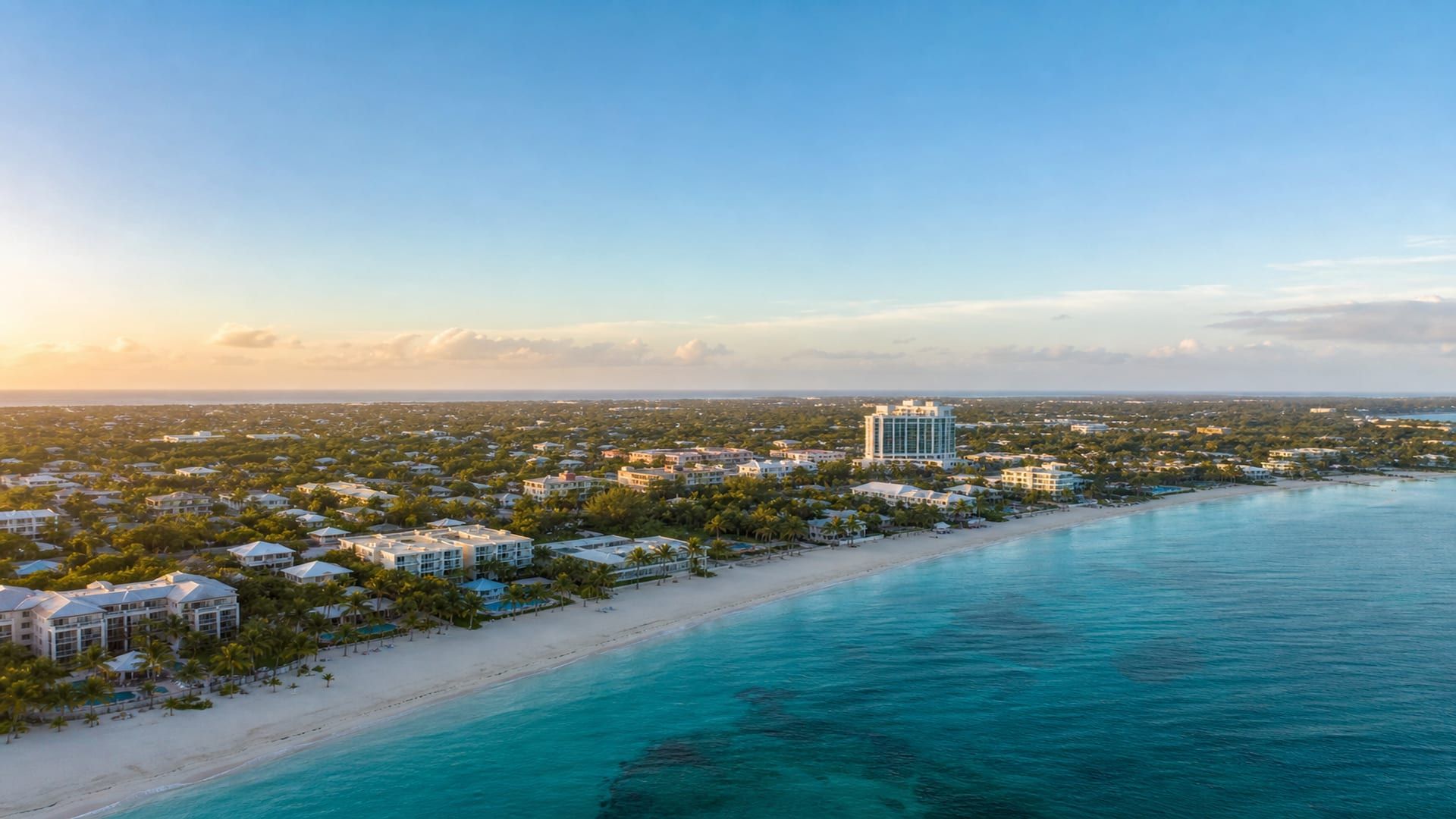
Grand Cayman gives you a very different trip depending on where you spend your time. Seven Mile Beach is built for long swims, easy dinners, and resort days, while George Town adds museums, shopping, and the island’s main commercial center. Farther west, West Bay brings diving and the Cayman Turtle Centre, and the eastern half of the island opens into quieter roads, botanical gardens, and less-developed coastline.
Boat trips add another layer, especially at Stingray Sandbar, where shallow water and southern stingrays turn a morning on North Sound into one of the island’s most memorable outings. Food ranges from seafood and fish fry plates to turtle stew and cassava cake.
Five days give you enough time to mix beach days, wildlife, local history, and one slower drive across the island without turning the trip into a rush.
Useful things to know

Main language(s): English

Currency: Cayman Islands dollar (KYD, CI$)

Cash and cards: Cards are accepted at most hotels, restaurants, and stores. US dollars are widely accepted, but change is often given in Cayman Islands dollars.

Tipping: Most hotels and restaurants add a 15% to 20% gratuity. Check the bill before adding more, since service charges are common.

Traditional food: Turtle stew, Cayman-style beef, conch stew, fish and fritters, and cassava cake are among the traditional Caymanian dishes to look for.

Water and coffee costs: Bottled water is about CI$1.50 ($1.80), while an espresso usually costs CI$3 to CI$4.50 (US$3.60 to US$5.40).

Taxis and ride apps: Grand Cayman does not have Uber or Lyft, so most visitors use licensed taxis instead. The CI app provides regulated fare estimates in Cayman Islands dollars and US dollars

Plug and voltage: Type A and B sockets, 120V, 60Hz. US plugs fit, and US devices generally work without an adapter or voltage converter.

Dining and shop opening hours: Many restaurants serve lunch from 11:30 am to 2:30 pm and dinner from 5:30 pm to 10:00 pm. Shop hours vary, with shorter Sunday hours.

Emergency number: Call 911 for police, fire, ambulance, or other emergencies in Grand Cayman.
Where to stay in Grand Cayman
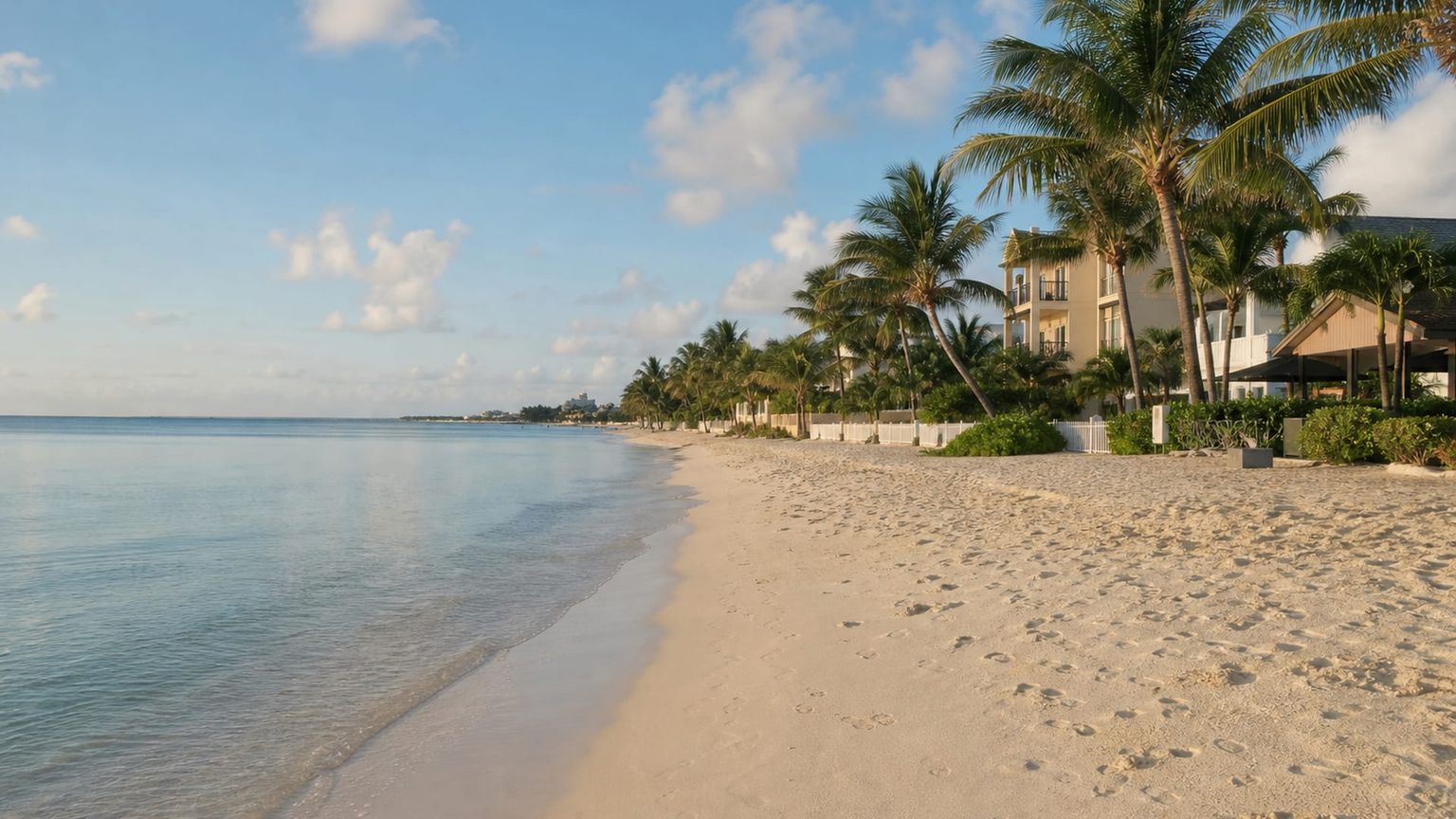
Seven Mile Beach follows Grand Cayman’s west coast, with white sand, calm water, resorts, condos, restaurants, and watersports along West Bay Road. Beach time and dining are close at hand, while George Town and West Bay are both a short drive from most properties along the strip.
Best for: Beach time, resort stays, snorkeling, and visitors who want the widest choice of restaurants nearby
What to expect: A busy beachfront corridor with hotel guests, beach clubs, and steady traffic along West Bay Road.
Hotel prices: Usually about $250 to $650 per night for well-rated stays
Distance to major sights: About 15 to 25 minutes by taxi to George Town; about 20 to 30 minutes to Cayman Turtle Centre
Quietness: Quiet in the morning and late evening, livelier by midday and at sunset.
Main trade-off: Prices run higher than inland areas, and the beach can feel busy when cruise visitors and day trippers fill the island.
Good to know: Check whether the hotel is directly on the beach or across West Bay Road, since both types of properties use Seven Mile Beach addresses.
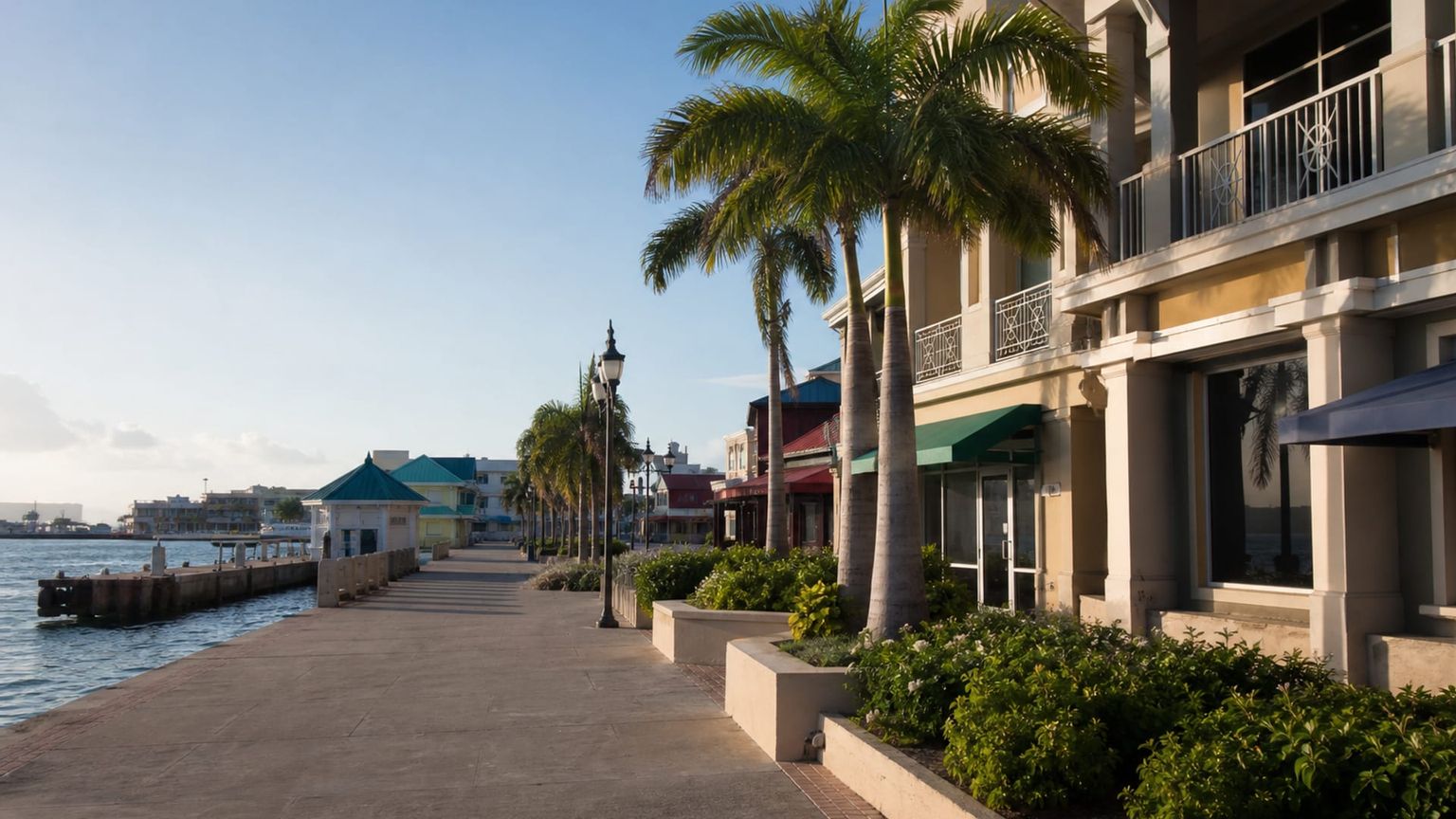
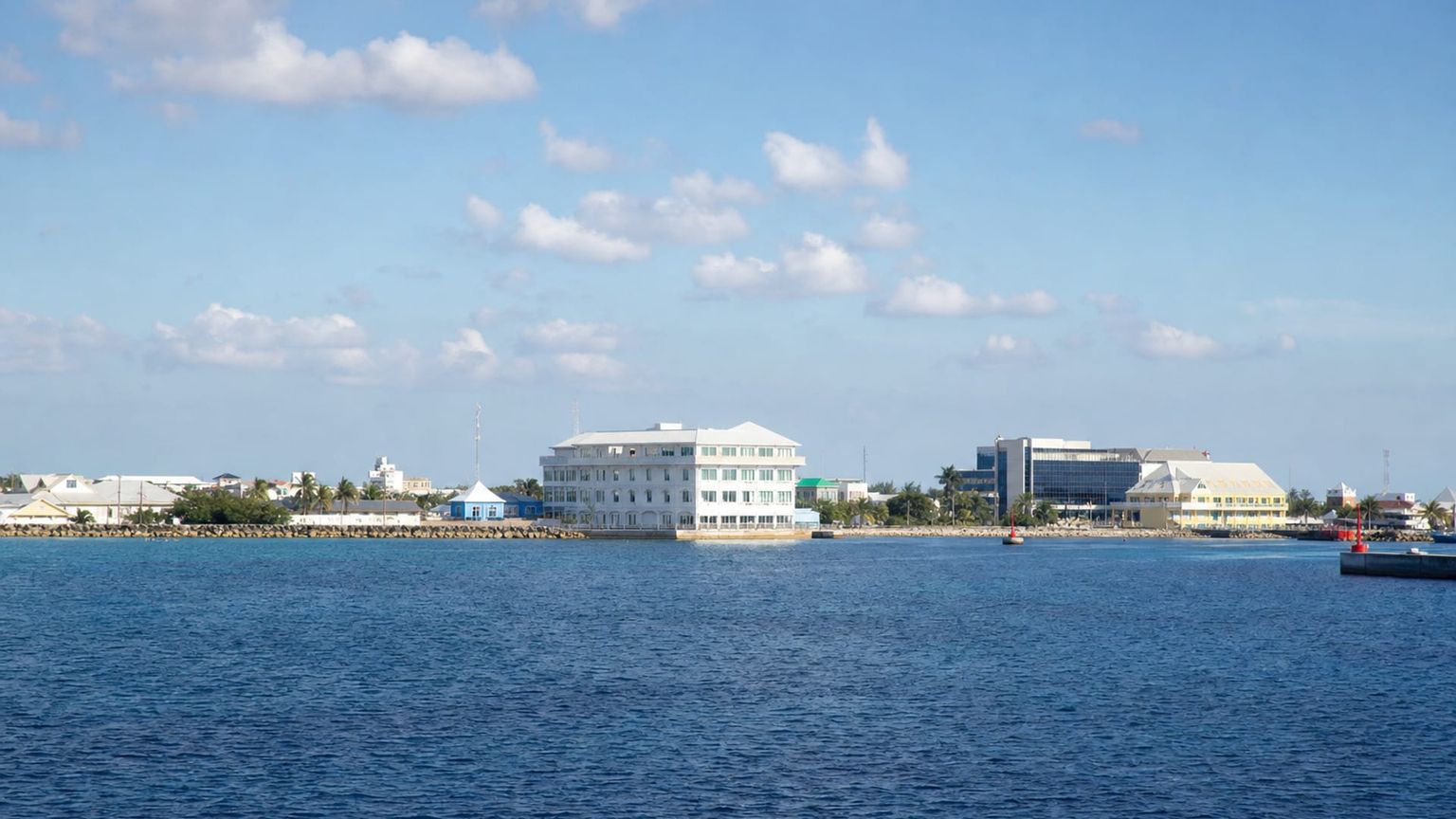
George Town is Grand Cayman’s capital and commercial center, with government offices, duty-free shops, the National Museum, restaurants, and cruise terminals along the waterfront. It suits travelers who want central services and quick access to public buses without choosing a resort area.
Best for: Business travel, ferry access, shopping, and travelers who want to stay near central services
What to expect: A weekday downtown scene with office workers, shoppers, and cruise crowds when ships are in port.
Hotel prices: Usually about $180 to $420 per night for well-rated stays
Distance to major sights: About 5 to 15 minutes on foot to the waterfront and About 10 to 20 minutes by taxi to Seven Mile Beach
Quietness: Quieter after office hours, but busier and noisier when cruise ships dock.
Main trade-off: You gain central access, but the area has fewer classic beach stays and can feel sparse at night once shops close.
Good to know: Check the Port Authority cruise schedule before arrival, since days with several ships bring much heavier foot traffic near the waterfront.
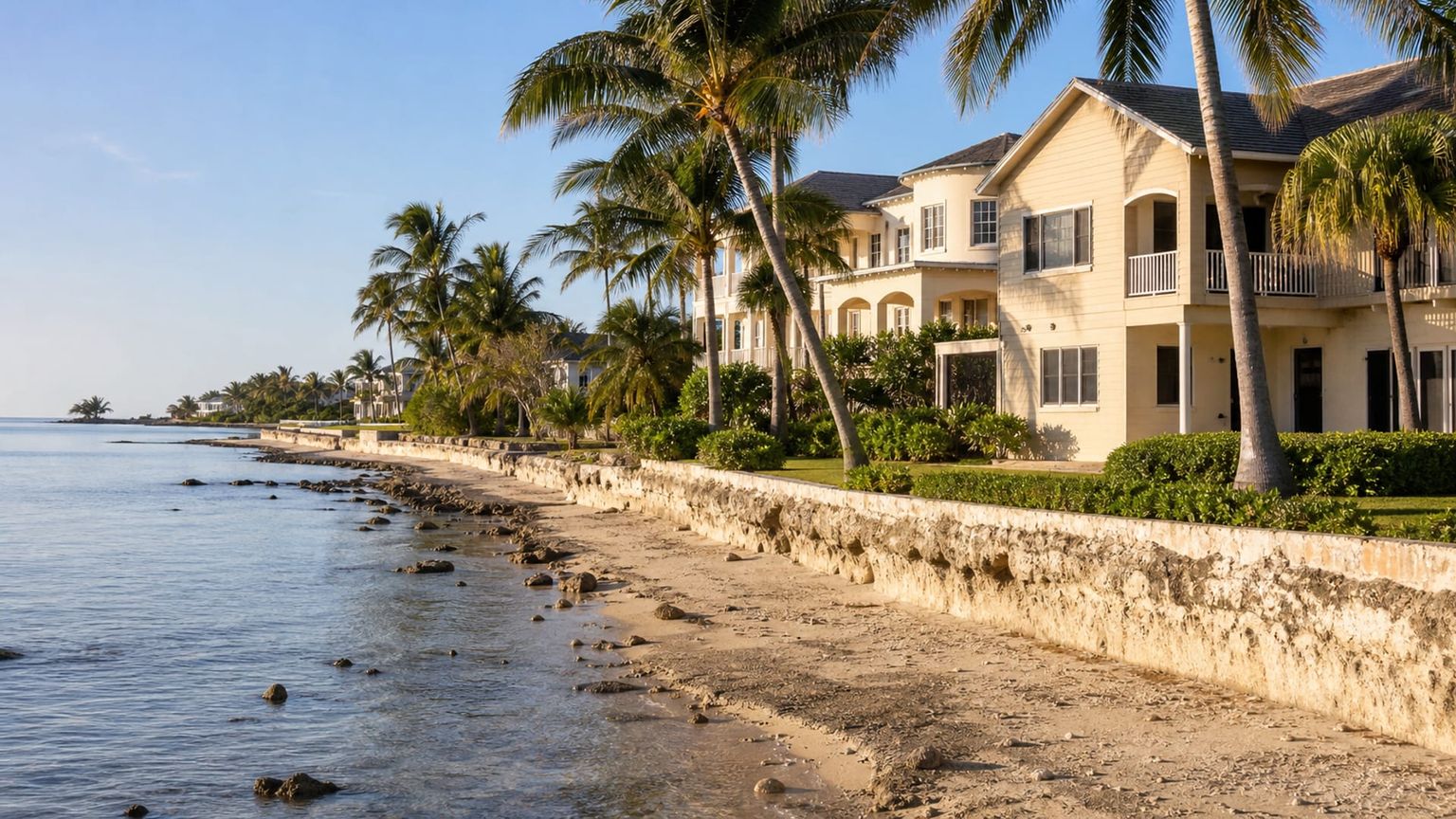
At Grand Cayman’s northwest end, West Bay spreads across a mix of coastal roads, inland homes, dive sites, local restaurants, and small lodging properties. Staying here keeps Cayman Turtle Centre and several snorkeling and diving spots close, with less resort development than Seven Mile Beach.
Best for: Diving, repeat visitors, and travelers who want a quieter base near the northwest coast
What to expect: A low-rise residential area with local traffic, scattered guesthouses, and fewer storefronts than the beach strip.
Hotel prices: Usually about $160 to $380 per night for well-rated stays
Distance to major sights: About 10 to 20 minutes by car to Seven Mile Beach, and about 15 to 25 minutes to George Town
Quietness: Calm in the day and notably quieter at night than the resort corridor.
Main trade-off: You will usually need a car or taxis for most meals and sights, because walkable options are more limited than farther south.
Good to know: Some West Bay addresses are inland, so confirm how far the property is from the beach or dive site you plan to use most often.
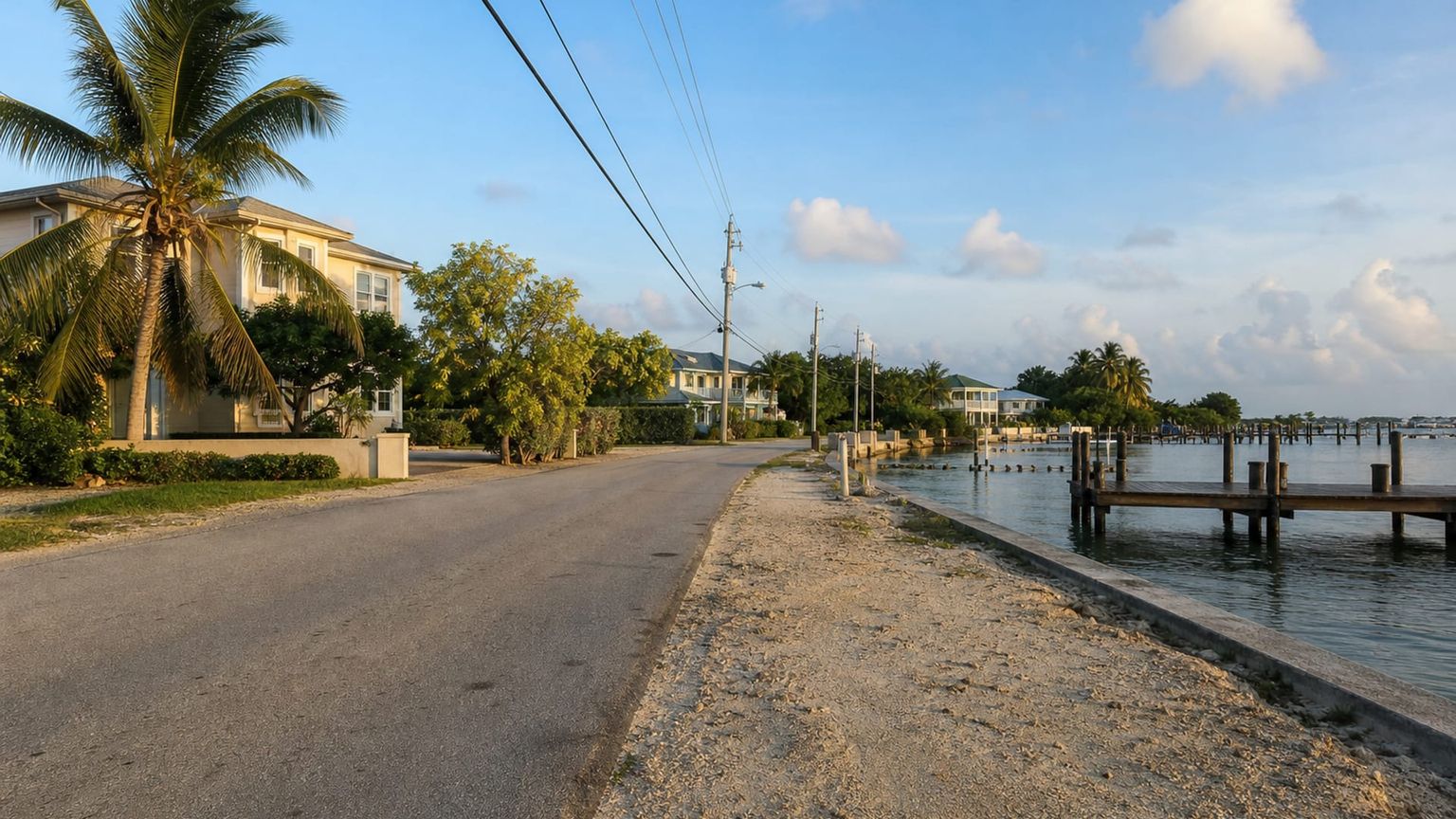
South Sound follows Grand Cayman’s southern coast just beyond George Town, with homes, condos, small beaches, and waterfront roads. Its residential setting keeps Smith Barcadere and South Sound Community Beach nearby, while the capital and Seven Mile Beach remain a short drive away.
Best for: Family stays, longer visits, and travelers who want a quieter residential base near George Town
What to expect: Mostly houses, low-rise condos, and a local road network rather than a heavy nightlife scene.
Hotel prices: Usually about $220 to $500 per night for well-rated stays
Distance to major sights: About 5 to 10 minutes by car to George Town and about 15 to 20 minutes to Seven Mile Beach
Quietness: Quiet most days, with only modest evening activity on residential streets.
Main trade-off: Beach access here is more limited than at the main resort strip, so many stays work best if you plan to drive.
Good to know: South Sound has public beaches, but the shoreline is not continuous sand, so beach access depends on the exact property.
Travelers focused on Seven Mile Beach and George Town usually avoid East End, North Side, and Bodden Town, where drives are longer, and dining is more spread out. These areas suit quieter trips, but add too much driving for a west-coast-focused stay.
Hotel deals
How to get around Grand Cayman efficiently
Grand Cayman has no rail system. Buses, taxis, and rental cars handle trips between George Town, Seven Mile Beach, and the rest of the island.

Public bus
for low-cost trips
Public buses connect all Grand Cayman districts through the George Town depot. The average fare is CI$2 (US$2.40) per ride, rising to CI$5 (US$6) for places beyond Hutland Road, such as Rum Point and Cayman Kai. Use them when timing is flexible.

Taxi
for airport transfers and direct rides
Licensed taxis are useful for airport transfers, luggage, and direct trips. Official fares from Owen Roberts International Airport to Seven Mile Beach hotels run about CI$18 to CI$28 (US$22 to US$34). The CI app calculates the regulated fare before you leave.

Rental car
for exploring beyond the main resort areas
A rental car gives you control over trips to West Bay, East End, North Side, and beaches away from the main hotel areas. Economy cars start at CI$29 to CI$42 (US$35 to US$50) per day, before insurance and permit fees. Visitors drive on the left.
*Prices are based on rates updated as of October 2026 and may change at the time of travel.
Use buses for low-cost corridor trips, taxis for direct rides and airport transfers, and a rental car when your plans include several districts or beaches.
Iconic landmarks
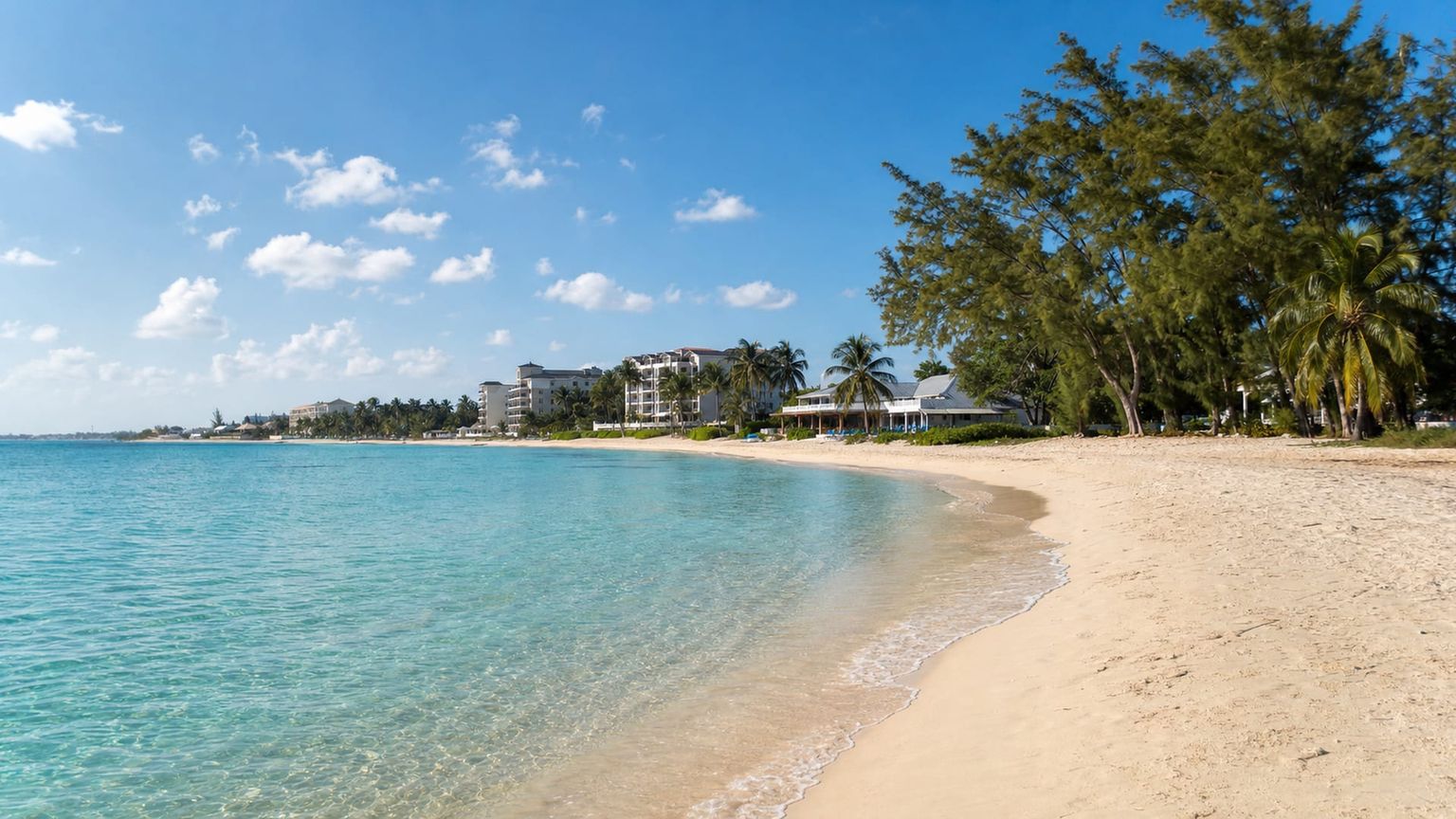
Seven Mile Beach
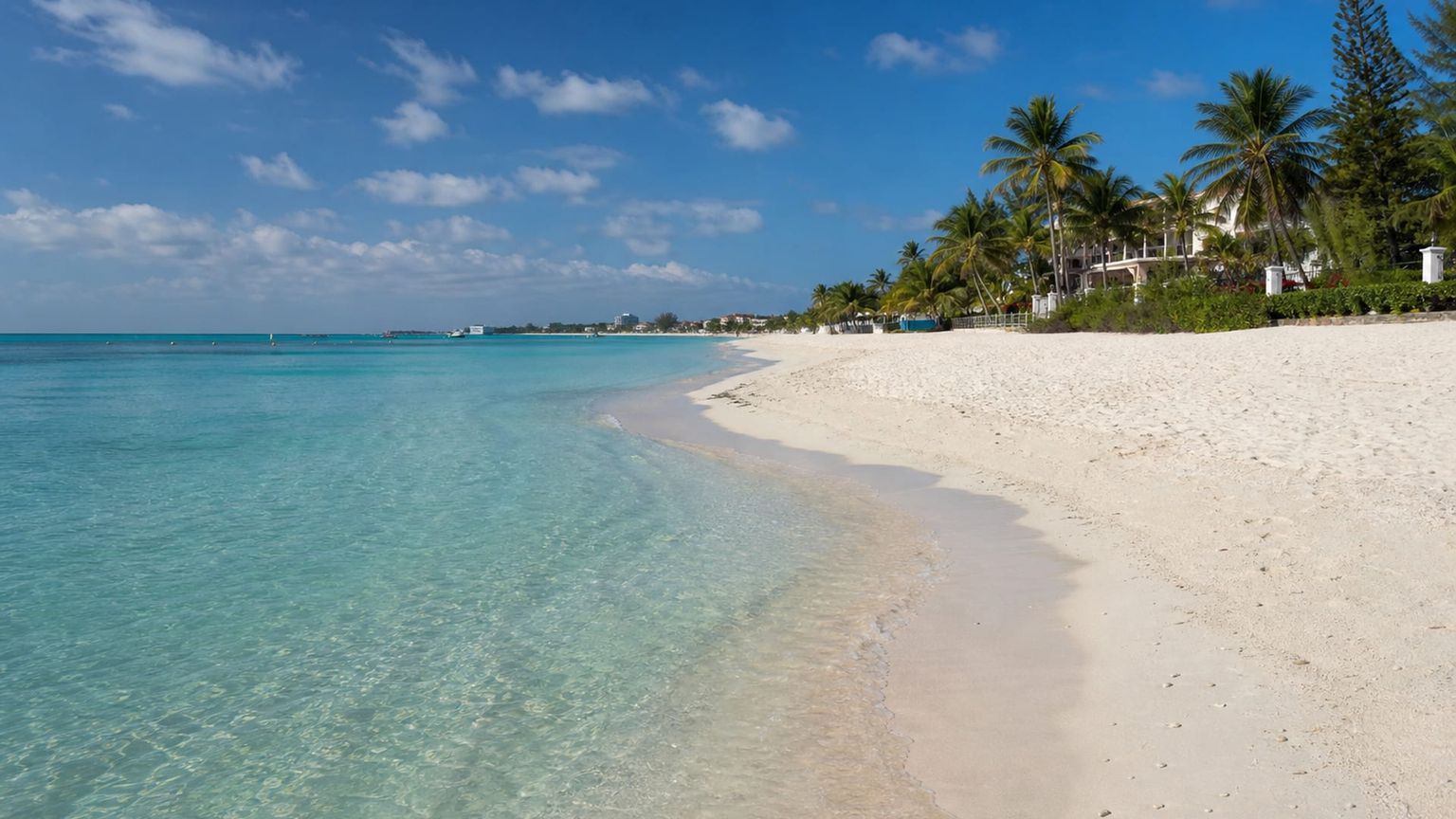
Despite its name, Seven Mile Beach is roughly 5.5 miles (8.8 km) long, though erosion has changed parts of the southern shoreline. The west-coast beach is known for pale sand, clear water, swimming, snorkeling, resorts, and public access points, with George Town a short drive south.
Time needed: About 2 to 4 hours
Entry: Free to access, with paid chairs, umbrellas, and water sports at some beach clubs
Tip: Governor’s Beach has parking and public access, with snorkeling close to shore.
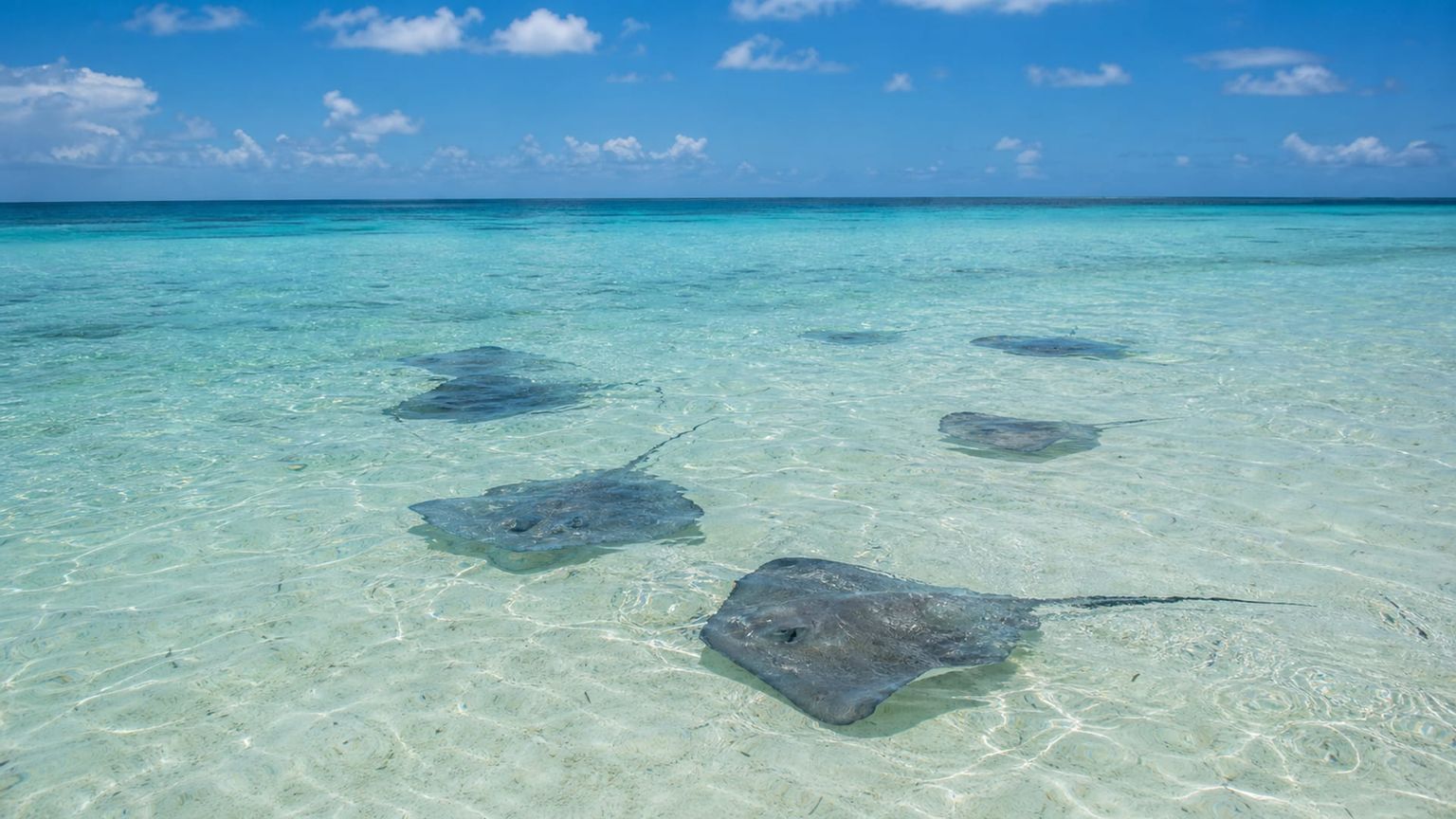
Stingray City
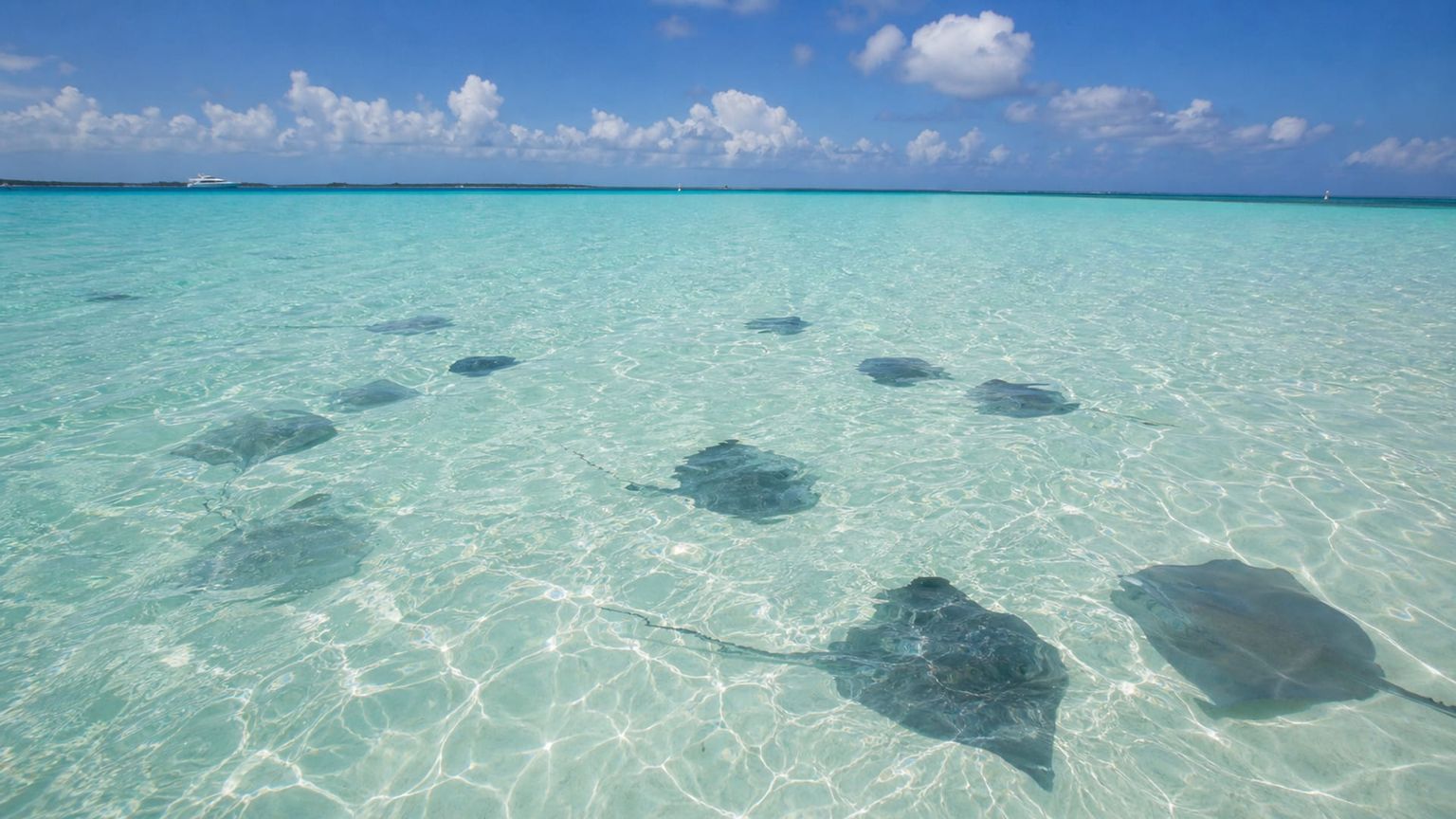
Stingray City in North Sound includes a deeper dive site and the shallow Sandbar visited by most boat tours. At the Sandbar, wild southern stingrays move through waist-deep water while guides explain how to interact with them safely; many trips also include a reef snorkel.
Time needed: About 3 to 4 hours
Entry: Boat tours typically cost $70 to $120 ($58 to $100) per person, depending on pickup point and stops
Tip: Choose an early trip for gentler heat and fewer boats at the Sandbar.
Cayman Turtle Centre
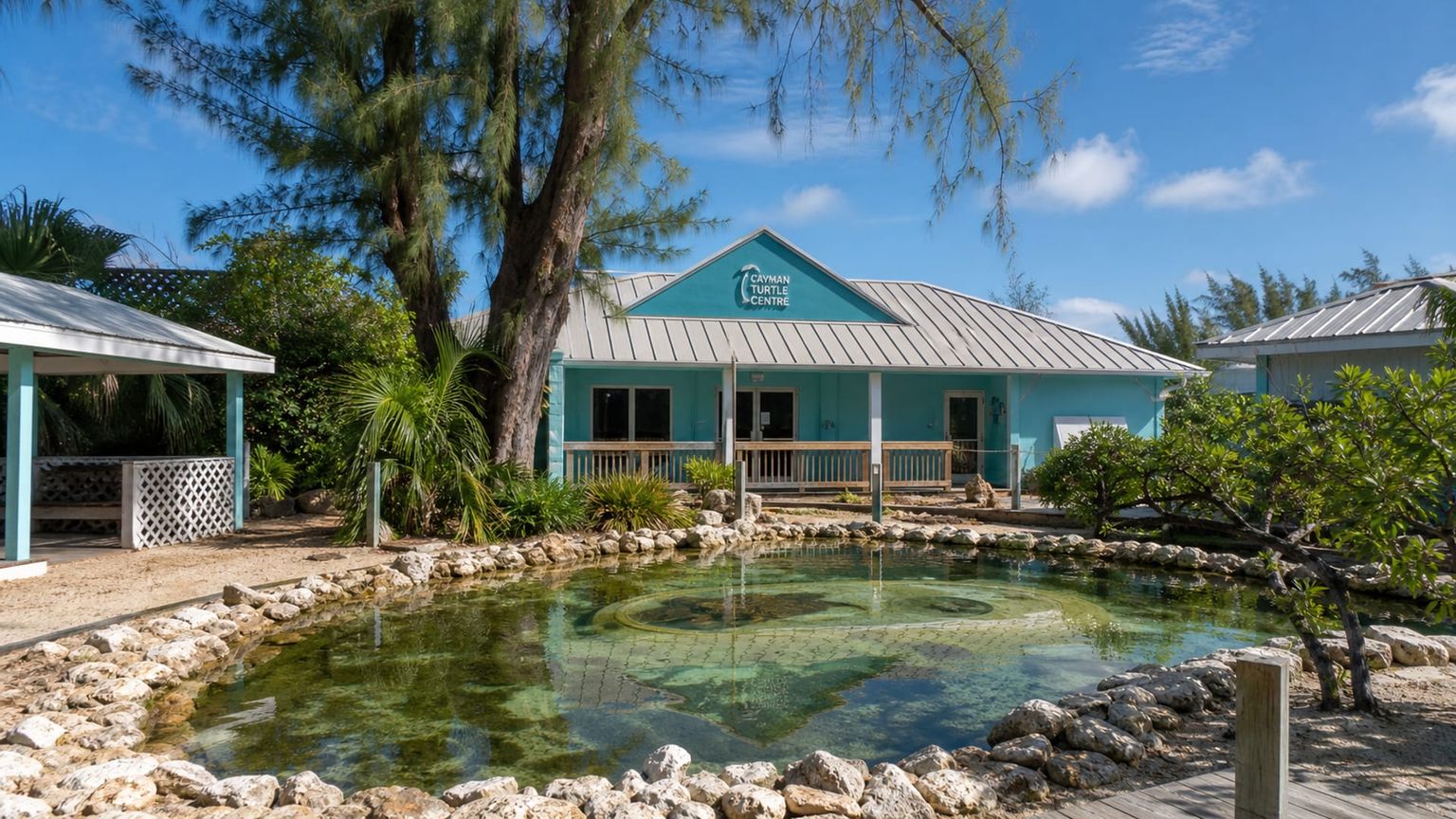
Cayman Turtle Centre in West Bay combines green sea turtle exhibits and touch tanks with an aviary, Predator Reef, freshwater pool, and saltwater Turtle Lagoon. The full Adventure ticket includes the wider park, while the shorter Safari focuses mainly on the turtle exhibits.
Time needed: About 2 to 3 hours
Entry: Admission costs about $45 ($37) for adults and $28 ($23) for children ages 3 to 12 Visit the official site for details.
Tip: Visit before noon for the 11:00 am Predator Reef feeding and 11:30 am turtle feeding.
Overlooked sites worth visiting

Queen Elizabeth II Botanic Park
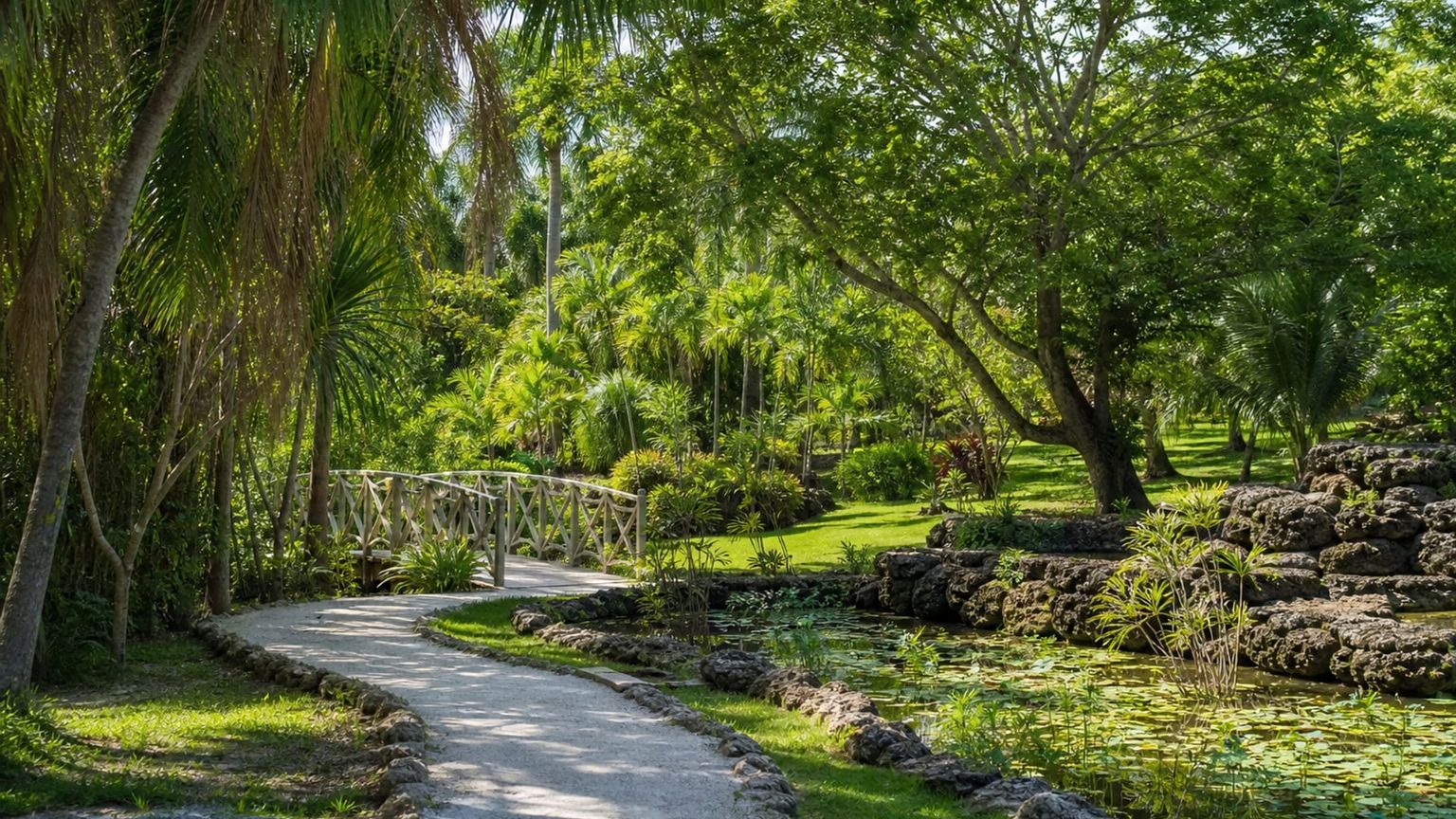
Queen Elizabeth II Botanic Park brings together tropical gardens, a woodland trail, wetlands, native birds, and the Blue Iguana Conservation facility, with a Heritage Garden adding Caymanian history.
Time needed: About 1.5 to 2.5 hours
Entry: Adult admission is $10 ($8.50), with reduced rates for children and seniors; guided tours and special programs cost extra, and the park opens daily from morning to late afternoon. Visit the official site for details.
Tip: Leave time for the Blue Iguana Conservation facility, which is included with park entry.

Cayman Islands National Museum
In George Town, this compact museum uses two historic buildings to trace Caymanian life through boatbuilding, shipwrecks, craft, and offshore banking exhibits. The small galleries reward a slow visit.
Time needed: About 45 minutes to 1.5 hours
Entry: Admission is $15 ($12.50) for adults, $10 ($8.50) for children ages 6 to 17, and free for children under 6; the museum is open Tuesday to Saturday, with shorter hours on weekends. Visit the official site for details.
Tip: Go on a weekday morning to avoid cruise-day crowds.
Traditional food
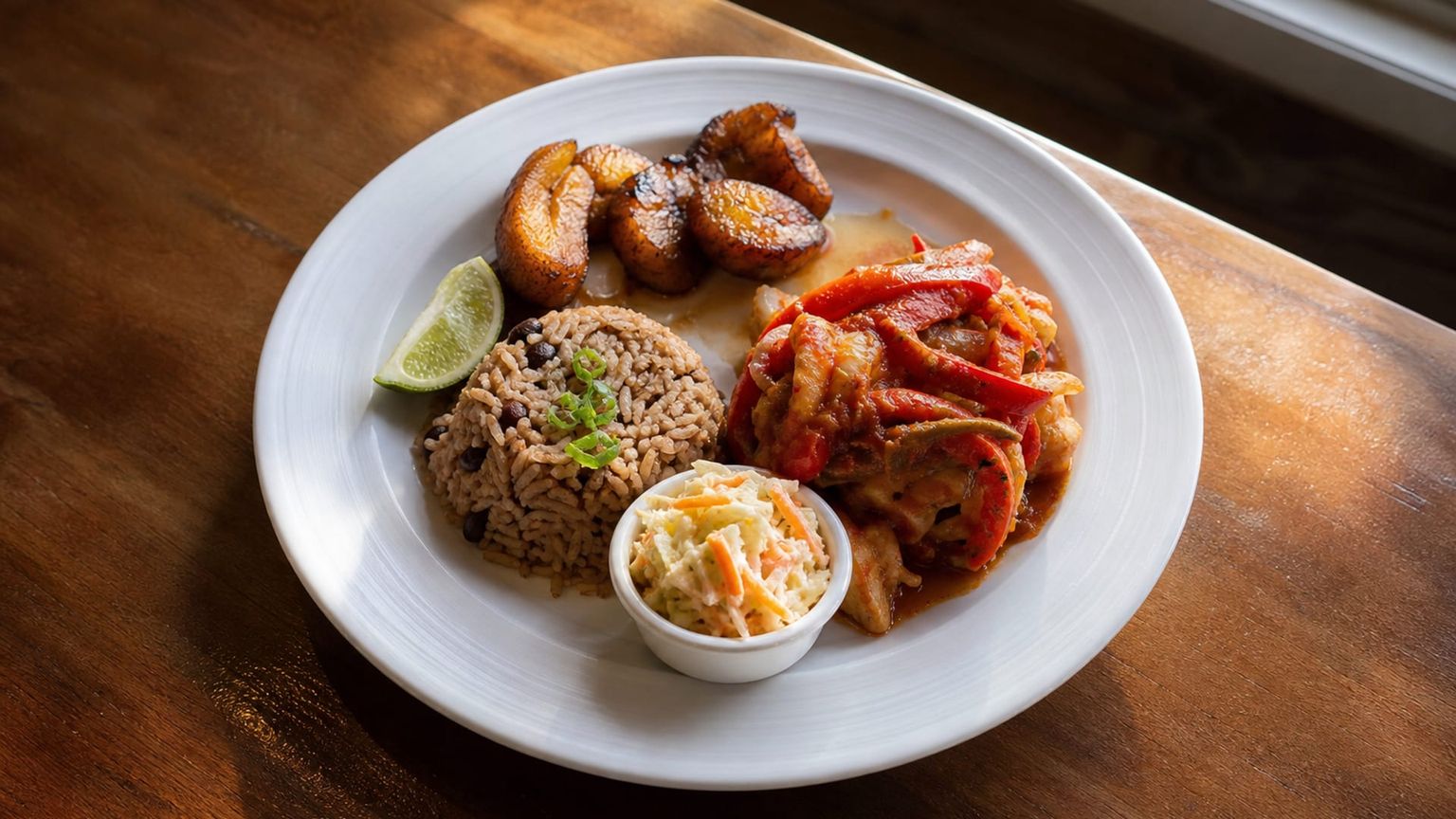
Grand Cayman’s traditional food draws on seafood, cassava, coconut, peppers, and slow-cooked meats. Conch stew, fish and fritters, turtle stew, and cassava cake are central to Caymanian cooking.
Conch stew
Conch stew slow-cooks tenderized conch with peppers, onions, coconut milk, herbs, and spices until the meat turns soft and the broth thickens. Island Taste serves stewed conch as a rotating lunch special, currently listed on Mondays and Fridays.
Fish and fritters
Fish and fritters pair fried local fish with small fried dough fritters, often alongside plantain, cassava, or escovitch. Murph’s Kitchen serves mahi-mahi with fritters, plantain, cassava fries, and a spicy escovitch topping.
Turtle stew
Turtle stew is made by slow-cooking turtle meat with onions, peppers, herbs, and spices until tender, rich, and deeply savory. Caboose Cayman lists Cayman Turtle Stew on its Friday lunch menu, where it comes with a choice of two sides.
Cassava cake
Cassava cake, also called heavy cake, is a dense, moist dessert made from grated cassava, coconut milk, sugar, butter, and warm spices. Island Taste lists cassava cake among its regular bakery items, including individual portions.
Best time to visit Grand Cayman
Grand Cayman stays warm all year, but rainfall, humidity, and hurricane risk change enough by season to affect beach days and outdoor plans.
Best for: Dry beach weather, lower humidity, snorkeling, diving, and outdoor dining
What you get: December through February average 80°F (27°C), with low rainfall and some of the year’s least humid weather.
Trade-offs: Winter brings stronger northerly fronts at times, which can roughen seas along western and northern shores.
Best for: Warm seas, dry early-season weather, diving, beach days, and quieter mornings
What you get: March is the driest month, while April and May warm from about 80°F to 83°F (27°C to 29°C) as humidity and rainfall begin to rise.
Trade-offs: By May, humidity and showers become more noticeable as Grand Cayman moves into its wet season.
Best for: Warm water, long beach days, diving, and travelers comfortable with humid heat
What you get: June through August average 85°F (30°C), with humid afternoons, frequent showers, and warm sea conditions overall.
Trade-offs: Hurricane season is underway, and tropical waves can bring heavy rain, rough seas, or disrupted plans.
Best for: Lower-demand travel periods, warm sea temperatures, diving, and flexible plans
What you get: September and October bring some of the year’s heaviest rainfall, while November cools to about 82°F (28°C) as drier weather returns.
Trade-offs: This period overlaps peak Atlantic hurricane activity so weather can change plans with little notice.
A realistic 5-day plan in Grand Cayman
Five days on Grand Cayman give you time for Seven Mile Beach, George Town, Stingray City, West Bay, and the quieter North Side without crossing the island repeatedly. Keep the first and last days light, and use one rental-car day for the eastern half.
Once you land at Owen Roberts International Airport (GCM), take a licensed taxi to Seven Mile Beach. Official fares to hotels along the strip are about CI$17 to CI$28 (US$20 to $US34), depending on the property. Check in, spend the late afternoon on the sand or in the water, then have dinner near your hotel and watch the sunset. Keeping the first evening local leaves room to settle in after the flight without adding another transfer.
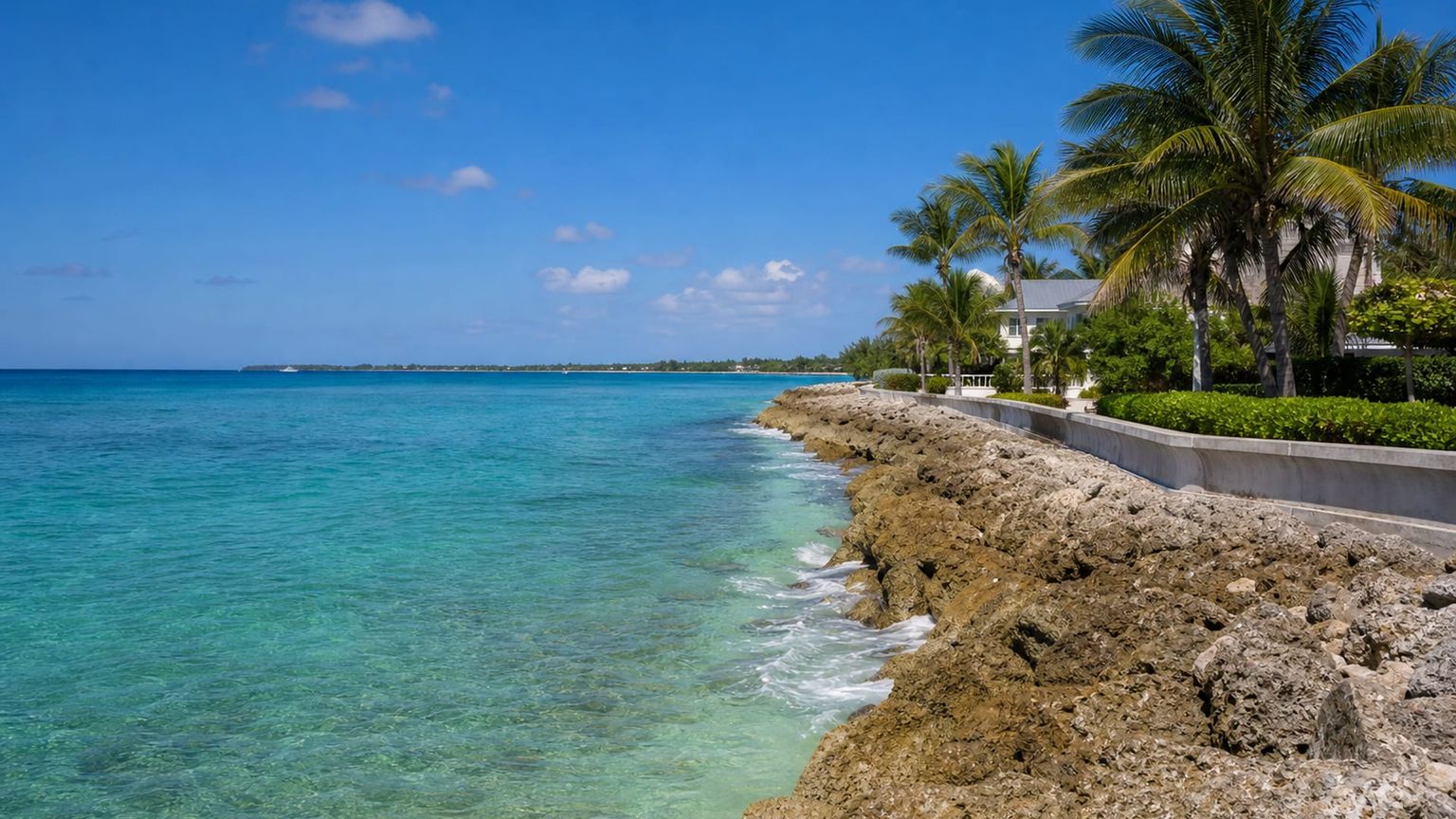
Spend your first full morning at Seven Mile Beach, with time to swim, snorkel, or walk before lunch. Then take the roughly 10-minute drive into George Town for the Cayman Islands National Museum and its galleries on local history, seafaring, and natural life. Continue along the waterfront for shops and an early dinner, then head back north. The museum opens Monday through Saturday, so swap this day if it falls on Sunday.
Make this the water-and-wildlife day. Join a morning boat trip to the Stingray Sandbar in North Sound, where southern stingrays move through waist-deep water and most tours add a reef snorkel. After lunch, continue to West Bay for Cayman Turtle Centre; the shorter Safari takes 30 to 90 minutes and fits an afternoon visit. If you want the full Adventure ticket, reverse the order and take an afternoon Stingray tour instead. Have dinner in West Bay before heading back.
A rental car is worth having today. Drive east to Queen Elizabeth II Botanic Park, about 40 minutes from George Town, and spend the morning among tropical gardens, wetlands, woodland paths, and the Blue Iguana habitat. Admission is CI$20 (US$25). Continue north to Rum Point for lunch, swimming, or snorkeling in shallow water instead of driving straight back west. Return before dark, then keep dinner close to your hotel after the island’s longest road day.
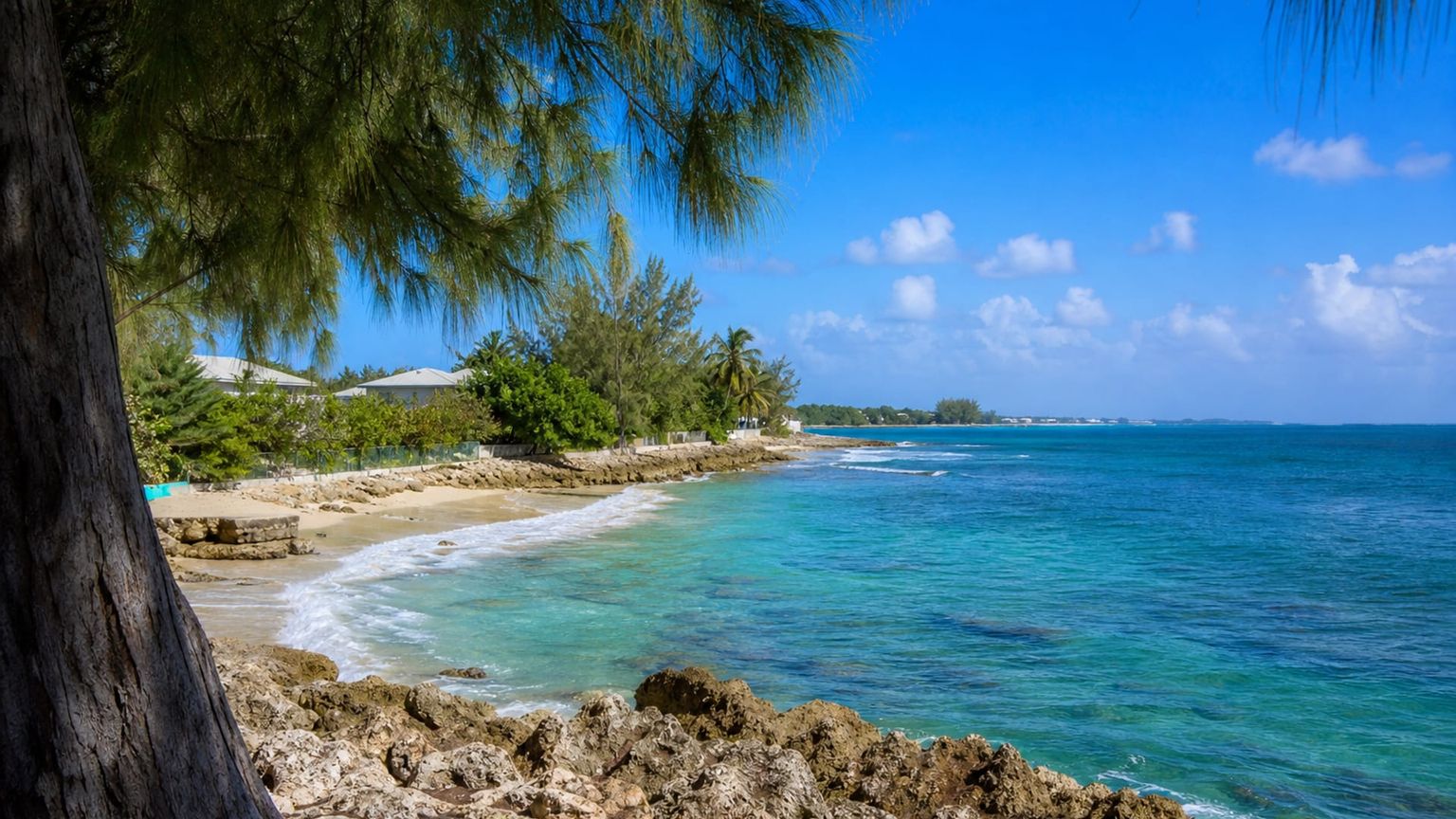
Keep the final morning close to the airport and George Town. Head to Smith Barcadere in South Sound for a last swim or short snorkel beside the limestone coves, with showers and restrooms on site. Enjoy an early lunch in George Town, then collect your luggage and head to Owen Roberts International Airport (GCM). This avoids another cross-island outing and leaves enough margin for traffic, rental-car return, or airport check-in.
Business-class flights from the US to Grand Cayman
Business-class trips from the US to Grand Cayman (GCM) typically involve a one-stop itinerary, with nonstop service available only on some routes and dates.
New York (JFK) to Grand Cayman (GCM)
From New York John F. Kennedy International Airport (JFK), nonstop flights to Grand Cayman (GCM) are available seasonally, with JetBlue operating from late October and Delta Air Lines adding winter flights from December. After that, the main business-class options require a layover, with American Airlines flying via Charlotte (CLT) or Miami (MIA) and Delta Air Lines via Atlanta (ATL). Total journey times range from 6 to 21 hours, while round-trip fares typically run from US$1,100 to US$4,700.
Los Angeles (LAX) to Grand Cayman (GCM)
Travelers from Los Angeles can take a nonstop business-class flight with Cayman Airways, which takes 5.5 hours. There are also one-stop alternatives with American Airlines via Charlotte (CLT) or Miami (MIA), Delta Air Lines via Atlanta (ATL), Air Canada via Toronto (YYZ), and United Airlines via Houston (IAH). One-stop flights range from 9 to 39 hours, while round-trip fares usually fall between US$1,100 and US$6,200.
Plan Grand Cayman without overfilling the days
Grand Cayman is at its best when you give each part of the island enough time instead of rushing between stops. Keep beach days, boat trips, George Town, and the eastern side separate, then leave a little time for a long lunch or an extra swim. As the trip comes together, AranGrant travel experts can help you compare business-class flights and hotel options that fit your plans.







