

Chapters:

Need help with your trip?
Our support team is available 24/7. Request a callback or call us directly at (833) 619-0908
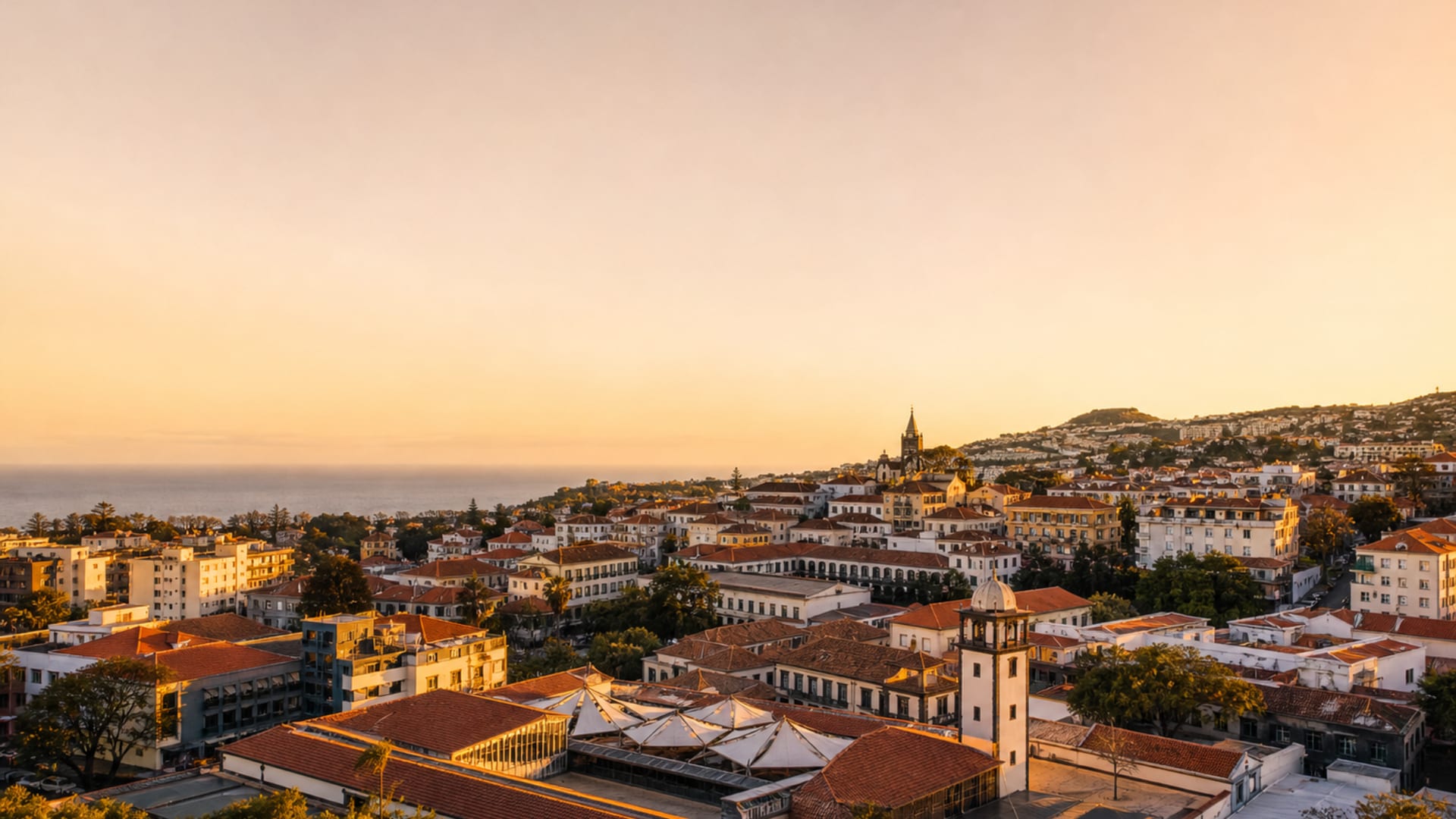
Funchal often gets treated as a quick stop for the cable car and market, followed by a return to a waterfront hotel. That approach leaves little time for the Old Town, hillside gardens, and restaurants that become more enjoyable once daytime crowds thin out.
The main sights look close on a map, but Funchal’s steep streets change how long even short distances take. Without a mix of walking, buses, taxis, and uphill rides, you can lose time backtracking between Sé, Monte, and the western hotel district.
This guide organizes the city into a clearer sequence, grouping neighborhoods, transportation, food, and sightseeing by location so each day stays practical, with fewer repeat crossings between the waterfront and hills.
Useful things to know

Main language(s): Portuguese
Olá (oh-LAH) – Hello
Por favor (pohr fah-VOR) – Please
Obrigado (oh-bree-GAH-doo) – Thank you
Fala inglês? (FAH-lah een-GLESH?) – Do you speak English?
Quanto custa? (KWAHN-too KOOSH-tah?) – How much does it cost?

Currency: Euro (EUR, €)

Cash and cards: Most hotels, restaurants, and larger shops accept cards and contactless payments. Keep €20 to €40 ($22 to $44) for market stalls, small cafés, and cash-only purchases.

Tipping: Tipping is optional. Round up small bills or leave 5% to 10% at restaurants for good service.

Traditional food: Espetada, bolo do caco, espada com banana, and lapas are among Madeira’s best-known traditional foods.

Water and coffee costs: Bottled water typically costs €1 to €2 ($1.10 to $2.20), while an espresso costs €1 to €1.50 ($1.10 to $1.65).

Taxis and ride apps: Uber and Bolt are available in Madeira, while official taxis are easy to find at ranks, hotels, and busy streets.

Plug and voltage: Type C and F sockets, 230V, 50Hz

Dining and shop opening hours: Breakfast is commonly served from 7:30 am to 10:00 am, lunch from 12:30 pm to 3:00 pm, and dinner from 7:00 pm to 10:00 pm.

Emergency number: Dial 112 for police, fire, and medical emergencies.
Where to stay in Funchal
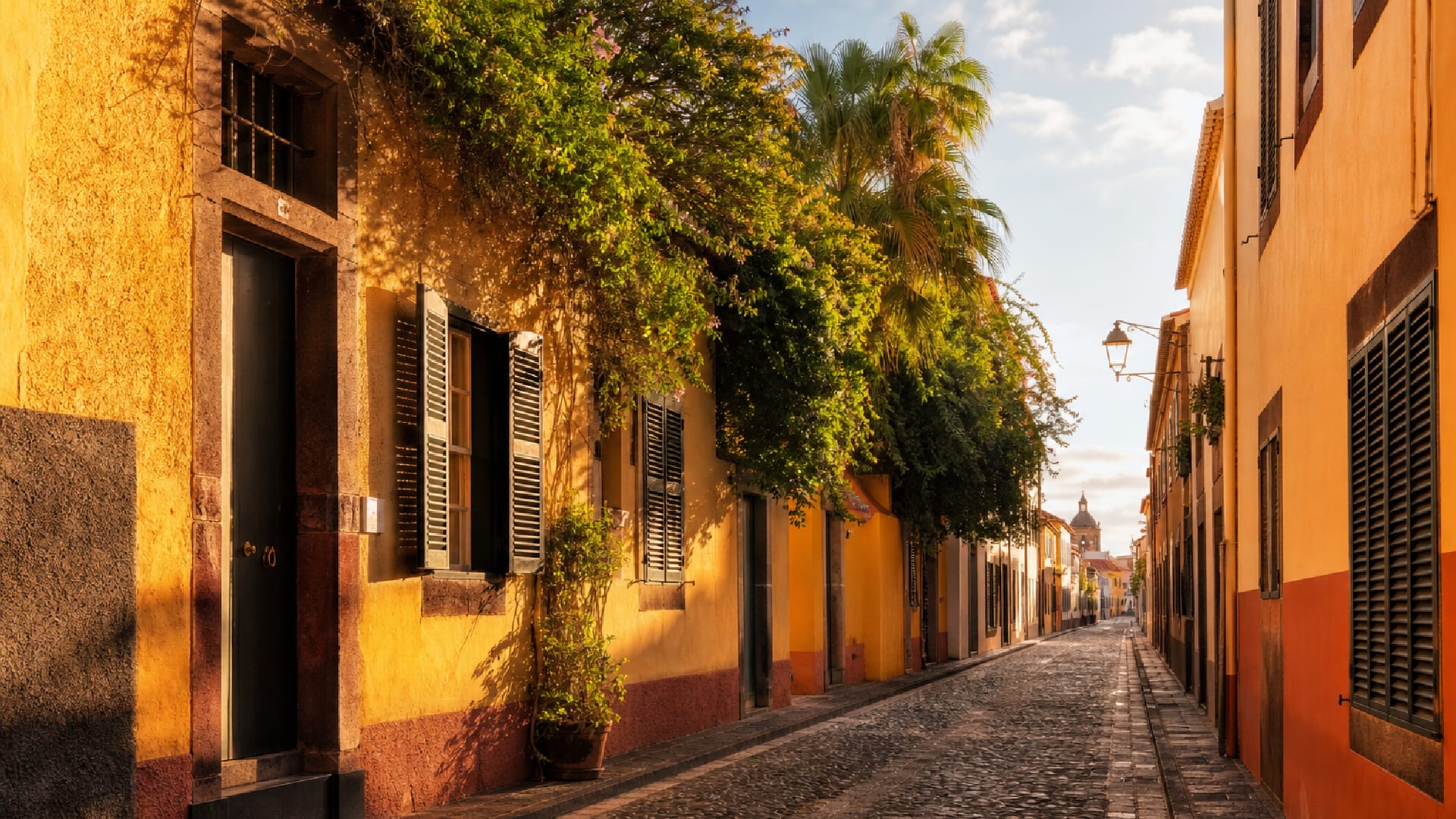
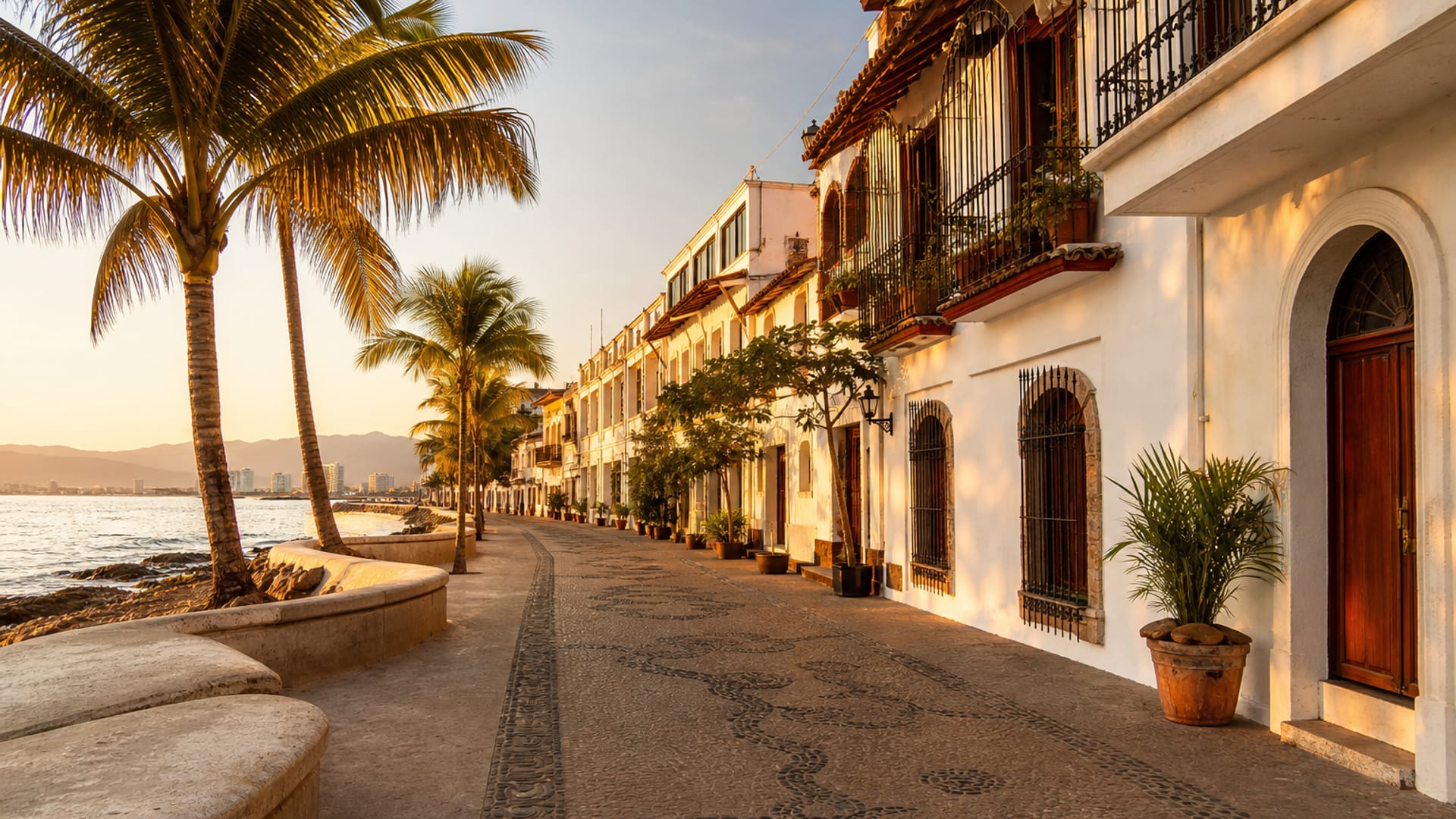
Zona Velha follows the eastern edge of central Funchal, with cobbled lanes, painted doors, restaurants, and quick access to the cable car and waterfront. It suits travelers who want historic character and can handle busier streets during the day and dinner traffic after dark nearby.
Best for: Walkable sightseeing, dining, nightlife, and first-time stays
What to expect: Stone lanes, steady daytime foot traffic, and plenty of visitors near the market and waterfront.
Hotel prices: Usually about 120€ to 260€ (~$130 to ~$285) per night for well-rated stays
Distance to major sights: 5 to 10 minutes on foot to Funchal Cathedral and Mercado dos Lavradores
Quietness: Busy by day and early evening, then quieter late at night once shops close.
Main trade-off: Rooms in the historic center can cost more, and some streets have more foot traffic than nearby residential blocks.
Good to know: Check parking before booking if you plan to rent a car, since many properties have no private spaces
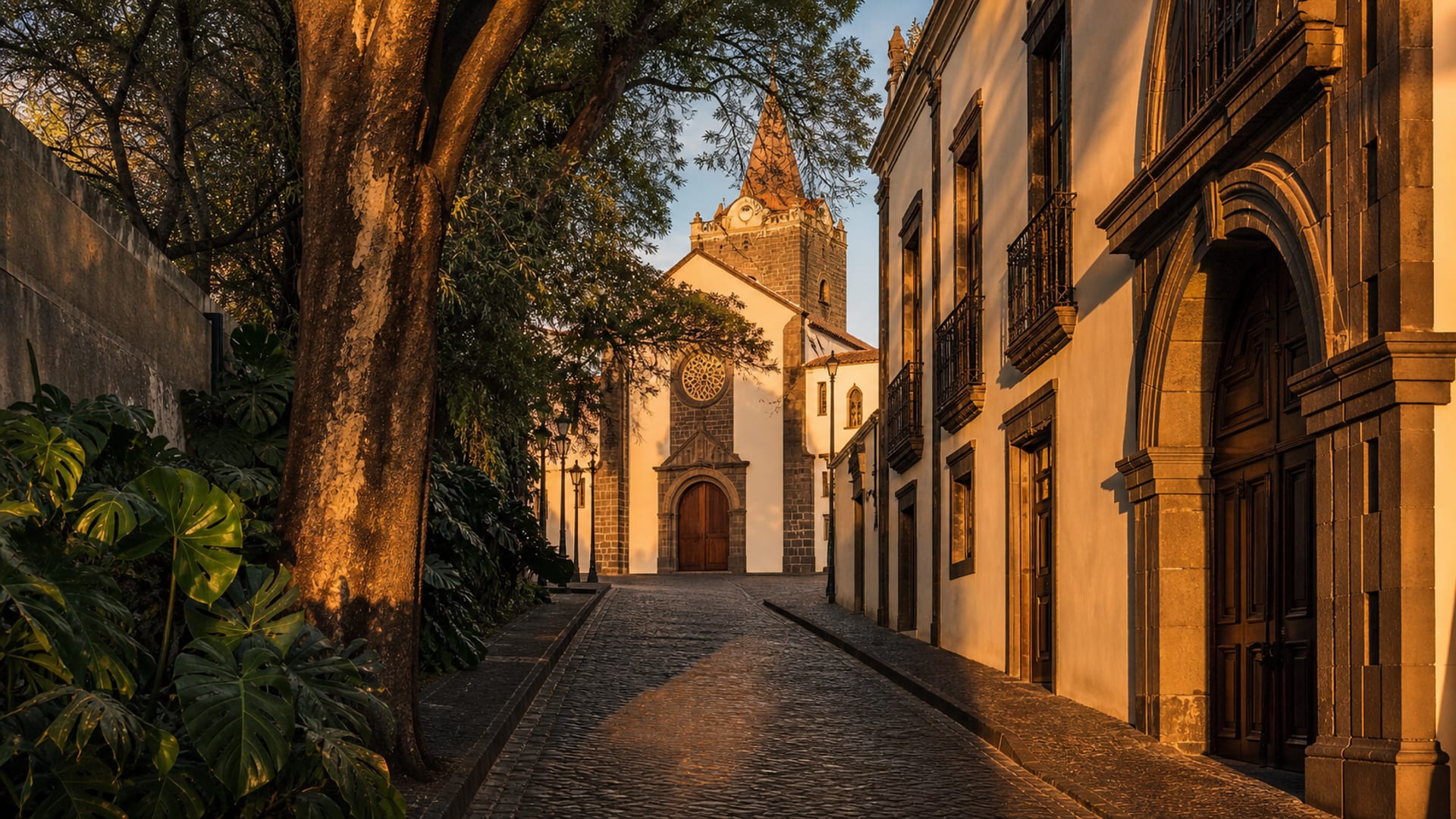
Sé covers Funchal’s most central blocks near the cathedral, marina, municipal buildings, and main shopping streets. It is convenient for short stays because many central sights are within walking distance, while buses and taxis are easy to reach for Monte, Lido, and other uphill areas.
Best for: Central sightseeing, short stays, shopping, and easy bus connections
What to expect: Central city streets with regular pedestrian traffic, cafés, and local shops open through the day.
Hotel prices: Usually about 110€ to 230€ (~$120 to ~$250) per night for well-rated stays
Distance to major sights: 5 minutes on foot to Funchal Cathedral and about 10 minutes on foot to the harborfront
Quietness: Active through the day, then calmer in the late evening after offices and shops close.
Main trade-off: You gain convenience, but the most desirable central addresses can book up early and sit on busier streets.
Good to know: Dining choices are strongest toward Avenida Arriaga and the Old Town, both easy to reach on foot.
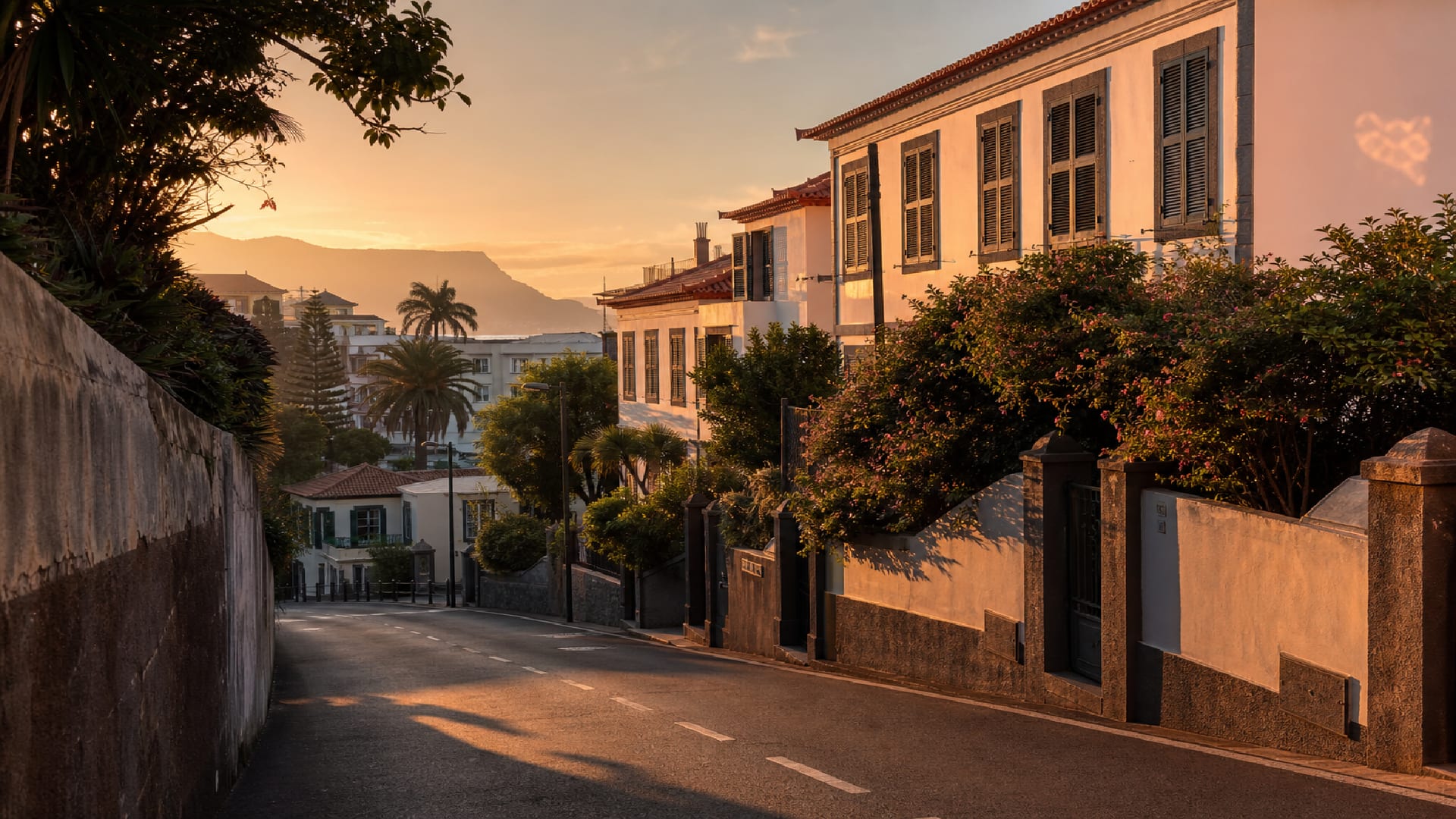
São Martinho extends west of central Funchal beyond the Lido hotel zone, with residential streets, larger properties, shopping centers, and quick access to major roads. It suits longer stays and travelers with a car who want more space while remaining within easy reach of the coast.
Best for: Longer stays, larger hotels, shopping, and travelers with a car
What to expect: Broad avenues, hotel entrances, and a mix of restaurants and shops spread along the coast.
Hotel prices: Usually about 130€ to 300€ (~$145 to ~$330) per night for well-rated stays
Distance to major sights: 10 to 15 minutes by bus to Funchal Old Town and about 20 minutes to the cable car station
Quietness: Moderately busy by day, with a calmer evening feel away from the main hotel and dining strips.
Main trade-off: You trade a longer ride into the historic center for more space, newer hotels, and easier parking.
Good to know: Properties closer to the coast offer easier walking; inland addresses can involve steep streets.
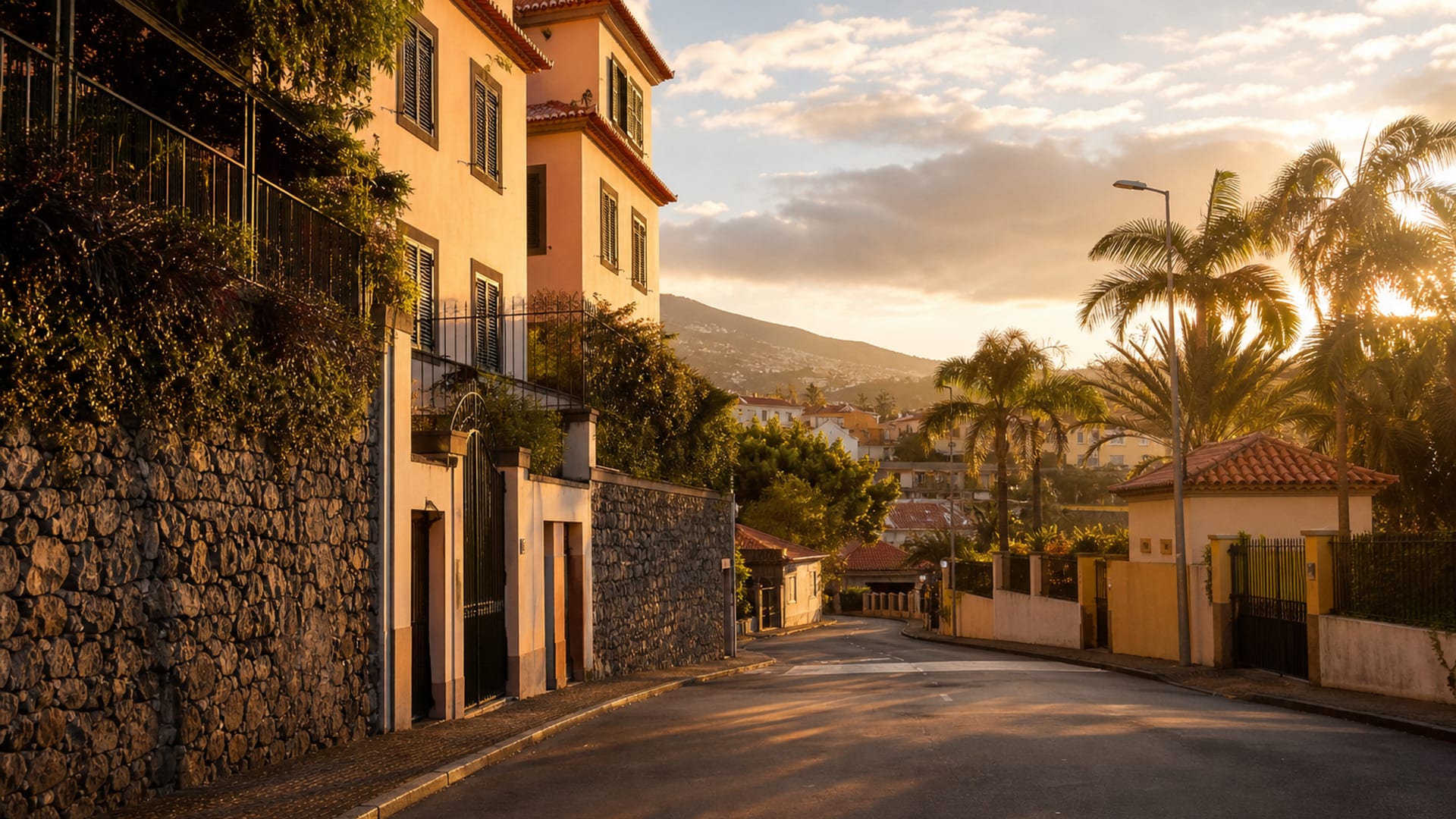
Almirante Reis occupies the eastern end of central Funchal’s waterfront beside Zona Velha. The cable car to Monte starts here, while Mercado dos Lavradores, Rua de Santa Maria, São Tiago Fort, and the seafront are all within an easy walk.
Best for: Cable car access, Old Town sightseeing, the market, and waterfront walks
What to expect: Cable-car visitors, market traffic, restaurants, and steady pedestrian activity between the waterfront and Zona Velha
Hotel prices: Expect €100 to €350 ($115 to $400) per night for well-rated stays; premium waterfront hotels can cost more
Distance to major sights: Beside the Funchal Cable Car; about 5 minutes on foot to Mercado dos Lavradores
Quietness: Busy during sightseeing hours, while nearby Old Town restaurants and bars can keep some streets active at night
Main trade-off: It overlaps heavily with Zona Velha and can feel busy near the cable car and Old Town dining streets
Good to know: The cruise terminal is across the harbor, not beside Almirante Reis; allow roughly 15 to 20 minutes to walk there along the waterfront
For a short first stay, Santo António and São Roque usually mean longer bus or taxi rides to the historic center and waterfront. Hotels near the airport in Santa Cruz are more practical for early departures than city sightseeing.
Hotel deals
How to get around Funchal efficiently
Funchal has no metro or tram. Buses cover scheduled trips, the Aerobus serves the airport, and taxis or ride-hailing handle steep or late journeys.

Aerobus
for airport transfers
The Aerobus links Madeira Airport (FNC) with central Funchal and Praia Formosa. The full airport-to-Praia Formosa route takes 50 minutes. Adults pay €6.70 ($7) on board or €5.55 ($6) with a prepaid GIRO ticket from SIGA sales points.

Bus
for city routes and Monte
Horários do Funchal operates the city’s main bus routes within the SIGA network, including services to Monte and the hotel district. Pay €2.05 ($2.25) on board, or preload trips at €1.45 ($1.60) each onto a €0.50 ($0.55) GIRO card at a SIGA sales point.

Taxi
for convenience or late hours
Taxis and Uber or Bolt are useful for steep hills, luggage, and late returns. Funchal taxi meters start at €4 ($4.40) by day and €4.80 ($5.30) at night; airport trips typically cost €30 to €40 ($33 to $44). Use a taxi rank or hotel desk, or book Uber or Bolt in the app.
*Prices are based on rates updated as of September 2026 and may change at the time of travel.
Use buses for planned city trips, the Aerobus for the airport, and taxis or ride-hailing when steep streets or late hours make transfers less convenient.
Iconic landmarks
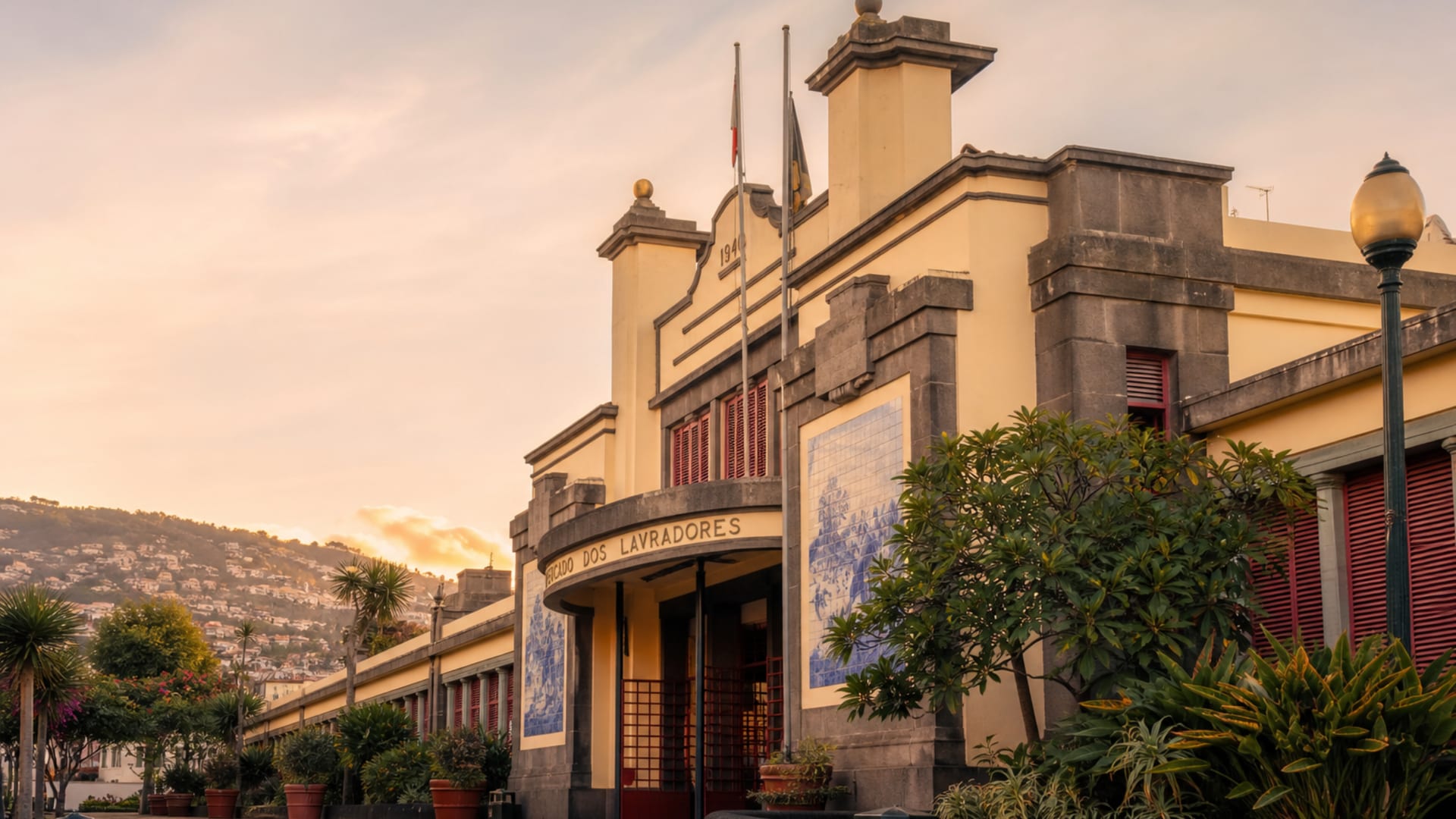
Funchal Farmers' Market
Mercado dos Lavradores brings produce, flowers, fish, and Madeira specialties together in a 1940 market building decorated with regional tile panels. Its central location makes it an easy stop while exploring Zona Velha.
Time needed: 45 minutes to 1 hour
Entry: Free. The market is open Monday to Saturday and closed on Sunday.
Tip: Go early on a weekday for fuller stalls and easier movement through the market.
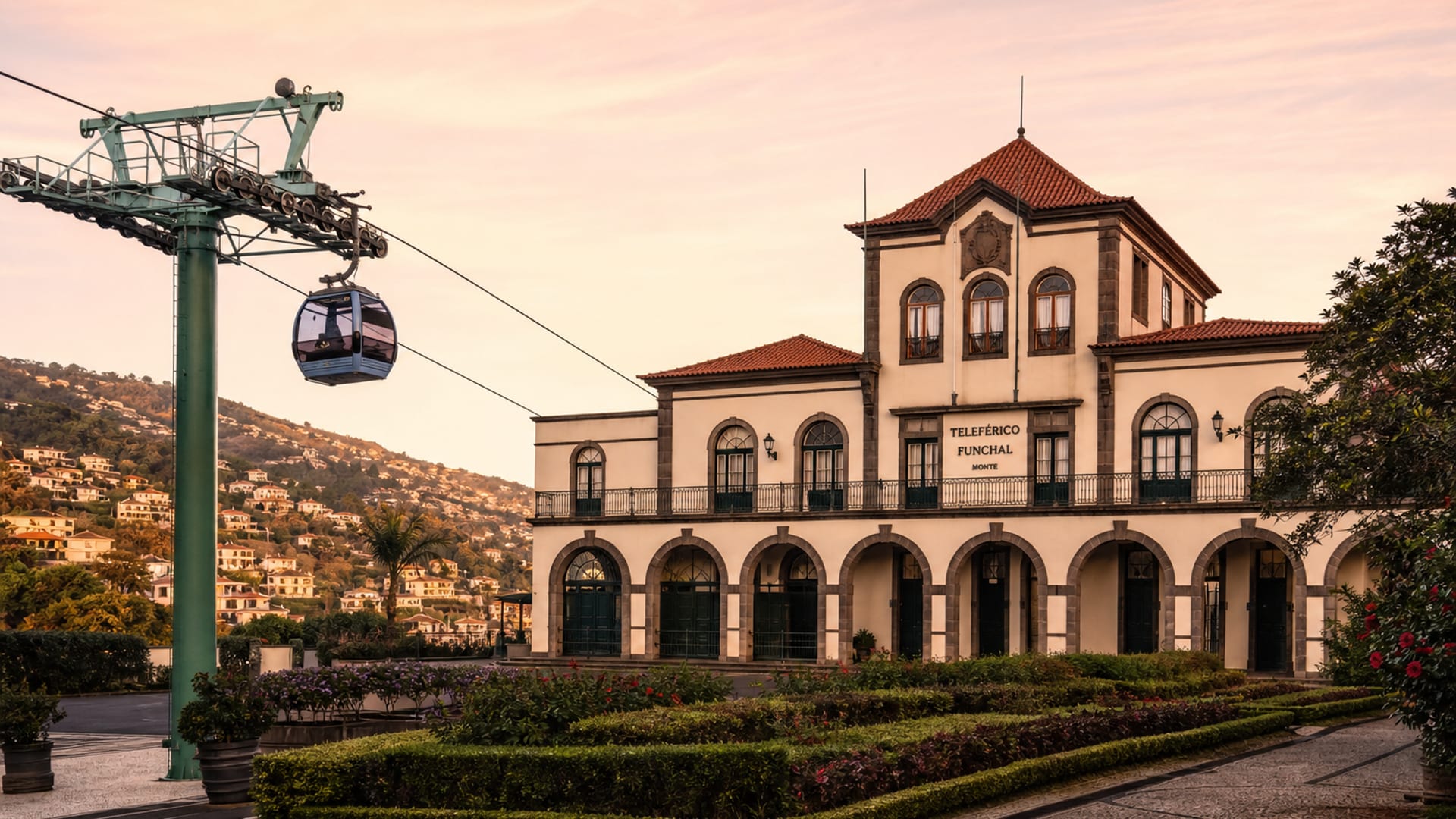
Funchal Cable Car
The Funchal Cable Car climbs from Zona Velha to Monte in an average of 18 minutes, gaining 1,840 feet (560 meters) in elevation. The 2-mile (3.2-kilometer) ride gives broad views over Funchal before arriving near Monte Palace.
Time needed: 30 to 45 minutes for the round trip
Entry: €22 ($24) round trip or €16 ($18) one way; children ages 7 to 14 pay half. Visit the official site for details.
Tip: Ride earlier in the day if you want more time for Monte Palace after arrival.
Monte Palace Tropical Garden
Monte Palace Tropical Garden covers about 753,500 square feet (70,000 square meters) above Funchal, with exotic planting, koi ponds, historic tile panels, sculptures, and museum collections devoted to African art and minerals.
Time needed: 2 to 3 hours
Entry: Adults pay €18 ($20); children up to age 14 enter free with an adult. Visit the official site for details.
Tip: Allow extra time for steep paths if you plan to see both museum collections.
Overlooked sites worth visiting

Quinta do Palheiro Ferreiro Gardens
Palheiro Gardens spread across a hillside east of Funchal, with camellias, old trees, formal garden sections, and broad paths through the estate.
Time needed: 1.5 to 2.5 hours
Entry: Adults pay €11 ($12); ages 15 to 17 pay €6 ($7), and younger children enter free. Visit the official site for details.
Tip: Go in the morning and arrive before 4:00 pm, when the garden stops admitting visitors.

Convento de Santa Clara
The 15th-century Convent of Santa Clara preserves a Gothic cloister, Hispano-Arabic tiles, carved wooden ceilings, chapels, and restored paintings from the 17th and 18th centuries.
Time needed: 45 to 75 minutes
Entry: Adults pay €10 ($11); ages 13 to 25 and visitors 65 or older pay €5 ($5.50)
Tip: Visit before lunch; the convent closes from 12:30 pm to 2:00 pm.
Traditional food
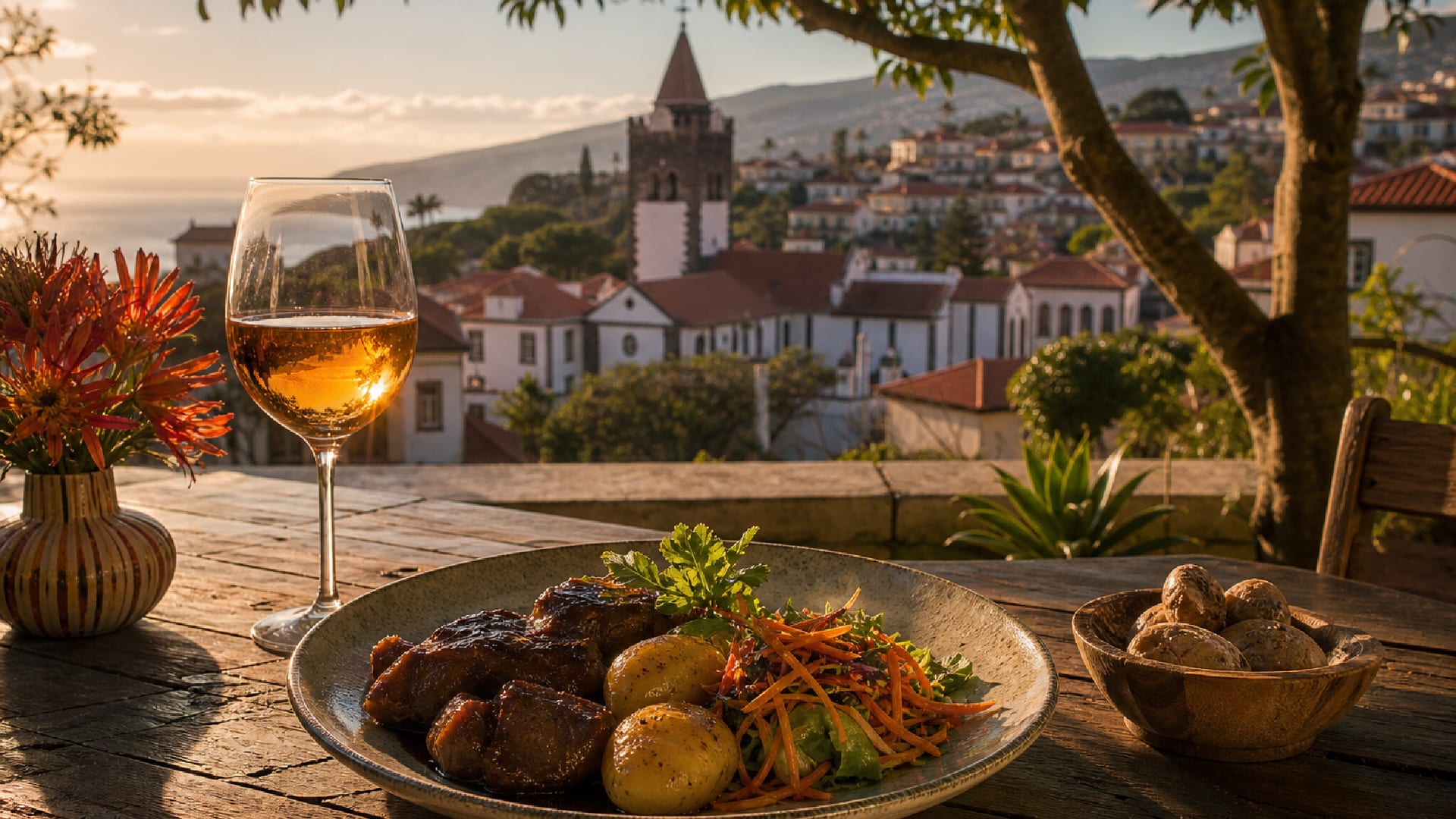
Madeiran cuisine combines Atlantic seafood, grilled beef, garlic, sweet potato, and local bread. Espetada, bolo do caco, scabbard fish, and lapas appear widely on Funchal menus.
Espetada
Espetada is beef seasoned with garlic and salt, threaded onto a skewer, and grilled over hot coals. Casa das Espetadas in Funchal specializes in the dish, including the traditional beef version alongside other skewered meats and fish.
Bolo do caco
Bolo do caco is a round Madeiran bread made with sweet potato and wheat flour, usually served warm with garlic butter. Casa do Bolo do Caco on Rua Dr. Fernão de Ornelas sells it freshly made, with several filled versions as well.
Scabbard fish with banana
Black scabbard fish with banana pairs tender espada fillet with fried or caramelized banana, sometimes with passion fruit or almonds. O Portão in central Funchal continues to serve a Madeiran-style version with banana.
Lapas
Lapas are limpets grilled in their shells, typically with garlic, butter, and lemon, then served sizzling as a starter. Taberna Madeira in central Funchal lists grilled limpets on its current menu alongside other Madeiran seafood dishes.
Best time to visit Funchal
Funchal stays mild through the year, with spring and autumn offering comfortable temperatures for gardens, hills, and city walks.
Best for: Flower gardens, comfortable hill walks, and long days for outdoor sightseeing
What you get: Typical temperatures span 58°F to 72°F (14°C to 22°C), with gardens in bloom, moderate crowds, and less rain as spring moves toward May.
Trade-offs: March and April can still bring wetter days, especially in higher parts of the island.
Best for: Swimming, coastal walks, outdoor dinners, and the longest daylight hours
What you get: Typical temperatures span 65°F to 80°F (18°C to 27°C), with very little rain and long daylight hours.
Trade-offs: Hotels and major attractions are busier, especially during school-holiday periods.
Best for: Warm sea temperatures, garden visits, and comfortable days for city sightseeing
What you get: Typical temperatures span 63°F to 80°F (17°C to 27°C), with September still summery before rainfall increases in October and November.
Trade-offs: Rain becomes more frequent later in the season, so outdoor plans need some flexibility.
Best for: Mild city breaks, festive events, gardens, museums, and lower visitor numbers
What you get: Typical temperatures span 57°F to 70°F (14°C to 21°C), with mild afternoons, lower visitor numbers, and more rainfall than in summer.
Trade-offs: Shorter daylight and wetter spells can limit longer garden or mountain outings.
A realistic 5-day plan in Funchal
Five days in Funchal are easier to pace when you group the center, Monte, eastern gardens, and Lido by area. Keep the arrival and departure days light, then use the middle of the trip for the steeper or more time-consuming stops.
Arrive at Madeira Airport (FNC), then take a taxi into central Funchal. The trip usually takes 20 to 25 minutes; budget €30 to €40 ($33 to $44), depending on traffic and surcharges. Check in, keep the first evening close to your hotel, and have dinner in Zona Velha or near the marina after a short waterfront walk.
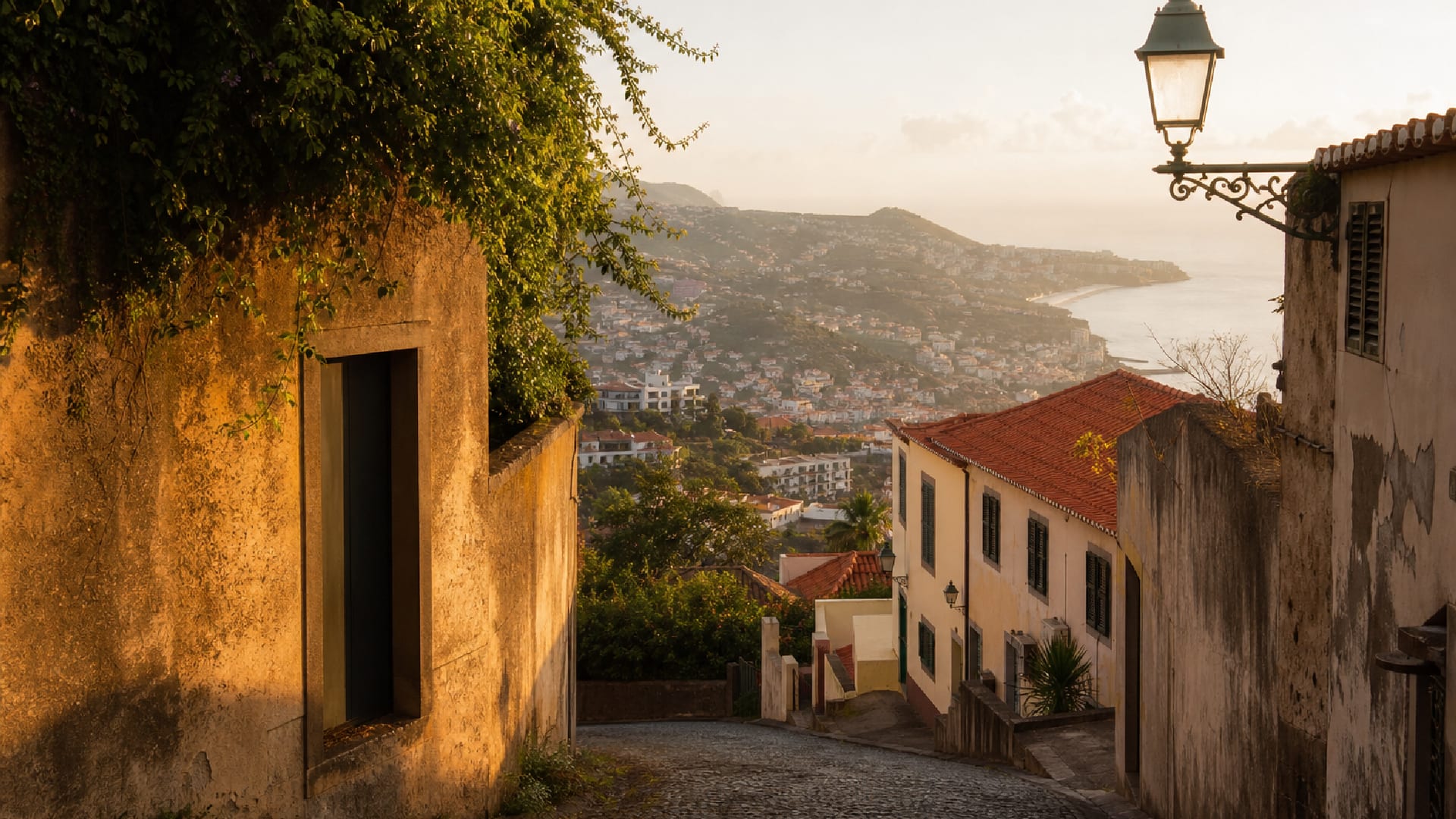
Start at Funchal Cathedral, a late 15th-century Manueline and Gothic structure with a gilded altarpiece, carved wooden choir stalls, and a coffered ceiling. Allow 45 minutes, then walk east to Mercado dos Lavradores, an Art Deco market building opened in 1940 whose facade and fish hall are decorated with azulejo tile panels painted with regional themes. Allow 45 to 60 minutes, then continue to the cable-car station. Ride to Monte and allow 2–3 hours for Monte Palace Tropical Garden.
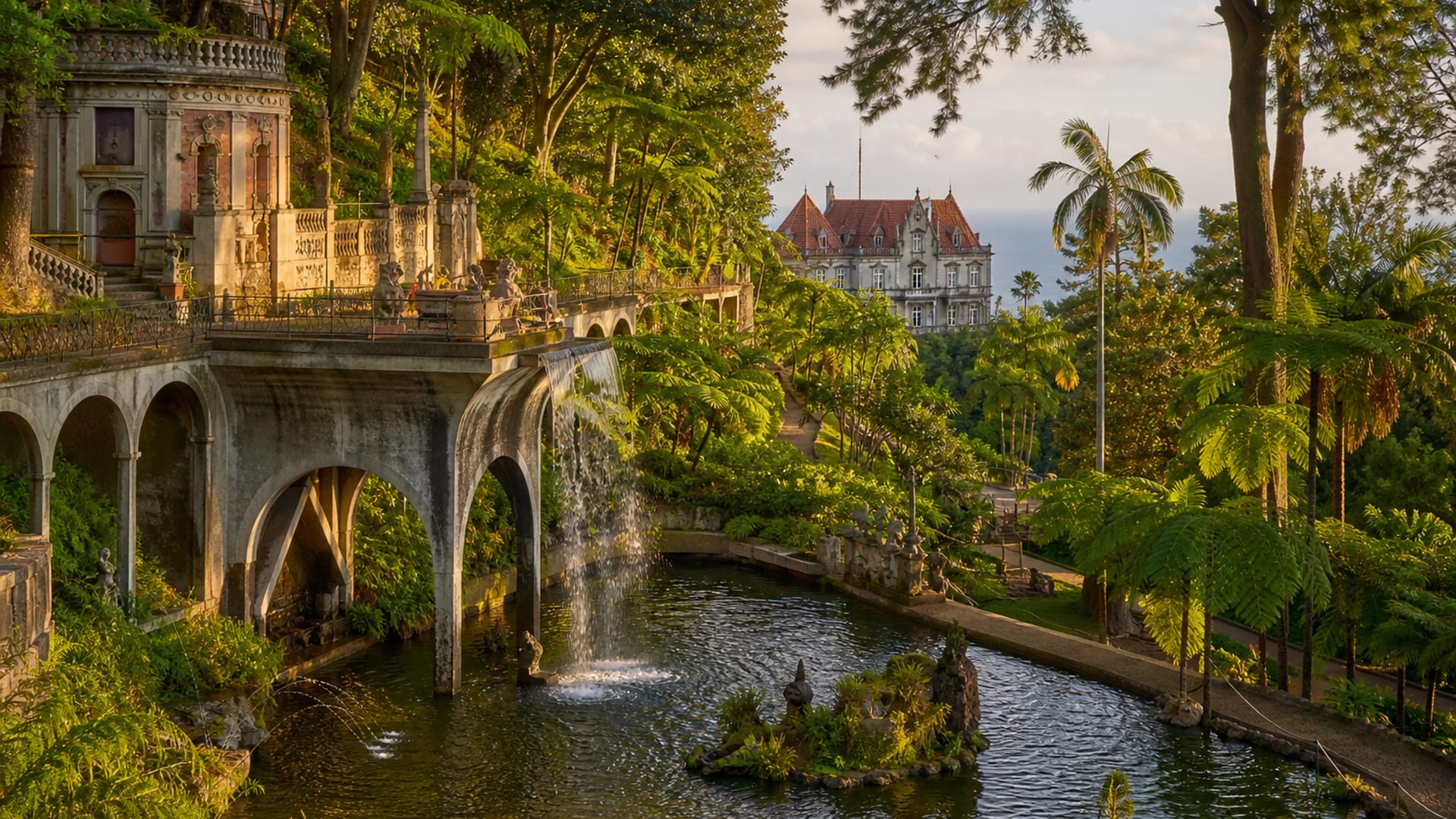
In the morning, head to Palheiro Gardens, an estate established in the early 19th century at about 1,640 feet (500 meters) above Funchal, with two-century-old trees, lakes, a Baroque chapel, and views over the city and the Atlantic. Allow 2–2.5 hours. After lunch in central Funchal, visit the Convent of Santa Clara, where 17th-century Hispano-Arabic tiles line the walls and the church holds the tomb of Madeira’s discoverer, João Gonçalves Zarco. Finish the day in Sé for dinner.
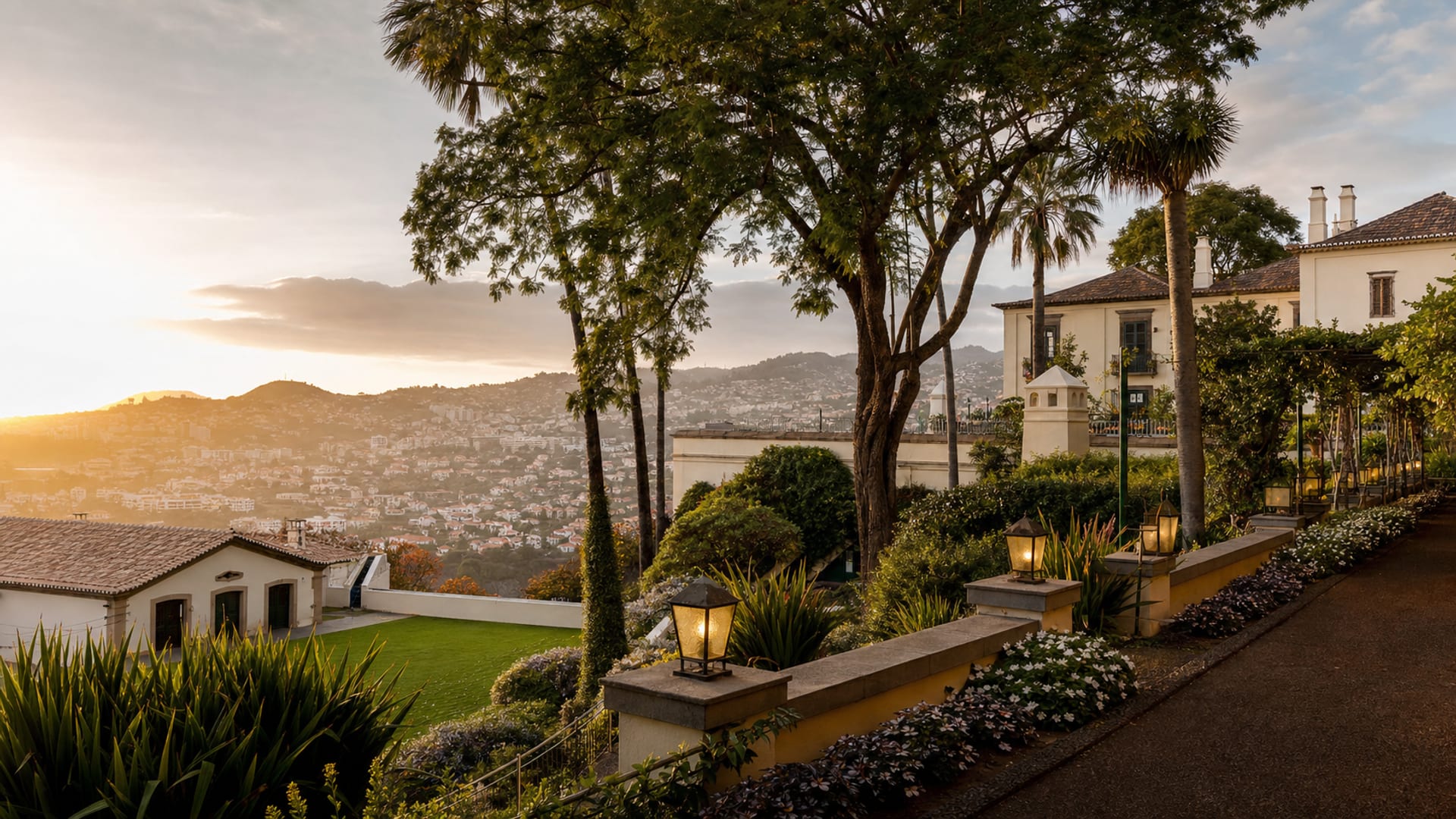
Keep the fourth day on Funchal’s west side. Start in Lido with breakfast near the waterfront, which runs along a series of saltwater pools and terraces cut into the volcanic coastline, then spend the morning on the seafront promenade and leave the afternoon open for a longer lunch, pool time, or a walk further west toward the Ponta Gorda area. Staying west for dinner avoids an unnecessary return trip into the historic center.
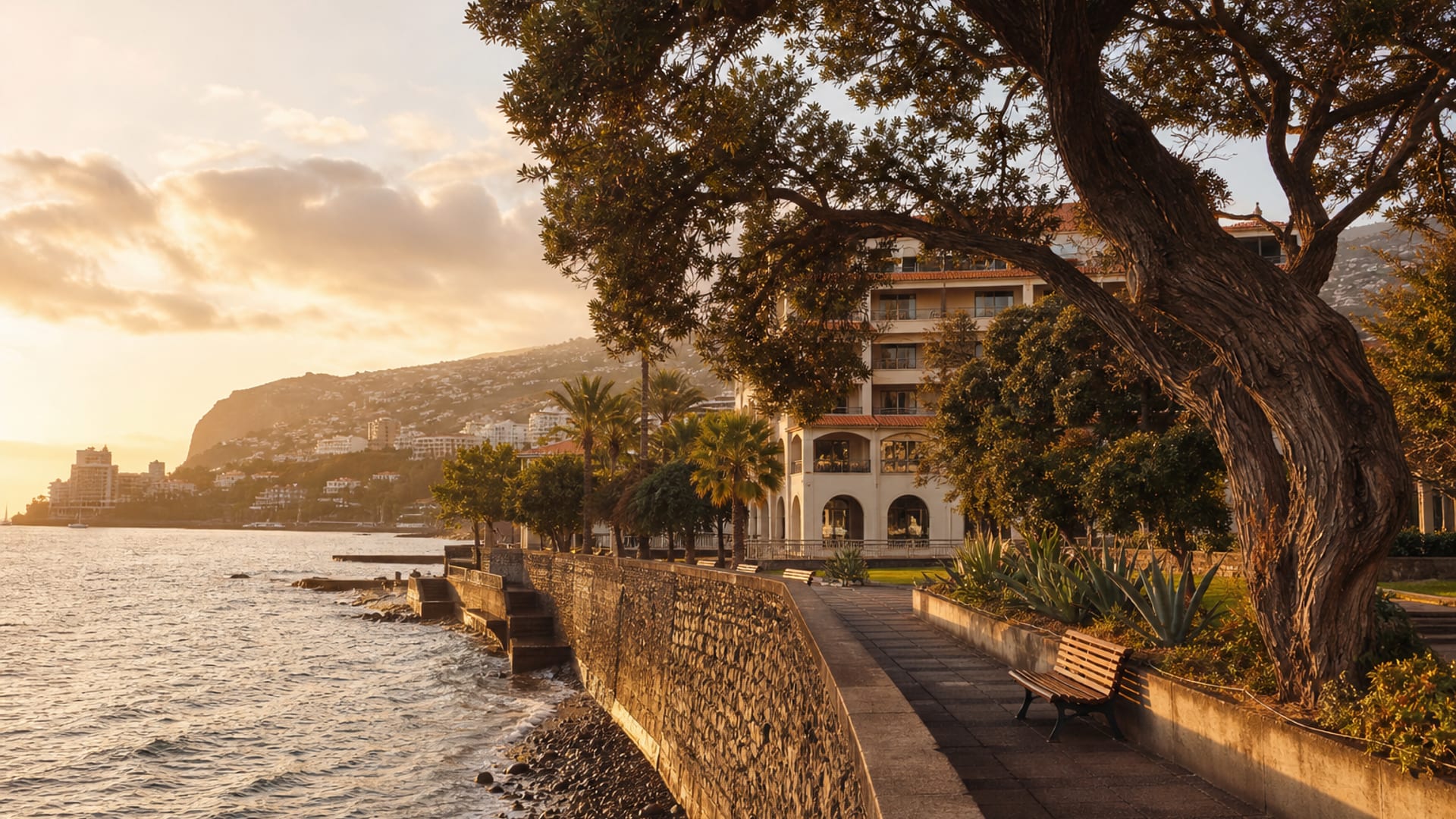
Use the final morning for Sé and Zona Velha without repeating the major sights from earlier days. Stop for coffee, browse the central shopping streets, and have an early lunch near the waterfront. Then collect your luggage and leave for Madeira Airport (FNC), allowing extra time if your departure falls during heavier traffic.
Business-class flights from the US to Funchal
Flights from the US to Funchal commonly connect through a European hub.
New York (JFK) to Funchal (FNC)
TAP Air Portugal offers flights from John F. Kennedy Airport (JFK) in New York to Funchal (FNC) via Lisbon (LIS). The transatlantic leg from New York takes about 7 hours, with a short onward flight to Funchal adding roughly 1.5 hours of flying time. Total journey times run 10 to 14 hours depending on the layover. Round-trip business-class fares on this route range from $2,900 to $8,100.
Los Angeles (LAX) to Funchal (FNC)
British Airways operates flights from Los Angeles (LAX) to Funchal (FNC) via London. The route requires an interairport transfer. The LAX flight arrives at Heathrow (LHR), while the onward connection to Funchal departs from Gatwick (LGW), adding a minimum three-hour transfer between the two airports. Total journey times range from 17 to 22 hours depending on the layover. Round-trip business-class fares range from $4,100 to $14,400, with the widest variation driven by season and booking window.
Funchal feels different when you slow down
Funchal comes together more naturally when each part of the city gets its own time: Sé and Zona Velha on foot, Monte by cable car, and Lido for the waterfront. That structure leaves room for markets, gardens, and dinner without unnecessary cross-city trips. AranGrant experts can help you compare business-class flights and hotels that fit your dates and preferred location.







