

Chapters:

Need help with your trip?
Our support team is available 24/7. Request a callback or call us directly at (833) 619-0908
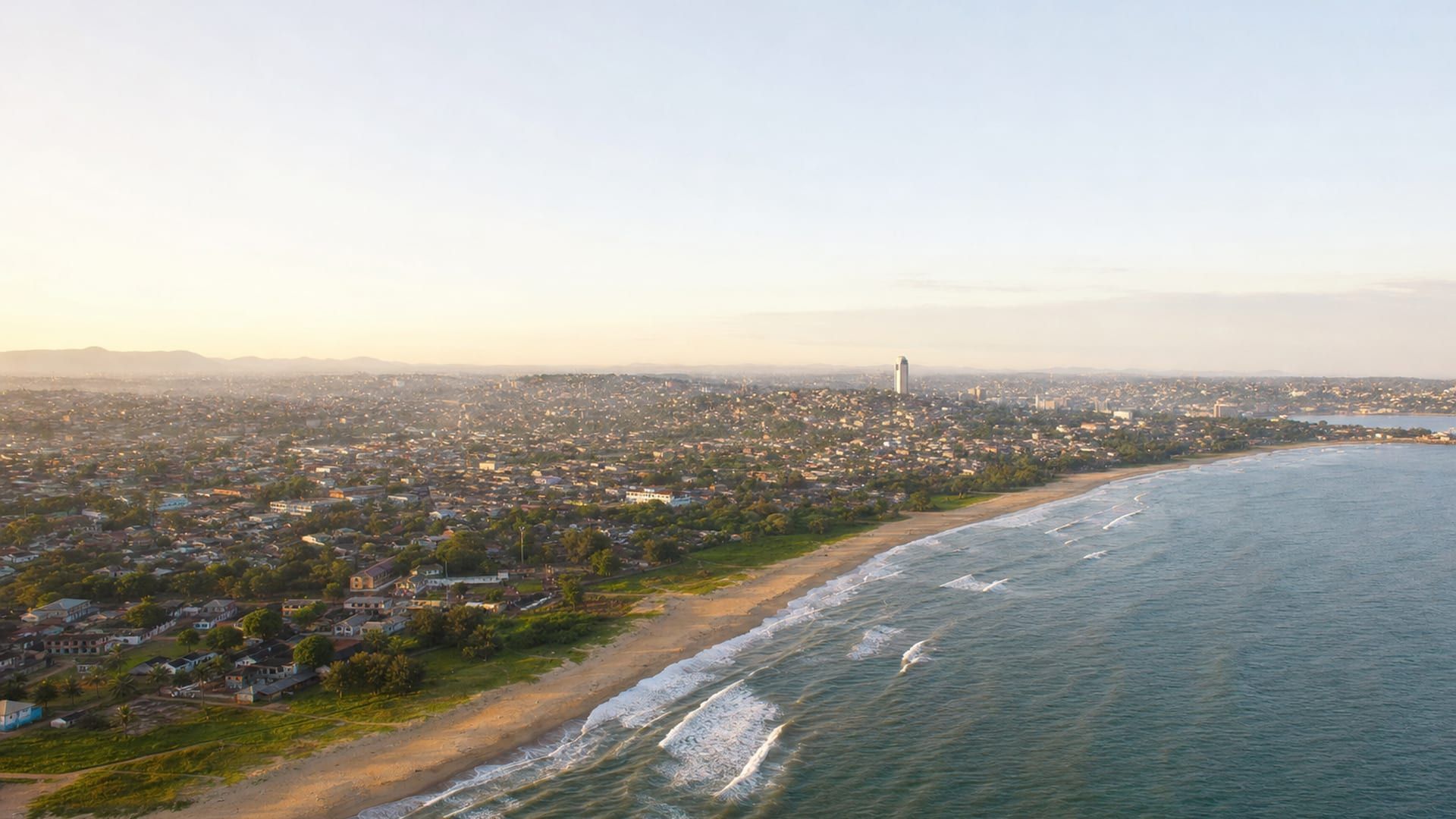
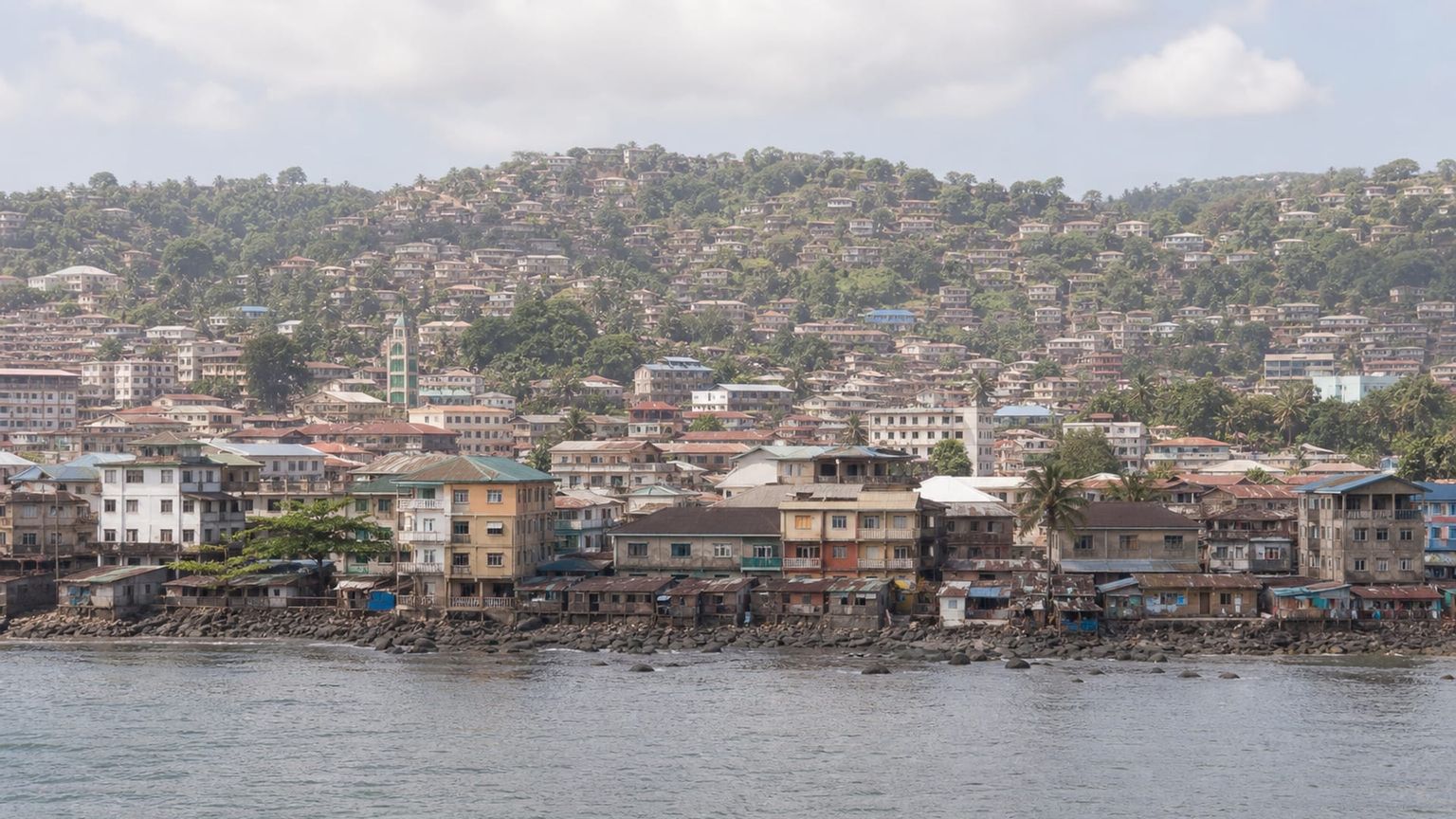
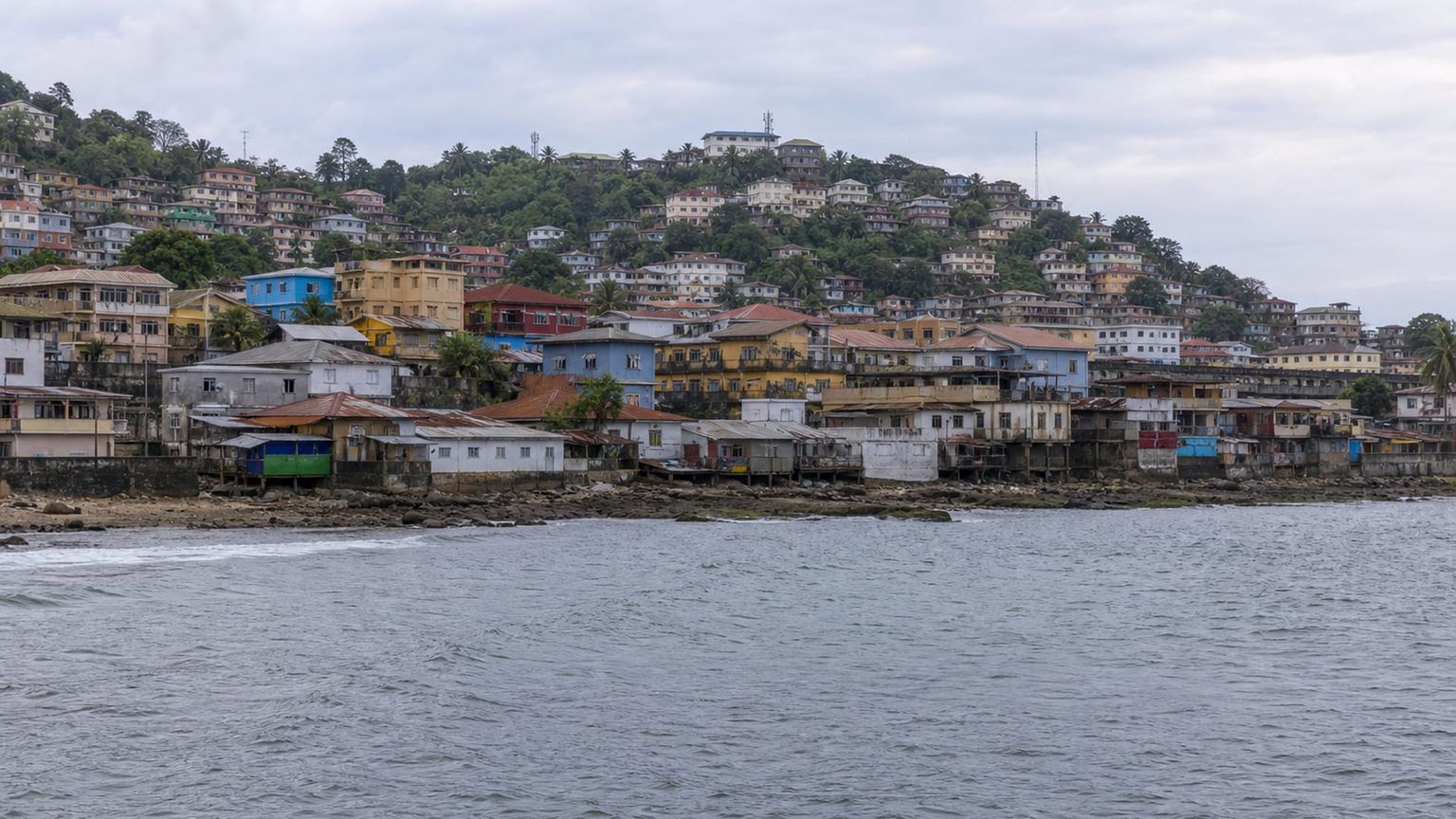
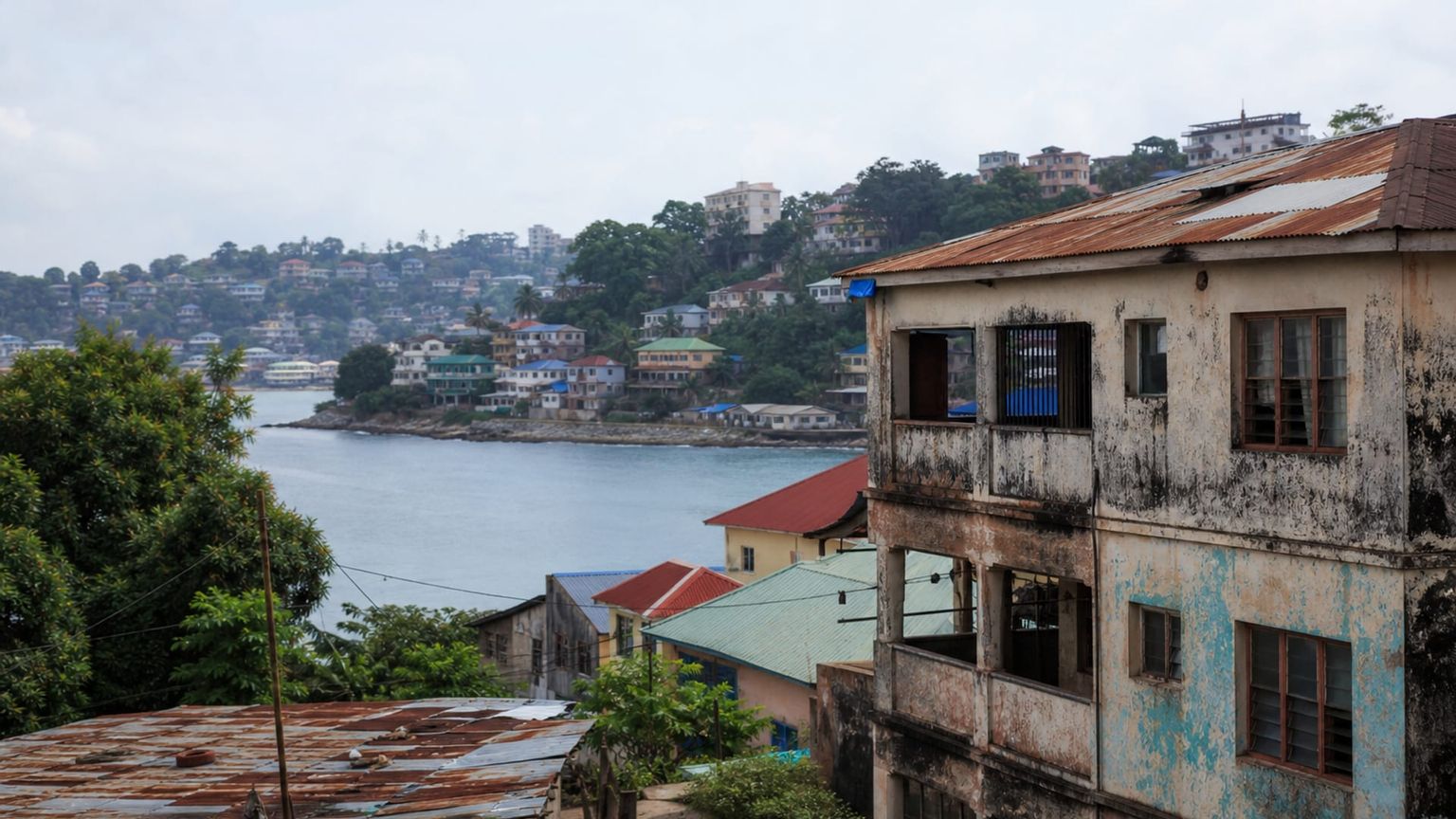
Freetown climbs from the Atlantic coast into forested hills, and the distance between Lumley Beach, central markets, and Tacugama’s rainforest often surprises visitors. The city took its name from the freed and formerly enslaved settlers who founded it, and that history shapes the mix of coastal neighborhoods, inland markets, and forested outskirts you’ll move between.
Getting between them takes planning. With no metro, most trips rely on taxis and shared minibuses, and riders agree the fare before setting off. Road conditions and traffic shift block to block, so a short hop can take longer than expected.
This guide covers where to stay, how to move between the coast, the center, and the forest, what to eat, and a five-day plan that keeps those longer transfers in view from the start.
Useful things to know

Main language(s): English

Currency: Sierra Leonean leone (SLL, Le)

Cash and cards: Card and contactless payment acceptance is limited in Freetown, so visitors should carry SLE 500 to SLE 1,000 ($21 to $41) in cash.

Tipping: Tip about 10% at upscale restaurants. Round up the bill at casual spots.

Traditional food: Cassava leaves, groundnut stew, jollof rice, and palm oil rice top the list of classic Freetown dishes.

Water and coffee costs: Bottled water costs SLE 20 ($1), and a bar espresso costs SLE 25 ($1).

Taxis and ride apps: No major international ride-hailing app operates in Freetown, so most visitors hail street taxis directly and agree on the fare before the ride starts.

Plug and voltage: Type D/G socket, 230V

Dining and shop opening hours: Restaurants serve breakfast from 7:00 am to 10:00 am, lunch from 12:00 pm to 3:00 pm, and dinner from 7:00 pm to 10:00 pm, though many close early outside the busiest areas.

Emergency number: 112 for police, fire, and ambulance
Where to stay in Freetown
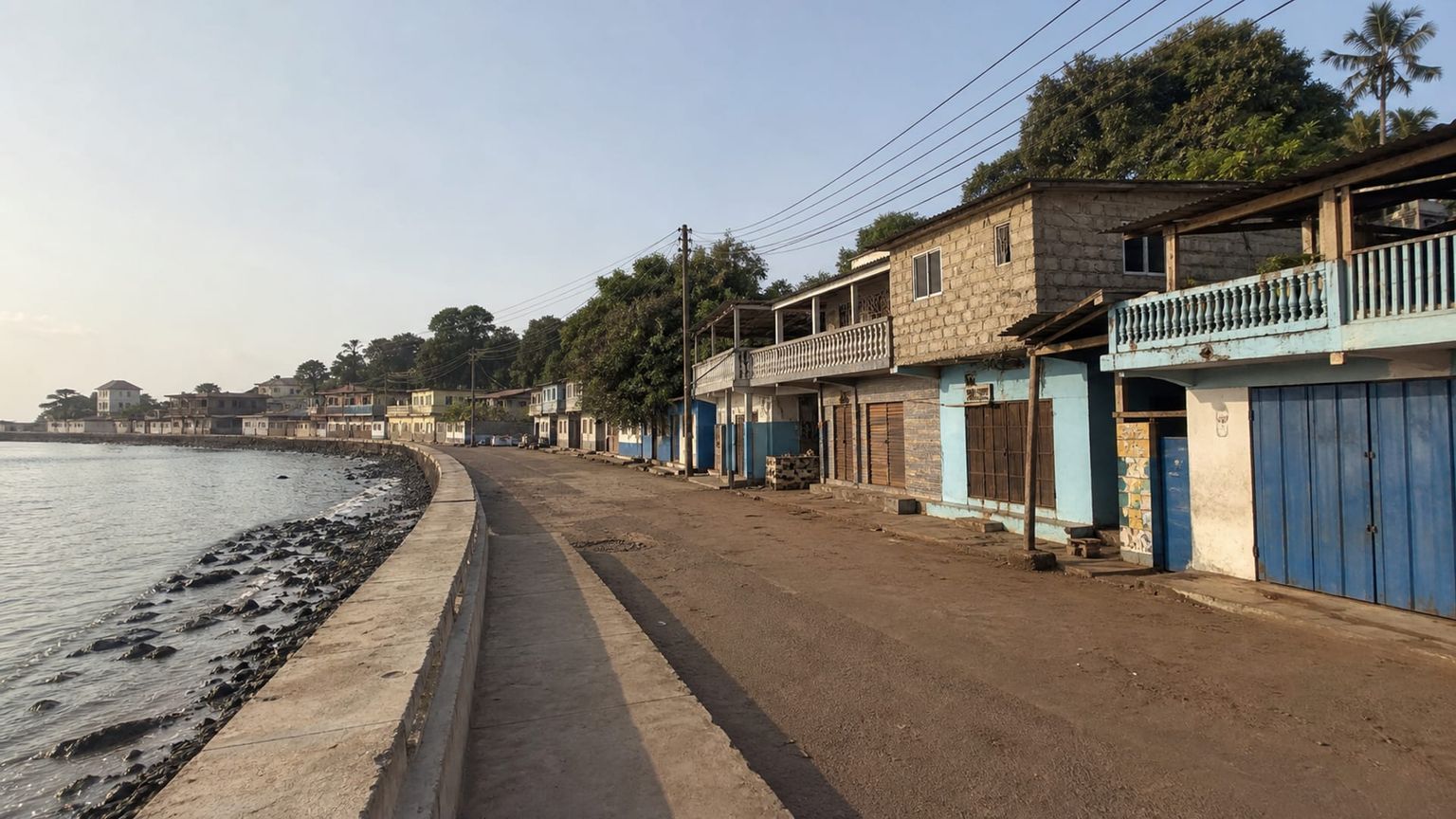
Aberdeen occupies the Atlantic edge of Freetown, mixing beachfront hotels, restaurants, and residential streets near the Lumley Beach extension. The area suits travelers who want sea views, lively evening dining, and quick access to the western coast while staying close to central sights.
Best for: Beach access, restaurants, and travelers who want to stay on the western side of Freetown
What to expect: Hotel traffic by the main roads, a beachgoing crowd near the waterfront, and quieter side streets after dark
Hotel prices: Well-rated hotels in this area cost SLE 2,660 to SLE 5,810 ($110 to $240) per night.
Distance to major sights: 20 to 30 minutes by car to the National Museum and the Cotton Tree site, now one shared location
Quietness: Aberdeen is busier during the day, calmer on residential streets in the evening, and livelier near the waterfront venues at night.
Main trade-off: You will pay more for seafront locations, and trip times into the center stretch during peak traffic.
Good to know: If you plan evening meals near the coast, choose a place with secure parking or a licensed taxi, since transport thins out late at night.
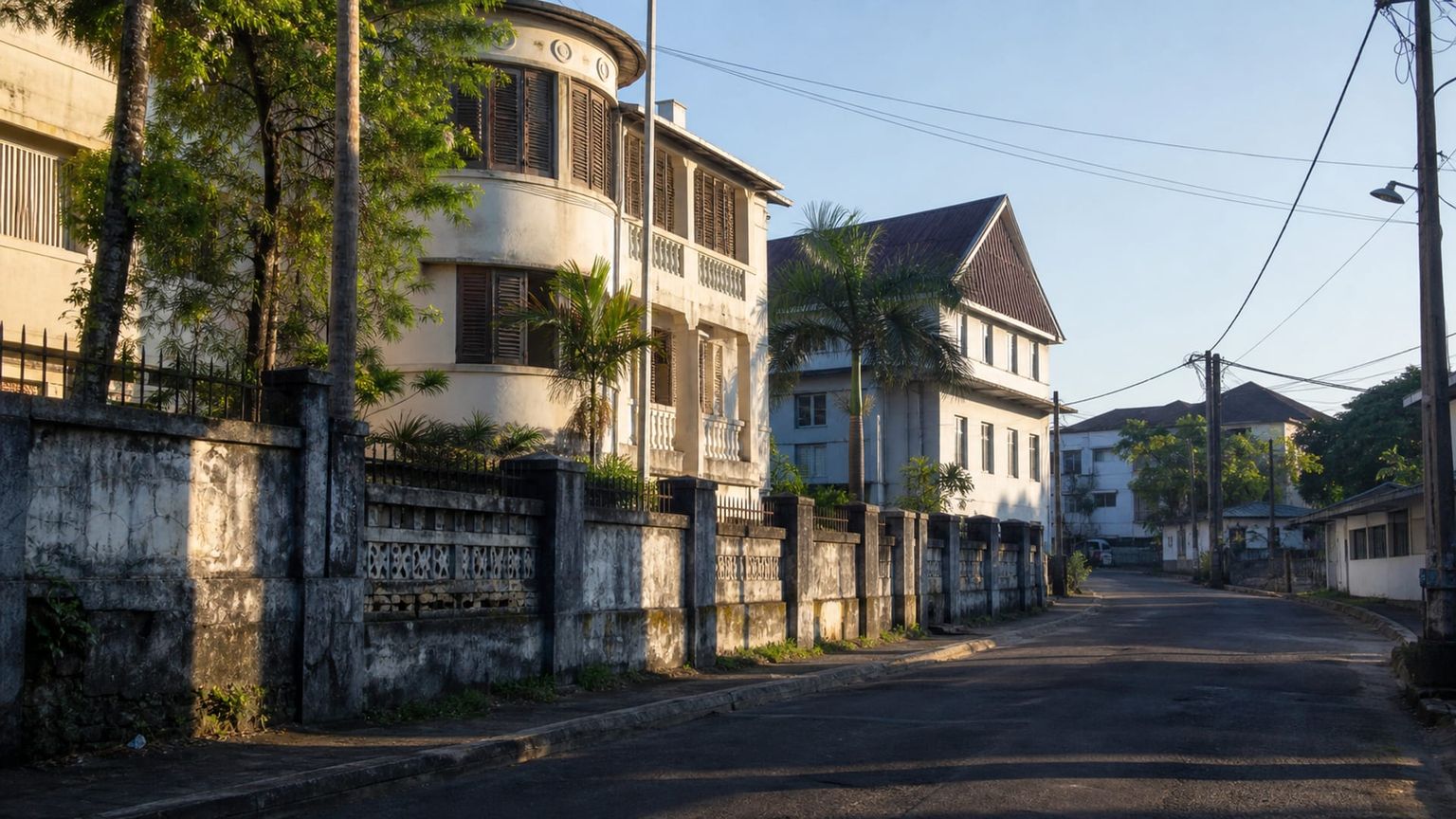
Lumley stretches along Freetown’s western coastline and centers on Lumley Beach, one of the city’s most visited stretches of sand. The area combines the strongest mix of shoreline access, bars, and casual dining, though the main road stays active well into the night with music and traffic.
Best for: Beach time, casual dining, and travelers who want evening activity nearby
What to expect: A busy waterfront, frequent foot traffic, and a livelier feel around restaurants and bars than in nearby residential areas.
Hotel prices: Well-rated hotels in this area cost SLE 2,180 to SLE 4,840 ($90 to $200) per night.
Distance to major sights: About 25 minutes by car to the National Museum and the Cotton Tree site
Quietness: Lumley stays active through the day and evening, then quiets down away from the beach road late at night.
Main trade-off: The most convenient beach and nightlife spots are also the loudest, especially on weekends.
Good to know: For quieter sleep, choose a room set back from the beach road, since music and traffic cause most of the late-night noise.
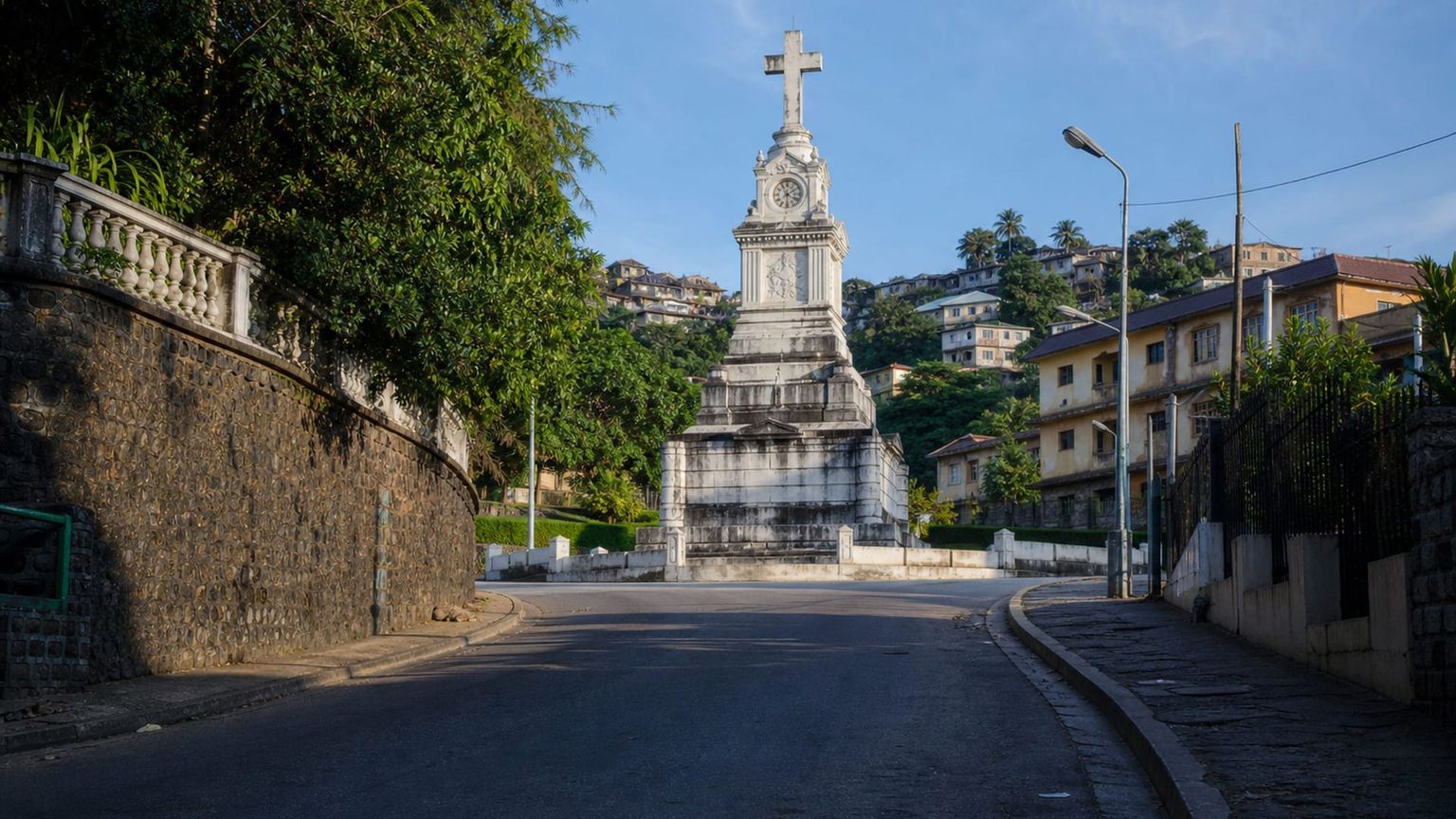
Congo Cross is an inland junction west of central Freetown, connecting the city center with the beach districts through heavy daily traffic. The area suits visitors who want a lower-key stay with practical access to taxis, minibuses, and everyday shops instead of beachfront convenience.
Best for: Budget-minded stays, local eateries, and travelers who expect to move around by taxi
What to expect: Constant road activity, small shops, and a strongly local atmosphere define the area, with few visitor-focused businesses.
Hotel prices: Well-rated hotels in this area cost SLE 1,690 to SLE 2,420 ($70 to $100) per night.
Distance to major sights: 15 to 20 minutes by car to the National Museum and the Cotton Tree site
Quietness: The area stays noisy during the day because of traffic, with less activity late in the evening once commuter flow drops.
Main trade-off: You save money compared with the beach districts, but you give up waterfront access and need taxis for most outings.
Good to know: Ask how far the property is from the main road, since the cheapest rooms are closest to traffic and hardest to rest in.
Avoid Waterloo and Lungi, far from Freetown’s sights with long road or ferry transfers. Regent and West Hill Station lie uphill, with fewer amenities and taxis that are harder to find at night. Far Lumley and Tokeh add travel time too.
Hotel deals
Getting around Freetown
Freetown has no rail network, so most visitors move by taxi, private driver, or shared poda-poda depending on distance and budget.

Poda-poda
shared minibus) (for low-cost cross-city trips
Shared minibuses, known locally as poda-podas, link central Freetown with suburbs and nearby towns at low cost. Fares range from SLE 5 to SLE 17 ($0.20 to $0.70) per ride. Vehicles leave once seats fill, not on a fixed schedule, so expect some waiting.

Private driver or chartered car
for door-to-door convenience
Many hotels arrange a private driver or chartered car for the day, convenient for business travelers who prefer not to negotiate fares themselves. Full-day rates are SLE 1,940 to SLE 3,630 ($80 to $150), well above a standard taxi fare, so confirm pricing with the hotel in advance.

Taxi
for convenience or late hours
Freetown taxis set fares by agreement, not meters, so riders agree the price with the driver before getting in. Short city trips cost about SLE 75 to SLE 195 ($3 to $8), and rates often rise at night or in heavy rain. Cash in Sierra Leonean leones is standard, but some drivers accept US dollars.
*Prices are based on rates updated as of September 2026 and may change at the time of travel.
Taxis suit point-to-point trips, a private driver suits full-day touring, and poda-podas offer a low-cost way to see how the city actually moves.
Iconic places in Freetown
Lumley Beach
Freetown’s best-known urban beach extends west of the city center with long sand, surf, and sunset views over the Atlantic. Vendors line parts of the shore, and the promenade links to cafés and evening food stalls.
Time needed: About 2 to 3 hours
Entry: Free. Parking or chair rental costs SLE 20 to SLE 120 ($1 to $5), depending on the spot.
Tip: Go at sunset for cooler sand and clear views, then leave before the tide rises.
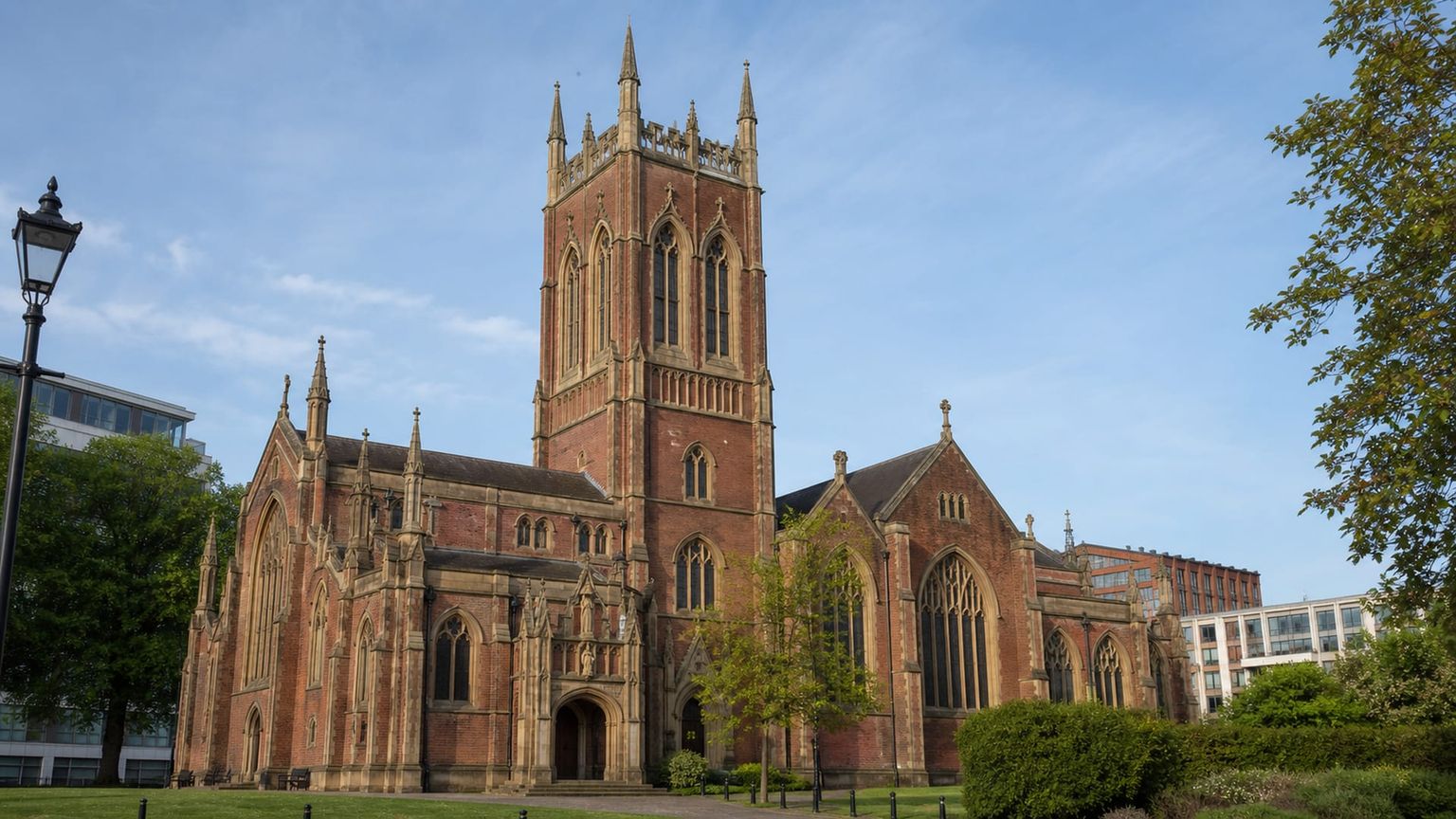
Sierra Leone National Museum
Sierra Leone’s National Museum stands at the historic Cotton Tree site in central Freetown and holds the country’s main collection of cultural artifacts, spanning traditional craft to the civil war era.
Time needed: About 1 to 2 hours
Entry: Admission costs SLE 50 to SLE 120 ($2 to $5), often collected as a donation. Visit the official site for details.
Tip: Ask for a guided walk-through; staff often explain exhibits in detail at no cost.
Tacugama Chimpanzee Sanctuary
About 12 miles (20 km) from central Freetown, Tacugama shelters rescued chimpanzees in a forest on the edge of the Western Area Peninsula. Guided visits explain rehabilitation work and the rules that protect the animals and habitat.
Time needed: About 2 to 3 hours
Entry: Guided visits cost SLE 240 to SLE 480 ($10 to $20) per person. Visit the official site for details.
Tip: Visit early, when the chimpanzees are most active, and the forest stays cooler.
Overlooked places in Freetown

Sierra Leone Peace Museum and Memorial
Right across from the National Museum, this quiet memorial tells the story of Sierra Leone’s civil war and peace process through exhibits, archives, and a garden for reflection.
Time needed: About 1 hour
Entry: Entry is free, although donations are welcome. Open Monday to Friday, 10 am to 4 pm. Visit the official site for details.
Tip: Pair it with the National Museum next door, and expect a somber, moving visit.

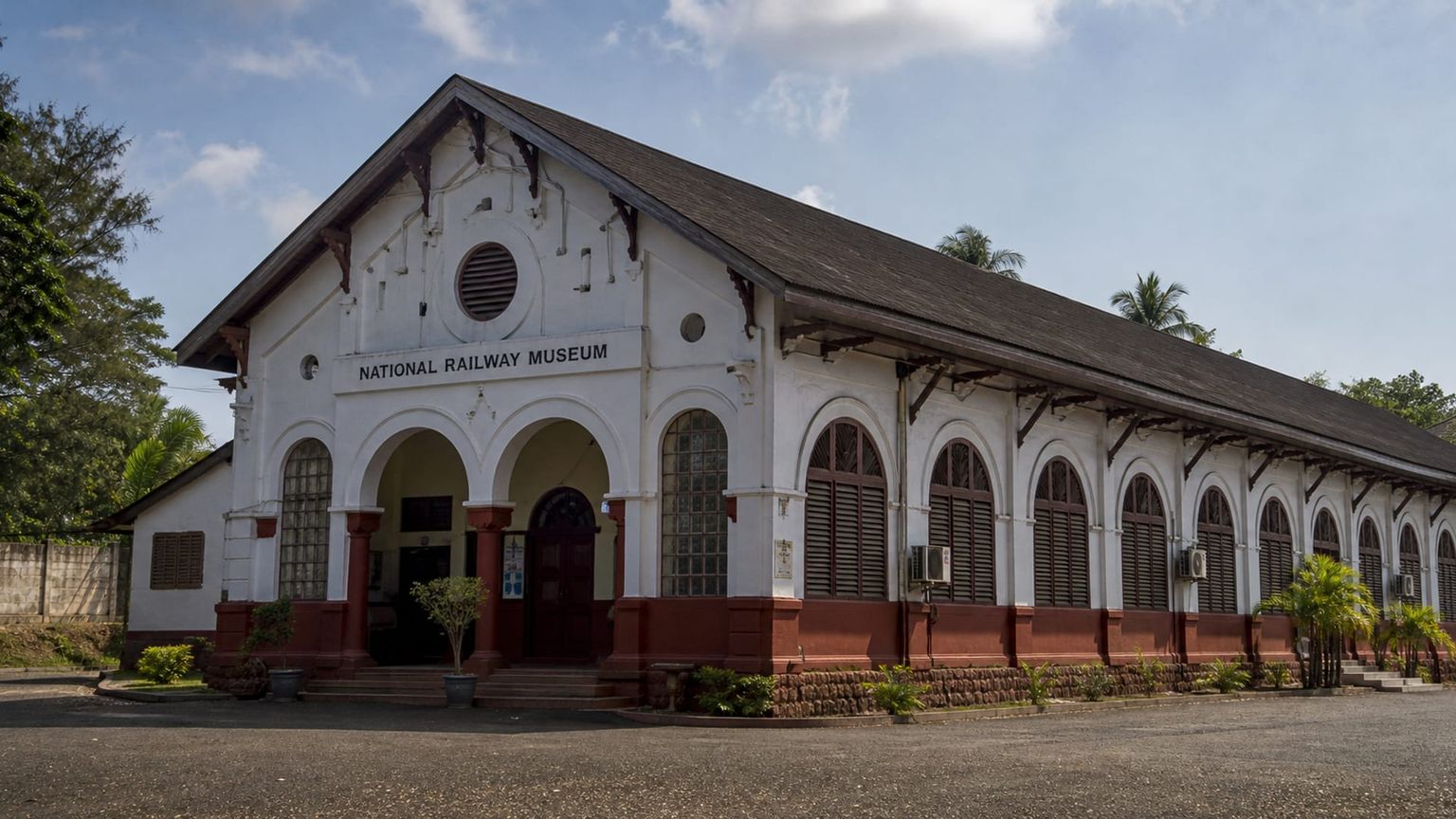
National Railway Museum
This compact museum near the old railway workshops displays locomotives, carriages, and photographs from Sierra Leone’s rail era, closed since 1975.
Time needed: About 1 hour
Entry: Admission costs SLE 150 ($6). Open 9:30 am to 4:30 pm, Monday to Friday. Visit the official site for details.
Tip: Visit on a weekday, since the museum keeps limited hours and has few staff on site.
What to eat in Freetown
Rice, palm oil, and groundnuts show up in nearly every Freetown meal, with cassava leaves and jollof among the most popular dishes.
Cassava leaves
This cassava leaf stew combines pounded leaves, palm oil, and smoked fish or meat, served over rice. Spine Restaurant, a family-run spot in Aberdeen, serves a cheap, solid plate of it.
Groundnut stew
A rich peanut-based stew simmered with chicken, fish, or beef and served with rice. The Cole Street Guest House, Freetown’s first gourmet spot for traditional cuisine, serves a version of it.
Jollof rice
Tomato, onions, and spices turn the rice a deep red in this crowd-pleasing dish, often paired with grilled protein. The Cube Restaurant, near Government Wharf, serves Sierra Leonean dishes including this one.
Palm oil rice
Red palm oil gives this rice its deep color and earthy flavor, often served with fish or vegetables. Toma, in Aberdeen, is currently rated the top restaurant in Freetown for African dishes.
Best time to visit
Freetown is warm throughout the year. Dry months favor beach time and forest visits, while rain slows roads and shortens outdoor windows.
Best for: Beach walks, full-day city touring, and guided visits to Tacugama forest
What you get: Temperatures range from 77°F to 88°F (25°C to 31°C), with lighter rain, clearer visibility, and more visitors during the coolest months.
Trade-offs: Dust and midday heat increase, and better hotels see higher demand during this period.
Best for: Sunset beach walks, compact city sightseeing, and early Tacugama forest visits
What you get: Temperatures range from 79°F to 90°F (26°C to 32°C), with warm, humid afternoons and moderate visitor levels before the rains build in May.
Trade-offs: Humidity rises sharply, and the first heavy rains arrive before the season ends.
Best for: Lower-key city stays, greener hills, and quieter days away from the coast
What you get: Temperatures range from 74°F to 84°F (23°C to 29°C), with frequent rain and fewer crowds.
Trade-offs: Road delays and slick forest tracks complicate day trips outside the city.
Best for: Quiet hotel rates, short urban outings, and fewer crowds at the sights
What you get: Temperatures range from 75°F to 85°F (24°C to 29°C), with fewer visitors around and the wettest conditions of the year across the city.
Trade-offs: The heaviest rain disrupts beach plans and lengthens transfers across the peninsula.
A 5-day plan in Freetown
Five days in Freetown suit a sequence of short crossings, one coastal stretch, and a single forest outing. The plan below keeps the city’s longer transfers in view, so each day has a clear focus before the road slows you down.
Lungi International Airport (FNA) lies across the Sierra Leone River from Freetown, so the fastest way in is a Sea Coach or Sea Bird water taxi to Aberdeen, about 20 to 30 minutes for SLE 1,090 ($45) per person, booked through the operator’s website before arrival. A short local taxi then covers the final stretch to your hotel in Aberdeen or Lumley. Settle in, rest after the journey, and keep dinner simple at a nearby restaurant instead of planning a late cross-town outing.
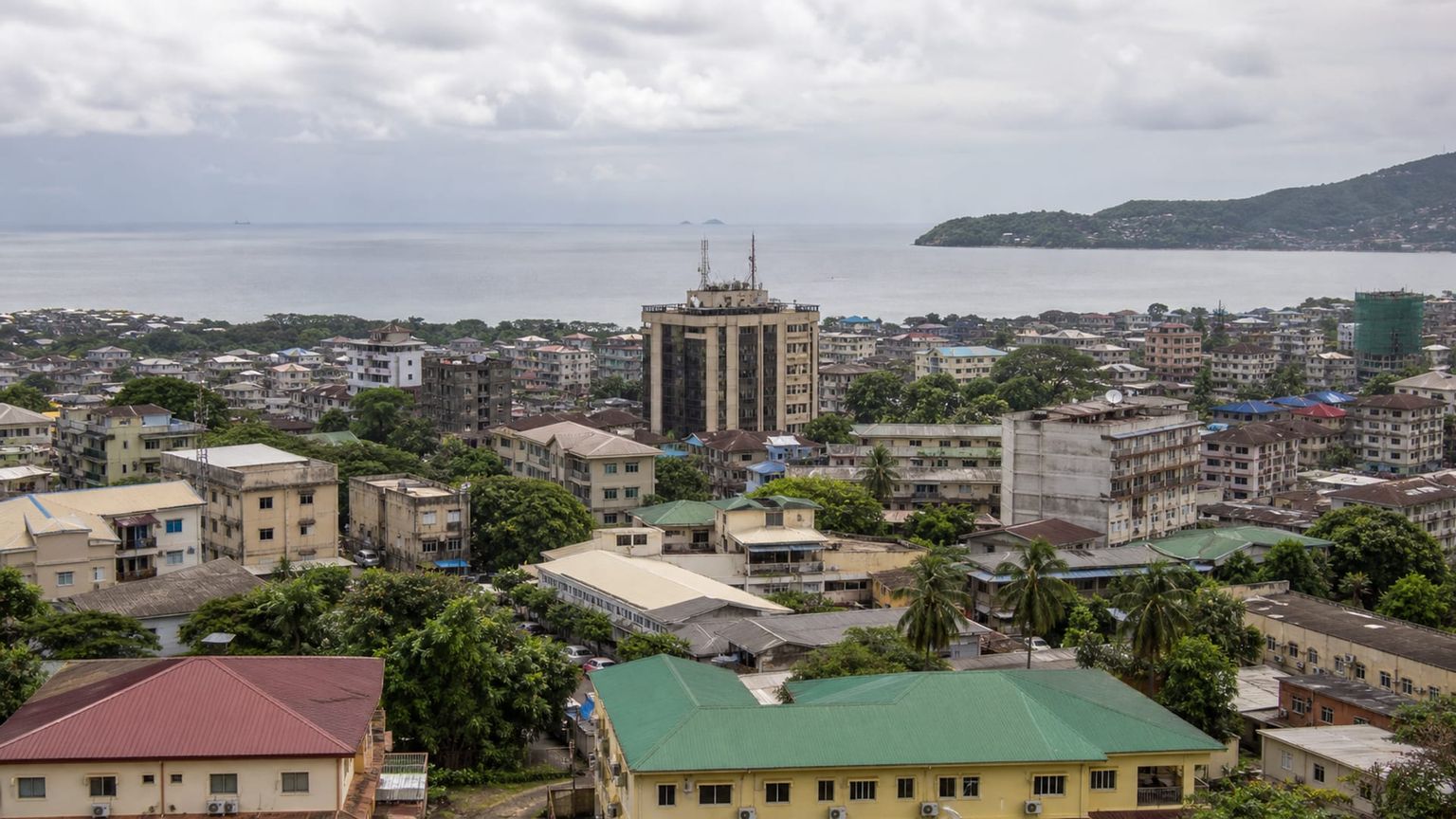
Start at the Sierra Leone National Museum in central Freetown, at the historic Cotton Tree site, where a visit takes about 1 to 2 hours and the ride from Aberdeen or Lumley takes 20 to 40 minutes by taxi. From there, continue to Lumley Beach, about 25 to 35 minutes west by car, for a long walk on the sand and an afternoon swim or sunset stop. End the day along the promenade with seafood or grilled fish, then return before evening traffic builds.
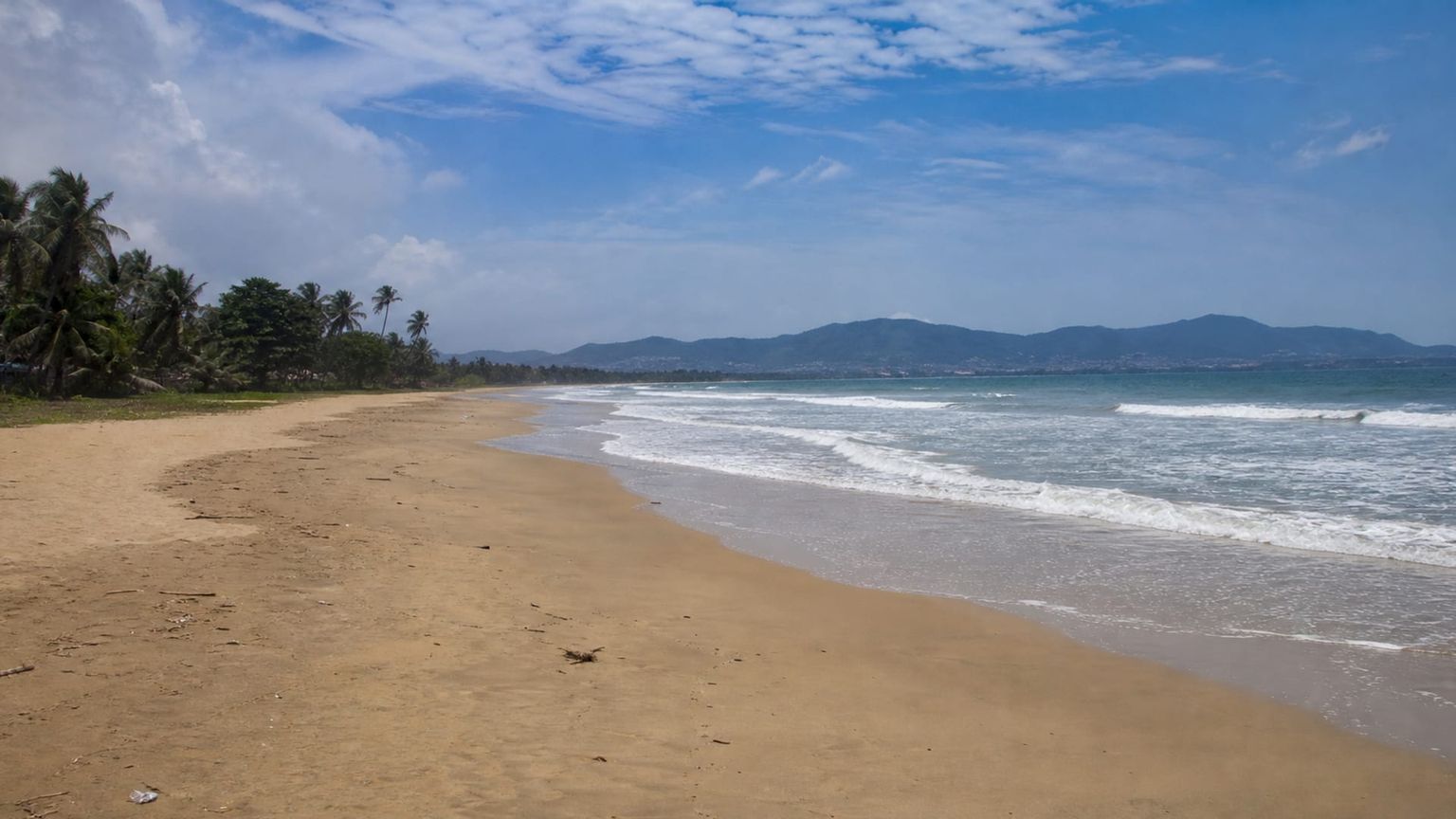
Begin early for Tacugama Chimpanzee Sanctuary, since the forest road is cooler in the morning and the drive from central Freetown takes about 40 to 60 minutes, with the final stretch requiring a four-wheel-drive vehicle. Plan 1 to 2 hours on site for the guided visit, then head back toward the coast for a quieter afternoon in Aberdeen, where you can rest, swim, or have coffee near the waterfront. If you still have energy after the sanctuary trip, a short taxi ride back to Lumley offers an easy dinner option nearby.
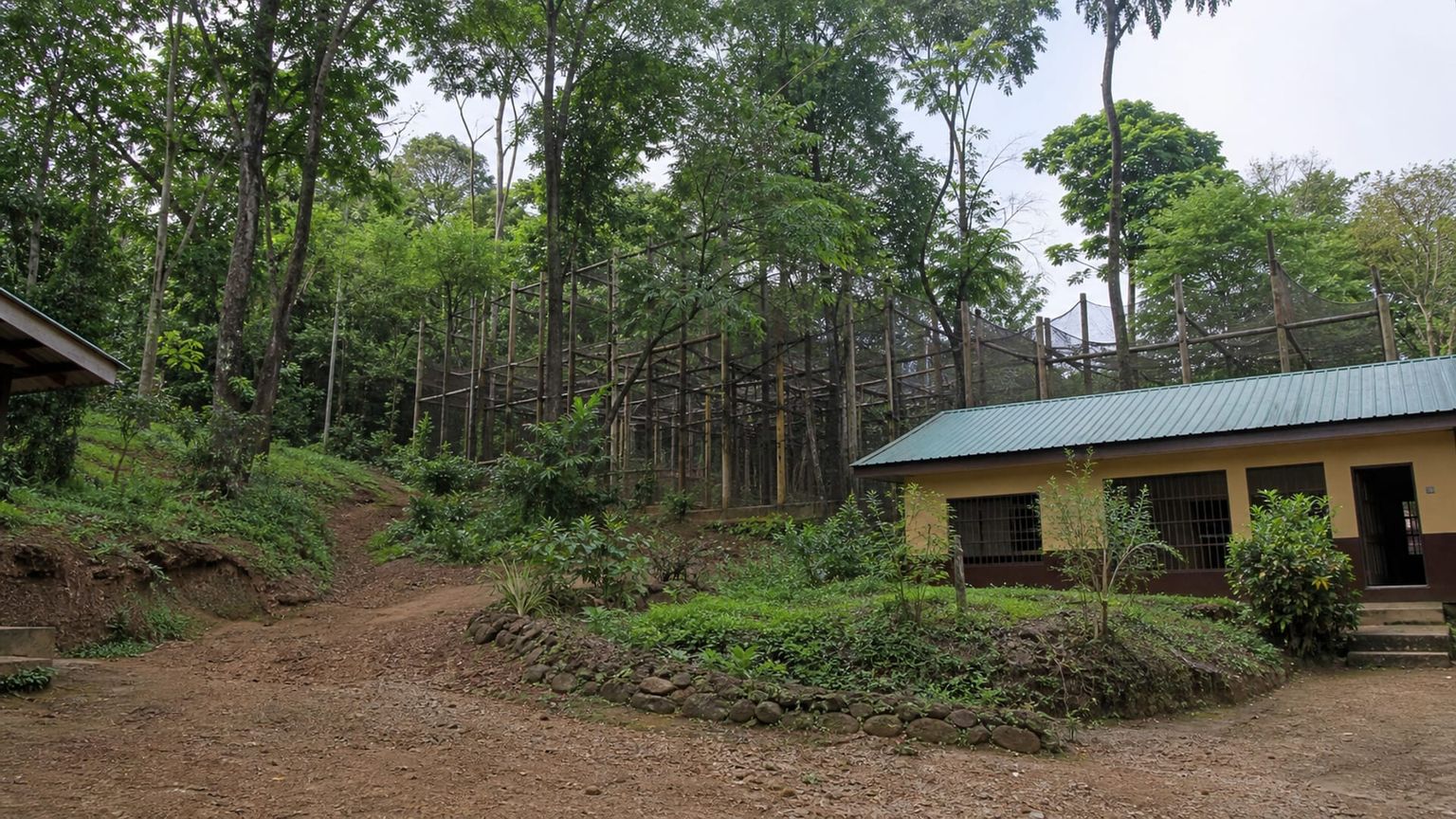
Spend the morning on the western side of the city, then make a second pass at Lumley Beach for a longer stretch of shoreline time, especially if you want a slower walk before lunch. After that, ride into central Freetown for the National Railway Museum, a compact stop of about 1 hour that pairs well with a walk around the old Cotton Tree junction. Finish with sunset back in Lumley or Aberdeen, where the beach road gives the best access to casual dining and an easy taxi back to your hotel.
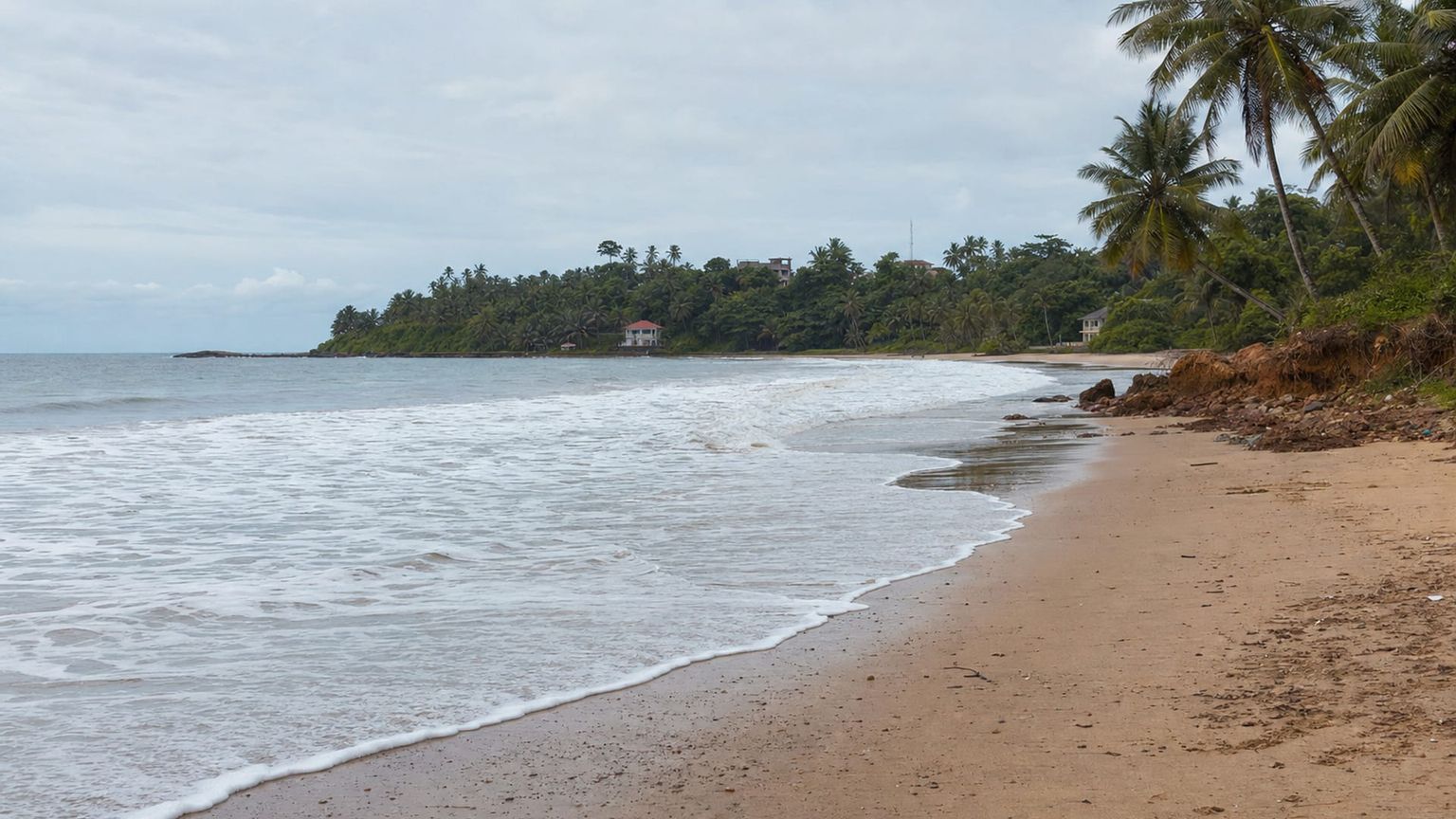
A final morning in Freetown suits a short city circuit, with one last stop at the National Railway Museum for a low-effort cultural visit before departure. Head to Congo Cross afterward for everyday shopping, since its taxis, minibuses, and small shops make last-minute errands simple. Finish with coffee in Aberdeen, then take a local taxi to the jetty and a water taxi back to Freetown Airport (FNA), allowing time for the crossing and check-in.
Business-class flights from the US to Freetown
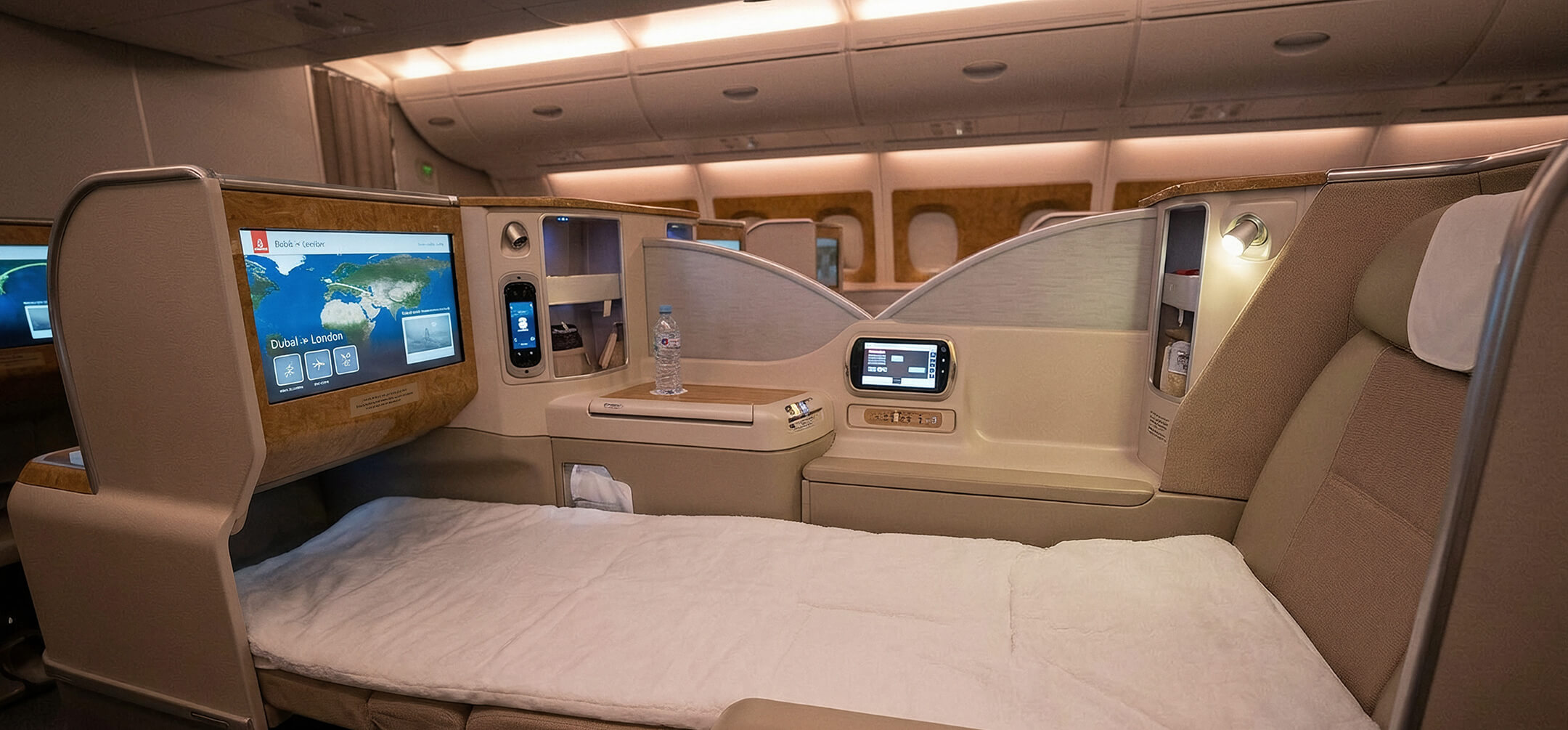
Reaching Freetown from the US always means a connection, with total travel time and business-class fares both rising the farther west you start.
New York (JFK) to Freetown (FNA)
From New York, flights from John F. Kennedy International Airport (JFK) reach Lungi International Airport (FNA) through Casablanca (CMN), Brussels (BRU), Paris (CDG), or Istanbul (IST). Royal Air Maroc, Brussels Airlines, Air France, and Turkish Airlines are the main carriers offering flights on this route. One-stop flights take 13 to 20 hours, and business-class fares range from $4,000 to $7,500 round trip.
Los Angeles (LAX) to Freetown (FNA)
Air France, British Airways, Ethiopian Airlines, Royal Air Maroc, and Turkish Airlines operate flights from Los Angeles International Airport (LAX) to Lungi International Airport (FNA), connecting through London (LHR), Paris (CDG), Casablanca (CMN), Addis Ababa (ADD), or Istanbul (IST). Business-class fares start near $4,600 and can reach $9,200 round trip.
Freetown opens up at its own pace
Freetown comes together through short, deliberate stages: one neighborhood at a time, one longer transfer per day, and evenings kept close to home. That structure turns the city’s hills and traffic into part of the rhythm, not an obstacle. When you’re ready to plan dates around this pace, AranGrant’s business-class flights and hotel picks are the place to start.