

Chapters:

Need help with your trip?
Our support team is available 24/7. Request a callback or call us directly at (833) 619-0908
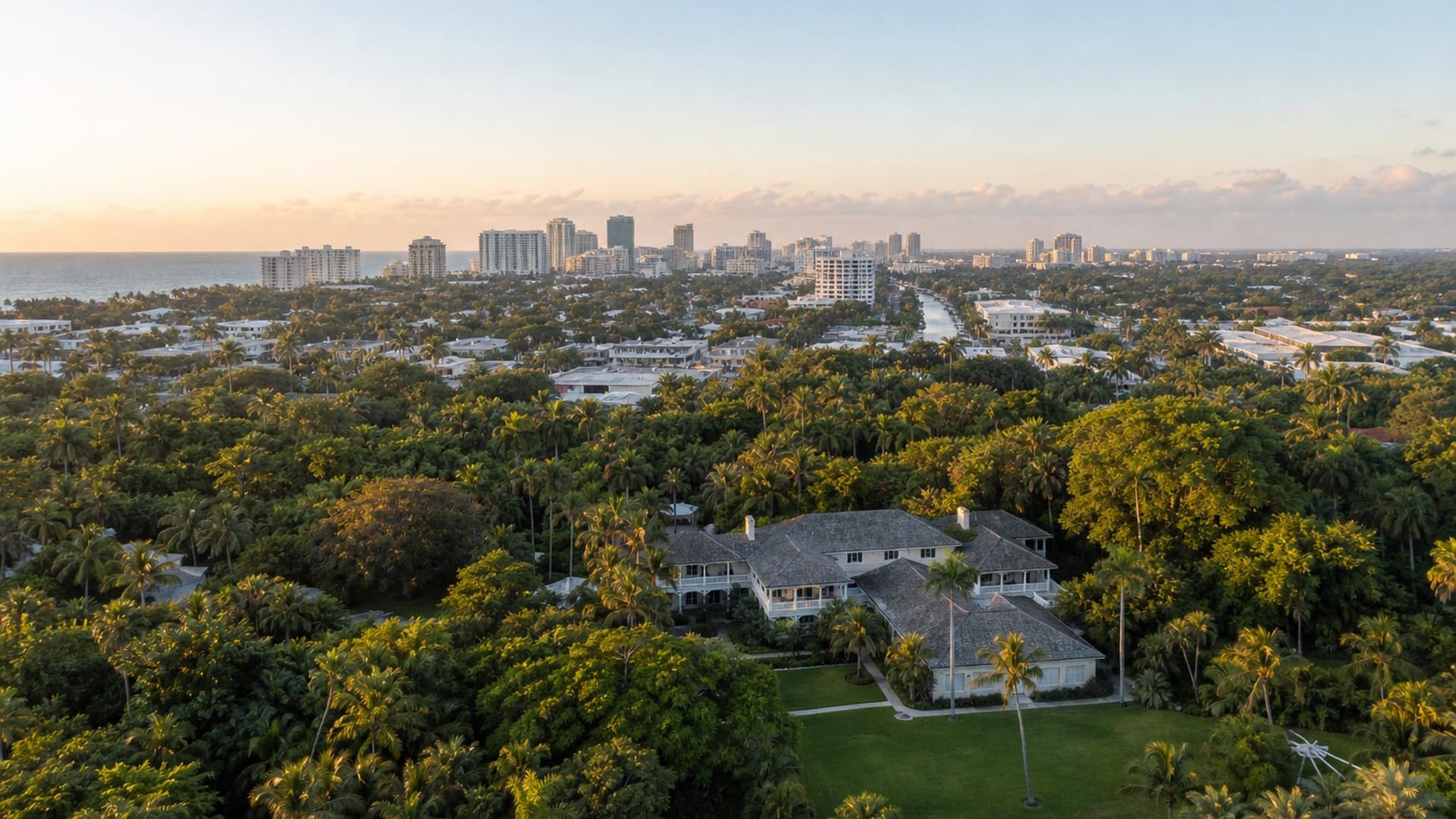
Many Fort Lauderdale trips start with a beach hotel, a dinner on Las Olas, and a few hours left over for planning. What travelers often miss is how much the city changes once you move between the sand, the riverfront, and inland neighborhoods.
Those distances are not huge, but they shape the day. Traffic can slow the short hops, parking adds decisions, and the best sequence for museums, parks, and evenings out matters more than it first appears.
This guide follows a clearer order, beginning with arrival and then building each day around one compact area, so you can spend less time backtracking and more time in the parts of Fort Lauderdale that hold up best on foot.
Useful things to know

Main language(s): English

Currency: The local currency is the US dollar (USD, $).

Cash and cards: Cards and contactless are widely accepted; carry about $20 in cash for tips or small purchases.

Tipping: Tip 15 to 20% at restaurants if service is not included; round up for taxis and small bills.

Traditional food: conch fritters, Cuban sandwich, key lime pie, stone crab claws

Water and coffee costs: Water about $2 ($2), bar espresso about $4 ($4).

Taxis and ride apps: Uber and Lyft operate here.

Plug and voltage: Type A/B socket, 120V

Dining and shop opening hours: Breakfast about 07:00-10:00, lunch 12:00-14:00, dinner 18:00-22:00. Many kitchens serve later near the beach and Las Olas.

Emergency number: Call 911 for police, fire, or medical emergencies.
Where to stay in Fort Lauderdale
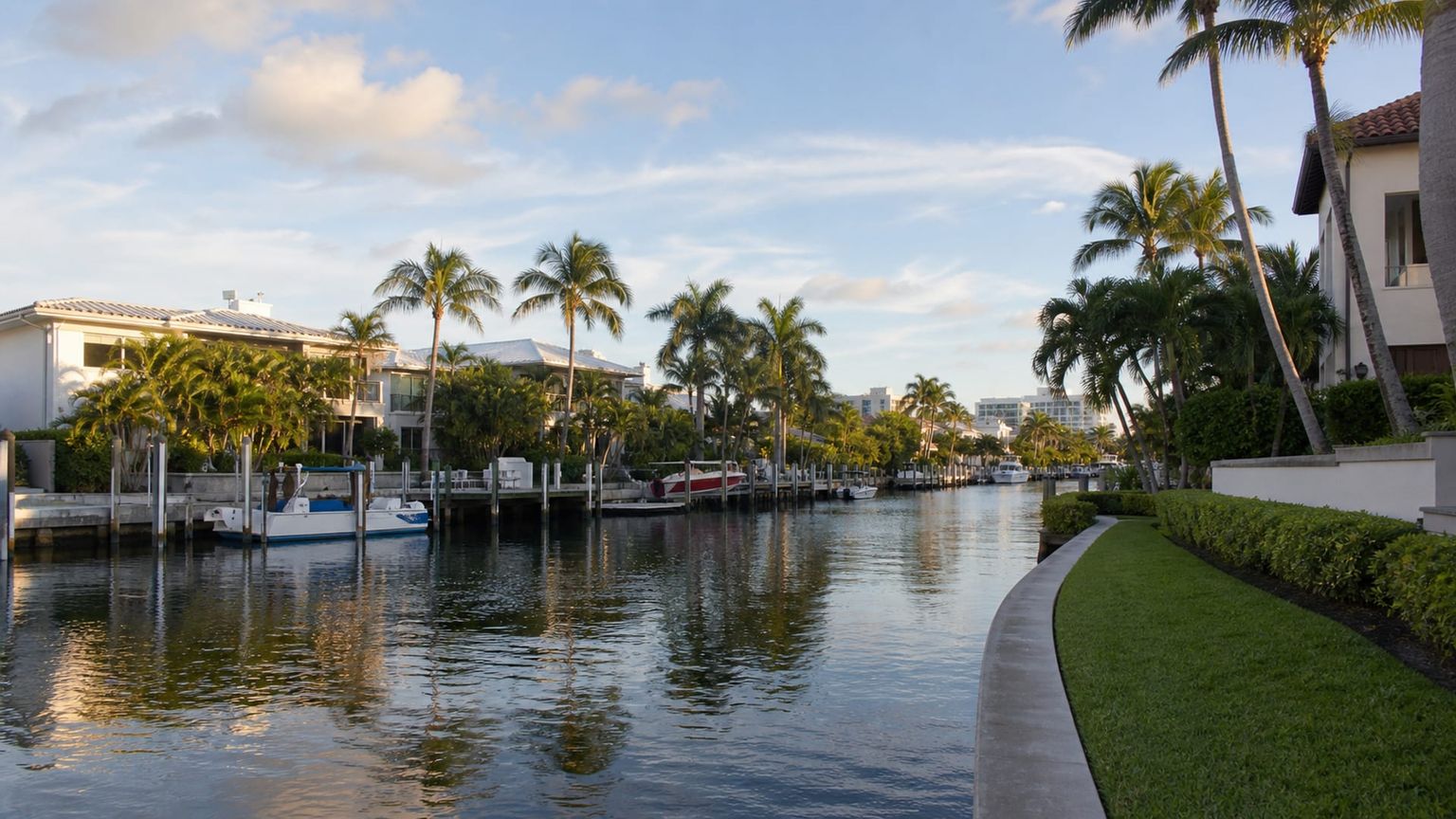
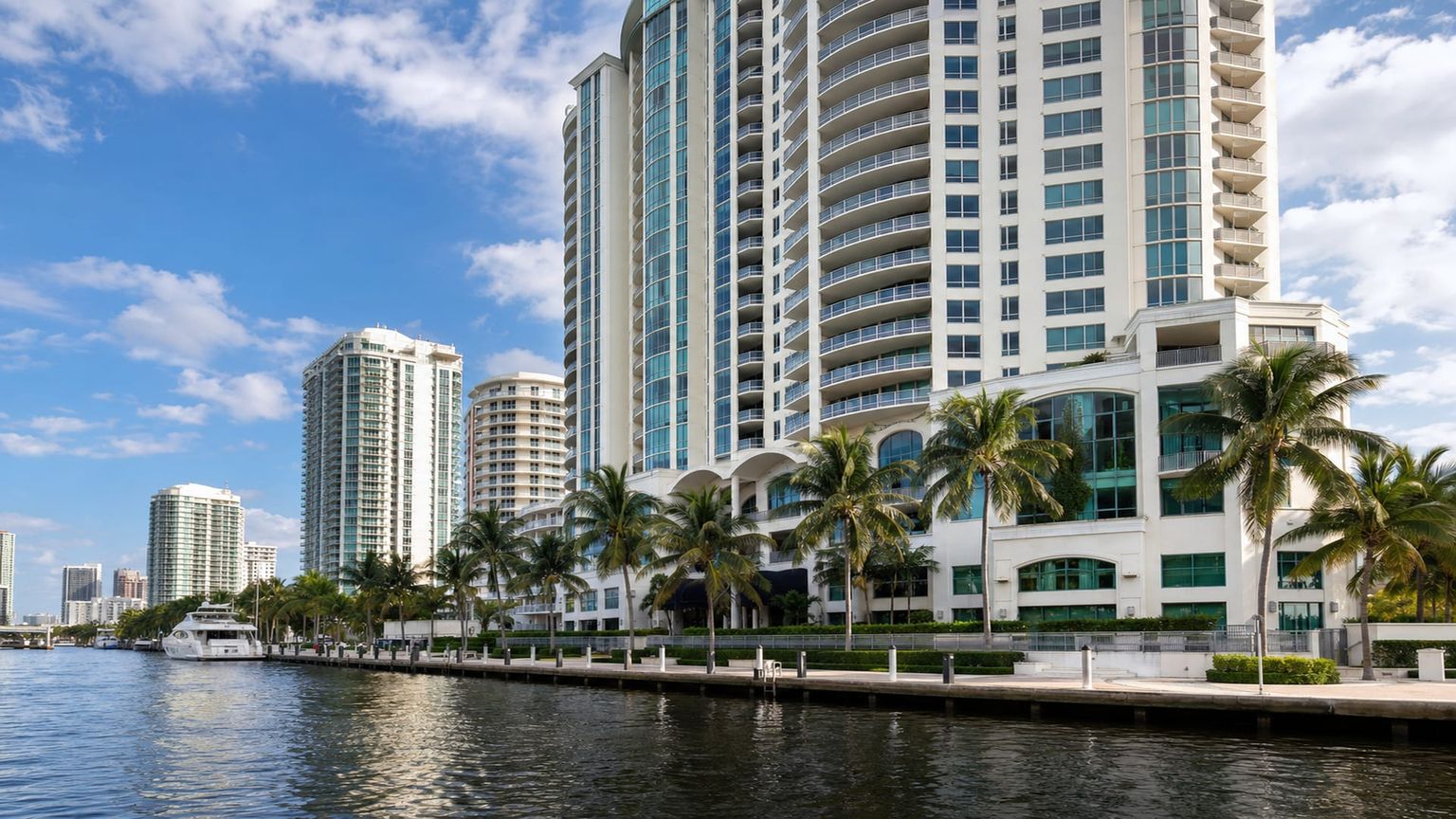
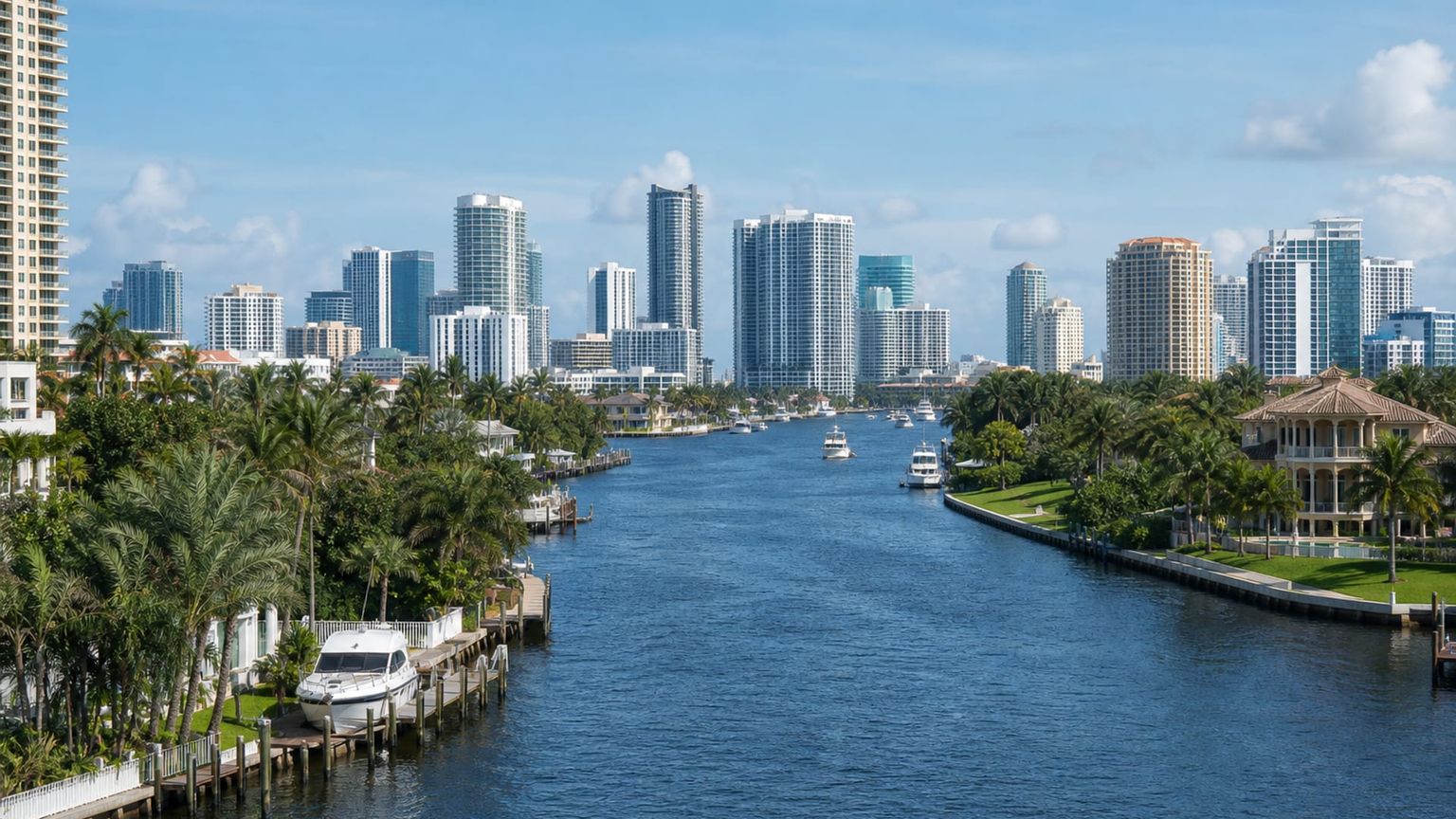
A canal-lined residential pocket just west of the beach, Las Olas Isles gives you quick access to the waterfront, downtown dining, and boat traffic along the Intracoastal. It suits travelers who want a scenic base with easy rides to the sand and city center.
Best for: Waterfront walks, dining at Las Olas, and travelers who want a central base near the beach
What to expect: Tree-lined streets, waterfront homes, and light local foot traffic, with more activity near bridges and restaurant corridors.
Hotel prices: Usually about $220 to $450 per night for well-rated stays
Distance to major sights: About 10 minutes by car to Las Olas Boulevard and about 12 minutes to Fort Lauderdale Beach
Quietness: Quieter in the evening on residential blocks, busier near the waterfront and main roads during the day
Main trade-off: You pay for location and water views, and some places need a car or rideshare for daily errands.
Good to know: Parking can be tight on narrow streets, so check whether your stay includes a reserved space.
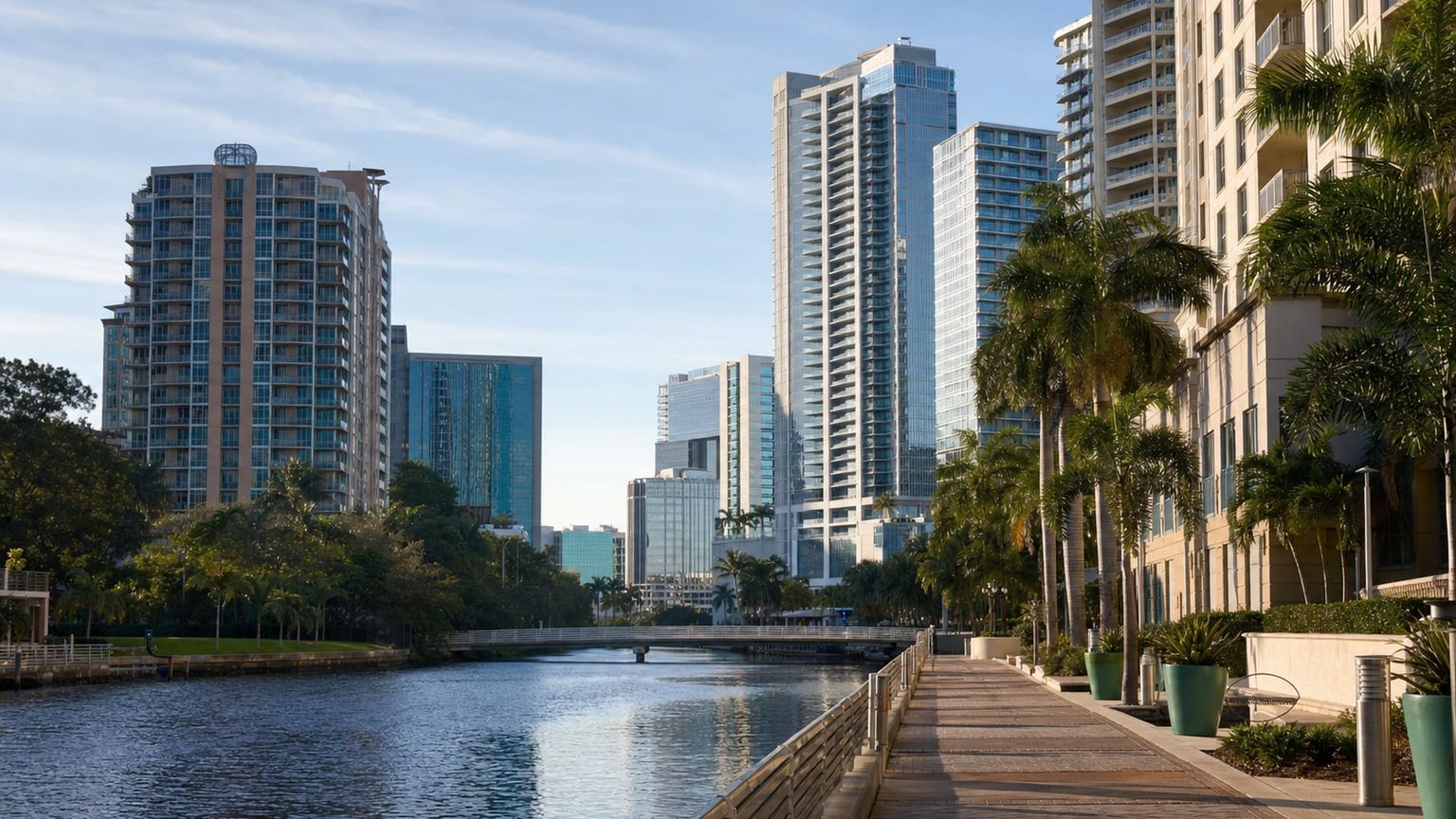
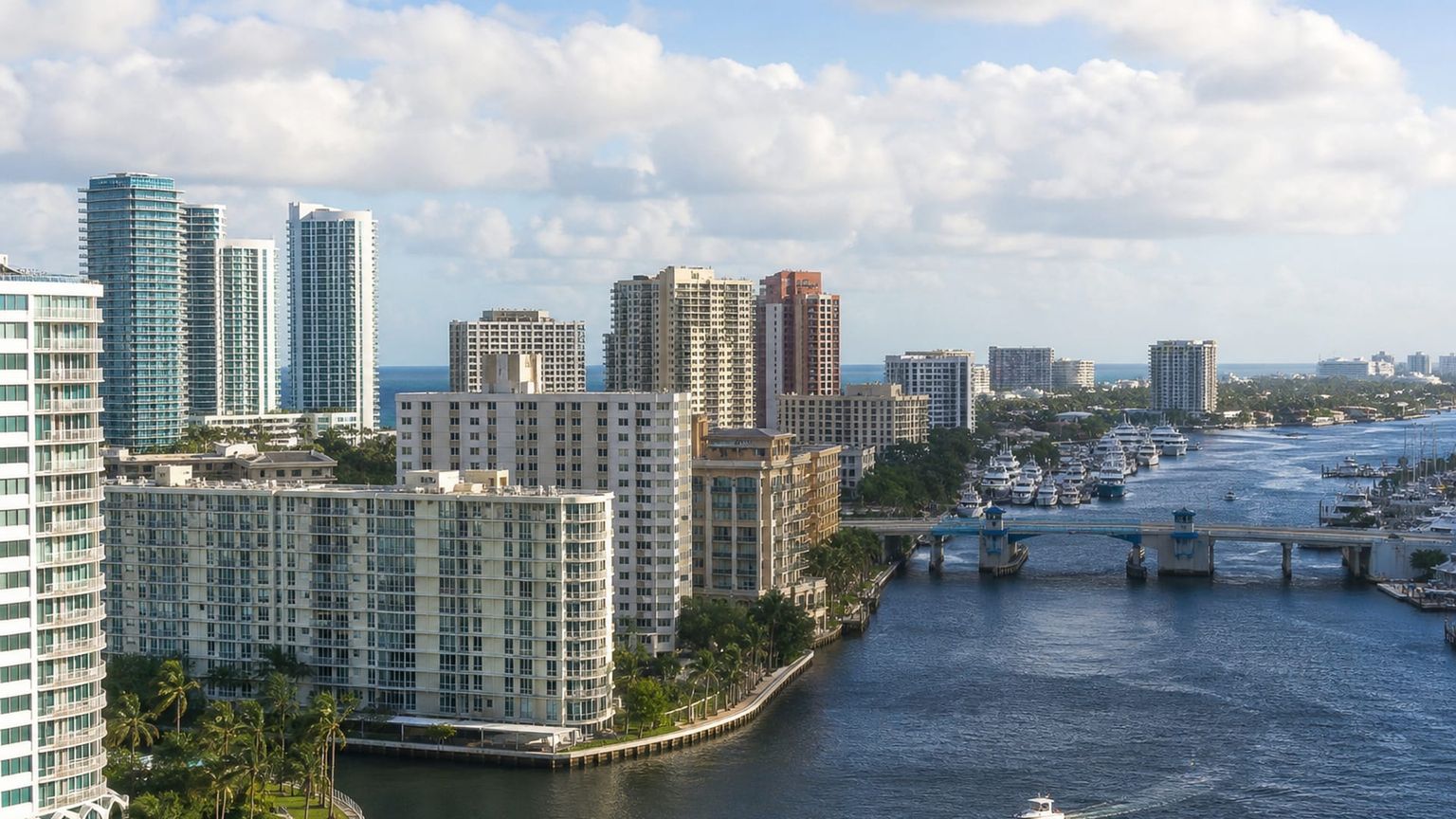
Downtown places you near the city’s main office towers, Brightline station, and riverfront restaurants, with the core of the urban grid at your door. It works well if you want walkable access to dining, transit, and the New River area.
Best for: Transit access, dining, business travel, and visitors who want a walkable city base
What to expect: Busy sidewalks on weekdays, steady restaurant traffic at night, and a mix of office workers, residents, and hotel guests.
Hotel prices: Usually about $180 to $380 per night for well-rated stays
Distance to major sights: About 5 minutes on foot to the Riverwalk and about 15 minutes by car to Fort Lauderdale Beach
Quietness: Livelier by day and early evening, with quieter side streets late at night
Main trade-off: You stay farther from the sand than beach districts, and weekend parking can cost extra.
Good to know: If you plan day trips by rail, this is the easiest place to be, since Brightline is within the district.
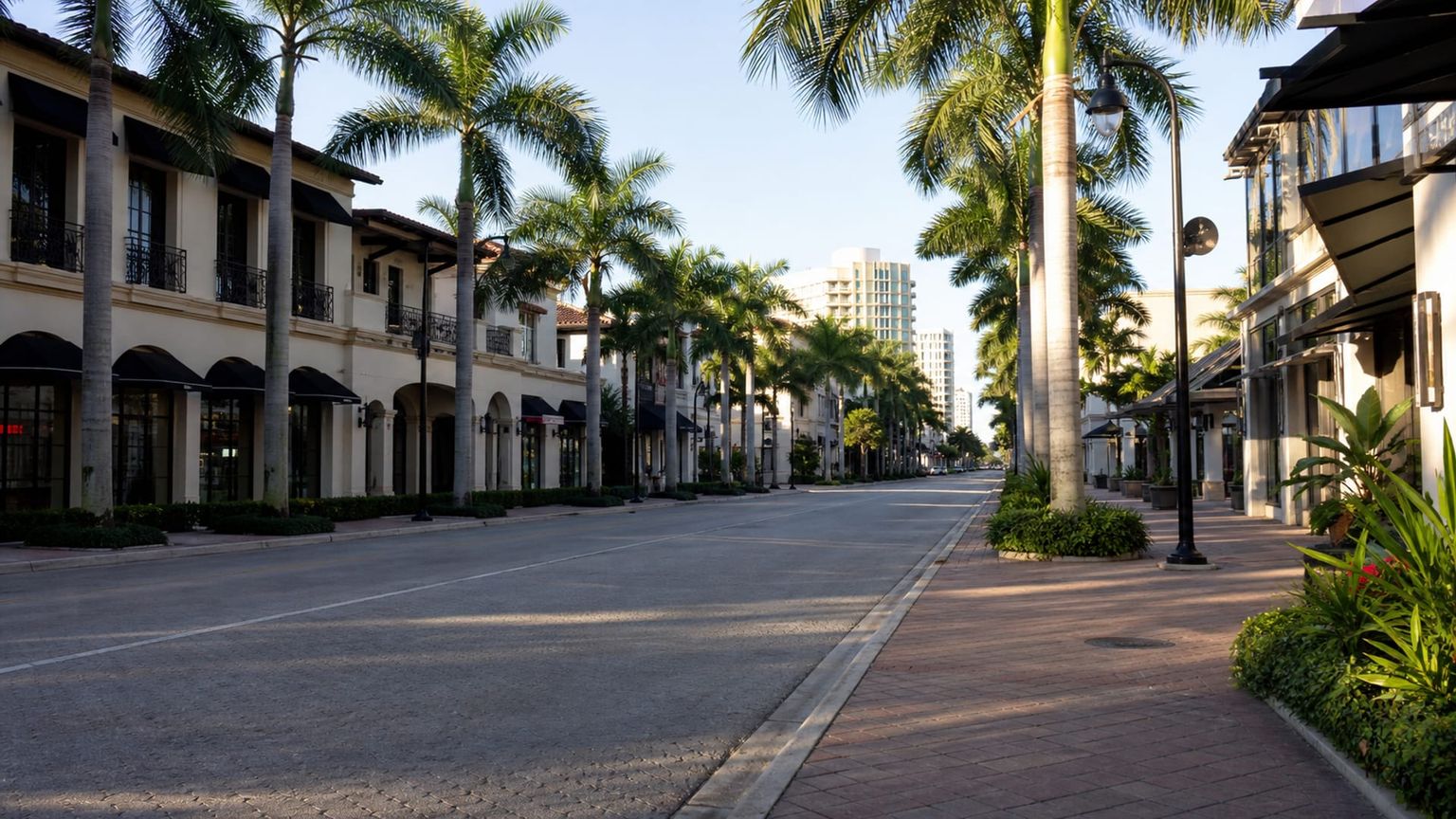
Las Olas Boulevard centers on restaurants, galleries, and boutique hotels, with the river on one end and the beach corridor within easy reach. It is one of the best bases for people who want to step out for dinner without planning a drive every time.
Best for: Dining, evening plans, shopping, and travelers who want to walk to restaurants
What to expect: Active sidewalks, busy patios, and steady evening movement, especially near popular restaurants and hotel blocks.
Hotel prices: Usually about $240 to $500 per night for well-rated stays
Distance to major sights: About 5 minutes by car to downtown and about 10 minutes by car to Fort Lauderdale Beach
Quietness: Noisier in the evening than nearby residential areas, with calmer mornings before lunch service starts
Main trade-off: You get convenience and atmosphere, but room rates and restaurant prices run higher than in inland neighborhoods.
Good to know: Book early for weekends, since smaller hotels and popular rooms sell out faster than in less central parts of the city.
Victoria Park is a leafy neighborhood between downtown and the beach, with older homes, small inns, and easy access to both commercial corridors. It gives you a residential base close to Las Olas, while keeping beach and downtown trips short.
Best for: Calmer stays, walking to nearby cafes, and visitors who want a residential feel near central Fort Lauderdale
What to expect: Quiet streets, modest local traffic, and a neighborhood pace that picks up near Federal Highway and Sunrise Boulevard.
Hotel prices: Usually about $200 to $400 per night for well-rated stays
Distance to major sights: About 8 minutes by car to Las Olas Boulevard and about 12 minutes by car to Fort Lauderdale Beach
Quietness: Mostly quiet day and evening, with more noise near busy roads and larger hotels
Main trade-off: You trade some immediate nightlife and beachfront access for lower density and easier parking than in the core tourist strips.
Good to know: If you are staying in a small inn or guesthouse, confirm self-check-in details, since some properties use limited front desk hours.
Travelers usually avoid staying in Port Everglades, the airport industrial area near Fort Lauderdale-Hollywood International Airport (FLL), and the inland warehouse districts west of I-95, because they sit far from the beach, Las Olas Boulevard, and most visitor amenities. The northern edge near Pompano Beach can also be less convenient if you plan to spend time in central Fort Lauderdale, since evening travel back toward downtown and the beach takes longer.
Hotel deals
How to get around Fort Lauderdale efficiently
Fort Lauderdale’s transport options work best when you pair short rides with walking, since Broward County Transit, Brightline, taxis, and ride-hailing each cover different parts of the city.

Metro
for longer distances
FLL does not have a subway or metro. Broward County Transit buses and the Brightline station in Fort Lauderdale are the closest fixed-route alternatives, with Brightline taking about 30 minutes to Miami and about 2 hours 30 minutes to West Palm Beach, plus local bus connections for slower cross-county trips.

Bus and tram
for convenience
Broward County Transit runs the main bus network near Fort Lauderdale, with fares of $2 ($2) per ride or a $5 ($5) day pass that is valid for the service day. Routes 1, 4, 11, and 40 cover the airport area, downtown, the beach, and nearby malls, but most trips take longer than a car, so plan about 20 to 45 minutes for short hops and more for cross-town rides.

Taxi
for convenience or late hours
Licensed taxis wait at the airport and use metered fares, not set airport flat rates, with most rides to downtown Fort Lauderdale costing about $18 to $25, to Fort Lauderdale Beach about $25 to $35, and to Miami about $75 to $100 before tolls and tip. Drivers take credit cards, and you can also prebook through local cab companies if you want a timed pickup.
*Prices are based on rates updated as of June 2026 and may change at the time of travel.
Use buses for cheap cross-town moves, taxis and ride-hailing for direct beach or airport transfers, and Brightline when you want the fastest link beyond Fort Lauderdale.
Iconic landmarks
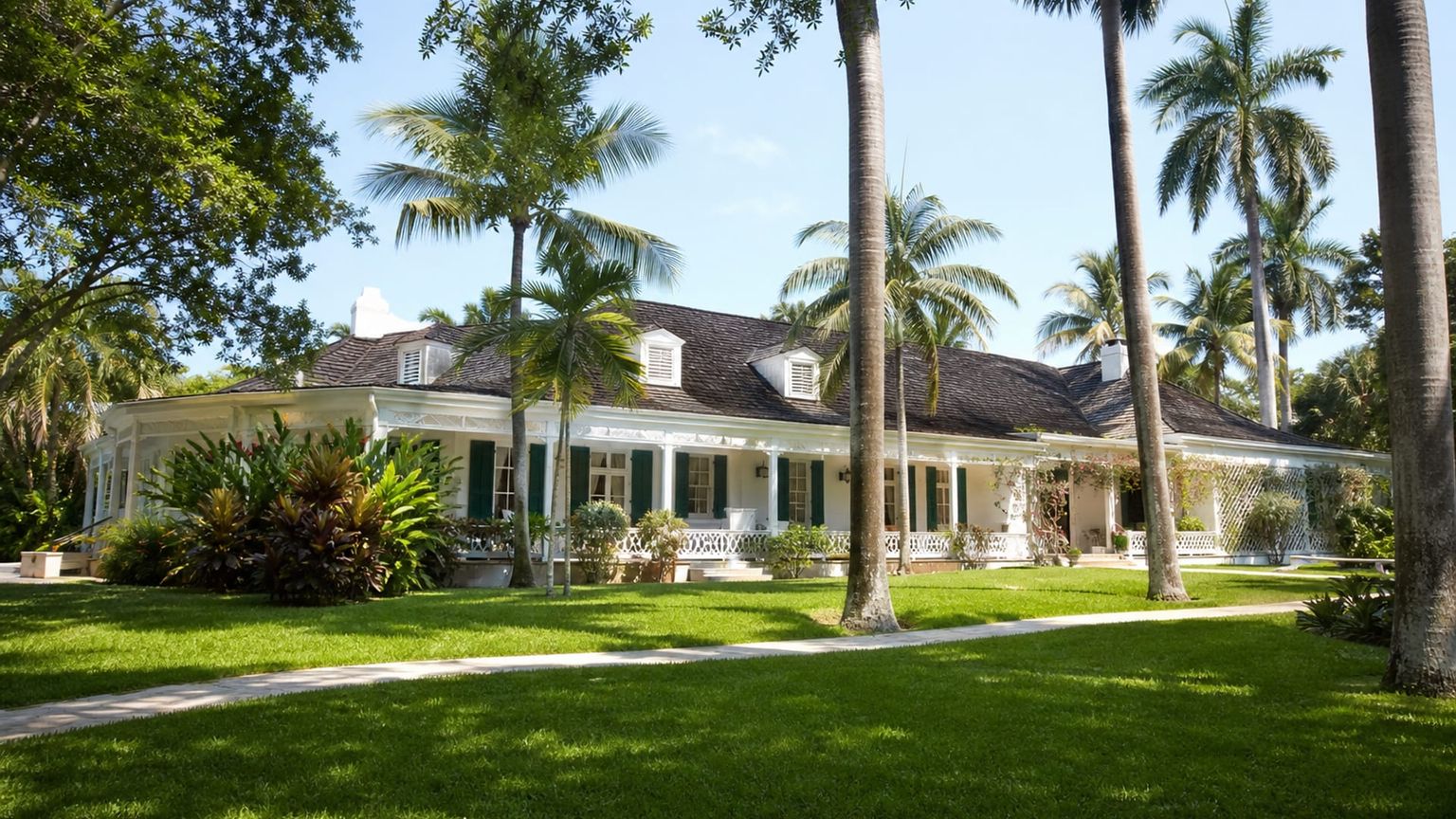
Bonnet House Museum and Gardens
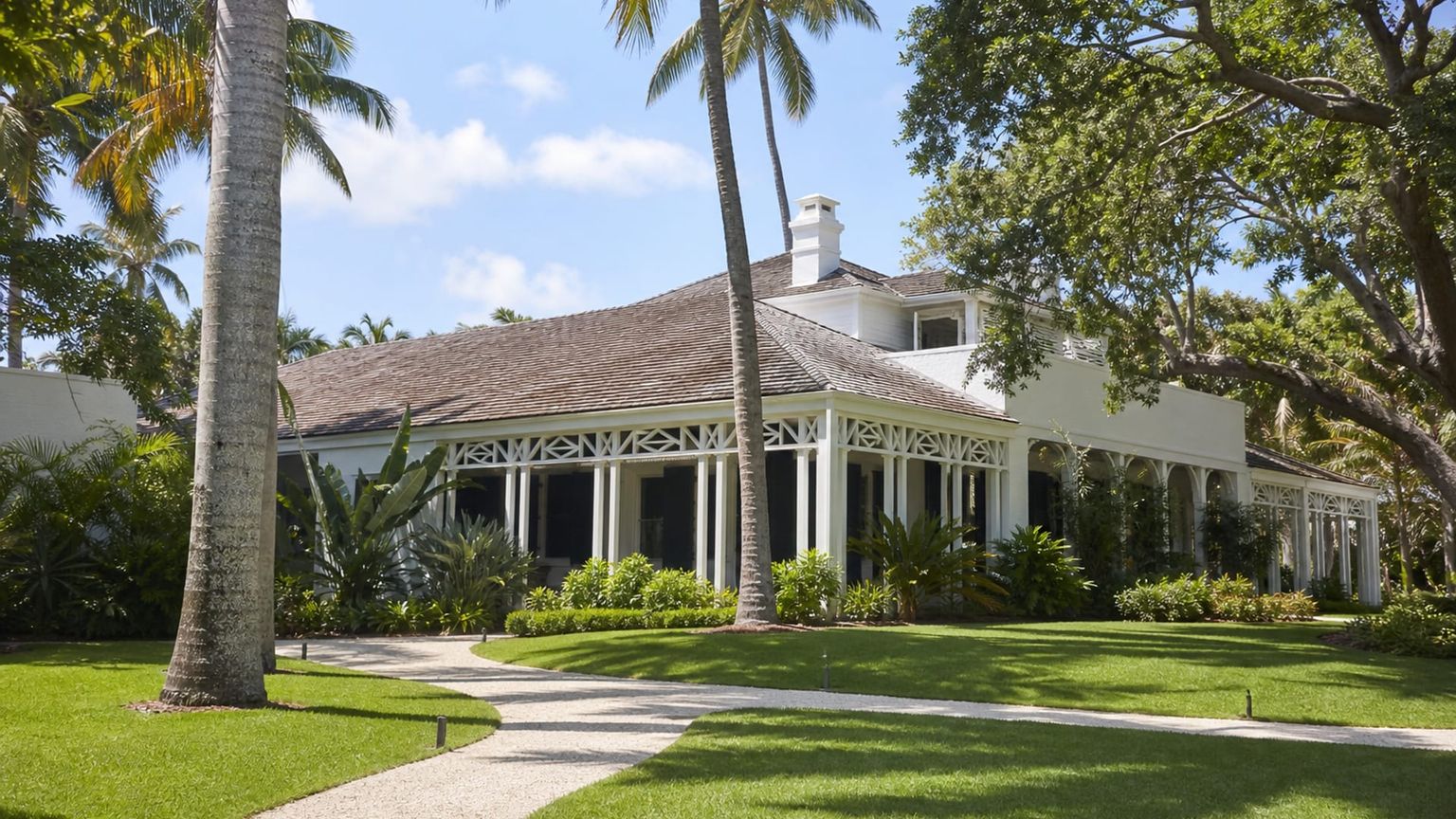
This 1920s estate pairs a Caribbean-style house with orchid, cactus, and beachside gardens on the Atlantic. Inside, original furnishings and art show the Broward history of artists Frederic and Evelyn Bartlett.
Time needed: About 2 hours
Entry: Admission costs $25 for adults, $20 for seniors and students, and $15 for children ages 6 to 14 Visit the official site for details.
Tip: Go in the morning, when the gardens are cooler and the house is easier to tour.
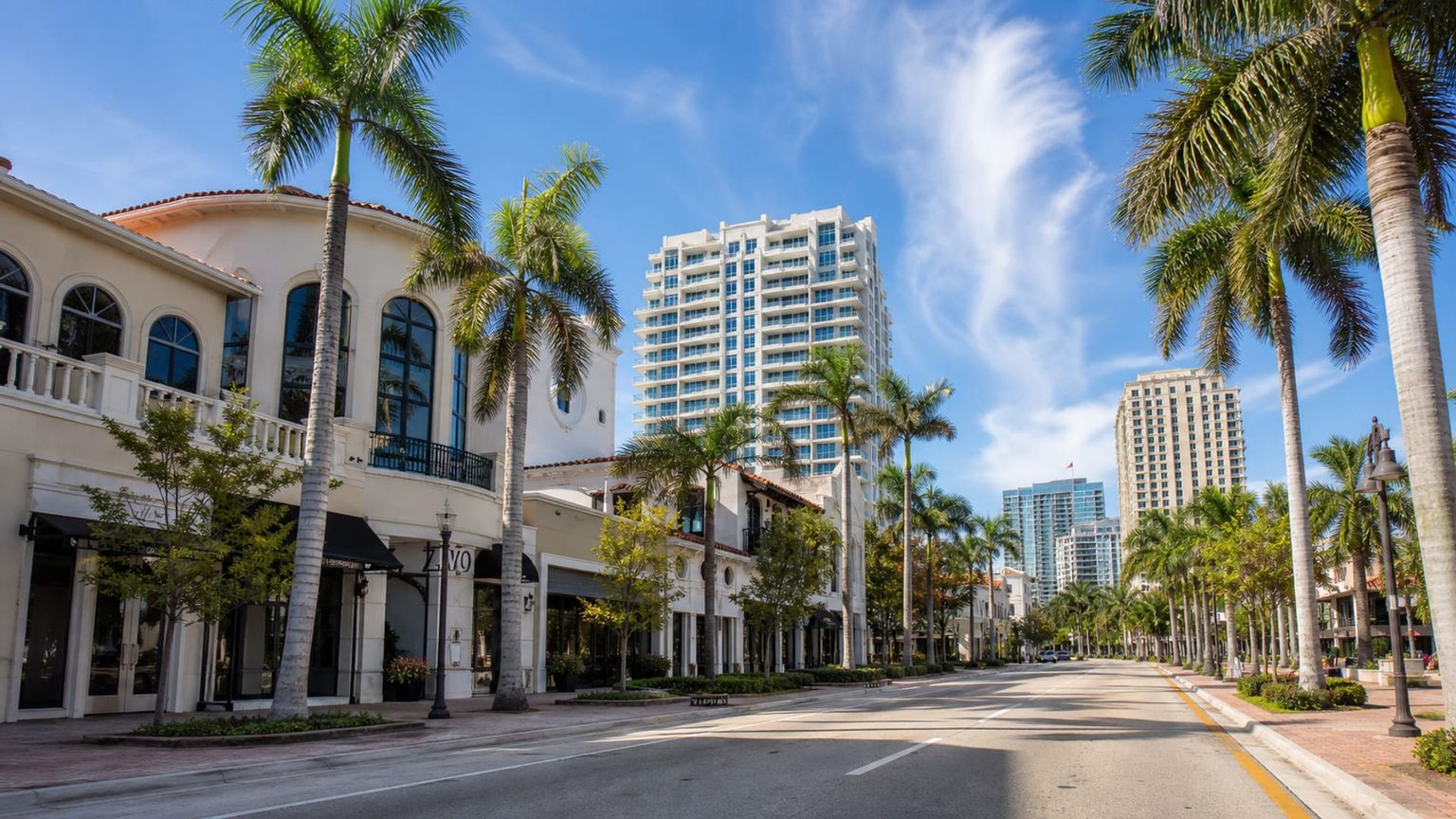
Las Olas Boulevard
Fort Lauderdale’s best-known street runs from downtown to the beach with galleries, cafes, and low-rise storefronts. It also links to the Riverwalk and the New River, so one walk covers dining, shopping, and waterfront views.
Time needed: About 2 to 3 hours
Entry: Free to access
Tip: Late afternoon works best, when the storefronts are open and the light is softer.
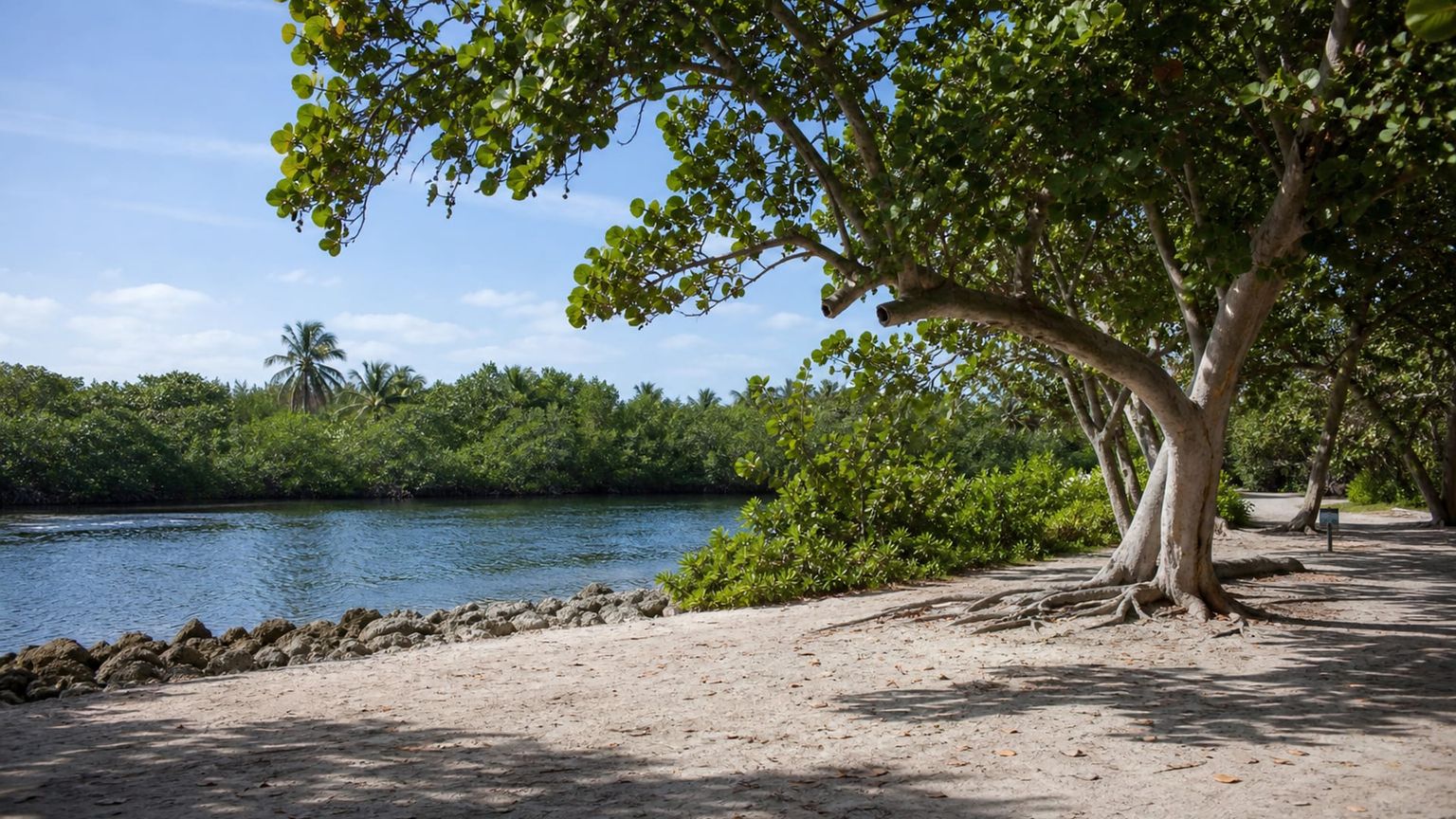
Hugh Taylor Birch State Park
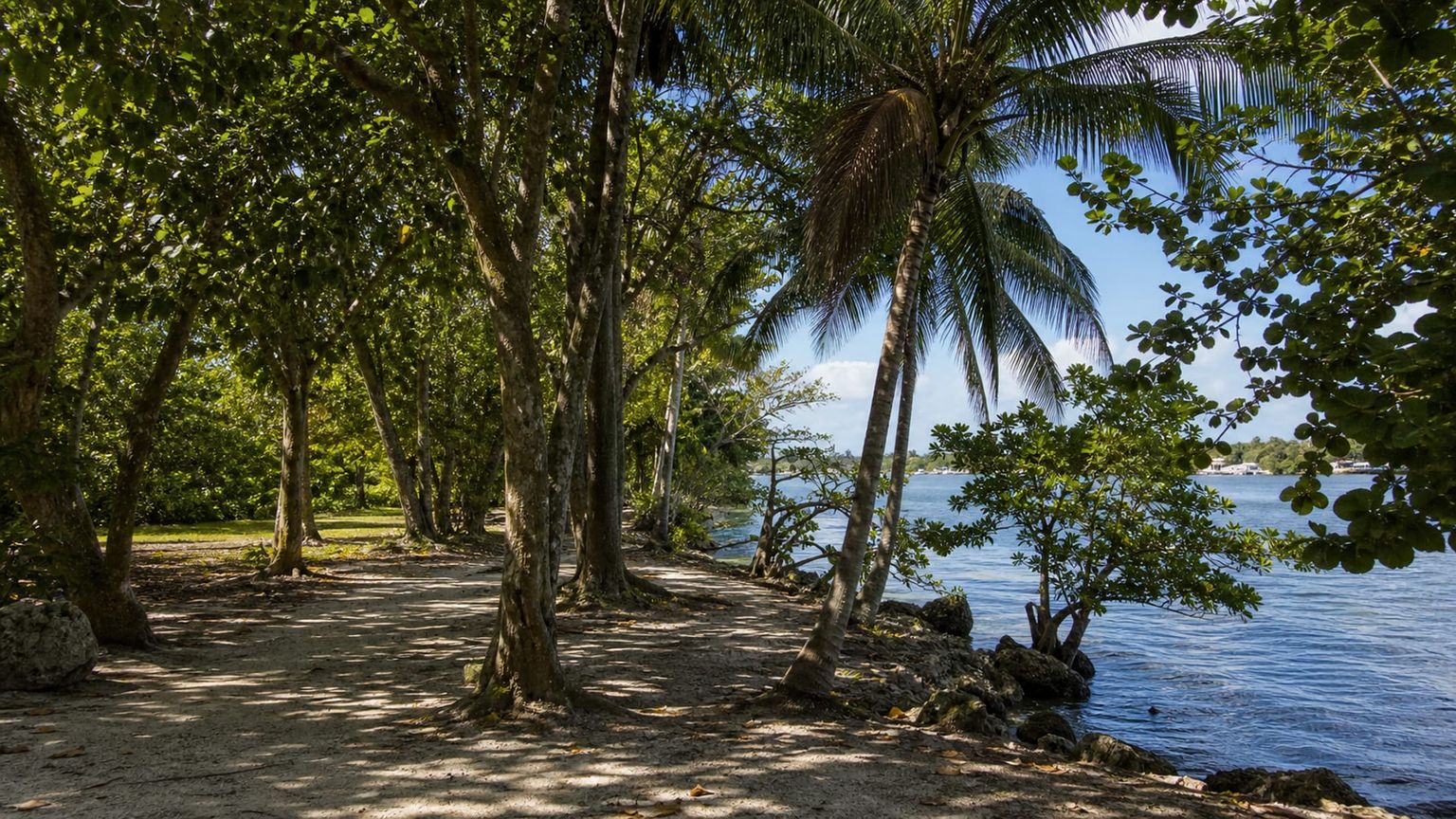
This coastal park sits between A1A and the Intracoastal Waterway, with shaded trails, a freshwater lagoon, and a narrow beach. The park preserves one of the city’s last large tracts of native hammock and mangrove edge.
Time needed: About 2 to 4 hours
Entry: Park admission costs $6 per vehicle or $2 per pedestrian or cyclist Visit the official site for details.
Tip: Arrive early, before midday heat builds and parking becomes more limited.
Overlooked sites worth visiting

Bonnet House Museum and Gardens
A historic estate near the beach, Bonnet House pairs a 1920s house with orchid gardens, mangroves, and lagoon views. Guided tours cover the art-filled interiors, tropical grounds, and the Broward family history.
Time needed: About 1.5 to 2 hours
Entry: General admission for self-guided access and docent-led tours typically costs about $25 ($27), with discounts for seniors, students, and children. Check the schedule before you go, since some tour times vary by season and special events. Visit the official site for details.
Tip: Visit early for cooler garden paths and better light.

Stranahan House Museum
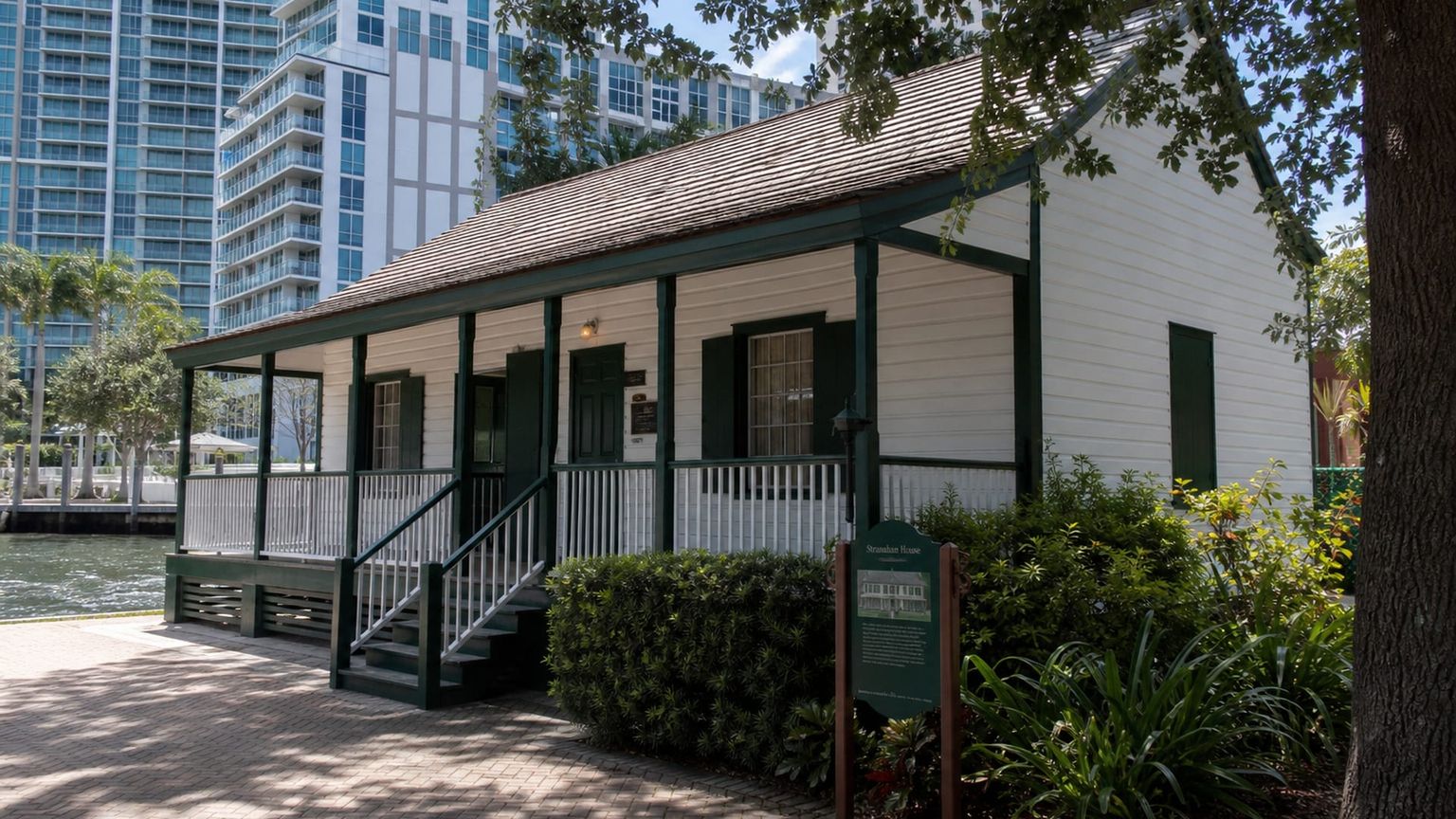
Fort Lauderdale’s oldest surviving home sits beside the New River and tells the city’s trading-post origins through period rooms and riverfront history. The small footprint makes it easy to pair with a walk along Las Olas.
Time needed: About 45 minutes to 1 hour
Entry: Guided tours usually cost about $15 ($16) for adults, with lower rates for children, seniors, and active military. The museum also offers occasional special programs and holiday events, which may use separate pricing. Visit the official site for details.
Tip: Go on a weekday morning for a quieter tour.
Traditional food
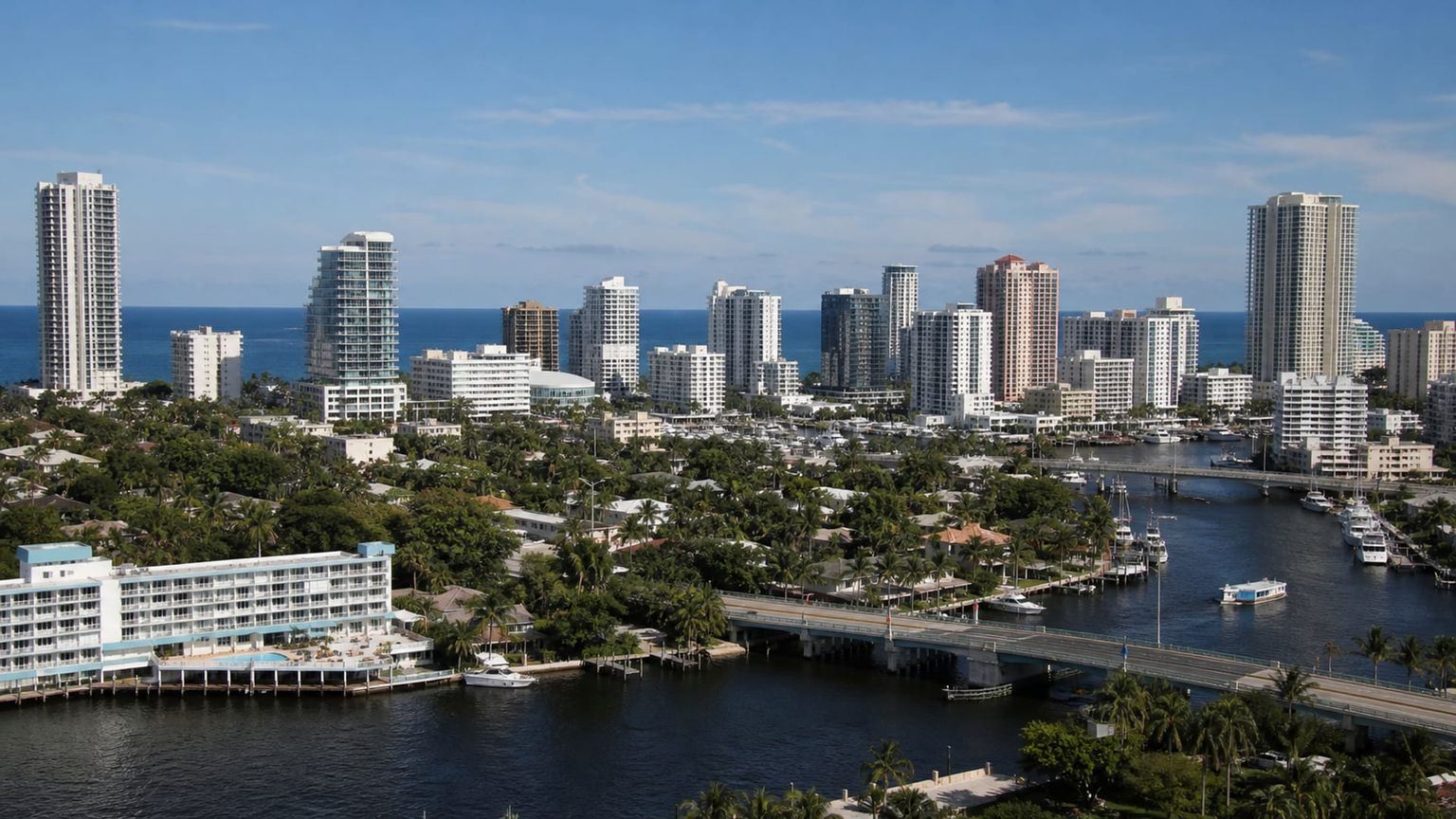
Fort Lauderdale eats lean into coastal Florida and nearby Latin influence, so conch fritters, Cuban sandwiches, stone crab claws, and key lime pie sit beside grilled seafood, citrus, and quick counter service.
Conch fritters
These crisp fritters bring a briny, peppery bite that fits Fort Lauderdale’s coastal setting. Try them at the Rusty Hook Tavern, where the menu leans into local seafood.
Cuban sandwich
Pressed bread, roast pork, ham, Swiss, pickles, and mustard make this one of the city’s most familiar quick lunches. Zona Fresca serves a version that matches the no-fuss lunch culture around Fort Lauderdale.
Key lime pie
Tart citrus filling and a crumb crust give the dessert its sharp finish after a seafood meal. Lona Cocina Tequileria serves a polished version with a view that suits a long Las Olas evening.
Stone crab claws
Sweet meat and chilled mustard sauce make stone crab one of South Florida’s signature seasonal plates. Coconuts is a dependable place to order it by the pound near the water.
Best time to visit Fort Lauderdale
Fort Lauderdale stays warm year-round, but humidity, hurricane season, and winter demand change the pace of beach days, park visits, and dinner plans.
Best for: Beach weather, outdoor dining, and the most comfortable sightseeing
What you get: About 60 to 78°F (16 to 26°C), with lighter humidity and the busiest hotel demand
Trade-offs: Rates rise, and popular restaurants fill faster
Best for: Easy beach time, gardens, and riverfront walks
What you get: About 68 to 86°F (20 to 30°C), with warm days and moderate crowds outside holiday peaks
Trade-offs: Late spring brings more heat and humidity
Best for: Long pool days and lower shoulder-season prices
What you get: About 76 to 91°F (24 to 33°C), with afternoon storms and lighter midday crowds
Trade-offs: Humidity is high, and rain can interrupt plans
Best for: Quieter hotels and good value if you watch the weather
What you get: About 72 to 88°F (22 to 31°C), with warm water and fewer visitors before winter
Trade-offs: Hurricane season can affect flexibility
A realistic 5-day plan in Fort Lauderdale
Five days in Fort Lauderdale works best when you divide the city into small, walkable pieces. The plan below keeps the first evening light, then moves from gardens and the beach to the riverfront, a state park, and a final neighborhood loop before departure.
Land at Fort Lauderdale-Hollywood International Airport (FLL), then take a rideshare or taxi to Las Olas Boulevard, downtown Fort Lauderdale, Victoria Park, or Las Olas Isles in about 10 to 20 minutes, usually for roughly $18 to $35 before tip. Settle in, drink plenty of water, and keep dinner close to your hotel, either at a Las Olas Boulevard café or a casual spot in downtown Fort Lauderdale, so the first evening stays easy after the flight.
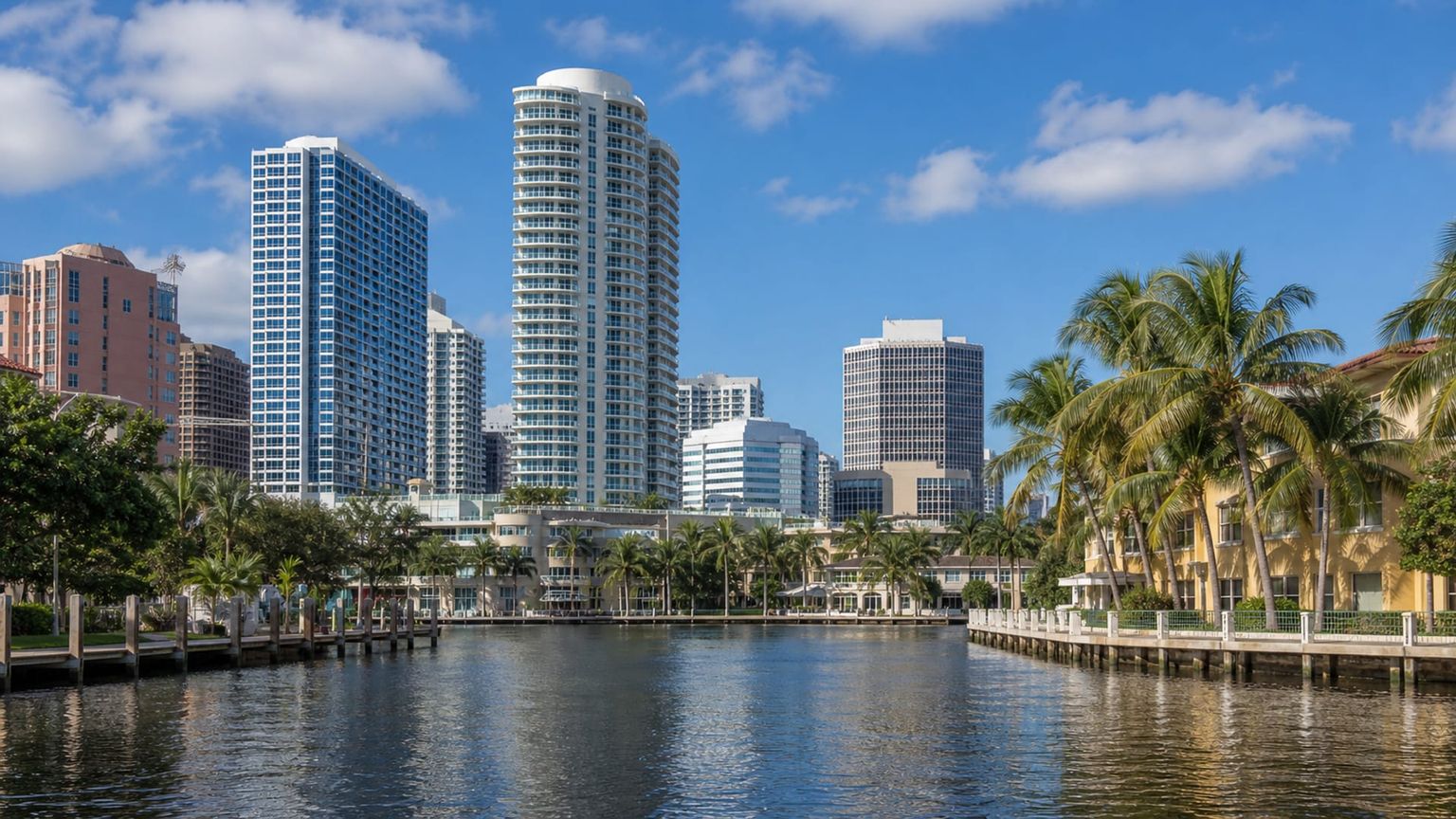
Start in the morning at Bonnet House Museum and Gardens, then walk or ride about 5 to 10 minutes to Fort Lauderdale Beach for a shoreline stroll and lunch nearby. In the late afternoon, head about 10 minutes by car to Las Olas Boulevard for galleries, shopping, and an early dinner, which works well because the street is livelier after 4:00 pm.
Begin with the Stranahan House Museum on the New River, where a visit takes about 45 minutes to 1 hour, then continue on foot to the Riverwalk and downtown dining streets in about 5 to 10 minutes. After lunch, spend the afternoon on Las Olas Boulevard, about 10 minutes on foot from the riverfront, and end with sunset views over the New River from the downtown side of the district.
Head out early to Hugh Taylor Birch State Park, since the drive from central Fort Lauderdale usually takes about 10 to 15 minutes and the cooler morning hours make the trails easier to enjoy. After a few hours in the park, return toward the beach for a relaxed late lunch, then spend the rest of the day back on Las Olas Boulevard or in Victoria Park, both of which sit about 10 to 15 minutes away by car.
For a departure day, pair one last indoor stop with a low-key neighborhood walk, starting at the Stranahan House Museum if you want a final dose of local history, then moving to Las Olas Boulevard for shopping and a final coffee. If your flight leaves later, Victoria Park has several calm cafes for a late breakfast or early lunch, and downtown Fort Lauderdale keeps you about 10 to 15 minutes from Fort Lauderdale-Hollywood International Airport (FLL) when it is time to head out.
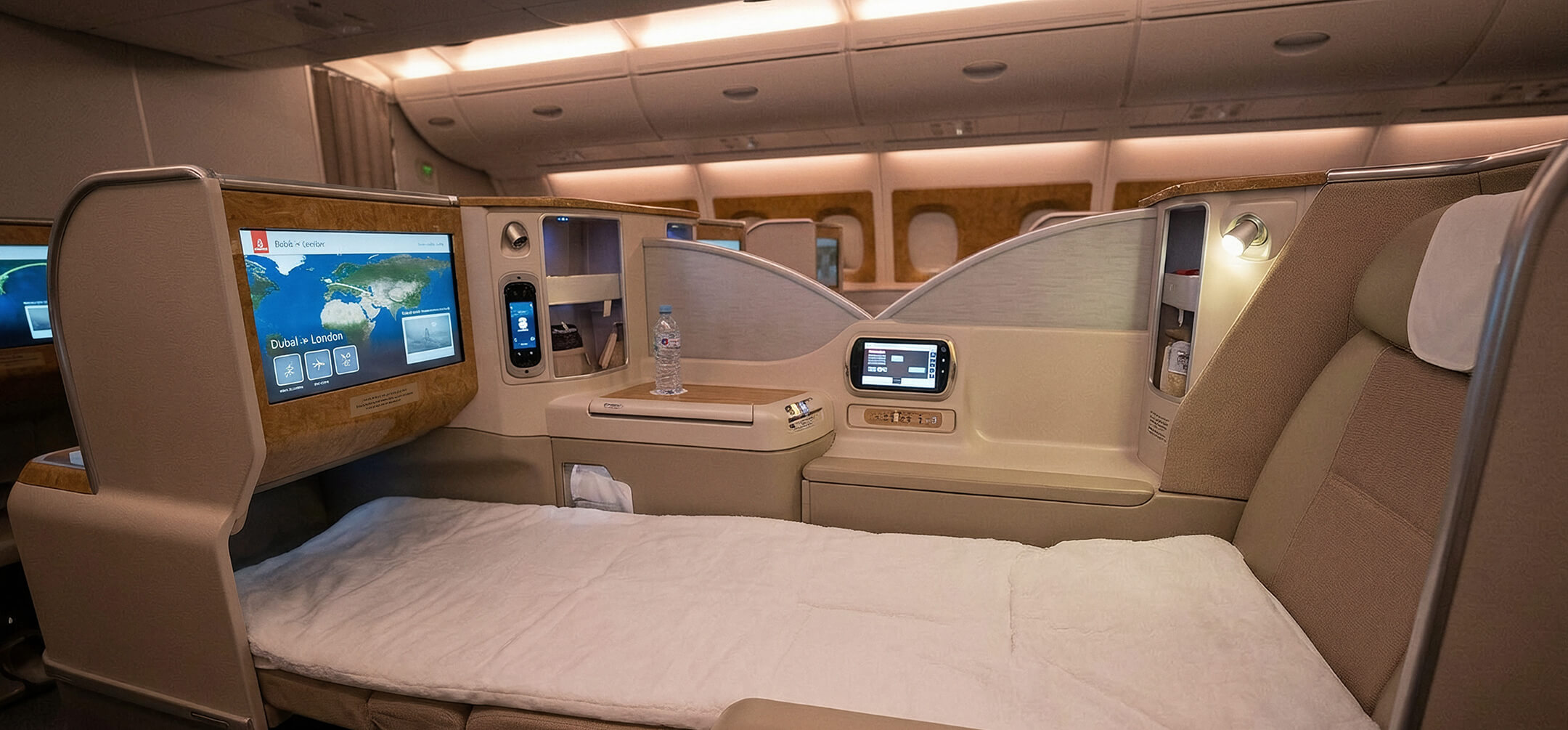
Business-class flights from the US to Fort Lauderdale
If you are flying in for a longer stay, the most useful business-class examples usually come from the New York area and Los Angeles, with very different trip lengths and connection patterns. The route you choose can change both the schedule and the price.
From New York, Delta Air Lines, JetBlue, American Airlines, United Airlines, and Spirit Airlines all serve the market, and nonstop flights take about 3 to 3.5 hours. When fares do not line up, one-stop itineraries often connect through ATL, CLT, DFW, IAH, or ORD, and those trips usually take about 5 to 8 hours total. Round-trip fares usually start from $320 and can reach $850.
Los Angeles options are longer, with American Airlines, Delta Air Lines, JetBlue, United Airlines, and Southwest Airlines, and nonstop travel takes about 5 to 6 hours. One-stop trips via DFW, ATL, CLT, ORD, or IAH are common and usually stretch the journey to about 7 to 11 hours. Round-trip fares generally run from $420 to $1,050.
Fort Lauderdale feels different when you slow down
A deliberate Fort Lauderdale trip usually moves between Las Olas Boulevard, the New River, and the beach instead of trying to cover the whole city at once. That means one day for Bonnet House, another for Hugh Taylor Birch State Park, and short transit or rideshare hops when you cross from downtown to the sand. AranGrant experts can help you build that pace into a trip that starts cleanly at FLL and ends with time for one last walk before you leave