

Chapters:

Need help with your trip?
Our support team is available 24/7. Request a callback or call us directly at (833) 619-0908
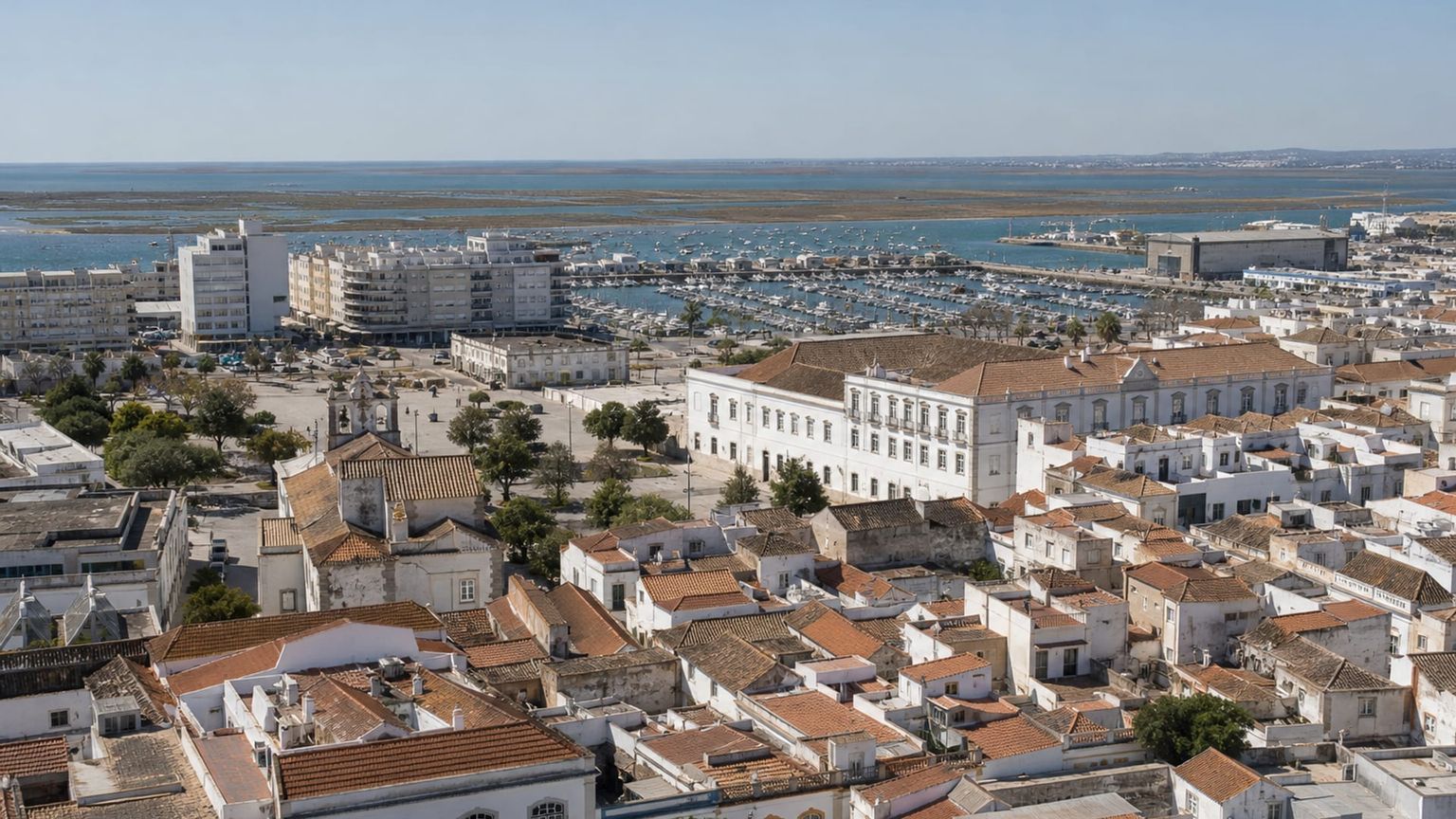
Faro trips often begin with the same loop, a quick stop by the old walls, one boat outing, and a meal of grilled fish before the airport transfer. What many visitors miss is how much the city changes once you step beyond the first waterfront block.
That narrow approach can leave you zigzagging between sights and spending too little time in Cidade Velha, Baixa, and Ria Formosa. Distances are short, but timing matters, from ferry schedules to museum hours and dinner breaks.
This guide sets out the city in a clearer order, so you can pair the center with the lagoon, choose neighborhoods with intent, and leave room for Estoi and an easy departure day.
Useful things to know

Main language(s): Portuguese
Olá (oh-LAH) – Hello
Por favor (pohr fah-VOR) – Please
Obrigado (oh-bree-GAH-doo) – Thank you
Fala inglês? (FAH-lah een-GLAYS) – Do you speak English?
Quanto custa? (KWAHN-too KOOS-tah) – How much does it cost?

Currency: The local currency is the euro (EUR, €).

Cash and cards: Cards and contactless are widely accepted; carry about €20 to €40 ($22 to $44) in cash for small buys.

Tipping: Round up small bills; add about 5 to 10% in restaurants if service is not included.

Traditional food: Cataplana, arroz de marisco, grilled sardines, dom rodrigo

Water and coffee costs: Water ~€1.50 ($2), bar espresso ~€1.20 ($1).

Taxis and ride apps: Bolt and Uber operate here; taxis are often easier for late arrivals.

Plug and voltage: Type C/F socket, 230V

Dining and shop opening hours: Breakfast is about 7:00-10:00 am, lunch about 12:30-3:00 pm, and dinner about 7:00-10:00 pm. Many places close between lunch and dinner, especially outside the center.

Emergency number: Dial 112 for police, fire, or ambulance.
Where to stay in Faro
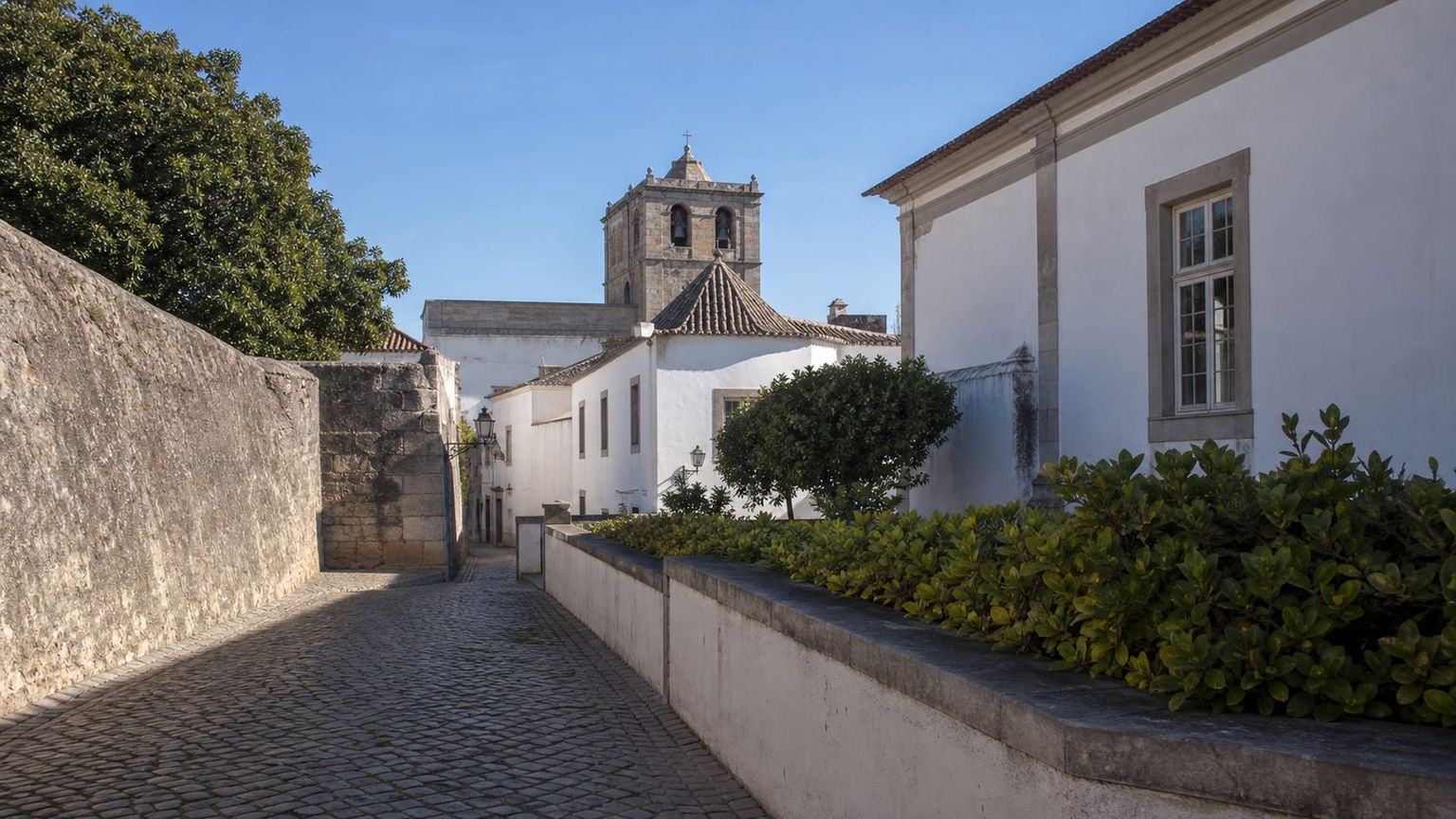
Faro’s old town clusters inside the historic walls beside the marina and Sé Cathedral. It puts you closest to the city’s main sights, plus cafés, museums, and the waterfront, so short stays can cover most of the center on foot.
Best for: First-time visits, sightseeing, and staying within walking distance of Faro’s key landmarks
What to expect: Cobblestone lanes, guided tour groups, and a steady daytime flow that eases after dinner.
Hotel prices: Usually about €90 to €170 (~$99 to ~$187) per night for well-rated stays
Distance to major sights: 5 minutes on foot to Faro Cathedral and roughly 10 minutes on foot to Arco da Vila
Quietness: Daytime is busy with visitors and restaurant tables, while evenings are calmer once day-trippers leave.
Main trade-off: Rooms inside the walls can book up quickly in high season, and some streets are narrow for cars and luggage.
Good to know: If you plan to self-drive, confirm parking before booking, because many properties rely on nearby public lots.
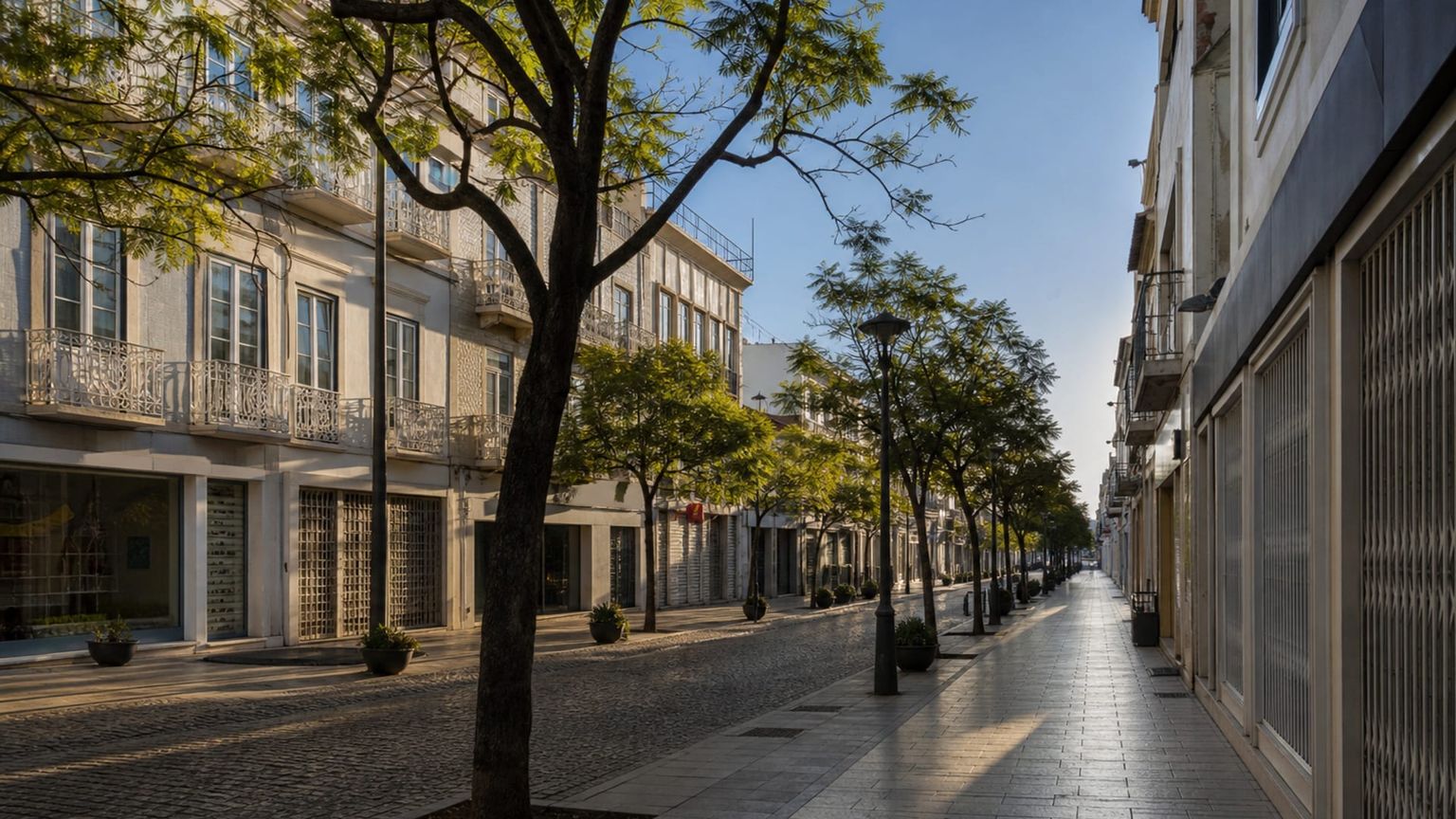
Baixa de Faro is the central downtown area south of the old walls, with shops, cafés, bus links, and easy access to the marina. It suits travelers who want everyday convenience and a wider choice of places to eat without losing the historic core.
Best for: Dining, shopping, and travelers who want easy access to transit and services
What to expect: Mixed residential and commercial streets, daytime foot traffic, and a local pace that stays active into the evening.
Hotel prices: Usually about €80 to €150 (~$88 to ~$165) per night for well-rated stays
Distance to major sights: 10 minutes on foot to Faro Marina and roughly 12 minutes on foot to the historic center
Quietness: Busier in the daytime, with modest evening activity near restaurants and bars.
Main trade-off: You gain more choice for transport and food, but the area has less historic character than the walled center.
Good to know: Late returns are simple here because taxis and buses are easier to find than in the smaller lanes inside the old town.
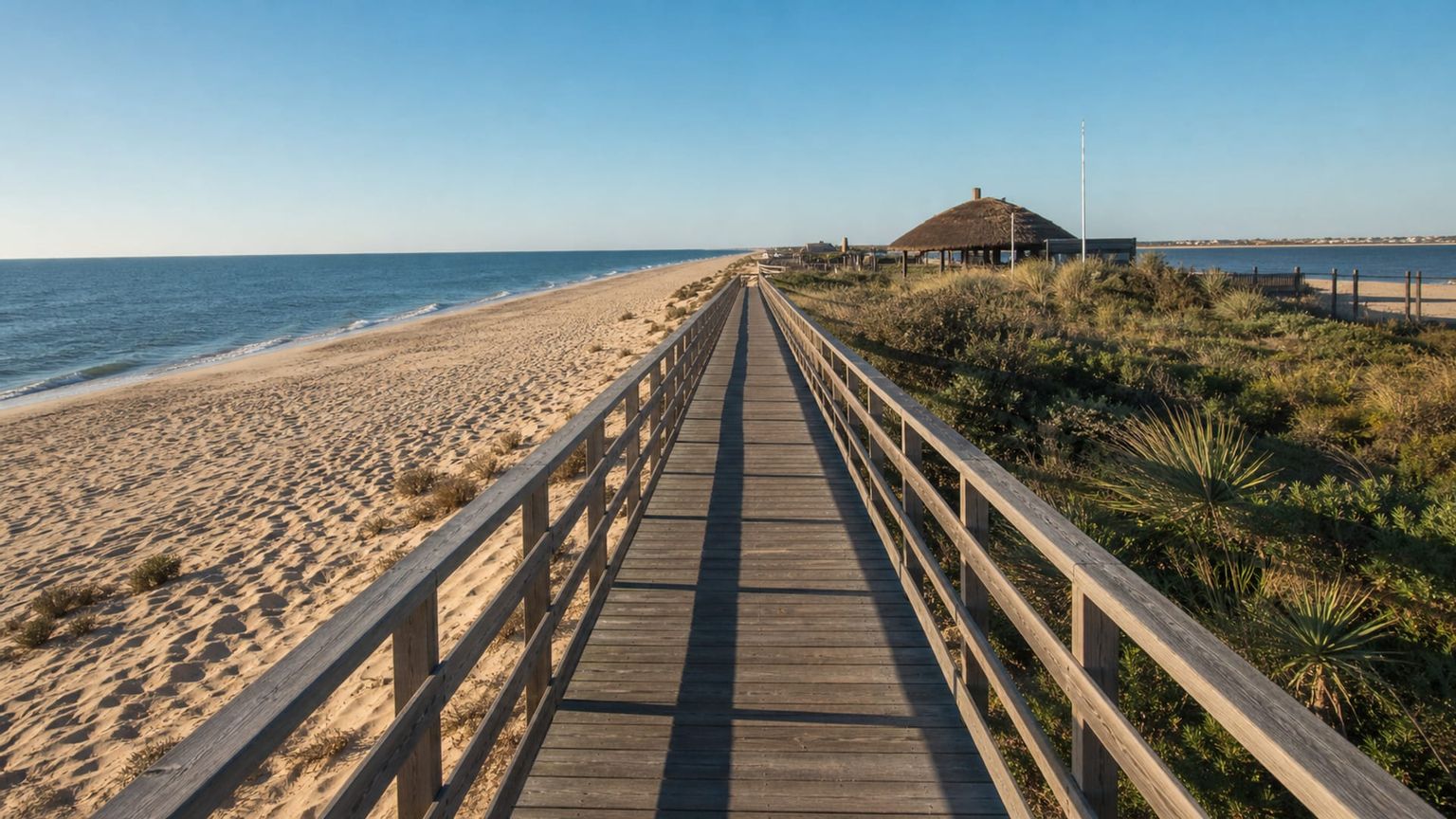
Praia de Faro sits on the barrier island opposite the city, with a long Atlantic beach, lagoon views, and a line of casual stays near the sand. It matters for travelers who want a beach-first base while staying within easy reach of Faro by bus or car.
Best for: Beach stays, swimming, and travelers who want sea access over city convenience
What to expect: Beach bars, seasonal foot traffic, and a livelier summer scene that quiets outside peak hours.
Hotel prices: Usually about €100 to €190 (~$110 to ~$209) per night for well-rated stays
Distance to major sights: 15 minutes by car to Faro airport and roughly 20 minutes by bus to Faro Old Town
Quietness: Daytime is lively in season, while evenings can be calm once the beach bars wind down.
Main trade-off: You trade easy city walking for a setting that depends on buses, taxis, or a rental car.
Good to know: Check the ferry and bridge connections before planning dinner in town, because late-night transit options thin out.
Travelers usually avoid staying in Montenegro and other industrial outskirts north of the center, because they sit far from Faro’s old town and restaurant core and offer few visitor amenities. The airport-side area near Faro (FAO) can also be less convenient for a city stay, since it suits early departures more than evenings in town, and remote beach areas such as Ilha de Faro are awkward without a car and have limited late-night options.
Hotel deals
How to get around Faro efficiently
Faro has no metro, so getting by means walking the center, using Bus 16, and choosing taxis or ride apps for the airport, late arrivals, and the trip to Estoi.

Metro
for longer distances
Faro has no metro, so the closest equivalent is the regional rail station plus the local bus network for getting between the airport, downtown, and nearby towns. From Faro (FAO), ride by bus or taxi into the center in about 15 to 20 minutes, then use trains for longer trips along the Algarve and toward Lisbon. Fares vary by route, but short urban trips are usually about $2 to $4 (€2 to €4), with longer rail tickets priced separately.

Bus and tram
for convenience
Bus 16 links Faro Airport (FAO) with Faro city center in roughly 15 to 20 minutes, and local buses cover the station, the marina area, beaches, and the university district. Buy onboard or with the operator’s app or card where available, then check schedules carefully because frequency drops in the evening and on Sundays. Urban rides are usually about $2 to $4 (€2 to €4), while longer intercity bus fares depend on distance.

Taxi
for convenience or late hours
Licensed taxis at Faro Airport (FAO) use metered fares, with an airport pickup commonly landing at about $14 to $22 (€13 to €20) for the city center, depending on luggage, time of day, and traffic. Drivers queue outside arrivals, and you can also book by phone or app through local taxi operators. Most taxis accept cash, and many take cards, though it is wise to confirm before departure.
*Prices are based on rates updated as of June 2026 and may change at the time of travel.
Walk for Cidade Velha and Baixa, use Bus 16 for the airport and cross-town links, and take taxis or ride apps when timing matters or your plans stretch beyond the center.
Iconic landmarks
Old Town Faro
Faro’s walled old town centers on the Arco da Vila, the cathedral, and narrow lanes that keep the city’s Roman, Moorish, and maritime past in view. Pause for the tiled facades, harbor lookouts, and compact squares.
Time needed: About 2 to 3 hours
Entry: Free to enter; museum and cathedral fees are separate if you choose to go inside
Tip: Go in the late afternoon, when the white walls and harbor views read best in soft light.
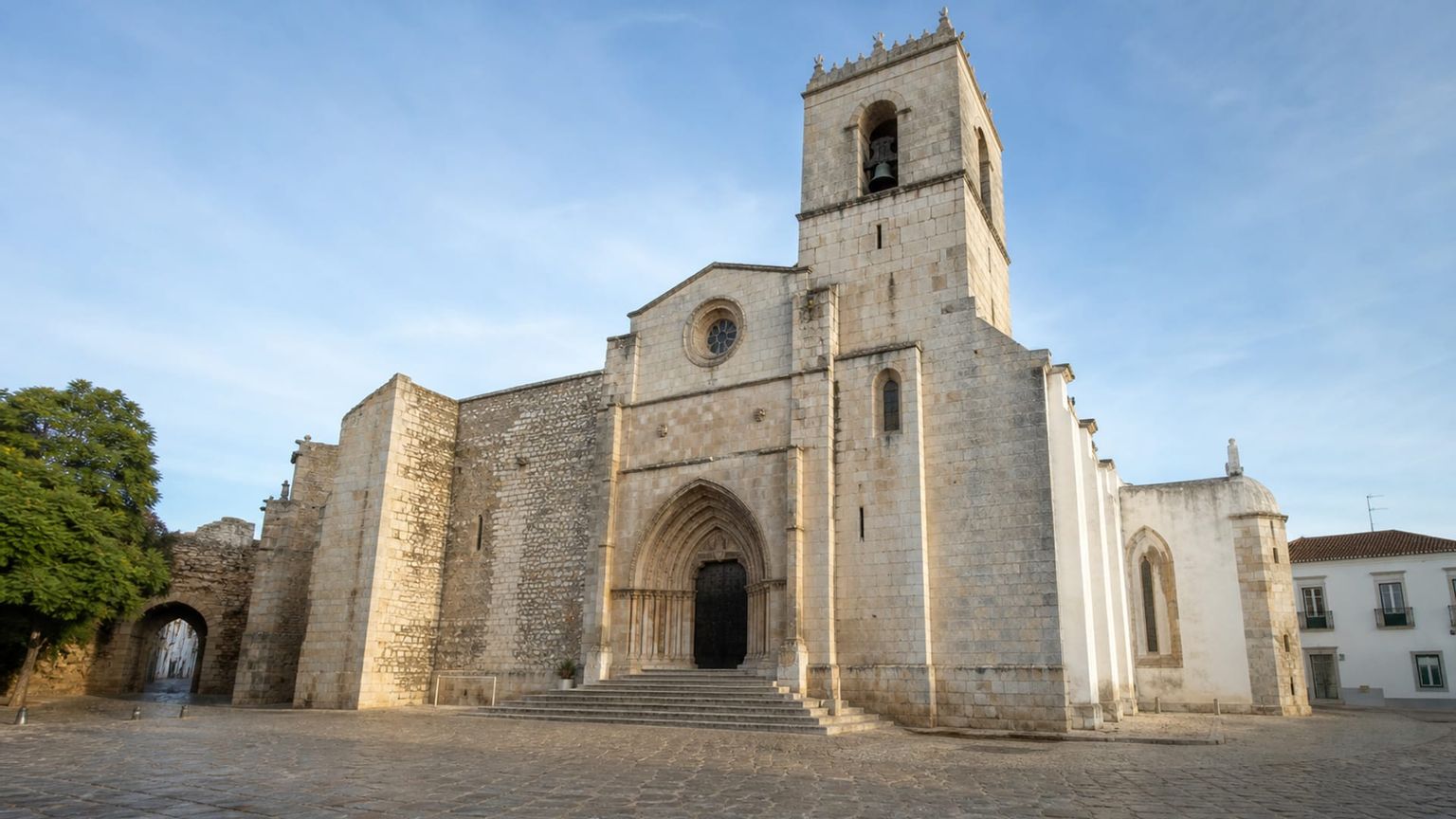
Faro Cathedral
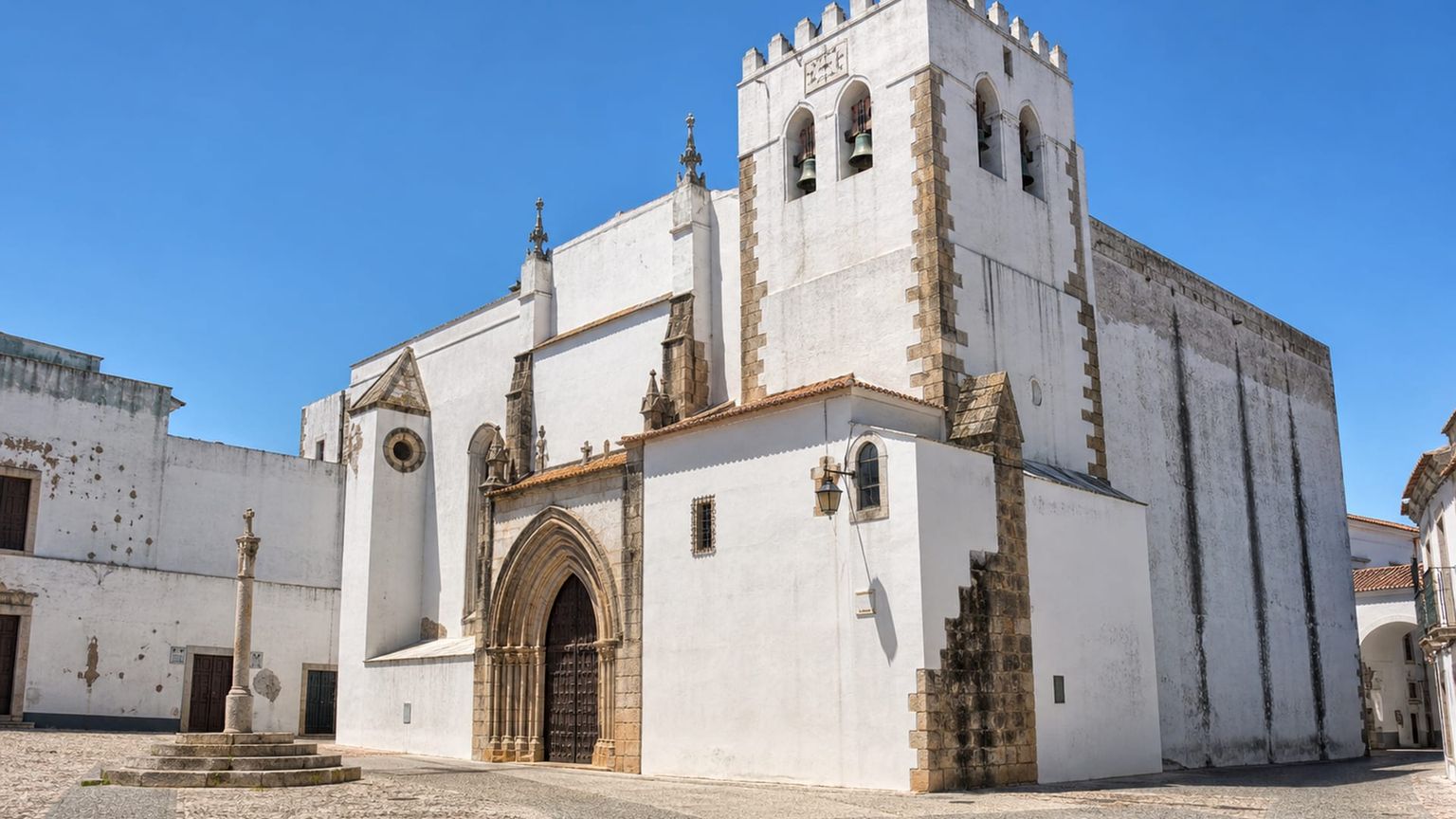
Built on the site of a former mosque, Faro Cathedral combines Gothic, Renaissance, and Baroque work above the old town. Climb the tower for a clear view over the roofs, the lagoon, and the harbor.
Time needed: About 1 to 2 hours
Entry: Admission costs about $4 ($4) for the cathedral and about $2 ($2) for the tower Visit the official site for details.
Tip: Visit early to avoid tour groups, then climb the tower before the midday heat builds.
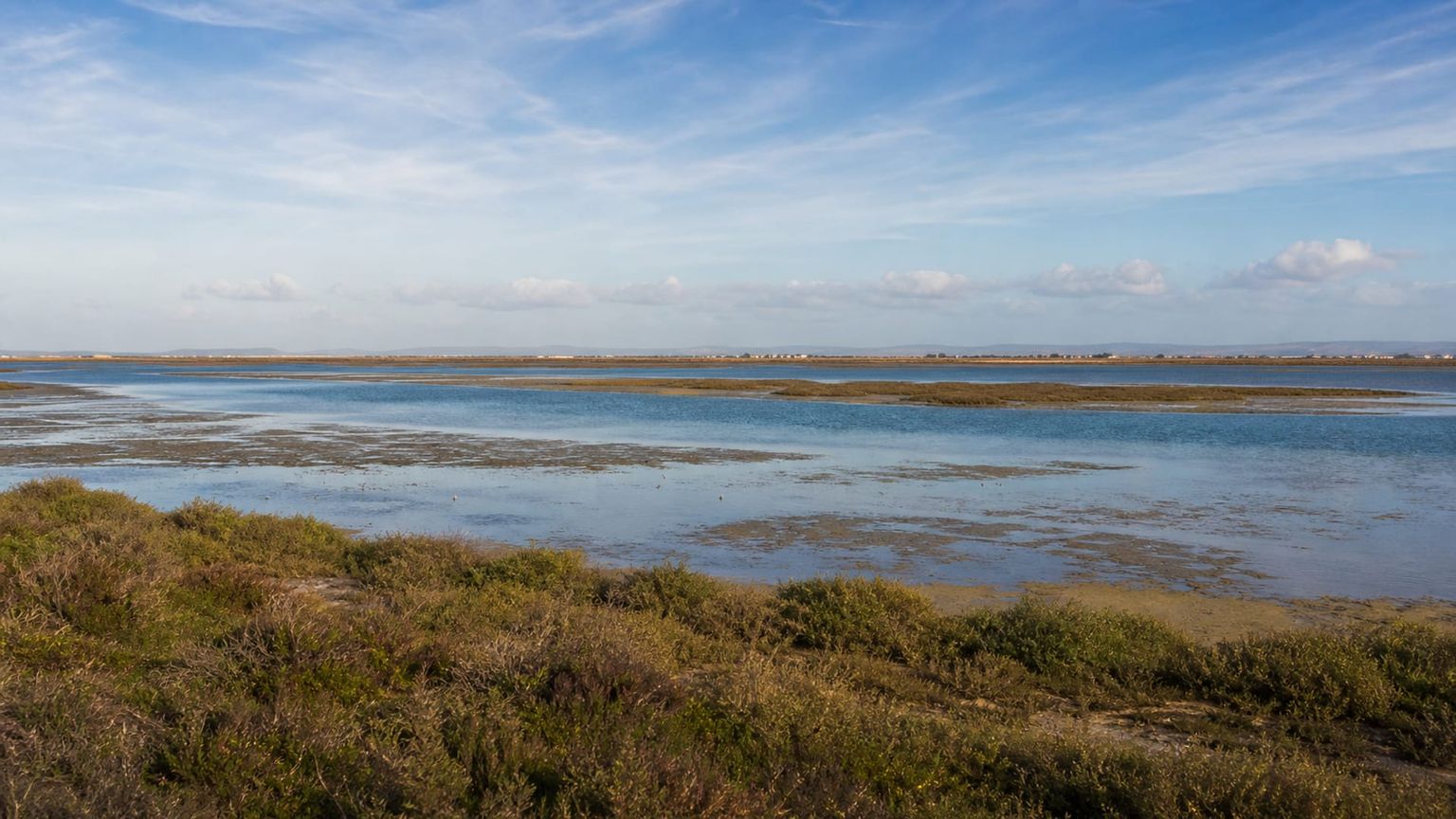
Ria Formosa Natural Park
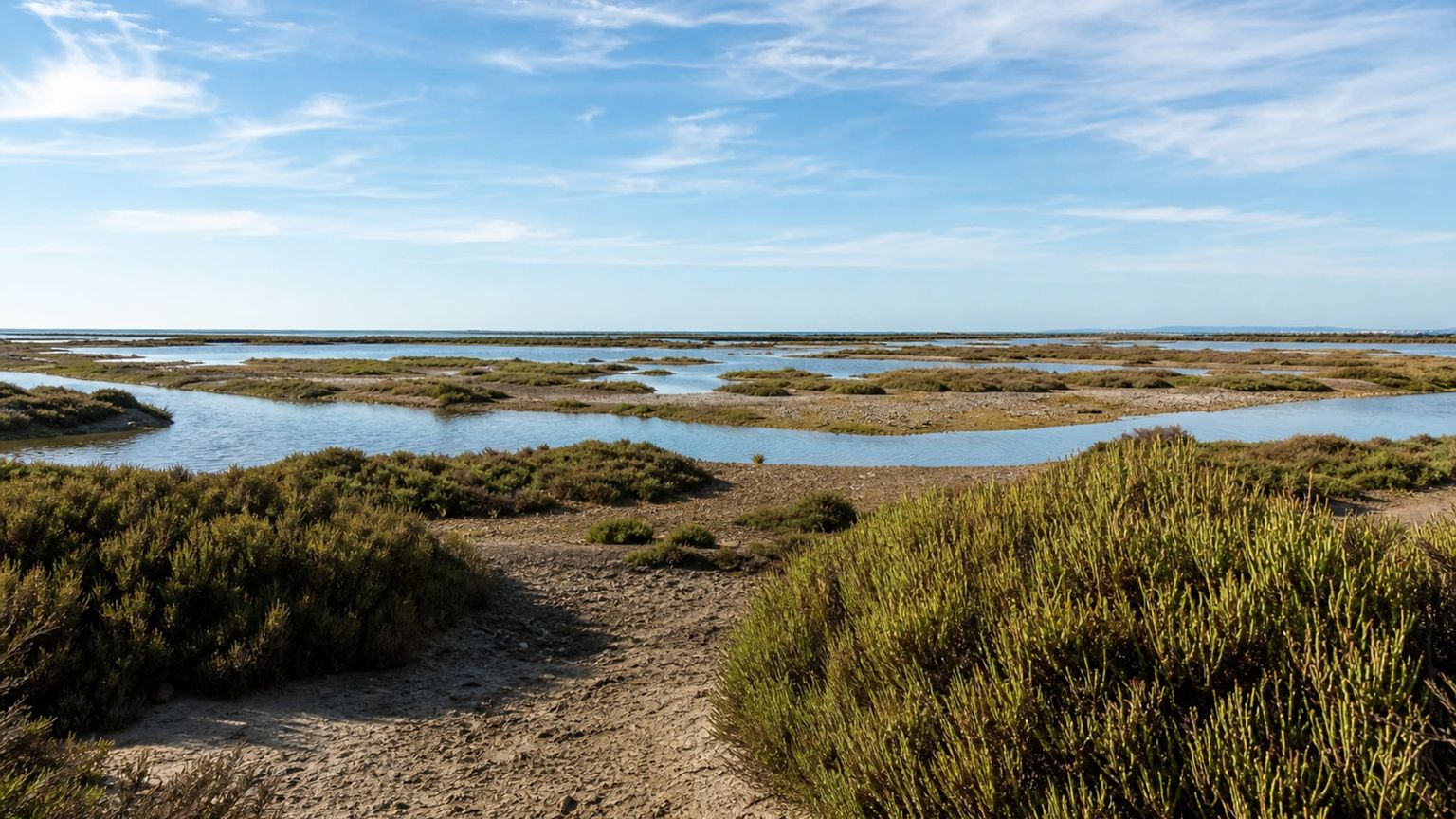
This protected lagoon system begins at Faro’s waterfront and stretches through barrier islands, salt marshes, and channels. It draws birdlife, seasonal boat traffic, and long views across water that shifts with the tide.
Time needed: About 2 to 4 hours
Entry: Free to access at public viewpoints; boat trips cost about $27 ($25) to $54 ($50) Visit the official site for details.
Tip: Check tide times before you go, since low water changes the look of the channels and flats.
Overlooked sites worth visiting

Estoi Palace and Garden
This 19th-century pink palace sits above formal gardens, with azulejo-lined rooms, a shell fountain, and open terraces. It rewards a slower visit and sits about 11 km north of Faro.
Time needed: About 1 to 2 hours
Entry: Garden access and palace visits are typically about $6 to $9 (€5 to €8) for adults, with occasional reduced rates for children, students, and seniors; check the current schedule before you go, since opening hours and access can change by season or for private events.
Tip: Go in the morning for softer light on the tiles.

Municipal Museum of Faro
Set in a former convent, this compact museum pairs Roman mosaics with Moorish and medieval finds from the Algarve. The cloister adds a quiet stop right in the historic center.
Time needed: About 1 hour
Entry: Admission is usually about $4 to $6 (€3 to €5) for adults, with lower prices for students and seniors and free entry on some municipal culture days; the museum is small, so a short visit works well, but opening hours can vary on holidays.
Tip: Combine it with the convent cloister for one short visit.
Traditional food
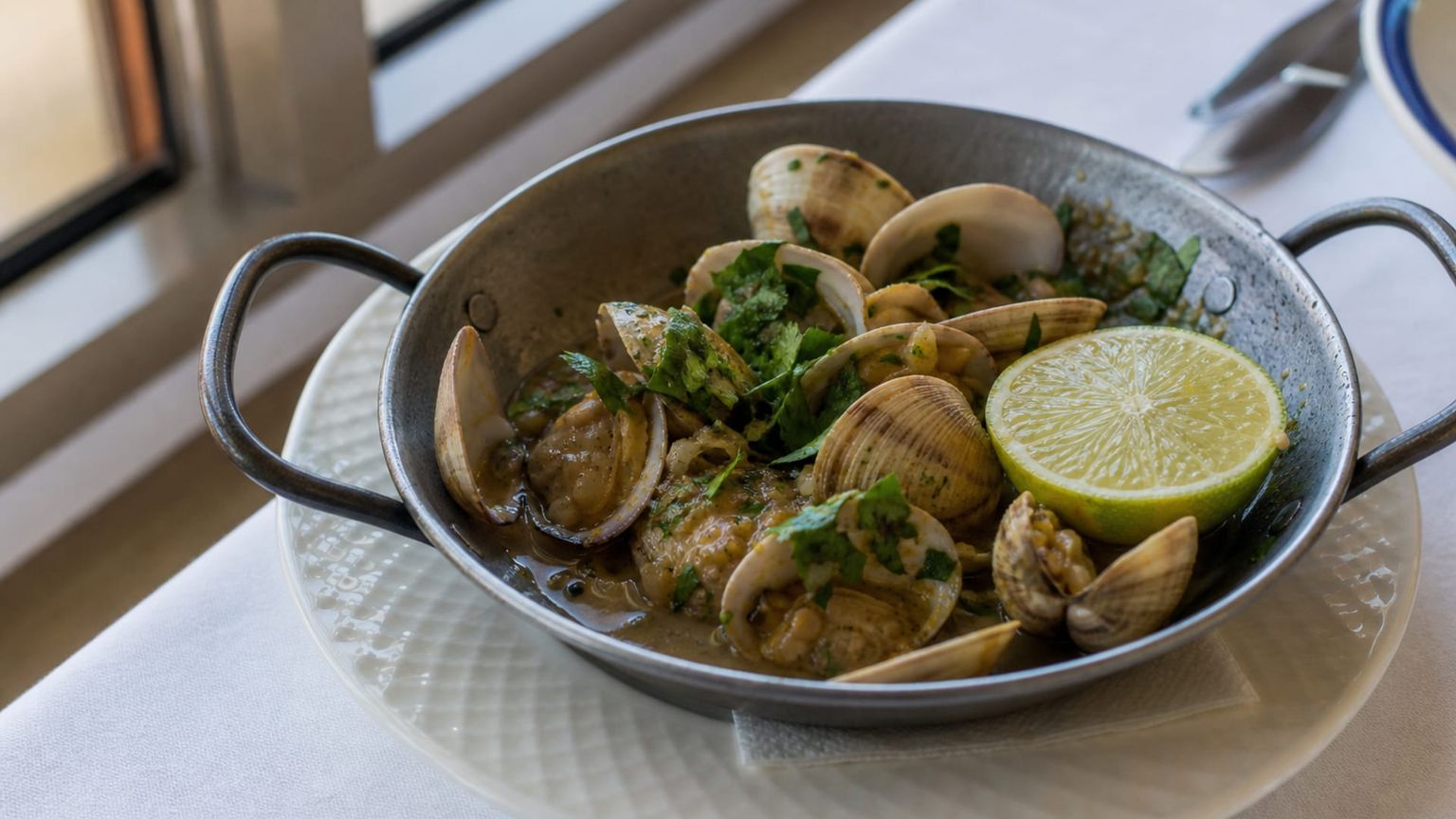
Faro cooks with the Algarve coast in view: cataplana, seafood rice, sardines, and almond sweets show up beside simple lunches and long dinners that often start late and pause after midday.
Cataplana
This shellfish-and-fish stew arrives in its clamshell pot, scented with garlic, peppers, and herbs. O Chefe Branco in Faro is a strong place to try it in a classic setting.
Arroz de marisco
Seafood rice comes rich and brothy, with prawns, clams, and crab folded into the rice. Tertúlia Algarvia in Faro prepares a well-regarded version rooted in Algarve cooking.
Grilled sardines
Grilled sardines are the city’s simplest coastal dish, charred outside and best with bread, salad, and potatoes. Adega Nova serves them in a straightforward tavern style in Faro.
Dom rodrigo
Dom rodrigo is the Algarve’s signature almond-and-egg dessert, wrapped in foil and usually finished after a seafood meal. Tertúlia Algarvia is a good place to end on this sweet note.
Best time to visit Faro
Faro stays usable year-round, but spring and early autumn bring the best balance of warm weather, lower heat, and manageable crowds for boat trips, old-town walks, and day visits to Estoi.
Best for: Lagoon trips, old-town walks, and garden visits
What you get: About 63 to 75°F (17 to 24°C), with lighter crowds than midsummer and comfortable afternoons
Trade-offs: Rain can still interrupt a day outdoors
Best for: Beach time, long evenings, and boat trips
What you get: About 73 to 88°F (23 to 31°C), with the busiest beaches and the fullest restaurant tables
Trade-offs: Heat and demand can make midday sightseeing tiring
Best for: Balanced sightseeing and calmer waterfront days
What you get: About 64 to 81°F (18 to 27°C), with crowds easing after summer and conditions still warm into October
Trade-offs: Daylight shortens later in the season
Best for: Museum visits, low-key city stays, and value trips
What you get: About 50 to 64°F (10 to 18°C), with quiet streets and fewer tour groups
Trade-offs: Some boat schedules and beach businesses scale back
A realistic 5-day plan in Faro
Five days in Faro works best when the city center anchors the plan and the lagoon, Estoi, and departure day fill the gaps. The schedule below keeps each day compact, so you can move on foot, by boat, or with a short ride without losing time to backtracking.
Land at Faro (FAO), then take a taxi or rideshare to Cidade Velha or Baixa de Faro, which usually takes about 10 to 15 minutes and costs roughly $10 to $18 (€9 to €16). Settle into lodging near the old walls if you want an easy first evening on foot, then drink water, unpack, and head to a nearby café in Baixa de Faro for a light dinner of grilled fish or soup before an early night.
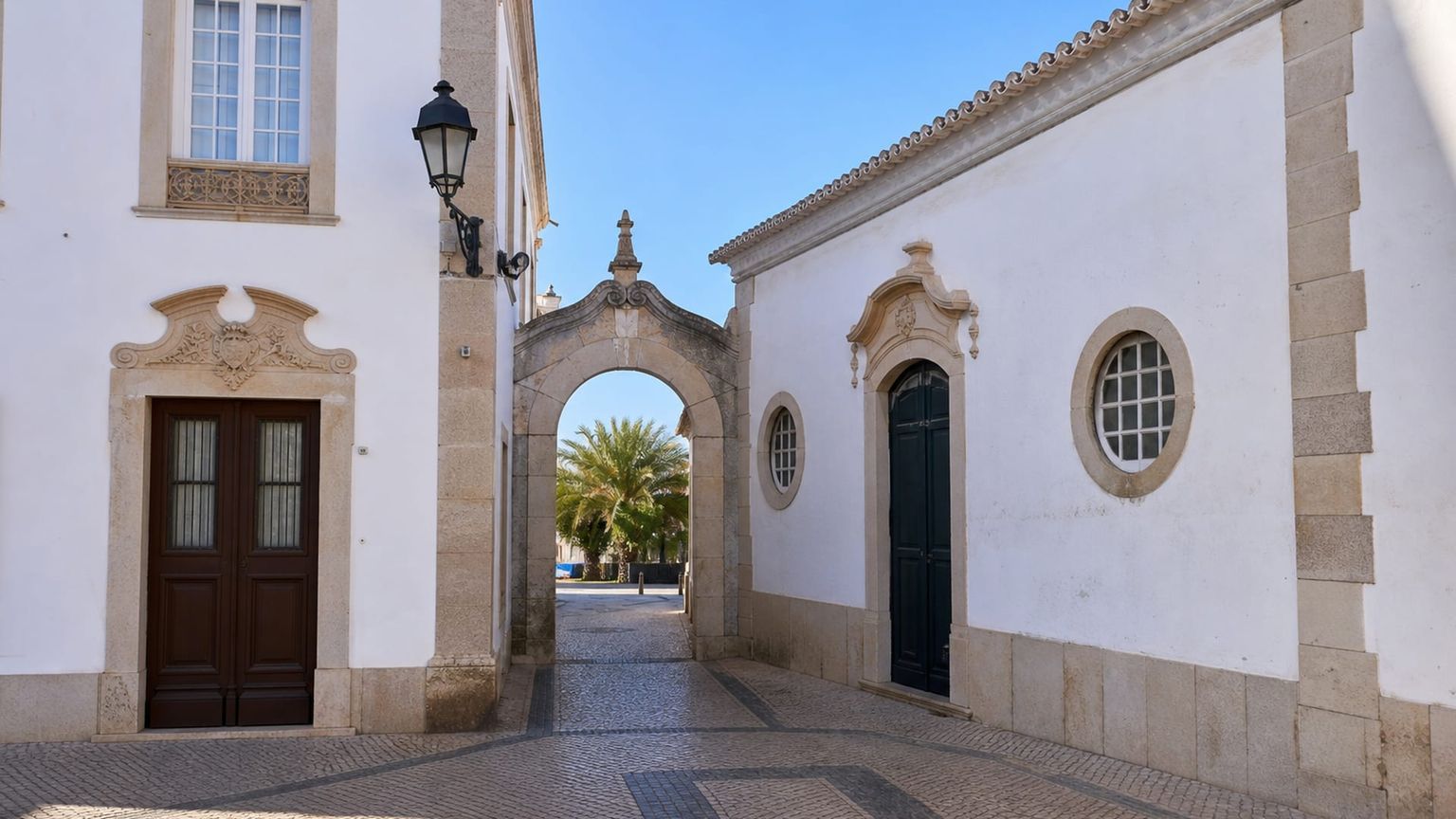
Start in Old Town Faro, where the Arco da Vila, tiled lanes, and compact squares are all close together, then walk 5 minutes to Faro Cathedral for the tower climb and rooftop views over the lagoon. Plan about 2 to 3 hours for the old town and 1 to 2 hours for the cathedral, then continue 10 minutes on foot to the Municipal Museum of Faro for its convent cloister and Roman finds. Finish with an easy dinner back in Cidade Velha, where you stay within a short walk of the waterfront.
Begin with a morning boat trip on Ria Formosa Natural Park, which usually takes about 2 to 4 hours and costs about $27 ($25) to $54 ($50), then return to the city for lunch near the marina. From the waterfront, walk about 10 minutes into Baixa de Faro for coffee or a late lunch, then stay in the center for an unhurried evening near the shops and bus links. If the tide is low, ask for a departure that shows the channels and mudflats at their clearest.
Head north to Estoi Palace and Garden, about 11 km from Faro, and expect the trip to take roughly 20 to 25 minutes by taxi or car, with admission usually about $6 to $9 (€5 to €8). Spend 1 to 2 hours among the pink facade, azulejo-lined rooms, and formal gardens, then return to Faro for a slow afternoon. Back in town, walk through Cidade Velha or stop in Baixa de Faro for a relaxed dinner and an easy final look at the illuminated walls.
For a quieter last morning, pair the Municipal Museum of Faro with a café stop in Baixa de Faro, where you can linger over coffee, pastries, or a late breakfast before your transfer. The museum takes about 1 hour, so you still have time for a final walk through the downtown streets or one last round of shopping near the central blocks before heading to Faro (FAO). If your flight leaves in the afternoon or evening, stay close to the taxi stands and bus links rather than heading far from the center.
Business-class flights from the US to Faro
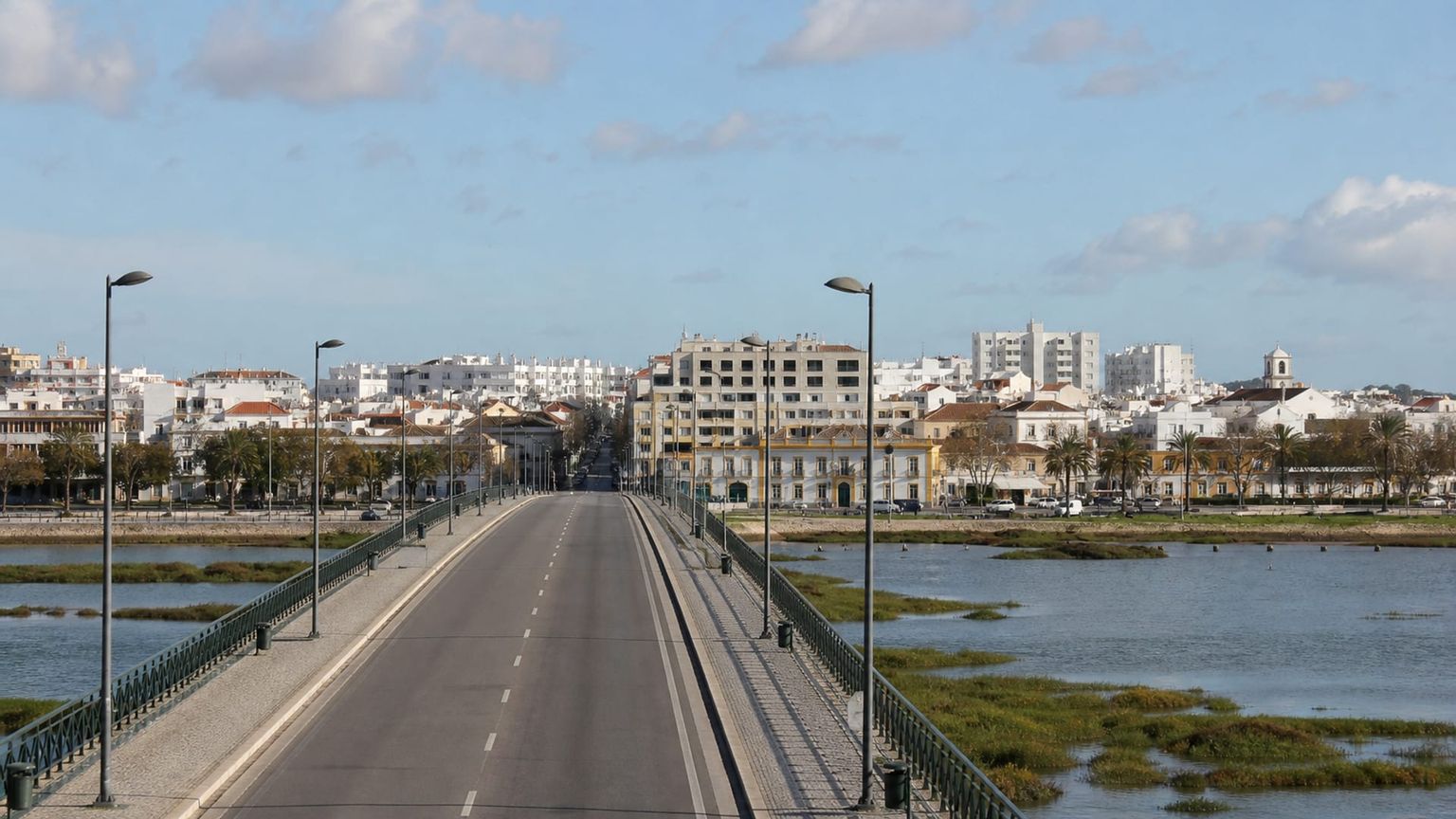
Faro usually reaches visitors from the East Coast and West Coast with one stop, and the layover can make a large difference in both price and timing. The two examples below show how the route often breaks down from New York and Los Angeles.
From New York, TAP Air Portugal, British Airways, Air France, Iberia, Lufthansa, and United Airlines all appear on common itineraries, with total travel time usually about 6 to 7 hours nonstop or roughly 9 to 14 hours with a stop. Typical hubs include LIS, LHR, CDG, MAD, FRA, and MUC, and round-trip fares usually start from $3,400 and can reach $6,500.
Los Angeles travelers usually see TAP Air Portugal, British Airways, Air France, Iberia, Lufthansa, and United Airlines on one-stop itineraries, and the trip often runs about 14 to 20 hours overall. Common connections run through LIS, LHR, CDG, MAD, FRA, and MUC, while round-trip fares usually start at $4,200 and can rise to $7,800.
Faro feels different when you slow down
A well-planned Faro stay gives each part of the city a role, Cidade Velha for the historic center, Baixa de Faro for food and transit, Ria Formosa for the water, and Estoi for a slower half day. That mix keeps the trip grounded in real distances and opening hours rather than loose wandering. If you want help shaping the route, AranGrant experts can build it around your dates and airport timing