

Chapters:

Need help with your trip?
Our support team is available 24/7. Request a callback or call us directly at (833) 619-0908
Edinburgh rewards travelers who slow down and notice how each part of the city unfolds. From the medieval lanes of the Old Town to the orderly Georgian streets of New Town and the quieter green spaces to the north, each area offers a different pace and perspective.
Trying to see everything at once can make the city feel more demanding than it needs to be. Steep climbs, uneven streets, and busy routes between landmarks can quickly add up, leaving less time to enjoy the places themselves.
This Edinburgh travel guide lays out the city in a clearer order, pairing each day with a distinct part of Edinburgh so that the main sights and calmer corners all fit together.
Useful things to know


Main language(s): English

Currency: Pound sterling (GBP, £)

Cash and cards: Contactless payment and cards are widely accepted. Carry about £20 to £30 in cash ($27 to $40) for small purchases.

Tipping: Tip about 10% in restaurants if service is good; round up bills in bars and taxis.

Traditional food: Haggis, Scotch broth, Cullen skink, cranachan

Water and coffee costs: A bottle of water costs about £1.50 ($2). You can order an espresso at a bar for £3 ($4).

Taxis and ride apps: Uber and Bolt operate here; black cabs also line up at ranks.

Plug and voltage: Type G socket, 230V

Dining and shop opening hours: Breakfast is usually served from 07:00 am to 10:00 am, lunch from 12:00 pm to 2:00 pm, and dinner between 5:30 pm and 9:00 pm. Many kitchens stop taking orders by 9:00 pm.

Emergency number: Call 999 or 112 for police, firefighters, or an ambulance.
Where to stay in Edinburgh
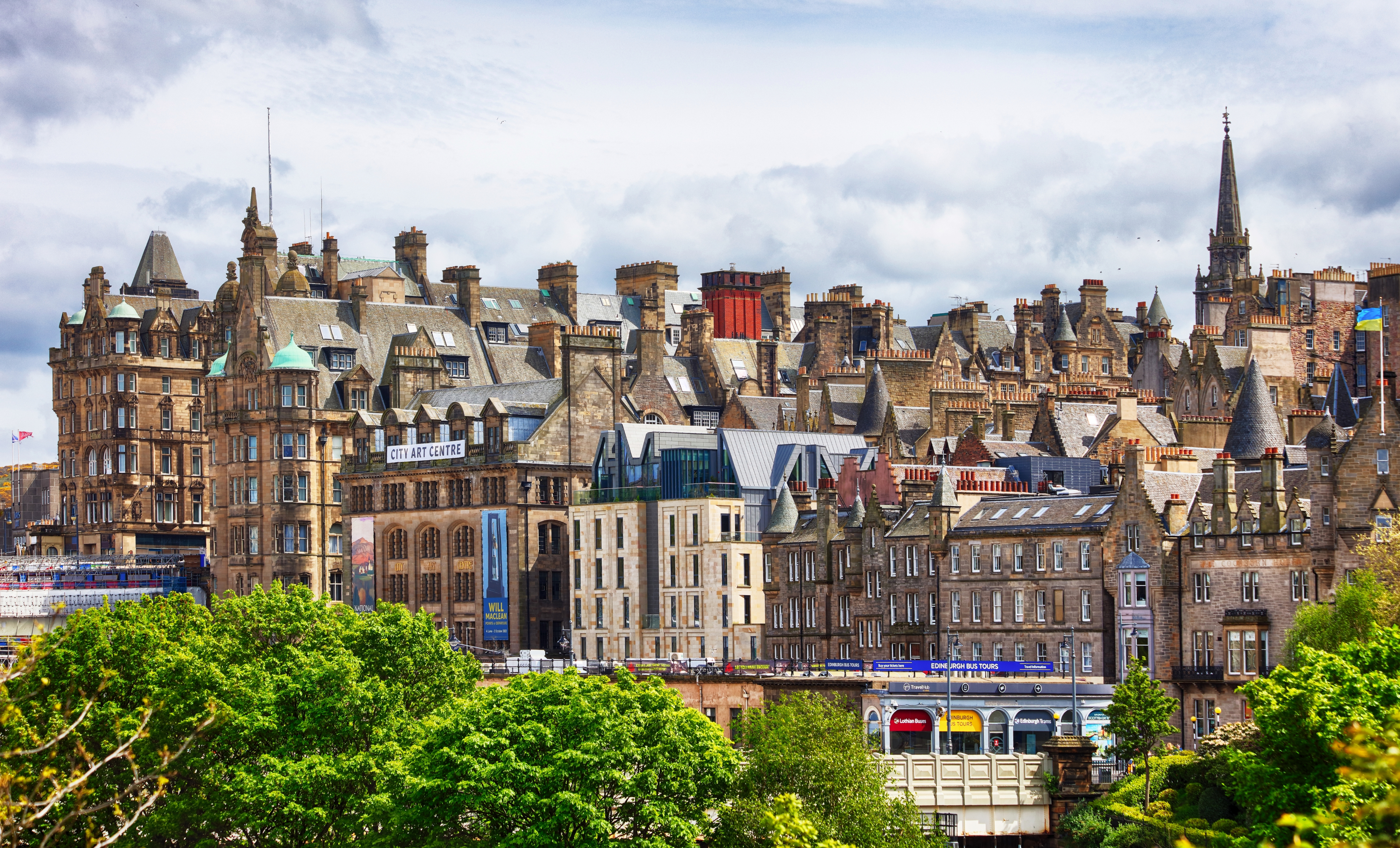
Edinburgh’s medieval core encompasses the Royal Mile, closes, and major landmarks into a walkable ridge above the city. It is suitable for visitors who want the main sights close by and do not mind heavier foot traffic.
Best for: First-time visits, sightseeing, and short stays
What to expect: Busy sidewalks, bus tours, and steady restaurant traffic through the day, with a later-night crowd near the Royal Mile
Hotel prices: Usually £140 to £260 ($180–$350) per night for well-rated hotels
Distance to major sights: It takes 5 to 15 minutes on foot to reach Edinburgh Castle and St Giles’ Cathedral.
Quietness: Noisy by day and lively into the evening, especially near the Royal Mile; quieter on side roads after dark
Main trade-off: Central addresses often cost more, and rooms on the main streets can be exposed to pub noise and late deliveries.
Good to know: Book high-floor rooms or side-street hotels if you want a night of uninterrupted sleep, since street noise can carry to lower levels.
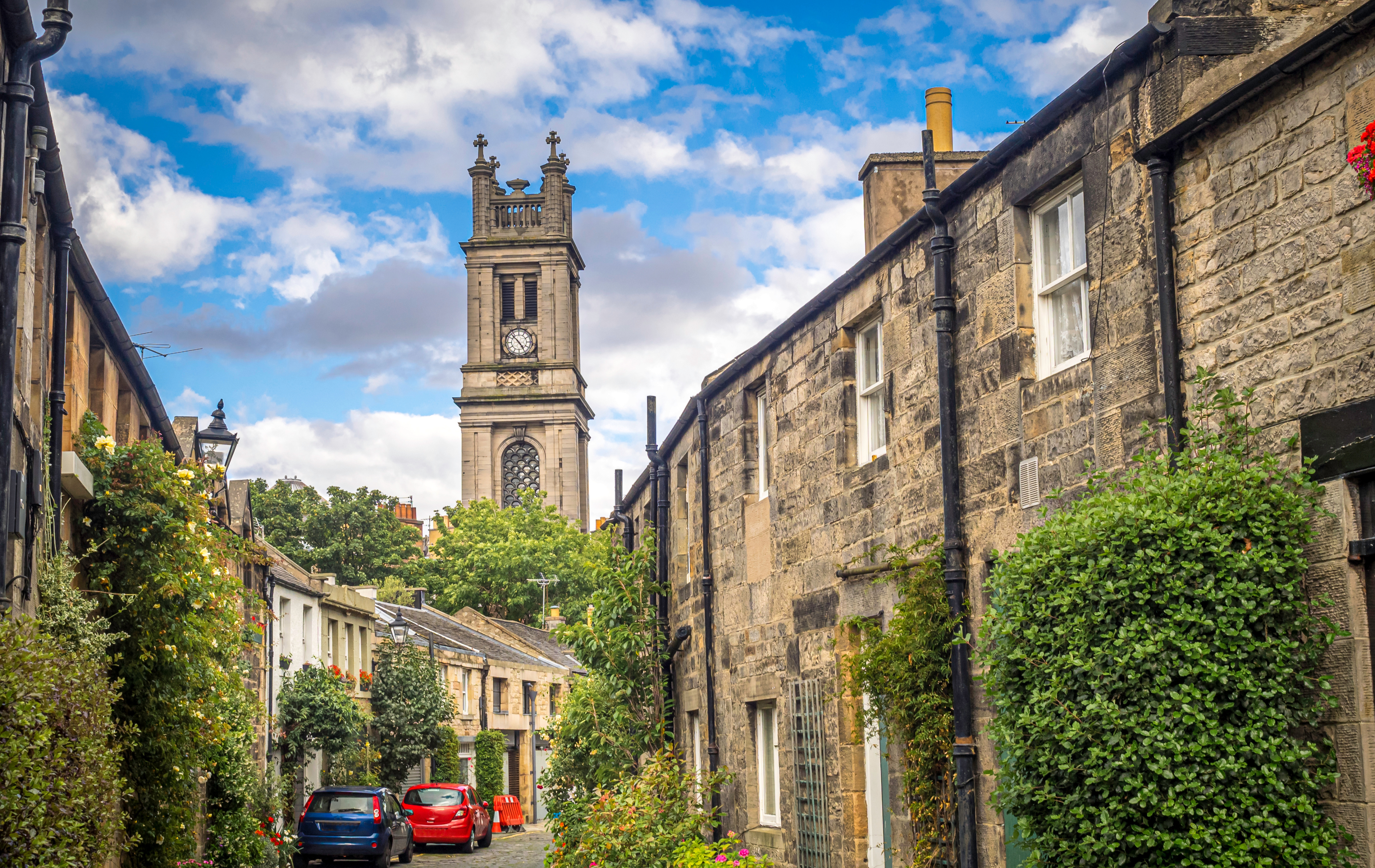
New Town pairs Georgian terraces with wider streets, shopping areas, and easy access to Waverley Station. It gives travelers a central location with more space to move than the Old Town.
Best for: Shopping, dining, rail access, and central stays
What to expect: A mix of office commuters, shoppers, and evening restaurant-goers, with less tour-bus congestion than the Old Town
Hotel prices: Popular hotels typically cost between £130 and £250 ($170–$330) per night.
Distance to major sights: 10–15 minutes on foot to Princes Street and up to 15 minutes on foot to the Royal Mile
Quietness: Calmer than the Old Town during the day, then active near bars and restaurants in the evening
Main trade-off: You may walk a little more for the castle and museum cluster.
Good to know: Choose a hotel on a side street if you want to avoid traffic noise.
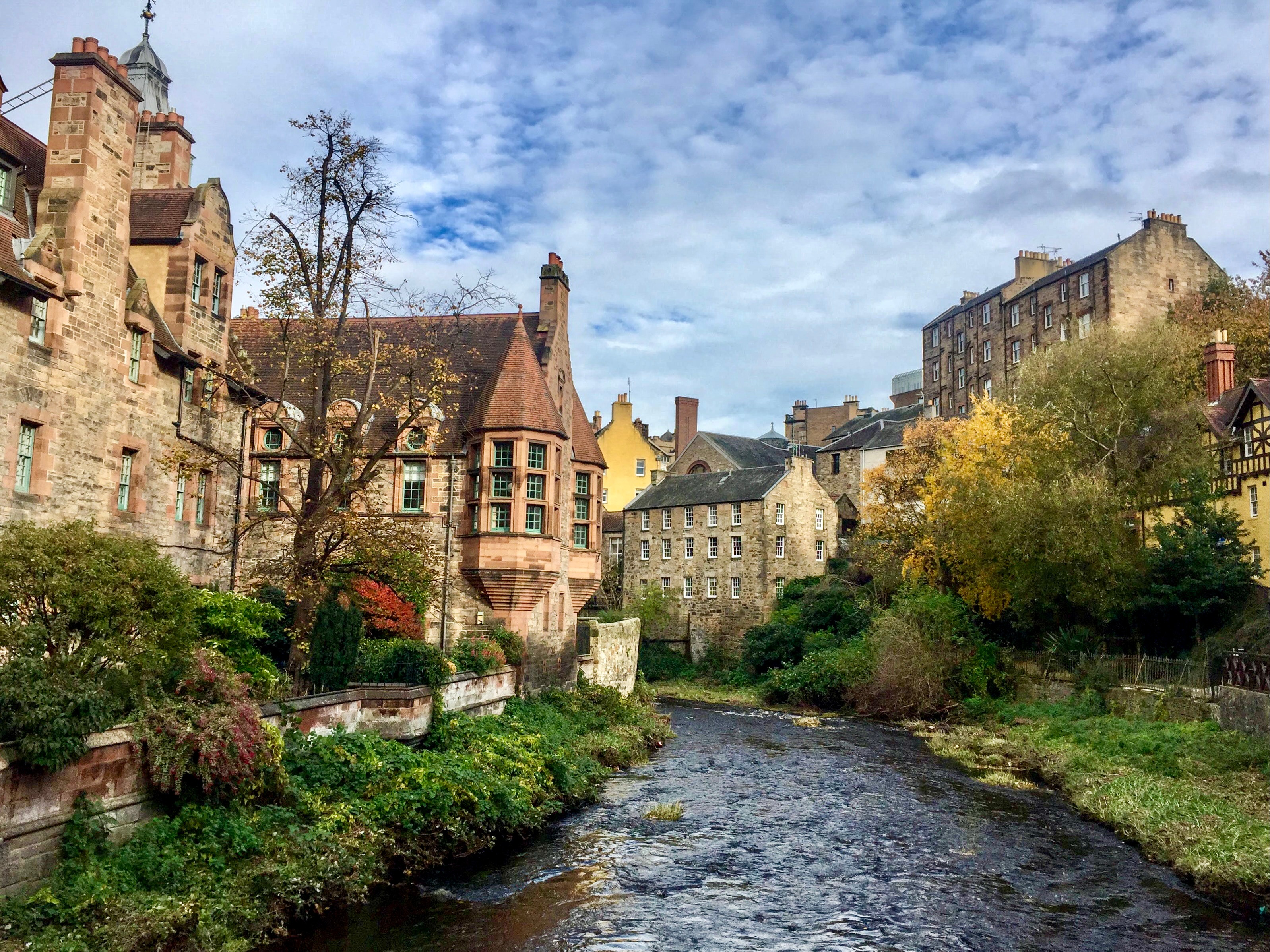
West End lies just west of Princes Street and blends townhouses, hotels, and easy tram access. It keeps you near the center without the same density of tour groups found deeper in the core.
Best for: Couples, business travelers, and visitors who want central access with fewer crowds
What to expect: Moderate foot traffic and a steady flow of people heading to the station, shops, and theaters
Hotel prices: Travelers can expect to pay £120 to £230 ($160–$310) per night.
Distance to major sights: 10 minutes on foot to Princes Street and about 20 minutes on foot to Edinburgh Castle
Quietness: Quieter on residential streets by day, then busier near bars and major roads in the evening
Main trade-off: Dining options are varied but not as concentrated as in the Old Town, so on some nights you might have to walk or ride farther for a wider selection.
Good to know: Look closely at the exact street address, since rooms near Haymarket and the main roads can be less restful than you might expect.
Travelers usually avoid staying in Edinburgh’s South Gyle and Gogar, which have limited late-evening dining and sightseeing nearby. Leith and Haymarket can work for some trips, but they are far from the historic center.
Hotel deals
How to get around Edinburgh efficiently
Edinburgh is compact enough to walk in the center. Trams, buses, and taxis are convenient for rides to or from the airport, for long distances, or for traveling with luggage.

Metro
for longer distances
The Airport tram reaches the city center in about 30–35 minutes, with stops including Edinburgh Gateway, Edinburgh Park, and St Andrew Square near Waverley. An adult fare costs £5.50 ($7). You can buy tickets at the stop before boarding, and you have to validate them on the tram.

Bus and tram
for convenience
Lothian Buses 100 (Airlink) runs from Edinburgh Airport (EDI) to the city center in approximately 25 to 35 minutes. Standard city tickets are time-limited, usually valid for 60 minutes. You can expect to pay £5.50 ($7) for them.

Taxi
for convenience or late hours
Licensed black cabs use metered fares, not fixed airport pricing, and the trip from Edinburgh (EDI) to the center usually costs £28–£40 ($40–$50). You can board them from the rank at the terminal. Most drivers accept cards as well as cash.
*Prices are based on rates updated as of June 2026 and may change at the time of travel.
Walk for the Old Town and central hills, use the tram or buses for airport and cross-center trips, and switch to taxis when you want to save time.
Iconic landmarks
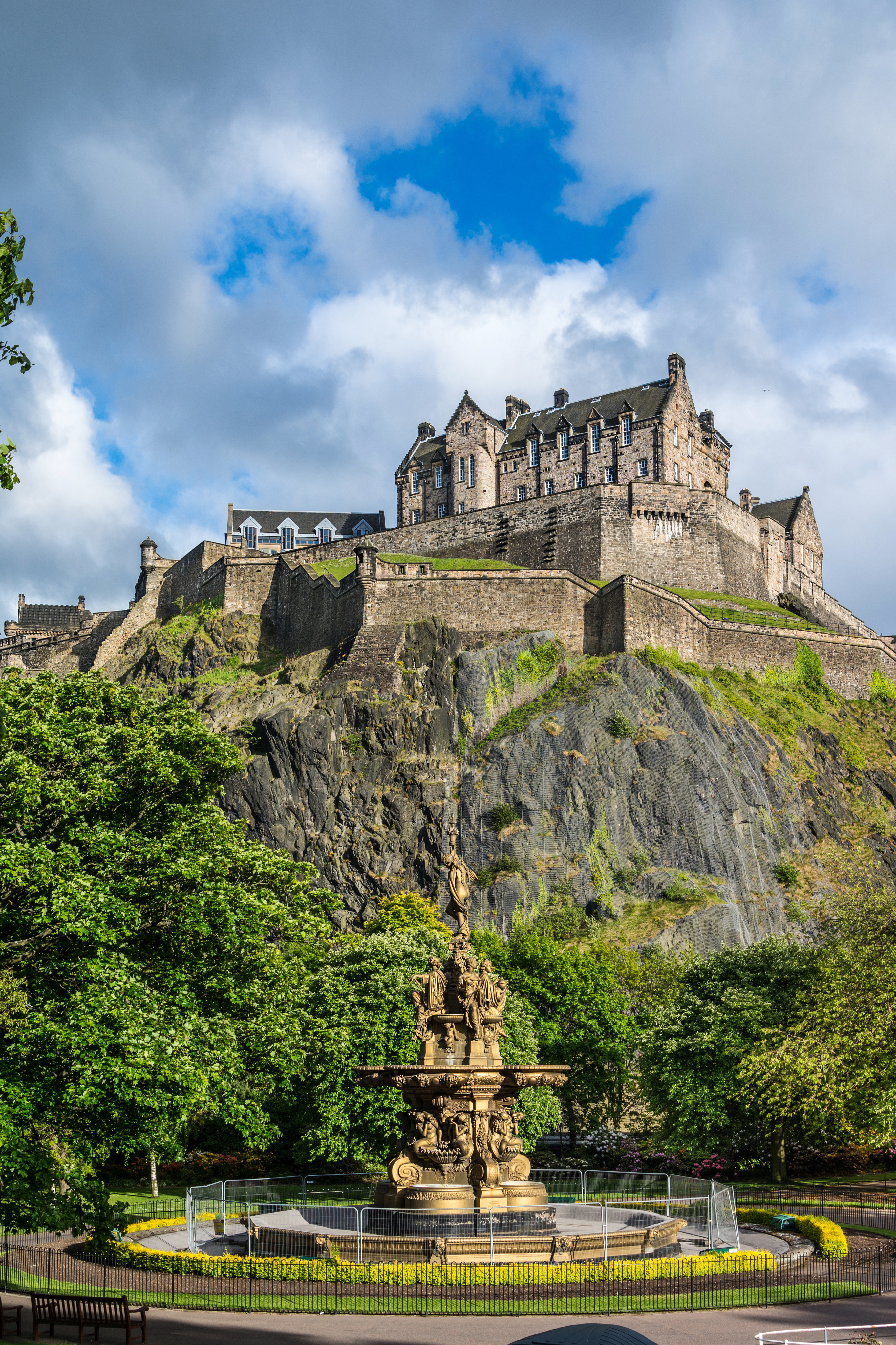
Edinburgh Castle
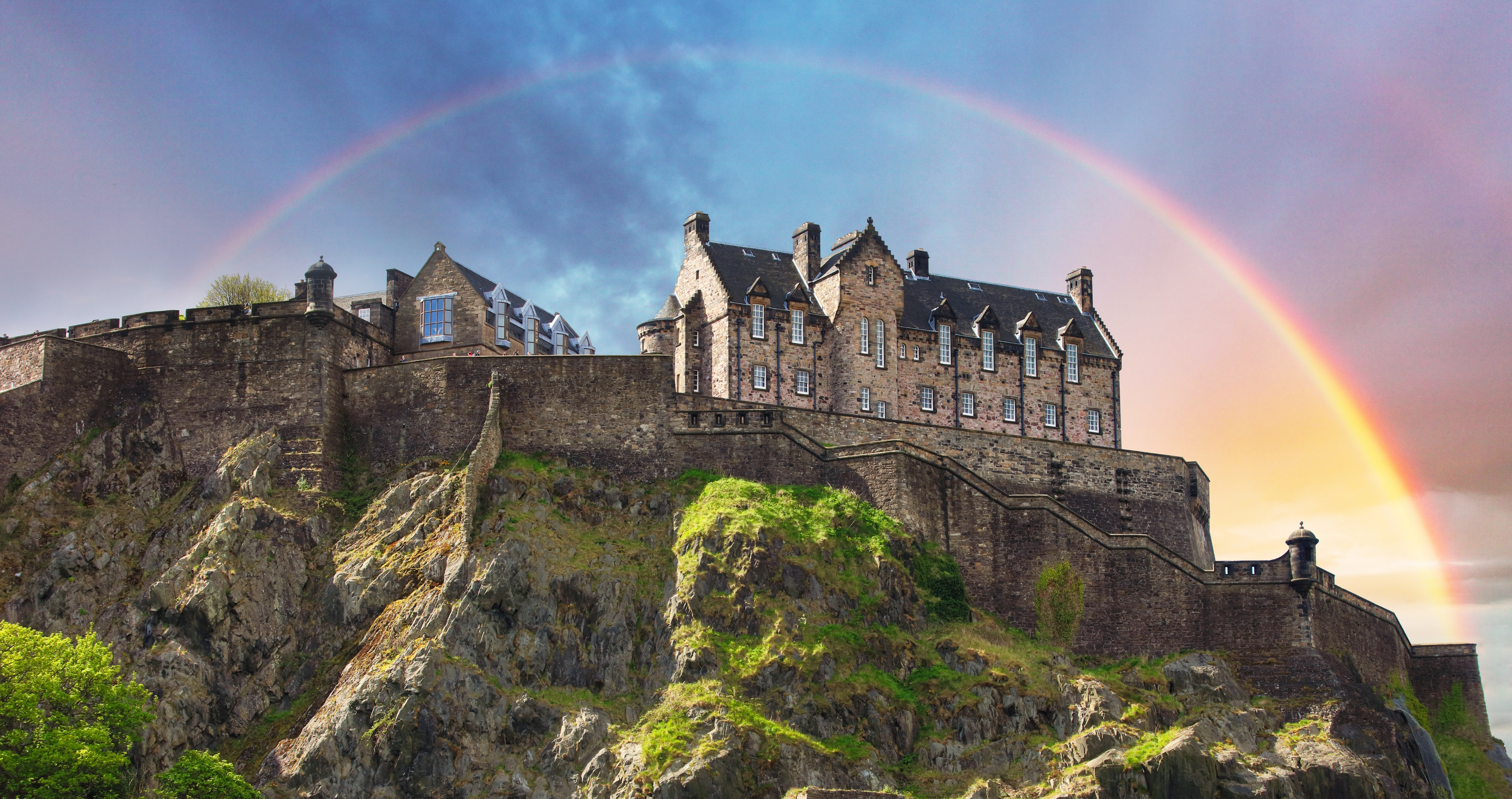
Perched on Castle Rock above the Old Town, Edinburgh Castle anchors the skyline and holds the Honours of Scotland, the Stone of Destiny, and the National War Museum. The fortress also offers city views from its ramparts.
Time needed: About 2 to 3 hours
Entry: Standard tickets cost £23.50 ($30) online or £26.00 ($29) at the gate. Visit the official site for details.
Tip: Arrive near opening time for shorter queues and clearer rampart views in morning light.
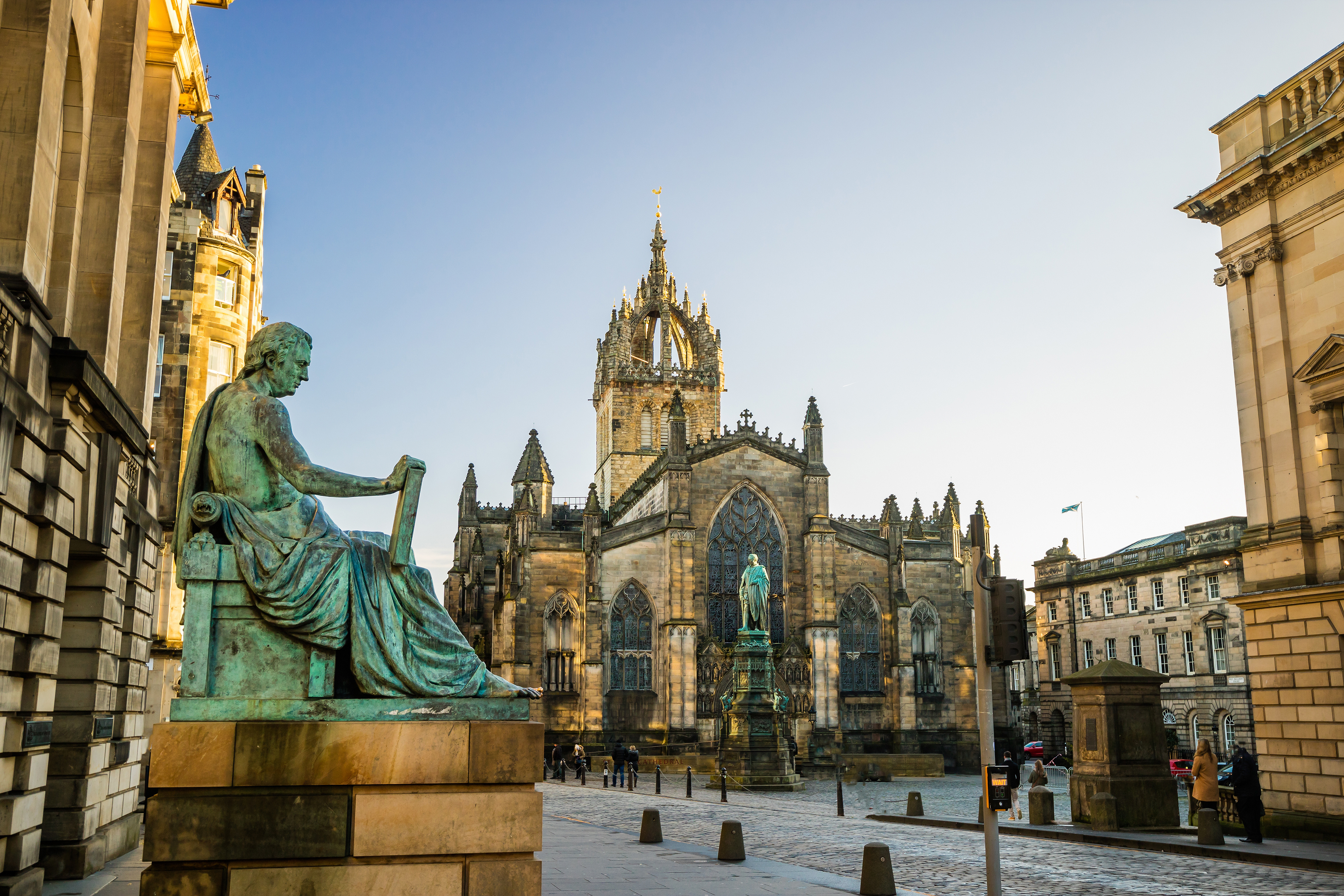
The Royal Mile
The Royal Mile links Edinburgh Castle with Holyrood Palace through a run of closes, kirks, shops, and museums. Its cobbles, tenements, and side lanes show the Old Town’s layered history in a walkable stretch.
Time needed: About 2 to 4 hours
Entry: Free to access. Some museums and attractions along the mile charge a fee.
Tip: Go early or late in the day to avoid tour groups and get clearer photos on the main street.
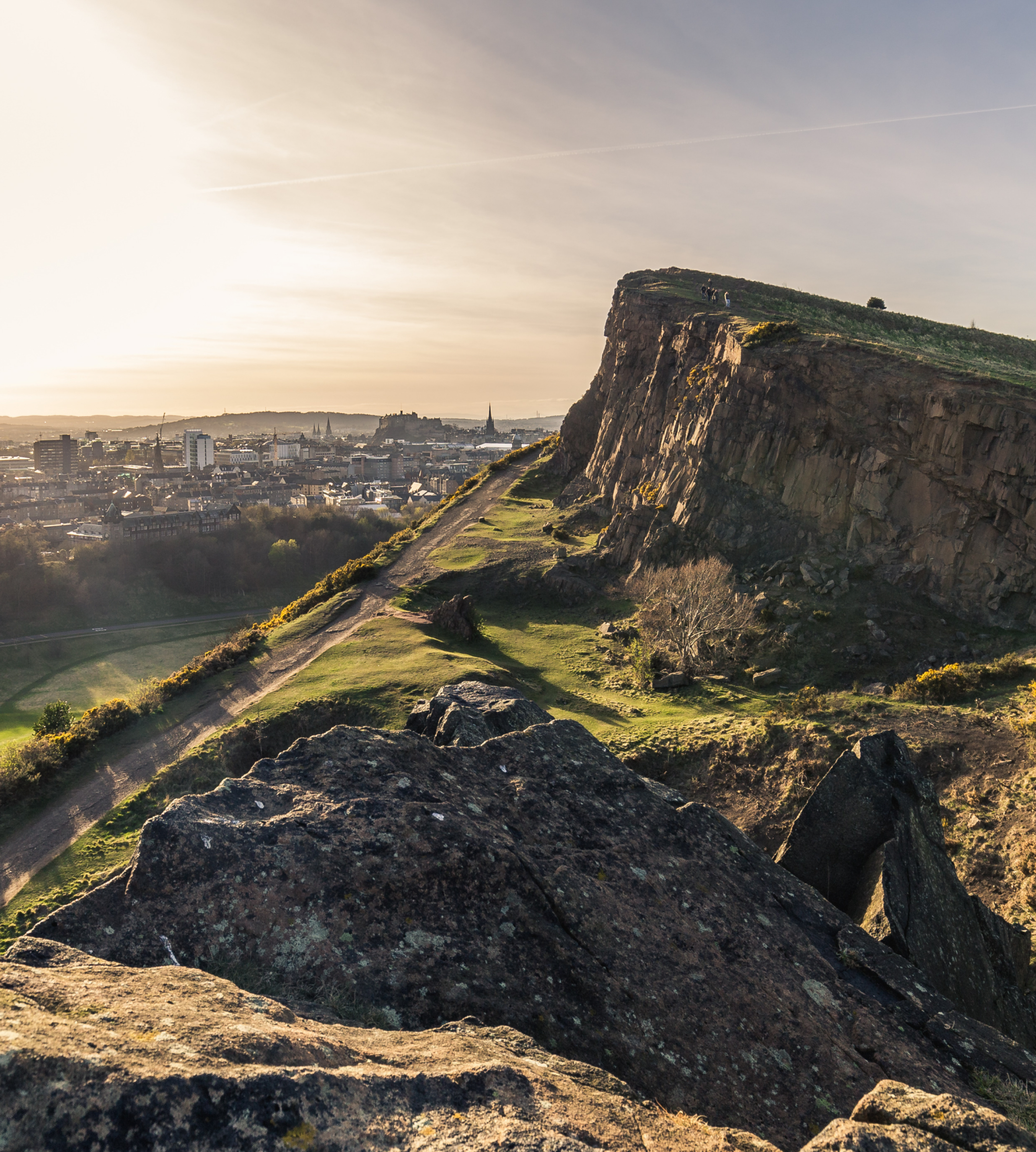
Arthur's Seat
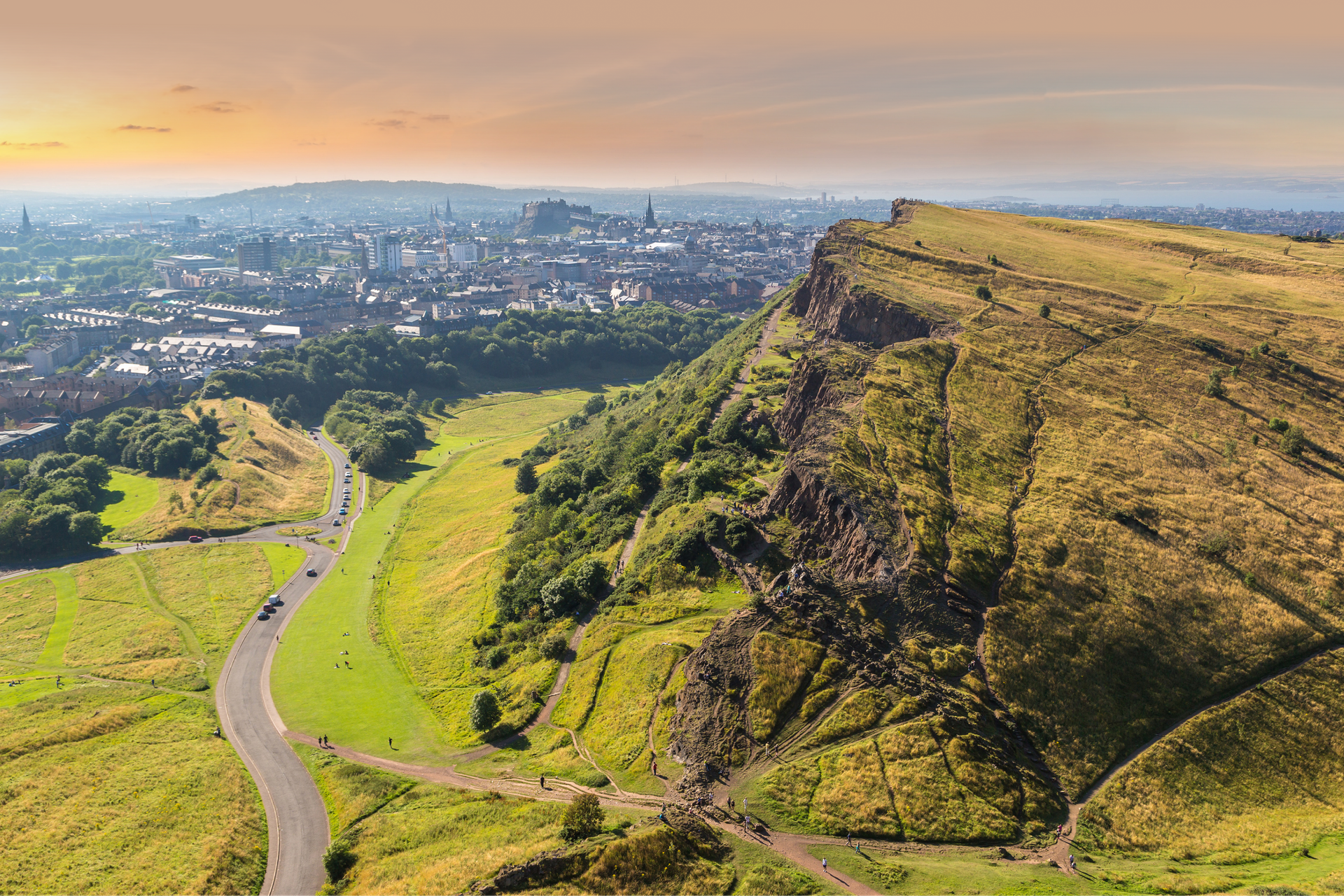
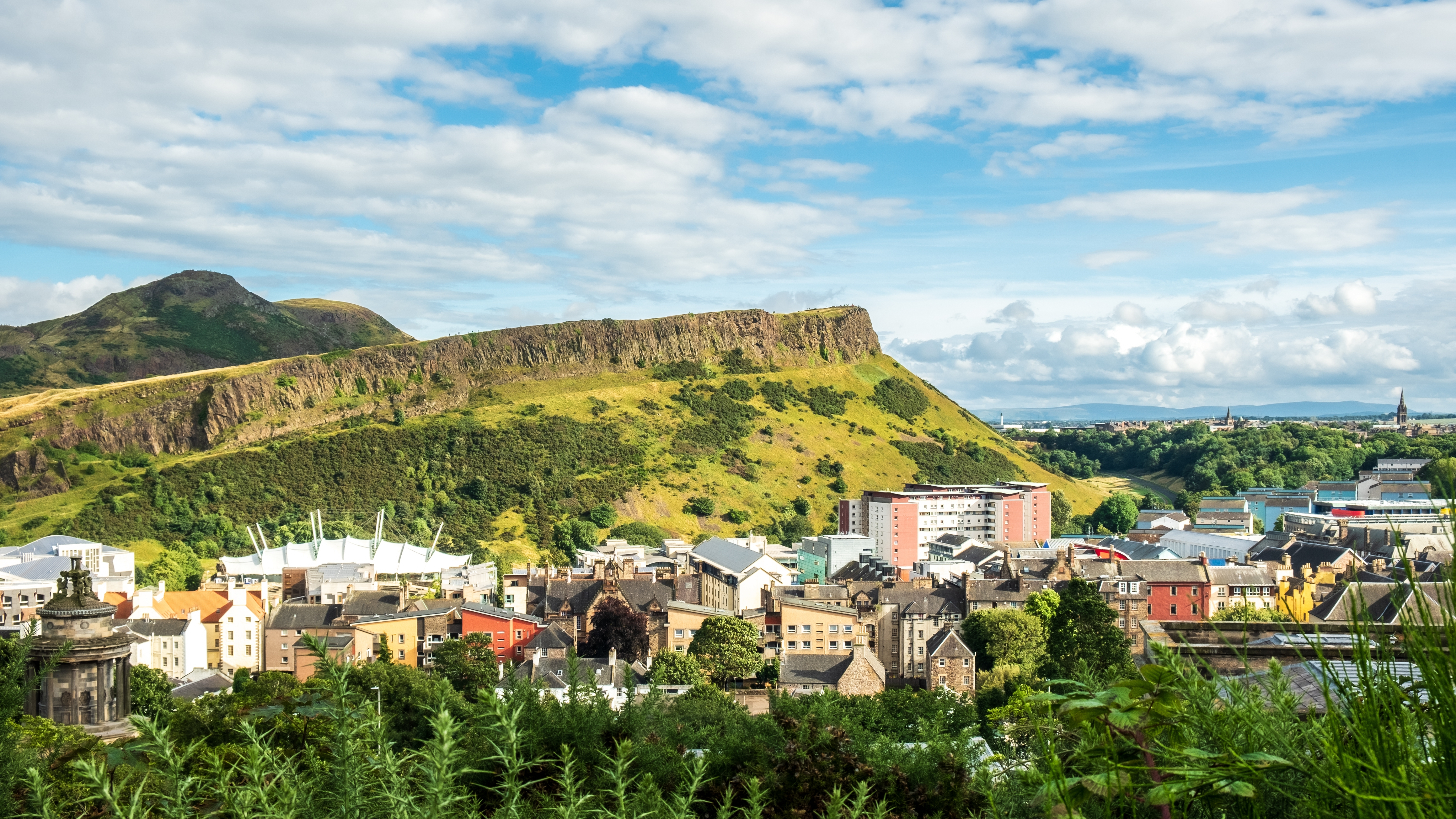
Arthur’s Seat rises in Holyrood Park as an ancient volcanic peak with trails to a summit above the city. The climb rewards you with views of the Old Town, the Firth of Forth, and the hills beyond.
Time needed: About 1 to 2 hours
Entry: Free to access
Tip: Wear grippy shoes and check the wind and rain forecast before setting off, since the rock can get slippery.
Overlooked sites worth visiting

Inverleith Park
This broad green park is north of the New Town, with pond edges, tree-lined paths, and long views back to the city. It is suitable for a quiet walk, run, or picnic without the Old Town crowds.
Time needed: About 1 to 2 hours
Entry: Free to access
Tip: Go late afternoon for softer light over the skyline.
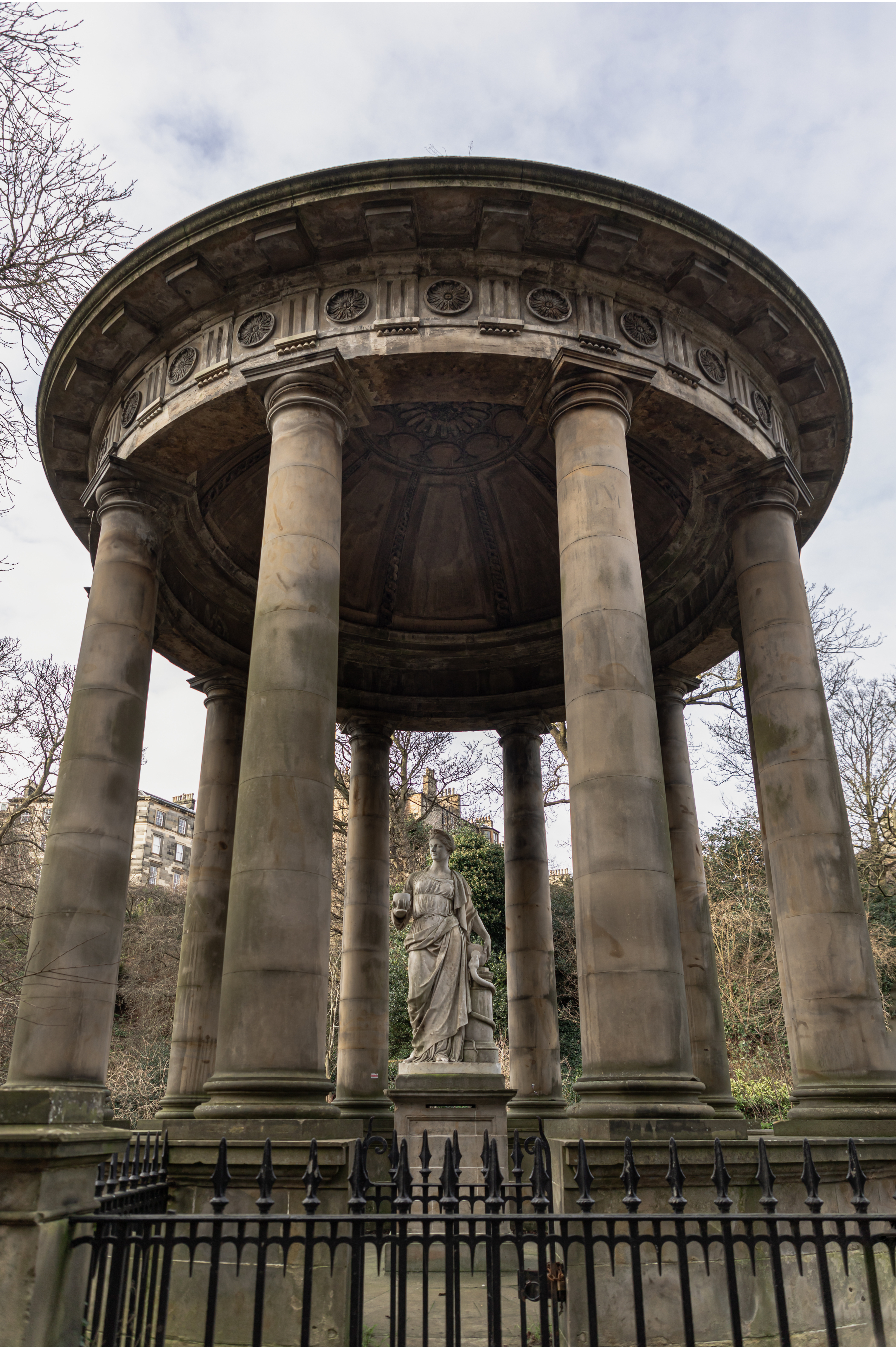
St Bernard's Well
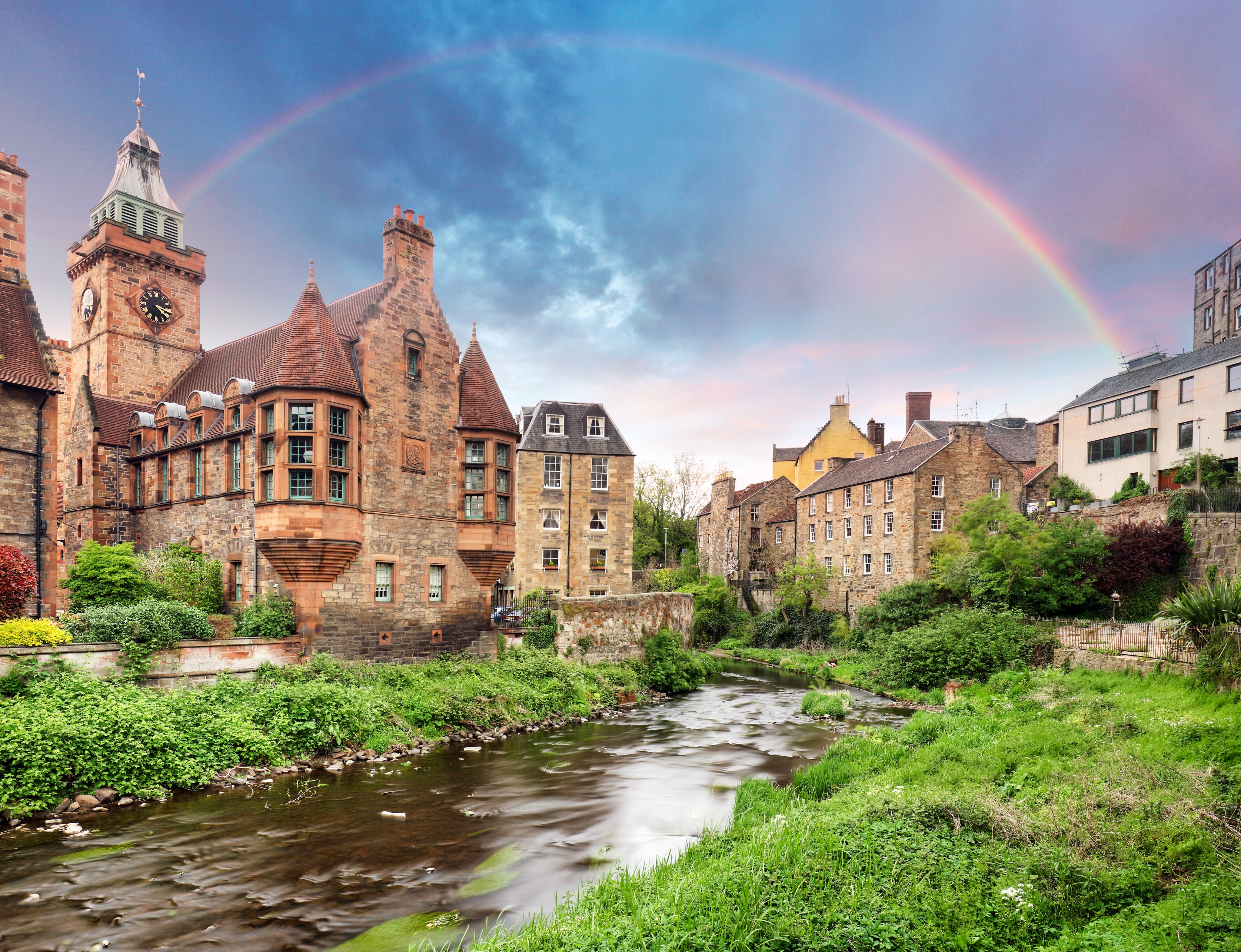
St Bernard’s Well is a small neoclassical spring house beside the Water of Leith, built to frame a mineral well and a statue of Hygieia. It is compact, photogenic, and easy to pair with a riverside walk.
Time needed: About 20 to 40 minutes
Entry: Free to access
Tip: Combine it with the Water of Leith path for a short loop.
Traditional food

Edinburgh cooking often uses lamb and seafood. Pubs and dining rooms typically serve hearty plates, then finish with custard, berries, or whisky-based desserts.
Haggis
Peppery, savory haggis is a classic Edinburgh order, especially with neeps and tatties. The Scran and Scallie serves a well-regarded version in a neighborhood setting that suits this dish.
Scotch broth
This lamb-and-barley soup suits the city’s cooler weather and long walking days. Look for it at one of the Old Town’s traditional Scottish dining rooms, since menus rotate seasonally and not every restaurant keeps it on offer year-round.
Cullen skink
Cullen skink, a creamy smoked haddock soup, gives you a clean taste of coastal Scottish cooking. The Dunstane Houses in the West End serves it in a setting that suits a relaxed lunch or dinner.
Cranachan
Cranachan layers whipped cream, oats, raspberries, and whisky into one of Scotland’s best-known desserts. The Kitchin in Leith is a strong place to order it after a seafood meal.
Best time to visit Edinburgh
Edinburgh’s spring and summer suit longer walks, while autumn and winter reward shorter routes and warm indoor stops.
Best for: Castle views, park walks, and lighter crowds before summer peaks
What you get: Temperatures range from 39°F to 59°F (4°C–15°C), with moderate crowds and shifting weather. March starts cooler, with May the mildest month.
Trade-offs: Rain and wind can change your plans from one hour to the next.
Best for: Long daylight hours, festival energy, and full-day sightseeing
What you get: You can expect 52°F to 66°F (11°C–19°C) during the summer, with the heaviest crowds and the longest evenings.
Trade-offs: Popular streets and attractions can feel busy from morning to late evening.
Best for: Clearer city walks, good museum days, and moody skyline views
What you get: Temperatures are typically from 43°F to 61°F (6°C to 16°C), with moderate crowds and cooler evenings.
Trade-offs: Shorter days make late outdoor plans inconvenient.
Best for: Museum visits, pub dinners, and a quieter Old Town
What you get: Winter temperatures fluctuate between 35°F and 45°F (2°C–7°C), with lighter crowds and early sunsets.
Trade-offs: Cold rain, wind, and limited daylight narrow outdoor time.
A realistic 5-day plan in Edinburgh
Five days in Edinburgh give you enough room to separate the marquee sights from the quieter corners. The plan below starts in the Old Town, then shifts to Arthur’s Seat and the New Town, and gives you a full day to explore the north side before departure.
Land at Edinburgh Airport (EDI) and take a tram or taxi into the center; expect 30–40 minutes by tram or 25–35 minutes by taxi, depending on traffic. If you are staying in Old Town, New Town, or West End, check in, drink plenty of water, and keep dinner close to your hotel, such as a casual spot near the Royal Mile or Princes Street, so you can settle in without a long evening walk. A taxi usually costs £26–£40 ($35–$50), while the tram is £6–£7 ($8–$9) one way.
Begin at Edinburgh Castle at opening time, since the route from the gate to the ramparts can take up to 3 hours and morning light offers cleaner city views. From the castle, walk 10 minutes down the Royal Mile for a slower look at kirks and shopfronts, then continue to the lower end near Holyrood for another 25 minutes if you want the full stretch. Finish with an easy dinner back in Old Town, or take a short taxi ride of about 10 minutes to New Town if you prefer a quieter dinner location.
Start at Arthur’s Seat in Holyrood Park, where the climb and descent usually take 1 to 2 hours and demand sturdy shoes. After the hike, walk 15 minutes back toward the Royal Mile for lunch, then move to the New Town side of the city, 15 minutes away on foot from the upper Old Town, for an afternoon among wider streets and Georgian terraces. If you want a gentler late-day stop, take a 15-minute taxi ride from New Town north to Inverleith Park for open lawns and long views back over the skyline.
Set aside this day for the city’s quieter north side, beginning with Inverleith Park, where a 2-hour walk is a good choice for admiring the pond edges, tree-lined paths, and skyline views. From there, continue by taxi or take a 30-minute walk to St Bernard’s Well, a short stop beside the Water of Leith that pairs neatly with a riverside stroll of 40 minutes. End in New Town for an unhurried lunch or early dinner, since the walk back from St Bernard’s Well to central New Town takes 20 minutes on foot.
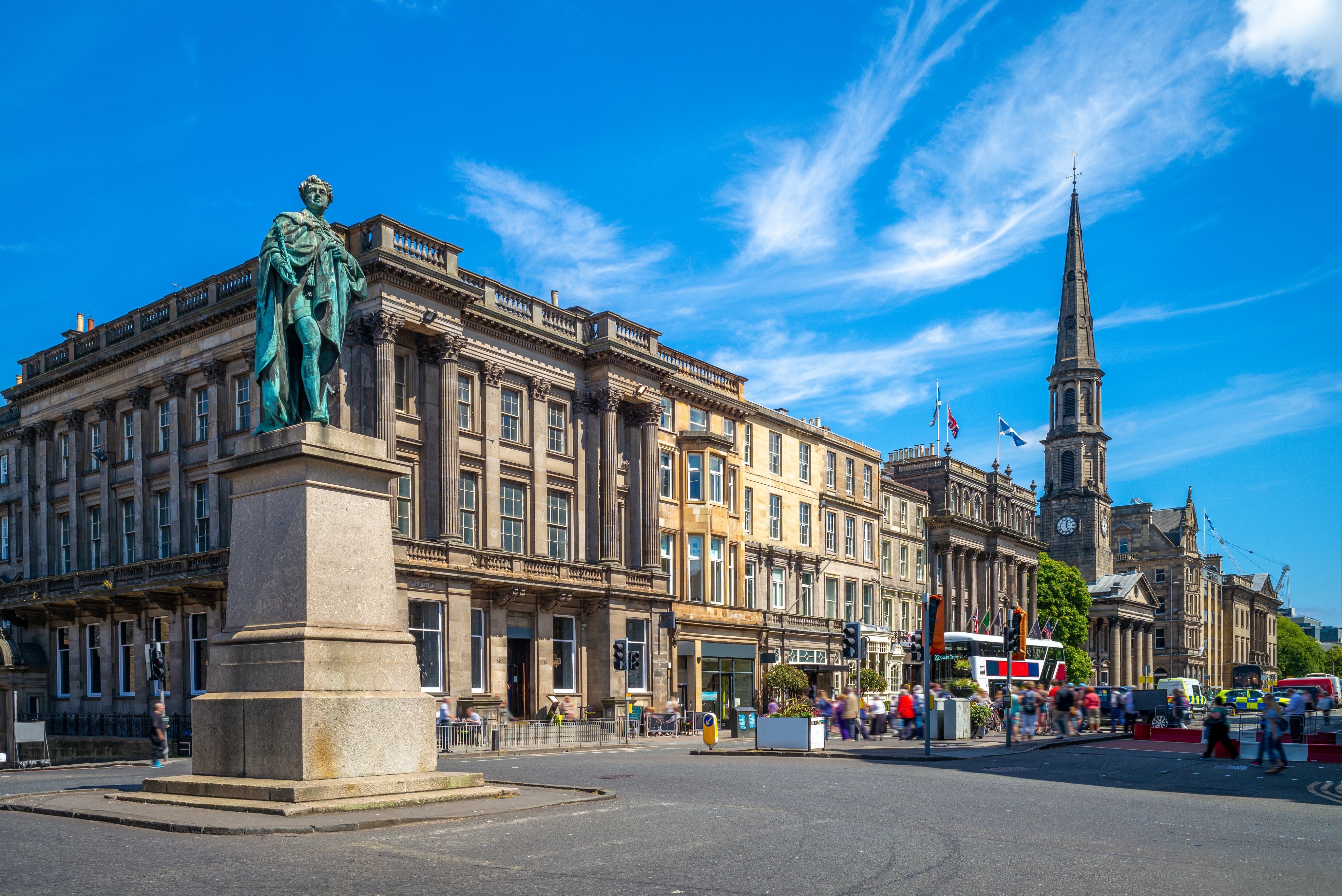
Before departure, fit in one last short cultural stop, then move to New Town for shopping along George Street or Princes Street, both approximately 15 minutes on foot from many central hotels. If your flight leaves later in the day, pause for coffee in New Town or the West End, then head for Edinburgh Airport (EDI) with enough time for security and check-in. A taxi from the center usually takes 25–35 minutes to the airport, with the tram taking 35 minutes from central stops.
Business-class flights from the US to Edinburgh

Edinburgh is one of the easier UK cities to reach from the East Coast, thanks to nonstop flights from New York. From the West Coast, most business-class itineraries involve one layover.
New York (JFK) to Edinburgh (EDI)
Delta Air Lines, American Airlines, and Virgin Atlantic operate nonstop flights from John F. Kennedy International Airport (JFK) to Edinburgh. These flights usually take 7 hours. If you prefer a layover, airlines such as British Airways, Aer Lingus, Icelandair, KLM, and Lufthansa offer one-stop flights through hubs like London (LHR), Dublin (DUB), or Amsterdam (AMS). These itineraries take 10 to 22 hours, depending on how long the layover is. Round-trip business-class tickets typically start at $3,000 and can rise to $6,400.
Los Angeles (LAX) to Edinburgh (EDI)
Most business-class flights from Los Angeles to Edinburgh include a layover. Airlines such as British Airways, Lufthansa, Air Canada, and Icelandair commonly operate these routes through hubs like London (LHR), Frankfurt (FRA), Amsterdam (AMS), Toronto (YYZ), or Reykjavik (KEF). The total travel time usually ranges from 13 to 17 hours, depending on the layover. Round-trip business-class fares generally start at $4,000 and can reach $10,700.
Plan a balanced Edinburgh itinerary
A well-paced Edinburgh trip works best when you group sights by area and leave room for breaks between walks. Start with the Old Town for major landmarks, move to New Town for dining and shopping, and set aside time for quieter spots like Inverleith Park or the Water of Leith. Using trams, buses, and short taxi rides helps you cover more ground without overextending each day. If you want help choosing flights and hotels for Edinburgh, ask the AranGrant experts to shape the trip around your dates and the season you plan to travel.







