

Chapters:

Need help with your trip?
Our support team is available 24/7. Request a callback or call us directly at (833) 619-0908
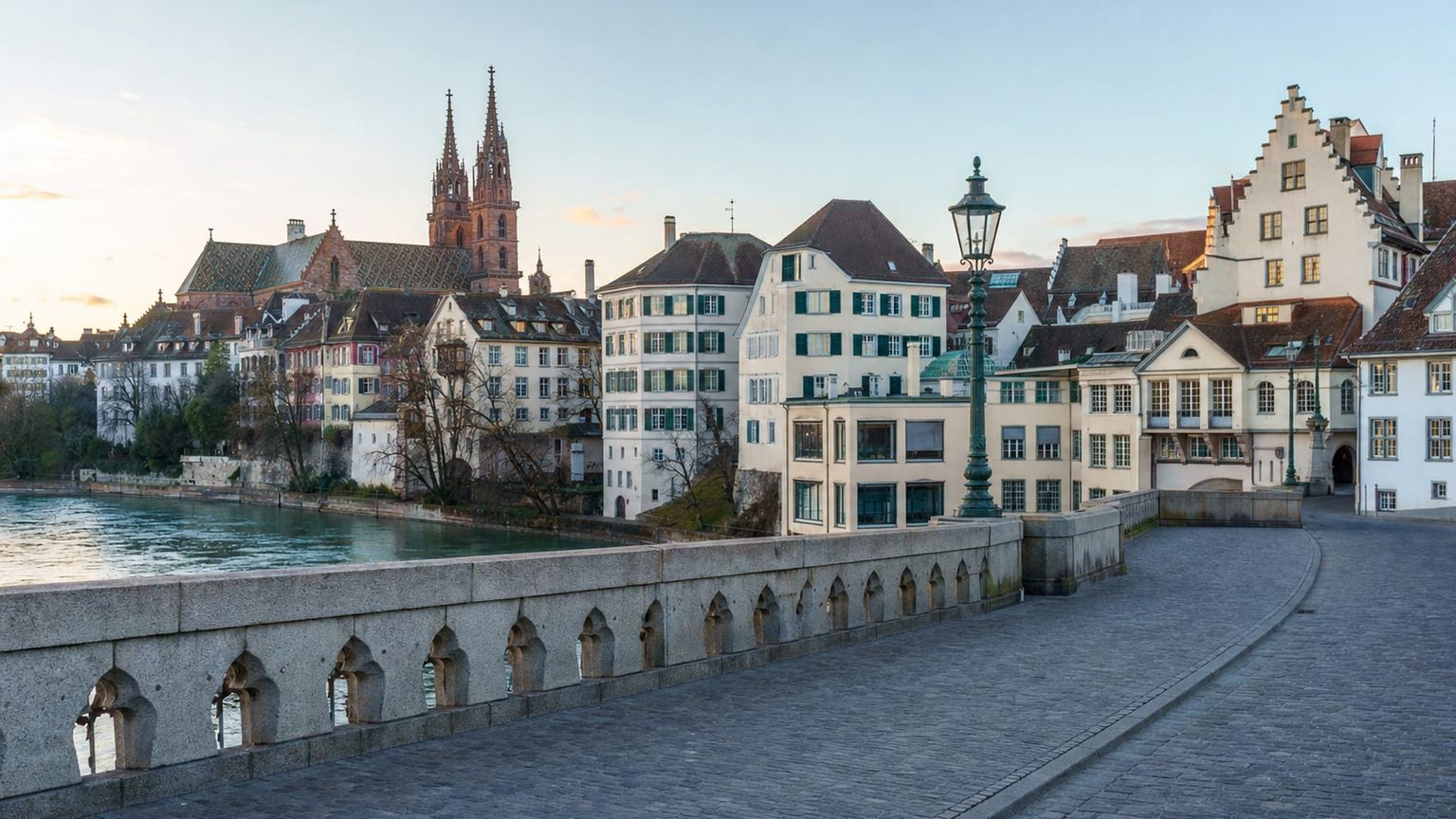
Basel trips often begin with the old town, then add one museum, one river walk, and a meal near the hotel. What many visitors miss is how quickly the center gives way to tram lines, cross-river detours, and a border hop that needs planning.
That can make the city feel wider than it looks on a map. Short distances still require choices, and the busiest sights, especially around the cathedral and museum quarter, fill fastest when arrivals and lunch breaks overlap.
This guide keeps the focus on neighborhood logic, transit, food, and day-by-day pacing, so you can move through Basel with fewer detours and better timing.
Useful things to know

Main language(s): German, French
Hallo (HAH-loh) – Hello
Bitte (BIT-teh) – Please
Danke (DAHN-keh) – Thank you
Sprechen Sie Englisch? (SHPREH-khen zee ENG-lish?) – Do you speak English?
Wie viel kostet das? (vee feel KOSS-tet dahs?) – How much does it cost?

Currency: The local currency is the Swiss franc (CHF, CHF).

Cash and cards: Cards and contactless are widely accepted; carry about CHF 20 to CHF 40 ($23 to $46) in cash for small purchases.

Tipping: Round up small bills, and leave about 5-10% for good table service.

Traditional food: Rösti, Basel-style flour soup, Basler Läckerli, Zwiebelwähe

Water and coffee costs: Water about CHF 2 ($2.30), bar espresso about CHF 4.50 ($5.20).

Taxis and ride apps: Uber operates; Bolt and local taxis may be available, but coverage can be limited near the airport.

Plug and voltage: Type C/F socket, 230V

Dining and shop opening hours: Breakfast runs about 07:00-10:00, lunch 12:00-14:00, and dinner 18:00-22:00. Many restaurants close between lunch and dinner.

Emergency number: 112 or 144 for emergencies, including ambulance, police, and fire.
Where to stay in Basel
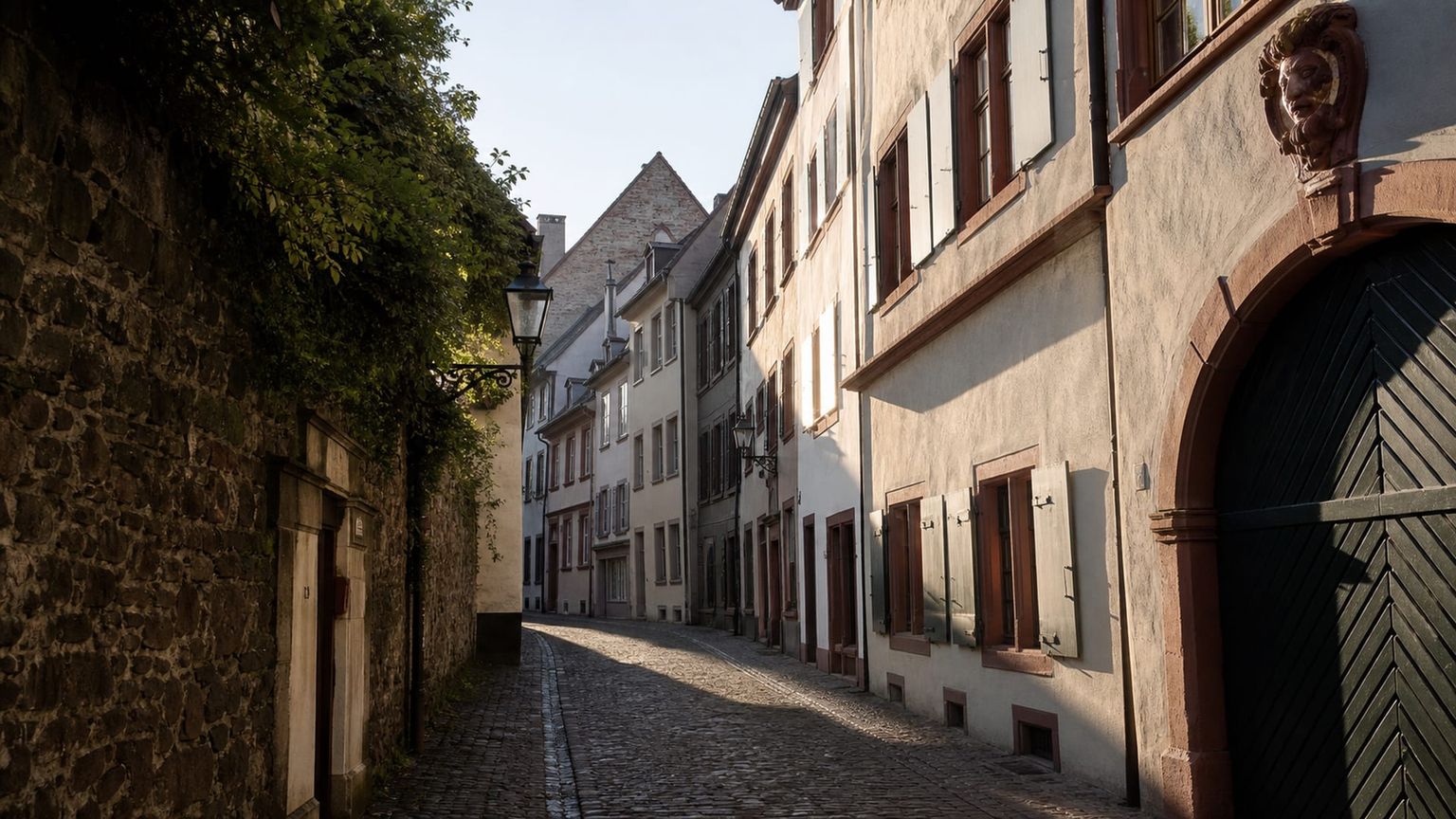
Basel’s historic left-bank core wraps the cathedral, old guild houses, and the busiest museum cluster. Staying here puts you within a short walk of the river, the market streets, and many of the city’s main sights.
Best for: First-time visits, museum hopping, river walks, and travelers who want the main sights close together
What to expect: Expect cobbled streets, steady daytime foot traffic, cafés, and a few lively evening pockets near bars and restaurants.
Hotel prices: Usually about CHF 180 to CHF 320 (~$200 to ~$355) per night for well-rated stays
Distance to major sights: 5 to 10 minutes on foot to Basel Minster and about 10 to 15 minutes on foot to the Kunstmuseum
Quietness: Busy by day, with calmer side streets at night once restaurants close.
Main trade-off: Room rates stay higher here, and some streets get delivery noise early in the morning.
Good to know: If you plan to walk most of the day, this base cuts down on tram changes and makes museum stops easy to string together.
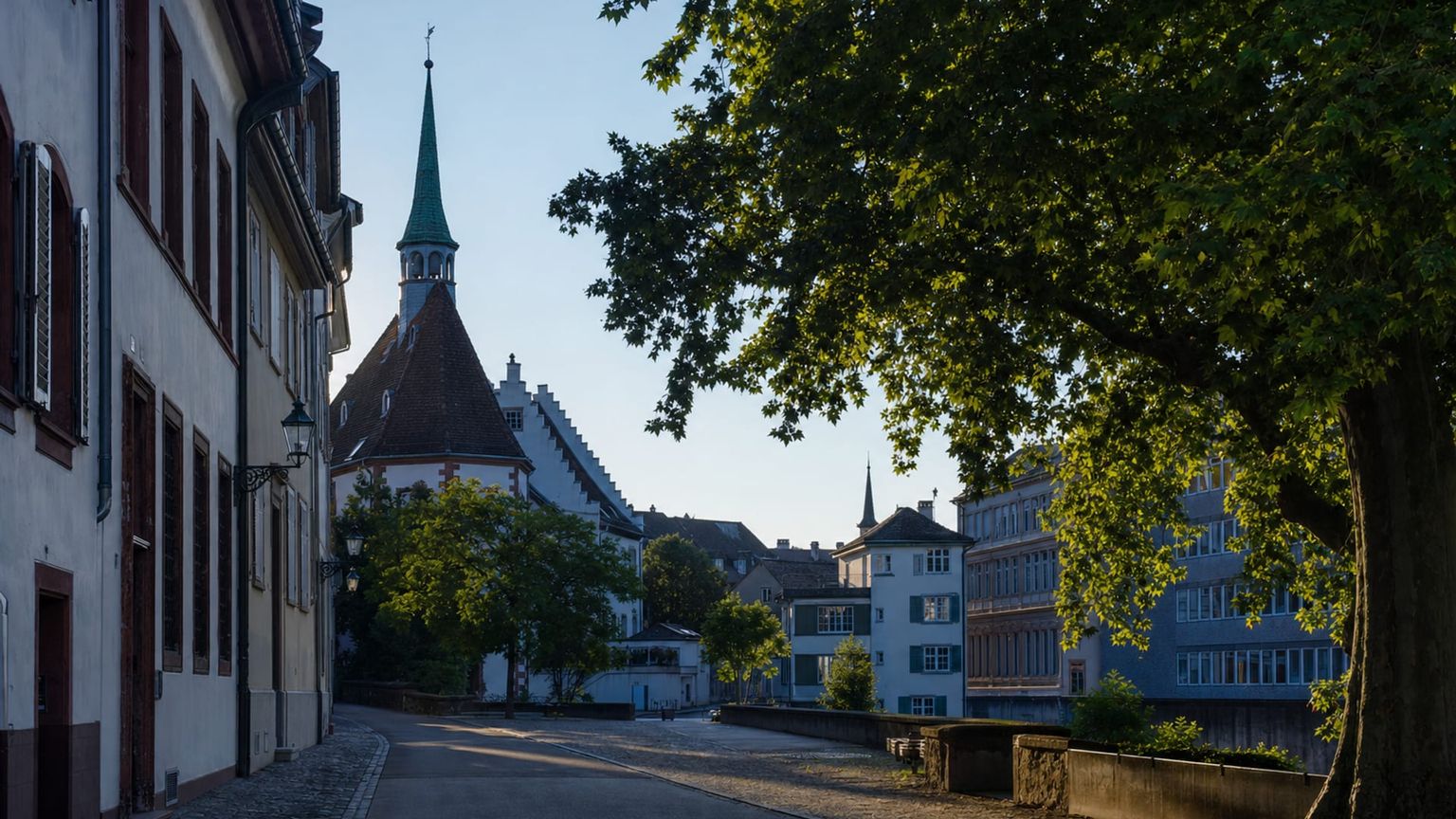
This compact district sits across the Rhine from the old town and mixes riverfront promenades with dense dining and nightlife streets. It matters for travelers who want easy access to the center while staying near some of the city’s liveliest evenings.
Best for: Dining, nightlife, river access, and travelers who want quick tram links to both sides of the city
What to expect: Expect busy evenings, a mix of local residents and visitors, and more street noise than on the Grossbasel side.
Hotel prices: Usually about CHF 160 to CHF 300 (~$175 to ~$330) per night for well-rated stays
Distance to major sights: 10 to 15 minutes on foot to Basel Minster and about 10 minutes by tram to the Messe Basel area
Quietness: Active in the evening, then quieter on residential blocks late at night.
Main trade-off: You may hear more nightlife noise, and some streets feel less scenic than the old town across the river.
Good to know: Pick a room away from the busiest bar streets if you want sleep before an early train or a museum opening.
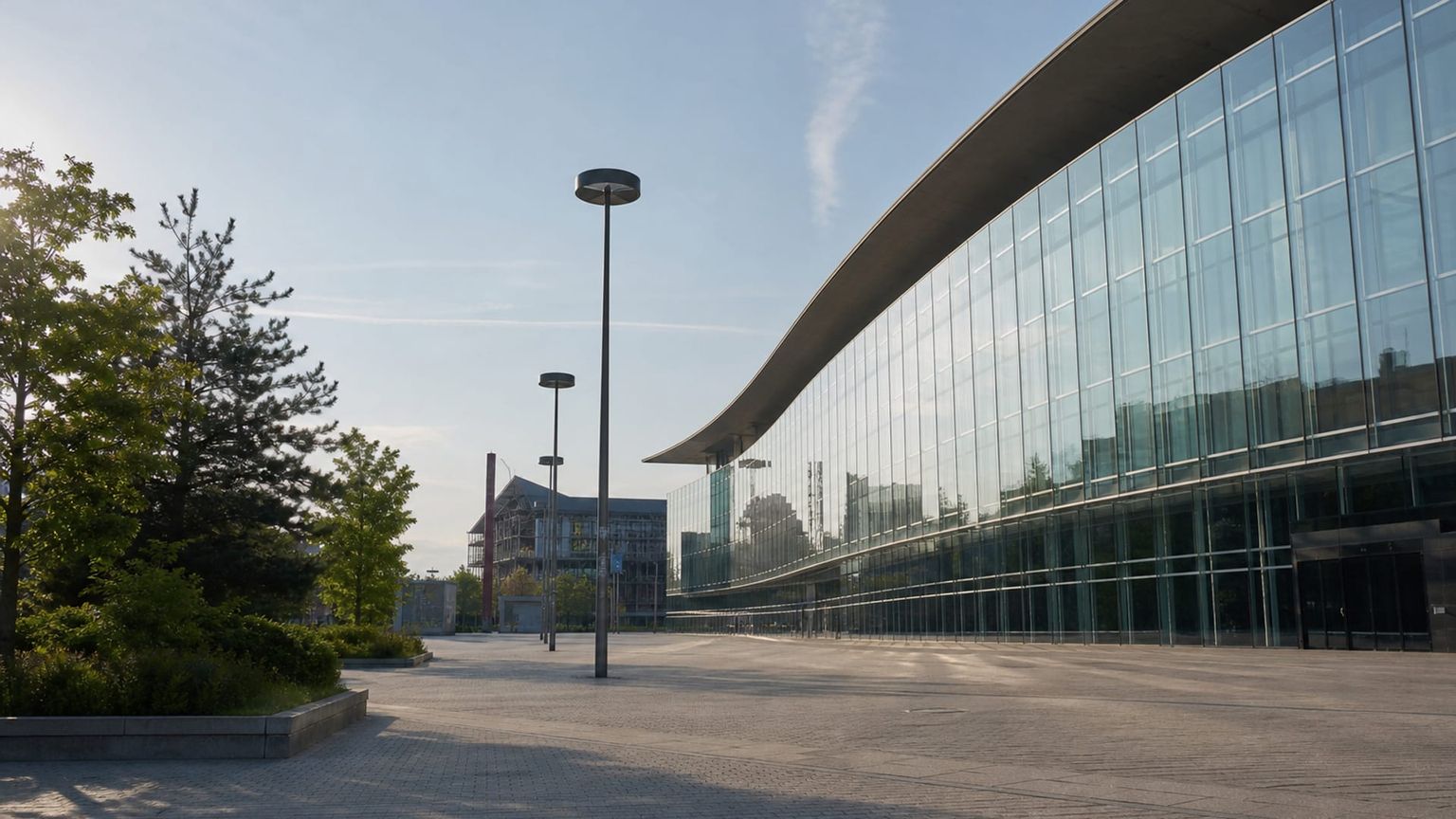
Messeplatz sits near Basel’s exhibition halls, major hotels, and direct tram links on the right bank. It works well as a base when you value quick citywide connections and often easier access to larger rooms than in the old town.
Best for: Business trips, fair visits, tram access, and travelers who prefer newer hotels
What to expect: Expect wide streets, conference traffic during major events, and a quieter mood outside exhibition dates.
Hotel prices: Usually about CHF 150 to CHF 280 (~$165 to ~$310) per night for well-rated stays
Distance to major sights: About 10 minutes by tram to Basel Minster and roughly 15 minutes by tram to the Kunstmuseum
Quietness: Fairly calm on normal weekdays, but much busier during major trade fairs.
Main trade-off: During exhibition weeks, prices rise fast and nearby restaurants book up early.
Good to know: If your trip overlaps a trade fair, book early, because room choice drops sharply once the city fills with exhibitors.
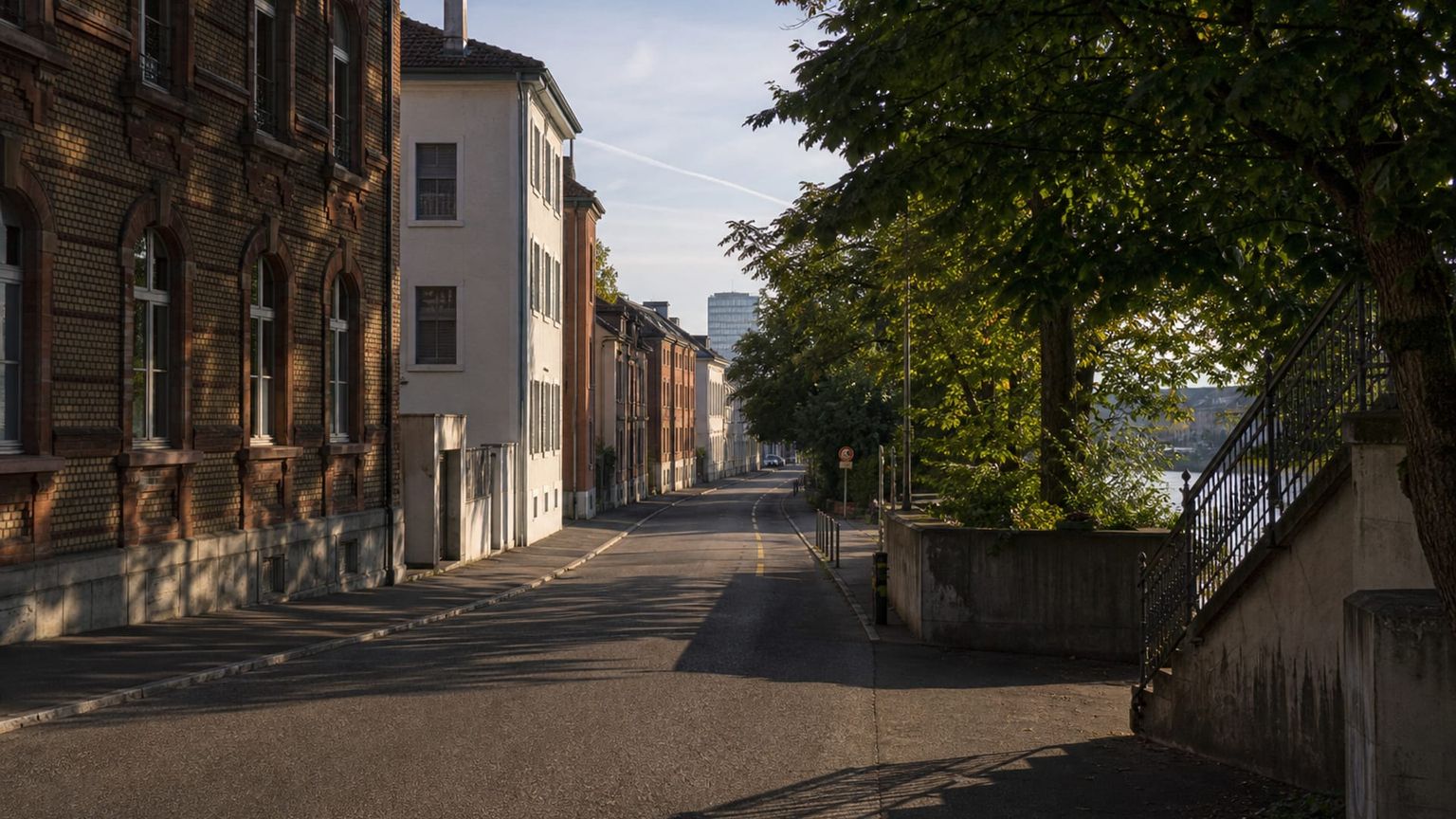
Sankt Johann is a residential quarter northwest of the center with river access, local shops, and good tram links into town. It matters for travelers who want a lower-key base without losing easy reach of the old city and the Rhine.
Best for: Longer stays, quieter evenings, and travelers who do not need to sleep in the historic core
What to expect: Expect local cafés, apartment blocks, and fewer tourists than in the central districts.
Hotel prices: Usually about CHF 130 to CHF 240 (~$145 to ~$265) per night for well-rated stays
Distance to major sights: About 15 to 20 minutes by tram to Basel Minster and roughly 10 minutes by tram to the Rhine riverfront in the center
Quietness: Generally quiet by day and evening, with only moderate traffic on main roads.
Main trade-off: You will spend more time on trams or walking if your plan centers on museums and the cathedral.
Good to know: This area rewards travelers who are comfortable using transit after dinner, since late-night options are thinner than in the center.
Travelers usually avoid staying in St. Johann, because it sits well north of the Old Town, has fewer visitor amenities, and can mean longer tram rides after dinner. Klybeck, Dreispitz, and the industrial edge of Basel near the freight yards are also less convenient, since they are farther from major sights and have limited hotel and restaurant options for visitors.
Hotel deals
How to get around Basel efficiently
Basel’s tram network covers the old town, the riverfront, Basel SBB, and Messeplatz so well that most city days work best with tram rides, a few walks, and an occasional taxi after dinner.

Metro
for longer distances
Basel has no metro. The closest rail equivalent is the S-Bahn, which links Basel SBB, Basel Bad Bf, the airport area, and nearby suburbs; cross-border regional trains also run into France and Germany. A single ticket is usually about $3 to $5 (CHF 3 to CHF 5) and lasts 60 minutes in the local fare zone, while day passes are about $9 to $15 (CHF 9 to CHF 15), depending on how many zones you cross.

Bus and tram
for convenience
Trams do most of the heavy lifting in Basel, with dense routes through the center, to Basel SBB, the old town, the riverfront, and the city edges; buses fill the gaps and reach neighborhoods, the airport, and outlying districts. Tickets are time-based, typically about $3 to $5 (CHF 3 to CHF 5) for 60 minutes in the core zone, and a short hop is usually enough for most inner-city rides.

Taxi
for convenience or late hours
Licensed taxis queue at ranks, and you can also phone or book through a dispatch app; hailing on the street is less common than using a rank or booking ahead. Fares are metered, with a base fare and a per-kilometer charge, and a daytime ride in central Basel often costs about $12 to $25 (CHF 12 to CHF 25), while Basel Airport to the center usually runs about $35 to $50 (CHF 35 to CHF 50); most cars take cards, though cash is still accepted.
*Prices are based on rates updated as of June 2026 and may change at the time of travel.
Use trams for cross-town movement, the S-Bahn for regional links, and taxis or ride apps when you want a late return or a direct airport run.
Iconic landmarks
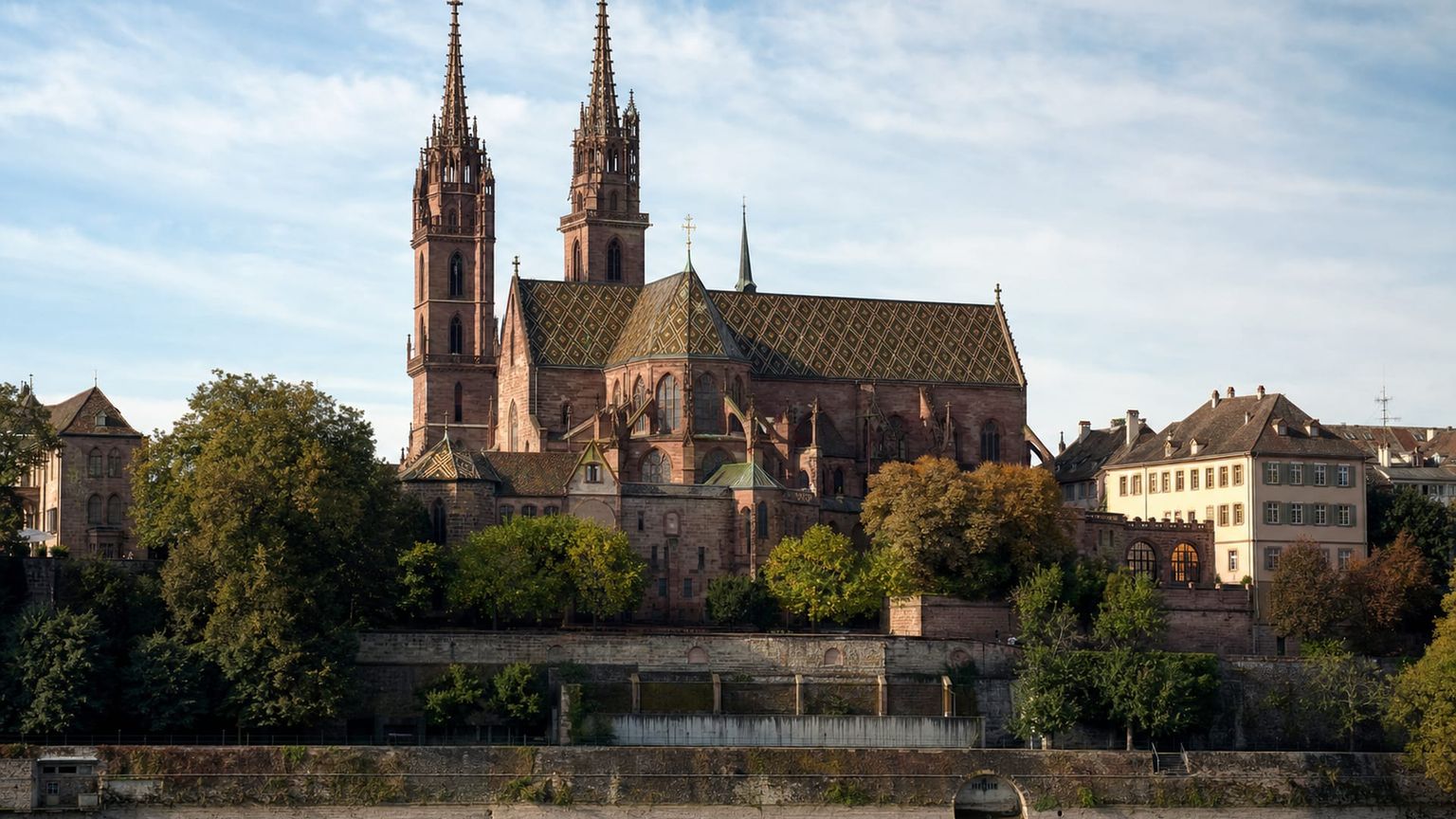
Basel Minster
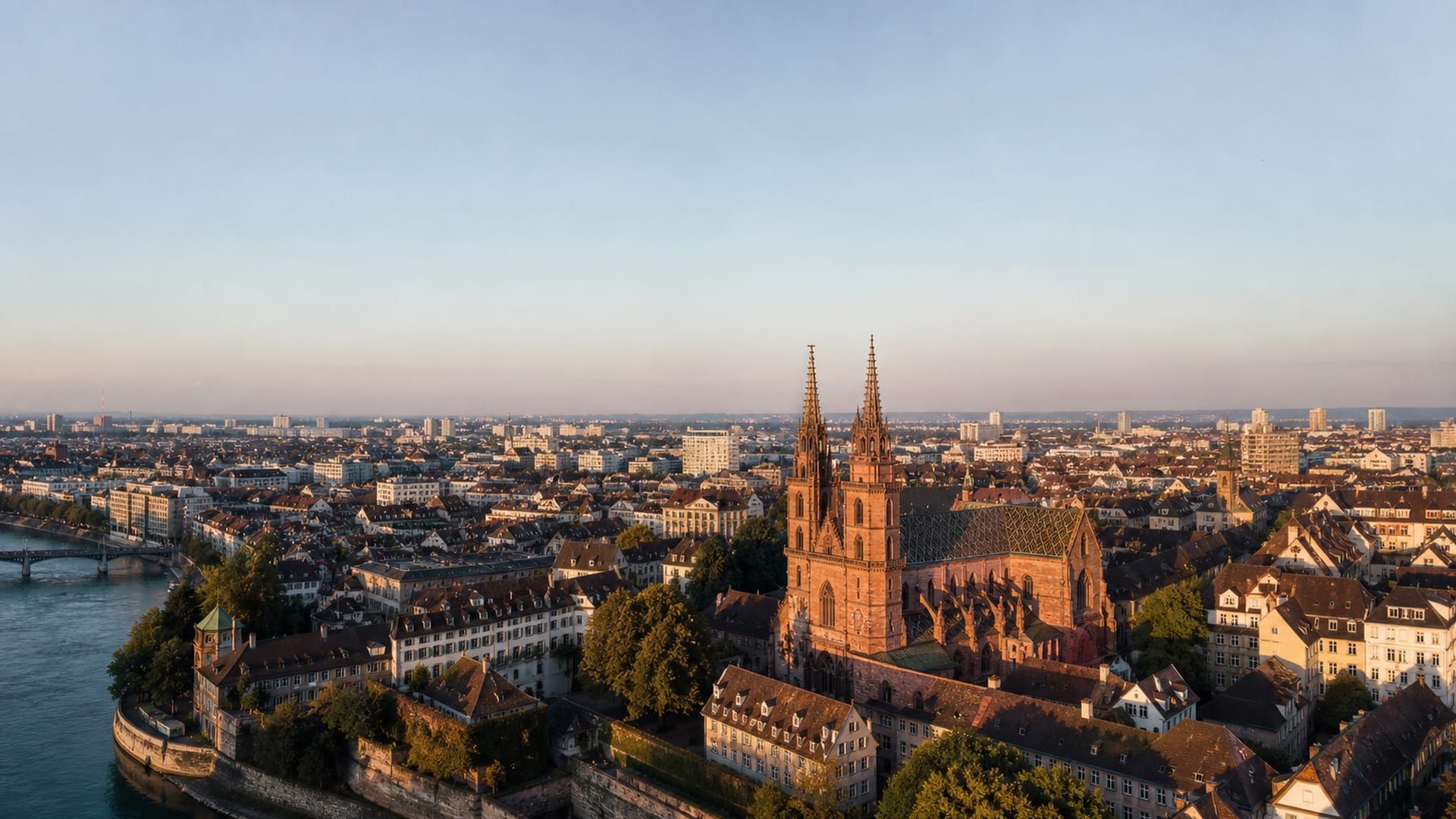
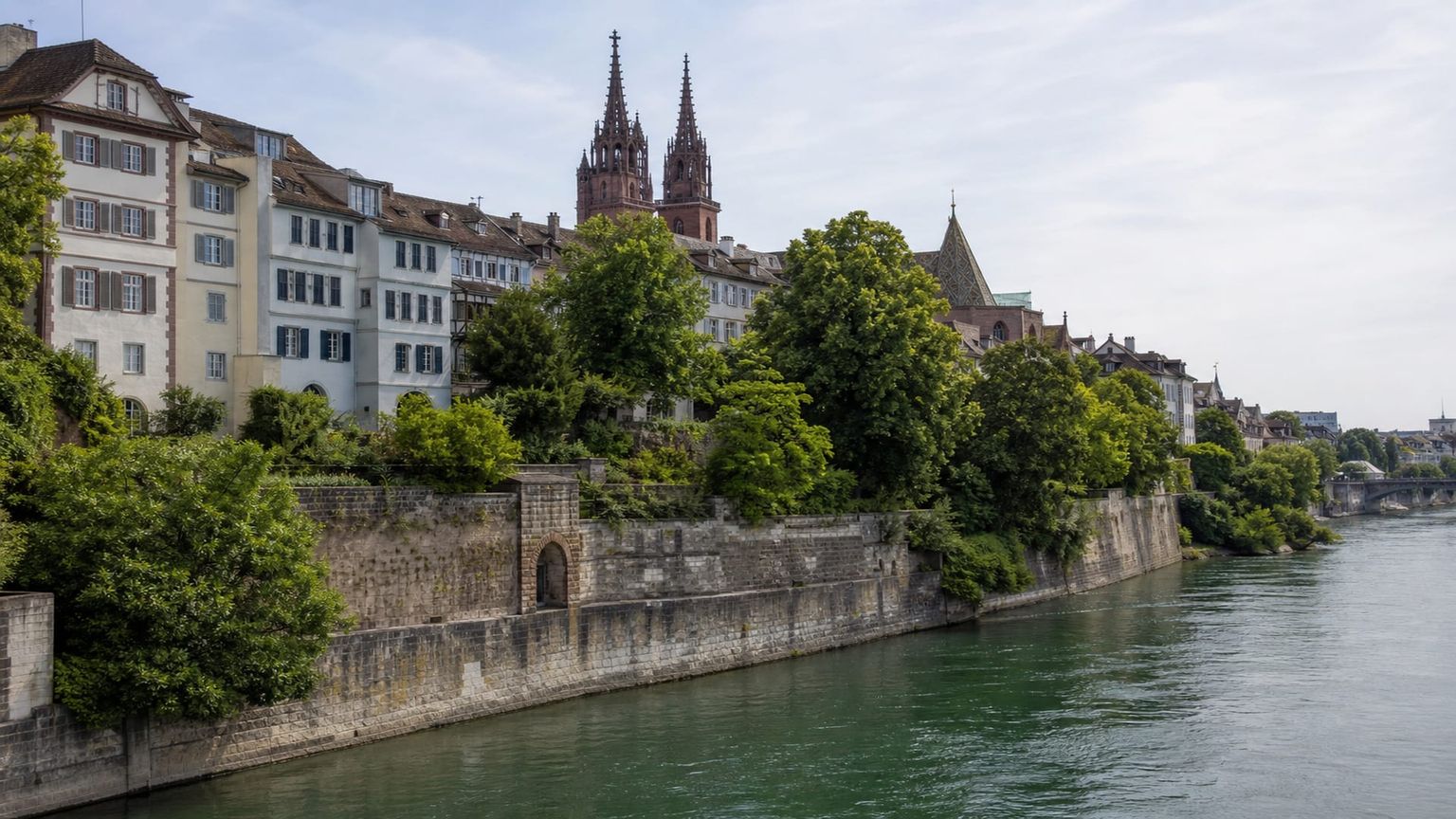
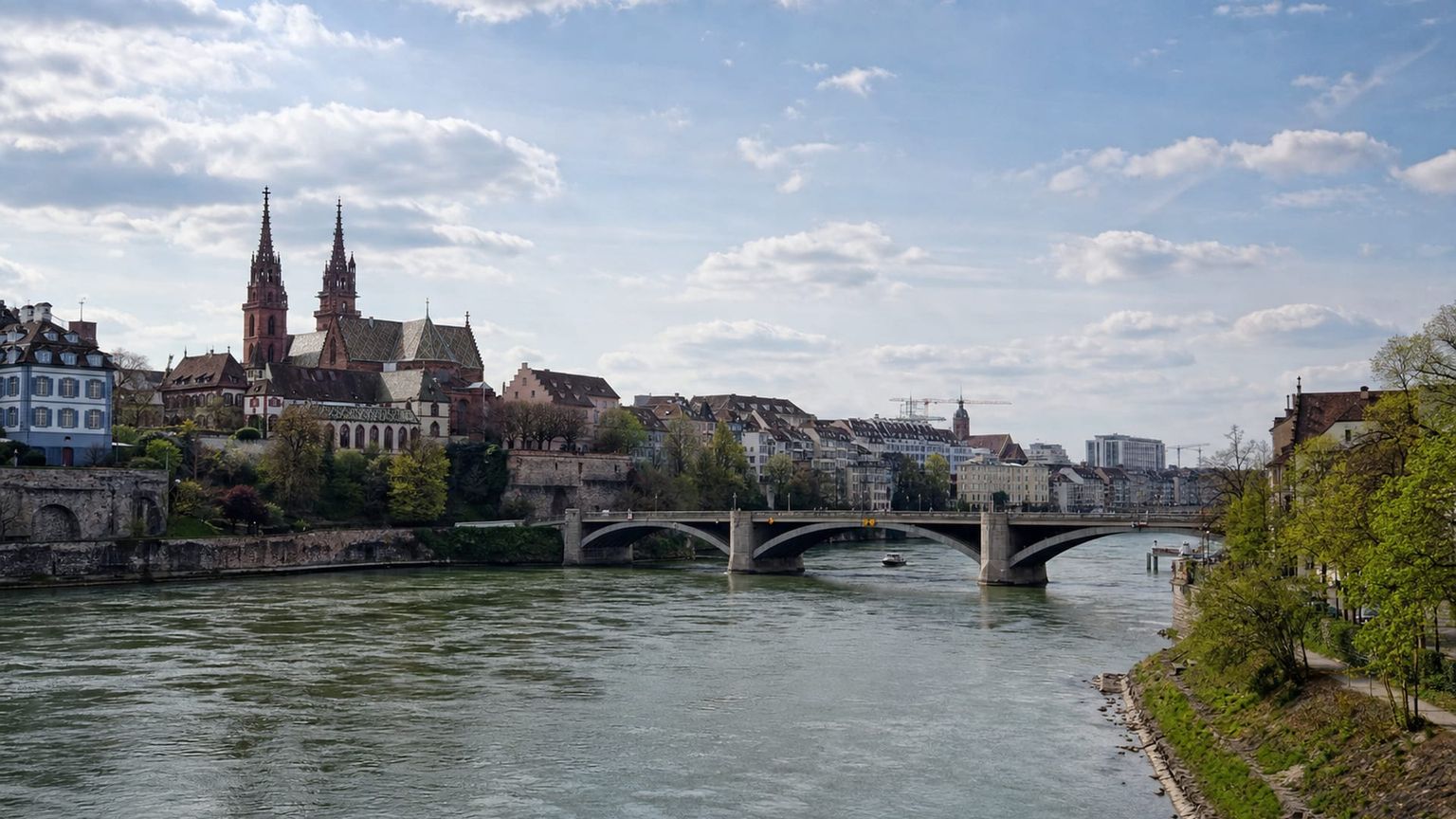
Basel’s red sandstone cathedral crowns the old town with twin spires, a 12th-century core, and a cloister that preserves Romanesque carving. Climb the towers for views over the Rhine and the city rooftops.
Time needed: About 1.5 to 2 hours
Entry: Free to access; tower admission costs about $6 to $8 (CHF 5 to CHF 7) Visit the official site for details.
Tip: Go late afternoon for clearer views and quieter cloister paths, then stay for sunset.
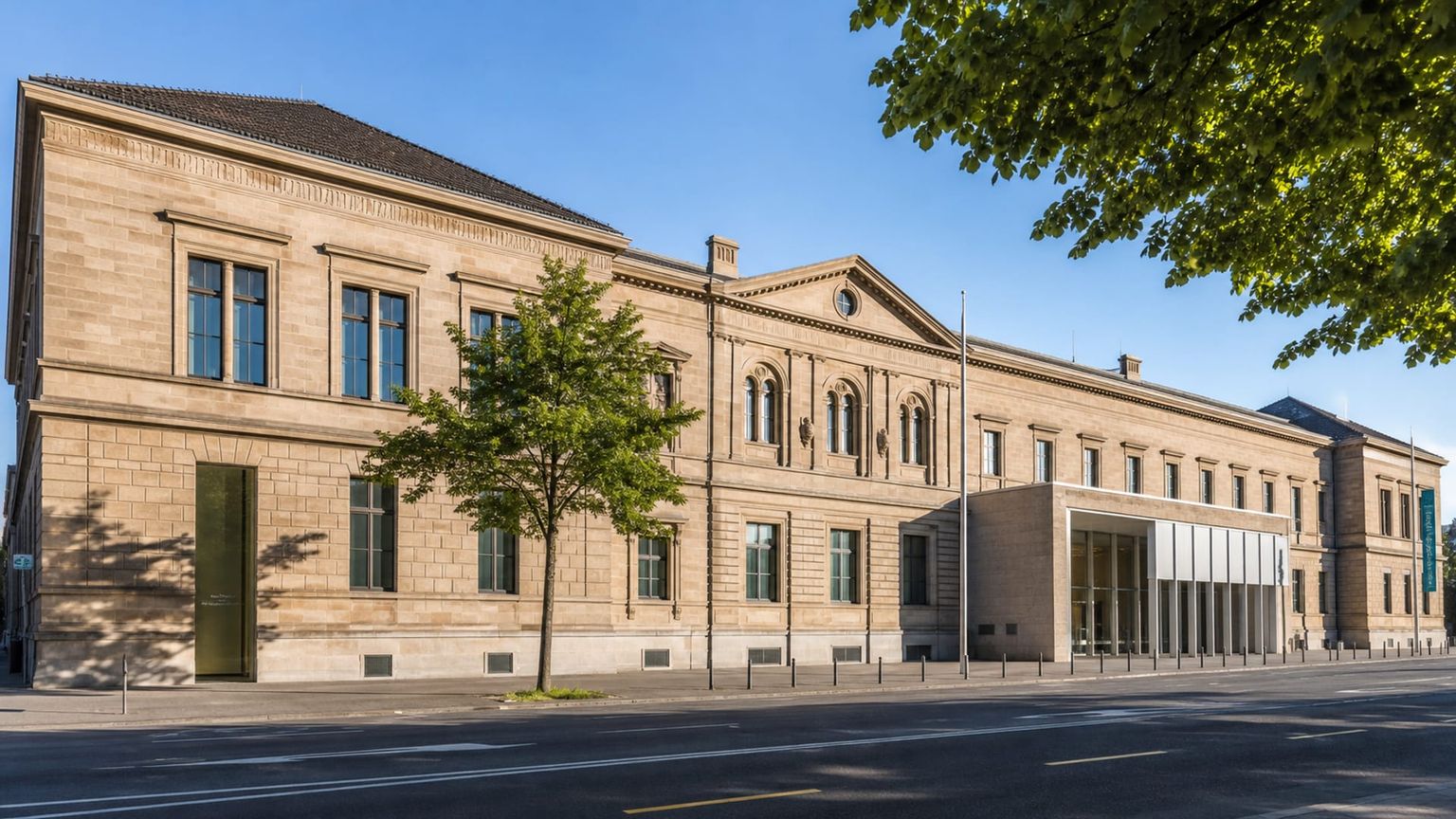
Kunstmuseum Basel
Kunstmuseum Basel holds one of Europe’s strongest public collections, from Holbein and Rembrandt to Picasso and Bacon. The modern and contemporary building adds major 20th-century works beside the historic galleries.
Time needed: About 2 to 3 hours
Entry: Standard tickets cost about $22 to $29 (CHF 20 to CHF 26) Visit the official site for details.
Tip: Start at the older building, then cross to the modern wing before lunch crowds build.
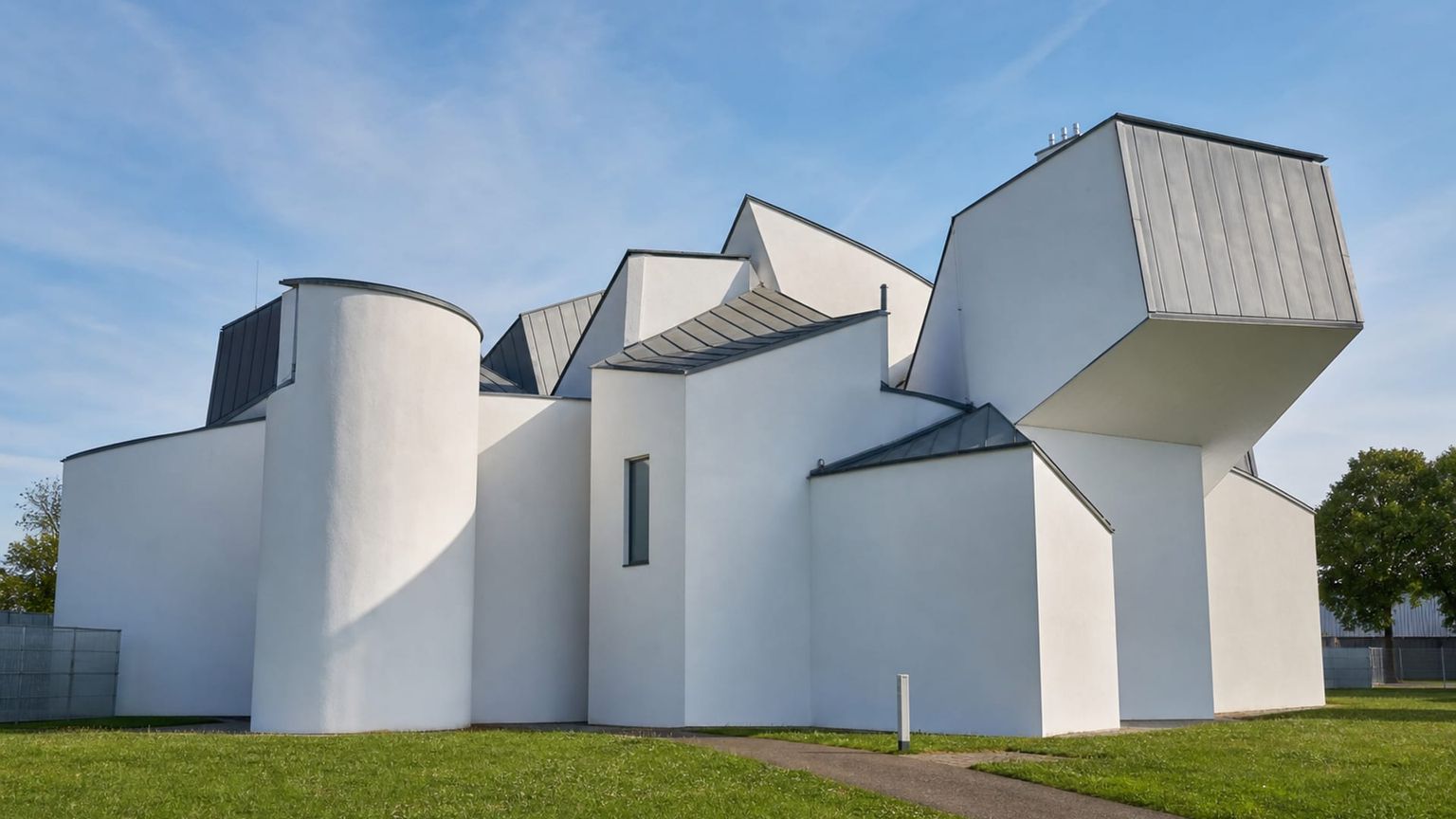
Vitra Design Museum
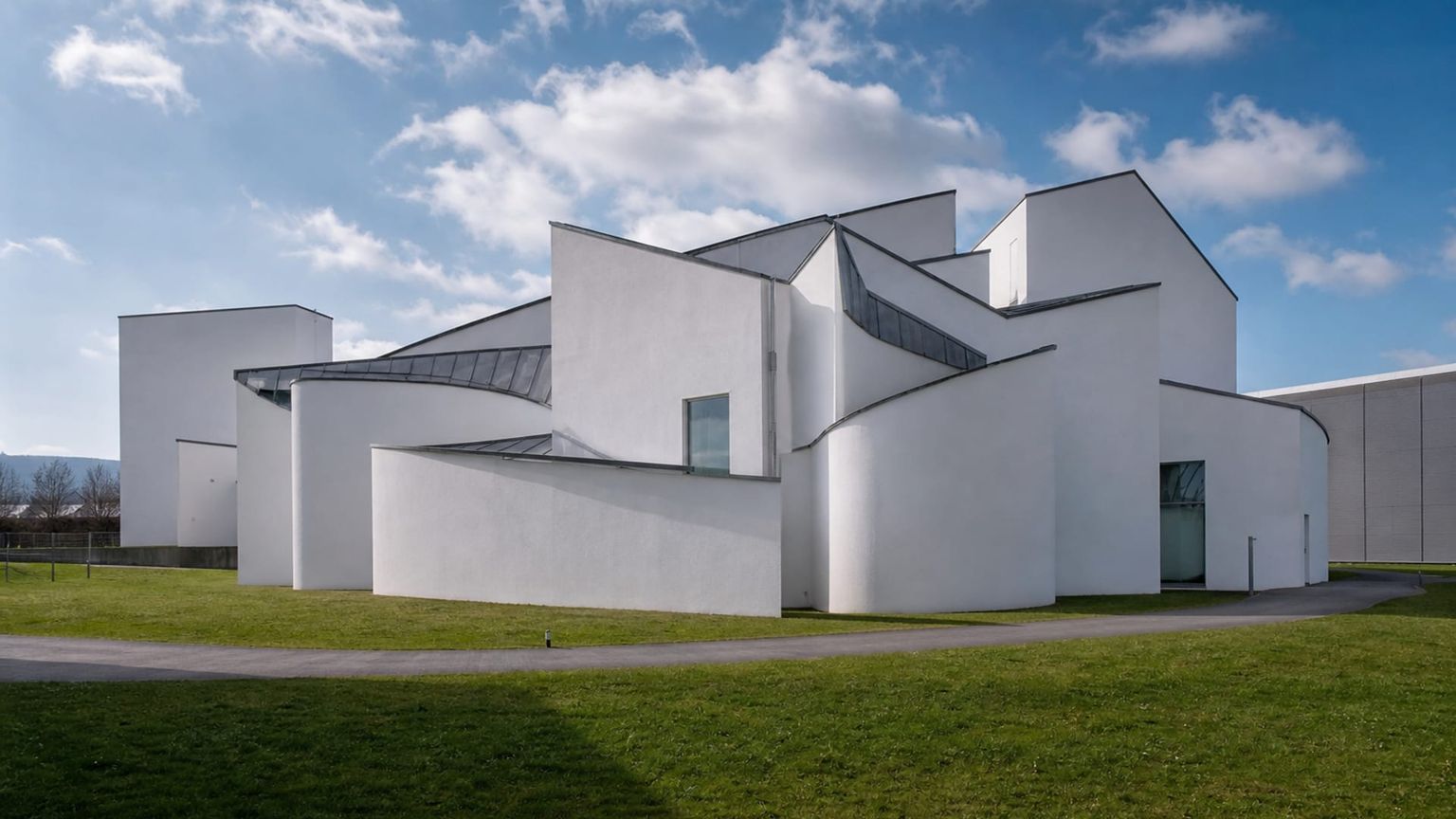
Just across the border in Weil am Rhein, the Vitra Design Museum brings together landmark furniture, industrial design, and bold architecture by Frank Gehry, Herzog and de Meuron, and Zaha Hadid. The campus itself is part of the visit.
Time needed: About 2 to 3 hours
Entry: Standard tickets cost about $16 to $22 (CHF 15 to CHF 20) Visit the official site for details.
Tip: Pair the museum with the campus buildings first, because outdoor viewing works best in dry weather.
Overlooked sites worth visiting

Merian Gärten
A quiet 18th-century garden estate with herb beds, rose terraces, and broad lawns along the Birs. It suits a slow hour, with bench spots, ponds, and seasonal bloom displays.
Time needed: About 1 to 2 hours
Entry: Free to access; some special exhibitions or events may charge separate admission, but the garden grounds are open without a ticket during regular visiting hours. Visit the official site for details.
Tip: Go in late afternoon for softer light on the rose beds.

Museum Tinguely
This riverside museum in Basel’s Solitude Park focuses on Jean Tinguely’s kinetic sculptures, drawings, and machines. The compact galleries pair well with the moving river views outside.
Time needed: About 1 to 2 hours
Entry: Adult admission is CHF 18 ($20), with reduced rates for students, seniors, and children; special exhibitions may be included or priced separately depending on the program. Visit the official site for details.
Tip: Walk there from the Wettsteinbrücke for a short Rhine-side approach.
Traditional food
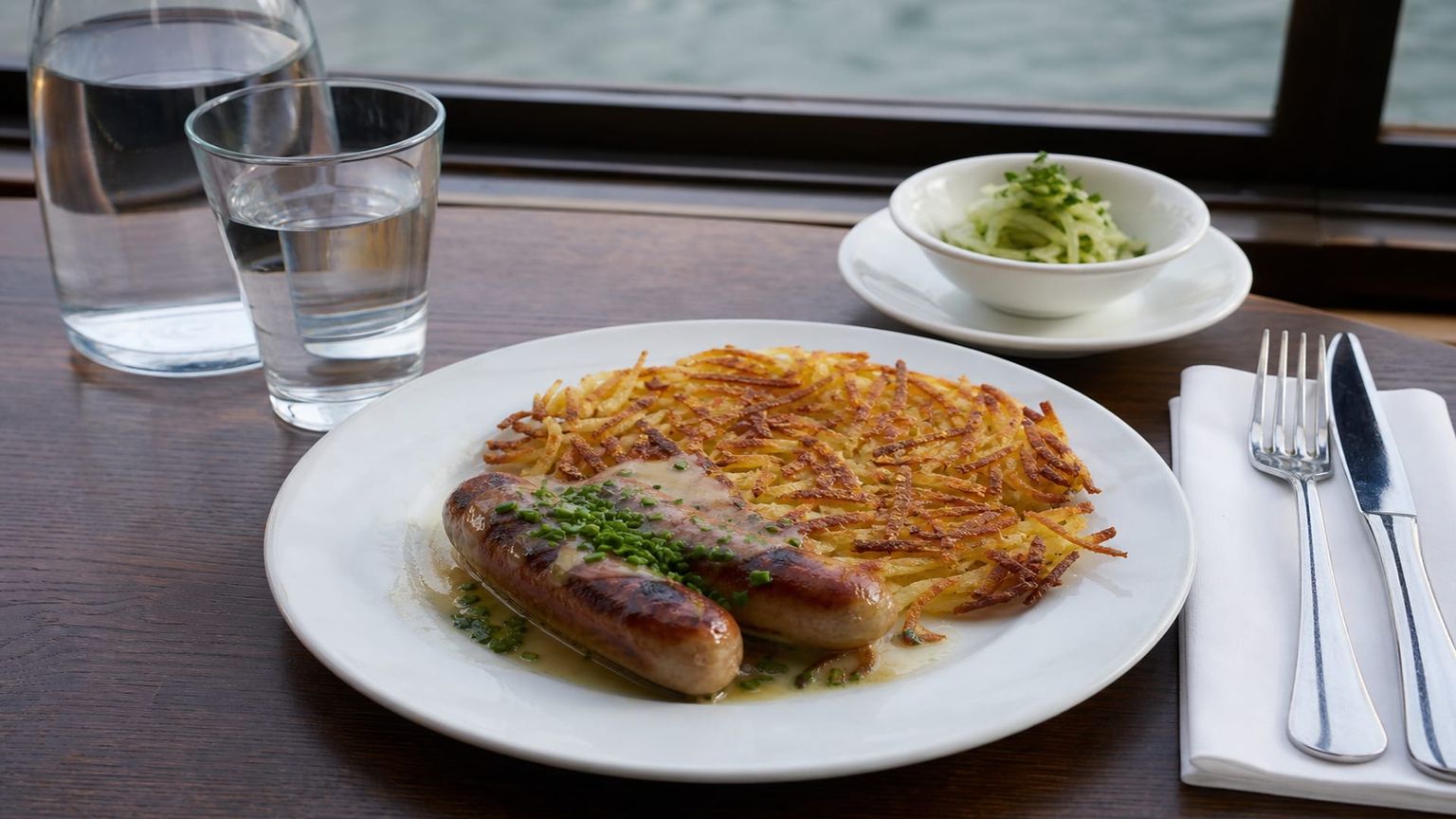
Basel’s kitchen leans on river-valley produce, dairy, pastries, and winter comfort dishes. Rösti, flour soup, Läckerli, and Zwiebelwähe show how the city balances savory fare with spiced sweets and bakery traditions.
Rösti
Crispy grated potatoes often arrive with eggs, cheese, or bacon, and they fit Basel’s hearty lunch tables well. At Restaurant Löwenzorn, the plate comes in a classic setting near the old town.
Basel-style flour soup
This dark, nutty broth is one of Basel’s most local winter dishes, usually finished with cheese and served as a starter. Restaurant Safran Zunft is a strong choice for a traditional version in the center.
Basler Läckerli
These spiced honey-and-almond biscuits are the city’s best-known sweet and make an easy takeaway or coffee companion. Läckerli Huus in Basel is the canonical stop for them.
Zwiebelwähe
A savory onion tart with a custard filling, Zwiebelwähe works well for lunch or a light dinner with salad. Restaurant Schlüsselzunft serves a polished Basel version in the old town.
Best time to visit Basel
Basel shifts noticeably with the season, from brisk, museum-friendly months to warmer river weather and colder stretches that favor galleries and long lunches.
Best for: Garden walks, riverfront afternoons, and city sightseeing before summer crowds build
What you get: 45 to 68°F (7 to 20°C), with moderate crowds and changeable weather
Trade-offs: Rain can interrupt outdoor plans and some days still feel cool
Best for: Rhine walks, outdoor cafés, and longer evenings in Kleinbasel
What you get: 61 to 82°F (16 to 28°C), with the heaviest visitor flow and busy riverfronts
Trade-offs: Hot afternoons and fuller museum queues can slow the pace
Best for: Museum time, clear walking weather, and quieter restaurant reservations
What you get: 43 to 68°F (6 to 20°C), with lighter crowds after the peak season
Trade-offs: Shorter daylight and cooler evenings arrive quickly
Best for: Indoor days at the Kunstmuseum, cathedral visits, and hearty meals
What you get: 30 to 43°F (-1 to 6°C), with lower crowds and a colder riverfront
Trade-offs: Outdoor time is brief and some days turn gray or damp
A realistic 5-day plan in Basel
A five-day Basel stay works best when you separate the compact center from the wider edges of the city. The plan below starts with the obvious landmarks, then adds gardens, a cross-border museum trip, and a final day that leaves room for errands and one last walk.
Land at EuroAirport Basel-Mulhouse-Freiburg (EAP) and take the shuttle bus into Basel, usually about 20 to 25 minutes to Altstadt Grossbasel or Messeplatz, for roughly CHF 4 to CHF 5. If you are staying by the river or in the old town, check in there, drink water, and keep dinner close to your hotel, with a simple meal in Altstadt Grossbasel or a quiet table near Kleinbasel if you arrive early enough for an evening walk.
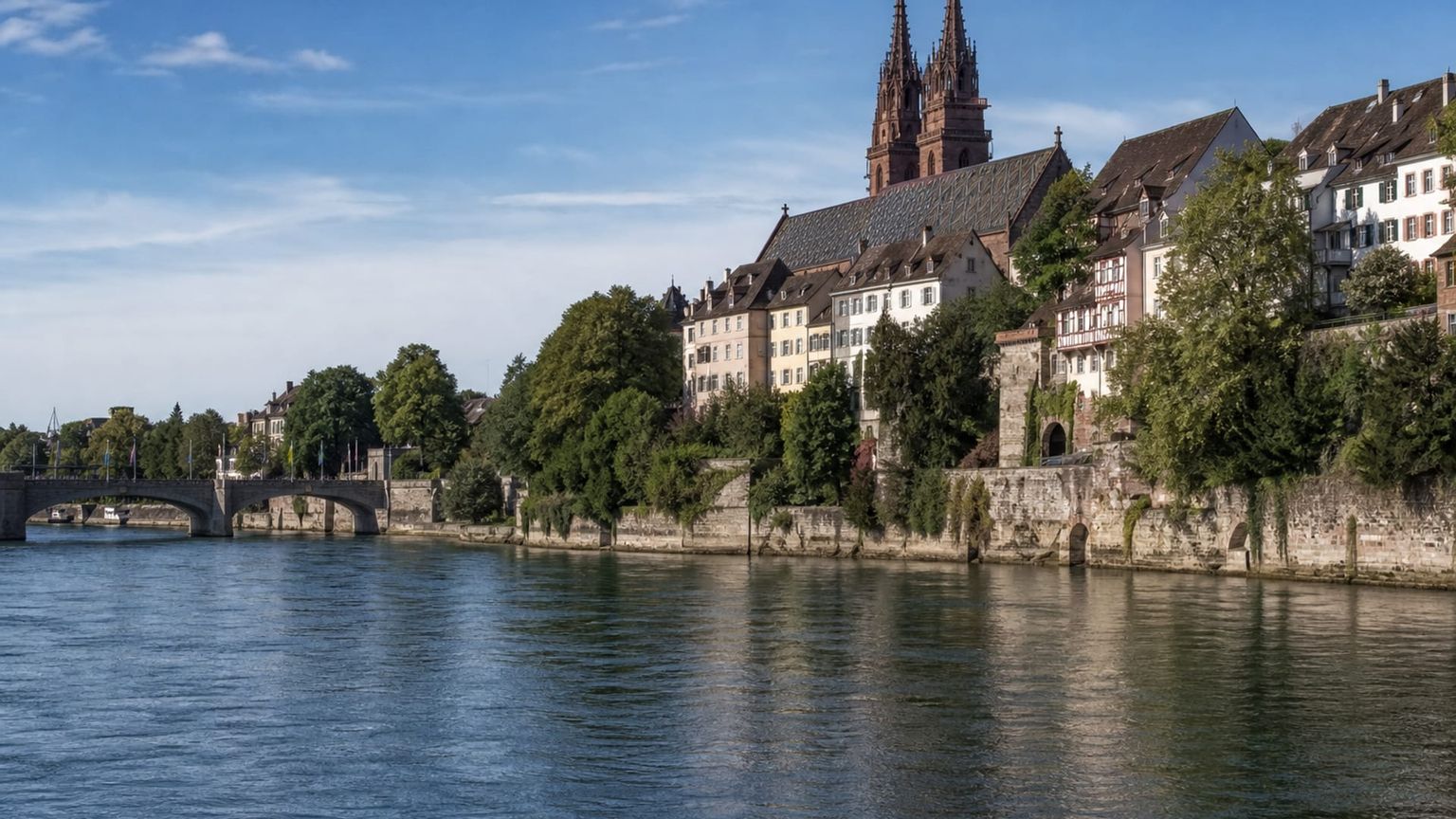
Start with Basel Minster in Altstadt Grossbasel, then walk about 10 minutes to the Kunstmuseum Basel for a focused morning of cathedral stone and major painting collections. After lunch, continue on foot or by tram to Museum Tinguely, about 15 minutes from the museum quarter, where the Rhine-side setting and kinetic works make an easy contrast with the morning galleries. End back along the river in Kleinbasel, about 10 minutes on foot from Wettsteinbrücke to the museum, for dinner near the promenade.
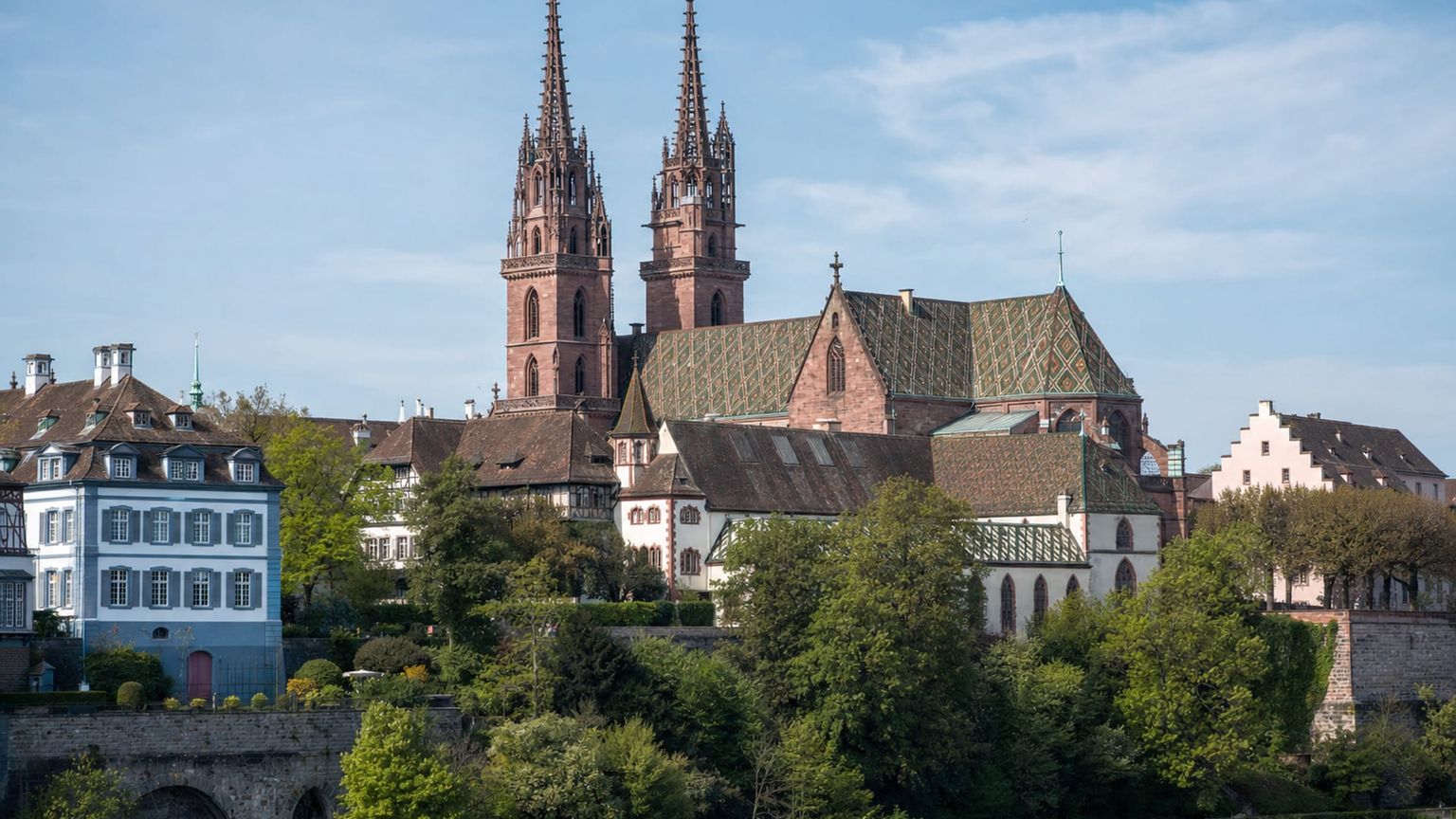
Begin in Merian Gärten, where the herb beds and rose terraces reward a slow morning, then take a tram and short walk back toward the center for lunch in Altstadt Grossbasel. In the afternoon, cross to Messeplatz in about 10 minutes by tram if you are based in the old town, then continue on to Sankt Johann or the riverfront for an easier-paced evening. The day works well if you want green space first and a city finish later.
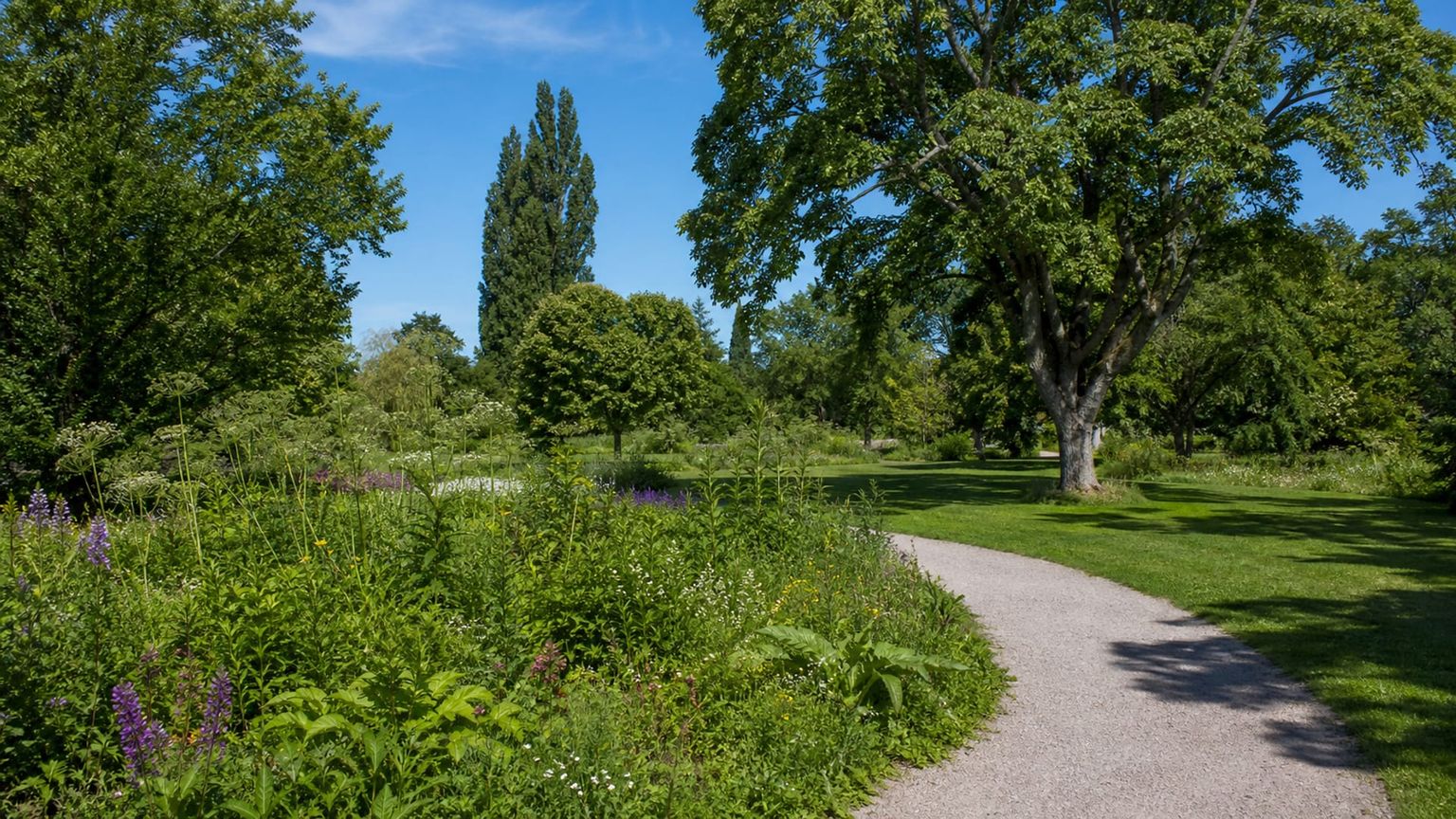
Go across the border to the Vitra Design Museum in Weil am Rhein, which sits about 20 to 30 minutes from central Basel by tram and short local transfer, depending on your starting point. Spend 2 to 3 hours between the museum galleries and the campus architecture, then return to Basel for a late lunch or early dinner in Altstadt Kleinbasel, where you can reach the center quickly by tram. If the weather is clear, keep a little time for an extra look at the Rhine on the way back.
A final morning works well in Kunstmuseum Basel if you want one more substantial museum stop, then step into Altstadt Grossbasel for last-minute shopping on the market streets and around the old town lanes. Finish with coffee in Kleinbasel, where you can sit near the river before heading to EuroAirport Basel-Mulhouse-Freiburg (EAP). If your flight leaves later, Basel Minster and the nearby streets give you one last compact walk before departure.
Business-class flights from the US to Basel
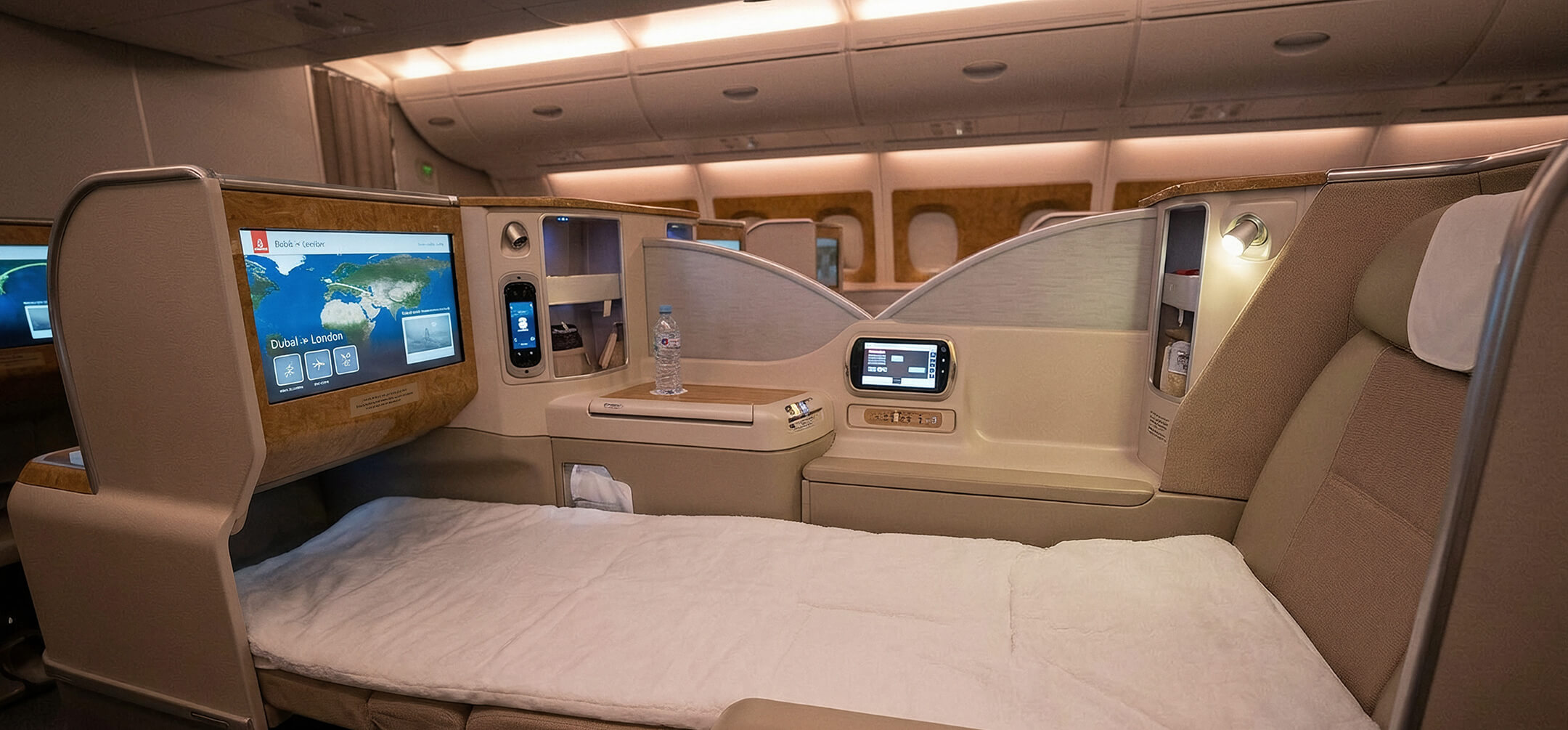
Basel’s route options often include a stop in a major European hub, which matters when you compare price, timing, and total travel time. From New York and Los Angeles, the route set is broad enough to reward a close look at layovers.
From New York, SWISS, Lufthansa, Air France, British Airways, KLM Royal Dutch Airlines, and Delta Air Lines commonly appear on itineraries to Basel. Nonstop flights do not apply here, so most trips connect through FRA, ZRH, CDG, or AMS, with typical total travel times of about 9 to 13 hours. Round-trip fares from New York to Basel usually start at about $2,400 and often run to $5,500; if you do not mind a layover, common routings via FRA, ZRH, or AMS can bring that down.
Los Angeles itineraries to Basel usually involve SWISS, Lufthansa, British Airways, Air France, Emirates, or Delta Air Lines, with total trip times of about 13 to 18 hours. Round-trip business fares from Los Angeles to Basel generally land between $3,600 and $7,500. Common connections run through FRA, ZRH, CDG, AMS, LHR, or DXB, and the hub choice often determines whether the journey feels compact or drawn out.
Basel feels different when you slow down
A deliberate Basel trip usually puts Altstadt Grossbasel, Kleinbasel, and Messeplatz into the same plan, then uses trams and short walks to link Basel Minster, the Kunstmuseum, and the Rhine. Add one garden hour at Merian Gärten or a cross-border afternoon at the Vitra Design Museum, and the city starts to read clearly. If you want AranGrant experts to shape the flights, hotel base, and timing around that route, start with Basel and build from there