

Chapters:

Need help with your trip?
Our support team is available 24/7. Request a callback or call us directly at (833) 619-0908
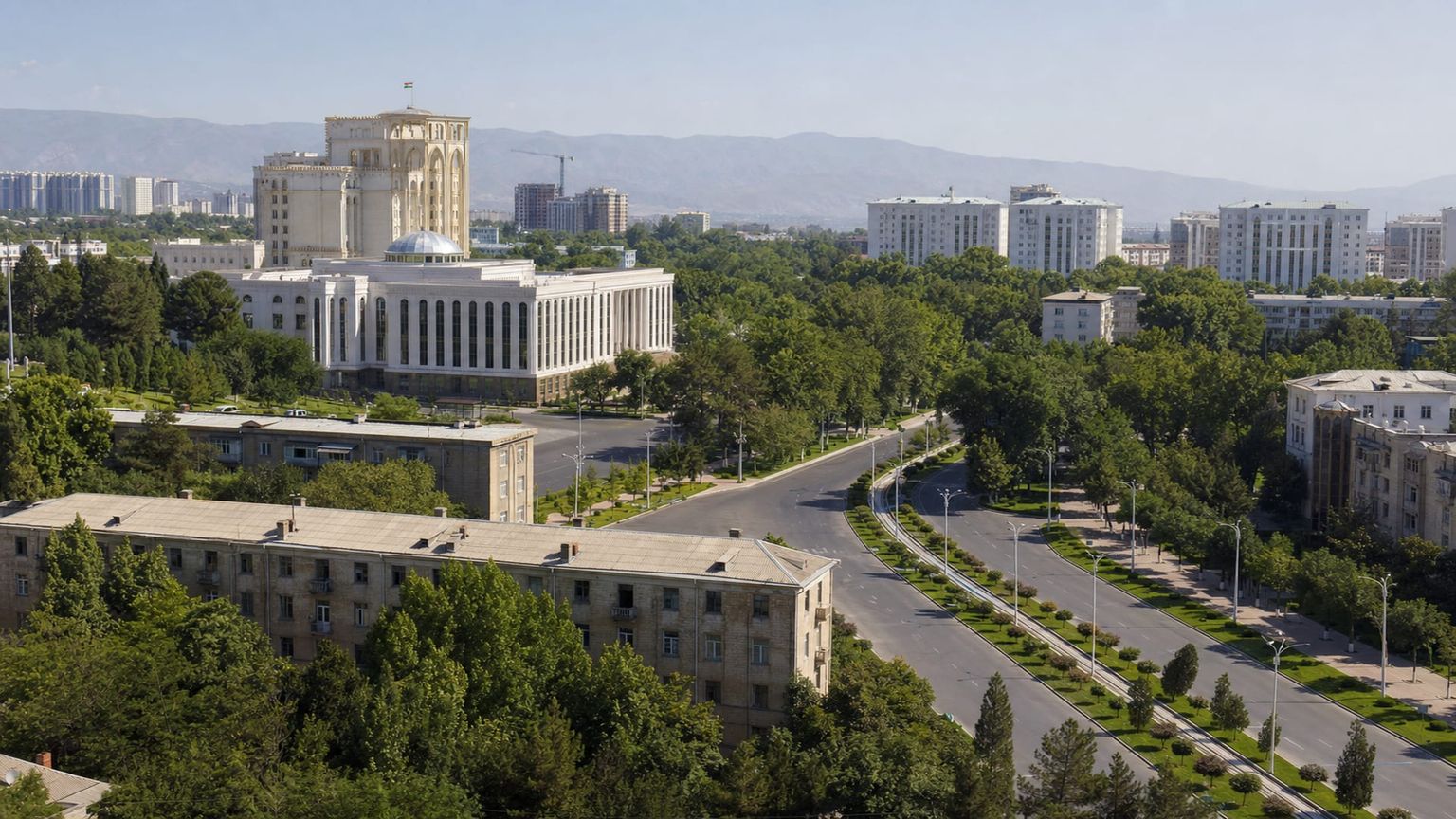
Dushanbe trips often begin with a taxi from the airport, a hotel on Rudaki Avenue, and a quick museum stop, yet many visitors miss how much the city changes between its central boulevard and the hills above it.
That simple pattern can leave out the longer cross-town rides, the late-day park visits, and the half-day escape to Hisor, where timing matters more than distance on a map.
This guide organizes the city by neighborhood, transit choice, food, and season, so you can move through Dushanbe with a clearer sequence and fewer wasted trips.
Useful things to know

Main language(s): Tajik
Salom (sah-LOHM) – Hello
Iltimos (il-TOH-mos) – Please
Rahmat (rahk-MAHT) – Thank you
Siz ingliz tilida gapirasizmi? (seez ing-GLEEZ tee-lee-dah gah-pee-RAH-seez-mee) – Do you speak English?
Bu qancha turadi? (boo qahn-CHA too-RAH-dee) – How much does it cost?

Currency: The local currency is the Tajik somoni (TJS, SM).

Cash and cards: Cards work at major hotels and some restaurants; carry roughly 200 to 400 TJS in cash for taxis and small shops.

Tipping: Round up small bills; tip about 5% to 10% in restaurants if service is good.

Traditional food: plov, qurutob, shurbo, sambusa

Water and coffee costs: Water about 5 to 10 TJS ($0.50 to $1), bar espresso about 20 to 35 TJS ($2 to $4).

Taxis and ride apps: Yandex Go and Maxim operate here; confirm the fare in-app before you ride.

Plug and voltage: Type C/F socket, 220V

Dining and shop opening hours: Breakfast is roughly 7:00-10:00 am, lunch 12:30-2:30 pm, and dinner 7:00-10:00 pm. Some cafes close earlier than restaurants, and tea houses may stay open later.

Emergency number: 112 for police, fire, and ambulance.
Where to stay in Dushanbe
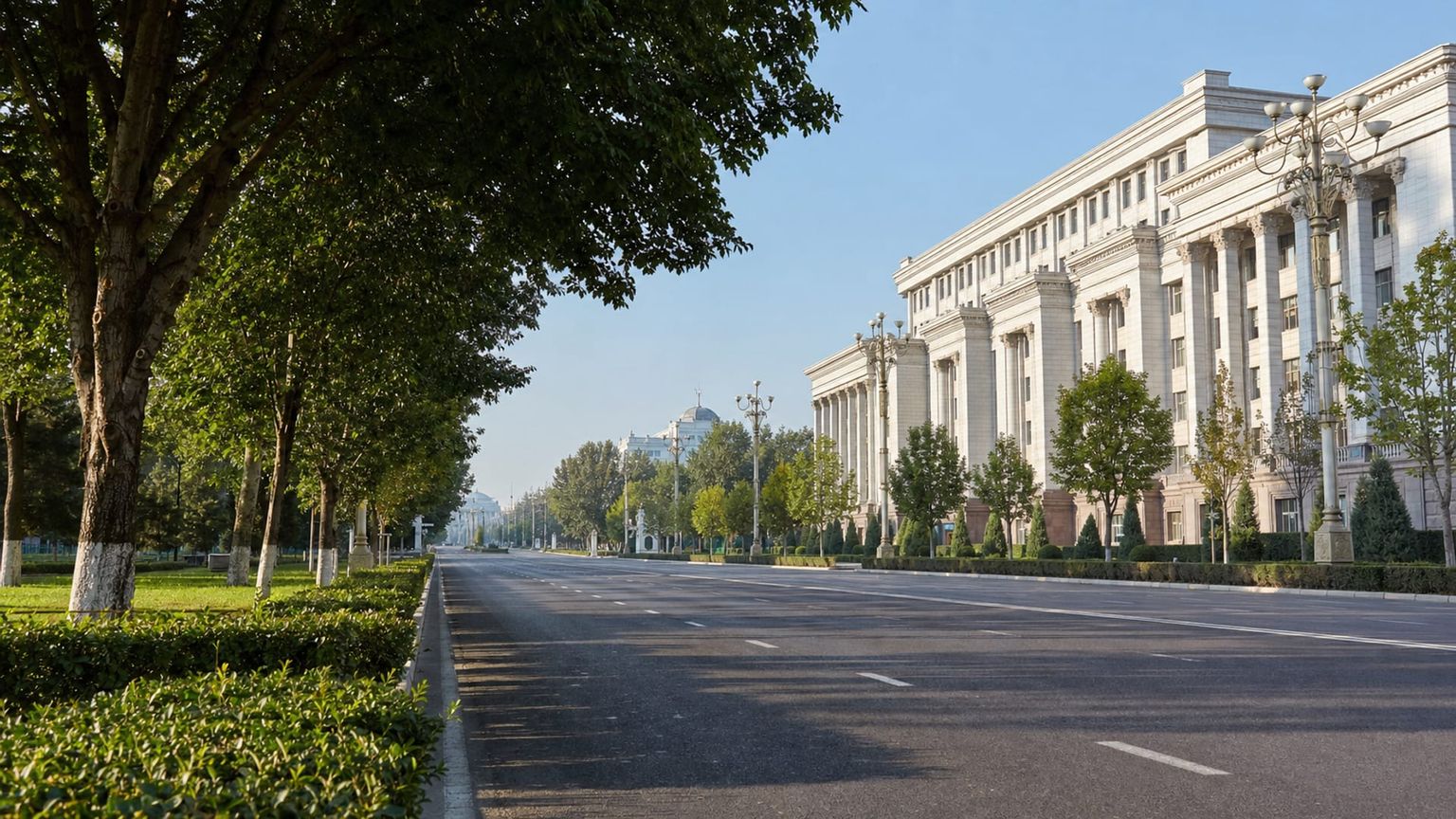
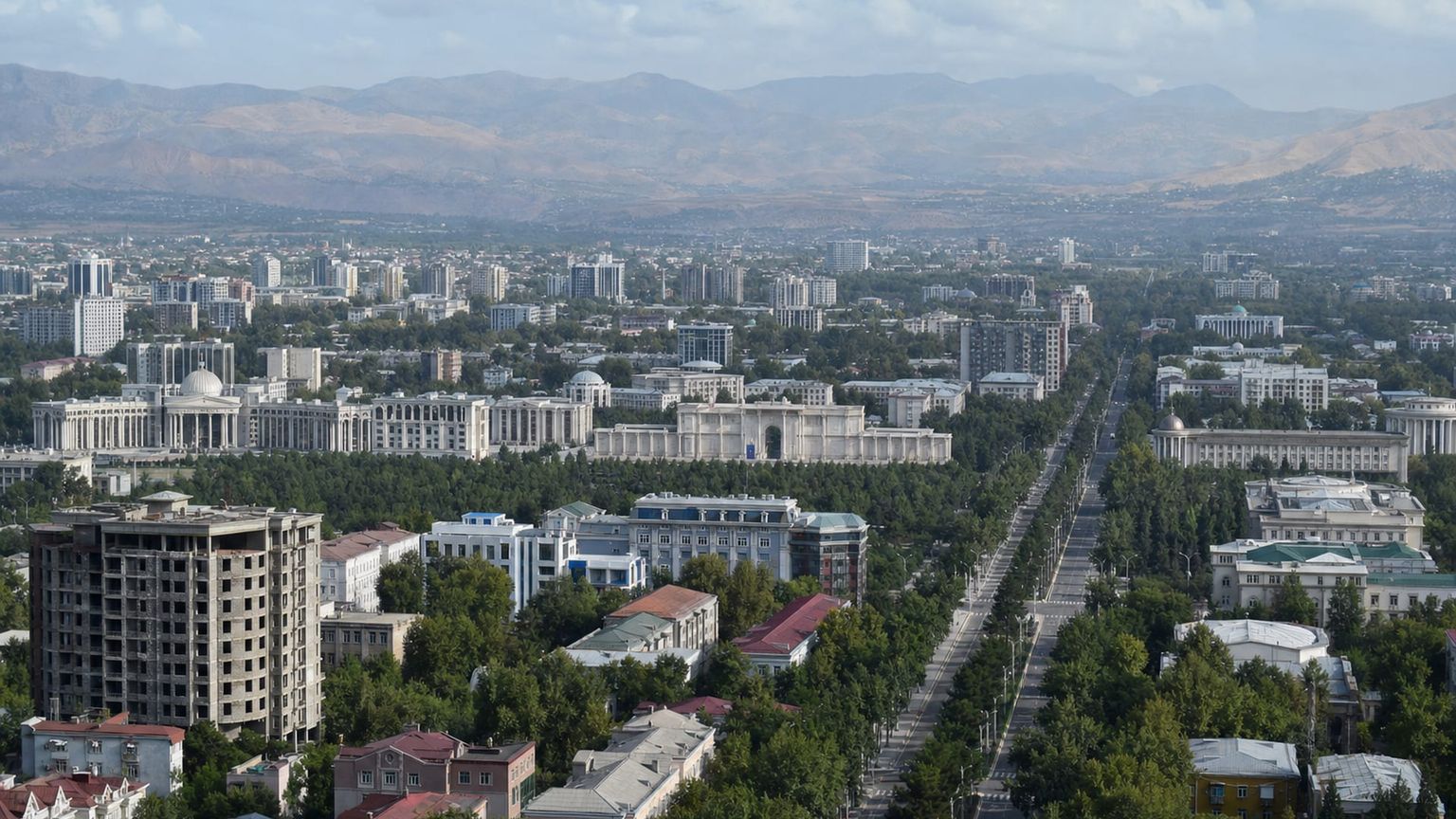
Dushanbe’s city center puts you near Rudaki Avenue, the main government buildings, and many of the city’s biggest museums and parks. It suits visitors who want the shortest walk or ride to the main sights and the widest choice of hotels, cafes, and taxi pickups.
Best for: First-time visits, sightseeing, and easy access to museums, parks, and government landmarks
What to expect: Busy sidewalks by day, with office traffic, cafe seating, and the most visible pedestrian activity in the city.
Hotel prices: Usually about $60 to $140 per night for well-rated stays
Distance to major sights: 5 to 15 minutes on foot to Rudaki Park and the National Museum of Tajikistan
Quietness: Daytime is active and traffic-heavy; evenings are calmer once offices close, though the main streets stay lively.
Main trade-off: You pay more for central addresses, and the main roads can be noisy at peak hours.
Good to know: If you plan several museum visits and short taxi rides, staying here cuts down on back-and-forth across the city.
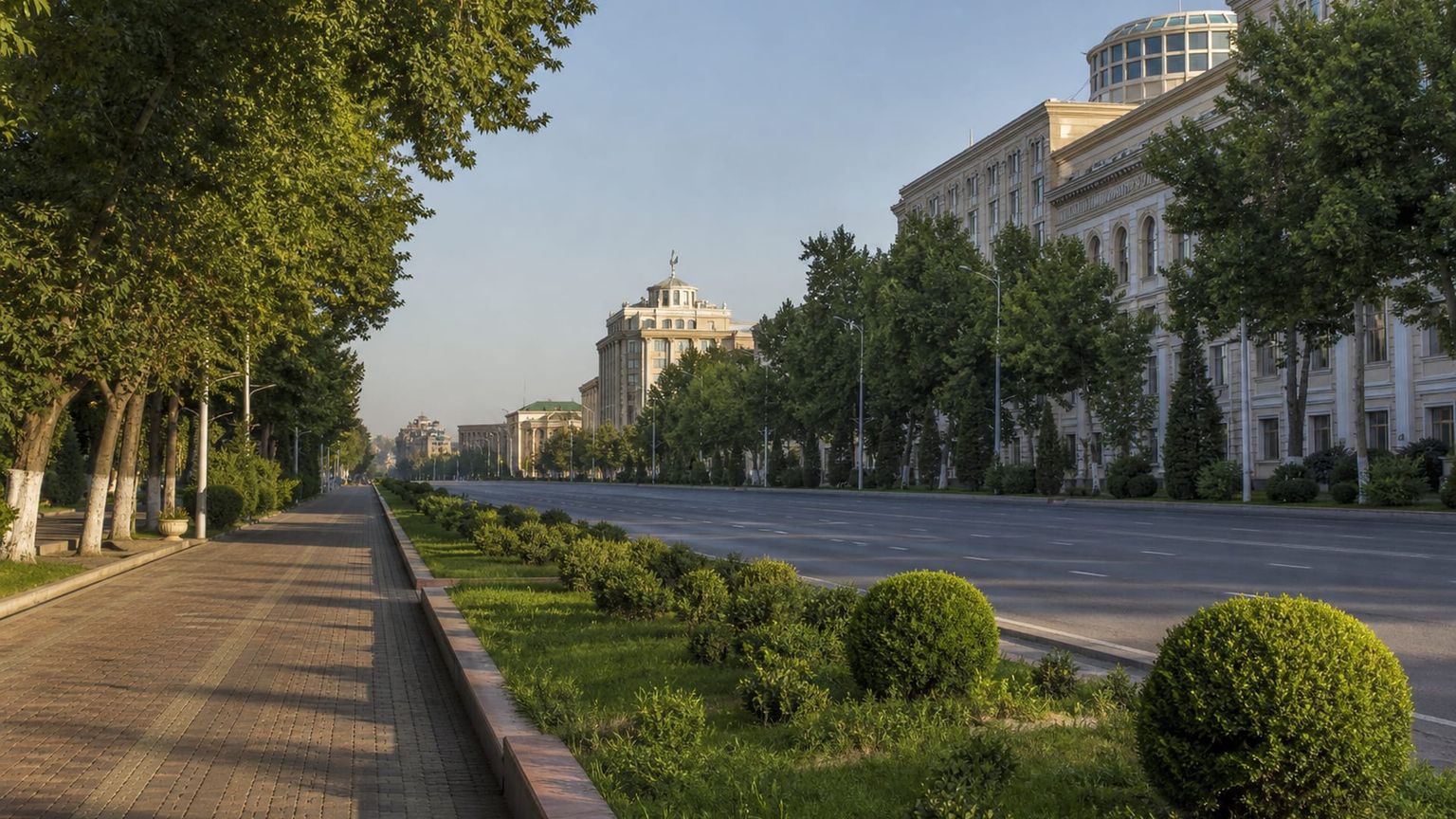
The Rudaki Avenue corridor stretches through Dushanbe’s most formal central strip, with embassies, ministries, monuments, and landscaped public spaces. It works well for travelers who want to stay in the city’s best-known axis and move easily between central landmarks.
Best for: Central sightseeing, government-area access, and travelers who want a prominent central address
What to expect: Wide roads, heavy traffic at rush hour, and a steady flow of pedestrians near parks, cafes, and official buildings.
Hotel prices: Usually about $55 to $130 per night for well-rated stays
Distance to major sights: 10 to 20 minutes on foot to the National Museum of Tajikistan and about 15 minutes by taxi to the Ismoil Somoni Monument
Quietness: Daytime is busy and traffic-forward; evenings ease off, especially away from the largest intersections.
Main trade-off: The avenue gives easy access to central landmarks, but crossing the wider roads can take time.
Good to know: Choose this area if you want the city’s main sights on a simple route, but expect traffic delays during peak commuting hours.
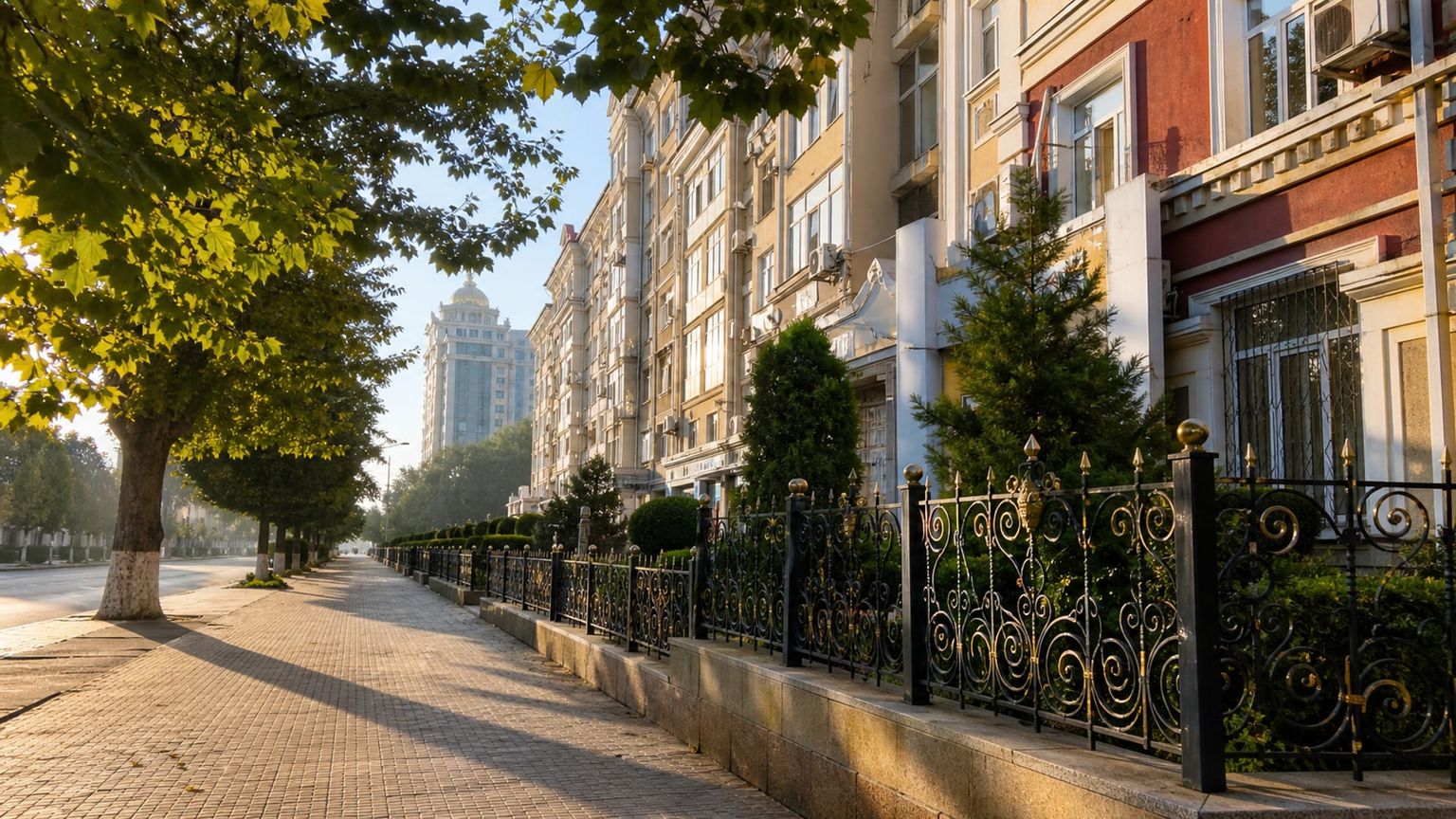
Ismoili Somoni is a residential central district with newer apartment blocks, local shops, and several midrange hotels. It matters for travelers who want a base close to the center without staying on the noisiest main avenues.
Best for: Longer stays, midrange budgets, and travelers who want a calmer central base
What to expect: Residential streets, neighborhood groceries, and less tourist foot traffic than the main boulevard areas.
Hotel prices: Usually about $40 to $95 per night for well-rated stays
Distance to major sights: About 10 to 20 minutes by taxi to Rudaki Park and the National Museum of Tajikistan
Quietness: Quieter in the evening than the center; daytime brings normal neighborhood traffic, not major crowds.
Main trade-off: You will rely more on taxis for many restaurants and landmarks, since the area is less walkable than the core.
Good to know: This is a good pick if you prefer apartment-style surroundings and do not mind using taxis for most outings.
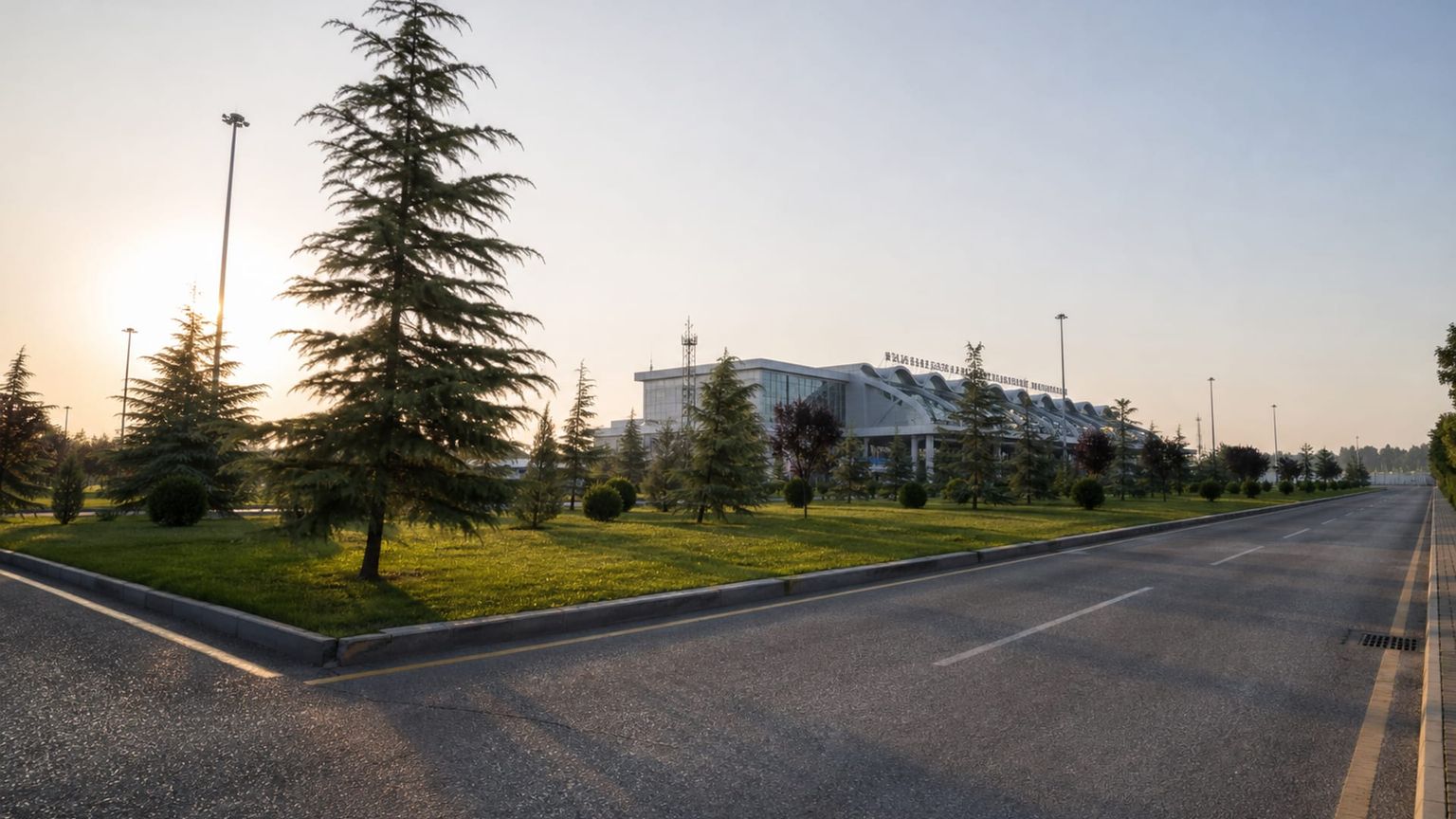
The airport area sits on the city’s southern edge, with a few hotels and fast access to Dushanbe International Airport. It suits late arrivals, early departures, and travelers who value staying near the terminal more than being in the center.
Best for: Late arrivals, early flights, and very short airport transfers
What to expect: Low-density streets, sparse evening activity, and limited dining or shopping within easy walking distance.
Hotel prices: Usually about $35 to $90 per night for well-rated stays
Distance to major sights: About 5 to 10 minutes by taxi to Dushanbe International Airport, about 25 to 35 minutes by taxi to the city center
Quietness: Quiet most of the day and evening, with only short bursts of airport traffic near flight times.
Main trade-off: You save time on airport transfers, but you will spend more time and money reaching central sights and restaurants.
Good to know: Book here if your schedule is tight, because a center stay can add an extra taxi run at both ends of the trip.
Travelers usually avoid staying in far-west residential districts such as Yakkasaroy and the city’s outer northern neighborhoods, since they sit well away from Rudaki Avenue, Somoni Monument, and the main museum cluster, with fewer visitor-oriented amenities nearby. The industrial outskirts near Dushanbe International Airport are also less convenient, because evening taxi options are thinner and daily sightseeing requires longer cross-city rides.
Hotel deals
How to get around Dushanbe efficiently
Dushanbe has no metro, so buses, trolleybuses, taxis, and ride apps each cover a different part of the city’s spread-out layout.

Metro
for longer distances
Dushanbe has no metro, so there is no underground network to use. Visitors rely on buses, trolleybuses, and taxis instead; for longer cross-town trips, taxis usually save the most time because fixed-route public transport can be indirect and crowded.

Bus and tram
for convenience
Dushanbe’s buses and trolleybuses cover the main avenues, the center, and many residential districts, with fares typically about $0.10 to $0.20, paid in cash on boarding. Routes can be crowded at peak times, and services often thin out late in the evening, so allow extra time if you are crossing the city during the rush.

Taxi
for convenience or late hours
Licensed taxis in Dushanbe usually charge set fares rather than meters, and street-hail rides often need a price agreed before departure. Short trips in the center are commonly about $1 to $3, while an airport run from Dushanbe (DYU) is often about $5 to $10, with higher rates late at night or for larger cars; cash in somoni is the norm, and app-based rides, where available, may show the price in advance.
*Prices are based on rates updated as of June 2026 and may change at the time of travel.
Use buses and trolleybuses for short, low-cost hops on main avenues, taxis for cross-town and uphill trips, and ride apps when you want the fare shown before you set off.
Iconic landmarks
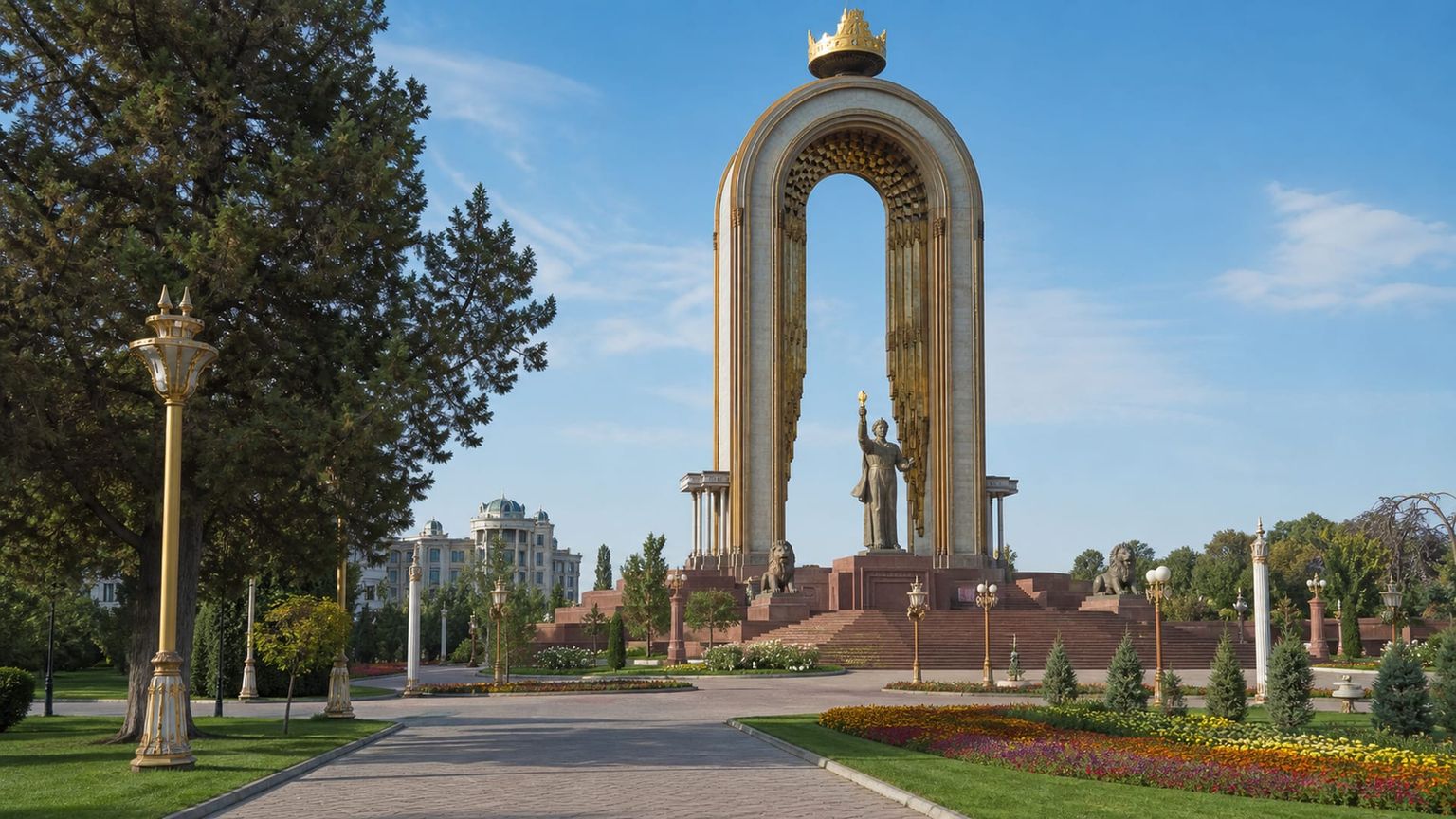
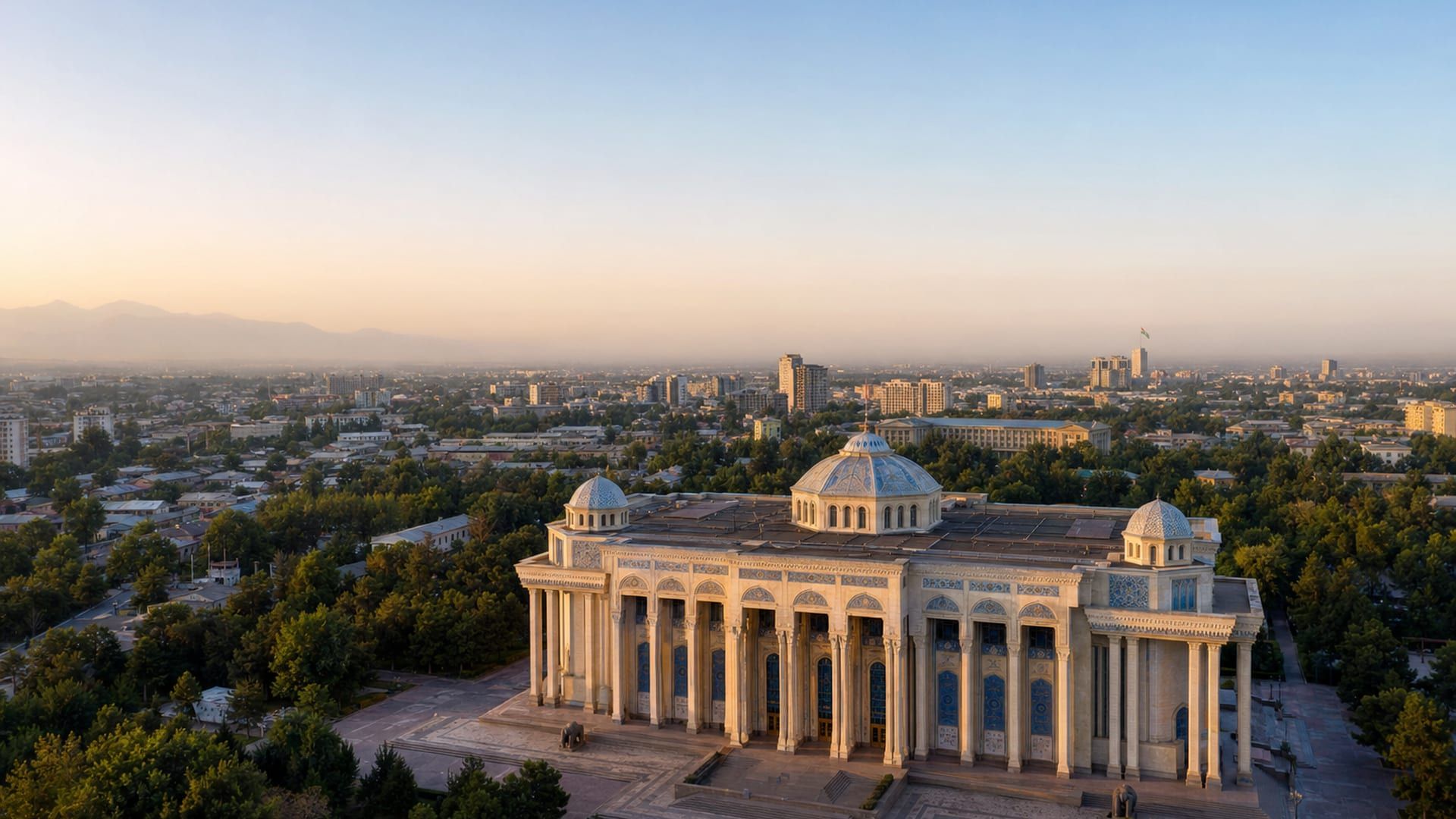
National Museum of Tajikistan
This museum in central Dushanbe covers Tajik history, archaeology, and fine arts, with a compact collection that ranges from ancient finds to Soviet-era pieces. Its standout piece is the massive reclining Buddha, a key stop for the city.
Time needed: About 2 to 3 hours
Entry: Standard admission costs about $4 to $6 (40 to 60 somoni) for adults, with lower rates for students and children.
Tip: Go in the morning for quieter galleries and better light on the large exhibits.
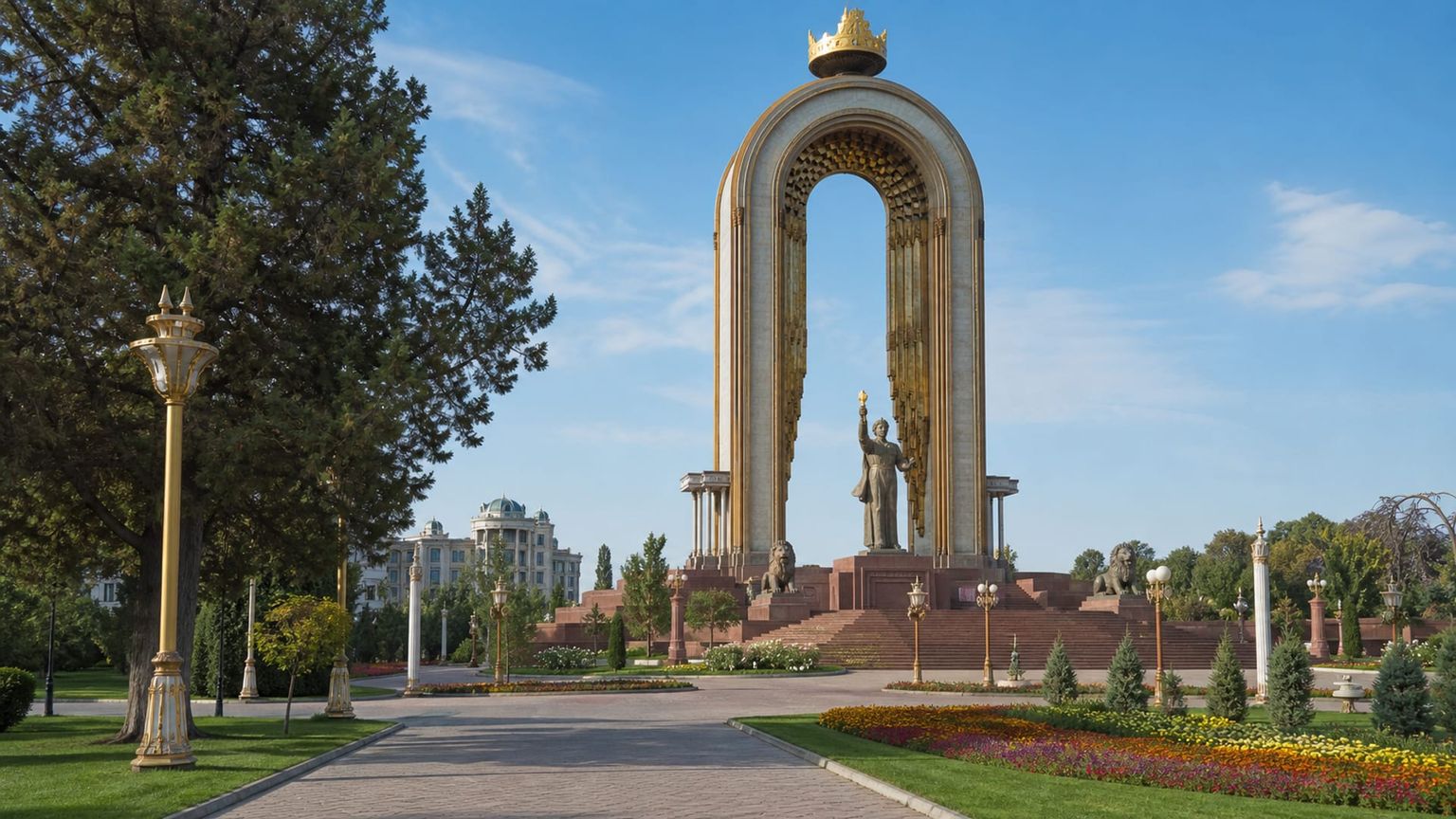
Rudaki Park
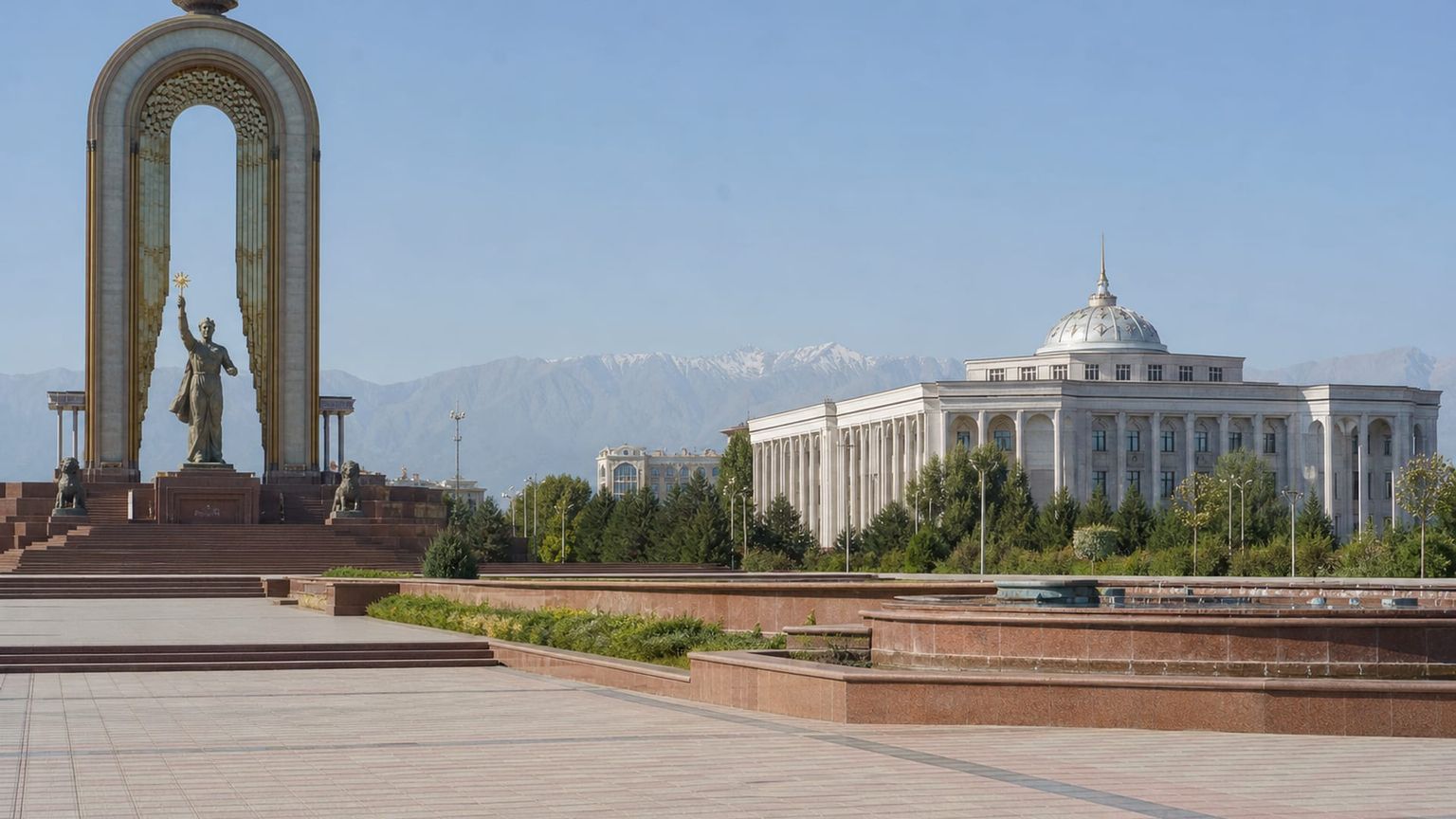
Rudaki Park is Dushanbe’s best-known central promenade, set by fountains, lawns, and formal monuments near the main civic buildings. It gives you an easy read on the city’s public spaces and is most active in the evening.
Time needed: About 1 to 2 hours
Entry: Free to access, with no timed entry required for the park or its open walkways.
Tip: Visit at sunset, when the fountains run and the heat drops over the main paths.
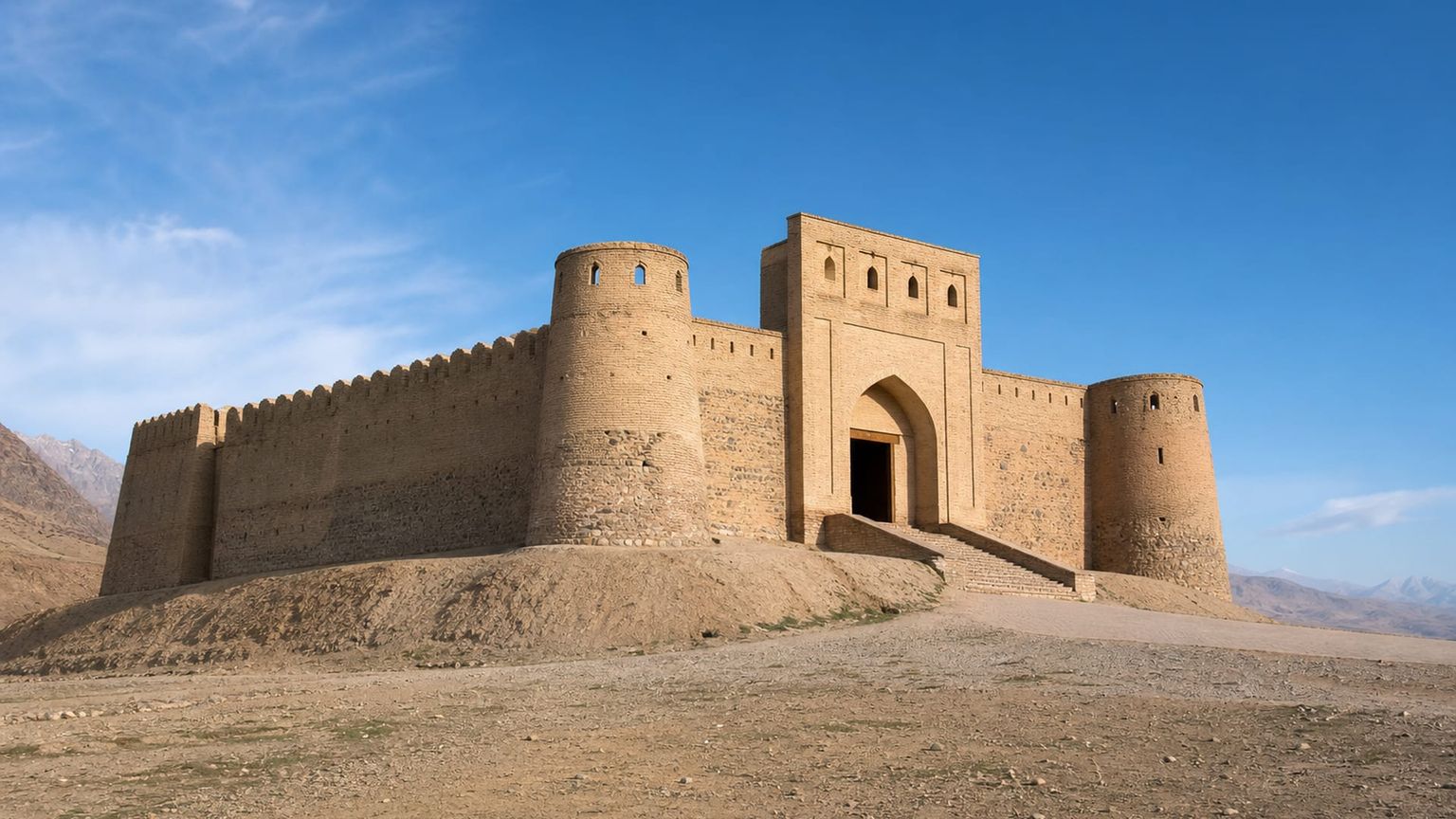
Hisor Fortress
About 15 km west of Dushanbe, Hisor Fortress is the region’s best-known historic site, with restored gates, courtyard ruins, and nearby madrassah buildings. The setting makes an easy half-day trip from the capital.
Time needed: About 2 to 3 hours
Entry: Entry costs about $3 to $5 (30 to 50 somoni) for the fortress area and nearby historic buildings.
Tip: Go early, before the midday sun heats the open courtyard and stone paths.
Overlooked sites worth visiting

Victory Park
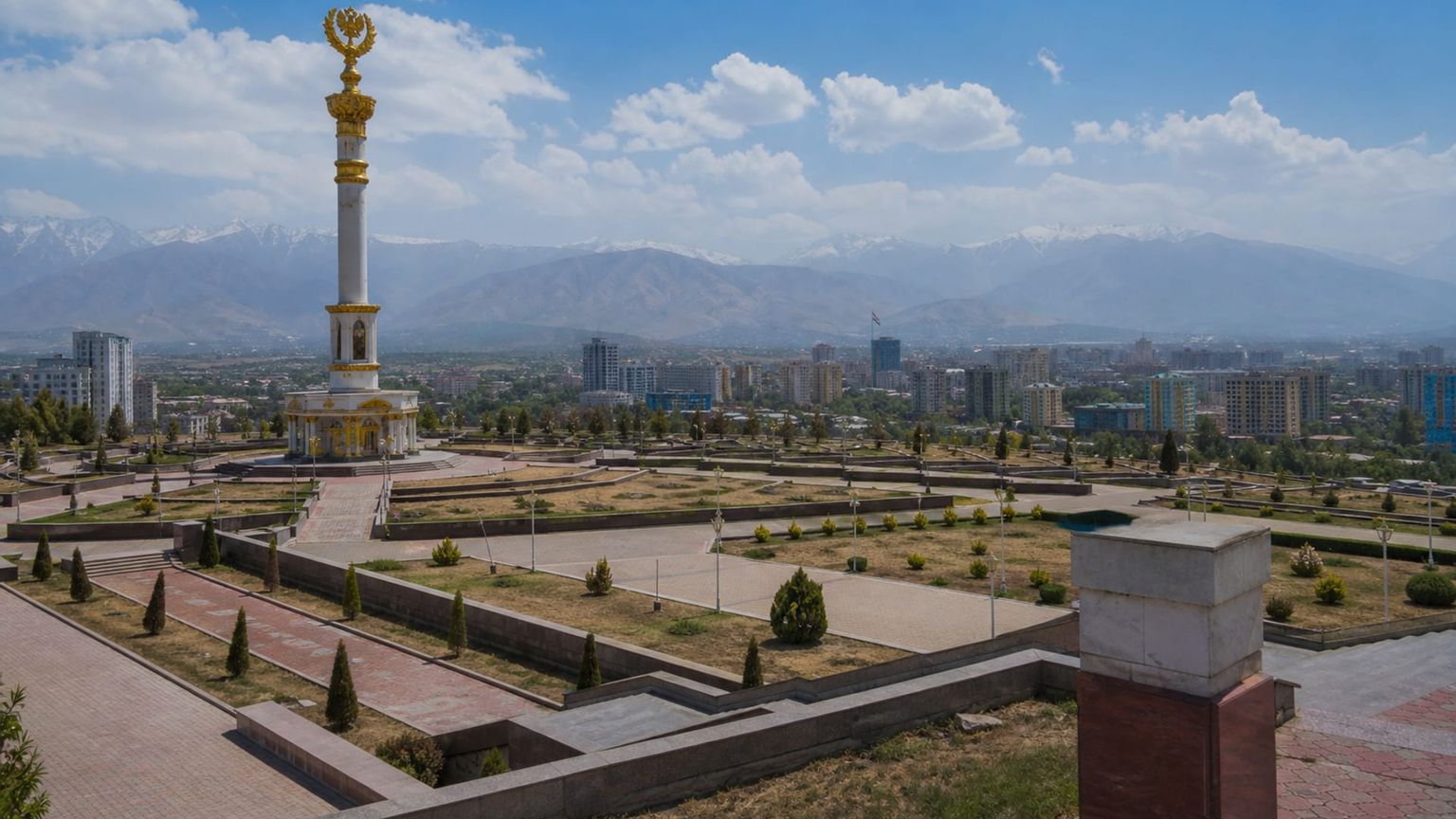
Hilltop park with wide city views, wartime memorials, and long walking paths. Go late in the day for cooler air and clearer sightlines over Dushanbe’s low-rise center.
Time needed: About 1 to 2 hours
Entry: Free to access; no ticket is needed for the park grounds or memorial area. Small on-site purchases such as snacks, drinks, or transport from the center are extra, and seasonal amusement rides in the upper park charge separately when operating.
Tip: Visit near sunset for the best light over the city.

Museum of Ethnography and Local Lore
Compact museum with regional textiles, household objects, and Tajik costumes in a central setting. The small galleries make it easy to see how everyday life and craft traditions were documented.
Time needed: About 45 to 90 minutes
Entry: Admission is typically about $2 to $4 (about 22 to 44 somoni) per person, paid at the entrance. Special exhibitions or guided explanations may cost extra, depending on staff availability and the day’s program.
Tip: Go in the morning to avoid school-group visits.
Traditional food
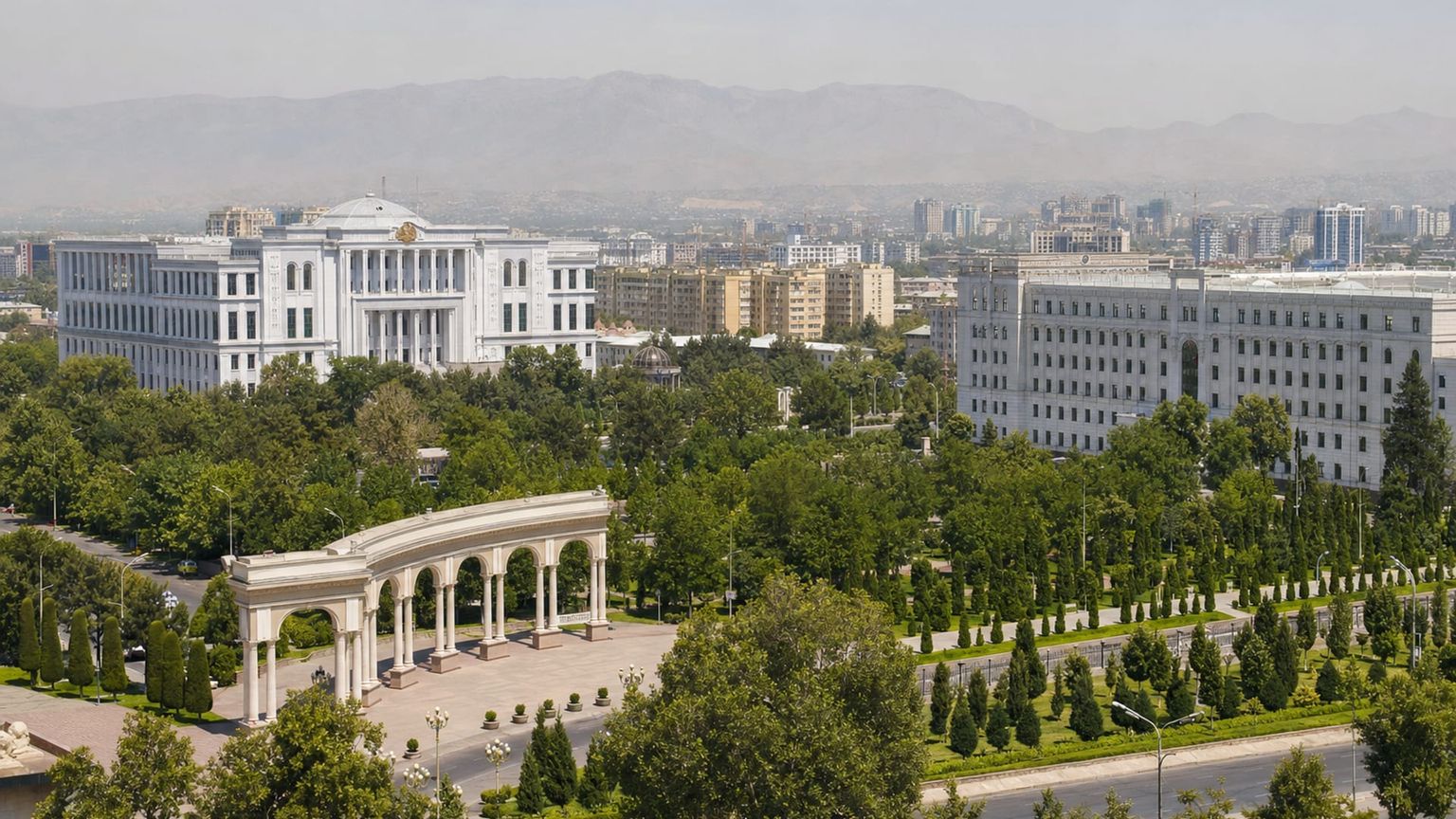
Dushanbe’s table leans on rice, lamb, noodles, and bread, with plov, qurutob, shurbo, and sambusa showing up in cafes, tea houses, and family-run dining rooms across the center.
Plov
Fragrant rice cooked with meat, carrots, and spices, usually served as the city’s most familiar midday dish. Qurutob Restaurant in Dushanbe is a dependable place to try it alongside other Tajik staples.
Qurutob
Bread, yogurt, onions, herbs, and tomatoes come together in one of Tajikistan’s best-known shared dishes. Qurutob Restaurant in Dushanbe is a classic stop for a version built around local habit rather than presentation.
Shurbo
A clear soup with meat, vegetables, and a savory broth, often ordered when you want something lighter than a rice dish. Rokhat Teahouse in central Dushanbe serves a traditional version in a long-running dining room.
Sambusa
Baked or fried pastries filled with meat, pumpkin, or herbs, commonly sold as a snack with tea. The small pastry counters at Bukhoro Restaurant in Dushanbe make it an easy place to order sambusa with a simple meal.
Best time to visit Dushanbe
Dushanbe shifts with heat, so spring and autumn make the city most comfortable for long walks, while summer pushes more activity into early mornings and evenings.
Best for: Museum days, park walks, and day trips to Hisor
What you get: Temperatures usually sit about 50-77°F (10-25°C), with moderate crowds and comfortable conditions for walking
Trade-offs: Rain can interrupt outdoor plans in some weeks
Best for: Early sightseeing, shaded parks, and longer evenings outdoors
What you get: Temperatures often reach about 75-99°F (24-37°C), with lighter daytime crowds and more activity after sunset
Trade-offs: Midday heat can make uphill walks and open-air visits tiring
Best for: Balanced city touring and clear views from the parks
What you get: Temperatures usually range from 45-79°F (7-26°C), with comfortable visitor levels and easy conditions for full-day plans
Trade-offs: Evenings cool quickly by late October
Best for: Indoor museums and short central outings
What you get: Temperatures generally run about 25-45°F (-4 to 7°C), with lighter crowds and shorter outdoor windows
Trade-offs: Cold snaps and occasional snow can slow sightseeing
A realistic 5-day plan in Dushanbe
Five days in Dushanbe works well as a center-based stay with one outward excursion. The plan below starts with the main museums and parks, adds Hisor as the day trip, and keeps the final day open for a quieter return to the center before departure.
Land at Dushanbe International Airport (DYU), then take a taxi to the city center, which usually takes about 25 to 35 minutes and costs roughly $8 to $12. Staying near Rudaki Avenue or in the City center puts you close to Rudaki Park, the National Museum of Tajikistan, and the main hotel cluster, so the first evening stays short and simple. Check in, drink plenty of water, then have an easy dinner at a cafe on Rudaki Avenue or in the nearby central streets, where you can keep the walk under 10 minutes from your room.
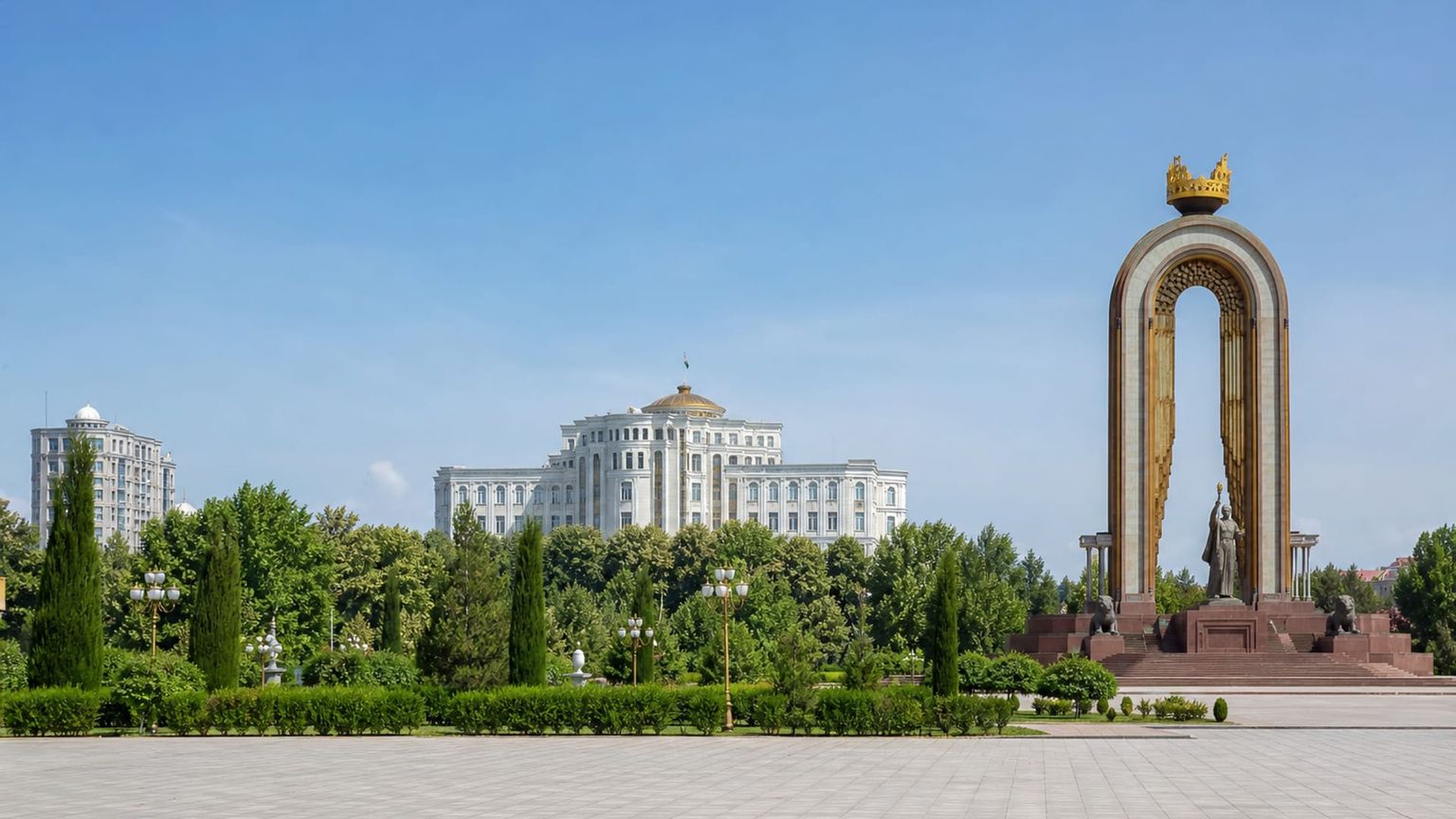
Start at the National Museum of Tajikistan, then walk about 10 to 15 minutes to Rudaki Park for an unhurried afternoon among the fountains and formal paths. From the park, Victory Park is about a 15 to 20 minute taxi ride uphill, and the city views make a strong late-day stop when the light softens. Finish back in the center for dinner near Rudaki Avenue, where taxis are easy to find and the return ride is short.
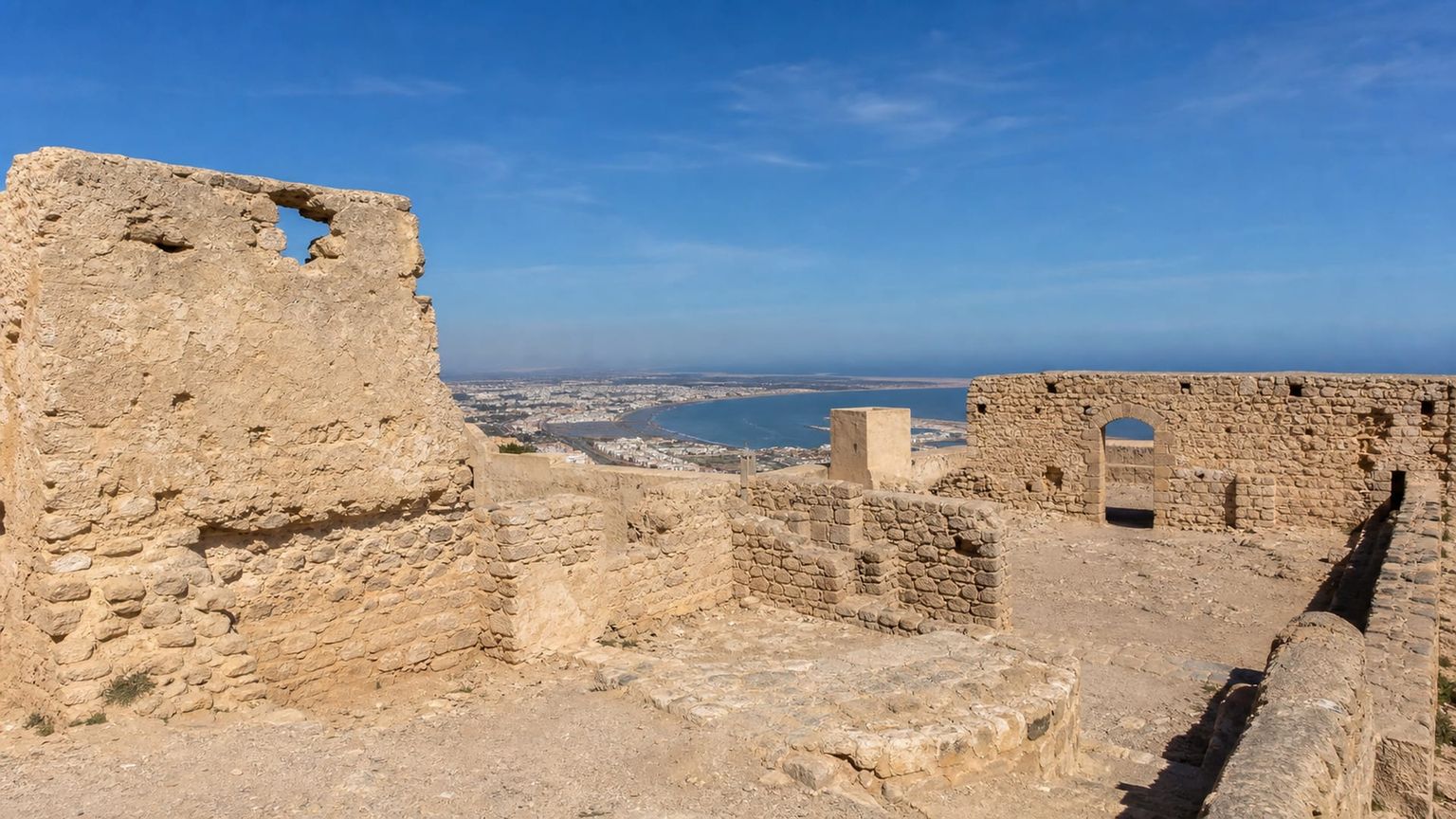
A morning trip to Hisor Fortress gives the day a clear focus, and the drive west from central Dushanbe usually takes about 30 to 45 minutes by taxi. Plan about 2 to 3 hours at the fortress and nearby madrassah buildings, then return to the city and stop at the Museum of Ethnography and Local Lore, which is about 10 to 20 minutes by taxi from the center depending on traffic. End with a relaxed evening walk in Rudaki Park, about 5 to 15 minutes by taxi from most central hotels.
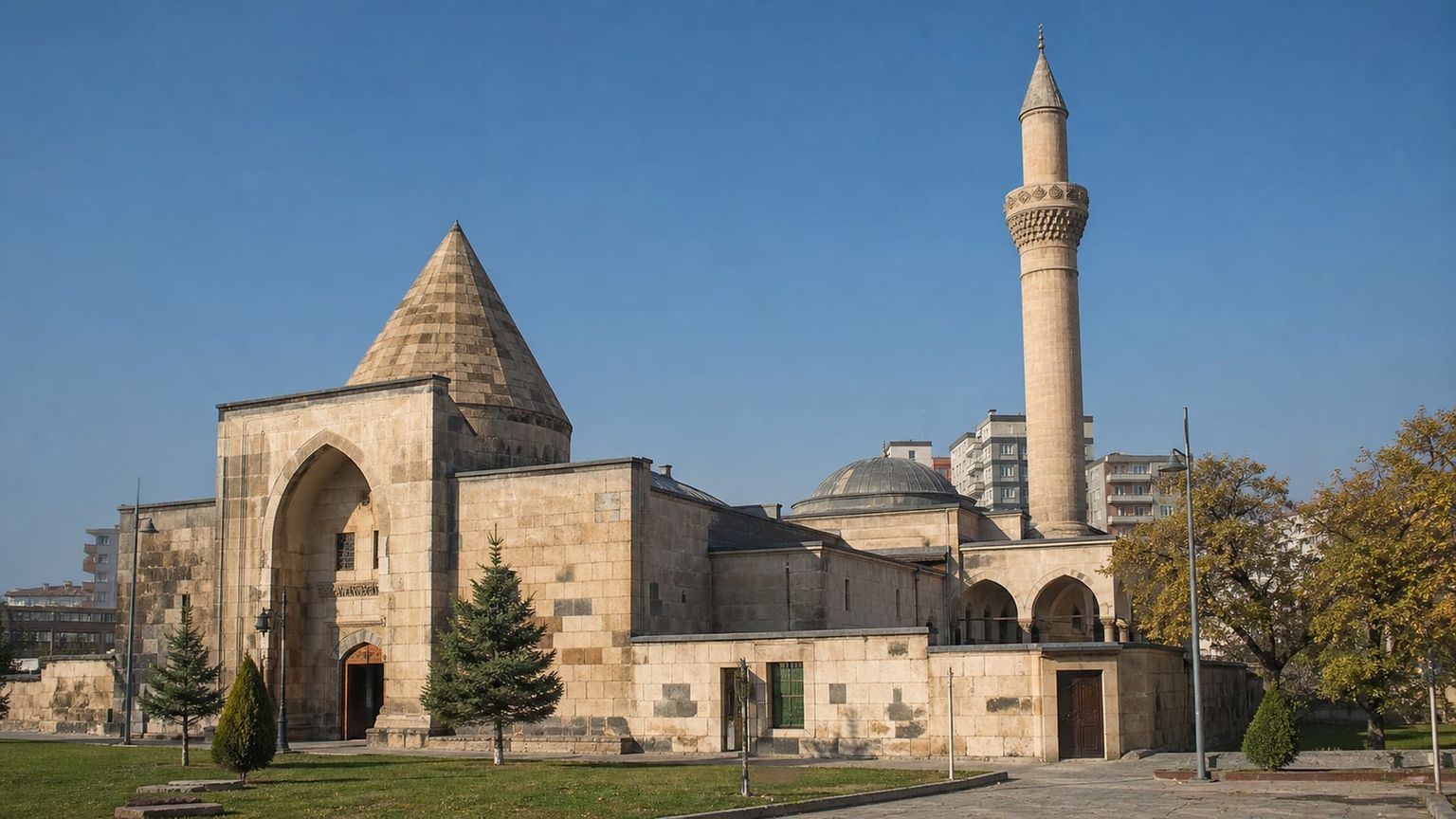
Rudaki Park sets up an easy opening, so begin with a morning stroll there and then walk about 10 minutes to the Museum of Ethnography and Local Lore for a smaller, quieter collection of textiles, household objects, and costumes. After lunch in the City center, head to Victory Park by taxi in about 15 to 20 minutes for wide views over Dushanbe and a final open-air stop before sunset. Return via the Rudaki Avenue corridor, where the main roads, government buildings, and cafes give the city its most formal central stretch.
Morning works best for one last museum stop, so begin at the National Museum of Tajikistan if you want a final look at the reclining Buddha and the country’s history galleries. After that, spend time in the Ismoili Somoni district for neighborhood shopping and a calmer central walk, then settle into a cafe there for coffee or tea before heading back toward your hotel. If your flight is later in the day, a final taxi from the center to Dushanbe International Airport (DYU) usually takes about 25 to 35 minutes, so you can time departure without rushing.
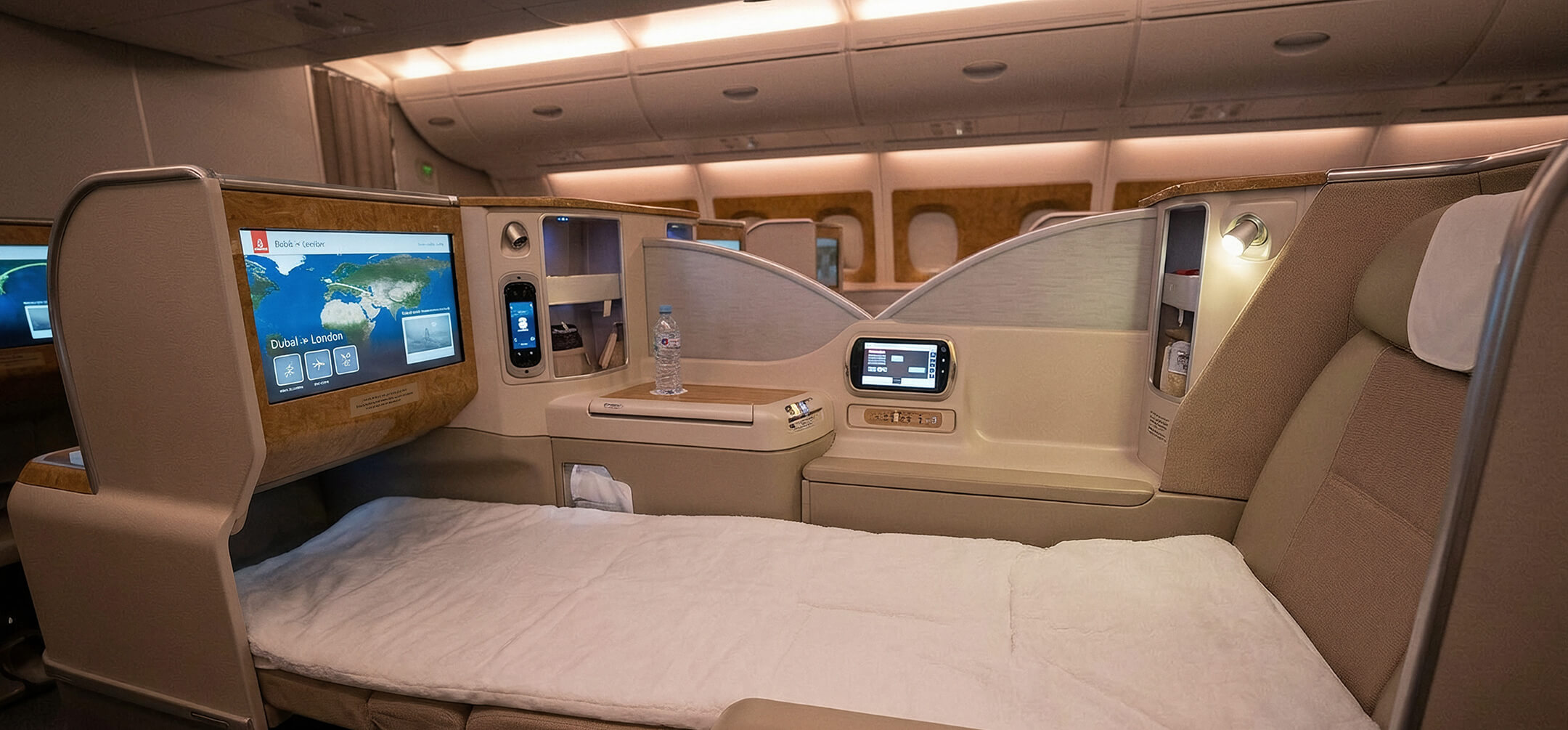
Business-class flights from the US to Dushanbe
Flights to Dushanbe usually connect through one of a few major hubs, so the route you choose depends more on layover length than on the final fare alone. From the East Coast and West Coast, the options below show how the timing and connections differ.
From New York, Turkish Airlines, Qatar Airways, Emirates, Air Astana, Uzbekistan Airways, and flydubai all appear on common itineraries. Most trips route through IST, DOH, DXB, ALA, or TAS, with total travel times of roughly 16 to 24 hours. From New York, Dushanbe fares in this cabin usually start at about $4,200 round trip.
Los Angeles itineraries commonly appear on Qatar Airways, Turkish Airlines, Emirates, Air Astana, and Uzbekistan Airways. Round-trip fares from Los Angeles generally run from $4,000 to $5,800 in this cabin, and the trip usually takes about 17 to 25 hours with connections through DOH, IST, DXB, ALA, or TAS.
Dushanbe feels different when you slow down
A well-paced Dushanbe trip usually starts near Rudaki Avenue, moves through the National Museum of Tajikistan and Rudaki Park, then climbs toward Victory Park or heads west for Hisor. Taxis, buses, and a few careful walks cover the city well when you match them to the time of day. If you want help shaping the trip into a clean route, contact the AranGrant experts and build it around the neighborhoods and day trips that fit your schedule