

Chapters:

Need help with your trip?
Our support team is available 24/7. Request a callback or call us directly at (833) 619-0908
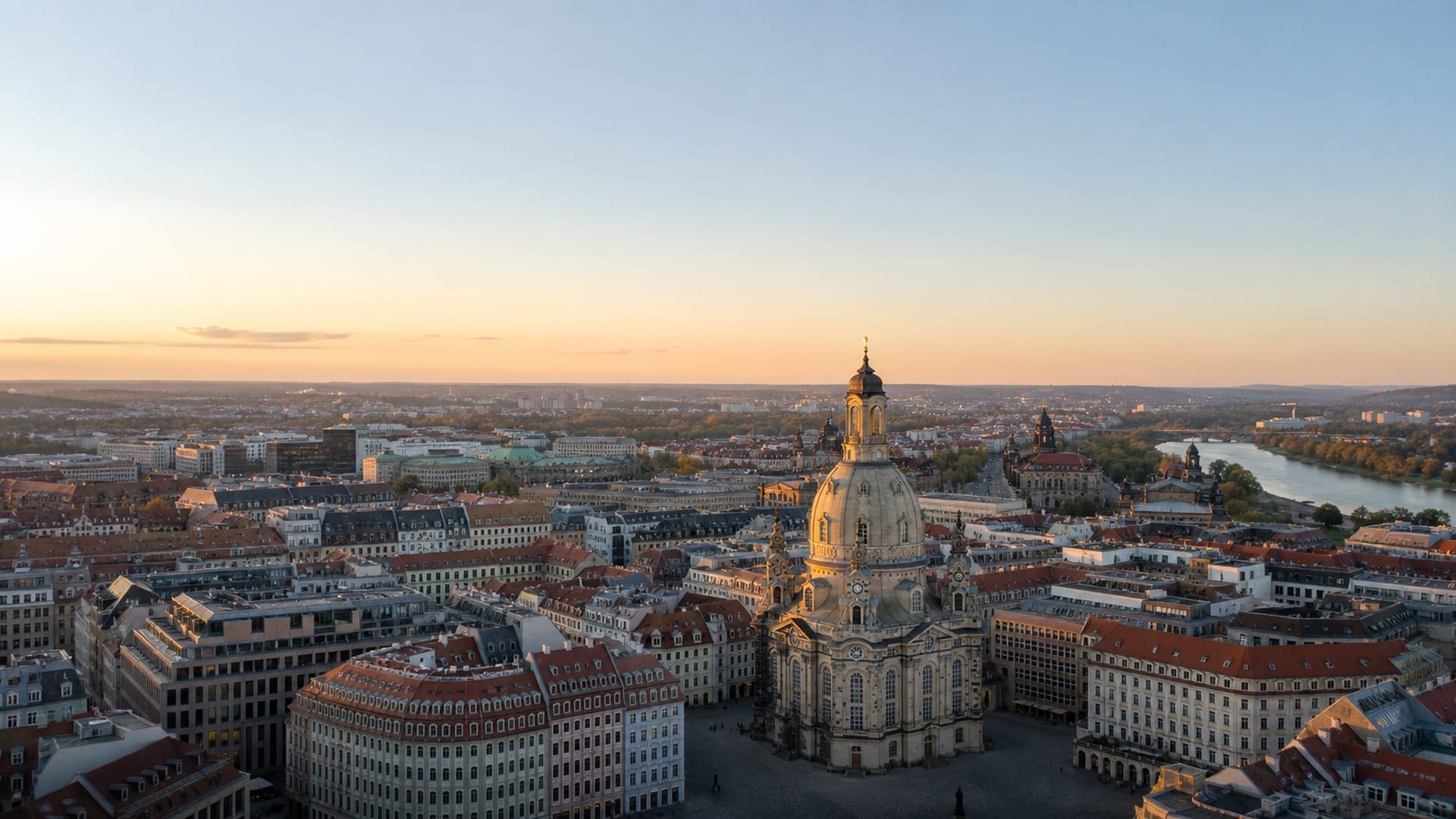
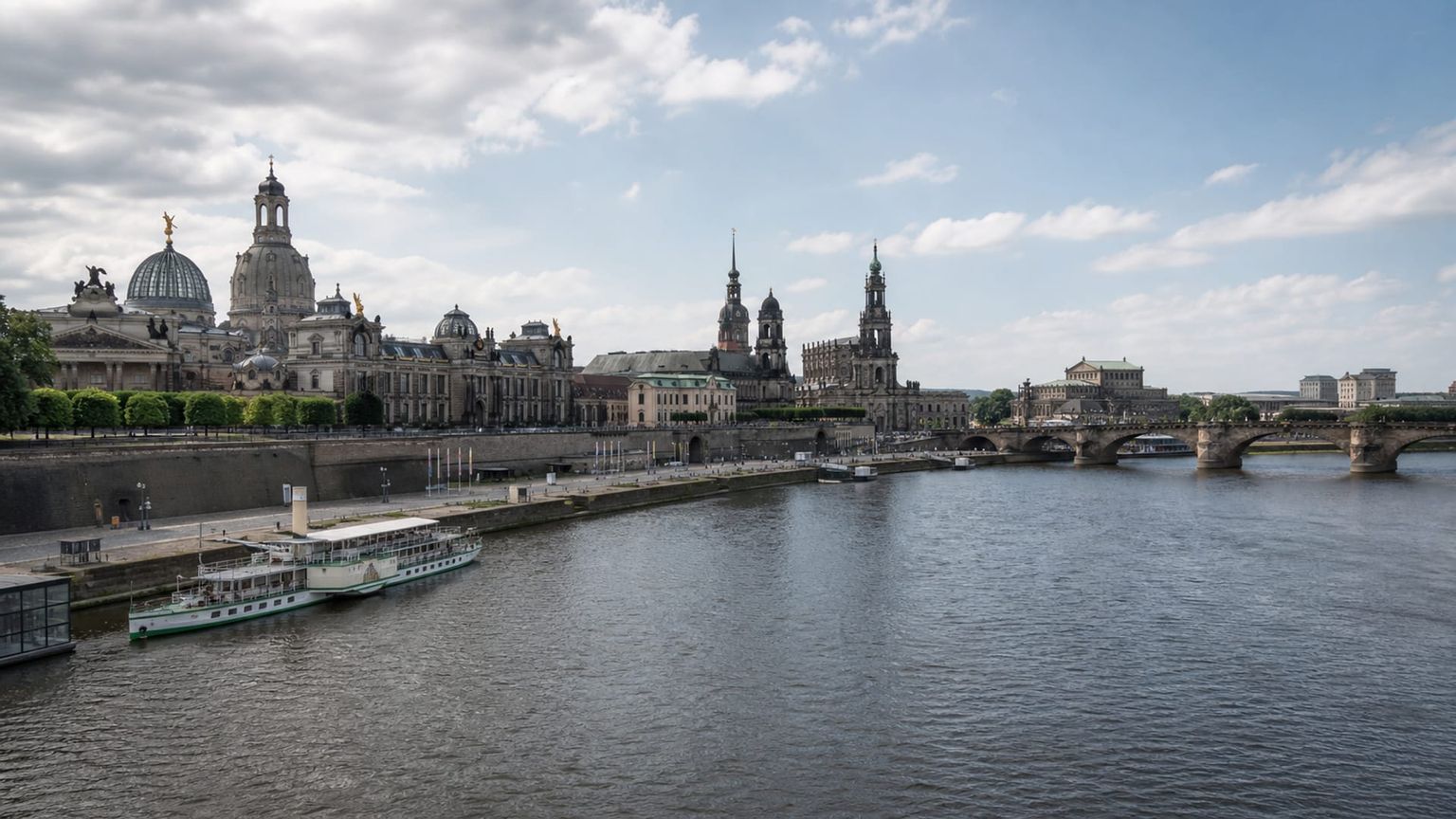
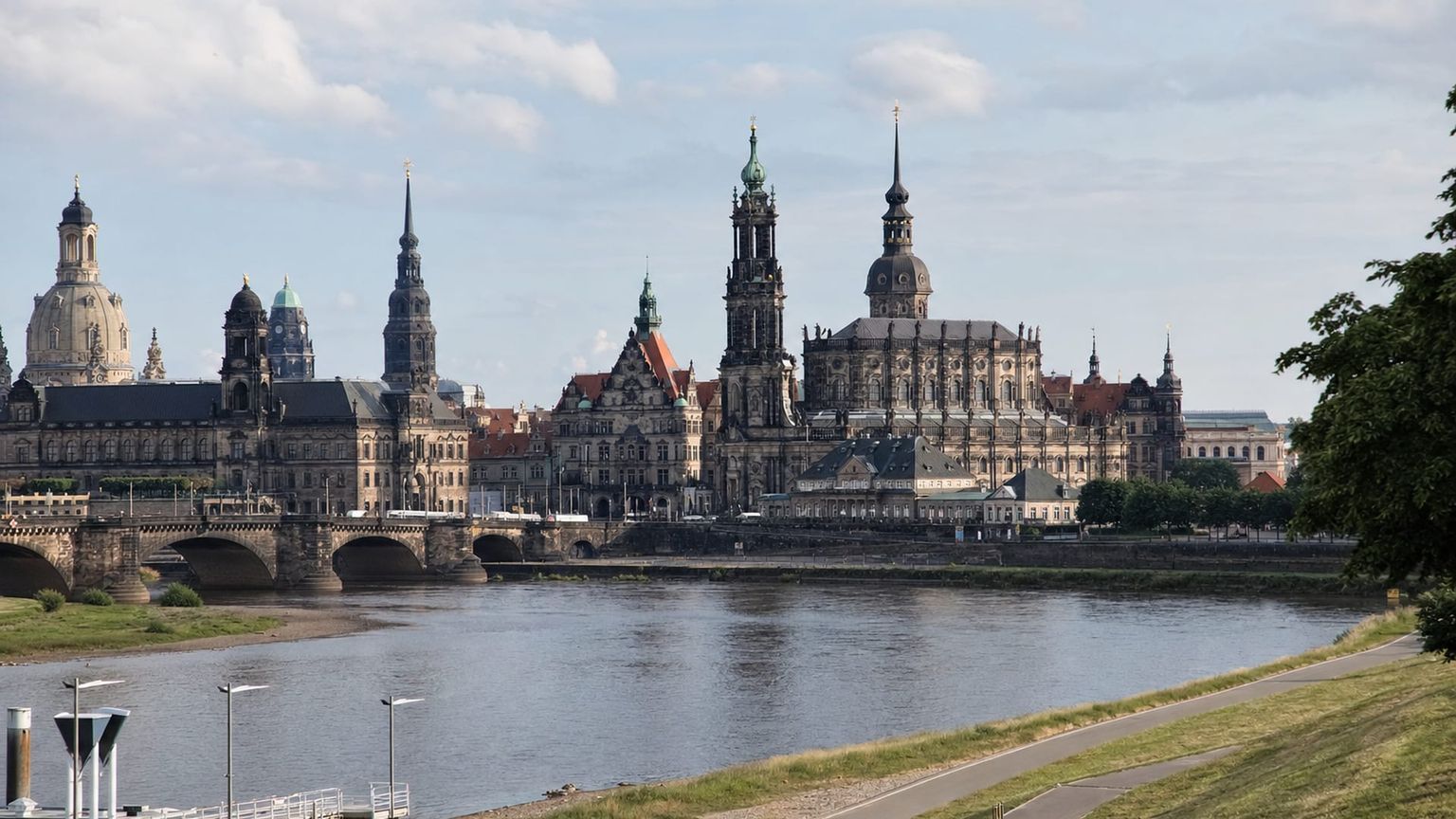
Dresden invites you to slow down. Its historic center is compact, with the Frauenkirche, Zwinger, Semperoper, and Elbe all within an easy walk, but the city opens up quickly once you move beyond those familiar landmarks.
Across the river, Neustadt adds cafés, courtyards, independent shops, and a livelier evening scene, while Dresdner Heide offers a complete change of pace only a short trip from the center. With a few days, you can move between museums, riverside walks, neighborhood meals, and quieter stretches of the city without filling every hour.
This guide will help you plan that time well, with clear advice on where to stay, how to get around, what to see, what to eat, and when to visit.
Useful things to know

Main language(s): German
Hallo (HAH-loh) – Hello
Bitte (BIT-teh) – Please
Danke (DAHN-keh) – Thank you
Sprechen Sie Englisch? (SHPREH-khen zee ENG-lish?) – Do you speak English?
Wie viel kostet das? (vee feel KOS-tet dahs?) – How much does it cost?

Currency: Euro (EUR, €)

Cash and cards: Cards are accepted at most hotels, restaurants, and stores, but cash is still useful at markets, bakeries, and smaller businesses.

Tipping: Round up smaller bills or leave 5% to 10% at restaurants and cafés for good service. Tipping is voluntary in Germany.

Traditional food: Saxon potato soup, Sauerbraten, Quarkkeulchen, Dresdner Eierschecke, and Dresdner Christstollen are among Dresden’s classic foods.

Water and coffee costs: Mineral water costs €2.80 to €3.20 ($3 to $3.60), while an espresso commonly costs €2.20 to €3.50 ($2.50 to $4).

Taxis and ride apps: FREENOW operates in Dresden for taxi bookings. Uber is not currently available in the city.

Plug and voltage: Type F sockets use 230V. US travelers need a plug adapter and should check that their devices support the local voltage.

Dining and shop opening hours: Restaurant hours vary, with lunch often from noon and dinner from 5:00 pm. Most shops close on Sundays, apart from legal exceptions.

Emergency number: Call 110 for police emergencies and 112 for fire or ambulance services.
Where to stay in Dresden
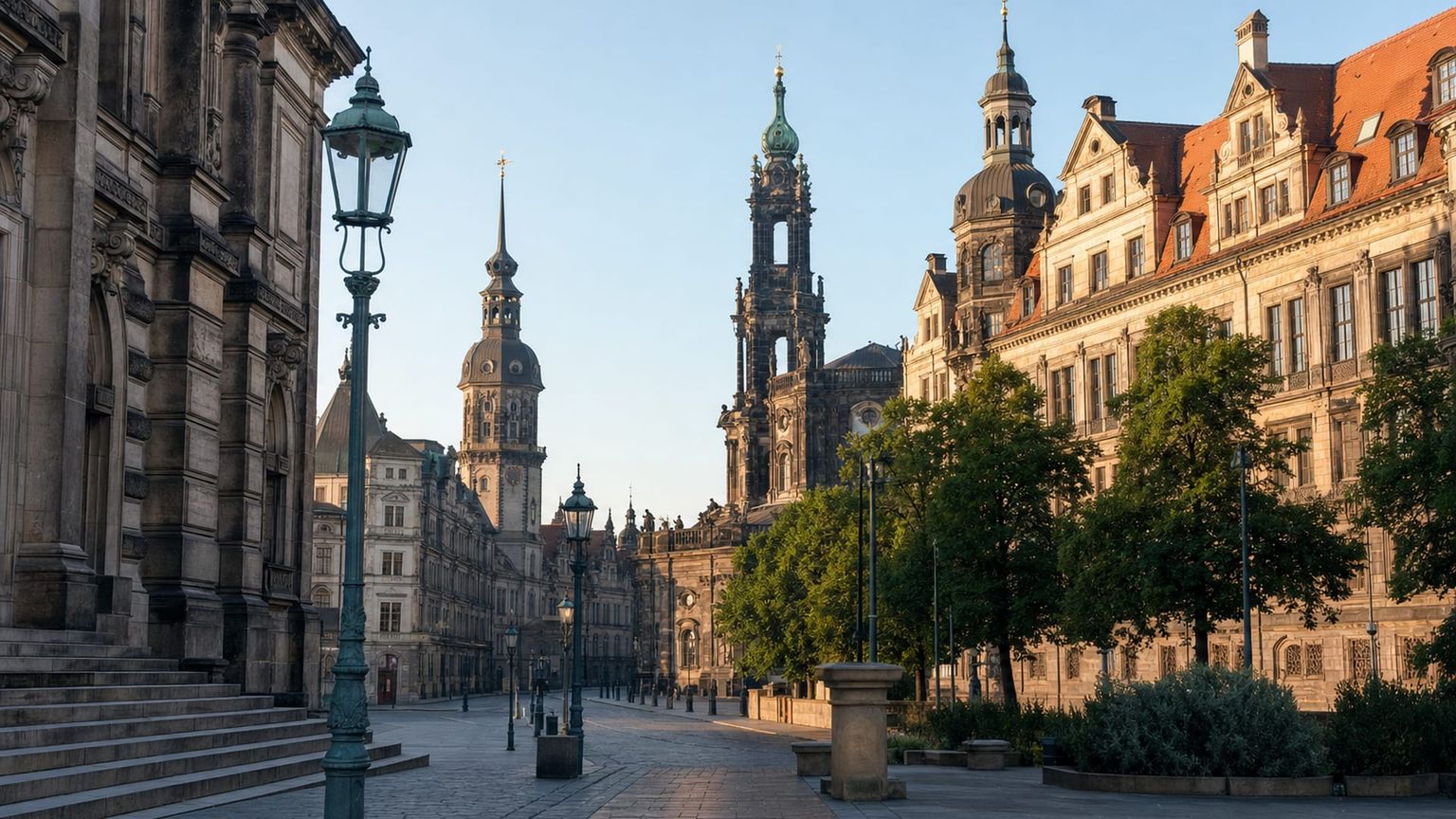
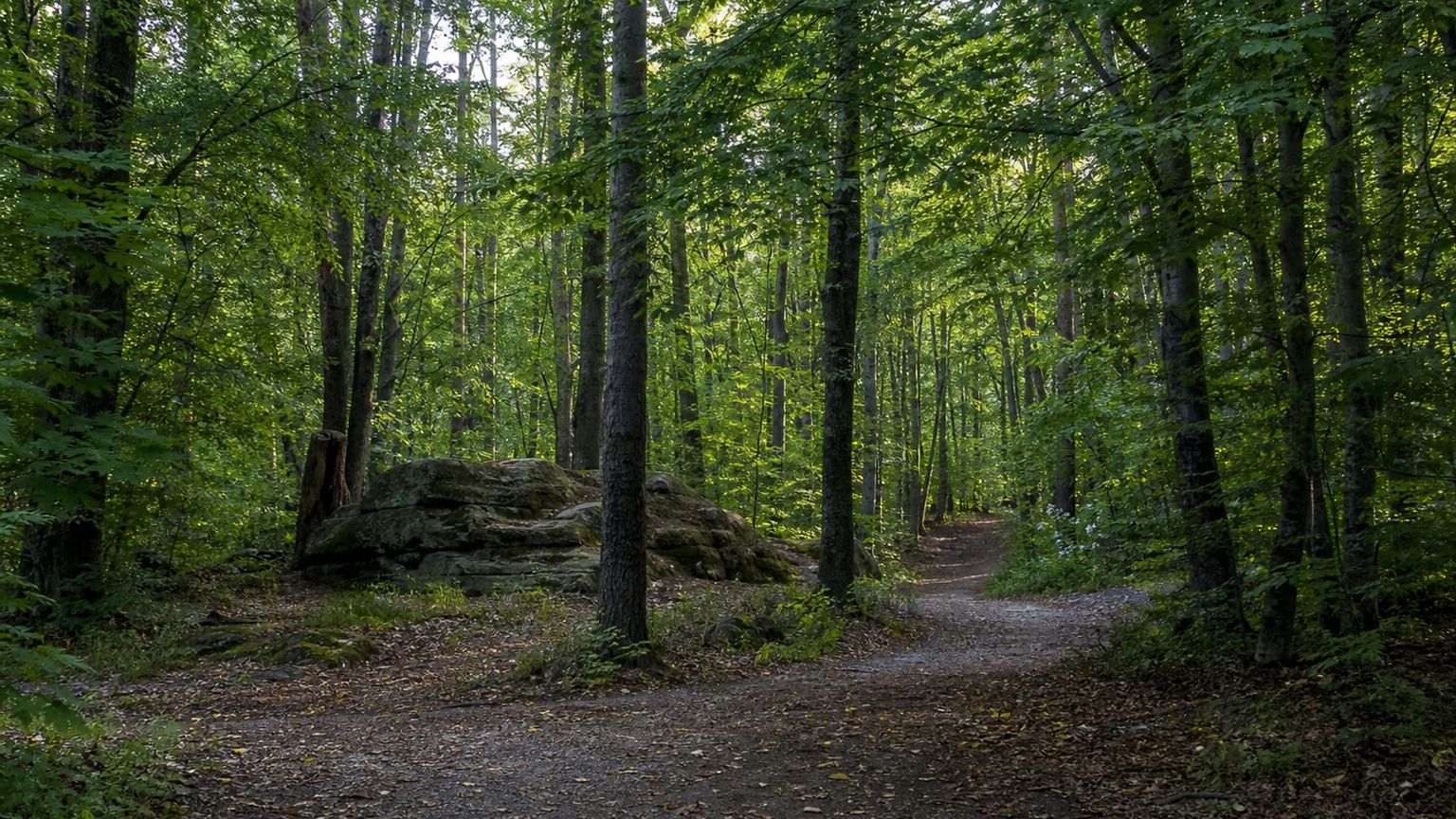
Dresden’s Altstadt centers on Neumarkt, Theaterplatz, and the Elbe, with the Frauenkirche, Zwinger, Semperoper, Residenzschloss, museums, restaurants, and riverfront close together. Staying here keeps most headline sights within an easy walk, with tram stops nearby for trips farther out.
Best for: First-time visits, major sights, and short stays
What to expect: Busy daytime streets, tour groups, and a steady flow of diners and theatergoers in the evening.
Hotel prices: Usually about 120€ to 220€ (~$130 to ~$240) per night for well-rated stays
Distance to major sights: 5 to 10 minutes on foot to the Zwinger and Frauenkirche; about 10 minutes to the Semperoper
Quietness: Quieter late at night than during the day, with the liveliest stretches near the main squares and attractions.
Main trade-off: This is the most central area, but rooms often cost more and some addresses sit on streets with heavy visitor traffic.
Good to know: Postplatz has several tram lines, while Neumarkt is mostly pedestrian-focused, so either area keeps sightseeing simple without relying on taxis.
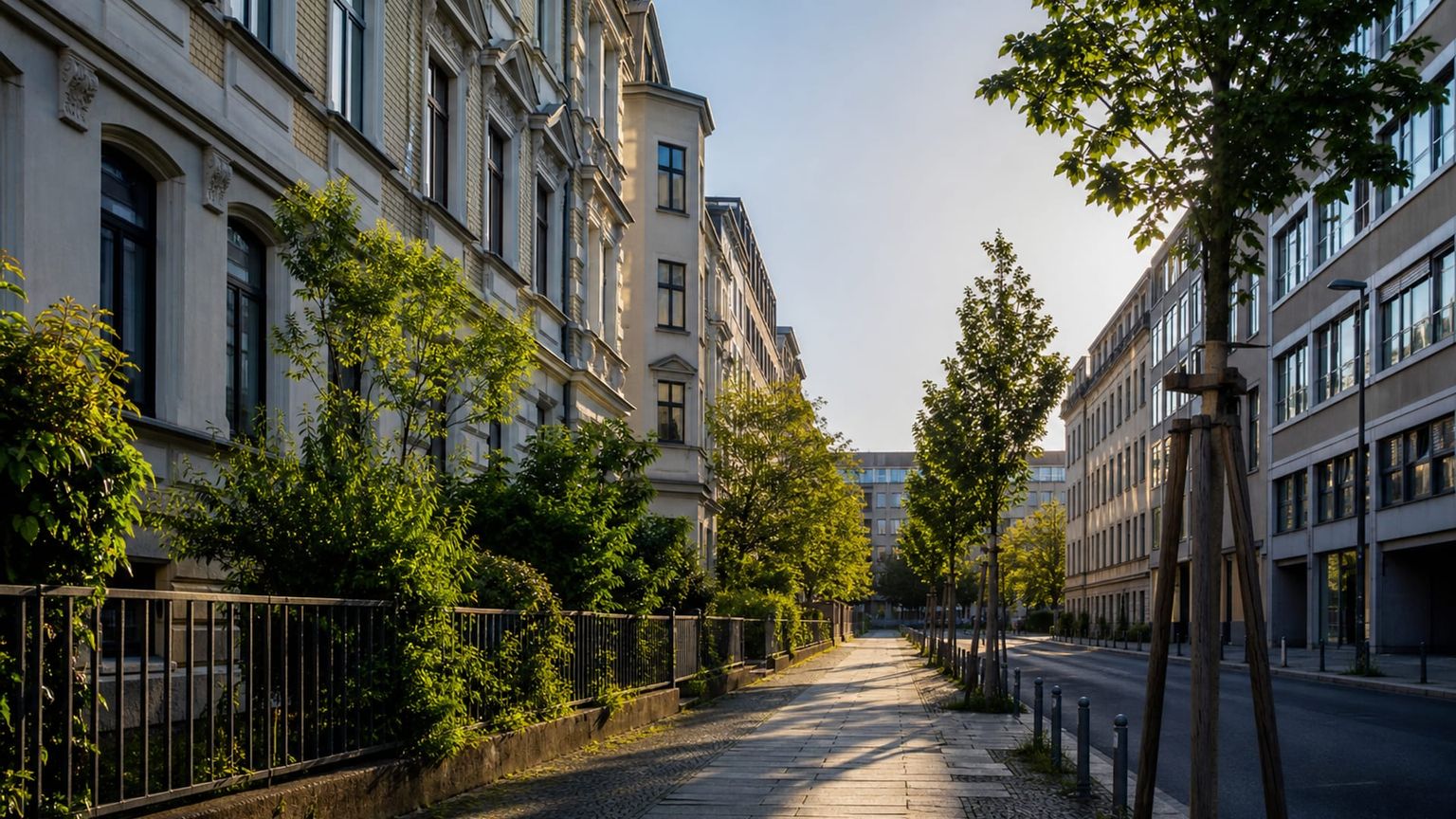
Neustadt stretches north of the Elbe, with baroque streets near Albertplatz and the busier Äußere Neustadt around Alaunstraße and Louisenstraße. Bars, cafés, independent shops, courtyards, and frequent trams make it a good fit for travelers who want evenings out beyond Altstadt.
Best for: Nightlife, dining, and travelers who prefer a younger urban setting
What to expect: Active sidewalks, late-opening bars, and more local foot traffic than in the old town.
Hotel prices: Usually about 90€ to 180€ (~$100 to ~$200) per night for well-rated stays
Distance to major sights: About 10 to 15 minutes by tram to the Zwinger and Frauenkirche; roughly 20 minutes on foot to the Elbe bridges
Quietness: Lively into the evening, then quieter on side streets after bar closing time.
Main trade-off: You get more going on after dark, but some blocks can be noisy at night and farther from the classic postcard sights.
Good to know: Albertplatz is the best-connected part of Neustadt for trams; farther east, nightlife increases while the walk back to Altstadt gets longer.
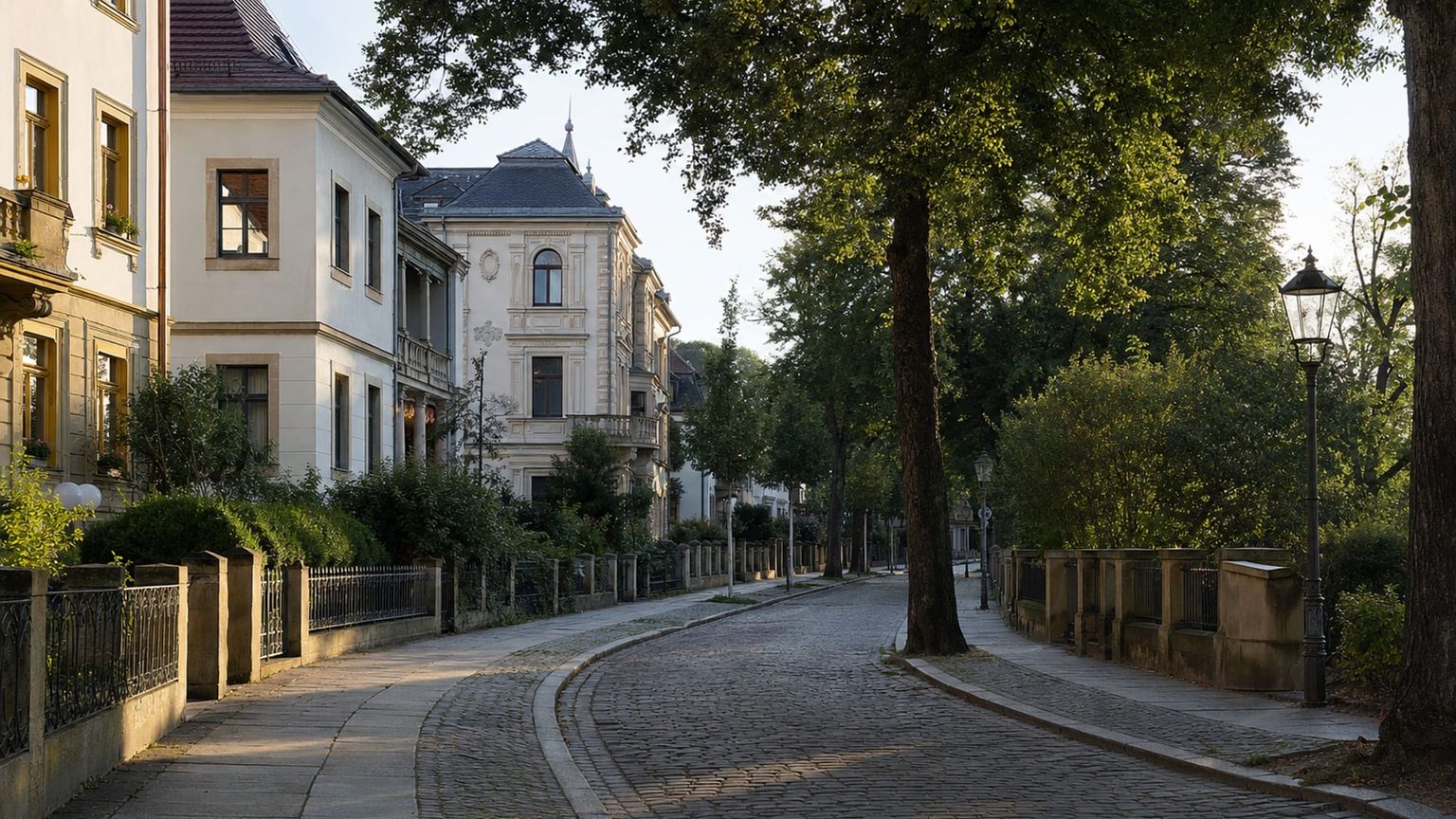
Blasewitz lies east of central Dresden along the Elbe, with restored villas, tree-lined streets, cafés, and Schillerplatz beside the Blue Wonder. Tram links keep Altstadt within reach, while the district suits travelers who prefer a residential setting over the historic center.
Best for: Longer stays, calmer evenings, and travelers who do not need to be in the center
What to expect: Tree-lined streets, neighborhood cafes, and far fewer tourists than in the historic core.
Hotel prices: Usually about 100€ to 190€ (~$110 to ~$210) per night for well-rated stays
Distance to major sights: About 20 to 25 minutes by tram to the Frauenkirche; roughly 10 minutes on foot to the Blue Wonder
Quietness: Quiet through the day and especially calm at night, with only local neighborhood activity.
Main trade-off: It is less central for sightseeing, so you will spend more time on trams or taxis each day.
Good to know: Schillerplatz is the most useful part of Blasewitz for cafés, shops, buses, and trams, with the Blue Wonder directly beside the square.
Travelers focused on central Dresden usually avoid outer Prohlis and Gorbitz, where trips into Altstadt take longer, and visitor services are thinner. Friedrichstadt and Bahnhof Neustadt are much better connected and do not need the same warning.
Hotel deals
How to get around Dresden efficiently
Dresden has no metro, but its S-Bahn, trams, buses, and taxis cover the airport, Altstadt, Neustadt, and outer districts for trips across the city.

S-Bahn
for airport transfers and rail-served areas
The S2 runs every 30 minutes from Dresden Airport to Dresden-Neustadt and Hauptbahnhof, reaching the main station in about 21 minutes. A Dresden-zone single ticket costs €3.60 ($4) and stays valid for one hour, including transfers.

Bus and tram
for most city trips
Trams cover Altstadt, Neustadt, Blasewitz, and the main stations, while buses fill gaps farther out. A city single ticket costs €3.60 ($4); a day pass costs €9.50 ($11). Stamp tickets bought before boarding; onboard tickets are already validated.

Taxi
for luggage, direct trips, and late hours
Taxis suit late arrivals, luggage, and direct trips. The official fixed fare is €39 ($44) between Dresden Airport and Hauptbahnhof and €26 ($29) to Dresden-Neustadt. Other city trips use the regulated meter, starting at €4.50 ($5).
*Prices are based on rates updated as of October 2026 and may change at the time of travel.
Use the S-Bahn for rides to the airport, trams and buses for most city trips, and taxis when luggage, late hours, or a direct door-to-door ride matters more than cost.
Iconic landmarks
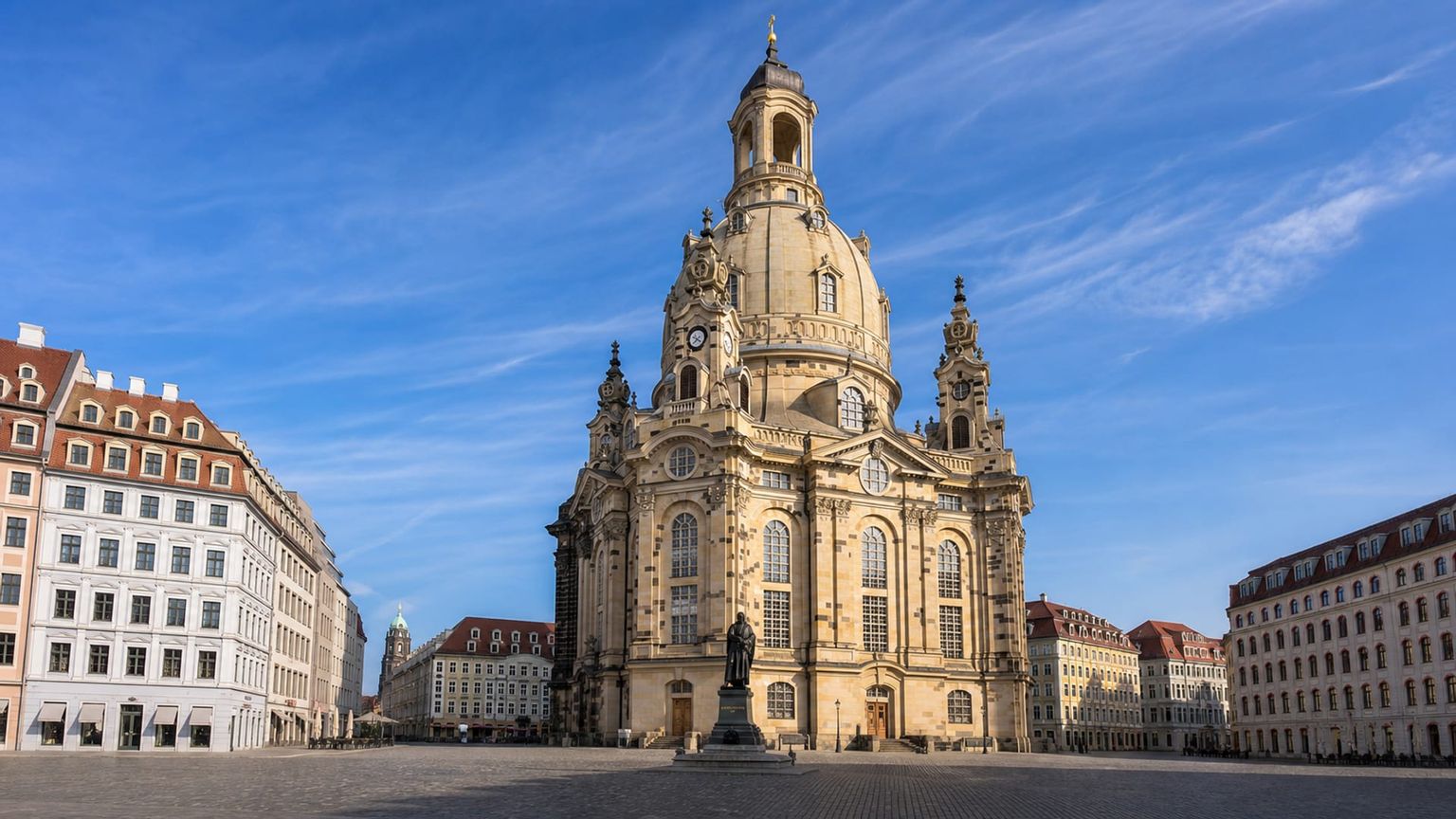
Dresden Frauenkirche
Dresden Frauenkirche rises over Neumarkt with its reconstructed stone dome and richly restored Baroque interior. Destroyed in 1945 and rebuilt after German reunification, it reopened in 2005 and now serves as both a working church and a landmark with a 220-foot (67-meter) viewing platform.
Time needed: About 1 to 2 hours
Entry: Church entry is free; dome ascent tickets cost about $14 ($13), with separate prices for concerts and guided visits. Visit the official site for details.
Tip: The dome route includes steep stairs; wear sturdy shoes and check the weather before climbing.
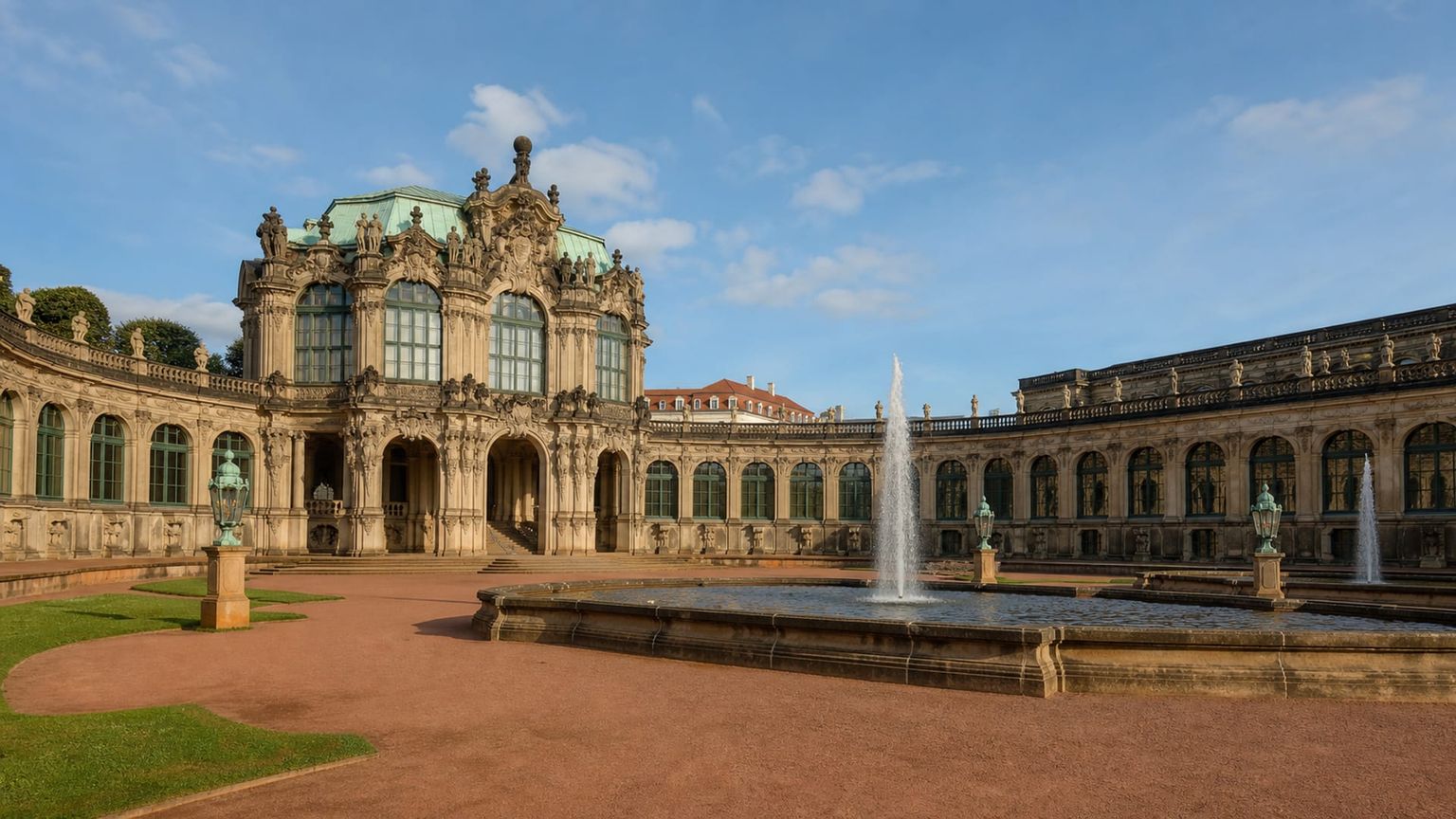
Zwinger
The Dresden Zwinger is a Baroque palace complex built under Augustus the Strong, with a landscaped courtyard, ornate pavilions, and the Nymphenbad. Its museums hold the Old Masters Picture Gallery, Porcelain Collection, and Royal Cabinet of Mathematical and Physical Instruments.
Time needed: About 2 to 3 hours
Entry: Tickets cost about $16 ($15) for adults; some museum combinations cost more, and courtyard access may vary by exhibition setup. Visit the official site for details.
Tip: Visit the upper galleries, accessible by the corner staircases, which offer views of the courtyard and city skyline.
Semperoper
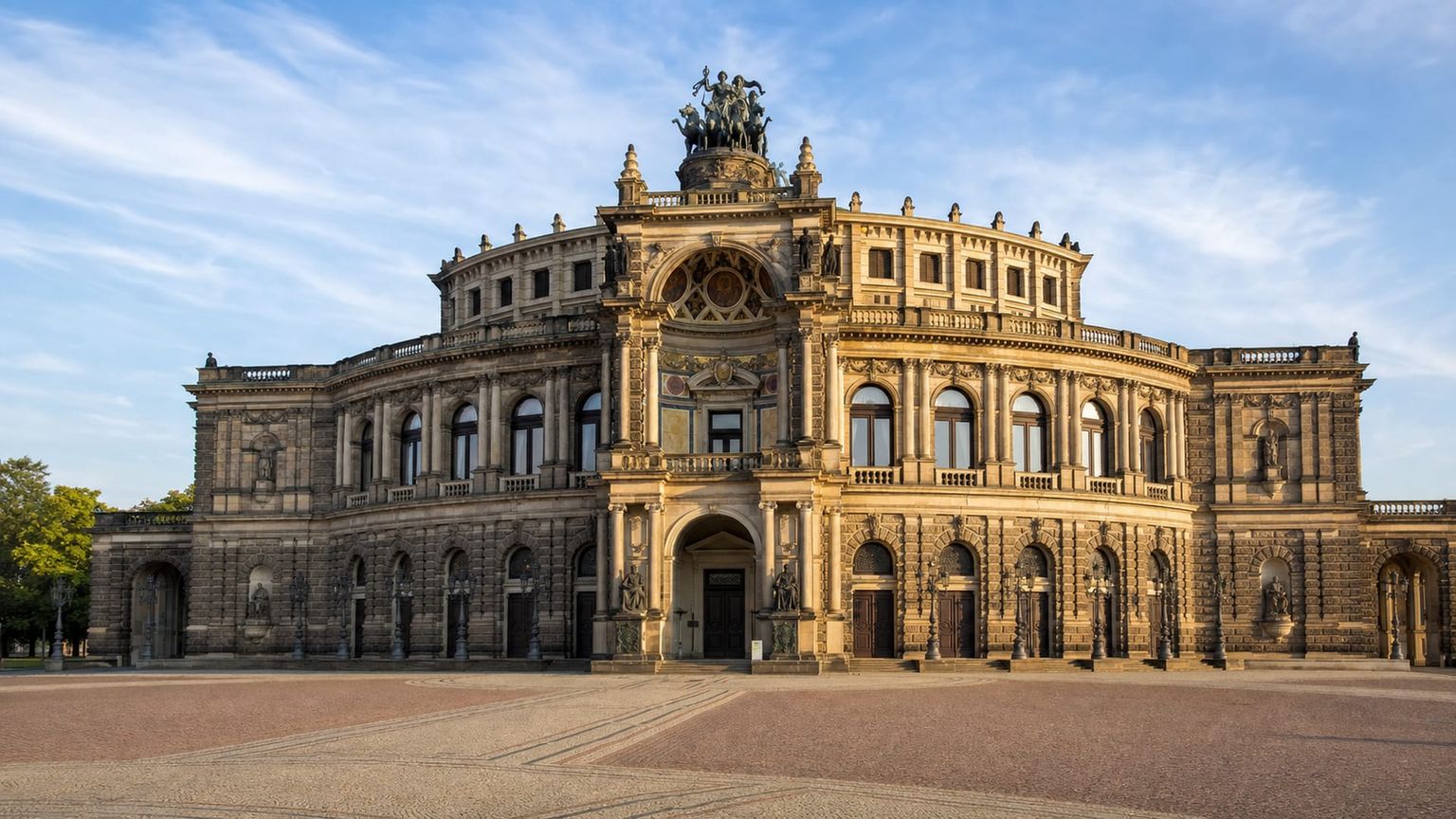
Semperoper faces Theaterplatz beside the Elbe, with a richly decorated auditorium, grand foyers, and architecture reconstructed after wartime destruction. A 45-minute guided tour explains the building’s design, history, and artistic details when rehearsals and performances allow access.
Time needed: About 1 to 1.5 hours
Entry: Guided tours cost about $16 ($15), with separate prices for performances and special events; availability changes by program. Visit the official site for details.
Tip: Tour times follow the performance schedule, so check your date before visiting.
Overlooked sites worth visiting

Dresdner Heide
Dresdner Heide is Dresden’s largest continuous forest, stretching across the city’s northeast with marked walking routes, streams, clearings, and varied woodland used for hiking and cycling.
Time needed: About 2 to 4 hours
Entry: Free to access. There is no admission fee for walking or cycling in the heath, and the main paths, ponds, and forest clearings are open year-round at no charge. Bring water, since food, restrooms, and staffed facilities are limited outside the perimeter cafés and access points.
Tip: Choose a marked route from Bühlau or Klotzsche rather than wandering without a plan.

Albertinum
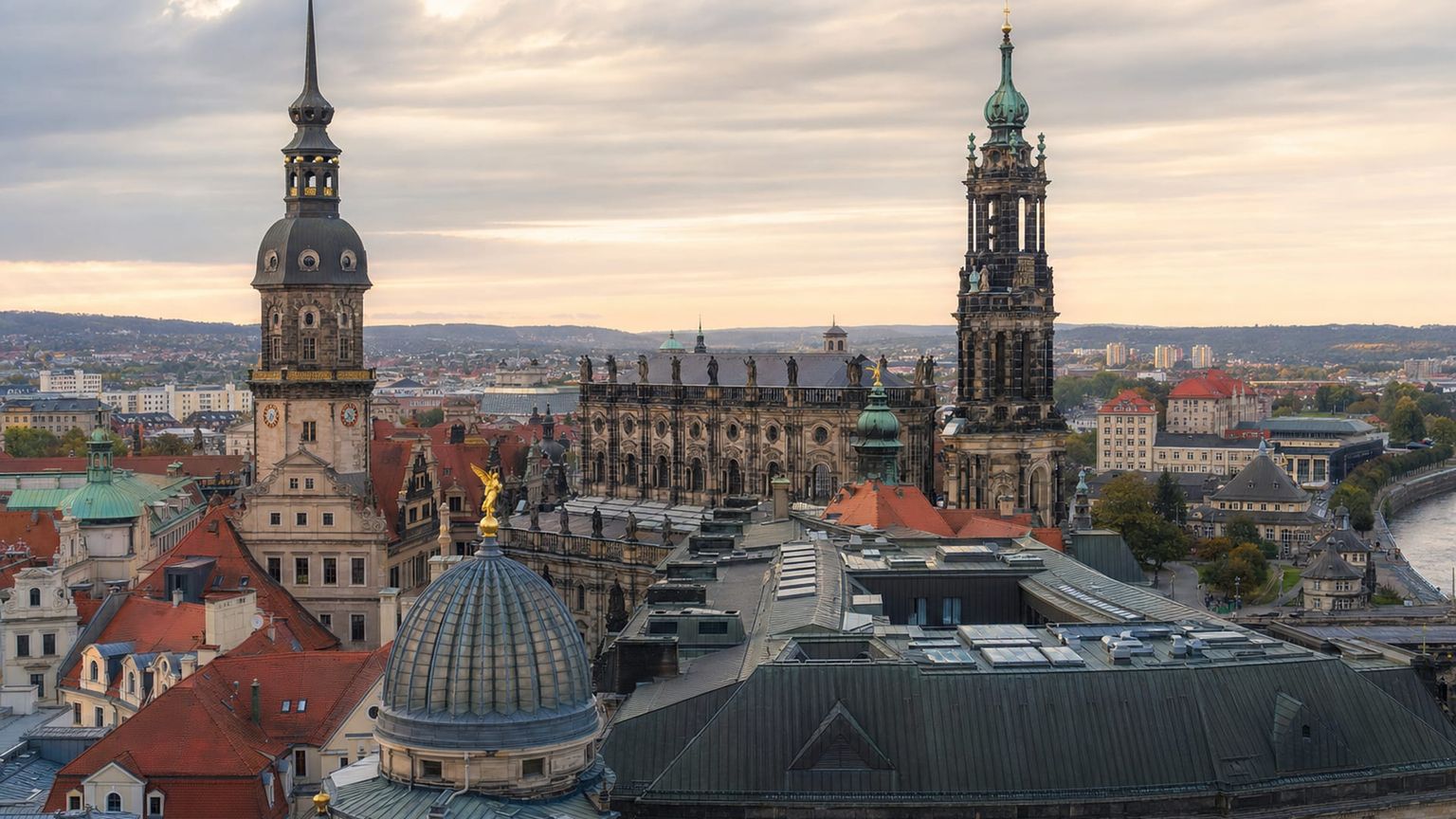
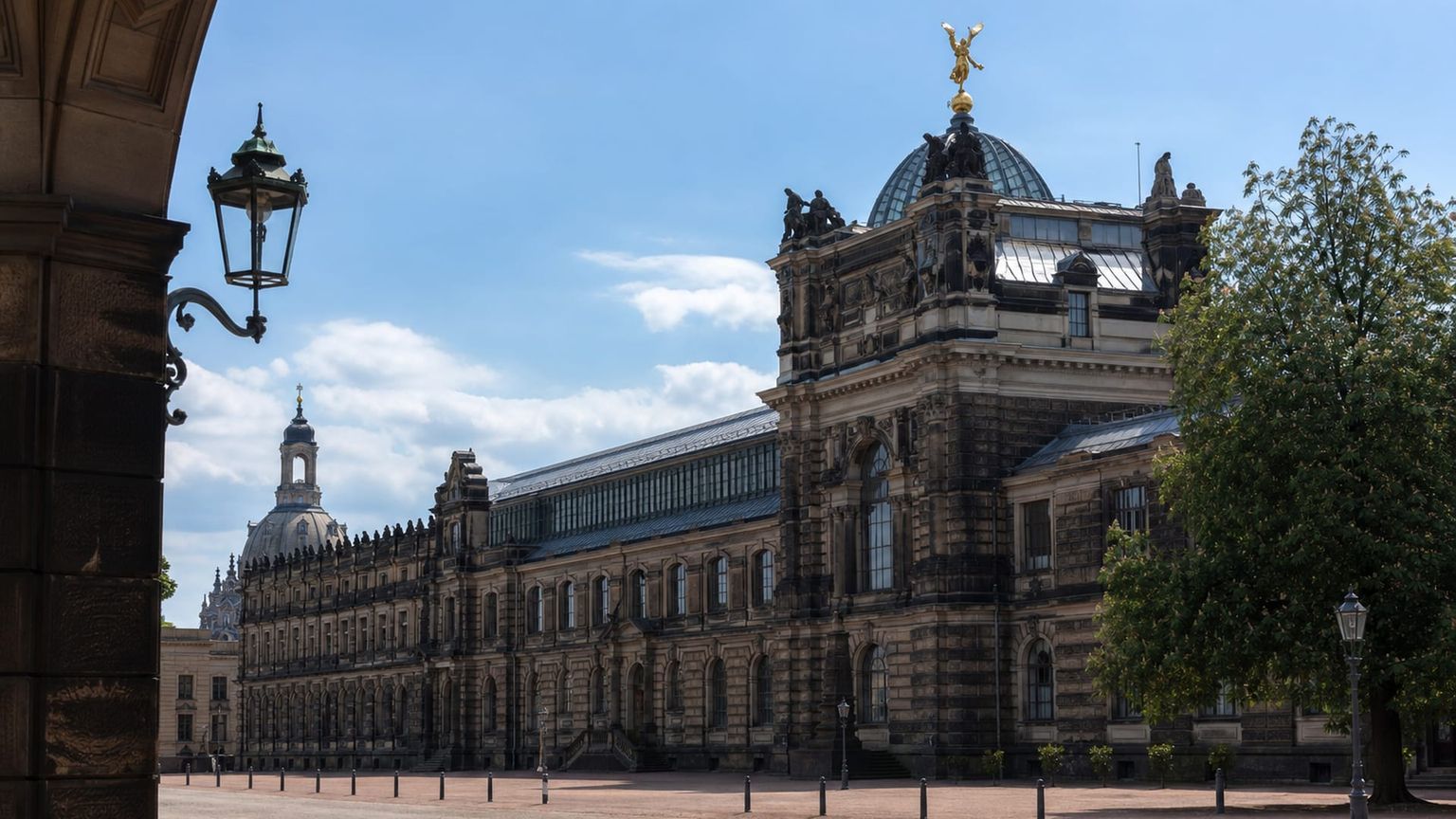
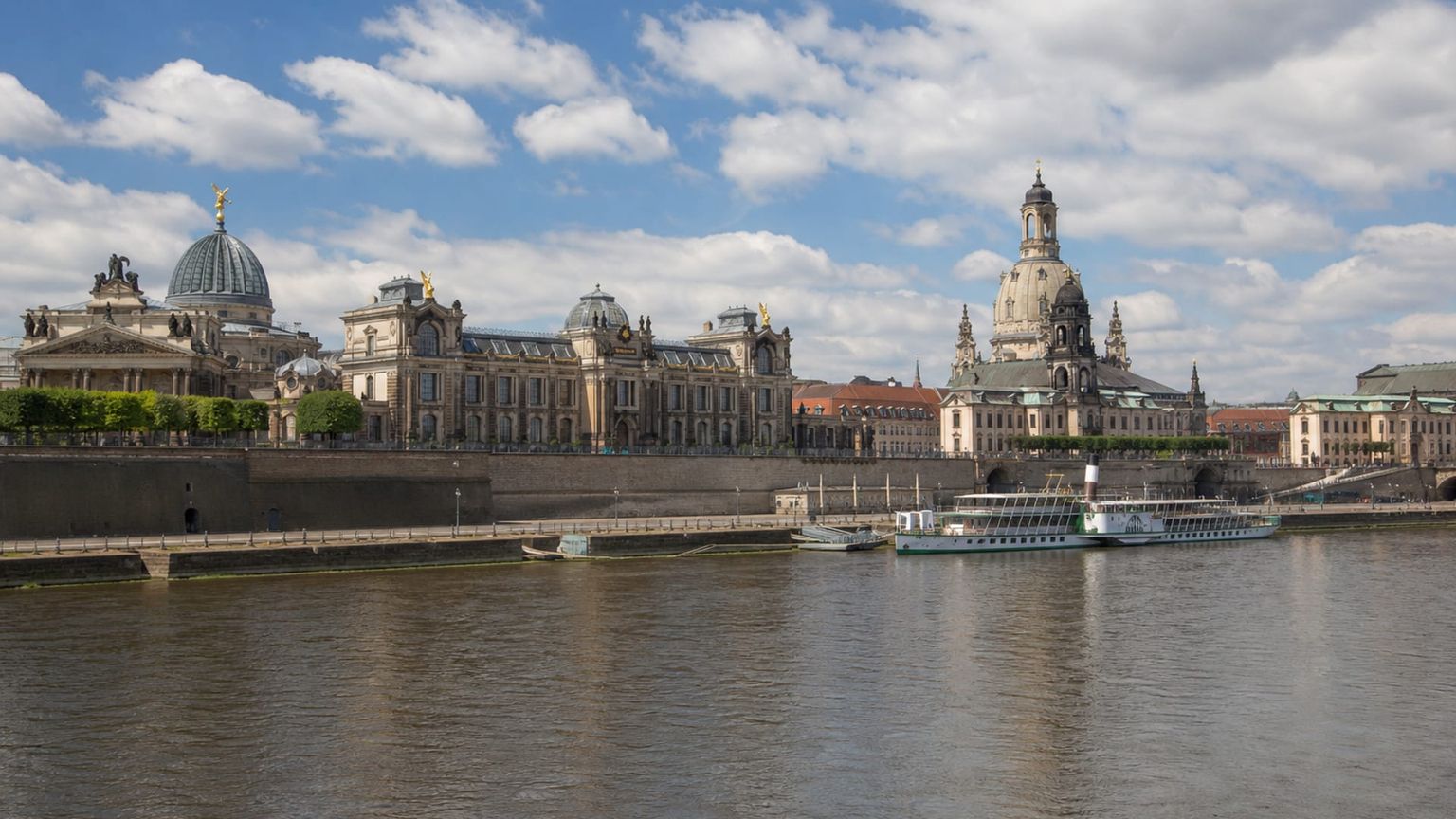
Albertinum stands on Brühl’s Terrace in a former armory, with painting from Romanticism to contemporary art and sculpture from 1800 onward. Its compact galleries make a focused museum visit easy.
Time needed: About 1 to 2 hours
Entry: Standard admission costs $15 (€14) for adults, with reduced tickets about $11 (€10) for eligible visitors. Entry is covered by some city museum passes, and special exhibitions may carry a separate surcharge on select dates. Visit the official site for details.
Tip: Pair the galleries with a walk along Brühl’s Terrace just outside the museum.
Traditional food
Dresden’s traditional food is rooted in Saxon cooking, with potatoes, quark, braised beef, and baked desserts appearing across local menus. These four dishes are among the city’s regional staples.
Saxon potato soup
Saxon potato soup is made from potatoes and vegetables, with sausage added in some versions. Pulverturm an der Frauenkirche serves it with fried Bockwurst slices and offers both small and large portions in Dresden’s Old Town.
Quarkkeulchen
Quarkkeulchen are small pan-fried cakes made from potatoes and quark, then rolled in sugar and served with fruit or apple sauce. Sophienkeller serves them with apple sauce and whipped cream in its historic cellar restaurant.
Sauerbraten
Sauerbraten is marinated beef cooked slowly and commonly served with sauce, red cabbage, and dumplings. Paulaner im Taschenbergpalais prepares the Saxon version with raisin sauce, apple red cabbage, and potato dumplings.
Eierschecke
Dresdner Eierschecke is a layered cake with a thin yeast base, quark filling, and a thick egg custard layer. Coselpalais Restaurant & Grand Café serves the Dresden specialty near the Frauenkirche as part of its cake selection.
Best time to visit Dresden
Dresden is easiest to explore on foot in late spring and early fall, while summer brings long days and Advent draws visitors for Christmas markets.
Best for: River walks, parks, gardens, and sightseeing before summer heat arrives
What you get: Average highs rise from 47°F (8°C) in March to 64°F (18°C) in May, with nearly 16 hours of daylight by late May for outdoor sightseeing.
Trade-offs: March can still bring frosty mornings, while late spring brings more rain and occasional wet days.
Best for: Elbe cycling, beer gardens, outdoor events, and long evenings by the river
What you get: Average highs reach 73°F–76°F (23°C–24°C), and June and July bring nearly 16 hours of daylight for river walks and outdoor events in the city.
Trade-offs: Rain is common in summer, especially in June, and occasional hot spells can make midday sightseeing tiring.
Best for: Museums, vineyard walks, city sightseeing, and mild September afternoons
What you get: Average highs fall from 66°F (19°C) in September to 44°F (7°C) in November, while daylight shortens by several hours through the season.
Trade-offs: Late October and November bring colder evenings and much shorter days for outdoor sightseeing.
Best for: Christmas markets, museums, concerts, and shorter walks through the Old Town
What you get: Average highs stay near 35°F–38°F (2°C–3°C), while the Striezelmarkt fills Altmarkt from late November through Christmas Eve each year.
Trade-offs: Frost and short daylight limit outdoor time, while Advent brings crowds to the central Christmas markets.
A realistic 5-day plan in Dresden
With five days in Dresden, you have time for Altstadt’s museums and churches, Neustadt’s courtyards and cafés, and a half-day in Dresdner Heide. If Day 2 or 3 is Monday, swap it with the heath or Neustadt because the main art museums close that day.
After landing at Dresden Airport, take the S2 into the city. It reaches Dresden-Neustadt in about 13 minutes and Hauptbahnhof in about 21, and a Dresden-zone single ticket costs €3.60 ($4). Settle into your hotel, then keep the first afternoon simple with Neumarkt, the Frauenkirche exterior, and a walk toward the Elbe. Dinner nearby gives you an early introduction to Saxon cooking without adding another cross-city trip after the flight.
Visit the Zwinger in the morning, choosing the Old Masters Picture Gallery and one other collection instead of trying to cover every museum. Leave time for the courtyards and Baroque architecture between galleries, then stop in the gardens before lunch. Afterward, cross Theaterplatz for a 45-minute Semperoper tour, booked for a time that fits the opera schedule. Back outside, take in the square as a whole, then walk to the Elbe before dinner in Altstadt.
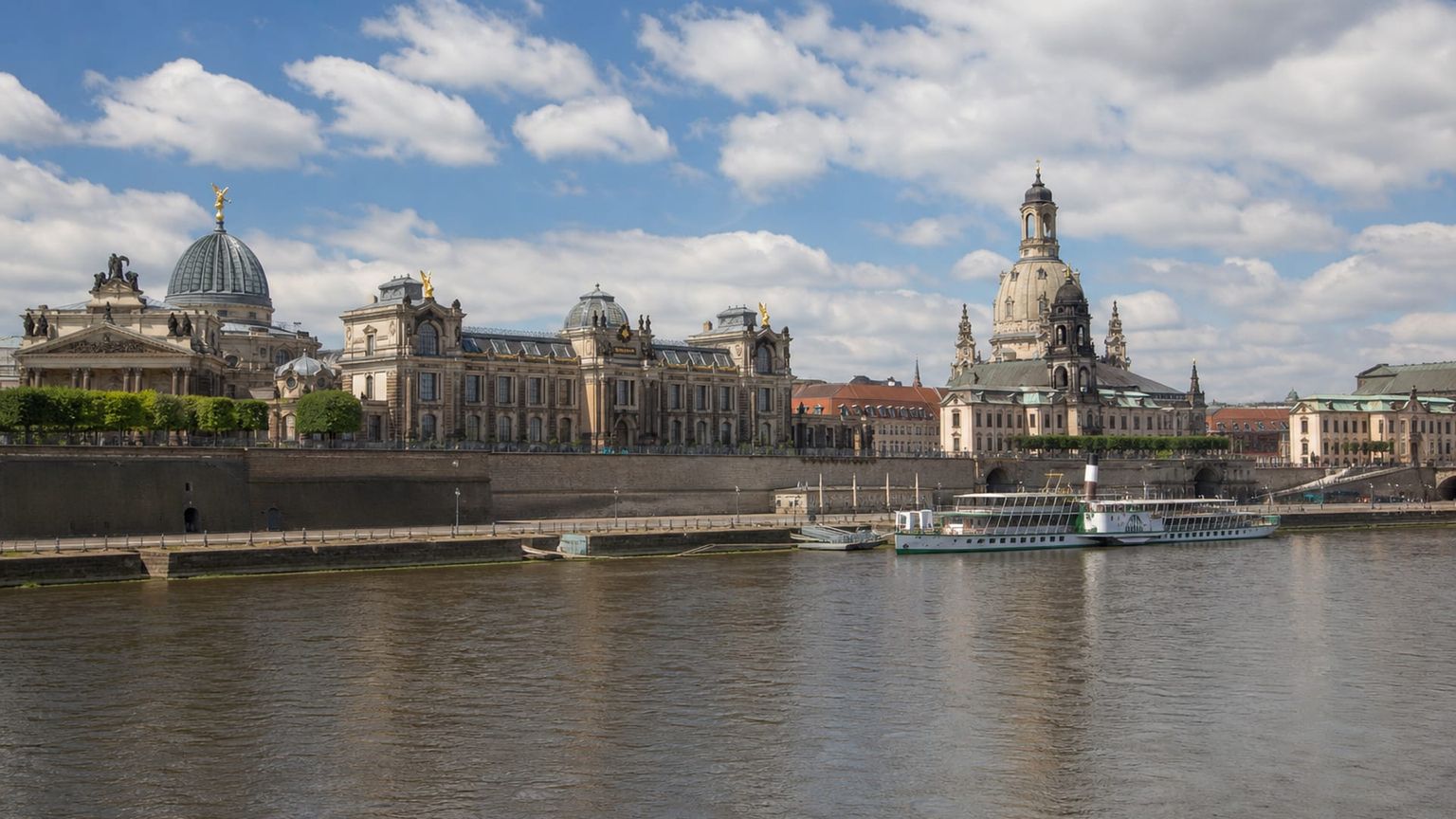
Head to Neumarkt once the Frauenkirche opens. See the church interior, then climb to the dome platform if the weather permits for a broad view across Dresden and the Elbe. Continue to the Albertinum for about two hours with Caspar David Friedrich, sculpture, and modern art. Brühl’s Terrace is directly outside, so walk along it afterward, stop for coffee near the river, and watch the boats and evening light before dinner in the historic center.
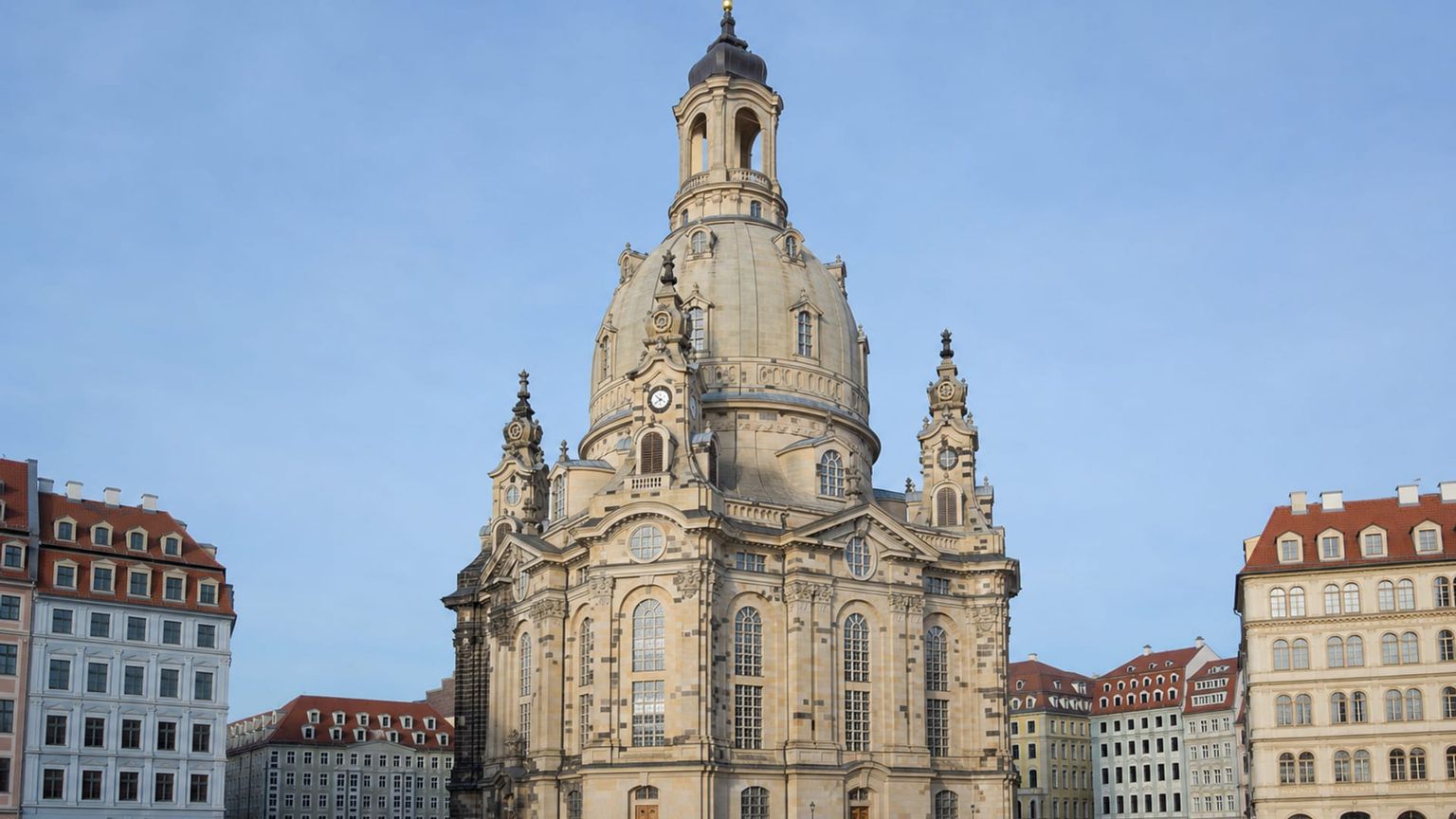
On the fourth day, head to Dresdner Heide, the large forest northeast of the center. From Langebrück, follow one of the marked walking routes through woodland, ponds, and old hunting paths; the 5.5-mile (8.8-kilometer) route takes about 2.5 hours. After three days in the center, the forest provides a clear change of setting. Return to Dresden in the afternoon, then keep the evening open for a Semperoper performance, a seasonal beer garden, or dinner in Neustadt.
Spend the final morning in Neustadt instead of repeating a museum from earlier in the trip. Walk from Albertplatz through Alaunstraße and into the Kunsthofpassage, where five connected courtyards contain small shops, cafés, and distinctive facades. Stop for lunch nearby and one last coffee, collect your bags, then take the S2 to Dresden Airport from Dresden-Neustadt or Hauptbahnhof. The train rides are 13 and 21 minutes, respectively.
Business-class flights from the US to Dresden
Dresden has no nonstop business-class flights from JFK or LAX to Dresden, so US travelers reach the city with one stop in Frankfurt, Munich, or Zurich.
New York (JFK) to Dresden (DRS)
From New York (JFK), Lufthansa reaches Dresden (DRS) with one stop in Frankfurt (FRA) or Munich (MUC), while SWISS connects through Zurich (ZRH). There are no nonstop flights. Journey times usually fall between 9 and 20 hours, although some schedules stretch close to 40 hours. Round-trip business-class fares typically range from $4,200 to $10,300.
Los Angeles (LAX) to Dresden (DRS)
Los Angeles has the same one-stop options as New York: Lufthansa via Frankfurt (FRA) or Munich (MUC), and SWISS via Zurich (ZRH). There are no nonstop flights from LAX. Total travel time ranges from 14 to 29 hours depending on the layover, while round-trip business-class fares typically fall between $4,100 and $16,300.
Dresden is best enjoyed without rushing
Dresden is easier to appreciate when the trip is not built as one long checklist. Keep the major museums and Old Town landmarks on separate days, give Neustadt its own time, and leave space for a quieter half-day beyond the center. That structure cuts down on backtracking and gives you more time with the places you came to see. Once your dates are set, our travel agents at AranGrant can help with business-class flights to Dresden and hotel options that fit your plans.