

Chapters:

Need help with your trip?
Our support team is available 24/7. Request a callback or call us directly at (833) 619-0908
Dominica trips often start with a night in Roseau, a waterfall day, and a northbound drive to Portsmouth, but many visitors miss how much time the roads and hills can take between stops.
That pace makes a loose plan expensive in daylight, since a quick map glance can hide 50-minute transfers, early-closing kitchens, and the difference between a short harbor walk and a steep uphill detour.
This guide keeps the island in a clearer order, with neighborhoods, transport, food, and five days arranged so each leg has a reason and a realistic finish time.
Useful things to know
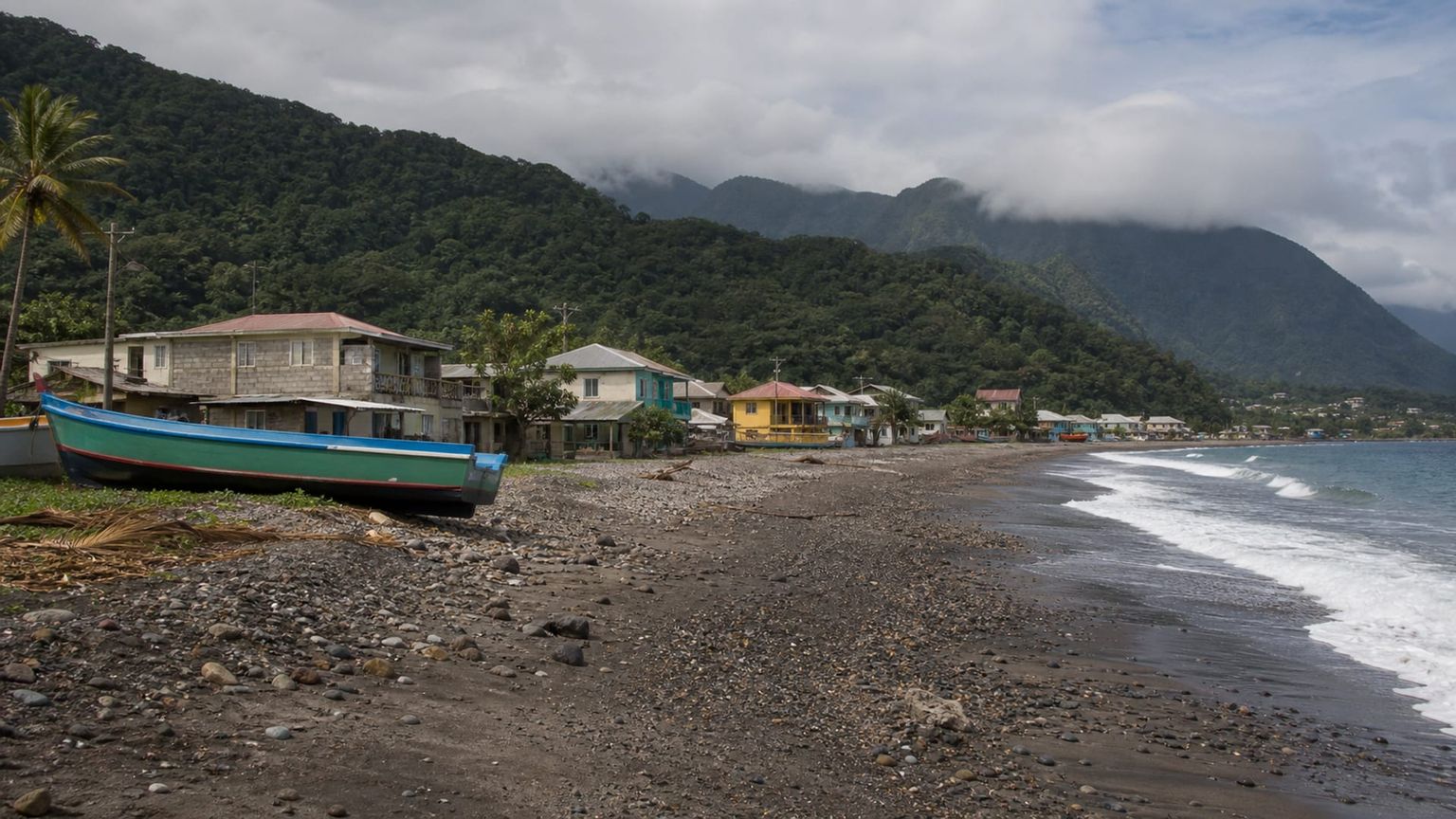

Main language(s): English

Currency: The local currency is the Eastern Caribbean dollar (XCD, $).

Cash and cards: Cards are accepted at many hotels and some restaurants, but carry about XCD 100 to 200 ($37 to $74) in cash for taxis, small shops, and market stalls.

Tipping: Round up small bills; tip about 10% in restaurants when service is good.

Traditional food: Callaloo soup, mountain chicken, fried fish, bakes

Water and coffee costs: Water about XCD 4 ($1.50), bar espresso about XCD 8 ($3).

Taxis and ride apps: Ride apps are limited here; use local taxis instead.

Plug and voltage: Type D/G socket, 230V

Dining and shop opening hours: Breakfast is about 07:00-09:00, lunch 12:00-14:00, and dinner 18:30-21:00. Many kitchens close early on Sundays and public holidays.

Emergency number: Dial 911 for police, fire, and ambulance.
Where to stay in Dominica
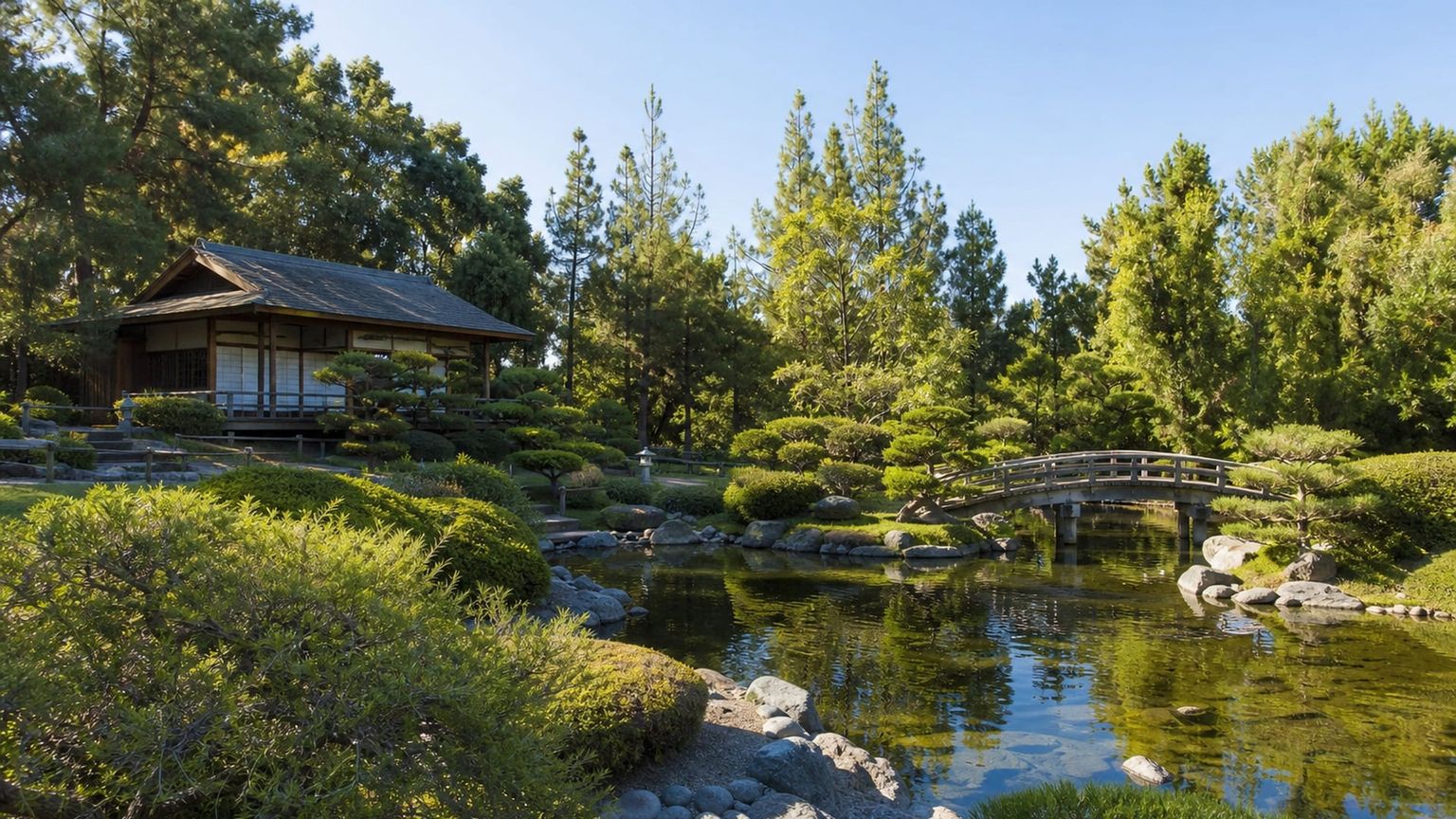
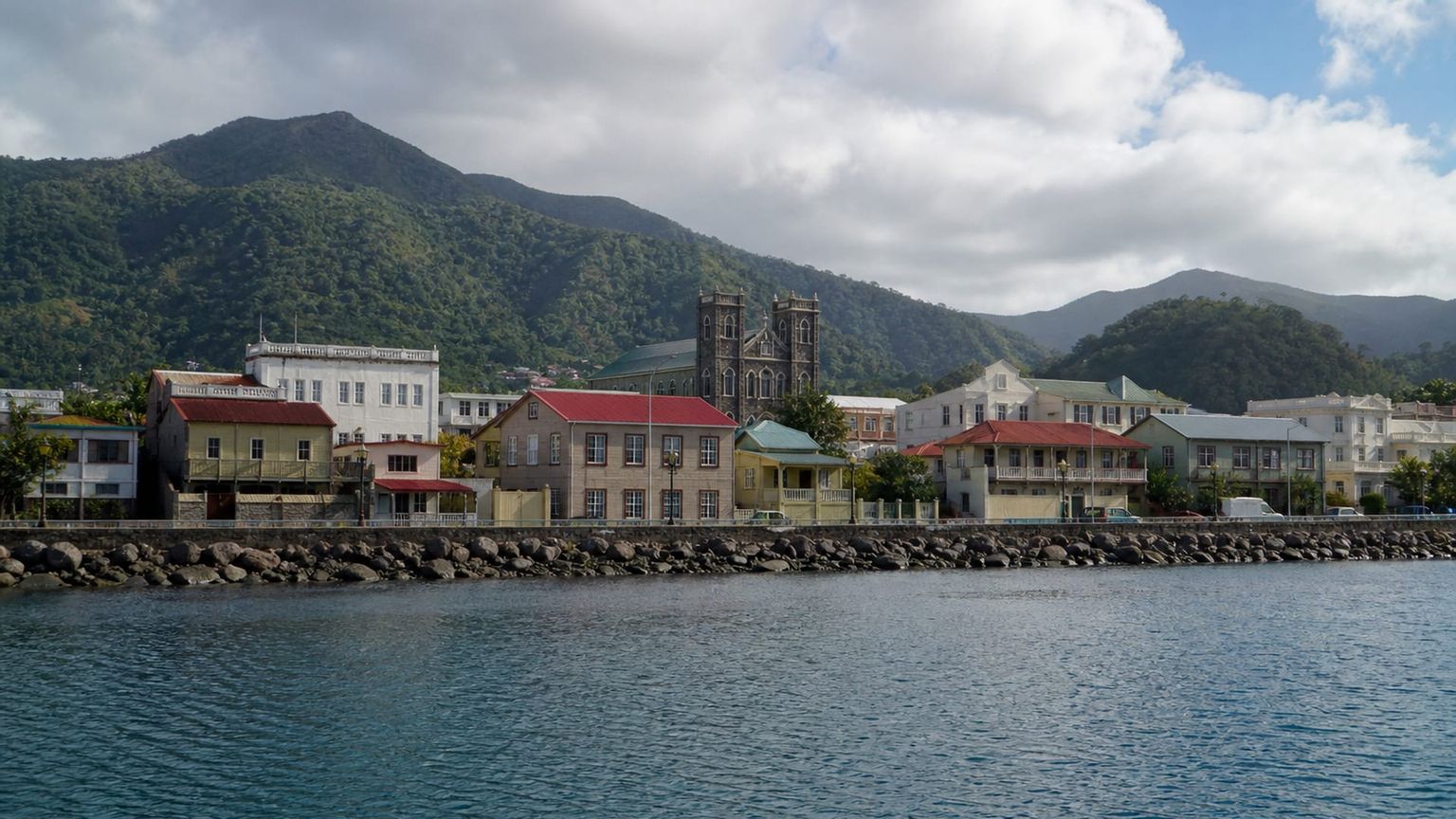
Dominica’s capital centers on government offices, the main market, ferry links, and most daily shopping. Staying here puts you closest to restaurants, banks, and the island’s best bus connections, which matters if you plan to move around without a car.
Best for: First-time visits, dining, and travelers using buses or ferries
What to expect: Busy daytime streets, market traffic, and a modest evening scene around restaurants and bars.
Hotel prices: Usually about $90 to $220 per night for well-rated stays
Distance to major sights: 5 to 10 minutes on foot to Old Market Plaza; about 20 minutes by taxi to the Dominica Museum
Quietness: Lively in the day, then much calmer after shops close at night.
Main trade-off: Central rooms can pick up road noise and parking is limited in the densest blocks.
Good to know: If you plan early departures, the bus and ferry connections here save time because you can walk to many departure points.
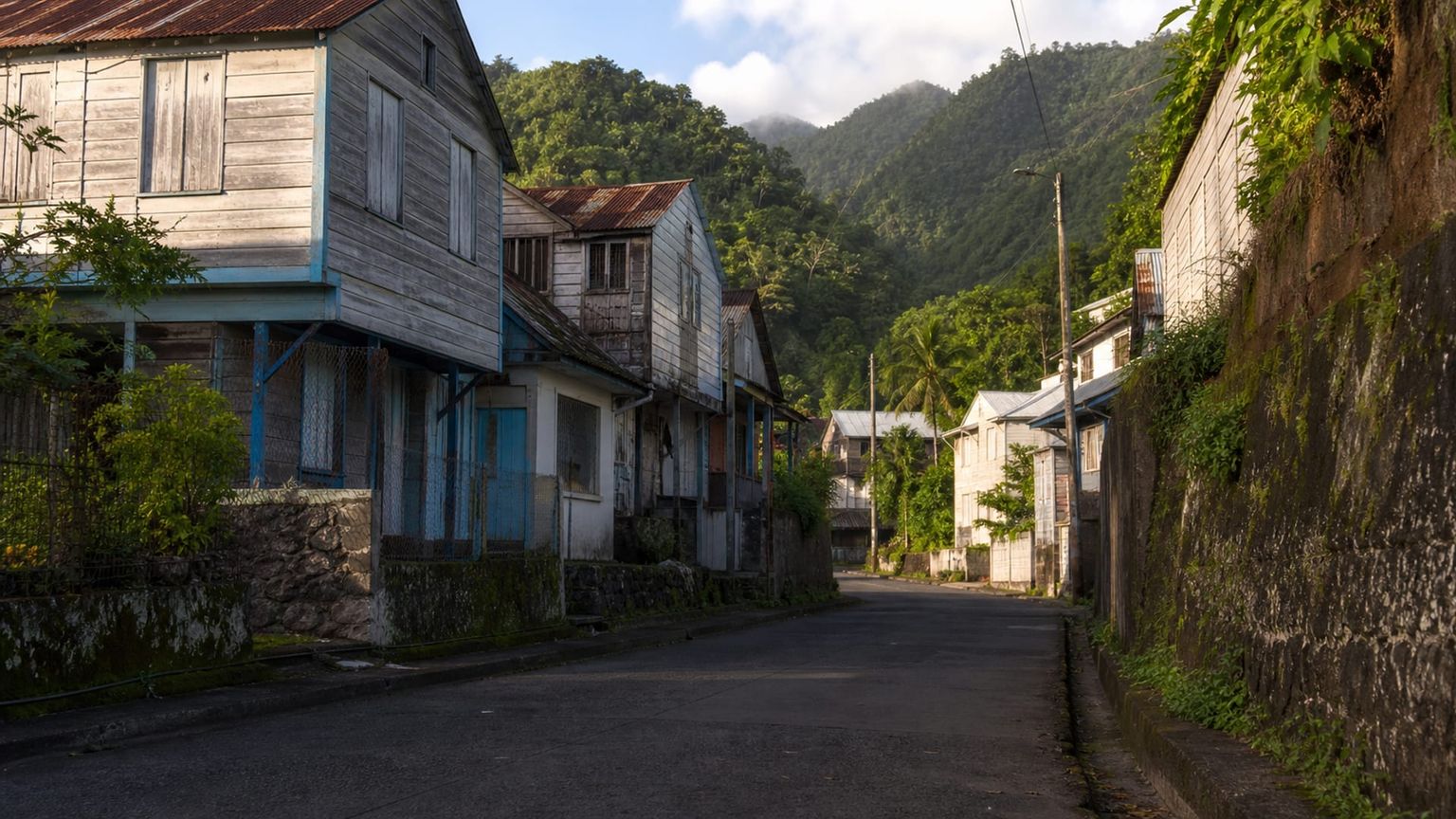
Newtown sits just south of central Roseau and is largely residential, with guesthouses and small hotels tucked beside local streets. It gives you faster access to downtown than the outer suburbs while keeping a touch more breathing space than the market core.
Best for: Travelers who want easy access to Roseau without staying in the busiest blocks
What to expect: Local traffic, neighborhood movement, and a limited number of cafes and corner shops.
Hotel prices: Usually about $80 to $180 per night for well-rated stays
Distance to major sights: 10 to 15 minutes on foot to Roseau Market; about 8 minutes by taxi to the Roseau waterfront
Quietness: Quieter than central Roseau in the day, and generally calm at night.
Main trade-off: You will walk a bit farther for dinner and waterfront activity than guests staying in the center.
Good to know: Check the exact hillside location, because some streets involve steep walks back from town.
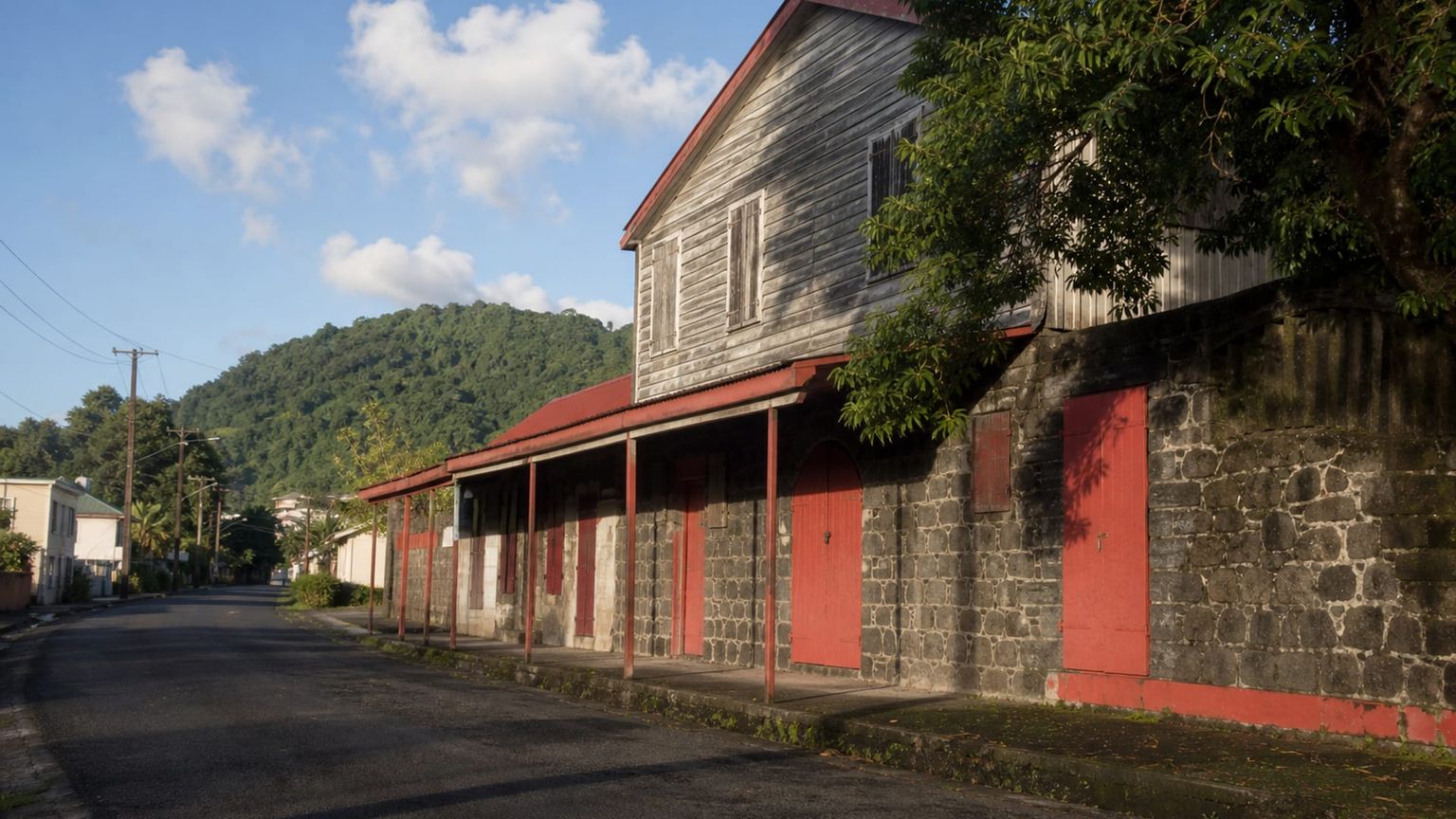
Goodwill sits inland from Roseau and combines homes, schools, and local businesses along one of the capital area’s main road corridors. It works for travelers who want a lower-key base with quick road access to the center and to the airport road.
Best for: Longer stays, car users, and travelers who do not need to be in the center every evening
What to expect: Residential streets, school-day traffic, and a local pace with few late-night venues.
Hotel prices: Usually about $70 to $160 per night for well-rated stays
Distance to major sights: About 10 minutes by taxi to Roseau Market; roughly 20 minutes by taxi to Dominica Botanical Gardens
Quietness: Usually quieter during the day than central Roseau, and notably quiet at night.
Main trade-off: You will depend more on taxis or a rental car for meals, errands, and evening outings.
Good to know: Because the area sits off the waterfront, some properties are easier for drivers than for walkers.
In Roseau, travelers usually avoid staying far from the city center, including the airport-side strip near Canefield, because it adds extra road time to the botanical garden, the waterfront, and ferry access, with fewer evening dining options. Along the east coast, places such as Calibishie, Batibou Bay, and Pagua Bay are less convenient for most first-time visitors, since they sit far from Roseau and the island’s main tour departures, and after dark travel between towns is limited.
Hotel deals
How to get around Dominica efficiently
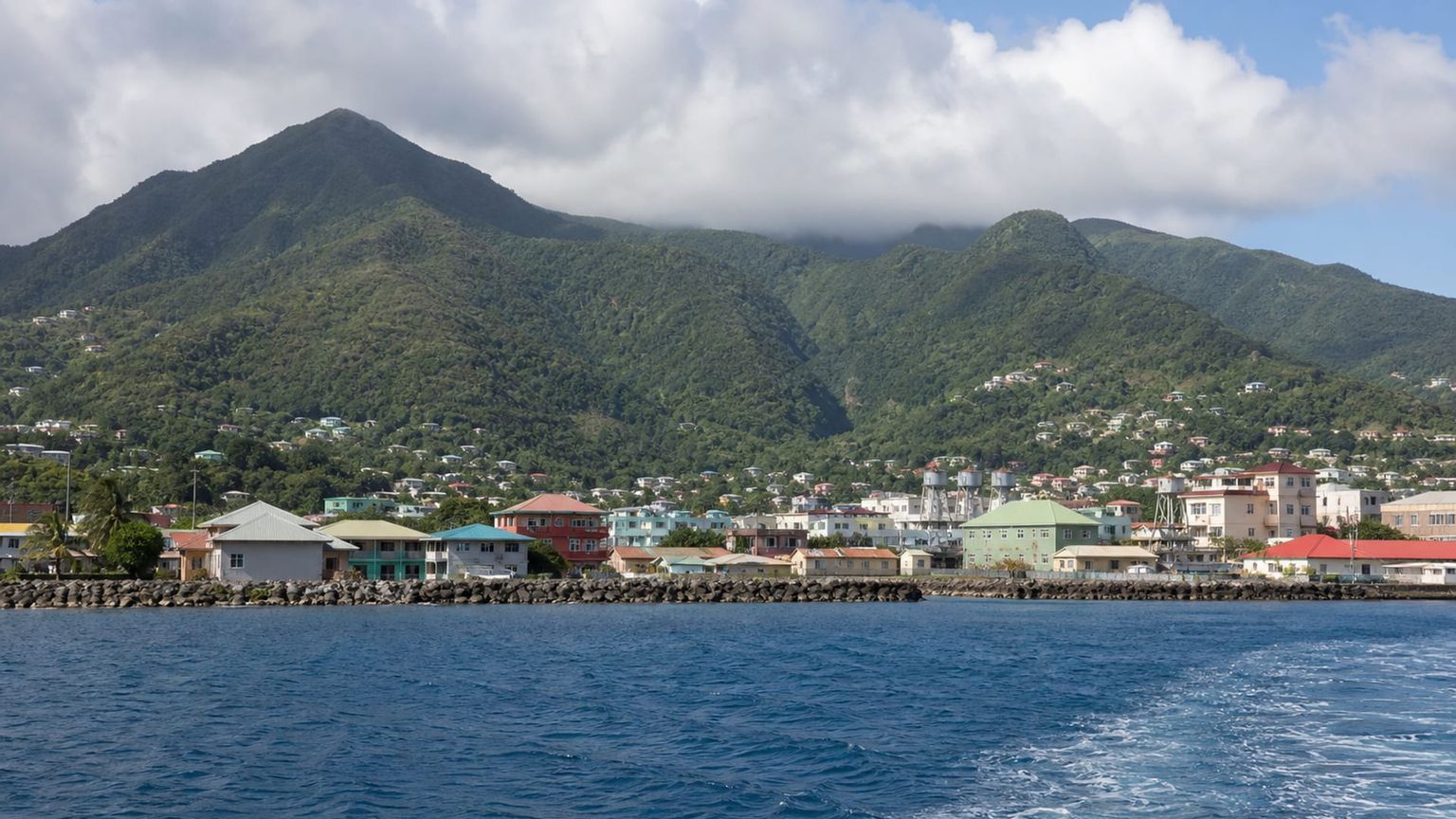
Dominica has no metro or tram network, so Roseau, the valley, and Portsmouth all depend on minibuses, taxis, and your own walking legs.

Metro
for longer distances
Dominica has no metro or suburban rail, so visitors rely on roads and local transport instead. For airport and town transfers, plan on buses, minibuses, or taxis rather than a rail link.

Bus and tram
for convenience
Dominica does not have a tram network, and buses run as privately owned minibuses rather than a numbered city system. Fares are usually a few dollars in EC currency, with short hops often about $1.50 to $3 EC and longer inter-town rides roughly $5 to $15 EC, paid in cash. Minibuses cover the main roads through Roseau and along the west and east coasts, but they run on flexible schedules, so you may wait until a vehicle fills before it departs.

Taxi
for convenience or late hours
Licensed taxis at Dominica (DOM) use set fares rather than meters, and you should confirm the price before getting in. From the airport, short local trips often cost about $20 to $40 USD, while longer cross-island rides can reach roughly $60 to $100 USD depending on distance and luggage. Drivers usually accept cash, often in Eastern Caribbean dollars or US dollars, and airport pickups are commonly arranged through your hotel or by phone rather than by street hail.
*Prices are based on rates updated as of June 2026 and may change at the time of travel.
Use minibuses for low-cost inter-town hops, taxis for timed point-to-point trips, and walking for Roseau’s center, then keep a car only if you want more freedom on the north coast and inland roads.
Iconic landmarks
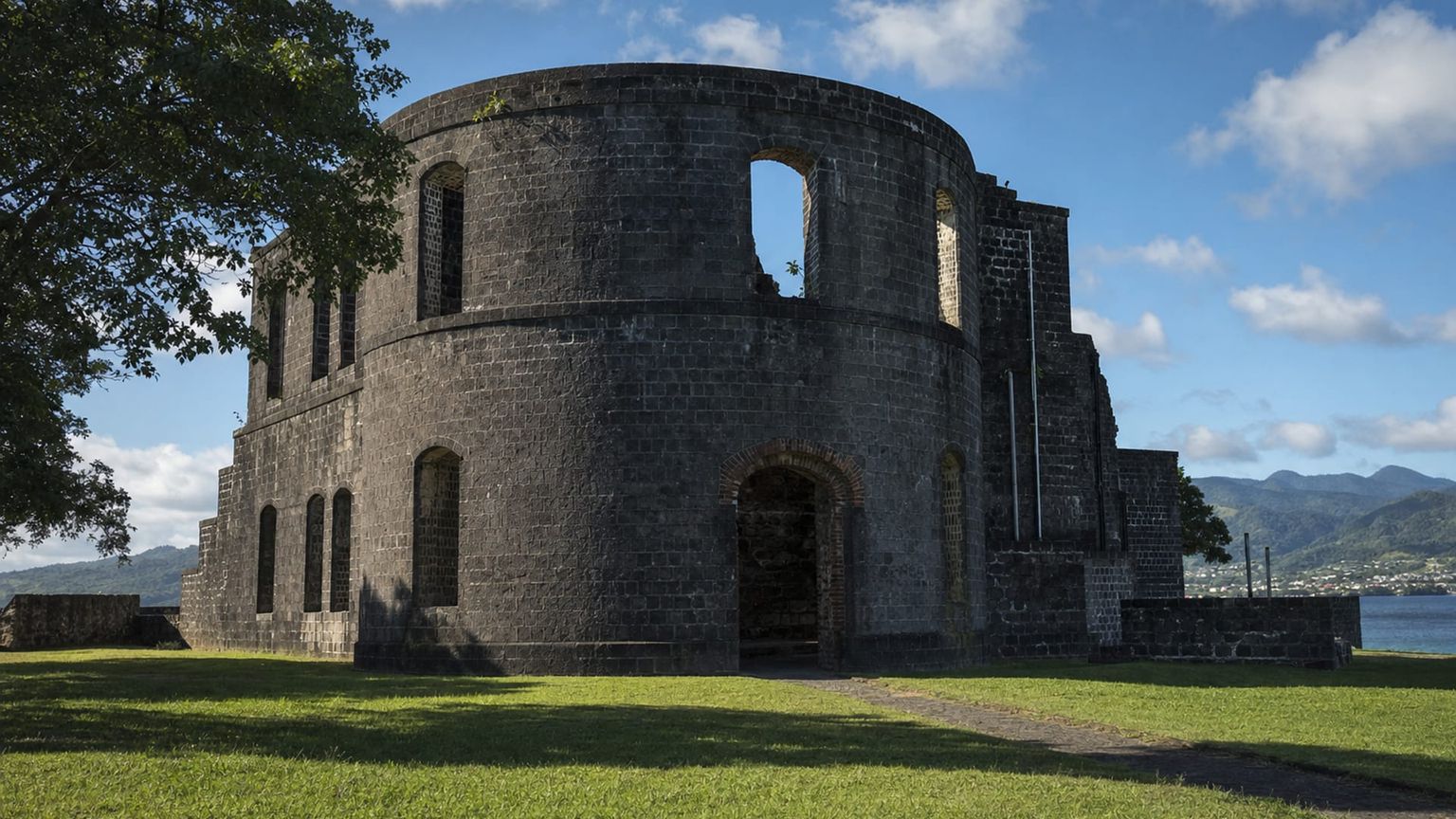
Fort Shirley, Cabrits National Park
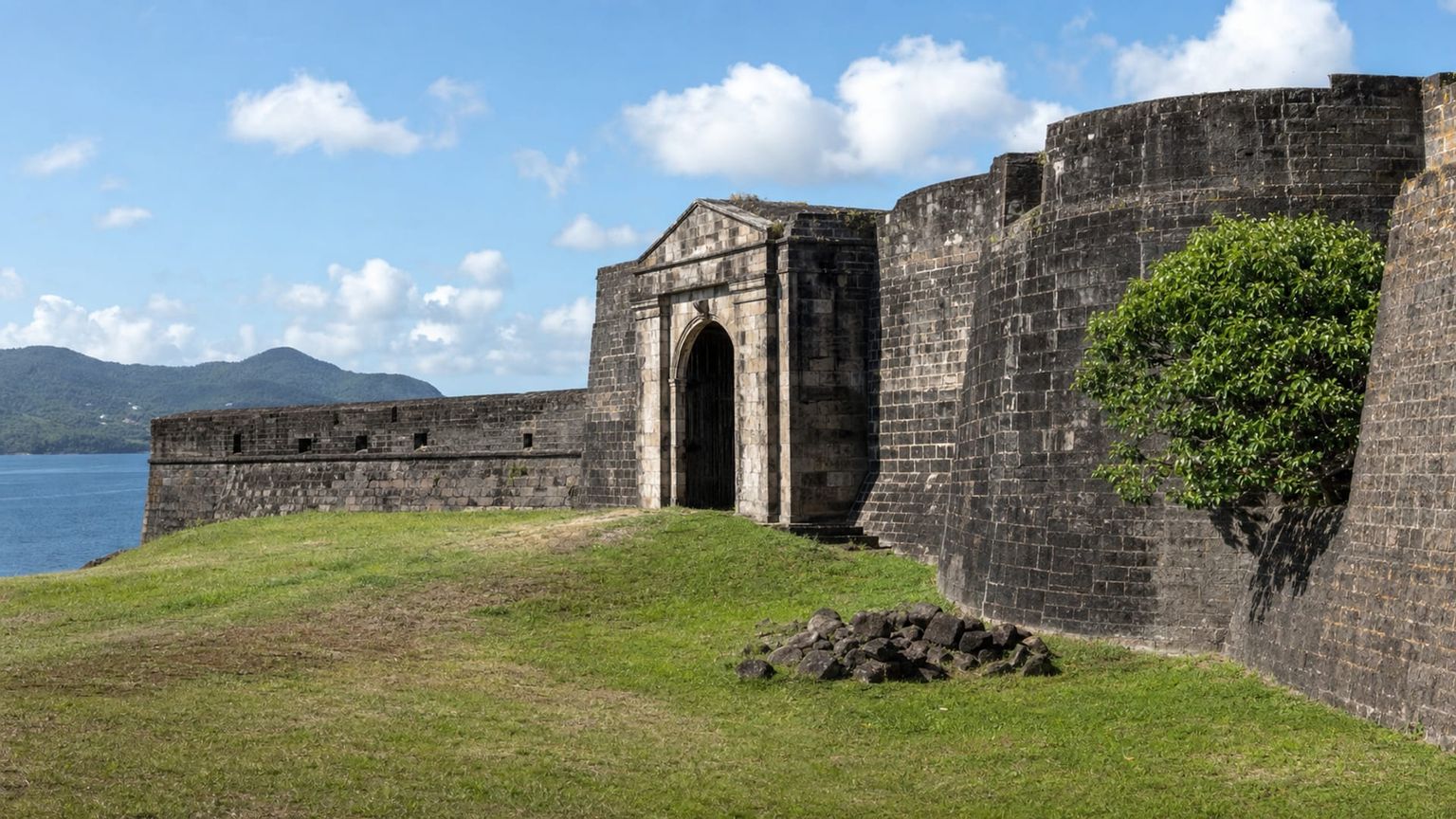
This 18th-century British fort sits on a peninsula above Portsmouth, with restored barracks, gun batteries, and wide views over Prince Rupert Bay. Its museum details the Caribbean conflicts that shaped Dominica’s northwest coast.
Time needed: About 2 to 3 hours
Entry: Admission costs about $3 ($8 XCD) for adults; children and residents often pay less, and the park gate controls access during posted hours. Visit the official site for details.
Tip: Go early for softer light on the bay and cooler walking on the hilltop paths.
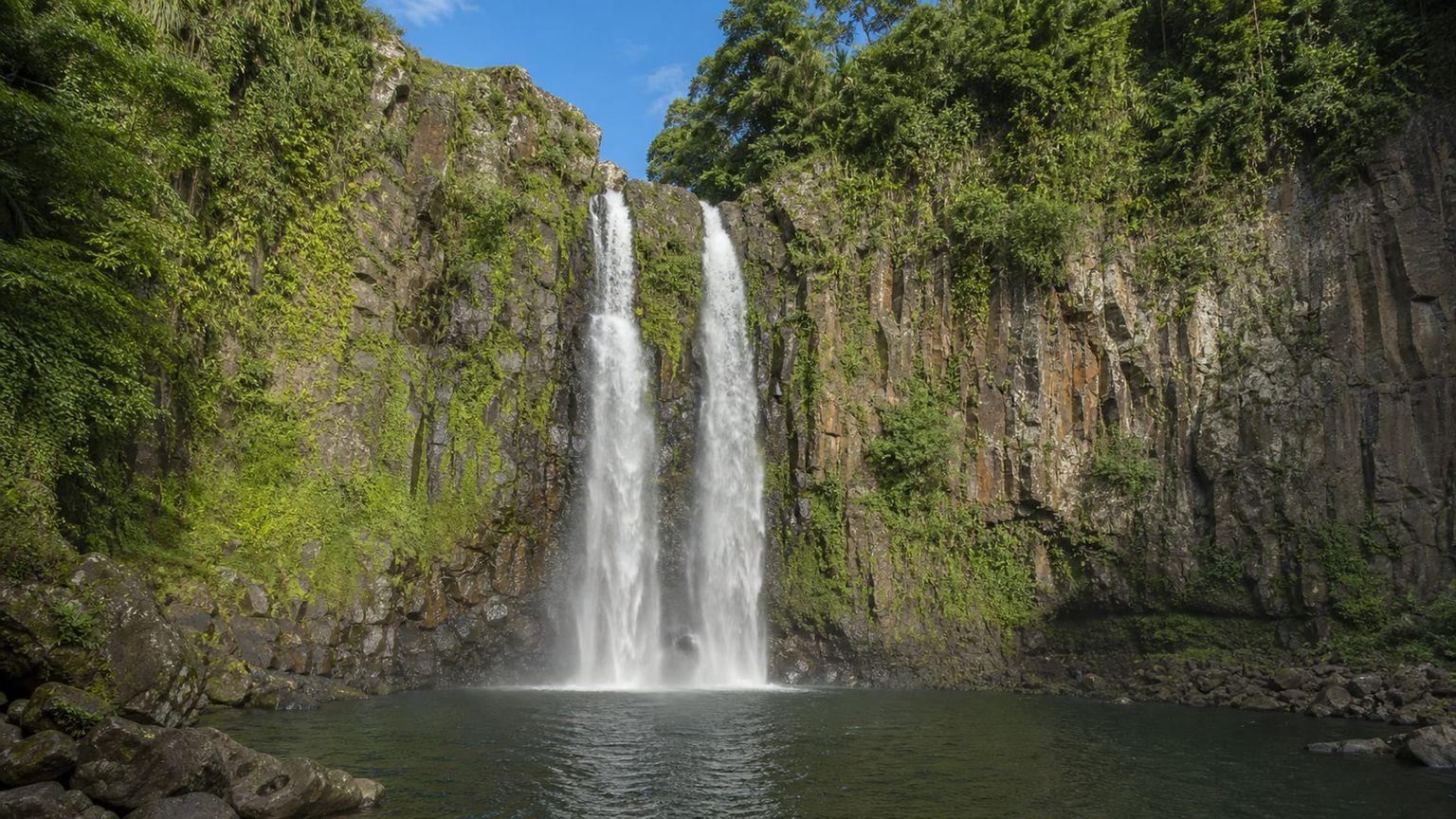
Trafalgar Falls
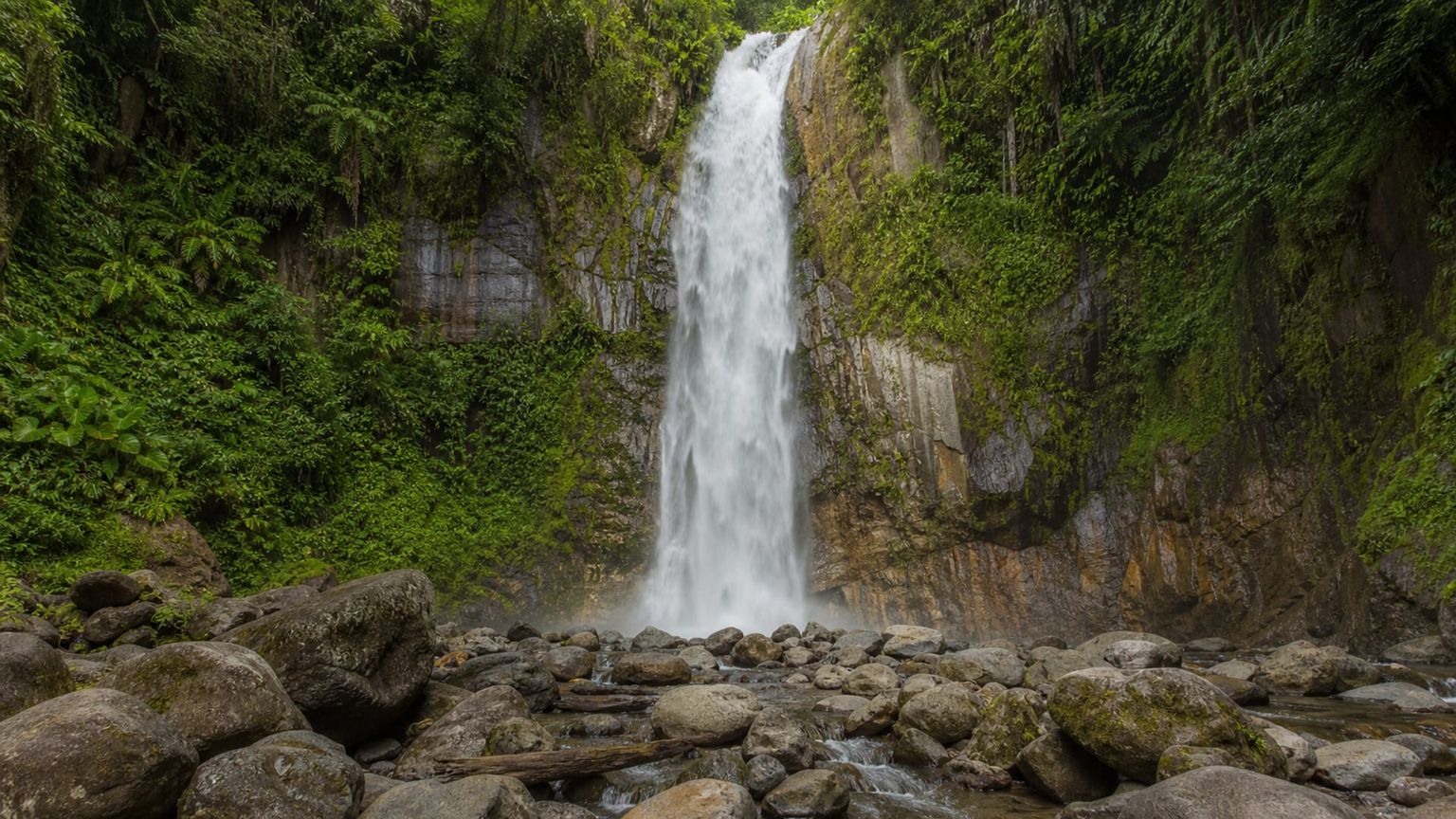
Two main waterfalls drop side by side in the Roseau Valley, reached by a short forest trail from the visitor area. The upper gorge holds hot springs and steam vents, and the viewing platform gives a clear look at both falls.
Time needed: About 1 to 2 hours
Entry: Admission costs about $5 ($13 XCD) per adult; children pay less, and the walk from the entrance to the lookout takes only a short climb. Visit the official site for details.
Tip: Wear shoes with grip, the last section can be muddy after rain.
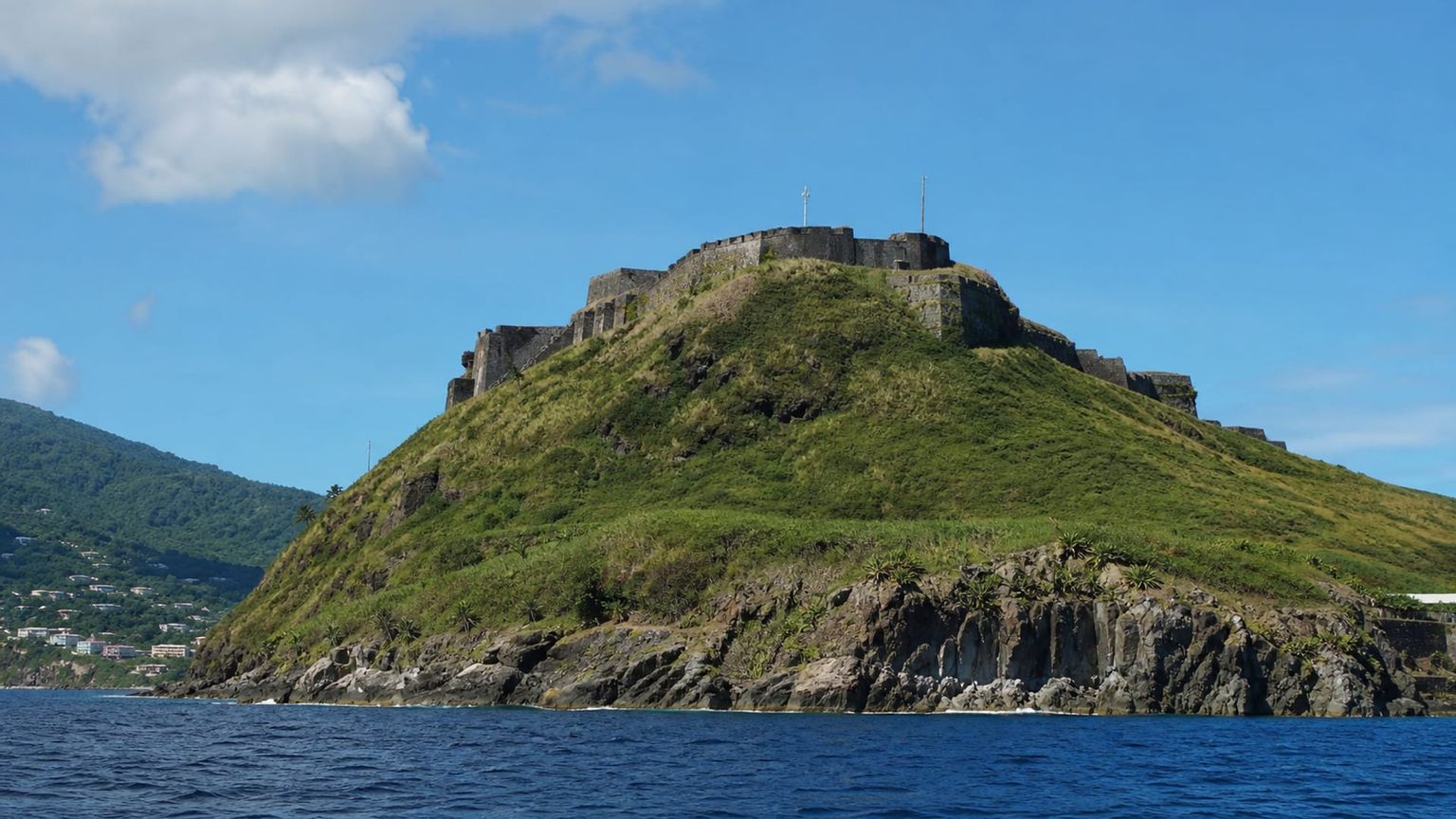
Morne Bruce
This hill above Roseau offers one of the clearest overlooks of the capital, the harbor, and the south coast. A short road climb leads to the old gun platform, where the giant ‘Old Mill’ cannon still points toward the sea.
Time needed: About 45 minutes to 1 hour
Entry: Free to access, with no timed entry; the hilltop lookout and the cannon are open from the roadside ascent above Roseau.
Tip: Visit near sunset for sharper harbor views and less heat on the uphill walk.
Overlooked sites worth visiting

Trafalgar Falls
Twin waterfalls drop into a forested gorge just inland from Roseau, with a short trail to viewing platforms and warm pools nearby. It is a quieter stop than the island’s main beach outings.
Time needed: About 1 hour
Entry: Free to access. The trail and viewing platforms have no posted admission fee, and visitors usually only pay for parking or any local guide they choose to hire on site.
Tip: Go early for cooler air and softer light on the falls.

Old Market Square, Roseau
This compact square preserves Roseau’s historic trading center, with the Old Market Plaza and the nearby State House area giving a quick look at the city’s colonial core. The setting is easy to cover on foot.
Time needed: About 45 minutes
Entry: Free to access. There is no admission charge for the square itself, and you can walk the surrounding streets without a ticket; any museum or guided stop nearby charges separately if you choose one.
Tip: Visit on a weekday morning to see the square at its busiest.
Traditional food
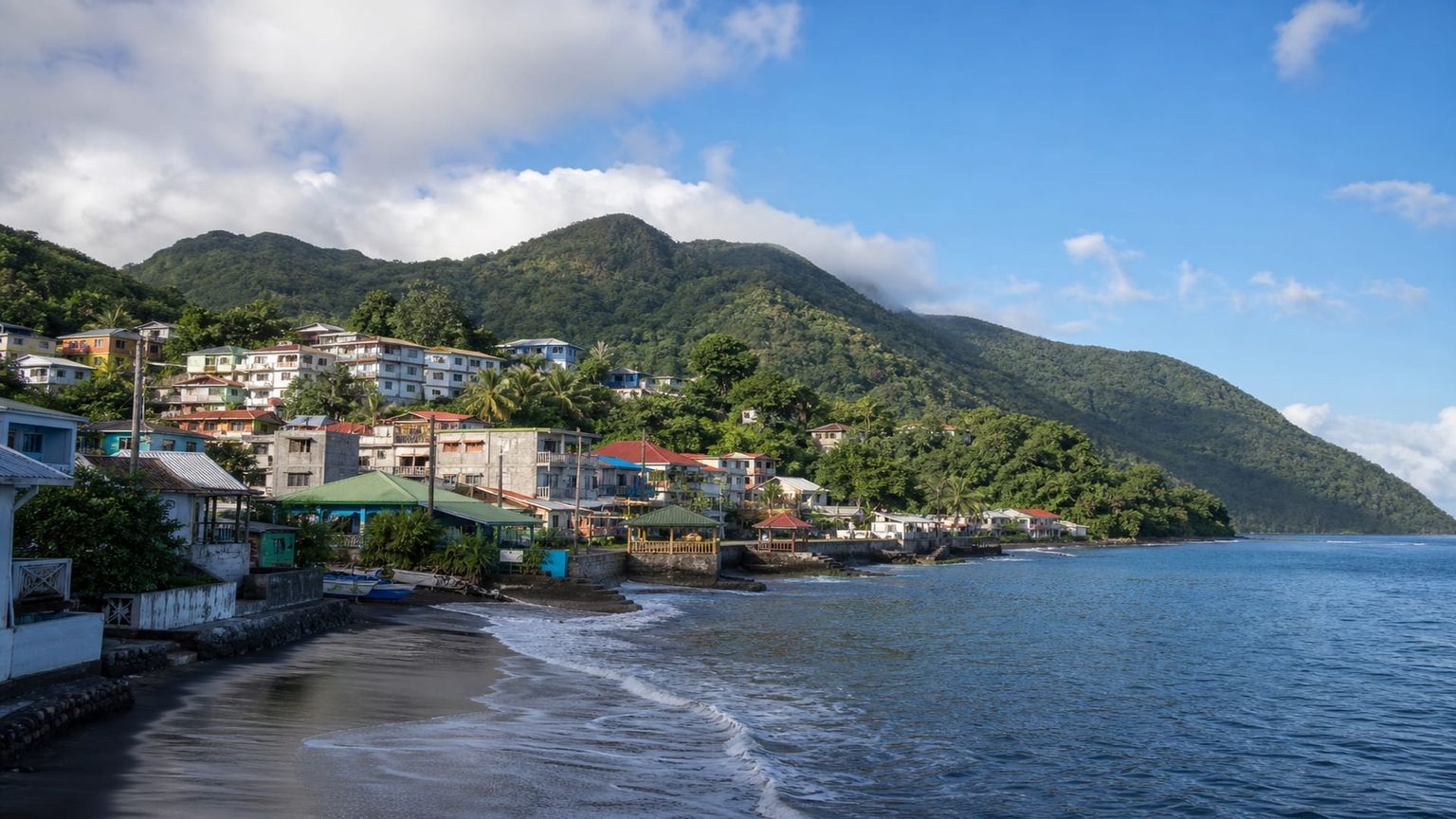
Dominican cooking leans on fish, root vegetables, coconut, and herbs, with callaloo soup, fried fish, bakes, and mountain chicken anchoring many menus. Meals are often simple, fresh, and best in markets or small dining rooms near the water.
Callaloo soup
This leafy soup often comes with crab, salt meat, or dumplings, and it shows up as a steady first choice in Dominica. Peebles Restaurant in Roseau is a common stop for a classic bowl.
Mountain chicken
Despite the name, this island specialty is frog, usually seasoned and fried or stewed. It is best known at Anchorage Hotel Restaurant in Roseau, where many visitors try it alongside local sides.
Fried fish
Fresh fish comes crisp at the edges and is usually served with rice, plantains, or salad. Many travelers order it at Old Stone Grill and Bar in Roseau, where the waterfront setting suits an easy dinner.
Bakes
These fried dough rounds work as breakfast or a snack, often split and filled with fish or eaten with cheese. Pearl’s Cuisine in Roseau is a well-known place to find them with local coffee.
Best time to visit Dominica
Dominica stays warm year-round, but the driest months make hiking and cross-island drives simpler, while the wetter season brings heavier showers and more humid valley walks.
Best for: Best for dry weather, clearer trails, and easier road days
What you get: About 75 to 85°F (24 to 29°C), with moderate visitor numbers and the busiest holiday weeks in December and early January
Trade-offs: Higher demand can raise room rates and fill dinner tables early
Best for: Best for balanced weather and waterfalls with good flow
What you get: About 76 to 86°F (24 to 30°C), with lighter crowds after Easter and before the wetter months build
Trade-offs: Showers become more frequent toward May
Best for: Best for quieter hotels and flexible sightseeing
What you get: About 77 to 88°F (25 to 31°C), with fewer visitors outside school breaks and a hotter afternoon feel
Trade-offs: Rain and humidity increase, so hikes can turn slick
Best for: Best for travelers who do not mind rain and want lower demand
What you get: About 76 to 87°F (24 to 31°C), with the lightest crowds and the wettest stretch of the year
Trade-offs: Storm risk and road delays are highest in this season
A realistic 5-day plan in Dominica
Five days in Dominica work best when you keep Roseau as the center, then add one north coast day and one repeat valley day for the island’s main nature stops. The plan below follows that pattern without packing too much into the late afternoon.
Land at Dominica’s airport, then take a taxi into Roseau in about 50 to 70 minutes for roughly $45 to $60, or book ahead with a guesthouse transfer if your stay in Newtown or Goodwill includes one. Settle in near Roseau Market or in Newtown, drink plenty of water, and keep dinner simple at a waterfront restaurant or a market-side cafe where you can order fish, rice, and a light rum punch without stretching the evening.
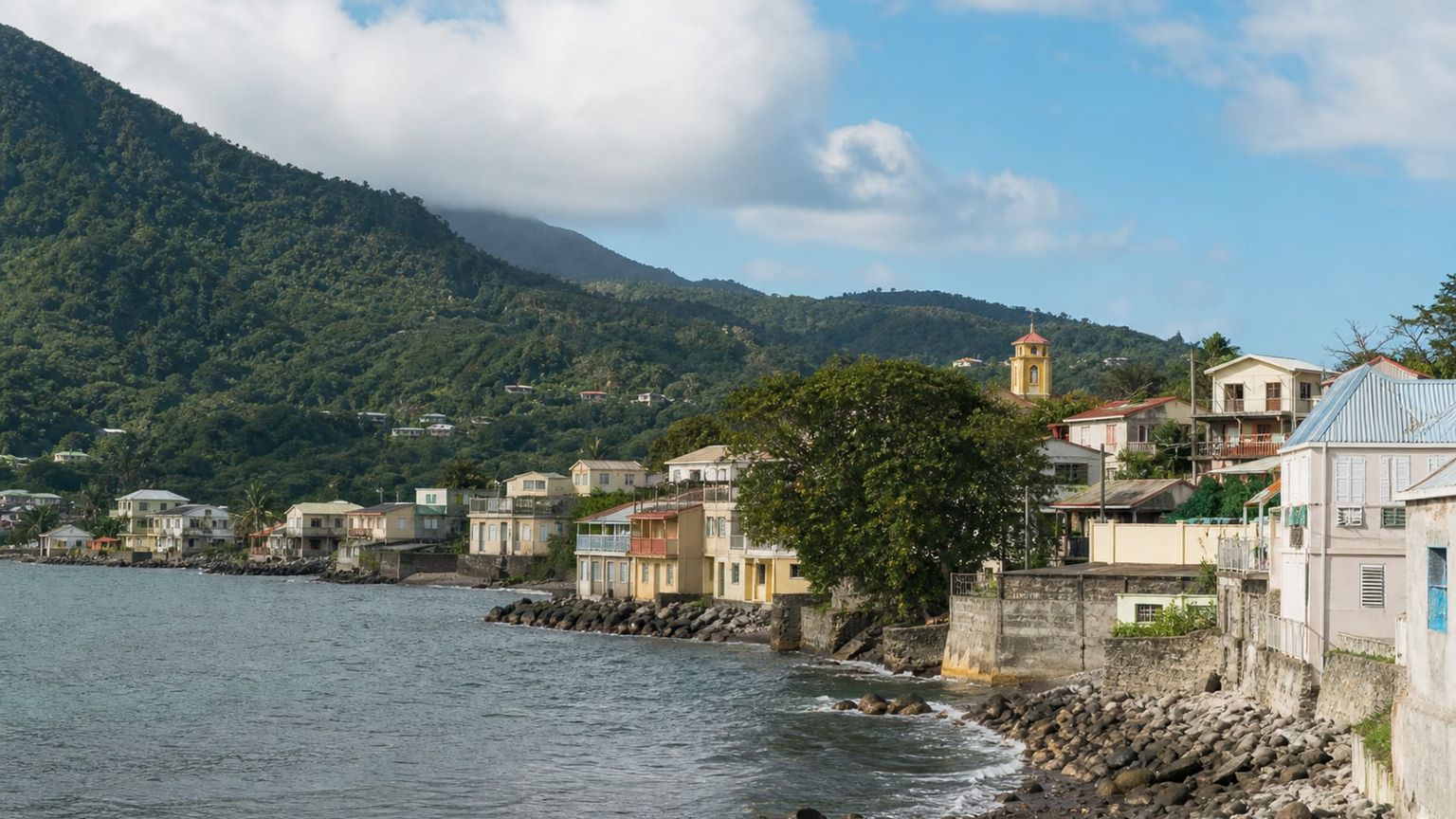
Start in Old Market Square, Roseau, where the historic trading center and nearby State House area sit within an easy walking loop of about 45 minutes. From there, walk about 10 minutes to the Roseau waterfront for a short look at the harbor, then continue by taxi or bus for about 20 minutes into the Roseau Valley to Trafalgar Falls. Give the falls about 1 to 2 hours, then return to Roseau for an early meal in town, which keeps the day compact and leaves no long transfer after sunset.
A morning run north to Portsmouth gives you a fuller island day, and the drive from Roseau takes about 1 hour and 15 minutes by taxi or rental car. Begin at Fort Shirley, Cabrits National Park, where the ramparts and barracks take about 2 to 3 hours to explore, then stay for lunch in Portsmouth before heading back south. If you still have energy, stop at Morne Bruce on the return, which adds roughly 45 minutes and gives you a clear look over Roseau and the coast before dinner near your hotel.
Head back into the Roseau Valley early, because the light is better and the trail is cooler at Trafalgar Falls, which takes about 1 hour if you only want the platforms and about 2 hours if you linger near the viewing area. After the falls, return to Roseau in roughly 20 minutes and spend the afternoon at Morne Bruce, where a short uphill visit of 45 minutes to 1 hour gives you a wide harbor view. Finish with an easy walk through Roseau’s central streets for dinner, so the day stays close to the capital rather than turning into a long circuit.
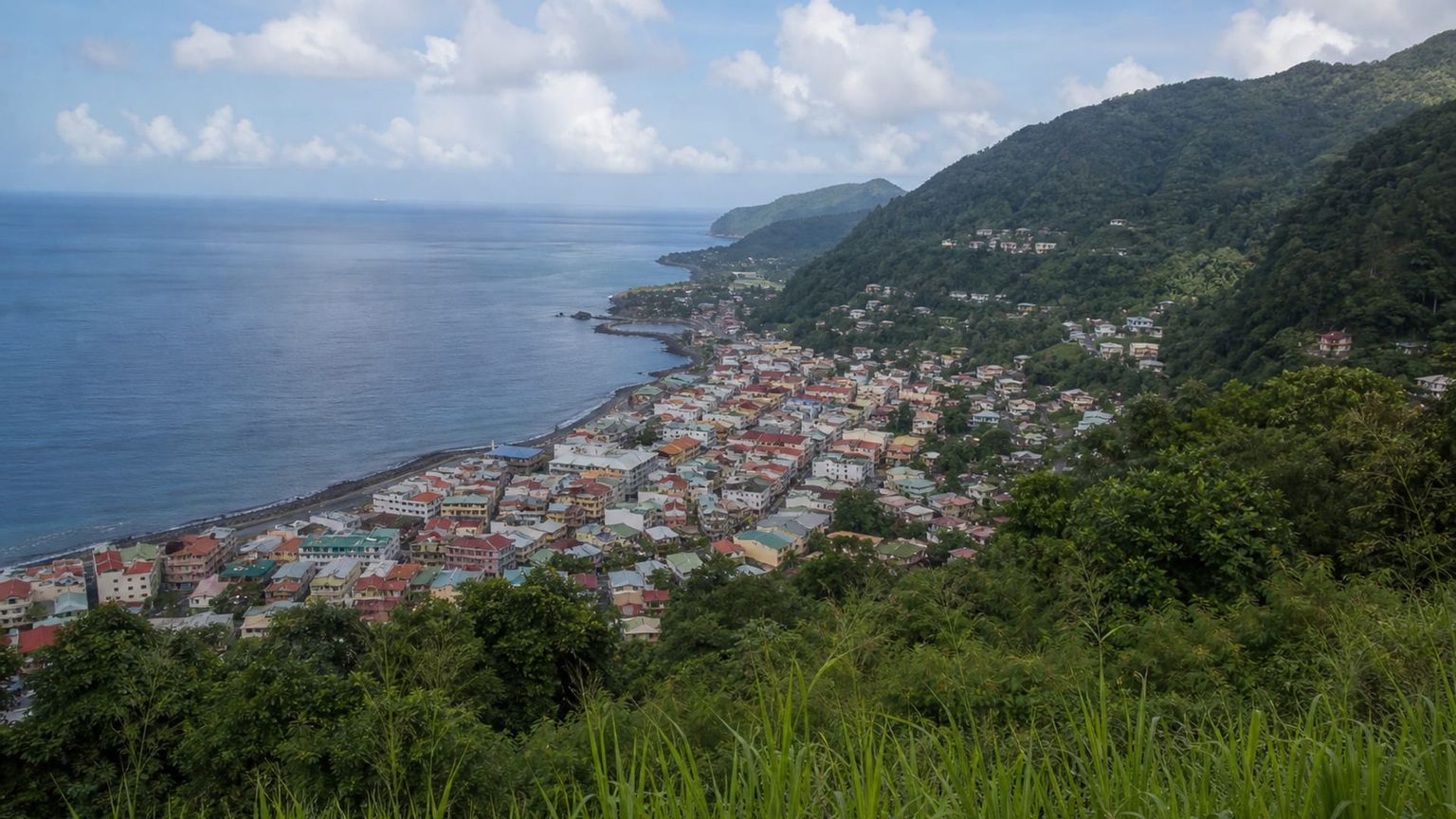
Begin with a final pass through Old Market Square, Roseau, then move to the surrounding market streets for last-minute spices, local snacks, and small gifts before the crowds thin later in the morning. If you want one last sit-down stop, settle into a cafe in Newtown for coffee or a cold drink, about 10 to 15 minutes on foot from the square. Keep your bags nearby, arrange your taxi to Dominica (DOM) early, and give yourself enough time for one more waterfront walk before heading out.
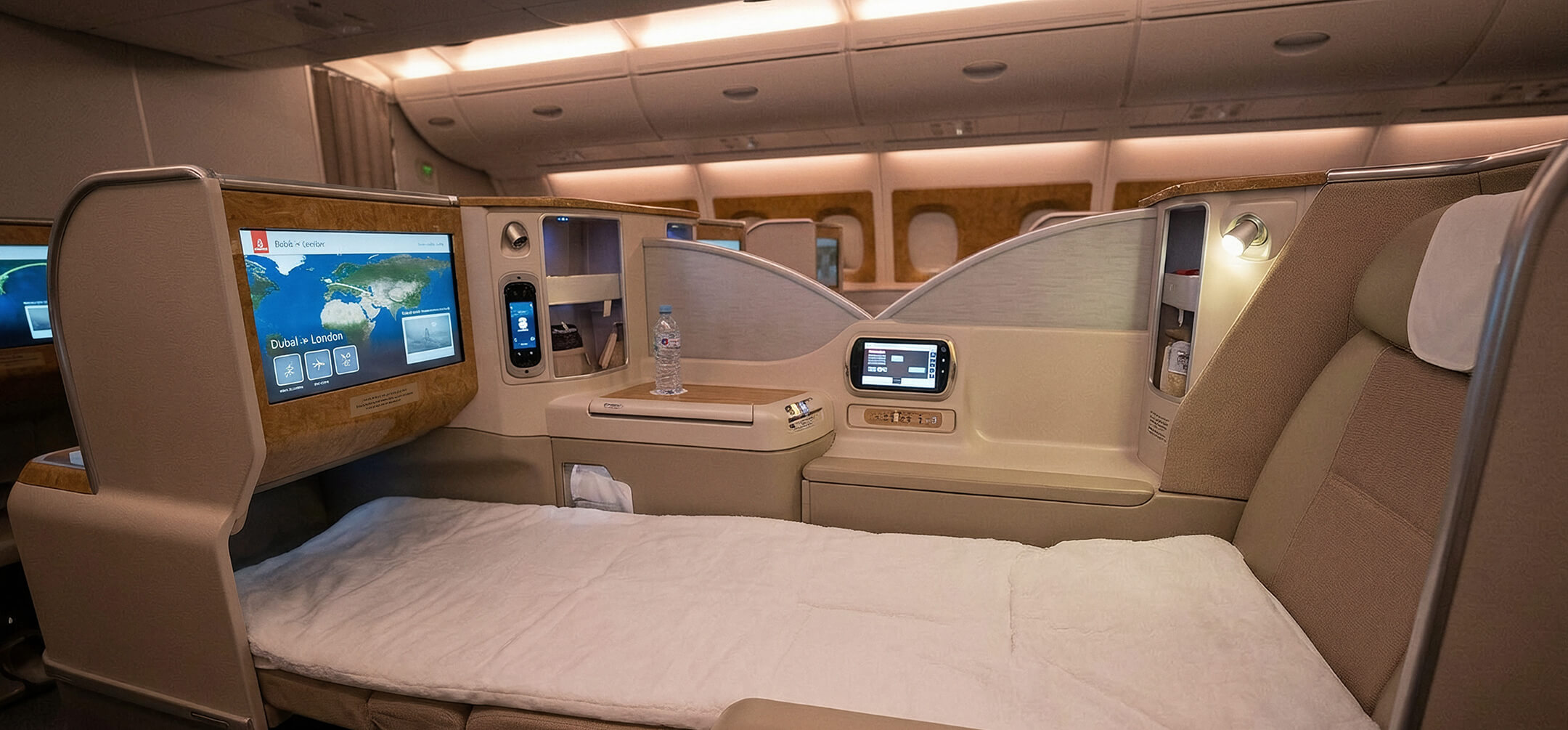
Business-class flights from the US to Dominica
Getting to Dominica usually means one-stop routing, so the useful comparison is not just price, but which hub leaves you with the shortest layover and the cleanest arrival day. From both coasts, fares vary widely by season and airline.
From New York, airlines such as American Airlines, Air Canada, LIAT 2020, Caribbean Airlines, and interCaribbean Airways link into Dominica, with a typical journey time of about 4 to 5 hours when a nonstop is available. When you connect, common hubs include YYZ, SJU, BGI, MIA, and NAS, and layovers usually run about 7 to 12 hours. Round-trip fares from New York to Dominica usually start at $1,200 and can reach about $3,500.
Los Angeles itineraries typically route through YYZ, MIA, SJU, DFW, or CLT on American Airlines, Air Canada, United Airlines, British Airways, or Air France, and the total trip usually stretches about 9 to 15 hours with connections. From Los Angeles, expect roughly $1,600 to $4,200 for a round trip in this cabin.
Dominica feels different when you slow down
A deliberate Dominica trip usually means staying near Roseau or Newtown, using taxis for timed transfers, and leaving room for the valley road to Trafalgar Falls or the hill climb to Morne Bruce. That approach keeps the capital, the market, and the north coast in a sensible order, with meals built around local dishes rather than rushed detours. If you want AranGrant experts to shape the route, start with Roseau and let the island’s road times guide the rest