

Chapters:

Need help with your trip?
Our support team is available 24/7. Request a callback or call us directly at (833) 619-0908
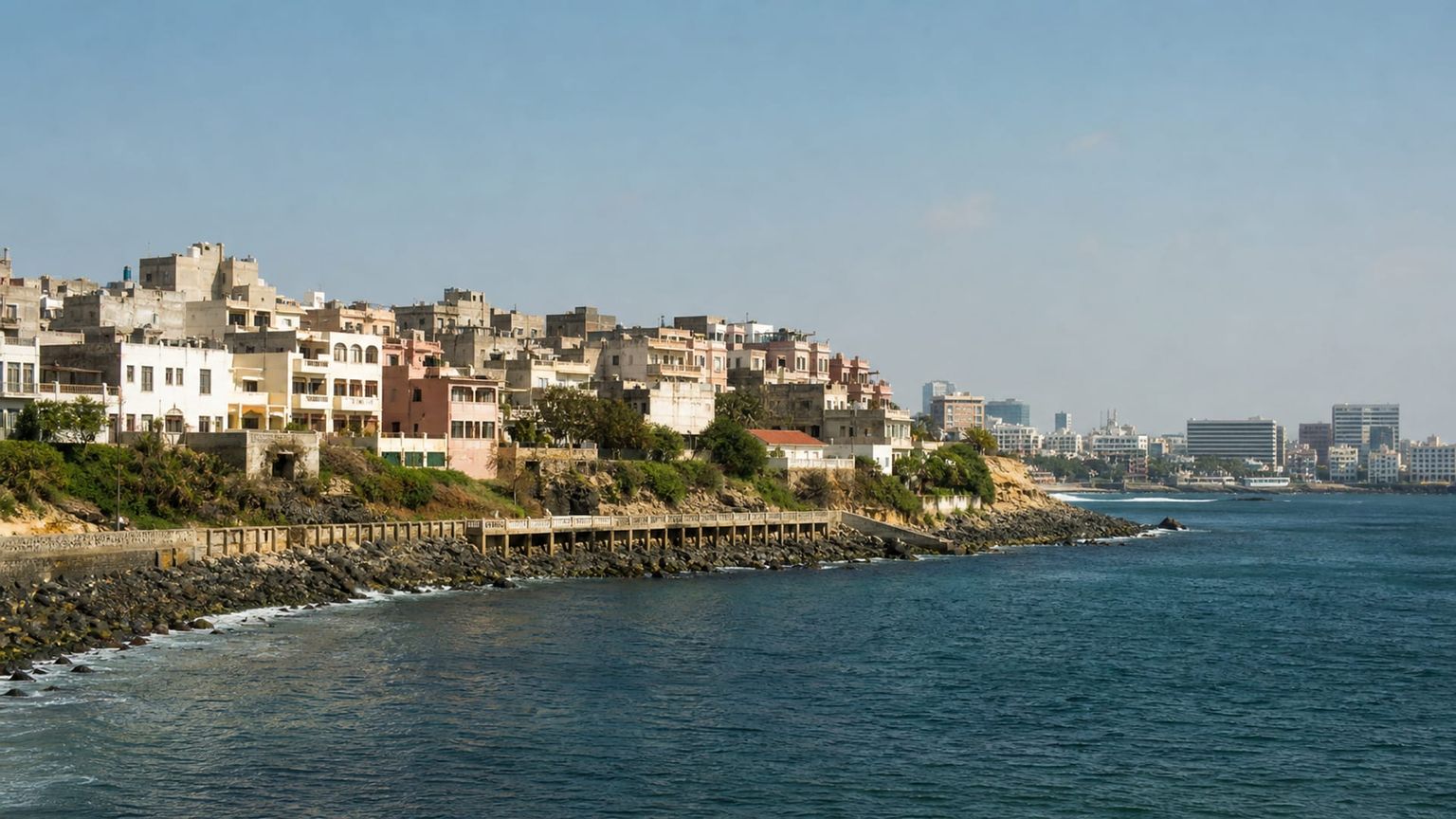
Dakar occupies the tip of the Cap-Vert Peninsula, with Pointe des Almadies on its northwest edge marking the westernmost point of mainland Africa. The Atlantic surrounds much of the city, and fishing pirogues still bring their catch ashore on its beaches, putting grilled fish and thieboudienne on menus from Plateau to Les Almadies.
Just offshore, Gorée Island lies 1.6 miles (2.5 km) from the mainland, a 20-minute ferry ride from the port. Back in the city, the IFAN Museum and African Renaissance Monument offer different perspectives on Senegalese art, history, and independence.
The sections below cover where to stay, how to move between districts, and how to divide five days between Dakar’s colonial-era center, the Almadies coast, and historic Gorée Island.
Useful things to know

Main language(s): French
Bonjour (bohn-zhoor) – Hello
S'il vous plaît (seel voo pleh) – Please
Merci (mehr-see) – Thank you
Parlez-vous anglais ? (par-lay voo ahn-gleh) – Do you speak English?
Combien ça coûte ? (kohm-byen sah koot) – How much does it cost?

Currency: West African CFA franc (XOF, CFA)

Cash and cards: Hotels, upscale restaurants, and malls accept cards and contactless payments, but keep CFA 10,000 to CFA 20,000 ($17 to $35) in cash for taxis, markets, and small cafes.

Tipping: Leave 10% at sit-down restaurants if the bill doesn’t include service. Visitors often add 10% to the agreed taxi fare as well.

Traditional food: Thieboudienne, yassa chicken, maafe, and dibi are among the Senegalese dishes most commonly associated with Dakar.

Water and coffee costs: A bottle of water costs CFA 500 ($1) in shops, and an espresso at a city cafe costs CFA 1,500 ($3).

Taxis and ride apps: Yango and Heetch both operate in Dakar and show the fare before you book. Agree on the price with yellow taxi drivers before you get in.

Plug and voltage: Type C/D/E/K socket, 230V

Dining and shop opening hours: Hotels serve breakfast from 7:00 am to 10:00 am. Restaurants serve lunch from 12:30 pm to 3:00 pm and dinner from 8:00 pm to 11:00 pm, and many kitchens close in between.

Emergency number: 17 for police, 18 for fire, and 1515 for ambulance
Where to stay in Dakar
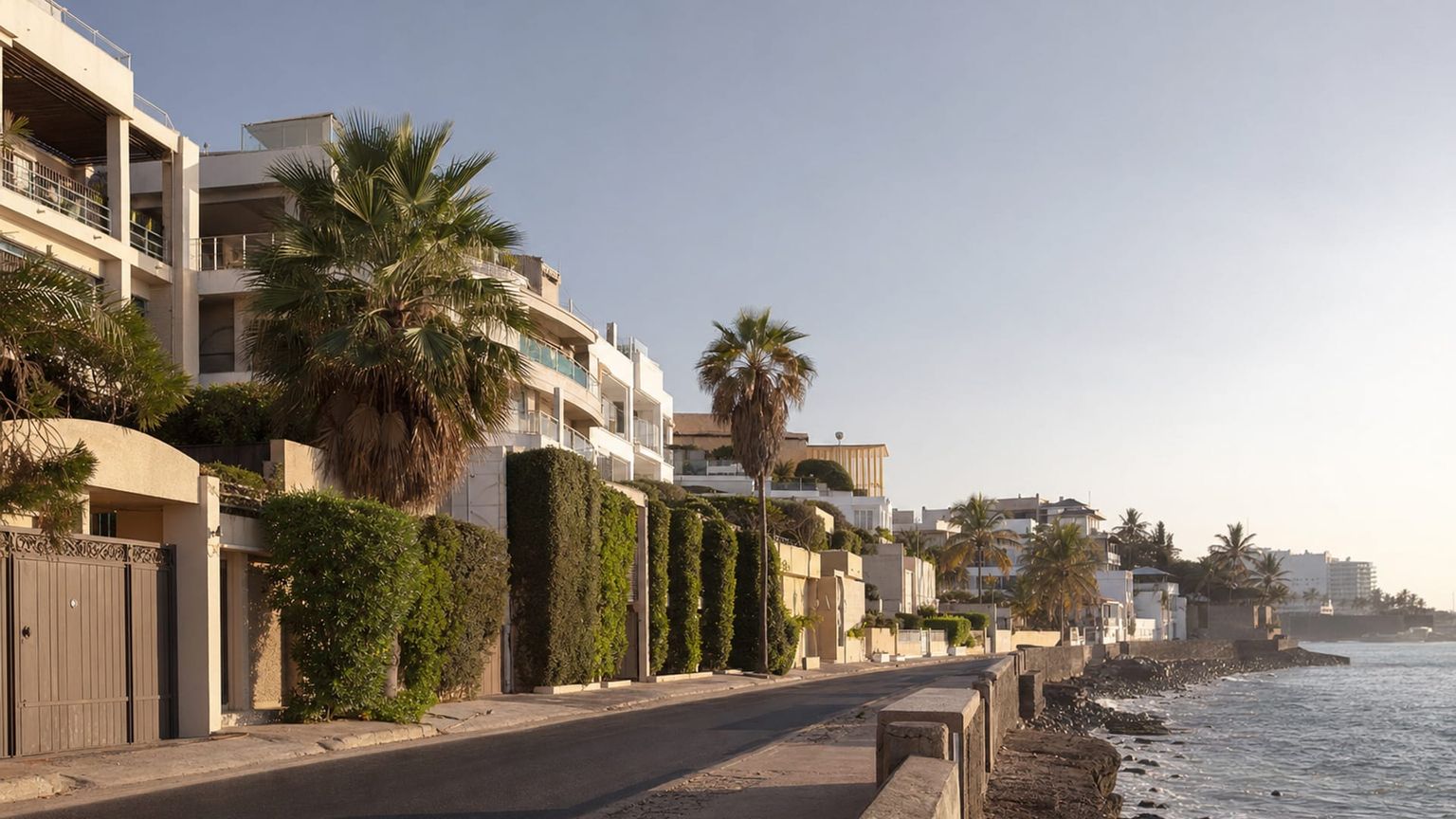
Ngor is a Lebou fishing village on Dakar’s north shore, next to Les Almadies, where painted pirogues line the beach and carry visitors to Ngor Island, 1,300 feet (400 m) offshore. Guesthouses, surf camps, and a few upscale hotels share the area with seafood grills facing the bay.
Best for: Beach days, surfing, island trips, and travelers who want a village setting on the coast
What to expect: Fishing boats on the beach, seafood grills along the bay, and narrow sandy streets in the old village
Hotel prices: Well-rated hotels in this area range from CFA 57,000 to CFA 135,000 ($100 to $235) per night.
Distance to major sights: About 5 minutes by car to the African Renaissance Monument and 35 to 40 minutes to Place de l’Indépendance
Quietness: Residential streets are quiet in the evening, while the beachfront stays lively until the restaurants close.
Main trade-off: Large hotels are scarce here, and the drive to Plateau and the Gorée ferry is one of the city’s longest trips.
Good to know: Pirogues to Ngor Island leave the beach from 10:00 am to 7:00 pm, and the 10-minute crossing costs CFA 500 to CFA 1,000 ($1 to $2).
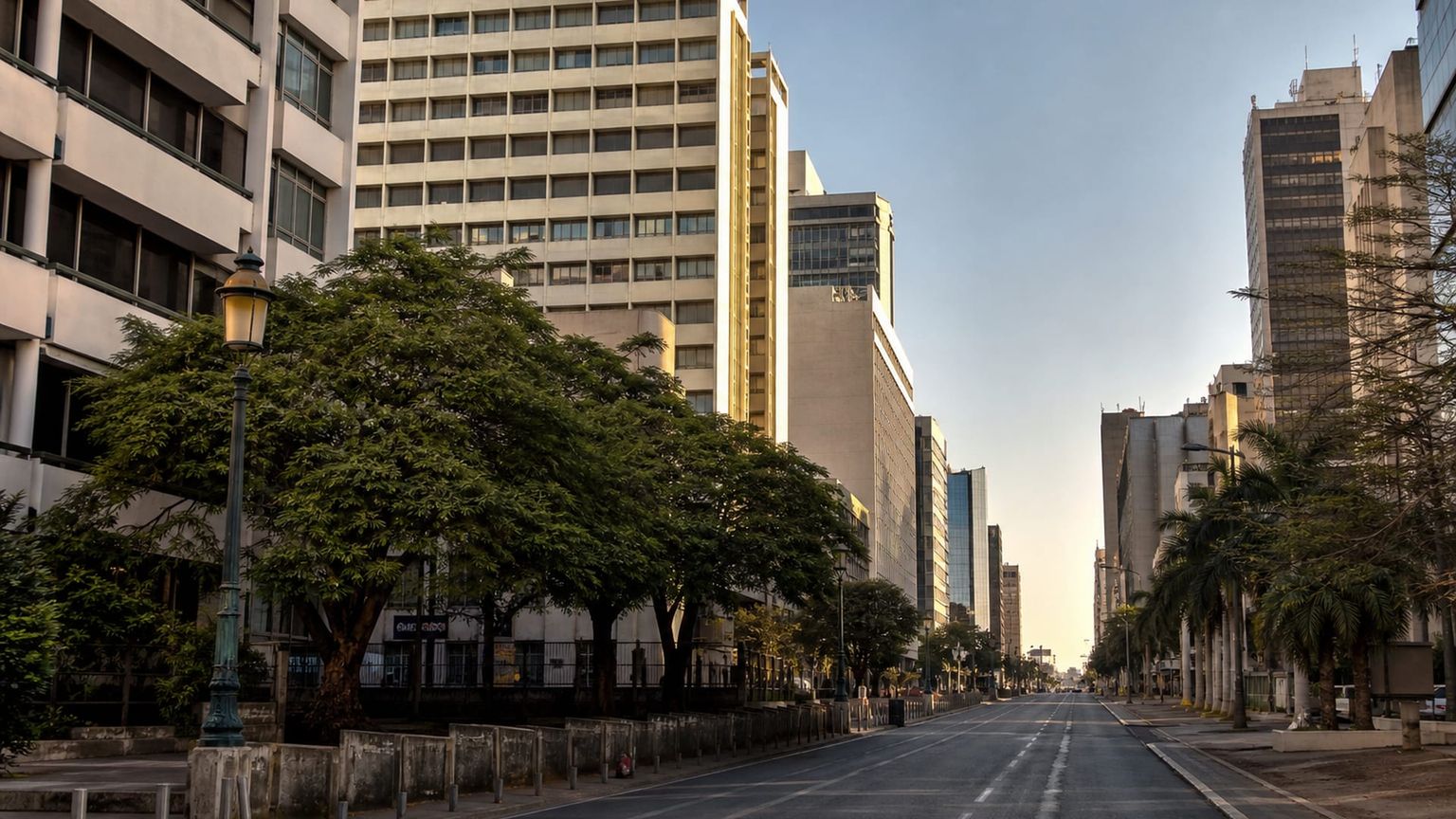
Plateau is Dakar’s colonial-era downtown and business district, home to the Presidential Palace, government ministries, Sandaga Market, and the TER’s central station. The Gorée ferry terminal and the IFAN Museum are close by, so first-time visitors can reach many central sights on foot.
Best for: First-time visitors, business travelers, and anyone who wants to walk to museums, markets, and the Gorée ferry
What to expect: Crowded sidewalks and heavy traffic during office hours, then quieter streets in the evening outside the hotel and cafe areas
Hotel prices: Well-rated hotels in this area cost CFA 66,000 to CFA 172,000 ($115 to $300) a night.
Distance to major sights: A 10- to 15-minute walk to Place de l’Indépendance; a 15-minute walk to the Gorée ferry terminal
Quietness: Streets are loud and crowded during the workday but become noticeably calmer once offices close in the evening.
Main trade-off: Plateau has few beach options and a thinner nightlife scene than Les Almadies, and many streets feel empty after dark.
Good to know: Banks, ministries, and the ferry terminal are all within walking distance, but reserve dinner in advance because fewer kitchens stay open late here.
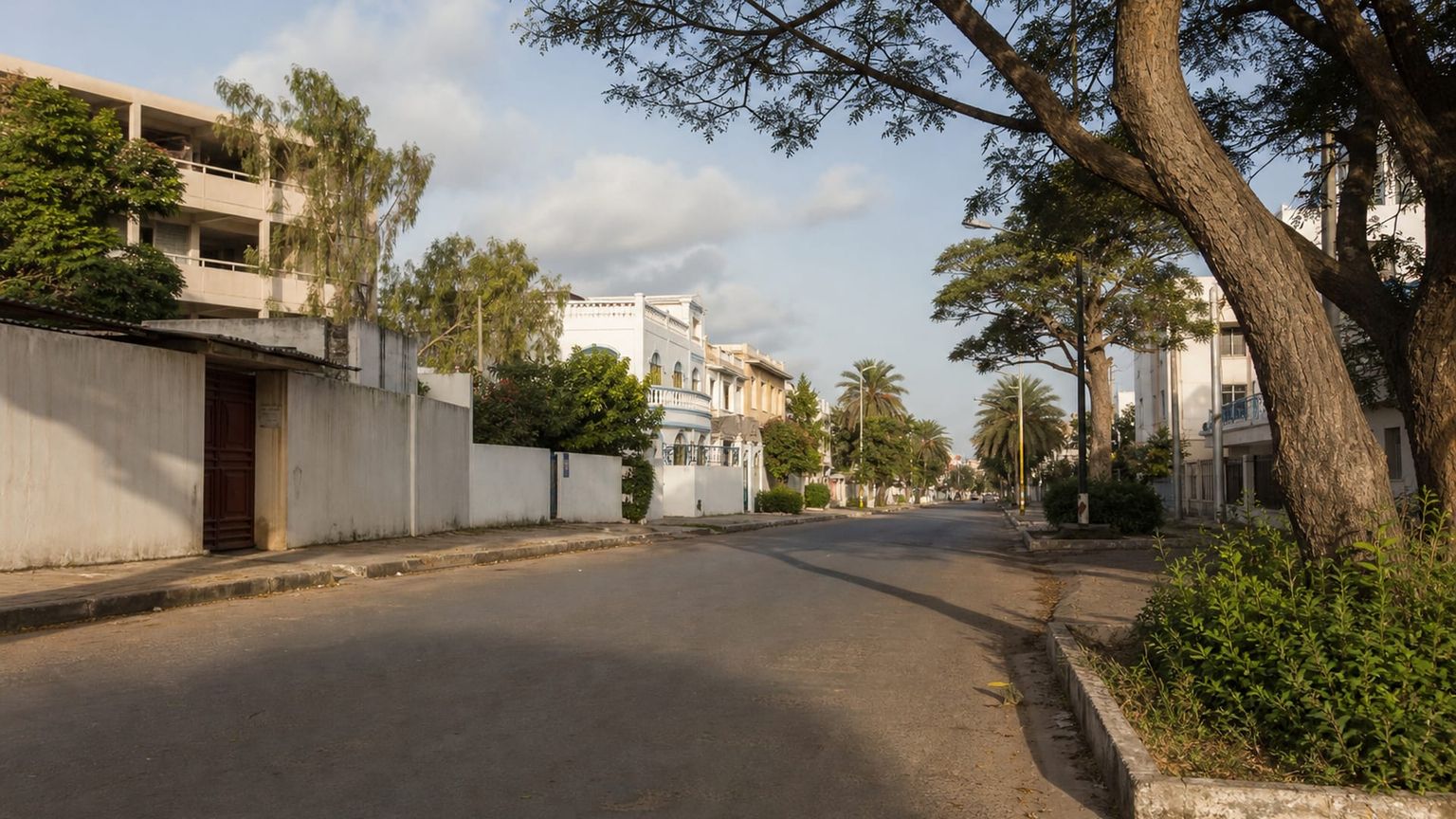
Fann stretches along the Corniche Ouest northwest of Plateau, with Cheikh Anta Diop University, Fann Hospital, and quiet residential streets lined with villas and embassies. Several of Dakar’s top seafront hotels, including Terrou-Bi and Noom Hotel Dakar Sea Plaza, face the Atlantic here.
Best for: Quiet stays, hospital access, university visits, and travelers who prefer a seafront luxury stay
What to expect: Leafy residential streets, steady traffic on the Corniche Ouest, and resort-style hotels with pools and private beaches
Hotel prices: Well-rated hotels in this area start at CFA 60,000 ($105) per night at Le Djoloff and reach CFA 201,000 ($350) at the Corniche resorts.
Distance to major sights: 10 to 20 minutes by car to Place de l’Indépendance and about 15 minutes to the African Renaissance Monument
Quietness: Residential streets are calm day and night, though traffic noise carries from the Corniche Ouest and other main roads.
Main trade-off: Few restaurants and bars line the residential streets, so you’ll need a taxi for most dinners outside your hotel.
Good to know: Sea-view rooms on the Corniche Ouest cost more but offer the best Atlantic views, and Soumbédioune Fish Market is a short drive away.
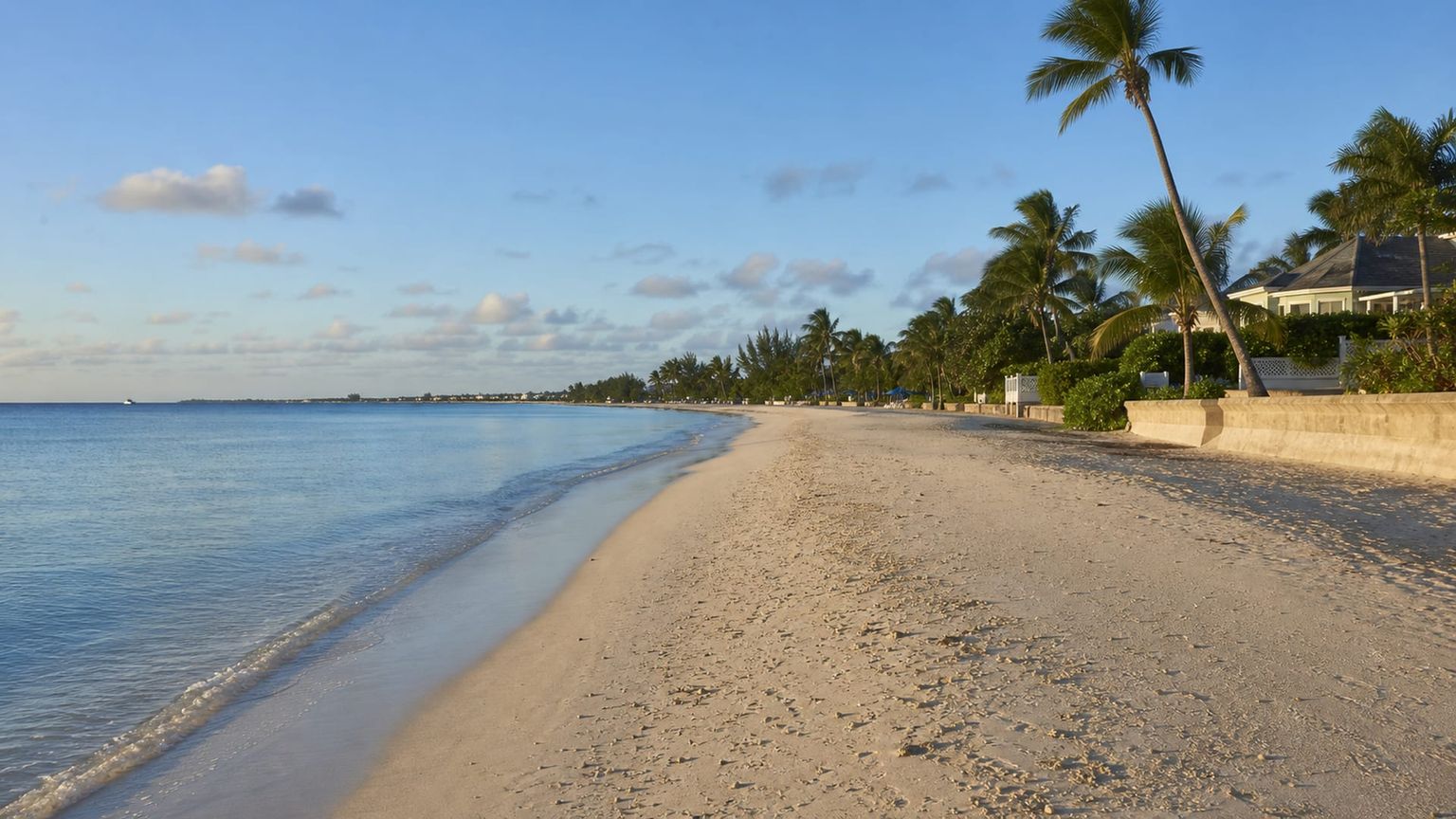
Les Almadies covers the western tip of the Cap-Vert Peninsula, close to Pointe des Almadies, the US Embassy, and the Almadies golf course. Seafood restaurants, beach clubs, and cafes line its main roads, and several of the city’s upscale hotels face the Atlantic, with Ngor Beach a short drive away.
Best for: Seafood dinners, beach time, golf, and travelers who want an upscale hotel on the Atlantic coast
What to expect: Heavy traffic on Route des Almadies by day, busy restaurant terraces at night, and a mix of residents, diplomats, and visitors
Hotel prices: Well-rated hotels in this area charge CFA 57,000 to CFA 172,000 ($100 to $300) per night.
Distance to major sights: 35 to 40 minutes by car to Place de l’Indépendance in Plateau; about 15 minutes to the African Renaissance Monument
Quietness: Side streets are quiet at night, while the main road and restaurant strips stay busy until late.
Main trade-off: Room rates are higher than in central districts, and rush-hour traffic makes the drive to Plateau considerably longer.
Good to know: Plan Plateau sights and the Gorée ferry for the same day to cut down on long taxi rides, and keep evenings for dinners near your hotel.
Pikine, Guédiawaye, and Parcelles Assainies lie far from central Dakar’s sights, so evening outings mean long taxi rides. Yeumbeul and Rufisque are even farther from the center and have few hotels or restaurants for visitors.
Hotel deals
Getting around Dakar
Dakar has no metro or tram, so visitors get around by taxi, ride-hailing app, bus, and the TER regional train, which now reaches the city’s main airport.

TER regional train
for the airport and longer distances
The TER regional train is the fastest way to cover long distances and skip traffic. It runs from Dakar station in Plateau to Diamniadio. It also serves Dakar Blaise Diagne International Airport (DSS), which is 55 minutes away. A first-class ticket to the airport costs CFA 7,500 ($13).

BRT and buses
for budget daytime trips
The SunuBRT electric buses suit daytime trips on a budget. They run on a dedicated 11.4-mile (18.3 km) lane between Petersen in central Dakar and Guédiawaye from 6:00 am to 9:00 pm for CFA 400 to CFA 500 ($1). Dakar Dem Dikk buses and minibuses cover other routes but crawl in traffic.

Taxi
for convenience or late hours
Taxis suit evening and cross-town trips. Yango and Heetch show the fare upfront, while yellow-and-black street taxis have no meters, so agree on the price and pay in cash. City rides cost CFA 1,500 to CFA 5,000 ($3 to $9), and a ride to the airport costs CFA 15,000 to CFA 32,000 ($26 to $56).
*Prices are based on rates updated as of June 2026 and may change at the time of travel.
Take the TER to the airport and for long distances, use taxis or ride apps for evenings and cross-town trips, and save buses for unhurried daytime trips.
Iconic places in Dakar
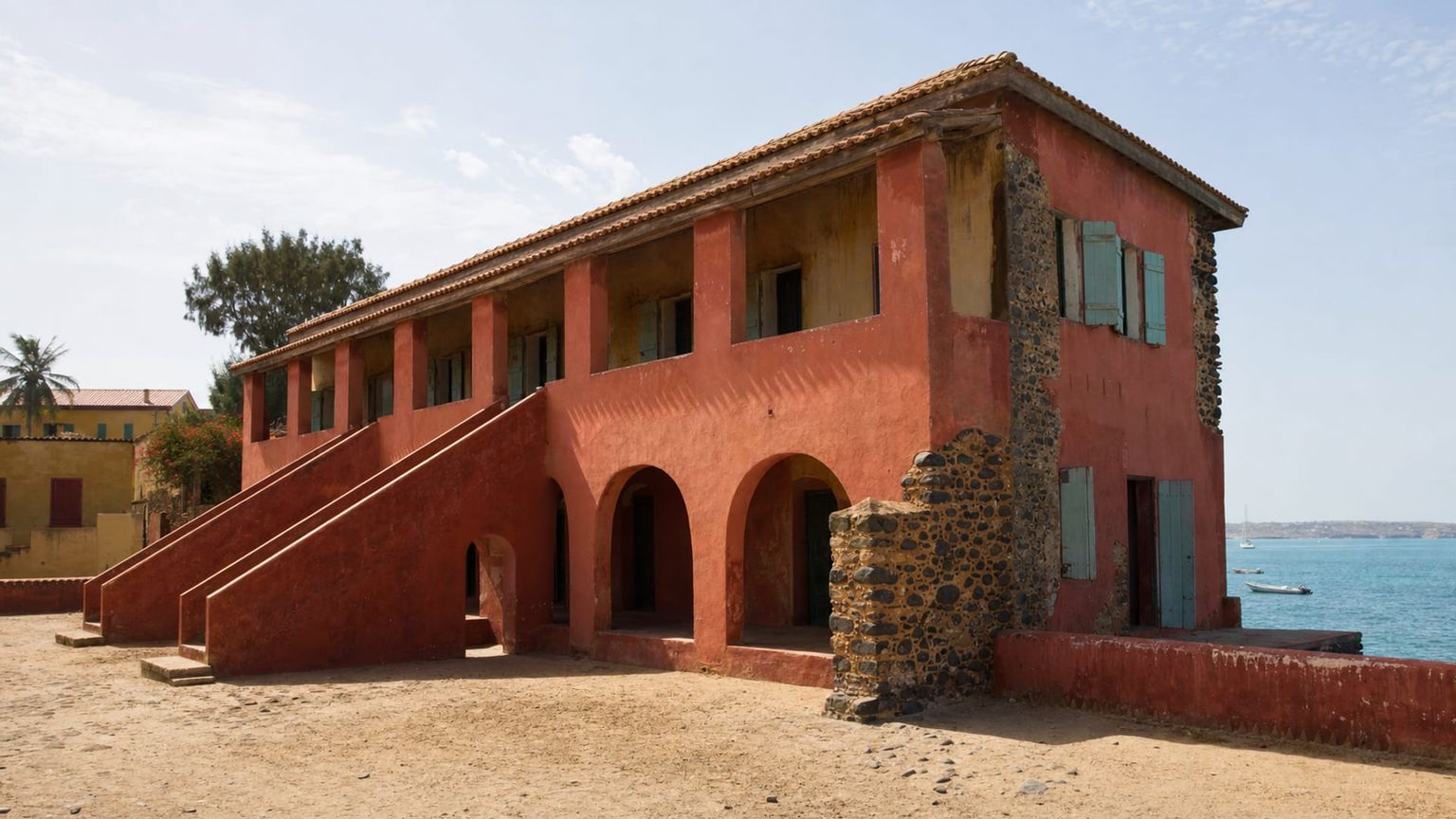
House of Slaves, Gorée Island
Built around 1776 on Gorée Island, the House of Slaves is the island’s best-known memorial to the Atlantic slave trade. Its cramped ground-floor cells and the Door of No Return facing the ocean are at the heart of a UNESCO World Heritage Site listed in 1978.
Time needed: 1 to 2 hours, plus the 20-minute ferry ride each way
Entry: Round-trip ferry tickets cost CFA 6,000 ($10), plus a CFA 500 ($1) island tax. House entry costs CFA 1,500 ($3).
Tip: Arrive by 10:30 am, since the house closes from noon to 3:00 pm and on Mondays.
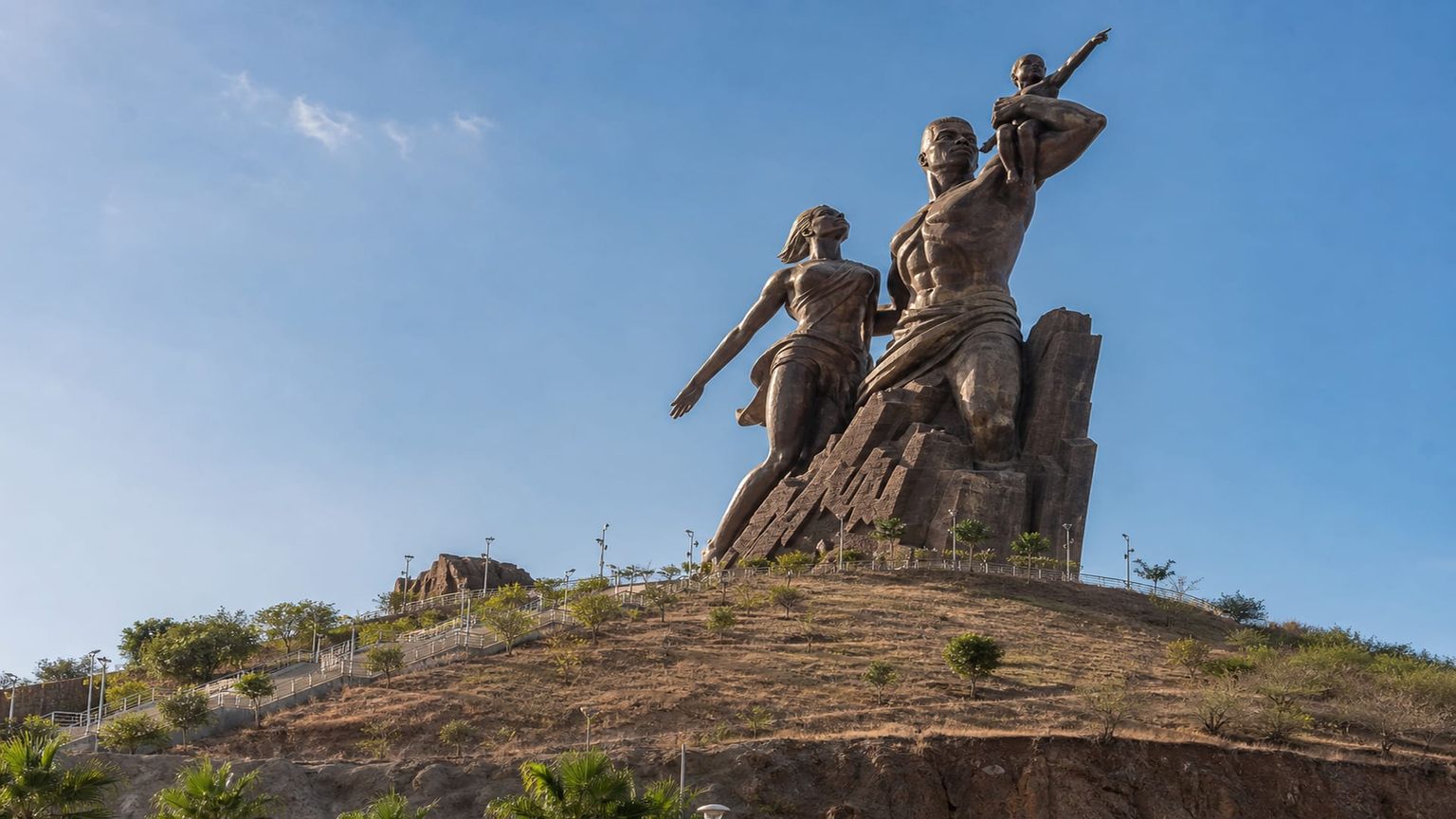
African Renaissance Monument
Inaugurated in 2010 for the 50th anniversary of independence, this 171-foot (52 m) bronze statue of a family rises from one of the Mamelles hills. A 198-step staircase leads to its base, and an elevator takes you to a lookout inside the man’s head.
Time needed: 1 to 1.5 hours, including the climb and the lookout
Entry: Foreign visitors pay CFA 6,500 ($11) for the full visit, including the elevator ride to the 15th-floor lookout. Visit the official site for details.
Tip: Come in the late afternoon, when the sea breeze cools the hill and the steps.
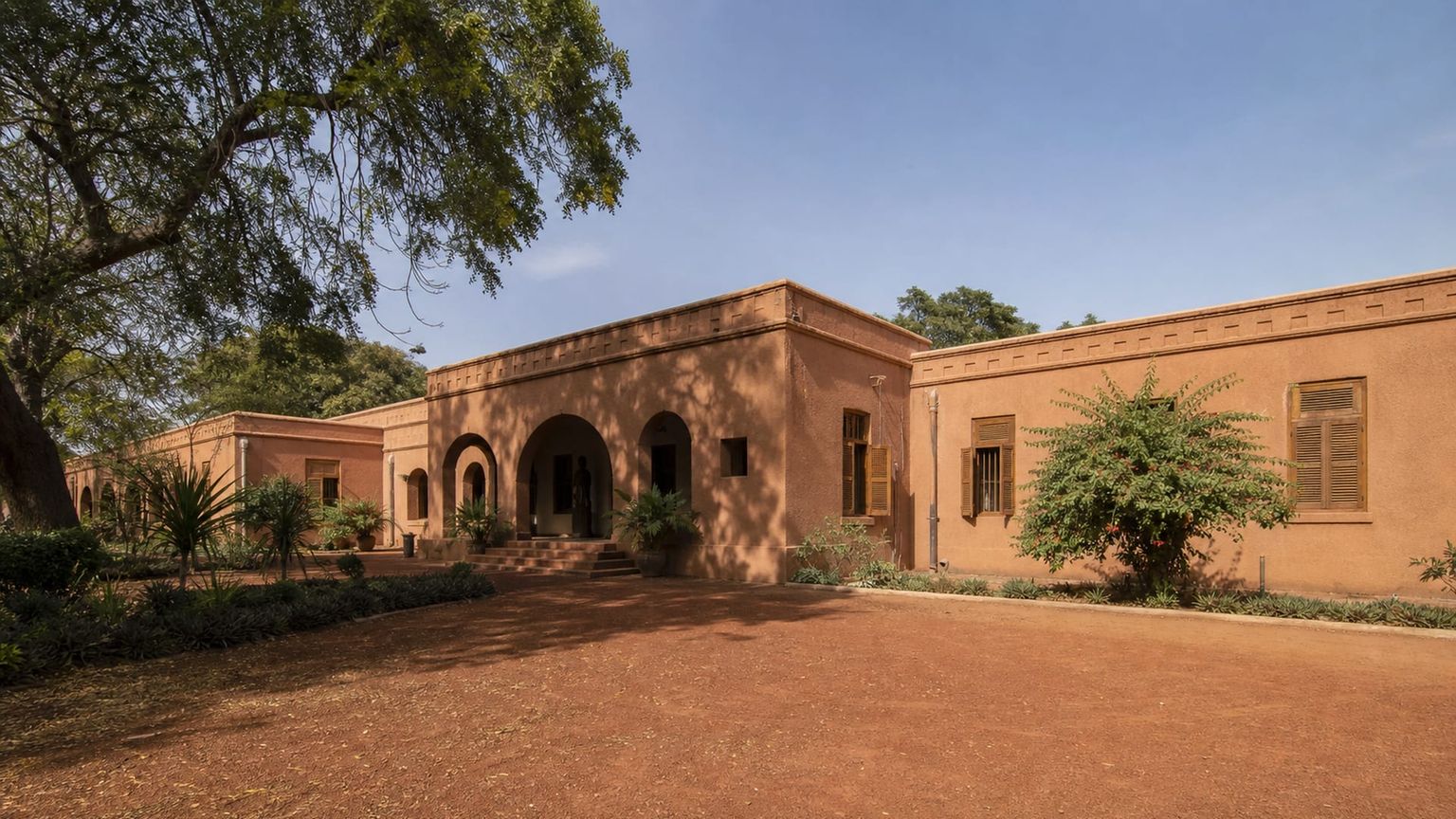
Museum of Black Civilizations
Opened in 2018 opposite the Grand National Theatre, the Museum of Black Civilizations displays art and artifacts from across Africa and its diaspora in a circular building inspired by traditional West African homes. TIME named it one of the World’s Greatest Places in 2019.
Time needed: About 1 to 2 hours
Entry: Adult tickets start at CFA 2,000 ($3). Visit the official site for details.
Tip: The museum is closed on Mondays and open from 10:00 am to 7:00 pm on other days.
Overlooked places in Dakar

IFAN Museum of African Arts
This museum occupies a 1931 neo-Sudanese building on Place Soweto and displays about 9,000 masks, carvings, textiles, and instruments from over 20 African countries. It also has a quiet garden.
Time needed: About 1 to 2 hours
Entry: Foreign visitors pay CFA 5,000 ($9), according to recent visitor reports, and you do not need to book ahead.
Tip: Plan your visit between 9:00 am and 5:00 pm, Tuesday to Sunday. It closes on Mondays.

Pointe des Almadies
This low, rocky headland is the westernmost point of mainland Africa, with wide Atlantic views and a short shoreline walk away from Dakar’s busier beaches.
Time needed: About 1 to 2 hours
Entry: You can visit for free and without booking.
Tip: Arrive an hour before sunset to watch the sun drop into the Atlantic.
What to eat in Dakar
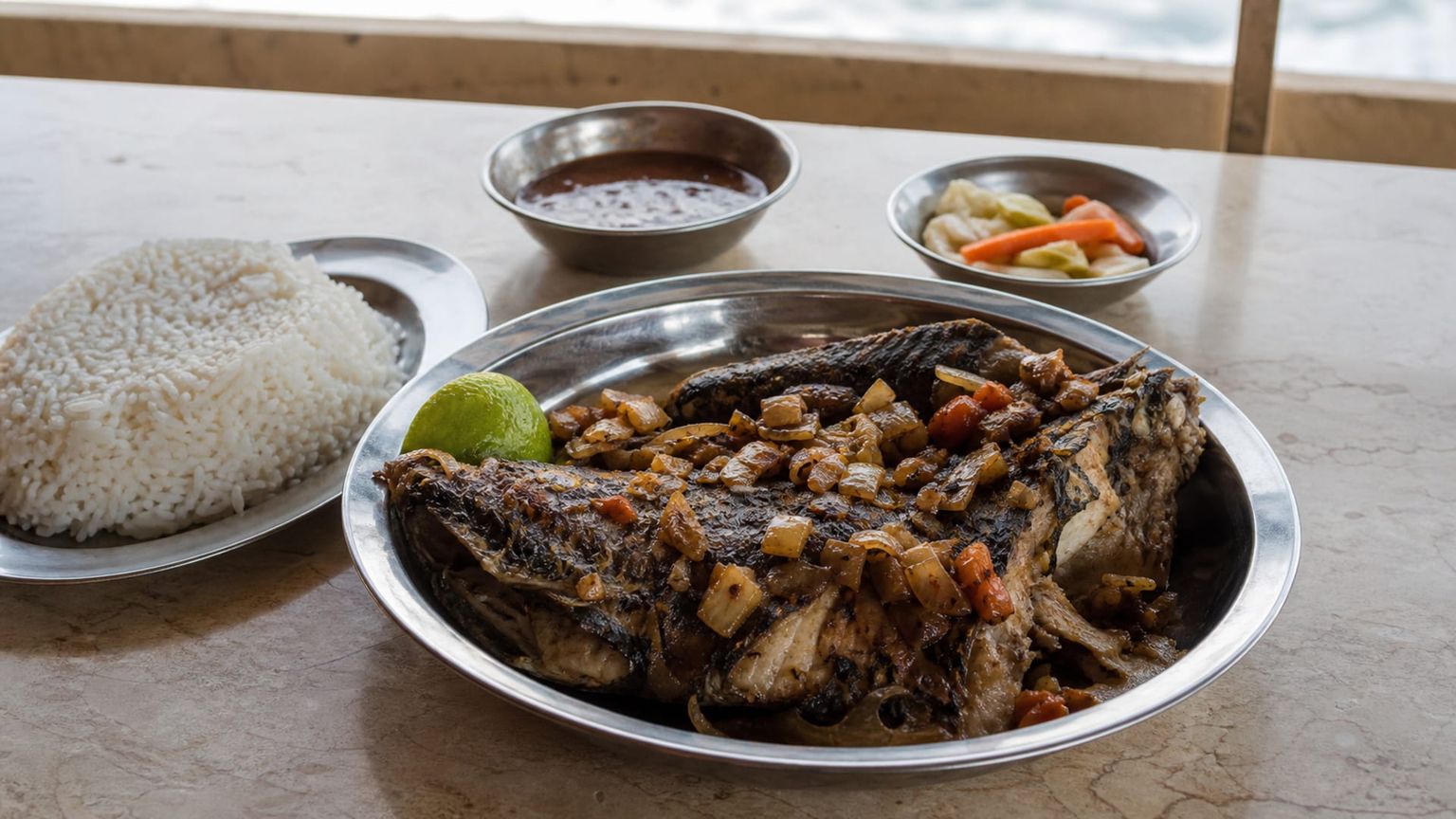
Fishing boats, wood-fire grills, and family-style platters shape Dakar’s food scene, from busy downtown lunch spots to seafood terraces built over the Atlantic.
Thieboudienne
Senegal’s national dish pairs fish, often grouper, with broken rice cooked in tomato sauce with vegetables and tamarind. Le Cabanon, a seaside restaurant on the Corniche des Almadies, serves it with sweeping Atlantic views.
Yassa chicken
This chicken dish simmers in a sauce of caramelized onions, lemon, and mustard and comes with white rice. Le N’Gor Pieds dans l’Eau serves it on beachfront terraces overlooking the colorful pirogues of Ngor’s fishing fleet.
Maafe
This hearty stew of beef, lamb, or chicken simmers in a thick peanut sauce and comes with rice. Chez Loutcha, a family-run Senegalese and Cape Verdean restaurant in Plateau, earns steady praise for its chicken and lamb versions.
Dibi
Lamb or mutton grilled over a wood fire arrives chopped and wrapped in paper, with caramelized onions and mustard on the side. Le Mboté, a dibiterie on Rue de Gueule Tapée, is a classic place to try it, though seating is limited.
Best time to visit
Dakar stays warm all year, but the dry months from November to June bring clear skies, while July to October adds heat, humidity, and rain.
Best for: Beach walks, ferry crossings, and outdoor sightseeing
What you get: Temperatures range from 65°F to 82°F (18°C to 28°C), with dry, sunny days, cool evenings, and comfortable conditions for walks and boat trips.
Trade-offs: Peak-season demand pushes hotel rates higher around Christmas and New Year.
Best for: Coastal drives, museum days, and long lunches on breezy seafront terraces
What you get: Temperatures range from 66°F to 80°F (19°C to 27°C), with almost no rain and the year’s clearest skies in May.
Trade-offs: April brings the year’s strongest winds, so beach afternoons turn gusty.
Best for: Quieter hotels, lower rates, and slower city days built around indoor sights
What you get: Temperatures range from 75°F to 86°F (24°C to 30°C), with a mostly dry June, rising humidity, and frequent heavy rain in July and August.
Trade-offs: August is the wettest month, with 16 rainy days and 4.8 inches (122 mm) of rainfall.
Best for: Warm sea swims, flexible itineraries, and easier hotel bookings in November
What you get: Temperatures range from 74°F to 88°F (23°C to 31°C), with rainy September days, peak heat in October, and drier, sunnier weather by November.
Trade-offs: Rain often lingers into early October, and midday heat limits long outdoor walks.
A 5-day plan in Dakar
Five days give you time to cover Dakar’s three distinct sides: the colonial-era center in Plateau, the island history of Gorée, and the Atlantic coast of Les Almadies and Ngor, with a final day for the city’s seafront and a last Senegalese lunch.
Land at Dakar Blaise Diagne International Airport (DSS) and ride the first-class TER or a private transfer into the city. After check-in and a rest, walk around Place de l’Indépendance, the central square, and past the gates of the Presidential Palace. At sunset, take a table at Le Lagon 1, a 1956 seafood institution on stilts over the bay, and order oysters, sea urchins, or grilled fish with views toward Gorée Island.
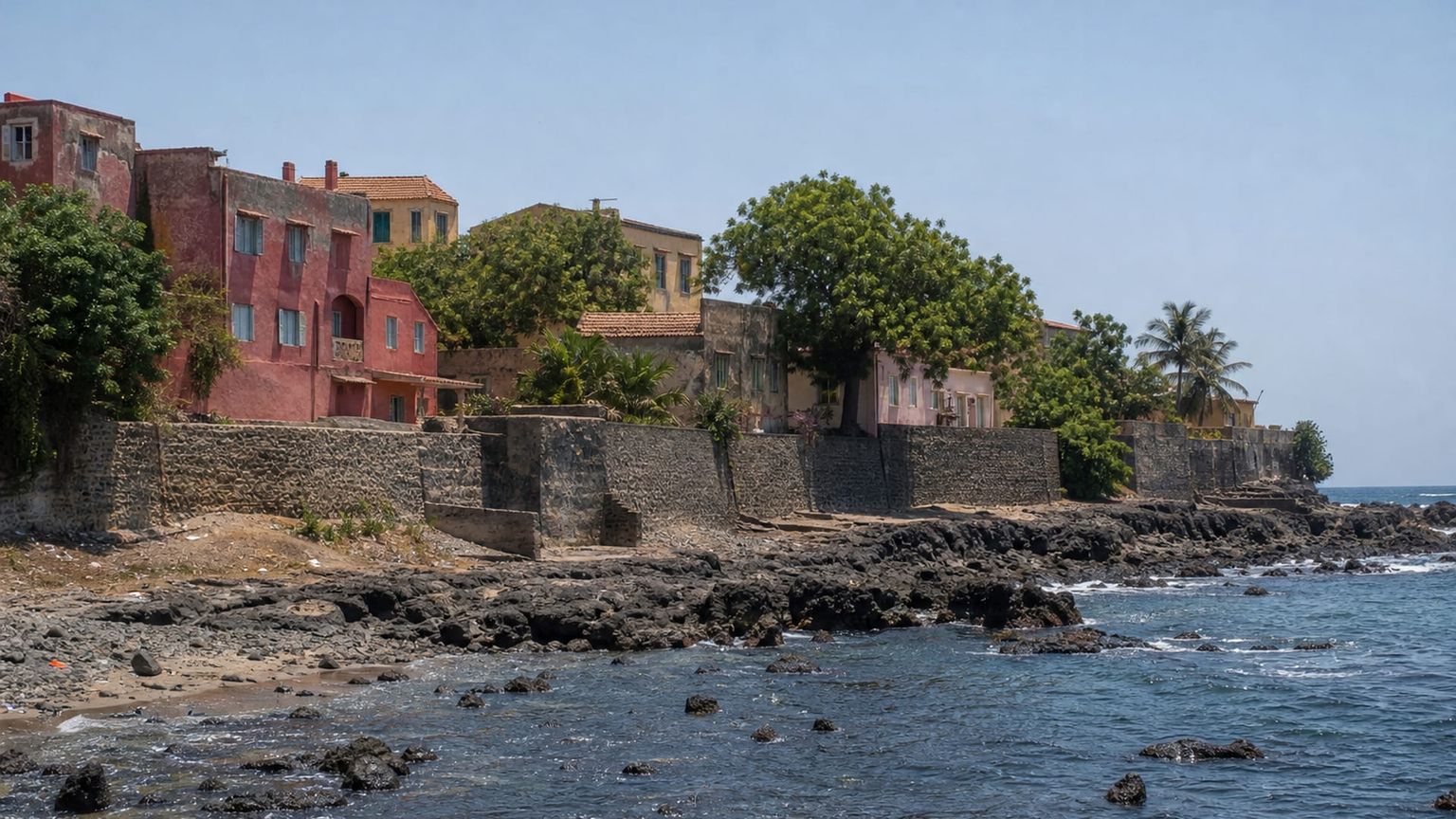
Open the day at the Museum of Black Civilizations, where four floors of art and artifacts trace Africa and its diaspora from prehistory to today. Walk or take a short taxi ride to Chez Loutcha for a maafe lunch, then spend the afternoon at the IFAN Museum of African Arts and its quiet garden. In the evening, try dibi, wood-fire grilled lamb, at Le Mboté in Gueule Tapée. Plan this day for Tuesday to Saturday, as both museums close on Mondays and Chez Loutcha on Sundays.
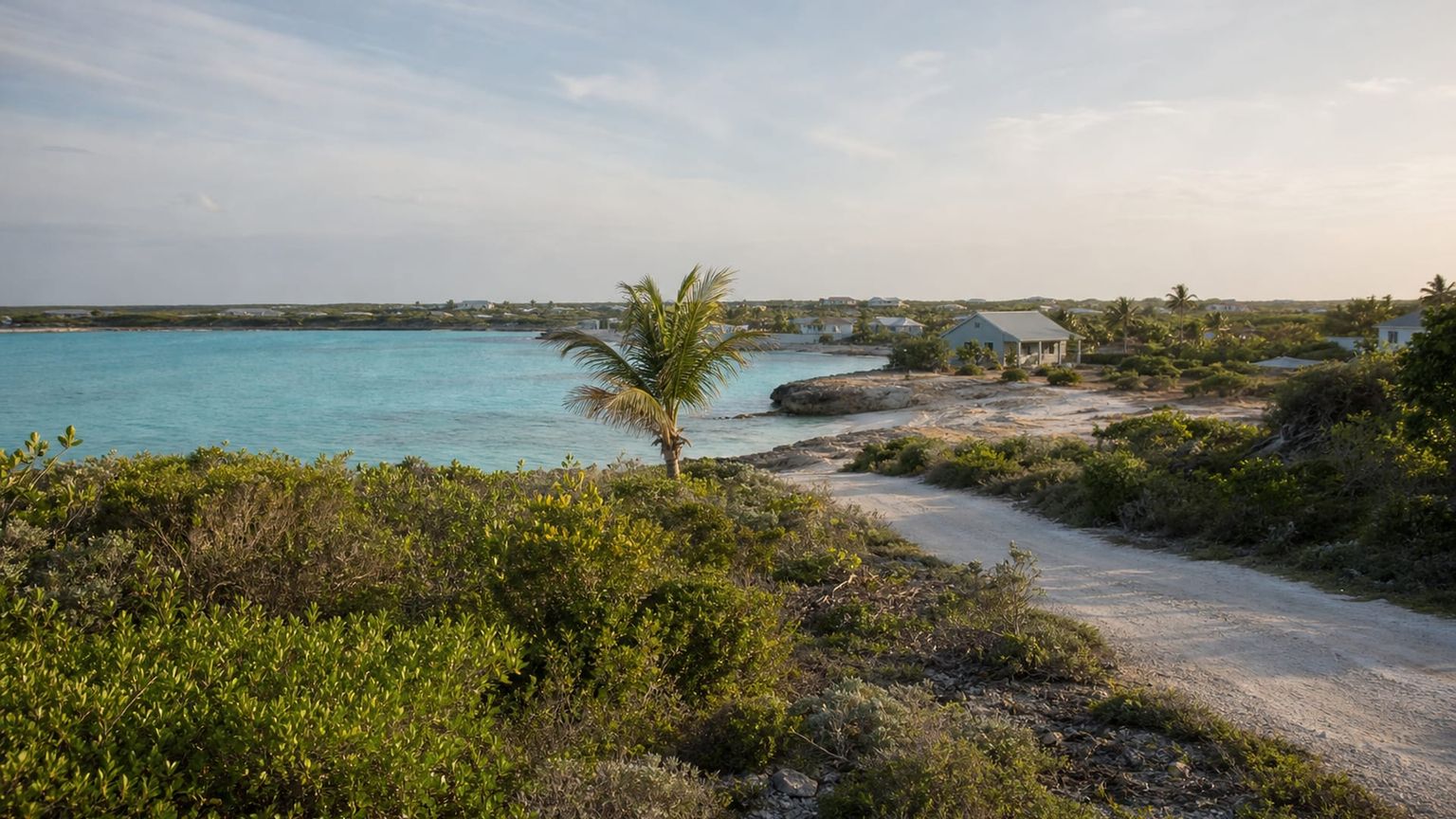
Take a morning ferry for the 20-minute crossing to Gorée Island and visit the House of Slaves and its Door of No Return before the noon break. Continue to the Historical Museum of Senegal in Fort d’Estrées, have lunch on the island, and wander car-free lanes of ochre and pink houses to the artists’ studios and the Castel lookout. Back in Dakar, drive the Corniche Ouest to Soumbédioune, where vendors grill the day’s catch in the evening. Avoid Mondays, when the island’s museums close.
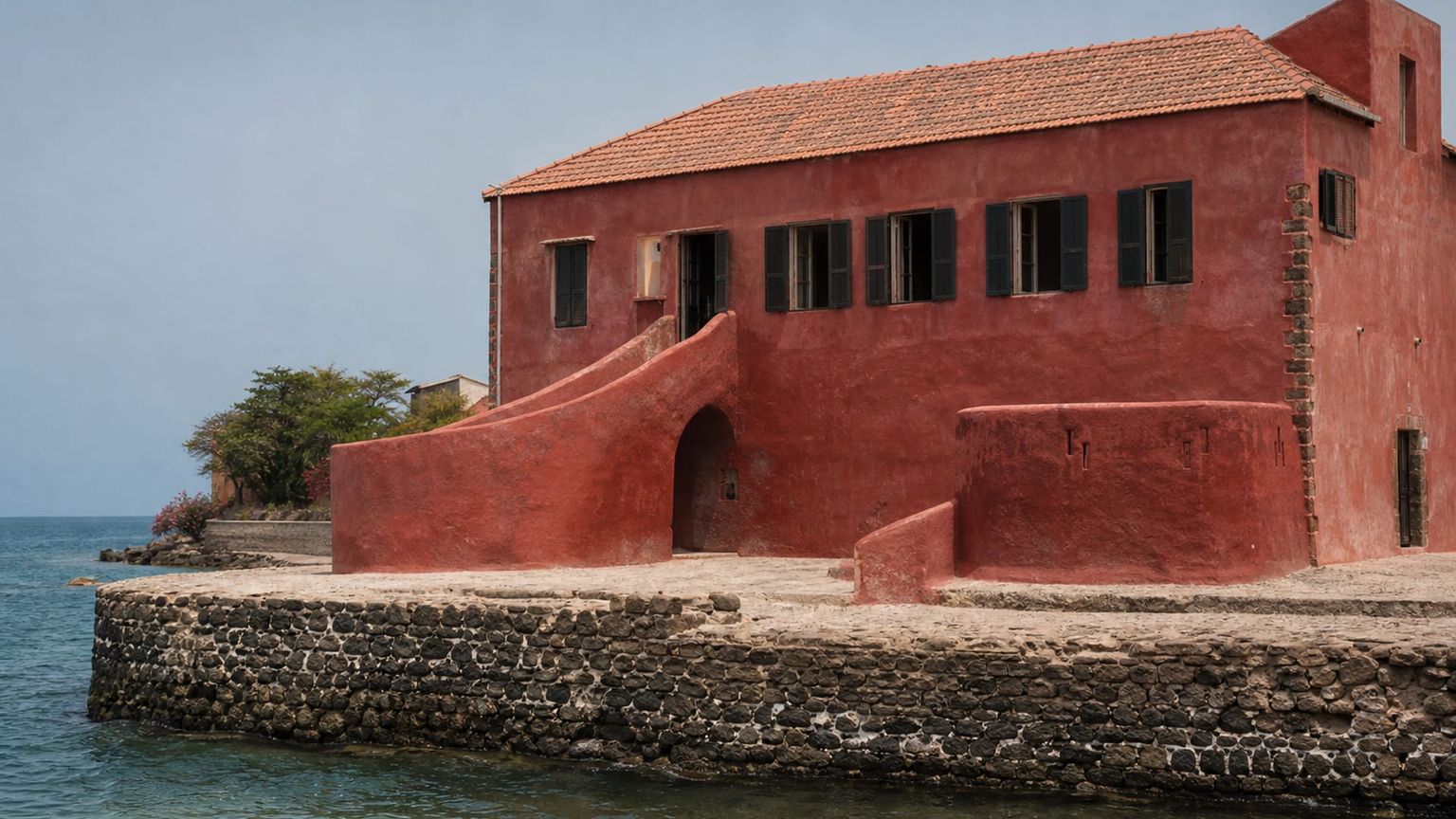
Start at the African Renaissance Monument, climb its 198 steps, and ride the elevator to the 15th-floor lookout over Dakar and the peninsula. Continue to Ngor Beach and take a pirogue to Ngor Island, where small beaches, surf camps, and two well-known surf breaks fill the afternoon. Return before the last boats leave at 7:00 pm, watch the sunset from Pointe des Almadies, the westernmost point of mainland Africa, and finish with yassa on the terraces of Le Ngor.
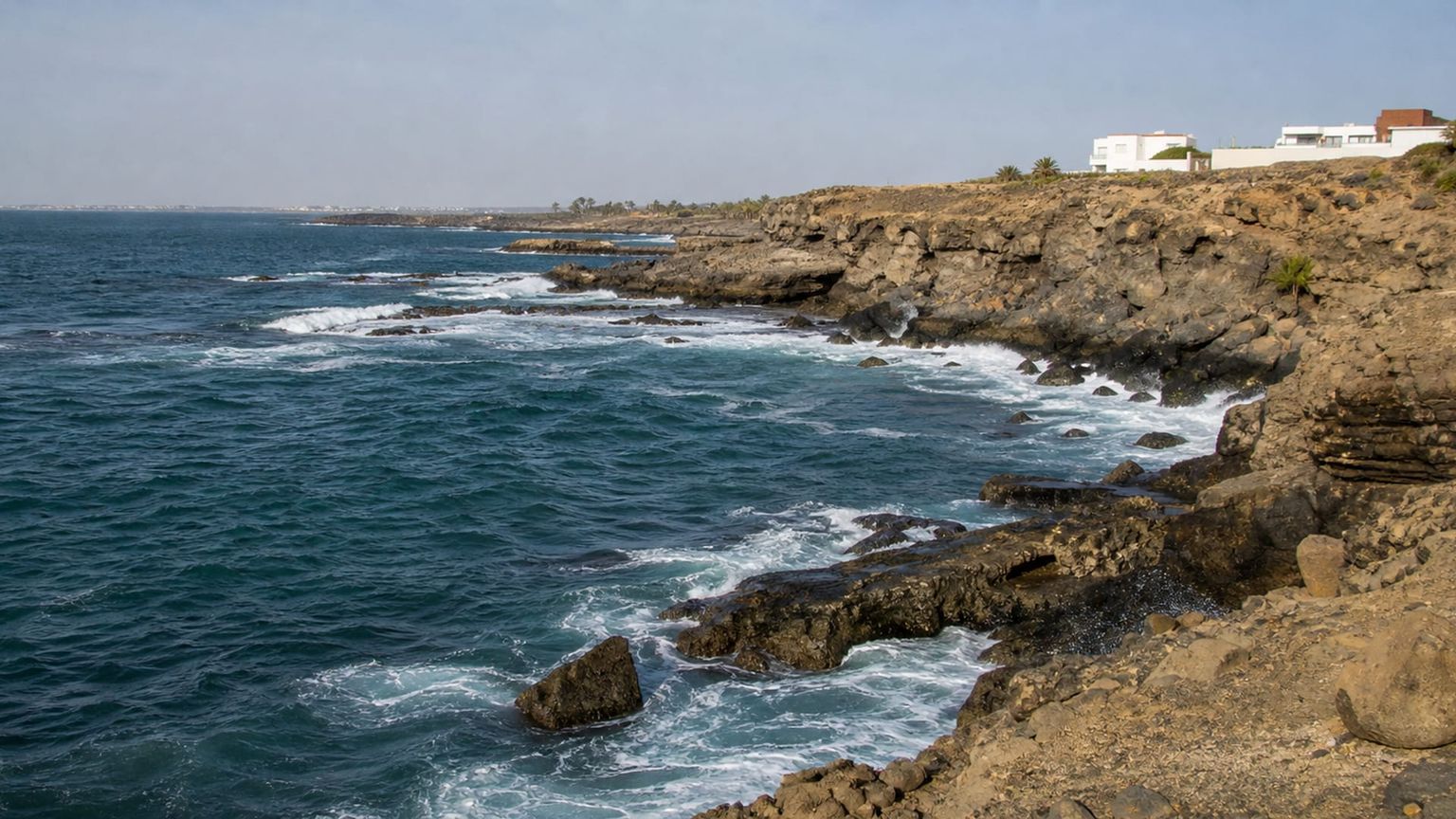
Spend your last morning on the Corniche des Almadies with a walk along the rocky shore near your hotel, or a round at the Almadies golf course. Enjoy a long thieboudienne lunch at Le Cabanon, which opens at noon and overlooks the Atlantic. From there, take a private transfer to the airport, or return to Plateau for the first-class TER, a 55-minute ride that avoids road traffic.
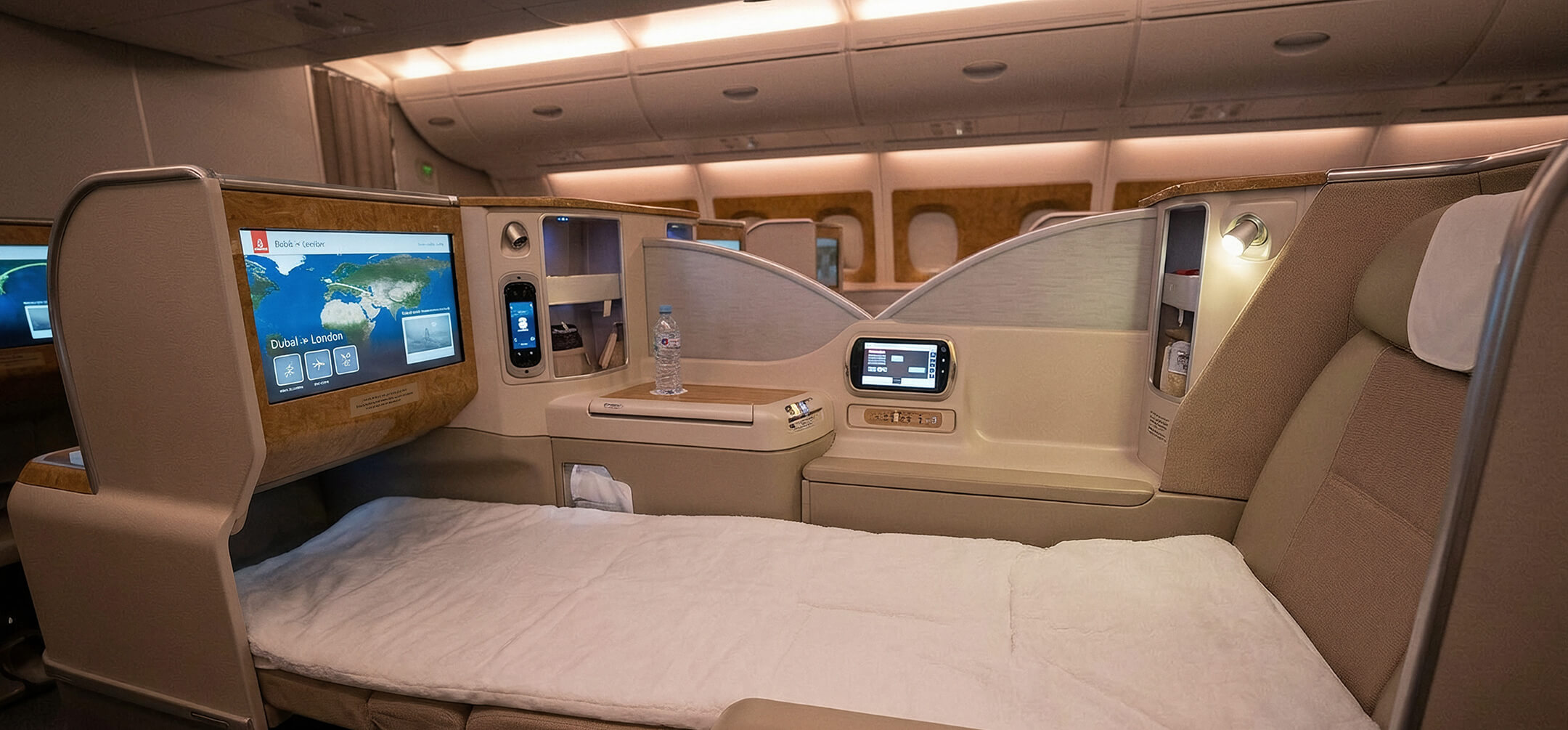
Business-class flights from the US to Dakar
Dakar is one overnight flight from New York (JFK) on Delta Air Lines. From Los Angeles (LAX), the trip requires one connection, usually at JFK or a European hub.
New York (JFK) to Dakar (DSS)
Delta Air Lines flies nonstop from New York (JFK) to Dakar (DSS) three times a week, an 8-hour overnight flight on a Boeing 767 with lie-flat Delta One seats. Air France, Brussels Airlines, and Royal Air Maroc operate one-stop flights via Paris (CDG), Brussels (BRU), and Casablanca (CMN), respectively, taking 12 to 19 hours. One-stop business-class round trips start at $3,700, while nonstop round trips cost about $5,300.
Los Angeles (LAX) to Dakar (DSS)
No nonstop flights connect Los Angeles (LAX) and Dakar (DSS). Delta Air Lines flies through New York (JFK), Air France via Paris (CDG), and TAP Air Portugal via Lisbon (LIS). Depending on the connection, the trip takes 15 to 24 hours, and business-class round trips cost $4,200 to $8,100.
Dakar is a city of coast, culture, and contrasts
Dakar spreads across a peninsula, so the trip comes together when each day stays in one part of the city: museums in Plateau, history on Gorée Island, and beaches and sunsets on the Almadies coast. Grouping sights this way cuts long taxi rides and leaves time for a slow lunch or an extra hour on Ngor Island. With the days mapped out, the next step is getting there. AranGrant can help you find business-class flights to Dakar and a hotel in the neighborhood that suits your plans.