

Chapters:

Need help with your trip?
Our support team is available 24/7. Request a callback or call us directly at (833) 619-0908
Many first trips to David orbit the same core: a central hotel, a couple of restaurant blocks, and one quick transfer to the airport. What visitors often miss is how the city spreads out in small but meaningful ways, so short rides still shape the day.
That matters because a few extra minutes by taxi can change a museum stop, a meal, or a return trip after dark. If you choose a base without checking the road pattern, you can lose time to crossing town and end up dining farther from where you sleep.
This guide maps David in that order, with places to stay, routes between neighborhoods, food stops, seasonal context, and a five-day plan that keeps the city’s distances in view.
Useful things to know

Main language(s): Spanish
Hola (OH-lah) – Hello
Por favor (por fah-VOR) – Please
Gracias (GRAH-syahs) – Thank you
¿Habla inglés? (AH-blah een-GLAYS) – Do you speak English?
¿Cuánto cuesta? (KWAHN-toh KWES-tah) – How much does it cost?

Currency: The local currency is the US dollar (USD, $).

Cash and cards: Cards and contactless are widely accepted, but carry about $20 to $40 in cash for small stalls and taxis.

Tipping: Round up small bills; 5-10% is appreciated in nicer restaurants.

Traditional food: Sancocho, rondón, carimañola, patacones

Water and coffee costs: Water ~US$2, bar espresso ~US$2 to $3.

Taxis and ride apps: Uber and InDriver operate here; confirm pickup points before you request a ride.

Plug and voltage: Type A/B socket, 120V

Dining and shop opening hours: Breakfast runs about 7:00-10:00 am, lunch about 12:30-3:00 pm, and dinner about 8:00-11:00 pm. Some kitchens close midafternoon.

Emergency number: 911 for police, fire, and medical emergencies.
Where to stay in David
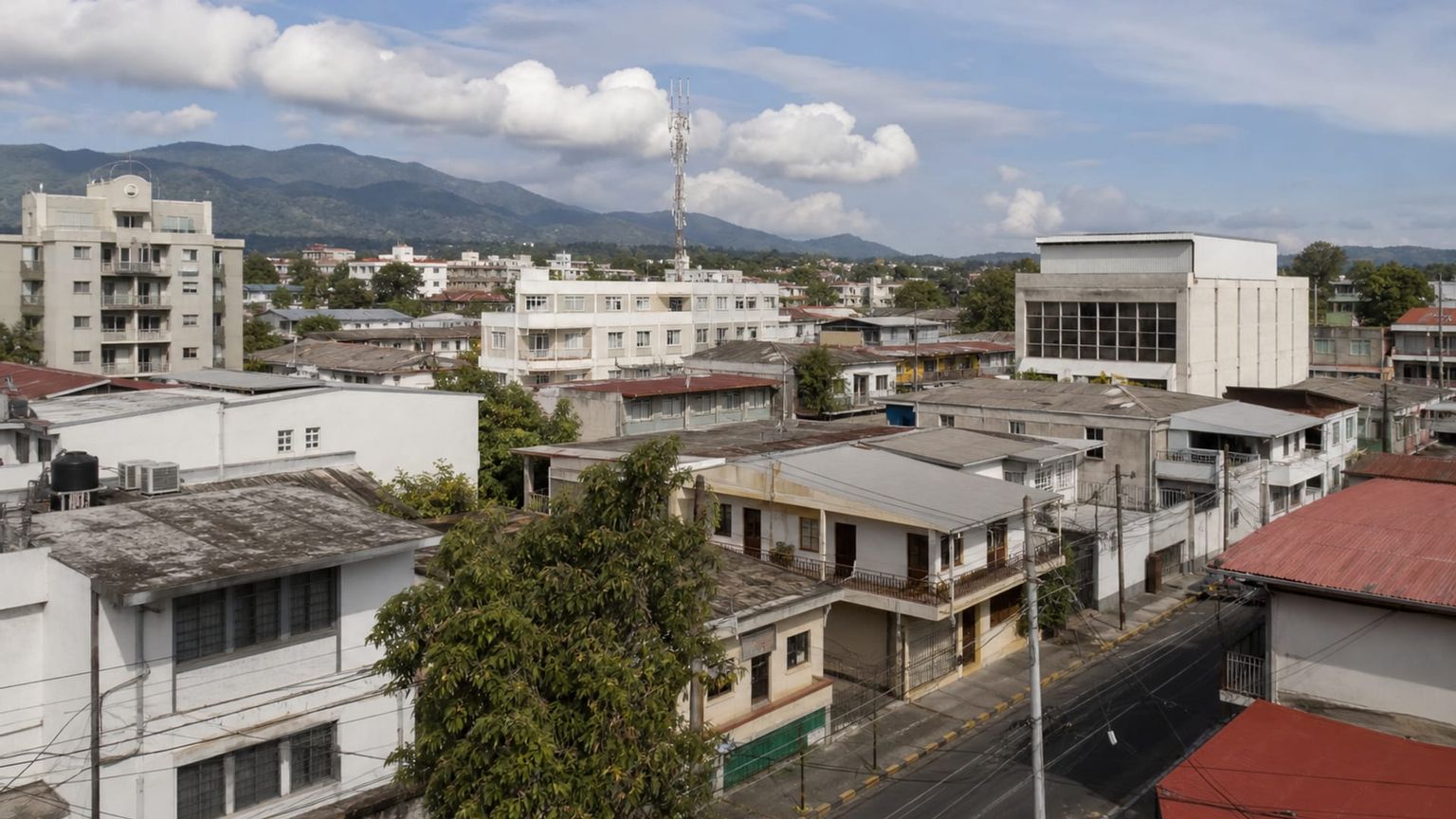
El Terronal sits close to the city center, with many of David’s better hotels, restaurants, and shopping streets within easy reach. It works well if you want a central base for errands, meals, and short rides across town.
Best for: Central access, dining, and a first stay in David
What to expect: You will find busy streets, plenty of taxis, and the most visible hotel cluster in the city.
Hotel prices: Usually about $55 to $110 per night for well-rated stays
Distance to major sights: About 10 minutes by car to Miguel de Cervantes Saavedra Park and roughly 15 minutes to David Airport (DAV).
Quietness: Quieter at night than by day, though main roads still carry traffic after dark.
Main trade-off: You pay for location, and rooms near the main roads can pick up traffic noise.
Good to know: Choose this area if you want to minimize cross-town travel, because many practical stops sit within a short taxi ride.
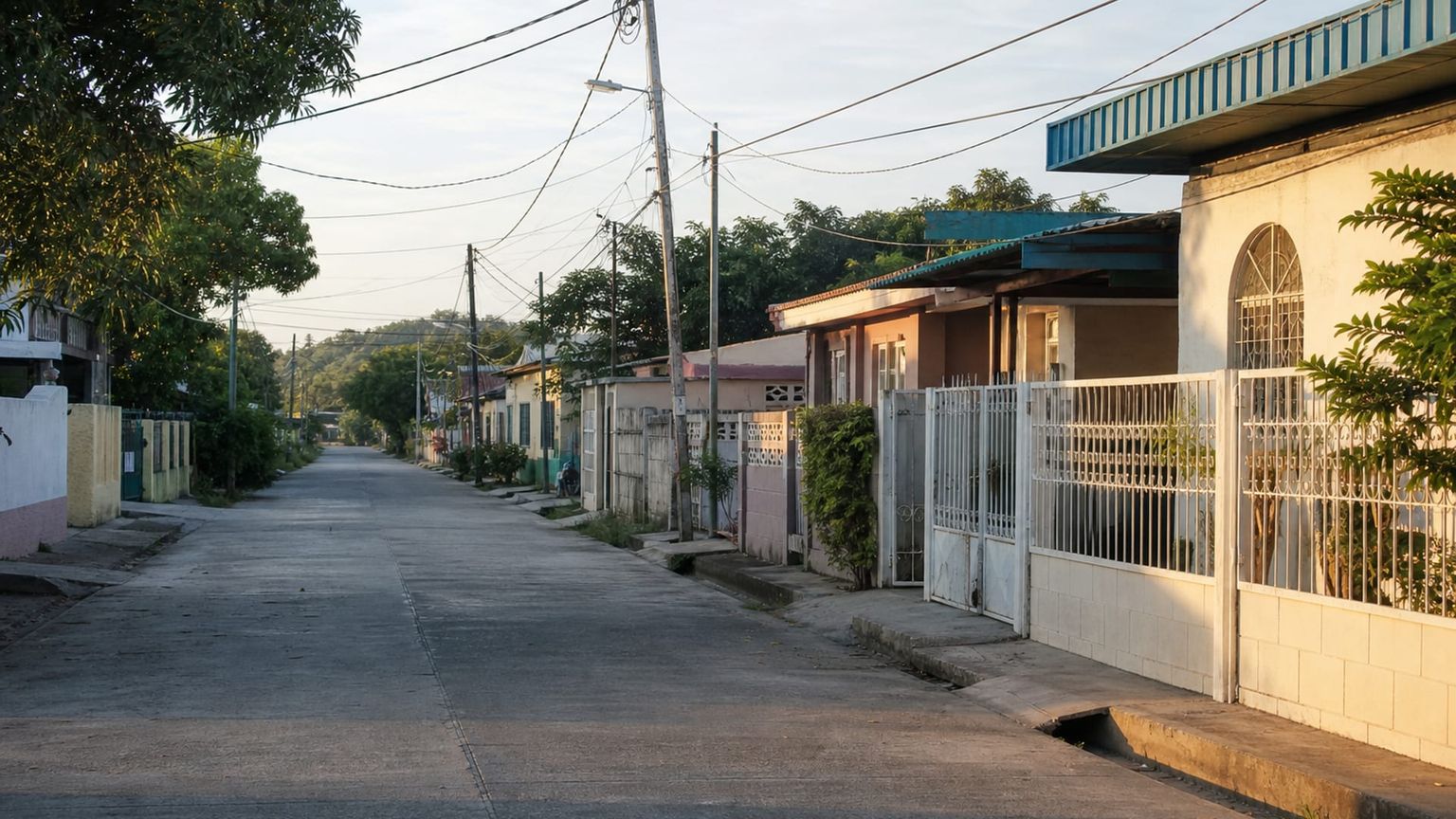
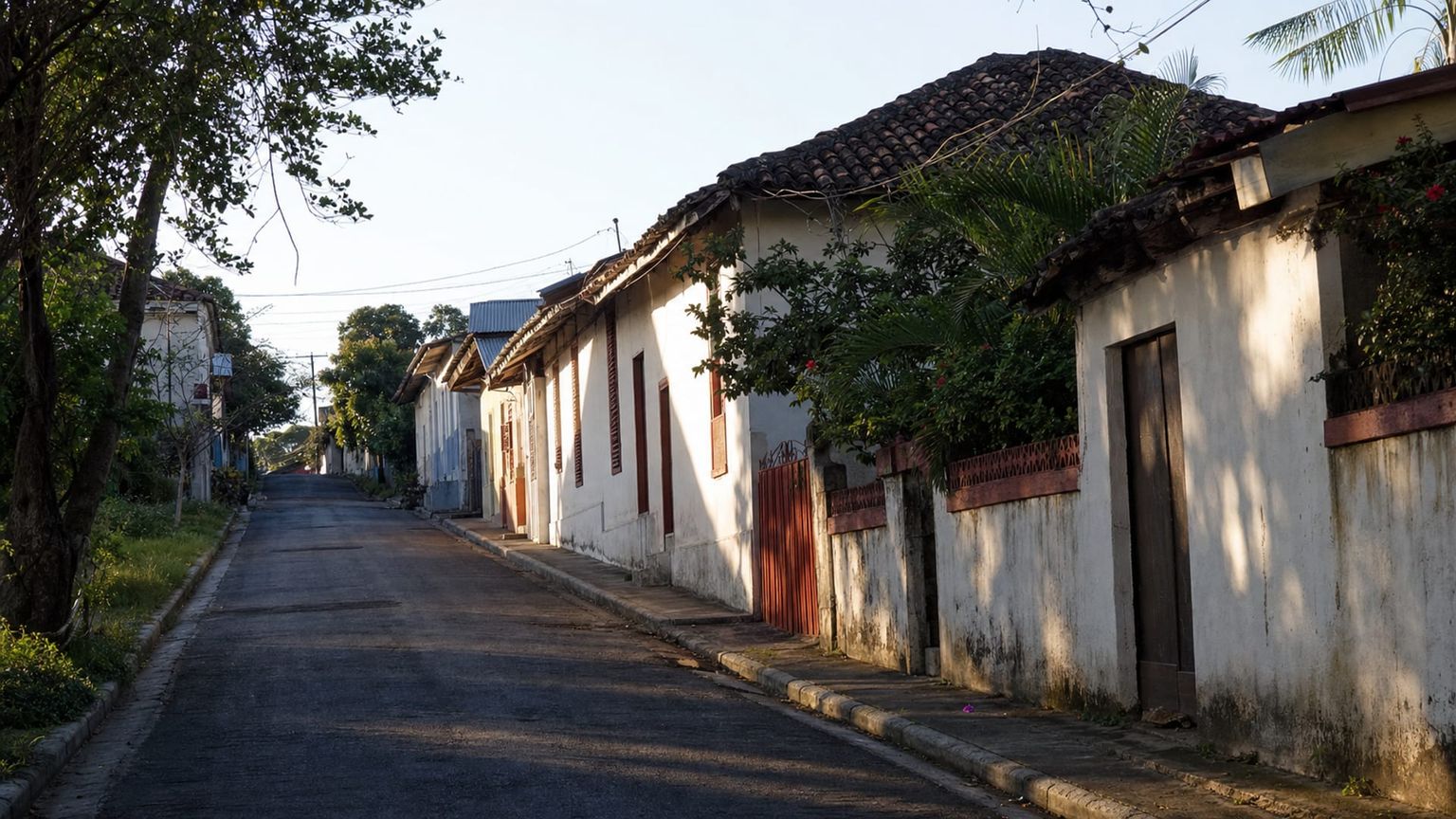
San Mateo is a residential area on the edge of central David, with a more local street pattern and easier parking than the busiest commercial blocks. It suits travelers who want quick city access without staying in the middle of the main retail strip.
Best for: Self-drivers, longer stays, and travelers who want less traffic directly outside the hotel
What to expect: Expect neighborhood streets, smaller shops, and a calmer pace than the center.
Hotel prices: Usually about $40 to $85 per night for well-rated stays
Distance to major sights: About 12 minutes by car to Miguel de Cervantes Saavedra Park and about 20 minutes to David Airport (DAV).
Quietness: Generally quieter in the evening, with only local activity and occasional traffic on the larger roads.
Main trade-off: You will likely rely on taxis or a car for dinners and most sightseeing.
Good to know: Parking is usually simpler here, but late-night dining options thin out quickly.
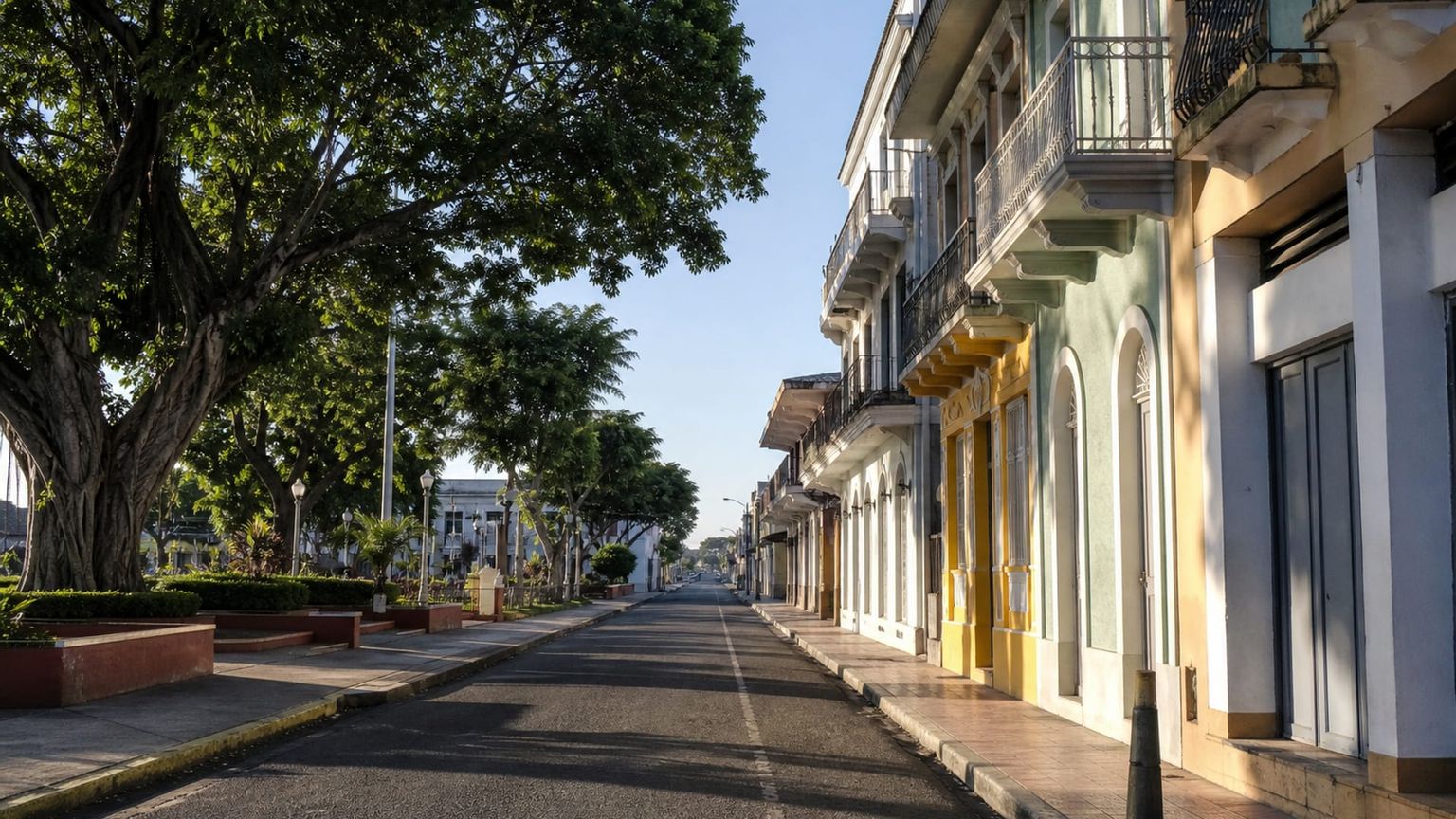
Calle F Sur is one of David’s main commercial corridors, lined with shops, banks, eateries, and business hotels. It suits visitors who want to handle practical tasks close to where they sleep and do not mind a busier street scene.
Best for: Business trips, short stays, and travelers who want restaurants and shops nearby
What to expect: Expect active daytime traffic, frequent foot movement, and a more urban feel than in the residential neighborhoods.
Hotel prices: Usually about $50 to $100 per night for well-rated stays
Distance to major sights: About 8 minutes by car to Miguel de Cervantes Saavedra Park and roughly 15 minutes to David Airport (DAV).
Quietness: Busy through the day, with the street settling somewhat after business hours.
Main trade-off: The location is convenient, but rooms facing the corridor can be louder and often cost more.
Good to know: Evenings are easier if your hotel is set back from the street, since the busiest blocks stay active later.
Travelers usually avoid San Pedro Sula’s outlying industrial areas, Choloma, and Puerto Cortés for overnight stays, since they sit far from the main sights in the city center and offer fewer visitor-facing amenities. West of the central districts and the airport corridor are also less convenient bases, because evening trips to restaurants and attractions take longer and local hotel choice is limited.
Hotel deals
How to get around David efficiently
David has no metro, so buses, taxis, and ride apps do the work that rail would handle elsewhere.

Metro
for longer distances
David has no metro, so visitors rely on buses, taxis, and short flights from David (DAV) rather than an underground network. For city trips, there is no rail substitute inside town, and most point-to-point travel takes place by road.

Bus and tram
for convenience
Bus service in David centers on local and intercity coaches rather than trams, with the main stops clustered near the city center and the airport road. Fares are usually about $0.50 to $2 for local rides, while longer intercity trips cost more; carry small bills, confirm the destination before boarding, and expect trips across town to take about 15 to 30 minutes depending on traffic.

Taxi
for convenience or late hours
Licensed taxis in David use metered or negotiated fares depending on the operator, and airport runs often cost about $10 to $20 from central David, with late-night or outlying trips higher. Drivers usually pick up passengers at taxi stands, hotels, or by phone dispatch rather than street hails, and many accept cash only, so confirm the price before you set off.
*Prices are based on rates updated as of June 2026 and may change at the time of travel.
Use buses for the cheapest cross-town trips, taxis for airport and evening moves, and ride apps when you want a quoted pickup before you leave.
Iconic landmarks
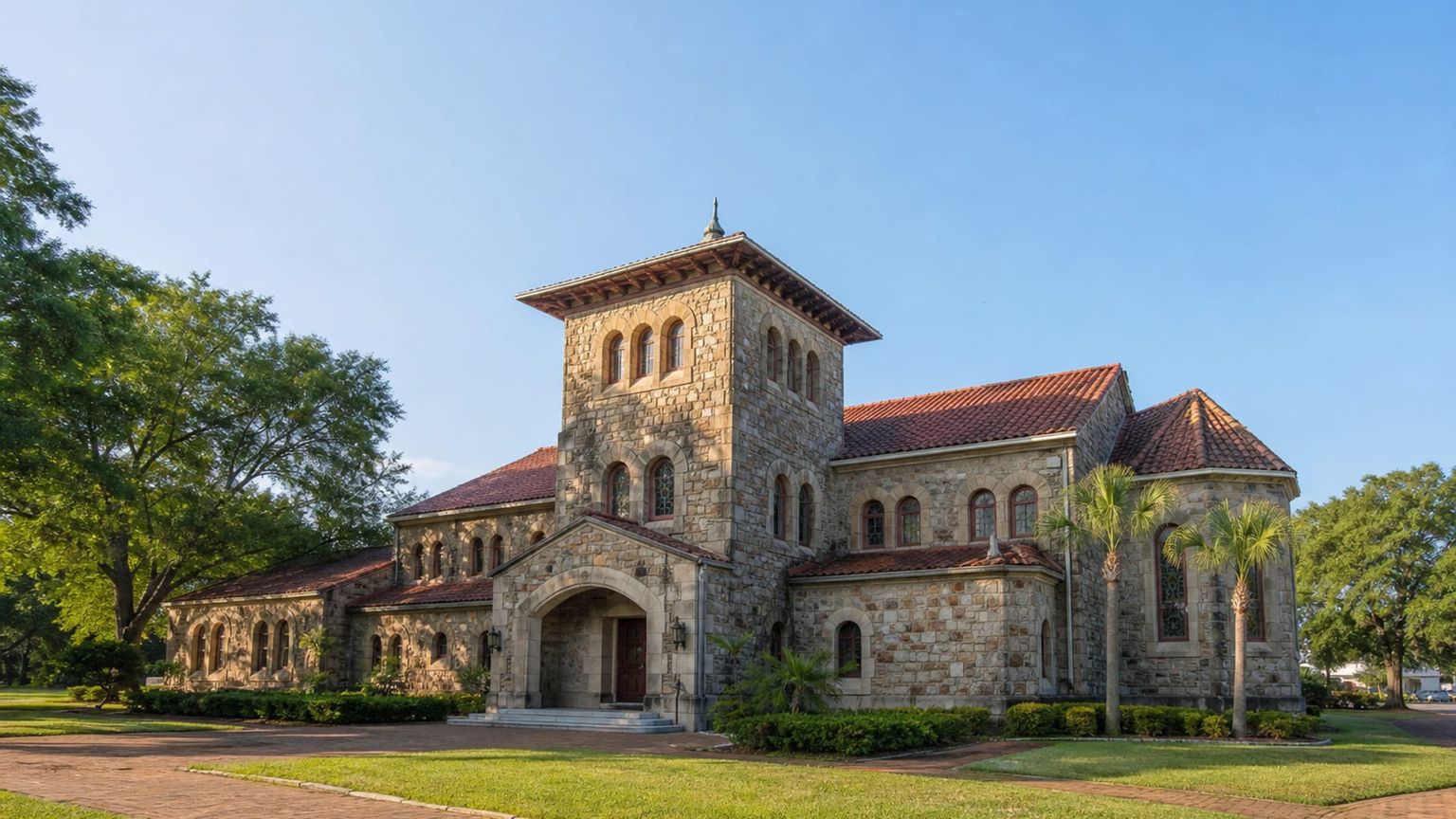
Mosaic Templars Cultural Center
This museum traces African American life in Arkansas through exhibits on business, music, civil rights, and everyday objects. It sits in downtown Little Rock, about 2 miles from the center, and gives a focused look at the city’s Black history.
Time needed: About 1 to 2 hours
Entry: Admission is free for all visitors, with no timed-entry requirement or separate reservation fee. Visit the official site for details.
Tip: Visit late morning on weekdays for quieter galleries and easier parking nearby.
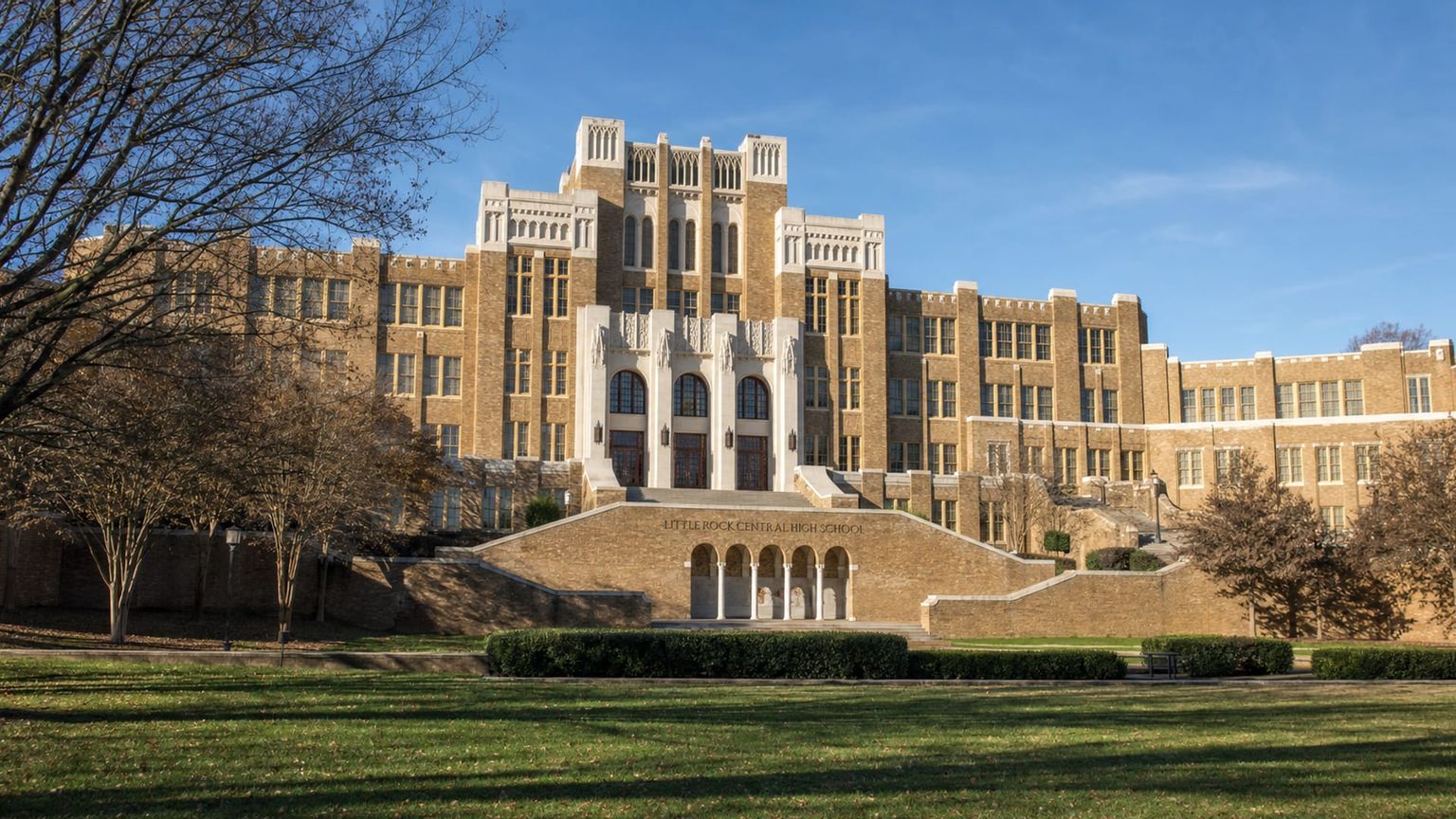
Little Rock Central High School National Historic Site
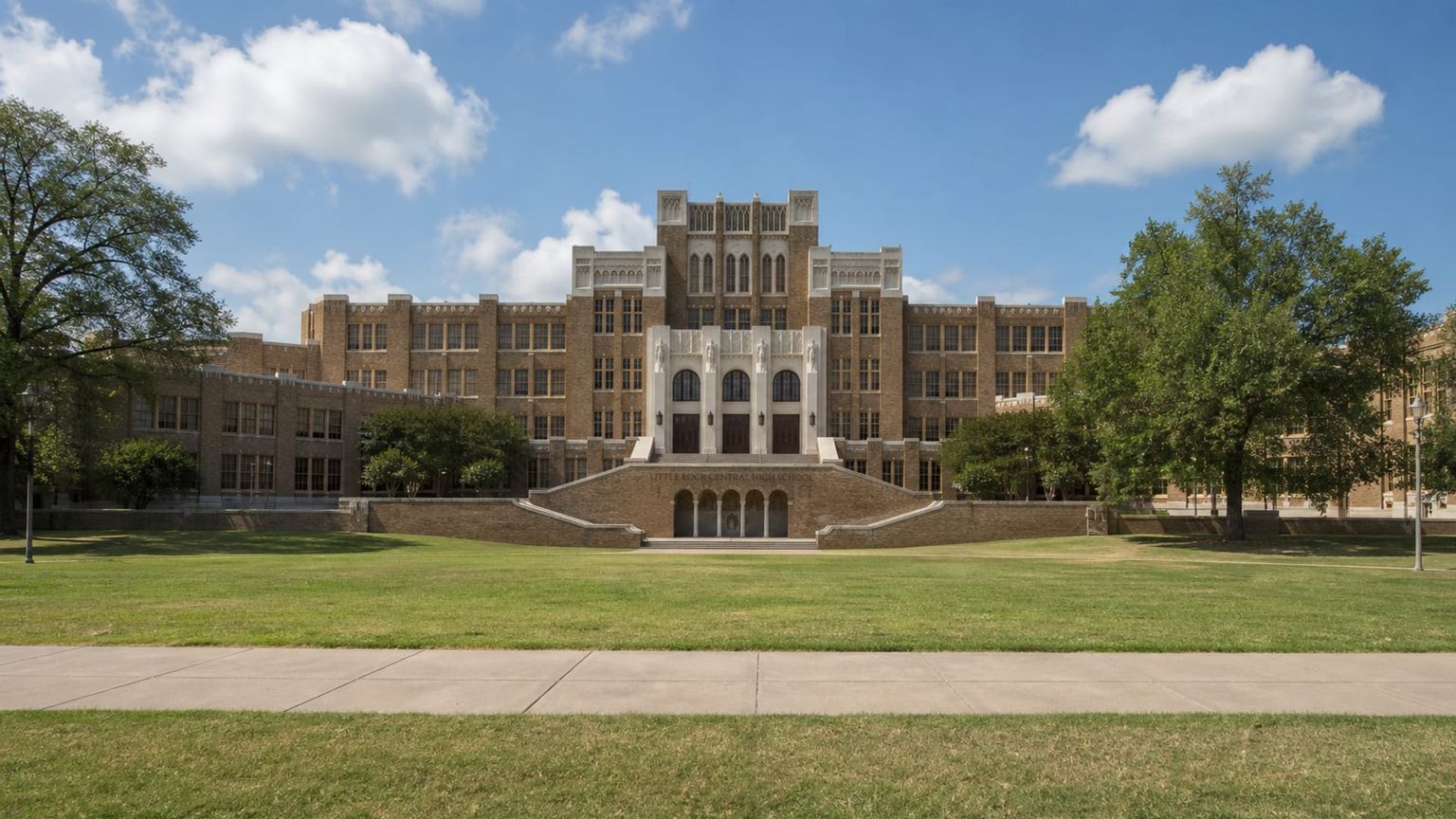
This active school anchors one of the most important civil rights stories in the United States. The visitor center and exterior grounds, about 3 miles from downtown, explain the 1957 desegregation crisis and its national impact.
Time needed: About 1 to 2 hours
Entry: Visitor center admission is free, and ranger-led interpretation is included; exterior grounds are always open. Visit the official site for details.
Tip: Start at the visitor center first, then walk the grounds for the clearest context.
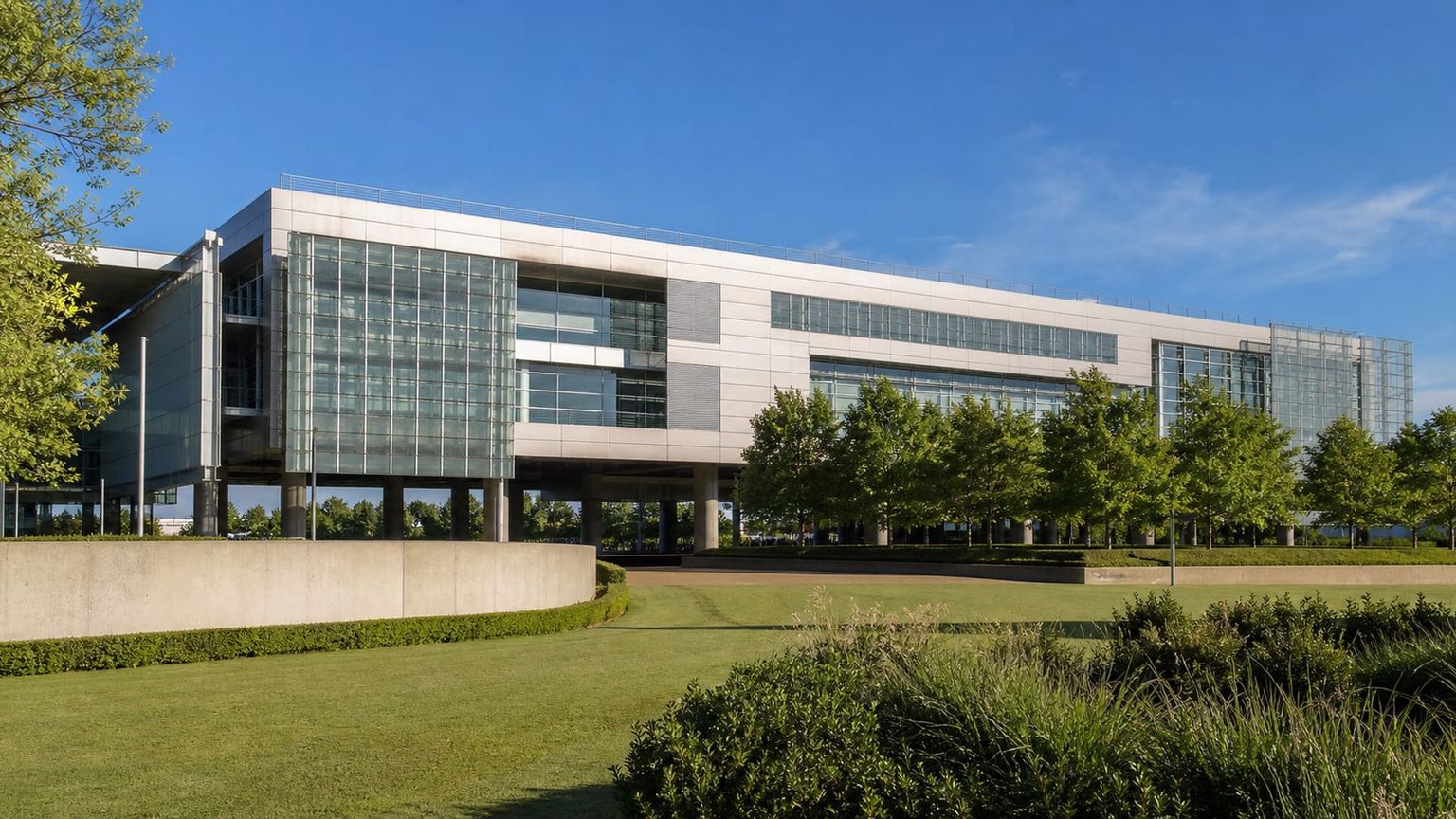
William J. Clinton Presidential Library and Museum
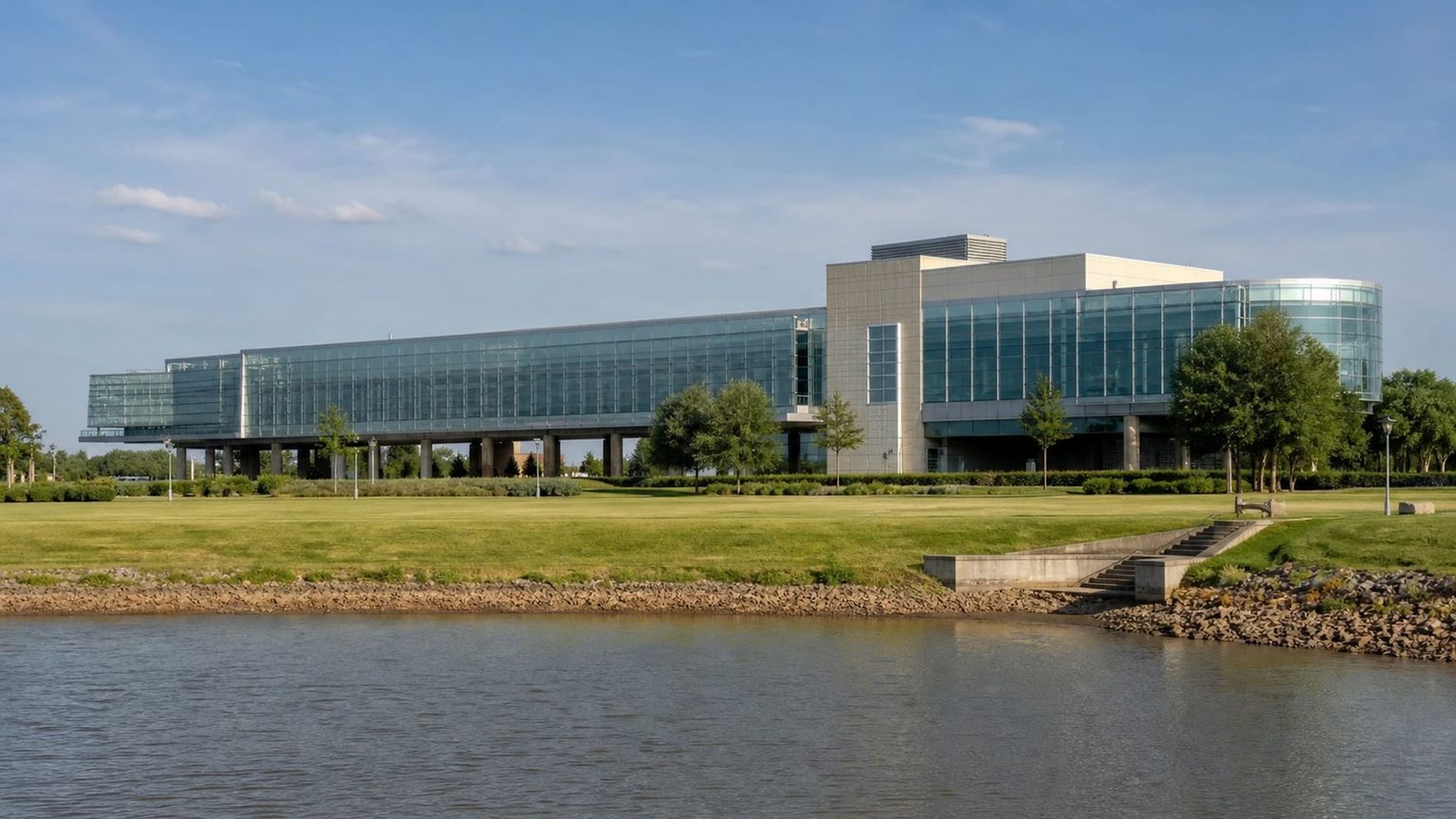
Set on the Arkansas River in the River Market district, this museum presents artifacts, documents, and recreations tied to President Clinton’s years in office. The setting is about 1 mile from the center, with river views beside the building.
Time needed: About 2 to 3 hours
Entry: Standard admission costs $12 to $18 ($12 to $18), with discounts for seniors, students, and children. Visit the official site for details.
Tip: Go in the morning, then pair the visit with a walk on the river trail.
Overlooked sites worth visiting

Muelle de los Peones
This riverside promenade follows the Chiriquí Viejo estuary with mangroves, fishing boats, and wide views toward the Gulf of Chiriquí. It suits a slow walk, sunrise photos, and birdwatching.
Time needed: About 1 to 2 hours
Entry: Free to access
Tip: Go at low tide for clearer views of the mangrove edge.

Museo José de Obaldía
This small museum, set in a restored 19th-century house, displays local history, religious art, and period furniture in compact rooms. It gives a quick look at David’s civic past without a long visit.
Time needed: About 45 minutes to 1 hour
Entry: Admission is typically about $2 to $3 ($2 to $3)
Tip: Visit late morning to avoid the hottest part of the day.
Traditional food
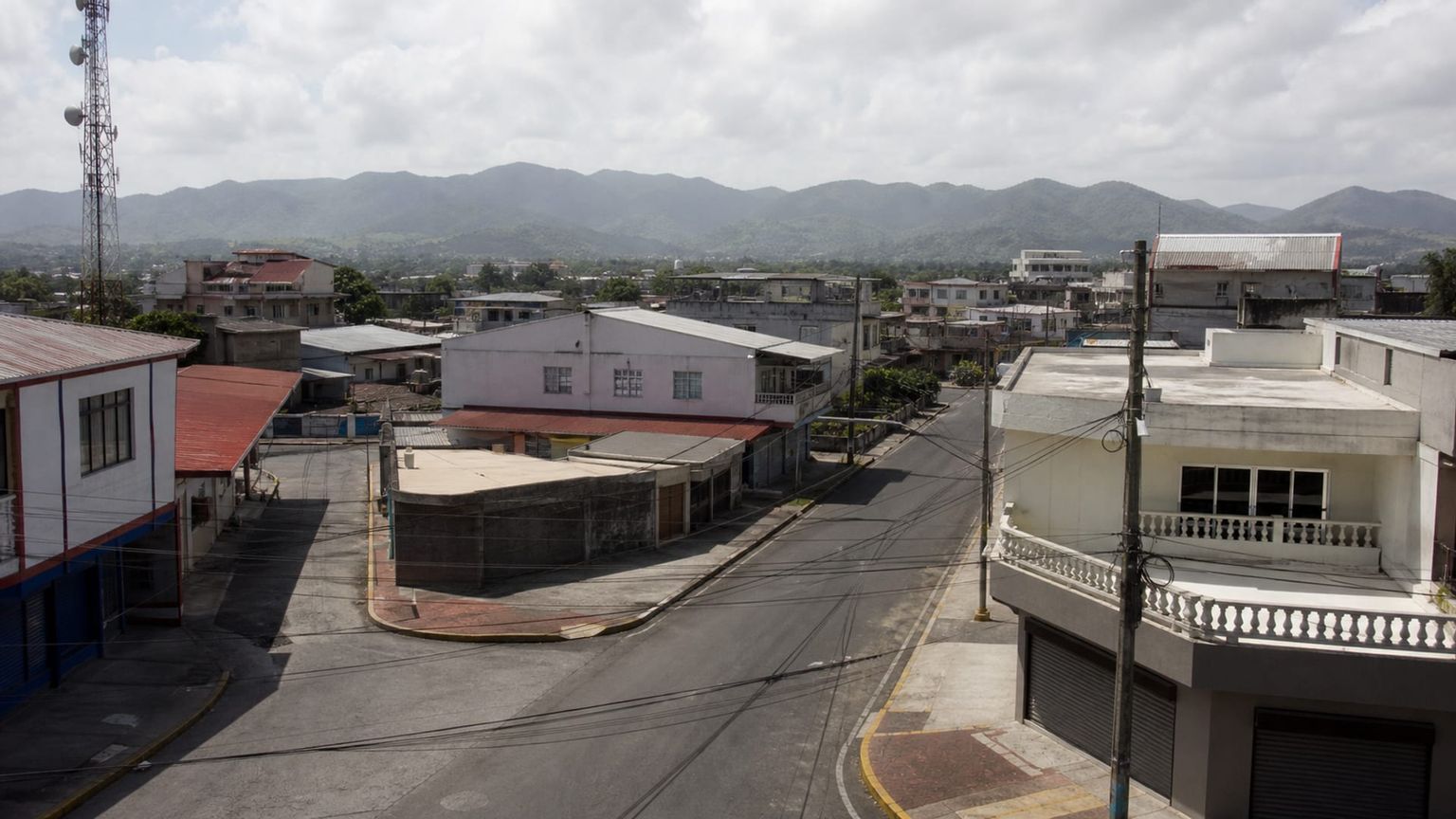
David’s table leans on beans, plantains, stews, and fried dough, with Sancocho, rondón, carimañola, and patacones showing up in home-style plates and casual counters across the city.
Sancocho
This chicken-and-root-vegetable stew is one of the best ways to start in David, especially when you want something filling after a travel day. Restaurante El Fogón is a good place to order it in a setting that serves local classics without fuss.
Rondón
Rondón brings coconut, seafood, and tubers into a single bowl with clear Caribbean influence. Restaurante Panamá Nativo is a strong pick for it, with a menu that centers Panamanian home cooking.
Carimañola
This yuca fritter usually comes stuffed with meat or cheese and works well as a snack or light lunch. Mercado Público de David is a practical place to find it fresh, with several stalls selling it through the day.
Patacones
Crisp fried plantains appear at breakfasts and dinners alike, often beside meat, cheese, or beans. Restaurante El Trapiche is a canonical stop for them, especially if you want a wider menu of Panamanian staples.
Best time to visit David
David stays warm through most of the year, but rain, humidity, and clearer dry-season days change how much time you will want outdoors.
Best for: Dry-season museum visits and longer walks
What you get: About 73-90°F (23-32°C), with lighter rain and better conditions for cross-town sightseeing; hotels and restaurants see more visitors in holiday weeks.
Trade-offs: Midday heat can still be strong, and prices often rise near peak travel dates.
Best for: Flexible days with fewer crowds than the busiest holidays
What you get: About 75-92°F (24-33°C), usually warm to hot with a gradual rise in humidity; visitor numbers stay moderate outside Easter periods.
Trade-offs: Late spring brings heavier showers and more sticky afternoon weather.
Best for: Indoor stops paired with shorter outdoor windows
What you get: About 73-88°F (23-31°C), with frequent rain and lush surroundings; museums and lunch stops stay manageable while the weather shifts quickly.
Trade-offs: Downpours can interrupt river walks and make late-afternoon taxi waits longer.
Best for: Low-key travel if you do not mind rain
What you get: About 72-87°F (22-31°C), with the wettest stretch of the year and quieter streets between showers.
Trade-offs: Stormier days limit beach time and make planning around weather more important.
A realistic 5-day plan in David
A five-day stay in David works best when you treat the city as a set of short hops rather than one loose loop. The plan below keeps the center, the riverfront, and the airport corridor in order, so each day has a clear purpose.
Land at David Airport (DAV) and take a taxi to El Terronal, which usually takes about 15 minutes and costs roughly $6 to $10. If you are staying on Calle F Sur, expect a similar fare and a slightly busier street scene; San Mateo usually sits a bit farther out, but the ride is still short. Settle in, drink some water, and keep dinner close to the hotel, where a simple plate of chicken, rice, or sopa gives you an easy first night without adding much transit.
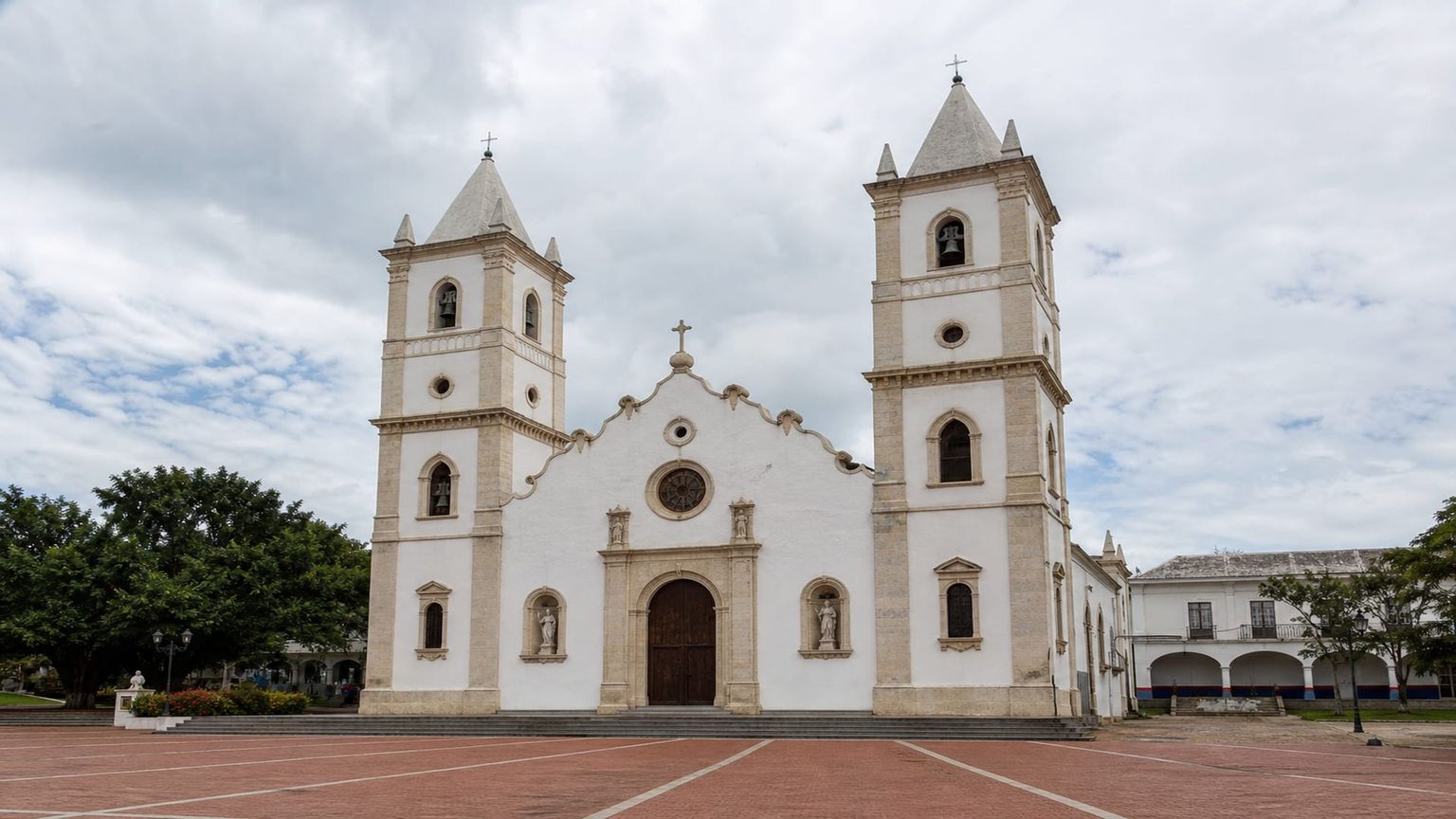
Begin with the Museo José de Obaldía in late morning, then walk or take a short taxi ride to Miguel de Cervantes Saavedra Park for a look at the city center before lunch. From there, continue to Muelle de los Peones for an unhurried riverside walk, which takes about 15 to 20 minutes by taxi from the center and works well in the softer light of late afternoon. End the day back in El Terronal or Calle F Sur, both of which place dinner within a quick ride of your hotel.
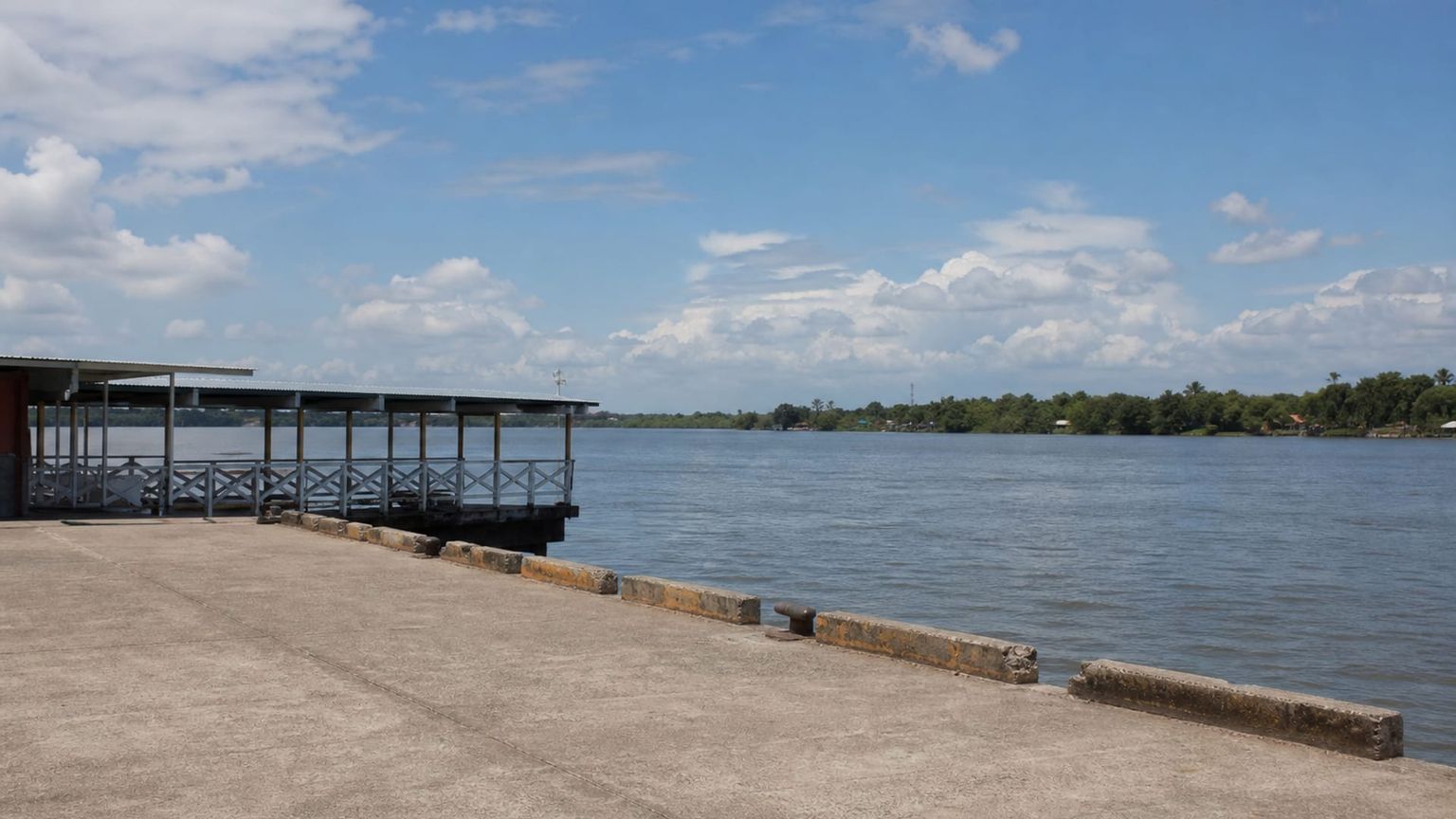
Start at the William J. Clinton Presidential Library and Museum, then spend about 1 to 2 hours on the exhibits before a walk along the riverfront. After lunch, head to the Mosaic Templars Cultural Center, which is about 10 to 15 minutes away by taxi, and stay long enough to read through the civil rights and music displays without rushing. Return to your base in El Terronal or San Mateo for an early evening meal, since both areas let you reach central restaurants in a short ride.
Cross the city to Little Rock Central High School National Historic Site in the morning, where the visitor center and exterior grounds give the clearest context for the desegregation story. Plan on roughly 15 to 20 minutes by taxi from El Terronal or Calle F Sur, then allow time to linger before heading back toward downtown. Afterward, stop again near the center for a relaxed coffee or lunch, then finish with one more low-key stroll through the commercial streets around Calle F Sur.
A final morning works best for one last museum visit, so return to whichever stop you missed earlier, or revisit the William J. Clinton Presidential Library and Museum if you want a second look at the riverfront setting. After that, browse the shops and banks along Calle F Sur, where you can pick up any last necessities without leaving the center of town. If your flight is later in the day, settle into a café in El Terronal for coffee and a snack, then head to David Airport (DAV) about 15 minutes before departure by taxi.
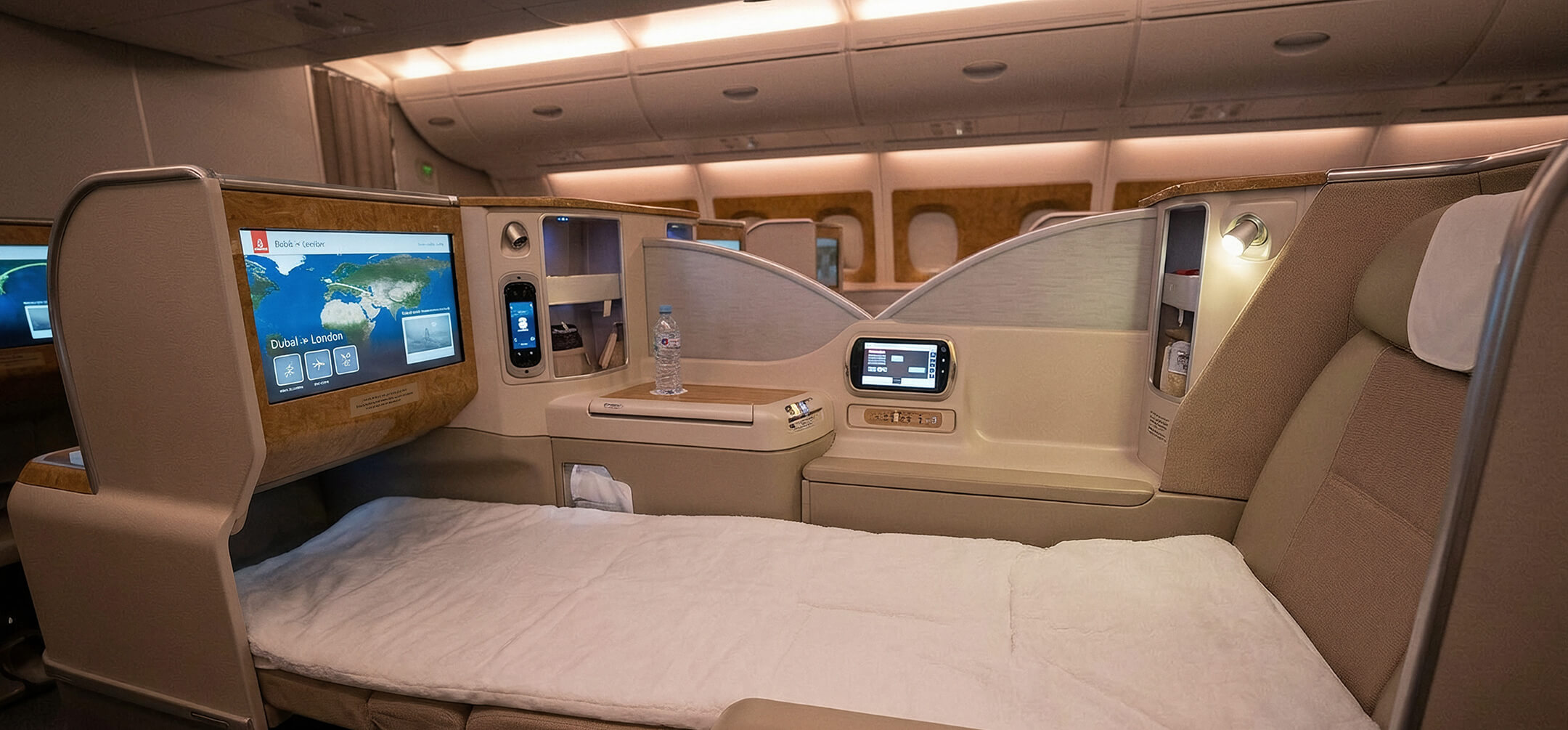
Business-class flights from the US to David
Reaching David from the East Coast or West Coast usually means one stop, and the layover choice often shapes the fare more than the airline itself. The route options below show the common patterns travelers see from New York and Los Angeles.
From New York, Copa Airlines, Avianca, JetBlue, Turkish Airlines, and United Airlines all appear on this route. The fastest itineraries can take about 6 to 7 hours nonstop, while most one-stop trips run about 9 to 14 hours, often through PTY, BOG, IST, MIA, or PT.
Los Angeles travelers usually see Copa Airlines, Avianca, American Airlines, United Airlines, and Aeromexico. One-stop options commonly run about 10 to 16 hours, with connections through PTY, BOG, MEX, SJO, or GDL; business-class round trips from Los Angeles usually run from $1,700 to $4,100.
David feels different when you slow down
A deliberate David trip pays attention to the short rides between El Terronal, Calle F Sur, and San Mateo, then uses those gaps to fit in the Museo José de Obaldía, Muelle de los Peones, and an easy dinner nearby. The city works best when you keep airport timing, lunch hours, and taxi access in the same frame. If you want help shaping those details, the AranGrant experts can build a David plan around your hotel and flight time