

Chapters:

Need help with your trip?
Our support team is available 24/7. Request a callback or call us directly at (833) 619-0908
Curitiba has a different rhythm from Brazil’s better-known coastal cities. Parks and modern architecture shape much of the city, while the historic center, old immigrant neighborhoods, and a strong café and restaurant scene add a more local feel.
A few places define the experience quickly: the glasshouse at the Botanical Garden, Oscar Niemeyer’s bold museum, Tanguá Park at sunset, and the historic streets near Largo da Ordem. Food adds another layer, from carne de onça and broa de centeio to pierogi and the long Italian lunches of Santa Felicidade.
Curitiba is compact enough to explore over five days, but varied enough that each part of the city feels distinct. With a little structure, there is time for the main sights, long meals, and unhurried afternoons in the parks.
Useful things to know

Main language(s): Portuguese
Olá (oh-LAH) – Hello
Por favor (pohr fah-VOR) – Please
Obrigado / Obrigada (oh-bree-GAH-doo / dah) – Thank you
Você fala inglês? (voh-SEH FAH-lah een-GLEHS) – Do you speak English?
Quanto custa? (KWAHN-toh KOOS-tah) – How much does it cost?

Currency: Brazilian real (BRL, R$)

Cash and cards: Cards and contactless payments are widely accepted. Keep some reais for small vendors, markets, or places that prefer cash.

Tipping: Restaurants often add a 10% service charge, which is voluntary. If it is already included, you normally do not need to leave an additional tip.

Traditional food: Barreado, pierogi, carne de onça, and pinhão are among the foods most closely associated with Curitiba and the wider Paraná region.

Water and coffee costs: Bottled water is often R$7 to R$8 (US$1.30 to US$1.50), while an espresso usually costs R$10 to R$11 (US$1.90 to US$2.10).

Taxis and ride apps: Uber and 99 operate throughout Curitiba. Check the car model and license plate in the app before getting into the vehicle.

Plug and voltage: Type N sockets are standard, and many Type C plugs fit them. Curitiba mainly uses 127V, 60Hz, though some hotels and buildings also provide 220V.

Dining and shop opening hours: Restaurant and shop hours vary widely. Many places open for lunch and dinner, while malls and larger stores generally keep longer hours.

Emergency number: Call 190 for police, 192 for SAMU medical emergencies, and 193 for fire and rescue services.
Where to stay in Curitiba
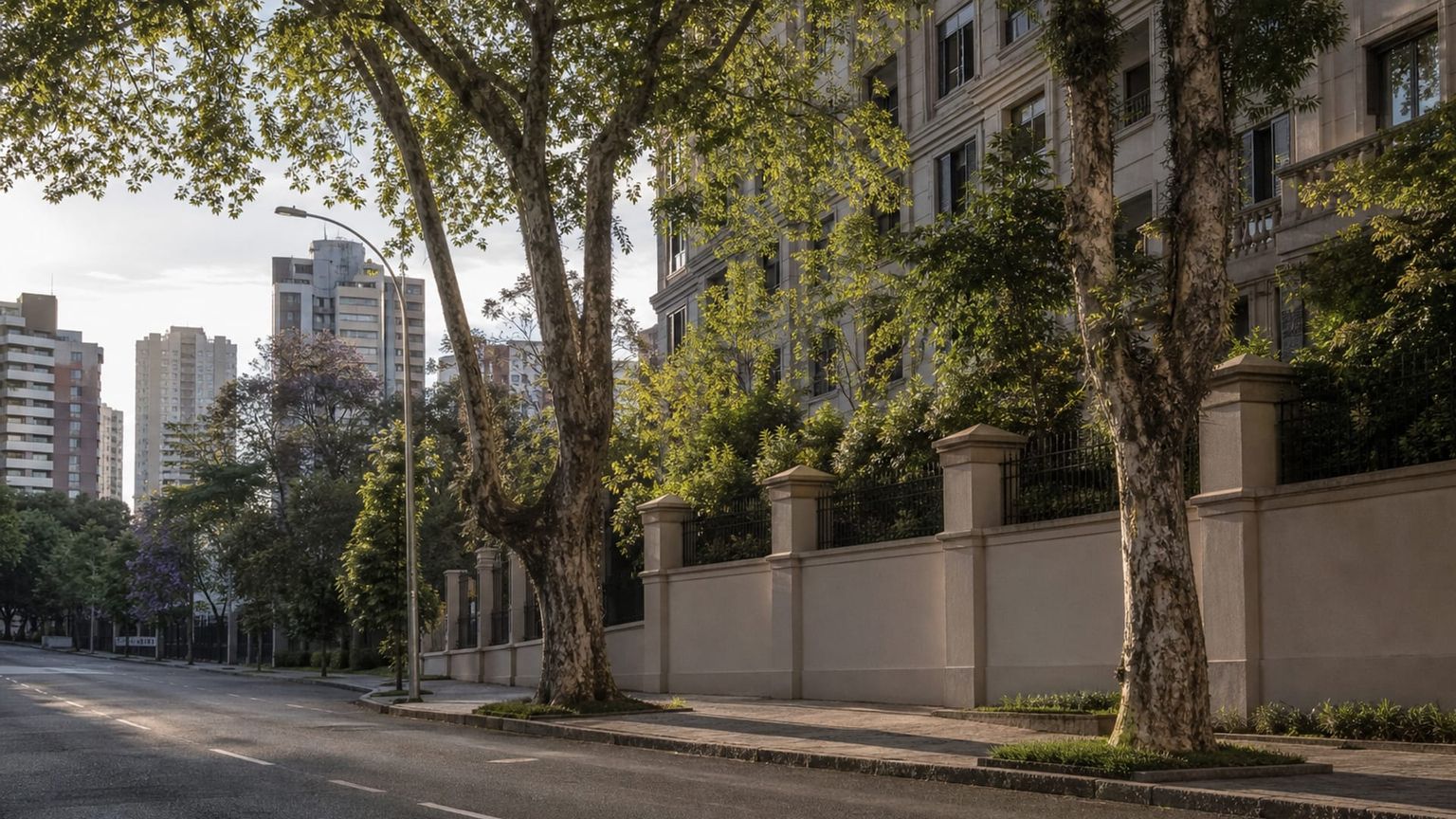
Batel is one of Curitiba’s most upscale neighborhoods, with higher-end hotels, restaurants, bars, shopping malls, and residential streets close to the center. Its mix of dining, shopping, and nightlife makes it a convenient choice for travelers who want plenty nearby without staying downtown.
Best for: Dining, nightlife, shopping, and travelers who want a central, upscale base
What to expect: Expect steady pedestrian traffic by day, more diners and bar-goers at night, and a generally lively commercial feel.
Hotel prices: Usually about R$400 to R$900 (~$80 to ~$180) per night for well-rated stays
Distance to major sights: About 10 minutes by car to Praça Tiradentes and roughly 15 minutes by car to the Botanical Garden
Quietness: Busy during the day and active into the evening, especially near restaurant streets; side blocks are quieter later at night.
Main trade-off: Hotels cost more here than in farther-out districts, and the busiest streets can bring traffic noise.
Good to know: Choosing a hotel near the restaurants or malls you plan to visit can reduce the need for taxis and ride-hailing during evenings in Batel.
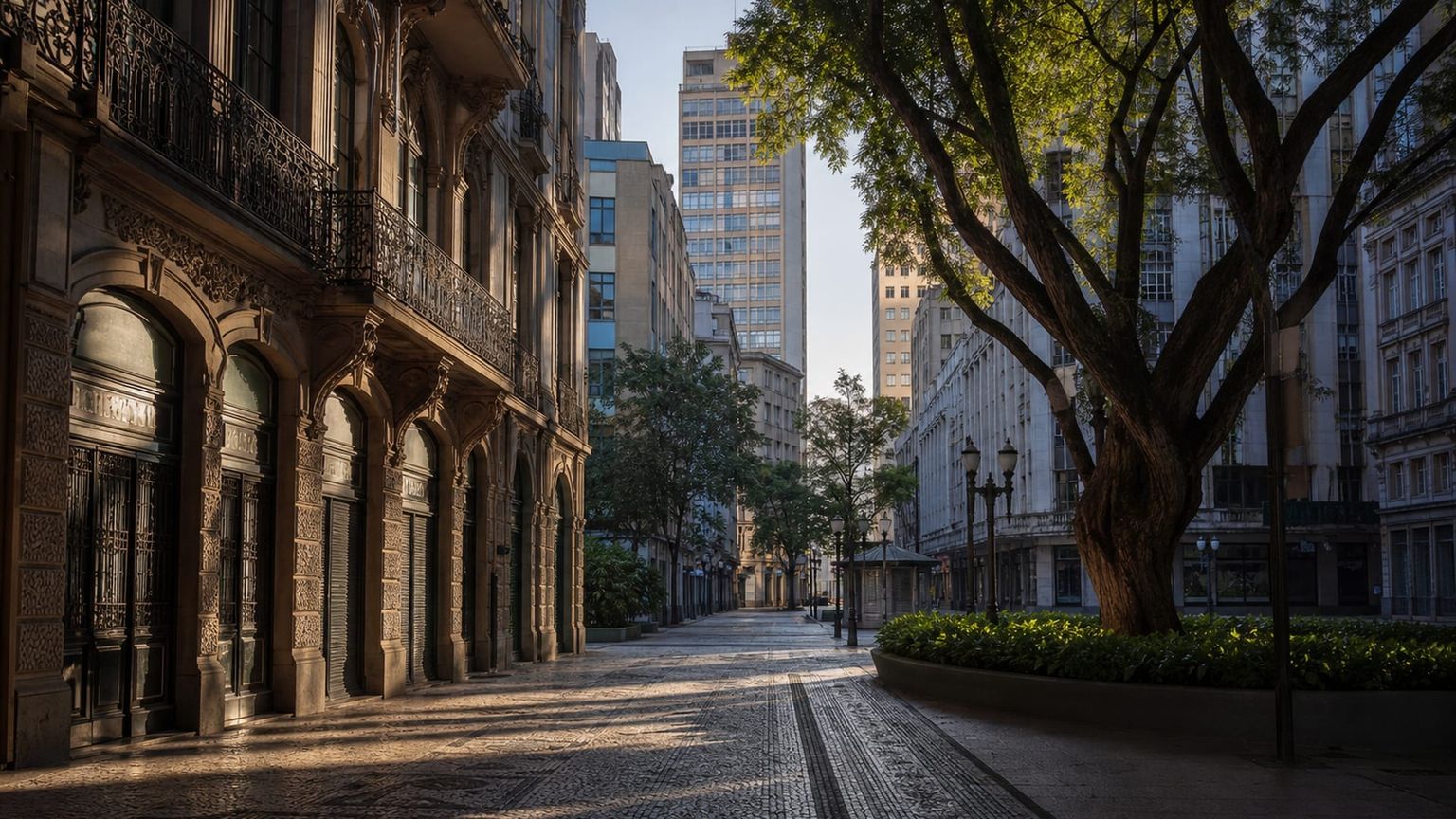
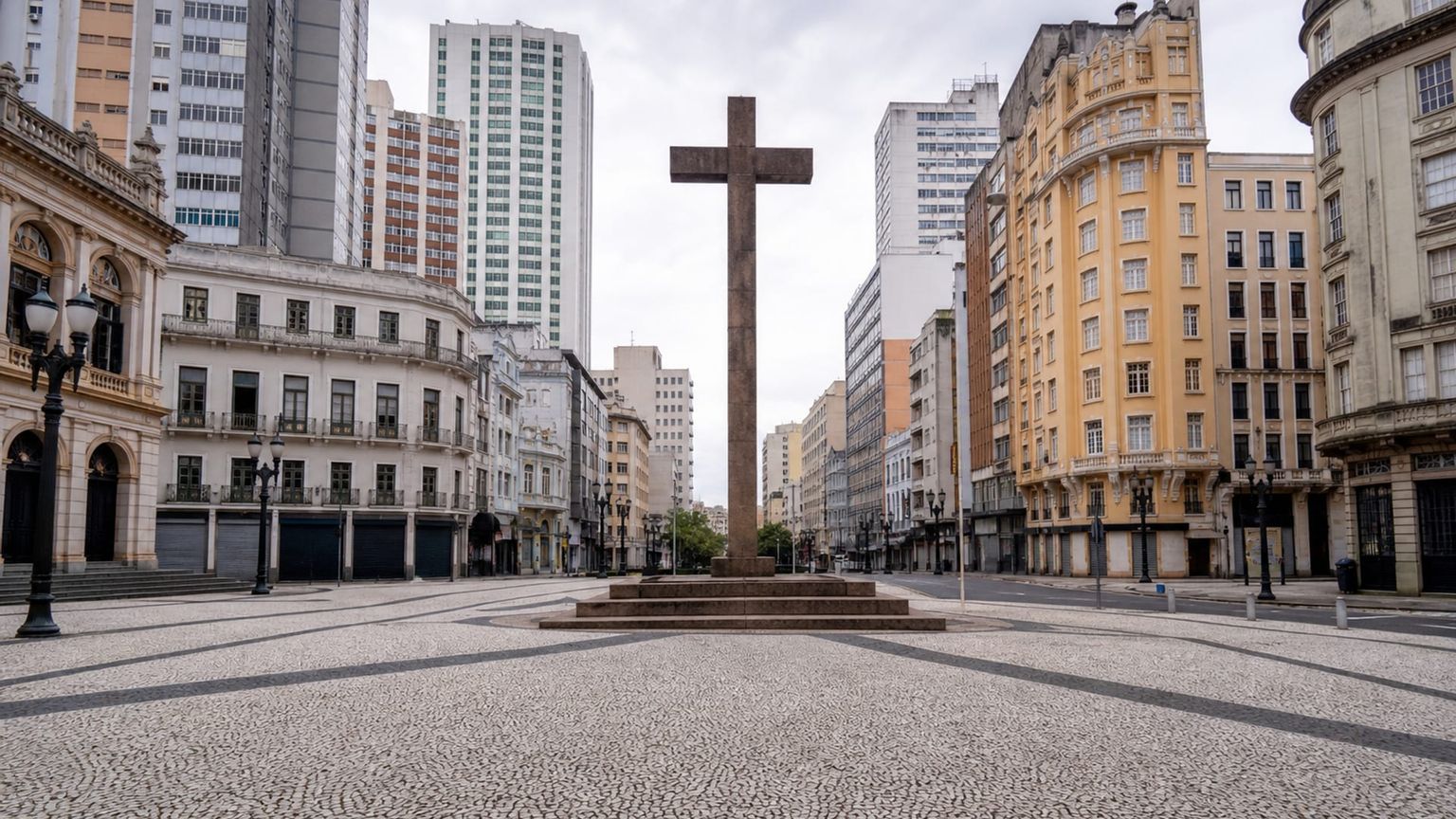
Centro is Curitiba’s historic and civic core, with Praça Tiradentes, Rua XV, Paço da Liberdade, museums, shops, offices, and major bus corridors packed into a walkable grid. It suits short city stays especially well, since many central landmarks are close together and easy to reach on foot.
Best for: Sightseeing, short stays, transit access, and visitors who want to be near major downtown sights
What to expect: Expect constant daytime movement, office crowds, bus activity, and a quieter scene after business hours on many blocks.
Hotel prices: Usually about R$220 to R$500 (~$44 to ~$100) per night for well-rated stays
Distance to major sights: On foot to Praça Tiradentes, about 20 minutes by transit to the Botanical Garden, and roughly 15 minutes by car to Largo da Ordem
Quietness: Lively and busy in the day, then notably quieter at night outside the main commercial streets.
Main trade-off: The area is central, but some blocks feel tired after dark, so location within Centro matters a lot.
Good to know: Centro has many bus routes and transfer points close together, making it one of the easiest parts of Curitiba to use as a transit hub.
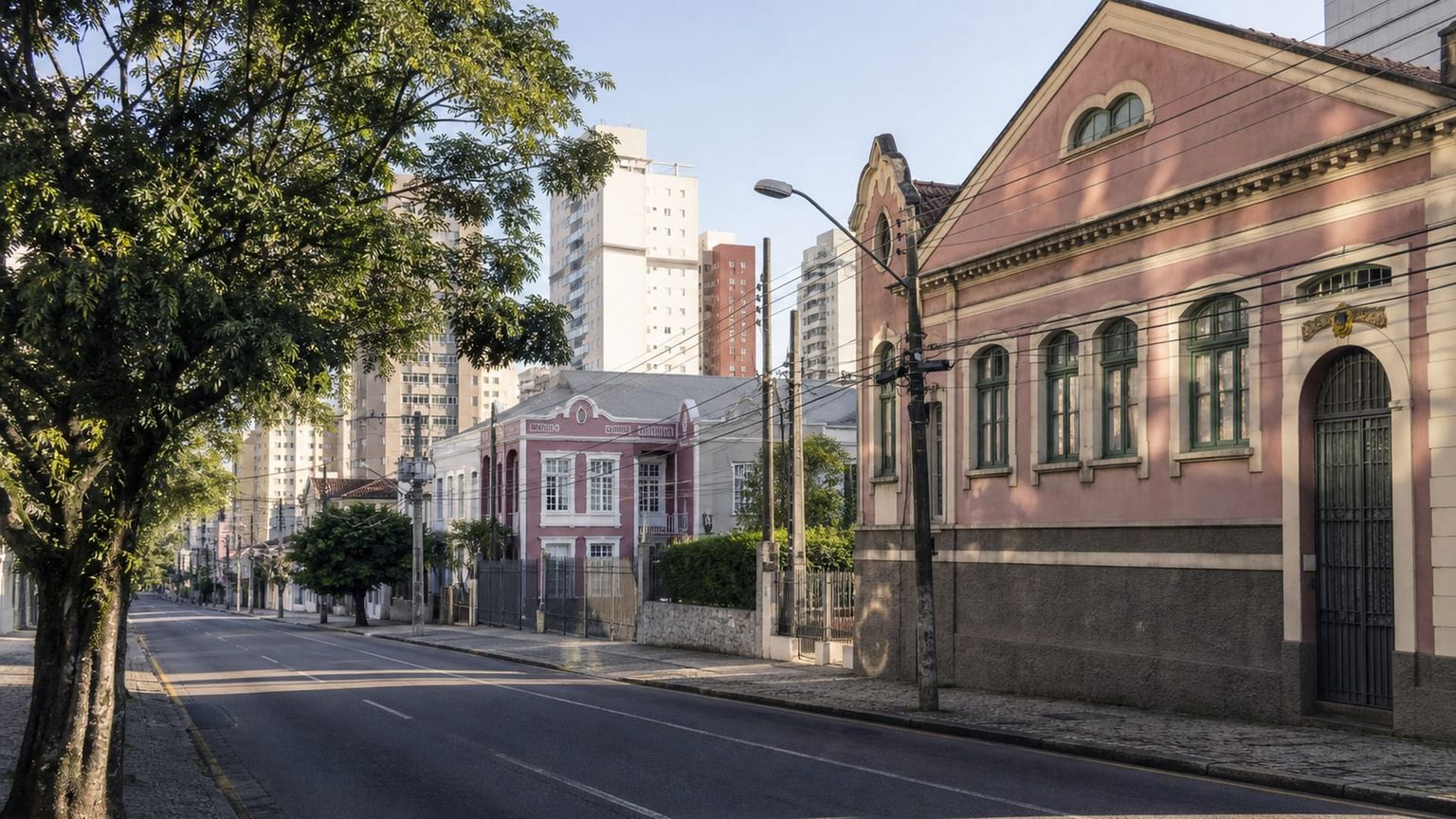
Mercês lies just west of central Curitiba, mixing residential streets with local shops, restaurants, bus routes, and one of the city’s best-known viewpoints at Torre Panorâmica. It suits travelers who want a quieter neighborhood feel while keeping Centro within a short and easy ride.
Best for: Calmer stays, longer visits, and travelers who want quick access to central Curitiba
What to expect: Expect residential streets, local bakeries and markets, and much lighter foot traffic than in the downtown core.
Hotel prices: Usually about R$180 to R$420 (~$36 to ~$84) per night for well-rated stays
Distance to major sights: About 10 minutes by car to Praça Tiradentes and roughly 20 minutes by car to the Botanical Garden
Quietness: Quiet in the day and even calmer at night, with only occasional local traffic on main streets.
Main trade-off: You will rely more on taxis, ride-hail, or buses for evening plans because entertainment options are limited locally.
Good to know: Choose a hotel near Padre Anchieta or a frequent bus route if you plan to use public transport for regular trips into Centro and beyond.
For short sightseeing trips, travelers usually choose hotels outside Tatuquara, Caximba, and Cidade Industrial, where central attractions are farther away. Barreirinha has its own park, but there are few hotel options near the main sights.
Hotel deals
How to get around Curitiba efficiently
Curitiba has no metro or tram, so most visitors rely on its BRT and city buses, metered taxis, and ride-hailing apps for trips across the city.

BRT and city buses
for low-cost cross-city travel
Curitiba’s BRT and city buses are useful for longer trips when you are not in a hurry. A standard fare is R$6 (US$1.15), and transfers within integrated terminals and tube-station links don’t require another fare. A few routes also include free transfers within a set time.

Taxis
for direct trips and airport transfers
Taxis are useful for airport runs, luggage, or direct trips when you do not want to change buses. The 2026 meter starts at R$5.40 (US$1), then adds distance and waiting time. From CWB to central Curitiba, the fare is often R$80 to R$110 (US$15 to US$21), depending on traffic.

Uber and 99
for late hours and app-based fares
Uber and 99 are useful for direct trips, late hours, and journeys where you want to see the fare before leaving. Both operate across Curitiba and can pick you up at hotels, restaurants, and the airport. Prices change with demand, traffic, and distance, so check the app before confirming.
*Prices are based on rates updated as of September 2026 and may change at the time of travel.
Buses are the most economical choice for longer trips, while taxis, Uber, and 99 are simpler when you want a direct ride or are traveling late.
Iconic landmarks
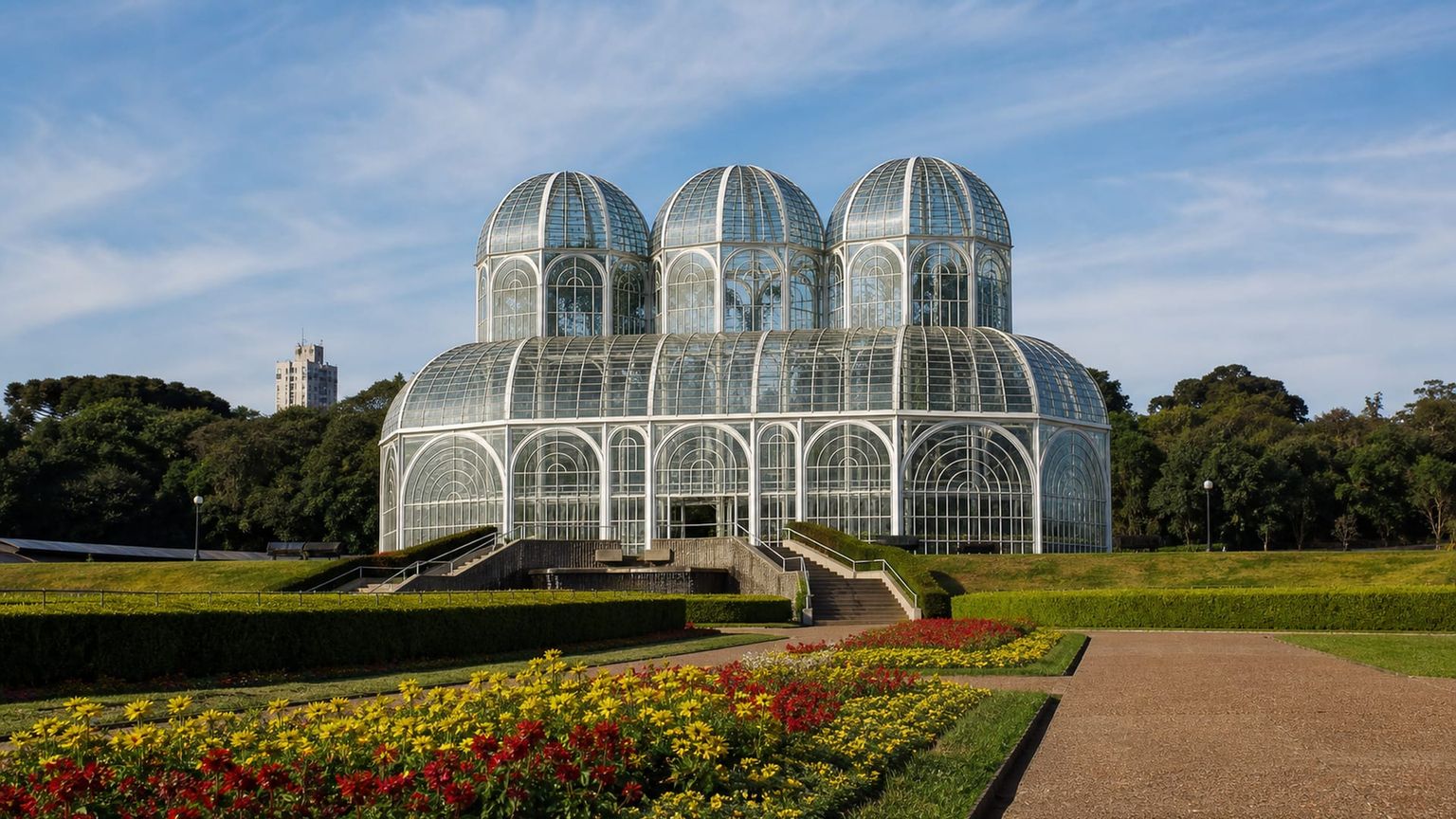
Botanical Garden of Curitiba
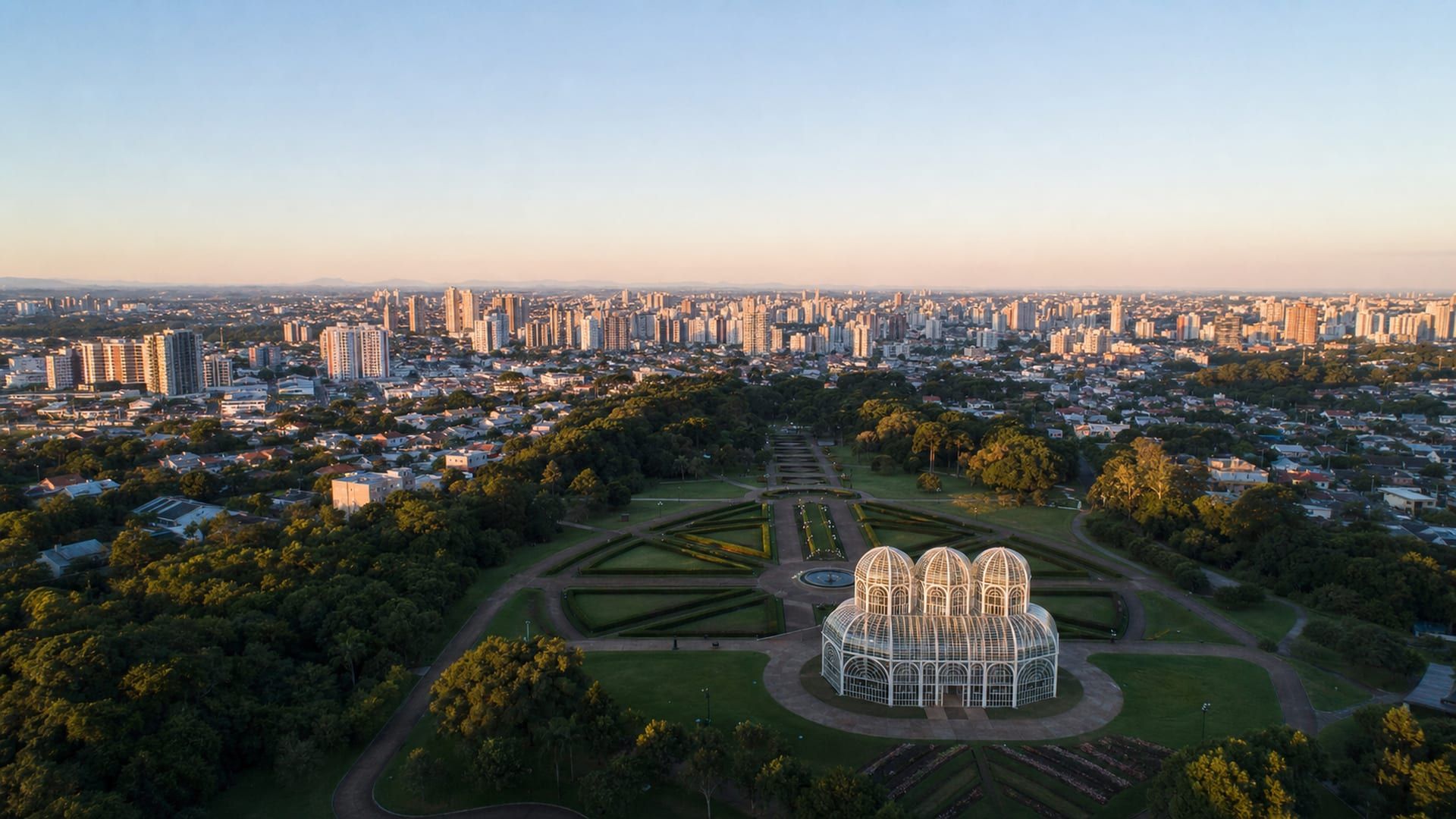
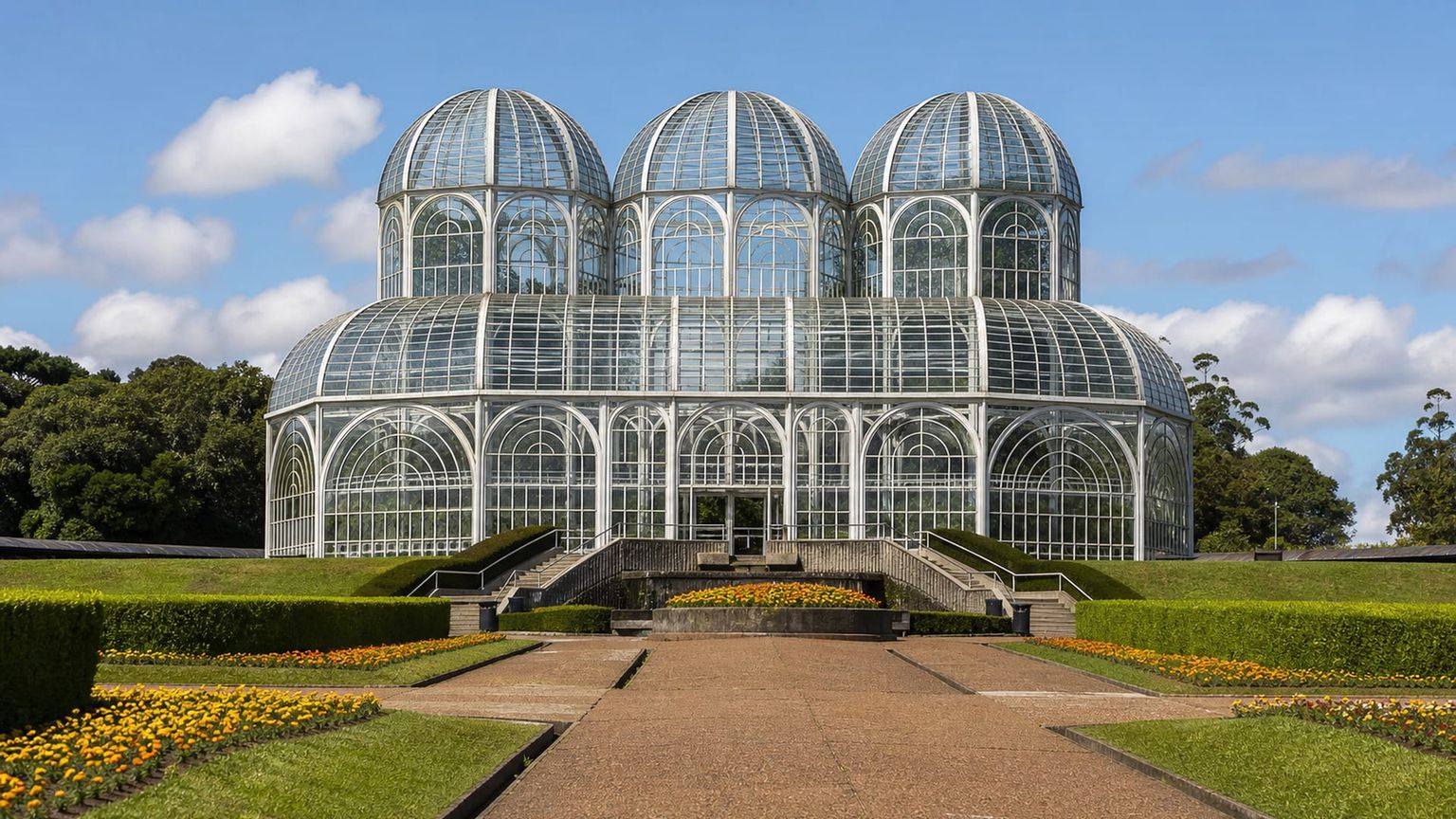
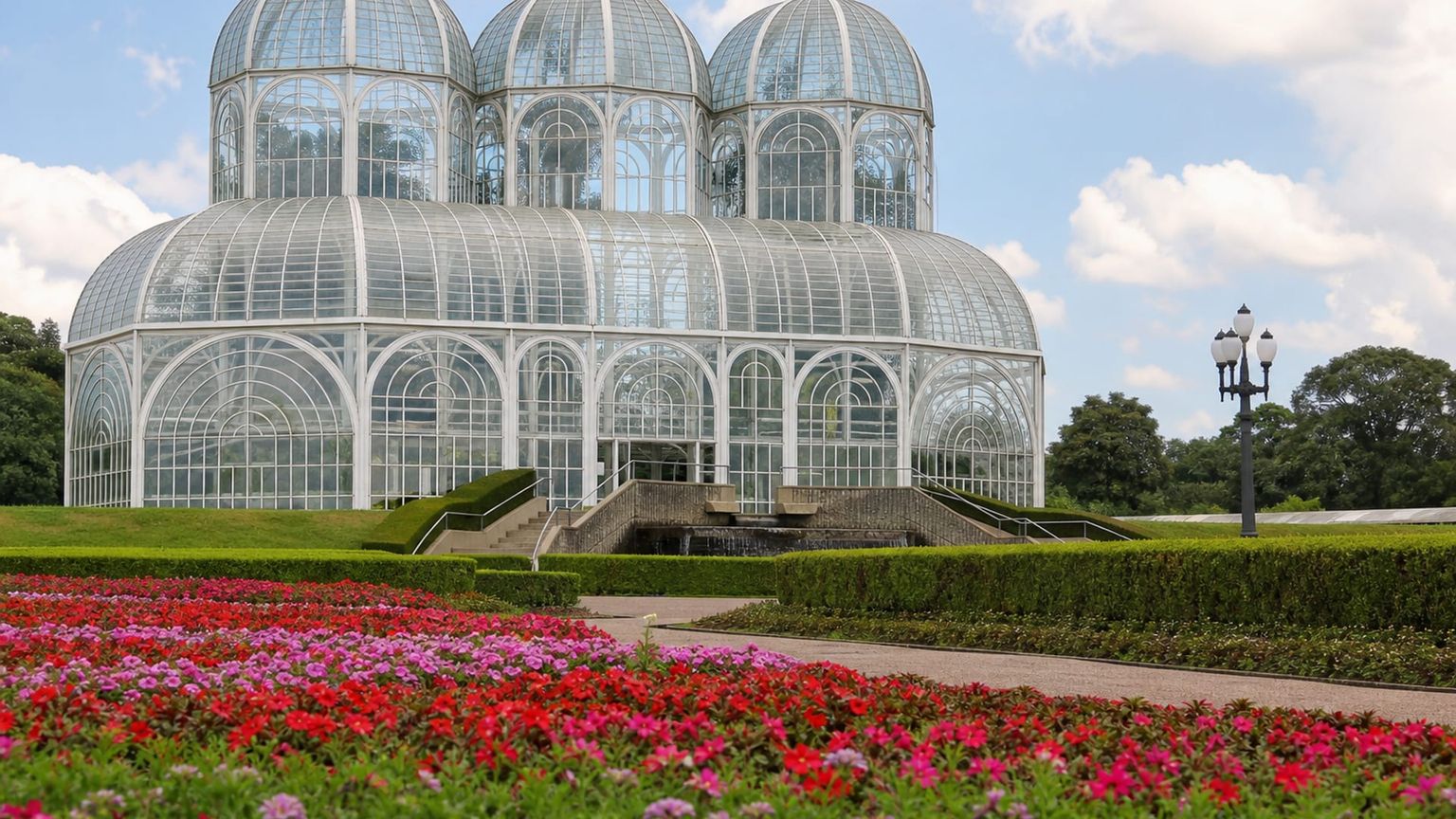
Curitiba’s Botanical Garden is one of the city’s best-known landmarks, centered on a glasshouse inspired by London’s former Crystal Palace. French-style geometric gardens frame the greenhouse, while native woodland, the Jardim das Sensações, and the Museu Botânico extend the visit beyond it.
Time needed: About 1 to 2 hours
Entry: Free to access; no timed entry required Visit the official site for details.
Tip: Go early if you want time for the greenhouse, formal gardens, and Jardim das Sensações.
Oscar Niemeyer Museum
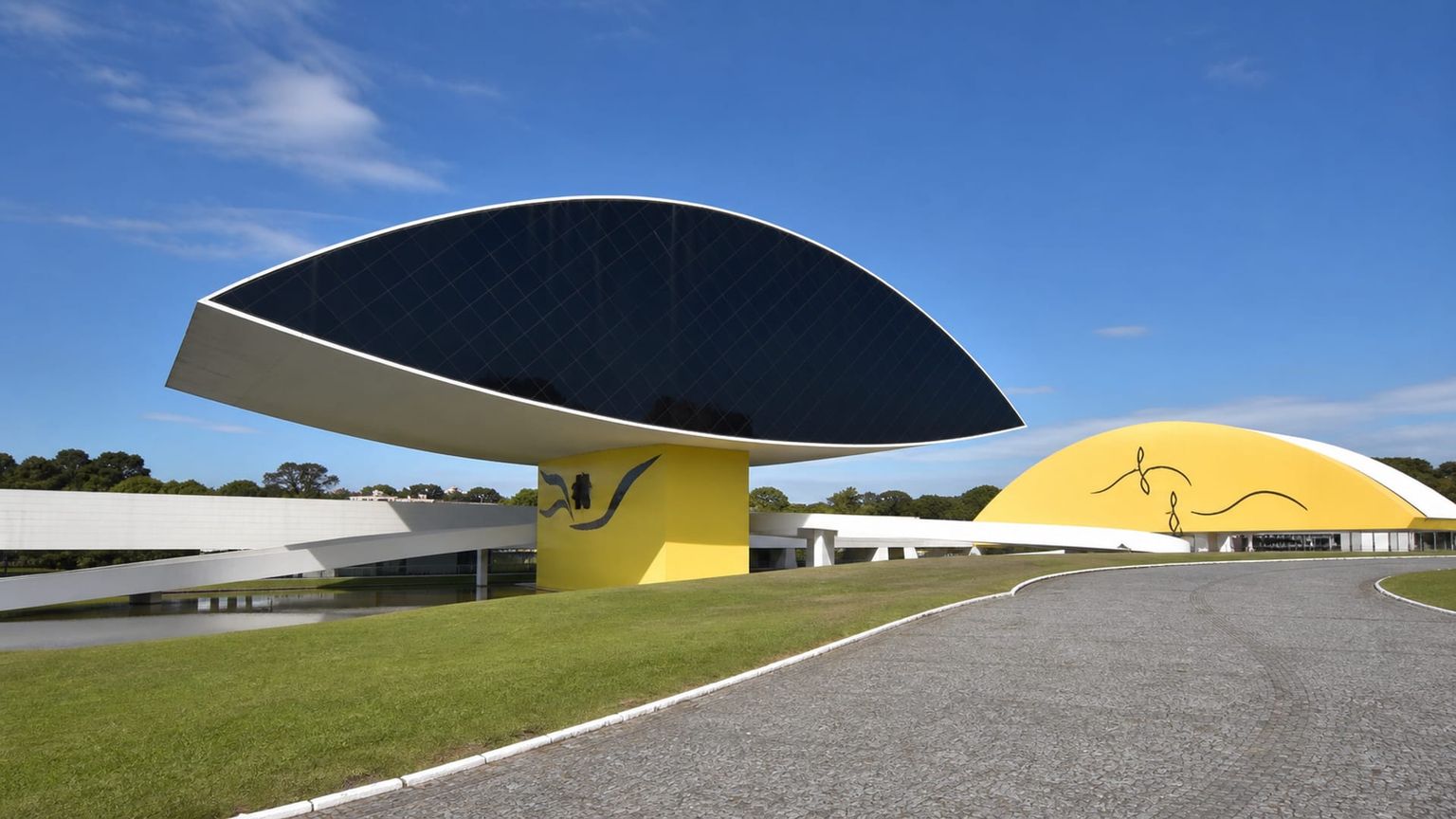
The Oscar Niemeyer Museum, known as the Eye, is one of Curitiba’s most recognizable buildings. In Centro Cívico, the complex pairs Niemeyer’s bold architecture with changing exhibitions of visual art, design, and architecture, alongside works from the museum’s permanent collection.
Time needed: About 1 to 2 hours
Entry: Standard tickets cost $4 ($22) to $8 ($44) Visit the official site for details.
Tip: Allow extra time if several temporary exhibitions are open during your visit.
Tanguá Park
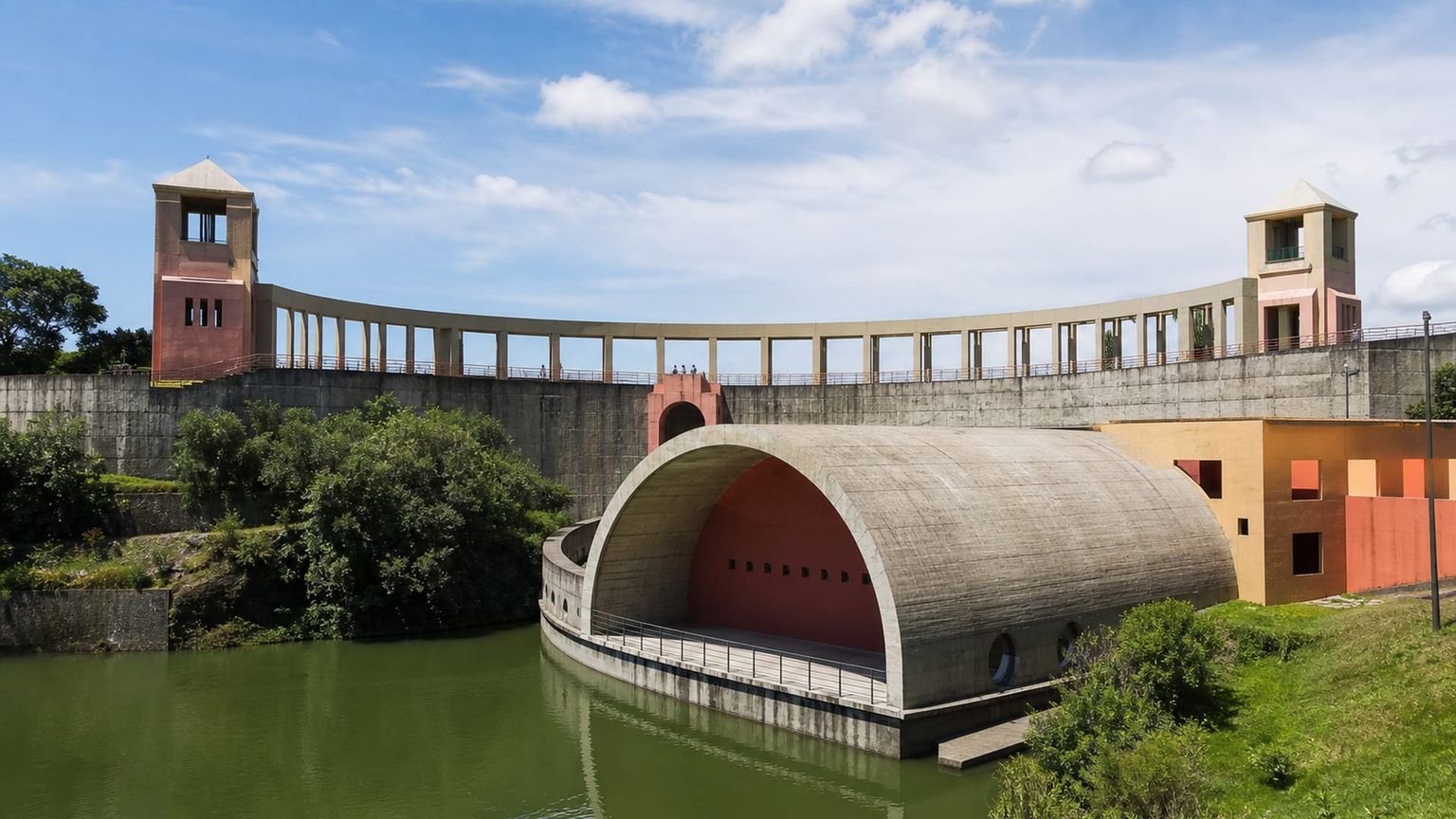
Tanguá Park occupies a former quarry and is one of Curitiba’s signature viewpoints, with the Poty Lazzarotto Garden, lakes, a cascade, and a semicircular lookout above the water. Paths and upper terraces open onto broad views, while the quarry tunnel is currently closed for safety reasons.
Time needed: About 1 to 2 hours
Entry: Free to access; no timed entry required Visit the official site for details.
Tip: Visit in the late afternoon if you want to catch the sunset from the upper viewpoint.
Overlooked sites worth visiting

Museu Paranaense
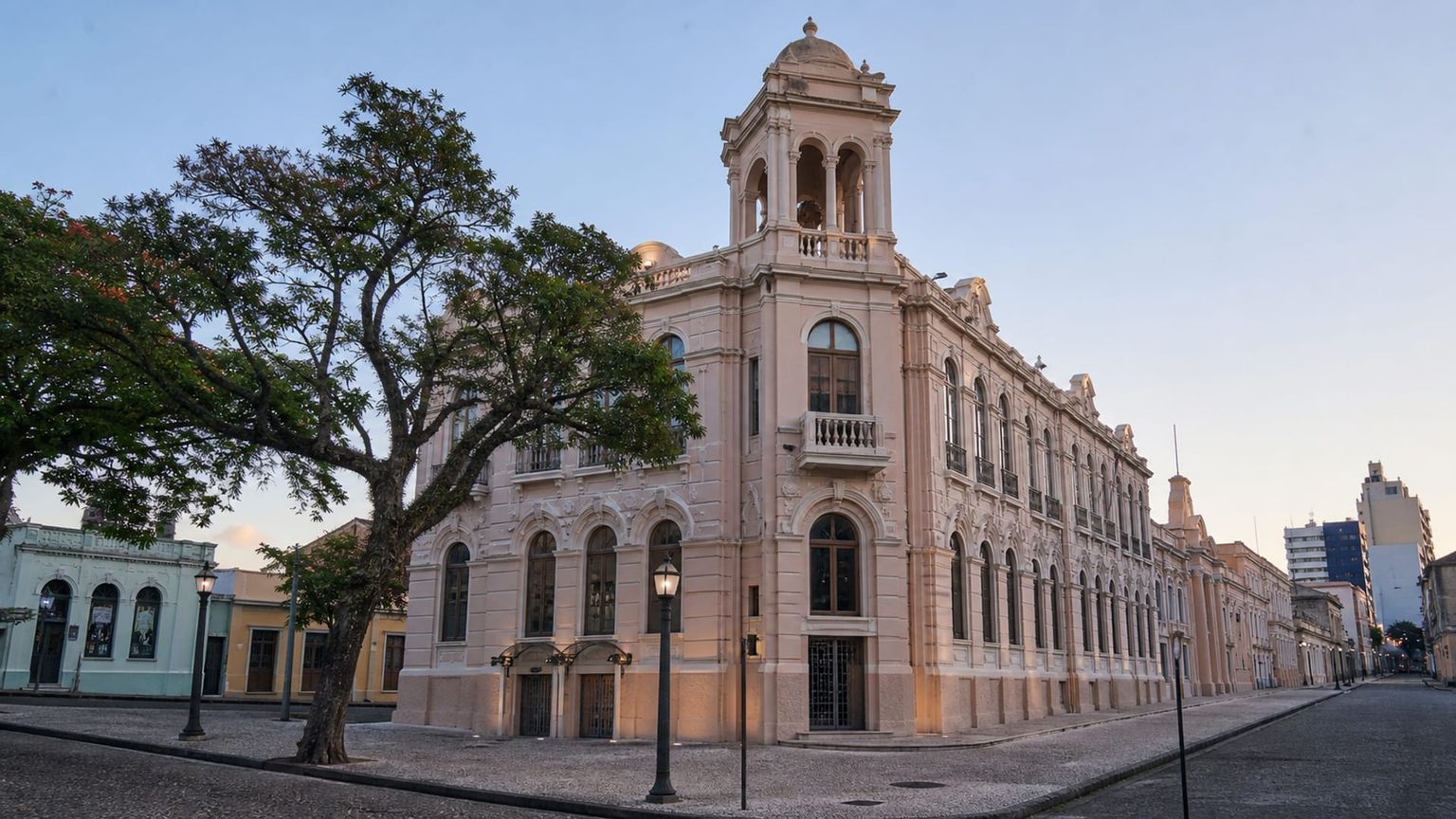
Museu Paranaense explores Paraná’s history, archaeology, anthropology, art, and Indigenous cultures inside Palácio São Francisco, a former 1920s residence in Curitiba’s historic center.
Time needed: About 1 hour
Entry: Entry is free for the permanent collection, while temporary exhibits may charge a small separate fee or ask for registration for special programs. Check the museum calendar before you go, since opening days and access can change for holiday schedules. Visit the official site for details.
Tip: Check the current exhibitions before you go, since parts of the program change regularly.

Bosque Alemão
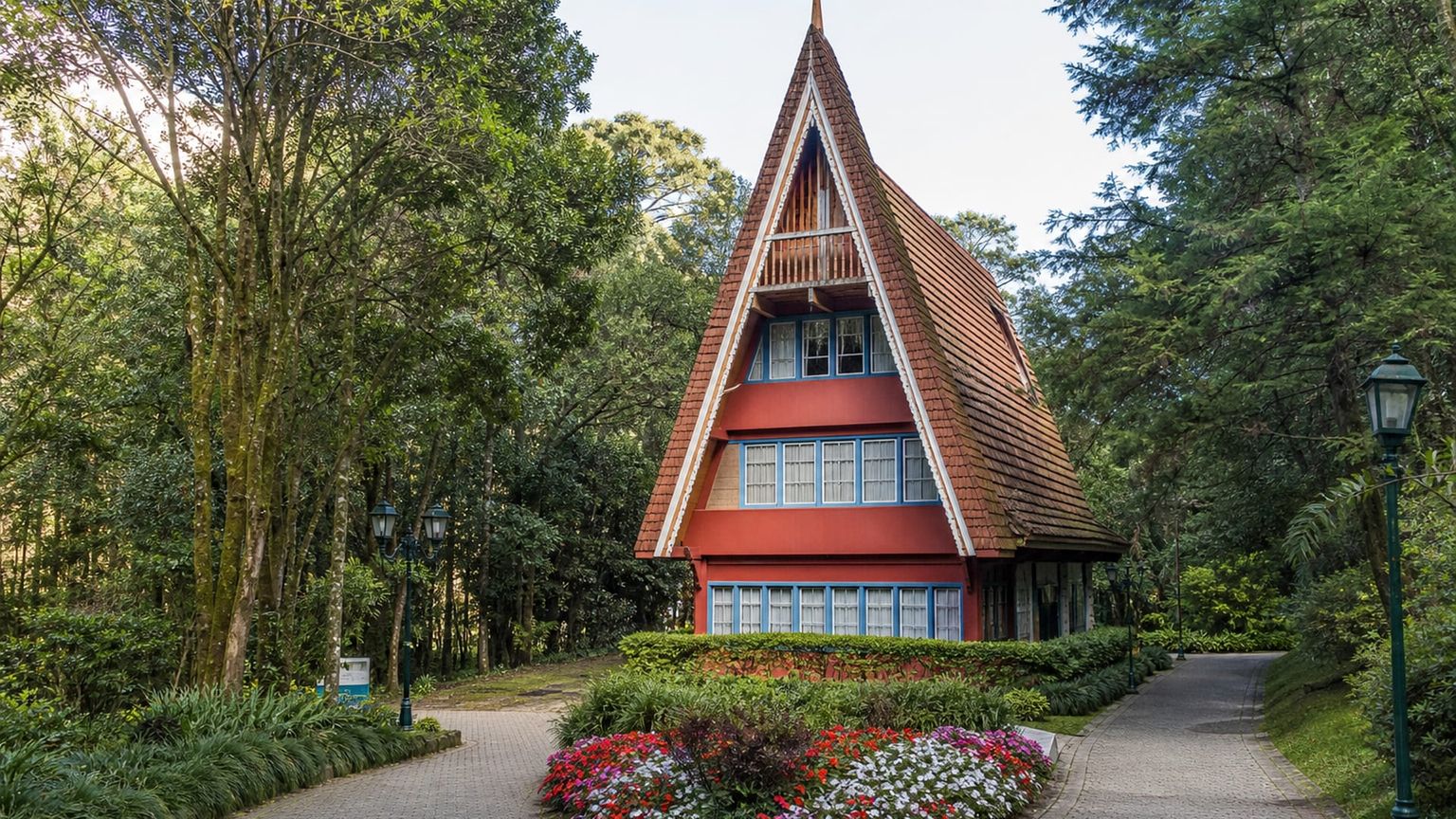
Bosque Alemão celebrates Curitiba’s German heritage through wooded paths, the Torre dos Filósofos lookout, and the João e Maria Trail, which leads through the forest toward Casa Encantada.
Time needed: About 1 to 2 hours
Entry: Free to access. The park is open to the public without a ticket, though some small on-site attractions or seasonal activities can have separate charges. Bring cash or a card if you plan to use kiosks nearby, and confirm hours before visiting.
Tip: Start near Torre dos Filósofos, then follow the João e Maria Trail toward Casa Encantada.
Traditional food
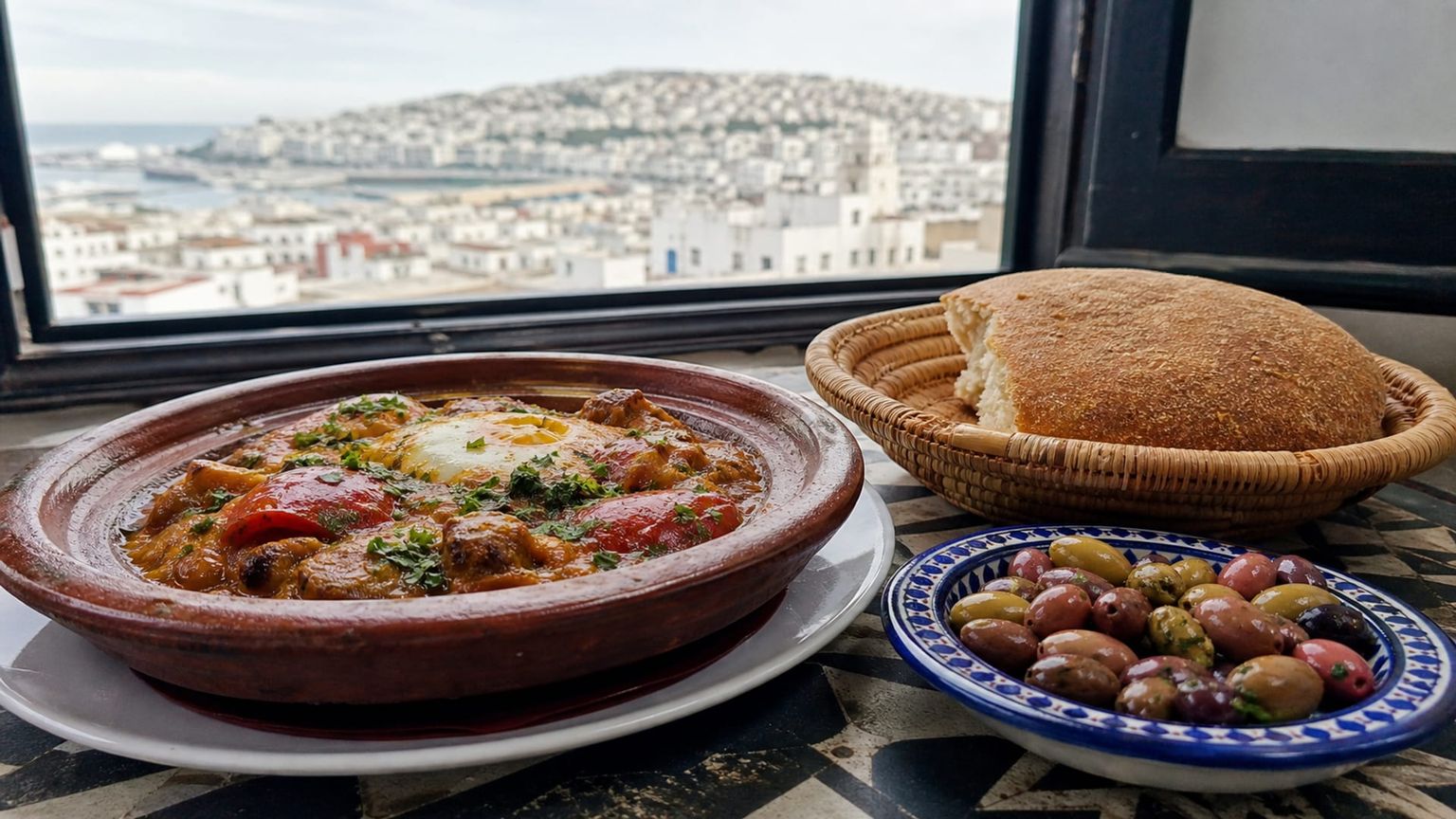
Curitiba’s food reflects Paraná traditions and the city’s immigrant heritage, with dishes such as carne de onça, barreado, pierogi, and broa de centeio appearing across bars, markets, and bakeries.
Carne de onça
Carne de onça is fresh, raw beef seasoned with onion, chives, salt, pepper, and olive oil, usually served on rye bread as a classic local bar snack. Bar do Alemão lists it among the house specialties in Curitiba’s historic center.
Barreado
Barreado is slow-cooked beef traditionally prepared in a sealed clay pot and served with banana and cassava flour or pirão, creating a rich and filling Paraná dish. Antonina 336 was a finalist in the Prêmio Bom Gourmet 2026 for its version of barreado.
Pierogi
Pierogi are soft Polish dumplings filled with potato and ricotta, then served with butter or onions as a filling comfort food tied to Curitiba’s Polish heritage. Tadeu Rei do Pierogi is a longtime favorite at the Feira do Largo da Ordem.
Pão de queijo
Broa de centeio is Curitiba’s traditional rye bread, with a dense crumb, firm crust, and mild tang tied to the city’s immigrant baking traditions. Padaria América has made rye bread since 1913 and is the most established address for the original recipe.
Best time to visit Curitiba
Curitiba is warmest and wettest in summer, coolest and driest in winter, while fall brings some of the most comfortable weather for exploring.
Best for: Parks, long daylight hours, and warm-weather city breaks despite regular rain
What you get: Daytime highs are usually about 79°F (26°C), with warm nights and the heaviest rain of the year, especially in January and February.
Trade-offs: Frequent rainshowers and thunderstorms can interrupt park visits and make outdoor plans harder to time.
Best for: Long walks, parks, and sightseeing before the colder winter weather arrives
What you get: March is still fairly warm, while April and May are cooler and drier, with average highs falling from 77°F to 69°F (25°C to 21°C).
Trade-offs: By May, mornings and evenings can feel chilly, so bring a light jacket for early or late outings.
Best for: Museums, parks, and city walks during the driest and coolest part of the year
What you get: Average highs are about 67°F–70°F (19°C–21°C), with lows near 50°F–52°F (10°C–11°C), and August usually brings the least rain of the year.
Trade-offs: Cold fronts can bring frost, fog, and much colder mornings, especially during June and July.
Best for: Gardens, flowering parks, and city walks as temperatures start to rise again
What you get: Average highs rise from about 70°F (21°C) in September to 76°F (24°C) in November, while showers become more frequent as spring continues.
Trade-offs: Rain is more frequent than in winter, so keep some flexibility for parks and other outdoor stops.
A realistic 5-day plan in Curitiba
Five days in Curitiba gives you enough time for the city’s main parks, museums, historic streets, and food neighborhoods without rushing. Keep each day focused on one area, and leave room for coffee, long lunches, and slower evenings along the way.
Arrive at Curitiba Afonso Pena Airport (CWB) and head to Batel by taxi or ride-hailing, usually about 20 to 30 minutes in light traffic. After check-in, spend the rest of the day nearby. Walk through the neighborhood, stop for coffee or a drink, browse the shops along the main streets, and choose a restaurant within a few blocks of the hotel. Batel has plenty of places for dinner, so keep the first evening close to the hotel and unhurried.
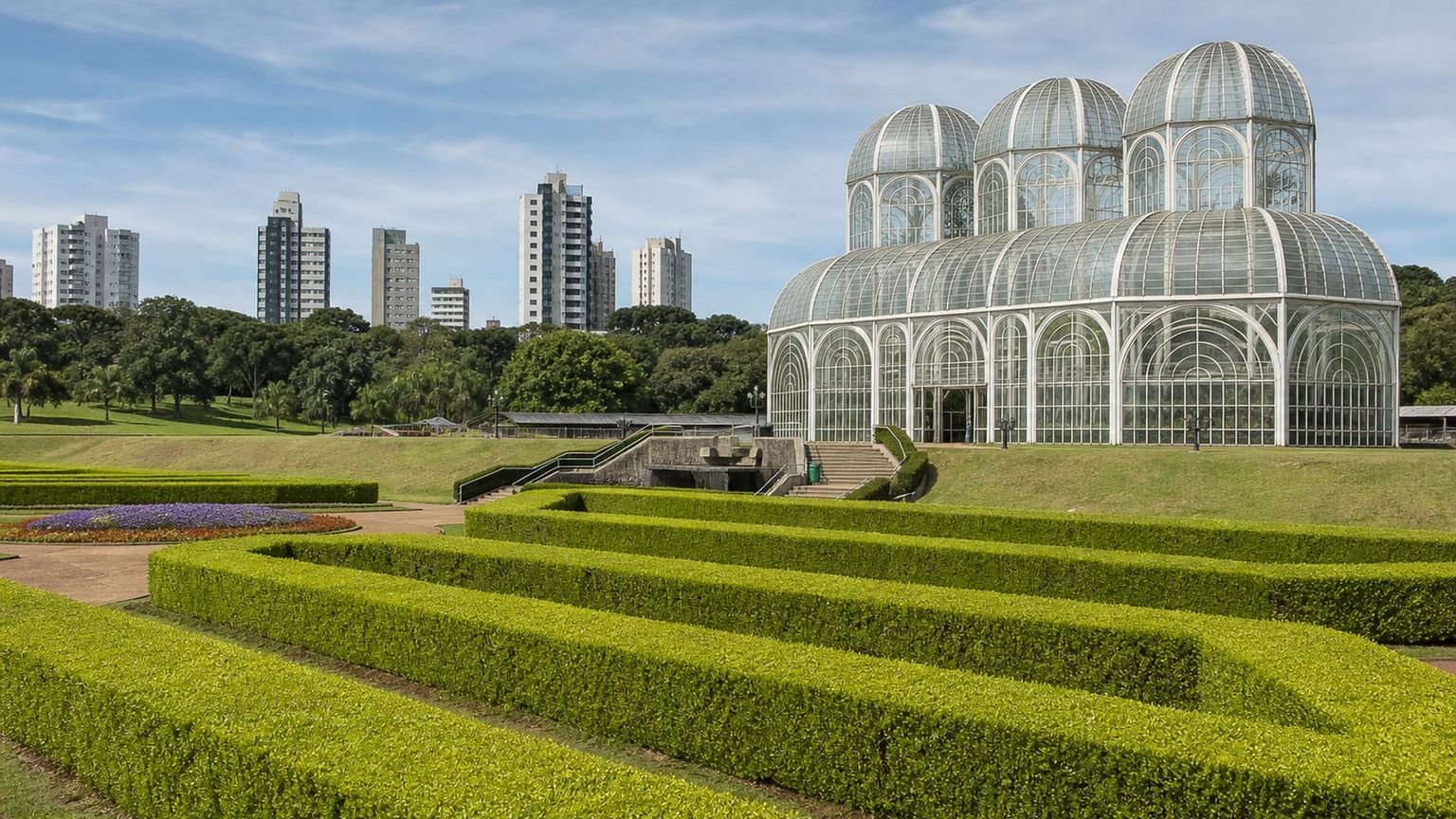
Start at the Botanical Garden and give yourself time for the glasshouse, formal gardens, and surrounding paths before heading north to the Oscar Niemeyer Museum. Spend the late morning with the architecture and exhibitions, then stop for lunch nearby. In the afternoon, continue to Tanguá Park and walk the upper terraces above the old quarry. Stay for sunset, then head back toward Batel or Centro for dinner after a day of gardens, art, and architecture.
Begin at Praça Tiradentes and walk through Curitiba’s historic center before continuing to the Museu Paranaense, where 1 to 1.5 hours is enough for the main collections and current exhibitions. Have lunch nearby, then take a short ride to Bosque Alemão. Follow the João e Maria Trail through the woods toward Casa Encantada and the Torre dos Filósofos, checking current access first because parts of the park are under renovation.
Spend the morning at Parque Barigui, where broad lawns, lakeside paths, and capybaras make for an easy few hours outdoors. From there, continue to Santa Felicidade, only a short drive away, for lunch and an afternoon among Italian restaurants, wineries, shops, and older immigrant buildings. Stay for dinner at one of the neighborhood’s long-running restaurants, then head back after a day spent entirely on the west side of the city.
Keep the final morning simple in Batel. Have breakfast nearby, take a short walk, and leave time for any last shopping before returning to the hotel for your bags. From Batel, the drive to Curitiba Afonso Pena Airport (CWB) usually takes about 20 to 30 minutes, though traffic can add time. Leave for the airport early enough that check-in and security do not turn the last part of the trip into a rush, especially later in the day.
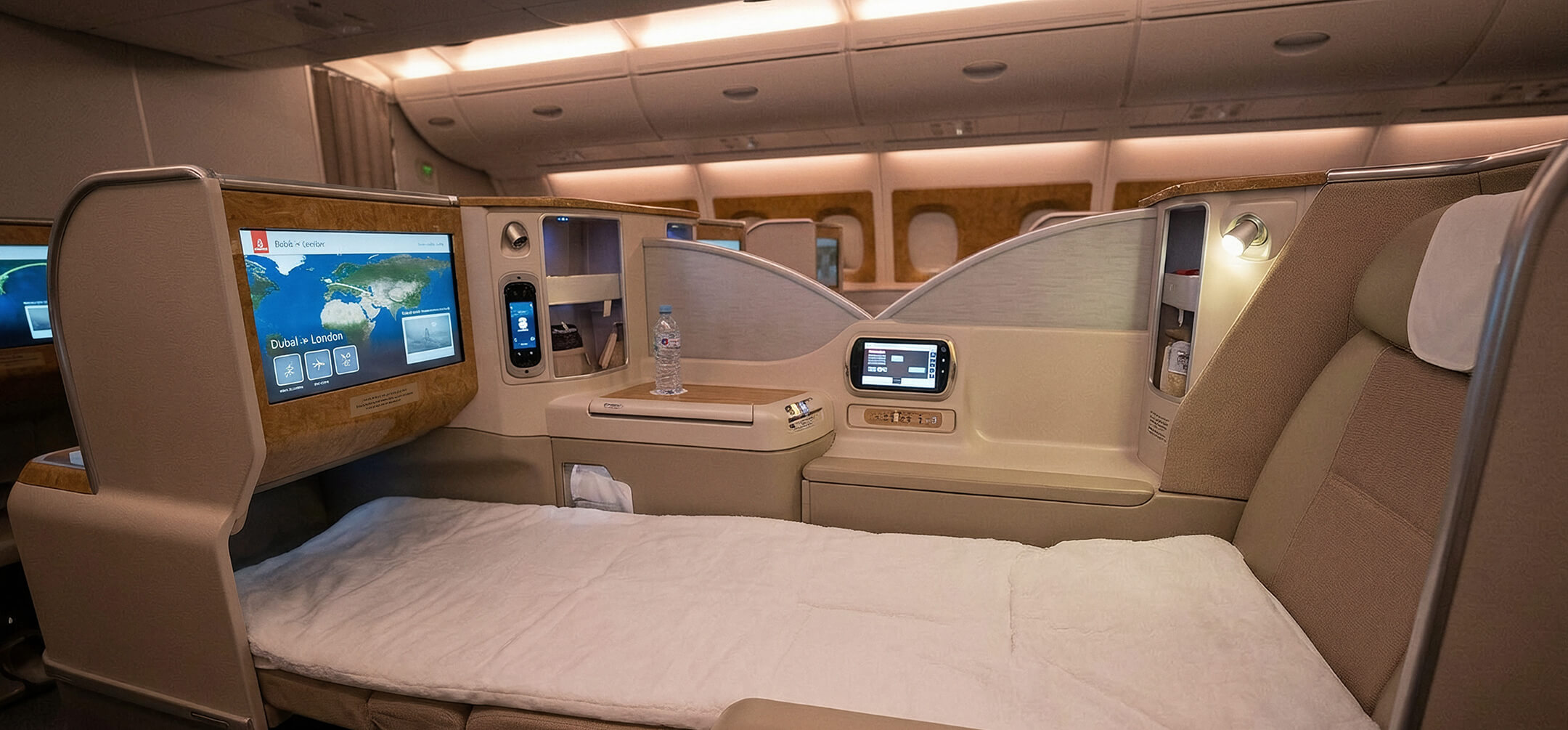
Business-class flights from the US to Curitiba
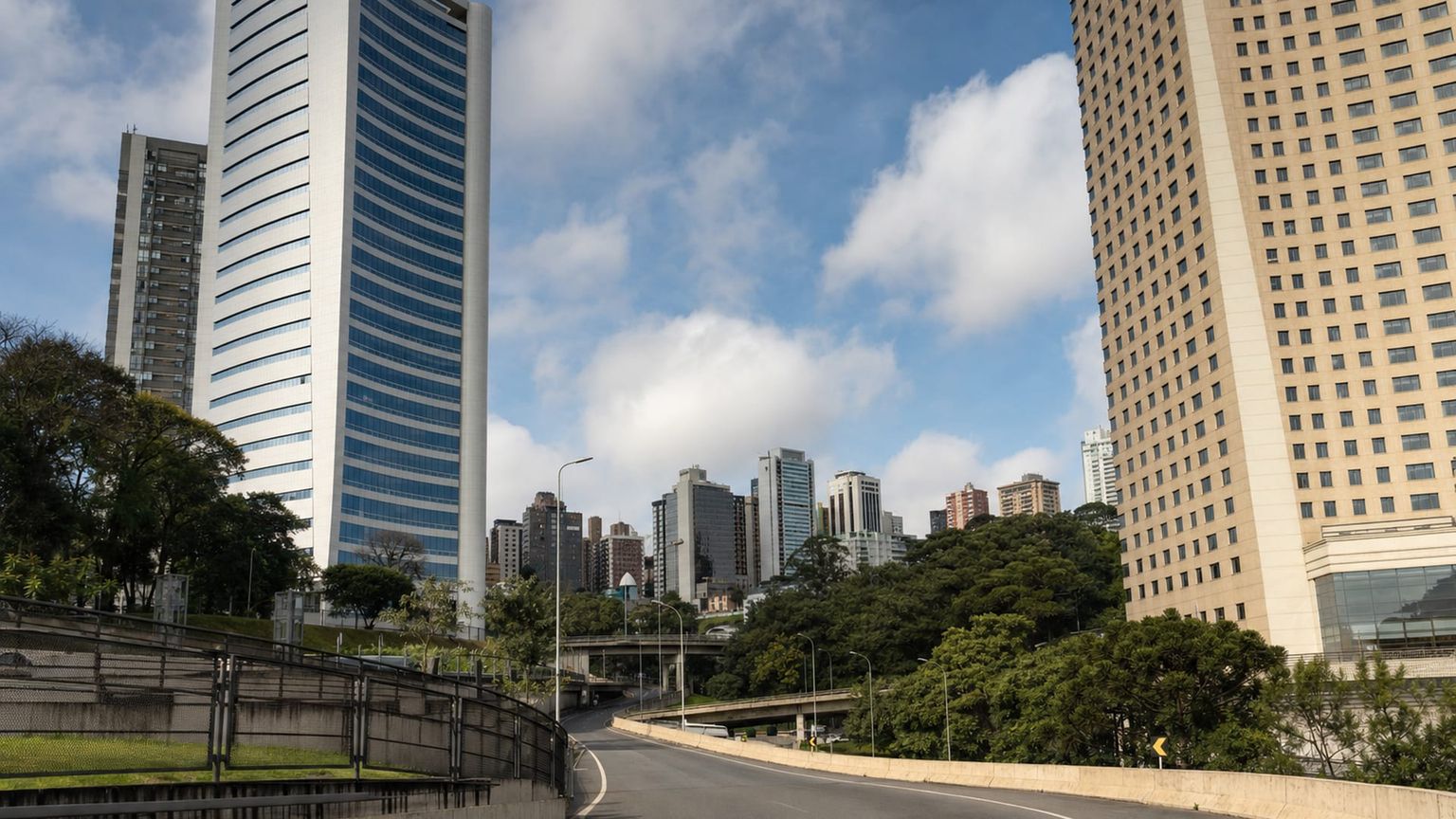
Curitiba has no nonstop flights from New York or Los Angeles, so business-class trips from the US require at least one layover before reaching Curitiba (CWB).
New York (JFK) to Curitiba (CWB)
From New York (JFK), one-stop flight options include LATAM with Delta Air Lines via São Paulo (GRU), Lima (LIM), or Santiago (SCL), plus American Airlines with GOL Airlines via Rio de Janeiro (GIG). Two-stop flights on this route include Avianca with GOL Airlines through Boston (BOS) and São Paulo (GRU), or Delta Air Lines and LATAM through Miami (MIA) or Orlando (MCO) and São Paulo (GRU). Flights last from 13 to 30 hours, depending on the layover, with round-trip fares of US$4,000 to US$11,500.
Los Angeles (LAX) to Curitiba (CWB)
From Los Angeles (LAX), LATAM and Delta Air Lines provide one-stop flights through São Paulo (GRU), Lima (LIM), or Santiago (SCL). Travelers can also choose two-stop flights with United Airlines and GOL Airlines via Chicago (ORD) and São Paulo (GRU), or with Delta Air Lines and LATAM through Atlanta (ATL) and São Paulo (GRU). Total travel time is usually 17 to 29 hours, and round-trip business-class fares range from US$5,100 to US$12,100.
Curitiba at a comfortable pace
Five days in Curitiba leaves enough time to see the parks, museums, historic streets, and food neighborhoods without turning every day into a checklist. Keep nearby places together, then leave some room for a long lunch, a coffee stop, or an evening with no plans at all. That little bit of structure makes the city feel far less rushed. When your dates are set, AranGrant travel experts can help you compare business-class flights and hotels for Curitiba.