

Chapters:

Need help with your trip?
Our support team is available 24/7. Request a callback or call us directly at (833) 619-0908
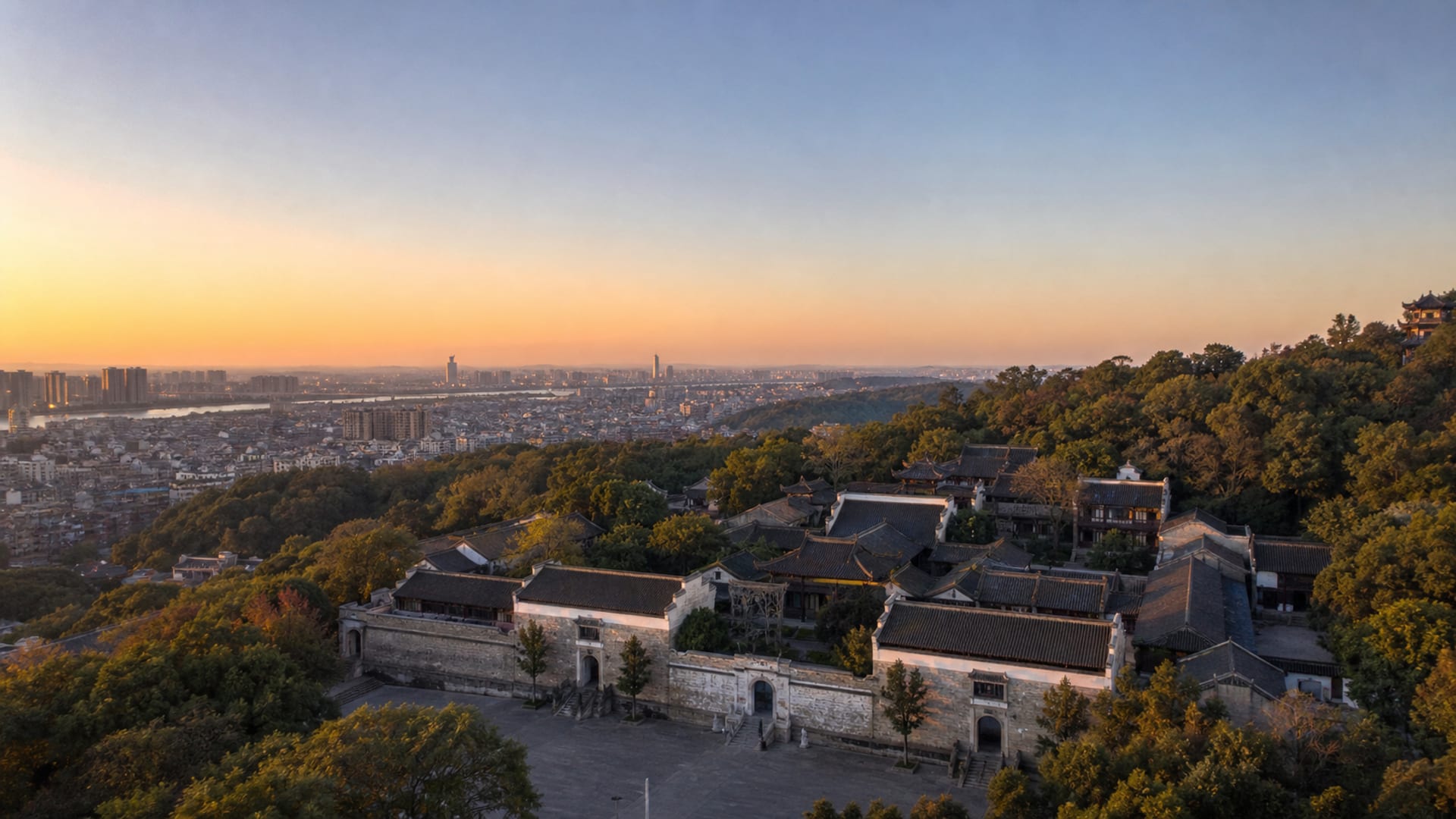
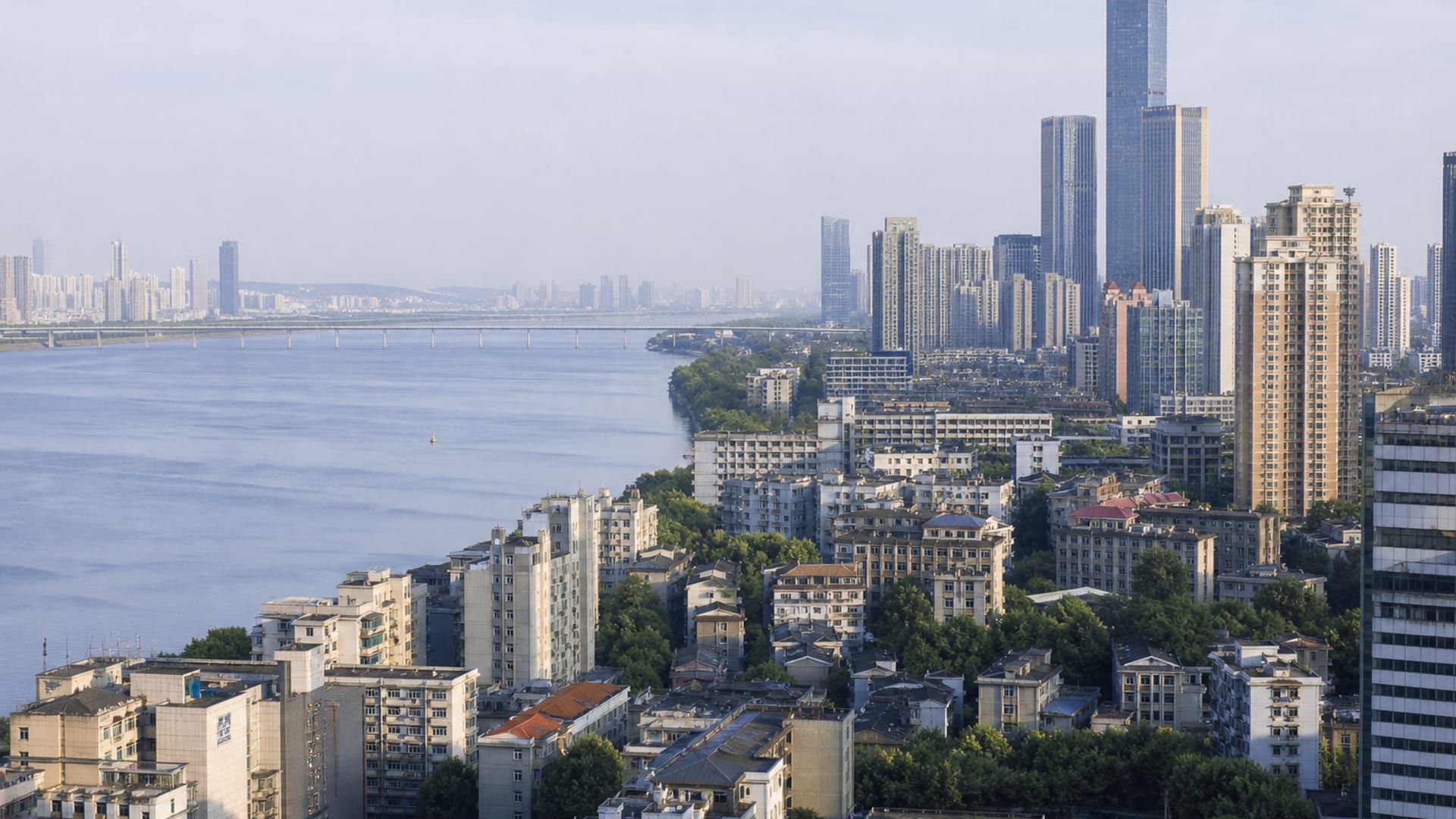
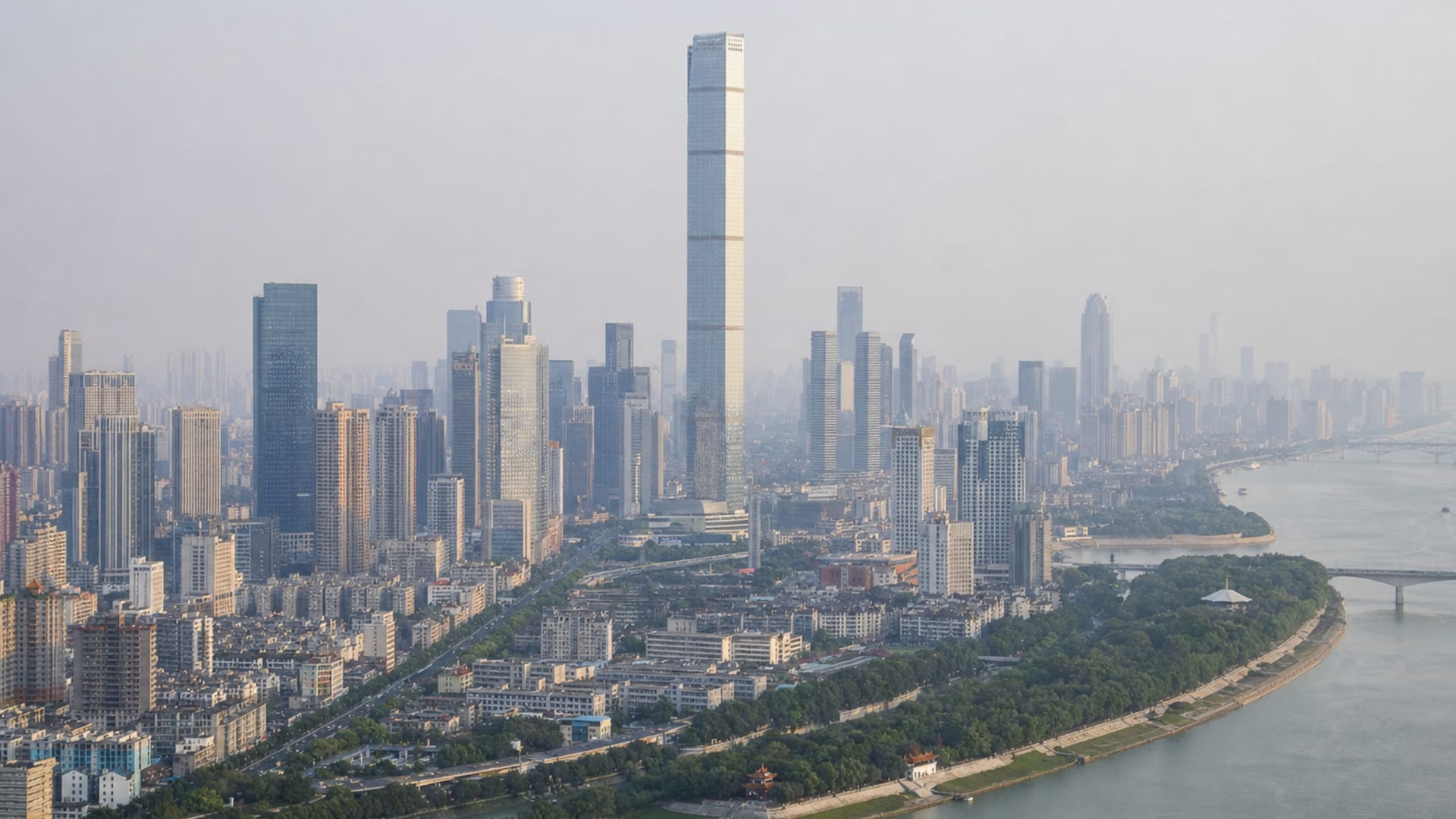
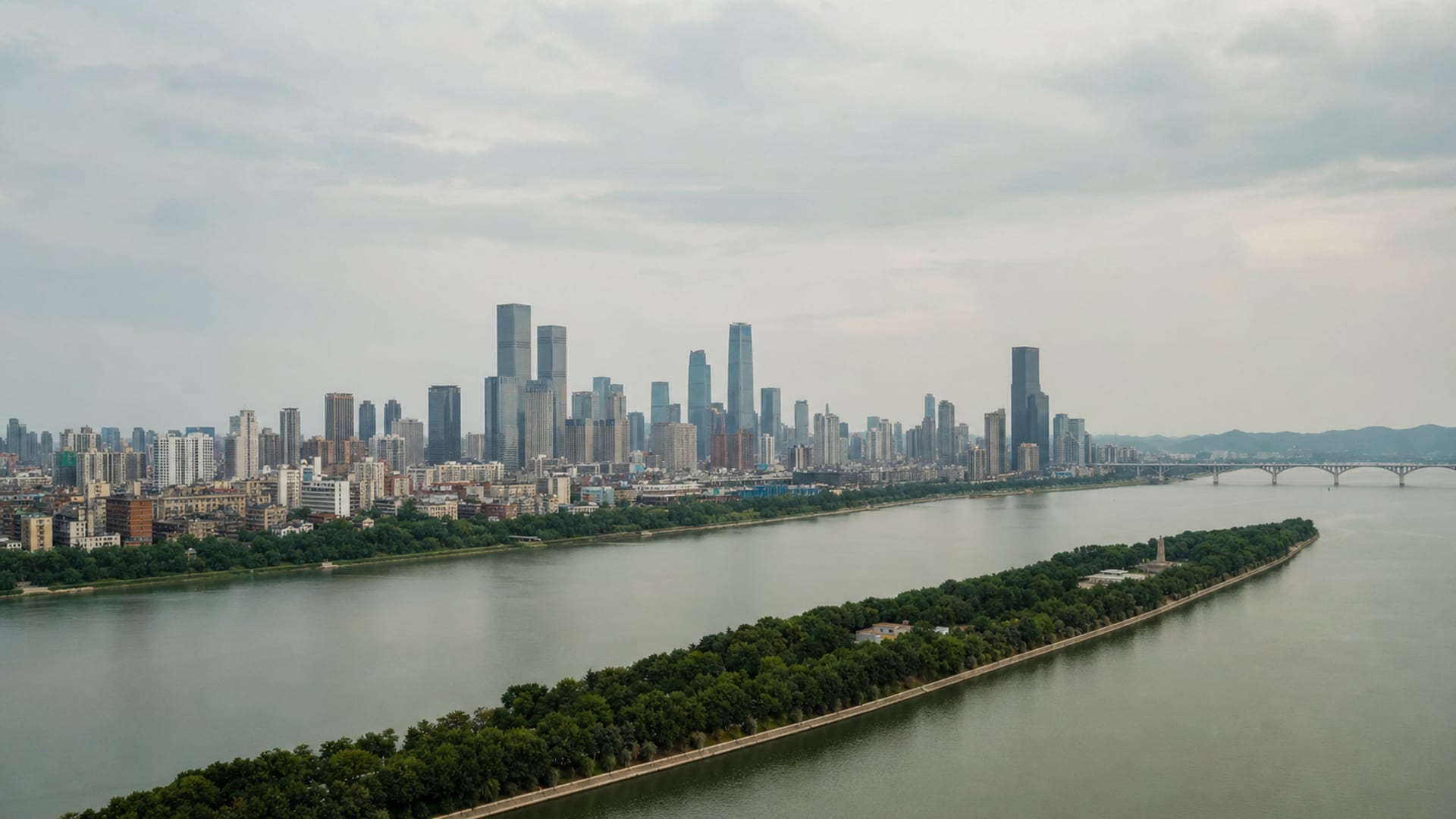
Changsha spreads across both sides of the Xiang River, with Wuyi Square and Huangxing Road anchoring the busy center while Orange Isle and Yuelu Mountain pull you west toward longer outdoor stops. The city is easy to navigate in sections, but less so when you jump repeatedly between riverfront sights, museums, shopping streets, and the mountain in one day. Metro rides are efficient, yet peak-hour crowds and the size of major attractions can still slow the pace. A morning in central Changsha feels very different from an afternoon around Yuelu, and treating them as separate parts of the day makes the itinerary easier to manage.
This guide follows that logic, keeping nearby places together so each day feels full without becoming rushed.
Useful things to know

Main language(s): Mandarin Chinese is standard. Changsha dialect, a variety of Xiang Chinese, is also widely heard locally.
你好 (nǐ hǎo) – Hello
请 (qǐng) – Please
谢谢 (xiè xie) – Thank you
你会说英语吗? (nǐ huì shuō yīng yǔ ma?) – Do you speak English?
多少钱? (duō shǎo qián?) – How much does it cost?

Currency: Chinese yuan (CNY, ¥)

Cash and cards: Mobile payment is dominant. Link a foreign card to Alipay or WeChat Pay, and keep ¥200–¥300 ($28–$42) in cash as a backup.

Tipping: Tipping is not customary in restaurants or taxis, and service staff generally do not expect it.

Traditional food: Changsha stinky tofu, Mao-style braised pork, spicy crayfish, and Changsha rice noodles are among the city’s best-known specialties.

Water and coffee costs: Bottled water usually costs ¥3–¥6 ($0.40–$0.85), while coffee at a cafe is typically ¥20–¥35 ($2.80–$4.90).

Taxis and ride apps: DiDi is widely used in Changsha. Book through the app and pay with the linked payment method; regular street taxis are also available.

Plug and voltage: China uses Type A, C, and I plugs with a 220V, 50Hz supply. US travelers should bring an adapter and check device voltage compatibility.

Dining and shop opening hours: Breakfast is commonly served 7:00–9:00 am, lunch 11:30 am–2:00 pm, and dinner 5:30–9:00 pm. Malls often stay open until 10:00 pm.

Emergency number: Call 110 for police, 119 for fire, and 120 for ambulance.
Where to stay in Changsha
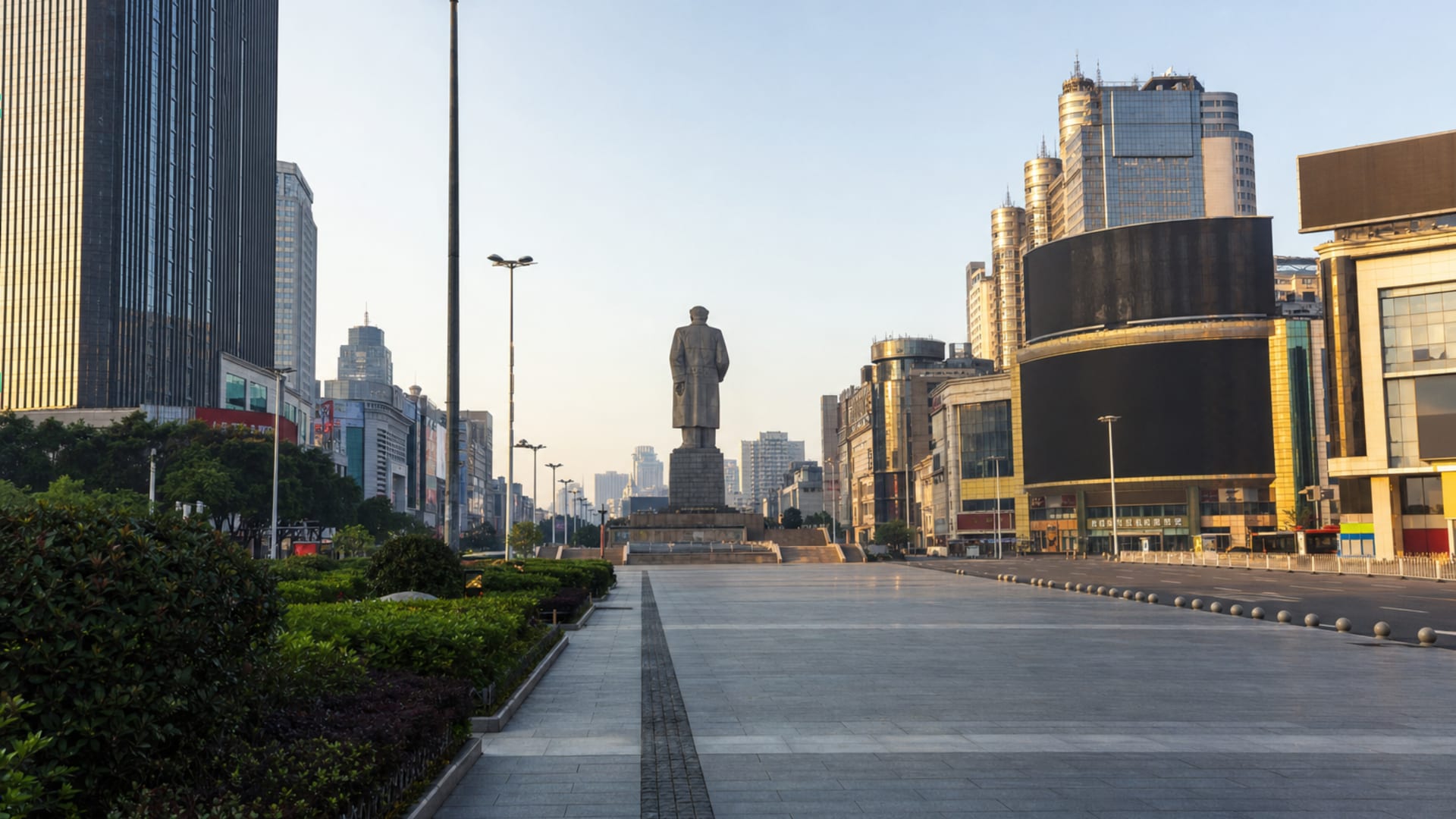
Wuyi Square and Huangxing Road form Changsha’s busiest central hotel district, with metro lines, malls, restaurants, snack streets, and late-night shopping packed into a compact area. Orange Isle and the Xiang River are nearby, while Yuelu Mountain is an easy metro ride west from here.
Best for: Shopping, metro access, and first-time stays with easy access to central sights
What to expect: Expect heavy foot traffic, late-opening stores, and a bright commercial atmosphere from morning through night.
Hotel prices: Usually about 450¥ to 900¥ (~$62 to ~$124) per night for well-rated stays
Distance to major sights: About 10 minutes by transit to Huangxing Road, about 15 minutes to the Xiang River waterfront
Quietness: Busy all day, louder at night near main shopping streets and transport exits.
Main trade-off: You pay more for central convenience, and rooms facing the main roads can pick up traffic noise.
Good to know: Choose a hotel slightly off the square if you want easier sleep without losing metro access.
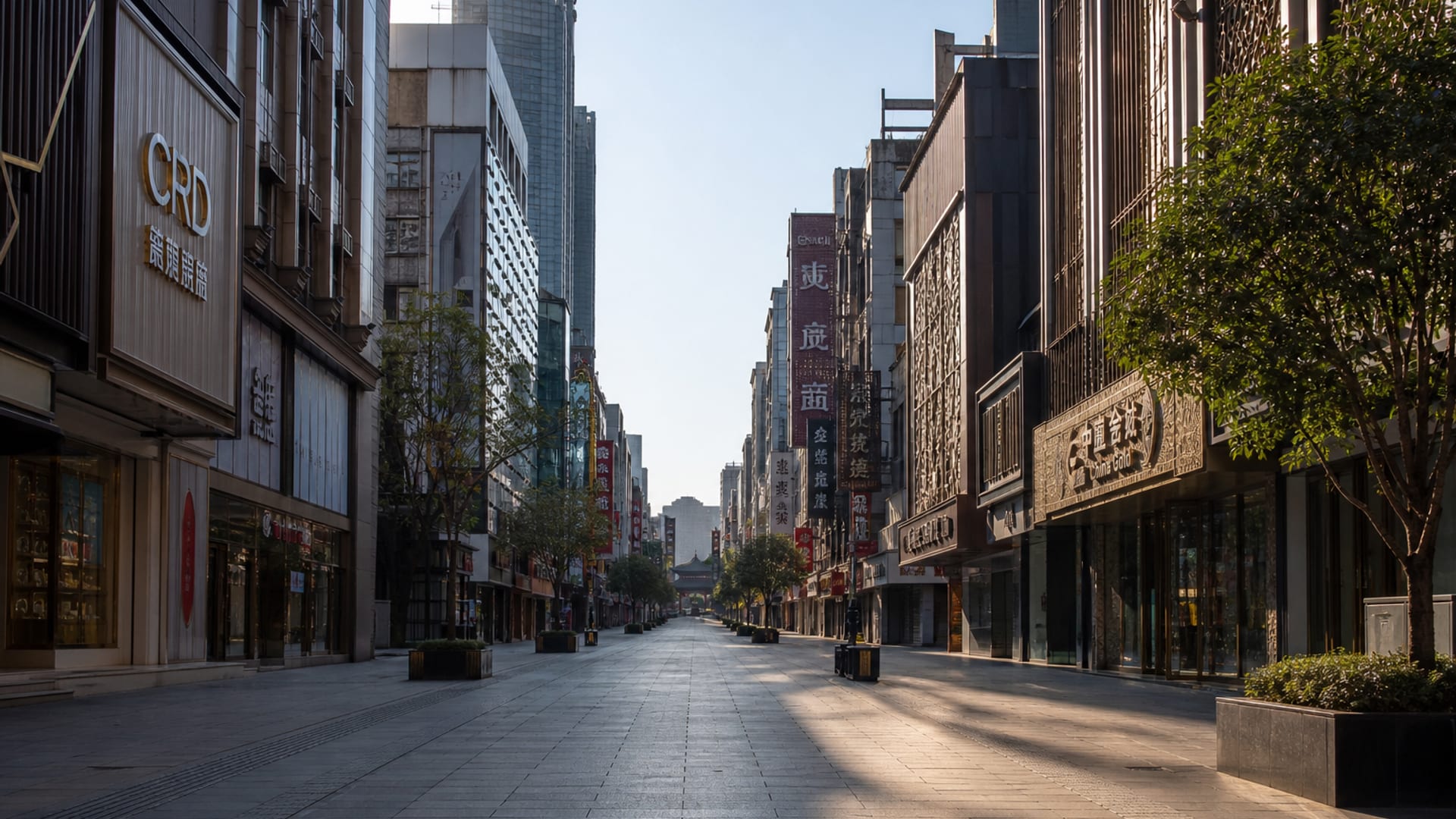
The Yuelu Mountain and Hunan University area sits on the west bank of the Xiang River, beside Yuelu Academy, campus streets, and the mountain’s southern entrances. It has more trees and fewer malls than central Changsha, with cafes and student restaurants concentrated around the university.
Best for: Food walks, shopping, and staying close to the city’s most active central blocks
What to expect: Expect packed sidewalks, bright signage, and a strong evening crowd centered on shops and restaurants.
Hotel prices: Usually about 400¥ to 850¥ (~$55 to ~$117) per night for well-rated stays
Distance to major sights: About 10 to 20 minutes on foot to Wuyi Square, about 15 minutes by transit to the Xiang River
Quietness: Lively through the evening, then quieter late at night once the shops close.
Main trade-off: The location is excellent for walking out to eat, but the busiest blocks can feel noisy and crowded.
Good to know: Stay near Hunan University Station if you want simpler metro access back to central Changsha.
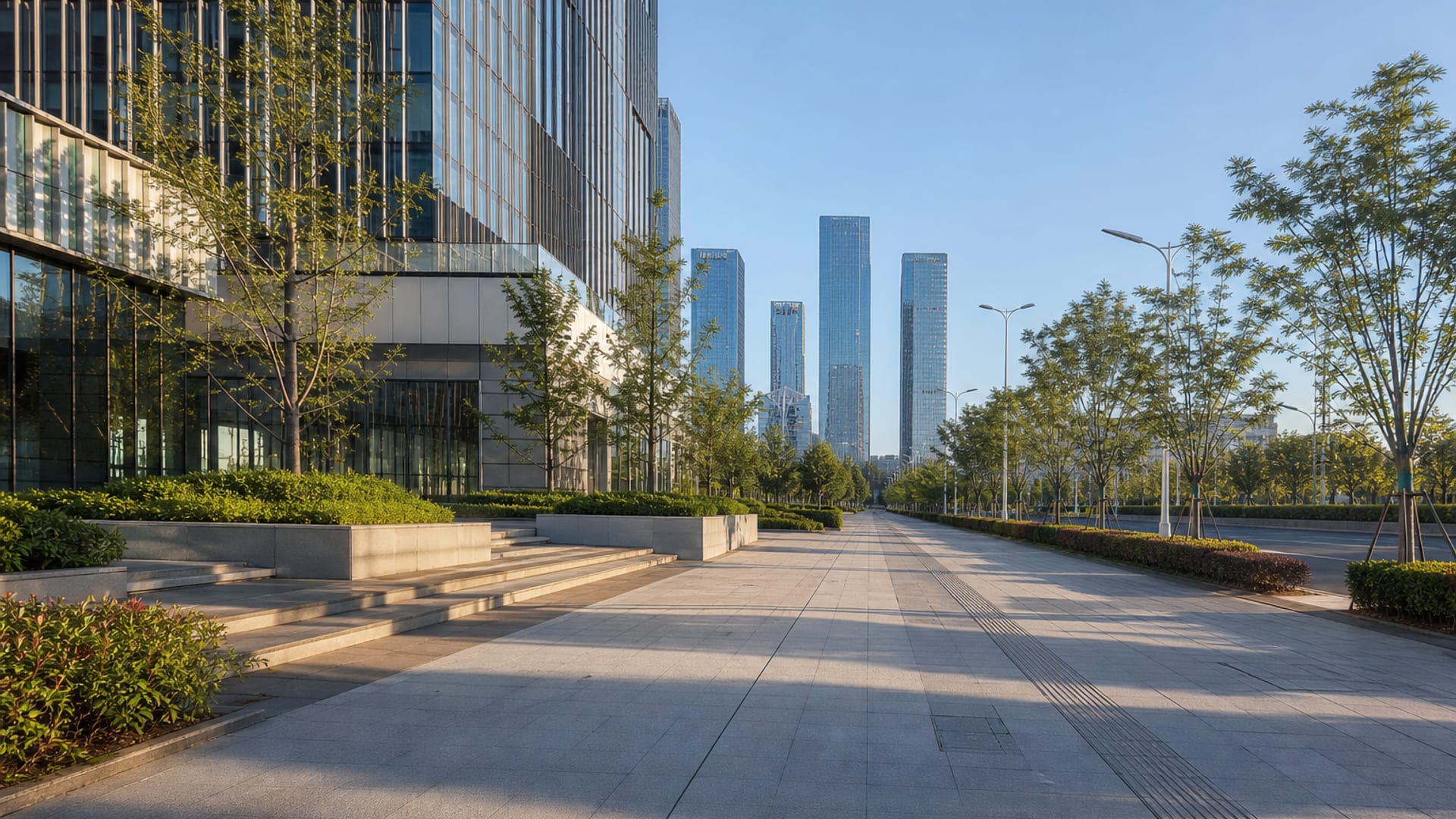
Meixi Lake lies farther west in Yuelu District, around a large lake, newer residential towers, business hotels, and the Meixi Lake International Culture and Arts Center. Wide roads and modern development give it more space than the old center, but most historic sights require a metro or taxi ride.
Best for: Business stays, newer hotels, and travelers who want more room than the old center usually offers
What to expect: Expect broader streets, newer buildings, and a calmer pace than the busiest shopping districts.
Hotel prices: Usually about 350¥ to 700¥ (~$48 to ~$96) per night for well-rated stays
Distance to major sights: About 20 to 30 minutes by transit to Wuyi Square, about 15 minutes to the Xiang River riverfront
Quietness: Quieter by day than the center, with a low evening scene outside hotel and office zones.
Main trade-off: You gain newer properties and more space, but you will spend more time reaching the main shopping streets.
Good to know: Pick a hotel near a Line 2 station if you expect to travel into central Changsha every day.
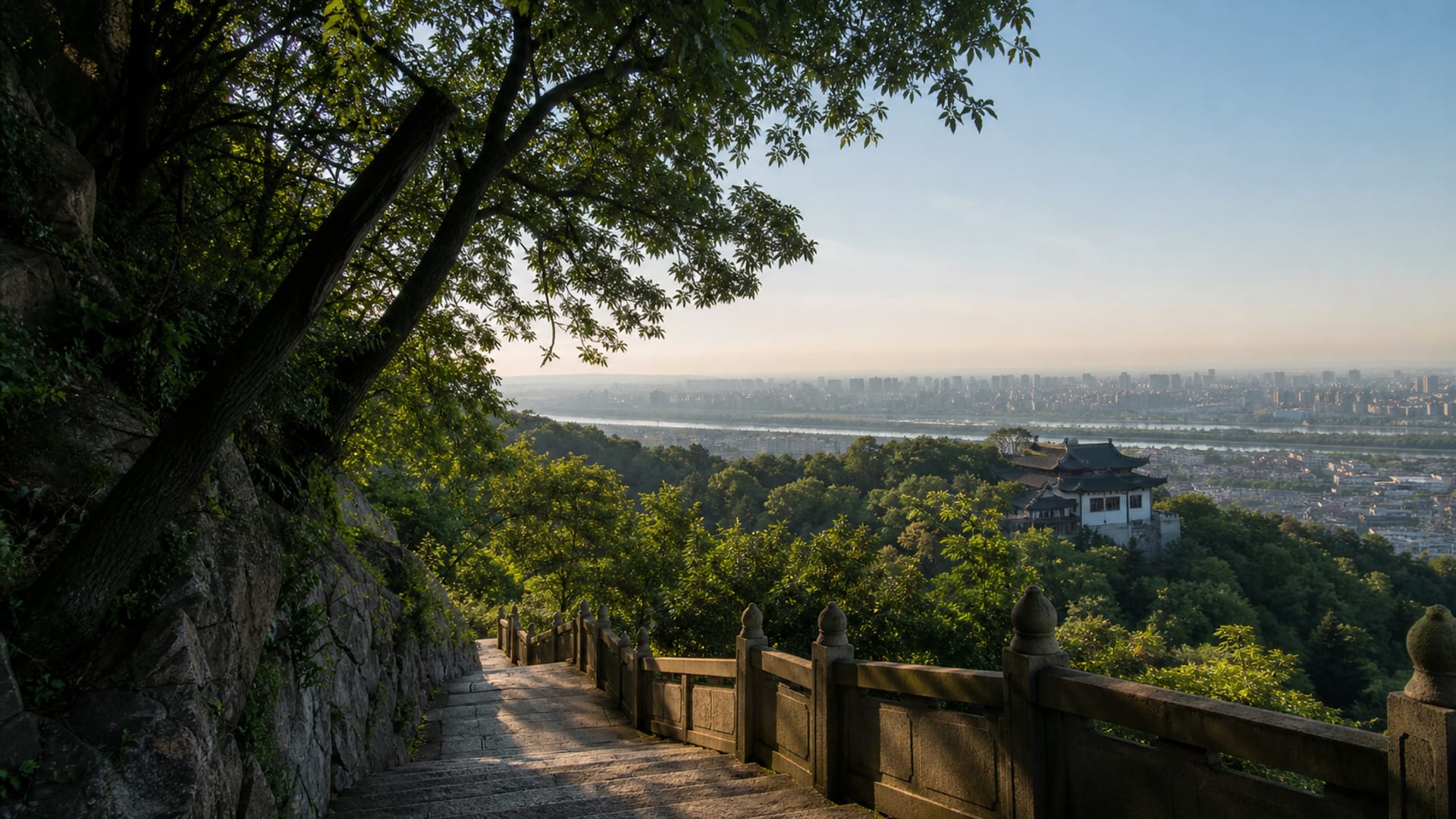
The area around Yuelu Mountain gives you a greener base near one of Changsha’s most important historic and scenic sites. It suits visitors who want morning walks, campus access, and a setting that is calmer than the main commercial core.
Best for: Scenic walks, campus visits, and travelers who prefer a quieter base near major sights
What to expect: Expect more trees, fewer storefronts, and a slower street scene than the central shopping districts.
Hotel prices: Usually about 300¥ to 650¥ (~$41 to ~$89) per night for well-rated stays
Distance to major sights: About 10 to 20 minutes by transit to Yuelu Academy, about 25 minutes by transit to Wuyi Square
Quietness: Quiet in the day and evening, with only occasional traffic near the main approach roads.
Main trade-off: You will trade some central convenience for a better setting near the mountain and fewer late-night options.
Good to know: Taxis are the easiest way back after dark, because local bus and metro links matter less once sightseeing ends.
If most of your plans are around Wuyi Square, Orange Isle, and Yuelu Mountain, avoid hotels near Changsha South Railway Station unless you have an early train. The longer metro rides can add unnecessary travel time each day.
Hotel deals
How to get around Changsha efficiently
Changsha’s metro handles rides to most major sights and the airport, while taxis, DiDi, and an airport express cover trips that need a more direct route.

Metro
for longer distances
Changsha Metro runs from about 6:30 am to 11:00 pm, with Line 6 serving Huanghua Airport. Fares start at ¥2 ($0.30) and rise with distance. Buy a single ticket at a station machine or counter, or pay through Alipay, WeChat, or supported transit apps.

Airport express
for direct trips to Wuyi Square
The Airport–Wuyi Square Express uses seven-seat vehicles and runs from 8:00 am to 10:00 pm. A one-way trip costs ¥35 ($5). Book through the “Meet in Airport” WeChat mini program; you can also buy round-trip packages at the airport counter.

Taxis and DiDi
for convenience or late hours
Official taxis leave from designated ranks at Huanghua Airport and use meters. A ride to central Changsha costs about ¥90 ($13). DiDi is useful for hotel-to-sight trips because you can enter the destination and see the estimated fare in the app before booking.
*Prices are based on rates updated as of September 2026 and may change at the time of travel.
Use the metro for most sightseeing, the airport express for Wuyi Square, and taxis or DiDi when luggage, late hours, or direct trips make them easier.
Iconic landmarks
Yuelu Academy
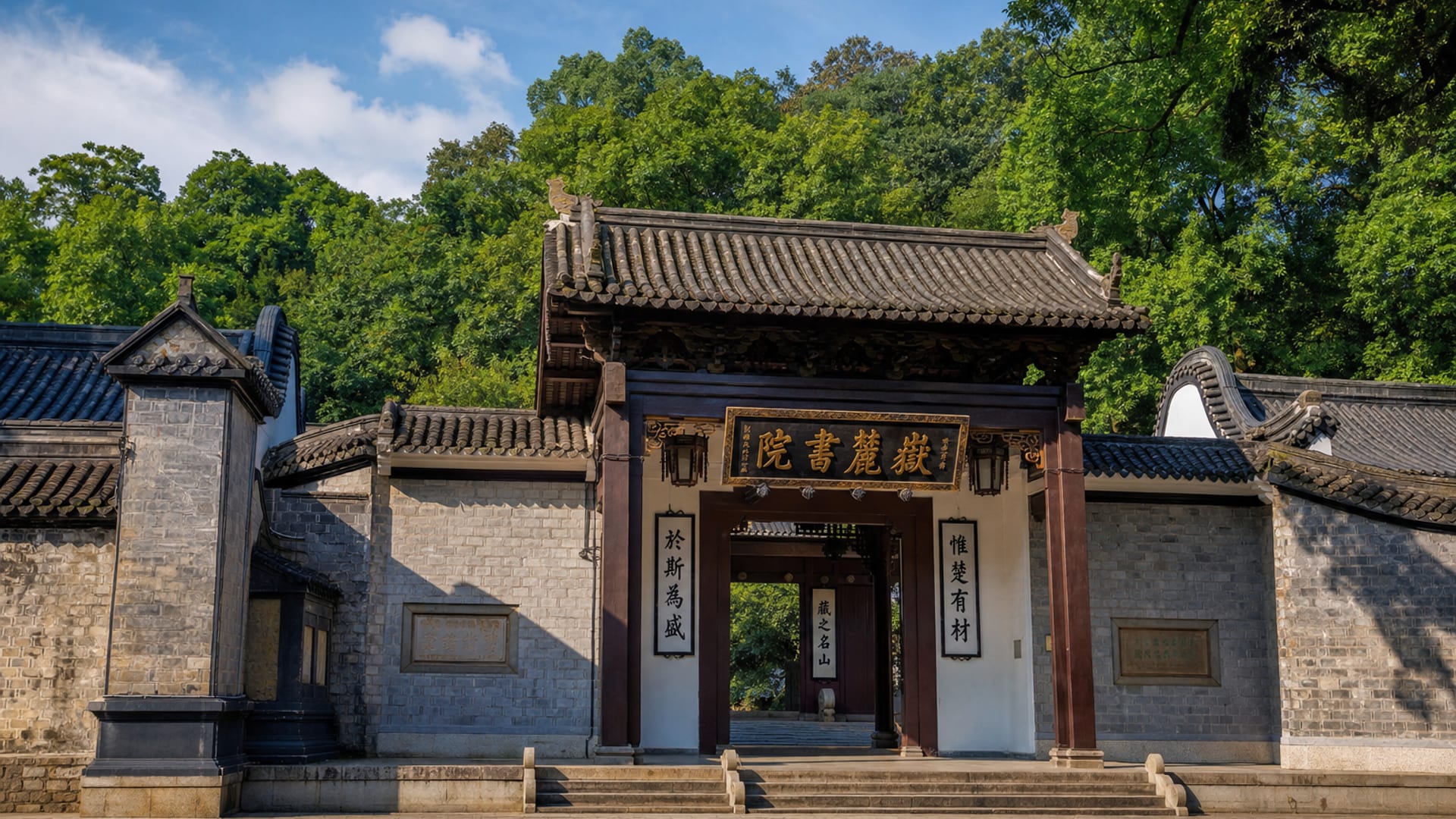
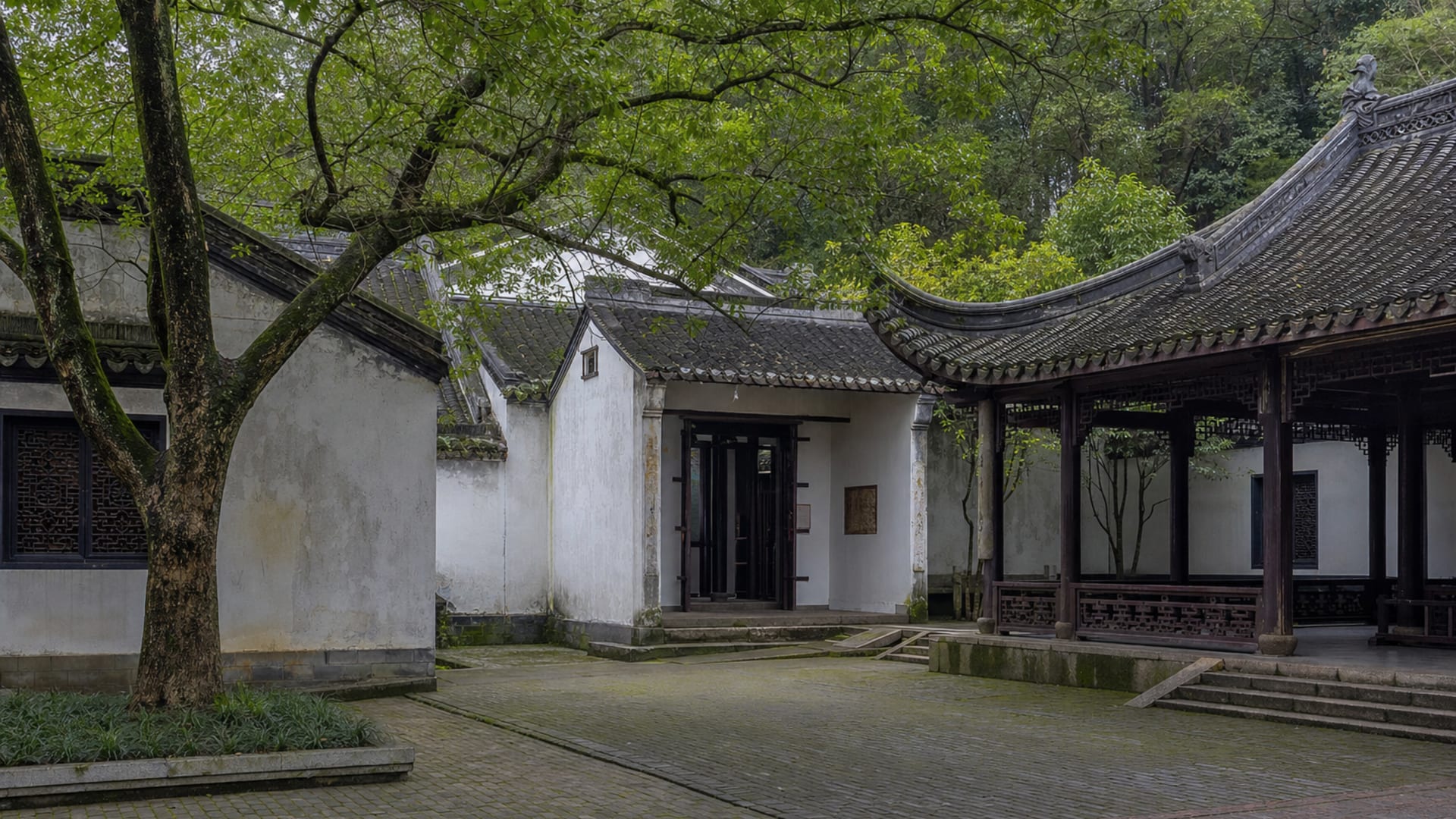
Founded in 976 at the foot of Yuelu Mountain, Yuelu Academy is one of China’s oldest surviving academies. Its courtyards, lecture halls, stone tablets, gates, and old trees preserve nearly a thousand years of scholarly history, while the site remains closely tied to neighboring Hunan University.
Time needed: 60–90 minutes
Entry: A ticket costs ¥40 for adults. Visit the official site for more details.
Tip: Visit early, then continue to Yuelu Mountain while you are already on the west bank.
Orange Isle
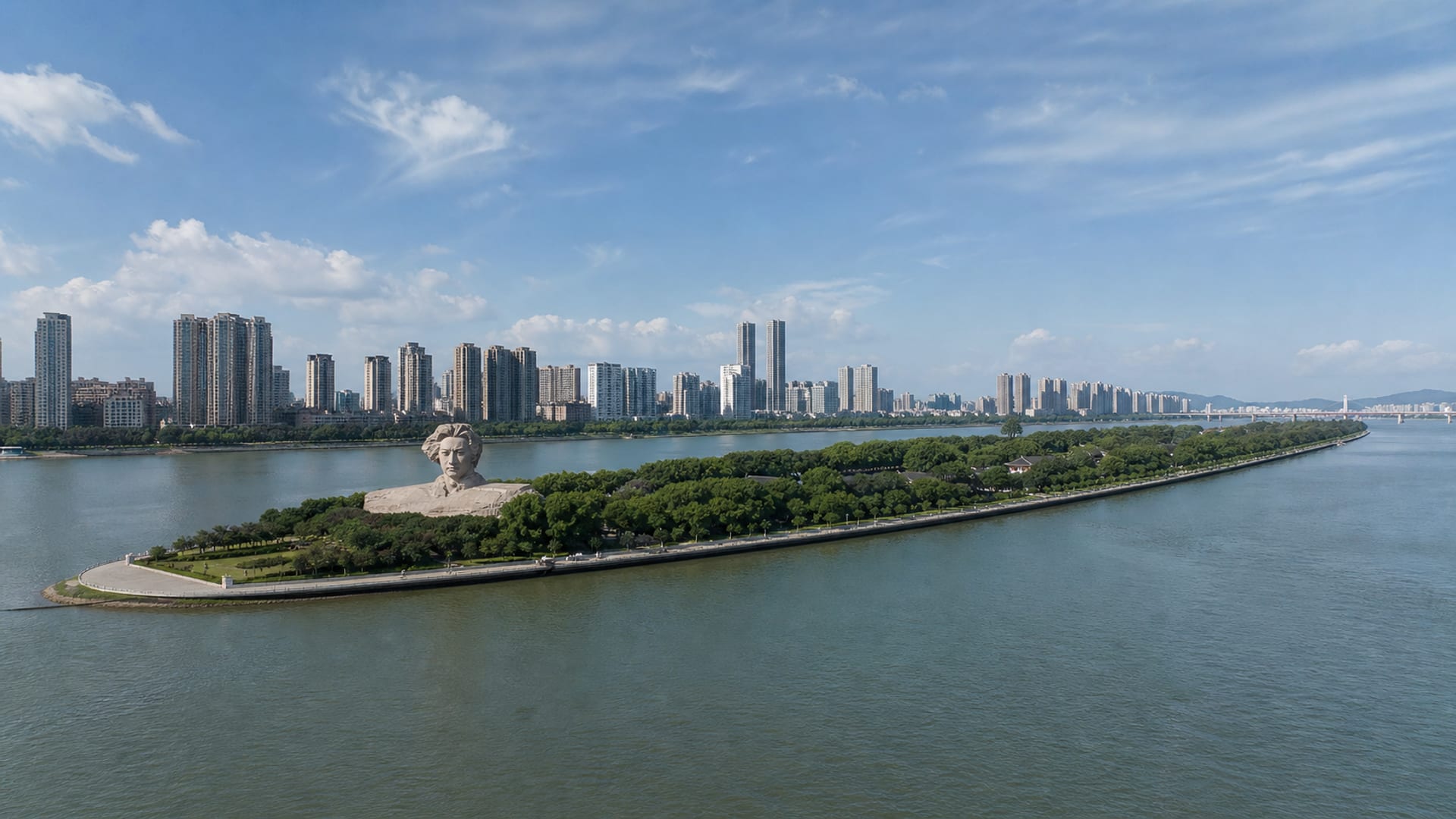
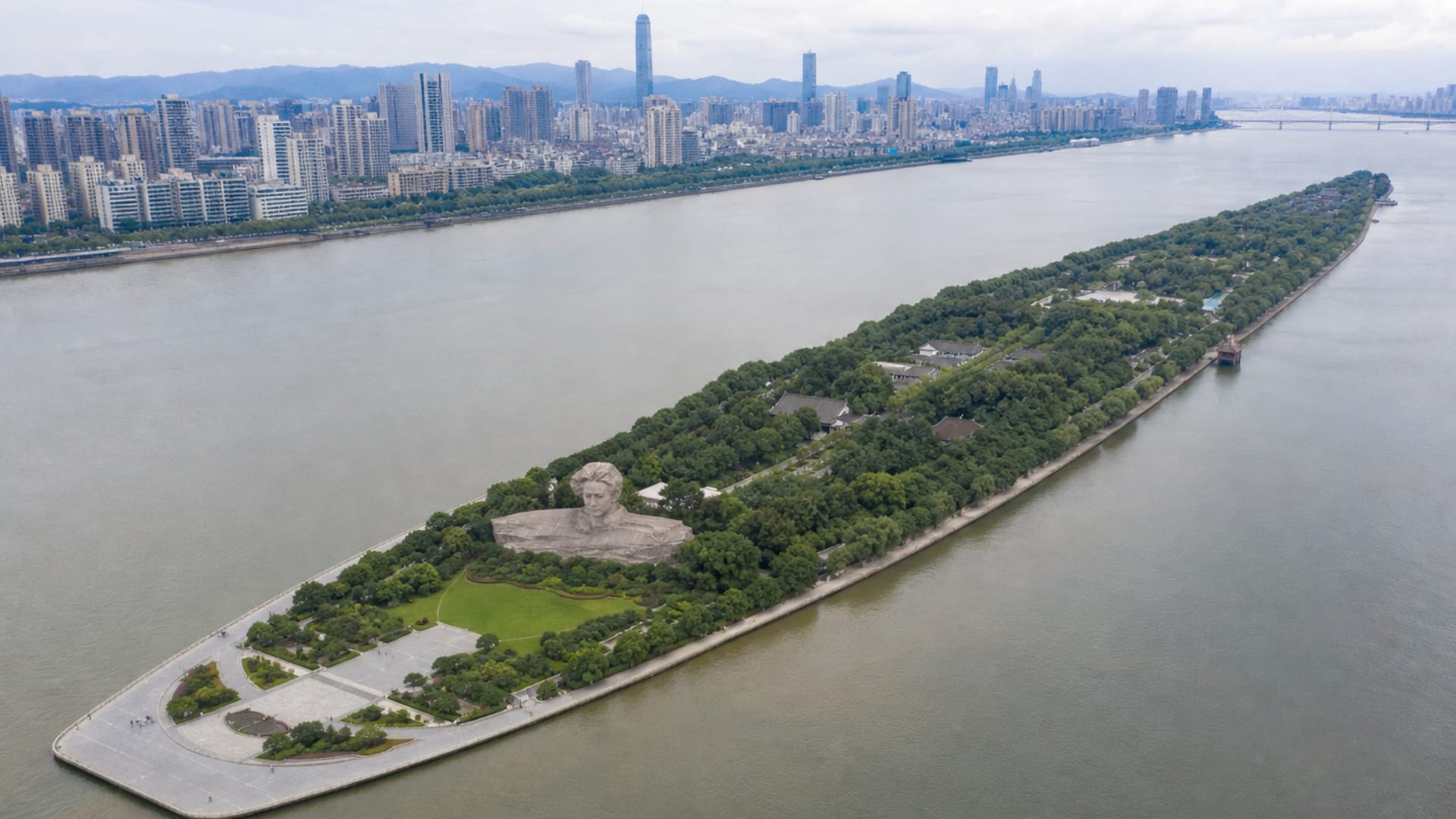
Orange Isle stretches for several kilometers through the Xiang River, with gardens, riverside paths, historic buildings, and broad views toward Changsha’s skyline. Its best-known landmark is the monumental Young Mao Zedong sculpture, while Metro Line 2 provides direct access from the city center.
Time needed: 3 hours
Entry: Free; advance reservation is required. Visit the official site for more details.
Tip: Allow extra time for the walk to the Young Mao sculpture or use the shuttle.
Hunan Museum
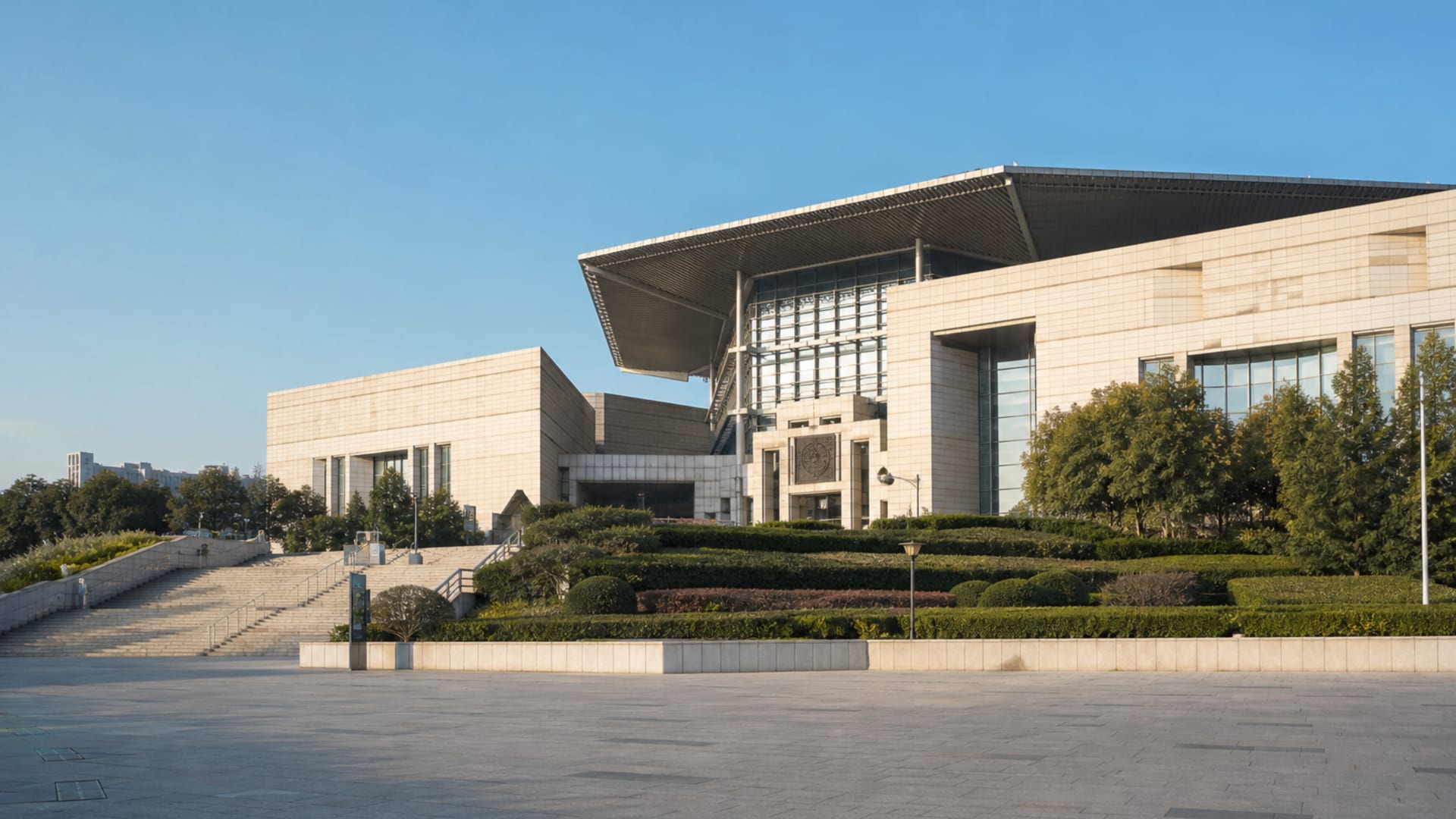
Hunan Museum is Changsha’s leading museum, best known for the Mawangdui Han tomb collection and the remarkably preserved remains of Lady Xin Zhui. Silk manuscripts, lacquerware, textiles, bronzes, and burial objects place the discoveries within the wider history and culture of Hunan.
Time needed: 2–3 hours
Entry: Free; real-name online reservation required. Find information on the official website.
Tip: Reserve as early as possible, especially during weekends, holidays, and summer.
Overlooked sites worth visiting

Changsha Jiandu Museum
Changsha Jiandu Museum preserves more than 100,000 bamboo slips from the Kingdom of Wu, using ancient documents and artifacts to explain daily life and administration in early Changsha.
Time needed: 60–90 minutes
Entry: Free; reserve through the official WeChat account up to 3 days ahead. Visit the official site for more details.
Tip: Leave time for the permanent bamboo-slip displays, not only temporary exhibitions.

Li Zijian Art Museum
Li Zijian Art Museum near Yanghu Wetland Park presents large galleries of oil painting, calligraphy, sketches, and changing exhibitions in a spacious contemporary building.
Time needed: 90–120 minutes
Entry: Free; advance reservation is required through the museum’s official WeChat account. Visit the official site for more details.
Tip: Check the current exhibition schedule before visiting, since temporary shows change regularly.
Traditional food
Changsha cuisine is known for fresh chiles, fermented flavors, smoky wok cooking, and late-night snacks. Stinky tofu, braised pork, crayfish, and rice noodles are among its best-known dishes.
Changsha stinky tofu
Changsha stinky tofu is fermented, deep-fried until crisp outside and soft inside, then topped with chile oil, broth, cilantro, or pickled vegetables. Fire God Palace Restaurant serves one of the city’s best-known versions on Pozi Street.
Mao-style braised pork
Mao-style braised pork uses pork belly slowly cooked with sugar, seasonings, and chile until the meat turns glossy and tender. Maojia Restaurant is known for the dish and serves it as one of its signature Hunan specialties.
Spicy crayfish
Spicy crayfish is boiled with dried chiles, spices, and Sichuan peppercorns, then stir-fried so the shells absorb the sauce. Wenheyou Restaurant serves kouwei crayfish and is one of Changsha’s best-known places for a late-night crayfish meal.
Changsha rice noodles
Changsha rice noodles come in a fragrant broth with chile oil, soy sauce, vinegar, minced meat, preserved vegetables, and scallions. Yang Yuxing is a long-running local noodle shop where visitors can try traditional rice-noodle dishes.
Best time to visit Changsha
Changsha has four distinct seasons, with spring and fall offering the easiest weather for long walks, riverfront time, and outdoor sights.
Best for: River walks, Yuelu Mountain, campus visits, and longer sightseeing days
What you get: Mild to warm days, frequent spring rain, greener riverbanks, and comfortable temperatures for mixing museums with outdoor stops
Trade-offs: Rain can interrupt mountain walks and riverfront plans, especially during wetter weeks.
Best for: Night markets, crayfish meals, evening river walks, and indoor attractions
What you get: Hot, humid weather shapes the day, so museums and malls suit the afternoon while riverside areas and food streets feel better later.
Trade-offs: Midday heat can make Yuelu Mountain and longer outdoor visits tiring.
Best for: Long city walks, Orange Isle, Yuelu Mountain, and outdoor sightseeing days
What you get: Drier air, clearer days, and milder temperatures make it easier to spend several hours outdoors without planning around heavy heat.
Trade-offs: The National Day holiday in early October can sharply increase demand and visitor numbers.
Best for: Museums, food-focused days, shorter walks, and indoor cultural attractions
What you get: Cool, damp weather favors museum days, local restaurants, and shorter outdoor stops, with fewer hours of comfortable riverside walking.
Trade-offs: Cold humidity can make riverfront and mountain visits feel much colder than the temperature suggests.
A realistic 5-day plan in Changsha
Five days in Changsha are enough to cover its main cultural sights without crossing the city repeatedly. This plan keeps the museum, riverfront, historic west bank, and central food streets on separate days, with a final stop before departure.
After landing at Changsha Huanghua International Airport (CSX), take the metro, airport express, or taxi to your hotel and leave the first evening open. If you stay around Wuyi Square, settle in, walk a short stretch of Huangxing Road, and have an early Hunan dinner nearby. Keep the night simple after the flight, especially if you arrive during the evening rush, and save the longer riverfront and mountain visits for the days when you have more time.
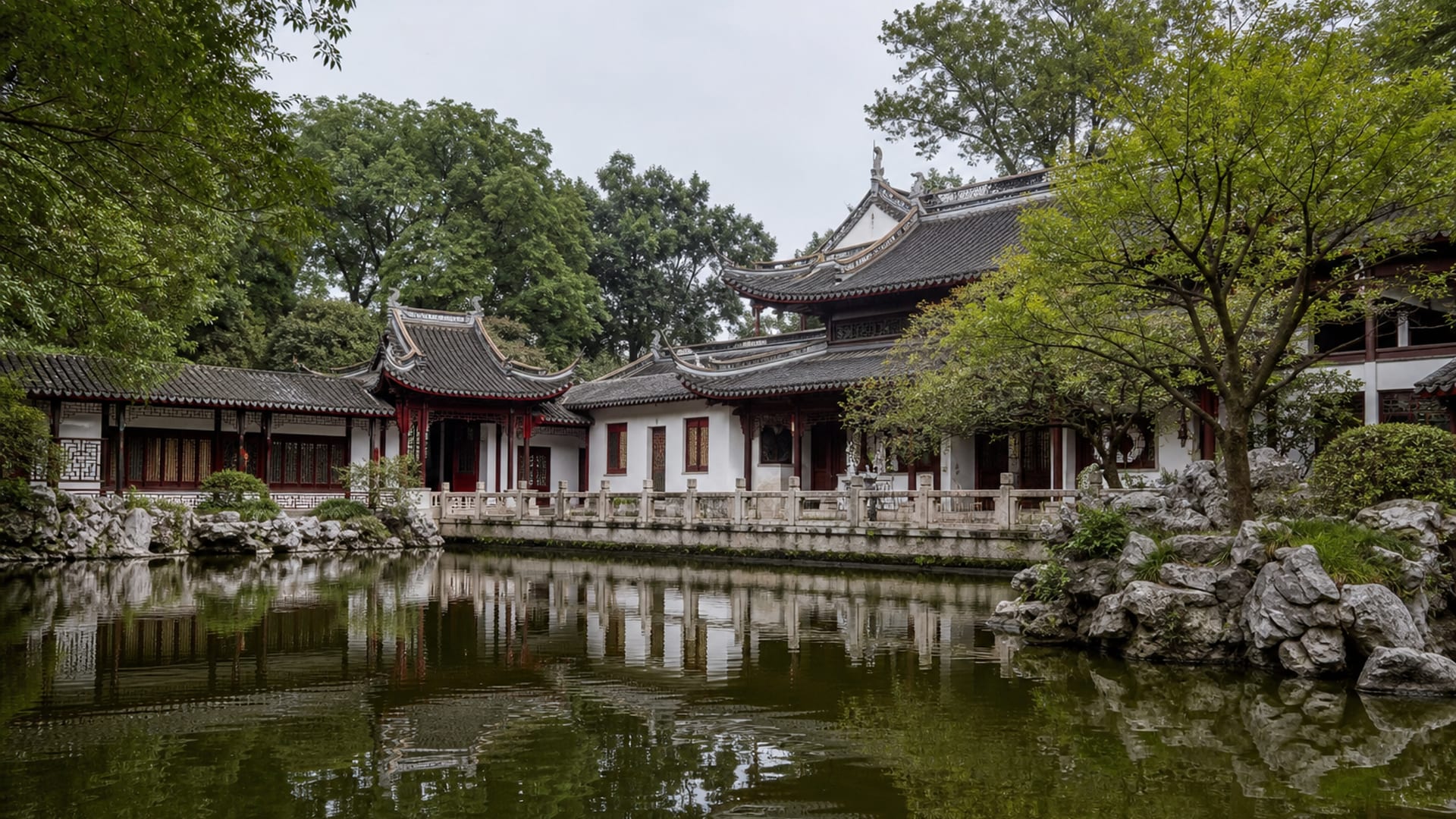
Spend the morning at Hunan Museum, allowing 2–3 hours for the Mawangdui Han tomb collection and the wider Hunan galleries. After lunch, head to Orange Isle and keep the afternoon for its riverside paths, gardens, and the Young Mao Zedong sculpture. The island suits a slower pace after several hours indoors, and staying through late afternoon gives you time for river views before returning to Wuyi Square or Huangxing Road for dinner.
Give the west bank its own day. Visit Yuelu Academy in the morning, then continue into Yuelu Mountain for shaded paths, historic pavilions, and views over Changsha. Stop for lunch around Hunan University before deciding how far uphill you want to go. Keeping the academy, campus, and mountain together avoids unnecessary cross-city travel, while the quieter streets around the university make the evening feel noticeably calmer than central Changsha.
Use the morning for Changsha Jiandu Museum, where bamboo slips and archaeological finds explain the city’s early history. From there, move toward Taiping Old Street and continue on foot through Wuyi Square, Huangxing Road, and nearby snack streets. This is the most walkable day of the trip, so leave room for a long lunch, tea, and small shopping stops instead of packing in another major attraction. Finish with dinner around Pozi Street or Huangxing Road.
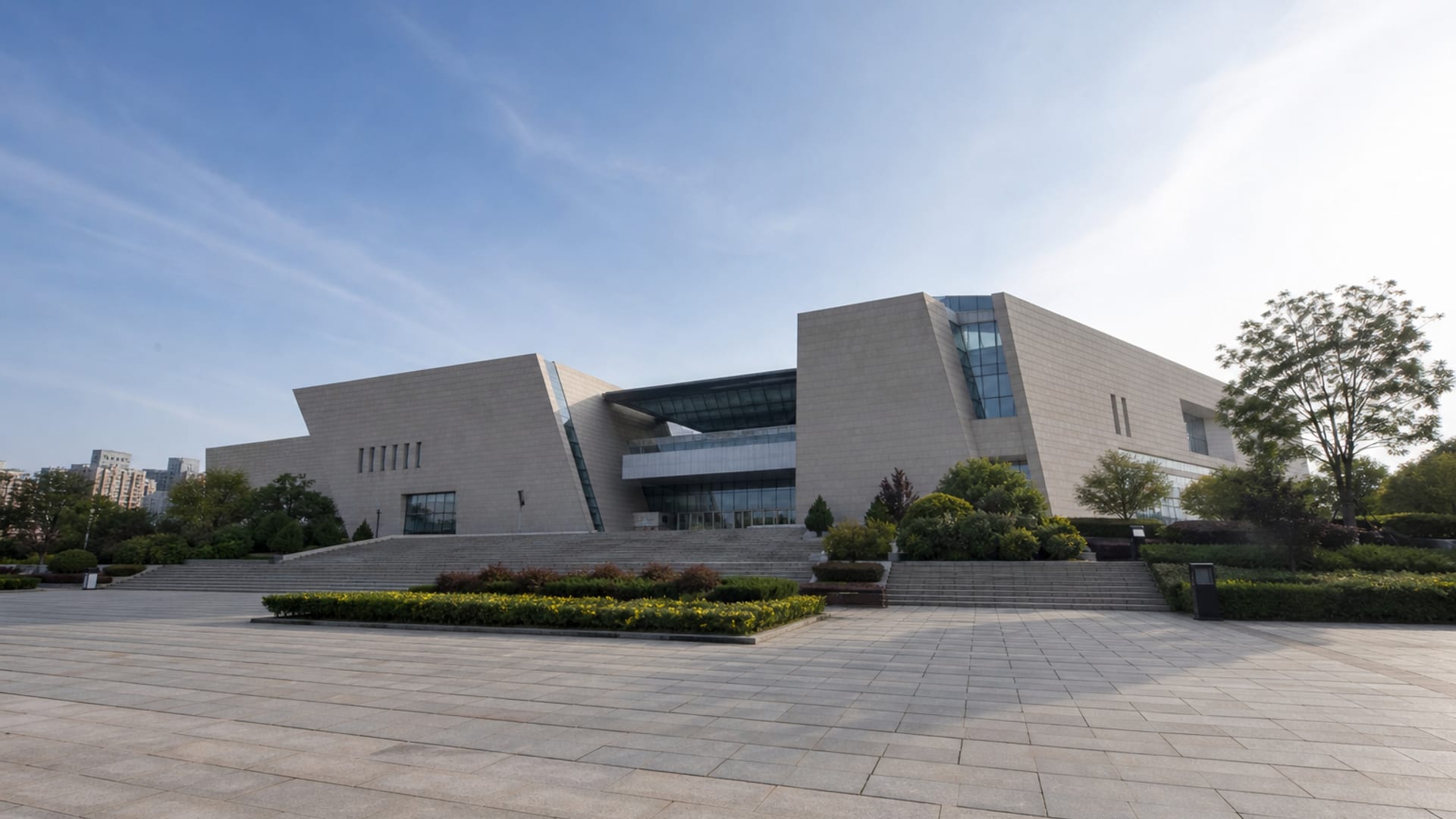
Keep the final day light with Li Zijian Art Museum, where large galleries of oil painting, calligraphy, and changing exhibitions sit beside a lakeside café. Spend 90–120 minutes inside, then have coffee or an early lunch before returning to the hotel for your bags. If your flight leaves later in the day, allow plenty of time to get to Changsha Huanghua International Airport (CSX), especially during afternoon traffic or busy metro periods.
Business-class flights from the US to Changsha
Changsha is easiest to reach from the US with one connection through a major Asian hub, with business-class options available from both coasts.
New York (JFK) to Changsha (CSX)
From John F. Kennedy International Airport (JFK), Cathay Pacific flies to Changsha through Hong Kong International Airport (HKG), while Asiana Airlines uses Incheon International Airport (ICN) in Seoul. The fastest schedules take about 20 hours, although longer layovers can extend the journey. The prices of round-trip business-class tickets start at $4,800, while last-minute tickets can rise above $7,000.
Los Angeles (LAX) to Changsha (CSX)
Los Angeles International Airport (LAX) offers one-stop business-class flights to Changsha (CSX) with Cathay Pacific through Hong Kong International Airport (HKG) and China Southern through Guangzhou Baiyun International Airport (CAN). Journeys on this route take at least 17 to 20 hours. Round-trip business-class tickets cost between $4,300 and $6,500, while last-minute prices can climb toward $8,000.
Changsha is best explored district by district
A deliberate Changsha trip puts the day around Wuyi Square, Huangxing Road, the Xiang River, and one or two timed museum visits, then uses taxis or Line 6 only when the distance really warrants it. That leaves room for a slow evening in Orange Isle light or a final bowl of rice noodles near the center. If you want help matching flights, neighborhoods, and timing, the AranGrant experts can build the trip around the Changsha you actually want to see.