

Chapters:

Need help with your trip?
Our support team is available 24/7. Request a callback or call us directly at (833) 619-0908
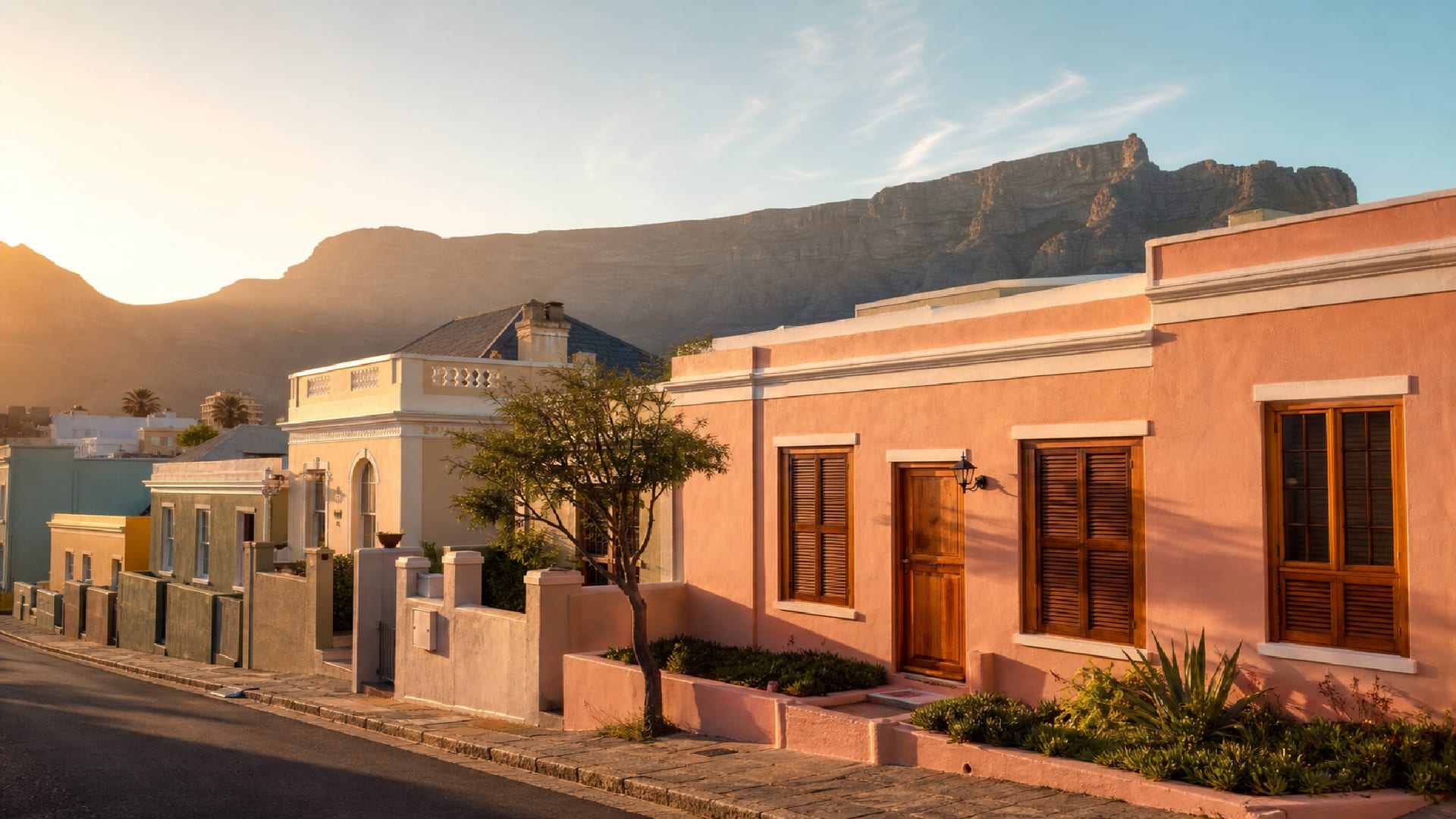
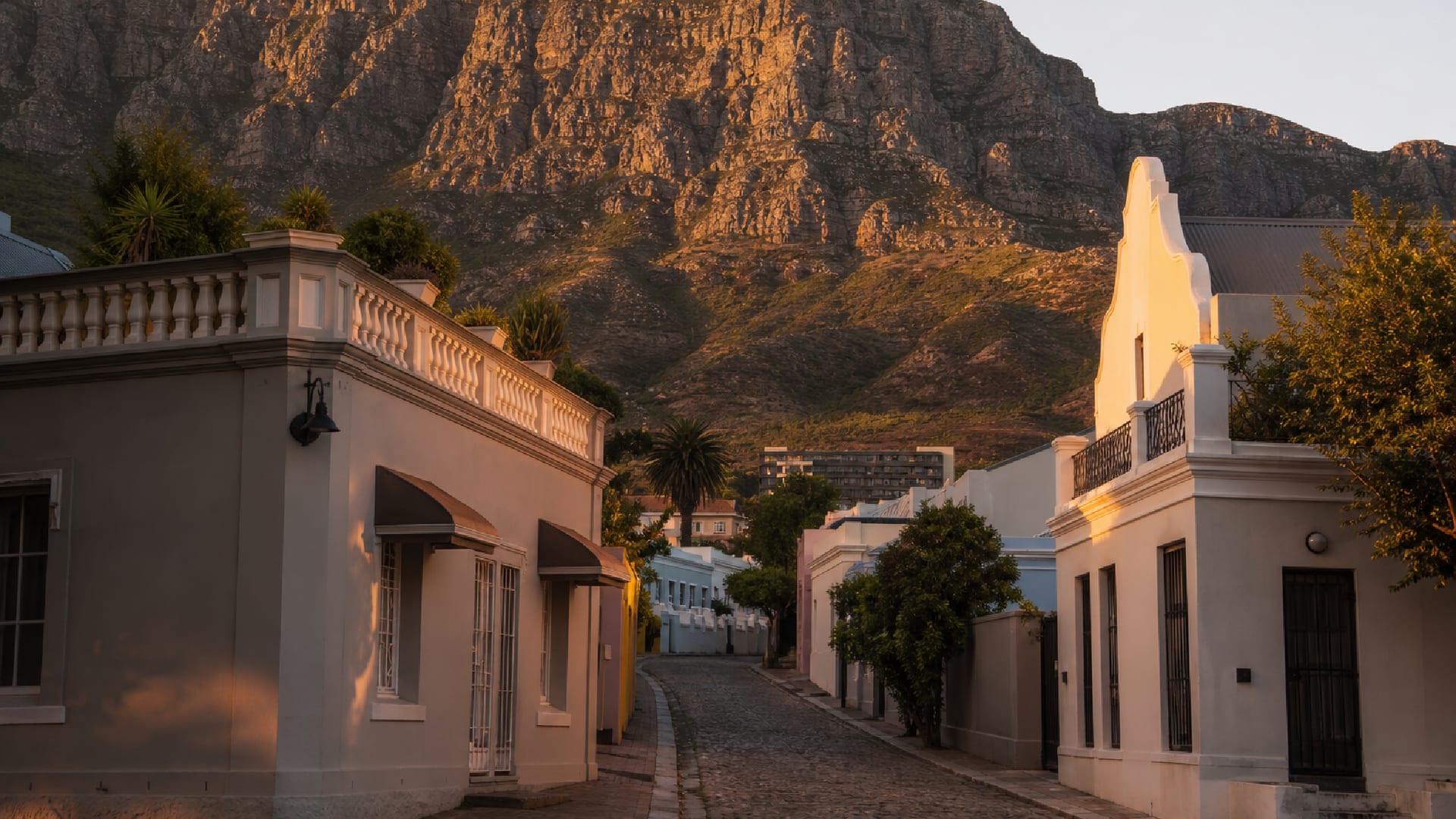
Cape Town itineraries often start with Table Mountain, the Waterfront, and a quick look at the colorful houses of Bo-Kaap, then rush past the city’s older neighborhoods and food streets. Travelers usually see the headline sights, but miss how much time each transfer and ferry slot can shape the day.
That approach can leave you crossing the city at the wrong hour, queueing in the heat, or arriving too late for a museum, cableway, or harbor departure. Distances are short on a map, yet the hills, traffic, and set schedules make timing matter.
This guide keeps the pace clear and local, with a five-day plan that spaces out the mountain, island, garden, waterfront, and seaside stops in a more useful order.
Useful things to know

Main language(s): English

Currency: The local currency is the South African rand (ZAR, R).

Cash and cards: Cards and contactless are widely accepted; keep about R200 to R400 ($11 to $22) in cash for tips, markets, and small purchases.

Tipping: 10-15% in restaurants is common if service is not already included; round up small bills.

Traditional food: Bobotie, Cape Malay curry, boerewors, vetkoek

Water and coffee costs: Water about R15 ($1), bar espresso about R25 ($1.50).

Taxis and ride apps: Uber and Bolt operate here; confirm the plate before you get in.

Plug and voltage: Type M socket, 230V

Dining and shop opening hours: Breakfast is about 7:00-10:00 am, lunch 12:00-2:00 pm, and dinner 6:30-9:30 pm. Many kitchens close by about 10:00 pm.

Emergency number: 112 for mobile emergencies, 10111 for police, 10177 for ambulance and fire.
Where to stay in Cape Town
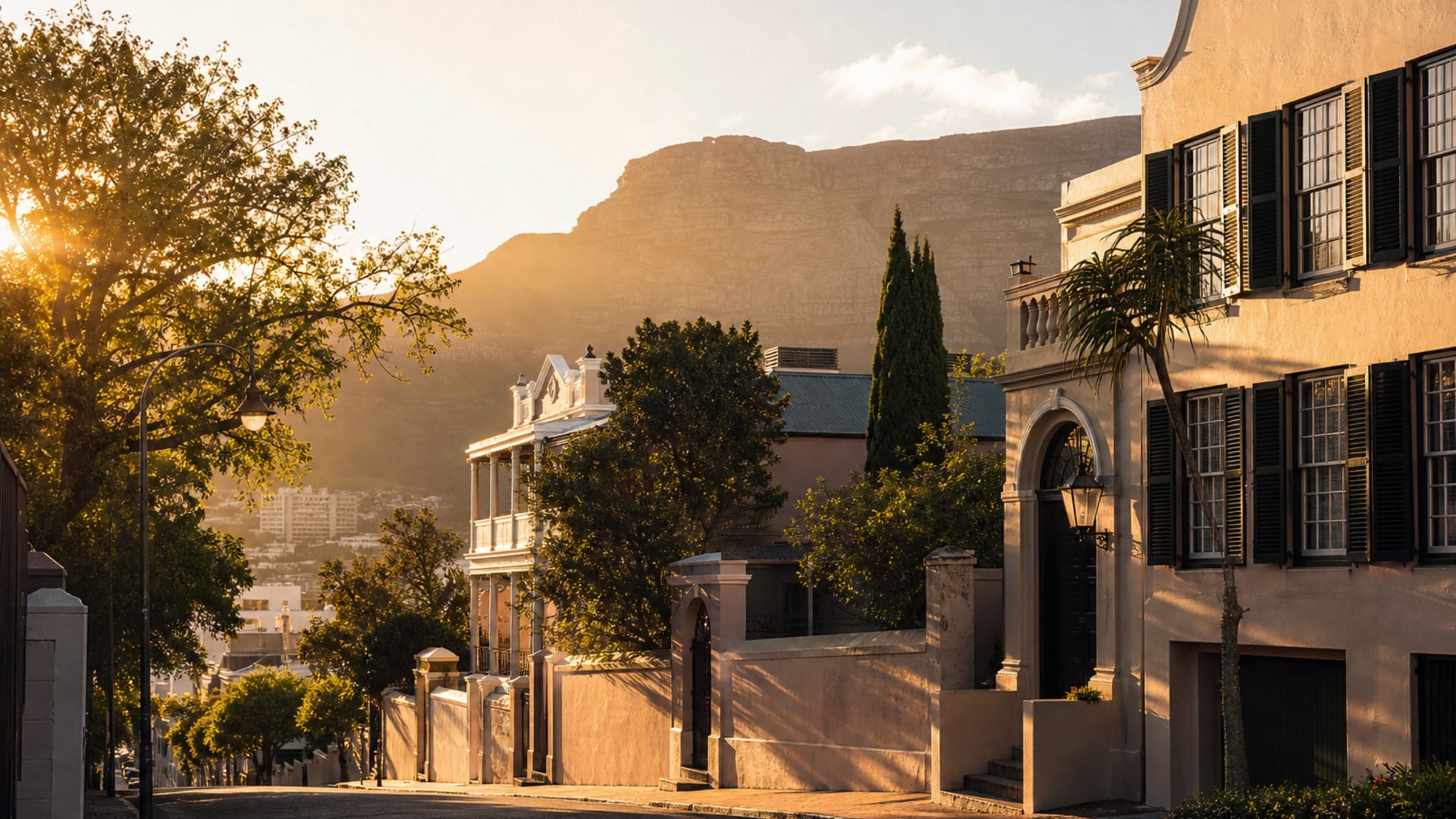
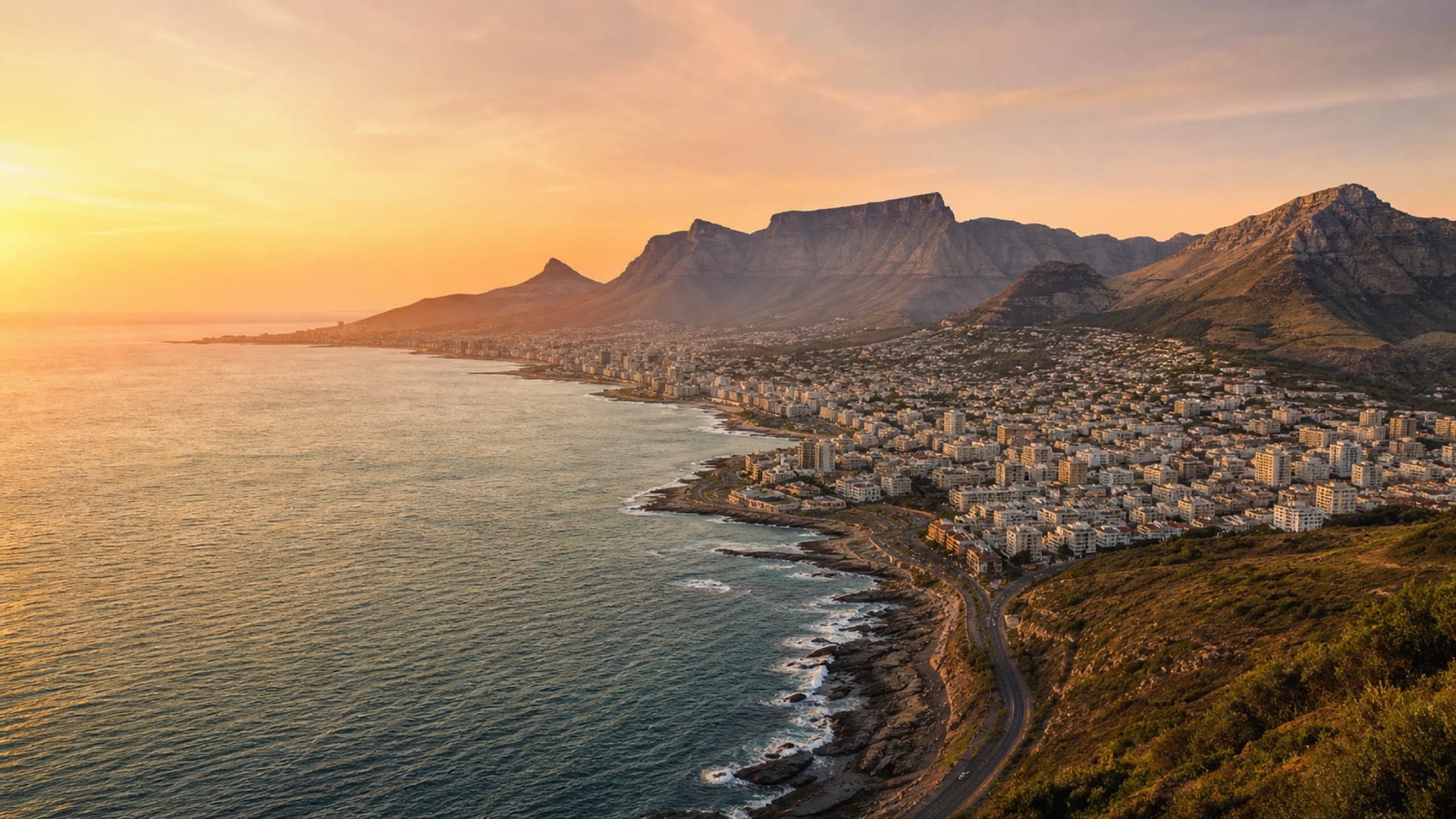
Cape Town’s central basin sits below Table Mountain and puts museums, government buildings, and restaurant streets close together. It works well for visitors who want fast access to the main sights, the mountain cableway, and transit links without depending on long rides.
Best for: First-time visits, sightseeing, and travelers who want to stay near major attractions
What to expect: Busy sidewalks by day, with office crowds, tourists, and regular restaurant traffic after dark.
Hotel prices: Usually about $90 to $220 per night for well-rated stays
Distance to major sights: About 10 to 20 minutes on foot to the Company’s Garden and 15 to 25 minutes by car to Table Mountain Aerial Cableway
Quietness: Quieter in the morning and late at night, but traffic and restaurant noise build in the afternoon and evening.
Main trade-off: Central locations can mean more street noise and higher rates than outer neighborhoods.
Good to know: If you plan early museum visits or a cableway morning, staying here cuts down on cross-city taxi use.
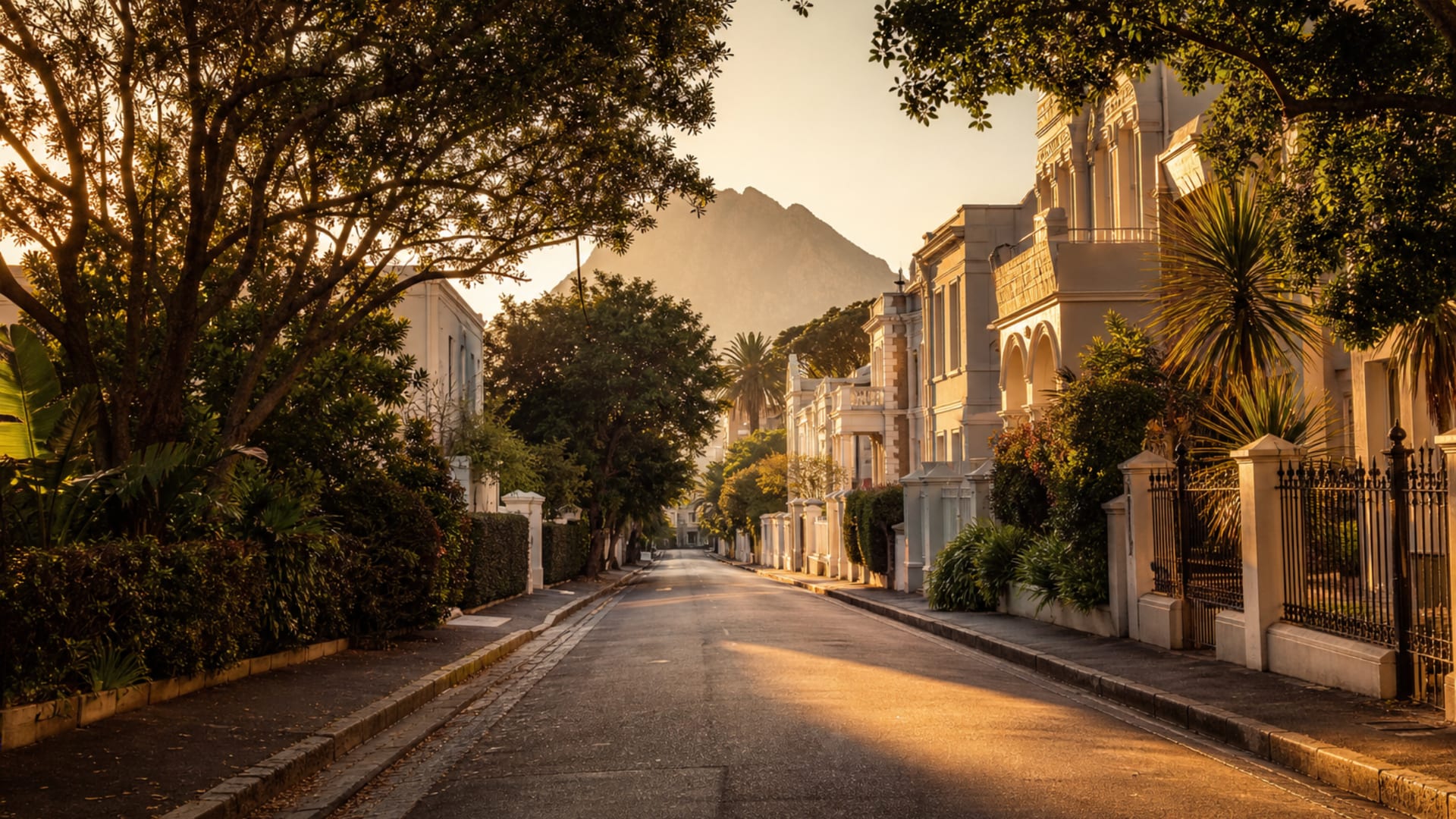
Gardens sits just above the City Bowl and mixes apartment blocks, cafes, and older residential streets. It gives you a central base with slightly more neighborhood feel, plus easy access to Kloof Street dining, the Company’s Garden, and the lower slopes of Table Mountain.
Best for: Couples, longer stays, and visitors who want central access with a residential feel
What to expect: Local foot traffic, cafe activity, and a steady dinner crowd along the main roads.
Hotel prices: Usually about $80 to $200 per night for well-rated stays
Distance to major sights: About 10 to 15 minutes by car to Table Mountain Aerial Cableway and 15 to 20 minutes on foot to the Company’s Garden
Quietness: Calmer on side streets, while the main roads stay active into the evening.
Main trade-off: You may trade a little hill climbing for better rates than the most central addresses.
Good to know: Some streets sit on steep slopes, so check the exact address if you want to walk often.
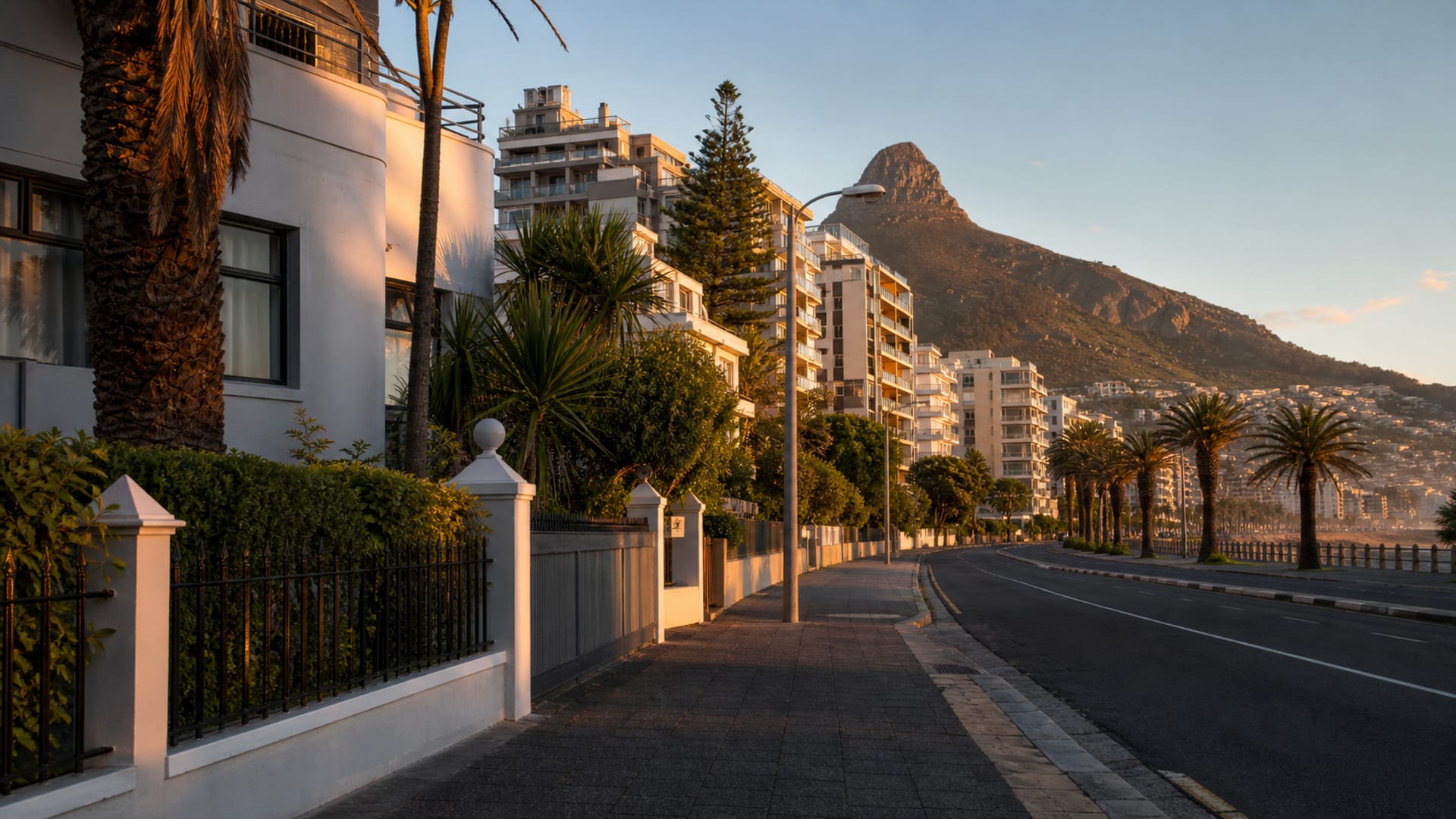
Sea Point stretches along the Atlantic seafront and pairs apartment hotels with cafes, grocery stores, and a busy promenade. It suits travelers who want ocean access, easy walks, and a broad range of lodging, while staying within quick reach of the V and A Waterfront and downtown.
Best for: Coastal stays, walkers, and travelers who want daily seaside time
What to expect: Lively sidewalks, joggers, and steady traffic along the main road, especially near sunset.
Hotel prices: Usually about $100 to $260 per night for well-rated stays
Distance to major sights: About 10 to 15 minutes by car to the V and A Waterfront and 15 to 25 minutes by car to Table Mountain Aerial Cableway
Quietness: The promenade stays active late, while inland side streets are calmer after dinner.
Main trade-off: You get sea views and long walks, but the best dining and sightseeing still need short rides.
Good to know: Expect stronger wind exposure on the seafront, so choose a room set back from the main road if you want less road noise.
Travelers usually avoid staying in Atlantis, since it sits far northwest of the main sights in Cape Town and adds a long trip into the city for most sightseeing. Areas deep in the Cape Flats such as Mitchells Plain and Khayelitsha are less convenient for visitors because they are far from the waterfront, Table Mountain, and the city center, with limited tourist-oriented amenities. Northern suburbs such as Bellville are also less convenient for a first visit, since they are a long commute from the main attractions and do not give easy evening access to the central dining areas.
Hotel deals
How to get around Cape Town efficiently
Cape Town does not use a metro, so most visitors move between the city bowl, the seafront, and the airport with a mix of MyCiTi buses, rideshares, and licensed taxis.

Metrorail
for longer suburban trips
Cape Town does not have a metro or subway, so the closest rail option is Metrorail’s Southern and Central lines, which link Cape Town station with suburbs such as Woodstock, Claremont, and Muizenberg; trains run roughly every 20 to 30 minutes at busy times, but schedules can be irregular outside peak periods.

MyCiTi bus
for set city and coastal routes
MyCiTi buses cover the city center, the Atlantic seaboard, Table View, and Cape Town (CPT) airport, with Airport to Civic Centre taking about 30 to 40 minutes depending on traffic. Fares are distance-based, typically about $1 to $3.50 (about R20 to R65), and you need a myconnect card loaded with e-wallet credit; buses generally run from early morning to about 10:00 pm, with some routes earlier or later.

Taxi
for convenience or late hours
Licensed metered taxis and app-based rides are both common, and metered fares usually start at about $2 to $3 (about R35 to R55), then add roughly $1 to $1.50 (about R20 to R30) per kilometer. From Cape Town (CPT) airport to the city bowl, expect about $20 to $30 (about R380 to R560) by metered taxi or app ride, while prebooked transfers may quote fixed prices; most drivers accept cash, and card payment depends on the operator.
*Prices are based on rates updated as of June 2026 and may change at the time of travel.
Use MyCiTi for the airport and select city corridors, rideshares for door-to-door cross-town trips, and walking where the route stays within the City Bowl or along the Sea Point promenade.
Iconic landmarks
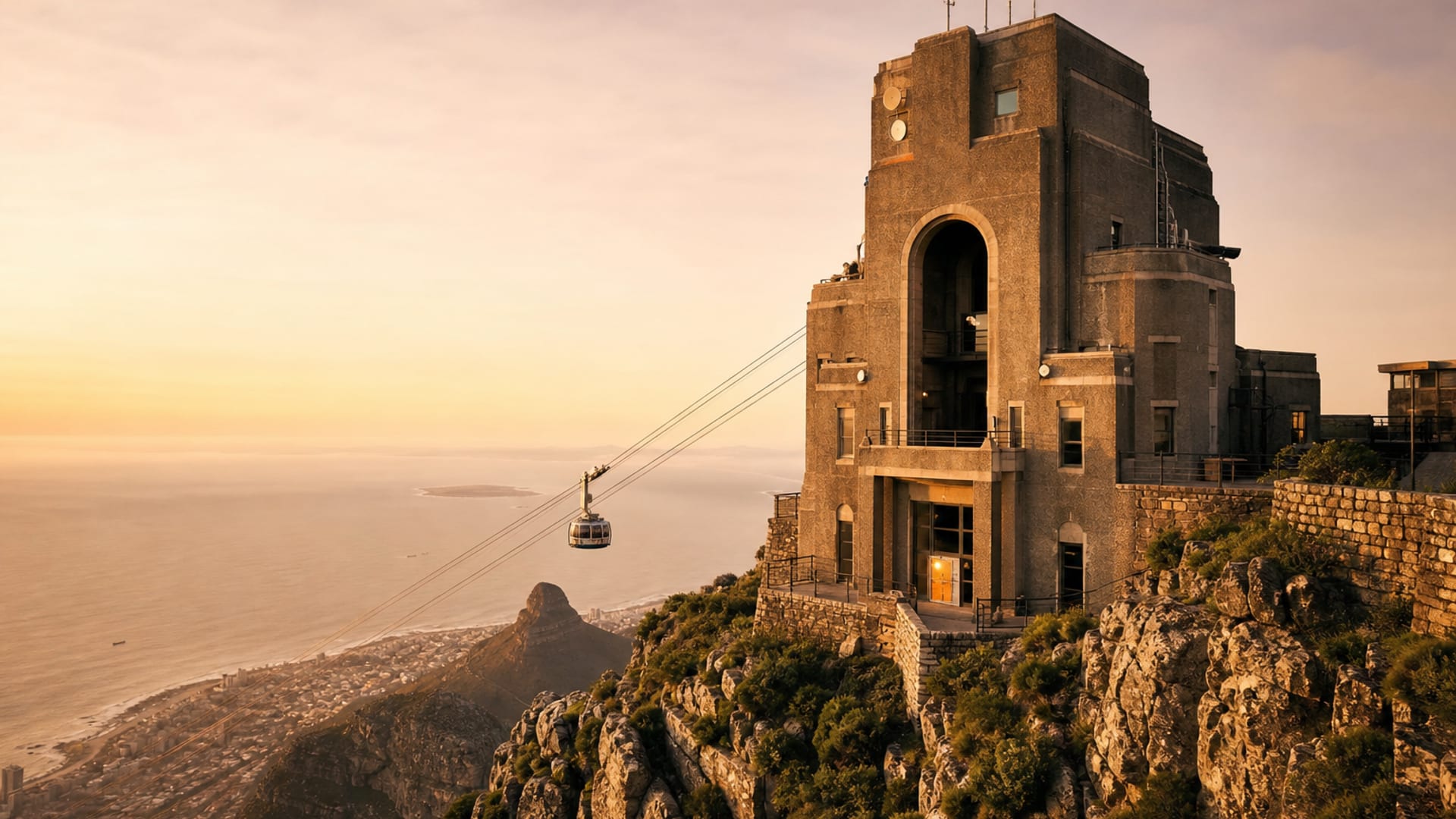
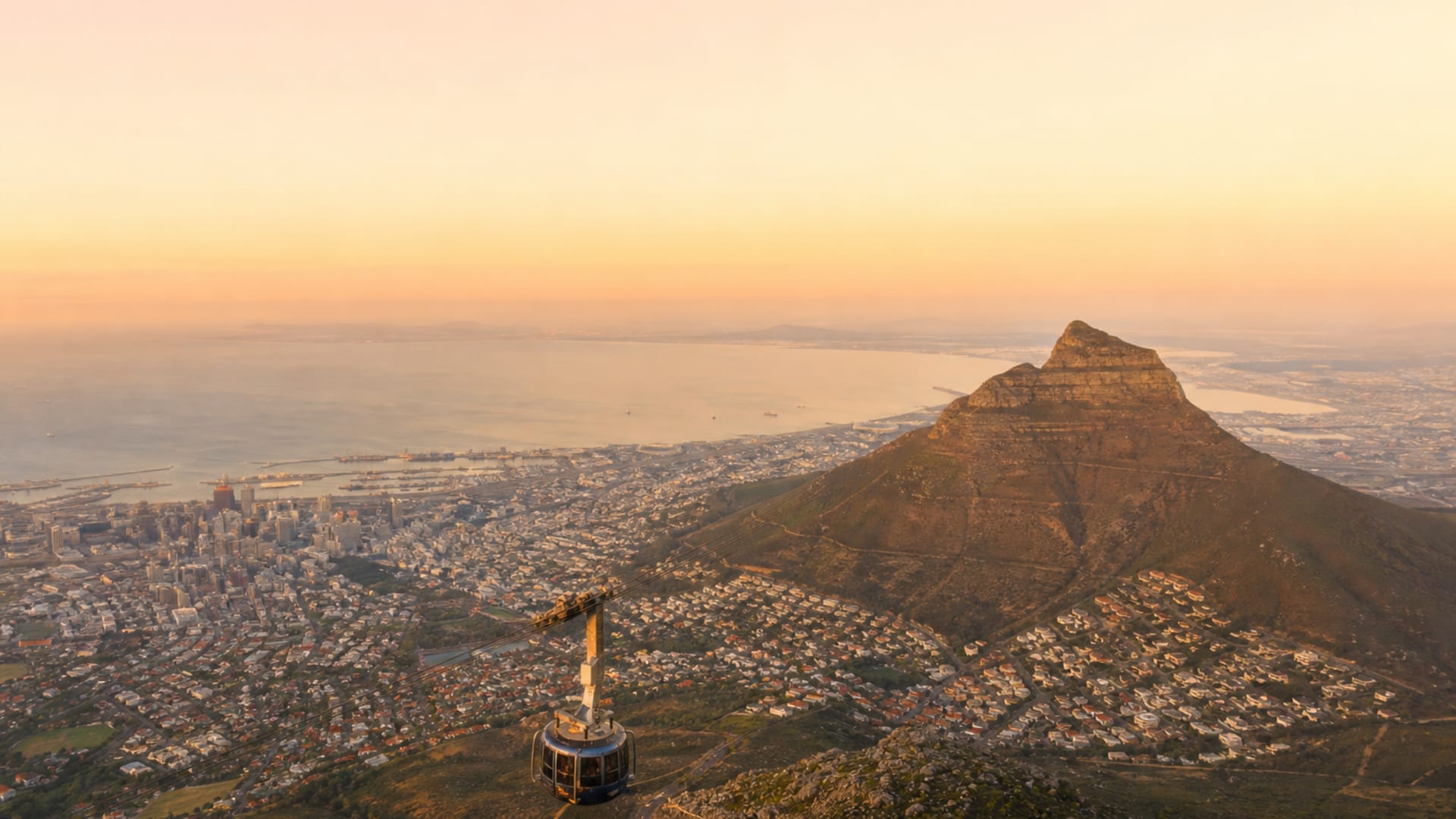
Table Mountain Aerial Cableway
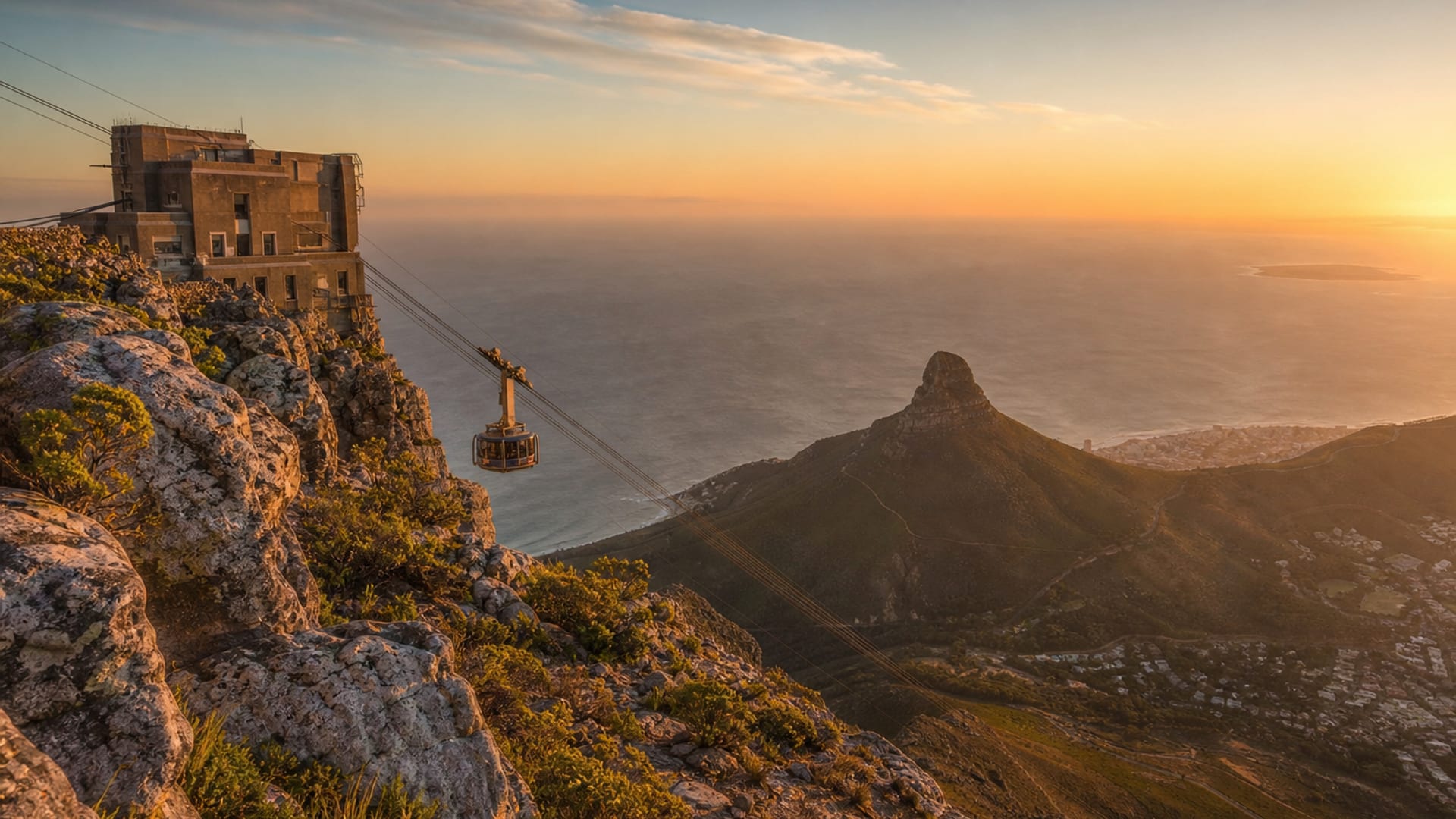
Ride the cable car to the plateau for wide views over Cape Town, Table Bay, and the Cape Peninsula. The summit has short walking paths, rock pools after rain, and clear sightlines on dry, windy days.
Time needed: About 2 to 3 hours
Entry: Round-trip cableway tickets cost $25 to $40 (R470 to R760), with seasonal pricing, weather closures, and reduced rates for children and seniors Visit the official site for details.
Tip: Go early on clear days, because afternoon cloud can close in fast and limit views.
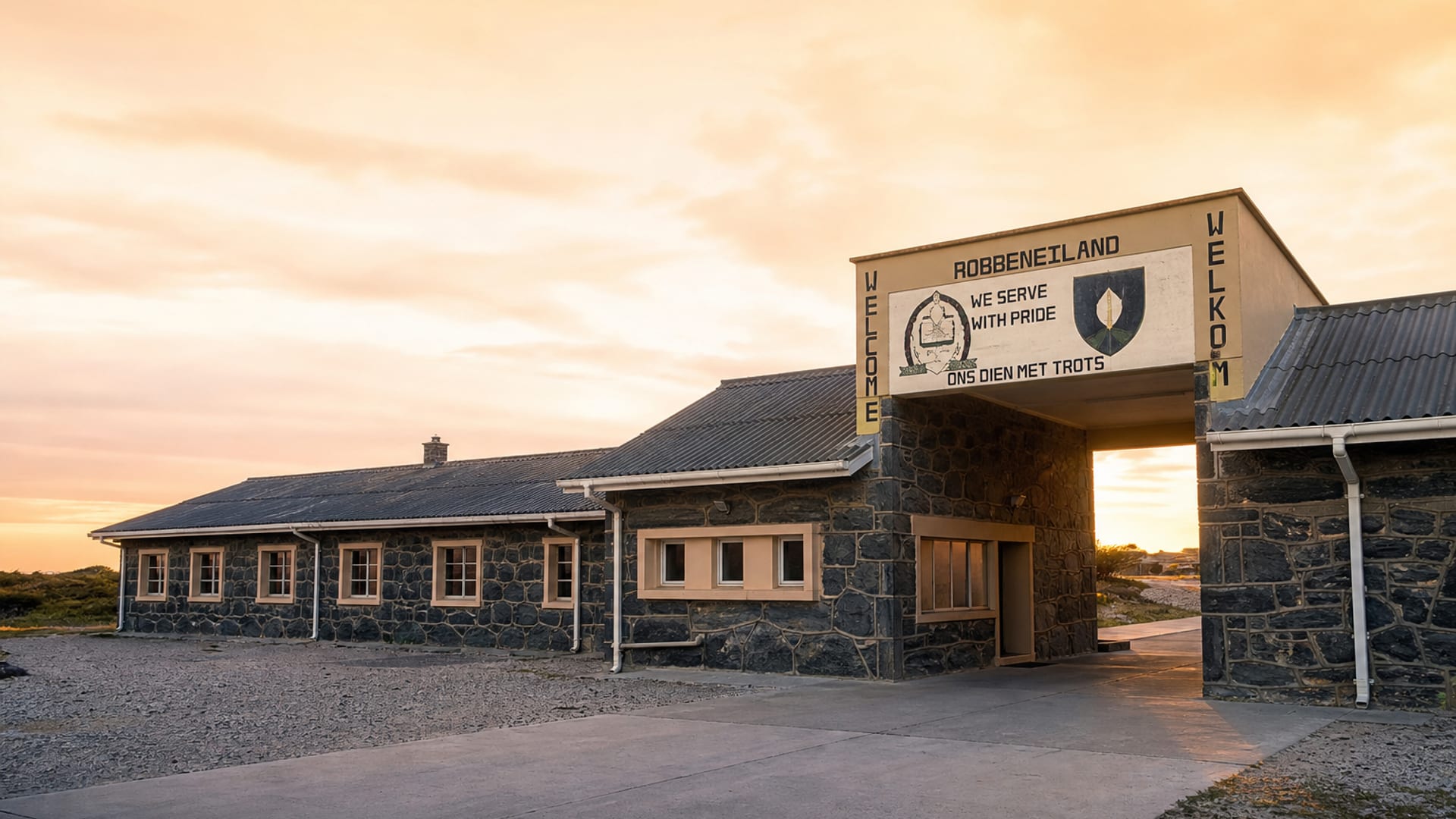
Robben Island Museum
Take the ferry to Robben Island, where guided tours trace the former prison, the limestone quarry, and Nelson Mandela’s cell. The site links Cape Town’s history to South Africa’s democratic transition.
Time needed: About 3 to 4 hours
Entry: Ferry and museum tickets cost $26 to $35 (R490 to R665), with set departure times, security screening, and route conditions that affect sailings Visit the official site for details.
Tip: Allow extra time for the harbor check-in, then expect windier conditions on the return ferry.
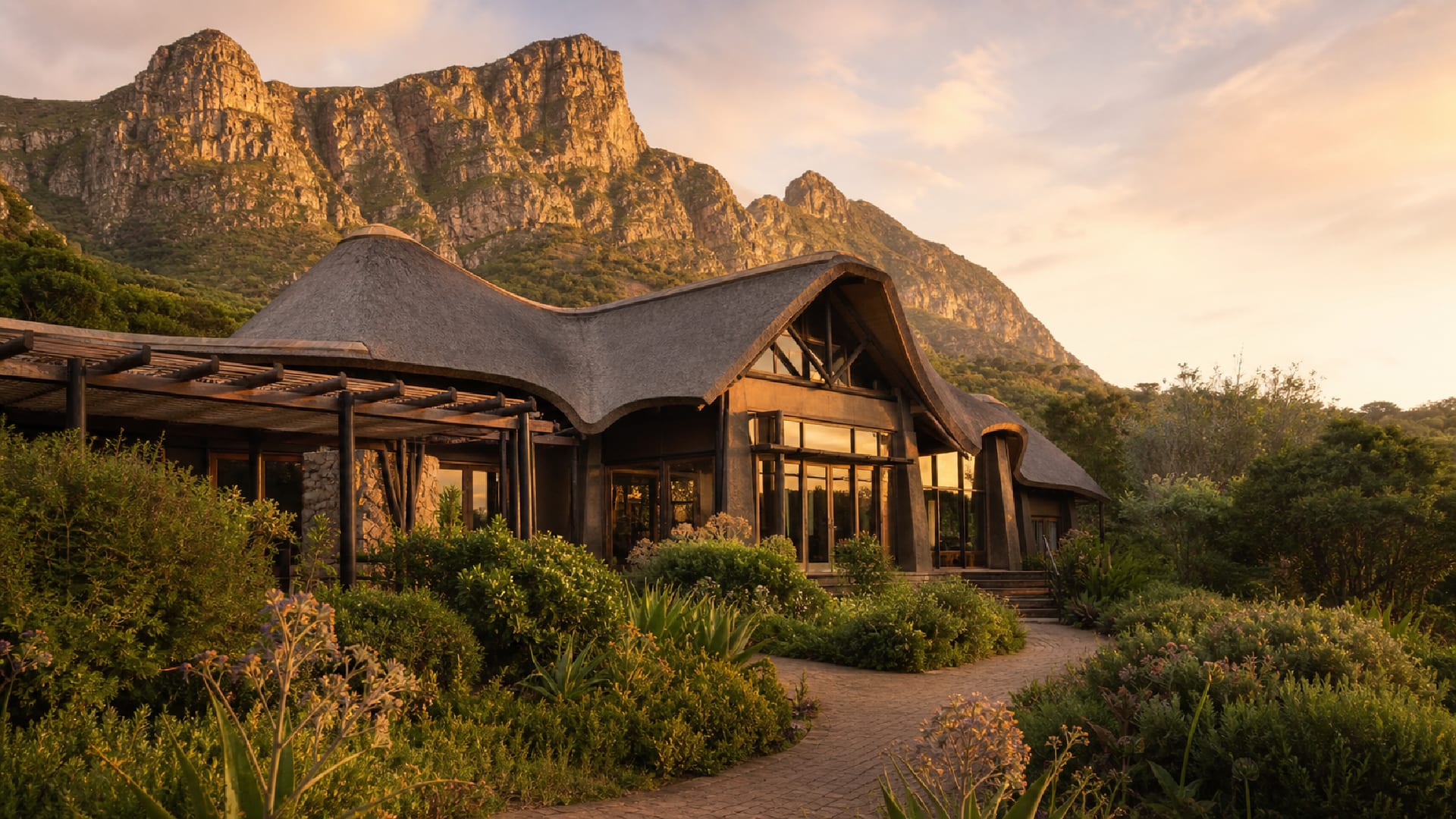
Kirstenbosch National Botanical Garden
Set on the eastern slopes of Table Mountain, Kirstenbosch showcases South Africa’s native plants, shaded lawns, and marked mountain trails. The boomslang canopy walkway gives a raised view over the garden and slopes.
Time needed: About 2 to 3 hours
Entry: Admission costs $7 to $10 (R140 to R190), with higher rates for peak summer days and lower rates for children and South African residents Visit the official site for details.
Tip: Arrive near opening for cooler paths and easier parking before midday heat builds.
Overlooked sites worth visiting

Kirstenbosch National Botanical Garden
Set on Table Mountain’s eastern slopes, Kirstenbosch pairs marked trails with shaded lawns, a treetop walkway, and long views across the city. The garden suits a slow morning or late-afternoon visit.
Time needed: About 2 to 3 hours
Entry: Adult admission is roughly $9 to $15 (about R180 to R290), with lower rates for South African residents and children. Seasonal concerts, special walks, and some exhibitions may cost extra Visit the official site for details.
Tip: Go early for cooler paths and clearer mountain views.

Bo-Kaap Museum
This compact museum occupies an 18th-century house in the Bo-Kaap and explains Muslim family life, abolition-era history, and the neighborhood’s layered Cape Dutch and Cape Malay heritage.
Time needed: About 45 minutes to 1 hour
Entry: Admission usually costs about $2 to $4 (roughly R40 to R80) for adults, with reduced rates for children and students. Check the museum’s current hours before visiting, since opening times can shift on public holidays Visit the official site for details.
Tip: Pair it with a short walk on Wale Street for the best street photos.
Traditional food
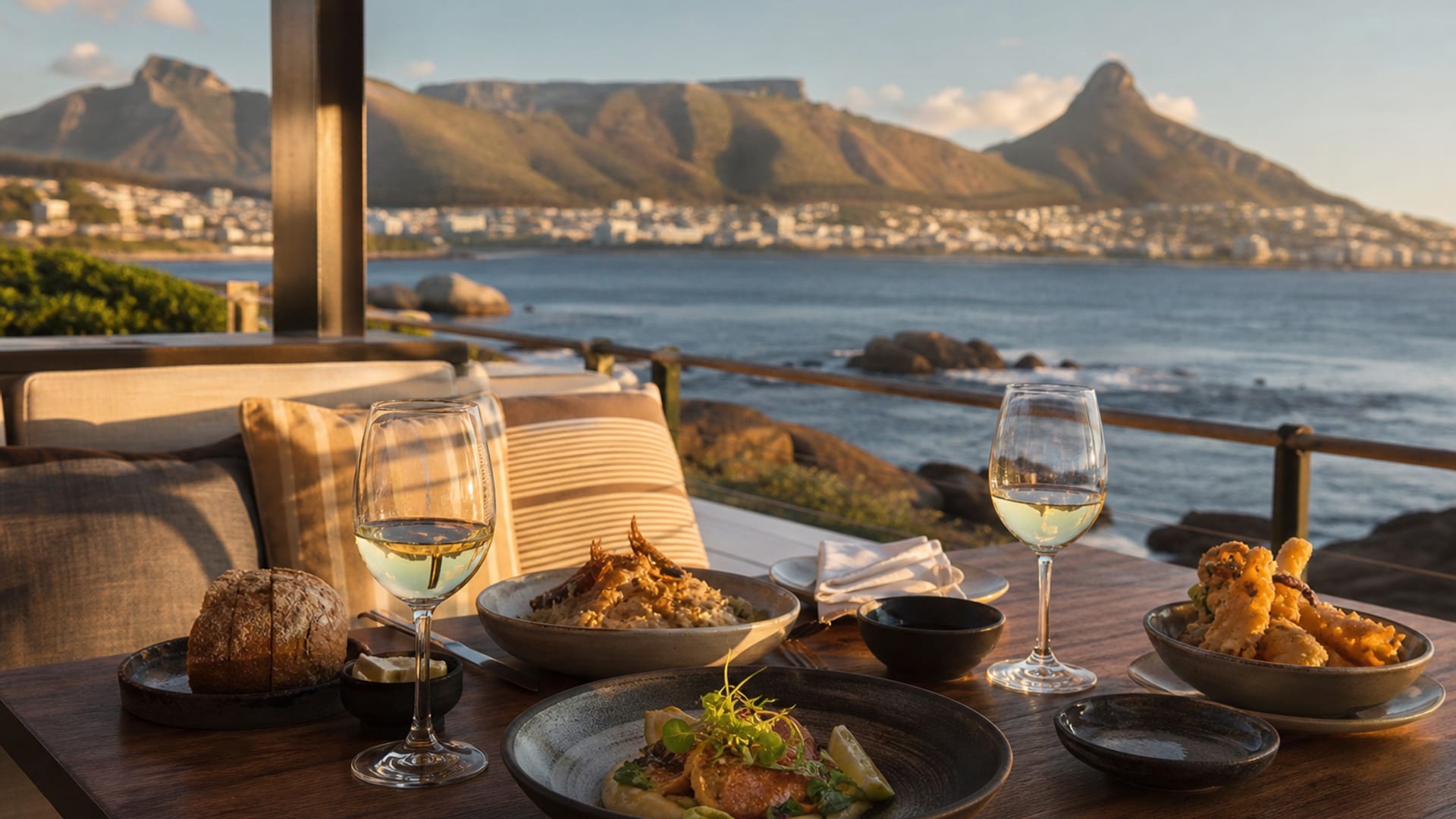
Cape Town’s cooking blends Cape Malay spice, braai smoke, and harbor-side seafood. Bobotie, curry, boerewors, and vetkoek show up in both casual cafes and polished dining rooms, often paired with chutney, samosas, and generous lunch plates.
Bobotie
This baked spiced mince dish, often topped with a savory custard, is one of Cape Town’s signature comfort foods. Biesmiellah in the Bo-Kaap is a canonical stop for a classic version with deep Cape Malay flavor.
Cape Malay curry
Fragrant, mild-to-medium curries built on turmeric, coriander, and warm spice anchor many local tables. The Foodbarn in Noordhoek serves a refined take that keeps the Cape Malay profile clear.
Boerewors
This coiled South African sausage usually arrives from the braai with pap, relish, or mustard. For a city-center version, visit Gold Restaurant in the city bowl, where braai dishes appear in a broader South African menu.
Vetkoek
Vetkoek, a fried dough bun often filled with mince or jam, makes an easy snack or lunch. Bo-Kaap Kombuis is a strong choice for a fresh, home-style version with neighborhood views.
Best time to visit Cape Town
Cape Town has a strong year-round travel season, but summer brings clearer beach weather and winter often gives softer prices, greener slopes, and more cloud around the mountain.
Best for: Beach time, long daylight, and waterfront dinners
What you get: About 66 to 82°F (19 to 28°C), with the biggest crowds on the seafront and at major sights
Trade-offs: Table Mountain can close for wind or cloud more often
Best for: Clearer sightseeing days and easier pacing
What you get: About 57 to 77°F (14 to 25°C), with moderate crowds and comfortable walking weather
Trade-offs: Water temperatures start to cool
Best for: Lower hotel demand and dramatic mountain light
What you get: About 48 to 66°F (9 to 19°C), with lighter crowds and more indoor flexibility
Trade-offs: Rain and cloud can interrupt mountain and garden plans
Best for: Garden visits, mild afternoons, and shoulder-season value
What you get: About 54 to 75°F (12 to 24°C), with moderate crowds and longer daylight
Trade-offs: Wind can still affect cableway and coastal plans
A realistic 5-day plan in Cape Town
Five days gives Cape Town enough room to separate the mountain, the island, the gardens, and the waterfront instead of stacking them into one crowded circuit. The order below follows the city’s fixed ferry times, clear-weather mornings, and the easiest cross-town moves.
Land at Cape Town (CPT) and head into the city by registered taxi, rideshare, or prebooked transfer, which usually takes about 20 to 30 minutes to the City Bowl and costs roughly $12 to $25 (about R220 to R470), depending on traffic and pickup point. If you are staying in the City Bowl or Gardens, settle in, drink plenty of water, and keep dinner close to your hotel, with a simple meal on Kloof Street or in the Company’s Garden area before an early night.
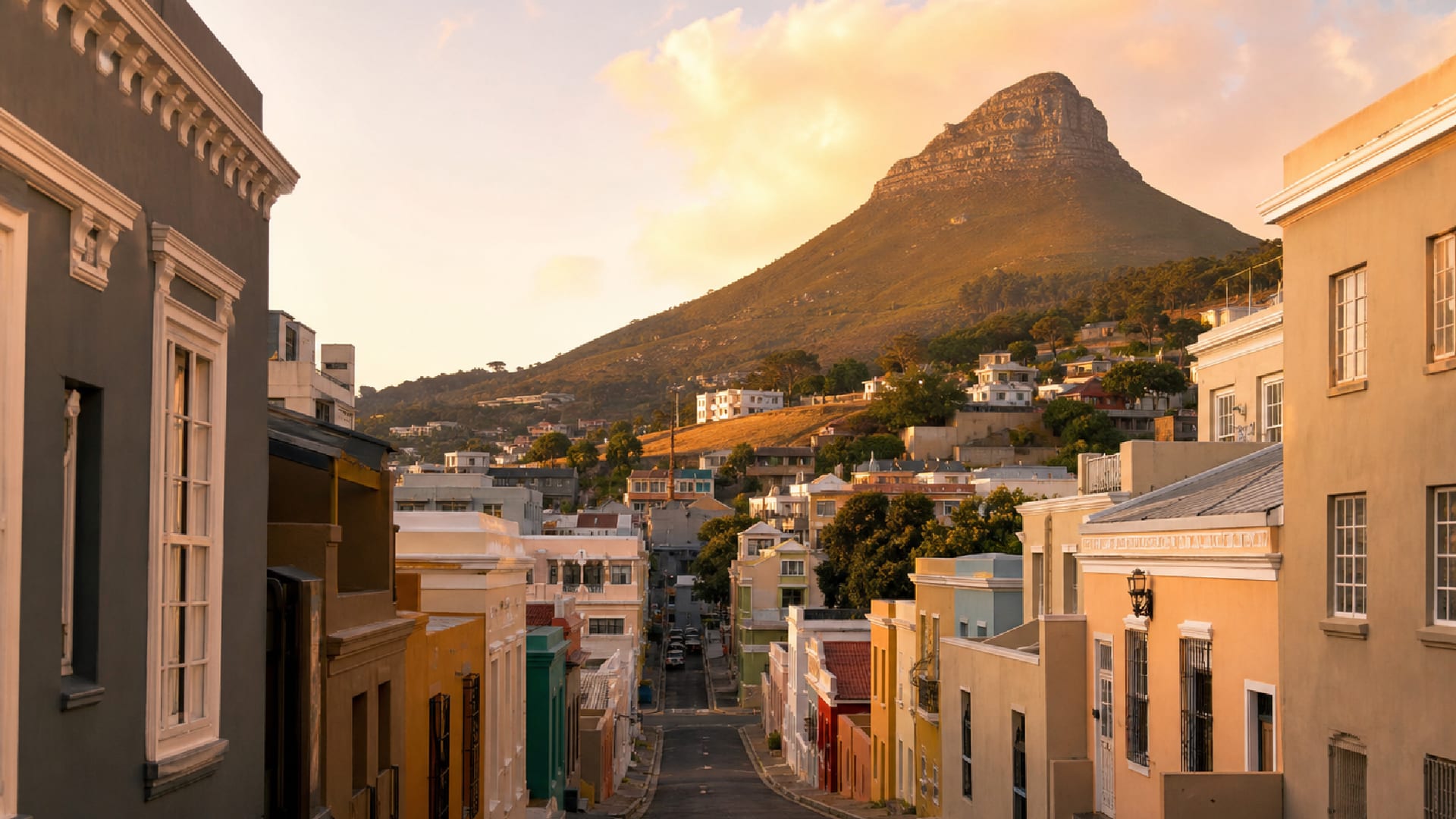
Start with Table Mountain Aerial Cableway, ideally in the morning, when the summit is clearer and the ride from the City Bowl takes about 15 to 25 minutes by car. Plan on about 2 to 3 hours for the cableway and summit paths, then return to the city and walk or drive about 10 minutes to the Bo-Kaap Museum for a short visit of roughly 45 minutes to 1 hour. From there, continue about 10 minutes on foot into the City Bowl for a late lunch or coffee near Long Street or the Company’s Garden, where the afternoon works well for an easy city stroll.
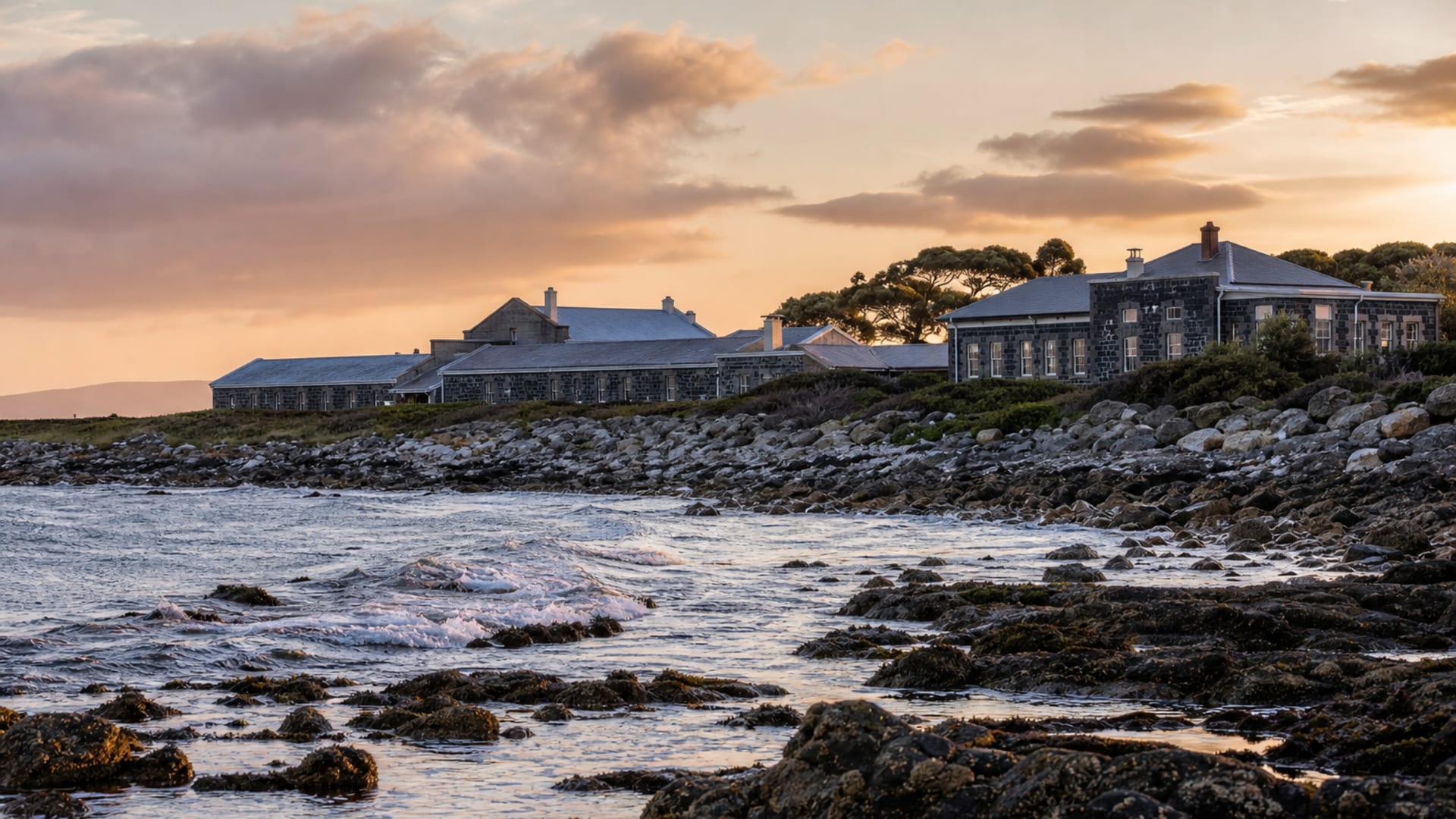
Begin at Robben Island Museum, since the ferry schedule sets the pace and the harbor check-in adds time, so leave enough room for the round trip and the 3 to 4 hour visit. After you return, ride about 10 to 15 minutes by car to the V and A Waterfront for lunch and a slow walk through the harbor district, then finish the afternoon back inland with an early evening in Sea Point, about 10 to 15 minutes away by car, for a promenade walk and an uncomplicated seaside dinner.
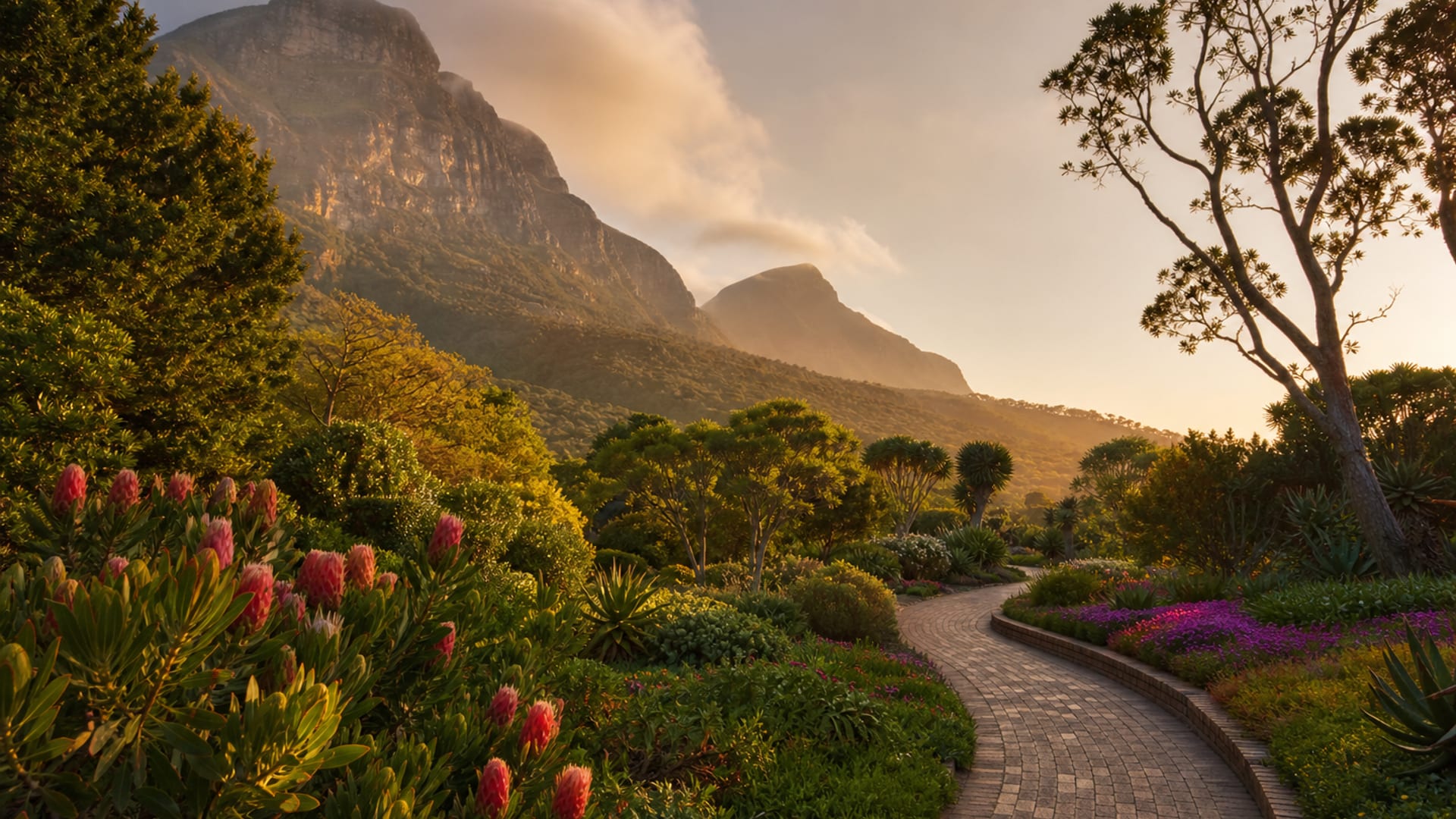
Kirstenbosch National Botanical Garden works best as the morning start, and from the City Bowl or Gardens it usually takes about 20 to 30 minutes by car to reach the eastern slopes of Table Mountain. Spend about 2 to 3 hours on the shaded lawns, marked trails, and boomslang canopy walkway, then continue about 30 to 40 minutes back toward the city for a relaxed afternoon in Gardens or the lower City Bowl, where you can stop for coffee, browse a few galleries, or sit down for an early dinner near Kloof Street.
For your last day, begin with a short museum visit in the City Bowl, then spend the rest of the morning browsing the shops and design stores in the V and A Waterfront, about 10 to 15 minutes away by car from central neighborhoods. In the afternoon, settle into a cafe in Sea Point for one final coffee or light lunch, then pack and leave enough time for the ride back to Cape Town (CPT), which usually takes about 20 to 30 minutes from the center.
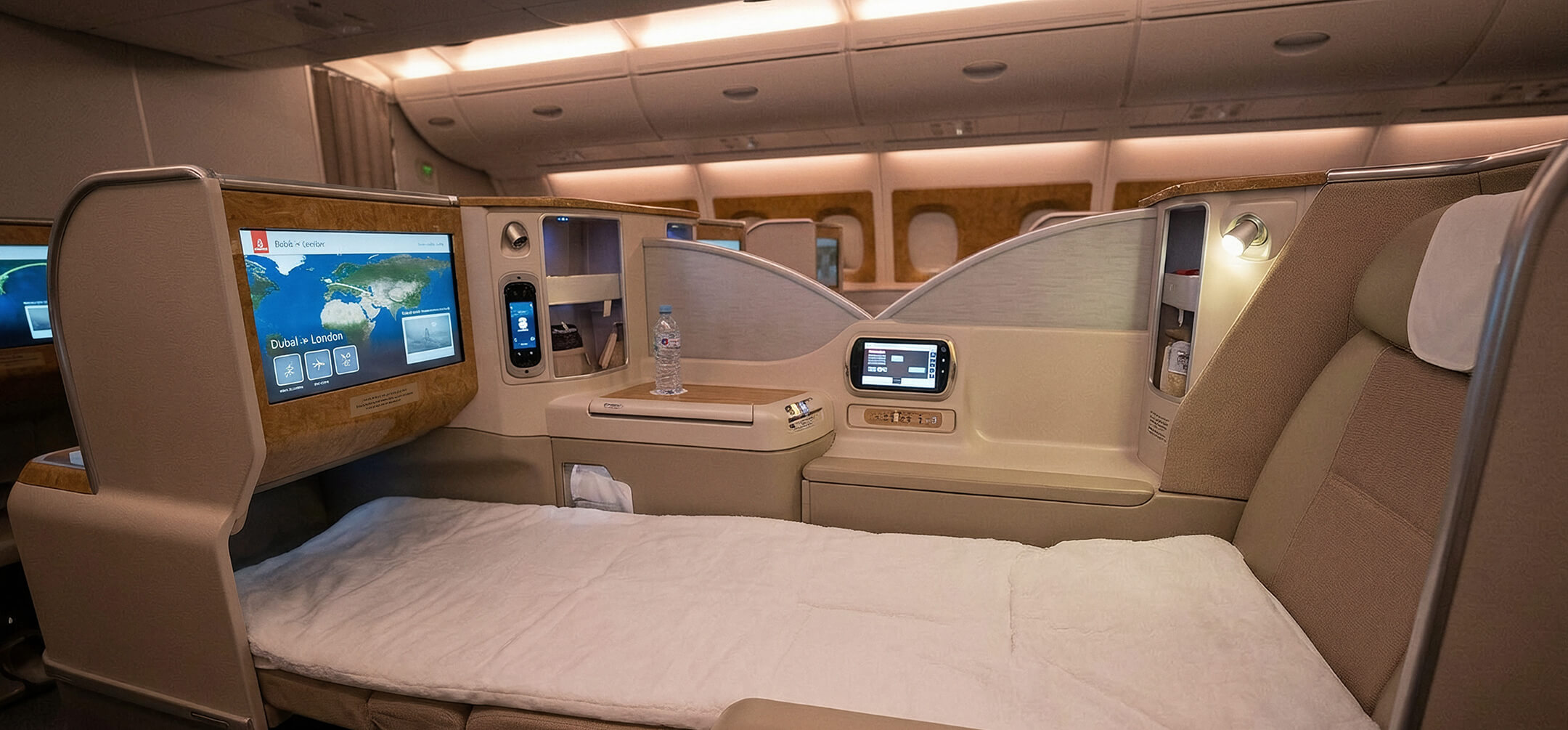
Business-class flights from the US to Cape Town
From New York or Los Angeles, the trip to Cape Town usually involves a long-haul one-stop pattern, with the best fare often shaped by the hub you pass through. The examples below show the common airline choices and timing bands travelers see most often.
Emirates, Qatar Airways, Turkish Airlines, Ethiopian Airlines, Lufthansa, and Air France all appear on this route, with the nonstop option usually landing at about 14 to 16 hours. If you fly with a connection, common hubs include DOH, DXB, IST, ADD, and CDG, and total travel time often stretches to about 19 to 26 hours. Round-trip fares from New York generally start around $6,500 and can reach $11,500, with the nonstop usually near the top of that range.
From Los Angeles, Qatar Airways, Emirates, Turkish Airlines, Lufthansa, British Airways, and Ethiopian Airlines are common choices, and nonstop flying usually takes about 19 to 21 hours. If you do not mind a connection, routings via DOH, DXB, IST, ADD, or LHR often bring the total to about 24 to 33 hours and can lower the fare. Round-trip prices often start at $6,200 and can reach $10,800.
Cape Town feels different when you slow down
A well-paced Cape Town trip usually means one mountain morning, one harbor day, one garden break, and enough time to stay in the City Bowl, Gardens, or Sea Point without zigzagging across town. MyCiTi, rideshares, and a few well-timed walks do the rest. If you want help matching flights, neighborhoods, and the right season for Table Mountain, the AranGrant experts can build the route around the way Cape Town actually moves