

Chapters:

Need help with your trip?
Our support team is available 24/7. Request a callback or call us directly at (833) 619-0908
Ciudad Juárez usually rewards travelers who keep the plan tight: arrive near the border districts, visit the core sights, and avoid stretching across town for every meal. What many first-timers miss is how much the city changes from the museum zone to the shopping corridors.
Those gaps matter because traffic, long blocks, and limited late transit can turn a short hop into a slower errand. Centro, Zona Pronaf, and the western retail areas each solve a different problem, so choosing one base and grouping stops saves time.
This guide organizes the city by neighborhood, then builds in food, transit, and flight details that match the actual pace of a stay here.
Useful things to know

Main language(s): Spanish
Hola (OH-lah) – Hello
Por favor (por fah-VOR) – Please
Gracias (GRAH-see-ahs) – Thank you
¿Habla inglés? (AH-blah een-GLAYS) – Do you speak English?
¿Cuánto cuesta? (KWAN-toh KWES-tah) – How much does it cost?

Currency: The local currency is the Mexican peso (MXN, $).

Cash and cards: Cards and contactless are accepted in many hotels, malls, and larger restaurants; carry about MXN 500 to 1,000 ($30 to $60) in cash.

Tipping: Round up small bills; leave 10% in restaurants when service is good.

Traditional food: Carne asada, burritos de machaca, menudo, quesadillas de flor de calabaza

Water and coffee costs: Water about MXN 20 to 35 ($1 to $2), bar espresso about MXN 35 to 60 ($2 to $4).

Taxis and ride apps: Uber and DiDi operate here; confirm the plate and driver before you board.

Plug and voltage: Type A/B socket, 127V

Dining and shop opening hours: Breakfast is about 07:00-10:00, lunch 14:00-16:00, and dinner 20:00-23:00. Many restaurants close between lunch and dinner.

Emergency number: 911 for police, fire, and medical emergencies.
Where to stay in Ciudad Juárez
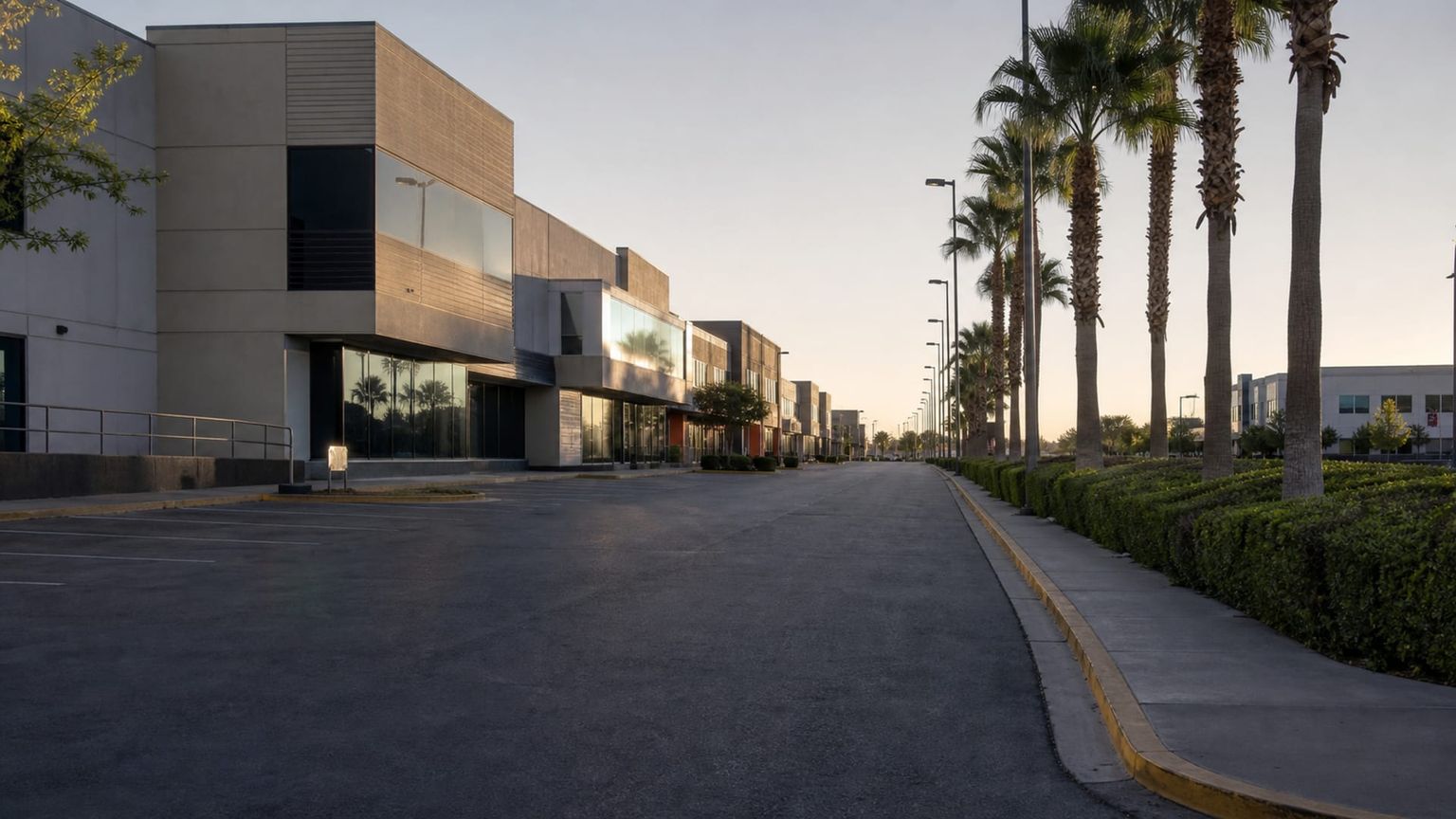
Ciudad Juárez’s most visitor-facing district, Zona Pronaf clusters hotels, restaurants, and offices near the U.S. border crossing area. It puts you close to the museums, business addresses, and major roads most travelers use.
Best for: Business trips, first stays, and travelers who want the easiest access to museums and border crossings
What to expect: Broad avenues, hotel traffic, and steady daytime activity, with a quieter feel after offices close
Hotel prices: Usually about $70 to $140 per night for well-rated stays
Distance to major sights: About 5 to 10 minutes by car to Museo de la Revolución en la Frontera and the border zone
Quietness: Active in the day, calmer in the evening once business traffic thins
Main trade-off: Rates run higher than in outer districts, and the area can feel spare after dinner
Good to know: If you need taxis often, this area reduces cross-town rides, but you will still want to plan dinners, since late-night options are limited.
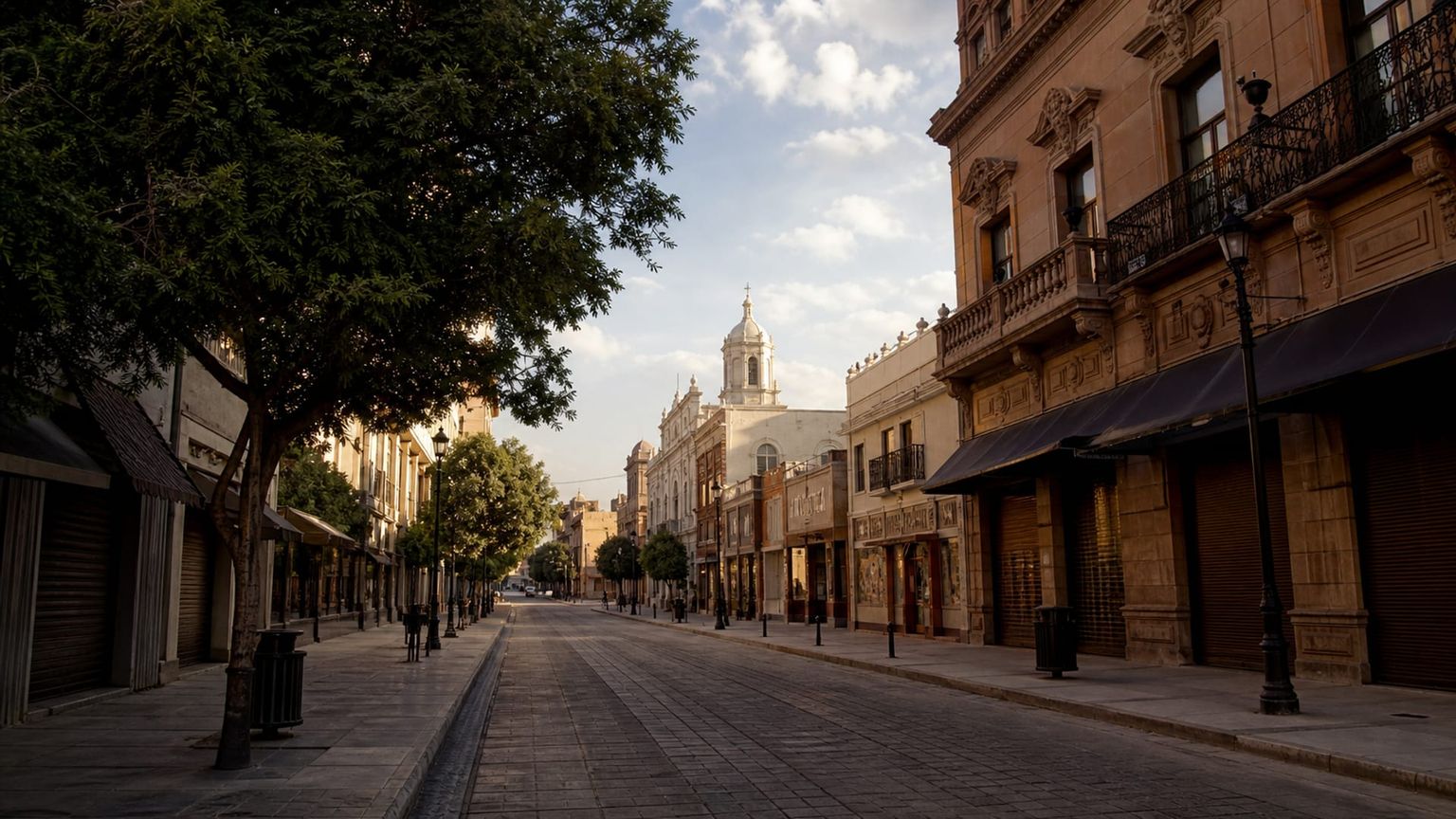
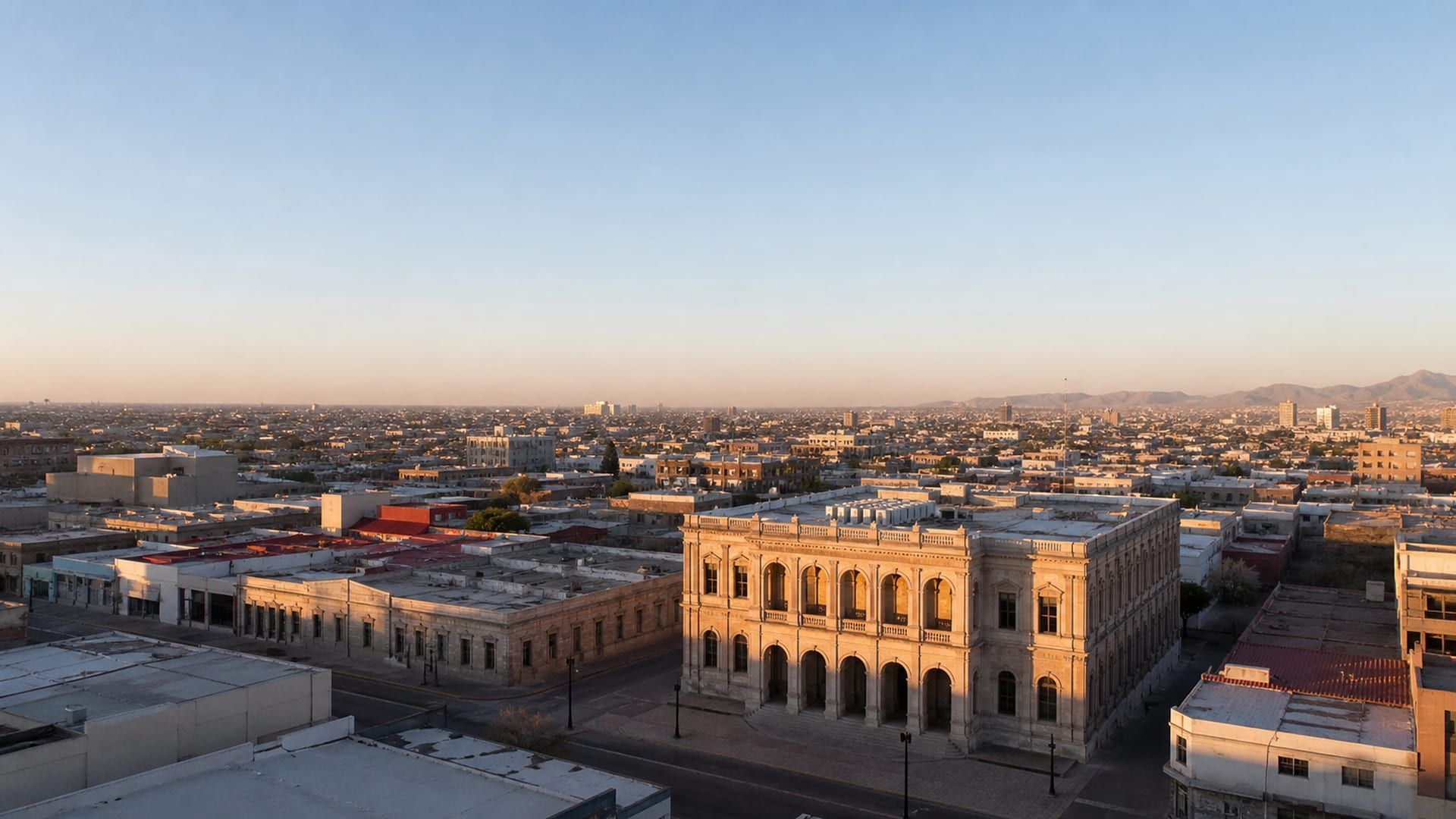
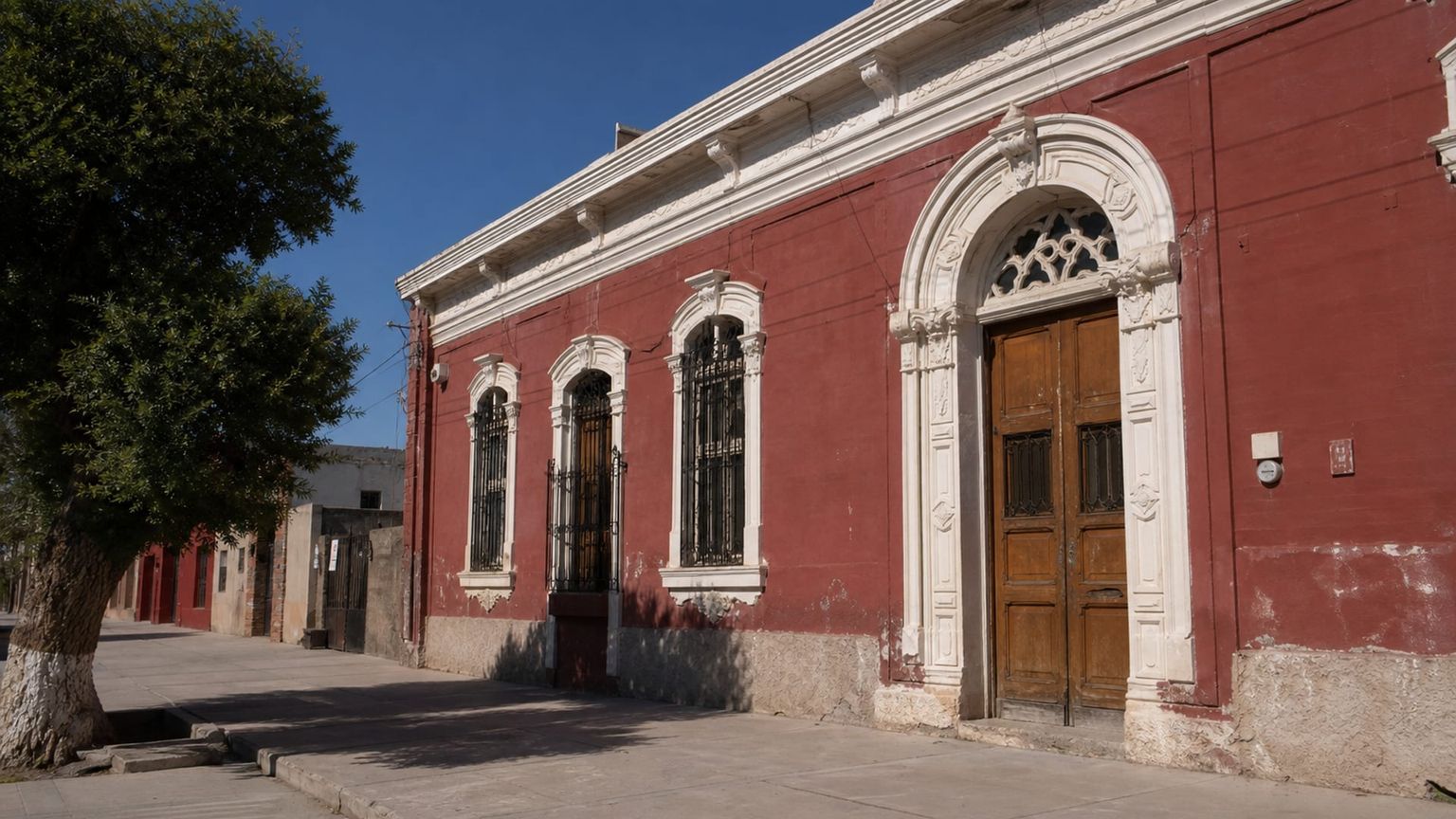
Centro is the historic core, with civic buildings, shops, markets, and easy access to older streets that still shape daily life in Ciudad Juárez. It works well for travelers who want to move between landmarks on foot and keep transit simple.
Best for: Sightseeing, local character, and travelers who prefer walking to nearby landmarks
What to expect: Busy sidewalks, traffic, storefronts, and the most varied street activity in the city
Hotel prices: Usually about $45 to $100 per night for well-rated stays
Distance to major sights: About 10 to 15 minutes on foot to Plaza de Armas and about 10 minutes by car to the Paso del Norte bridge area
Quietness: Loud and busy by day, then noticeably calmer late at night
Main trade-off: You gain central access, but some blocks feel worn and less inviting after dark
Good to know: Street parking can be difficult, so choose a hotel with its own lot if you plan to rent a car.
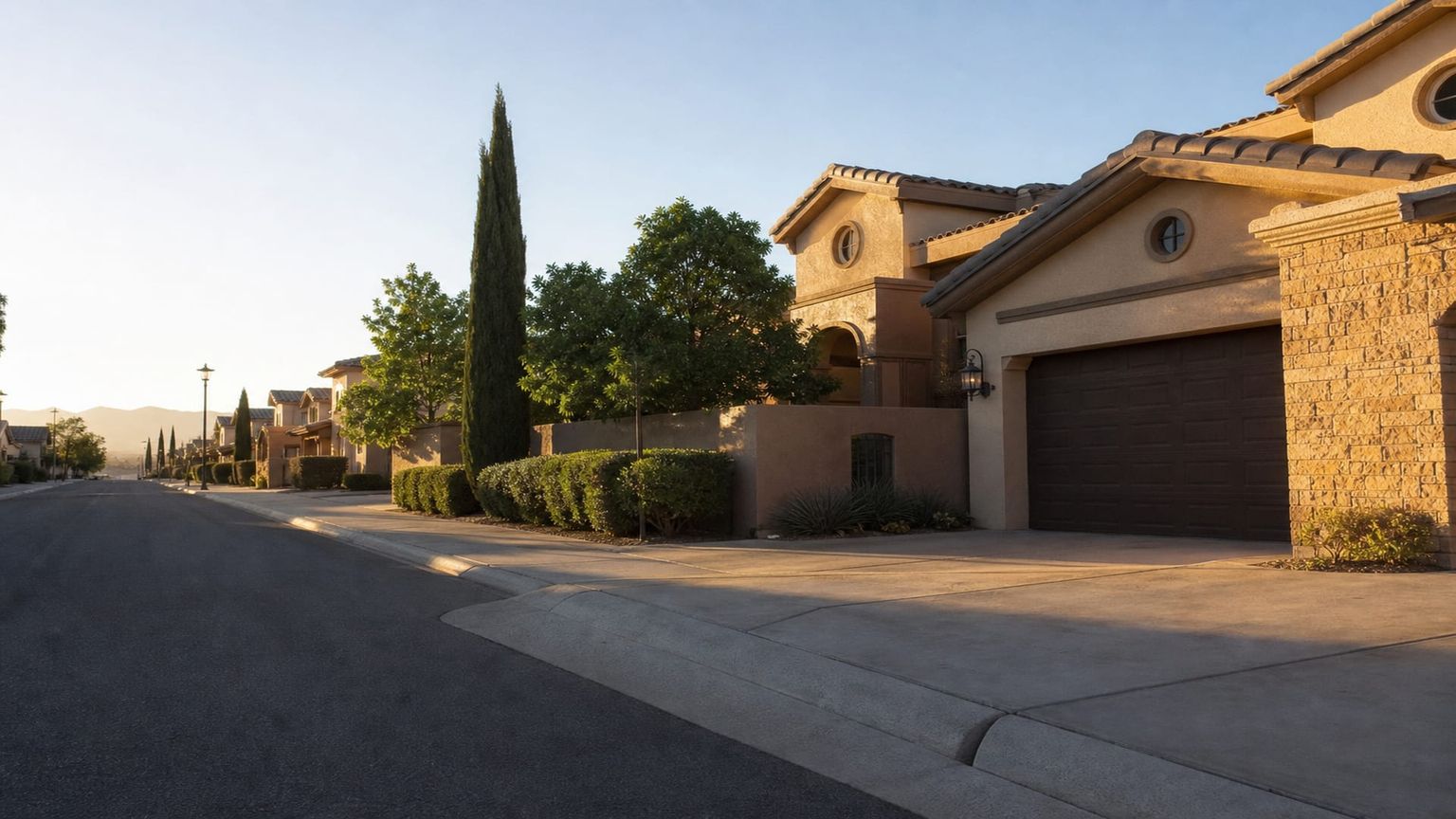
Misiones sits near major commercial corridors in western Ciudad Juárez, with shopping centers, chain hotels, and easy road links across the city. It suits visitors who want newer properties and simple access to retail and dining without staying in the densest center.
Best for: Shopping, business travel, and visitors who prefer newer hotel stock
What to expect: Wide roads, car traffic, and mall activity, with more movement in commercial hours than late at night
Hotel prices: Usually about $60 to $120 per night for well-rated stays
Distance to major sights: About 15 to 20 minutes by car to Centro and roughly 20 minutes to the border crossings
Quietness: Busy by day, quieter at night outside the main shopping strips
Main trade-off: You will rely on cars or taxis more, and you are farther from the historic core
Good to know: Pick this area if you want easier parking and modern rooms, but expect longer rides for museum visits and border errands.
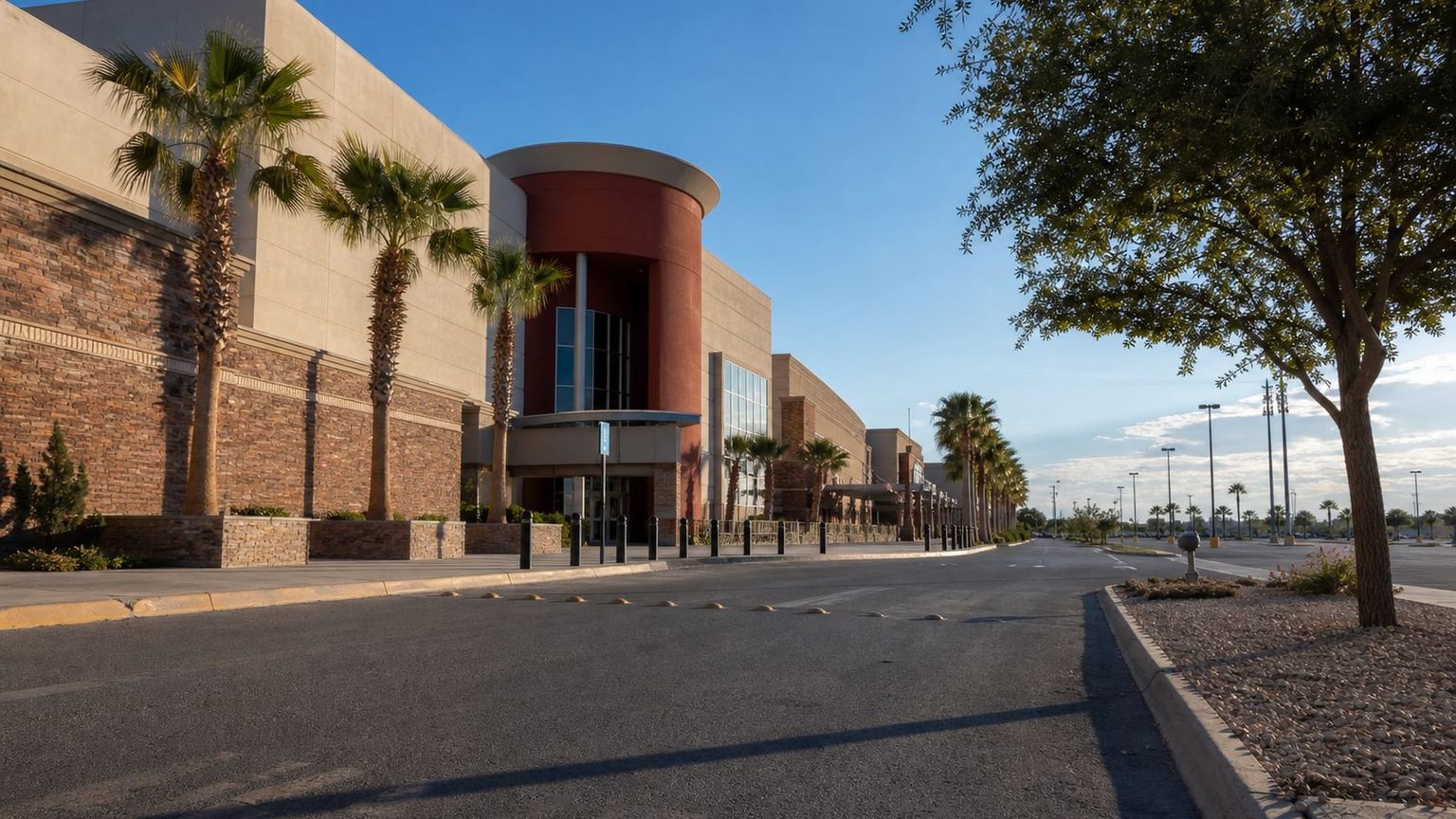
The Las Misiones area centers on one of the city’s best-known shopping and hotel corridors, with malls, restaurants, and business-oriented lodging. It gives travelers a modern base with predictable access to food, shopping, and major east-west roads.
Best for: Shopping, short business stays, and travelers who want restaurants nearby
What to expect: Commercial traffic, constant daytime movement, and fewer pedestrians once stores close
Hotel prices: Usually about $65 to $130 per night for well-rated stays
Distance to major sights: About 15 minutes by car to Centro and about 20 to 25 minutes to the Paso del Norte international bridge
Quietness: Active during shopping hours, then much quieter in the evening
Main trade-off: It is not the best choice for walkable sightseeing, and rides add up if you go out often
Good to know: Evening dining is easy here, but late-night wandering is limited, so plan on using rides after dinner.
Travelers usually avoid Anapra, San Isidro, and the far western edge of Las Torres, since these areas sit well away from the main visitor sights and have fewer hotel and dining options. The southern industrial corridors near the airport also feel less convenient for sightseeing, with long cross-town trips and limited evening transit options.
Hotel deals
How to get around Ciudad Juárez efficiently
Ciudad Juárez does not have a metro, so most visitors move by bus, taxi, rideshare, and short walks within the central districts.

Metro
for longer distances
Ciudad Juárez has no metro, so visitors rely on buses, shared taxis, and private cars for cross-city trips. For anything beyond the central districts, plan on road transport rather than rail.

Bus and tram
for convenience
Local buses cover much of Ciudad Juárez, though they are basic and routes can be hard to decode without asking locals or checking your hotel. Fares are usually about $0.50 to $1 per ride, paid in cash, and most trips in the core take roughly 15 to 30 minutes.

Taxi
for convenience or late hours
Licensed taxis in Ciudad Juárez use set fares more often than meters, and drivers may quote the price before departure. Short hops in the center often cost about $3 to $6, while an airport trip can run roughly $15 to $25; carry cash in USD or pesos, since card payments are uncommon.
*Prices are based on rates updated as of June 2026 and may change at the time of travel.
Use walking in Centro, taxis or Uber for cross-town hops, and the bus only when a simple route lines up with where you are headed.
Iconic landmarks
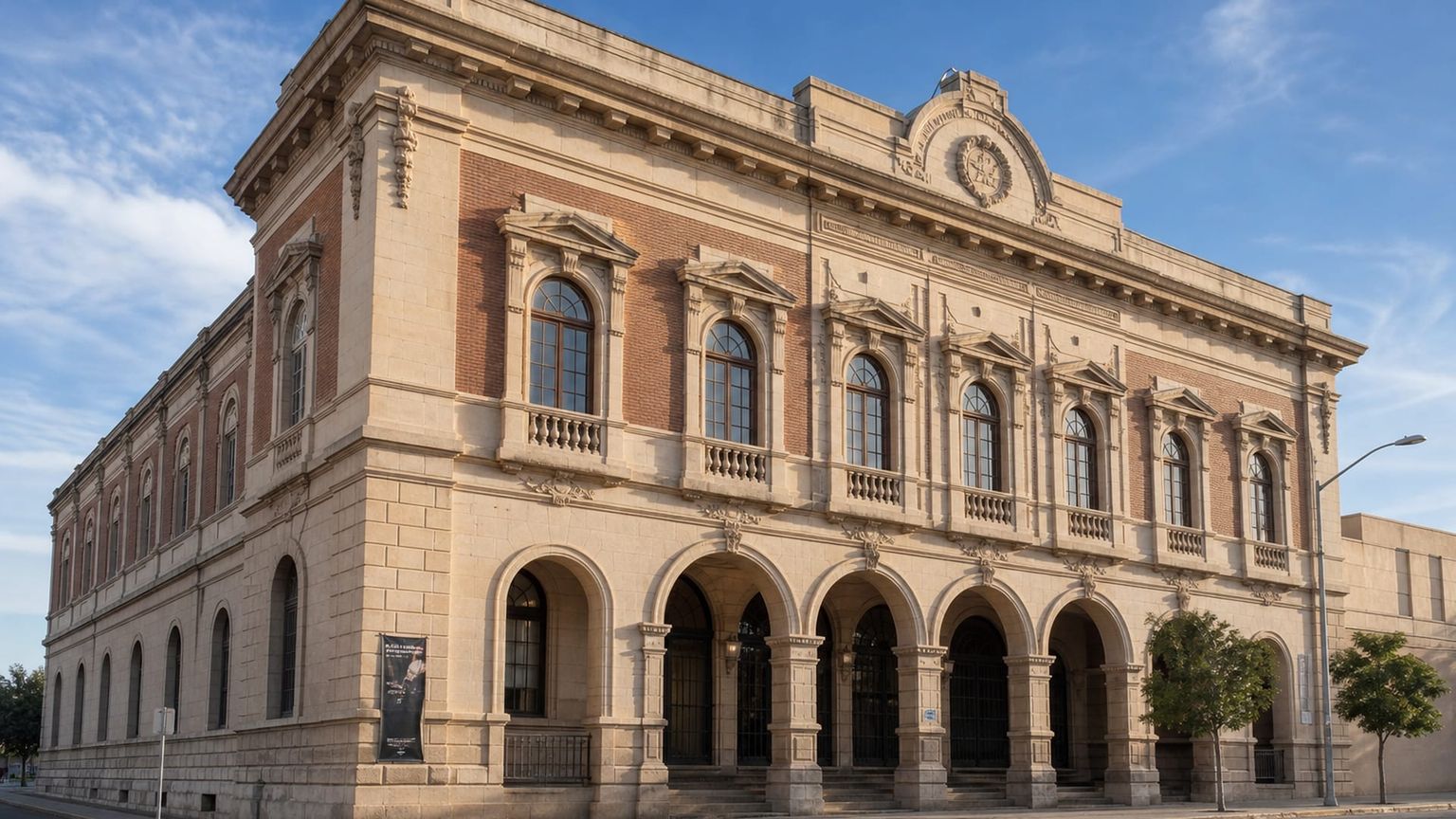
Museum of the Revolution on the Border (Museo de la Revolución en la Frontera)
Set inside the former customs house, this museum traces the border city’s role in the Mexican Revolution with photos, documents, and period rooms. The building itself is one of Ciudad Juárez’s most important historic landmarks.
Time needed: About 1 to 2 hours
Entry: Admission is free for the permanent galleries; special exhibits, if offered, may carry a separate charge at the door.
Tip: Go in the morning, when galleries are quieter and daylight helps for the exterior photos.
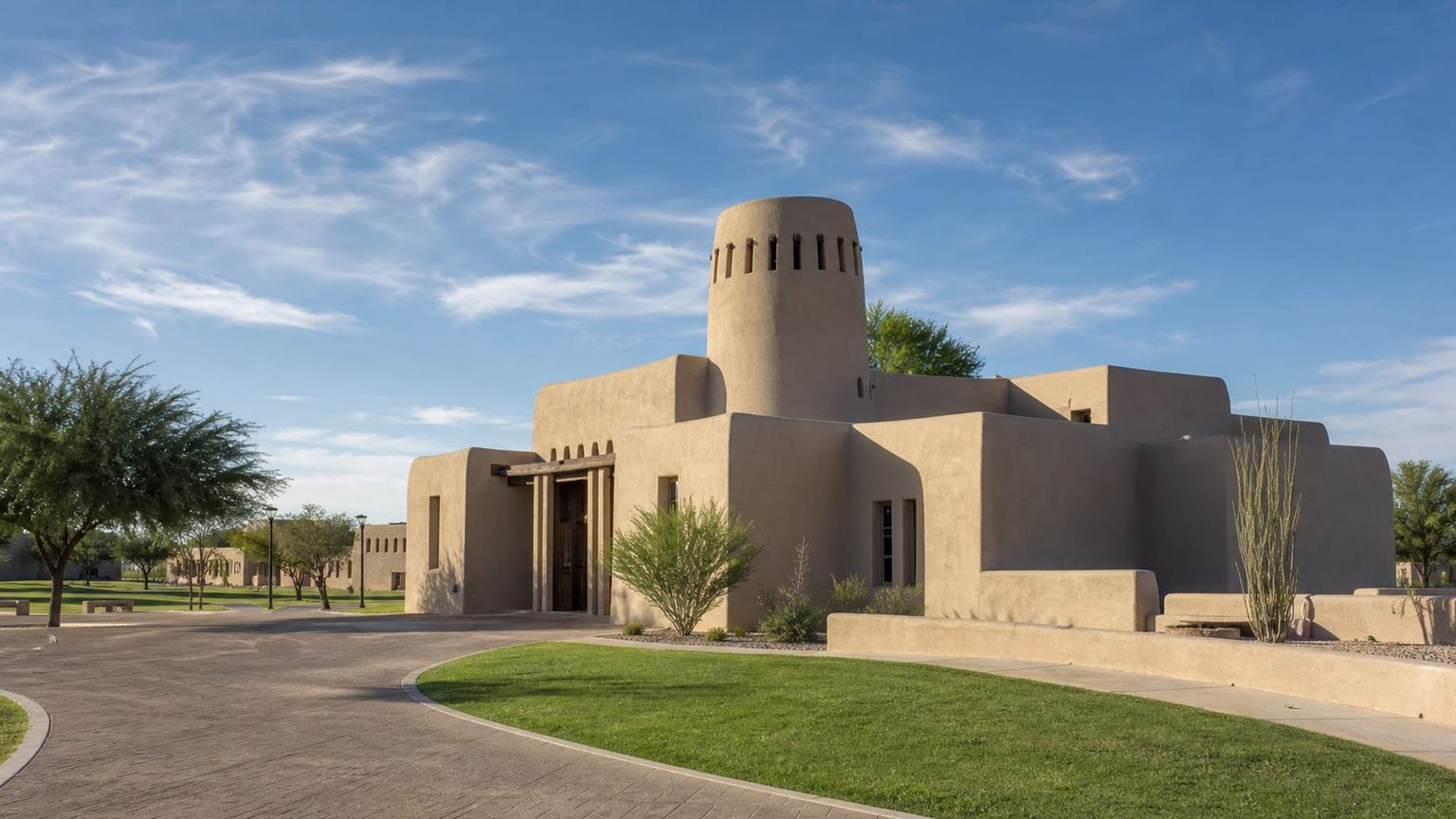
El Chamizal National Memorial
This binational memorial marks the land dispute resolved between Mexico and the United States. Visitors come for its open lawns, public art, and the border history tied to the 1960s treaty that shaped the park.
Time needed: About 1 to 2 hours
Entry: Free to access; parking or special event fees may apply on select days, but the memorial grounds do not charge admission. Visit the official site for details.
Tip: Visit in late afternoon for softer light and cooler walking conditions across the grounds.
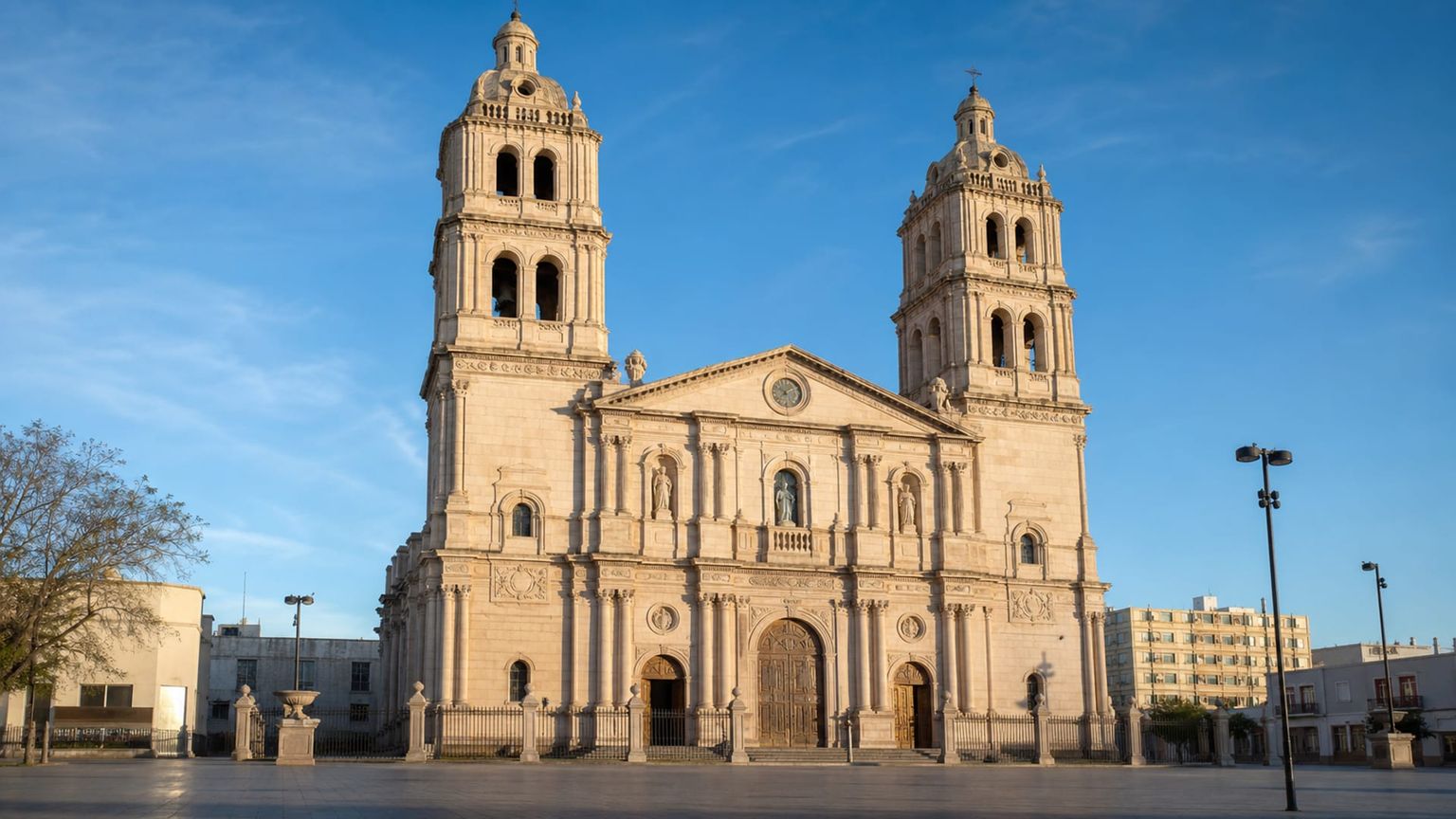
Juárez Cathedral
This downtown cathedral anchors the main square with its twin towers and long devotional history. Inside, visitors find a richly decorated altar, while the surrounding plaza gives a direct view of daily life in central Ciudad Juárez.
Time needed: About 30 to 45 minutes
Entry: Free to enter during regular opening hours; donations are welcome, and guided visits, when available, are paid separately.
Tip: Dress modestly and arrive before evening mass if you want time for photos inside.
Overlooked sites worth visiting

Museo de Arte de Ciudad Juárez
Compact museum with rotating exhibitions of Mexican painting, sculpture, and photography, plus a small sculpture garden. It sits in Parque Chamizal, so you can pair the galleries with a quiet walk.
Time needed: About 1 hour
Entry: Admission is usually free for general visits; special exhibitions or workshops may charge a separate fee. Check the museum schedule before you go, since opening hours and exhibition access can change without much notice.
Tip: Visit in the morning, then walk the adjacent park paths.

Parque Central Hermanos Escobar
This large urban park has two lakes, wide paths, and a small zoo area, making it one of the city’s slower places to spend an hour. Weekday mornings bring lighter foot traffic and better light.
Time needed: About 1 to 2 hours
Entry: Free to enter. Some activities inside the park, such as the zoo, pedal boats, or special events, may have separate charges, so carry small bills if you plan to use those extras.
Tip: Go near sunset for softer light on the lakes.
Traditional food
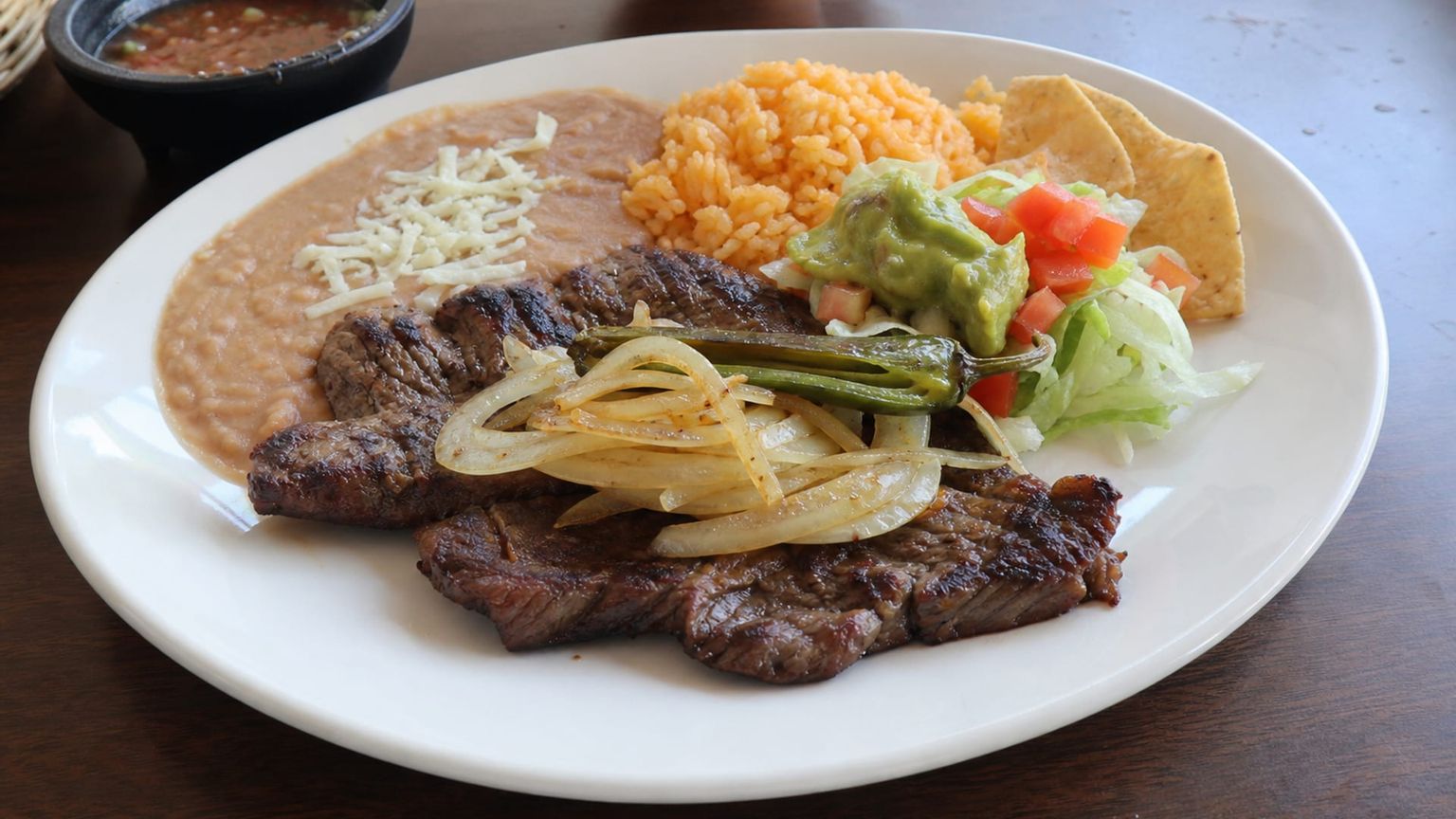
Ciudad Juárez cooking leans on grilled beef, flour tortillas, and brothy border dishes such as carne asada, burritos de machaca, and menudo, with many kitchens serving their busiest meals at lunch and dinner.
Carne asada
Juárez-style carne asada centers on well-seasoned grilled beef, warm tortillas, and simple sides. Cattleman’s Steakhouse at Indian Cliffs is a strong canonical stop if you want a classic grilling-focused meal in the area.
Burritos de machaca
These burritos usually pair shredded dried beef with eggs or chile, wrapped in a flour tortilla that suits the border region’s pace. Burritos La Fiesta in Ciudad Juárez is a dependable name for the style.
Menudo
Menudo is a weekend-style bowl of tripe broth with chile and garnishes that locals often treat as a late breakfast or lunch. Restaurant El Tragadero is a known Ciudad Juárez stop for this kind of homestyle cooking.
Quesadillas de flor de calabaza
These quesadillas use squash blossoms for a softer, vegetal filling that balances richer border dishes. Las delicias de la abuela is a fitting city stop for a version built on local comfort cooking.
Best time to visit Ciudad Juárez
Ciudad Juárez runs hottest in late spring and summer, while winter brings drier air and cooler evenings, so the best months depend on how much heat you want to handle on foot.
Best for: Good balance for museum days and park walks
What you get: About 55 to 90°F (13 to 32°C), with moderate crowds and rising midday heat by May
Trade-offs: Afternoons can feel hot and dry, especially on exposed sidewalks
Best for: Best for travelers who can handle heat and plan indoor breaks
What you get: About 75 to 100°F (24 to 38°C), with lighter museum crowds but more time spent indoors
Trade-offs: Afternoon heat can make long walks tiring
Best for: Comfortable weather for seeing Centro and El Chamizal
What you get: About 55 to 85°F (13 to 29°C), with manageable crowds and easier walking conditions
Trade-offs: September can still bring warm days
Best for: Clear days, lighter crowds, and easy sightseeing hours
What you get: About 35 to 65°F (2 to 18°C), with calmer streets and cooler evenings
Trade-offs: Nights can feel cold, so you will want a layer after sunset
A realistic 5-day plan in Ciudad Juárez
Five days in Ciudad Juárez works best when you alternate compact museum days with park time and one lighter shopping finish. The schedule below keeps Centro, El Chamizal, and the border districts grouped so you spend more time at each stop and less time crossing the city.
Land at Ciudad Juárez International Airport (CJS), then take a taxi or app-based ride into Zona Pronaf or Centro in about 20 to 30 minutes for roughly $12 to $20. If you are staying in Zona Pronaf, you will be close to the museums and border crossings; if you choose Centro, you can walk to the historic core more easily. After checking in, drink water, settle in, and keep dinner simple at a nearby hotel restaurant or an easy place along the main corridors in Zona Pronaf, since the area quiets down after office hours.
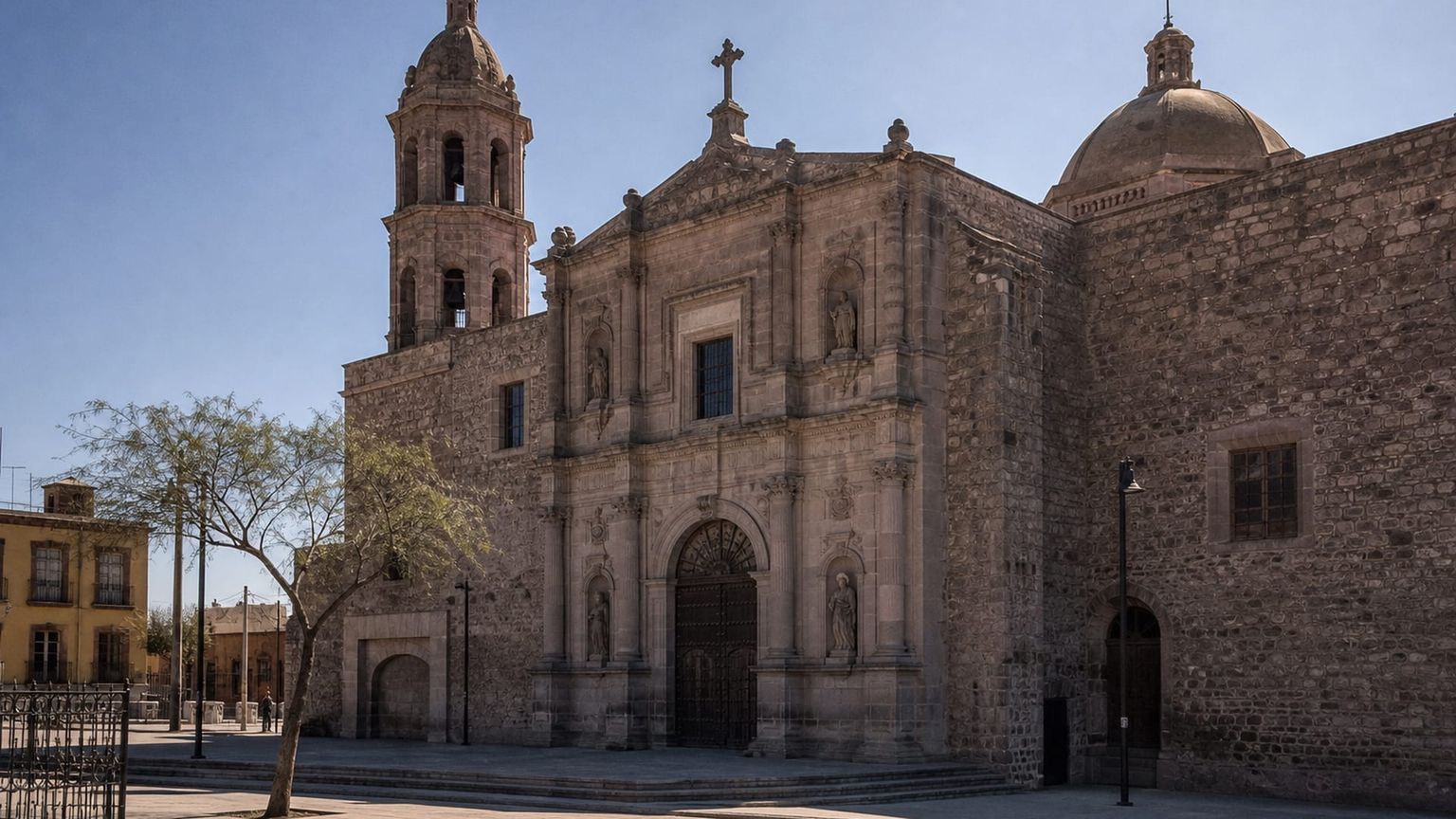
Start in Centro with Juárez Cathedral, then walk about 5 to 10 minutes to the Museum of the Revolution on the Border, where the old customs house gives the history context. Spend about 1 to 2 hours at the museum, then continue by taxi or a longer walk to El Chamizal National Memorial in about 10 to 15 minutes for open lawns and border history. If you still have energy, add Museo de Arte de Ciudad Juárez inside Parque Chamizal, which is roughly 5 minutes by car from the memorial and pairs well with an easy park walk.
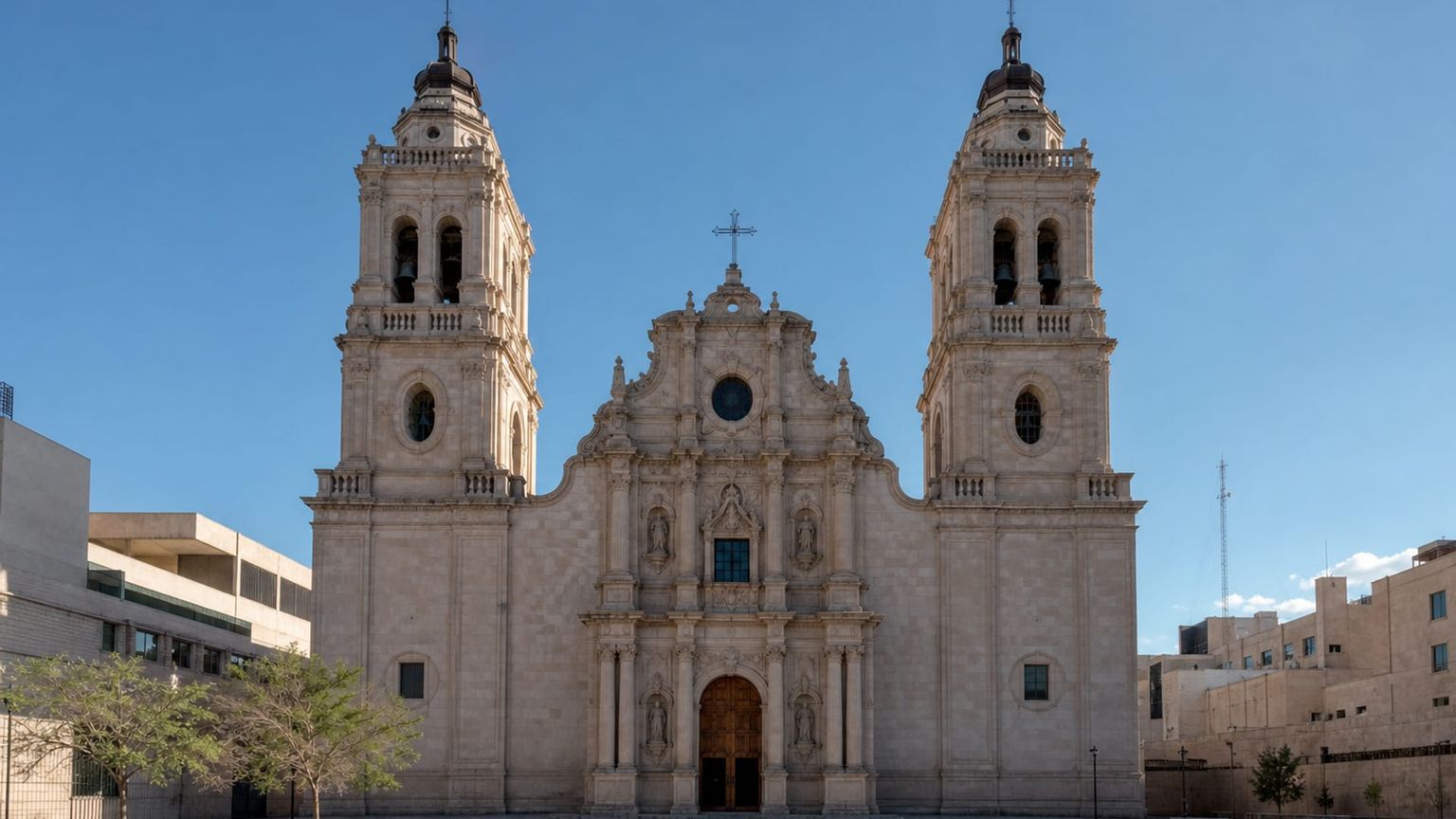
Begin in the El Chamizal area with Museo de Arte de Ciudad Juárez, then walk the adjacent park paths for a relaxed hour before lunch. From there, ride about 10 minutes to Parque Central Hermanos Escobar, where the lakes and broad paths make an easy afternoon stop. Stay for 1 to 2 hours, then finish with an early dinner in Zona Pronaf, about 10 minutes away by car, so you avoid a late cross-town ride after the parks close.
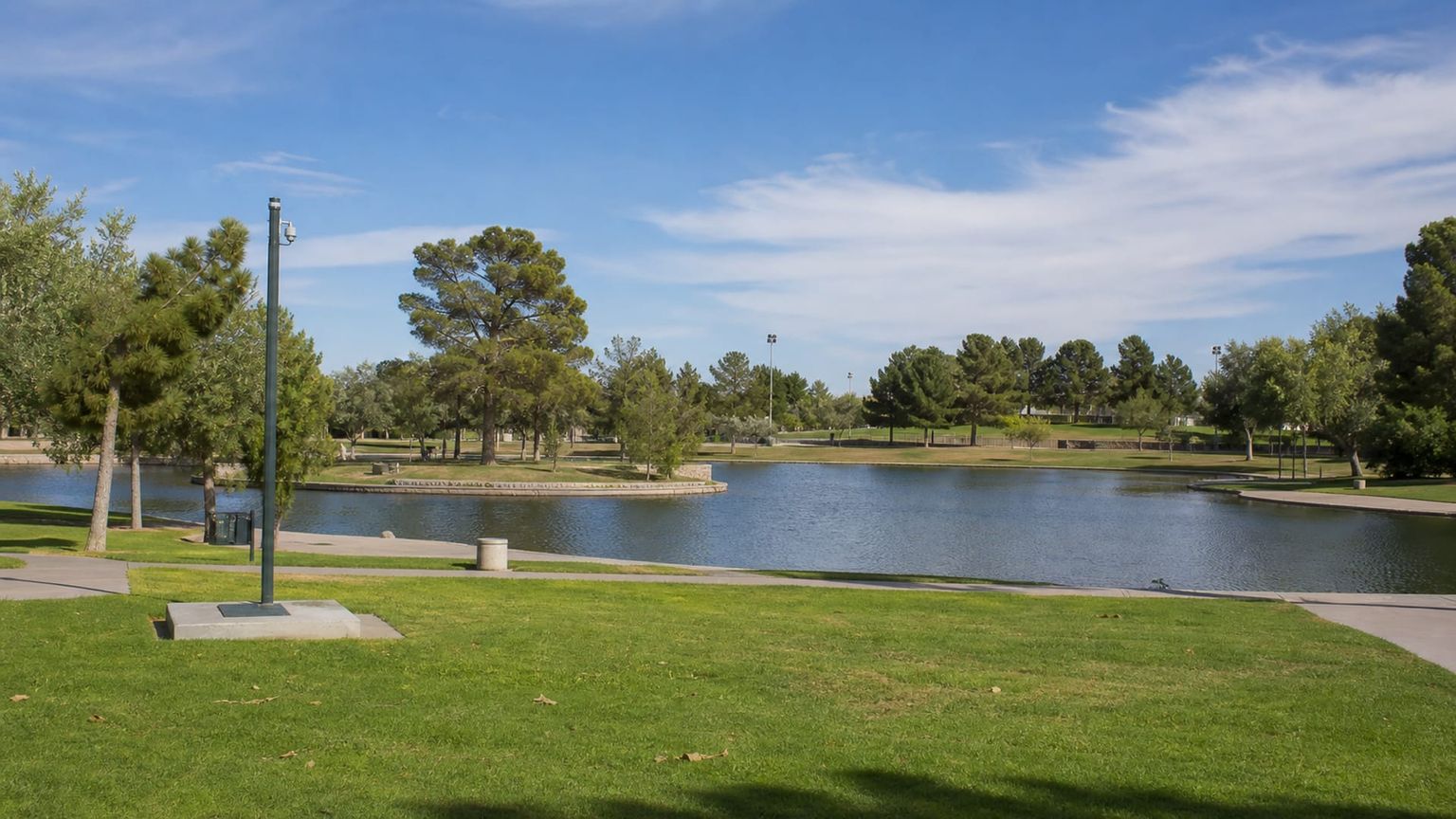
Head out to El Chamizal National Memorial in late morning, then continue about 5 to 10 minutes by car to the Museum of the Revolution on the Border for a second, deeper look at the city’s border story. After lunch, return to Centro and spend time around Juárez Cathedral and the nearby main square, which are about 10 to 15 minutes apart on foot once you are back downtown. If you want one more stop, finish with a short taxi ride to Zona Pronaf for dinner, where hotels and restaurants make an easy end to the day.
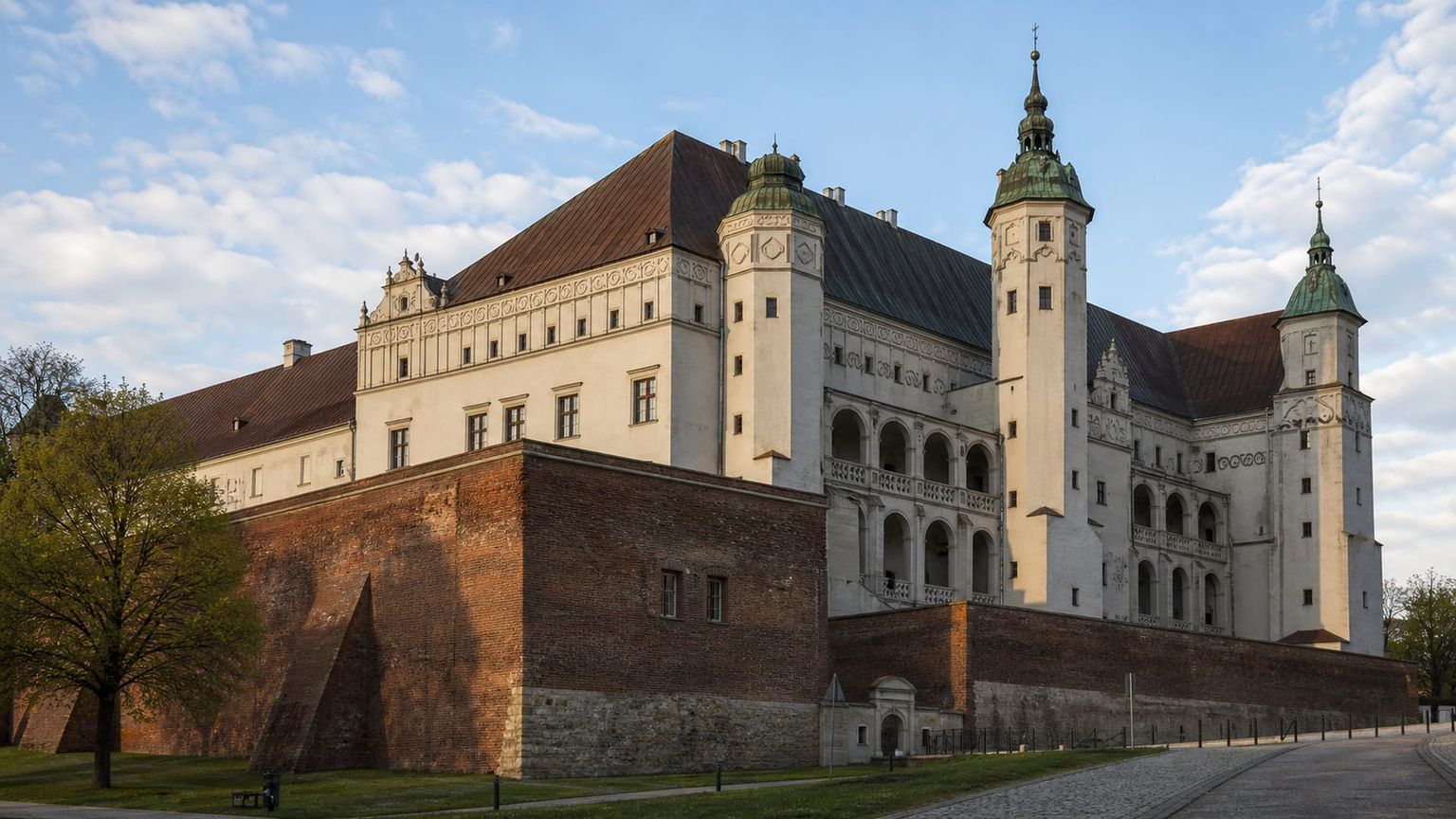
For your last day, pair a short museum stop with low-effort shopping and coffee rather than a full sightseeing run. Begin at Museo de Arte de Ciudad Juárez if you want one final gallery visit, then head about 15 to 20 minutes by car to Las Misiones area or Misiones for shopping and lunch. Finish with a café break in Centro or Zona Pronaf, depending on where you are staying, so you can pack without a long ride before your airport transfer.
Business-class flights from the US to Ciudad Juárez
Flights into Ciudad Juárez usually connect through major U.S. and Mexican hubs, and the trip length changes a lot depending on whether you take a nonstop or accept a stop. The two routes below show how the East Coast and West Coast options compare.
American Airlines, Alaska Airlines, Delta Air Lines, Aeromexico, Viva Aerobus, and Volaris serve New York to Ciudad Juárez, and nonstop trips usually take about 4 to 5 hours. If you choose a connection, common layovers run through Mexico City (MEX), Dallas/Fort Worth (DFW), Phoenix (PHX), Houston (IAH), or Atlanta (ATL), with total travel time about 7 to 12 hours. Round-trip fares from New York to Ciudad Juárez usually start at about $750 and can reach $1,900.
From Los Angeles, American Airlines, Alaska Airlines, Delta Air Lines, Aeromexico, and Volaris operate the route, with nonstop flights taking about 3 to 4 hours. Common layover points include Mexico City (MEX), Phoenix (PHX), Dallas/Fort Worth (DFW), Houston (IAH), and Houston (HOU), and one-stop itineraries often take about 6 to 10 hours. Round-trip fares generally run $650 to $1,600, and a connection can lower the price.
Ciudad Juárez feels different when you slow down
A well-paced Ciudad Juárez trip links Centro, Zona Pronaf, and El Chamizal instead of forcing long cross-town detours. You can walk the historic core, use a taxi or Uber for the parks, and end the day near Las Misiones when you want shopping or an easy dinner. If you want that kind of plan shaped around the city’s actual geography, ask the AranGrant experts to tailor it to your dates and neighborhood choice