

Chapters:

Need help with your trip?
Our support team is available 24/7. Request a callback or call us directly at (833) 619-0908
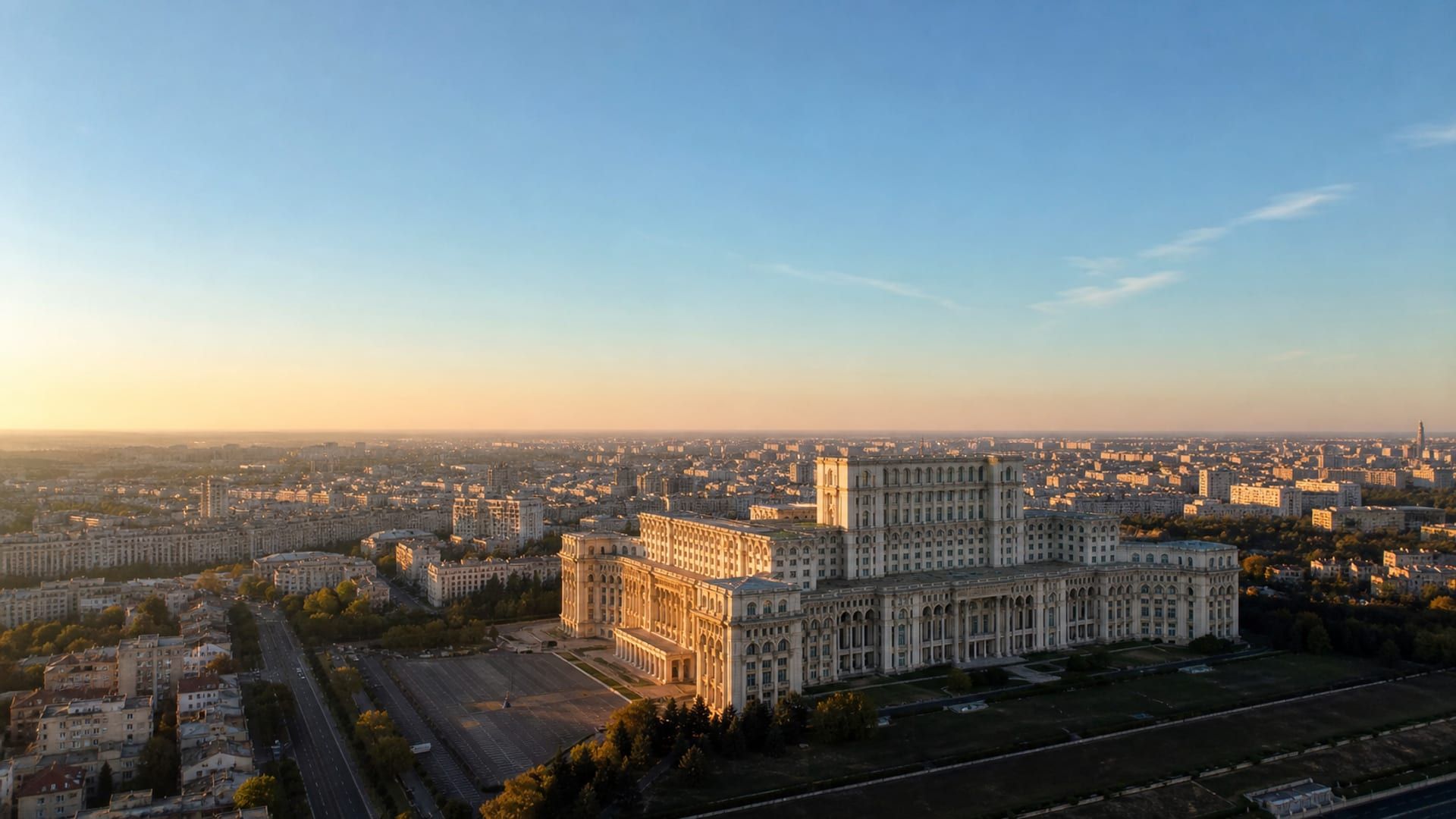
Bucharest trips often begin with the Old Town, a Parliament visit, and a quick sweep along Calea Victoriei, then stop before the city’s quieter corners come into view. That first-pass plan covers the headline sights, but it can miss how much time the center takes to cross on foot and by car.
Crowds in Lipscani, traffic near Piața Unirii, and the scale of the Palace of the Parliament can make a packed schedule feel longer than it looks on paper. A better plan groups sights by area and leaves room for slower stretches between them.
This guide does that, with a route that balances central landmarks, park time, and a few lower-profile stops, so each day has a clear focus and fewer wasted moves.
Useful things to know

Main language(s): Romanian
Bună ziua (boo-nuh zee-oo-ah) – Hello / good day
Vă rog (vuh rog) – Please
Mulțumesc (mool-tsoo-MESK) – Thank you
Vorbiți engleză? (vor-BEETS en-gleh-ZUH) – Do you speak English?
Cât costă? (kuht KOS-tuh) – How much does it cost?

Currency: The local currency is the Romanian leu (RON, lei).

Cash and cards: Cards and contactless are widely accepted; keep about 100 lei ($22) in cash for small shops, taxis, and tips.

Tipping: Round up small bills and leave about 5-10% in restaurants if service is good.

Traditional food: Sarmale, mici, ciorbă de burtă, papanași

Water and coffee costs: Water ~8 lei ($2), bar espresso ~12 lei ($3).

Taxis and ride apps: Uber and Bolt operate here; confirm the plate before entering.

Plug and voltage: Type C/F socket, 230V

Dining and shop opening hours: Breakfast runs roughly 07:00-10:00, lunch 12:00-15:00, and dinner 19:00-22:30. Many kitchens close earlier on Sunday or outside the center.

Emergency number: 112 for police, fire, and ambulance.
Where to stay in Bucharest
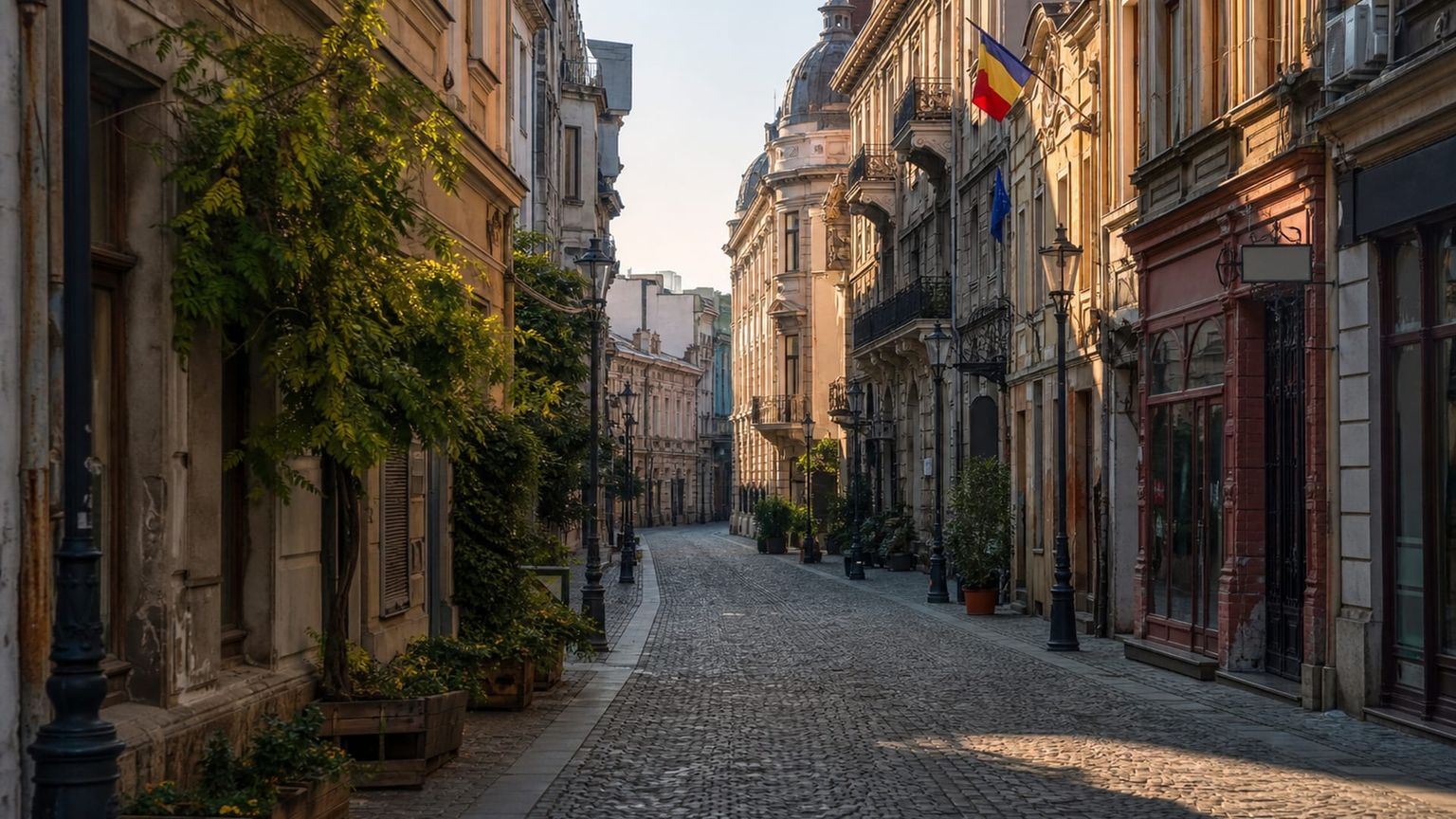
The old center of Bucharest puts you beside cobbled lanes, late-night bars, and some of the city’s most visited landmarks. It suits travelers who want to walk to the historic core and spend evenings close to restaurants, cafés, and clubs.
Best for: Nightlife, short sightseeing walks, and travelers who want the historic core on the doorstep
What to expect: Busy sidewalks, restaurant terraces, and a steady late-evening crowd, especially on weekends.
Hotel prices: Usually about 350 lei to 650 lei (~$75 to ~140) per night for well-rated stays
Distance to major sights: 5 to 15 minutes on foot to the Old Town, about 15 minutes on foot to Calea Victoriei
Quietness: Noisy by day and livelier at night, with the loudest stretches near bars after dark.
Main trade-off: You pay for the location with noise and weekend crowds, and some streets can feel packed late into the night.
Good to know: Choose a room away from bar-heavy streets if you plan to sleep before midnight.
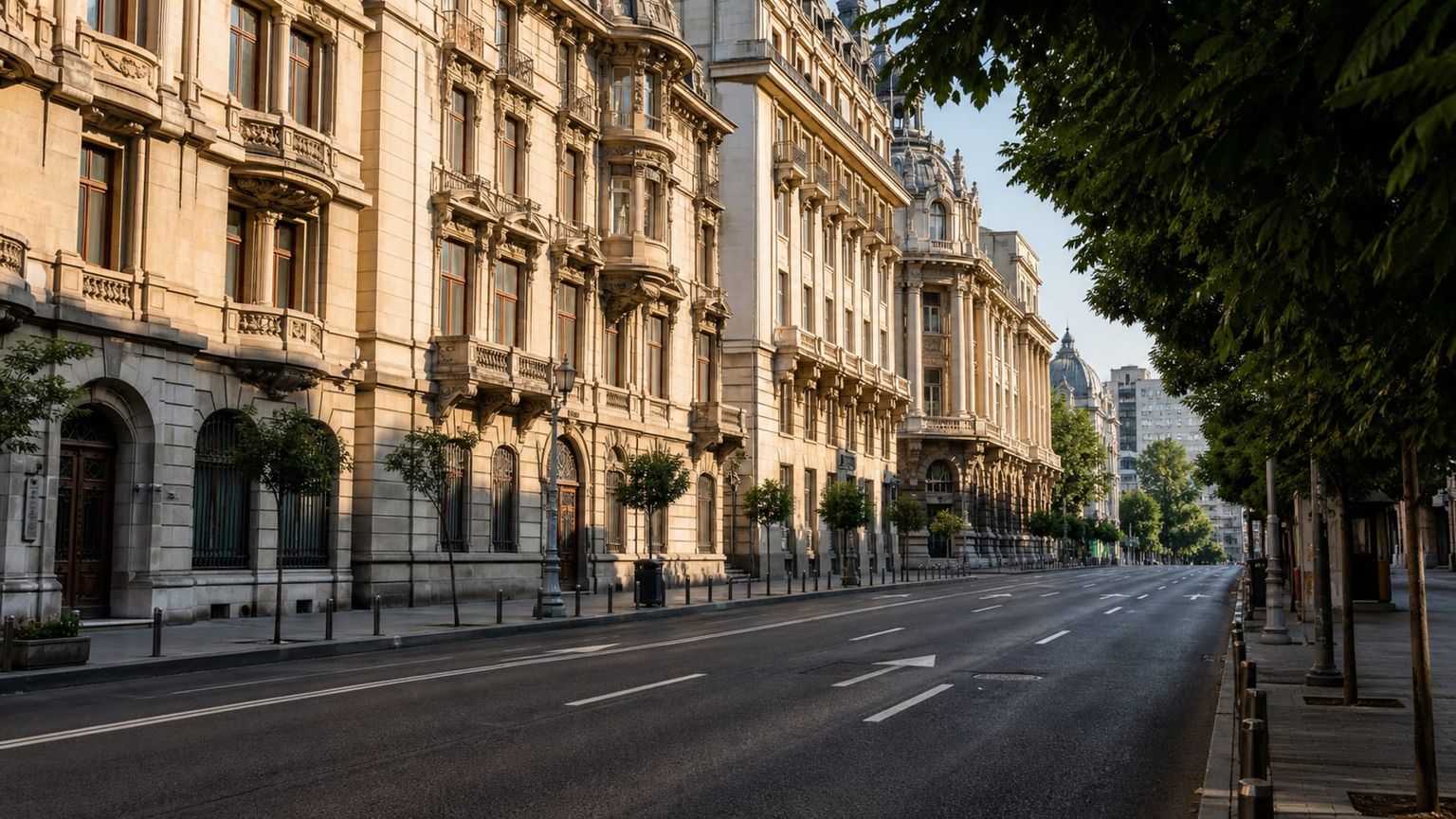
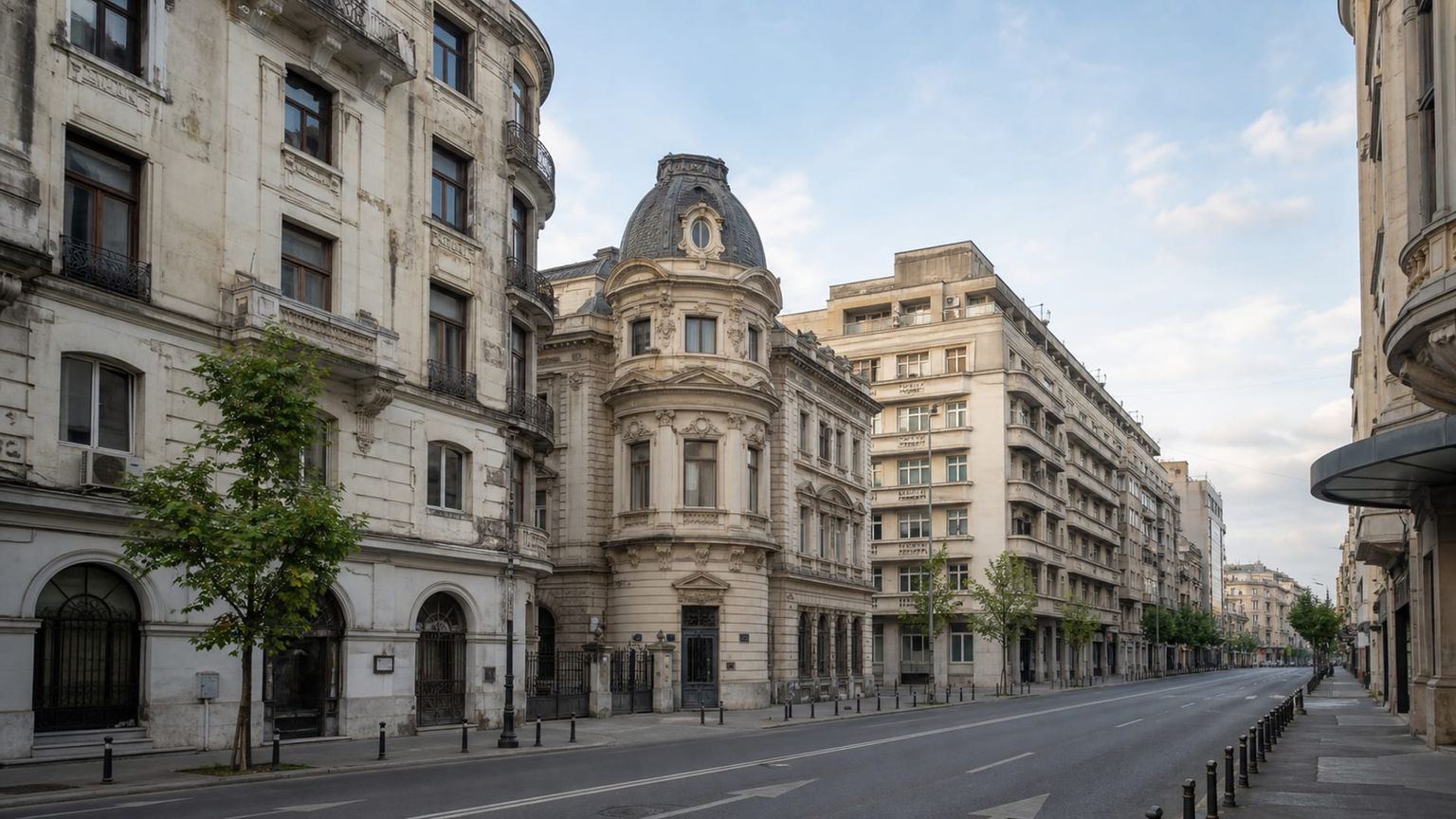
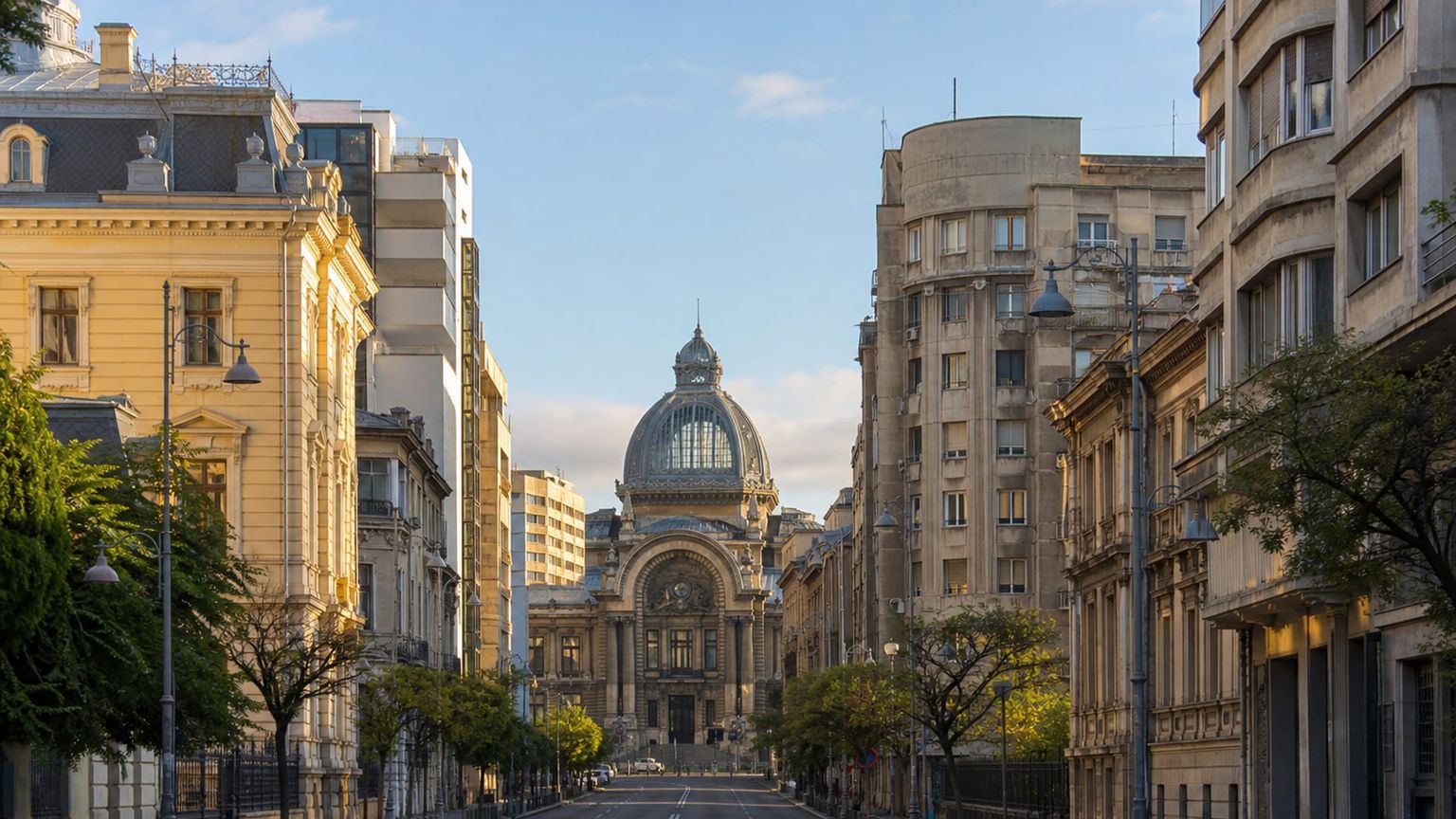
This central boulevard gives you a polished base near museums, historic buildings, and retail streets without staying inside the busiest bar zone. It works well for travelers who want walkable access to the center and easier evenings than Lipscani.
Best for: Museum visits, shopping, central walks, and travelers who want a more restrained evening base
What to expect: Busy daytime foot traffic, cafés, and passing trams or cars, with a lighter nighttime scene than the Old Town.
Hotel prices: Usually about 400 lei to 800 lei (~$85 to ~170) per night for well-rated stays
Distance to major sights: 10 to 20 minutes on foot to Revolution Square, about 20 minutes on foot to the Old Town
Quietness: Active through the day and early evening, then calmer once offices and shops close.
Main trade-off: Hotels here can cost more than nearby side streets, and some addresses sit on traffic-heavy sections of the boulevard.
Good to know: Check whether your hotel faces the boulevard or a side street, since that changes both noise and sleeping comfort.
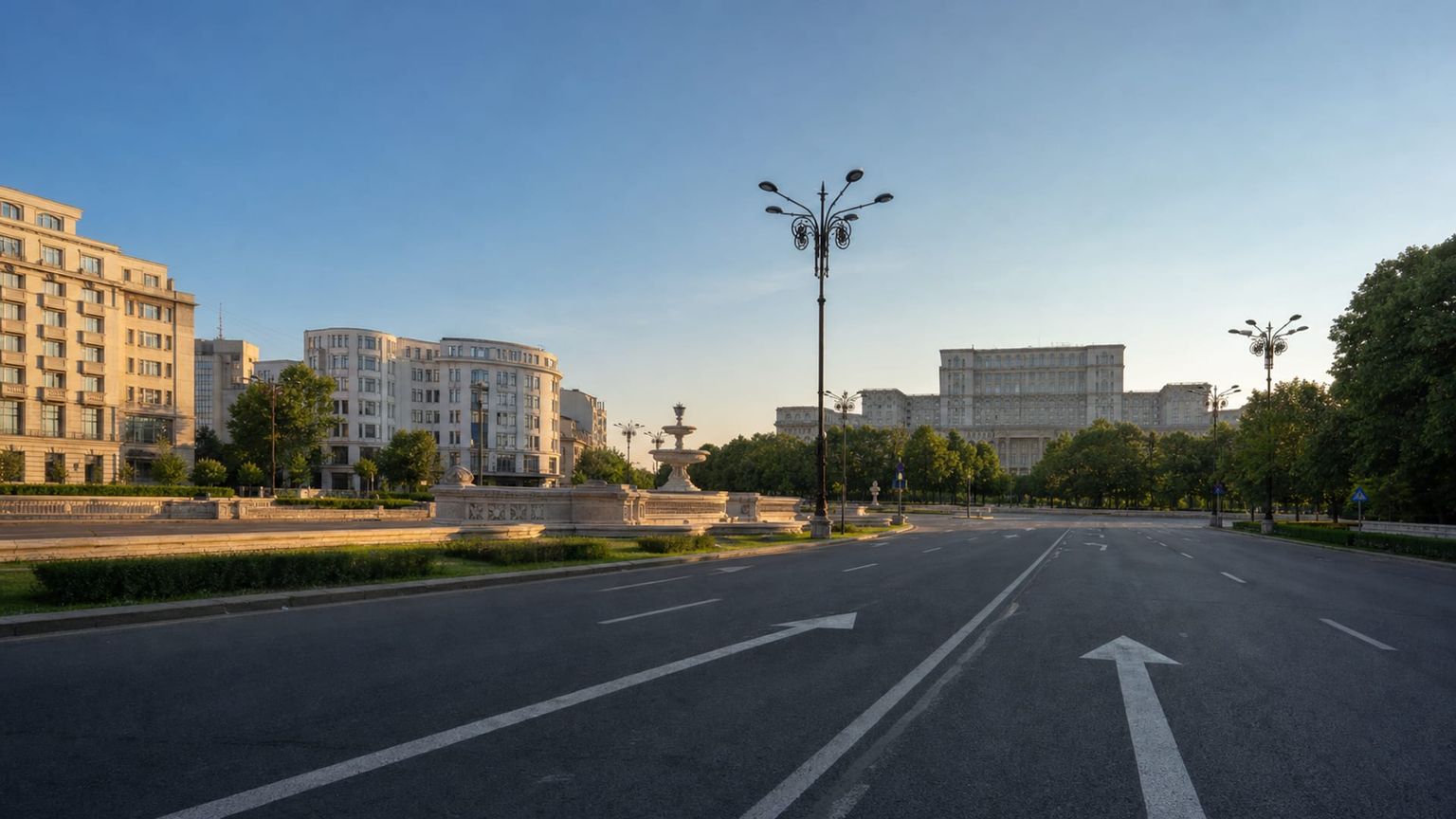
Piața Unirii sits on a major transport junction at the edge of central Bucharest, with quick access to metro lines and links across the city. It suits visitors who want easy movement between the historic center, the parliament area, and newer districts.
Best for: Metro access, short hops across the city, and travelers who plan to move around a lot
What to expect: Heavy traffic, constant movement near the station, and a mix of office workers, shoppers, and transit users.
Hotel prices: Usually about 300 lei to 600 lei (~$65 to ~130) per night for well-rated stays
Distance to major sights: 10 to 15 minutes on foot to the Old Town, about 20 minutes on foot to the Palace of the Parliament
Quietness: Busy and loud near the avenues by day, then notably quieter on side streets at night.
Main trade-off: The location saves transit time, but the area itself has less character and more road noise than the Old Town.
Good to know: Pick a hotel close to the metro entrances if you plan early starts or late returns.
Travelers usually avoid Pantelimon, Berceni, and Rahova for a hotel base because they sit far from Bucharest’s main sights in the center and Old Town, and evening travel back and forth takes longer. The areas around Gara de Nord and Obor are also less convenient for many visitors, because they have more transit traffic and fewer hotel-focused amenities than the central districts.
Hotel deals
How to get around Bucharest efficiently
Bucharest works best with a mix of metro, bus, taxi, and ride-hailing, because the center is walkable but the city’s major sights are spread across a wider grid.

Metro
for longer distances
Bucharest’s Metrorex network links Henri Coandă Airport via the 783 express bus rather than a direct rail line, so the nearest true metro access for most visitors starts at stations such as Piața Victoriei, Universitate, and Unirii. Single rides cost about $0.70 to $1.10 (roughly 3 to 5 RON), and a rechargeable card or contactless payment can cover multiple entries within the ticket’s validity window, usually 60 to 90 minutes depending on the product. Trains run every few minutes in the daytime, with longer gaps late at night, and the system gives the fastest cross-city hops when you are connecting central neighborhoods with the airport bus or major rail stations.

Bus and tram
for convenience
Bus and tram lines fill the gaps the metro leaves, especially on routes between Old Town, the north side of the center, and residential districts such as Titan, Drumul Taberei, and Militari. A standard ride usually costs about $0.70 to $1.10 (roughly 3 to 5 RON), while day or multi-ride passes can lower the per-trip cost if you expect several hops; ticket products typically stay valid for 60 to 120 minutes, depending on the fare type. Validate on boarding or tap if you use a contactless card, and expect slower progress than the metro at rush hour, with trams sometimes delayed by mixed traffic and junctions.

Taxi
for convenience or late hours
Licensed taxis in Bucharest use meters, and you should confirm the tariff before departure because rates vary by company, often about $0.55 to $1.10 per kilometer, with airport trips from Henri Coandă Airport to the center commonly landing near $12 to $25 depending on traffic and the company’s rate. The airport also has an official taxi dispatch lane, which helps you avoid unlicensed drivers, and rides from the city center to the airport usually take about 25 to 45 minutes. Most licensed cars accept cards or cash, but carrying some cash is wise, and ride-hailing apps such as Uber and Bolt are widely used if you want upfront pricing.
*Prices are based on rates updated as of June 2026 and may change at the time of travel.
Use the metro for faster cross-city hops, buses and trams for gaps the rail network leaves, and taxis or ride-hailing for late returns, airport trips, or direct links between sights.
Iconic landmarks
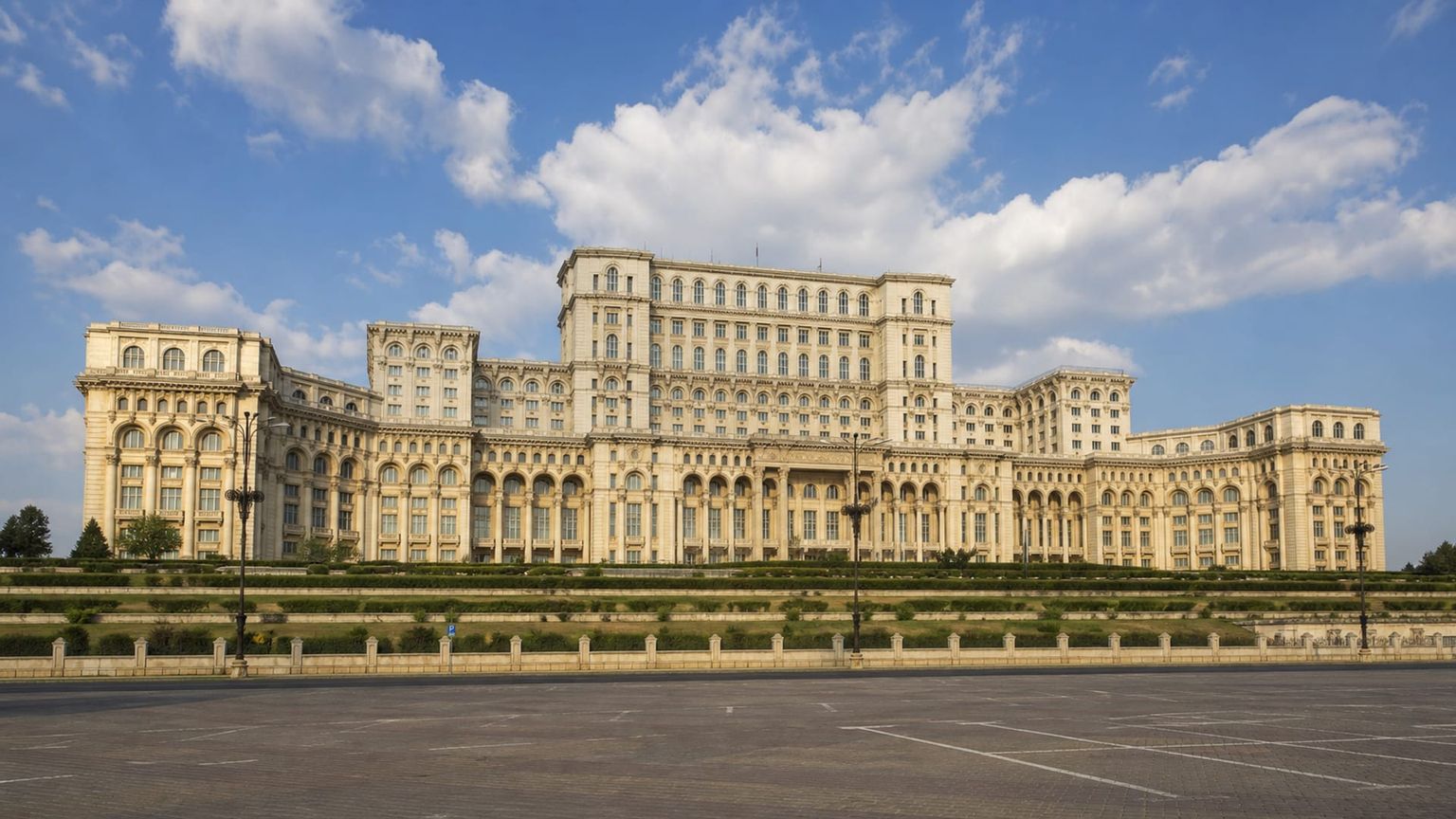
Palace of the Parliament
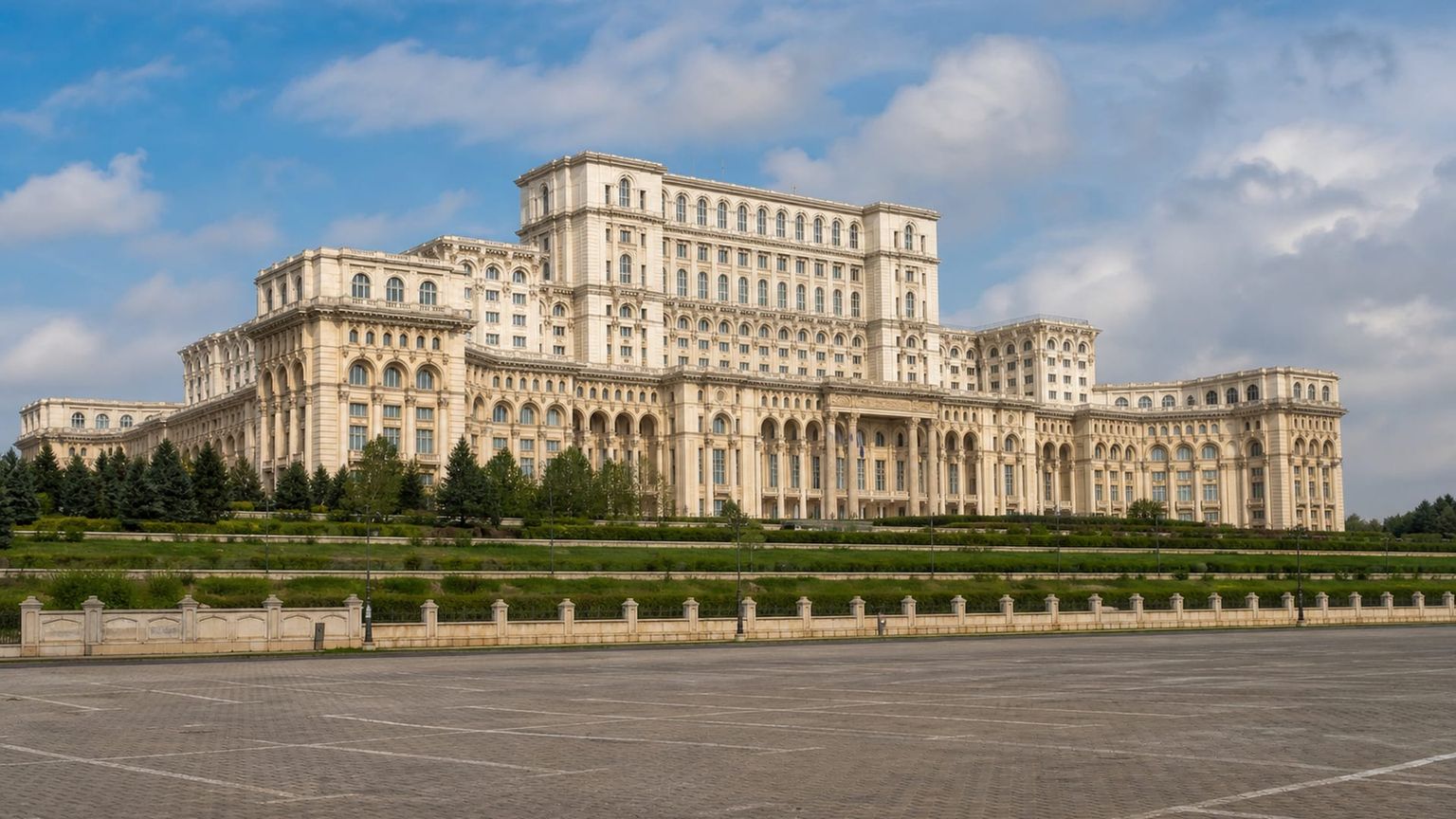
Ceaușescu’s vast former seat of government dominates the city center and ranks among Europe’s largest administrative buildings. Inside, guided tours reveal marble halls, chandeliers, and the scale of the communist-era state.
Time needed: About 1 to 2 hours
Entry: Guided tours cost $12 to $16 (about 55 to 75 RON), with rates varying by route and photo permit; some areas may close for state events Visit the official site for details.
Tip: Arrive early, since morning tours are less likely to run behind schedule and the light is better.
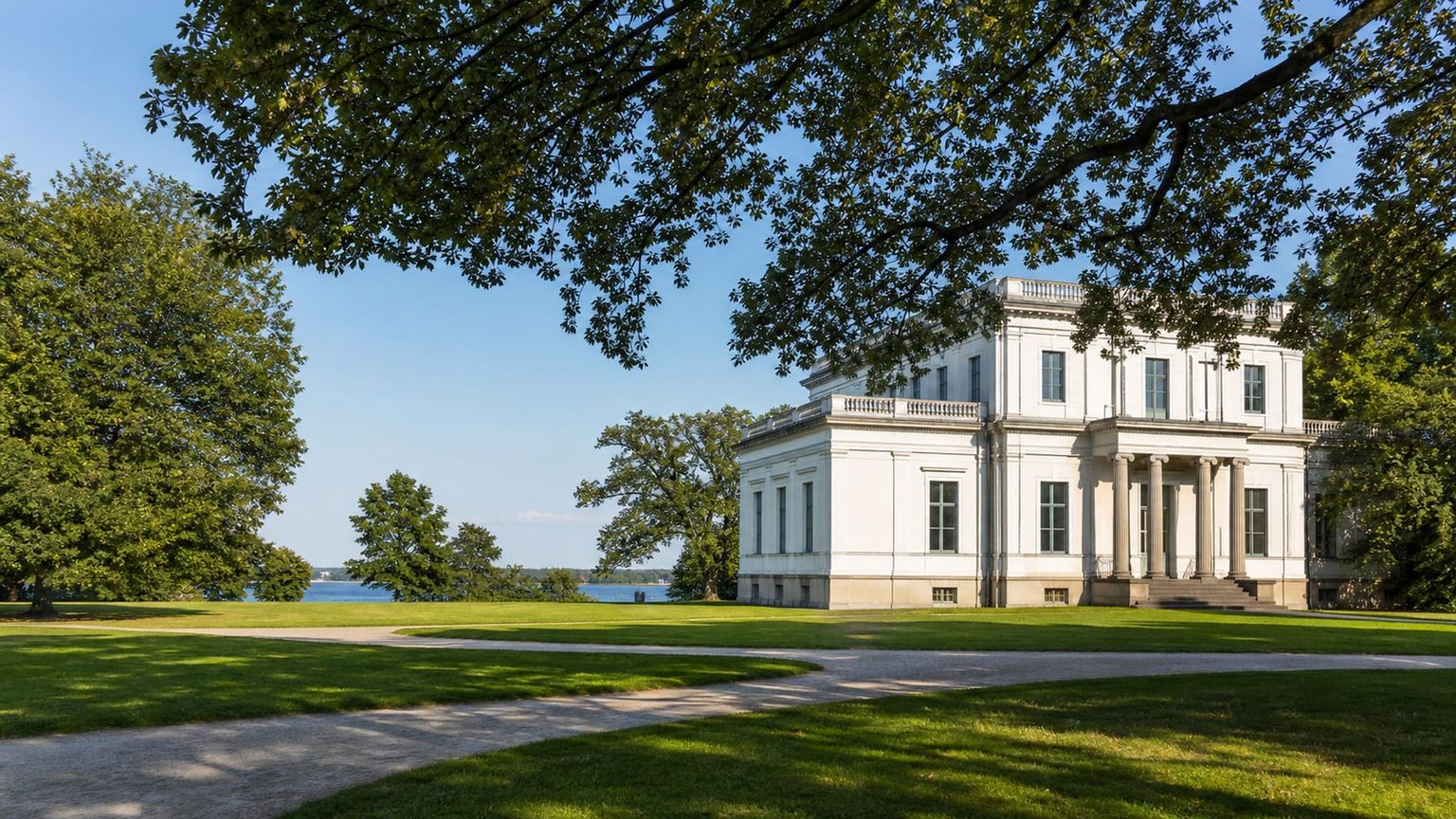
Old Town and Lipscani
Bucharest’s historic center combines narrow streets, restored merchant houses, Orthodox churches, and late-night restaurants. It gives a clear read on the city’s 19th-century trading past and its crowded present.
Time needed: About 2 to 3 hours
Entry: Free to walk the district; church entry is usually free or donation-based, while museums and cellar bars charge separately.
Tip: Go before dinner, when the lanes are easier to cross and church interiors are still open.
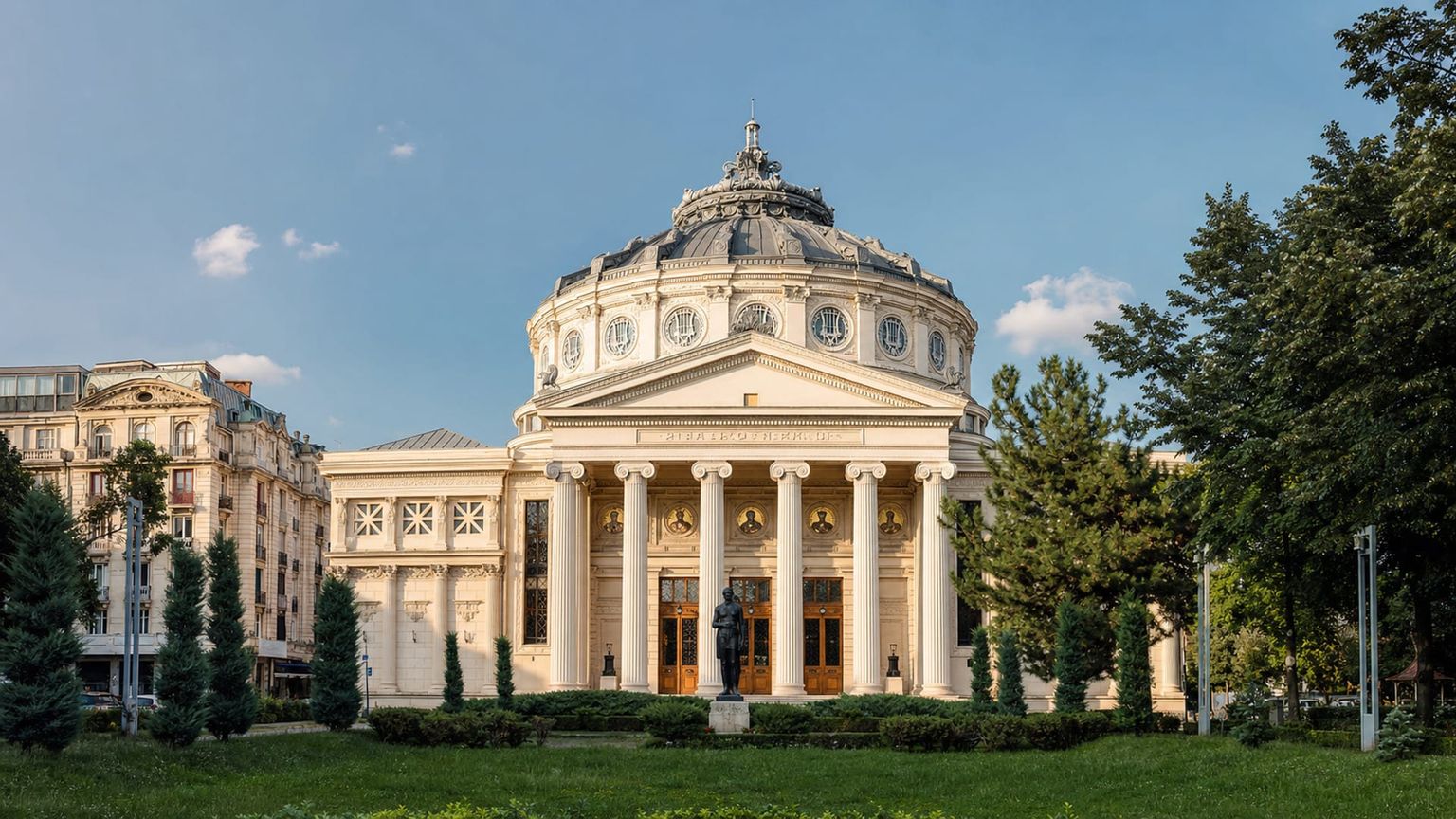
Romanian Athenaeum
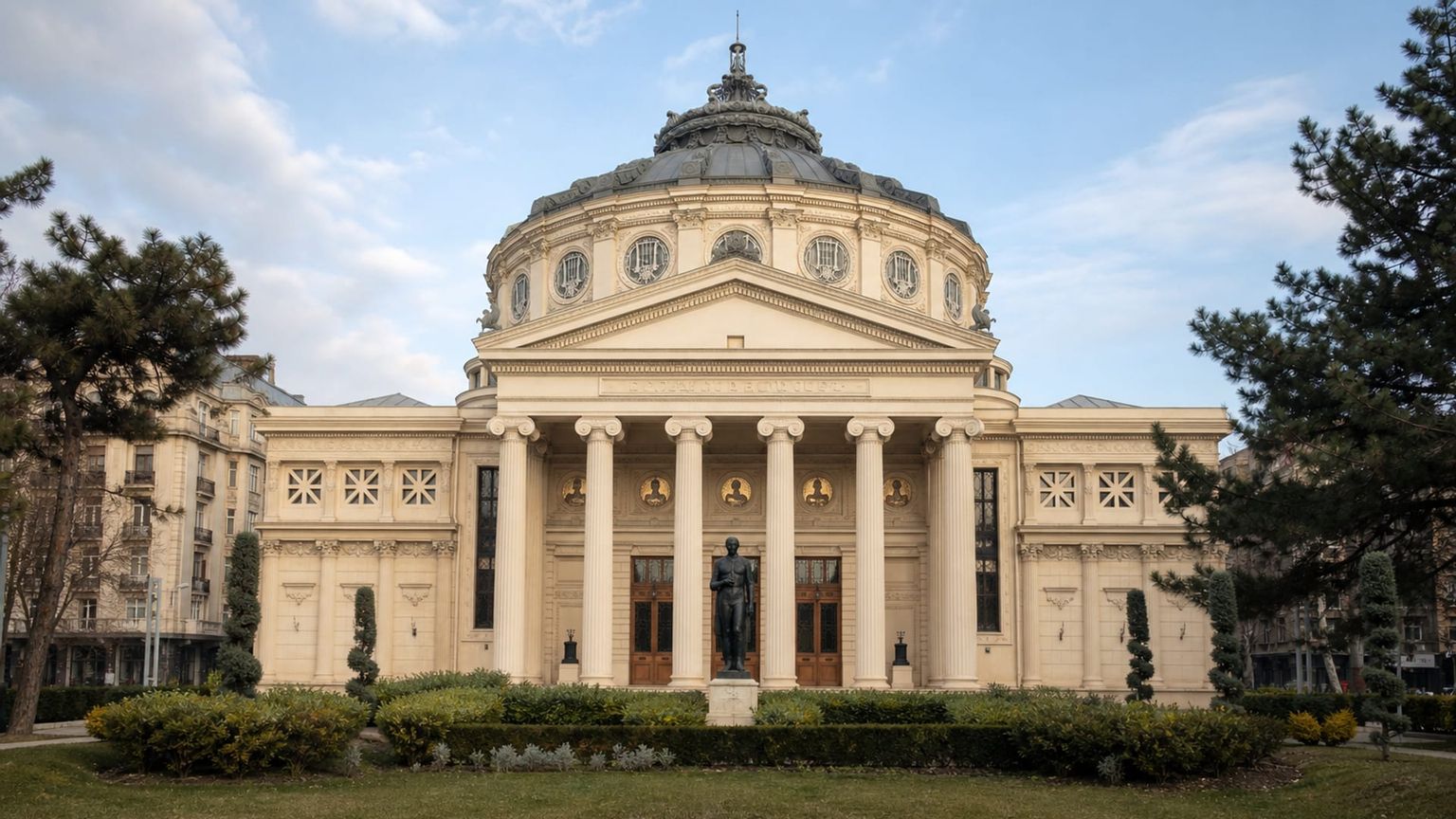
This concert hall, completed in 1888, anchors Bucharest’s cultural life with its domed rotunda, frescoed foyer, and classical facade. Even without a performance, the building rewards a close look from the square.
Time needed: About 45 to 60 minutes
Entry: Exterior viewing is free; concert tickets usually cost $15 to $60 (about 70 to 280 RON), depending on the program and seating Visit the official site for details.
Tip: Visit in late afternoon, then return after dark, when the illuminated facade looks strongest.
Overlooked sites worth visiting

Carol Park Mausoleum
A 31-meter Art Deco memorial from 1963 crowns Carol Park and overlooks the central basin. Its broad steps, stone reliefs, and hilltop setting draw fewer visitors than Bucharest’s big-name sights.
Time needed: About 1 hour
Entry: Free to access. The park is open daily, and the mausoleum exterior can be viewed without a ticket. Interior access is limited to special openings or events, so check local notices if you want to go inside.
Tip: Go near sunset for views across the park and lake.

National Museum of Maps and Old Books
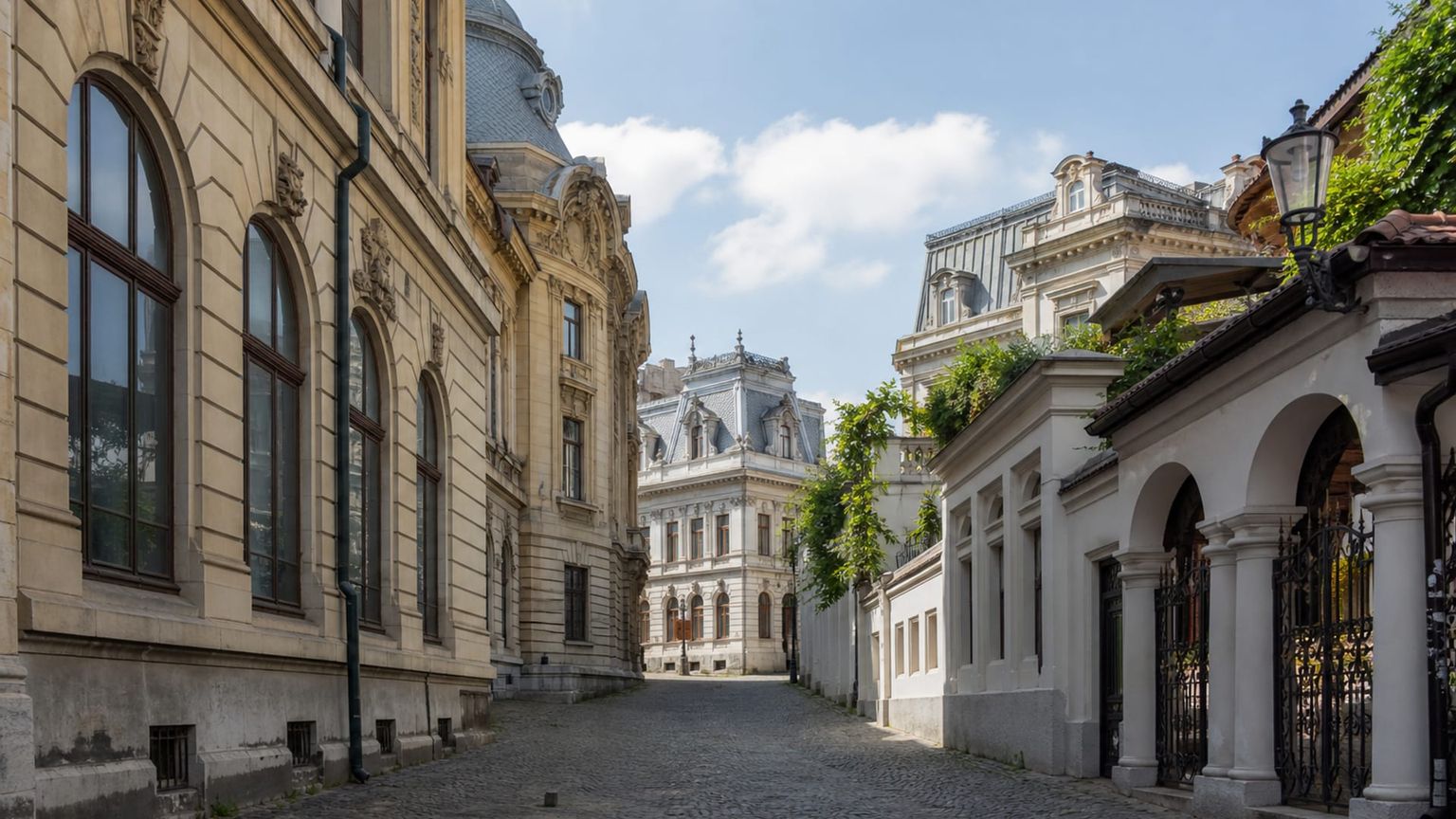
This small museum inside a 1911 villa displays rare maps, atlases, and engraved views of Romania and Europe. The rooms are compact, and the collection suits a quiet stop between larger Bucharest museums.
Time needed: About 1 hour
Entry: Standard tickets cost about $5 ($24 RON) for adults, with reduced prices for students and seniors. Entry is by timed visit during opening hours, and the museum fits easily into a short city stop Visit the official site for details.
Tip: Visit midmorning, when the galleries are quietest.
Traditional food
Bucharest’s food leans on pork, soups, grilled meats, cabbage rolls, and sweets with sour cream or jam. Meals tend to be filling, with lunch and dinner centered on a few classic dishes rather than long tasting menus.
Sarmale
Cabbage rolls filled with minced pork and rice, usually served with sour cream and polenta, are one of Bucharest’s defining dishes. Caru’ cu bere is the canonical place to try them in the city center, and it pairs the plate with a historic dining room.
Mici
These skinless grilled sausages, seasoned with garlic and spices, are a staple of Romanian casual dining and market food. Hanu’ lui Manuc is a classic Bucharest stop for them, with a central courtyard that suits a late lunch or early dinner.
Ciorbă de burtă
This tripe soup comes tangy and creamy, usually sharpened with vinegar, garlic, and hot peppers. La Mama serves a well-known version in Bucharest, making it a useful stop if you want a traditional bowl in a central setting.
Papanași
Fried cheese doughnuts topped with sour cream and berry jam, papanași finish a meal with plenty of sweetness and texture. Hanu’ lui Manuc is a canonical Bucharest choice, especially if you want dessert after a traditional Romanian lunch.
Best time to visit Bucharest
Bucharest shifts from bright walking weather in spring and autumn to hotter, busier summer days and colder winters, so the best month to visit depends on how much time you want outdoors.
Best for: Café terraces, park walks, and long sightseeing days
What you get: Temperatures range about 45 to 75°F (7 to 24°C), with moderate crowds and a good balance between indoor and outdoor time.
Trade-offs: Rain can interrupt a few longer walks.
Best for: Evening strolls, open-air dining, and late light
What you get: Temperatures range about 65 to 92°F (18 to 33°C), with the heaviest crowds in the center and around the Old Town.
Trade-offs: Afternoons can feel hot, especially on exposed streets.
Best for: Museum days, boulevard walks, and steady weather
What you get: Temperatures range about 42 to 72°F (6 to 22°C), with lighter crowds after the summer peak and comfortable sightseeing weather.
Trade-offs: Shorter days arrive quickly by late October.
Best for: Museums, cafés, and lower-season city time
What you get: Temperatures range about 25 to 42°F (-4 to 6°C), with fewer visitors and a quieter pace at major sights.
Trade-offs: Cold spells and snow can make walking slower.
A realistic 5-day plan in Bucharest
A five-day Bucharest trip works well when you keep the center as your anchor and move outward only when the day calls for it. The plan below starts with arrival, then links the main landmarks, a park visit, a museum stop, and a final half-day that leaves time to reset before departure.
Land at Bucharest (BUH), then take a taxi or ride-hailing car into central Bucharest in about 20 to 40 minutes, roughly $12 to $20 depending on traffic and the airport pickup point. If you want to make the next few days easier, sleep in Calea Victoriei for a quieter central base or Lipscani if you want the Old Town within a short walk. After checking in, drink plenty of water, then head to a nearby café for a light dinner on Calea Victoriei, where you can keep the evening close to your hotel and avoid a long first night out.
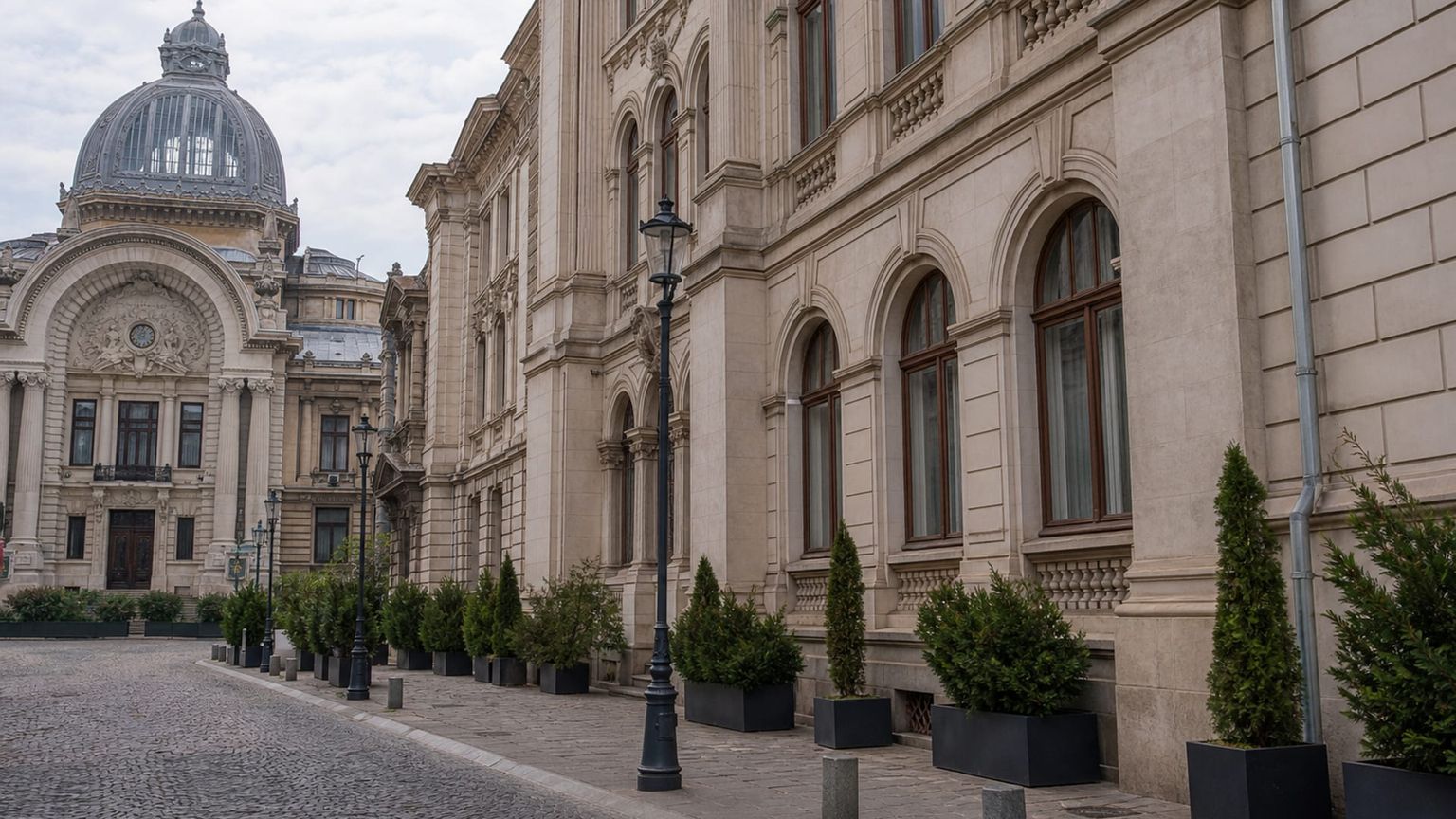
Start with the Romanian Athenaeum, then walk about 10 minutes to Revolution Square for a look at the surrounding civic buildings before continuing roughly 15 minutes on foot along Calea Victoriei toward the Old Town. From there, spend 2 to 3 hours in Old Town and Lipscani, moving through the church-lined lanes, merchant facades, and small squares at an unhurried pace. Finish with dinner in Lipscani, then head back on foot if you are staying nearby or by taxi if you booked a room farther north on Calea Victoriei.
Begin early at the Palace of the Parliament, since morning tours usually stay on better time and the visit takes about 1 to 2 hours. From there, ride-hailing or a short taxi trip gets you to Carol Park in about 10 to 15 minutes, where the Mausoleum offers wide park views and a quieter change of pace. After lunch, continue to the National Museum of Maps and Old Books, which fits neatly into about 1 hour, and end the afternoon back near Piața Unirii for an easy metro ride or walk to dinner.
A second look at central Bucharest works well today, starting with the National Museum of Maps and Old Books if you skipped it yesterday, then moving by taxi or metro to Calea Victoriei for shopping, cafés, and a slower walk past the historic facades. Spend late afternoon at the Romanian Athenaeum again if you want exterior photos in better light, then cross into Lipscani for an evening meal and a final pass through the Old Town streets. The walk between Calea Victoriei and Lipscani takes about 10 to 20 minutes, depending on your starting point and how often you stop.
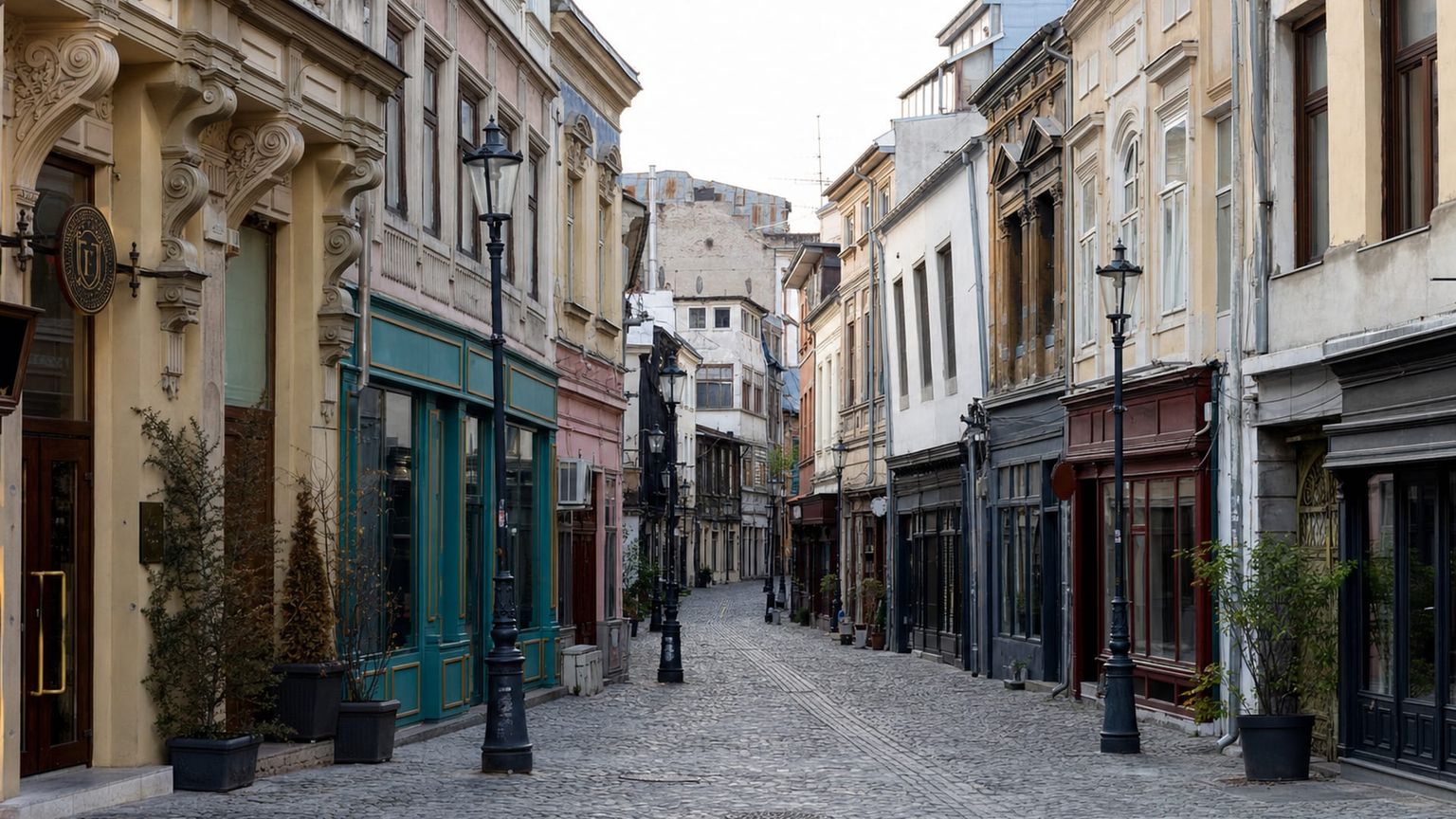
Begin with a final coffee near your hotel, then fit in one last museum stop if you still have energy, or return to Calea Victoriei for a last look at the shops and bookstalls before you leave. If you are staying near Piața Unirii or Lipscani, both areas make it easy to pick up a relaxed lunch without crossing the city, and the metro or a taxi keeps your airport transfer simple when it is time to head out. Keep bags close, check your flight time, and aim to leave for Bucharest (BUH) with extra time for traffic.
Business-class flights from the US to Bucharest
Business-class fares to Bucharest usually depend on where you connect in Europe or the Gulf, and the east and west coast routes often price differently because of layover length and airline mix. The examples below show how the routing changes from New York and Los Angeles.
From New York to Bucharest, Tarom, Lufthansa, Turkish Airlines, Air France, KLM, and Austrian Airlines all appear on published options. Typical one-stop itineraries run through FRA, MUC, IST, CDG, AMS, or VIE, with total travel time usually about 10 to 15 hours. Round-trip fares from New York to Bucharest usually start at about $2,200 and can reach $5,500.
Los Angeles itineraries usually connect through FRA, MUC, IST, CDG, AMS, or DOH on Lufthansa, Turkish Airlines, Air France, KLM, Austrian Airlines, or Qatar Airways. Expect roughly $2,400 to $5,800 for round-trip flights from Los Angeles to Bucharest, with total travel time typically about 14 to 19 hours.
Bucharest feels different when you slow down
A deliberate Bucharest trip ties together Lipscani, Calea Victoriei, Piața Unirii, and the Palace of the Parliament instead of treating them as separate errands. Metro rides, short taxi hops, and slower walks through Carol Park or the Old Town make the city easier to read, and the food, from sarmale to papanași, adds a clear local thread. If you want help shaping the right base and route, AranGrant experts can match the trip to your pace







