

Chapters:

Need help with your trip?
Our support team is available 24/7. Request a callback or call us directly at (833) 619-0908
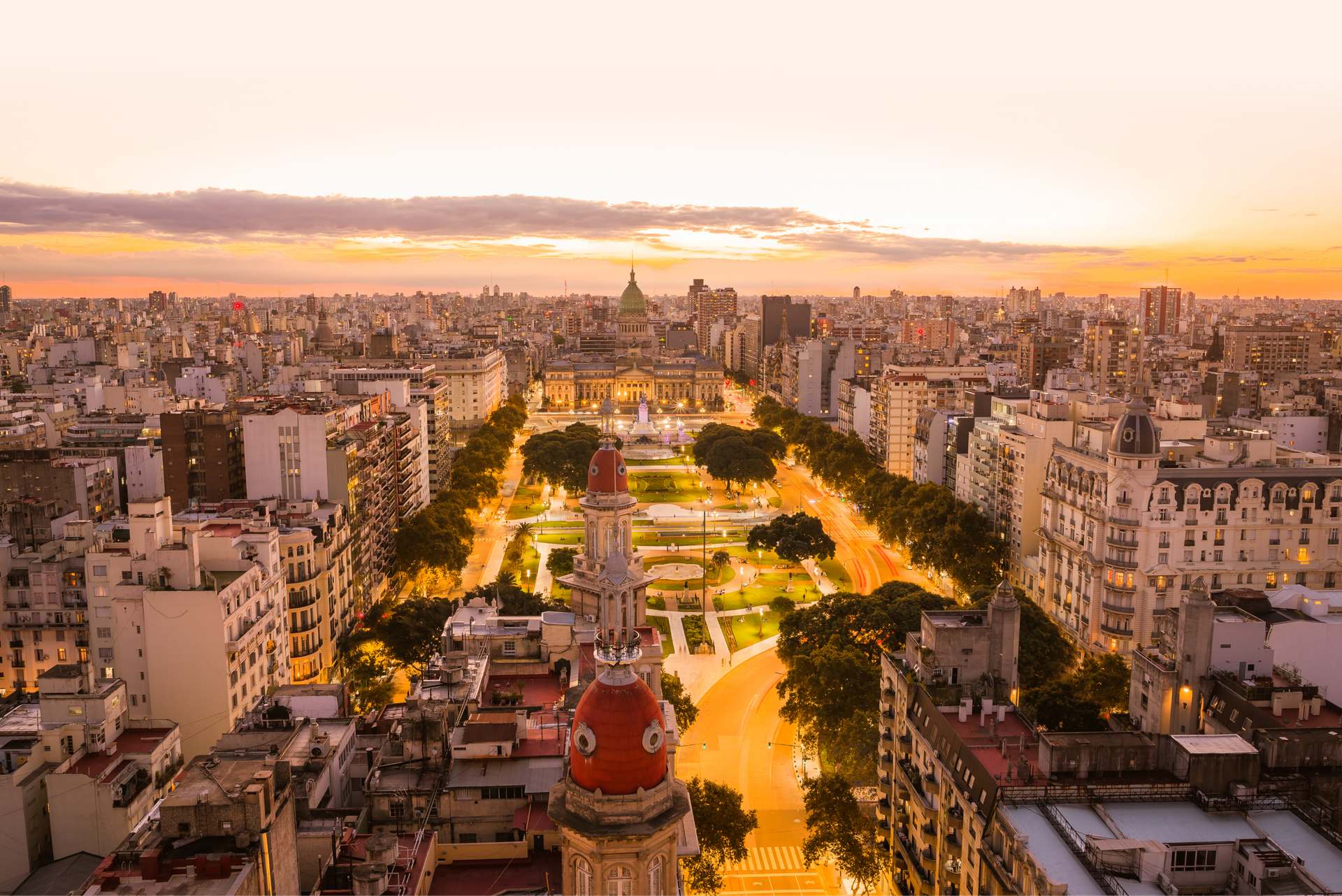
Buenos Aires often gets planned as a checklist of iconic stops, then a long taxi from one neighborhood to the next. That leaves many travelers with little time for the city’s best hours, which often unfold in side streets, café breaks, and unhurried museum visits.
Distances are bigger than they look on a map, and the busiest areas can slow movement at the wrong time of day. If you try to do everything at once, the historic center, the riverfront, and the northern neighborhoods quickly start to compete with each other.
This guide organizes the city by pace and location, so each day has a clear shape. It pairs major sights with nearby meals, transit, and quieter detours, giving you a cleaner way to move through Buenos Aires.
Useful things to know

Main language(s): Spanish
Hola (OH-lah) – Hello / good morning
Por favor (por fah-VOR) – Please
Gracias (GRAH-see-ahs) – Thank you
¿Habla inglés? (AH-blah een-GLAYS) – Do you speak English?
¿Cuánto cuesta? (KWAHN-toh KWES-tah) – How much does it cost?

Currency: The local currency is the Argentine peso (ARS, $).

Cash and cards: Cards and contactless are widely accepted; keep about ARS 20,000 to 40,000 in cash for taxis, tips, and small shops.

Tipping: Round up small bills; add about 10% in restaurants if service is not included.

Traditional food: asado, empanadas, milanesa napolitana, dulce de leche

Water and coffee costs: Water about ARS 1,500 ($1.50), bar espresso about ARS 2,500 ($2.50).

Taxis and ride apps: Uber, Cabify, and DiDi operate here; confirm the plate before you get in.

Plug and voltage: Type C/I socket, 220V

Dining and shop opening hours: Breakfast is about 7:00-10:00 am, lunch 12:30-3:00 pm, and dinner 8:00-11:00 pm. Many restaurants close on Sunday nights or all day Monday.

Emergency number: 911 for police, fire, and ambulance.
Where to stay in Buenos Aires
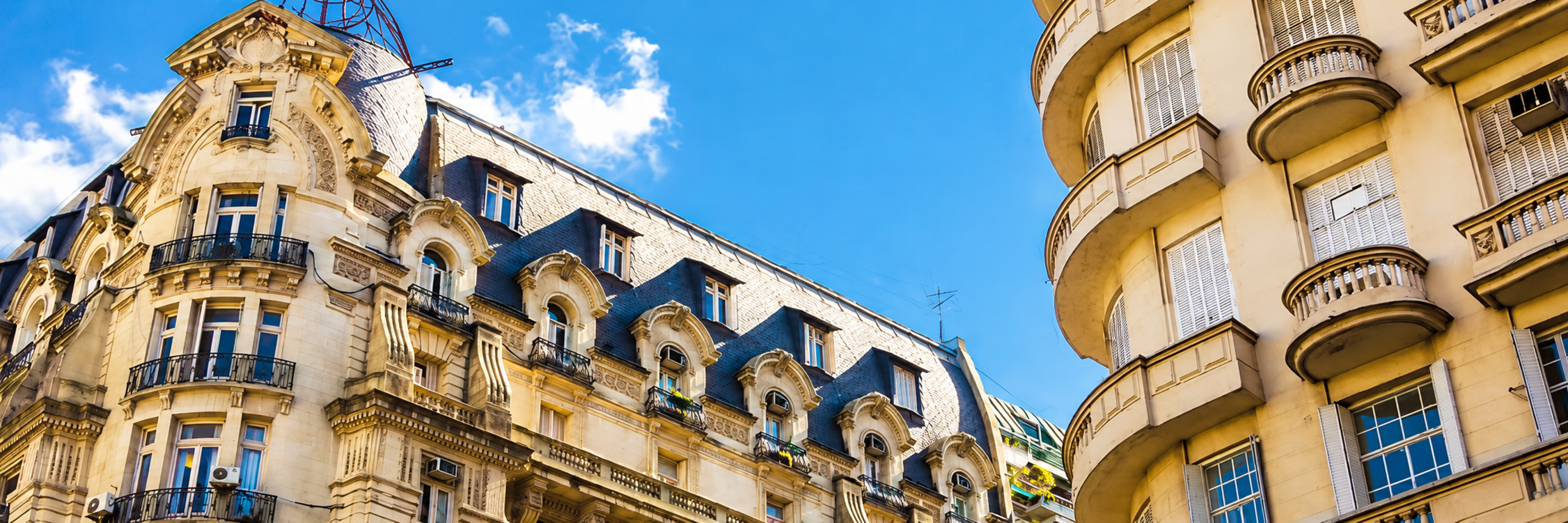
Recoleta pairs Haussmann-style apartment blocks, museums, and the Recoleta Cemetery with some of the city’s most established hotels. It puts you close to key sights, shopping on Avenida Alvear, and easy taxi access across central Buenos Aires.
Best for: Museum visits, classic architecture, and travelers who want a central, upscale base
What to expect: Wide boulevards, steady foot traffic, and a mix of locals, hotel guests, and day visitors, with calmer side streets after dark.
Hotel prices: Usually about $120 to $260 per night for well-rated stays
Distance to major sights: About 10 minutes by taxi to Plaza de Mayo, about 15 minutes to the Museo Nacional de Bellas Artes on foot
Quietness: Quieter in the evening than during the day, when museums and shops keep the streets active.
Main trade-off: Hotel rates are higher than in many other central neighborhoods, and dining can skew expensive near the main avenues.
Good to know: If you plan late dinners or nightlife, you will often head south or east, since Recoleta’s strongest advantage is daytime access and hotel choice.
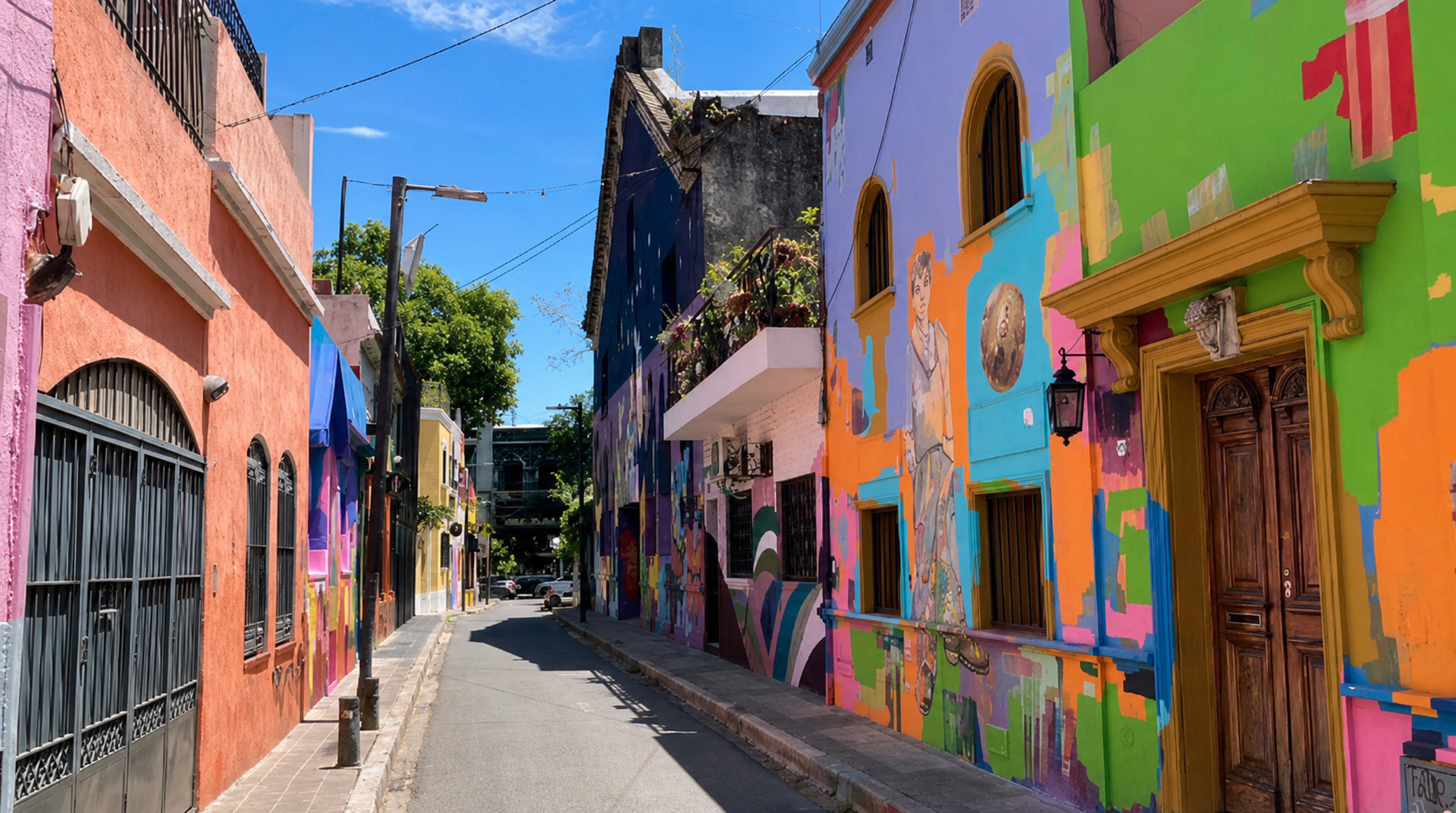
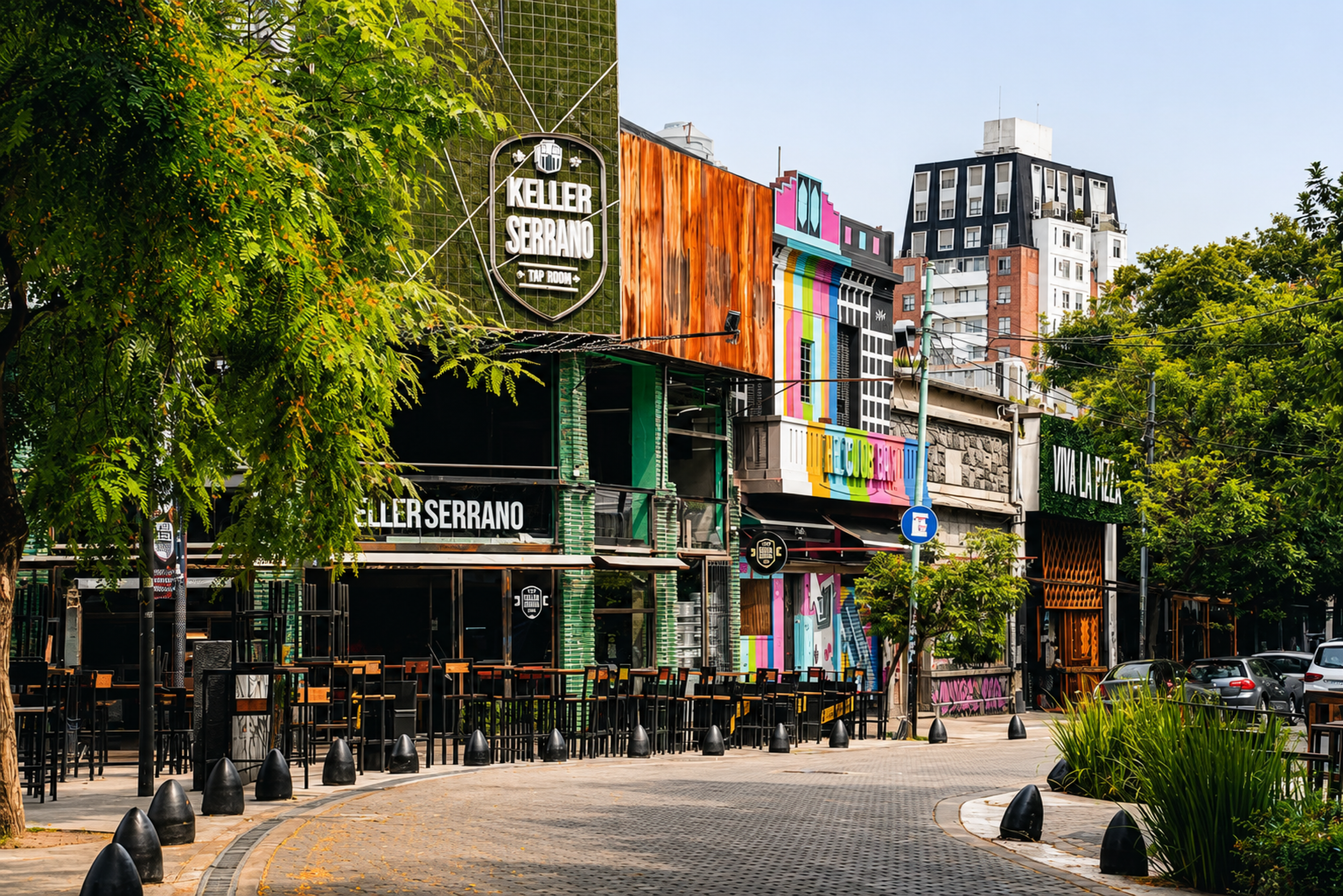
Palermo Soho is the creative side of Palermo, with boutique hotels, independent stores, cafes, and a dense restaurant scene. It works well for travelers who want a lively base with plenty of places to eat and browse within a short walk.
Best for: Dining, shopping, cafe hopping, and travelers who want a lively neighborhood stay
What to expect: Busy sidewalks, late meals, and a young local crowd, especially on weekends and around the main dining streets.
Hotel prices: Usually about $90 to $220 per night for well-rated stays
Distance to major sights: About 20 minutes by taxi to the Obelisco, about 15 minutes by taxi to the MALBA
Quietness: Active through the evening, with more noise on restaurant streets than on the smaller residential blocks.
Main trade-off: You gain restaurant density, but you will spend more time and money on taxis to the historic center and riverfront sights.
Good to know: Weekend evenings can be loud on the busiest blocks, so choose a room away from the main bar streets if sleep matters.
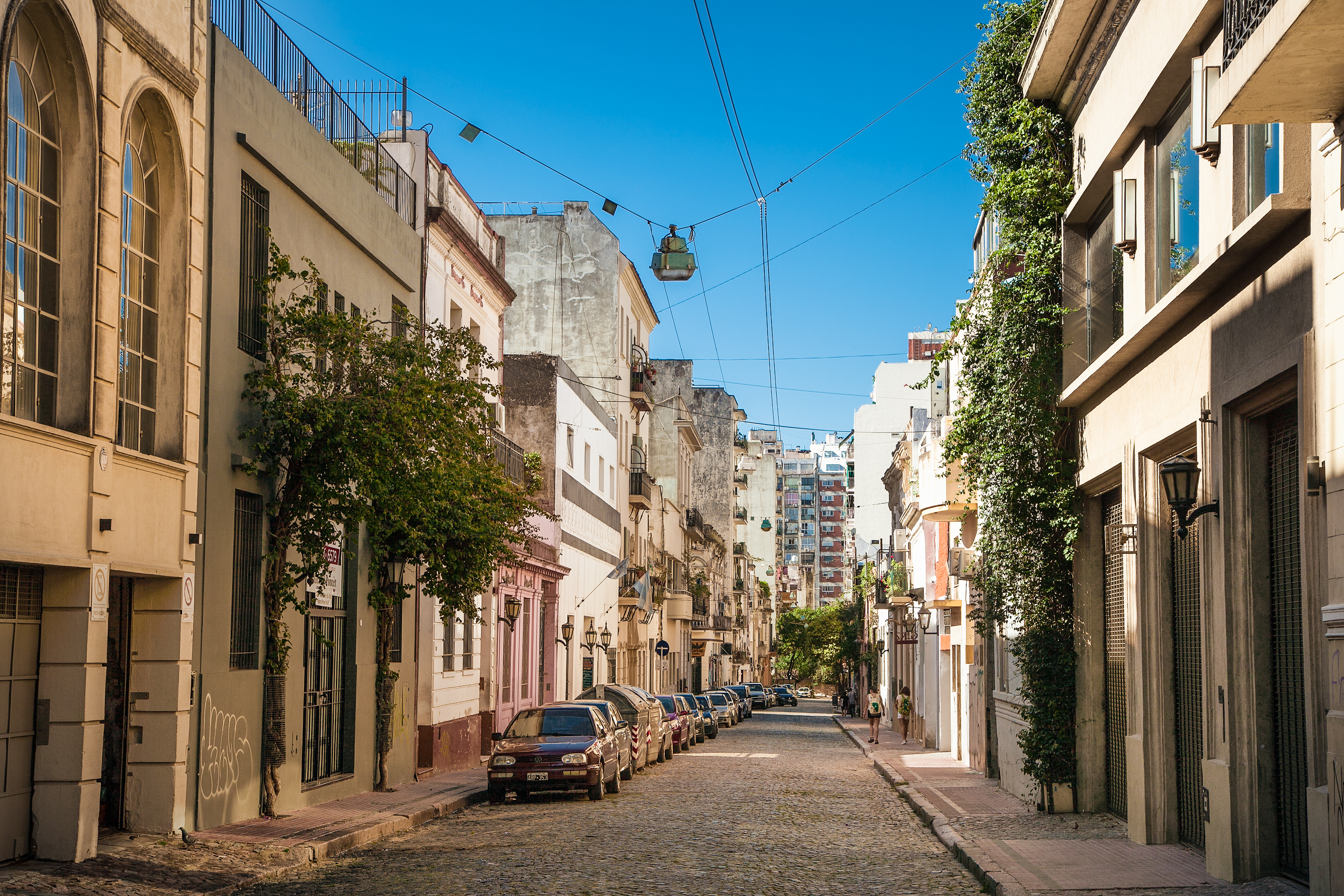
San Telmo is Buenos Aires’ historic quarter, known for colonial buildings, cobblestone streets, antique shops, and tango venues. It suits visitors who want atmosphere close to the city’s oldest core and easy access to Plaza de Mayo.
Best for: Historic streets, tango, antiques, and travelers who want character near the old center
What to expect: Lively by day with market traffic and tour groups, then quieter on smaller streets after dinner except near the main nightlife spots.
Hotel prices: Usually about $70 to $180 per night for well-rated stays
Distance to major sights: About 10 minutes on foot to Plaza de Mayo, about 15 minutes by taxi to Puerto Madero
Quietness: Busy in daytime, then notably calmer away from the main squares after sunset.
Main trade-off: Some streets feel rougher at night, and older buildings can mean smaller rooms and less sound insulation.
Good to know: If you want to stay here, check the exact block carefully, since the experience changes a lot between the market area and the quieter edge streets.
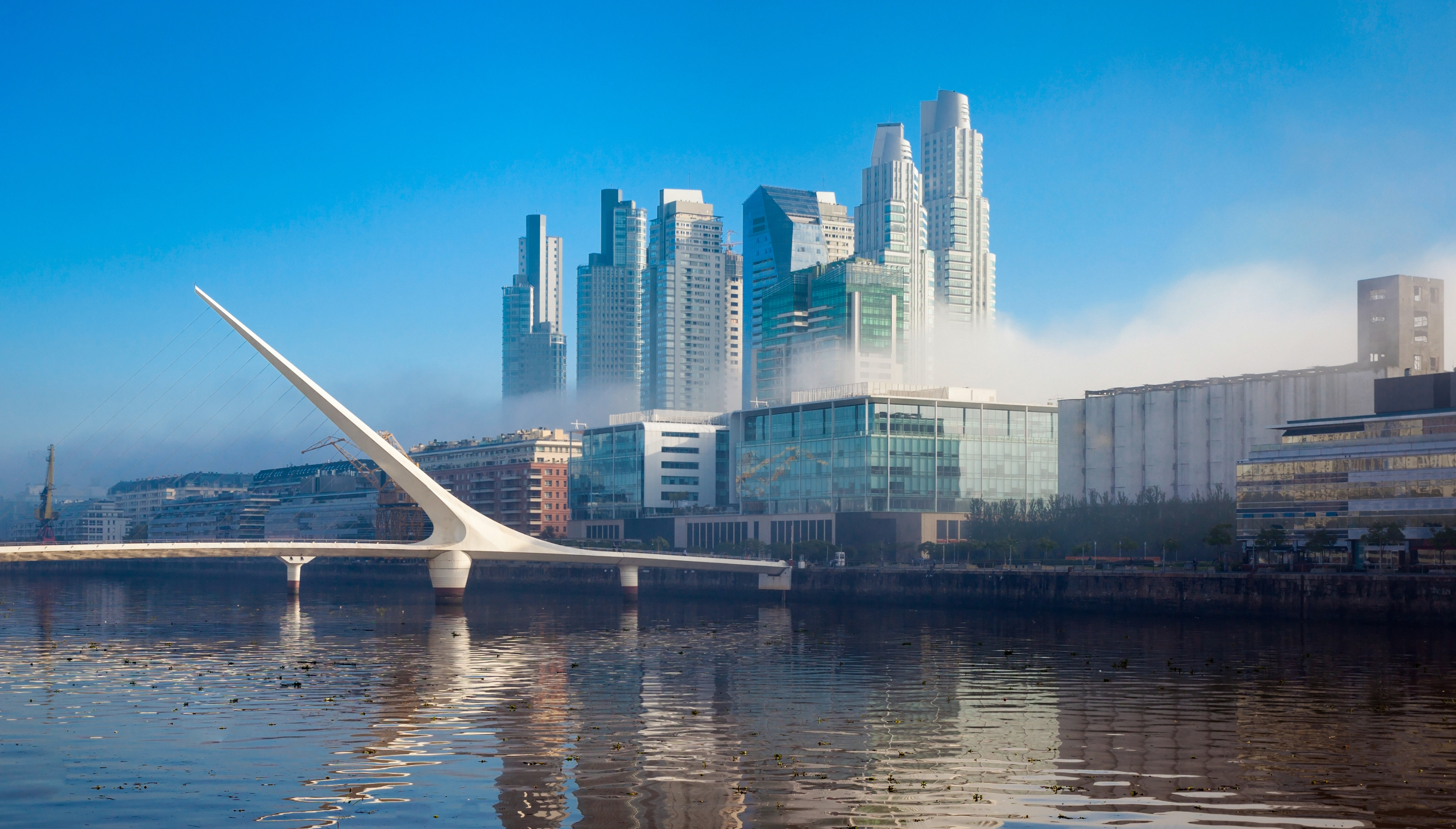
Puerto Madero is the city’s newest waterfront district, with high-rise hotels, broad promenades, and many restaurants along the docks. It offers the most modern sleep base in central Buenos Aires, with quick access to the riverfront and the old city.
Best for: Waterfront walks, newer hotels, business trips, and travelers who want the quietest central base
What to expect: Clean promenades, upscale hotel traffic, and fewer pedestrians after dark than in the older neighborhoods nearby.
Hotel prices: Usually about $140 to $320 per night for well-rated stays
Distance to major sights: About 15 minutes on foot to Plaza de Mayo, about 20 minutes by taxi to Palermo Soho
Quietness: Calm during the day and especially quiet at night, with most activity concentrated in restaurants and hotels.
Main trade-off: The district sits close to major sights, but the area can feel detached from the street life that gives other parts of Buenos Aires their appeal.
Good to know: Restaurant choices are concentrated along a few blocks, so you may need to move by taxi if you want more varied evening plans.
Travelers usually avoid staying in La Boca, because it sits far from many major sights and has limited visitor amenities after daytime hours. Lugano, Soldati, and Villa Riachuelo are also less convenient, since they are well south of the main tourist zone, with fewer hotel options and longer evening trips to central neighborhoods.
Hotel deals
How to get around Buenos Aires efficiently
Buenos Aires works best when you match the task to the mode: the Subte covers core corridors, colectivos fill the gaps, and taxis or app rides handle the longer hops between neighborhoods.

Metro
for longer distances
Buenos Aires’s Subte links the center with neighborhoods such as Palermo, Recoleta, and San Telmo through six lines, and a reloadable SUBE card covers each ride. Fares are about $0.30 to $0.50 per trip (roughly AR$300 to AR$500), with transfers sold as single rides rather than timed passes, and trains usually run from about 5:30 am to 11:30 pm, depending on the line. For airport access, the metro does not reach Buenos Aires (EZE) or Buenos Aires (AEP), so you still need a bus, taxi, or rideshare for those legs.

Bus and tram
for convenience
Buenos Aires has an extensive bus network, the colectivos, and they fill the gaps the Subte leaves, especially for cross-town trips and late-evening travel. Use the SUBE card on nearly every route, pay on board, and expect fares of about $0.20 to $0.40 per ride (roughly AR$200 to AR$400) with each boarding valid for a single trip only. The 8 and 12 lines serve Buenos Aires (AEP), and the 51 and 8 connect with Buenos Aires (EZE), although airport buses take much longer than a taxi and can take 60 to 120 minutes depending on traffic.

Taxi
for late hours
Licensed taxis in Buenos Aires use meters, not fixed citywide fares, and you can hail them on the street, find them at taxi stands, or book through an app. A normal city ride often costs about $3 to $10 (roughly AR$3,000 to AR$10,000), while trips to Buenos Aires (AEP) or Buenos Aires (EZE) usually run higher, with EZE often about $20 to $35 (roughly AR$20,000 to AR$35,000) depending on traffic and time of day. Many cabs accept cash, and card payment is growing but not universal, so ask before you set off.
*Prices are based on rates updated as of June 2026 and may change at the time of travel.
Use the Subte for central stretches, buses for cross-town connections, and taxis or ride apps when you need a faster point-to-point ride, especially to or from the airports.
Iconic landmarks
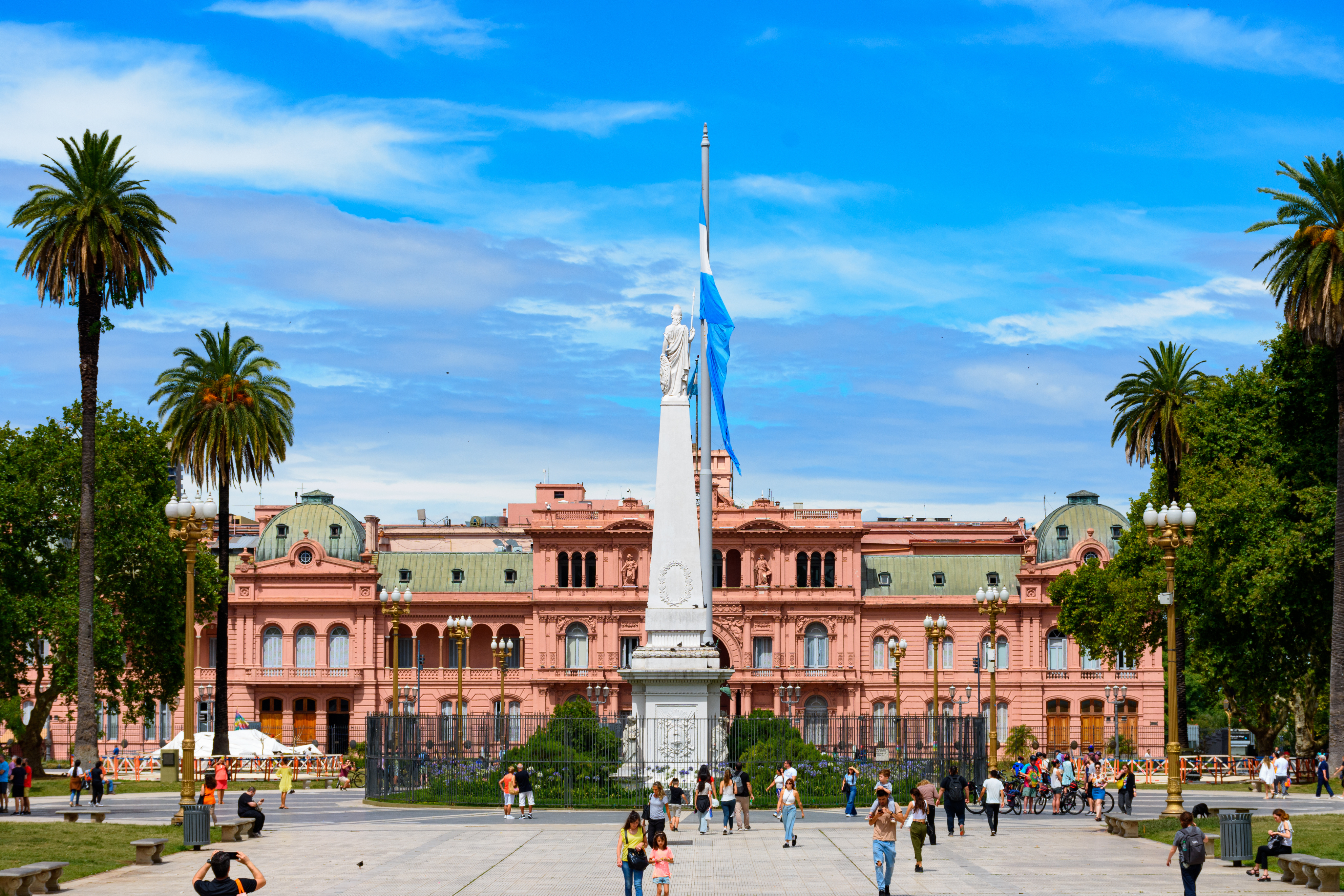
Plaza de Mayo
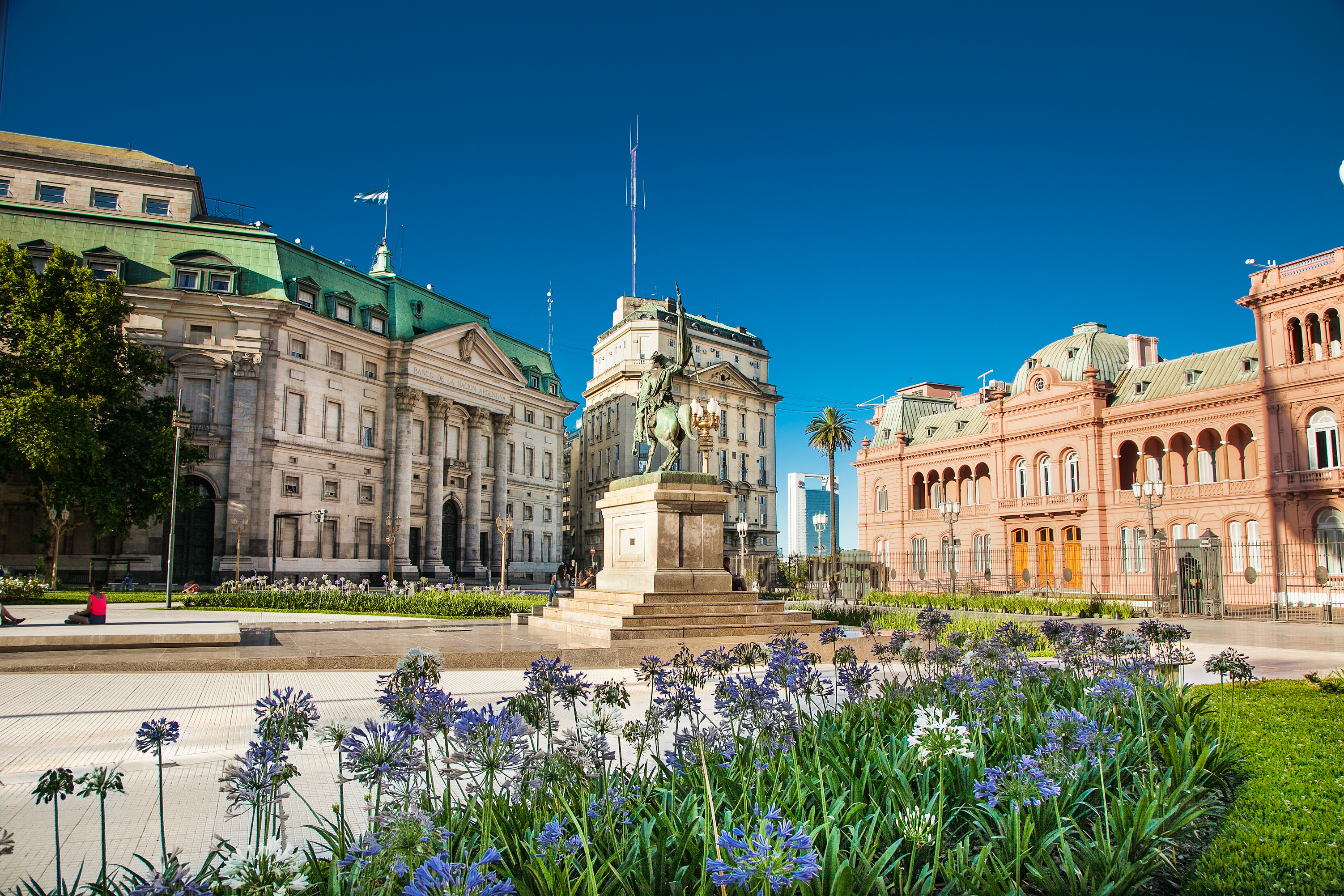
Buenos Aires’ main civic square brings together the Casa Rosada, the Metropolitan Cathedral, and the Cabildo. It anchors protests, national ceremonies, and daily crossings at the heart of the city center.
Time needed: About 1 to 2 hours
Entry: Free to access; some nearby museums and interior visits charge separate admission
Tip: Go early on a weekday to see the square before tour groups fill the sidewalks.
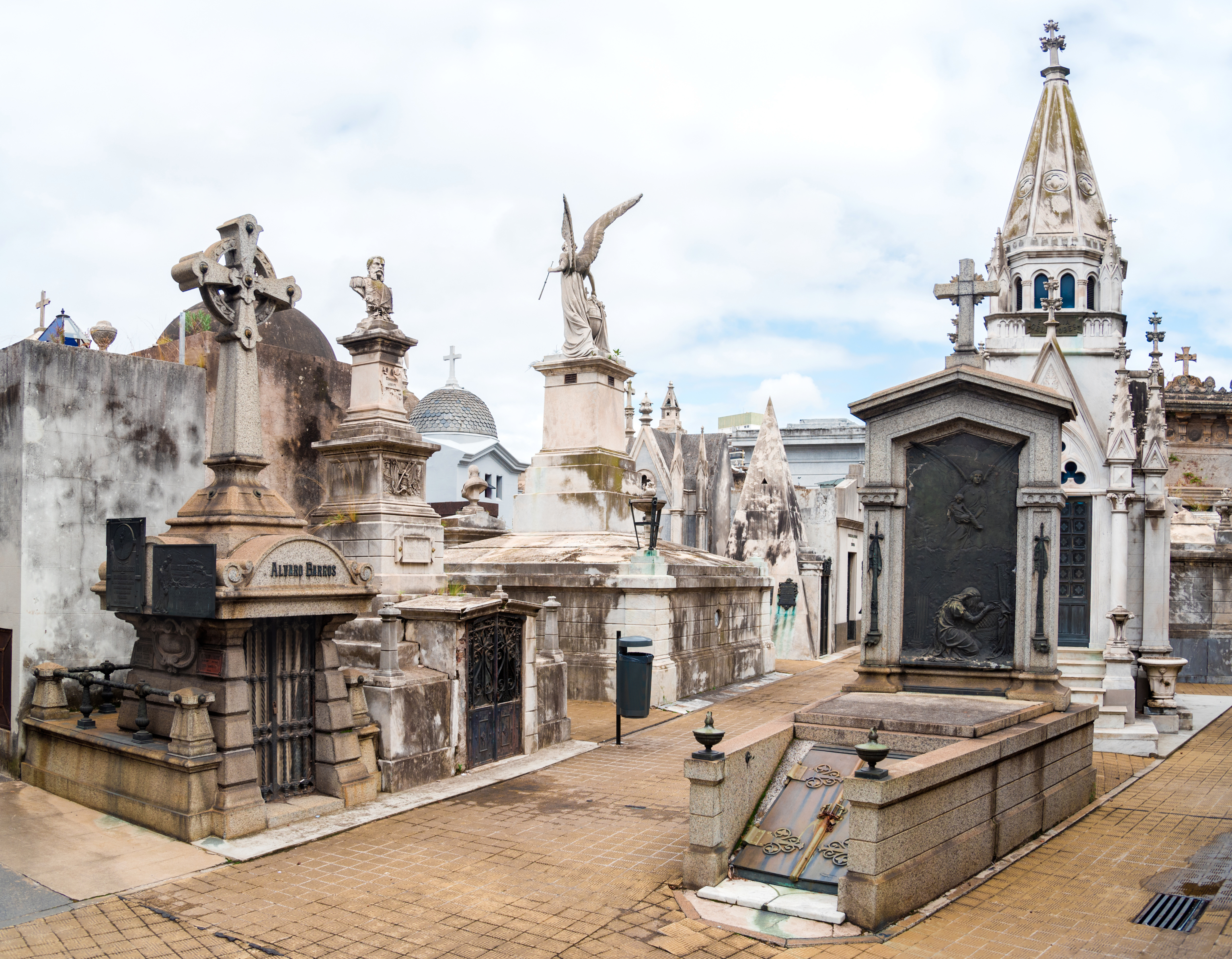
Recoleta Cemetery
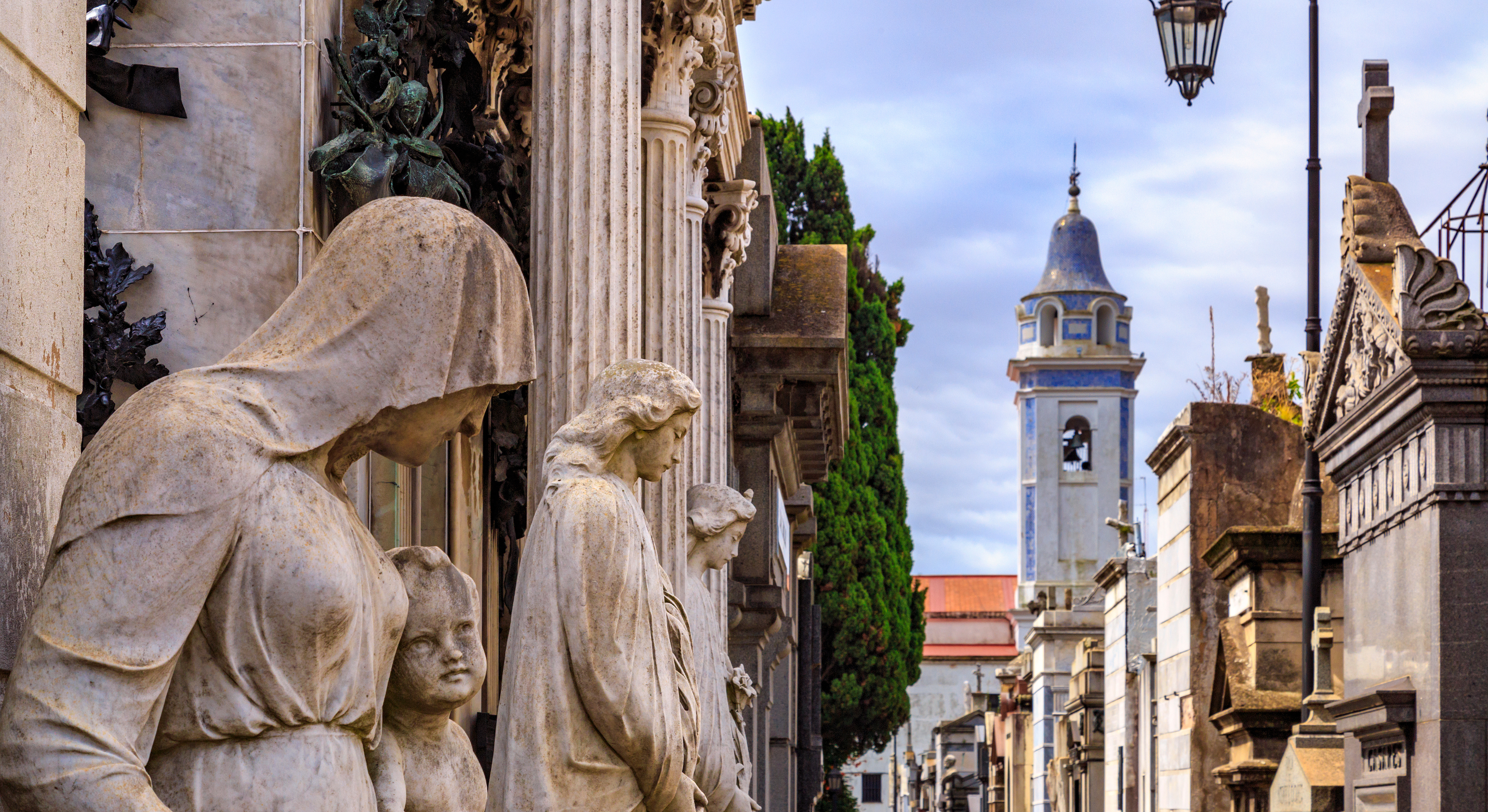
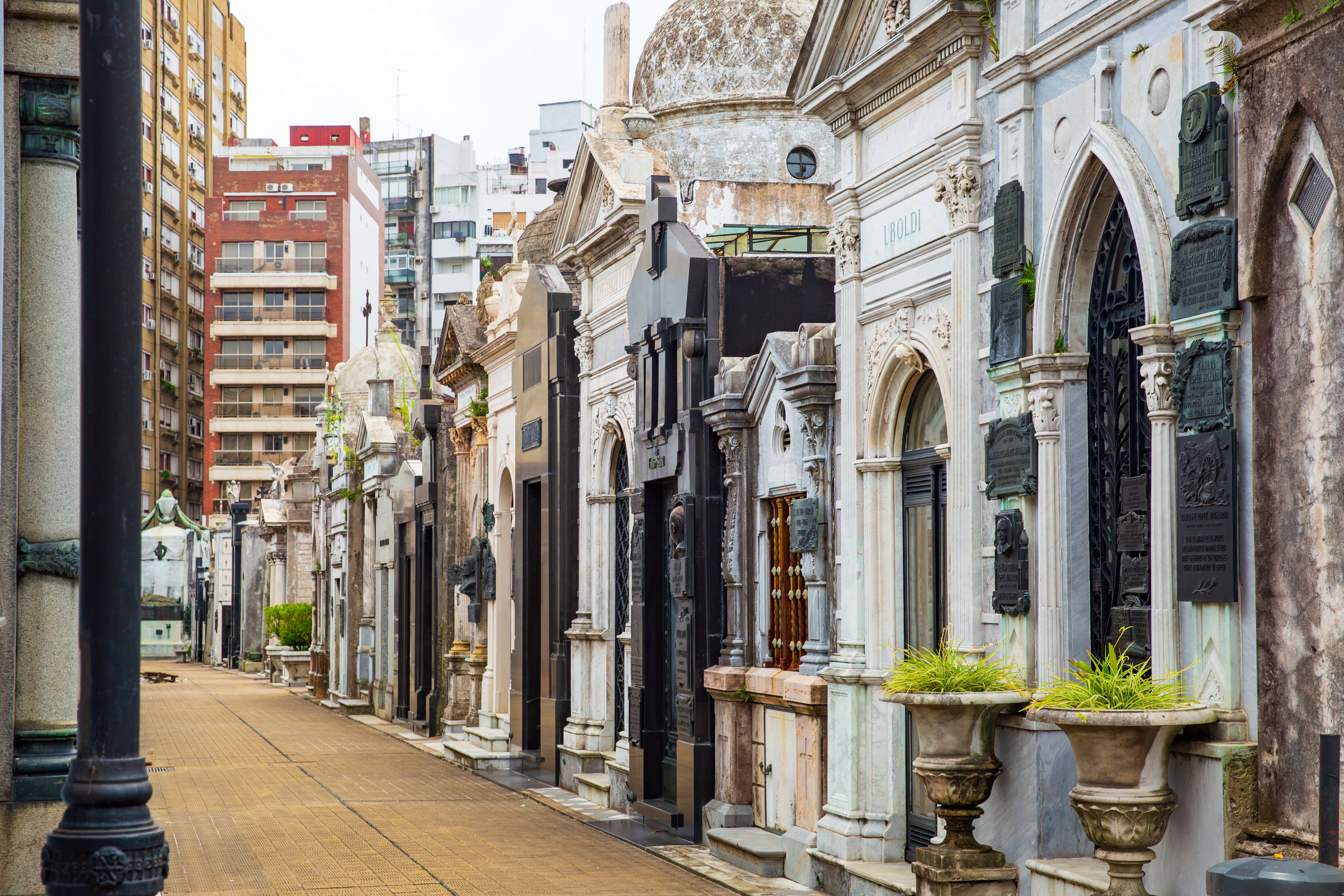
Recoleta Cemetery is Buenos Aires’ most visited burial ground, known for marble mausoleums, narrow lanes, and the tomb of Eva Perón. Its sculpted passages make it one of the city’s most distinctive urban monuments.
Time needed: About 1 to 2 hours
Entry: Standard admission costs about $10 ($10) for nonresidents; Argentine residents pay a lower fee Visit the official site for details.
Tip: Visit in the morning, when the lanes are cooler and the stone details are easier to photograph.
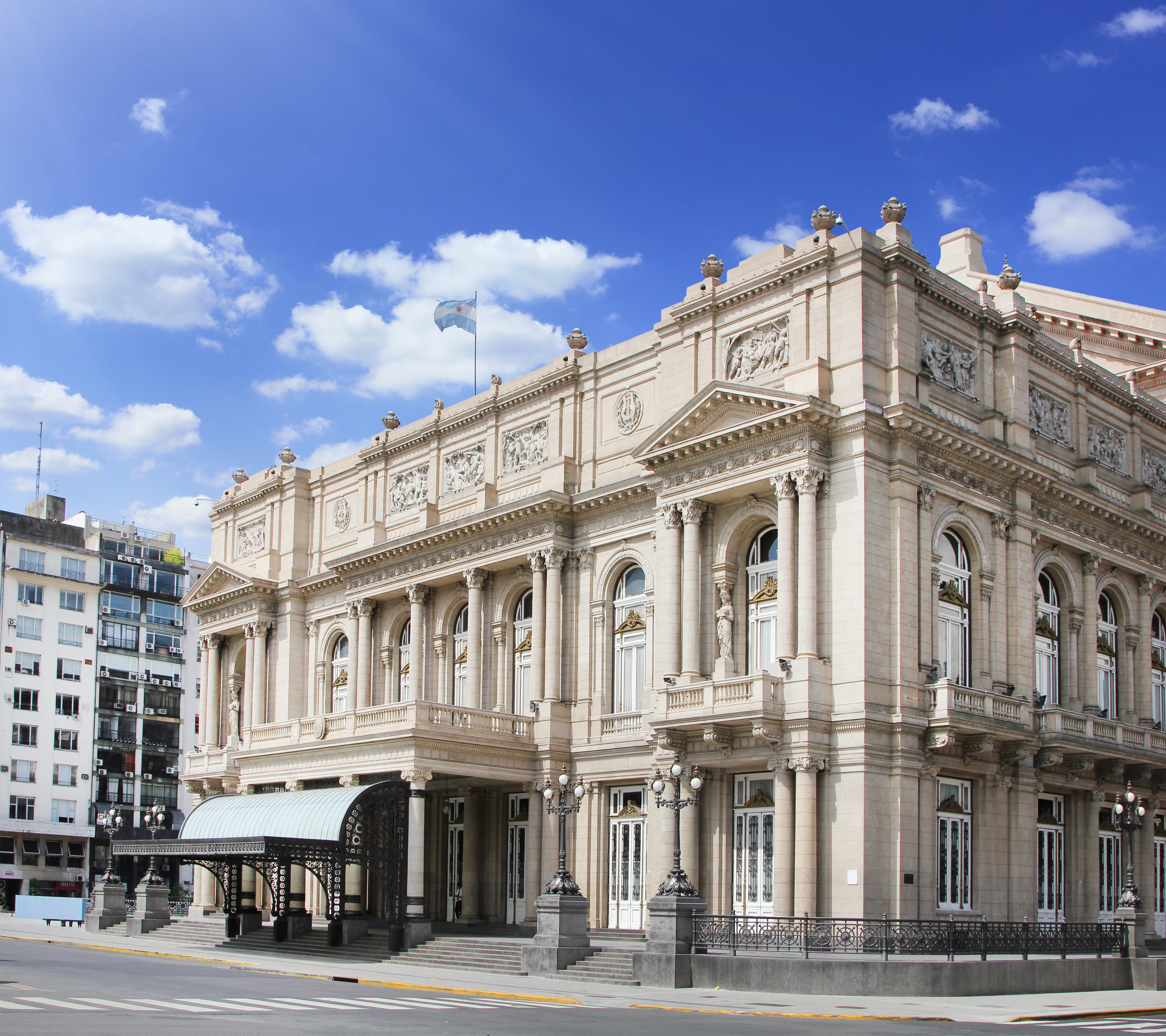
Teatro Colón
Teatro Colón is one of the world’s major opera houses, praised for its horseshoe auditorium, stained glass, and ornate foyers. Guided tours and performances show the building’s acoustics and craftsmanship from different angles.
Time needed: About 1 to 2 hours
Entry: Guided tours cost about $25 to $35 ($25 to $35); performance tickets vary by production and seat Visit the official site for details.
Tip: Choose a tour that includes the auditorium if you want the best view of the interior.
Overlooked sites worth visiting
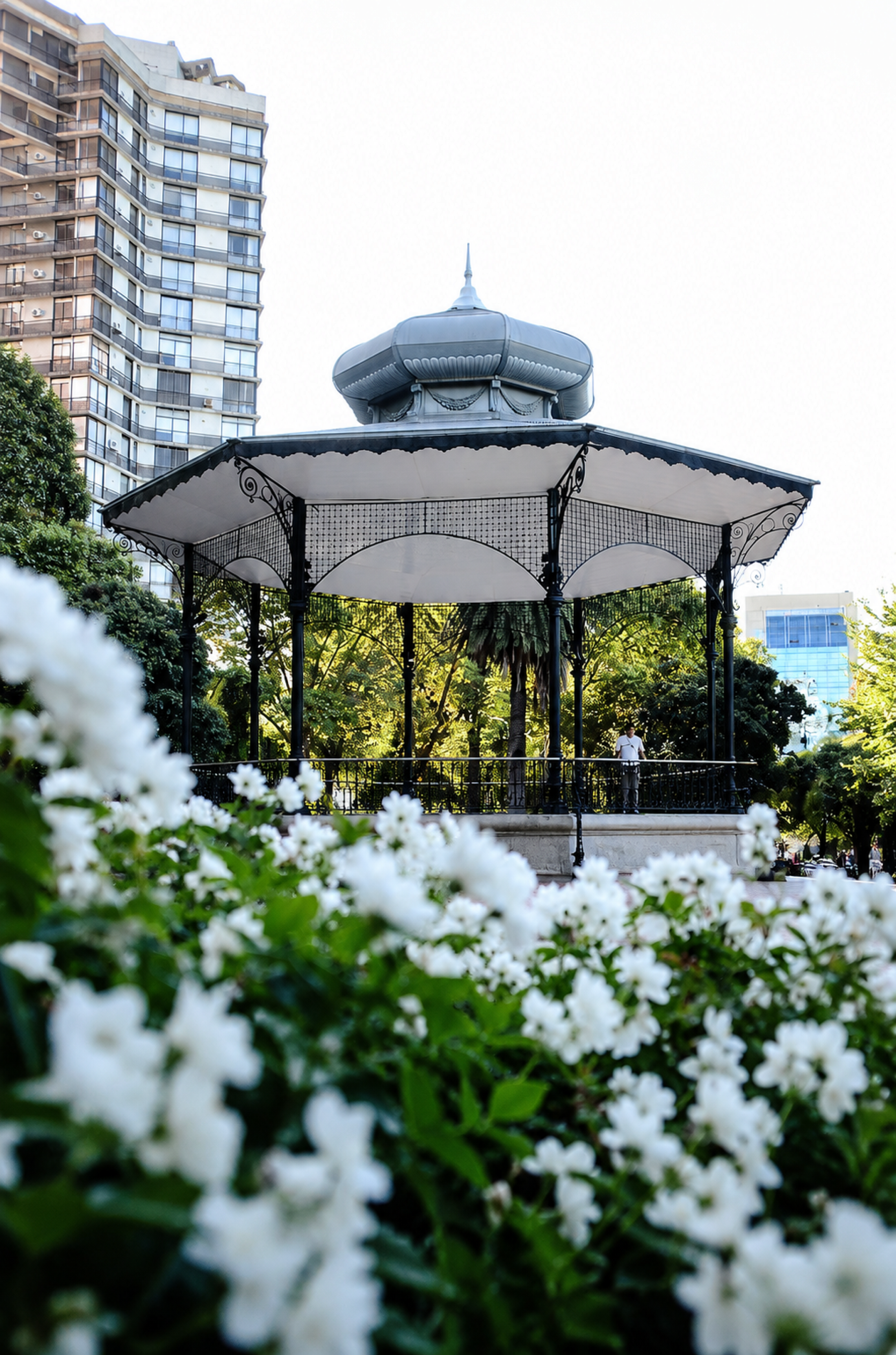
Barrancas de Belgrano
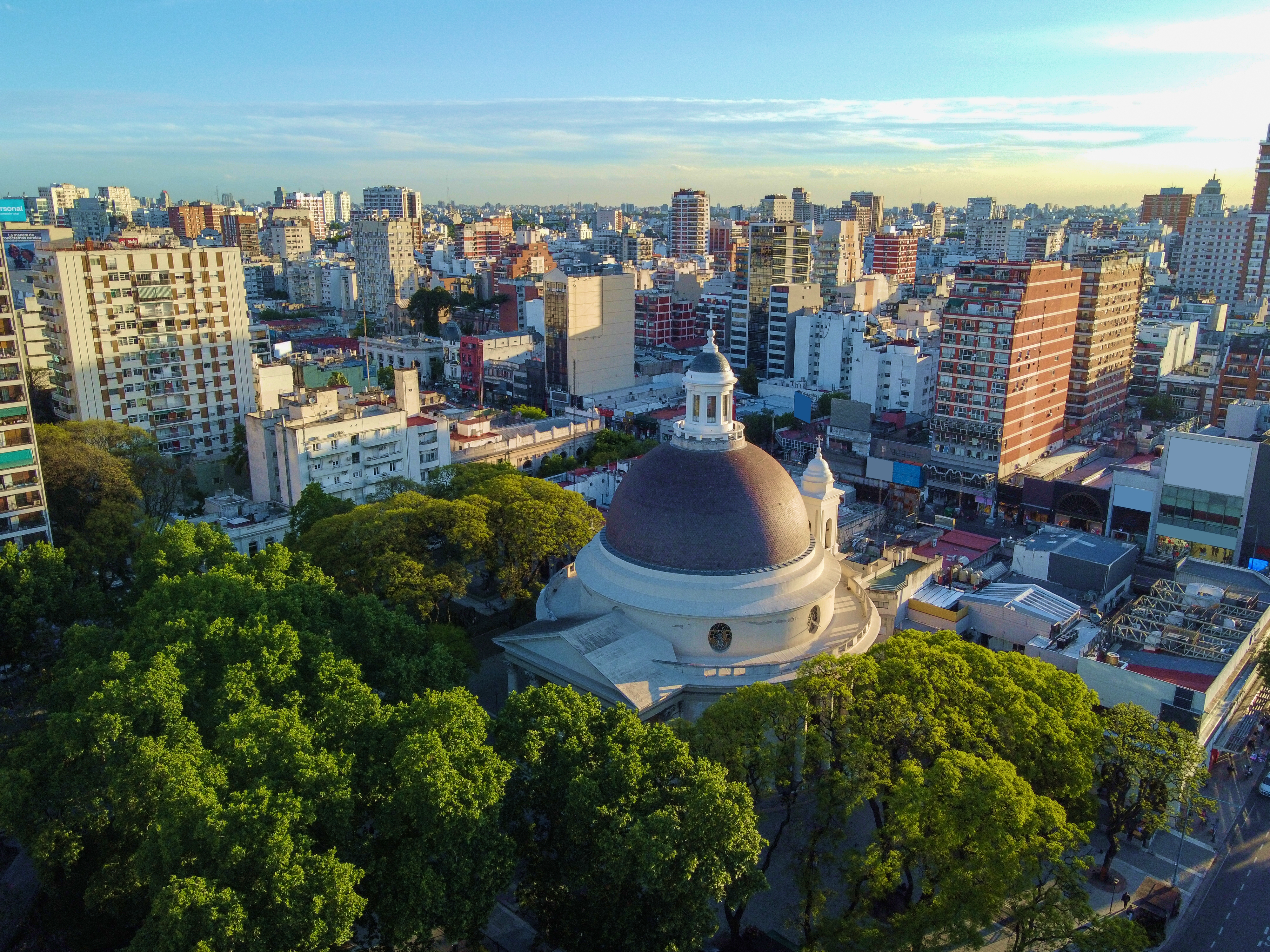
A terraced riverside park with jacaranda shade, sloping lawns, and paths that rise above the tracks in Belgrano. Come for river breezes, old trees, and open views across the northern edge of the city.
Time needed: About 1 hour
Entry: Free to access. The park has open public paths, lawns, and stairways at all hours, with no admission fee for daytime visits.
Tip: Go near sunset for softer light on the terraces.

Museo Histórico Sarmiento
This compact museum sits in a former town hall in Belgrano and traces Argentina’s 19th-century political history through period rooms, documents, and portraits. The scale stays small, and the exhibits reward a close look.
Time needed: About 1 to 2 hours
Entry: Admission is free for Argentine residents and generally free for all visitors on weekdays; special exhibitions or guided activities may have separate charges, so check the museum schedule before you go Visit the official site for details.
Tip: Check weekday hours before visiting, since they vary.
Traditional food
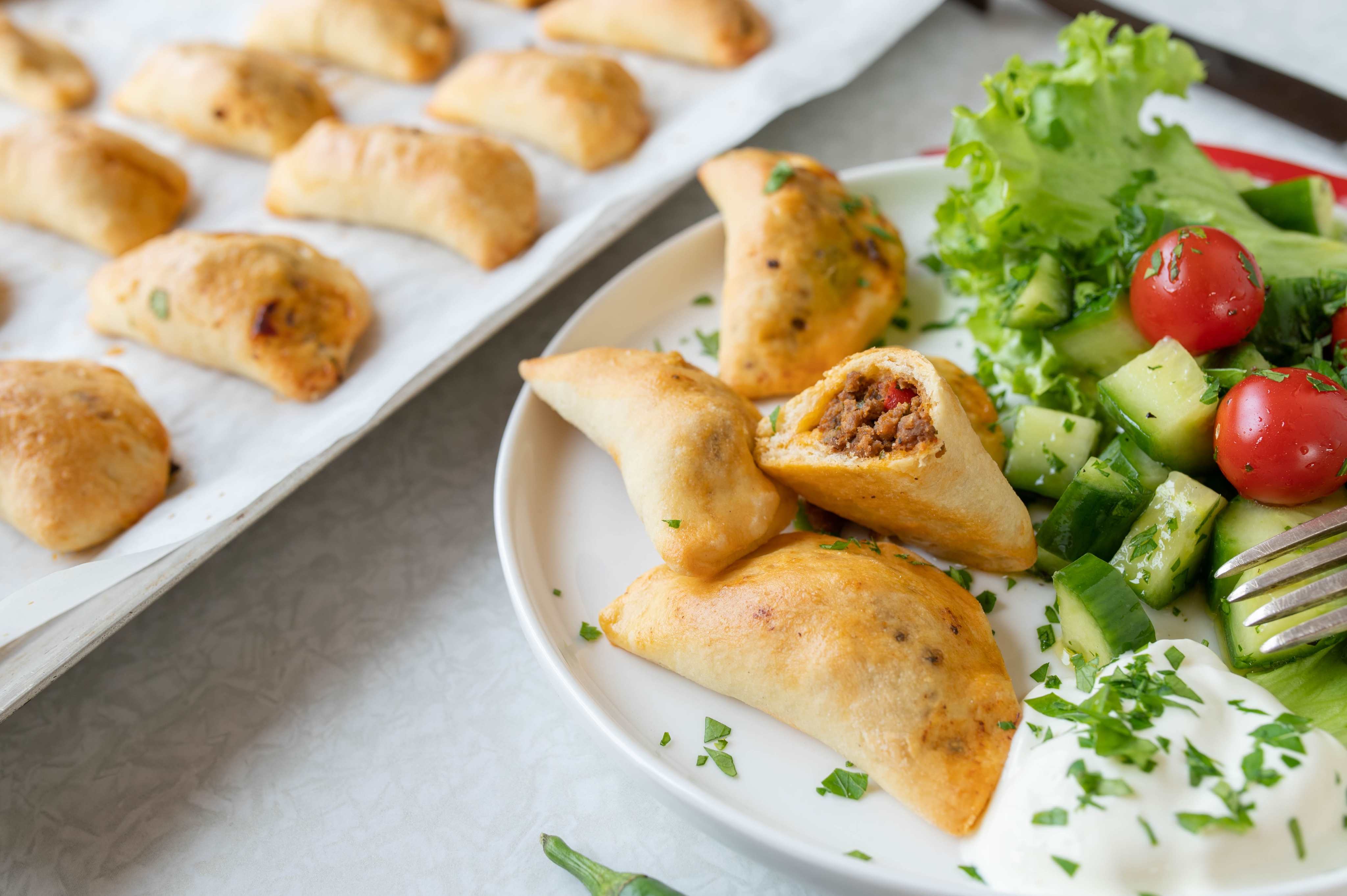
Buenos Aires cooking centers on grilled meat, pastries, and rich sauces, with asado, empanadas, milanesa napolitana, and dulce de leche appearing across menus. Dinner often starts late, and many dining rooms stay busy well past the usual North American hours.
Asado
Argentina’s signature grill spread, with different cuts served from the parrilla and often shared across the table. Don Julio is the classic Buenos Aires stop for it, with a menu built around fire, meat, and a serious wine list.
Empanadas
Baked or fried pastries filled with beef, chicken, ham, or cheese, and a standard snack or light meal across the city. La Cocina in San Telmo has long been a reliable address for them, especially if you want a traditional downtown meal.
Milanesa napolitana
A breaded cutlet topped with tomato sauce, ham, and melted cheese, usually served with fries or salad. El Preferido de Palermo makes a polished version that fits the neighborhood’s dining scene without losing the dish’s everyday appeal.
Dulce de leche
This caramelized milk spread appears in desserts, cakes, and breakfast pastries across Buenos Aires. El Sanjuanino is a classic place to finish with something sweet after a savory meal, especially if you want a local dessert stop near Recoleta.
Best time to visit Buenos Aires
Buenos Aires works in every season, but the city changes with temperature, tree cover, and the timing of outdoor meals, so the best months depend on whether you want park walks, museum days, or café-heavy afternoons.
Best for: Long evenings, river walks, and outdoor dining
What you get: About 77 to 88°F (25 to 31°C), with heavier heat and more visitors on weekends
Trade-offs: Midday heat can make long walking days tiring
Best for: Comfortable city walks and clear museum days
What you get: About 61 to 77°F (16 to 25°C), with moderate crowds and easy sightseeing
Trade-offs: Weather can shift quickly, so pack a light layer
Best for: Cafés, performances, and indoor cultural stops
What you get: About 46 to 61°F (8 to 16°C), with lighter crowds at some outdoor sights
Trade-offs: Cooler afternoons shorten park time
Best for: Jacaranda-lined streets and long daylight hours
What you get: About 59 to 75°F (15 to 24°C), with lively weekends and fuller hotel demand
Trade-offs: Popular areas feel busier as the weather improves
A realistic 5-day plan in Buenos Aires
This five-day plan keeps the city in manageable sections, so you are not crossing Buenos Aires repeatedly in one day. It begins with the center, moves through historic and cultural neighborhoods, then ends with a slower northward finish before departure.
Land at Buenos Aires (EZE) and take a taxi or prebooked remise into Recoleta or Palermo Soho, usually about 40 to 60 minutes depending on traffic and a fare of roughly $20 to $35. If you arrive at Buenos Aires (AEP), the trip into the center often takes about 15 to 25 minutes and costs about $8 to $15. Settle into your hotel, drink water, and keep dinner close to your base, with a simple steakhouse or cafe in Recoleta if you want an early night.
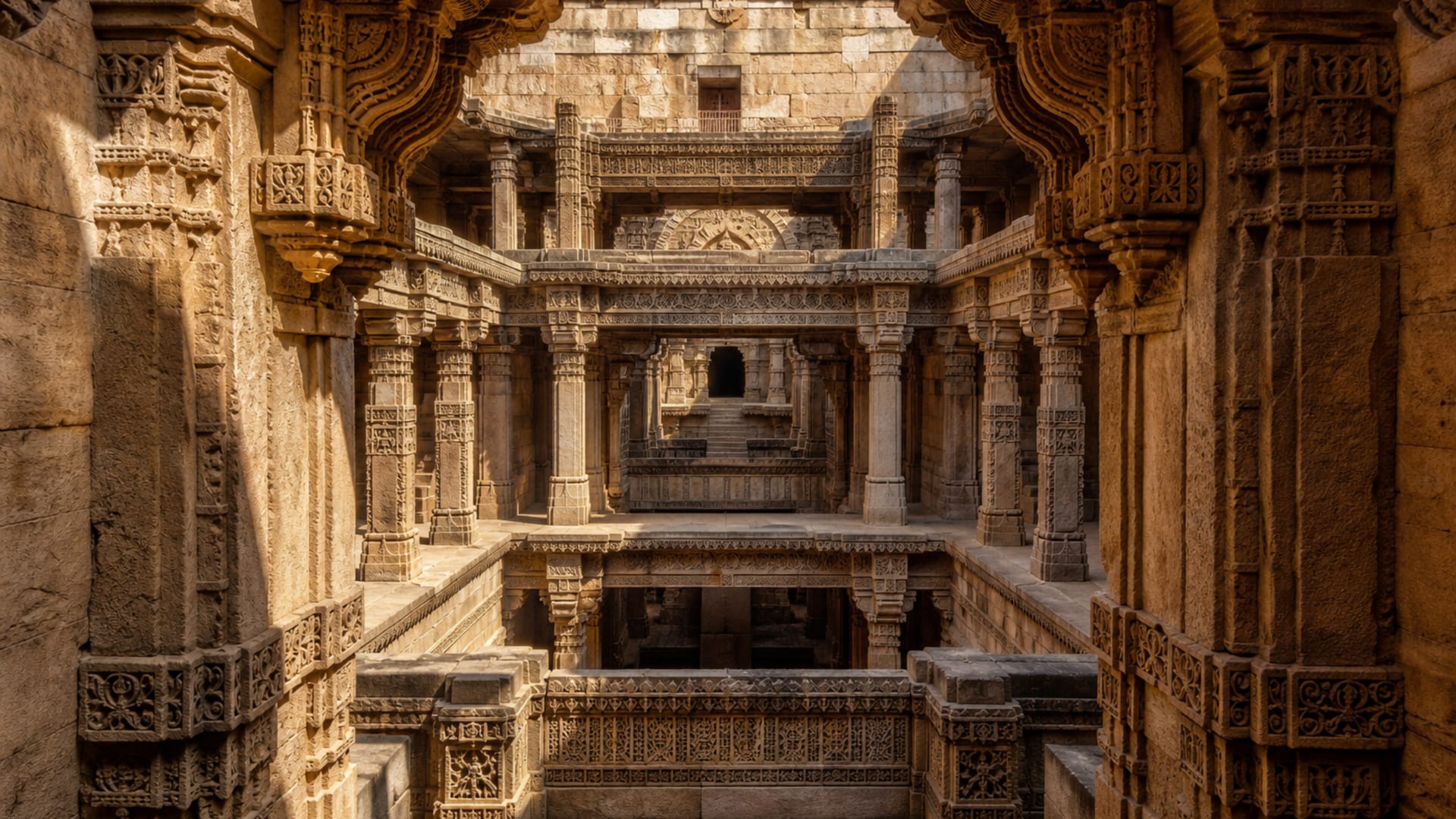
Start at Plaza de Mayo, where the Casa Rosada, the Metropolitan Cathedral, and the Cabildo sit within an easy 1 to 2-hour circuit. From there, walk about 15 minutes into San Telmo for lunch, browsing antique shops and the colonial blocks before you continue into the market streets. In the late afternoon, take a taxi about 10 minutes back toward Puerto Madero for a waterfront walk and an early dinner by the docks.
Begin in Recoleta Cemetery, then walk about 10 minutes to nearby avenues for coffee before heading about 15 minutes on foot to the Museo Nacional de Bellas Artes area for a broader art stop. After lunch in Recoleta, continue by taxi or rideshare about 15 minutes to Teatro Colón for a guided tour or an evening performance. If you want a slower finish, stay in the center afterward and dine near the theater district.
Head north to Barrancas de Belgrano near sunset, where the terraced lawns and jacaranda shade give the park its best light. From Recoleta or Palermo, the trip usually takes about 20 to 30 minutes by taxi, and the park itself needs about 1 hour. Finish in Belgrano with a quiet dinner nearby, then stop at Museo Histórico Sarmiento earlier in the day if you want a compact historical visit before the park.
Begin with one last museum stop at Museo Histórico Sarmiento if you did not get to it earlier, then head back toward Palermo Soho for shopping along the independent design and clothing streets. Spend late morning or early afternoon in a cafe there, where an order of coffee and medialunas gives you an easy pause before packing. If time allows, make a final walk through Recoleta for a last look at the district’s boulevards before your transfer to the airport.
Business-class flights from the US to Buenos Aires
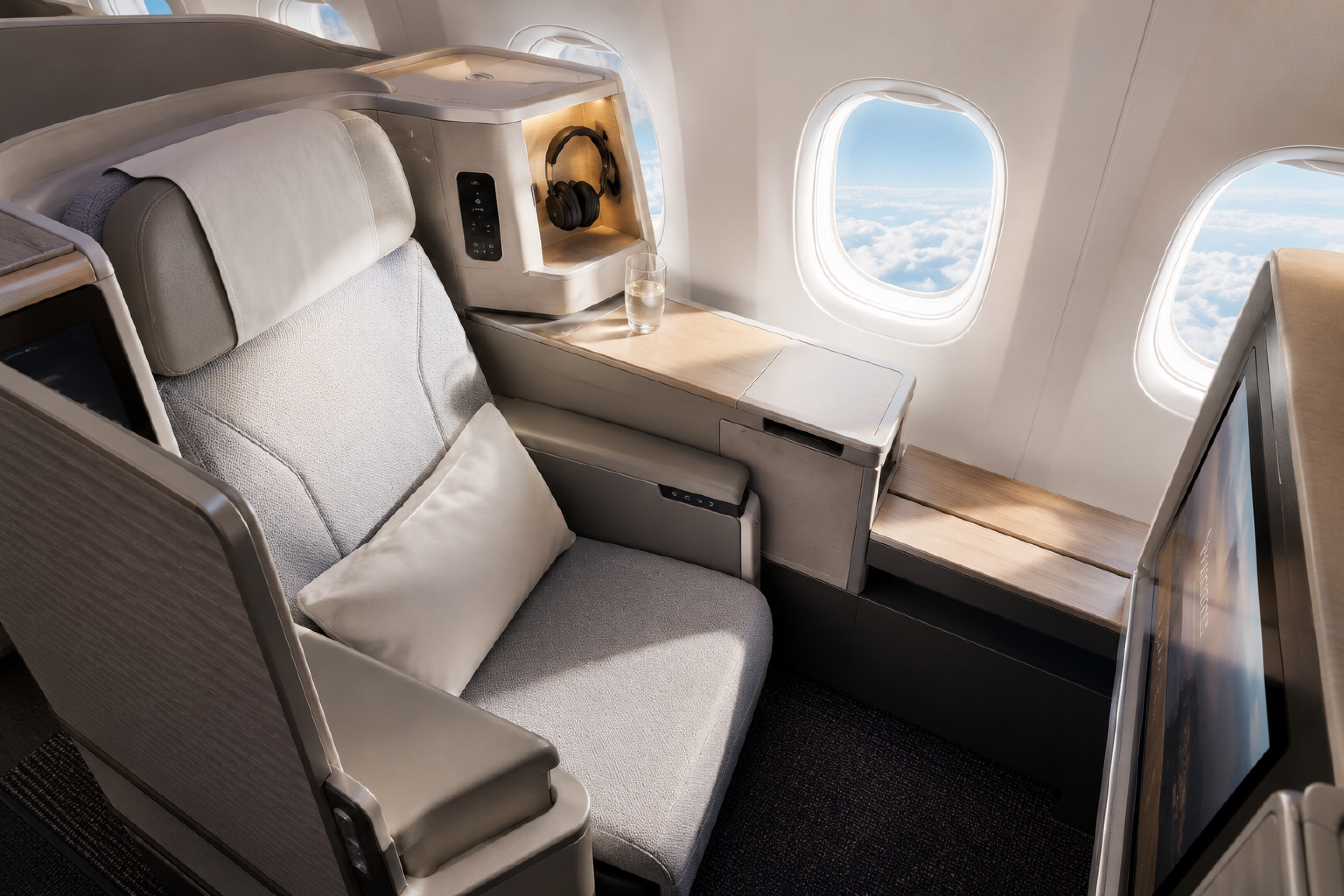
Flights to Buenos Aires usually involve either a nonstop stretch or a one-stop routing that trades time for price. From the East Coast and the West Coast, the airline mix is broad, so the best choice depends on how much connection time you want to accept.
From New York, Aerolineas Argentinas, Delta Air Lines, American Airlines, United Airlines, LATAM Airlines, and Avianca all appear on this route. Nonstop flying takes about 10 to 11 hours, while one-stop itineraries via MIA, ATL, PTY, GRU, or SCL usually take about 13 to 18 hours. Round-trip fares for this route usually start near $3,200 and can climb to about $7,500.
Los Angeles travelers usually see Aerolineas Argentinas, American Airlines, LATAM Airlines, United Airlines, Copa Airlines, and Avianca on itineraries to Buenos Aires. Nonstop flight time runs about 13 to 14 hours, and one-stop options through MIA, DFW, ATL, PTY, or LIM often extend the journey to about 16 to 22 hours. From roughly $3,400 to $8,000 round-trip, the one-stop options often price below the nonstop fares.
Buenos Aires feels different when you slow down
A well-paced Buenos Aires trip gives each neighborhood a clear role, from Plaza de Mayo and San Telmo to Recoleta Cemetery, Teatro Colón, and the quieter paths at Barrancas de Belgrano. Taxis, the Subte, and short walks each do a different job, and that mix keeps the city readable. If you want a trip shaped around those districts and dining hours, AranGrant experts can help you plan the route that fits your dates







