

Chapters:

Need help with your trip?
Our support team is available 24/7. Request a callback or call us directly at (833) 619-0908
Basrah trips often start with a waterfront hotel, a late museum stop, and one rushed dinner near the Corniche. Travelers usually miss how much time the city asks for between the airport, central districts, and the older streets.
That shortcut can leave too much of the day in taxis and too little in places that reward slower timing, like the Shanasheel lanes or the riverfront after sunset. Crowds, prayer-hour closures, and cross-town traffic also change the pace more than first-time visitors expect.
This guide sets out the city in a cleaner order, with neighborhood-based stays, timed stops, and a five-day plan that keeps Basrah’s river, museums, and meals in view without packing too much into one stretch.
Useful things to know
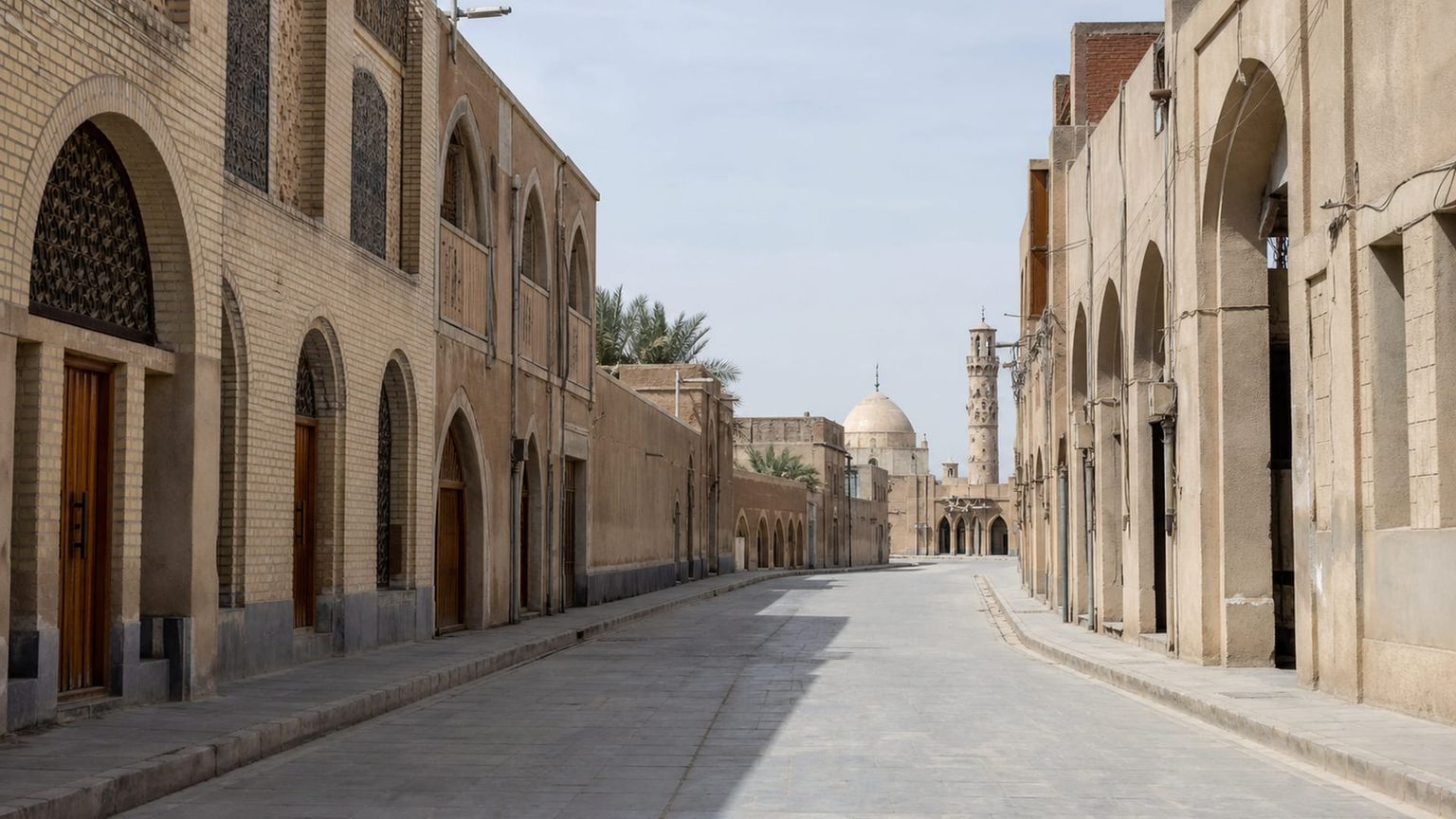

Main language(s): Arabic
marhaban (mar-ha-ban) – hello / good morning
min fadlak (min fad-lak) – please
shukran (shook-ran) – thank you
hal tatakallam al-ingliziya? (hal ta-ta-kal-lam al-in-gli-zi-ya) – Do you speak English?
kam ath-thaman? (kam ath-tha-man) – How much does it cost?

Currency: The local currency is the Iraqi dinar (IQD, ع.د).

Cash and cards: Cards and contactless are limited, so carry about 15,000 to 30,000 IQD ($12 to $23) in cash.

Tipping: Round up taxis and small bills; in restaurants, 5-10% is appreciated if no service charge is added.

Traditional food: Masgouf, Biryani, Samak stew, Kubba

Water and coffee costs: Water ~1,500 IQD ($1), bar espresso ~3,000 IQD ($2.30).

Taxis and ride apps: Careem and local taxi apps operate; confirm the fare before you ride.

Plug and voltage: Type C/D/G socket, 230V

Dining and shop opening hours: Breakfast is about 7:00-9:00 am, lunch 12:30-2:30 pm, and dinner 7:00-10:00 pm. Many restaurants close during Friday prayer times, and some reopen late.

Emergency number: 112 for police, ambulance, and fire.
Where to stay in Basrah
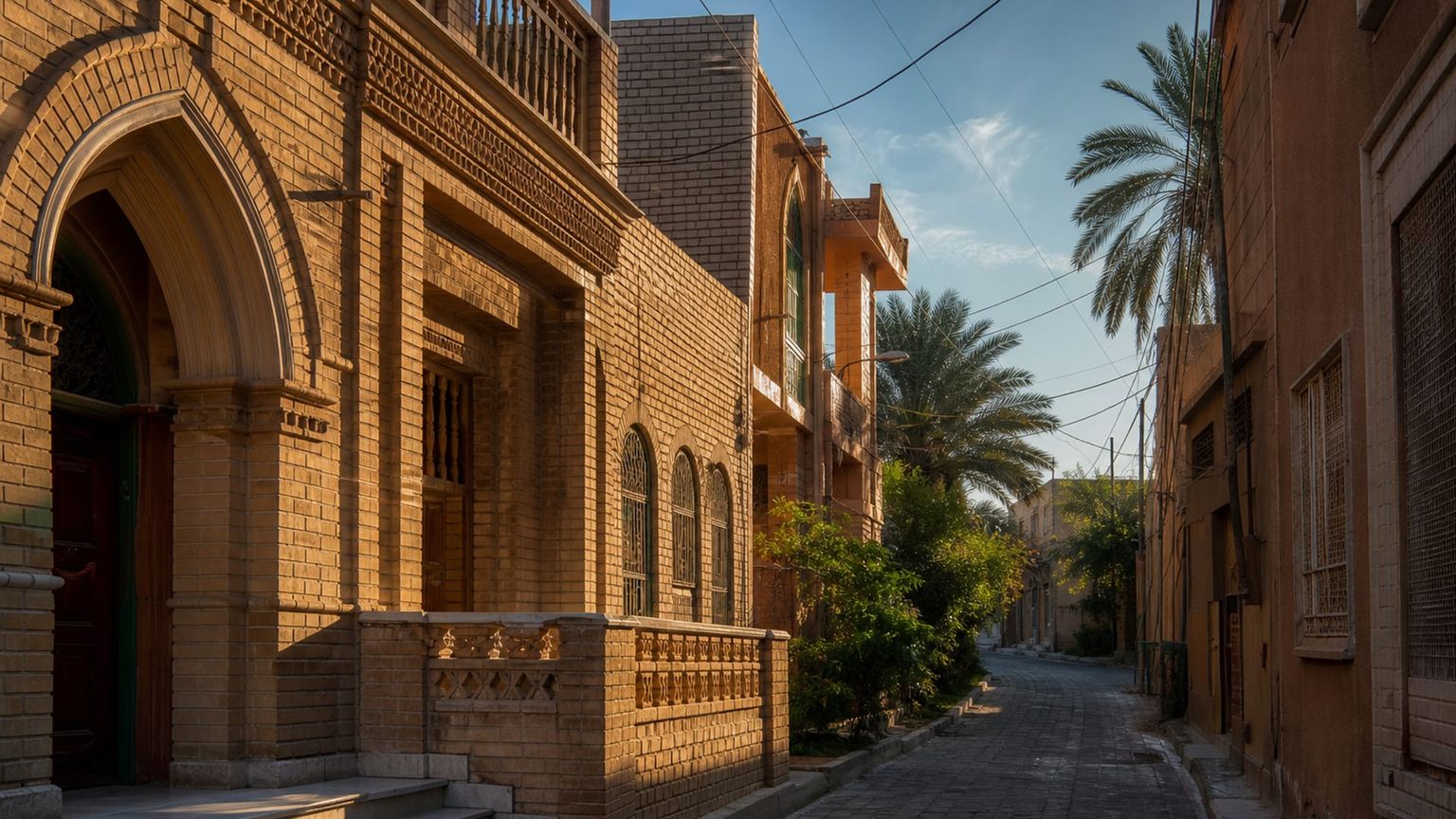
Al Ashar sits on the Shatt al-Arab waterfront and near the core government and commercial districts, so it gives visitors an easy read on Basrah’s central city life. It suits travelers who want museums, river views, and short rides to the main downtown sights.
Best for: Museum visits, riverfront walks, and central access to downtown Basrah
What to expect: Expect a mix of weekday office traffic, waterfront promenades, and active streets near the main roads.
Hotel prices: Usually about $60 to $140 per night for well-rated stays
Distance to major sights: About 10 to 20 minutes by car to Basrah Museum and about 15 minutes to the Shatt al-Arab Corniche on foot
Quietness: Quieter in the evening along the river, busier during the day near offices and traffic corridors.
Main trade-off: Central addresses place you near the river and institutions, but rooms facing main roads can pick up traffic noise.
Good to know: Choose a room away from the waterfront road if you want less noise after sunset.
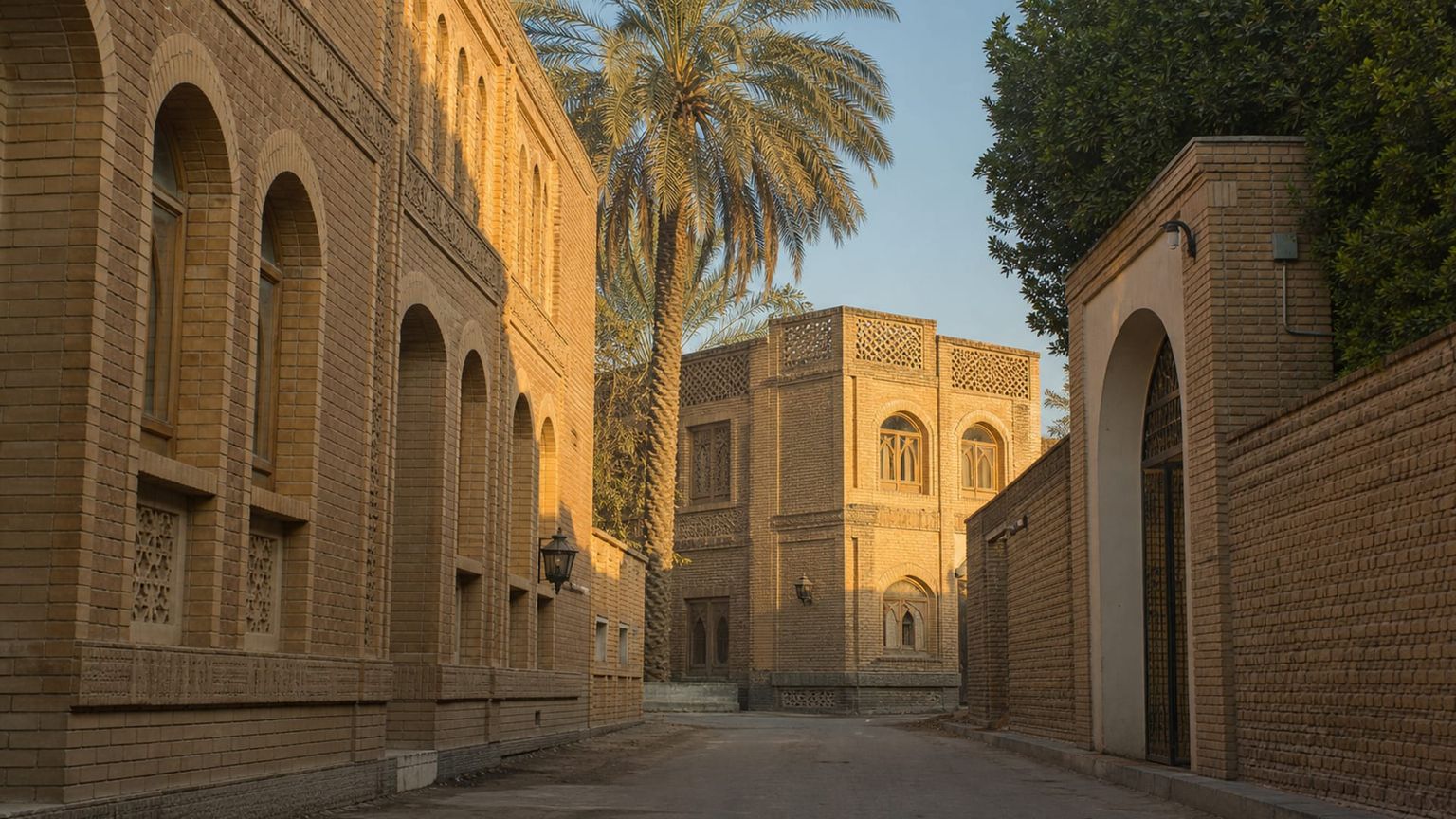
Al Jazaer is a newer residential district in central Basrah, with apartment blocks, local shops, and access to the city’s main roads. It works well for visitors who want a residential base with simple movement toward business districts and the river.
Best for: Longer stays, family trips, and travelers who prefer a residential setting
What to expect: Expect neighborhood storefronts, apartment traffic, and a lower-key street scene than the central commercial strips.
Hotel prices: Usually about $50 to $120 per night for well-rated stays
Distance to major sights: About 15 to 25 minutes by car to Basrah Museum and about 20 minutes by car to the Shatt al-Arab Corniche
Quietness: Quieter than the busiest downtown blocks by day, with moderate neighborhood activity in the evening.
Main trade-off: You give up a little walkability to the river and major sights in exchange for a calmer residential setting.
Good to know: Plan on taxis for most dinners and sightseeing, since many attractions sit outside easy walking range.
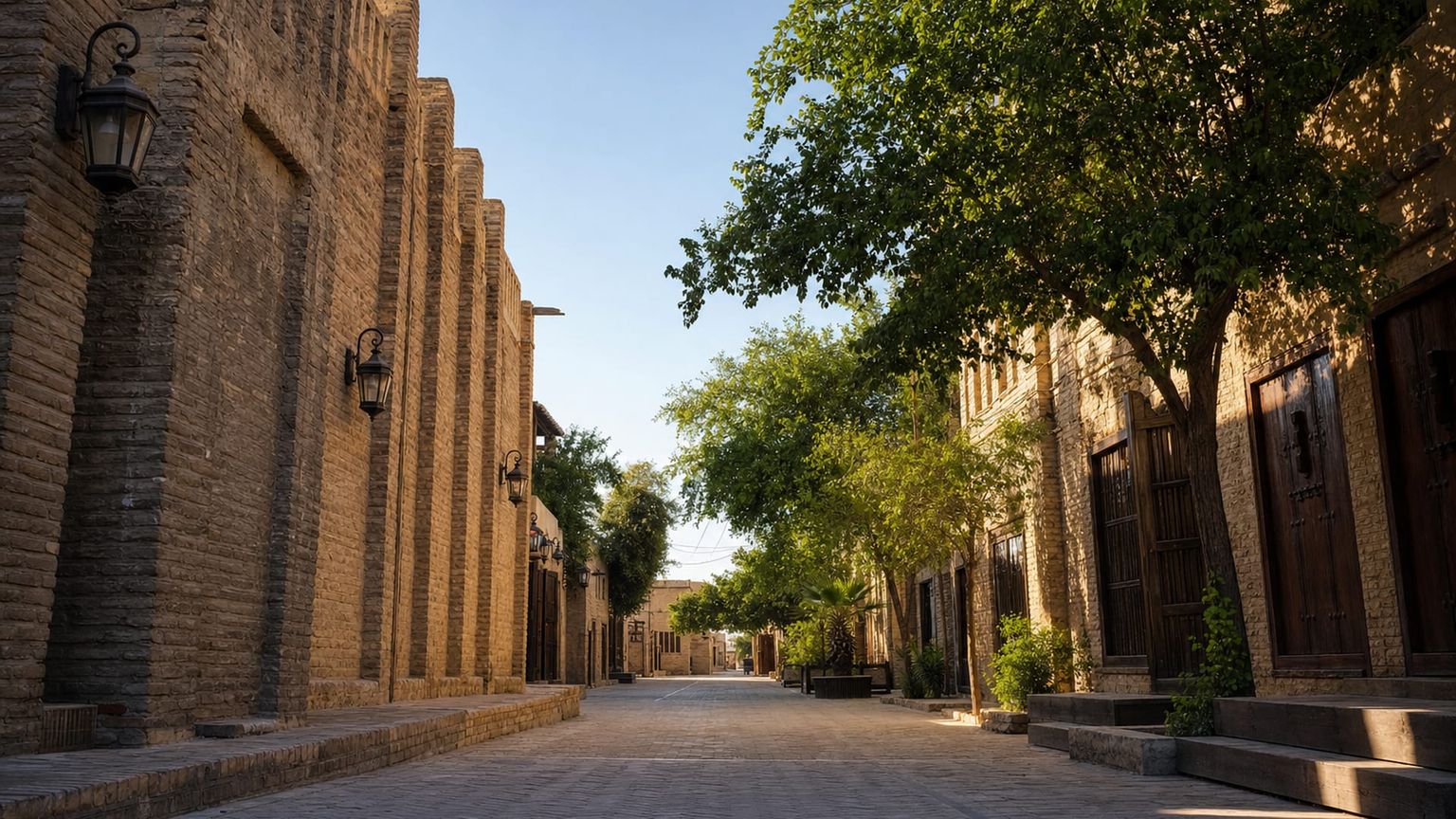
Al Seef lines parts of the waterfront close to central Basrah, where hotels and promenades make the river one of the main trip anchors. It suits visitors who want evening walks, easier access to cafes, and a clear sense of the city’s river setting.
Best for: Waterfront stays, evening walks, and travelers who want river views from the hotel area
What to expect: Expect more foot traffic near the promenade, with a lively waterfront pattern in the late afternoon and early evening.
Hotel prices: Usually about $70 to $160 per night for well-rated stays
Distance to major sights: About 5 to 15 minutes by car to Basrah Museum and about 5 to 10 minutes on foot to the Shatt al-Arab Corniche
Quietness: Active by day and into the evening, then calmer once the promenade traffic thins late at night.
Main trade-off: Water views and easier promenade access often come with higher room rates than inland districts.
Good to know: If you are sensitive to noise, ask for a higher-floor room set back from the promenade.
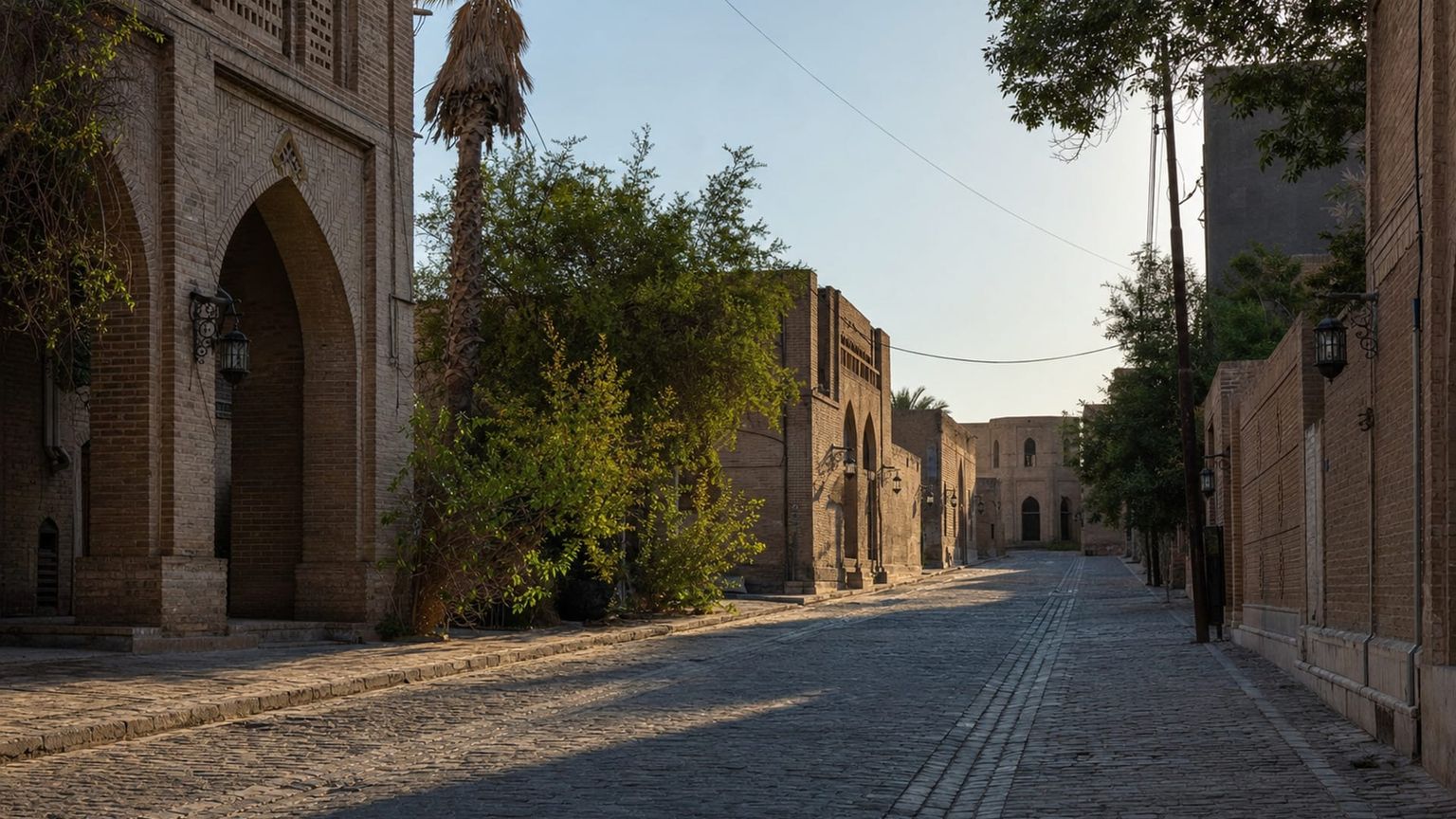
Al Maqal sits near the port side of Basrah and the older riverfront edges, linking the city to its shipping heritage and central access points. It fits travelers who want a more local-feeling base with practical reach to downtown and the waterfront.
Best for: Port-area access, local atmosphere, and travelers focused on the city’s working riverfront
What to expect: Expect a working-city setting with trucks, local shops, and less evening pedestrian activity than the promenade districts.
Hotel prices: Usually about $45 to $110 per night for well-rated stays
Distance to major sights: About 15 to 25 minutes by car to Basrah Museum and about 10 to 20 minutes by car to the Shatt al-Arab Corniche
Quietness: Busier and noisier in the day near port traffic, with a much quieter street scene at night.
Main trade-off: Rates can be lower than on the main waterfront, but the setting is less scenic and less walkable after dark.
Good to know: If you need a late check-in, confirm the hotel entrance and parking in advance, since port-side streets can be confusing at night.
Travelers usually avoid the outer industrial and port-side edges of Al Maqal, because they sit far from the main riverfront and central sights, and evening transport options are limited. Areas deep in Al Hartha, Al Zubayr, and the far southern stretches toward the Shatt al-Arab are also less convenient, since they are well outside the main visitor zone and have fewer hotels, restaurants, and late-night options.
Hotel deals
How to get around Basrah efficiently
Basrah has no metro or rail link for visitors, so taxis, ride apps, and occasional buses do the work between the airport, riverfront, and central districts.

Metro
for longer distances
Basrah has no metro or suburban rail network, so visitors rely on road transport for airport and city trips. For a first-time arrival at Basrah International Airport (BSR), that means planning on taxis or private cars rather than rail links; journeys into central Basrah usually take about 20 to 30 minutes, depending on traffic.

Bus and tram
for convenience
Local buses serve the main corridors in Basrah, but they are not mapped or timetabled to a visitor-friendly standard. Fares are typically about $0.25 to $0.50 per ride, paid in cash on board, and routes are best used for short trips between neighborhoods rather than for timed airport transfers; allow roughly 30 to 60 minutes for city cross-town rides, with longer delays at peak hours.

Taxi
for convenience or late hours
Licensed taxis in Basrah usually use negotiated fares rather than meters, so agree the price before departure. From Basrah International Airport (BSR) to the city center, expect roughly $15 to $25, while shorter urban trips often cost about $3 to $8; cash in Iraqi dinars is the norm, and some drivers may accept U.S. dollars for airport runs.
*Prices are based on rates updated as of June 2026 and may change at the time of travel.
Use taxis for airport runs and evening returns, buses for short cross-town trips, and walking where the Corniche or Al Seef keeps the route compact.
Iconic landmarks
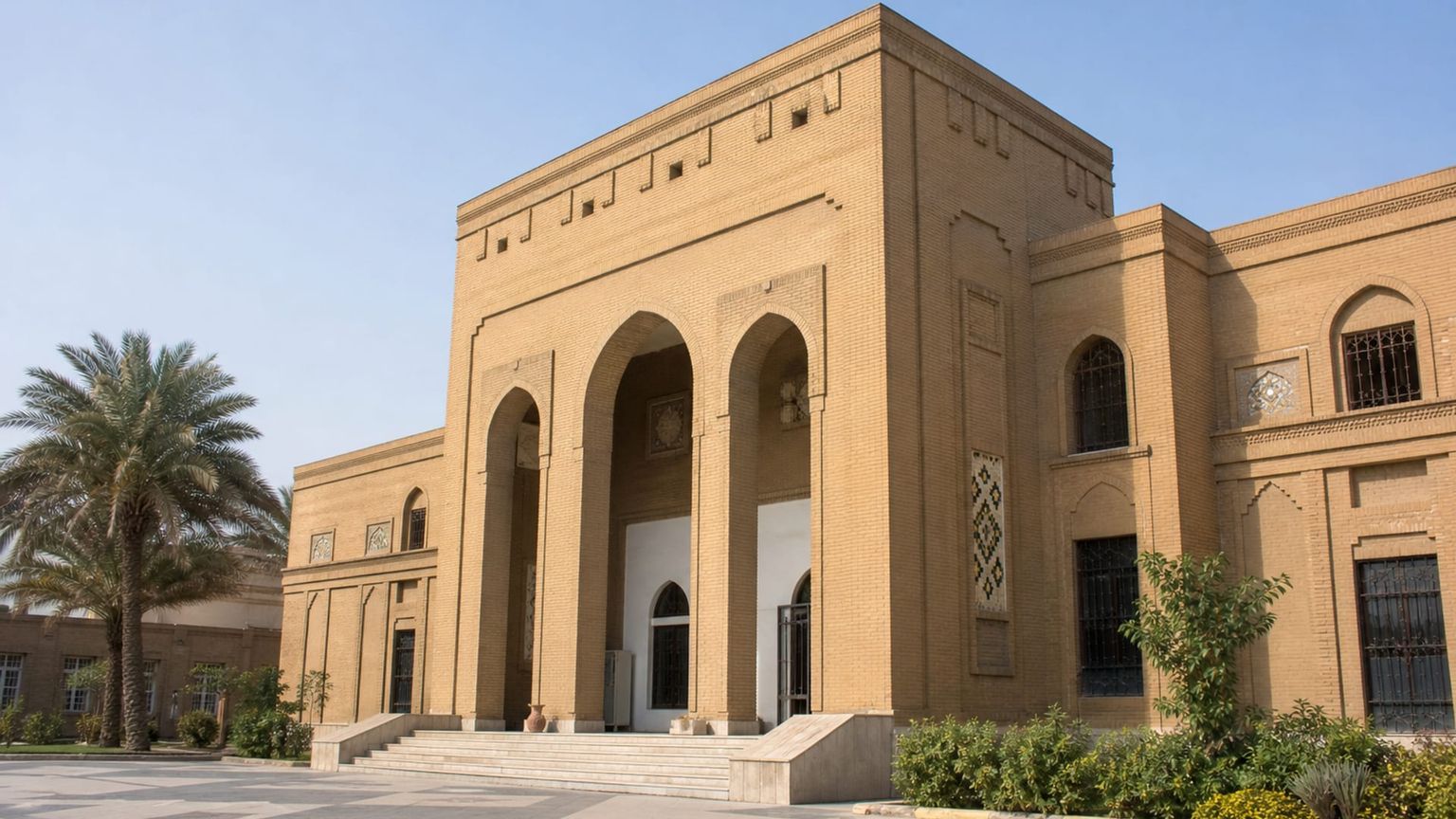
Basrah Museum
Housed in a former palace in central Basrah, the museum displays Sumerian, Babylonian, and Islamic artifacts from southern Iraq. Its galleries and courtyard give a clear look at the city’s layered history.
Time needed: About 1 to 2 hours
Entry: Admission is typically about $5 ($6,000 IQD) for adults, with reduced rates for students and children when offered at the ticket desk.
Tip: Go in the morning, when the galleries are calmer and the courtyard is cooler.
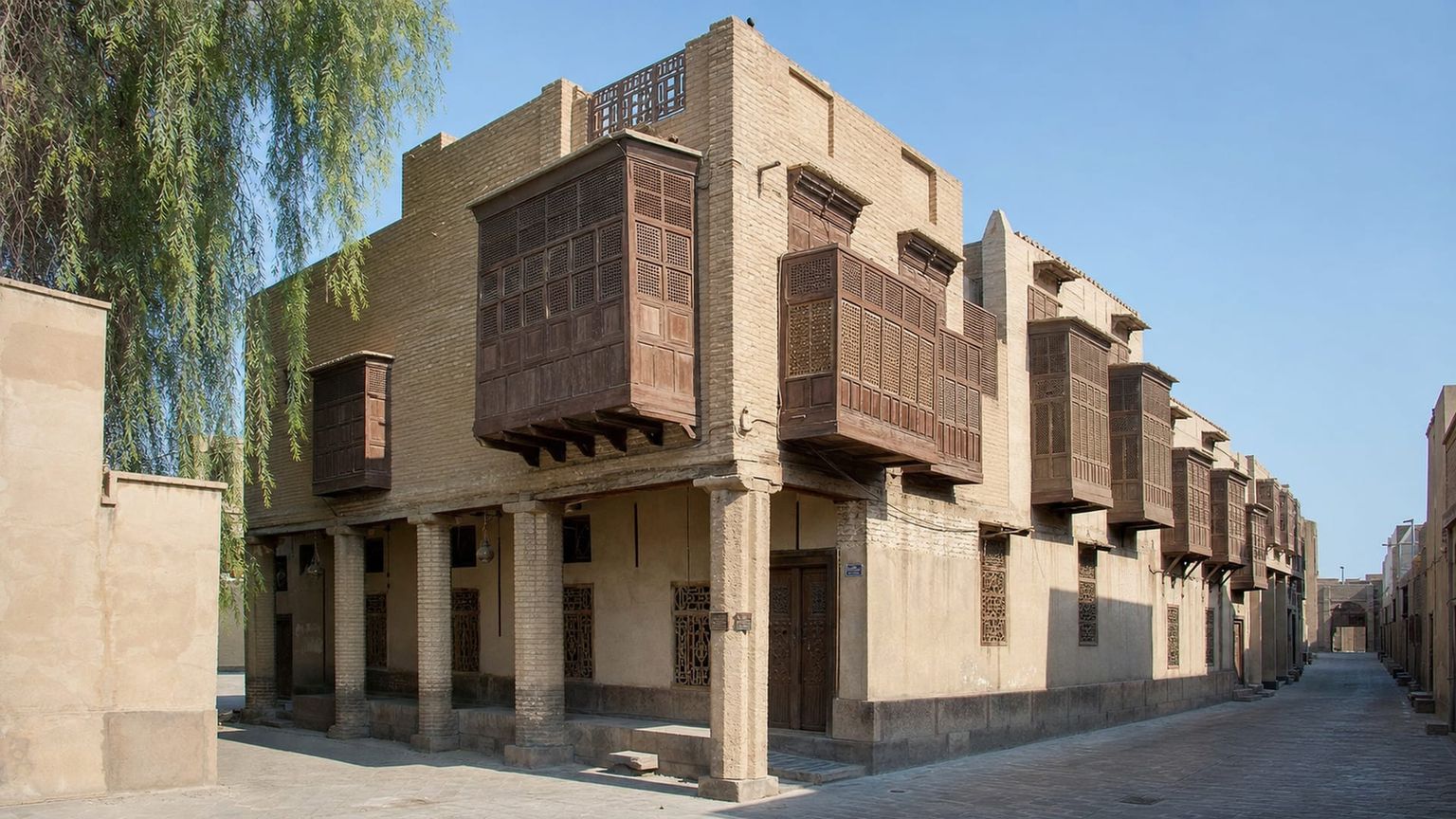
Shanasheel houses of Old Basrah
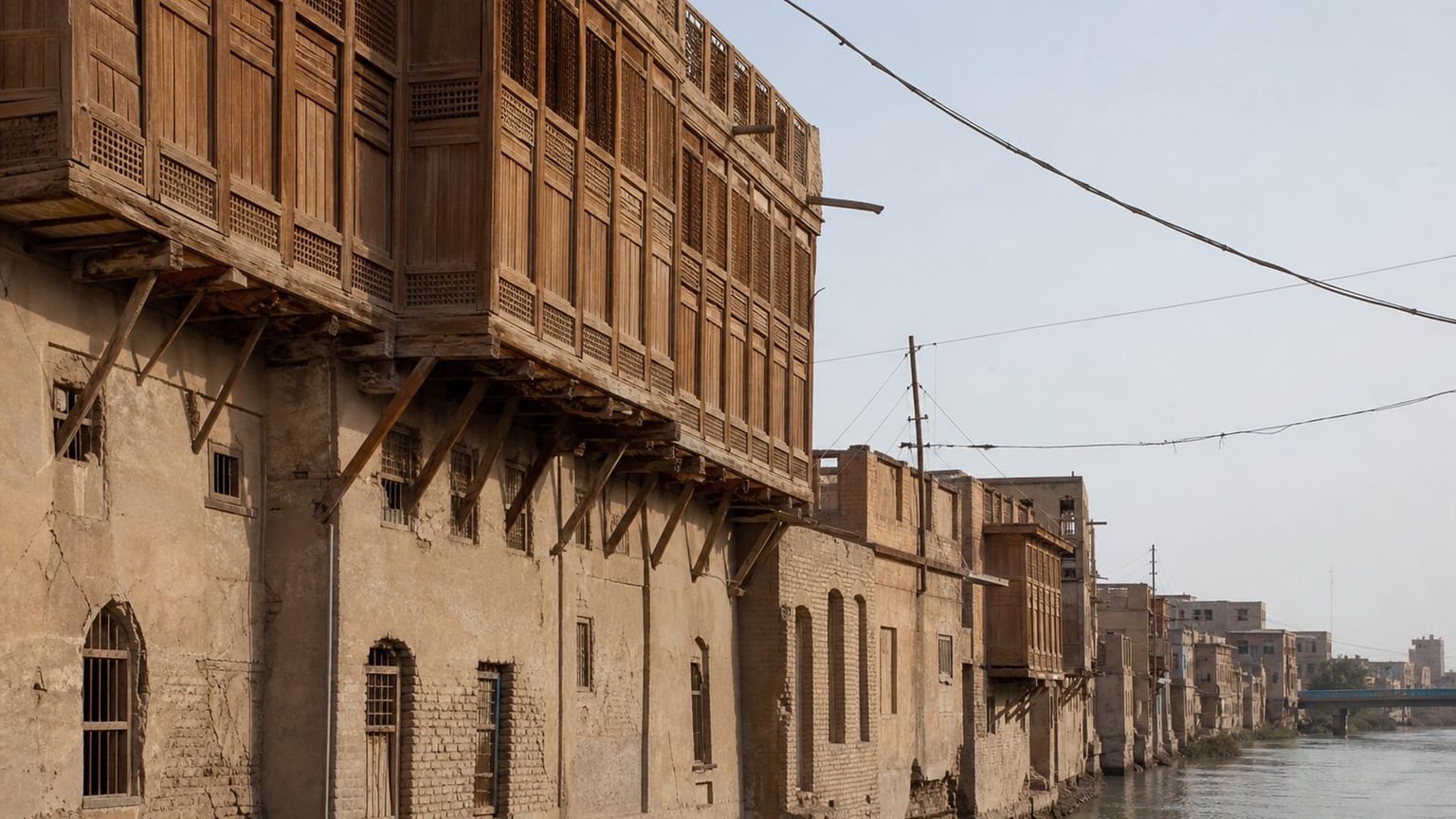
These late Ottoman merchant houses line older streets of Basrah and are known for their carved wooden balconies, lattice screens, and brick facades. They show how river trade shaped domestic architecture in the city.
Time needed: About 1 to 2 hours
Entry: Free to access on public streets, with no ticket required unless you join a paid guided walk or house visit when offered locally.
Tip: Visit late afternoon for softer light on the woodwork and fewer cars on the streets.
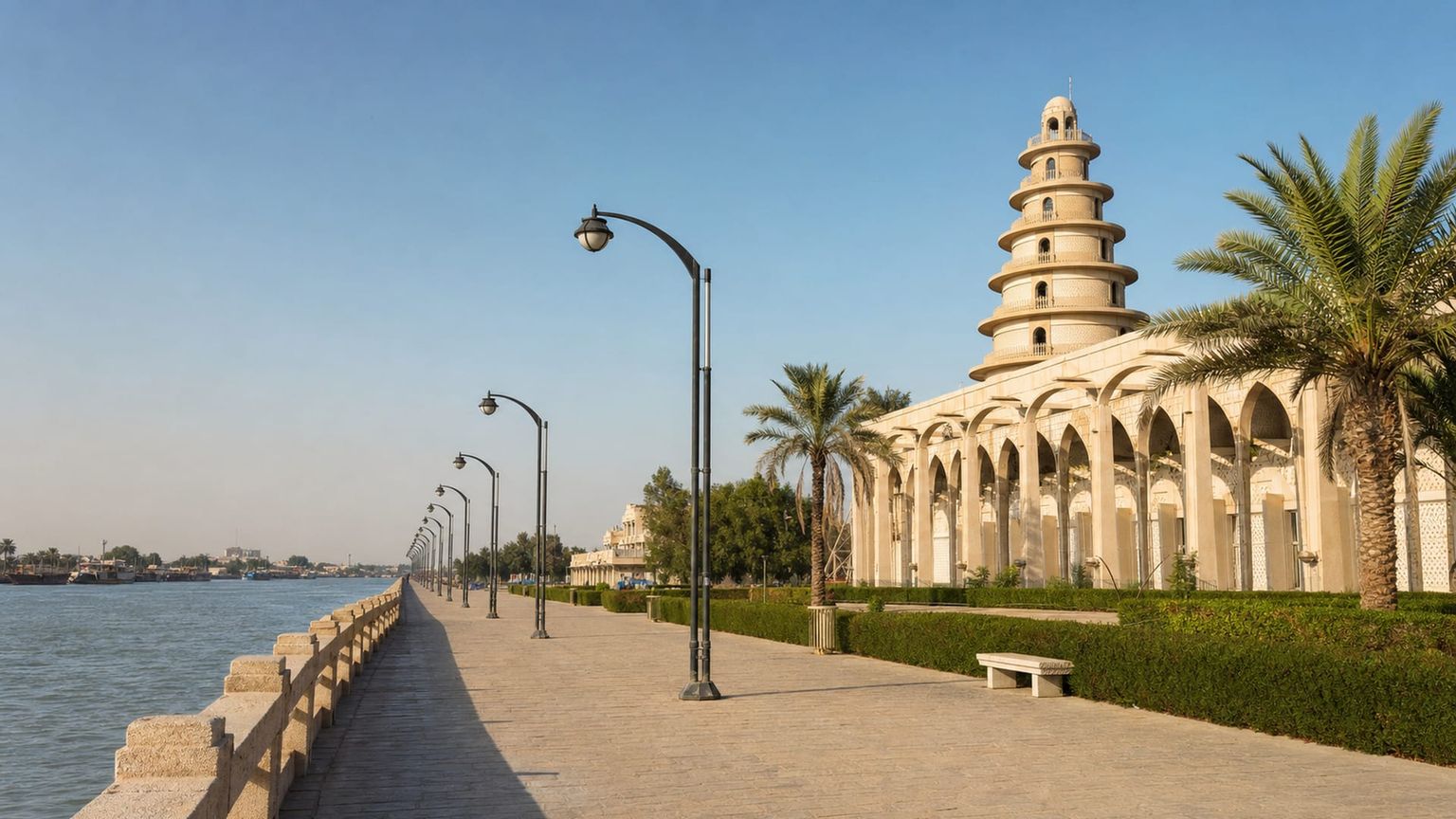
Basrah Corniche and Shatt al-Arab waterfront
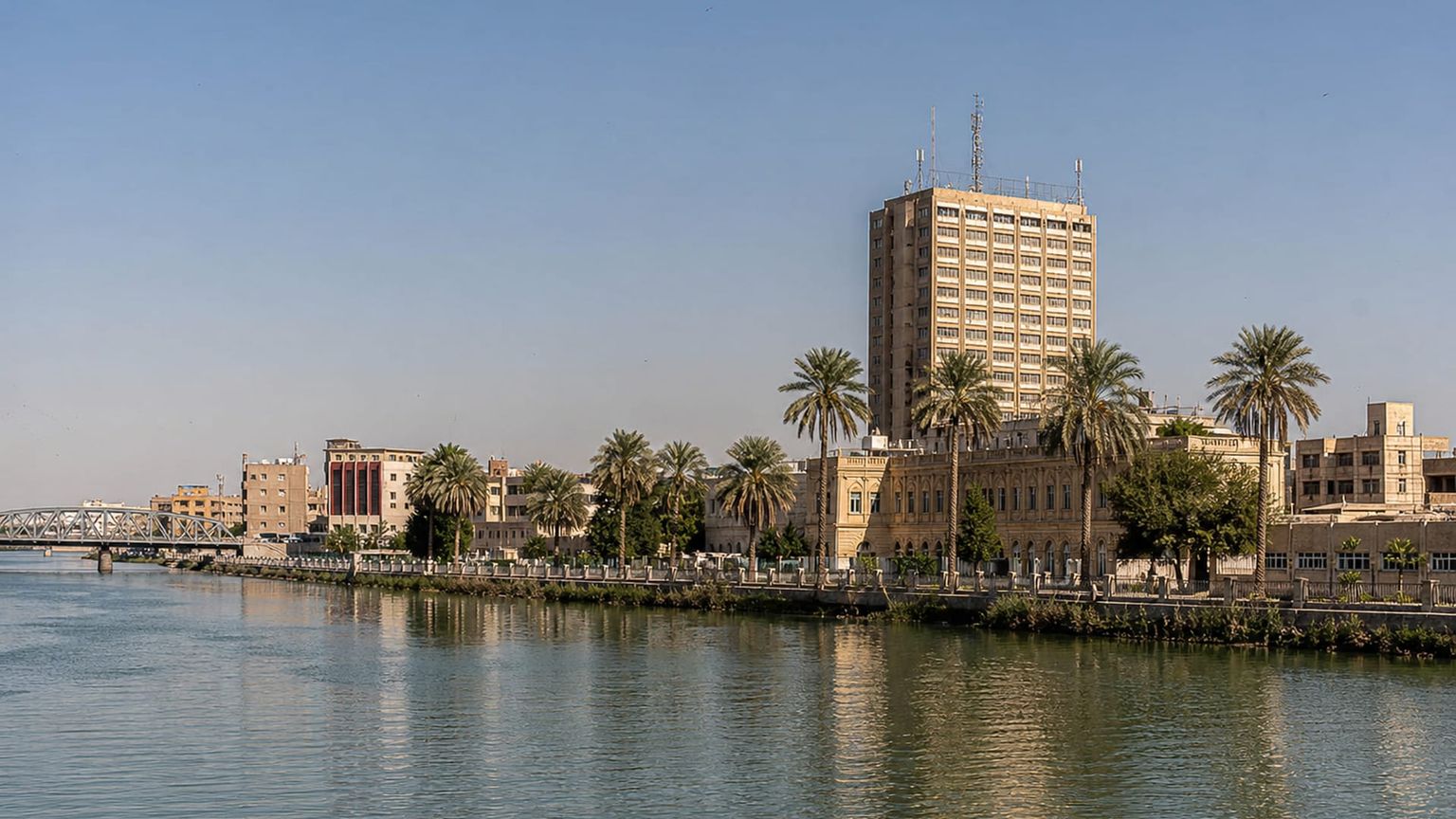
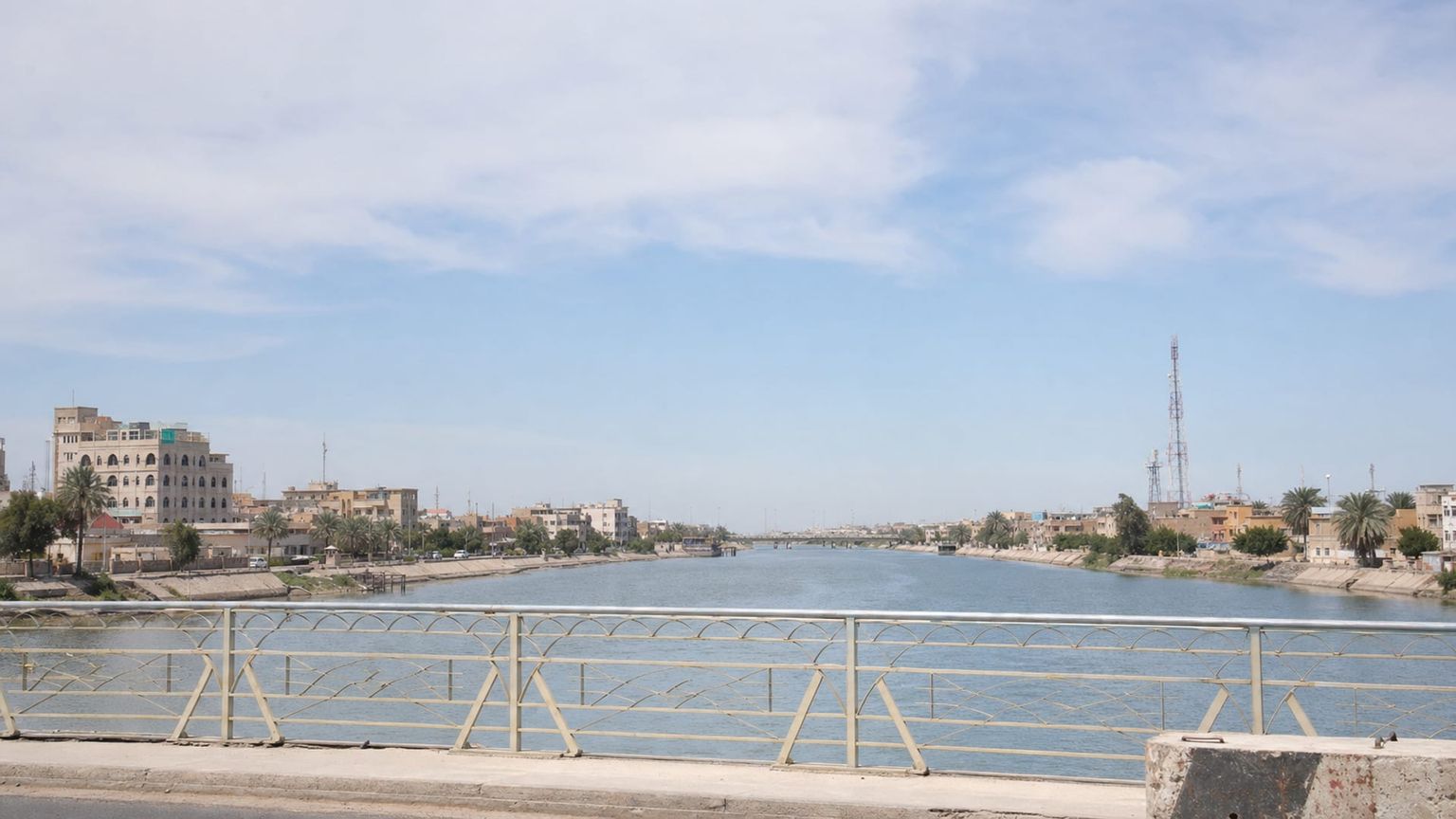
The Corniche runs along the Shatt al-Arab, where palm-lined promenades and river views draw local families in the evening. It gives an easy city-level look at Basrah’s waterfront life and the traffic of the waterway.
Time needed: About 1 to 2 hours
Entry: Free to access along the public promenade, with optional paid boat rides and food stalls that charge separately.
Tip: Come at sunset, when temperatures fall and the riverfront fills with local visitors.
Overlooked sites worth visiting

Basrah Corniche
Shaded promenades line the Shatt al-Arab, with river views, benches, and evening crowds that linger after sunset. It is one of the city’s best open-air stretches for a slow walk.
Time needed: About 1 to 2 hours
Entry: Free to access; there is no ticket office. Small expenses may come from tea stalls, ferry rides, or seasonal events along the riverfront, but the promenade itself has no admission charge.
Tip: Go late afternoon for softer light and cooler air.

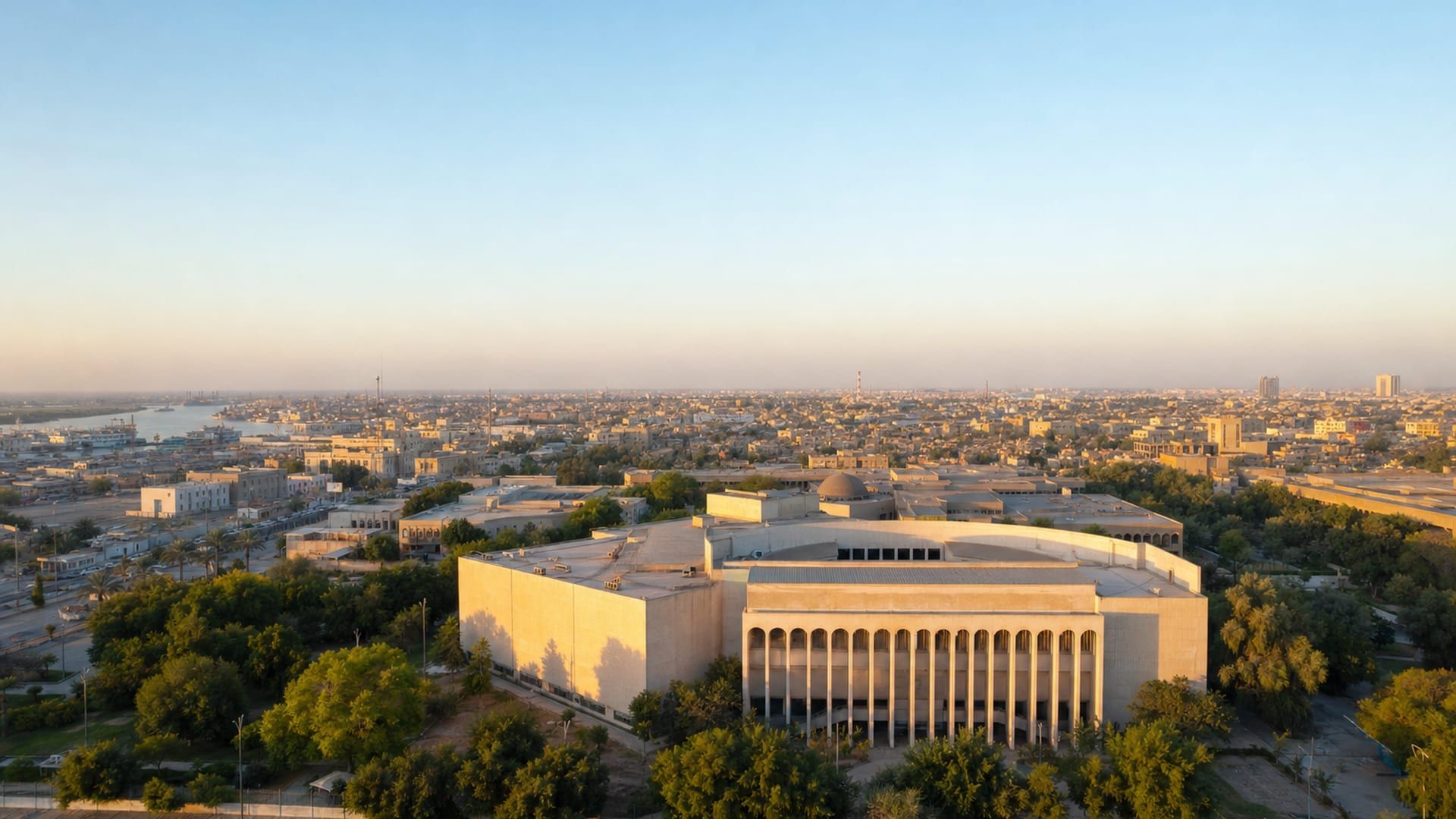
Basra Museum
Housed in Saddam Hussein’s former palace, this compact museum displays seals, tablets, and artifacts from southern Mesopotamia. The small galleries make it an easy cultural stop.
Time needed: About 1 hour
Entry: Admission is usually free or very low cost for visitors, with occasional temporary charges for special exhibitions or guided access. Check local notices at the gate for the current fee before you go.
Tip: Allow extra time for the palace grounds and courtyard.
Traditional food
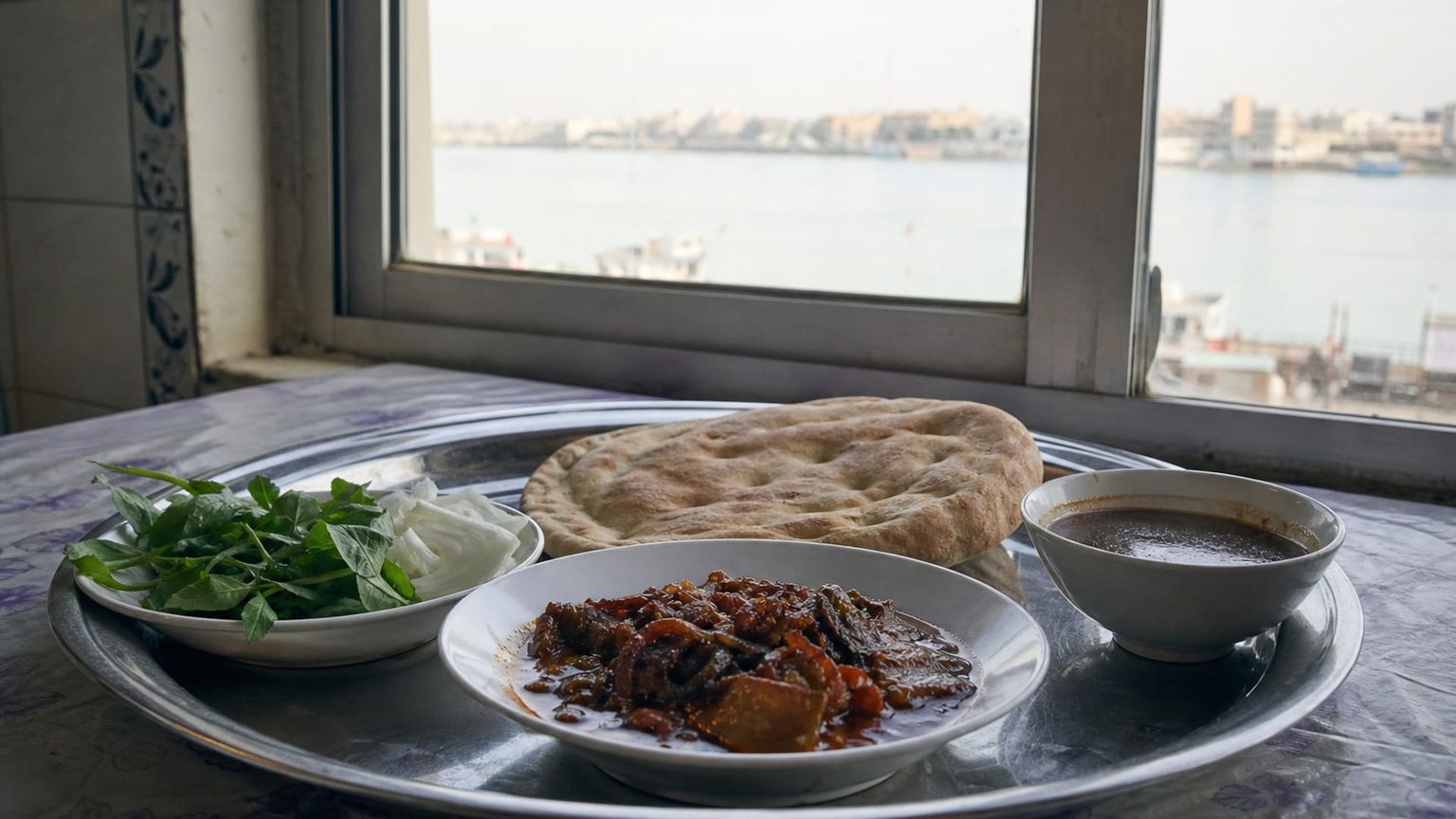
Basrah’s cooking leans on river fish, rice, lamb, and warm spices, with Masgouf, Biryani, Samak stew, and Kubba showing up in both home-style meals and downtown dining rooms.
Masgouf
This grilled river fish arrives split open, seasoned, and cooked over wood or charcoal until the flesh turns smoky and tender. In Basrah, many travelers pair it with the city’s best-known fish houses along the riverfront, where Furat Al Khaleej is a common pick.
Biryani
Basrah’s biryani usually comes layered with rice, meat, spices, and a longer cooking finish that gives it depth without heaviness. A dependable place to order it in the city is Al Harthi Restaurant, which serves it as a filling main dish.
Samak stew
This fish stew brings local seafood into a tomato-rich broth with herbs and gentle spice, making it a good choice when you want something more brothy than grilled. At Al-Maaref Restaurant, it fits the house style of Iraqi cooking with a Basrah edge.
Kubba
Kubba in Basrah often arrives as crisp shells or soft dumplings filled with spiced meat and grains, then served alongside salads or soup. Al Nakheel Restaurant is a solid city-center stop for it when you want a classic Iraqi plate.
Best time to visit Basrah
Basrah runs hottest in summer and most comfortable in the cooler months, so the season you choose changes both the length of your walks and the amount of time you want to spend near the river.
Best for: River walks, museum visits, and longer outdoor dinners
What you get: About 55-72°F (13-22°C), with lighter crowds and comfortable midday walks
Trade-offs: Cool evenings can make late riverside stops feel short
Best for: Corniche walks, old-house wandering, and outdoor cafes
What you get: About 68-95°F (20-35°C), with moderate crowds before summer heat builds
Trade-offs: Afternoons can turn warm quickly by late spring
Best for: Short indoor visits and tightly timed evening outings
What you get: About 86-115°F (30-46°C), with thinner daytime crowds and more people out after sunset
Trade-offs: Heat can limit how much you can do before evening
Best for: Balanced sightseeing and unhurried riverfront time
What you get: About 70-95°F (21-35°C), with manageable crowds and better walking hours than summer
Trade-offs: Some days still run hot, especially early in the season
A realistic 5-day plan in Basrah
The five-day plan below keeps Basrah organized by district and by time of day, so the riverfront, museums, and older streets do not compete with one another. It also leaves room for prayer-hour closures and slower dinners.
Land at Basrah (BSR), then take a taxi into Al Seef or Al Ashar, about 20 to 30 minutes and roughly $10 to $15 depending on traffic and the exact hotel address. Settle in near the waterfront if you want an easy first evening, then drink water, rest, and keep dinner close to the hotel, ideally along the Corniche or on the same side of the river so you do not need a long cross-town ride after arrival.
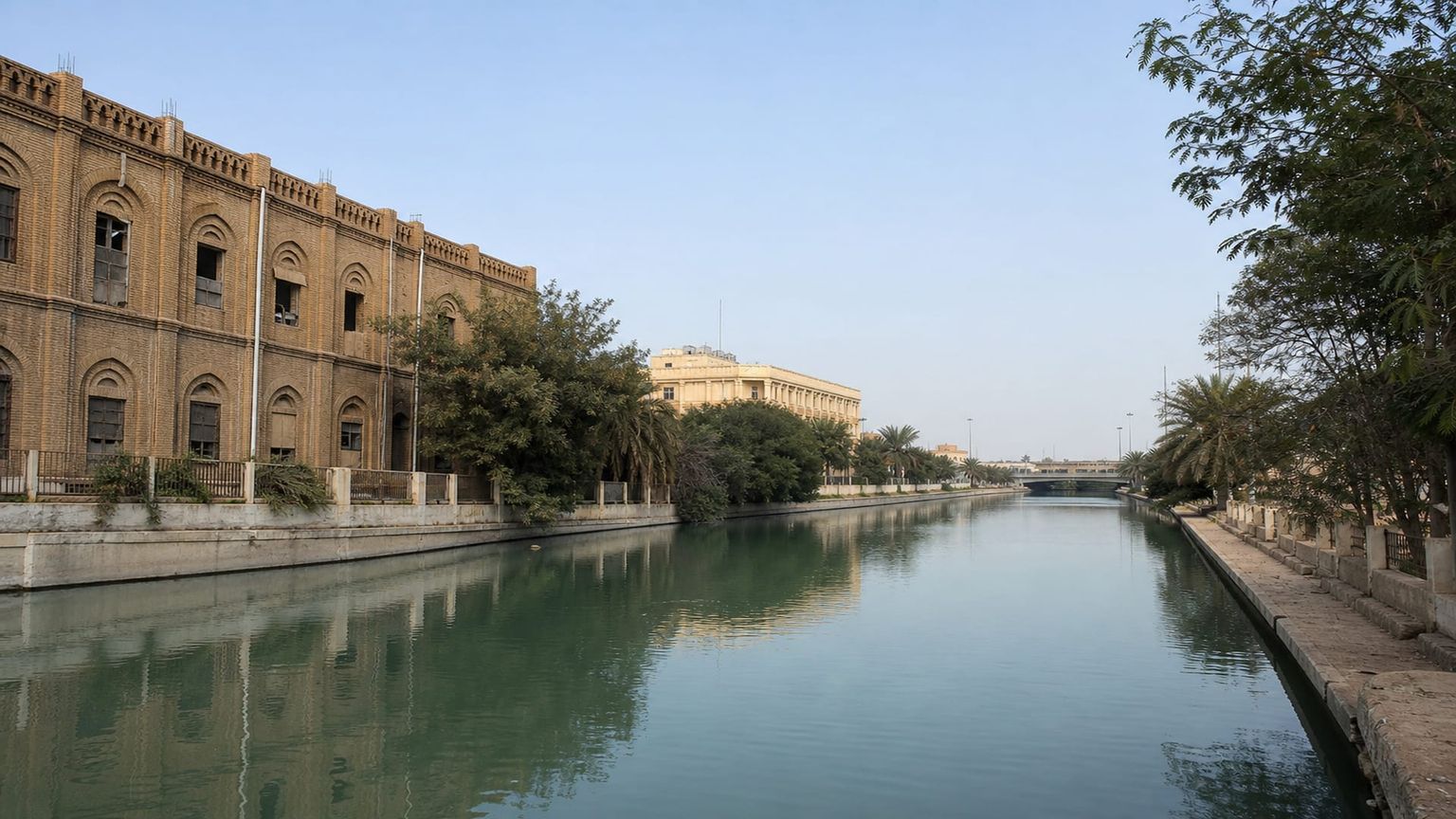
Start at Basrah Museum in the morning, about 10 to 20 minutes by car from Al Ashar and about 5 to 15 minutes from Al Seef, and plan on 1 to 2 hours inside the galleries. From there, take a short taxi ride of roughly 10 minutes to the Shanasheel houses of Old Basrah for a walk through the older streets, then continue another 10 to 15 minutes to the Basrah Corniche and Shatt al-Arab waterfront for an evening stroll and tea by the river.
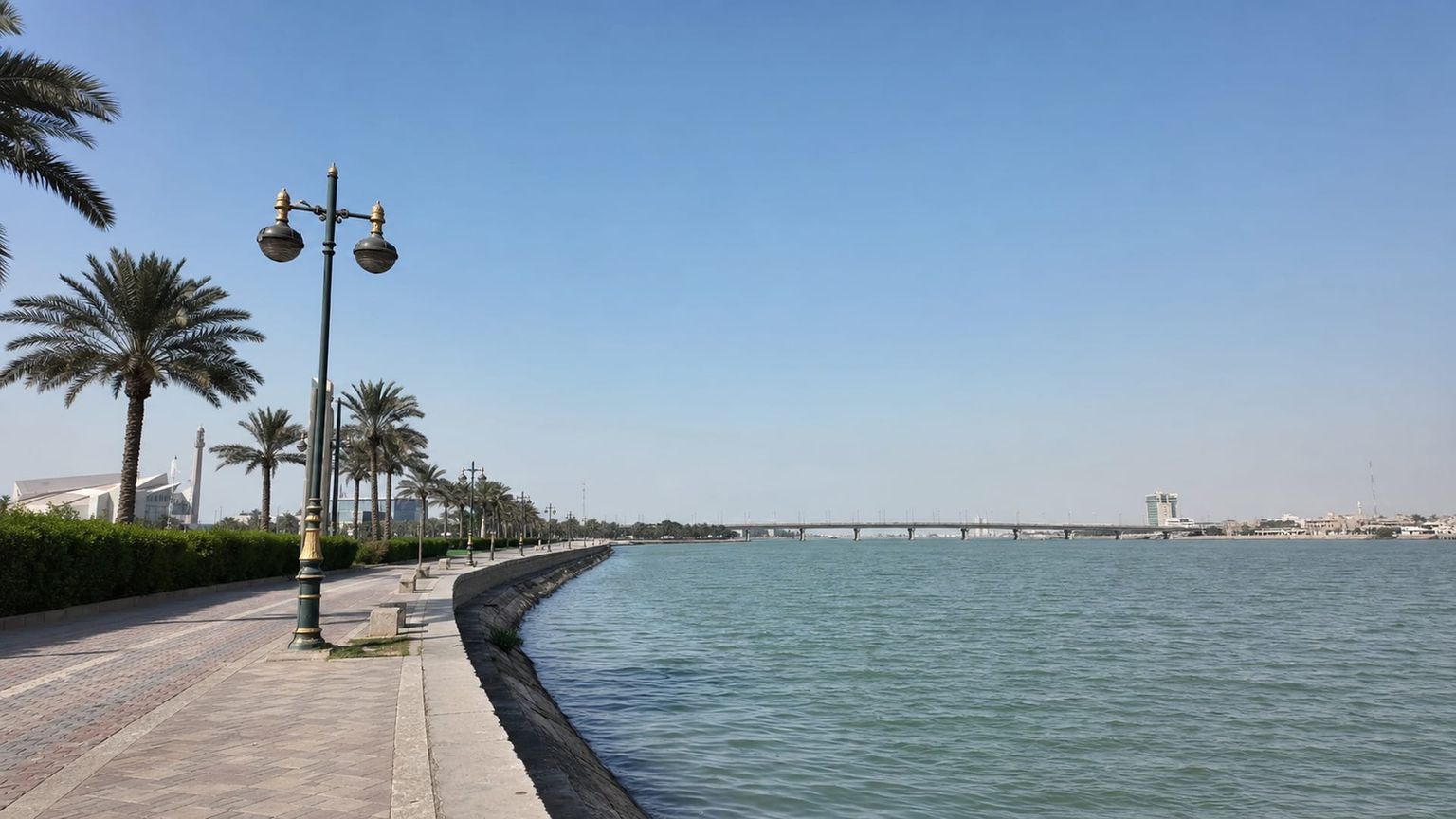
Begin with the Basrah Corniche, where a late-morning walk along the Shatt al-Arab takes about 1 to 2 hours, then stay nearby for lunch before heading back out in the late afternoon. After a short taxi ride of about 10 minutes, return to the waterfront near Al Seef or Al Ashar and linger for sunset views, then finish with a light dinner in the same district so the day stays centered on the river.
Head first to Basra Museum, the smaller palace museum, which usually takes about 1 hour and sits close enough to combine with the city center in one outing. From there, ride about 10 minutes to the Shanasheel houses of Old Basrah, then continue 10 to 15 minutes more to a cafe stop in Al Ashar, where you can end the afternoon with coffee or tea before dinner near your hotel in Al Seef or Al Ashar.
One final morning works well for a short museum revisit or an easy last look at the river, then shift to shopping in Al Jazaer or central Al Ashar, where neighborhood stores and downtown streets make it simple to pick up snacks and small gifts. If you want a slower last stop, settle into a cafe in Al Seef for tea with a water view, then head back to the hotel with enough time for packing and a direct taxi to Basrah (BSR).
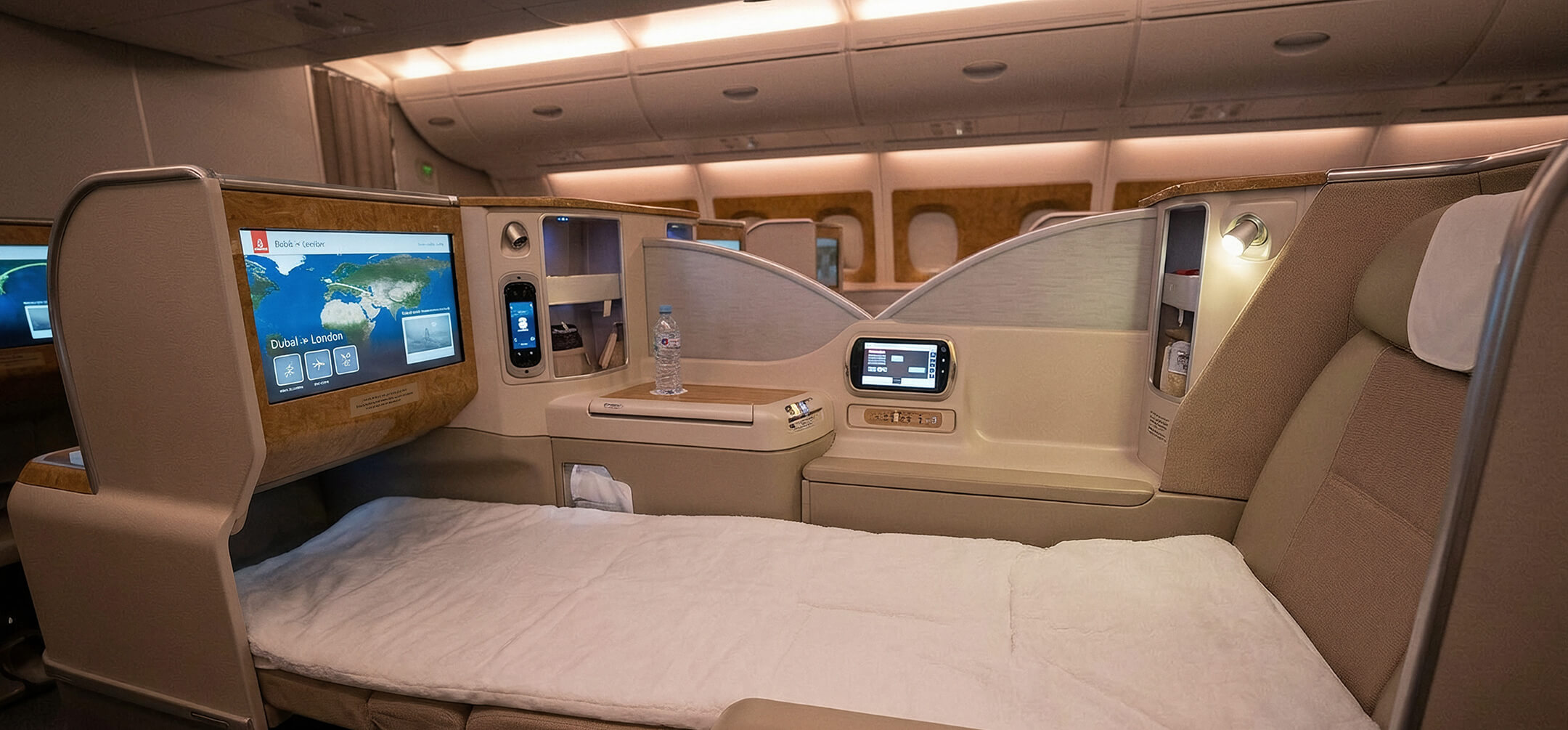
Business-class flights from the US to Basrah
Flights to Basrah usually arrive on one-stop itineraries, and the best options from New York and Los Angeles tend to route through major Gulf or European hubs. The price spread is wide enough that the layover pattern matters almost as much as the fare.
From New York, Qatar Airways, Turkish Airlines, Emirates, Etihad Airways, and British Airways all appear on the main options list. Common routings via Doha (DOH), Istanbul (IST), or Dubai (DXB) take about 14 to 22 hours and can bring fares down, with round-trip tickets usually starting near $4,200 and often landing between $4,200 and $7,500.
Los Angeles itineraries usually begin at about $4,500 round trip and can climb to roughly $8,200 on better-timed dates. Qatar Airways, Turkish Airlines, Emirates, Etihad Airways, and British Airways are the names to watch, and the common connection points include Doha (DOH), Istanbul (IST), Dubai (DXB), Abu Dhabi (AUH), and London (LHR). The total trip generally runs 17 to 26 hours.
Basrah feels different when you slow down
A well-paced Basrah trip keeps you near Al Seef or Al Ashar, uses taxis for longer hops, and saves the Corniche for the hour when the light softens and the promenade fills. The museum stops, Shanasheel streets, and riverfront dinners work best when you leave room between them. If you want a route shaped to your hotel area and travel dates, AranGrant experts can help you build it