

Chapters:

Need help with your trip?
Our support team is available 24/7. Request a callback or call us directly at (833) 619-0908
Bristol trips often begin with the same trio of stops, the cathedral, the harbor, and Clifton, while smaller places like John Wesley’s New Room or Arnos Vale Cemetery get left out. That leaves the city’s history and street pattern only partly read.
The usual approach also adds unnecessary backtracking, because Bristol spreads its best sights across the center, the waterfront, and the hillier northwest. Busy streets near Broadmead and steep walks in Clifton can also slow a day if you try to link everything at once.
This guide sets out the city in a clearer order, with clustered days, sensible transfer times, and room for slower stops. It keeps the main landmarks, but it also gives space to the places that add detail between them.
Useful things to know

Main language(s): English

Currency: The local currency is the pound sterling (GBP, £).

Cash and cards: Cards and contactless are widely accepted; carry about £20 to £30 ($25 to $38) in cash for small purchases.

Tipping: Round up or leave about 10% in restaurants if service is good; tipping is not expected everywhere.

Traditional food: West Country pasty, Bristol cream, cider, Bath bun

Water and coffee costs: Water about £1.50 ($2), bar espresso about £2.50 ($3).

Taxis and ride apps: Uber and Bolt operate here; availability can thin late at night.

Plug and voltage: Type G socket, 230V

Dining and shop opening hours: Breakfast is roughly 07:00-09:00, lunch 12:00-14:00, and dinner 18:00-21:00. Many restaurants stop serving food between lunch and dinner, and Sunday evenings can be quiet.

Emergency number: 999 or 112 for police, fire, or ambulance.
Where to stay in Bristol
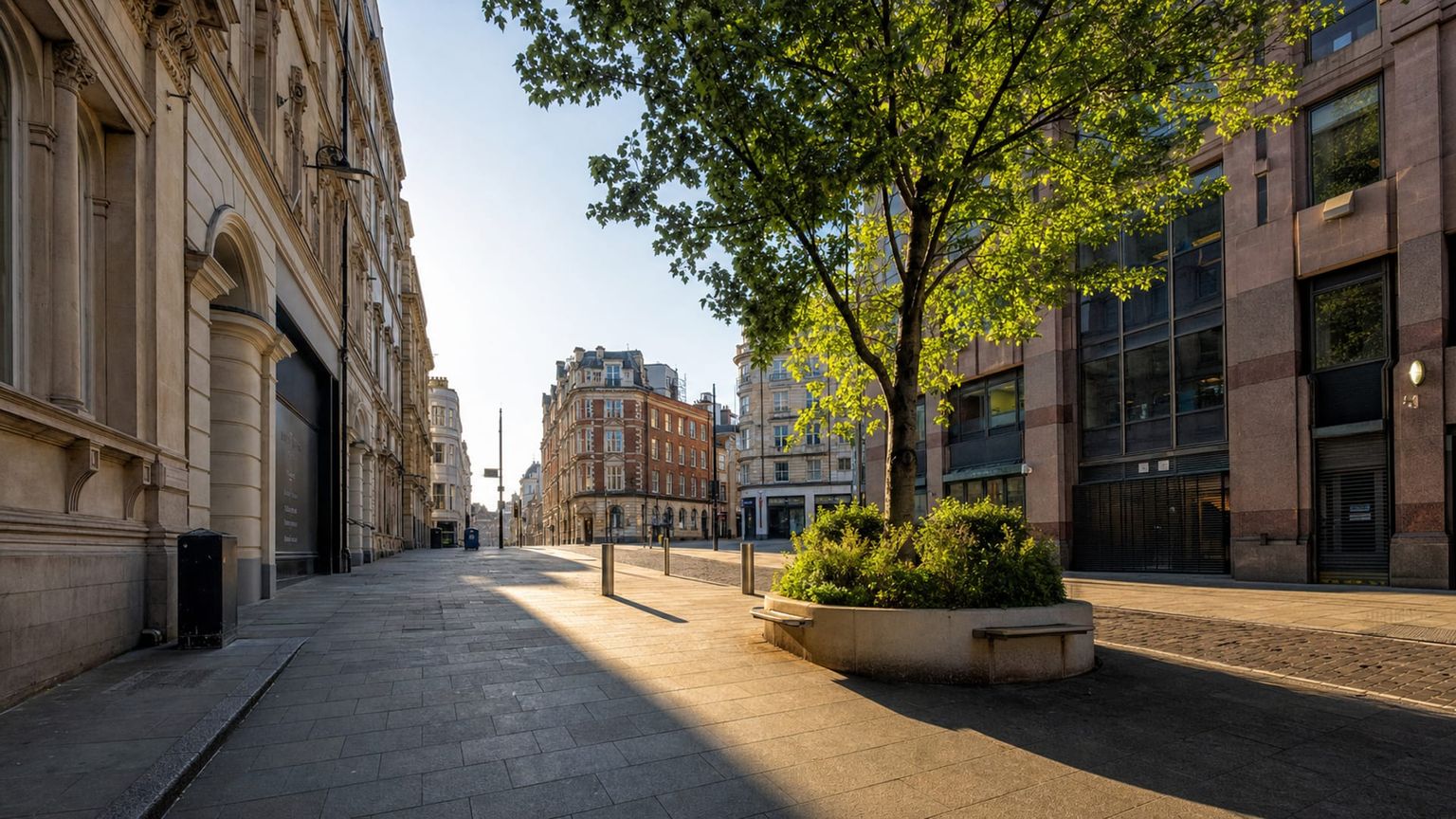
Bristol’s core puts you by Cabot Circus, Broadmead, and the main shopping streets, with the harborside a short walk away. It suits visitors who want the widest choice of restaurants, museums, and transport links in one base.
Best for: First-time visits, shopping, museums, and easy access to buses and trains
What to expect: Busy pedestrian streets by day, with restaurants, bars, and late foot traffic spilling into the evening.
Hotel prices: Usually about $140 to $240 per night for well-rated stays
Distance to major sights: 10 to 20 minutes on foot to Bristol Cathedral and the Harbourside
Quietness: Lively all day and into the evening, with the heaviest noise near main shopping streets and bars.
Main trade-off: You pay more for central convenience, and the busiest blocks can feel noisy late at night.
Good to know: Book a side street rather than a room over the main retail spine if you want less late-night noise.
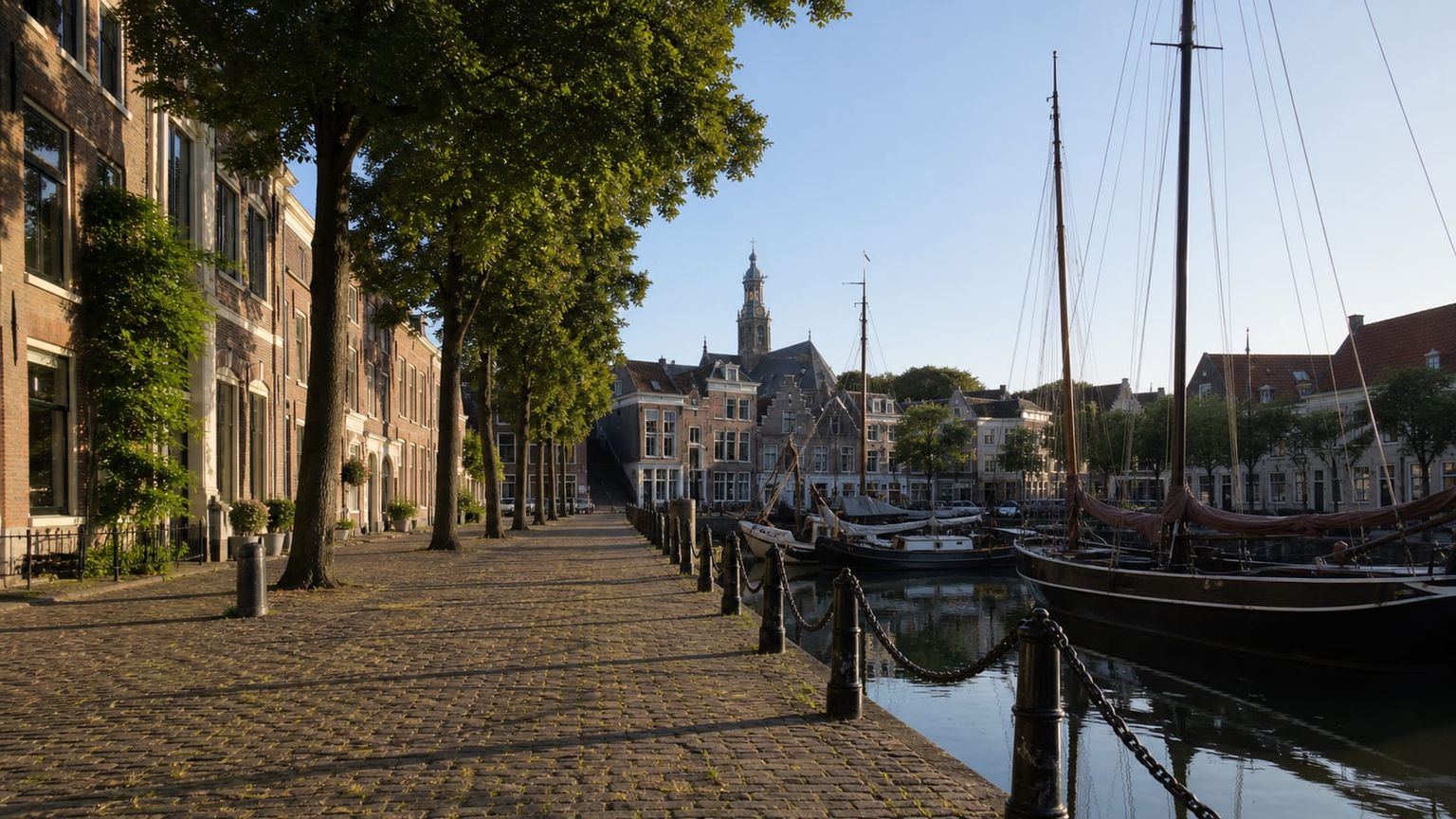
Harbourside wraps the waterways south of the center, near museums, the M Shed, and the footpaths along the docks. It gives you water views and quick walks into the center without leaving the city’s main visitor zone.
Best for: Waterfront walks, museum visits, dining out, and travelers who like being near the city’s main sights
What to expect: Active in the afternoon and evening, with promenades, bars, and event traffic around the docks.
Hotel prices: Usually about $160 to $280 per night for well-rated stays
Distance to major sights: 5 to 15 minutes on foot to Bristol Cathedral and Queen Square
Quietness: Calmer in the morning, then busier after lunch and especially in the evening near restaurants and event venues.
Main trade-off: Hotels here often cost more than inland options, and the liveliest streets can carry weekend noise.
Good to know: If you are sensitive to sound, check whether your room faces the water or a busy restaurant lane.
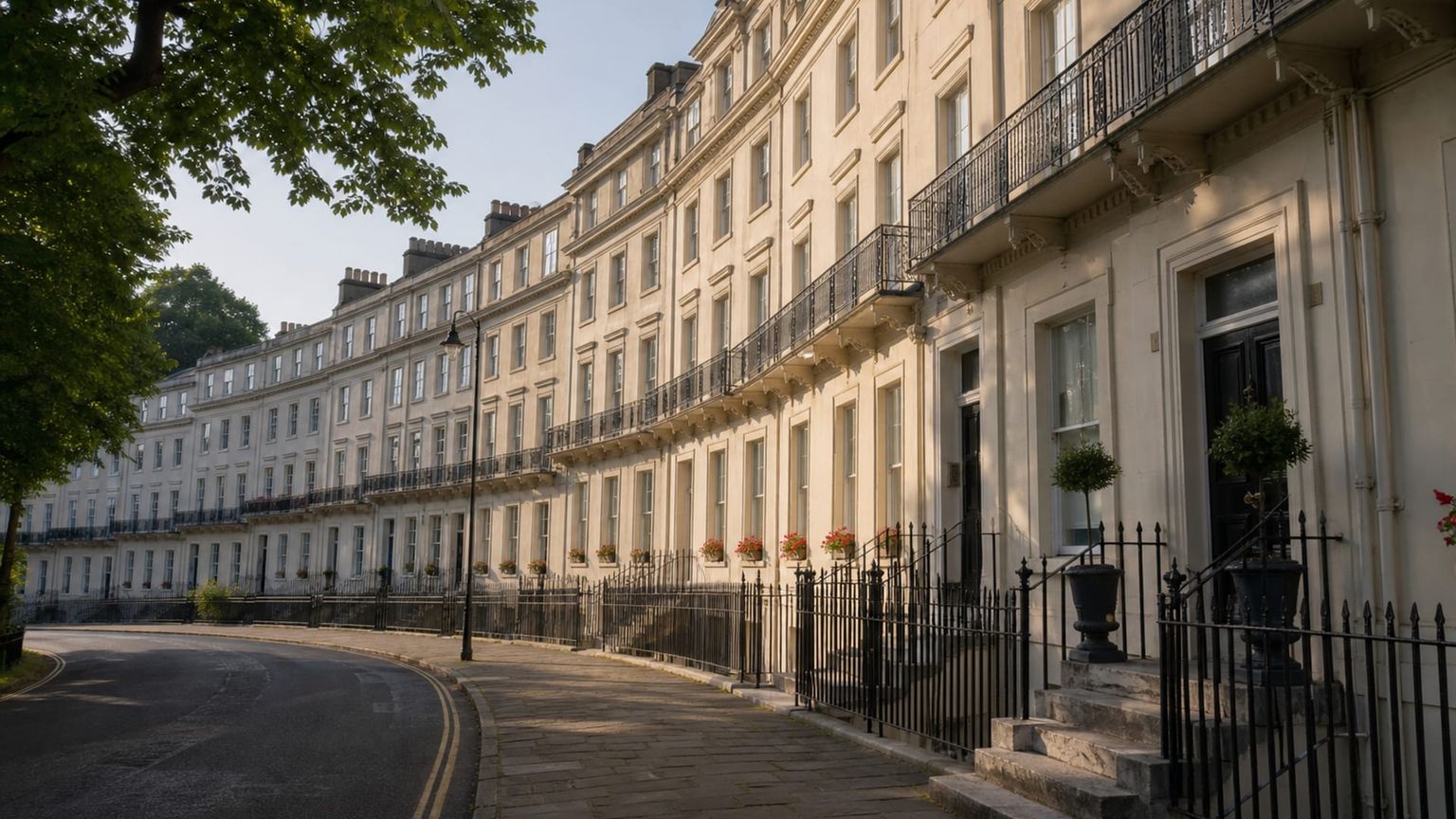
Clifton sits northwest of the center, known for the Suspension Bridge, Georgian terraces, and the village-like streets around the Downs. It works well for travelers who want an attractive residential base with easy access to museums and central Bristol.
Best for: Couples, longer stays, scenic streets, and travelers who prefer a residential setting
What to expect: Leafy streets, independent shops, and steady daytime activity, then quieter evenings away from the main dining strips.
Hotel prices: Usually about $170 to $300 per night for well-rated stays
Distance to major sights: 20 to 30 minutes on foot to Bristol Cathedral, about 15 minutes by bus to the Harbourside
Quietness: Generally quiet at night, while daytime streets around Whiteladies Road and the bridge are busier.
Main trade-off: The area often costs more than central neighborhoods, and you may use buses or taxis more often for late returns.
Good to know: Plan ahead for uphill walks, since some streets around the gorge and the terraces are steep.
Travelers usually avoid Avonmouth and St Phillips, which sit far from Bristol’s main sights and have limited visitor-oriented lodging and dining. Horfield and Lockleaze are also less convenient for short stays because they are farther from the historic center, and evening trips back from central Bristol take longer by bus or taxi. Temple Meads is useful for train access, but the immediate area is less appealing for sightseeing because it is dominated by transport infrastructure rather than attractions.
Hotel deals
How to get around Bristol efficiently
Bristol has no metro, so most visitors rely on buses, taxis, ride apps, and walking, with local rail filling a few cross-city gaps.

Metro
for longer distances
Bristol has no metro or subway network, so the closest alternative is local rail, with suburban stations such as Bedminster and Clifton Down linking back to Bristol Temple Meads. Single fares vary by distance, but short local rail trips often cost about $3 to $8 (£2 to £6), and most trips within the city take roughly 10 to 20 minutes. Trains are useful for faster cross-city hops, while walking or buses cover the gaps between stations.

Bus and tram
for convenience
First Bus and other local operators cover most of Bristol, with frequent links from Bristol Temple Meads and the city center to Clifton, Redland, the university area, and the airport coach stop at Bristol Bus and Coach Station. A single fare usually costs about $2.50 to $4.50 (£2 to £3.50), and day tickets are often about $6 to $8 (£5 to £6); tickets are generally valid for the journey purchased, or for the stated day if you buy a day pass. Tap on or use the operator app where accepted, and expect about 10 to 30 minutes for many inner-city trips, longer at peak times.

Taxi
for convenience or late hours
Licensed taxis in Bristol are metered, while some airport and long-distance journeys may be quoted in advance by private-hire firms. From Bristol Airport (BRS) to central Bristol, fares are often about $50 to $90 (£40 to £70), depending on traffic and the exact destination, and short city rides commonly run about $10 to $25 (£8 to £20). You can hail black cabs at ranks, prebook private hire, and most licensed vehicles accept cards, though it is wise to confirm payment before you set off.
*Prices are based on rates updated as of June 2026 and may change at the time of travel.
Walking works best in the center and Harbourside, buses suit Clifton and other longer hops, and taxis or ride apps make sense for late returns or the hillier streets.
Iconic landmarks
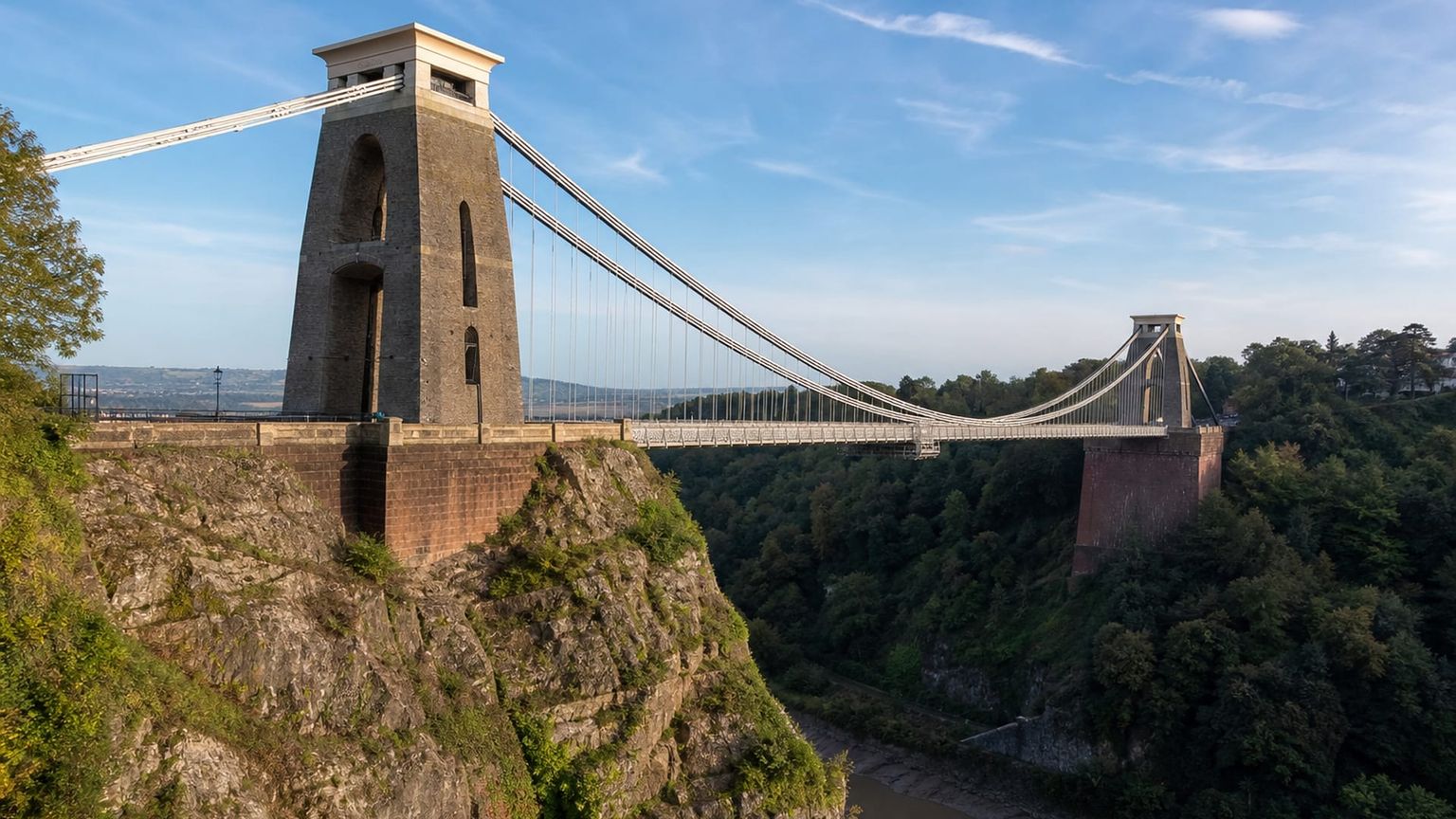
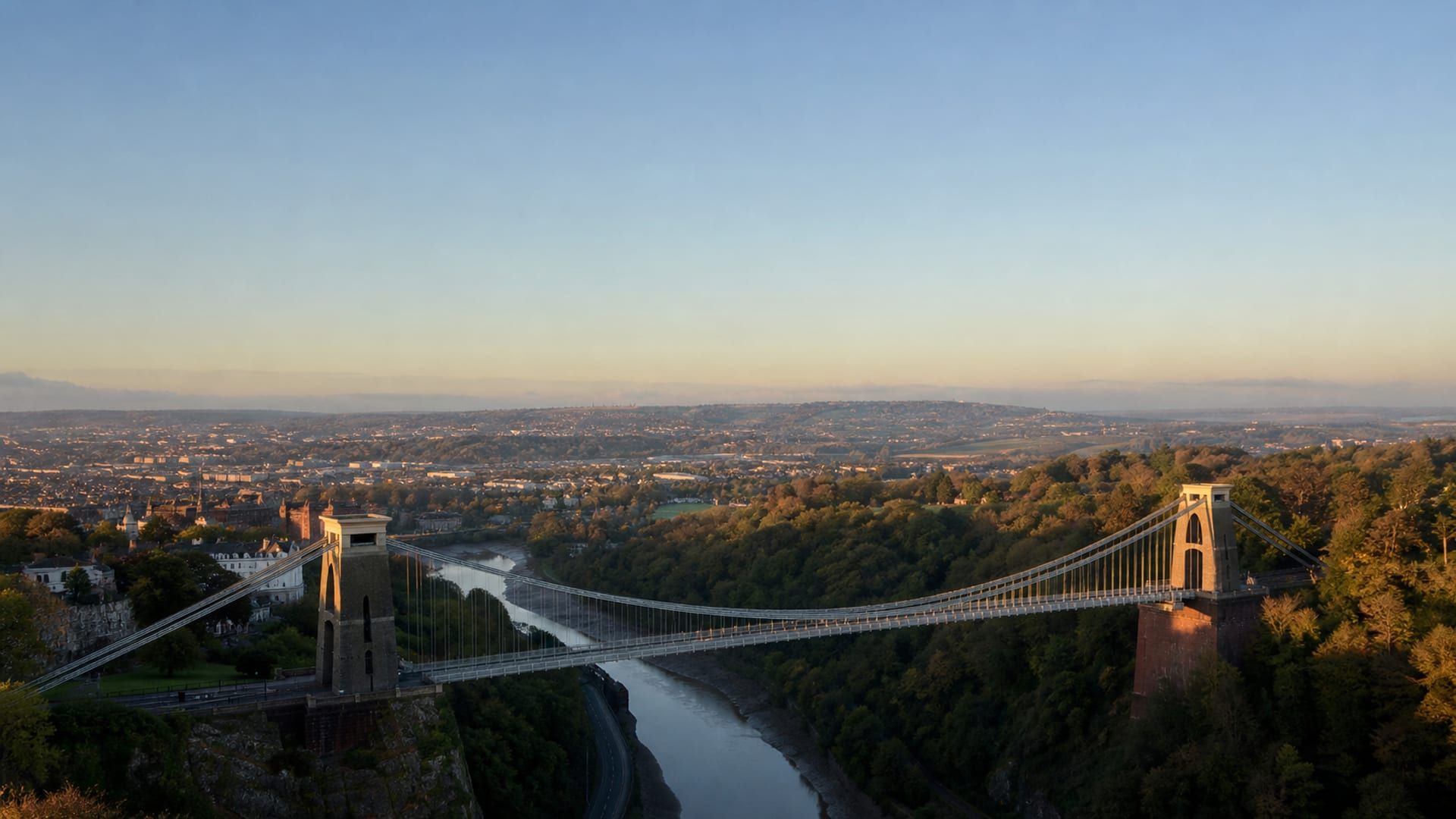
Clifton Suspension Bridge
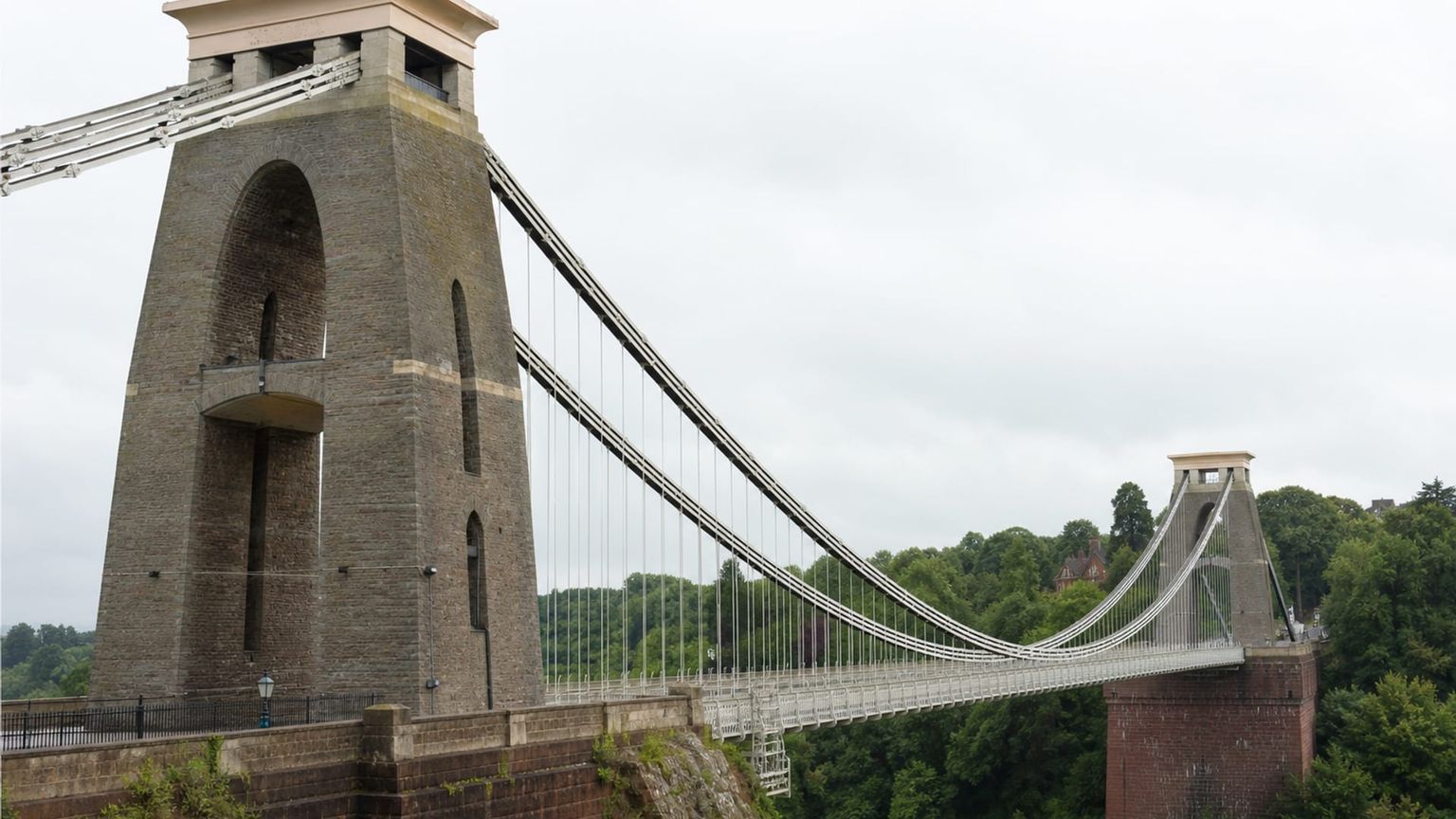
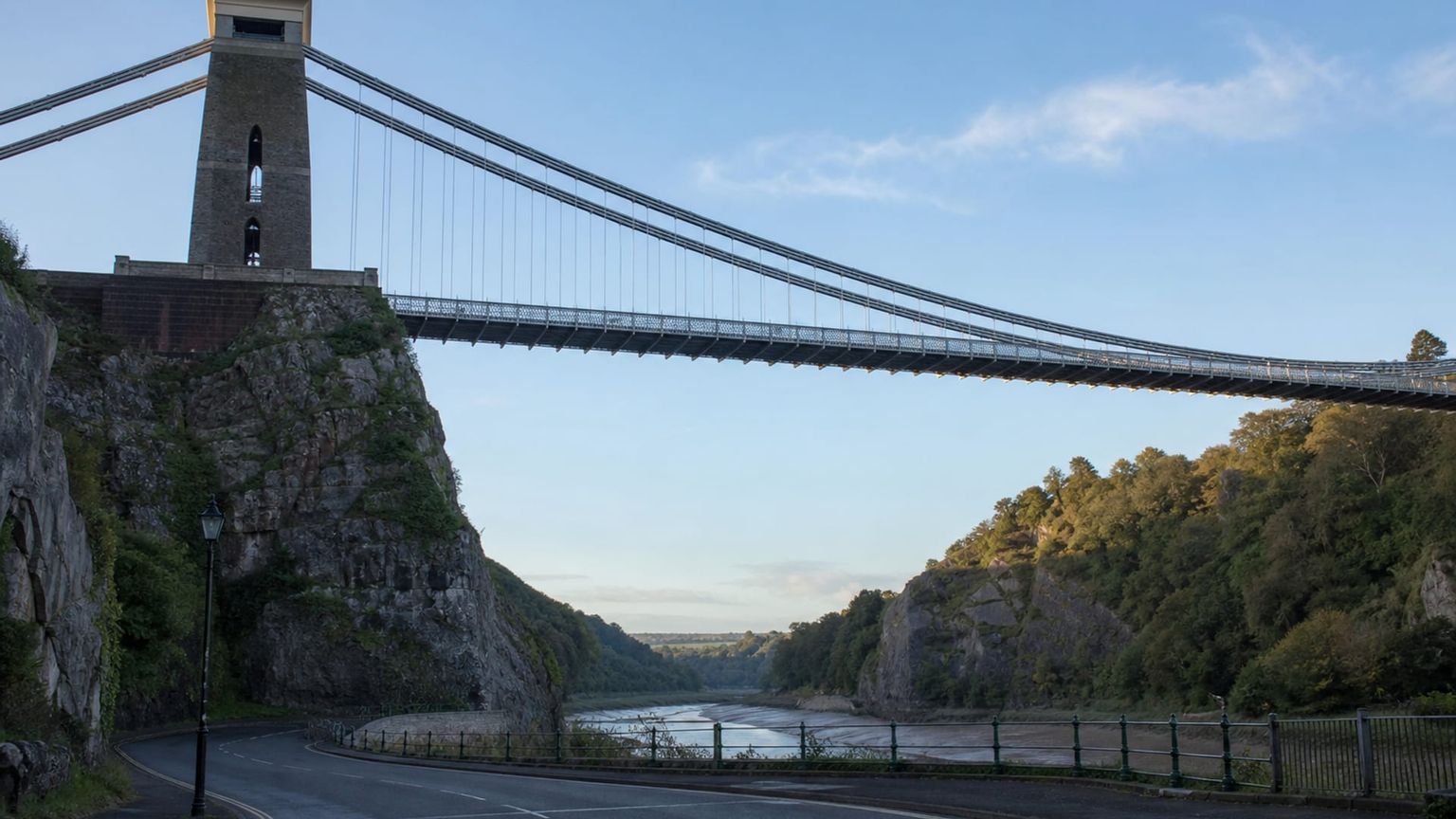
Designed by Isambard Kingdom Brunel and opened in 1864, this Clifton gorge span links the two banks of the Avon more than 75 m above the water. The bridge is Bristol’s best-known landmark, with sweeping views from both ends.
Time needed: About 45 minutes
Entry: Free to access; no ticket is required to walk the nearby viewpoints or cross on foot, though charges apply only to the visitor center parking area. Visit the official site for details.
Tip: Go near sunset for the best light on the gorge and the city skyline.
SS Great Britain
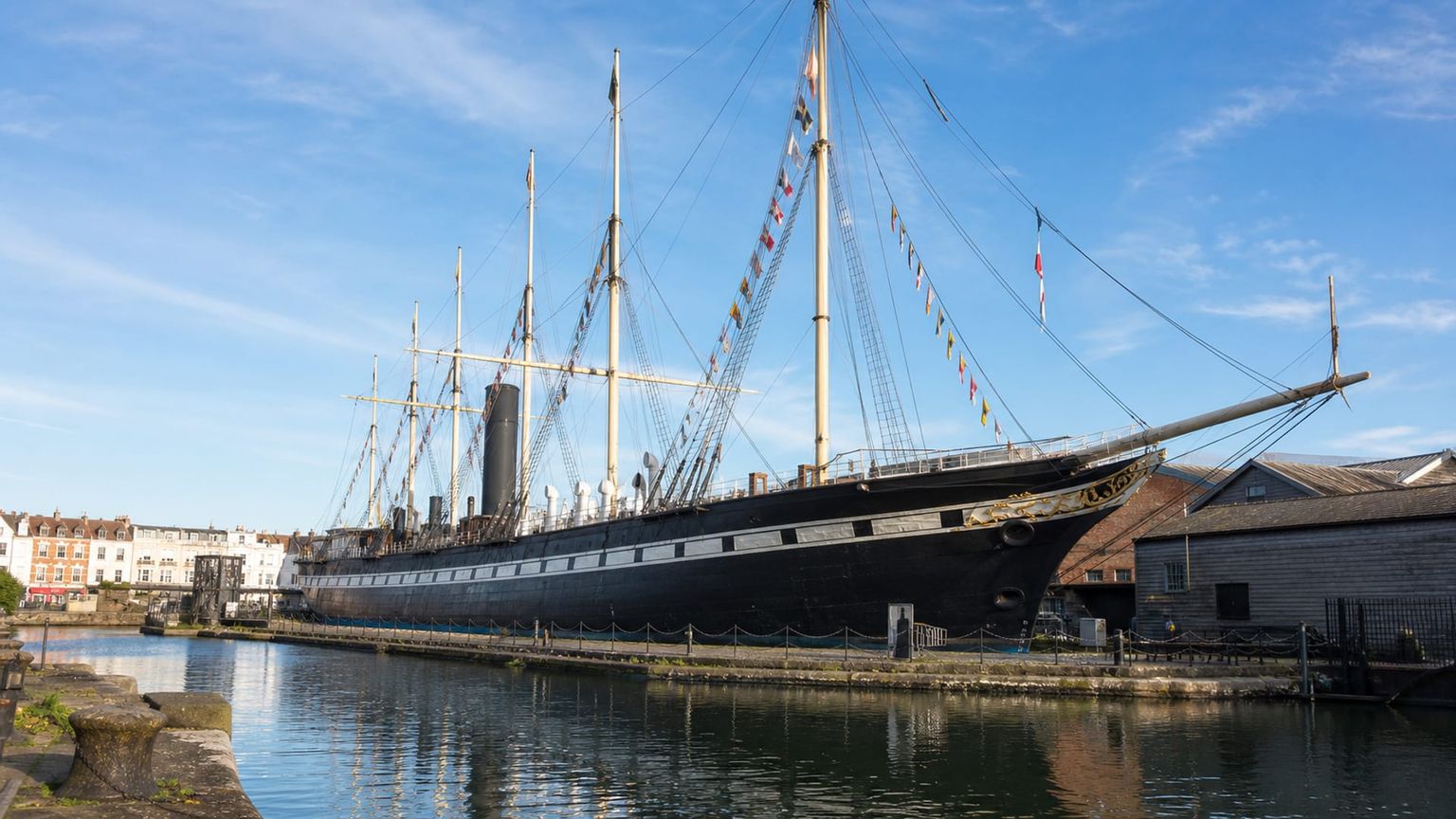
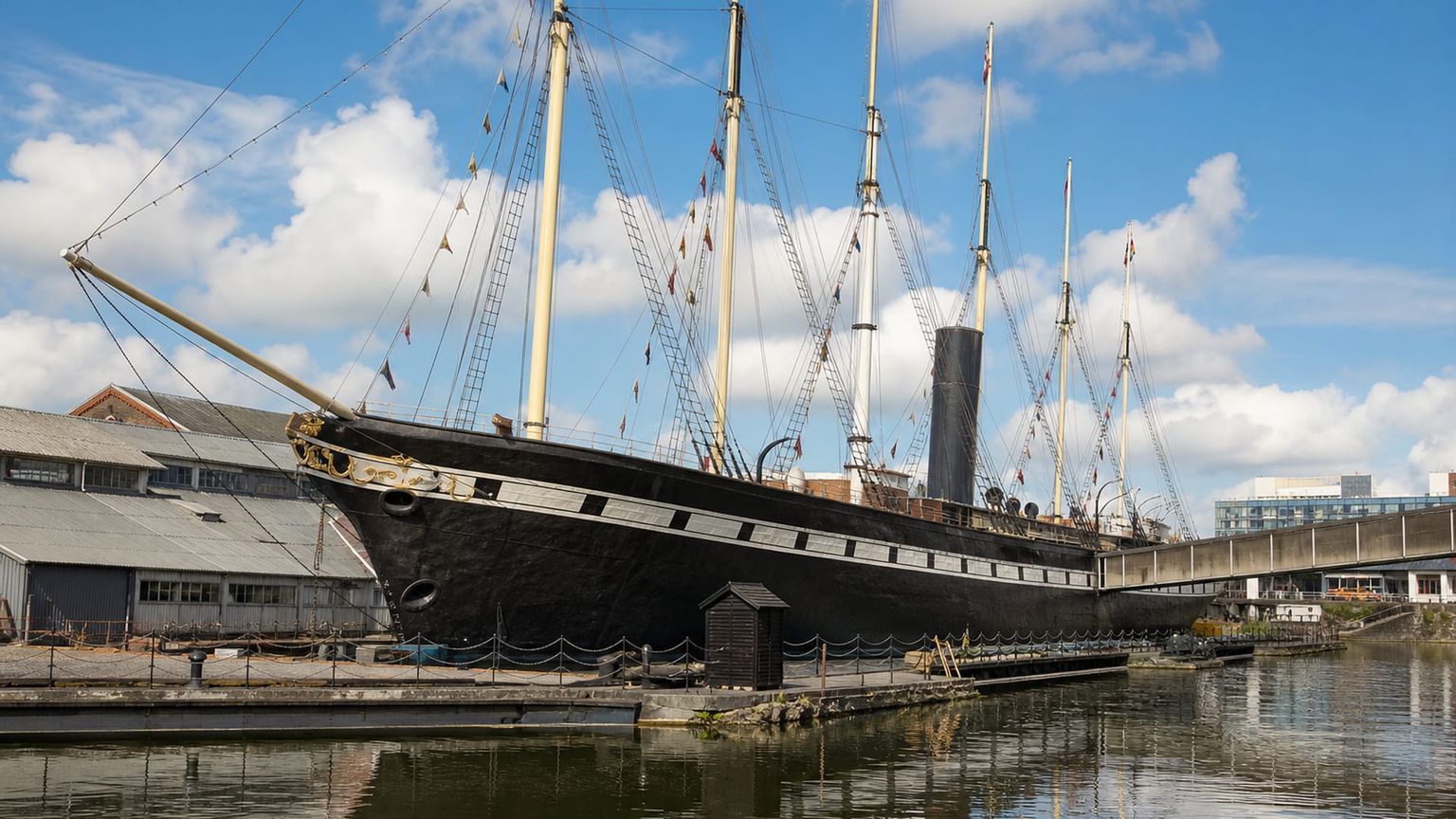
Brunel’s iron steamship, launched in 1843, sits in her dry dock on Bristol’s harborside with restored decks, engine rooms, and a detailed shipyard museum. The site traces the vessel’s voyages, engineering, and Victorian maritime life.
Time needed: About 2 to 3 hours
Entry: Standard tickets cost $24 to $28 (£19 to £22), with family and child prices lower; entry includes the ship, dry dock, and museum spaces. Visit the official site for details.
Tip: Arrive early, then start in the dockside museum before boarding the ship.
Bristol Cathedral
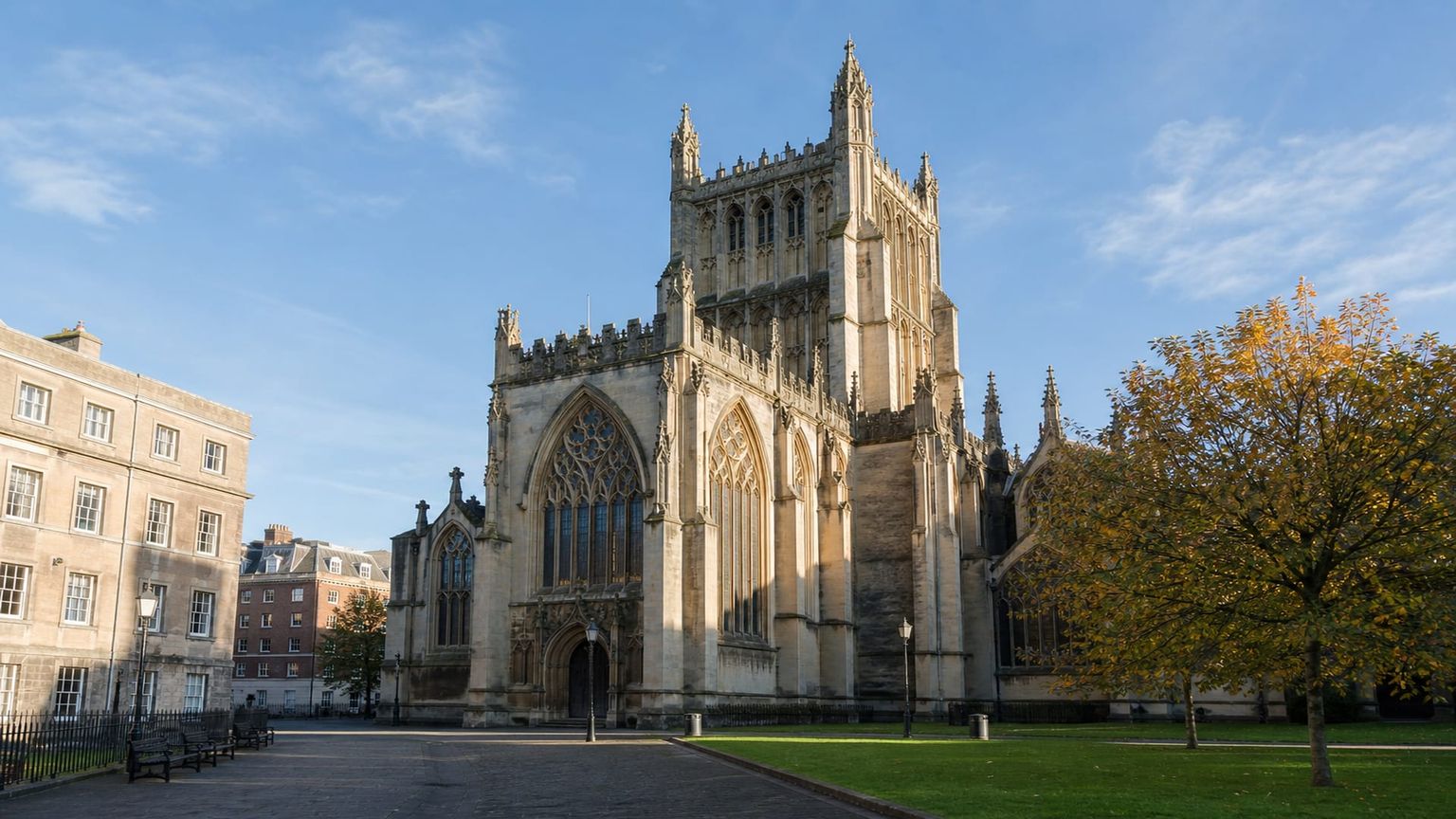
Bristol Cathedral combines a 12th-century abbey core with later Gothic rebuilding, giving the nave and choir a long, layered history. Inside, the vaulted cloisters, carved stonework, and stained glass make it one of the city’s most important churches.
Time needed: About 45 minutes
Entry: Free to access; donations are welcome, and some concerts or special exhibitions may carry separate charges on select dates. Visit the official site for details.
Tip: Visit after 2:00 pm, when the nave is brightest through the south windows.
Overlooked sites worth visiting

Arnos Vale Cemetery
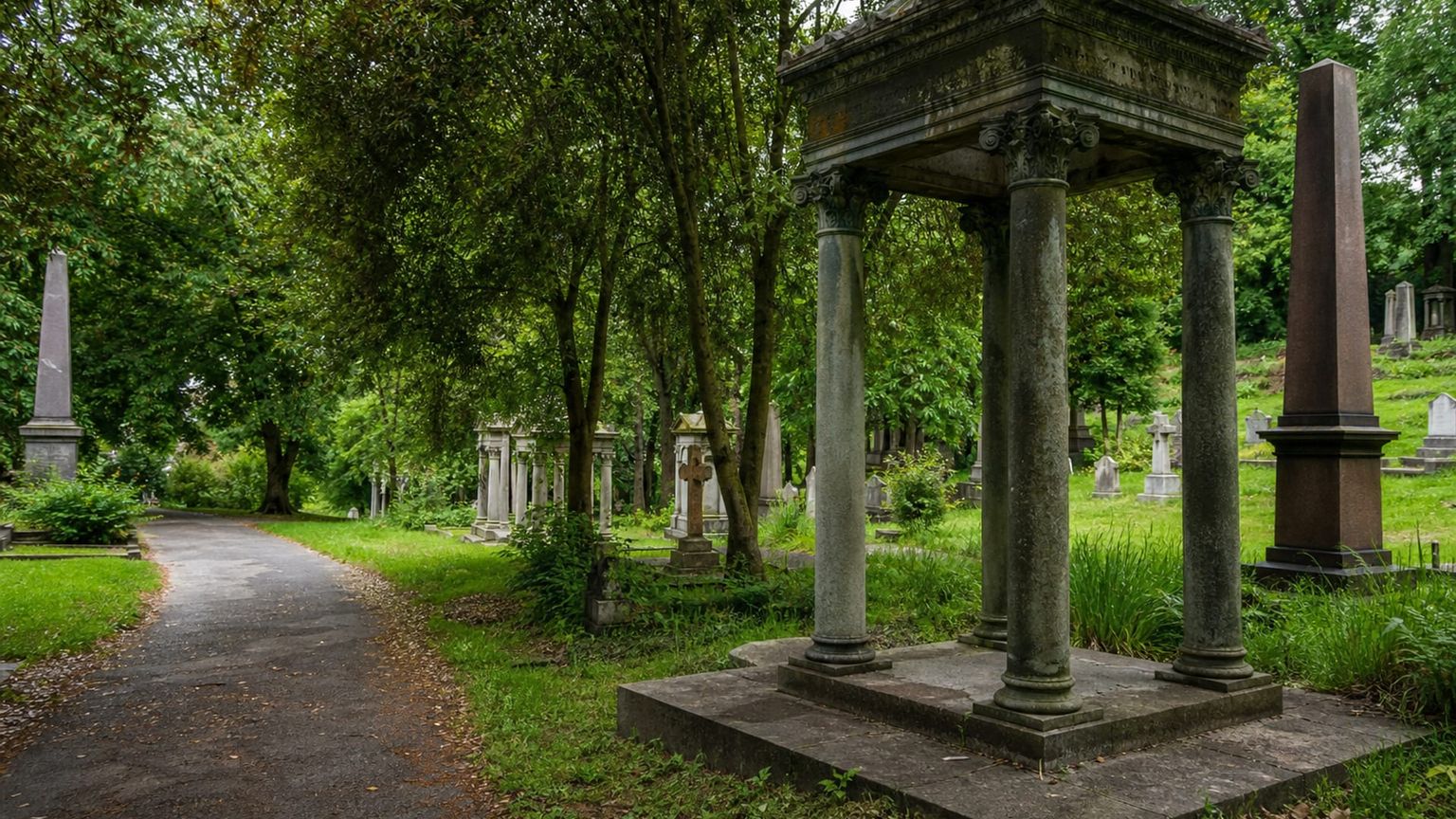
Victorian gardens, listed funerary monuments, and tree-lined paths make this one of Bristol’s quietest walks. The site also hosts guided tours and talks that explain the cemetery’s social history.
Time needed: About 1 to 2 hours
Entry: Entry is free for self-guided visits. Guided tours, talks, and some events charge separately, usually about $8 to $18 ($6 to £14), depending on the program and format. Visit the official site for details.
Tip: Go in late afternoon for softer light on the monuments.

John Wesley's New Room
This compact chapel museum, opened in 1739, preserves Methodist preaching spaces, period rooms, and a small burial ground. Its scale and archive displays make it a strong stop for history-minded visitors.
Time needed: About 45 minutes to 1 hour
Entry: Adult admission is about $10 to $12 (£8 to £10), with concessions usually about $7 to $9 (£5 to £7). Some special tours or events may have separate pricing, and children under a set age are often admitted free. Visit the official site for details.
Tip: Combine it with nearby Corn Street before lunch.
Traditional food
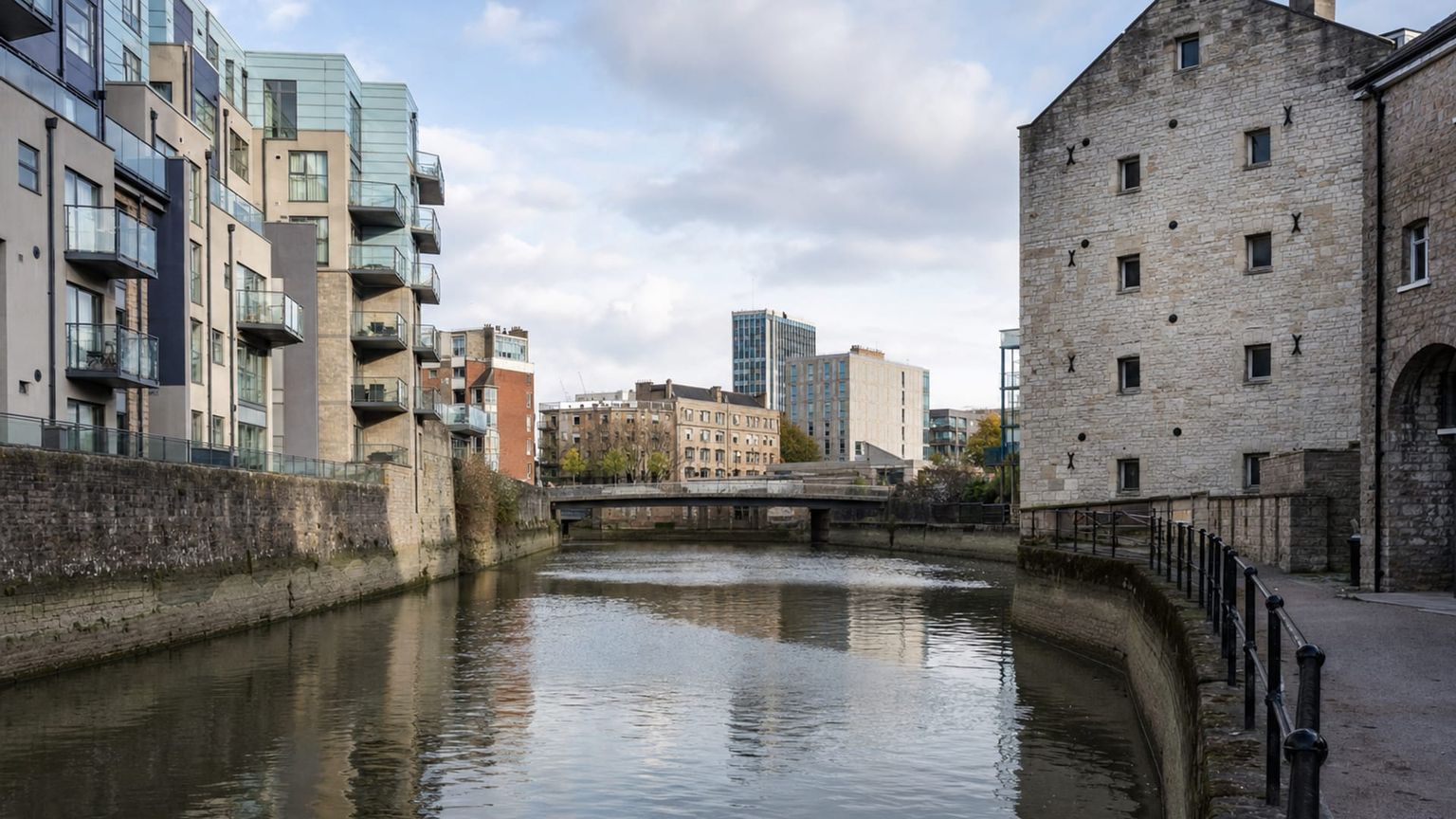
Bristol’s food leans on West Country produce, cider, and hearty baked items, from pasties to Bath buns. Dining often follows an early lunch and an early dinner window, with pubs and cafes carrying much of the city’s everyday flavor.
West Country pasty
This savory pastry is the clearest Bristol lunch stop, with flaky crust and a filling built for a walking day. Pieminister in Stokes Croft is a strong canonical choice, since it leans into regional pie and pastry traditions.
Bristol cream
Serve it as a measured after-dinner pour rather than a casual drink, because the city’s namesake sherry style carries more weight than most sweet liqueurs. The Ivy Clifton Brasserie is a fitting Bristol setting for it on a polished evening out.
Cider
Cider belongs on a Bristol table with pub food, grilled dishes, or a slow lunch, especially when you want a drink that links the city to the wider West Country. The Apple, a well-known harborside cider barge, is the most characterful place to center it.
Bath bun
This sweet, enriched bun gives a simple tea break or breakfast stop a local note, with sugar and spice that suit a midafternoon pause. Boston Tea Party on Park Street is a dependable place to order one with coffee.
Best time to visit Bristol
Bristol changes more in feel than in scale from season to season, with the most useful difference showing up in how long you want to stay outdoors.
Best for: Harborside walks, Clifton views, and lighter sightseeing days
What you get: About 48 to 62°F (9 to 17°C), with moderate crowds and changeable weather
Trade-offs: Rain can interrupt longer walks and open viewpoints
Best for: Long evenings, waterfront dining, and fuller outdoor days
What you get: About 57 to 72°F (14 to 22°C), with the busiest crowds and the most daylight
Trade-offs: Popular areas stay active late, and rooms book early
Best for: Museum visits, cemetery walks, and calmer city-center days
What you get: About 45 to 63°F (7 to 17°C), with lighter crowds after the summer peak
Trade-offs: Shorter days limit how much you can fit into one outing
Best for: Cathedral visits, cafes, and compact indoor itineraries
What you get: About 37 to 47°F (3 to 8°C), with low crowds and a shorter daylight window
Trade-offs: Cold, wet weather can make hillside walks less appealing
A realistic 5-day plan in Bristol
A five-day Bristol stay works best when the city center, Harbourside, Clifton, and the quieter inland sites each get their own day. That approach keeps the walking sensible and leaves room for places that would otherwise vanish between longer transfers.
Land at Bristol (BRS) and take a taxi or airport bus into the city center, which usually takes about 20 to 30 minutes and costs roughly $35 to $50 by taxi or about $10 to $15 on the bus. If you are staying in the City Centre, settle in near Broadmead or Cabot Circus so you can walk to dinner without a long transfer. Keep the first evening short, have a light meal on the harborside or in the core streets near Bristol Cathedral, then return early so you start the trip rested.
Start in the City Centre with Bristol Cathedral, where the nave is brightest after 2:00 pm, then walk about 10 minutes to John Wesley’s New Room for a compact look at Methodist history before lunch near Corn Street. From there, continue about 15 minutes on foot to the Harbourside for the SS Great Britain, where the ship, dry dock, and museum spaces take about 2 to 3 hours. Finish with a waterfront walk back toward Queen Square, which keeps the day clustered and avoids unnecessary cross-town travel.
Clifton sets up a clear sightseeing loop: begin at Clifton Suspension Bridge, spend about 45 minutes at the viewpoints and span, then walk 10 to 15 minutes through the surrounding streets for lunch near Whiteladies Road. After that, continue to the Downs for broad views over Avon Gorge, and if you want a quieter last stop, take a taxi or bus down to the center for an early dinner rather than making the uphill return on foot.
A slower fourth day works well at Arnos Vale Cemetery, about 10 minutes by taxi from the center, where you can spend 1 to 2 hours among the Victorian monuments and tree-lined paths. From there, head back to the City Centre in roughly 15 minutes and leave time for an unhurried afternoon around Broadmead or Cabot Circus. If you want one more historic stop, return to Bristol Cathedral for a short revisit before dinner nearby, which keeps the day balanced without overpacking it.
Begin with a final museum stop on the Harbourside, then cross into the City Centre for last-minute shopping in Broadmead or Cabot Circus, both easy to reach on foot if you are staying nearby. Before heading to Bristol (BRS), settle into a café in Clifton for a late coffee or pastry, especially if your departure is not until the afternoon. Keep your bags close and avoid booking a distant lunch reservation, since a short walk back to your hotel makes the transfer to the airport simpler.
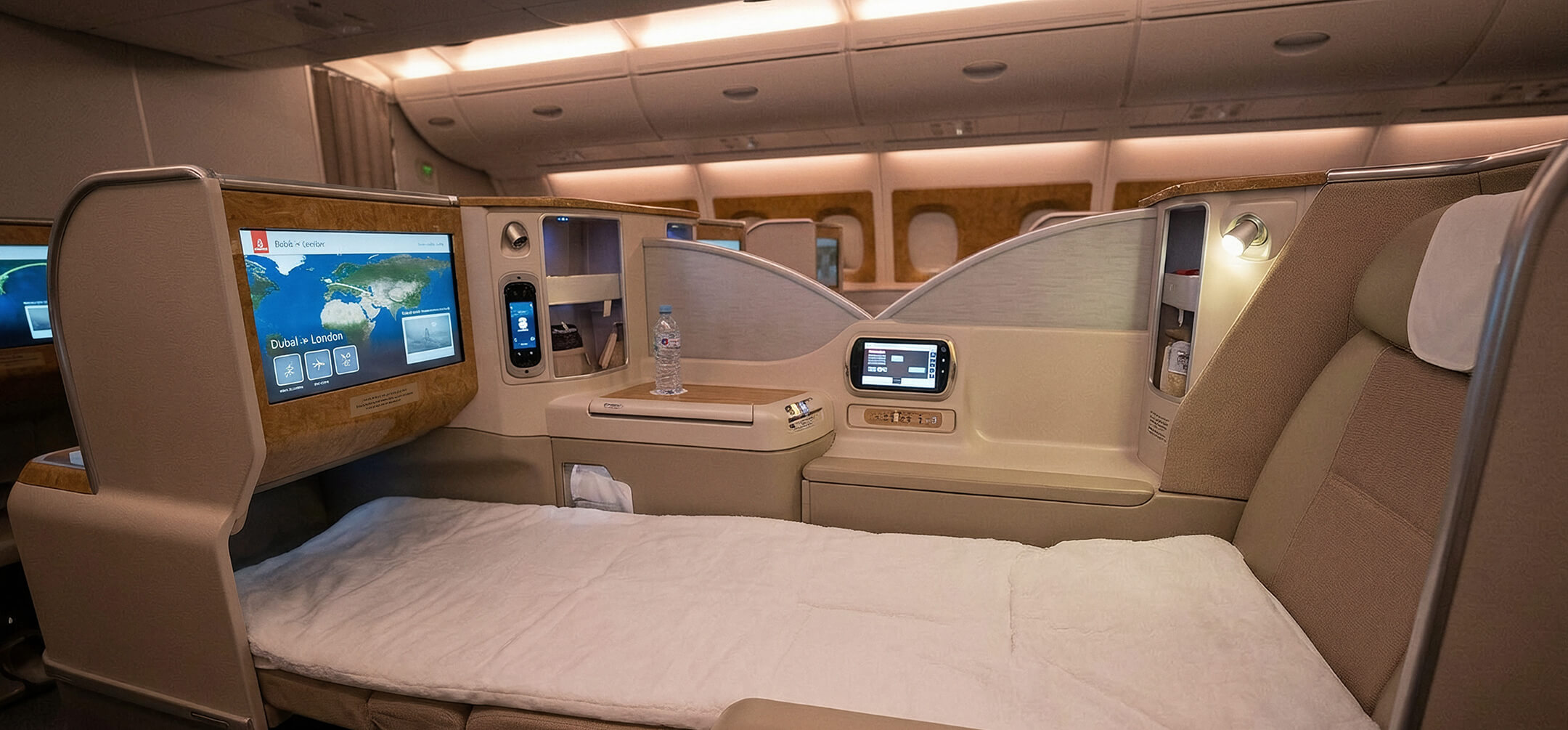
Business-class flights from the US to Bristol
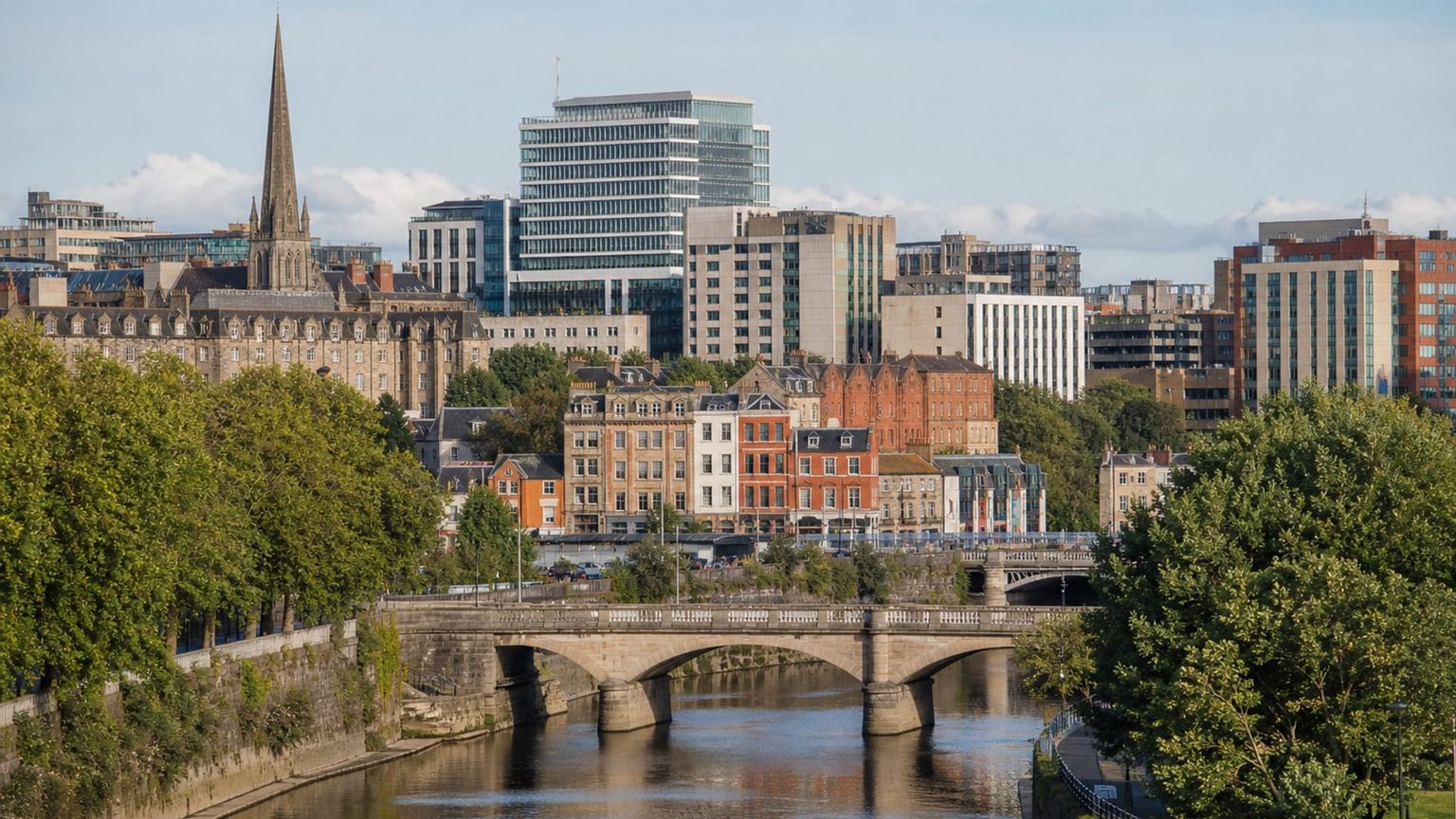
Business-class fares into Bristol vary most by departure coast and connection point, so the clearest comparison comes from one East Coast itinerary and one West Coast itinerary. Both usually route through major European hubs rather than arriving nonstop.
From New York, British Airways, Aer Lingus, Iberia, Lufthansa, KLM, and Air France all appear on common itineraries, with round-trip fares usually starting at $2,200 and reaching $4,800. If you do not mind a layover, common routings via London (LHR), Dublin (DUB), Madrid (MAD), Frankfurt (FRA), Amsterdam (AMS), or Paris (CDG) often cut the price.
Los Angeles itineraries usually run through one of London (LHR), Frankfurt (FRA), Amsterdam (AMS), Paris (CDG), or Dublin (DUB), with British Airways, Lufthansa, Air France, KLM, and United Airlines among the usual carriers. Round-trip fares often land about $3,200 to $6,200, and one-stop trips generally price below the fastest options.
Bristol feels different when you slow down
A careful Bristol trip follows the city’s own geography, from Broadmead and Cabot Circus to the Harbourside, then up into Clifton for the bridge and the Downs. Adding Arnos Vale or John Wesley’s New Room gives the visit more depth without forcing extra cross-town movement. If you want to shape those days into one itinerary that fits your dates, the AranGrant experts can help you build it around the parts of Bristol that matter most