

Chapters:

Need help with your trip?
Our support team is available 24/7. Request a callback or call us directly at (833) 619-0908
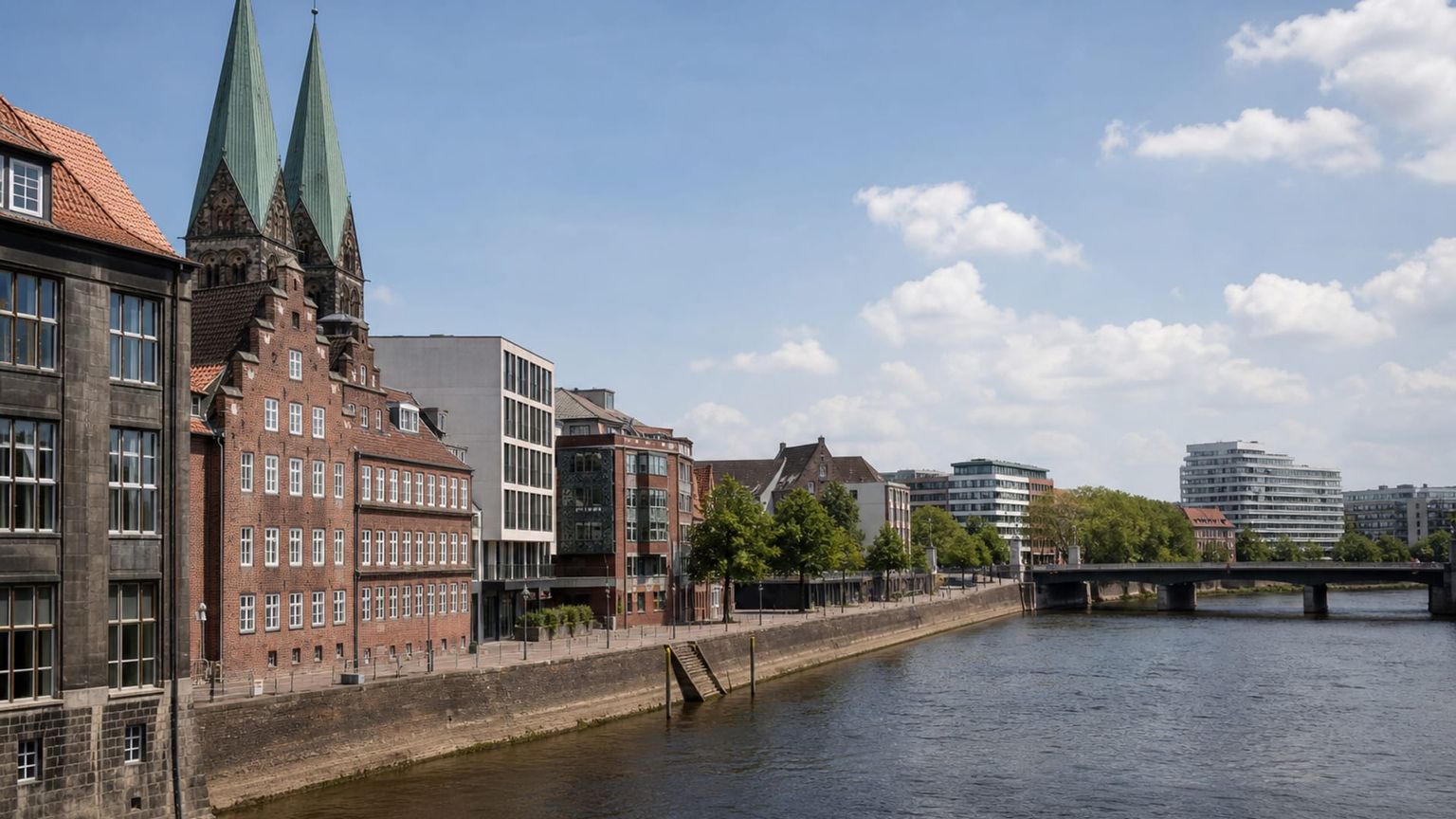
Bremen combines the architecture of an old Hanseatic trading city with a center compact enough to explore largely on foot. The Market Square features the UNESCO-listed Town Hall and Roland, while nearby Böttcherstraße and Schnoor lead through brick façades, narrow lanes, shops, and cafés. Beyond the historic core, the Weser waterfront, Bürgerpark, museums, and residential districts such as Schwachhausen add very different parts of the city.
This guide covers everything you need to know for five days in Bremen, including where to stay, how to get around, what to see, and which local dishes to try.
Useful things to know

Main language(s): German
Hallo (HAH-loh) – Hello
Bitte (BIT-teh) – Please
Danke (DAHN-keh) – Thank you
Sprechen Sie Englisch? (SHPREH-khen zee EN-glish?) – Do you speak English?
Wie viel kostet das? (vee feele KOSS-tet dahs?) – How much does it cost?

Currency: Euro (EUR, €)

Cash and cards: Card payments are common at hotels, restaurants, and larger stores. Keep €20–€40 ($23–$45) for smaller cafés, bakeries, and businesses that prefer cash.

Tipping: Round the bill up or leave 5%–10% in restaurants when you are happy with the service.

Traditional food: Knipp, Bremer Labskaus, Bremer Klaben, and kale with Pinkel are among the traditional foods associated with Bremen.

Water and coffee costs: Bottled water costs €2–€3 ($2.30–$3.40), while an espresso at a central café is usually €2.50–€4 ($2.80–$4.50).

Taxis and ride apps: Local taxis are widely available. Uber and Bolt can also provide app-based rides in Bremen.

Plug and voltage: Type F socket, 230V

Dining and shop opening hours: Cafés open at 7:00 am, lunch is commonly served from noon, and many restaurant kitchens close between 9:00 and 10:00 pm.

Emergency number: Call 112 for fire or medical emergencies and 110 for police.
Where to stay in Bremen
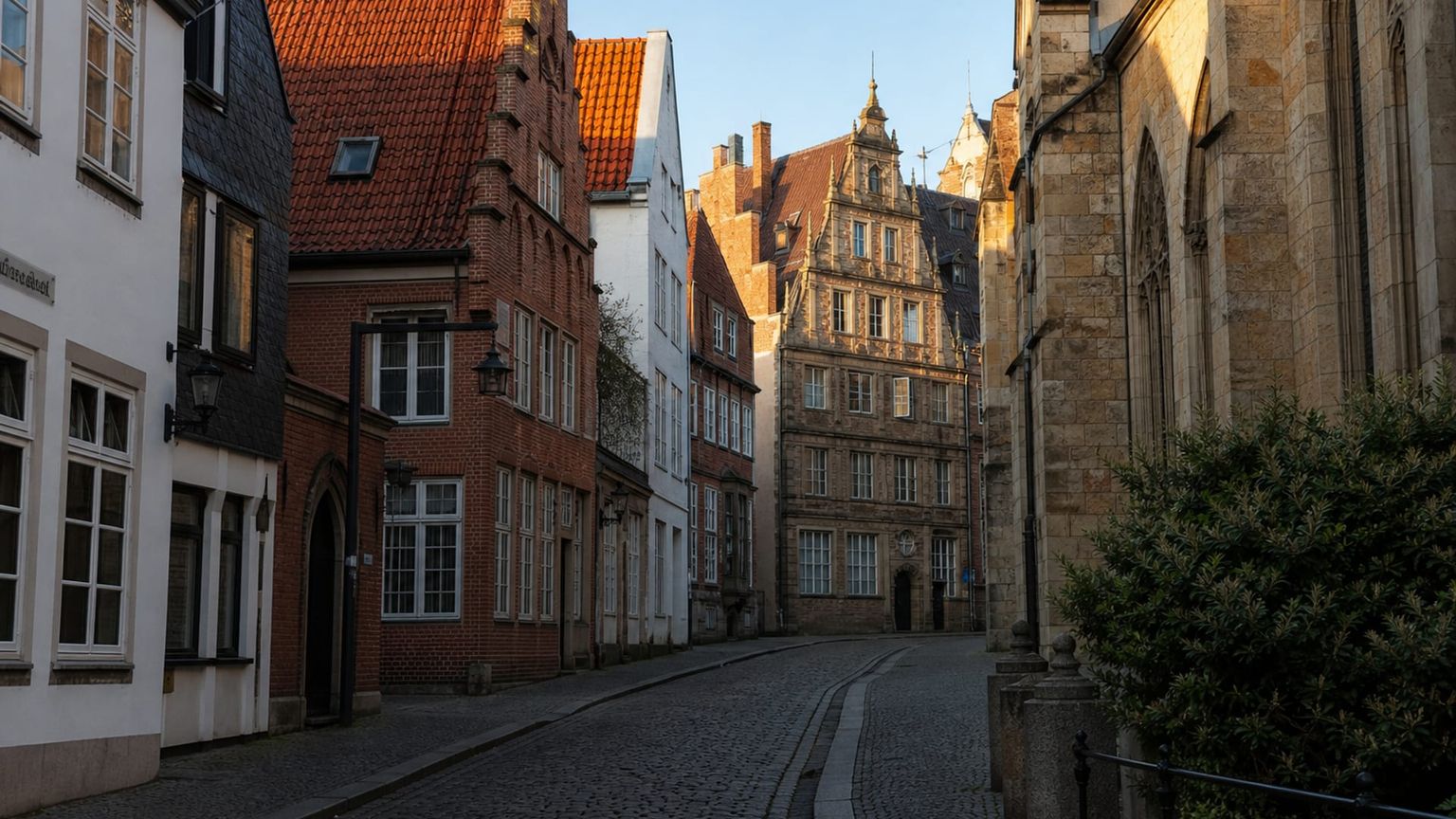
Altstadt contains Bremen’s Market Square, Town Hall, Roland, Böttcherstraße, Schnoor, cathedral, and the central shopping streets. Most major historic attractions are within a short walk, while trams at Domsheide and nearby stops provide easy access to the station and outer neighborhoods.
Best for: First visits, historic sights, restaurants, and exploring central Bremen on foot
What to expect: Landmark squares, pedestrian streets, cafés, shops, visitors, and busy daytime sidewalks
Hotel prices: Nightly rates typically range from €120 to €220 ($135–$250).
Distance to major sights: The Market Square, cathedral, Böttcherstraße, and Schnoor are within a short walk.
Quietness: Main streets stay active into the evening, while smaller streets become calmer after dinner.
Main trade-off: Central hotels generally cost more and may receive street noise during busy periods.
Good to know: Parking is limited, so check hotel parking arrangements before arriving by car.
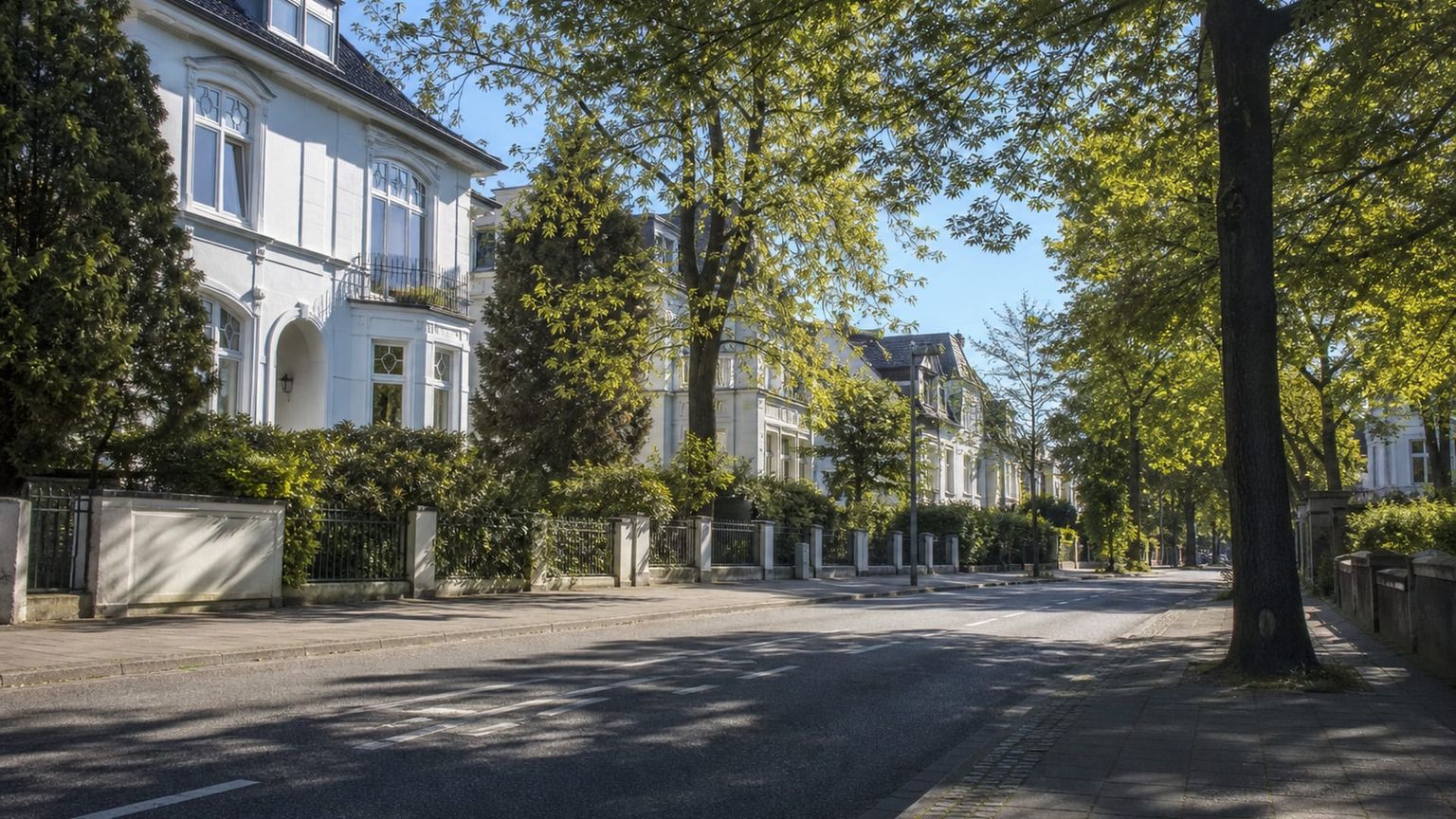
Schwachhausen stretches north of the center through tree-lined residential streets, older villas, cafés, and green spaces beside Bürgerpark. It offers a calmer setting than Altstadt while keeping Bremen Hauptbahnhof and the historic center within a short tram ride.
Best for: Longer stays, Bürgerpark, residential surroundings, and quieter evenings
What to expect: Leafy streets, cafés, apartment buildings, villas, local shops, and limited tourist traffic
Hotel prices: Rooms in well-reviewed properties generally cost €100–€190 ($110–$215).
Distance to major sights: The Market Square is generally 10–15 minutes away by tram.
Quietness: Residential streets are usually peaceful, although roads near tram lines receive more traffic.
Main trade-off: Restaurants and historic attractions are less concentrated than in Altstadt.
Good to know: Check the nearest tram stop, since travel times vary across this large district.
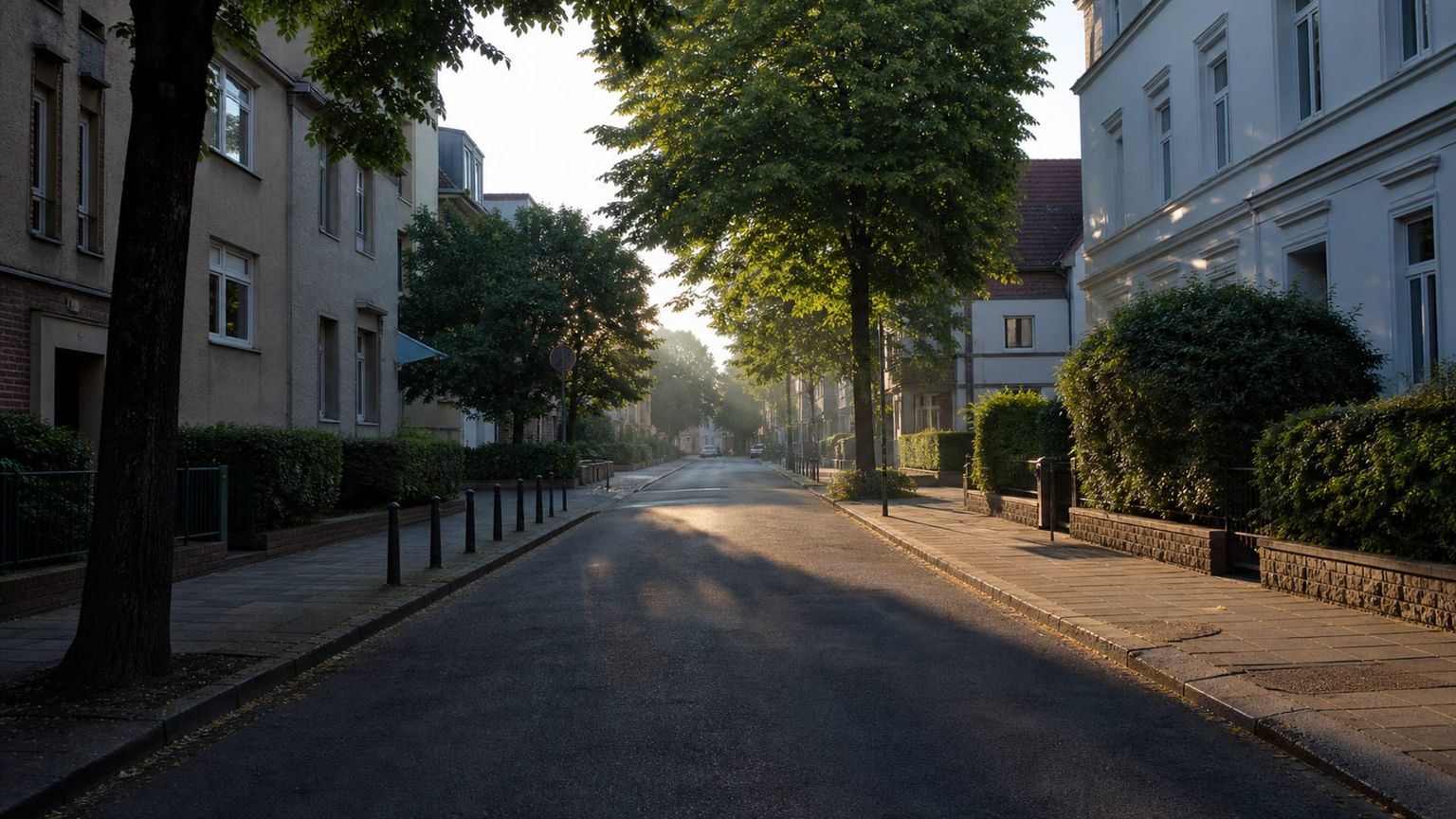
Findorff lies northwest of Bremen Hauptbahnhof, between the station area and Bürgerpark. Residential streets, bakeries, cafés, local shops, and the Findorff market give the district an everyday feel, while trams and buses keep the historic center within easy reach.
Best for: Rail travelers, Bürgerpark, local cafés, and stays outside the busiest tourist streets
What to expect: Residential blocks, bakeries, local businesses, commuters, and quieter evening streets
Hotel prices: Expect to pay €90–€170 ($100–$190) per night at many established properties.
Distance to major sights: The Market Square is about 10–15 minutes away by public transportation.
Quietness: Side streets are generally quiet, with more activity near the station and main roads.
Main trade-off: Bremen’s principal historic landmarks require a tram ride or longer walk.
Good to know: Properties closer to the station offer the easiest connections for early train departures.
Hotels near Bremen Airport can be convenient for very early flights but are less useful for a sightseeing-focused stay. Industrial stretches of Überseestadt and outer districts such as Gröpelingen also require longer journeys to the historic center.
Hotel deals
Getting around Bremen
Bremen’s trams, buses, taxis, and compact historic center make most journeys easy without a car.

Tram
for central sightseeing and airport journeys
Bremen’s tram network links the airport, Hauptbahnhof, Altstadt, Schwachhausen, the university area, and several outer districts. A single ticket costs €3.40 ($3.80) and is valid for 3 hours. Tram 6 provides a direct connection between Bremen Airport and the center.

Bus
for neighborhoods beyond the main tram routes
Buses complement the tram network across Findorff, residential districts, and areas farther from central rail stops. The same VBN fare system applies, so tickets can generally be used across buses and trams within their validity conditions. Check the BSAG app when a route requires a change.

Taxi
for luggage, late arrivals, and direct airport trips
Taxis are available at Bremen Airport, Hauptbahnhof, and designated ranks across the city. The airport is only a few miles south of the center, so road journeys to Altstadt are often brief outside busy periods. Fares vary by distance, traffic, and time of travel, and typically start at €10 ($11).
*Prices are based on rates updated as of October 2026 and may change at the time of travel.
Use trams for most journeys, buses when your destination is beyond a convenient tram stop, and taxis when luggage or a late arrival makes a direct ride easier.
Iconic places in Bremen
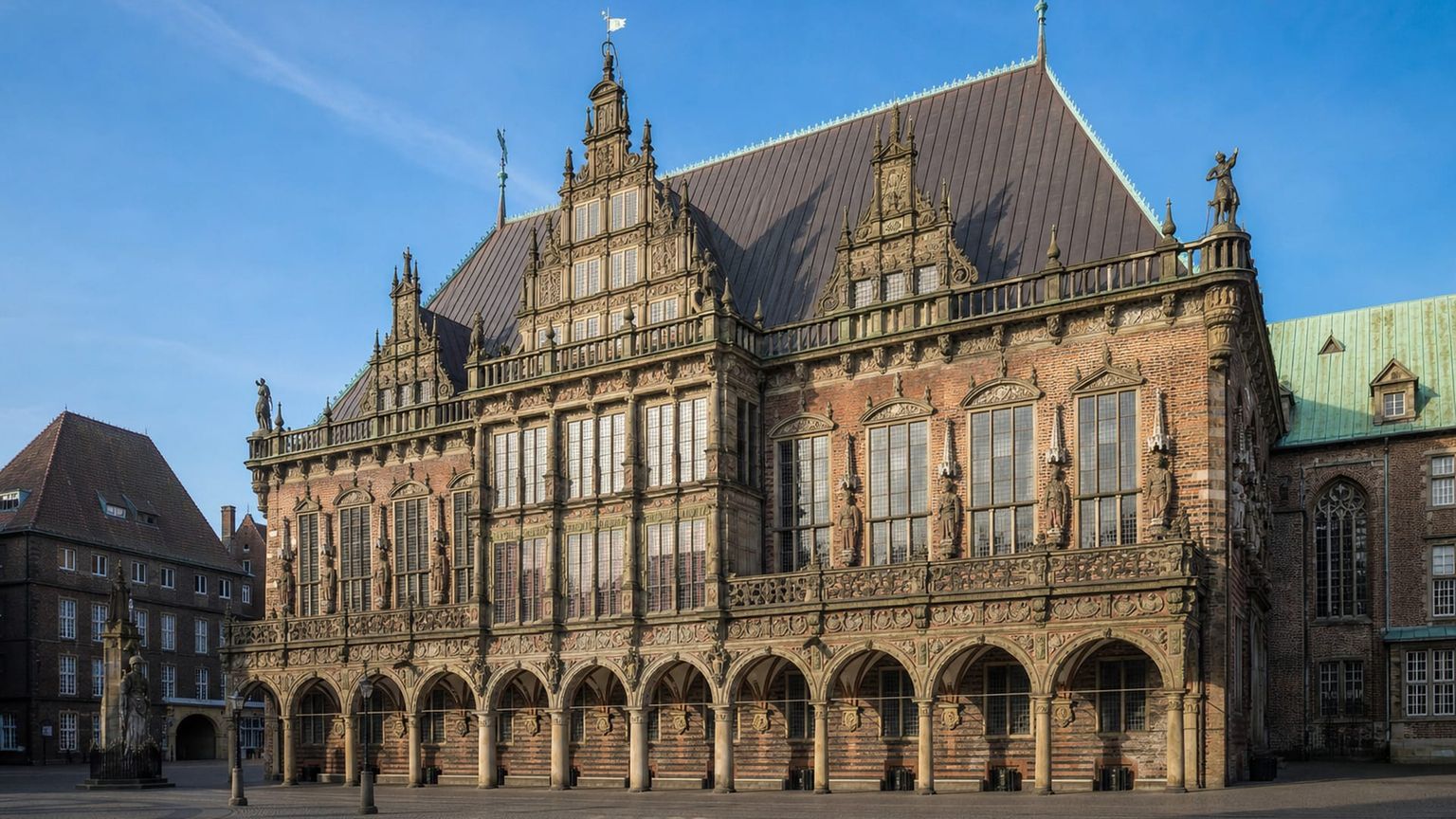
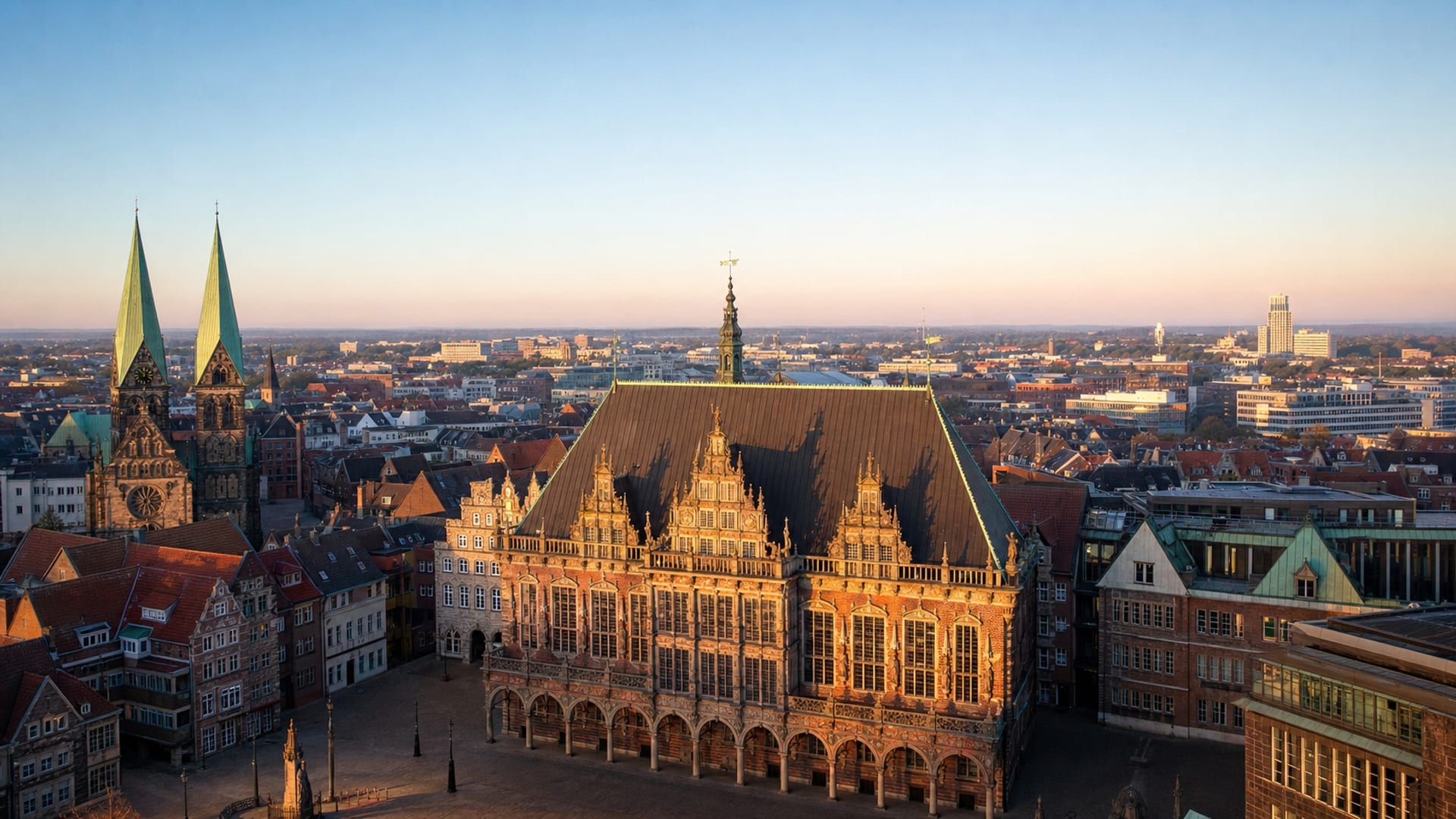
Bremen Town Hall
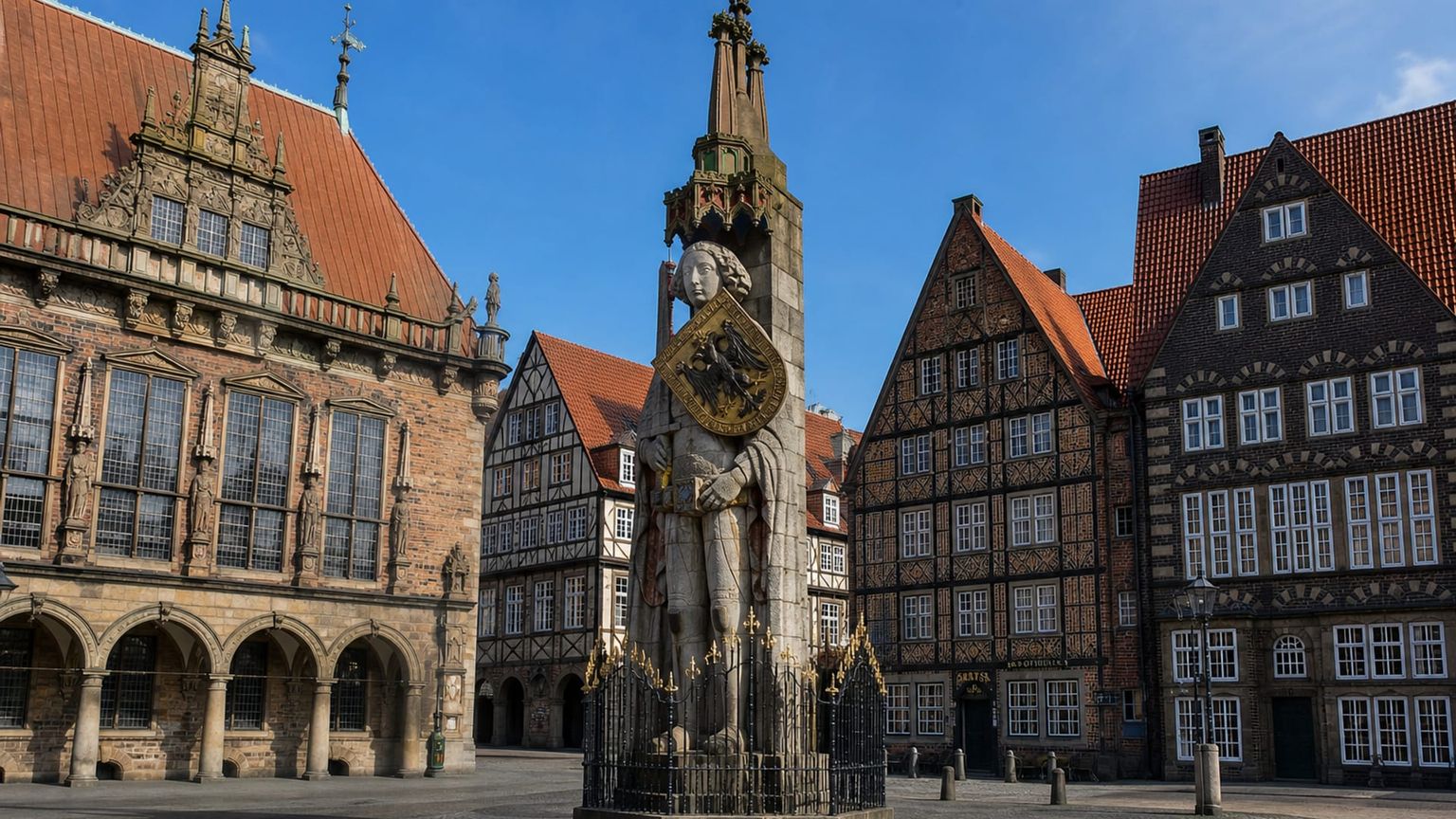
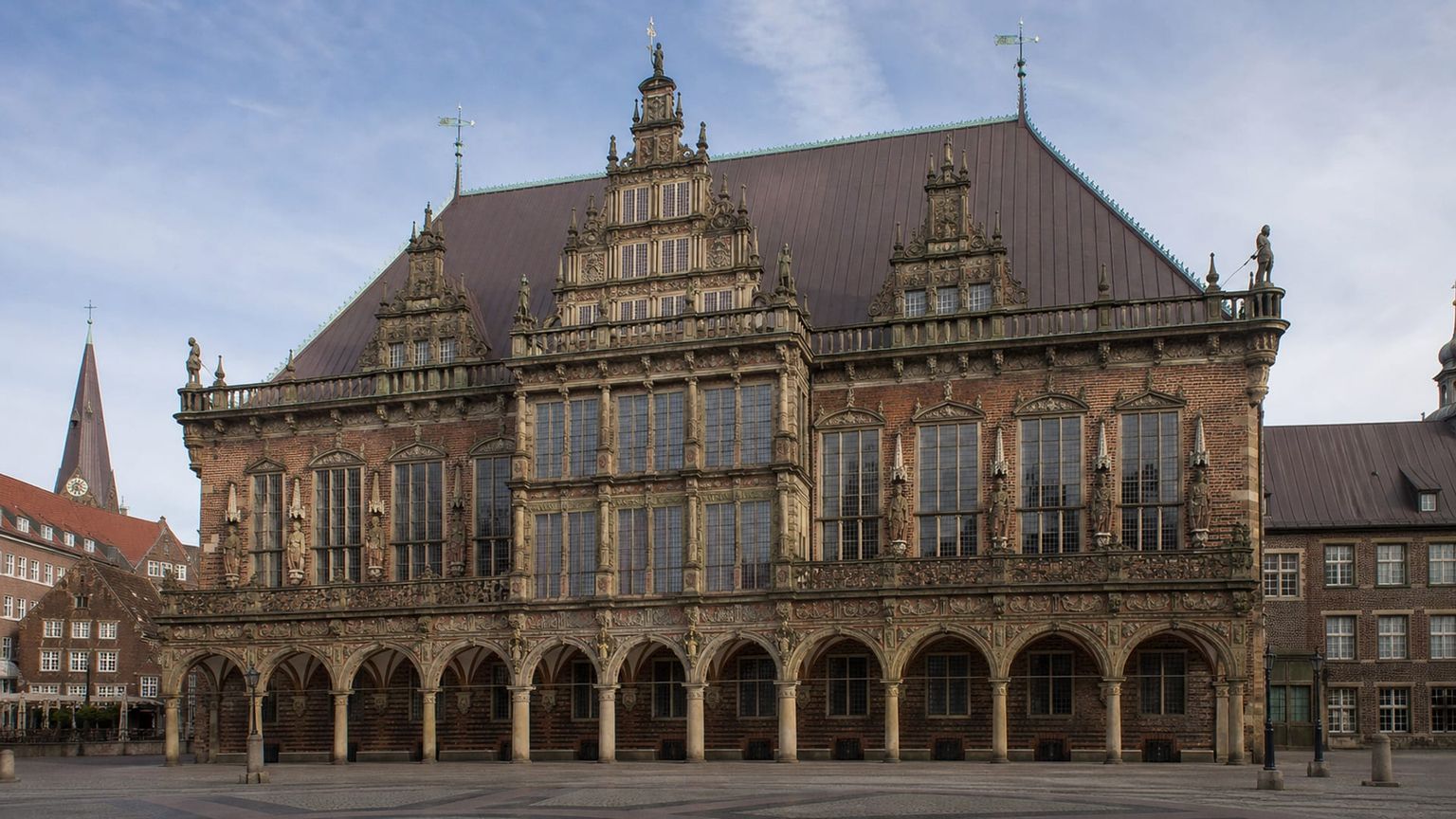
The town hall was built between 1405 and 1410. It has a Gothic structure, on top of which an elaborate Weser Renaissance façade was added later on. Its grand halls, carved decoration, and centuries of civic history helped earn it UNESCO World Heritage status with the Roland statue.
Time needed: 45 minutes to 1 hour
Entry: Guided interior tours cost €9.50 ($11) per person. Check the official website for details.
Tip: Visit the square early, then return after dark to see the illuminated façade.
Bremen Roland
The stone Roland has watched over Bremen’s Market Square since 1404. Rising more than 33 feet with its pedestal and canopy, the medieval figure represents the trading rights and civic freedoms that shaped Bremen’s development as a Hanseatic city.
Time needed: 20 to 30 minutes
Entry: Free
Tip: View Roland together with the Town Hall to understand the UNESCO-listed ensemble.
Schnoor quarter
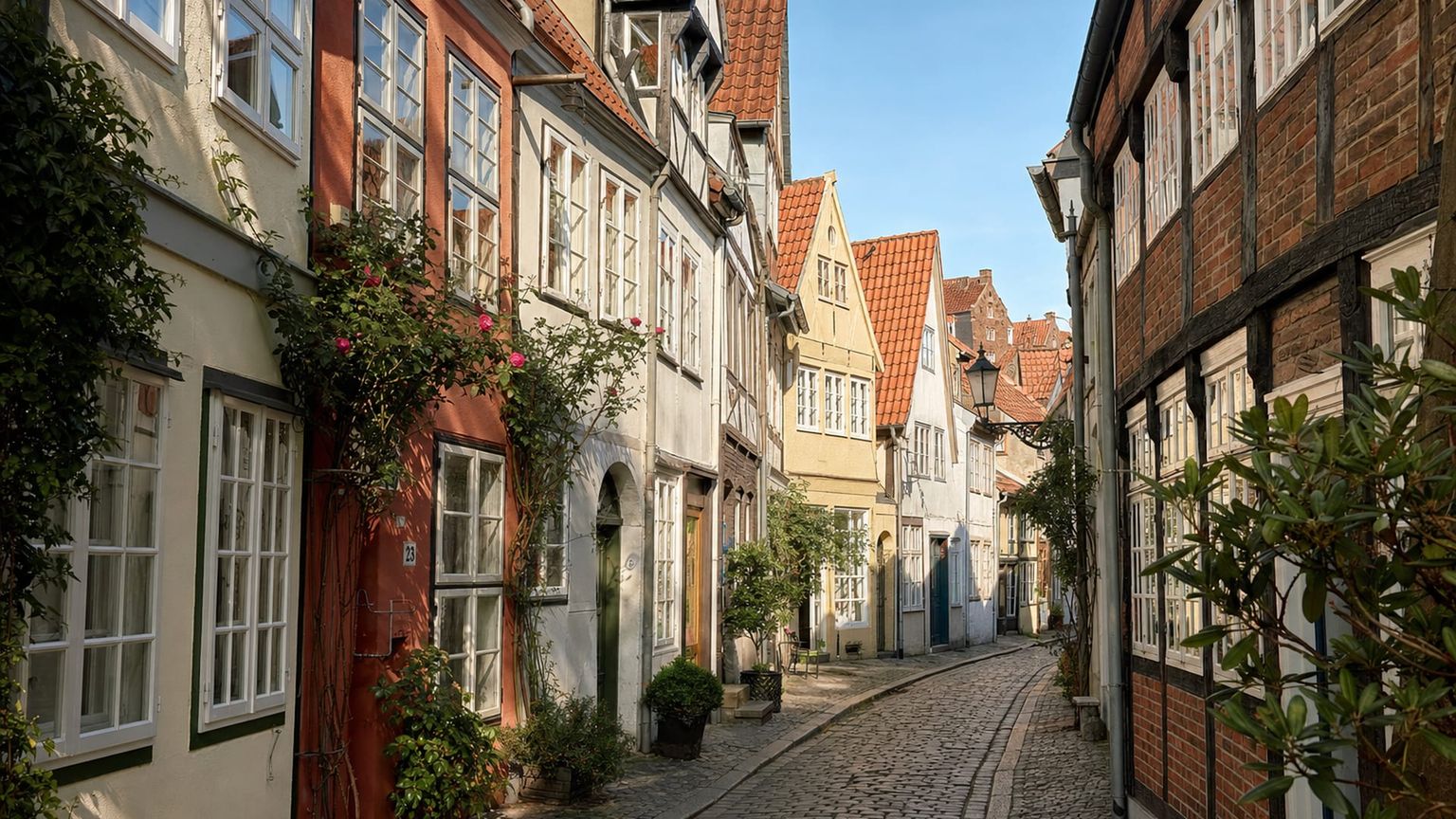
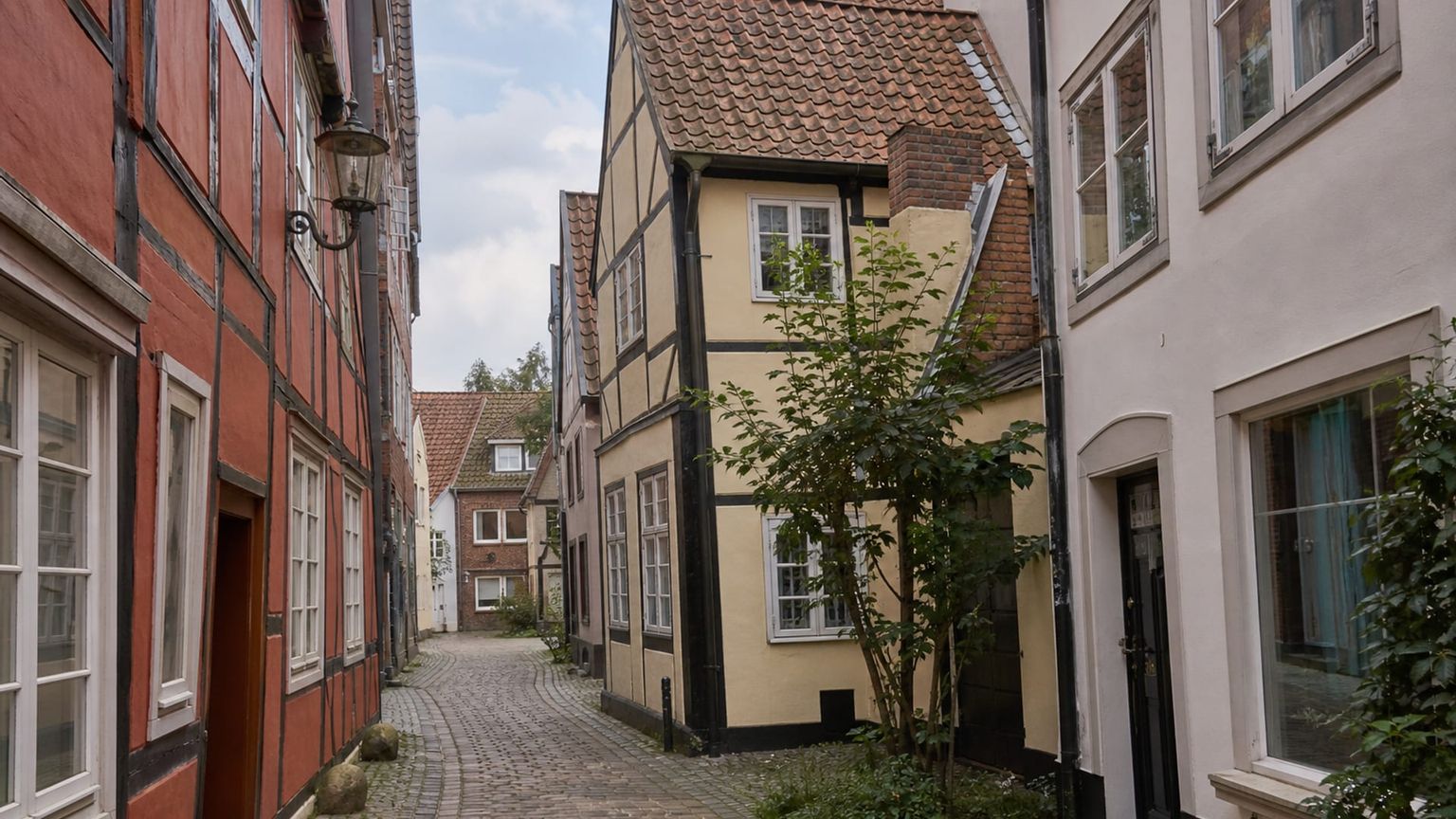
Schnoor is Bremen’s oldest neighborhood, where small 15th- and 16th-century houses line narrow cobbled lanes only a short walk from the Market Square. Former fishermen’s streets now contain cafés, workshops, galleries, restaurants, and tiny shops behind colorful façades.
Time needed: 1 to 2 hours
Entry: Free
Tip: Visit early morning or late afternoon when the narrow streets are less crowded.
Overlooked places in Bremen

Bürgerpark Bremen
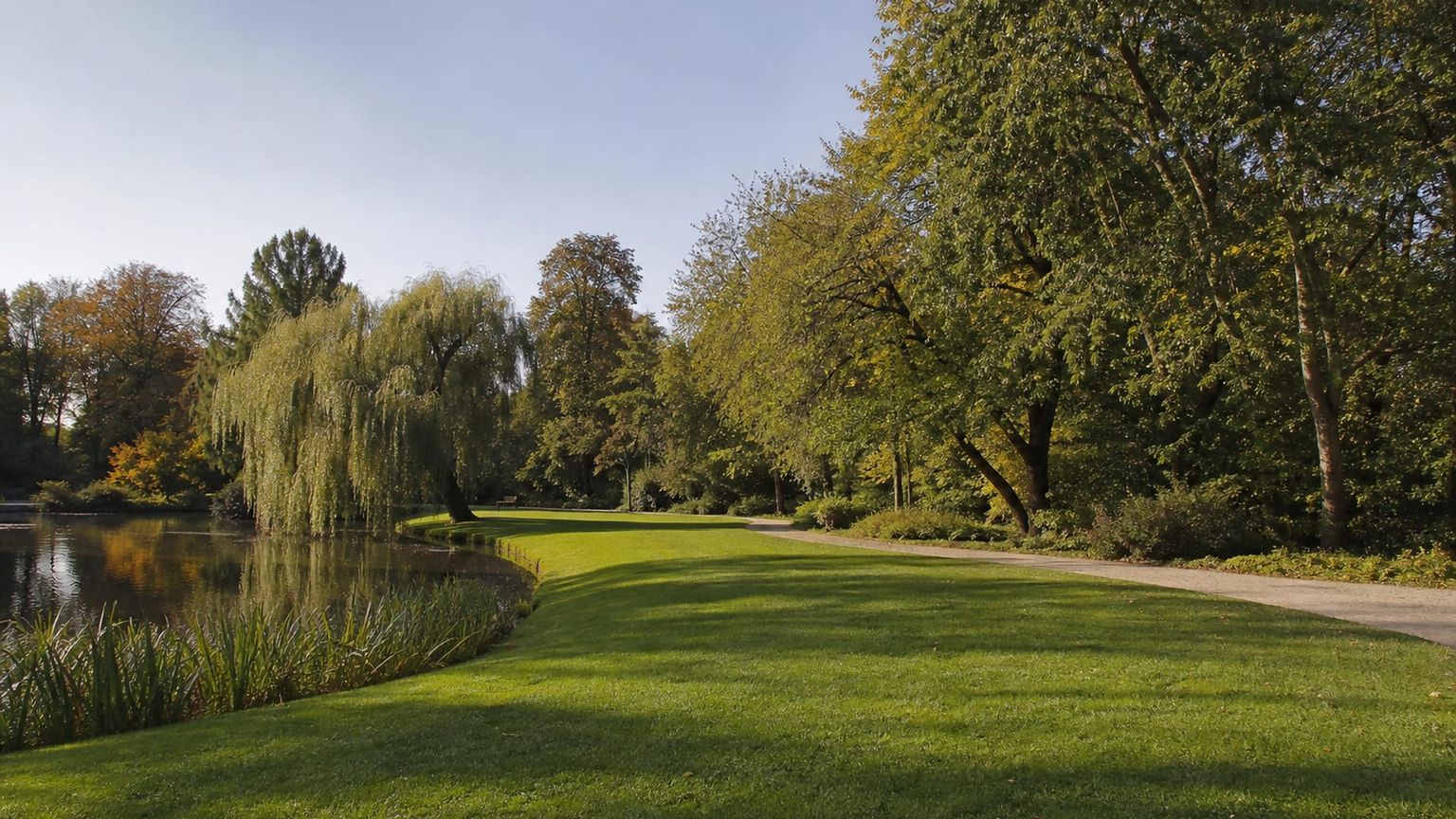
Opened in the 19th century, Bürgerpark spreads north of the railway station through woodland, lawns, waterways, bridges, and long walking paths.
Time needed: 2 to 3 hours
Entry: Free
Tip: Walk through the park in the morning or late afternoon and stop near the lake.

Gerhard Marcks House
Gerhard-Marcks-Haus is dedicated to sculpture and preserves a large part of the artist’s legacy, including hundreds of sculptures and thousands of drawings and prints. The museum opened in 1971 and stands beside Bremen’s Kunsthalle on the city’s cultural mile.
Time needed: About 1 hour
Entry: Adults pay €5 ($6), children under 18 enter for free. Check the official website for details.
Tip: Combine it with the Kunsthalle or a walk through the nearby Wallanlagen.
What to eat in Bremen
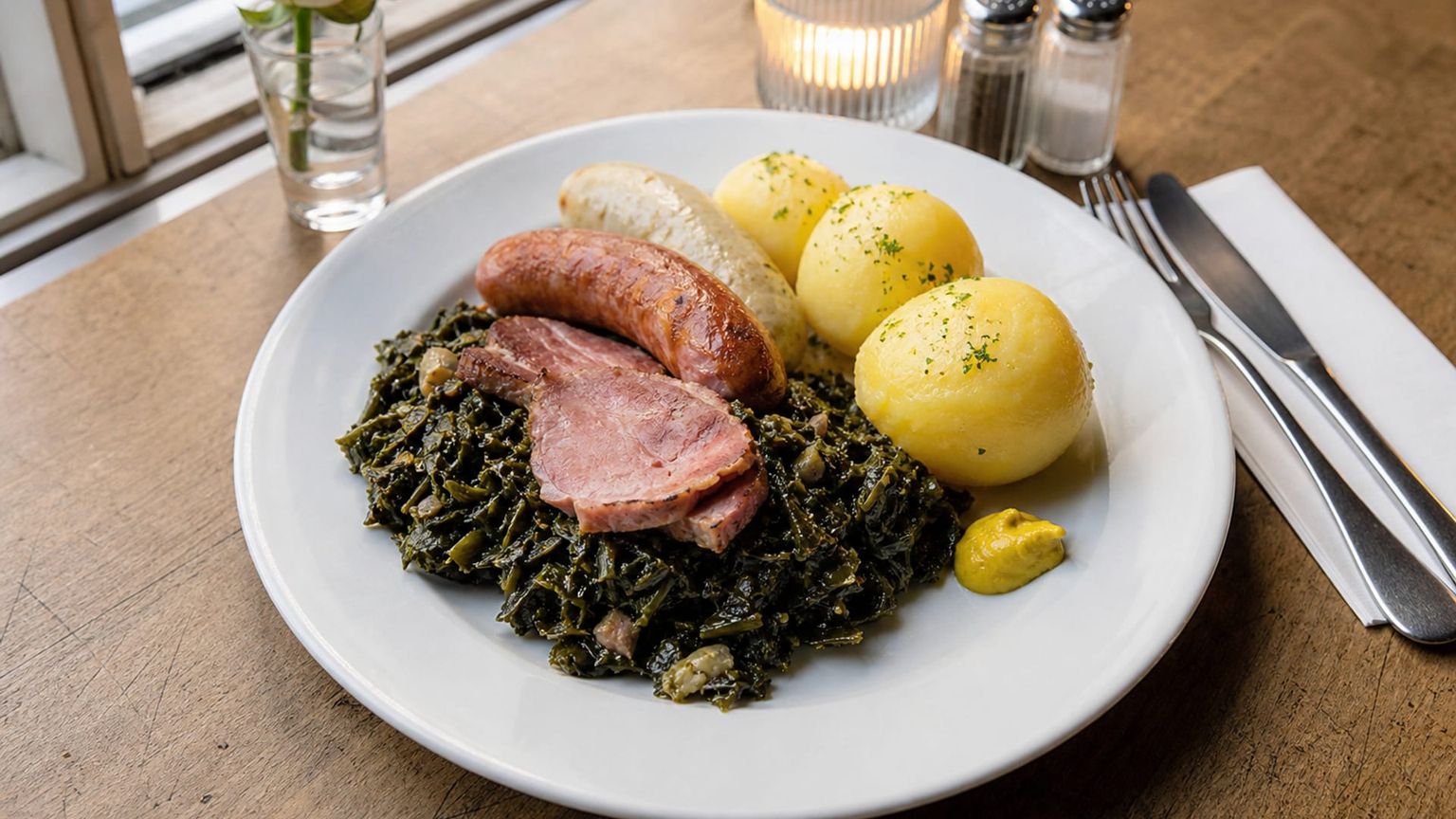
Bremen’s traditional food reflects northern Germany through pork, preserved meat, potatoes, cabbage, dark bread, and substantial winter dishes, alongside a long local tradition of coffee and baking.
Knipp
Knipp combines pork, groats, and spices into a coarse sausage mixture that is usually fried and served with potatoes, pickles, or applesauce. Kleiner Olymp in Schnoor serves northern German and Bremen specialties in a historic house.
Bremer Labskaus
Bremer Labskaus combines potatoes and salted meat and is commonly served with beetroot, pickles, herring, and a fried egg. Bremer Ratskeller beneath the Town Hall serves Bremen specialties in its historic vaulted dining rooms.
Bremer Klaben
Bremer Klaben is a dense fruit loaf made with dried fruit and traditionally associated with the colder months and Christmas season. Café Knigge has operated since 1889 and prepares Klaben alongside cakes, chocolates, and pastries.
Best time to visit Bremen
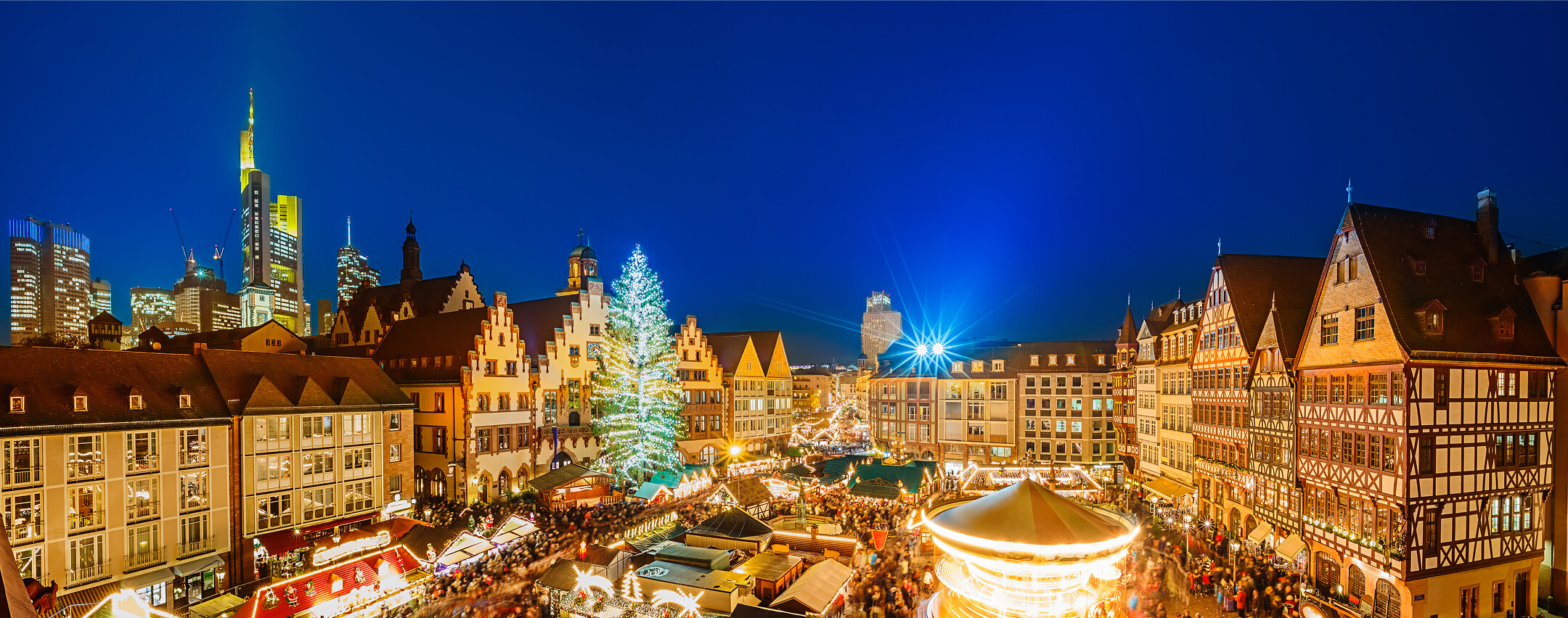
Late spring through early fall is the best weather for long walks, parks, and riverside sightseeing, while winter brings atmospheric Christmas markets.
Best for: Historic-center walks, Bürgerpark, museums, and quieter sightseeing days
What you get: Temperatures typically rise from about 45°F to 65°F (7°C–18°C), with longer daylight and greener parks as May approaches.
Trade-offs: Rain and cool mornings can interrupt longer outdoor plans.
Best for: Bürgerpark, Schnoor evenings, the Weser waterfront, and long days outdoors
What you get: Daytime temperatures usually reach 58°F–75°F (14°C–24°C), with long evenings and busy outdoor cafés.
Trade-offs: The Market Square and Schnoor attract larger visitor numbers during peak periods.
Best for: Museums, historic streets, bakery stops, and cooler walking conditions
What you get: Temperatures generally fall from about 64°F to 43°F (18°C–6°C), with mild early-fall days followed by cooler, darker weather.
Trade-offs: Rain becomes more frequent and daylight shortens noticeably later in the season.
Best for: Christmas markets, museums, traditional meals, and compact city-center visits
What you get: Conditions usually range from 31°F to 43°F (-1°C–6°C), with cold mornings and festive activity during December.
Trade-offs: Short daylight and cold rain reduce the time most visitors want to spend outdoors.
A 5-day plan in Bremen
During a five-day stay in Bremen, you can visit Bremen’s UNESCO-listed center, Schnoor, museums, Bürgerpark, riverside areas, and residential neighborhoods. You can reach most sights in the city center on foot.
Land at Bremen Airport (BRE) and take tram 6 or a taxi into the city. The tram reaches central Bremen in 15–20 minutes, so there is little need to plan a complicated first evening. After checking in, walk through the Market Square to see the Town Hall and Roland from outside, then continue toward Böttcherstraße or the Weser if you still have energy. Have dinner in Altstadt and save the ticketed attractions for the following morning.
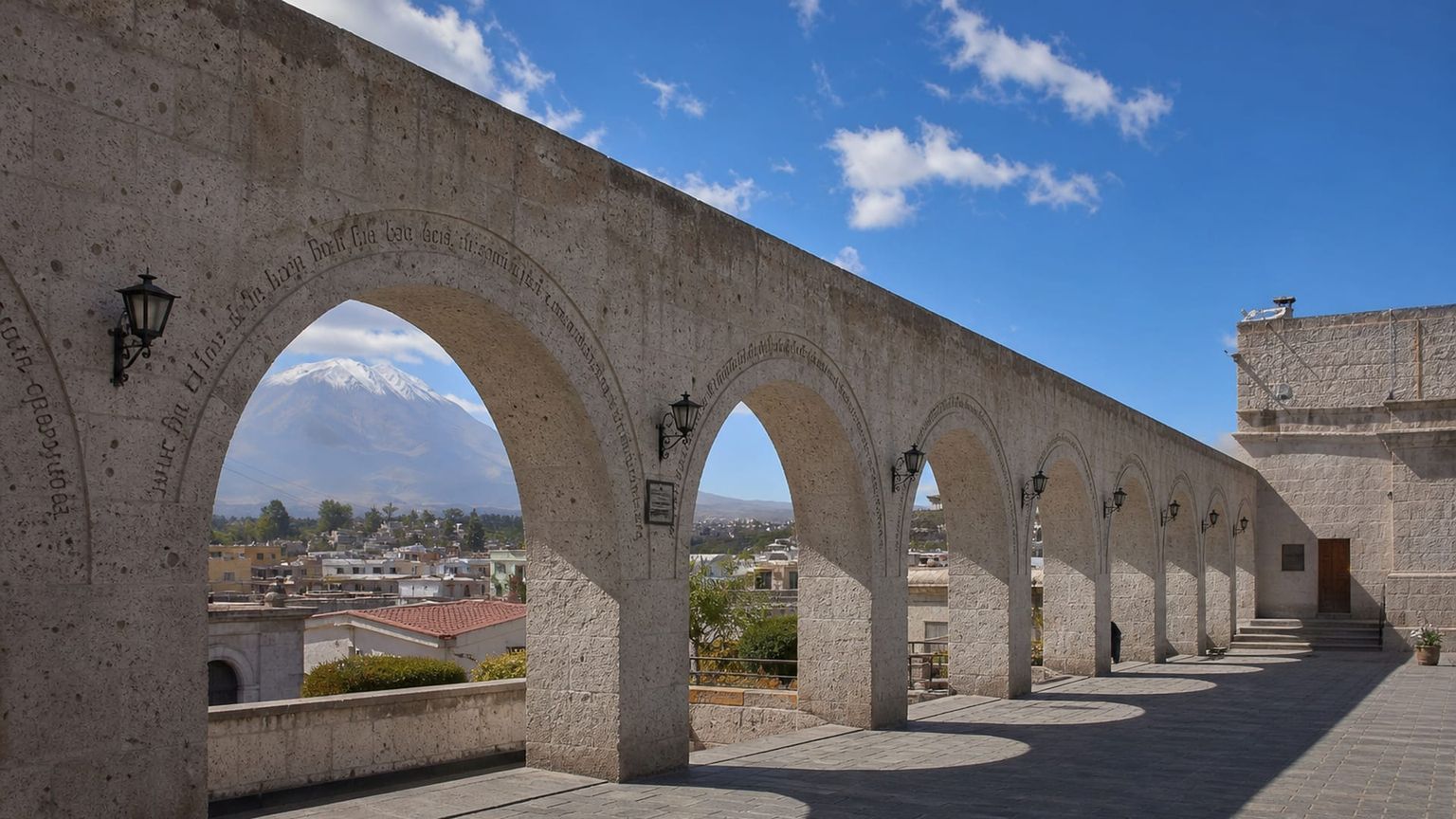
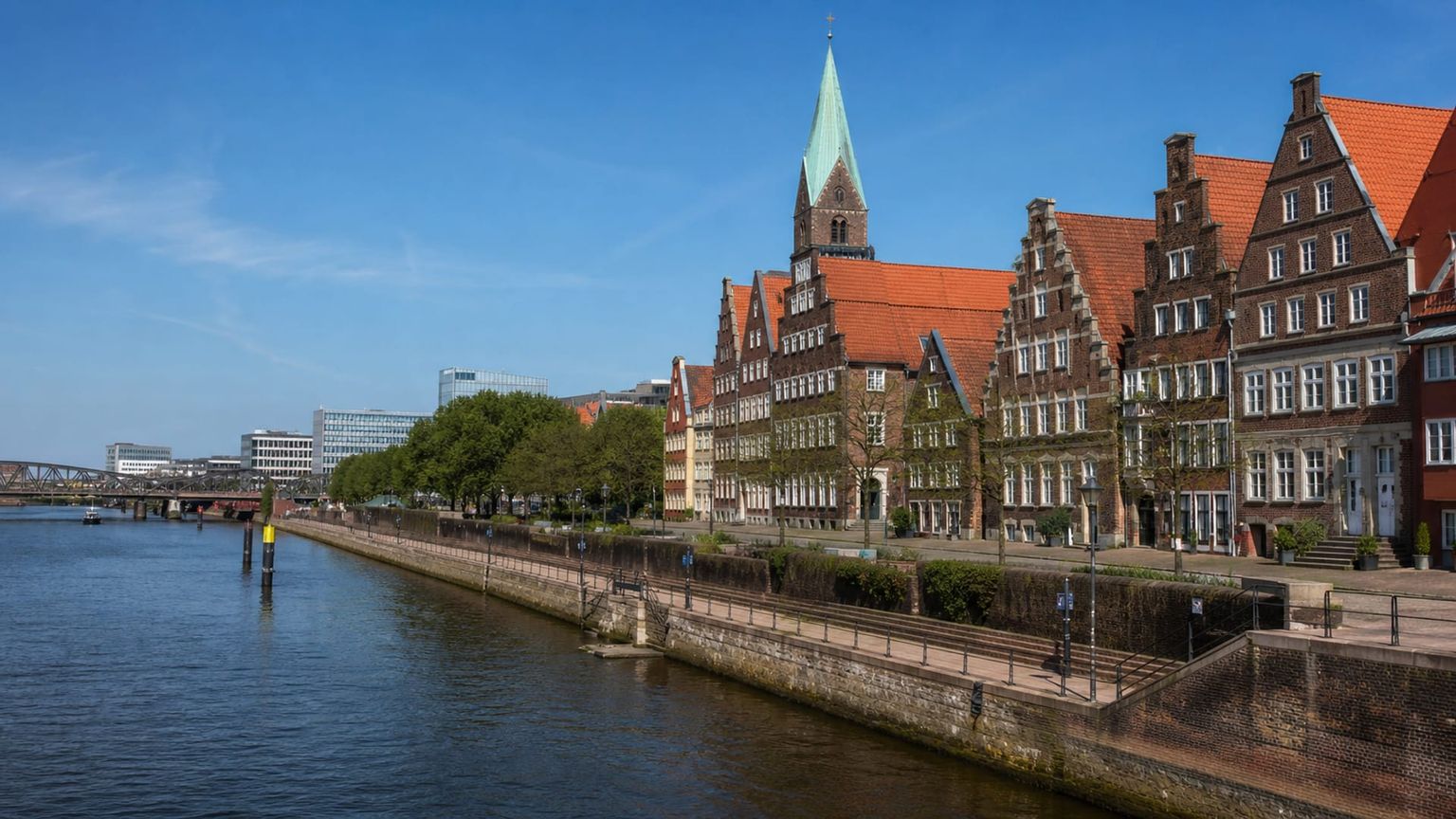
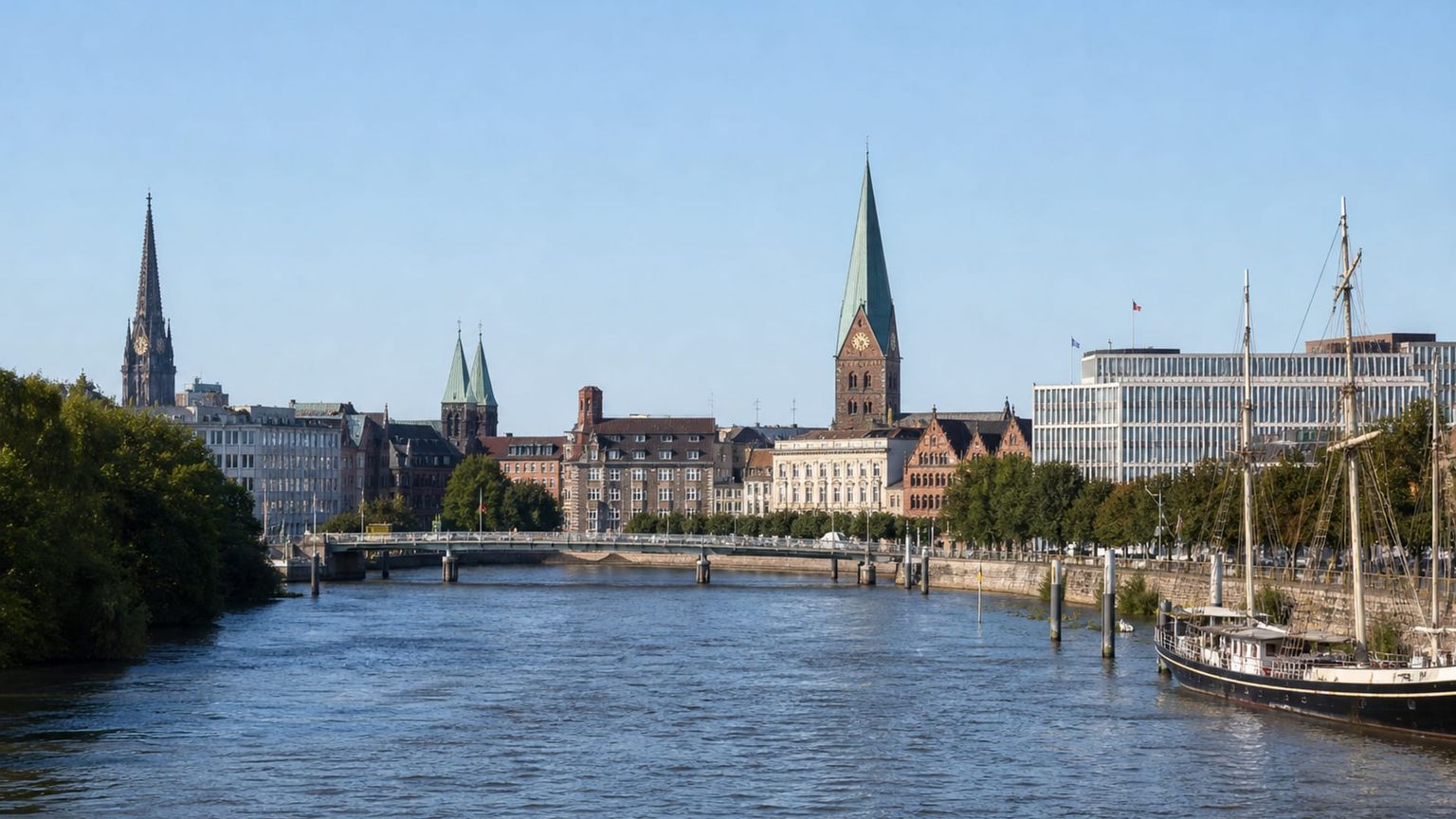
Begin at the Market Square before the busiest part of the day and join a Town Hall tour if one is available. See Roland, St. Peter’s Cathedral, and the Bremen Town Musicians before walking through Böttcherstraße. Continue into Schnoor for its narrow lanes, small shops, and cafés, then have lunch there or return toward the square. In the late afternoon, walk to the Schlachte embankment for views along the Weser and dinner near the river.
Start at Bürgerpark, entering from the side near Hauptbahnhof, and allow 2–3 hours for the lakes, wooded paths, and quieter sections farther north. After lunch, take a tram or walk back toward Ostertor for the museums along Bremen’s cultural mile. Spend about an hour at Gerhard-Marcks-Haus, then add the Kunsthalle if you want a longer art afternoon. Finish with dinner in the nearby Viertel, where cafés and restaurants continue east from the center.
Spend the morning in Findorff for a quieter view of everyday Bremen, stopping at a bakery or café before walking toward Bürgerweide and Hauptbahnhof. Continue through the Wallanlagen, the green belt following parts of the former city fortifications, and make your way back toward Altstadt. Use the afternoon for Böttcherstraße, the cathedral, or a museum you missed earlier, then return to the Weser for an evening walk without repeating the full Market Square route.
Keep the final morning close to your hotel and departure route. If you are staying in Schwachhausen, walk through its residential streets or enter Bürgerpark from the eastern side before stopping for coffee. Travelers in Altstadt can use the morning for shopping near Sögestraße or one last visit to Schnoor. Collect your luggage and take tram 6 or a taxi to Bremen Airport. Because the airport is close to the center, you can keep the last day useful without planning a distant attraction.
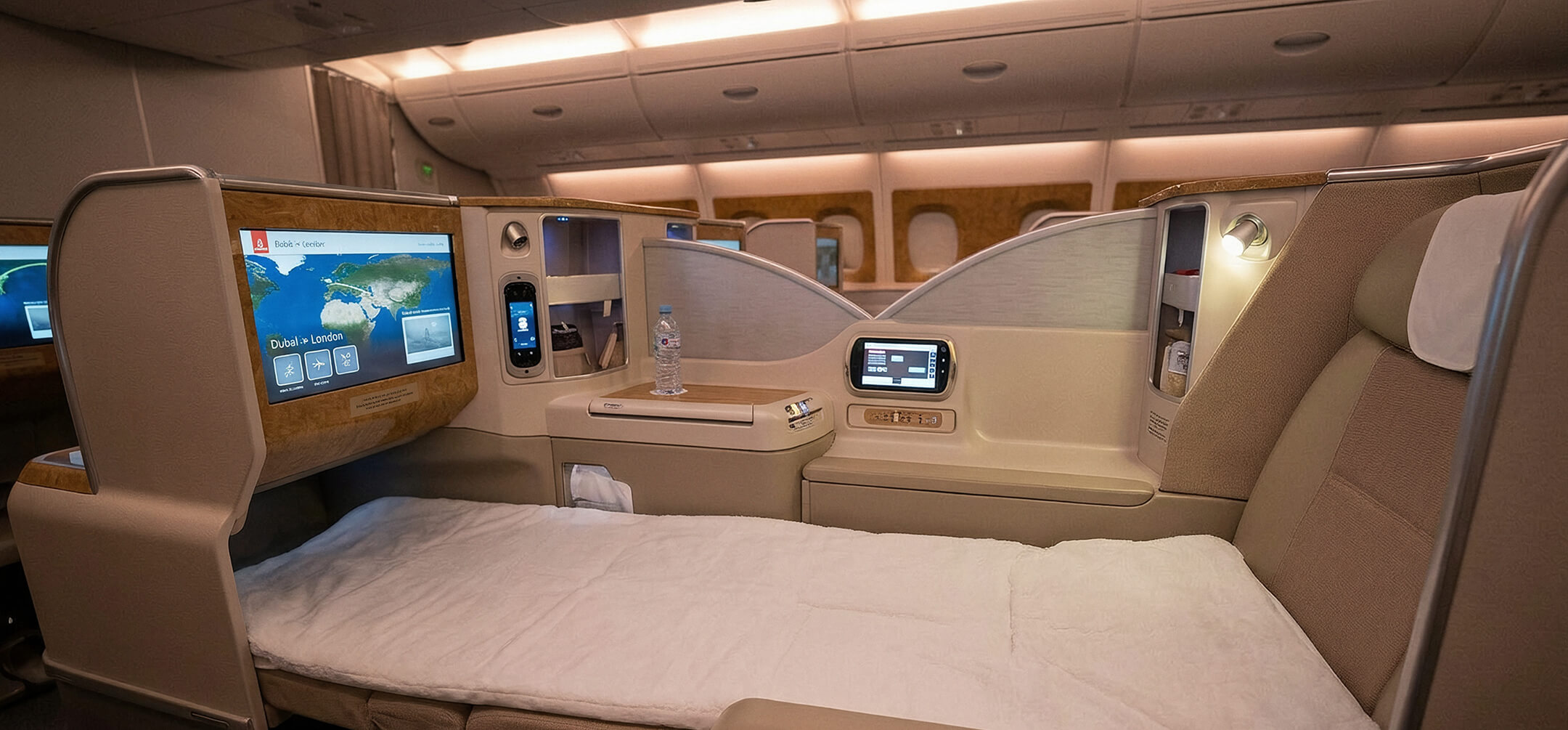
Business-class flights from the US to Bremen
Business-class itineraries from the US to Bremen require at least one layover in a larger European hub.
New York (JFK) to Bremen (BRE)
Turkish Airlines, Lufthansa, SWISS, KLM, and Austrian Airlines are some of the carriers that operate flights from John F. Kennedy International Airport (JFK) to Bremen Airport (BRE). These itineraries take 10–19 hours and have layovers in cities like Frankfurt (FRA), Munich (MUC), Istanbul (IST), Vienna (VIE), or Amsterdam (AMS). Round-trip business-class fares from the airlines typically range from $3,700 to $8,700.
Los Angeles (LAX) to Bremen (BRE)
Lufthansa, United Airlines, Turkish Airlines, Air Canada, and Delta Air Lines offer connecting flights from Los Angeles International Airport (LAX) to Bremen (BRE). The flights have one or two layovers in hubs like Frankfurt (FRA), Munich (MUC), Amsterdam (AMS), Paris (CDG), or London (LHR). The total travel time can range from 15 to 30 hours, depending on the length of the layovers. Business-class tickets on this route commonly cost between $4,000 and $10,000.
Experience Bremen from the Market Square to Bürgerpark
Bremen brings together the grand architecture of its Market Square with the narrow medieval lanes of Schnoor, the expressionist brickwork of Böttcherstraße, green paths through Bürgerpark, and cafés and residential streets beyond the historic center. The Weser adds the maritime character that shaped the city for centuries. If you are planning a visit to Bremen, consider contacting our AranGrant experts. They can help you compare business-class flights and hotels that suit your dates and budget.