

Chapters:

Need help with your trip?
Our support team is available 24/7. Request a callback or call us directly at (833) 619-0908
Bordeaux trips often begin with the same loop, a central hotel, the cathedral, the riverfront, then a meal heavy on wine talk and little else. Travelers usually see the headline sights and miss how much the city changes between Saint-Pierre, Chartrons, and the right bank.
That narrow circuit can waste time on backtracking, especially if you cross the river without planning tram stops or arrive at the Water Mirror when the square is crowded. The center is walkable, but distances add up once you include museums, river views, and dinner reservations.
This guide separates arrival, sightseeing, food, and departures into clear blocks, so each day has a specific focus and a realistic pace.
Useful things to know
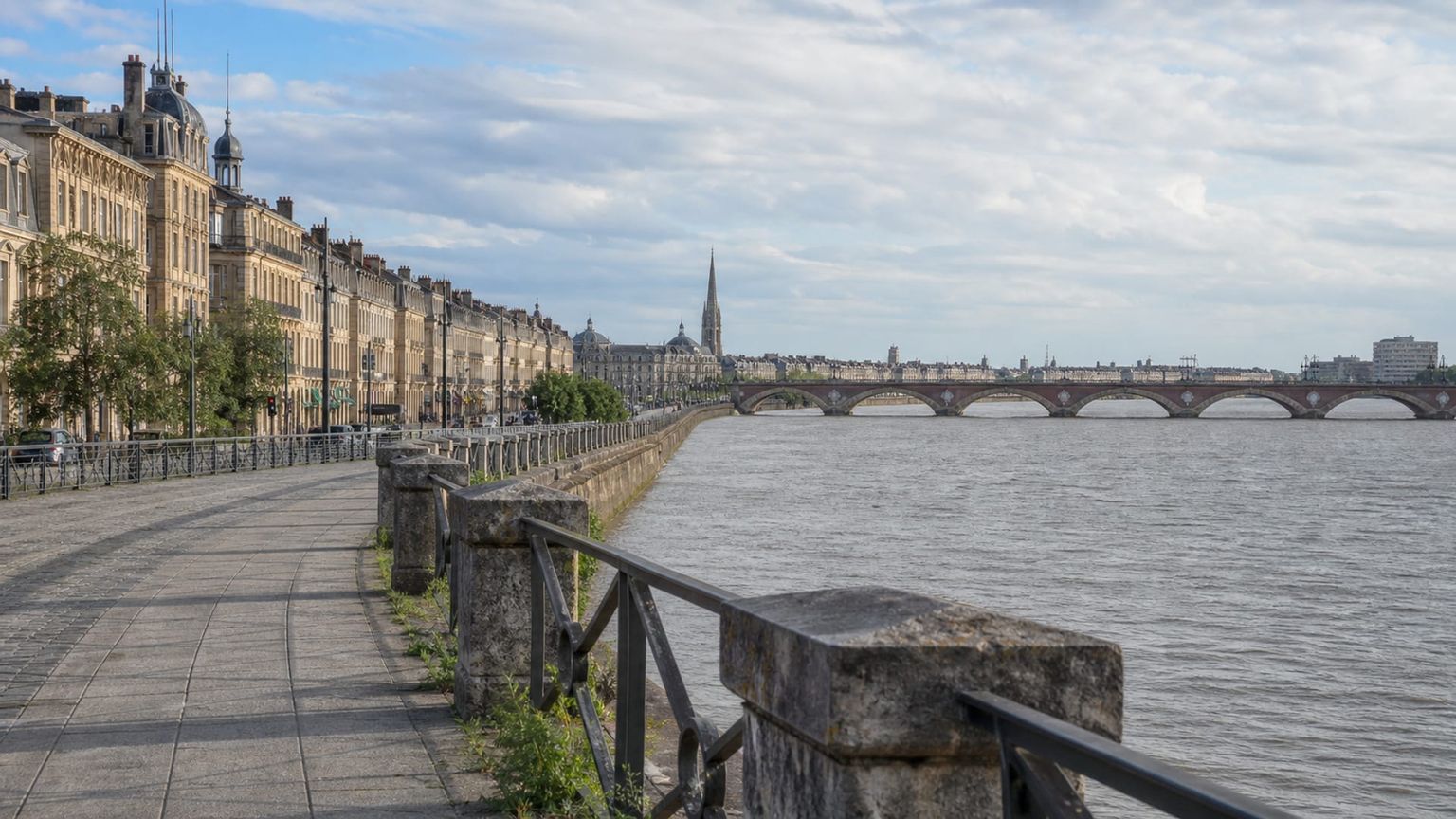

Main language(s): French
Bonjour (bohn-zhoor) – Hello / good morning
S'il vous plaît (seel voo pleh) – Please
Merci (mehr-see) – Thank you
Parlez-vous anglais ? (par-lay voo ahn-gleh) – Do you speak English?
C'est combien ? (say kohm-byen) – How much does it cost?

Currency: The local currency is the euro (EUR, €).

Cash and cards: Cards and contactless are widely accepted; carry about €20 to €40 ($22 to $44) in cash for small purchases or market stalls.

Tipping: Round up small bills; leave about 5-10% for good service in restaurants.

Traditional food: Canelé, entrecôte à la bordelaise, lamprey à la bordelaise, macaron de Saint-Émilion

Water and coffee costs: Water ~€2 ($2), bar espresso ~€2.50 ($3).

Taxis and ride apps: Uber and Bolt operate here; availability can tighten late at night.

Plug and voltage: Type C/E socket, 230V

Dining and shop opening hours: Breakfast is usually 07:00-09:30, lunch 12:00-14:00, and dinner 19:30-21:30. Many restaurants close between lunch and dinner, and some shut on Sunday night.

Emergency number: 112 for all emergencies, 15 for medical, 17 for police, 18 for fire.
Where to stay in Bordeaux
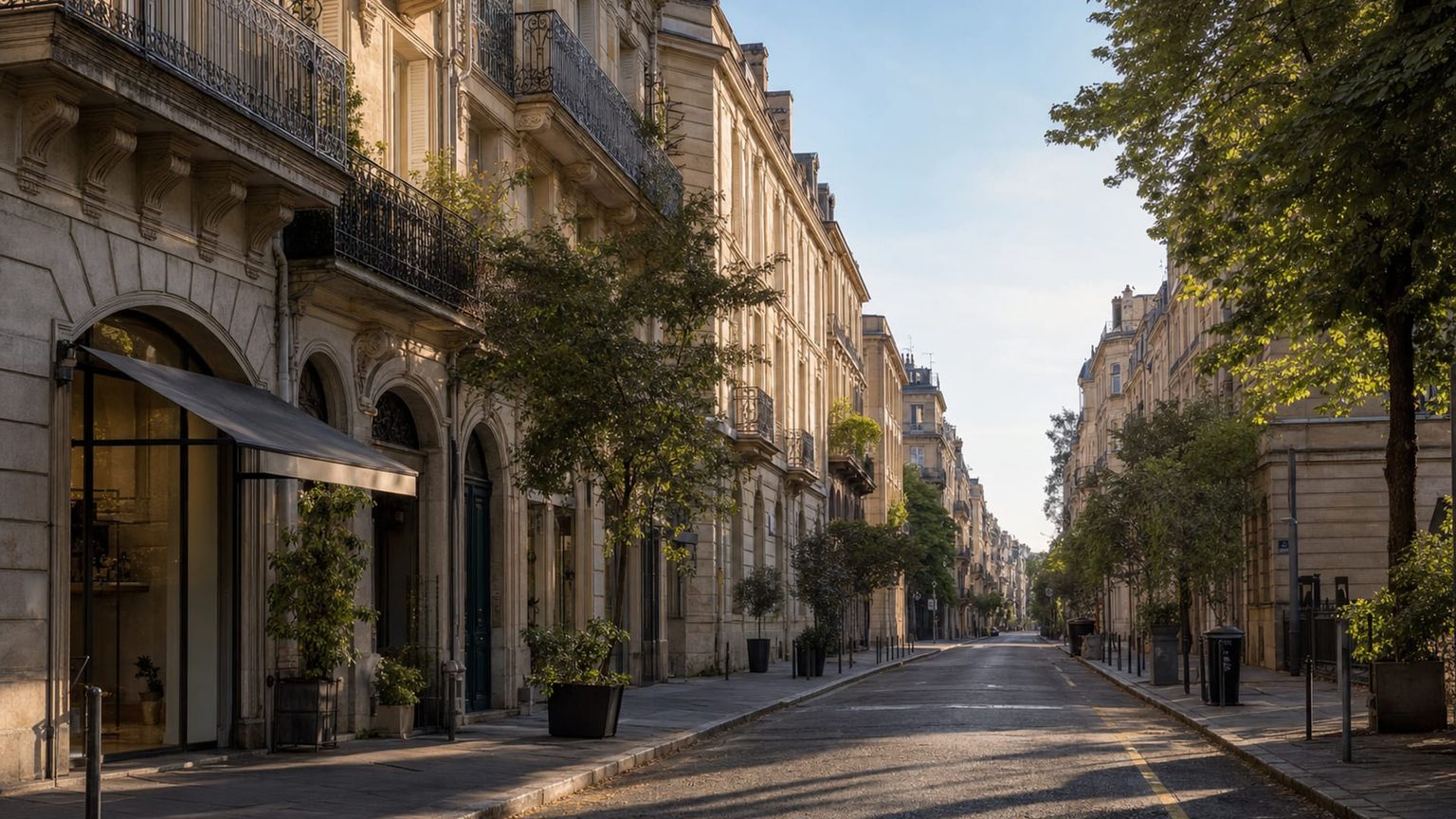
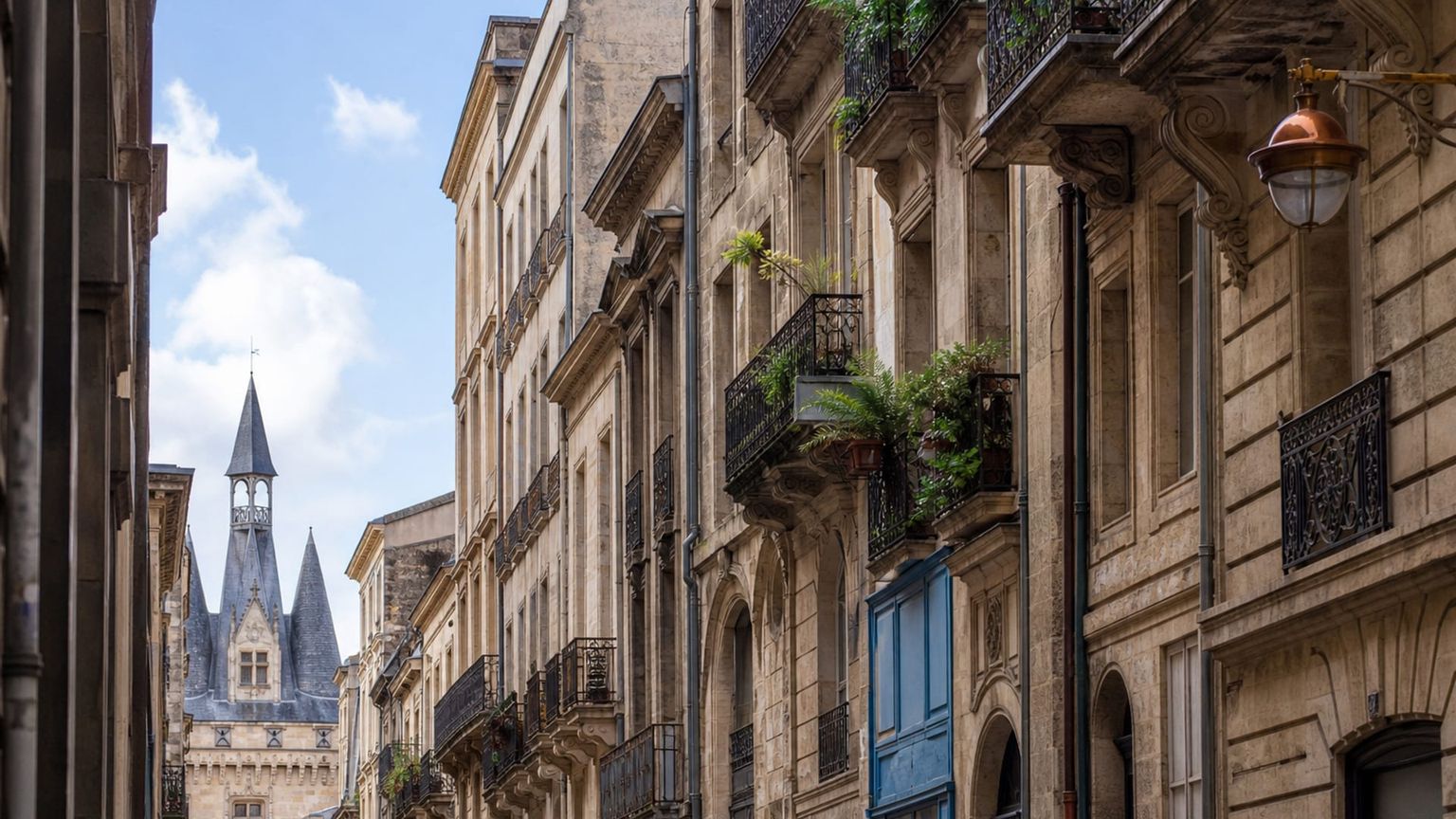
Bordeaux’s Triangle d’Or is the classic central quarter between the Opera, Place des Quinconces, and the main shopping streets. It puts museums, grand squares, and top restaurants within an easy walk of the river and tram stops.
Best for: First-time visits, shopping, dining, and easy access to Bordeaux’s central sights
What to expect: Elegant streets, busy cafes, and steady foot traffic through the day, with a more subdued pace at night on residential blocks.
Hotel prices: Usually about €180 to €320 (~$198 to ~$352) per night for well-rated stays
Distance to major sights: 10 minutes on foot to Place des Quinconces; 12 minutes on foot to the Grand Theatre
Quietness: Busier by day, calmer after dinner, though streets near bars and restaurants stay active into the evening.
Main trade-off: Central addresses often cost more, and the busiest streets can feel lively late in the evening.
Good to know: Tram access is excellent, but some blocks sit on busier roads, so ask for a room facing the courtyard if sleep matters.
Chartrons sits north of the center along the river, in a former wine-traders’ district with antiques shops, wine bars, and converted warehouses. It gives you a local-feeling base with quick access to the waterfront and the historic core.
Best for: Riverside walks, wine bars, and travelers who want a more neighborhood-based stay
What to expect: Cafes, boutique shops, and relaxed evening activity, especially on and near the main streets and riverfront.
Hotel prices: Usually about €150 to €260 (~$165 to ~$286) per night for well-rated stays
Distance to major sights: 15 minutes on foot to Place des Quinconces; 20 minutes on foot to the Opera
Quietness: Quieter in the morning and late night, with more movement around dinner on the main avenues.
Main trade-off: You may walk a little farther for the densest cluster of sights, especially if you want to move around entirely on foot.
Good to know: If you plan many tram rides, check the nearest stop, since some side streets sit a bit farther from the main lines.
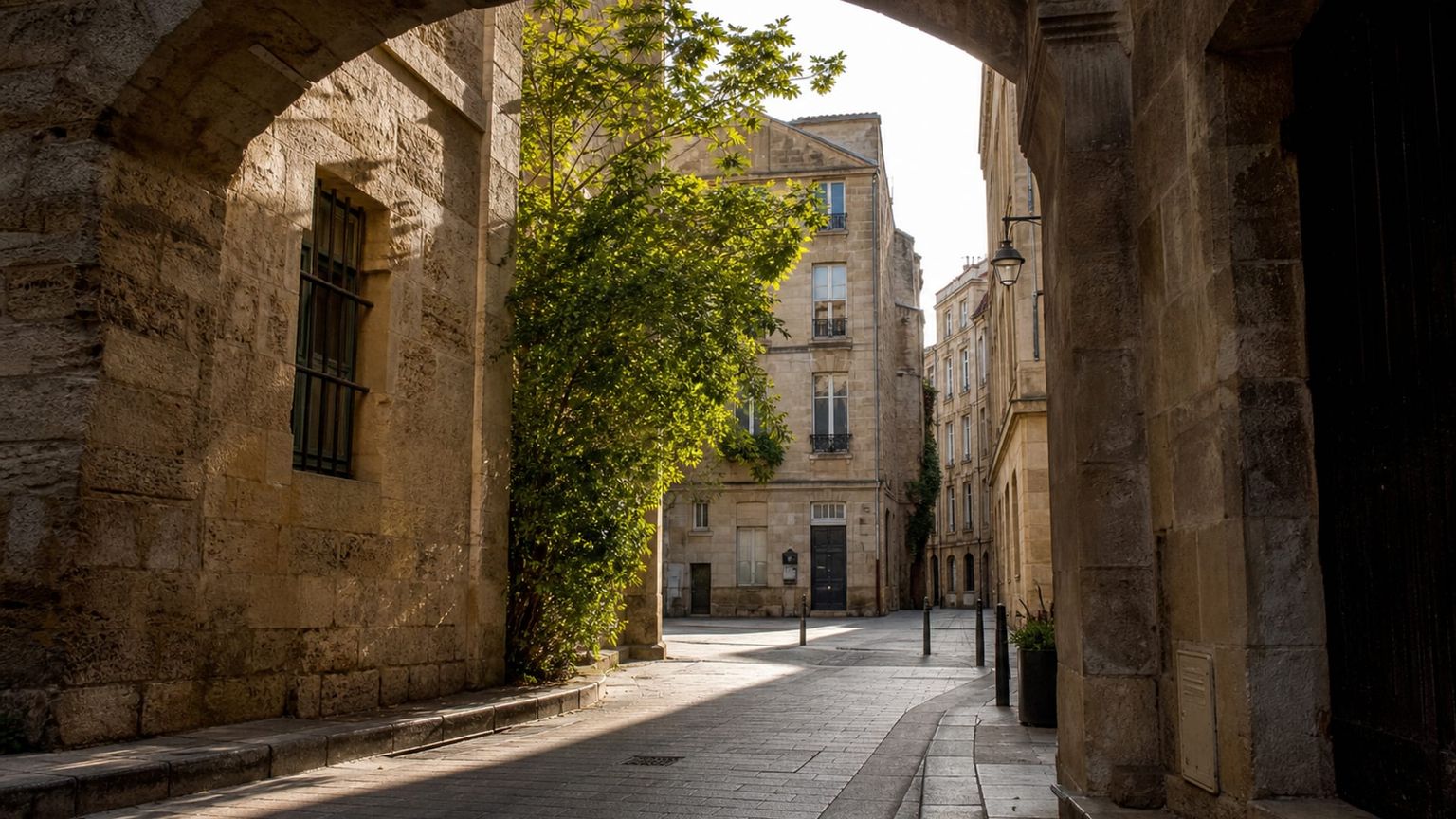
Saint-Pierre is Bordeaux’s oldest central district, built on narrow streets close to the Garonne, the old port, and many of the city’s best-known squares. It is the most atmospheric place to stay if you want to step out into the historic center quickly.
Best for: Historic atmosphere, short walks to major sights, and dining close to the river
What to expect: Narrow pedestrian streets, lively terraces, and more evening energy than in the wider central boulevards.
Hotel prices: Usually about €170 to €300 (~$187 to ~$330) per night for well-rated stays
Distance to major sights: 5 minutes on foot to Place de la Bourse; 12 minutes on foot to the Grand Theatre
Quietness: Active through the evening, then quieter late at night once the restaurants close.
Main trade-off: The district’s charm comes with more late noise and tighter streets, so larger hotels are less common.
Good to know: Cars can be difficult here, so a taxi drop-off may leave you a short walk from the door.
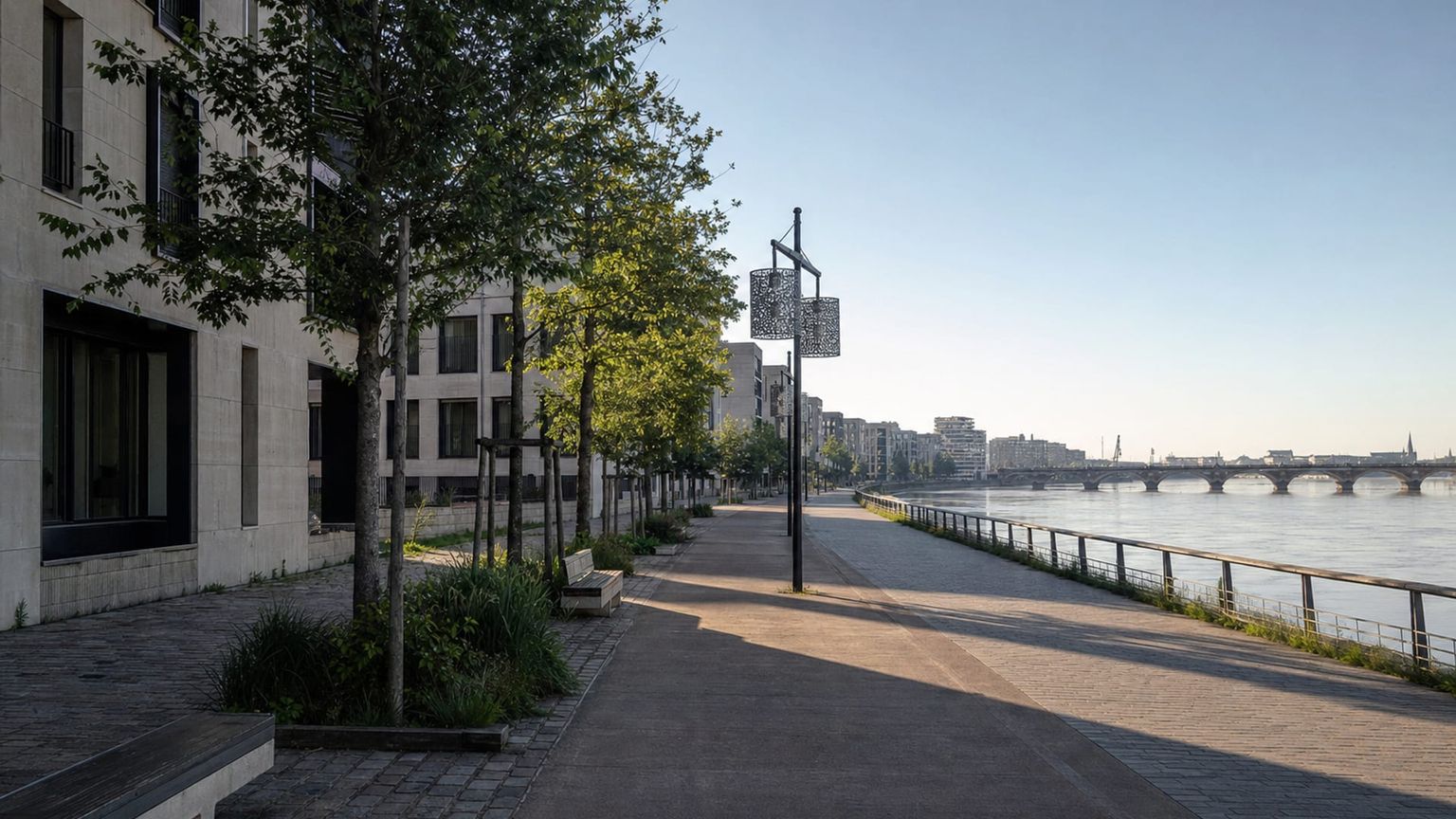
Bordeaux Bastide sits on the right bank of the Garonne, directly across from the old center, with parks, newer apartment blocks, and broad river views. It works well for travelers who want lower-key evenings while staying close to the historic core by bridge or tram.
Best for: Lower-key evenings, river views, and visitors who do not mind crossing the river for sightseeing
What to expect: Residential streets, local cafes, and a calmer pace than the left bank, with activity concentrated near the tram and riverfront.
Hotel prices: Usually about €120 to €210 (~$132 to ~$231) per night for well-rated stays
Distance to major sights: 15 minutes by tram to Place de la Bourse; 20 minutes on foot to Pont de Pierre
Quietness: Calmer than the center during the day and noticeably quieter at night.
Main trade-off: You’ll spend more time crossing the river, and the area has fewer late-night dining options than the historic core.
Good to know: Check tram frequency if you plan to return late, since some streets feel removed from the main evening flow.
Travelers usually avoid Bordeaux-Lac, because it sits far north of the city center and most major sights, with a car-heavy layout and limited evening options. Bacalan and parts of La Bastide are also less convenient for short stays, since they are across the river or well off the main sightseeing core, so getting back after dinner takes more time. The outer edges of Caudéran can be a poor fit for visitors who want to walk to museums, riverfront stops, and the old town, because the area is residential and spread out.
Hotel deals
How to get around Bordeaux efficiently
Bordeaux has no metro, so the tram network, buses, taxis, and short walks do most of the work between the riverfront, the old center, and the left-bank neighborhoods.

Metro
for longer distances
Bordeaux has no metro system, so visitors use the tram network and, for longer hops, the TER suburban rail lines. The main tram lines link Bordeaux-Saint-Jean, the center, the riverside districts, and major park-and-ride lots; a ticket costs about $2 (€1.80) and stays valid for 1 hour on tram and bus.

Bus and tram
for convenience
Trams and buses cover the core city, the airport link, and many nearby suburbs, with most daytime intervals of roughly 5 to 15 minutes on main routes. Buy a single ticket for about $2 (€1.80), valid for 1 hour, or use day passes if you will make several trips; validate on boarding, and expect slightly slower trips across the center during peak traffic.

Taxi
for convenience or late hours
Licensed taxis use the meter, not fixed citywide fares, though Bordeaux Airport often has a set fare to the center of about $35 to $45 (€32 to €41) depending on the destination zone. Expect roughly $12 to $20 (€11 to €18) for short center rides and about $25 to $40 (€23 to €37) for longer cross-city trips; you can find taxis at ranks, call one, and pay by card or cash, though it is wise to confirm card acceptance before departure.
*Prices are based on rates updated as of June 2026 and may change at the time of travel.
Use trams for cross-town moves, taxis or rideshares for late returns and airport transfers, and walking when your plans stay inside the historic core.
Iconic landmarks
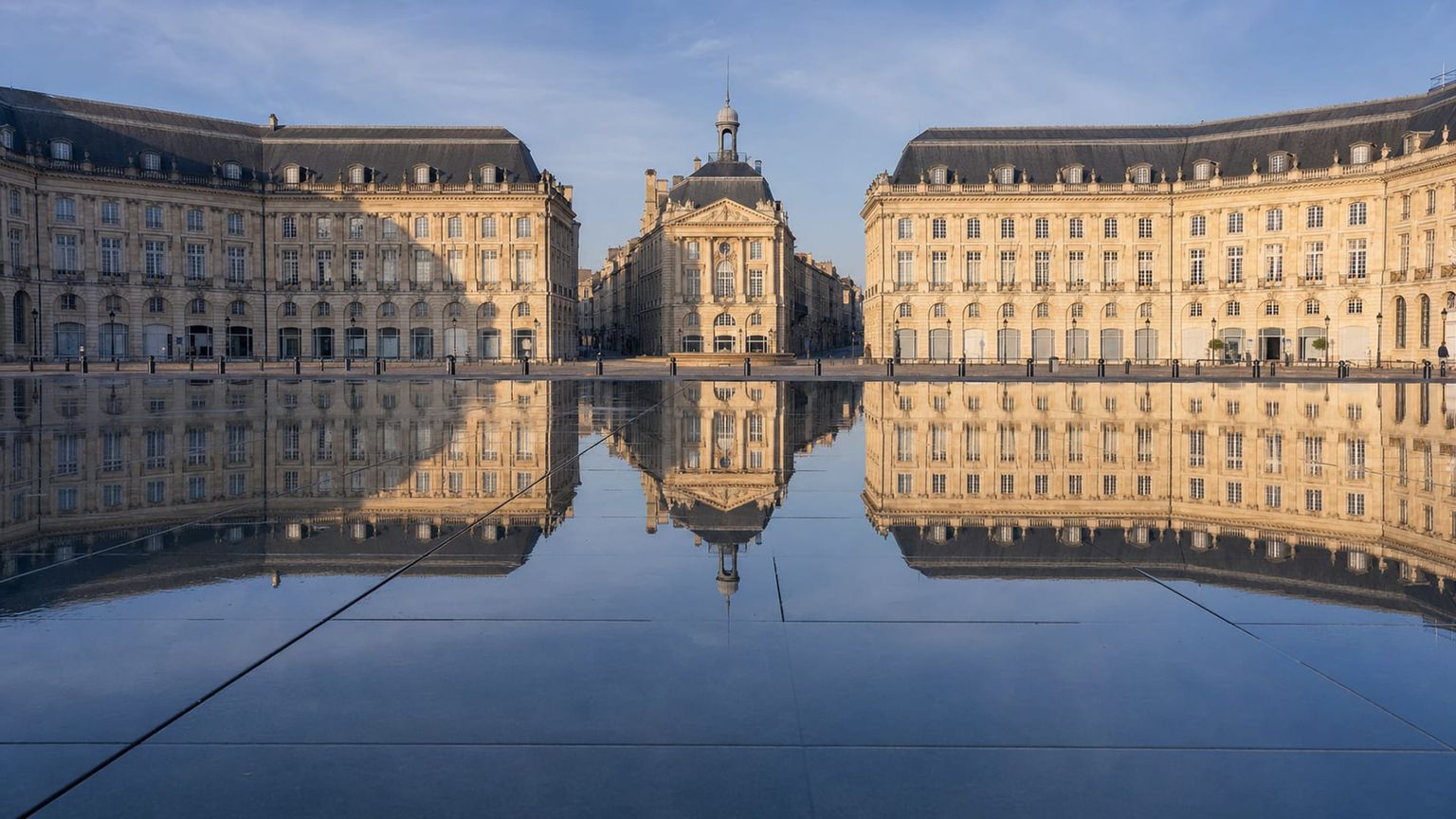
Place de la Bourse and the Water Mirror
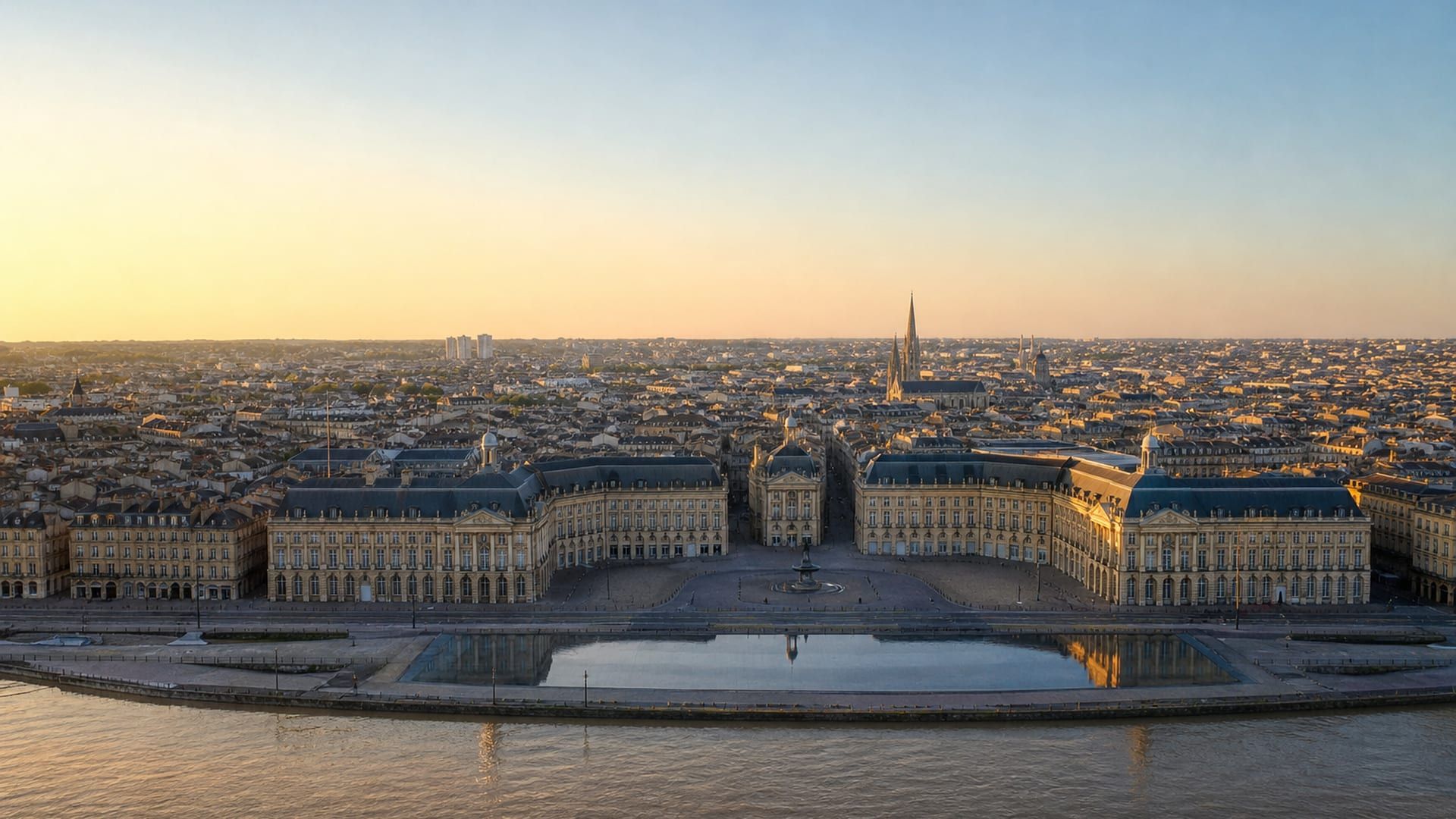
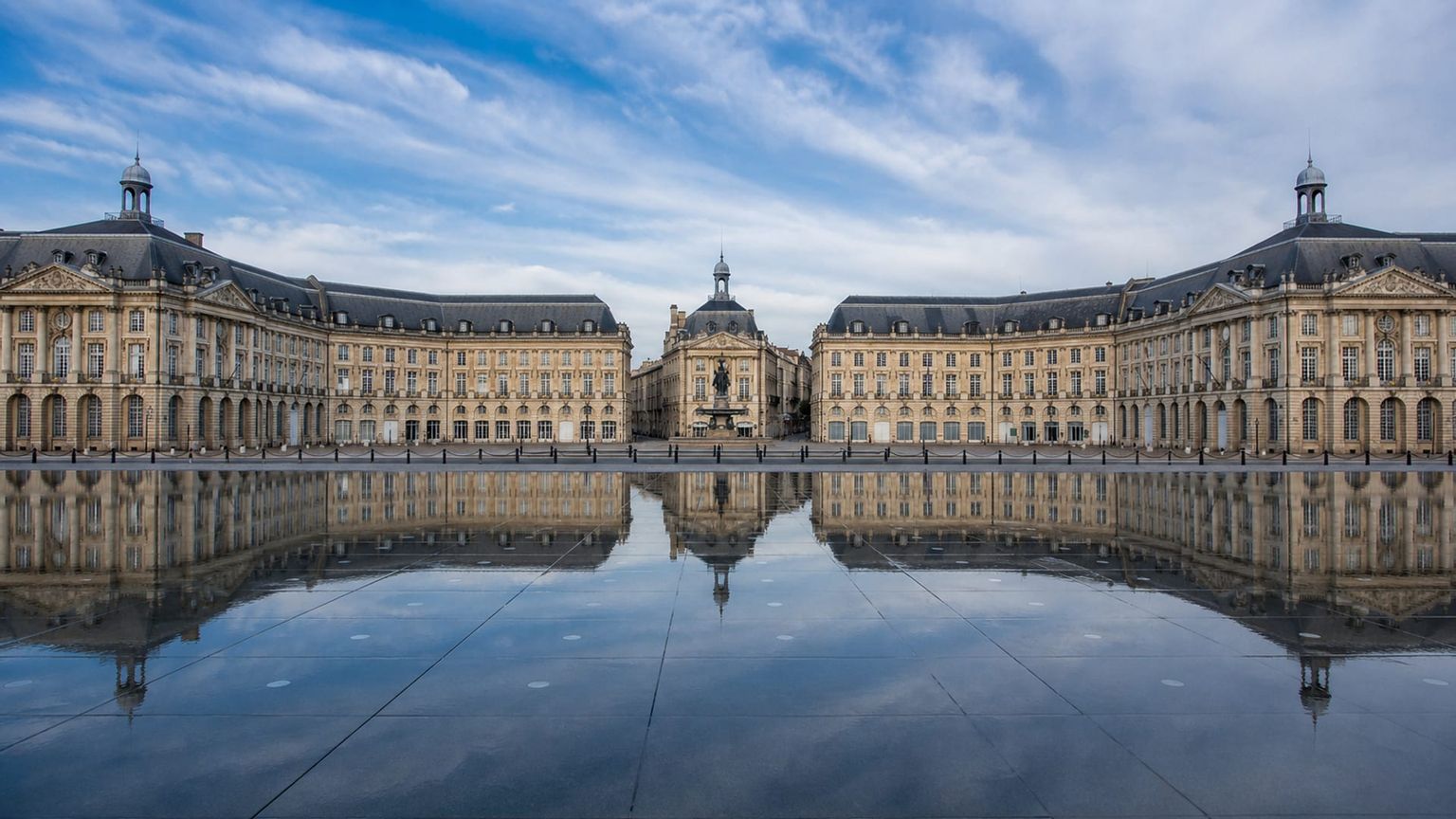
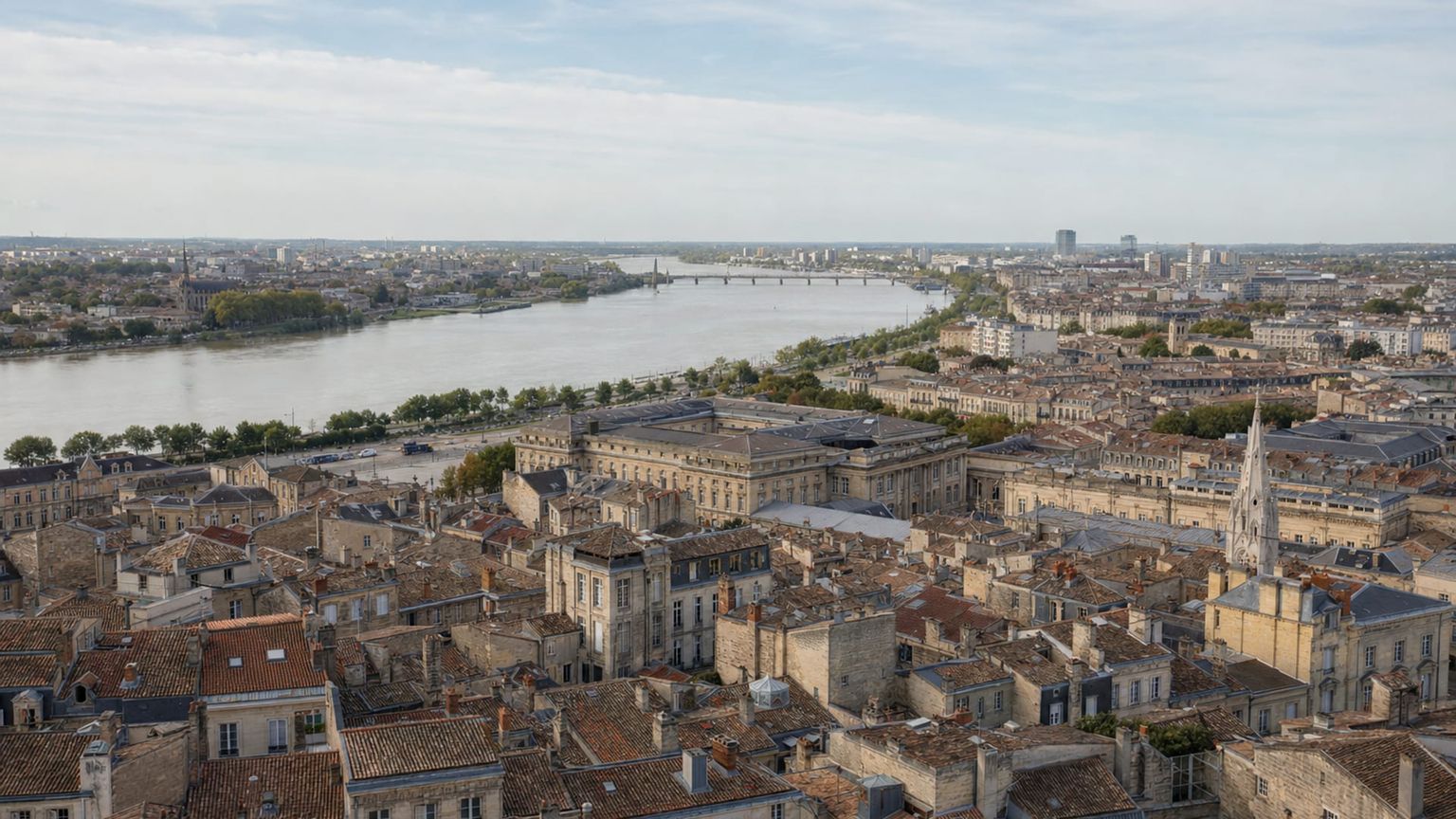
Bordeaux’s 18th-century Place de la Bourse lines the Garonne with classical façades and a broad open square. In front, the Water Mirror reflects the buildings and creates one of the city’s most photographed scenes.
Time needed: About 30 to 45 minutes
Entry: Free to access; the square and Water Mirror are open air public spaces with no ticket required or timed entry.
Tip: Go after sunset or just after dawn for the clearest reflections and fewer people.
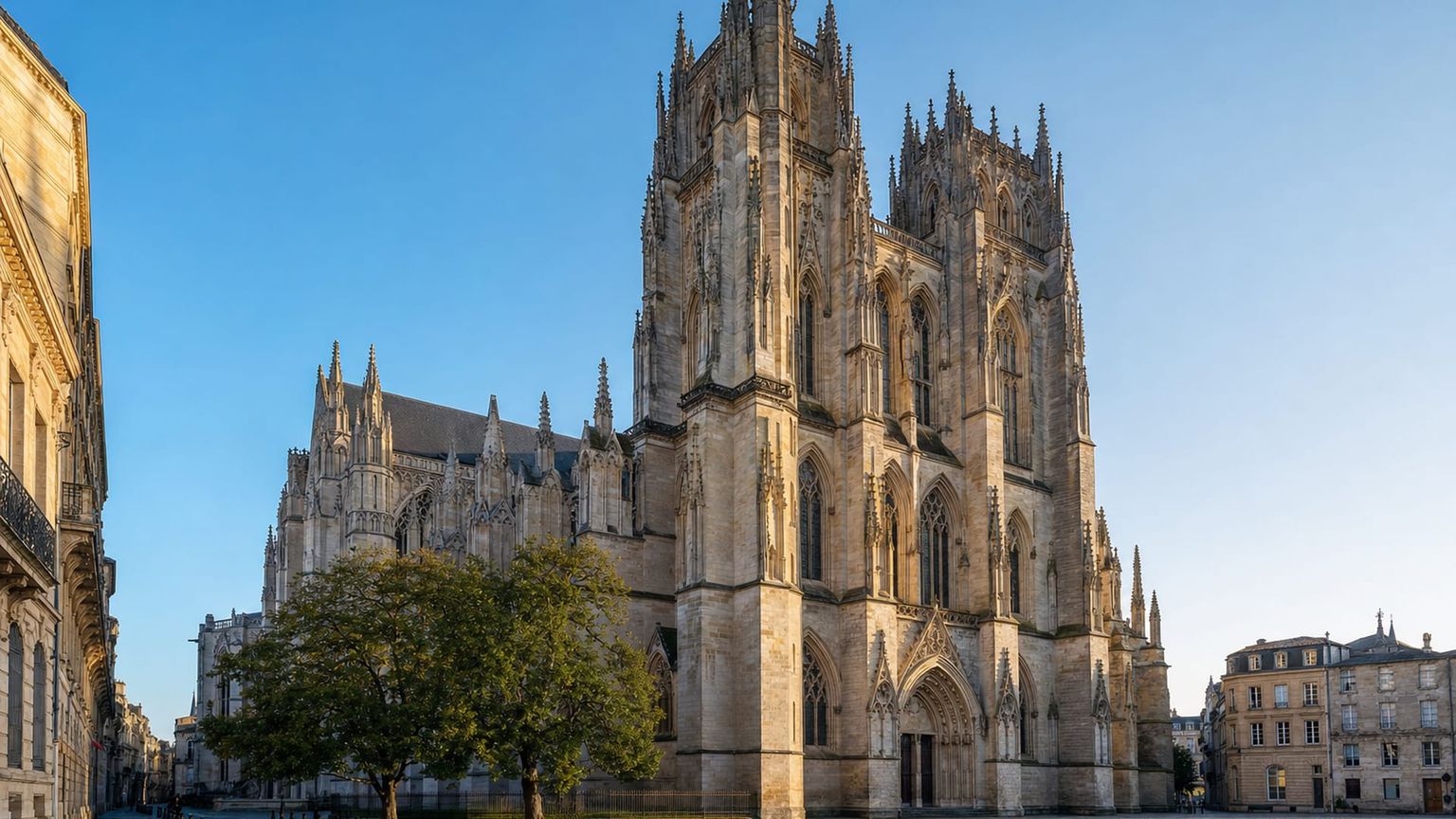
Bordeaux Cathedral
Bordeaux Cathedral, dedicated to Saint Andrew, combines a medieval nave with a separate Gothic bell tower nearby. Its carved portals, vaulted interior, and royal connections make it a key stop in the historic center.
Time needed: About 45 to 60 minutes
Entry: Admission is free for the cathedral interior; access to the Pey-Berland Tower costs about $8 ($8) and uses timed climbs in season. Visit the official site for details.
Tip: Visit in the morning for quieter nave visits, then climb the tower when visibility is clear.
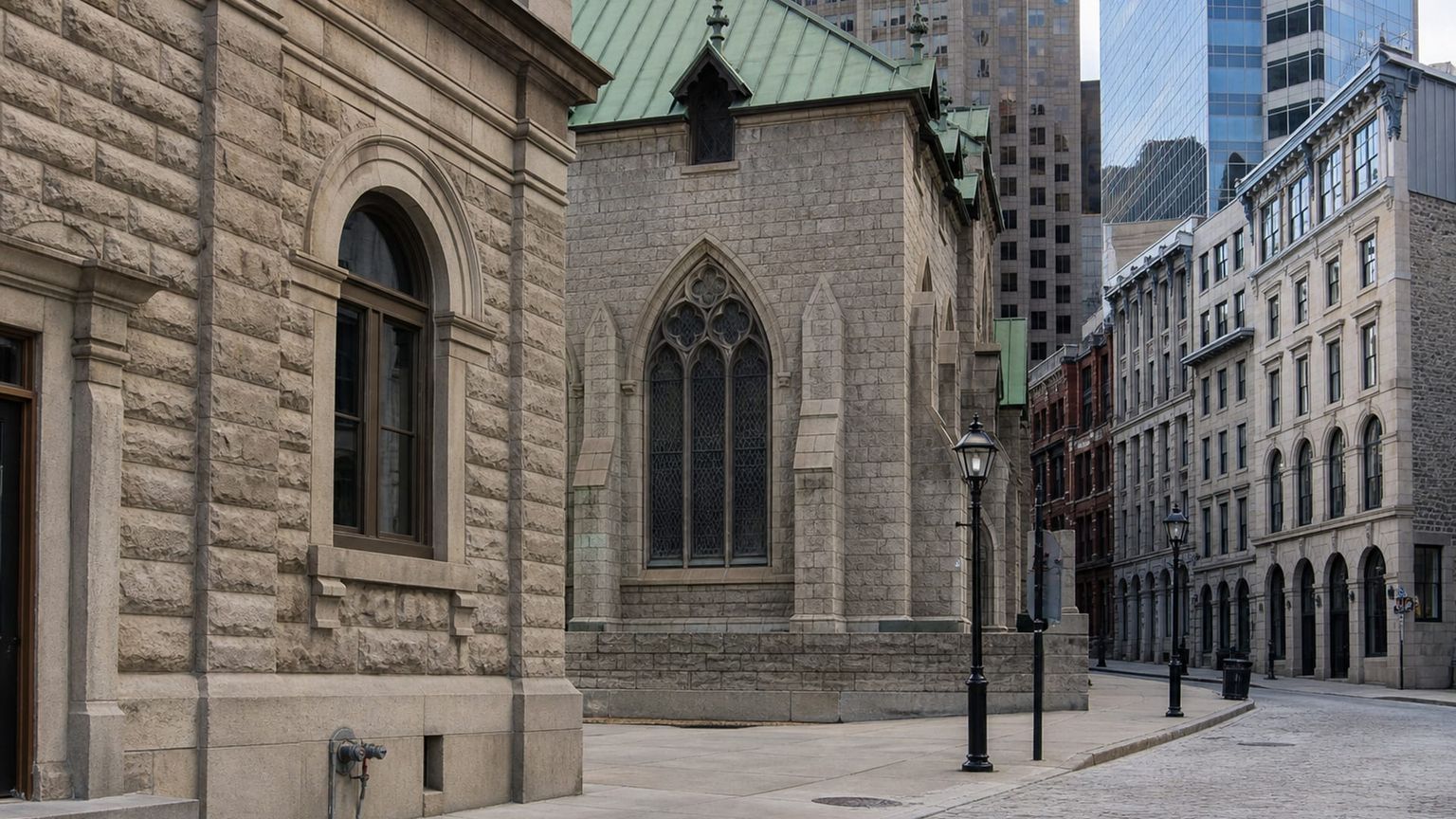
Cité du Vin
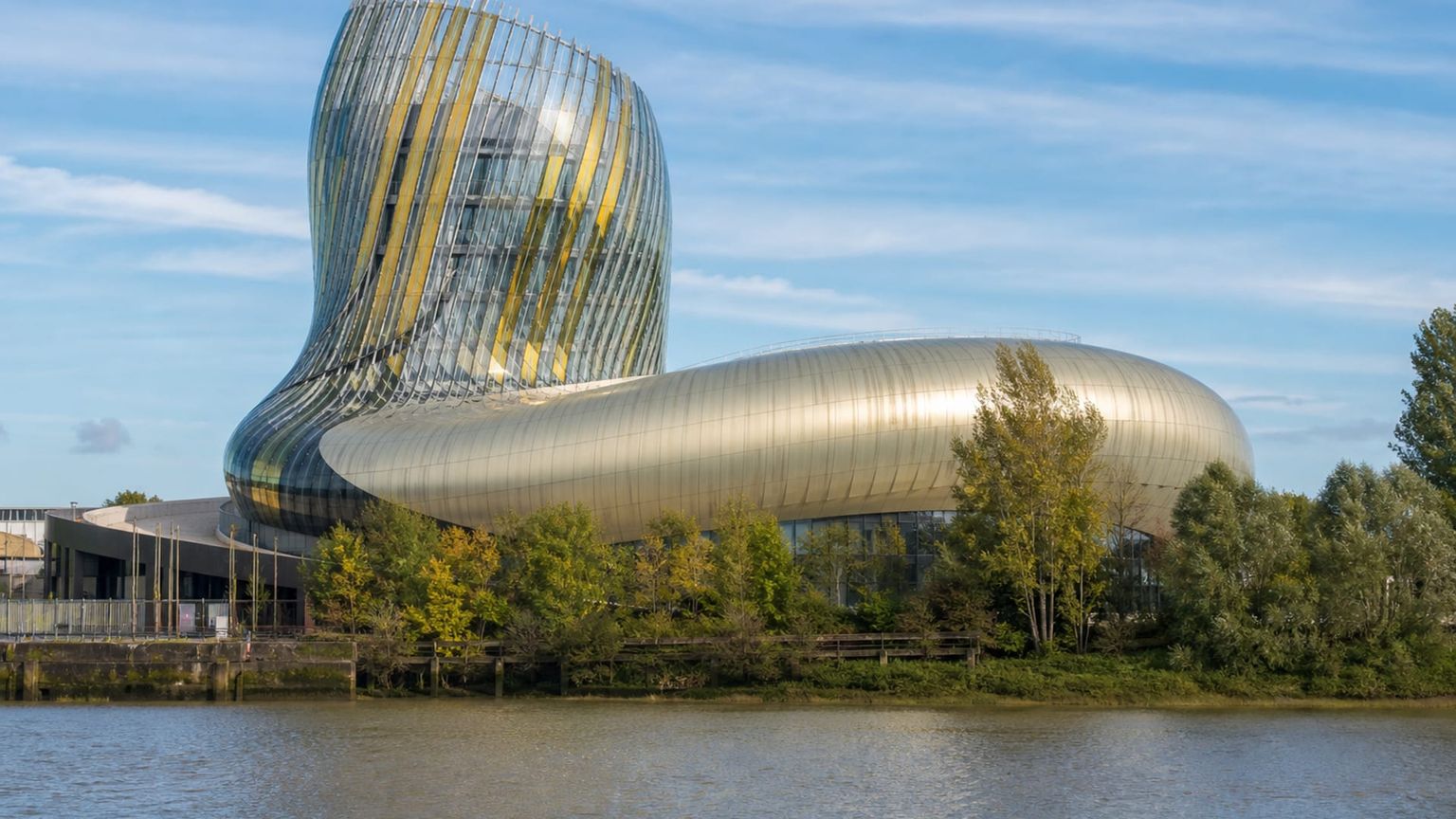
Cité du Vin presents wine through immersive exhibits, tastings, and a striking riverfront building shaped for light and movement. The permanent galleries explain Bordeaux, global wine regions, and how wine has influenced trade and culture.
Time needed: About 2 to 3 hours
Entry: Standard tickets cost about $21 to $26 (€19 to €24), with discounts for children, students, and late-day slots on selected dates. Visit the official site for details.
Tip: Arrive earlier in the day, then save the tasting terrace for the hour before sunset.
Overlooked sites worth visiting

La Cité du Vin Belvedere
The top-floor belvedere gives a high view over the Garonne, Bordeaux’s quays, and the Bassins à Flot docks. It is worth a short stop even if you skip the exhibition below.
Time needed: About 45 minutes
Entry: Belvedere access is included with standard museum admission, which typically costs about $22 to $26 (€20 to €24) for adults, depending on the season and any exhibition programming. Visit the official site for details.
Tip: Go near sunset for the widest river views.

Église Saint-Louis des Chartrons
This 19th-century church sits in the Chartrons district and rewards a quick visit with stained glass, carved woodwork, and a quiet nave. It sits a short walk from the old wine-trading quarter.
Time needed: About 30 minutes
Entry: Free to enter; donations are welcome. If you want to combine it with a guided visit or a concert, paid events usually cost about $10 to $18 (€9 to €17), depending on the program and seat location. Visit the official site for details.
Tip: Visit in late morning for better light through the windows.
Traditional food
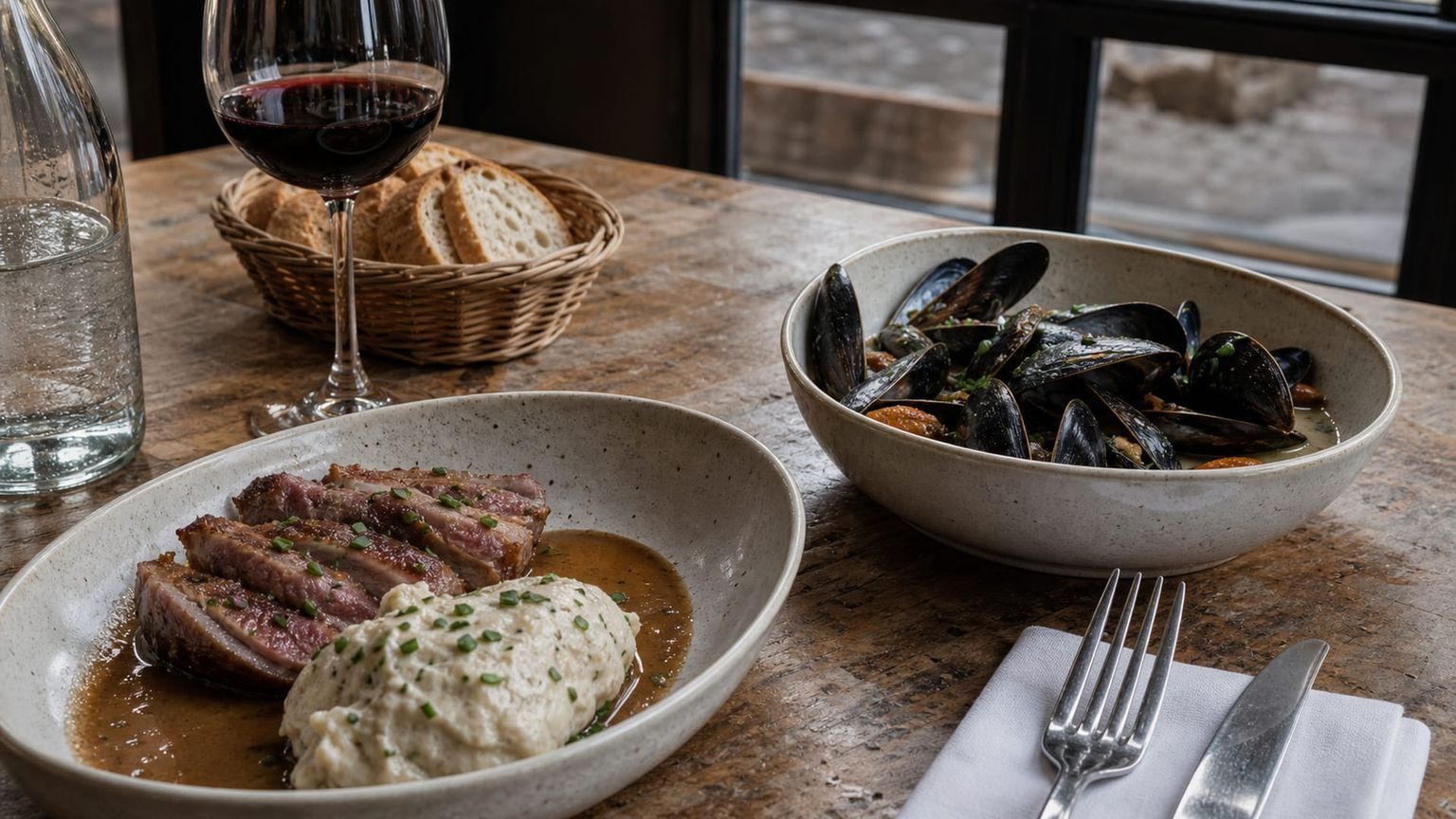
Bordeaux cooking leans on wine, butter, duck, seafood, and slow sauces, with dishes such as canelé and entrecôte à la bordelaise showing the city’s taste for depth, caramel, and local produce.
Canelé
This custard-rich pastry has a dark caramelized crust and a soft center. Baillardran is the city’s best-known stop for it, and the classic version works as a breakfast bite or an afternoon sweet.
Entrecôte à la bordelaise
Steak with a red-wine and shallot sauce is one of Bordeaux’s signature plates. Le Chapon Fin is a canonical place to order it, with a formal dining room that suits the city’s classic side.
Lamprey a la bordelaise
Lamprey braised in red wine is an old regional specialty, richer and more uncommon than the city’s everyday bistro fare. La Tupina serves a traditional version in a room that leans hard into southwest French cooking.
Macaron de Saint-Émilion
This almond macaron has a firmer, drier texture than the Paris version and reflects the wine country just outside Bordeaux. Baillardran is a dependable place to look for it in the city.
Best time to visit Bordeaux
Bordeaux’s best months reward outdoor walking and riverfront time, while winter brings quieter museums, easier restaurant bookings, and shorter days that shift the city indoors earlier.
Best for: Mild walks, terrace lunches, and early riverfront evenings
What you get: About 50 to 68°F (10 to 20°C), with manageable crowds before peak summer
Trade-offs: Showers can interrupt long walking days
Best for: Late sunsets, wine bars, and long evenings along the Garonne
What you get: About 64 to 84°F (18 to 29°C), with the largest crowds and the busiest hotel calendar
Trade-offs: Heat and reservations matter more, especially at dinner
Best for: Harvest-season atmosphere, museum visits, and easier dining reservations
What you get: About 52 to 74°F (11 to 23°C), with lighter crowds after the summer peak
Trade-offs: Rain increases later in the season
Best for: Quieter sightseeing, lower hotel rates, and indoor time at museums and wine spaces
What you get: About 41 to 54°F (5 to 12°C), with the smallest crowds outside holiday periods
Trade-offs: Short days limit riverfront time
A realistic 5-day plan in Bordeaux
A five-day Bordeaux stay works well when you split the center into zones instead of treating it as one block. This plan starts with arrival near your hotel, then moves through the cathedral, the riverfront, Cité du Vin, Chartrons, and a final half-day for shopping and departure.
Land at Bordeaux (BOD) and take a taxi or rideshare into the center, which usually takes about 25 to 35 minutes and costs roughly $35 to $55 (€32 to €50), depending on traffic and the exact drop-off point. If you are staying in Saint-Pierre or the Triangle d’Or, settle in, drink water, and keep dinner close by, with a simple plate and a glass of wine in the same district so you can rest early after the flight.
Start in the historic core with Bordeaux Cathedral, which takes about 45 to 60 minutes, then walk about 10 minutes to Place de la Bourse and the Water Mirror for the city’s best-known riverfront view. From there, continue on foot for roughly 15 minutes into Saint-Pierre for lunch, narrow streets, and a slower afternoon among the old squares before an easy dinner back near your hotel.
Begin at Cité du Vin, where you can spend about 2 to 3 hours, then go upstairs to La Cité du Vin Belvedere for broad views over the Garonne and the docks. After that, ride a tram or taxi about 15 to 20 minutes into Chartrons, where Église Saint-Louis des Chartrons makes a short, quiet stop, and finish with wine bars or dinner along the riverfront.
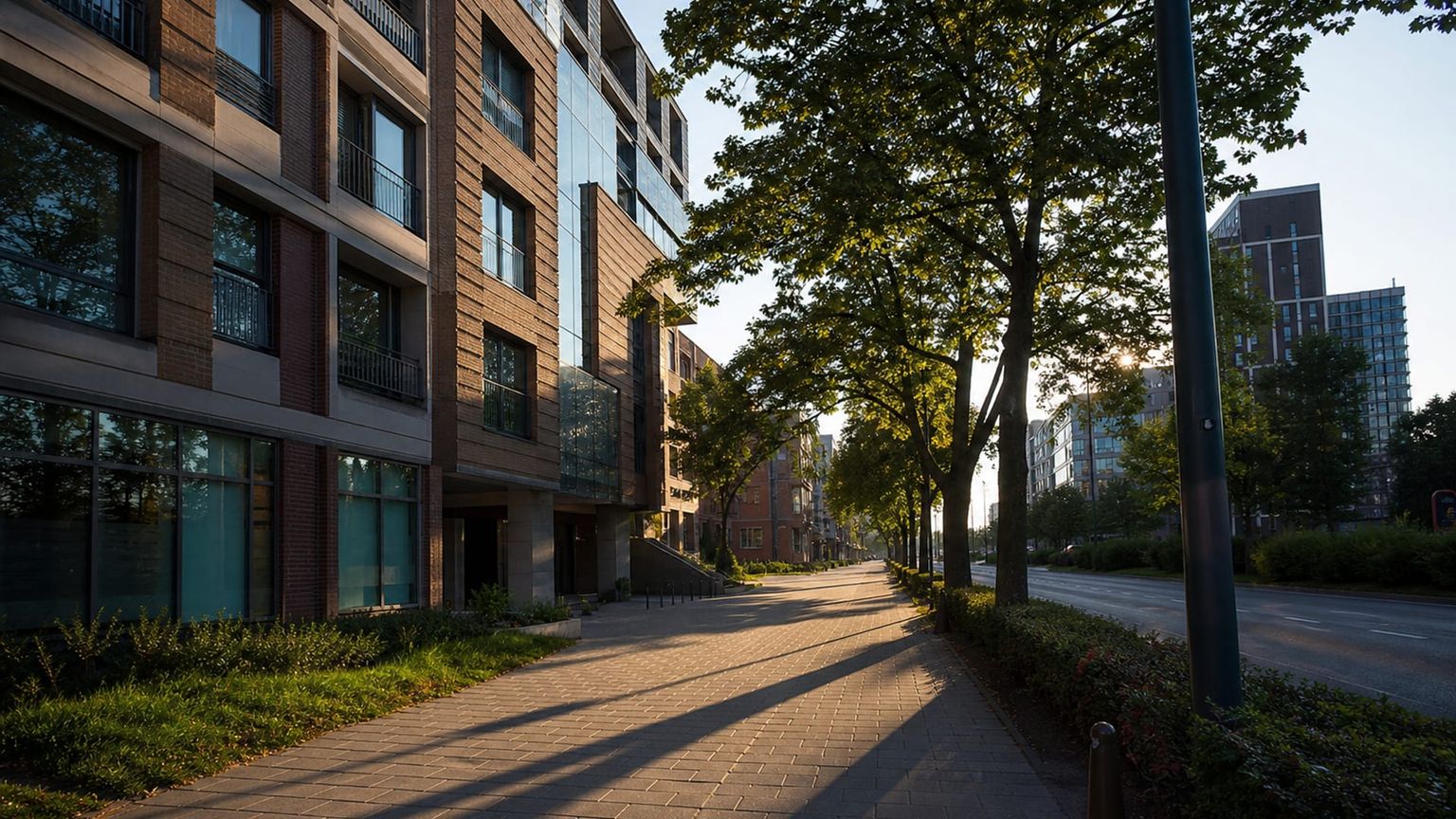
Take a morning walk through the Triangle d’Or, then cross to the river and spend time at Place de la Bourse and the Water Mirror again if the light is better than it was on day 2. Later, move north about 15 minutes on foot or by tram toward Chartrons for antiques shops, then end with a relaxed dinner in the same district or back in Saint-Pierre if you want a livelier terrace scene.
For your last day, start with a final look at Bordeaux Cathedral or a shorter repeat visit to the Water Mirror, then devote the afternoon to shopping in the Triangle d’Or, where the main streets make it easy to browse without a long transit plan. Finish with coffee in Chartrons, preferably near the river, so you can pack afterward and head to Bordeaux (BOD) without rushing.
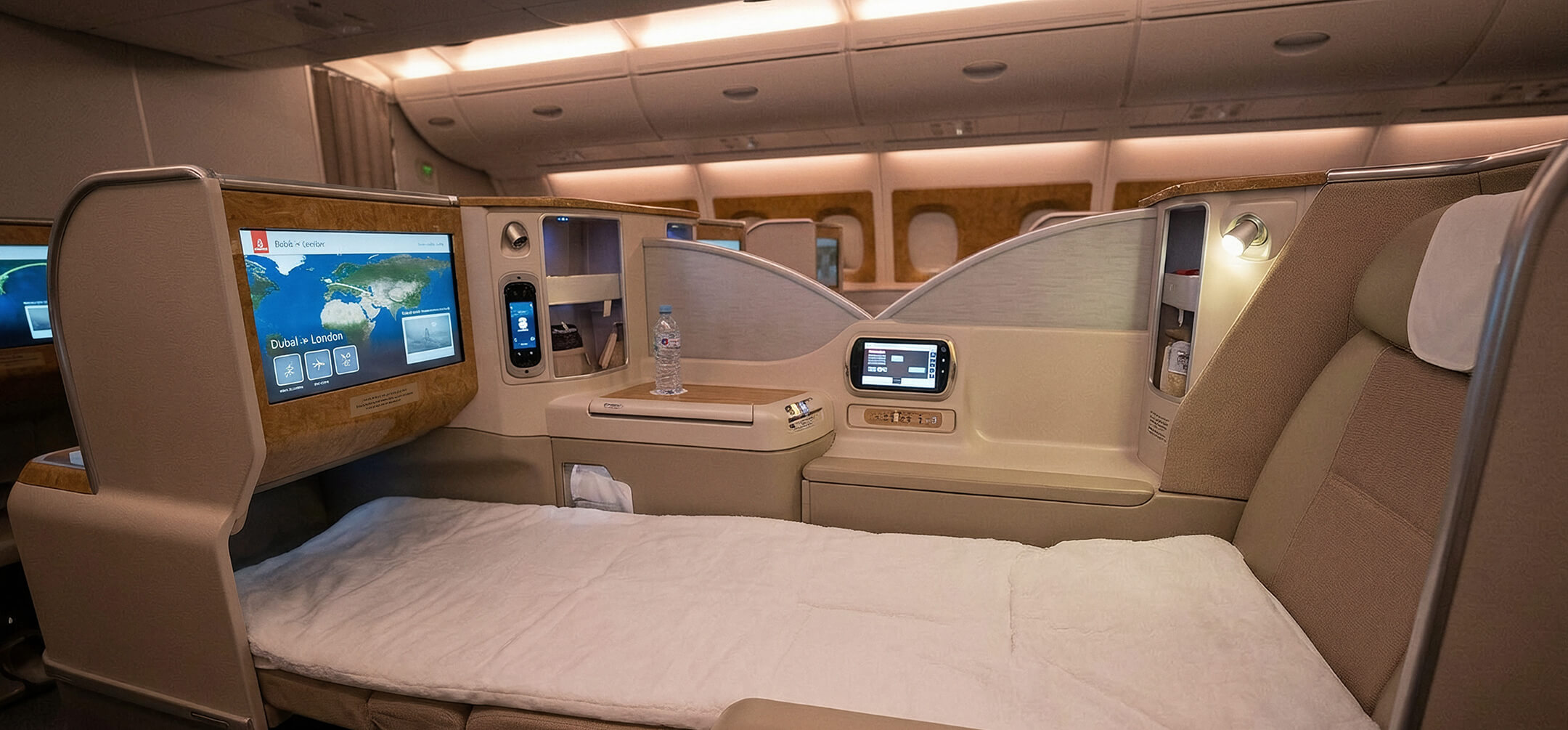
Business-class flights from the US to Bordeaux
Flights to Bordeaux usually require a connection, so the useful comparison is not just price, but where you connect and how long the total trip takes. East Coast and West Coast departures follow different patterns.
From New York, Air France, Delta Air Lines, Iberia, Lufthansa, TAP Air Portugal, and Turkish Airlines appear on the usual one-stop options, with connections through CDG, MAD, LIS, FRA, or IST. The nonstop time would be about 7 to 8 hours if available, but the typical trip runs about 10 to 14 hours overall, and round-trip fares usually start at about $2,200 and can climb to roughly $6,000.
Los Angeles departures typically run through CDG, AMS, LHR, MAD, or FRA on Air France, KLM, Lufthansa, British Airways, Iberia, or Delta Air Lines. Round-trip fares from Los Angeles usually start at about $2,700 and can reach roughly $7,500, with total travel time usually landing in the 13 to 17 hour range.
Bordeaux feels different when you slow down
A thoughtful Bordeaux trip gives each district its own role, the cathedral and Place de la Bourse for the historic core, Cité du Vin for the riverfront, and Chartrons for a slower dinner or final coffee. The tram and a few short walks handle most of the movement, while taxis make sense when you arrive late or leave for Bordeaux (BOD). If you want help shaping the trip around Saint-Pierre, the Triangle d’Or, or a harvest-season visit, AranGrant experts can build it with the right pace