

Chapters:

Need help with your trip?
Our support team is available 24/7. Request a callback or call us directly at (833) 619-0908
Ballina trips often start with the same two ideas, the beach and a quick look at the Big Prawn, then move on before travelers notice how much the river mouth, headlands, and short driving distances shape the visit. Many people also miss how early some cafes close outside peak holiday periods.
That habit can leave the town feeling thinner than it is, because Ballina works best when you time the beach, lighthouse, and riverfront stops with the day, and when you accept that some sights sit a short drive apart. Without that, meals, parking, and late-afternoon light can take more effort than expected.
This guide sets a clearer sequence: where to stay, how to move, what to eat, and how to space the main sights across five days. It keeps the coast, the river, and the inland errands in view so you can choose a base and plan each day with less guesswork.
Useful things to know

Main language(s): English

Currency: The local currency is the Australian dollar (AUD, A$).

Cash and cards: Cards and contactless are widely accepted; carry about A$20 to A$50 in cash for small purchases or taxis.

Tipping: Tip 10% at restaurants if service is good; round up taxis and small bills.

Traditional food: Moreton Bay bugs, mud crab, fish and chips, Byron Bay pork roll

Water and coffee costs: Water about A$3 ($2), bar espresso about A$4.50 ($3).

Taxis and ride apps: Uber operates here; availability can be limited outside peak times.

Plug and voltage: Type I socket, 230V

Dining and shop opening hours: Breakfast is about 07:00-09:00, lunch 12:00-14:00, and dinner 18:00-20:30. Some cafes close early outside peak holiday periods.

Emergency number: Call 000 for police, fire, or ambulance.
Where to stay in Ballina
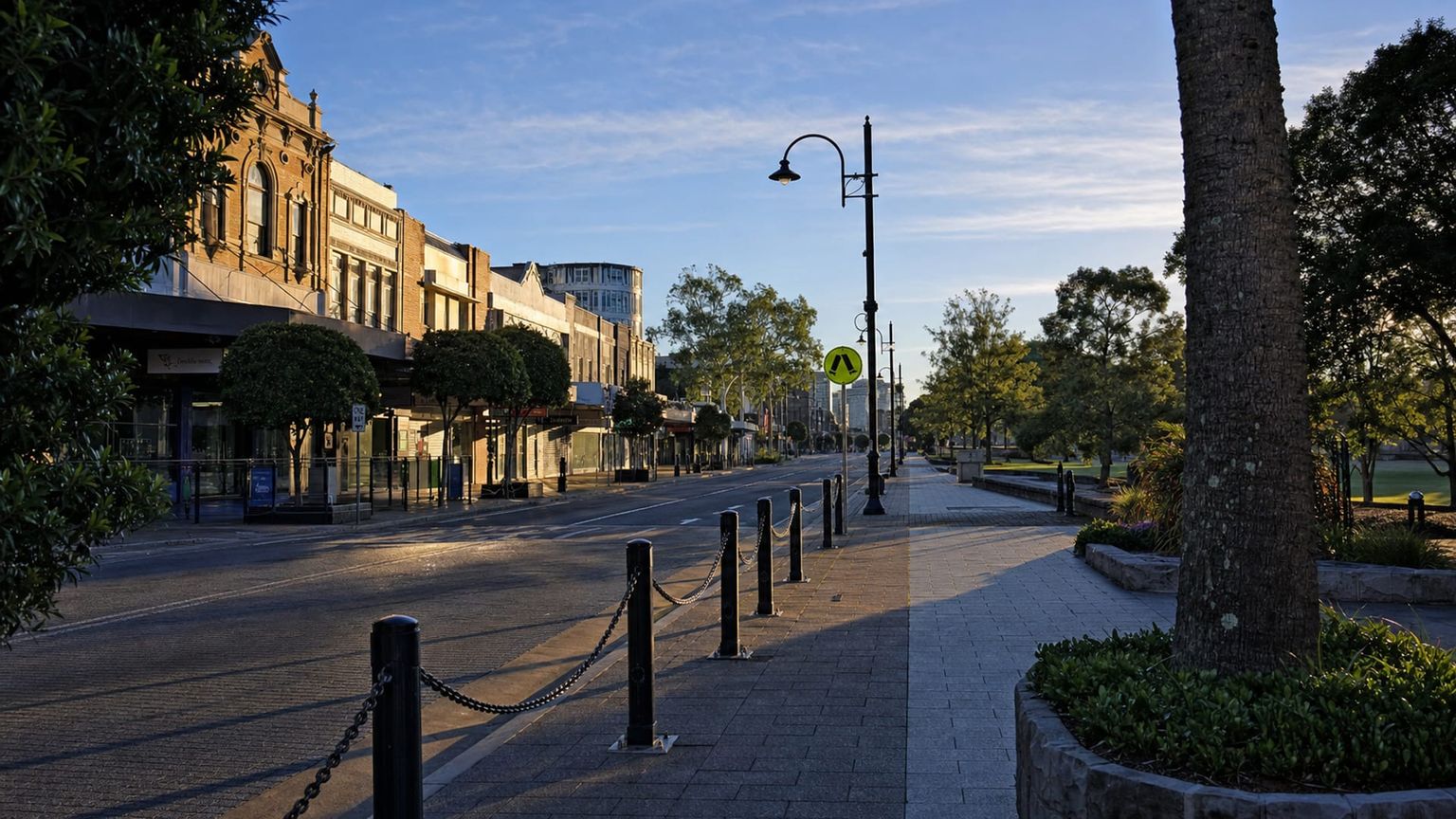
The compact center around River Street and Kerr Street puts shops, cafes, and the region’s main services within a short walk. It suits visitors who want the easiest access to dining, bus links, and the Richmond River without staying far from the action.
Best for: First-time visits, dining, and travelers who want to walk to shops and the riverfront
What to expect: You will see the most street activity here, with casual foot traffic, daytime shopping, and a modest evening dining scene.
Hotel prices: Usually about $140 to $230 per night for well-rated stays
Distance to major sights: 5 to 15 minutes on foot to the Richmond River and Ballina Naval and Maritime Museum
Quietness: Busy in the day, quieter after dinner with only pockets of late activity.
Main trade-off: Rooms close to the main streets can pick up traffic noise and parking may cost more than in outer areas.
Good to know: Book here if you want the simplest car-free stay, but choose a room away from River Street if you sleep lightly.
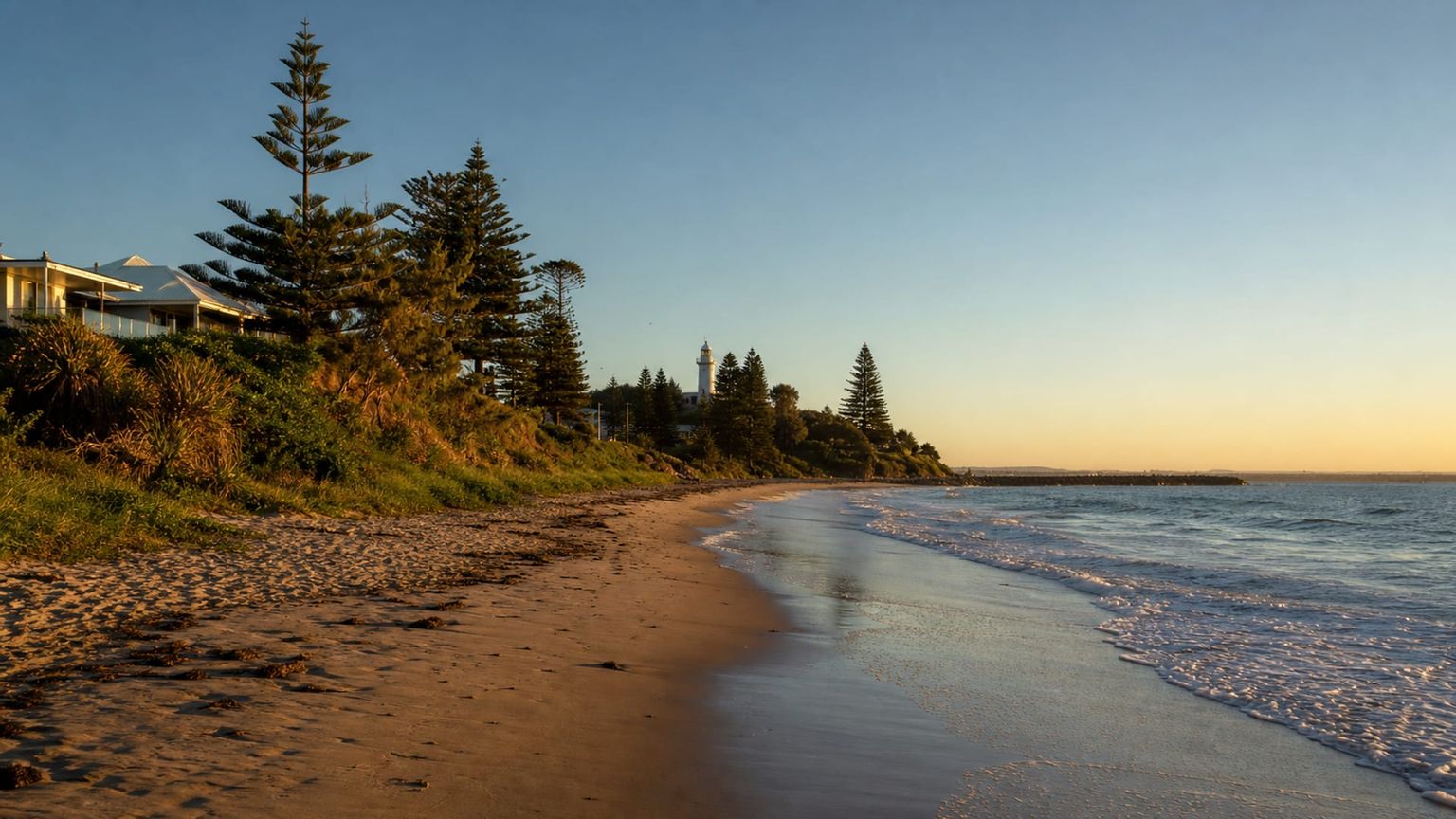
Lighthouse Beach sits on Ballina’s eastern edge near the coast, with easy access to the beach, surf breaks, and coastal paths. It matters for travelers who want a seaside stay with quick morning walks and the lighthouse area close by.
Best for: Beach time, surf, coastal walks, and travelers who prefer a seaside base
What to expect: The area sees day visitors, surfers, and walkers, with a more relaxed street scene than central Ballina and a stronger holiday feel near the shore.
Hotel prices: Usually about $170 to $280 per night for well-rated stays
Distance to major sights: 5 to 10 minutes on foot to Lighthouse Beach and about 10 minutes by car to Ballina town center
Quietness: Calm in the evening, with more movement near the beach access points during the day.
Main trade-off: You trade walkable shops and restaurants for a car-dependent stay, especially for dinners and groceries.
Good to know: If you plan to swim or surf often, this saves back-and-forth time, but you will likely need a car for most meals.
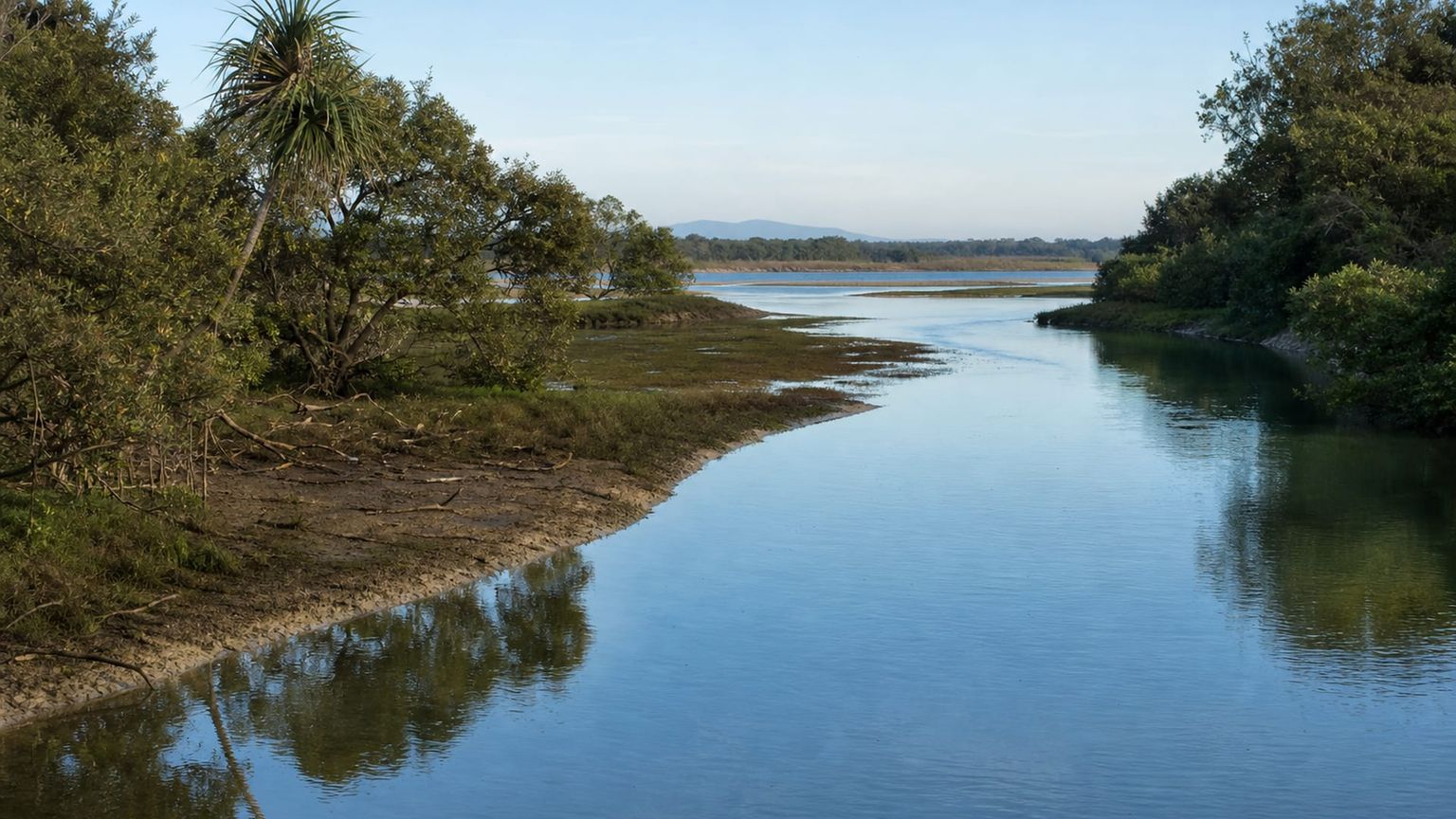
North Creek covers the residential and riverside streets north of the center, where homes, small holiday rentals, and water views set a quieter pace. It works well for visitors who want a calmer base that still sits close to the main town and river.
Best for: Quieter stays, longer visits, and travelers with a car who want easy access to town
What to expect: Street life is low-key, with local traffic, few late-night venues, and a mostly residential atmosphere after dark.
Hotel prices: Usually about $150 to $240 per night for well-rated stays
Distance to major sights: About 5 to 10 minutes by car to the town center and 10 to 15 minutes by car to Ballina’s main beaches
Quietness: Calm during the day and very quiet in the evening.
Main trade-off: You give up immediate access to the beach or restaurants, so daily driving becomes part of the stay.
Good to know: This area suits travelers who want less traffic outside the door, but it is not the place to stay if you plan to walk everywhere.
Travelers usually avoid staying in West Ballina, because it sits away from the main riverfront and town-center sights, and after dark you may need a car for dinner or shopping. Skennars Head and Alstonville are also less convenient for a Ballina base, since they are farther from the coast, the Richmond River, and the main visitor services in town.
Hotel deals
How to get around Ballina efficiently
Ballina has no metro or suburban rail, so buses, taxis, rideshare, and car hire do the work, with the town center acting as the main hub for short trips.

Metro
for longer distances
BNK has no metro or suburban rail, so visitors rely on buses, taxis, and car hire for all local trips.

Bus and tram
for convenience
Ballina’s bus network is limited, with services focused on the town center, East Ballina, and nearby Lennox Head; single fares are usually about $3 to $5 (A$5 to A$8), and most tickets are valid for one trip rather than timed transfers. Check timetables in advance, since evening and Sunday frequencies are sparse.

Taxi
for convenience or late hours
Licensed taxis use metered fares, not fixed airport prices, and a ride between Ballina Byron Gateway Airport (BNK) and Ballina town usually costs about $15 to $25 (A$23 to A$38), while Lennox Head is roughly $30 to $45 (A$46 to A$69). You can book by phone or use the rank outside the terminal, and most cabs accept cards, though a small surcharge may apply.
*Prices are based on rates updated as of June 2026 and may change at the time of travel.
Use the bus for cheap local hops, taxis or rideshare for airport and evening transfers, and a car when you want to link the beaches, lighthouse points, and North Creek without waiting.
Iconic landmarks
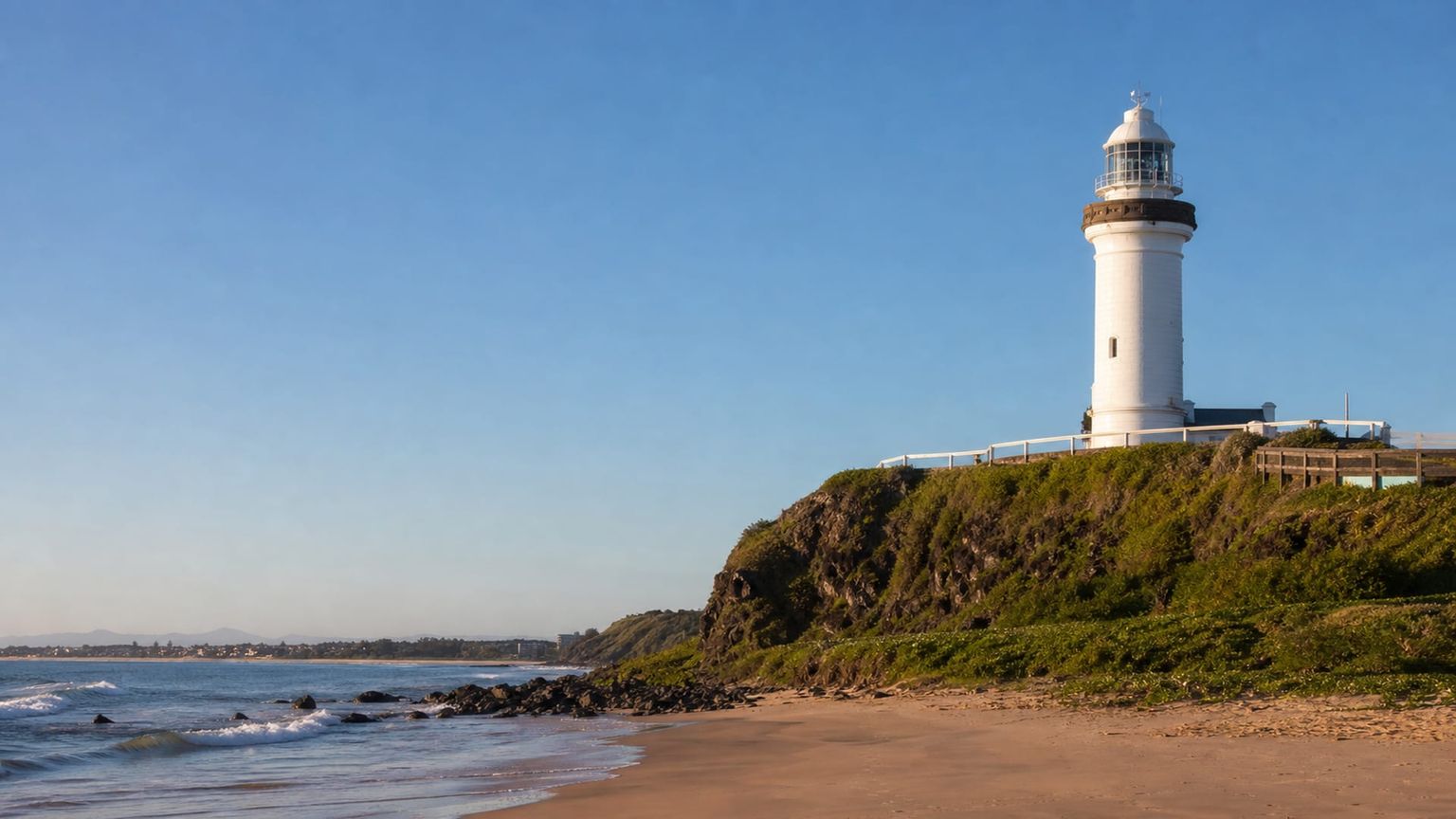
Lighthouse Beach
Ballina’s surf beach stretches beside the Richmond River mouth, with the Lennox Head headland visible to the south on clear days. It draws surfers, walkers, and shorebirds, and the beachfront path links easily to nearby parkland and lookout points.
Time needed: About 1 to 2 hours
Entry: Free to access, with no timed entry or required tickets for the beach or adjoining public paths
Tip: Visit at sunrise or late afternoon for softer light and cooler walking conditions along the sand.
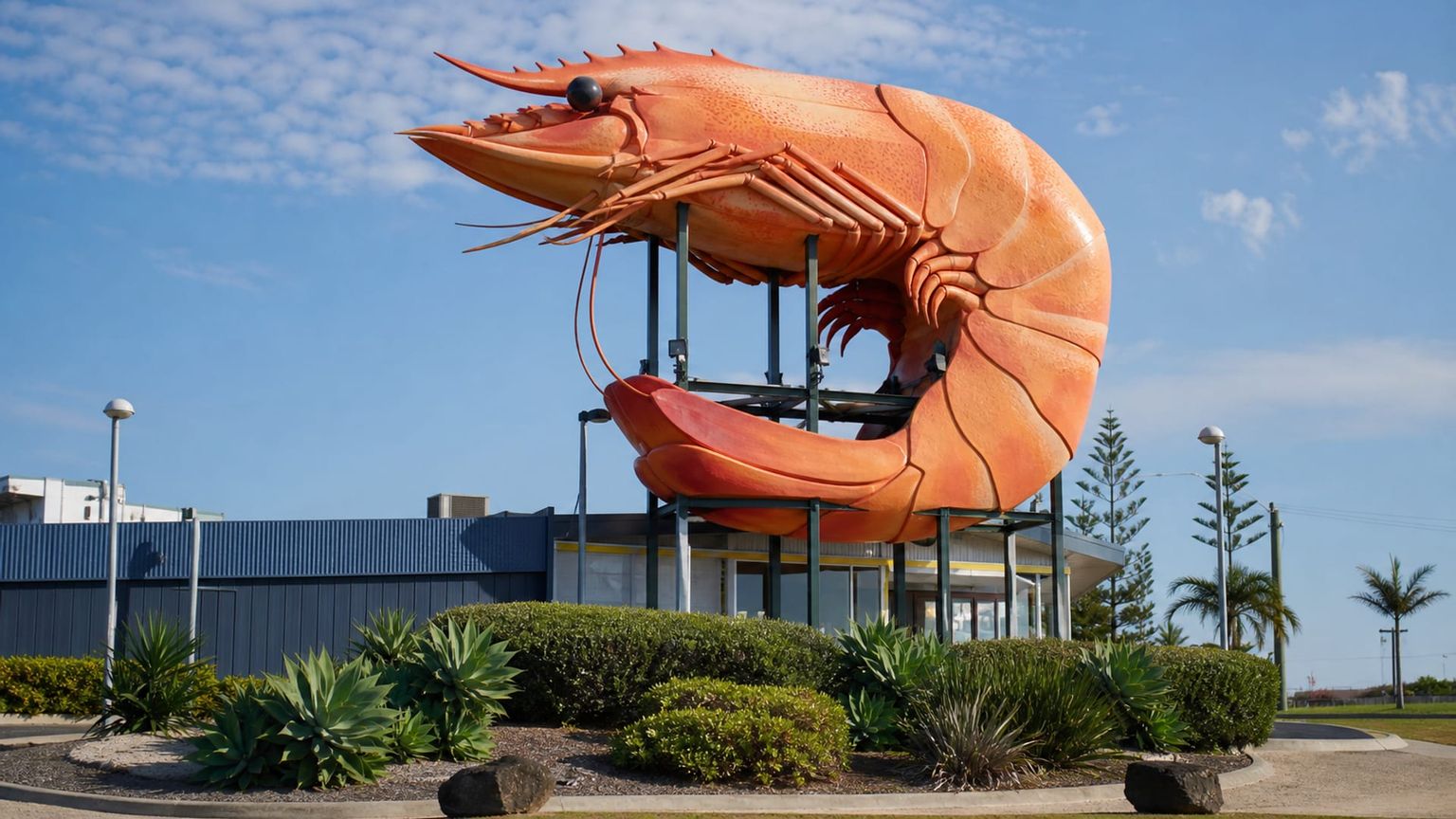
Big Prawn
This giant fiberglass prawn sits at the entrance to Ballina and has become the town’s best-known roadside landmark. It is an easy photo stop, and nearby seafood outlets give it a clear link to the local fishing and prawn industry.
Time needed: About 20 to 30 minutes
Entry: Free to view from the roadside, with no admission charge for the landmark or surrounding public area
Tip: Stop in daylight, the scale is easier to read and roadside photos are clearer from the footpath.
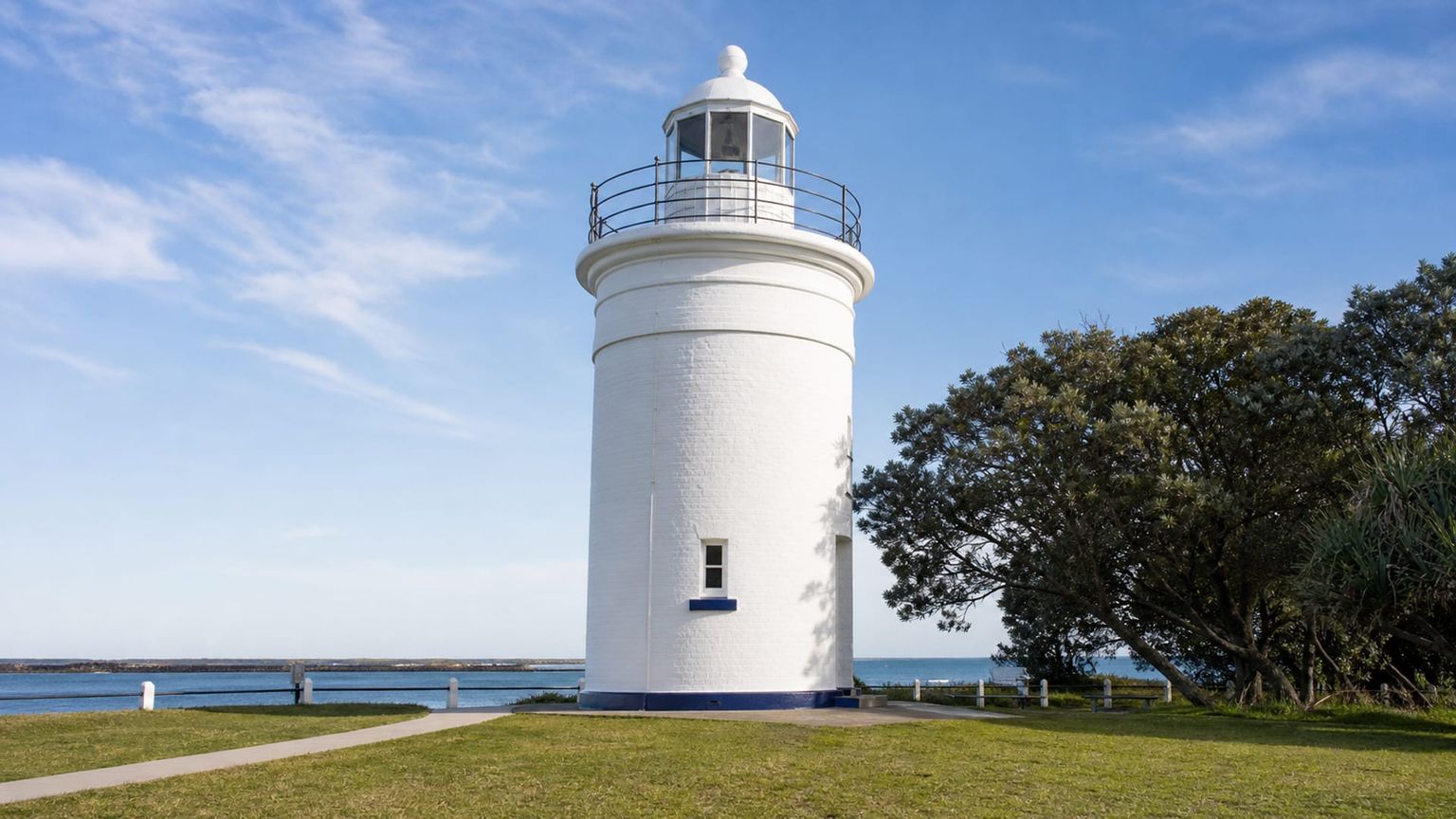
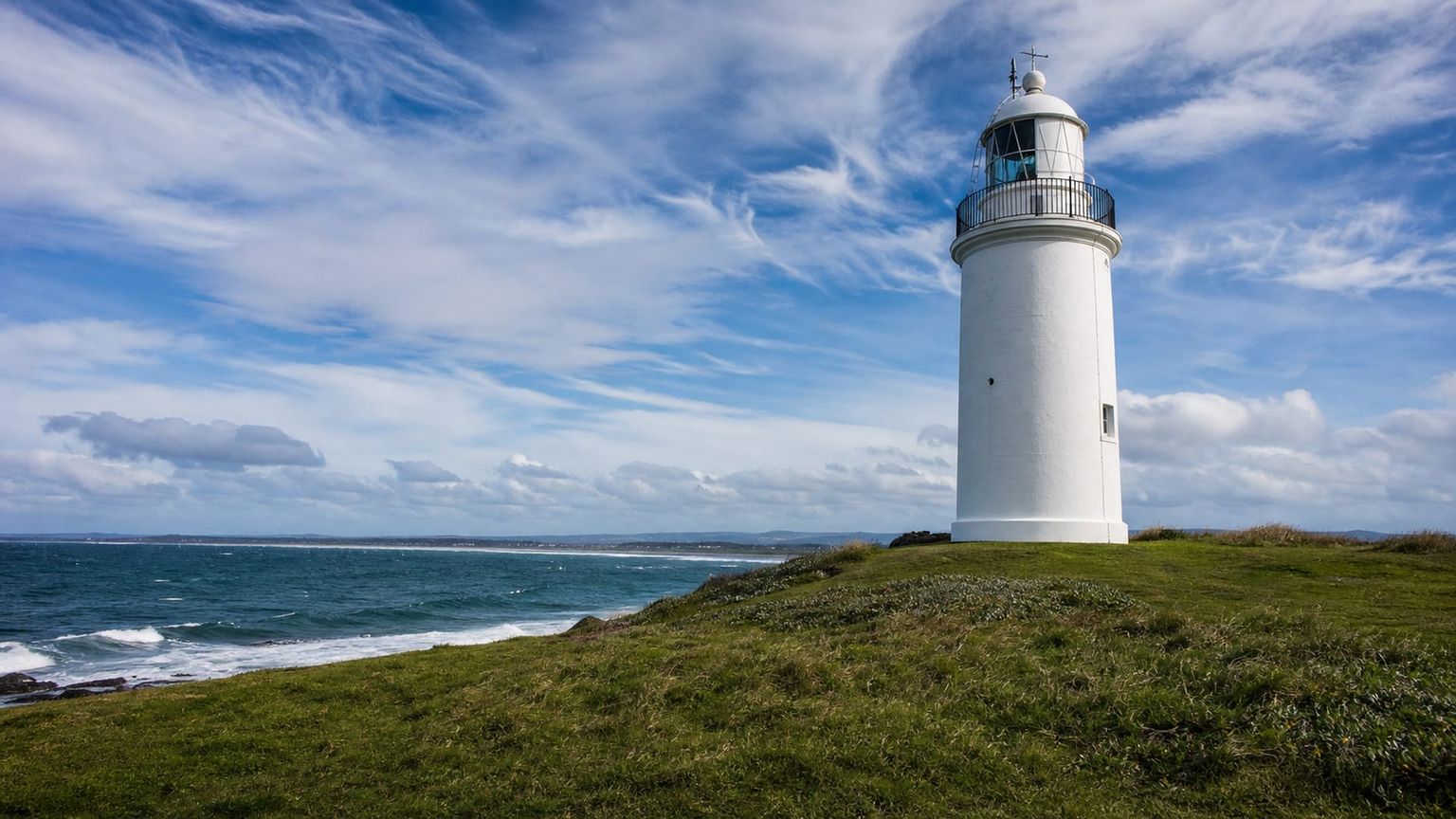
Richmond River Lighthouse
Perched near the river entrance at East Ballina, this small historic lighthouse marks one of the town’s most recognizable coastal points. It pairs well with a walk along the river mouth and nearby headland paths that frame the water and surf.
Time needed: About 30 to 45 minutes
Entry: Free to access, with public viewing from the surrounding reserve and no timed entry required
Tip: Go near sunset, when the river mouth and headland sit in cleaner light for photos.
Overlooked sites worth visiting

Ballina Naval and Maritime Museum
This small museum packs local shipwreck, whaling, and river trade history into compact galleries. Its model boats, photographs, and artifacts make it an easy stop between the CBD and the Richmond River.
Time needed: About 1 hour
Entry: Admission typically costs $10 to $12 ($15 to $18 AUD) for adults, with lower rates for children and concessions. Check opening days before you go, since hours can change with volunteer staffing and public holidays.
Tip: Go earlier in the day for the quietest visit.

Ballina Head Lighthouse
Set on a low headland above the river mouth, this working lighthouse gives a close look at Ballina’s coastal navigation history. The short walk also opens wide views over the surf, breakwall, and channel.
Time needed: About 30 to 45 minutes
Entry: Free to access as an outdoor landmark. There is no ticketed admission, though you may want to allow extra time for the short walk from nearby parking and for lingering at the headland lookout in good weather.
Tip: Late afternoon brings the best light on the breakwall.
Traditional food
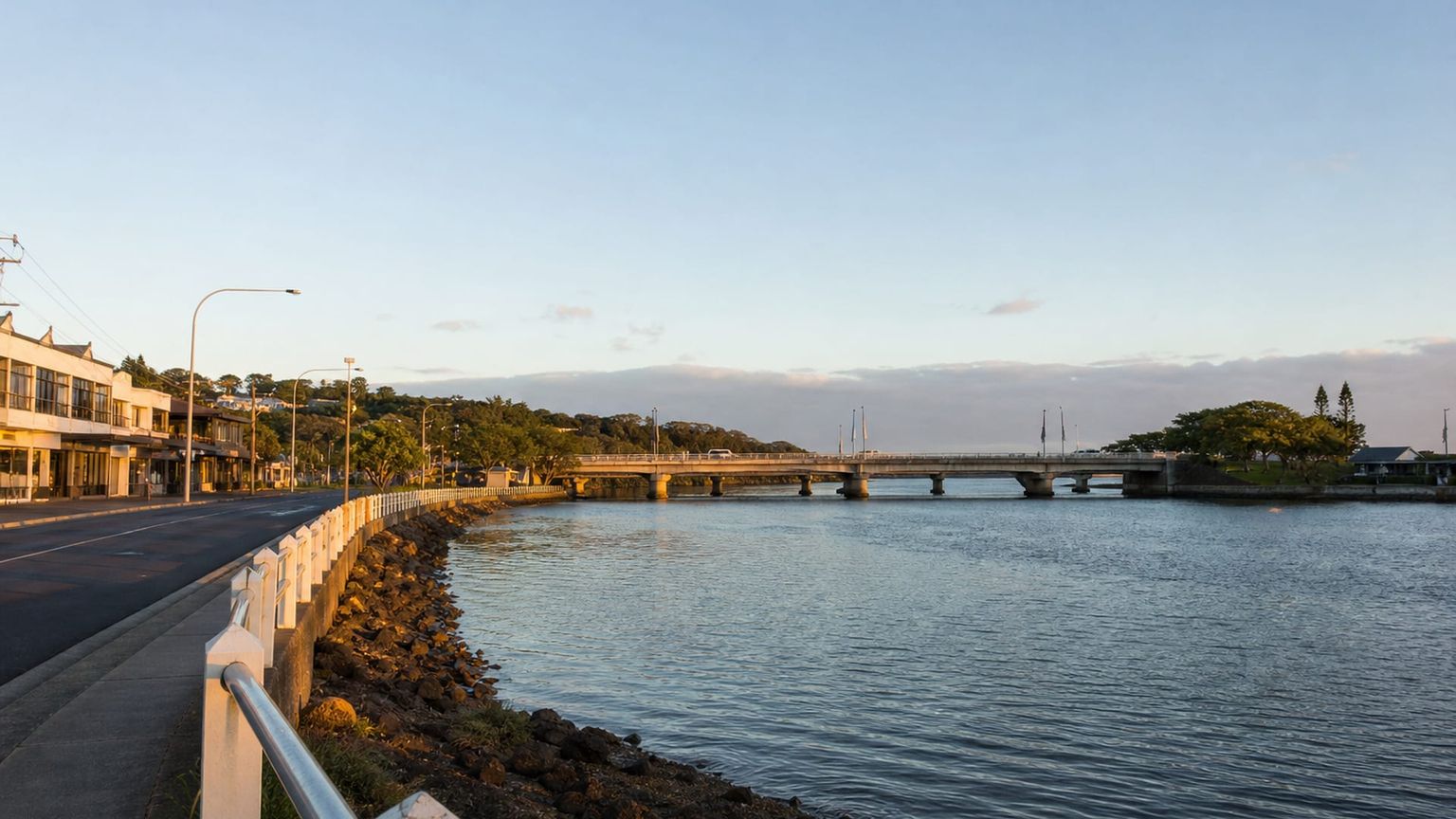
Ballina’s table leans coastal, with fish, prawns, crab, and casual cafe meals that suit early lunches and simple dinners. You will see seafood beside roasts, rolls, and takeaway plates, especially near the river and the main streets.
Moreton Bay bugs
Sweet, firm shellfish often arrive grilled or with a light sauce in Ballina seafood restaurants. The Ballina Fishermen’s Co-op is a strong canonical stop for this style of coastal plate.
Mud crab
Mud crab suits a relaxed seaside meal, with rich meat that works well in garlic, chili, or steamed preparations. The Wharf Bar and Restaurant in Ballina is a clear match for this kind of seafood dinner.
Fish and chips
This is the easiest Ballina lunch, often eaten near the water or taken away for a beach stop. Ballina’s North Creek takeaway and waterfront fish shops make this a dependable local order, and Fishy Fishy is a known fit.
Byron Bay pork roll
A pork roll gives you a quick, filling breakfast or lunch when you want something beyond seafood. Tuckers Cafe in Ballina is a sensible place to look for cafe-style rolls and a casual counter meal.
Best time to visit Ballina
Ballina works year-round, but the best season depends on whether you want warmer water, quieter streets, or softer walking conditions along the coast.
Best for: Beach time, long daylight, and the liveliest holiday atmosphere
What you get: About 70 to 84°F (21 to 29°C), with the biggest visitor numbers near the coast and holiday weeks
Trade-offs: Heat, humidity, and higher demand can make parking and dining times tighter
Best for: Milder days, easier walks, and good conditions for mixed beach and town plans
What you get: About 63 to 79°F (17 to 26°C), with fewer crowds after the summer peak
Trade-offs: The water can feel cooler if you plan long swims
Best for: Calm sightseeing, clear coastal light, and quieter cafes
What you get: About 51 to 69°F (11 to 21°C), with lower visitor numbers and cooler mornings
Trade-offs: You may need layers for early beach walks and riverfront stops
Best for: Walking weather, fresh coastal color, and comfortable day trips
What you get: About 59 to 77°F (15 to 25°C), with moderate crowds before the holiday build-up
Trade-offs: Popular weekends can fill coastal parking earlier in the day
A realistic 5-day plan in Ballina
The five-day plan follows Ballina’s geography rather than forcing everything into one loop. It starts with arrival near the river or beach, then moves through the lighthouse points, the museum, and a final day that leaves room for shopping and a last coastal stop.
Fly into Ballina Byron Gateway Airport (BNK), then take a taxi or rideshare to Ballina town center in about 10 to 15 minutes for roughly $15 to $25. If you prefer a beach stay, the drive to Lighthouse Beach takes about 15 minutes and usually costs a little more, while North Creek sits about 10 minutes away by car. Settle into a room near River Street or in Lighthouse Beach, drink some water, and keep dinner simple with seafood or an early meal near the riverfront so you are not chasing a long night on arrival.
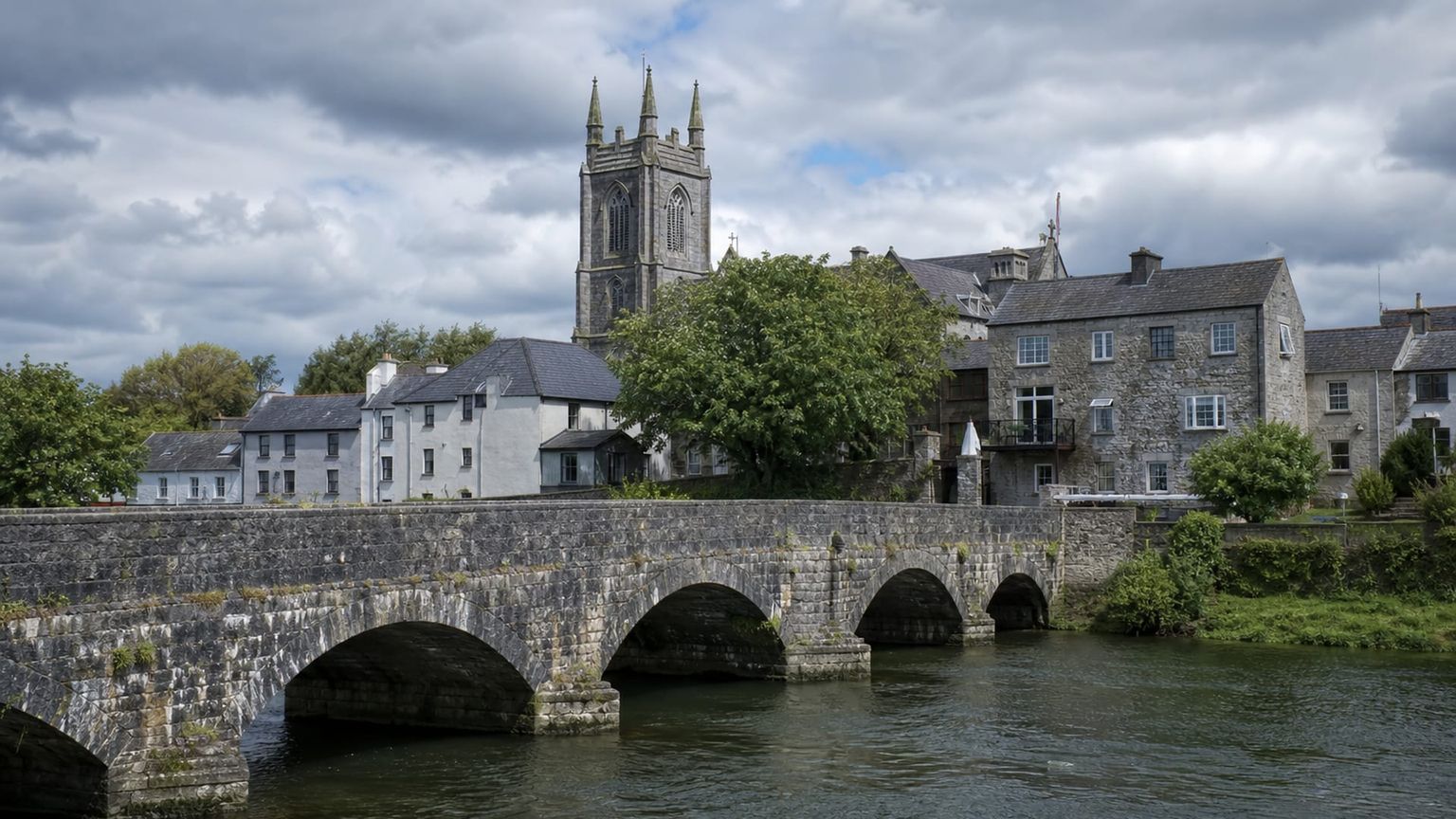
Start in Ballina town center at the Ballina Naval and Maritime Museum, which takes about 1 hour and sits about 5 to 10 minutes on foot from the riverfront. From there, walk about 10 minutes to Big Prawn for a quick photo stop, then continue by car or taxi to Lighthouse Beach in about 10 minutes for a 1 to 2 hour coastal walk. Finish at the Richmond River Lighthouse, about 10 minutes by car from Lighthouse Beach, and stay for the late-afternoon light over the river mouth and headland.
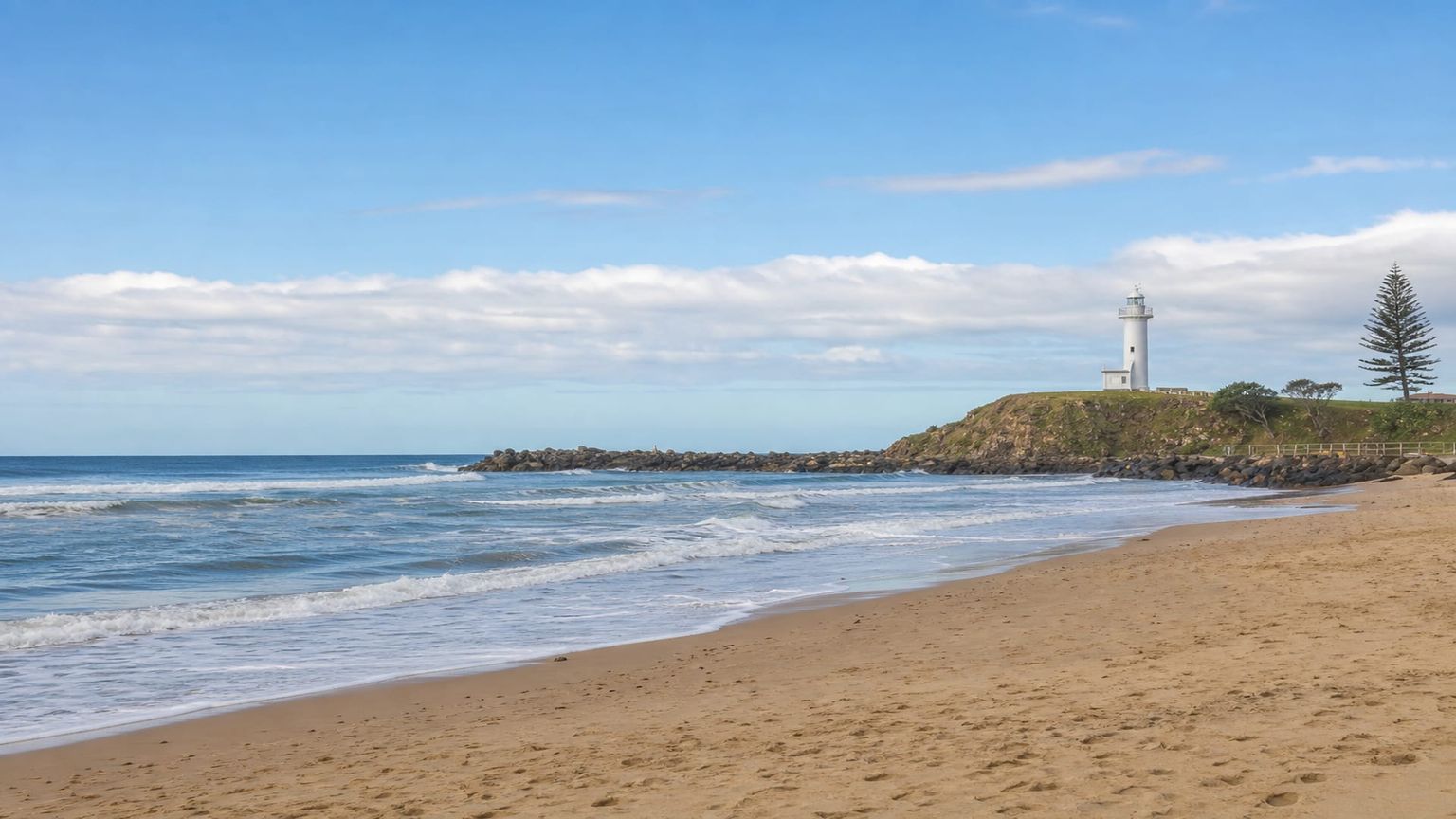
Begin with sunrise at Lighthouse Beach, then drive about 5 to 10 minutes to Ballina Head Lighthouse for broad views over the breakwall and surf. After that, continue about 5 minutes by car to the Richmond River Lighthouse and spend another 30 to 45 minutes walking the river mouth reserve. In the afternoon, return to Ballina town center, where the walk from the museum area to River Street is only a few minutes, and end with an easy meal near the shops.
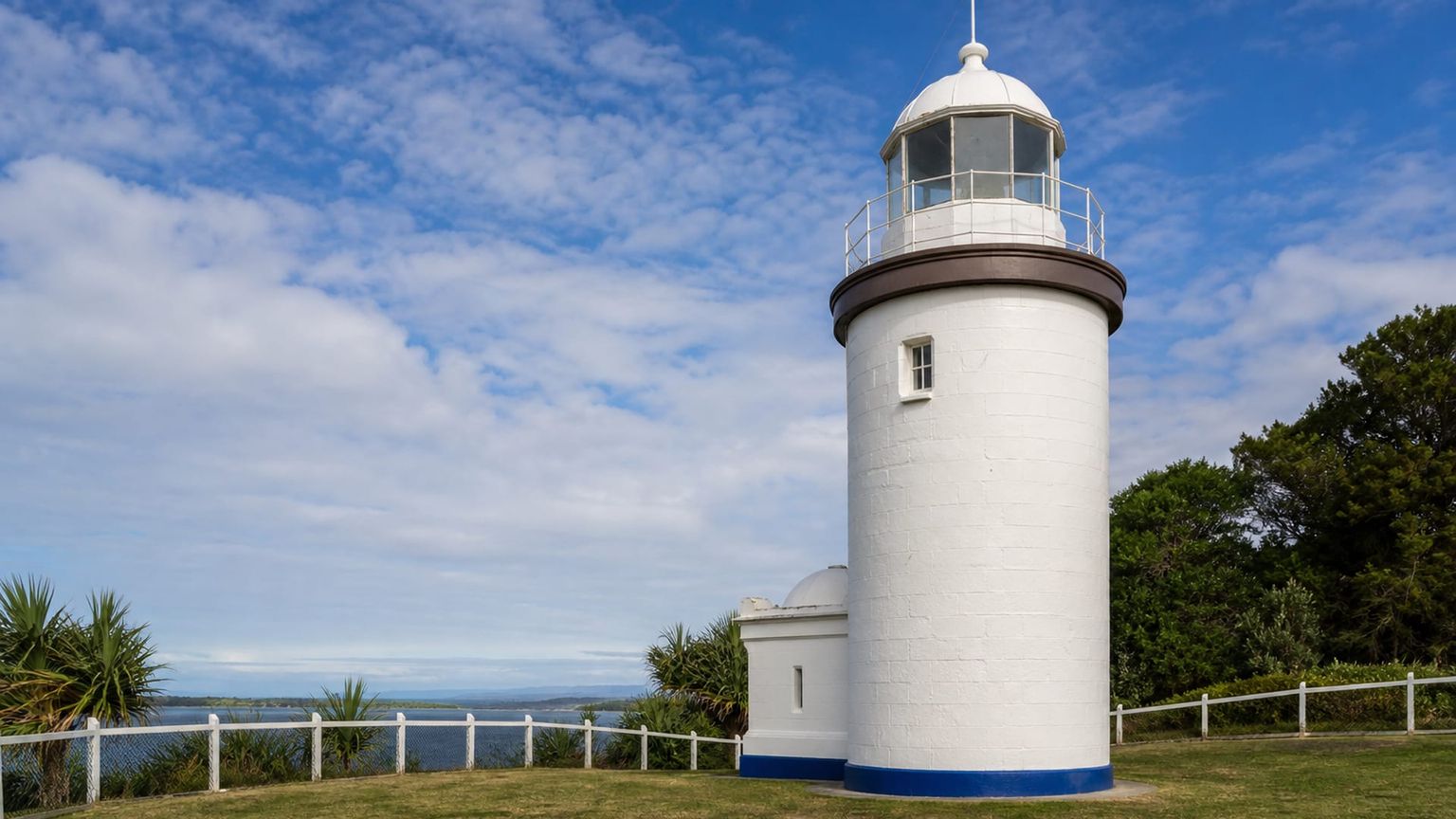
For a slower inland-facing day, sleep in North Creek and head to Ballina town center after breakfast, a drive of about 5 to 10 minutes. Visit the Ballina Naval and Maritime Museum first, then walk about 5 minutes to the riverfront for coffee and a look at the Richmond River before crossing back toward the Big Prawn, which is about 10 minutes away by car from the center. If you want a second beach stop, Lighthouse Beach is about 10 minutes farther, so you can close the day with a short sand-side walk before dinner in town.
One last morning works well for a final museum stop at the Ballina Naval and Maritime Museum, especially if you want an hour indoors before you pack. From there, browse the shops in Ballina town center along River Street and Kerr Street, then settle into a café in North Creek or near the riverfront for coffee and a light lunch. If your flight leaves later, a final pass by the Big Prawn takes only a quick roadside stop on the way to Ballina Byron Gateway Airport (BNK).
Business-class flights from the US to Ballina
Reaching Ballina from the United States usually means a one-stop trip, with Sydney, Melbourne, Auckland, or another major hub doing the heavy lifting. The business-class examples below show how the route shape changes from the East Coast and West Coast.
From New York, Qantas Airways, Delta Air Lines, United Airlines, Air New Zealand, and Air Canada all appear in the usual mix, and the trip typically runs through LAX, SFO, AKL, SYD, or MEL. Expect about 20 to 28 hours total, with round-trip fares from New York usually starting at $3,200 and reaching $6,500.
Los Angeles itineraries usually come together through SYD, MEL, or AKL, and the total travel time from LAX is about 18 to 24 hours. Qantas Airways, Virgin Australia, Delta Air Lines, and United Airlines are the names you are most likely to see, with fares from Los Angeles generally running from $2,800 to $5,800 round-trip.
Ballina feels different when you slow down
A deliberate Ballina trip usually means sleeping near River Street, taking taxis or short drives to Lighthouse Beach and the headlands, and leaving time for the museum before one last look at the Richmond River. That mix keeps the day close to the town’s actual layout, not just its postcard stops. If you want help shaping that route into a booking plan, the AranGrant experts can map Ballina around your flight, your beach time, and the pace you want







