

Chapters:

Need help with your trip?
Our support team is available 24/7. Request a callback or call us directly at (833) 619-0908
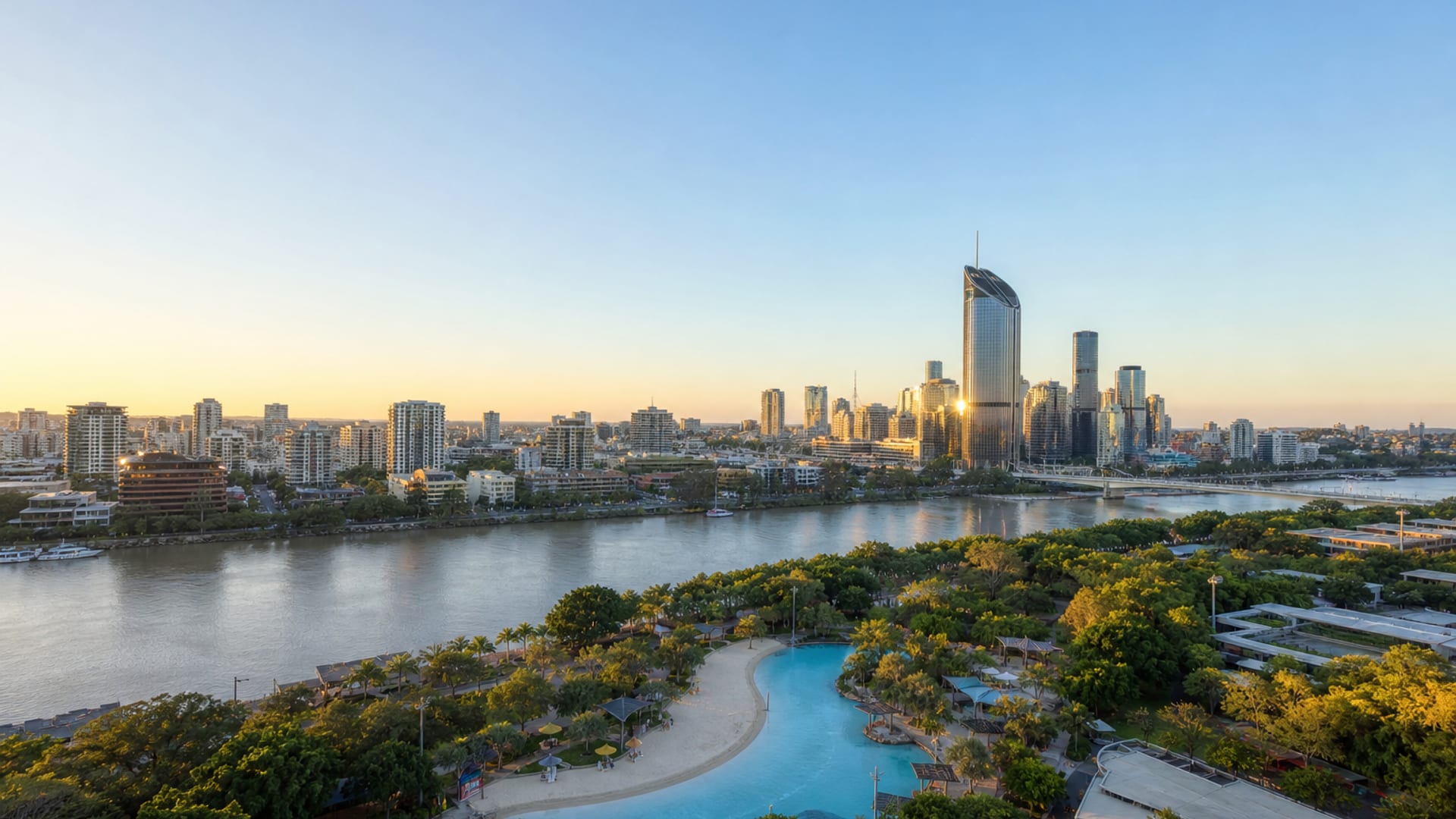
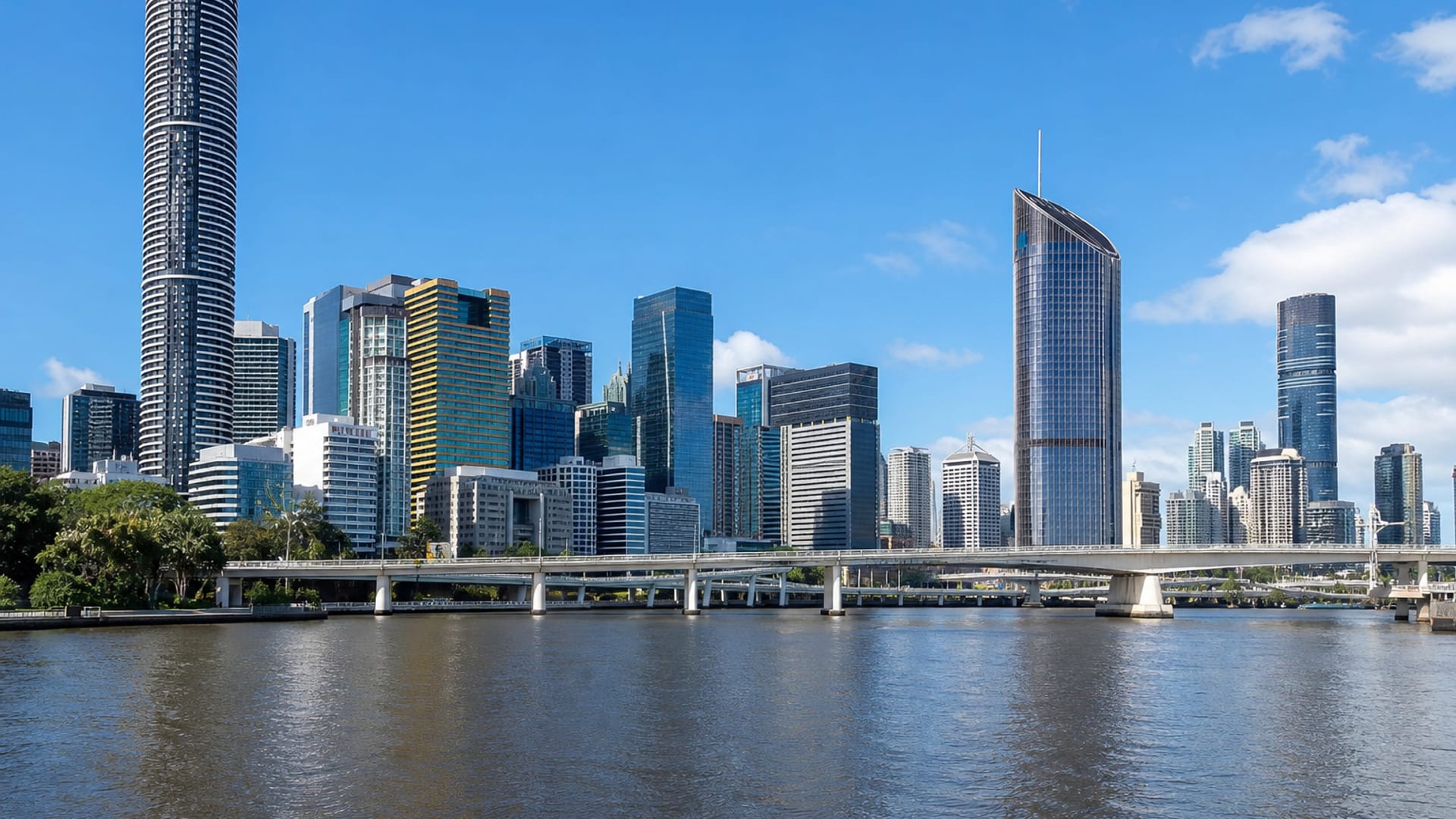
Brisbane trips often begin with the riverfront, a hotel near the CBD, and a quick list of marquee sights, yet many visitors miss how much time the city asks you to spend moving between the bank, the hills, and the inner suburbs.
That approach can waste hours. South Bank, Fortitude Valley, New Farm, and Mount Coot-tha each play a different role, and crossing the river or timing a ferry can shape the day more than the attraction itself.
This guide keeps the city in a clear order, with neighborhoods, transport, food, and five days arranged so you can see more without packing each hour too tightly.
Useful things to know

Main language(s): English

Currency: The local currency is the Australian dollar (AUD, A$).

Cash and cards: Cards and contactless are widely accepted; carry about A$20 to A$50 in cash for small purchases.

Tipping: Tip 10% to 15% at sit-down restaurants if service is good; round up for taxis and casual cafes.

Traditional food: Moreton Bay bugs, Queensland mud crab, barramundi, lamington

Water and coffee costs: Water ~A$3 ($2), bar espresso ~A$5 ($3).

Taxis and ride apps: Uber, Ola, and DiDi operate here; check airport pickup zones.

Plug and voltage: Type I socket, 230V

Dining and shop opening hours: Breakfast is about 07:00-09:00, lunch 12:00-14:00, and dinner 18:00-20:30. Many kitchens stop serving by about 21:00, earlier on Sundays.

Emergency number: Call 000 for police, fire, or ambulance.
Where to stay in Brisbane
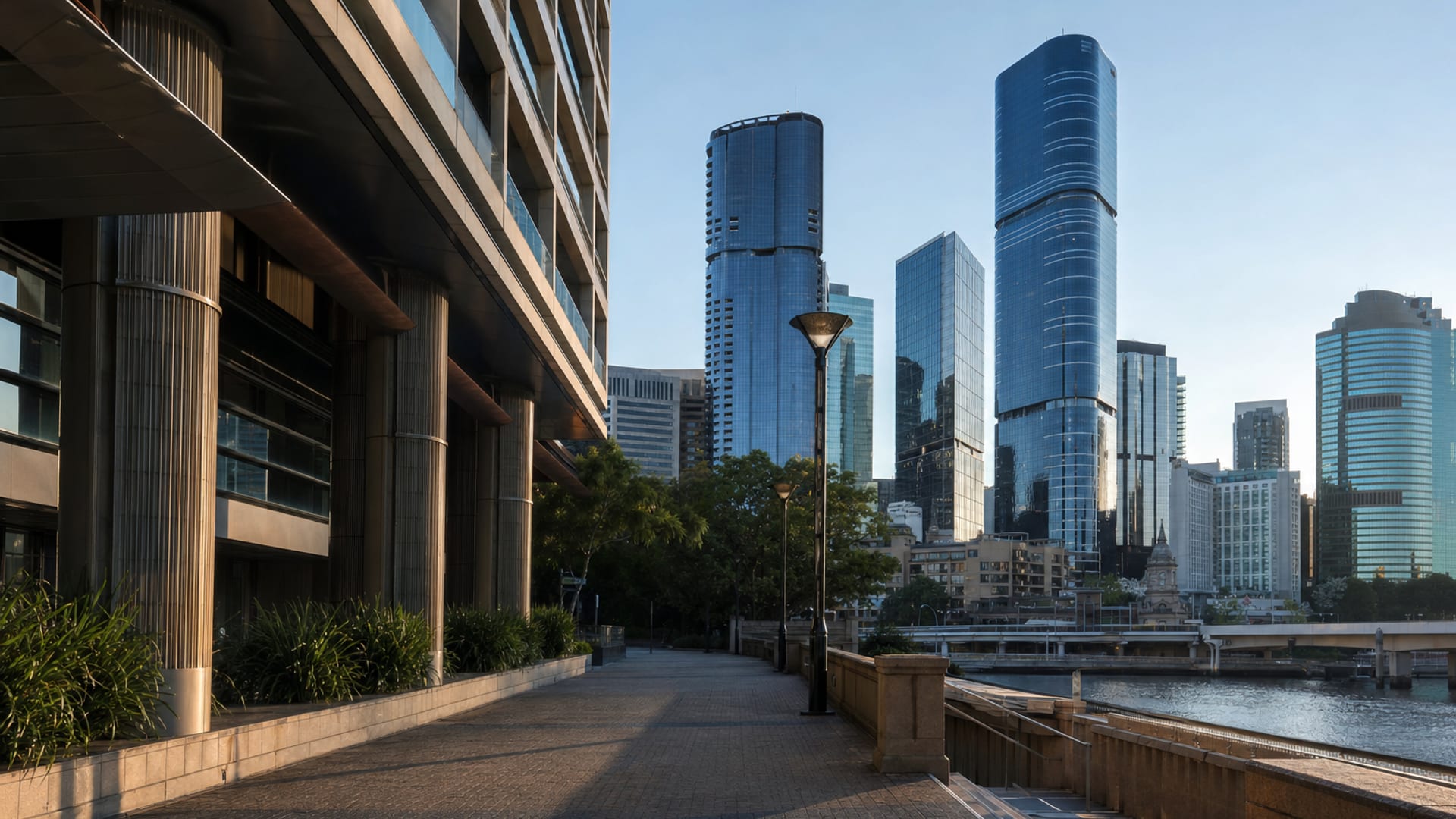
Brisbane City puts you beside the riverfront, Queen Street Mall, and the main transit links. It suits visitors who want the most central base for museums, ferries, dining, and easy movement between South Bank, Fortitude Valley, and the CBD.
Best for: First-time visits, business trips, and staying close to transport, shopping, and riverfront sights
What to expect: Busy weekday sidewalks, commuter traffic, and a steady flow of shoppers and office workers, with lighter streets late at night outside the dining strips.
Hotel prices: Usually about $180 to $320 per night for well-rated stays
Distance to major sights: 5 to 15 minutes on foot to the City Botanic Gardens and Queen Street Mall, about 10 minutes by transit to South Bank
Quietness: Livelier by day, then notably calmer on side streets after office hours, though main dining areas stay active into the evening.
Main trade-off: Central hotels cost more, and the busiest blocks can feel crowded during weekday lunch hours and major events.
Good to know: If you plan to use trains, ferries, and buses often, this base cuts transfer time, but late-night dining choices thin out once the office crowd leaves.
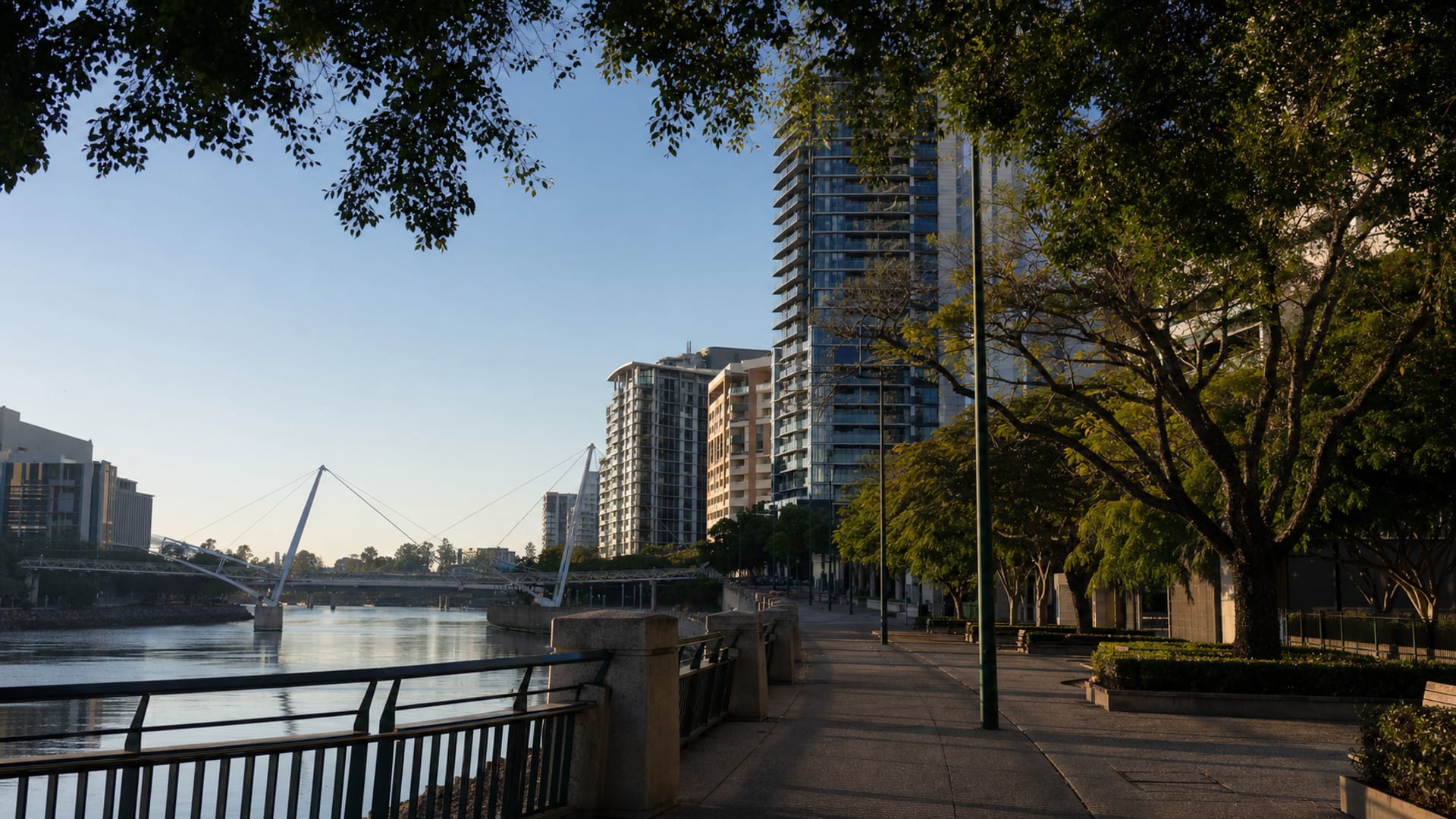
South Brisbane sits across the river from the CBD and anchors South Bank, the Cultural Centre, and several major event spaces. It works well for travelers who want museums, parkland, river walks, and quick access to the city without staying in the core business blocks.
Best for: Museum visits, park walks, family stays, and travelers attending events at South Bank or nearby venues
What to expect: Pedestrian traffic clusters around the cultural precinct, cafés, and river paths, with more activity on weekends and during concerts or exhibitions.
Hotel prices: Usually about $190 to $340 per night for well-rated stays
Distance to major sights: 5 to 10 minutes on foot to South Bank Parklands and the Cultural Centre, about 10 to 15 minutes by transit to Queen Street Mall
Quietness: Busier in the afternoon and evening near the parklands and venues, then quieter on residential side streets late at night.
Main trade-off: You pay a premium for the location, and event nights can bring traffic, fuller restaurants, and a noisier streetscape.
Good to know: Cross-river trips into the CBD are short, but if you want the widest late-night shopping and bar options, you will still head into the city center.
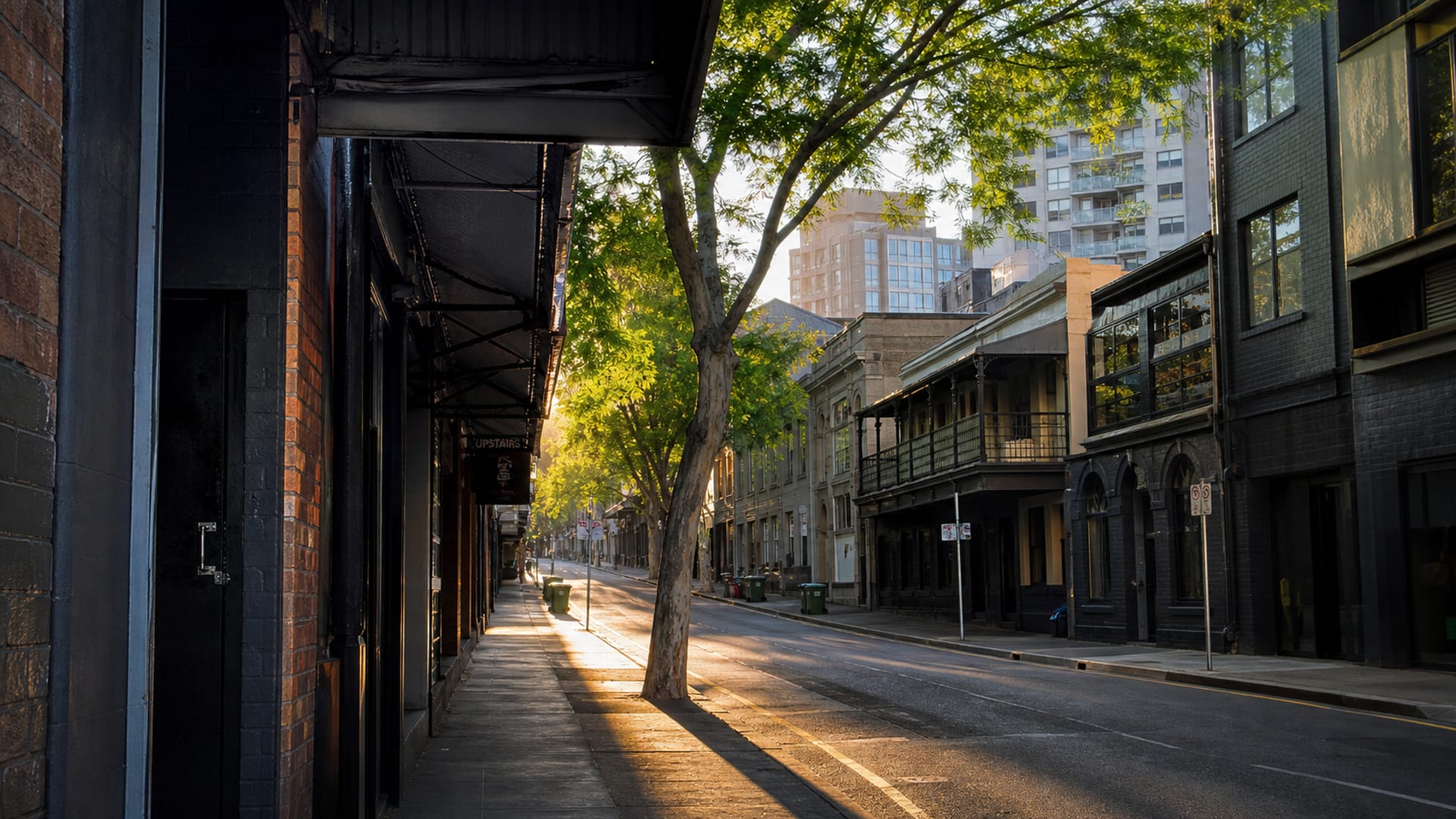
Fortitude Valley is Brisbane’s main nightlife and dining district, with music venues, cocktail bars, live entertainment, and some of the city’s best late-opening restaurants. It also places you near Chinatown Mall, James Street, and quick rail access to the CBD.
Best for: Nightlife, restaurant hopping, live music, and travelers who want evening activity close at hand
What to expect: Dense foot traffic at night, busy restaurant strips, and a younger crowd around the main entertainment corridors, with quieter pockets on weekday mornings.
Hotel prices: Usually about $170 to $300 per night for well-rated stays
Distance to major sights: 10 to 15 minutes by transit to Queen Street Mall, about 20 minutes on foot to the CBD, and 5 to 10 minutes on foot to Chinatown Mall
Quietness: Quietest in the morning, then much louder after dark, especially near bars and live-music venues.
Main trade-off: Late-night noise is the main compromise, and Friday and Saturday evenings can make sleep difficult on the busiest streets.
Good to know: Choose a room away from the main bar strips if you plan early starts, because the loudest blocks stay active well past midnight.
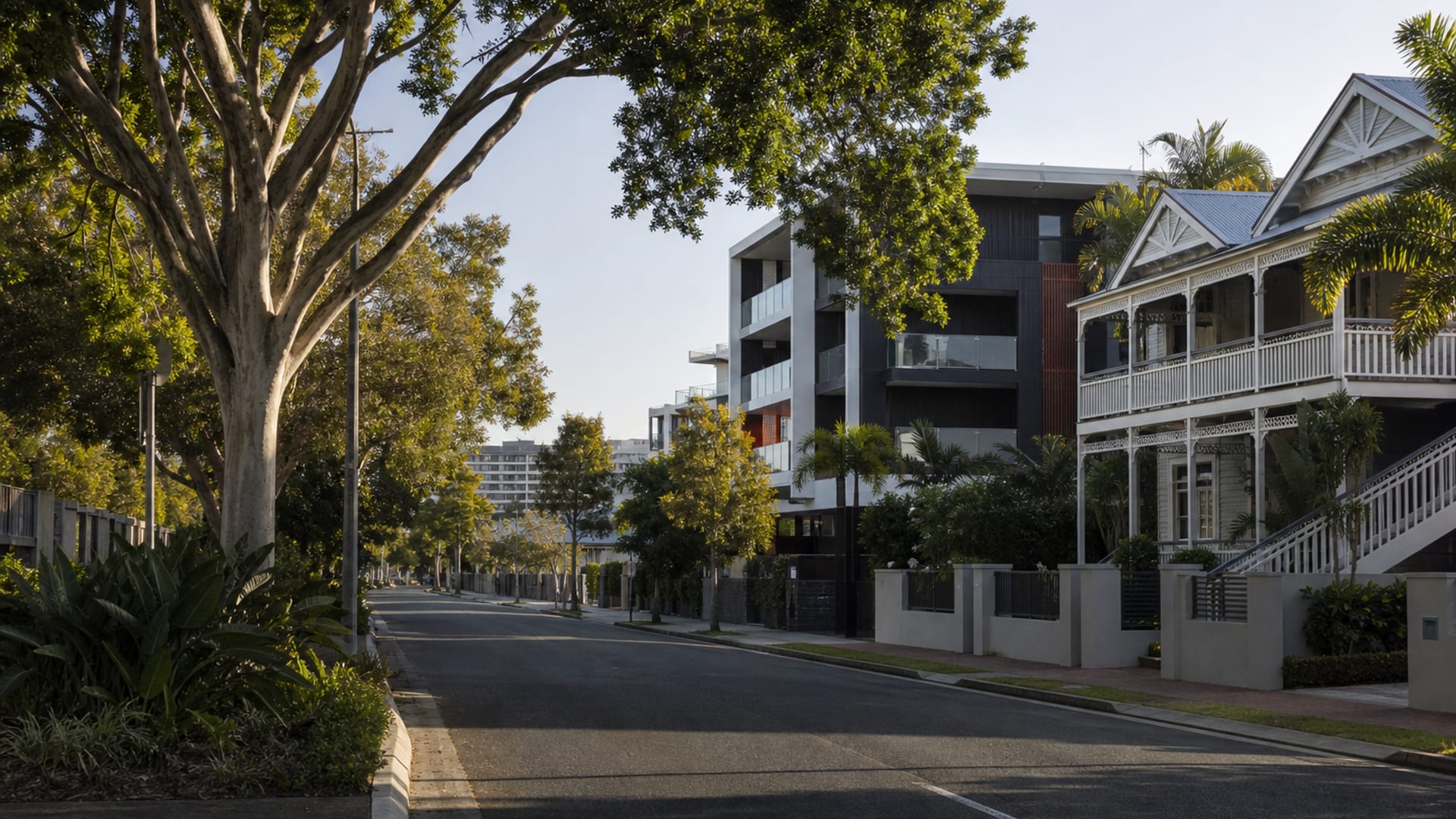
New Farm is a residential riverfront area known for New Farm Park, relaxed café streets, and access to the Brisbane River ferry network. It suits travelers who want a local-feeling base with green space, weekend markets, and an easy ride into the CBD.
Best for: Longer stays, river walks, cafés, and travelers who want a quieter base near the city
What to expect: Leafy streets, neighborhood cafés, and a calmer pace than the CBD, with more visitors in the park and ferry stops on weekends.
Hotel prices: Usually about $190 to $330 per night for well-rated stays
Distance to major sights: 10 to 20 minutes by ferry to the CBD, about 15 minutes on foot to New Farm Park
Quietness: Generally quiet day and evening, with brief bursts of activity near cafés, the park, and ferry terminals.
Main trade-off: It gives you less immediate access to the city’s busiest shopping and nightlife zones, so you will rely more on ferries, buses, or rideshares.
Good to know: If you want to walk less in heat, check how close your lodging sits to a ferry stop, since that can matter more than the road distance to the CBD.
Travelers usually avoid staying in Brisbane Airport, Hendra, and Pinkenba, since they sit far from the riverfront, South Bank, and the main dining areas, with limited visitor amenities and awkward evening transport. Woolloongabba can also be less convenient if you plan to spend most of your time in the CBD or Fortitude Valley, because it is farther from the core sightseeing area and requires more transit for late returns.
Hotel deals
How to get around Brisbane efficiently
Brisbane does not have a metro, so most visitors rely on ferries, buses, trains, taxis, and rideshares, with the river often making the quickest path between key districts.

Metro
for longer distances
Brisbane has no subway or metro network, so visitors usually lean on the Brisbane CityCat ferries, suburban rail, and buses instead. Airtrain links Brisbane Airport (BNE) with Central Station in about 20 minutes and reaches the city on a normal rail fare rather than a special metro ticket, with fares roughly $10 to $16 ($15 to $24) depending on where you board and whether you travel off-peak; single-use tickets stay valid for the same journey on the Translink network within the ticket rules.

Bus and tram
for convenience
Brisbane’s bus network does most of the heavy lifting, with the frequent high-capacity routes and the free inner-city City Loop covering the CBD, South Bank, and nearby neighborhoods. Services run from roughly 5:00 am to midnight on many main corridors, and a standard adult go card trip in the inner area is about $2 to $4 ($3 to $6), with the card valid across buses, ferries, and trains for one linked trip under Translink’s transfer rules.

Taxi
for convenience or late hours
Licensed taxis line up at Brisbane Airport (BNE) and rank from hotels, shopping centers, and taxi stands rather than being hailed casually in every street. Fares are metered, with the airport to the CBD usually about $30 to $45 ($45 to $68) plus any tolls and late-night surcharges, and drivers generally accept cards, although a payment surcharge may apply; trips are also bookable through ride-hailing apps, which use their own fare quotes.
*Prices are based on rates updated as of June 2026 and may change at the time of travel.
Use ferries for scenic cross-river trips, buses and trains for the inner city, and taxis or rideshares when you are heading to Mount Coot-tha, the airport, or a late dinner.
Iconic landmarks
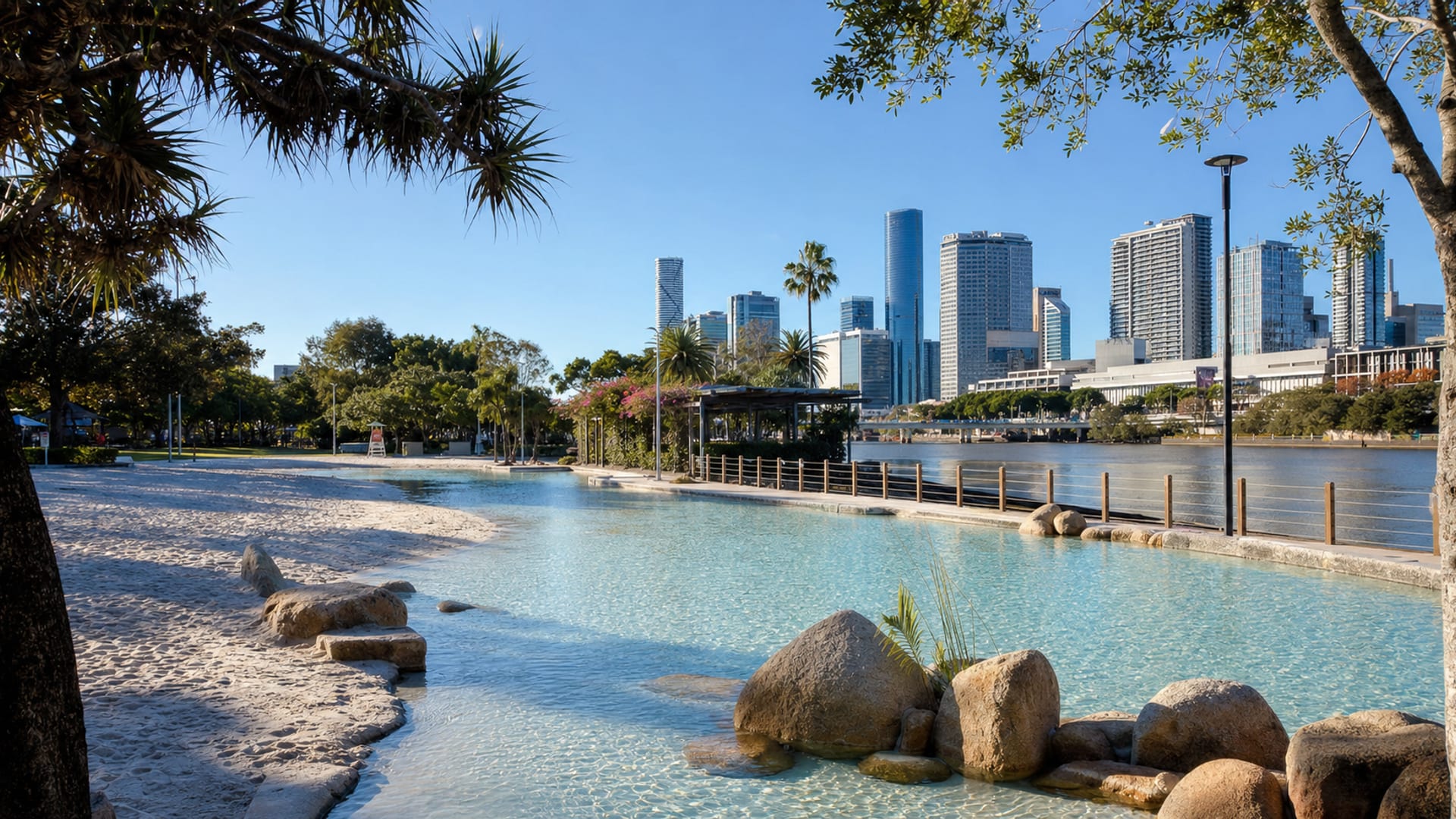
South Bank Parklands
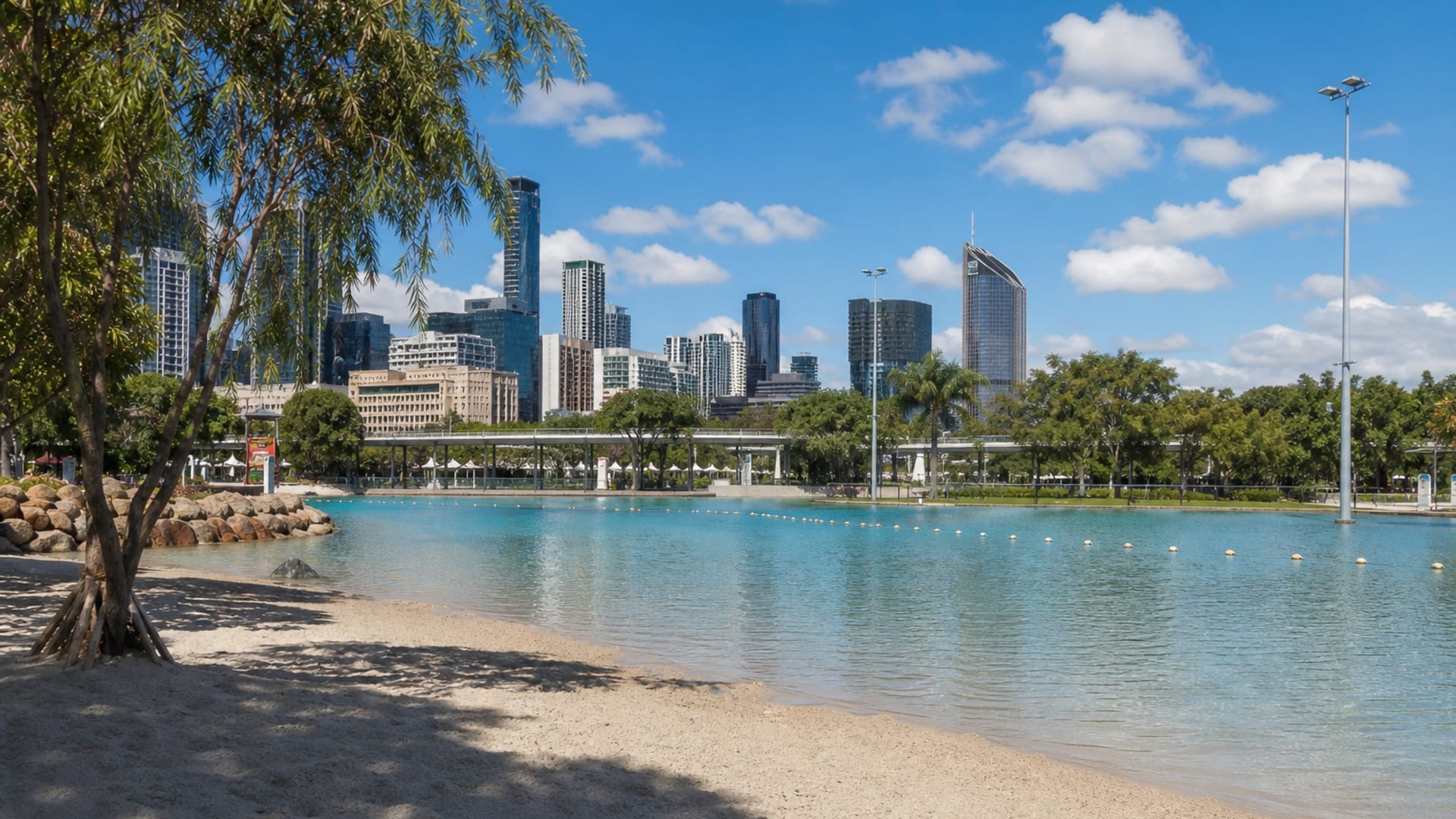
Brisbane’s riverfront precinct combines the Streets Beach lagoon, the Wheel of Brisbane, and shaded promenades with city views. It also links directly to cultural venues and picnic lawns on the south bank of the Brisbane River.
Time needed: About 2 to 4 hours
Entry: Free to access; individual attractions such as the Wheel of Brisbane and events charge separately, with some facilities and hire options priced on site Visit the official site for details.
Tip: Go late afternoon, then stay for sunset over the river and lit-up skyline.
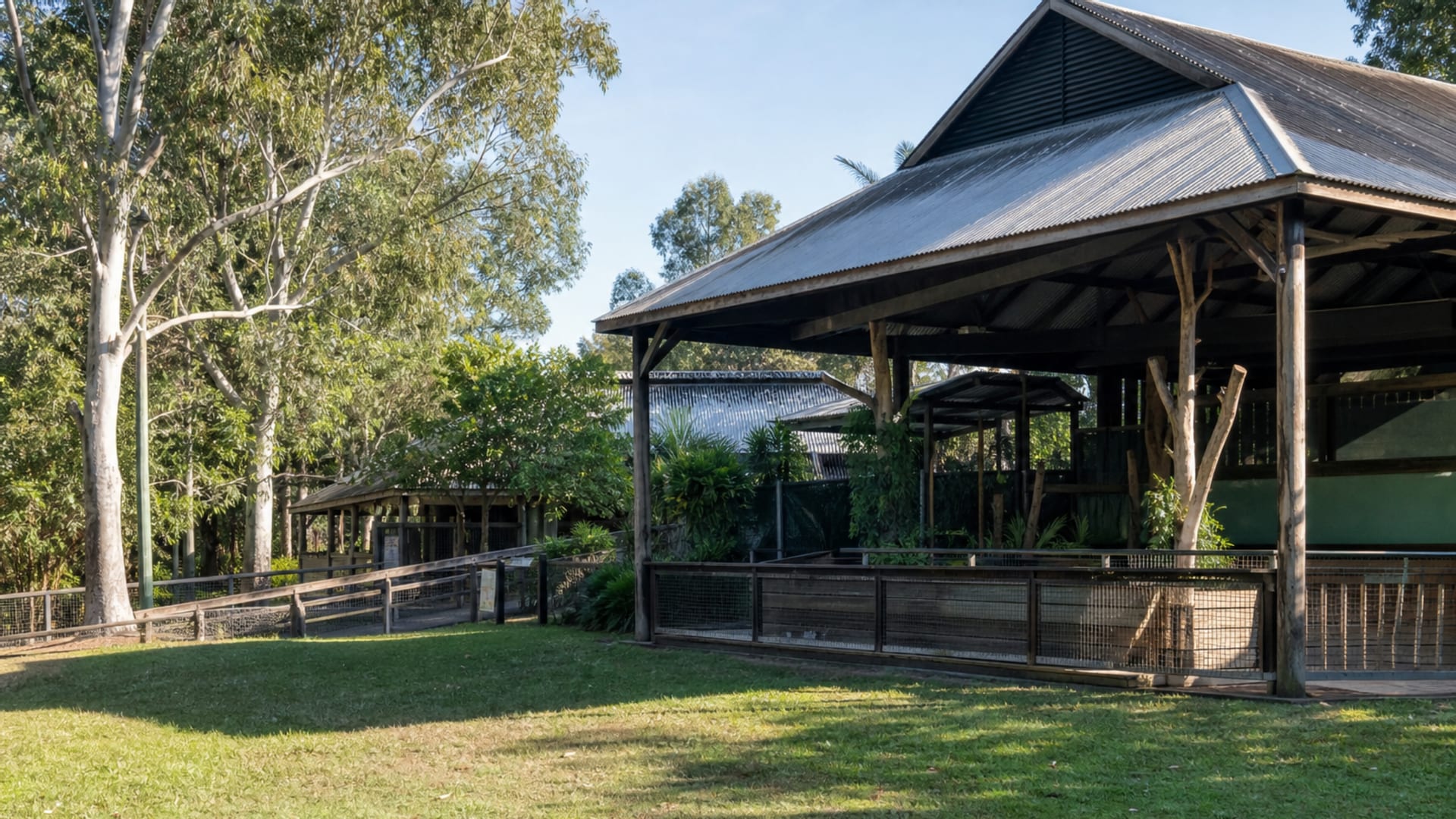
Lone Pine Koala Sanctuary
Lone Pine is the world’s first koala sanctuary, with close encounters, kangaroos, cassowaries, and river access by ferry. It sits on a bend of the Brisbane River, roughly 12 km from the city center.
Time needed: About 3 to 4 hours
Entry: Adult admission costs $49.95 ($49.95), with child, family, and concession rates available; extra encounters and some activities cost more Visit the official site for details.
Tip: Take the city cat ferry if you want a scenic arrival and a simpler return.
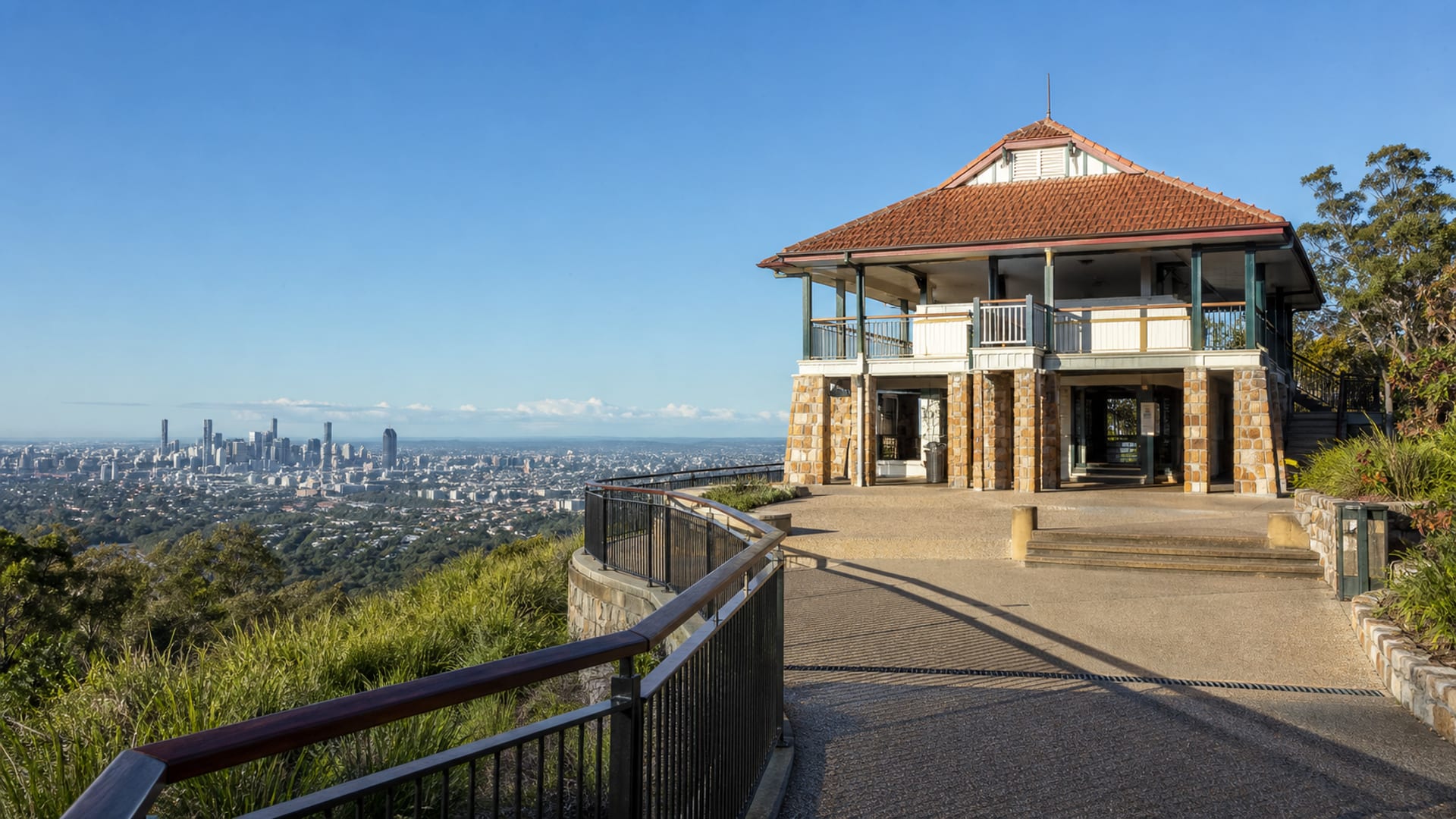
Mount Coot-tha Lookout
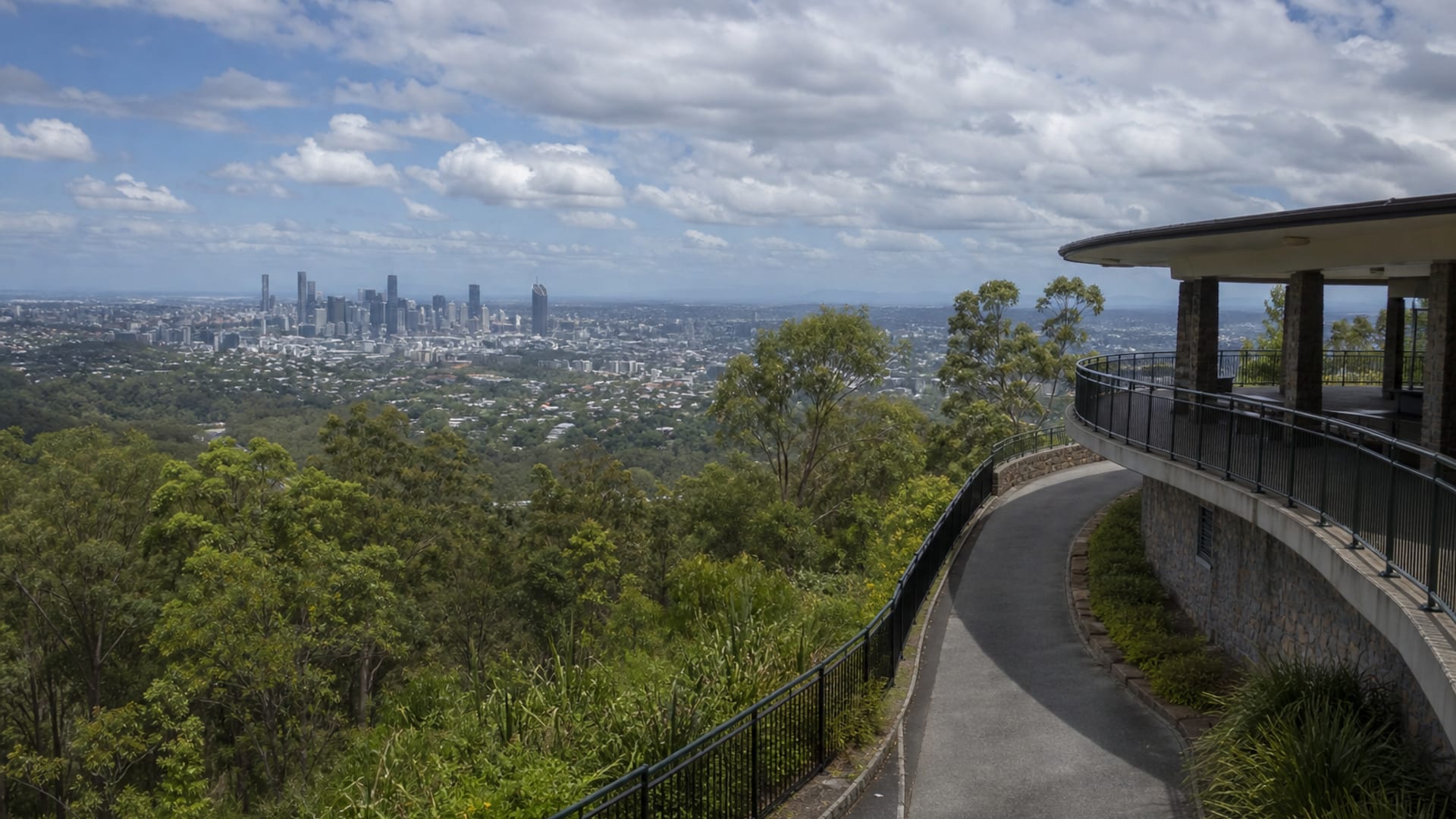
Mount Coot-tha Lookout gives a wide view across Brisbane, Moreton Bay, and the hinterland on clear days. The summit also connects to the Brisbane Botanic Gardens and walking tracks on the mountain slopes.
Time needed: About 1 to 2 hours
Entry: Free to access; nearby parking, the café, and any guided activities have separate charges where offered Visit the official site for details.
Tip: Arrive at dusk for the clearest city lights, then stay until the first glow in the bay.
Overlooked sites worth visiting

Brisbane Botanic Gardens Mt Coot-tha
A quieter draw than the riverfront, this hillside garden spreads across themed plantings, a Japanese garden, and glasshouses. Paths are mostly level, with city views from higher sections.
Time needed: About 1 to 2 hours
Entry: Free to access; the gardens have no admission charge, and the main areas are open daily from early morning to late afternoon. Parking is free in several lots, though spaces near the glasshouse can fill first on weekends Visit the official site for details.
Tip: Go early for cooler paths and softer light.

Old Government House
Inside the Queensland University of Technology campus, this former vice-regal residence offers furnished rooms, portraits, and a compact sense of colonial-era Brisbane. The scale is small, so visits stay focused and unhurried.
Time needed: About 45 minutes to 1 hour
Entry: Admission is usually free, though some special exhibitions or events may carry separate charges. The house has limited opening hours and specific guided tour times, so check the schedule before you go if you want access beyond the ground floor areas Visit the official site for details.
Tip: Check tour times, because room access varies by session.
Traditional food
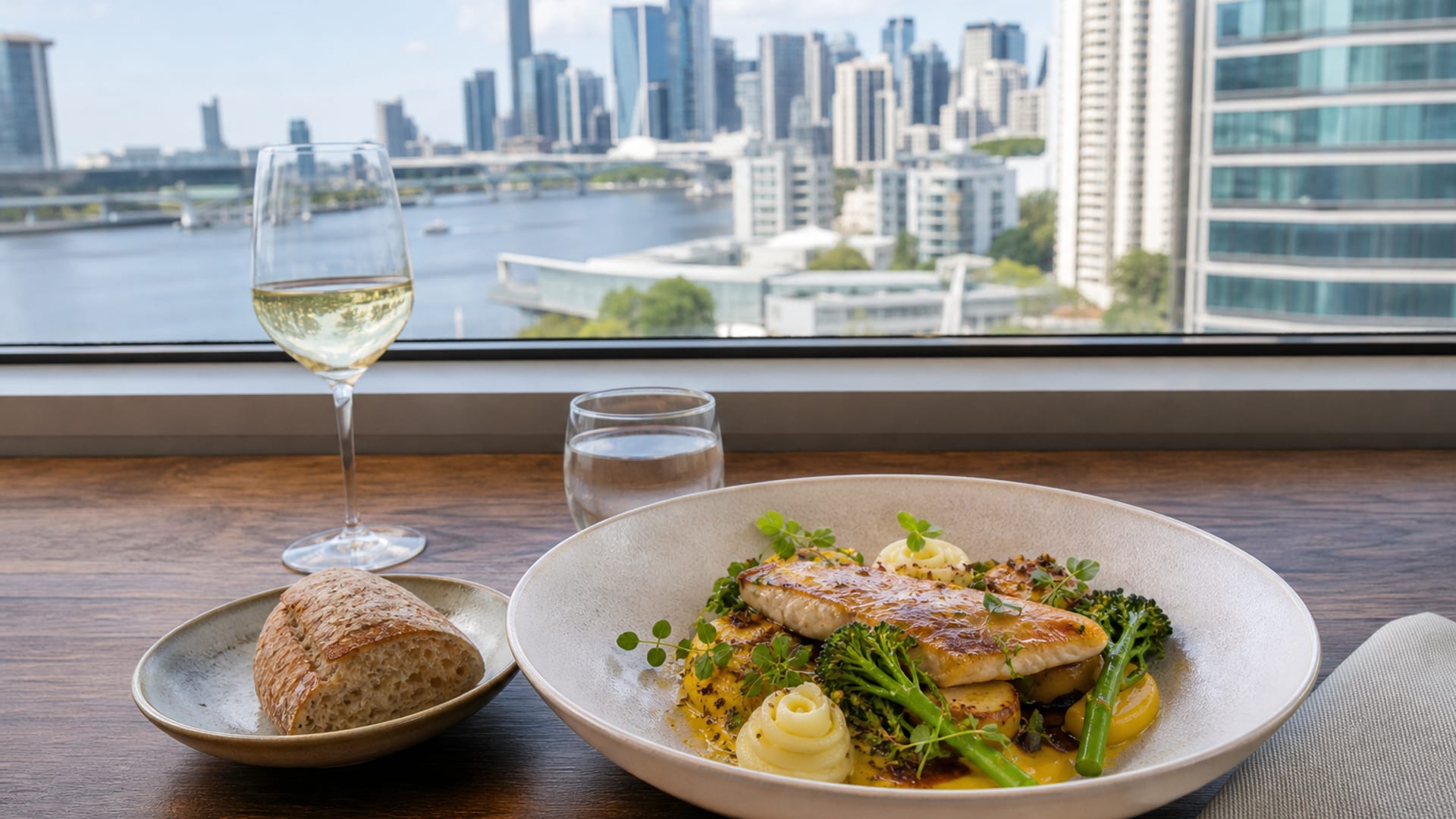
Brisbane’s food scene leans on river prawns, reef fish, tropical produce, and classic Queensland sweets. Expect Moreton Bay bugs, barramundi, and lamingtons on menus that range from polished dining rooms to casual waterfront tables.
Moreton Bay bugs
Sweet, delicate local crustaceans often appear grilled or split with butter and citrus. Customs House Brisbane serves them in a formal riverfront setting that suits a long lunch or an early dinner.
Queensland mud crab
This is one of the state’s signature seafood orders, usually served whole with chili, black bean, or ginger. The Fish House at Burleigh Heads is a noted choice in the wider Brisbane area, with a menu that treats local seafood carefully.
Barramundi
Barramundi shows up across Brisbane menus, typically pan-seared or grilled with seasonal vegetables and bright sauces. See it at Stokehouse Q, where the riverfront location matches the city’s polished dining style.
Lamington
This coconut-coated sponge cake with chocolate icing or jam belongs on any Brisbane dessert list. Flour & Chocolate Patisserie makes a strong version that works well with coffee or an afternoon stop.
Best time to visit Brisbane
Brisbane runs warm for much of the year, but summer humidity, winter dryness, and spring and autumn shoulder seasons change the pace of outdoor plans and riverfront time.
Best for: River views, evening dining, and early starts before the heat rises
What you get: About 76 to 88°F (24 to 31°C), with humid days and larger holiday crowds in key areas
Trade-offs: Afternoon heat and sudden storms can shorten outdoor visits
Best for: Sightseeing, ferries, and long walks through South Bank and the CBD
What you get: About 63 to 83°F (17 to 28°C), with comfortable weather and moderate visitor numbers
Trade-offs: Popular weekends can still fill riverfront dining spots
Best for: Clear lookout days, garden visits, and relaxed city exploring
What you get: About 52 to 73°F (11 to 23°C), with drier air and lighter crowds than summer
Trade-offs: Early mornings can feel cool near the river
Best for: Parkland walks, outdoor cafés, and neighborhood time in New Farm and South Brisbane
What you get: About 60 to 84°F (16 to 29°C), with bright days and steadily rising visitor numbers
Trade-offs: Warm spells arrive early, so midday walks can feel hot
A realistic 5-day plan in Brisbane
The five-day plan starts at the river, then widens into wildlife, heritage rooms, gardens, and neighborhood meals. It keeps the city side of Brisbane separate from the hills and the ferry network, so each day has a clear purpose.
Land at Brisbane (BNE), then take a taxi or rideshare into Brisbane City or South Brisbane in about 20 to 30 minutes, usually for roughly $35 to $55, depending on traffic and the exact hotel address. If you arrive by Airtrain, expect about 20 minutes to the CBD plus a short walk or transfer, which often brings the total closer to $20 to $25 before any onward ride. Stay near Queen Street Mall or the South Bank side of the river so dinner stays simple, drink plenty of water after the flight, and head for an early meal at one of the riverfront dining strips before an unhurried night.
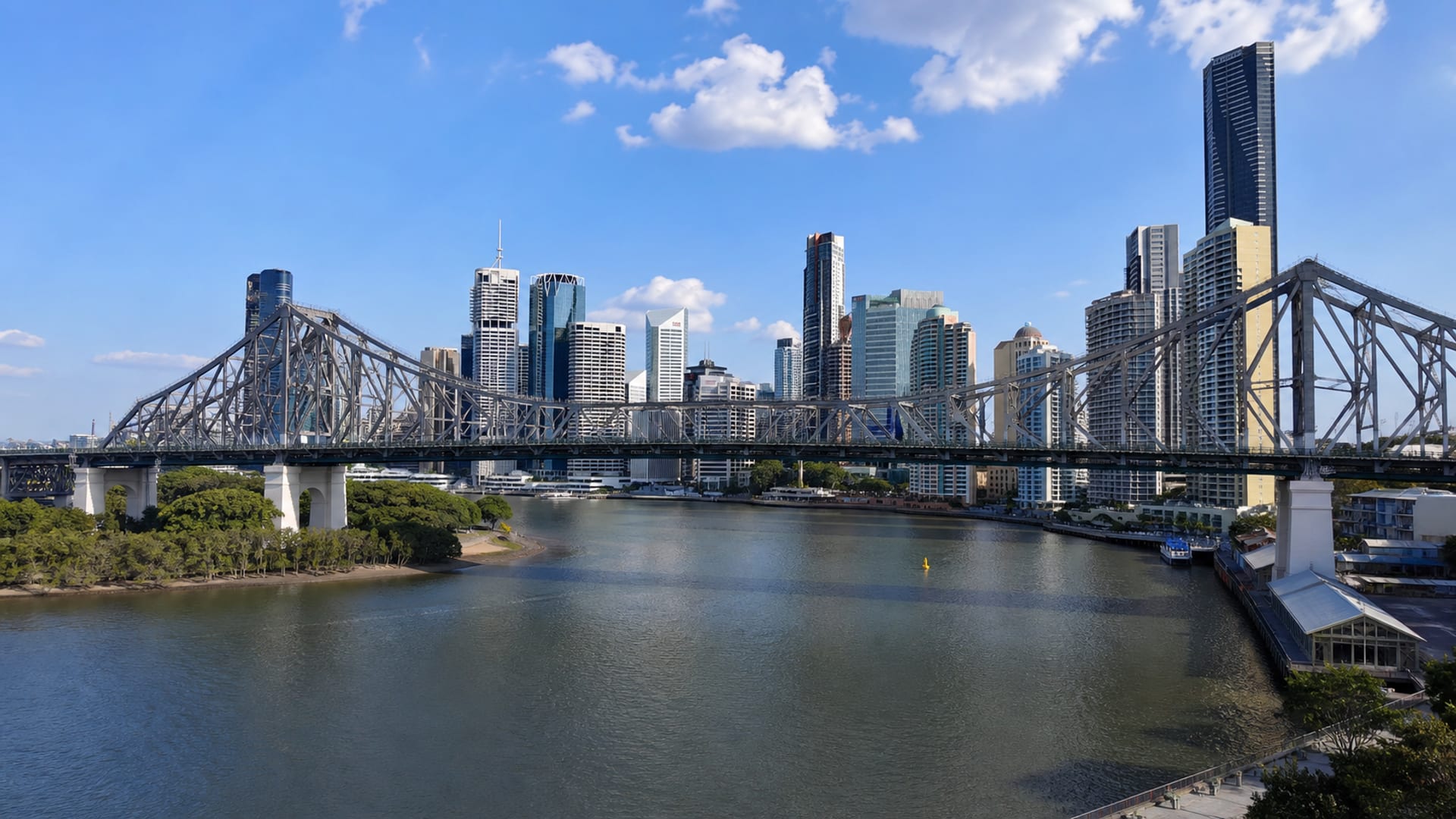
Start at South Bank Parklands, where you can spend about 2 to 4 hours between the Streets Beach lagoon, the promenade, and river views, then walk 5 to 10 minutes to the Cultural Centre area for a museum stop or café break. In the late afternoon, move across to Brisbane City in about 10 minutes on foot or a short ferry ride, then finish with a slow loop through Queen Street Mall and the riverfront as the skyline lights come on. If you want a photogenic final view, linger by the Wheel of Brisbane and the South Bank lawns near sunset.
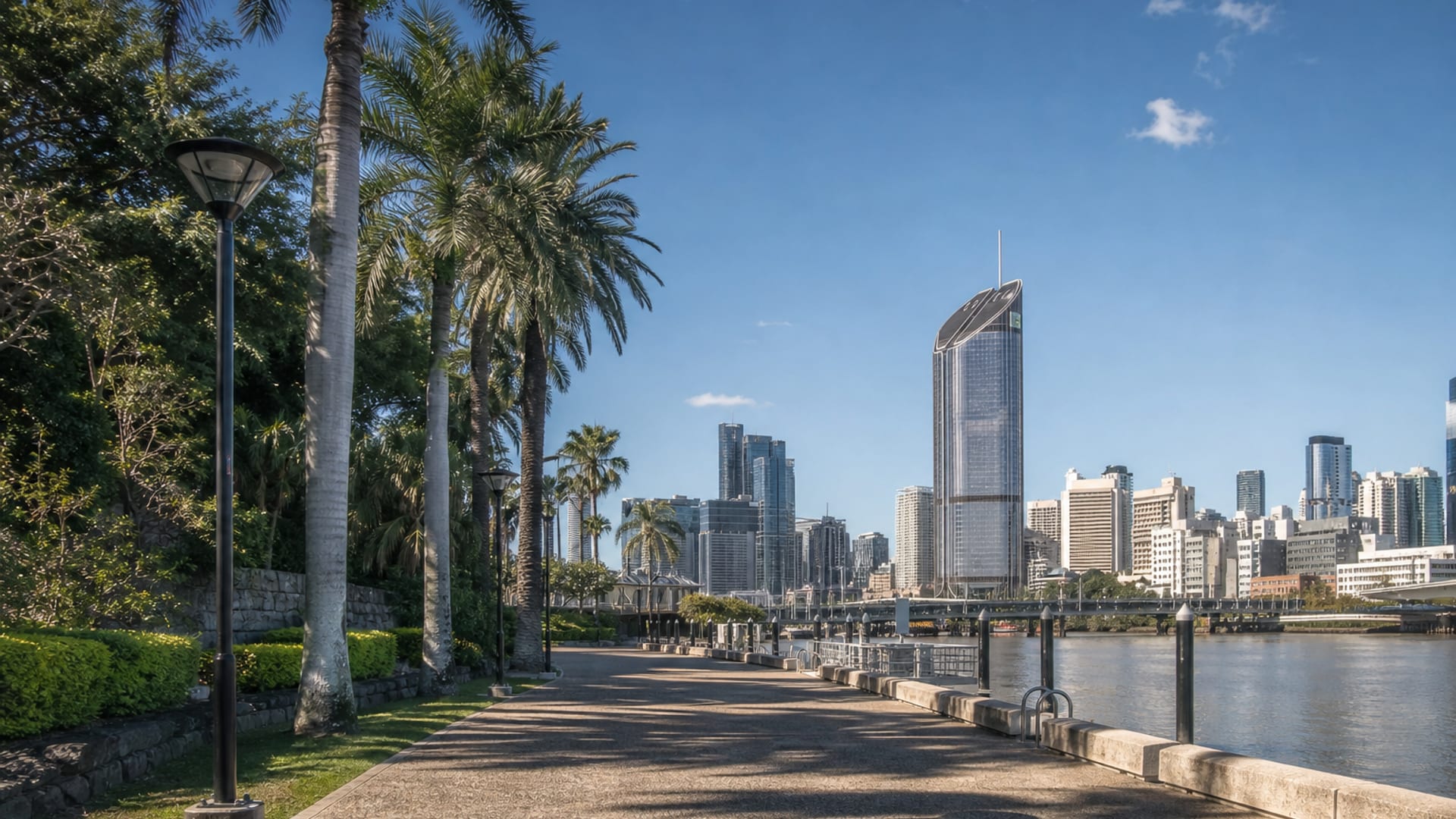
A ferry ride sets up this day well: reach Lone Pine Koala Sanctuary by CityCat or river ferry, and expect roughly 3 to 4 hours on site, with the journey adding a scenic stretch along the Brisbane River. Return to the city and continue to Old Government House on the Queensland University of Technology campus, which takes about 20 to 30 minutes total from the river landing by transit and foot, then allow about 45 minutes to 1 hour for the rooms and exhibits. Finish in Brisbane City for a quiet dinner, or continue to South Brisbane if you want an easy evening walk back to your hotel.
Begin early at the Brisbane Botanic Gardens Mt Coot-tha, where the themed plantings, Japanese garden, and glasshouses reward about 1 to 2 hours before the heat builds. From there, go up to Mount Coot-tha Lookout in about 5 to 10 minutes by car or taxi for the wide city view, then return to town and spend the afternoon in Fortitude Valley for Chinatown Mall, James Street, and an easy dinner near the rail station. This pairing keeps the day varied without long transfers, and the lookout gives you the clearest sense of how the river and inner suburbs fit together.
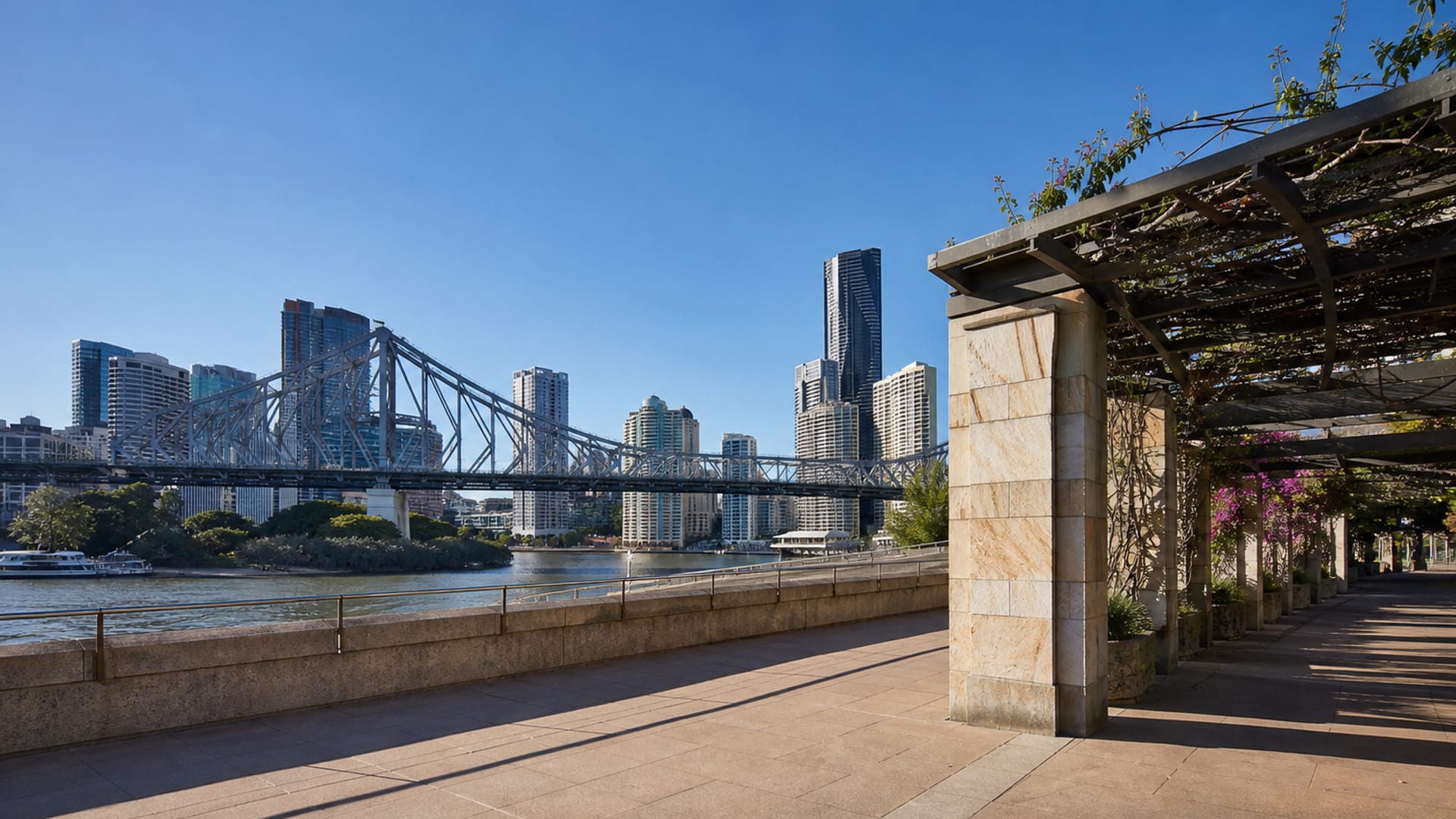
For the last day, stay close to the center and let the pace settle: start with a final museum visit at Old Government House if you did not see it earlier, then spend your shopping time on Queen Street Mall in Brisbane City, where you can fit in a few final purchases without leaving the CBD. If you want one more café stop before heading out, New Farm works well for a slow coffee near the river, and the ferry ride back into town adds a last look at the waterfront. Plan your airport transfer from the city with the same 20 to 30 minute window you used on arrival, then head to Brisbane (BNE) with time to spare.
Business-class flights from the US to Brisbane
Long-haul flights to Brisbane usually involve one stop, and the best itinerary depends on whether you are leaving from the East Coast or the West Coast. The examples below focus on business-class pricing and the most common hub patterns.
From New York (JFK), Qantas Airways, American Airlines, United Airlines, Air Canada, Cathay Pacific, and Singapore Airlines serve the route, with nonstop flying time listed at about 20 to 21 hours. Typical fares start at $6,500 and can reach $12,000.
Los Angeles (LAX) itineraries usually cost $5,000 to $9,500 on business round-trips. If you accept a layover, the common paths via SFO, HNL, NRT, HKG, or AKL take about 16 to 24 hours and can lower the fare.
Brisbane feels different when you slow down
A deliberate Brisbane trip gives each district a clear job, South Bank for the riverfront, Brisbane City for museums and shopping, Fortitude Valley for dinner, and Mount Coot-tha for the view that ties it together. Ferries, rail, and short taxi rides do the heavy lifting between those points. If you want help shaping your stay around South Brisbane or New Farm, the AranGrant experts can help you narrow the options







