

Chapters:

Need help with your trip?
Our support team is available 24/7. Request a callback or call us directly at (833) 619-0908
Nashville trips often open with Broadway, a music museum, and a late dinner, then stop there. Travelers who stay only in that loop miss how much the city spreads outward into gardens, galleries, and neighborhood dining streets.
That narrow approach can waste time. Downtown gets crowded fast, cross-town trips take longer than maps suggest, and some of the best stops sit apart from one another, which makes a rushed schedule hard to manage.
This guide sets out the city in a cleaner order, with where to stay, how to move, what to eat, and a five-day plan that links the core sights with the quieter stops.
Useful things to know

Main language(s): English

Currency: The local currency is the US dollar (USD, $).

Cash and cards: Cards and contactless are widely accepted; carry about $20 to $40 in cash for tips and small purchases.

Tipping: Tip 15 to 20 percent at restaurants; round up small fares and drinks.

Traditional food: hot chicken, meat and three, banana pudding, pulled pork barbecue

Water and coffee costs: Water about $2 to $4, bar espresso about $3 to $5.

Taxis and ride apps: Uber and Lyft operate here; check pickup zones at Nashville (BNA) if you are at the airport.

Plug and voltage: Type A/B socket, 120V

Dining and shop opening hours: Breakfast is about 07:00-10:00, lunch 11:30-14:00, and dinner 17:00-21:00. Many restaurants close between lunch and dinner, and some kitchens stop ordering by 21:00.

Emergency number: Dial 911 for police, fire, and medical emergencies.
Where to stay in Nashville
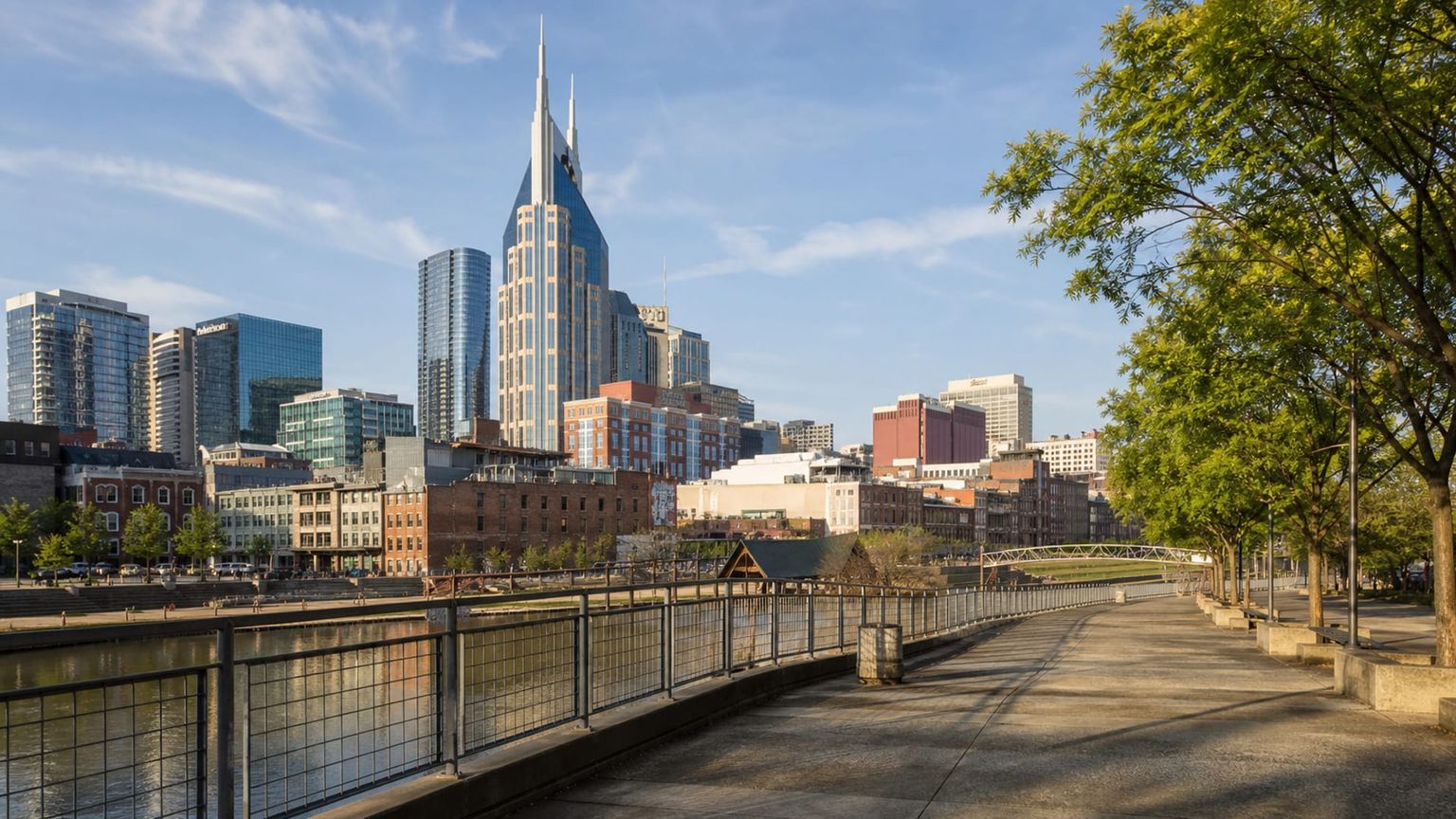
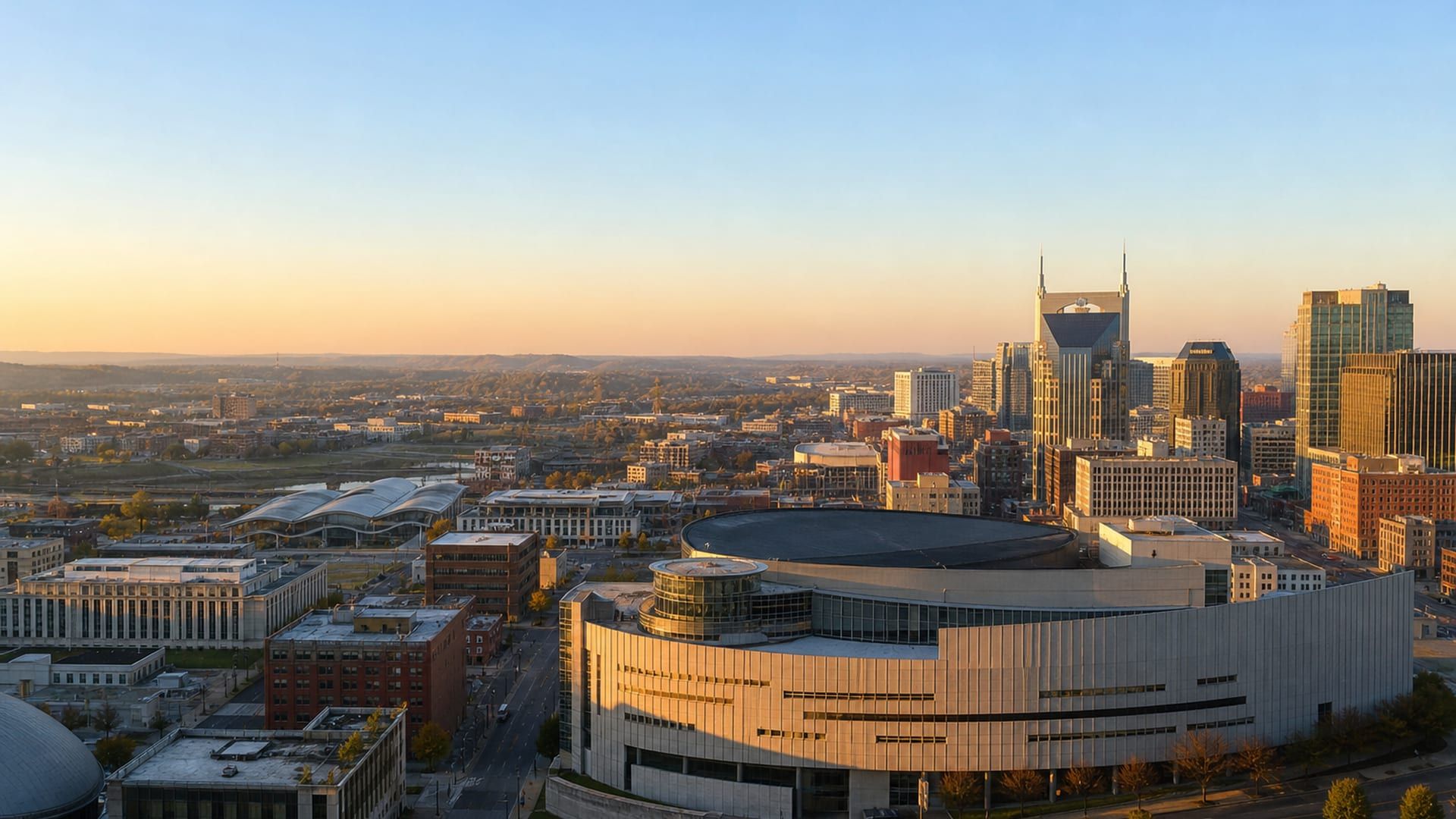
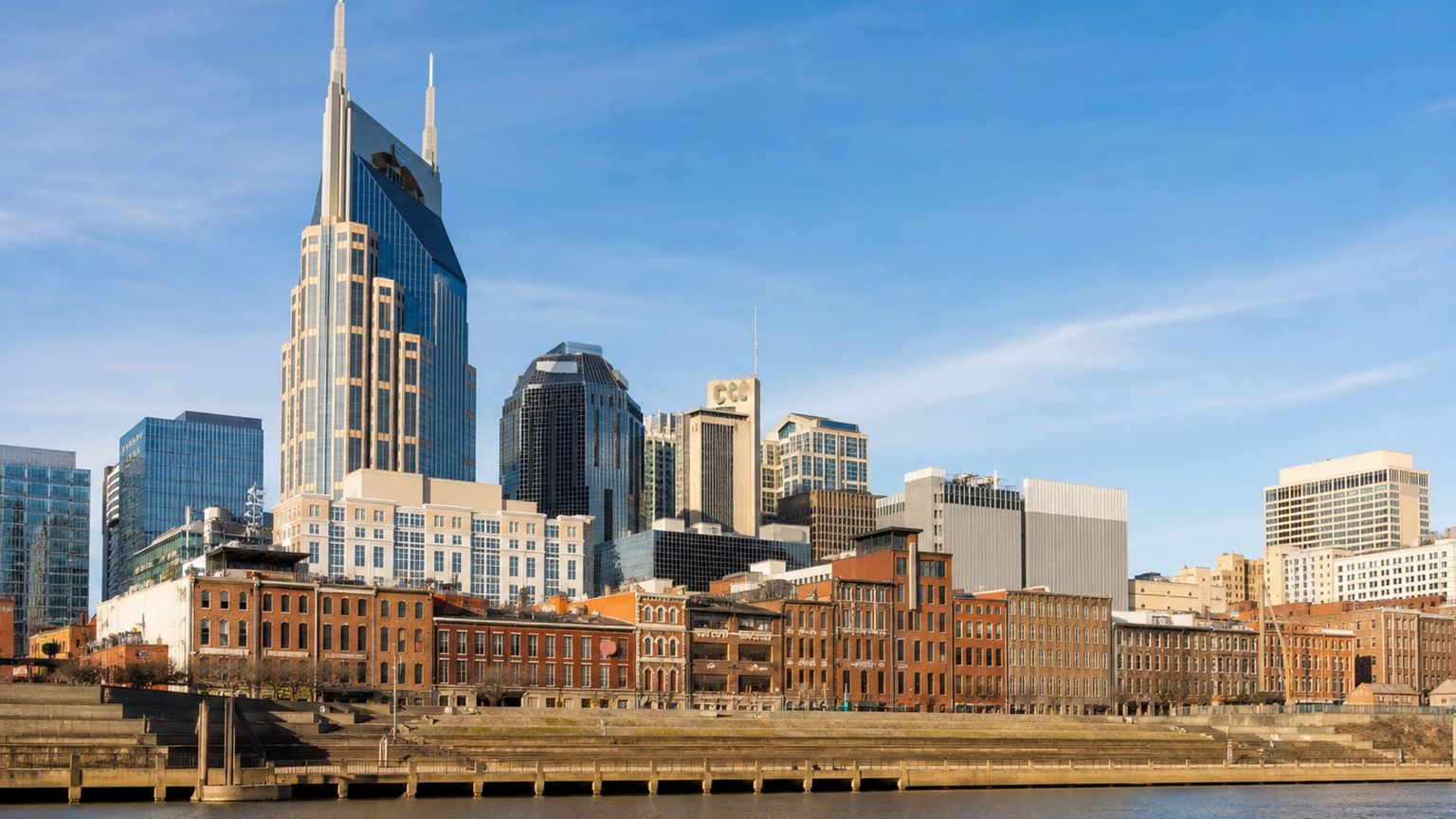
Nashville’s core hotel district sits beside Lower Broadway, the riverfront, and the main convention and entertainment blocks. It works well when you want the shortest walk to major sights, live music, and late dinners.
Best for: First-time visits, nightlife, convention access, and car-free sightseeing
What to expect: Busy sidewalks, steady traffic, and late-night crowds near Broadway and the arena.
Hotel prices: Usually about $220 to $420 per night for well-rated stays
Distance to major sights: 0 to 10 minutes on foot to Lower Broadway; about 10 minutes on foot to the Country Music Hall of Fame
Quietness: Lively day and night, with the noisiest blocks closest to Broadway staying active late.
Main trade-off: Hotel rates run higher than in farther-out districts, and some streets pick up music and traffic noise until after midnight.
Good to know: If you are sensitive to noise, ask for a room facing away from Broadway or the main entertainment streets.
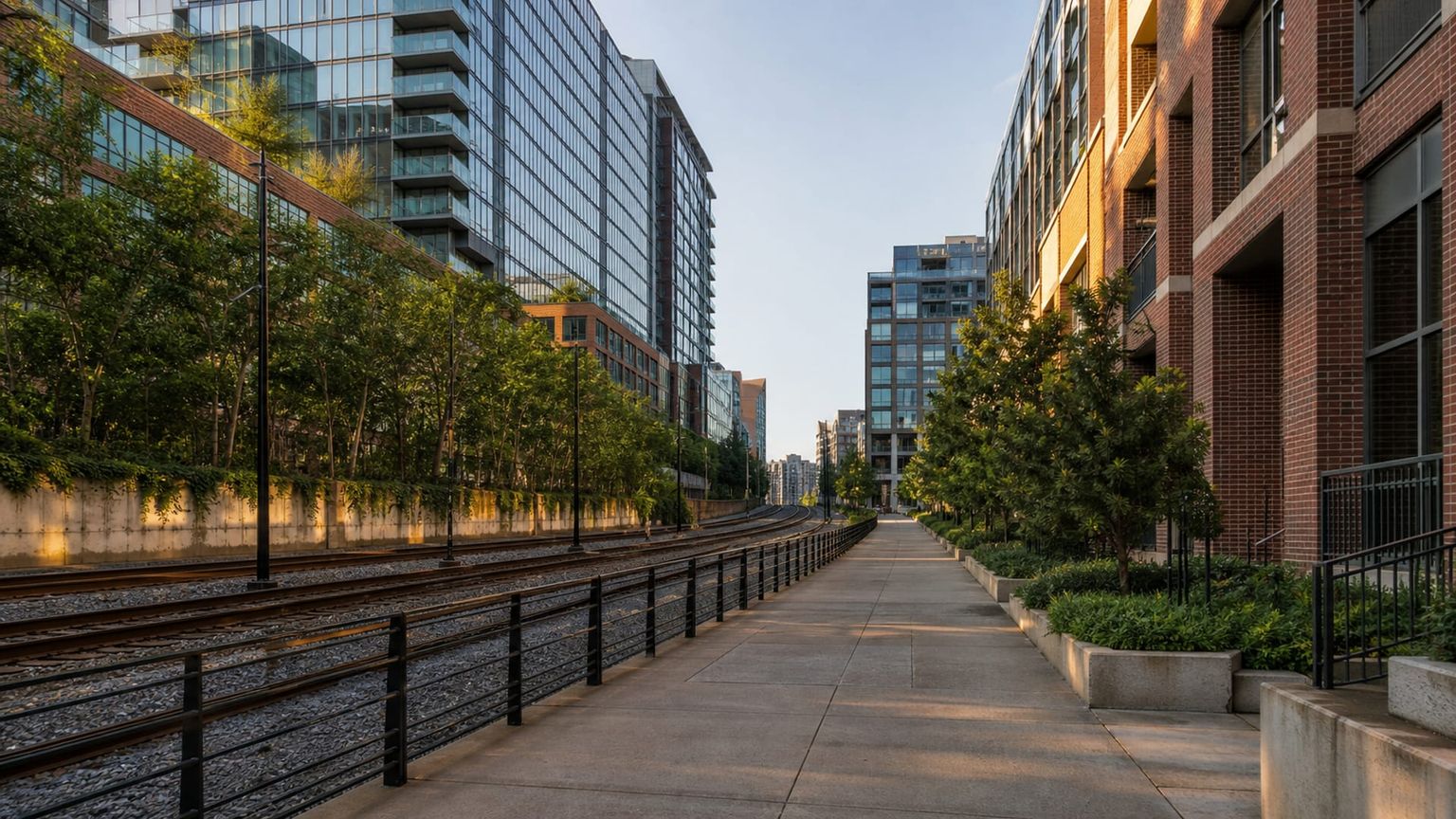
The Gulch is a dense, modern district south of downtown with hotels, restaurants, and easy access to the city center. It matters for travelers who want a stylish base within walking distance of downtown without staying in the thick of Broadway.
Best for: Dining, midrange to upscale stays, and access to downtown on foot
What to expect: Busy at dinner and on weekends, with newer apartment towers, bars, and restaurant patios.
Hotel prices: Usually about $200 to $390 per night for well-rated stays
Distance to major sights: About 15 minutes on foot to Lower Broadway; about 20 minutes on foot to the Country Music Hall of Fame
Quietness: Quieter than Downtown during the day, then livelier around dinner and late evening.
Main trade-off: You will pay for the location, and the nightlife spillover can bring more street noise than you might expect on weekend nights.
Good to know: Check hotel parking fees before booking, because they can add a meaningful amount to the nightly total.
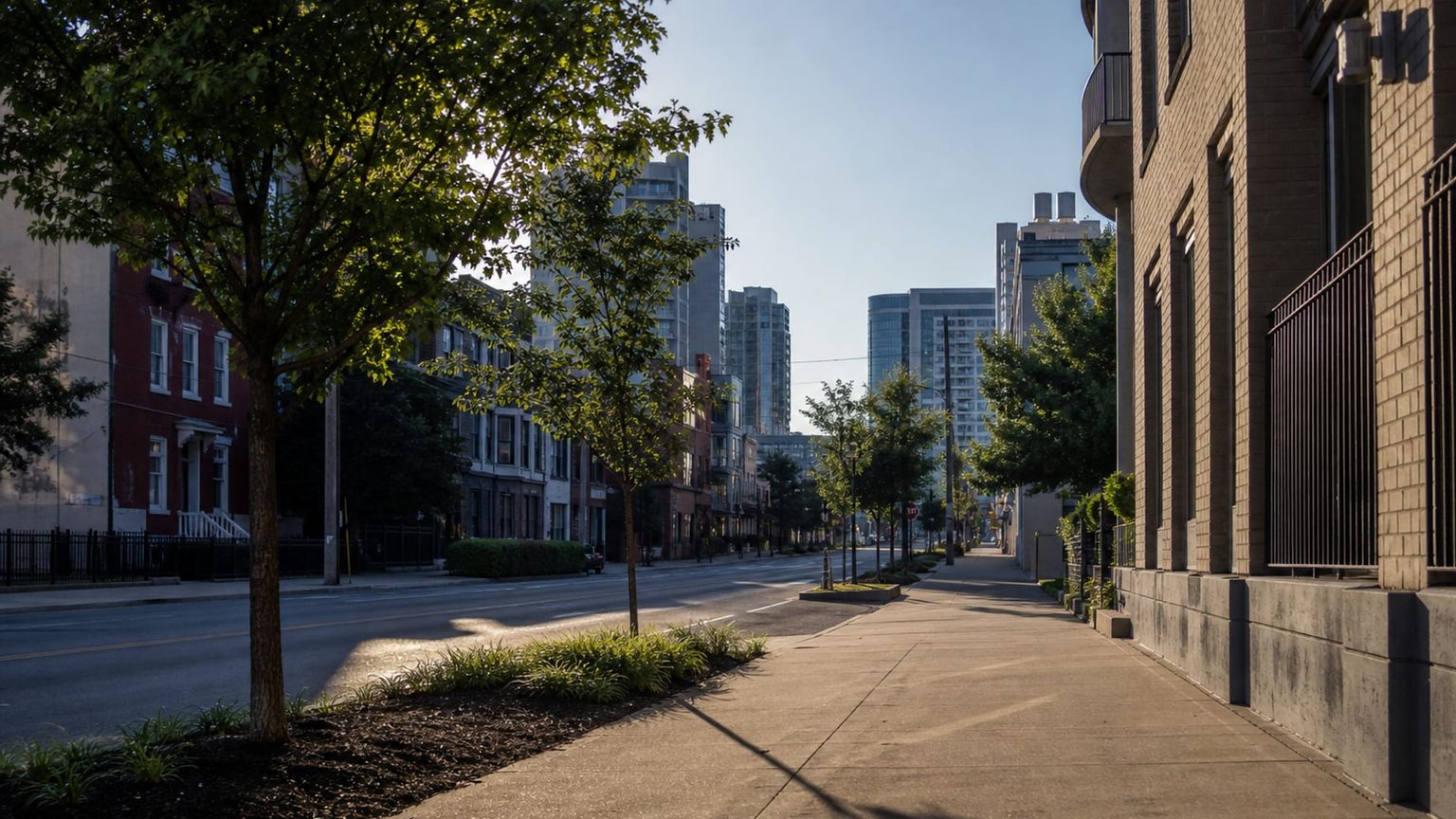
Midtown sits just west of downtown near Vanderbilt University, with bars, restaurants, and a strong cluster of hotels. It works well if you want easy rides into the center and a busier neighborhood scene outside the tourist core.
Best for: Restaurants, nightlife, Vanderbilt visits, and travelers using rideshares
What to expect: Busy evenings, student traffic, and a mix of casual bars, music spots, and neighborhood diners.
Hotel prices: Usually about $170 to $330 per night for well-rated stays
Distance to major sights: About 10 to 15 minutes by car to Lower Broadway; about 15 minutes by car to the Country Music Hall of Fame
Quietness: Calmer in the morning and afternoon, then noticeably busier at night near the main dining and bar streets.
Main trade-off: You save a bit versus the most central hotel blocks, but you will rely more on rideshares or longer walks for the main attractions.
Good to know: If you plan late dinners, confirm return transport in advance because walkable routes back to some hotels are long after dark.
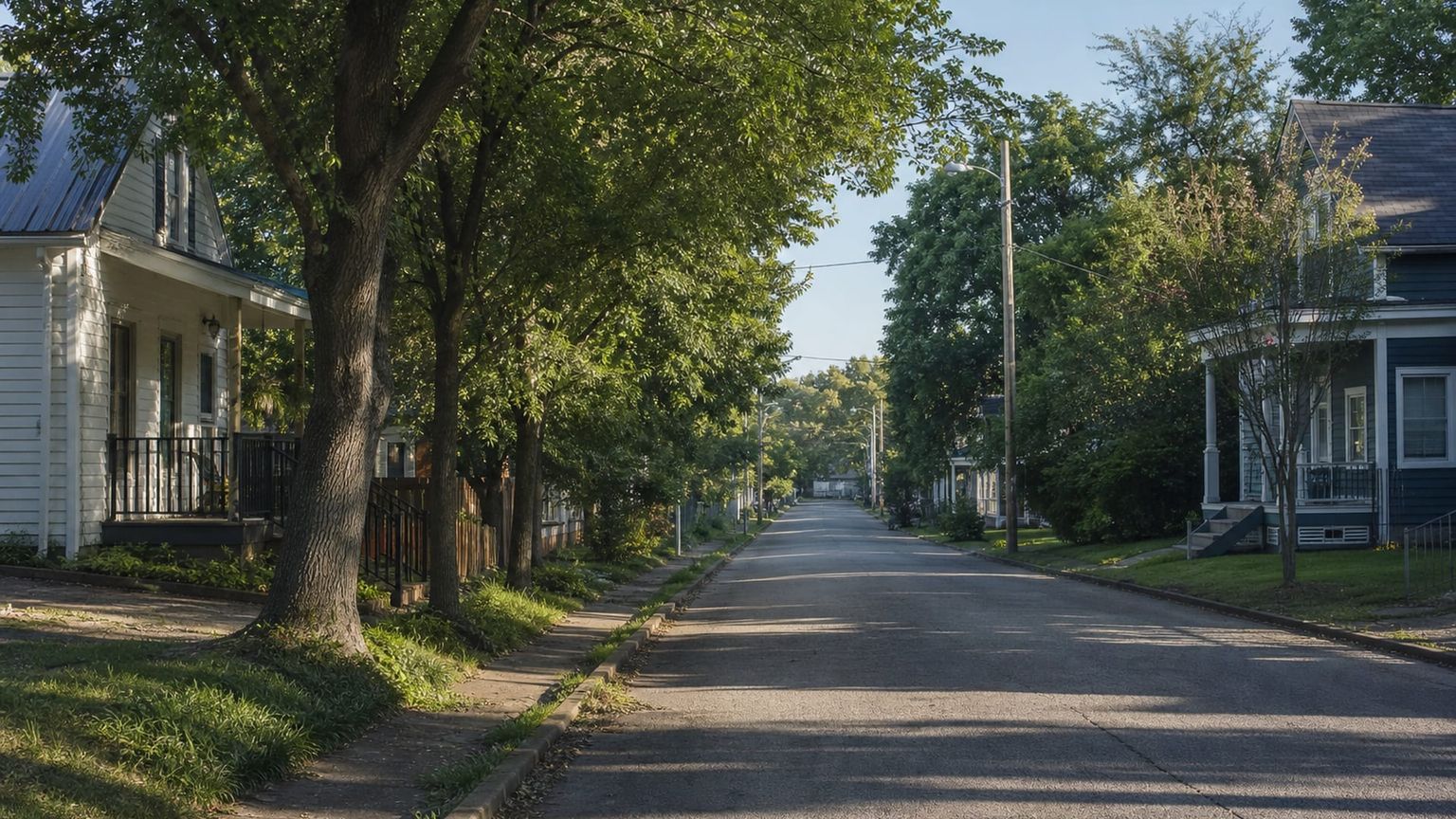
East Nashville is a residential and dining-heavy area across the river from downtown, known for independent restaurants, music venues, and local coffee spots. It suits visitors who want a neighborhood feel and do not mind using rides or a longer walk into the center.
Best for: Food-focused trips, repeat visits, and travelers who prefer a neighborhood base
What to expect: Lively around restaurant clusters, then quieter on side streets with more local than tourist foot traffic.
Hotel prices: Usually about $150 to $280 per night for well-rated stays
Distance to major sights: About 10 to 15 minutes by car to Lower Broadway; about 15 to 20 minutes by car to the Country Music Hall of Fame
Quietness: Generally quieter than downtown, with activity concentrated around dining streets and weekend nightlife pockets.
Main trade-off: You give up walkability to the main attractions, and late-night returns usually mean a car or rideshare.
Good to know: Choose a stay near a main commercial strip if you want more dining within walking distance, because some blocks are residential and sparse at night.
Travelers usually avoid staying in Antioch, Bordeaux, Madison, and parts of East Nashville far from Five Points, since they sit farther from downtown, Broadway, and major museums, and evening rides can take longer. The airport area near Nashville (BNA) is also less convenient for a sightseeing base because it has fewer visitor-oriented amenities and puts you off the main tourist corridor.
Hotel deals
How to get around Nashville efficiently
Nashville has no metro, so most visitors mix walking with buses, taxis, and rideshares, with WeGo buses covering a few useful corridors and road travel doing the rest.

Metro
for longer distances
Nashville has no metro or subway, so visitors rely on buses and taxis rather than rail for local trips.

Bus and tram
for convenience
WeGo Public Transit runs Nashville’s buses, including Route 18 to downtown and Route 8 along West End, with most daytime rides every 30 to 60 minutes. A single fare is $1.70 ($1.70), and a 2-hour pass costs $4 ($4). Expect about 20 to 35 minutes from downtown to many central neighborhoods, longer after 7:00 pm when service thins out.

Taxi
for convenience or late hours
Licensed taxis line up at Nashville (BNA) and downtown hotels, and city cabs use metered fares rather than fixed airport set prices. A downtown airport ride usually costs about $25 to $35 before tip, with shorter central trips often landing near $10 to $20; most taxis take cards, though it is wise to confirm before departure.
*Prices are based on rates updated as of June 2026 and may change at the time of travel.
Walk downtown when sights sit close together, use WeGo for budget cross-town trips, and rely on taxis or rideshares when you need to move between districts after dark or between farther-flung stops.
Iconic landmarks
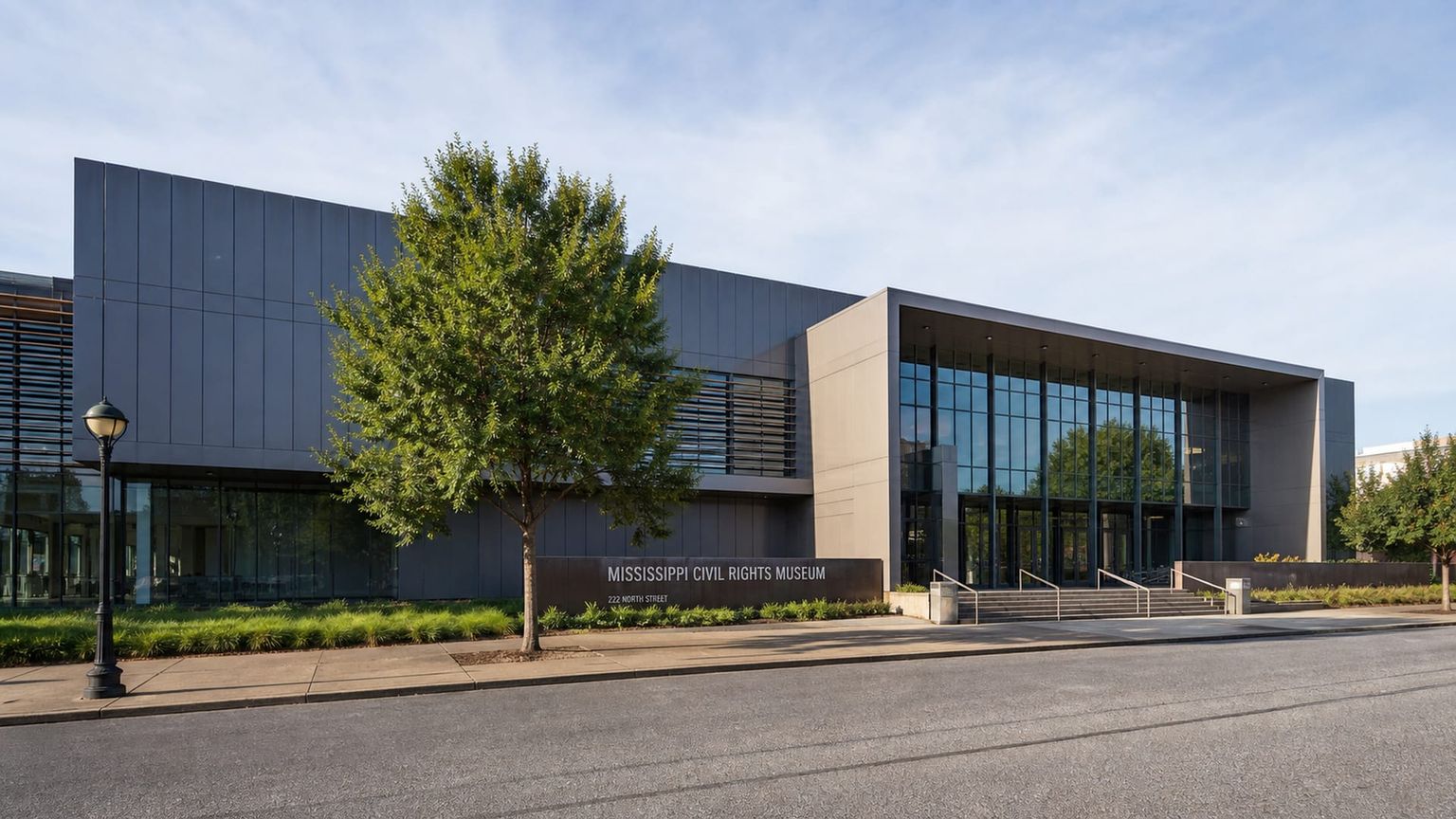
Country Music Hall of Fame and Museum
Downtown Nashville’s core museum for country music history pairs instruments, stage costumes, recordings, and rotating exhibits. The building sits beside the music district, so you can combine a museum visit with nearby Honky Tonk Highway.
Time needed: About 2 to 3 hours
Entry: Standard admission costs $27.95 ($27.95) for adults, $16.95 ($16.95) for ages 5 to 12, and free for children under 5. Visit the official site for details.
Tip: Arrive early in the day, then continue on foot to nearby music landmarks after lunch.
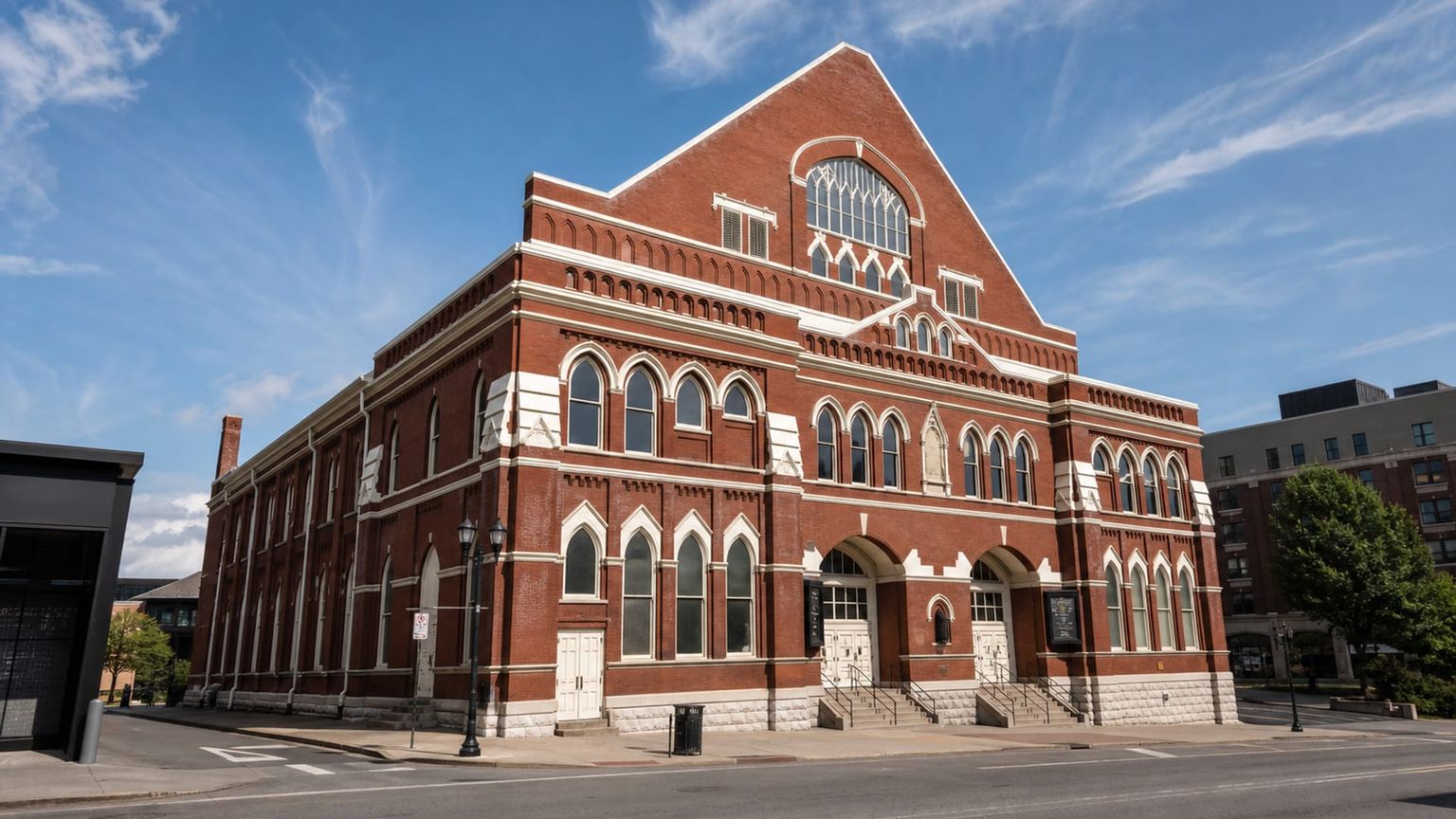
Ryman Auditorium
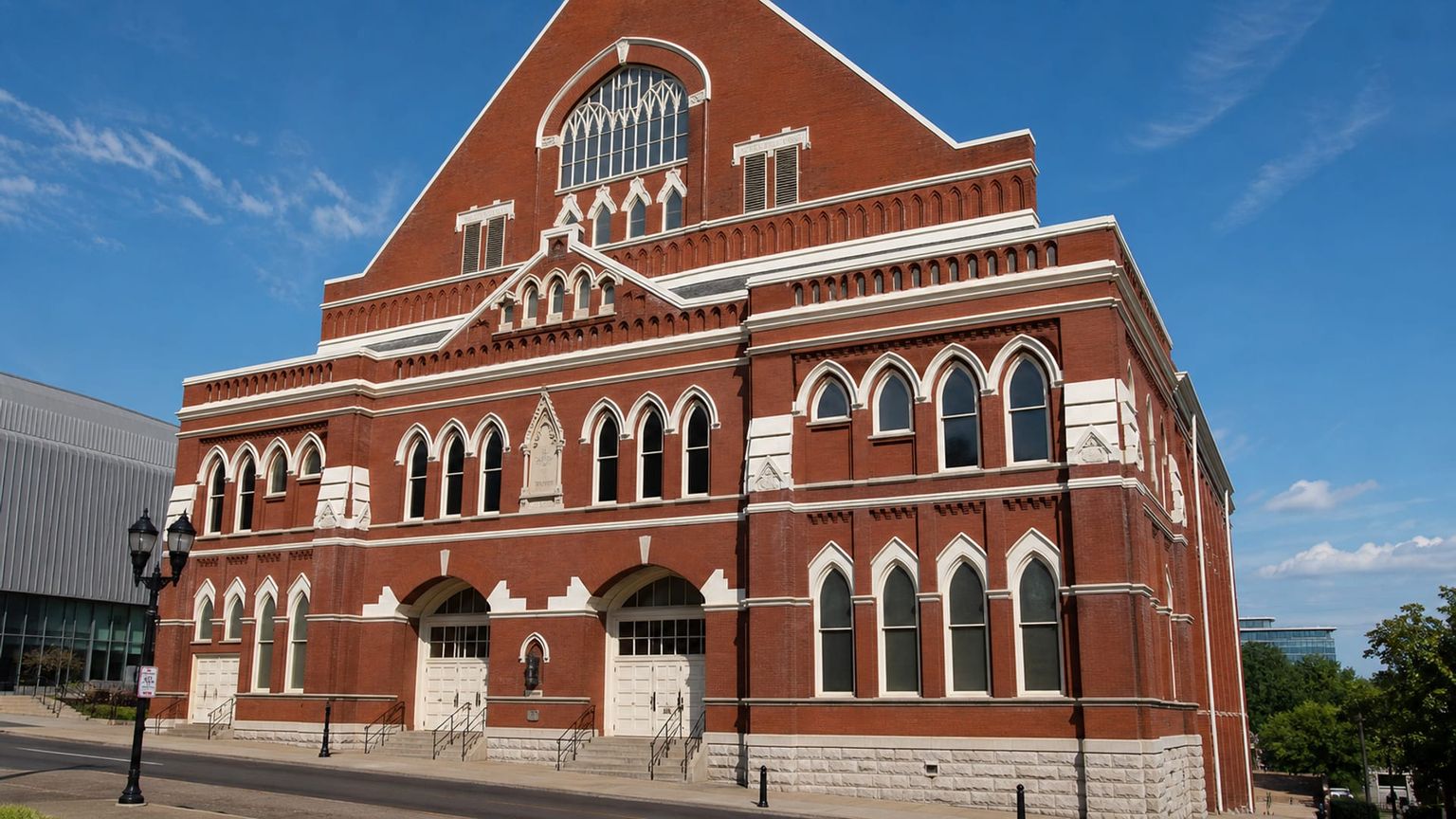
Once home to the Grand Ole Opry, this restored 19th-century hall is one of Nashville’s defining music venues. Guided tours cover backstage spaces, stage history, and the building’s role in country and popular music.
Time needed: About 1 to 2 hours
Entry: Tour tickets cost $26.95 ($26.95) for adults, $22.95 ($22.95) for seniors and students, and $18.95 ($18.95) for children ages 4 to 11. Visit the official site for details.
Tip: Choose a daytime tour if you want quieter galleries and better photos of the interior.
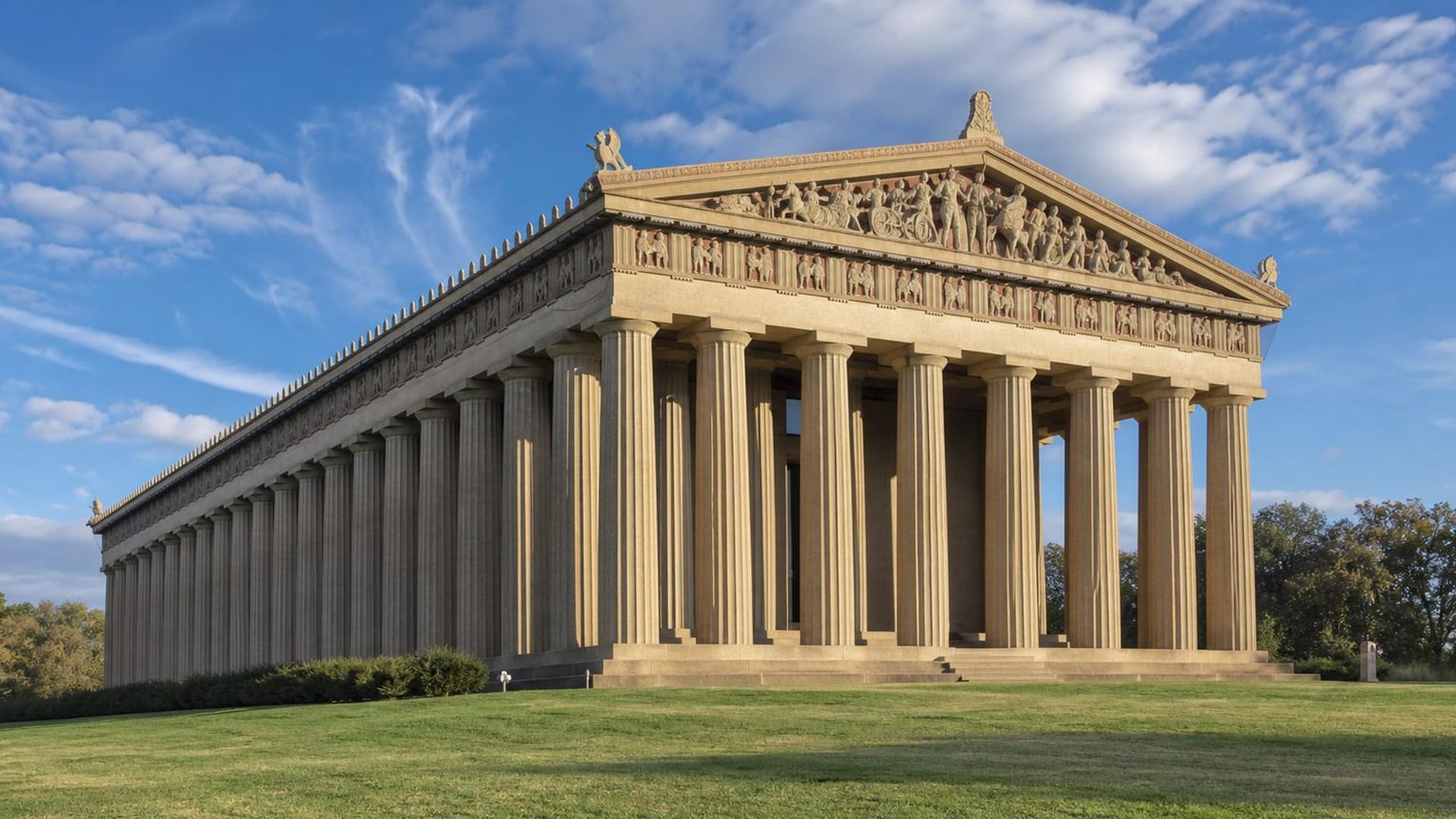
The Parthenon
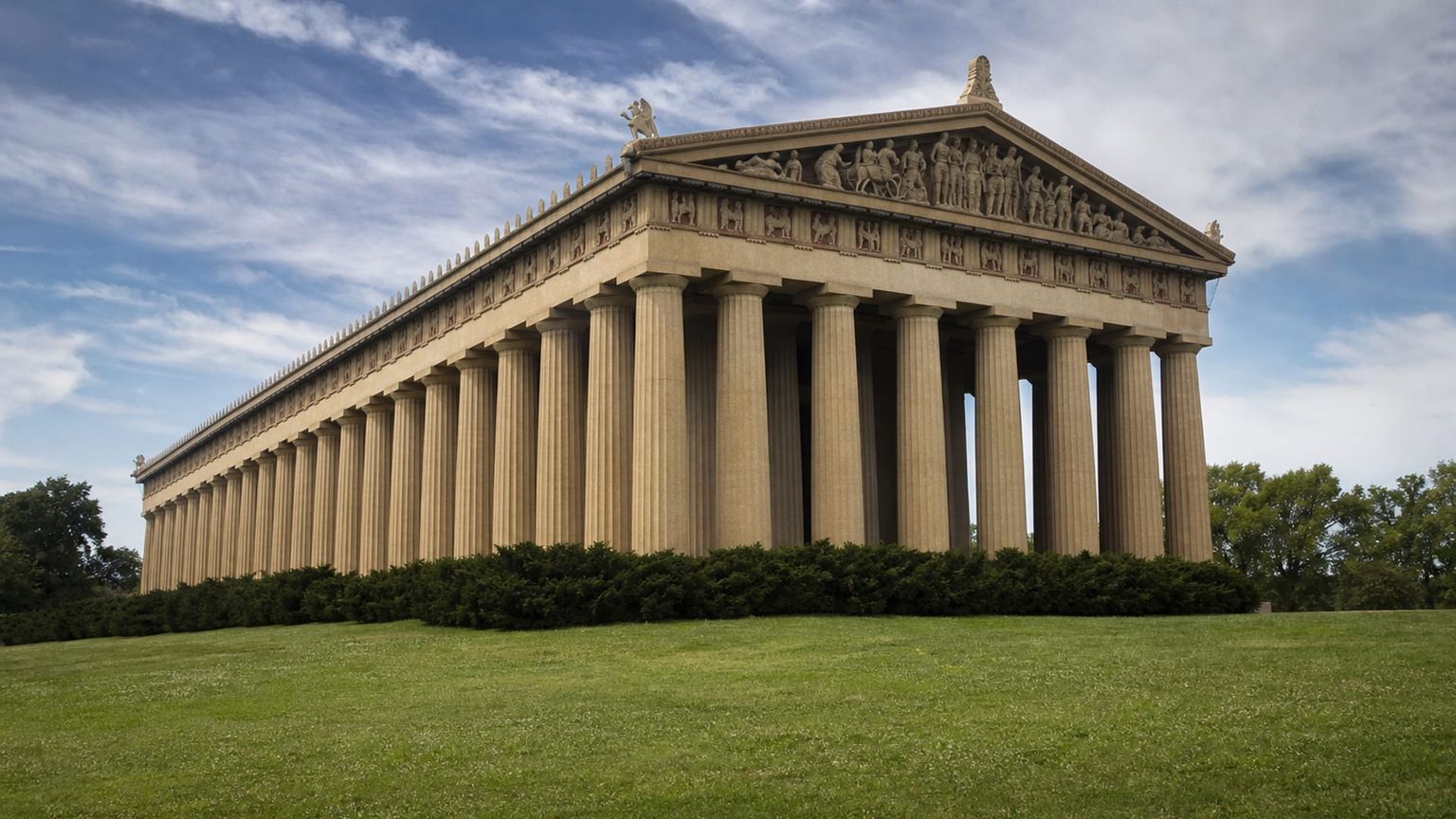
Built in Centennial Park, this full-scale replica of the Athenian Parthenon anchors one of Nashville’s best-known public spaces. Inside, you will find a large Athena statue and museum galleries focused on the city’s art scene.
Time needed: About 1 to 2 hours
Entry: Park grounds are free to access; museum admission costs $10 ($10) for adults, $8 ($8) for seniors, and $6 ($6) for children. Visit the official site for details.
Tip: Go near sunset for softer light on the exterior, then walk the park paths afterward.
Overlooked sites worth visiting

Cheekwood Estate and Gardens
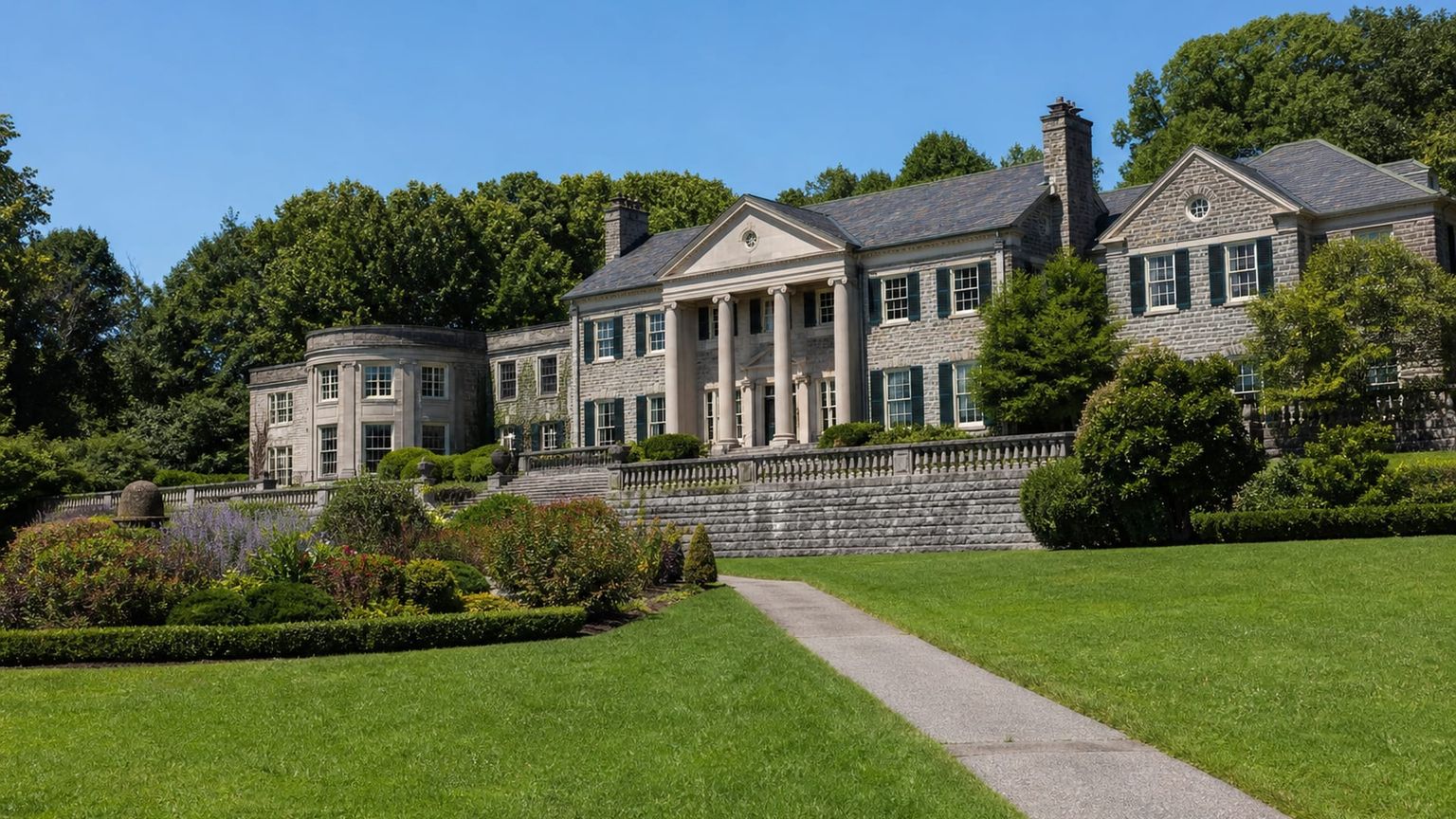
This 55-acre estate pairs formal gardens, woodland trails, and an art museum in a former mansion. Seasonal plantings, sculpture, and a network of paths make it calm for a half-day visit.
Time needed: About 2 to 3 hours
Entry: Adult admission is $22 ($22), seniors 65 plus and students with ID pay $18 ($18), children 3 to 17 pay $14 ($14), and children under 3 enter free. Parking is included, and special exhibitions may carry separate charges. Visit the official site for details.
Tip: Go early for quieter garden paths and softer light.

The Frist Art Museum
Housed in a 1930s post office, the Frist uses rotating exhibitions rather than a permanent collection. The building’s Art Deco details and compact galleries make it easy to pair with a downtown walk.
Time needed: About 1 to 2 hours
Entry: Adult admission is $20 ($20), seniors 65 plus, military, and students with ID pay $15 ($15), youth 18 and under enter free, and members enter free. Friday evenings often offer extended hours, and special exhibitions may require timed entry. Visit the official site for details.
Tip: Check the current exhibition list before you go.
Traditional food
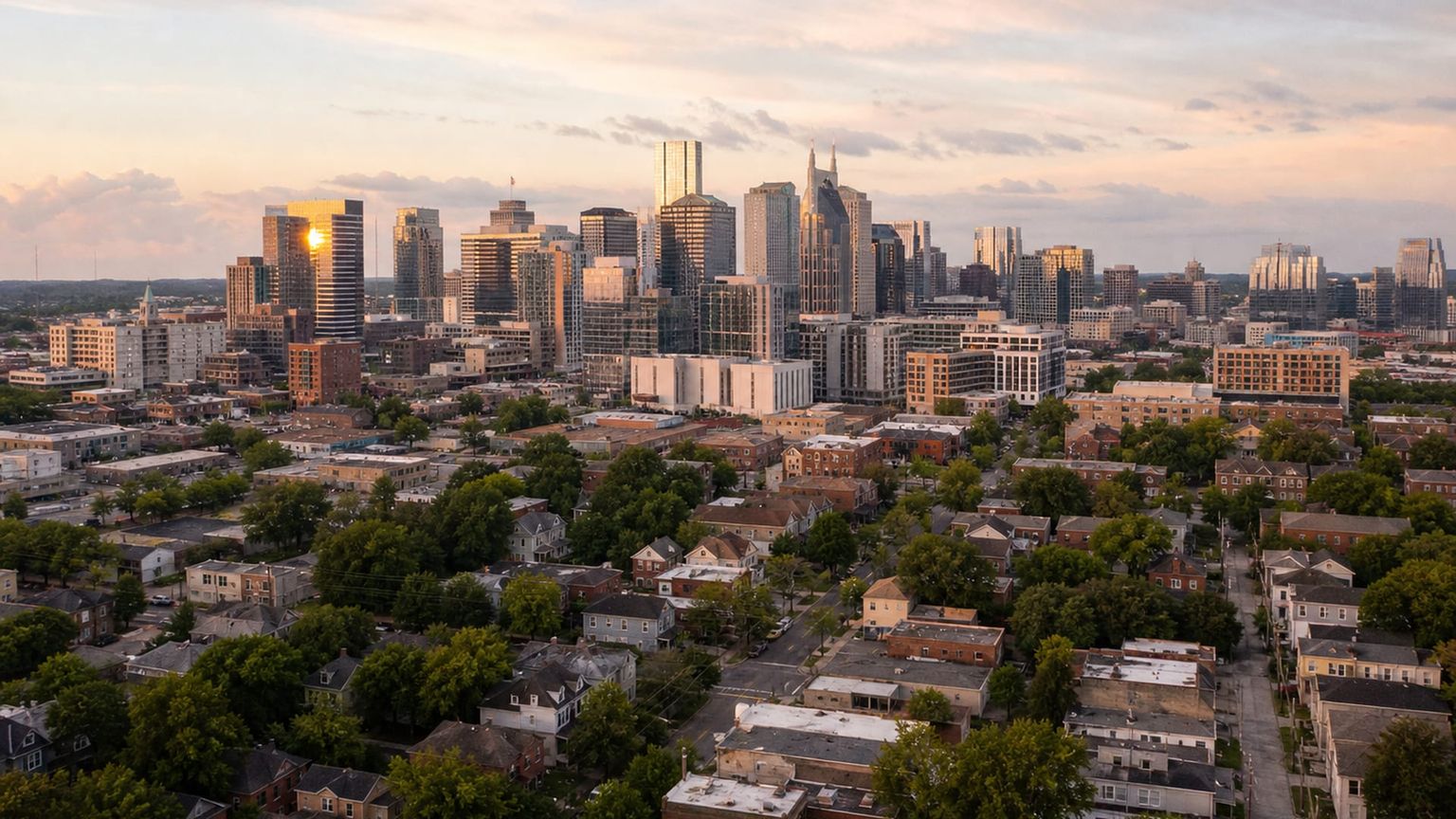
Nashville’s table runs on hot chicken, barbecue, meat and three plates, and banana pudding, with pepper heat, smoked pork, and sides that turn lunch and dinner into full regional meals.
Hot chicken
Nashville’s signature dish brings a crisp, spiced crust and serious heat, usually balanced with pickles and soft bread. Hattie B’s Hot Chicken serves one of the city’s best-known versions and keeps the style front and center.
Pulled pork barbecue
Slow-smoked pork is a Nashville staple, often served with tangy sauce and classic sides. Peg Leg Porker is a strong city standard for the style, with a barbecue-focused menu built around the pit.
Meat and three
This plate centers one meat with three sides, a format that shows up across Nashville lunch counters and comfort-food kitchens. Arnold’s Country Kitchen is the canonical stop for a classic, no-frills version.
Banana pudding
Creamy pudding, vanilla wafers, and sliced bananas make the city’s favorite sweet finish. Loveless Cafe is a dependable Nashville stop for a classic Southern dessert after a savory meal.
Best time to visit Nashville
Nashville shifts with the season, so the best months depend on whether you want garden weather, festival crowds, or quieter museum days.
Best for: Parks, gardens, and long daylight hours
What you get: Temperatures usually range from about 50 to 78°F (10 to 26°C), with moderate crowds and a busy music calendar.
Trade-offs: Rain can interrupt outdoor plans.
Best for: Late evenings, live music, and indoor museums
What you get: Temperatures often sit about 70 to 92°F (21 to 33°C), with heavier crowds on weekends and more time spent indoors.
Trade-offs: Heat and humidity can make midday walking tiring.
Best for: Comfortable sightseeing and outdoor dining
What you get: Temperatures are often about 48 to 80°F (9 to 27°C), with strong visitor demand and clear weather for walking.
Trade-offs: Hotel rates and attraction traffic can rise around major events.
Best for: Museums, music venues, and lower-key visits
What you get: Temperatures usually fall between about 30 and 52°F (-1 to 11°C), with lighter crowds except for holiday periods.
Trade-offs: Cold snaps can make garden time and long walks less appealing.
A realistic 5-day plan in Nashville
The five-day plan starts in the downtown music district, then shifts toward Centennial Park, the Frist, Cheekwood, and neighborhood dining. It keeps the core sights together so you can move through Nashville with less backtracking.
Land at Nashville (BNA) and take a taxi or rideshare downtown, about 15 to 20 minutes in light traffic for roughly $25 to $40. If you are staying in Downtown Nashville or The Gulch, check in, drink water, and keep dinner close to the hotel: a simple plate in The Gulch or a low-key spot just off Broadway works well before an early night. If you have energy after sunset, walk a block or two to see the lights on Lower Broadway, then head back before the late crowd builds.
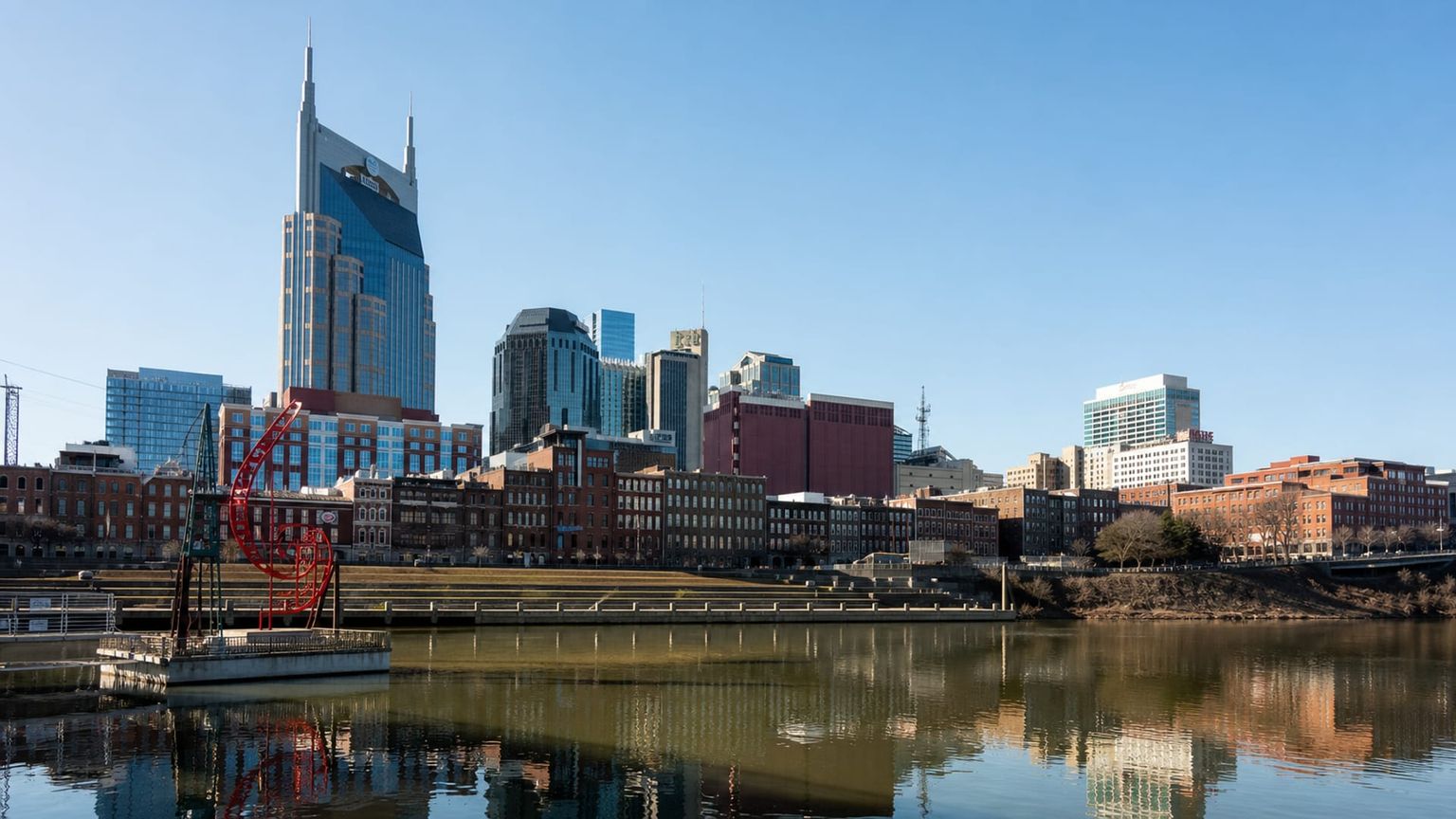
Start at the Country Music Hall of Fame and Museum, then walk about 10 minutes to the Ryman Auditorium for a guided tour. Both sit in the same downtown music core, so you can move between them on foot without losing time to transit. Break for lunch nearby, then spend the late afternoon on Lower Broadway and the riverfront, where the streets stay busy and the music venues stay open into the evening.
Begin in Centennial Park with The Parthenon, then continue by car or rideshare to The Frist Art Museum, about 10 to 15 minutes away depending on traffic. The park works best in the morning or near sunset, and the Frist fits neatly into the middle of the day because its galleries are compact and easy to cover in about 1 to 2 hours. If you are staying in Midtown, you can end the day with dinner there or ride back downtown in about 10 to 15 minutes by car.
Cheekwood Estate and Gardens makes the strongest focus for this day, so arrive early for the paths and the seasonal plantings. From Downtown Nashville, the drive usually takes about 20 to 25 minutes, and you will want time for the gardens, the mansion, and the art museum without rushing. Afterward, return to East Nashville for dinner, about 15 to 20 minutes by car from Cheekwood, and look for a table near the main dining streets rather than on a quiet residential block.
Wind down with one final museum stop at the Frist Art Museum if you skipped it earlier, or return for a shorter visit if a current exhibition caught your eye. From there, spend the rest of the day in The Gulch, where you can browse design shops and boutiques, then move to East Nashville for coffee in a neighborhood café before heading to the airport. A taxi or rideshare from downtown to Nashville (BNA) usually takes about 15 to 20 minutes and costs roughly $25 to $40, so you can leave plenty of time for a calm departure.
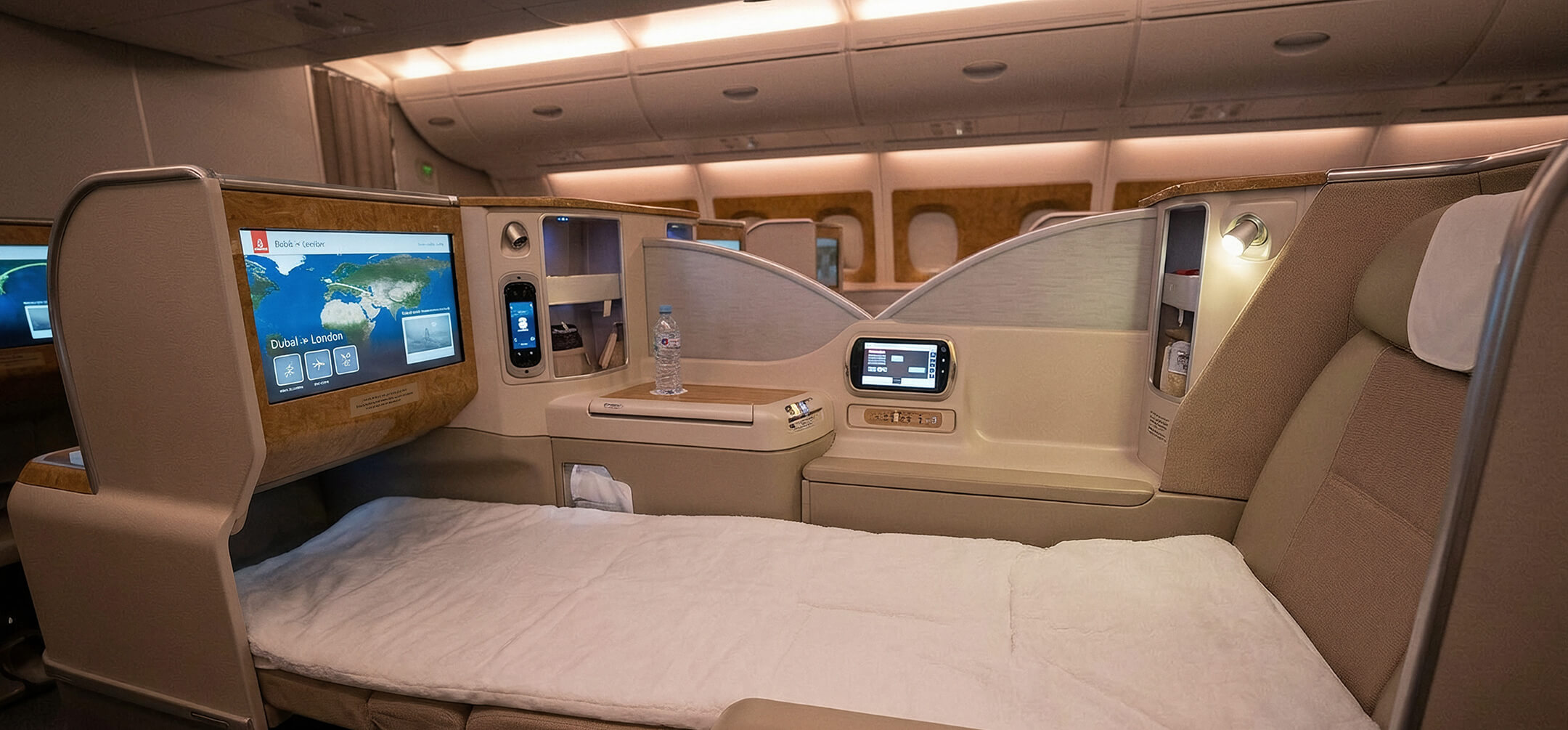
Business-class flights from the US to Nashville
Direct and one-stop flights to Nashville vary enough that route choice can change both time and fare. The East Coast often offers the shortest journey, while the West Coast usually pairs a longer nonstop with wider one-stop options.
From New York, Delta Air Lines, American Airlines, JetBlue, United Airlines, Alaska Airlines, and Spirit Airlines all appear on common itineraries. Nonstop flights take about 2 to 3 hours, while one-stop trips often connect through ATL, CLT, DFW, ORD, or IAH and usually take about 4 to 7 hours total. Round-trip fares usually start from $550, and nonstop itineraries often land between $900 and $1,800.
Los Angeles travelers often see Delta Air Lines, American Airlines, Alaska Airlines, United Airlines, and Southwest Airlines on Nashville itineraries. Nonstop flights take about 4 to 4.5 hours, and if you do not mind a layover, common connections through DFW, DEN, PHX, SFO, or LAS can bring the fare down to roughly $350 to $700. Round-trip fares often run from $650 to $1,400 for nonstop travel.
Nashville feels different when you slow down
A deliberate Nashville trip gives each district a job: downtown for the Country Music Hall of Fame and Ryman Auditorium, Centennial Park for The Parthenon, Cheekwood for garden time, and The Gulch or East Nashville for dinners that stretch beyond Broadway. Taxis, rideshares, and a few WeGo bus rides do the linking, which keeps the days clear enough to enjoy the city’s pace. If you want help shaping the rest, AranGrant experts can build the Nashville route around your dates and hotel choice