

Chapters:

Need help with your trip?
Our support team is available 24/7. Request a callback or call us directly at (833) 619-0908
Kota Kinabalu trips often start with a waterfront hotel, a sunset plan, and one island day, yet visitors sometimes skip the city’s older streets and museum stops.
That leaves long taxi rides for late dinners and too much time spent crossing between the center, Tanjung Aru, and Likas instead of grouping sights by area.
This guide builds the stay in a clearer order, with neighborhoods, meals, transfers, and day trips arranged so each day has a defined purpose.
Useful things to know

Main language(s): Malay
Selamat pagi (suh-lah-maht pah-gee) – Good morning
Tolong (toh-long) – Please
Terima kasih (tuh-ree-mah kah-see) – Thank you
Boleh bercakap bahasa Inggeris? (boh-leh ber-chah-kap bah-hah-sah een-guh-ris) – Do you speak English?
Berapa harganya? (beh-rah-pah har-gah-nya) – How much does it cost?

Currency: The local currency is the Malaysian ringgit (MYR, RM).

Cash and cards: Cards and contactless are widely accepted, but carry about MYR 50 to MYR 100 ($11 to $21) for taxis, stalls, and small shops.

Tipping: Round up, or leave 5-10% at sit-down restaurants if the bill does not include a service charge.

Traditional food: Hinava, Tuaran mee, Sabahan nasi lemak, grilled stingray

Water and coffee costs: Water about MYR 2 to MYR 4 ($0.50 to $1), bar espresso about MYR 8 to MYR 12 ($2 to $3).

Taxis and ride apps: Grab and AirAsia Ride operate here; check pickup points at the airport.

Plug and voltage: Type G socket, 240V

Dining and shop opening hours: Breakfast 7:00-10:00, lunch 12:00-14:30, dinner 18:00-22:00. Some hawker stalls close by late afternoon, and many restaurants open later into the evening.

Emergency number: 999 or 112 for police, fire, and ambulance.
Where to stay in Kota Kinabalu
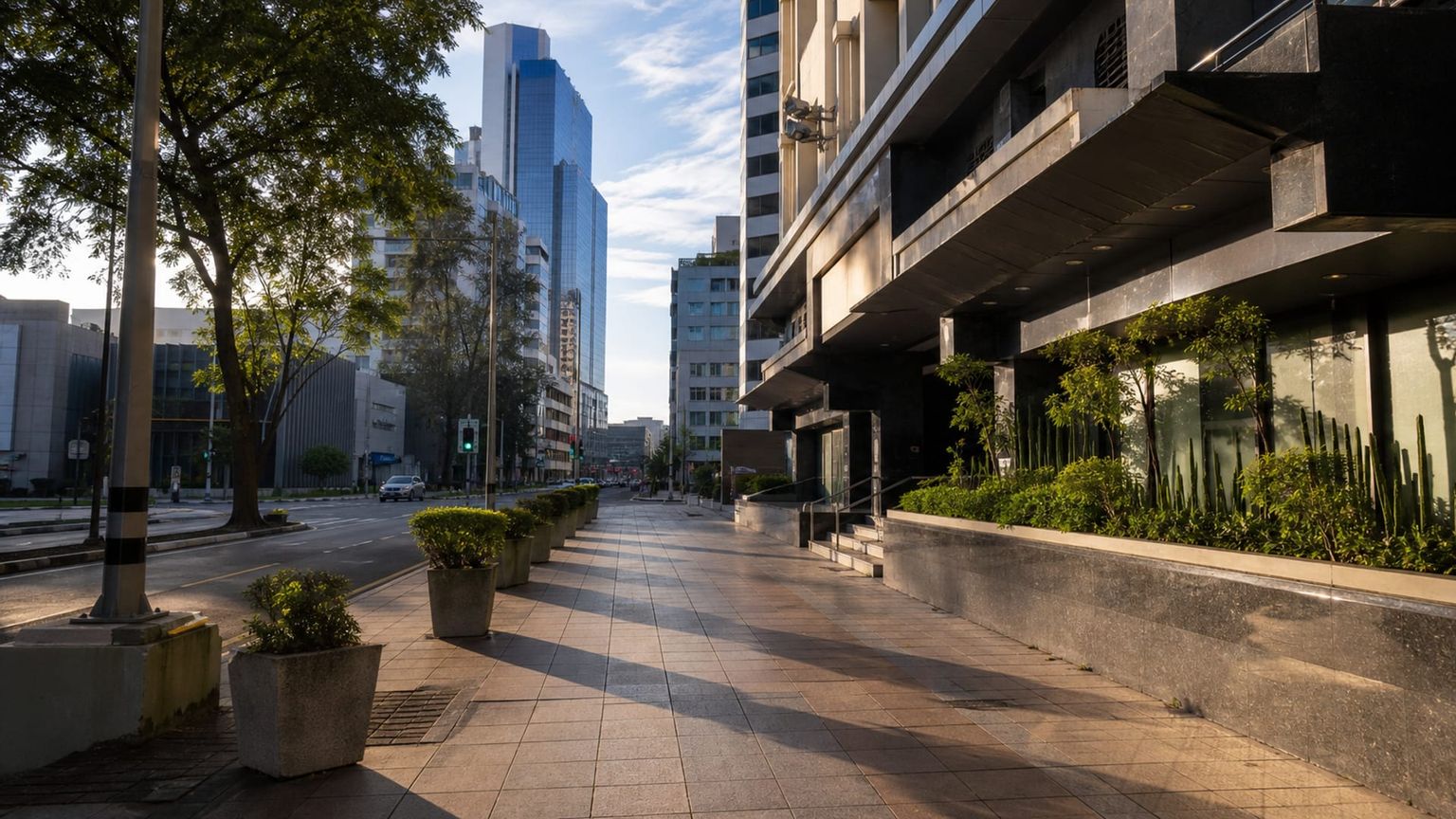
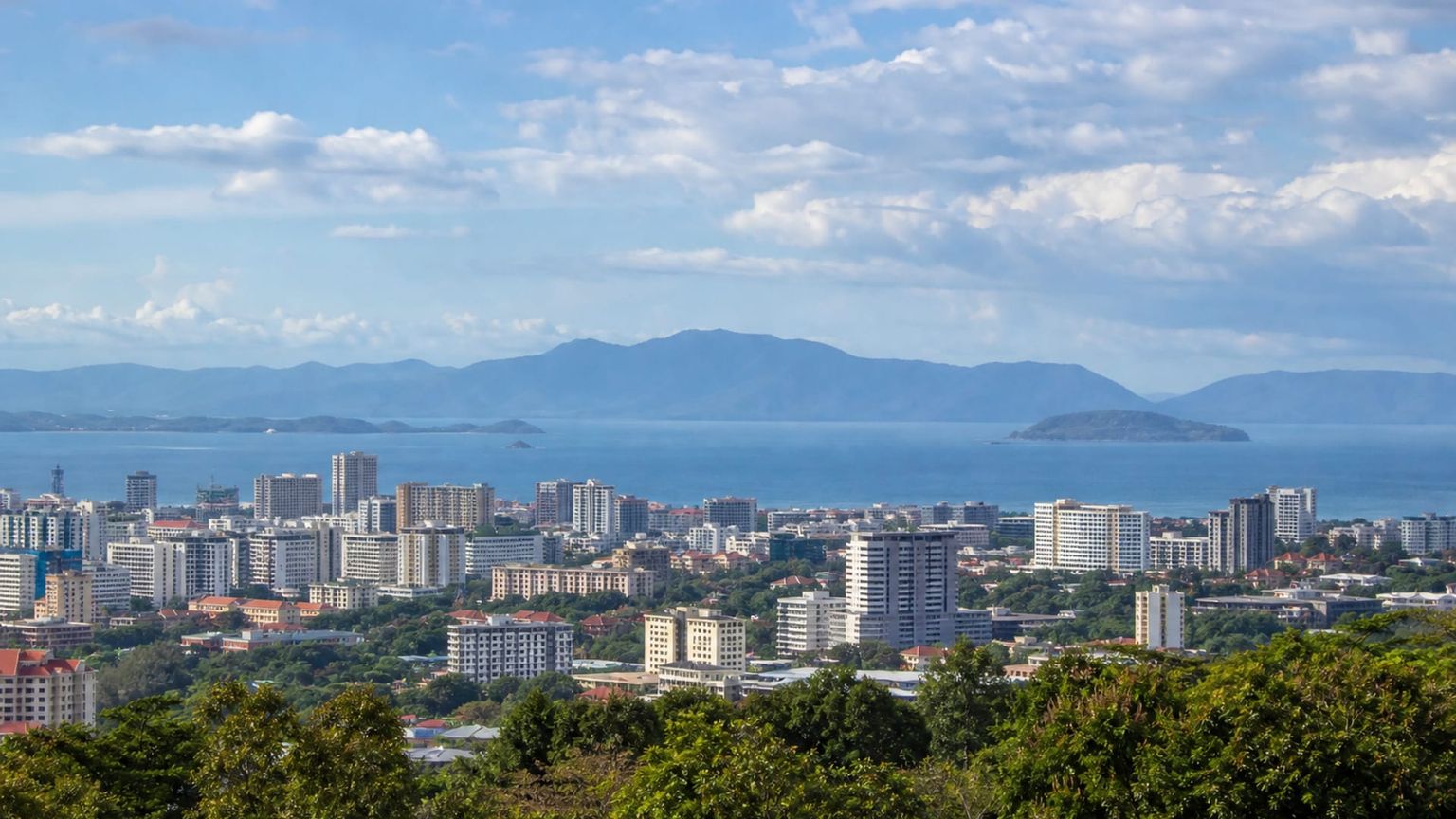
The city center puts you beside Gaya Street, the waterfront, and the main ferry jetty. It suits visitors who want markets, restaurants, and easy transit to fill short stays without long cross-town rides.
Best for: Short stays, food walks, ferry departures, and travelers who want the widest choice of restaurants
What to expect: Busy sidewalks, steady traffic, and the most dependable concentration of shops and cafes in the city.
Hotel prices: Usually about 200 MYR to 450 MYR (~$43 to ~$97) per night for well-rated stays
Distance to major sights: 5 to 15 minutes on foot to Gaya Street and Jesselton Point; about 10 to 20 minutes by car to the waterfront promenade
Quietness: Daytime is busy and lively, while evenings settle into restaurant traffic and some late noise near main roads.
Main trade-off: You pay more for central addresses, and rooms facing main streets can pick up traffic and generator noise.
Good to know: If you plan early boat departures, choose a place near Jesselton Point rather than a tower several blocks inland.
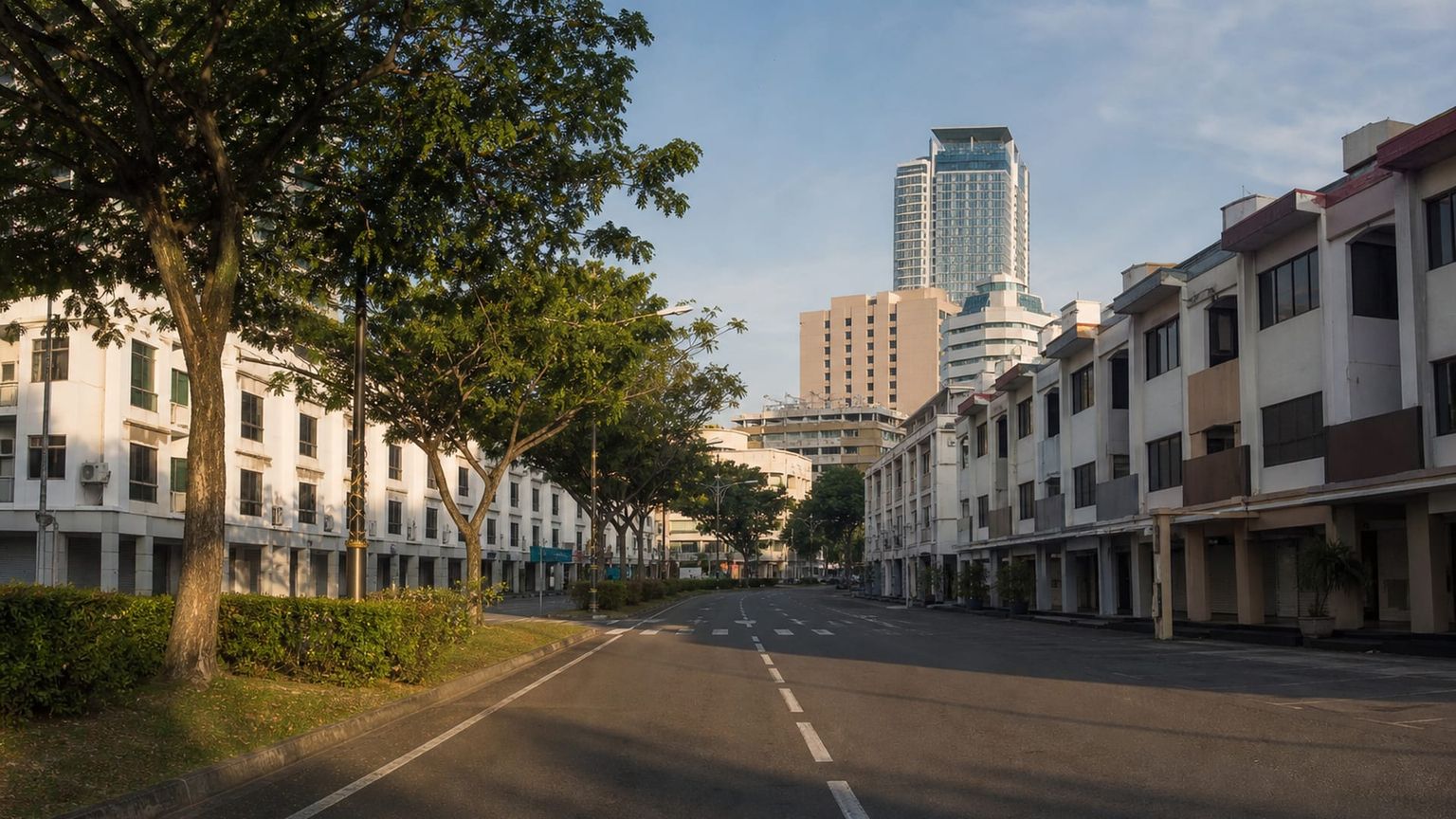
Api-Api sits just south of the core waterfront and links easily to the city’s business hotels, malls, and dining streets. It works well for travelers who want central access with a slightly less hectic street pattern than the busiest market blocks.
Best for: Business trips, mall access, and visitors who want central lodging with easier car access
What to expect: Office towers, hotel lobbies, and moderate evening foot traffic around malls and restaurant clusters.
Hotel prices: Usually about 180 MYR to 400 MYR (~$39 to ~$86) per night for well-rated stays
Distance to major sights: 10 to 15 minutes on foot to the waterfront; about 5 to 10 minutes by car to Gaya Street and Jesselton Point
Quietness: Daytime is active with workday traffic, while nights are quieter away from the main mall frontage.
Main trade-off: You get central positioning, but the area has fewer character streets and less night-market energy than the old town core.
Good to know: Pick a hotel with indoor parking if you will rent a car, since curbside space can be limited near the larger buildings.
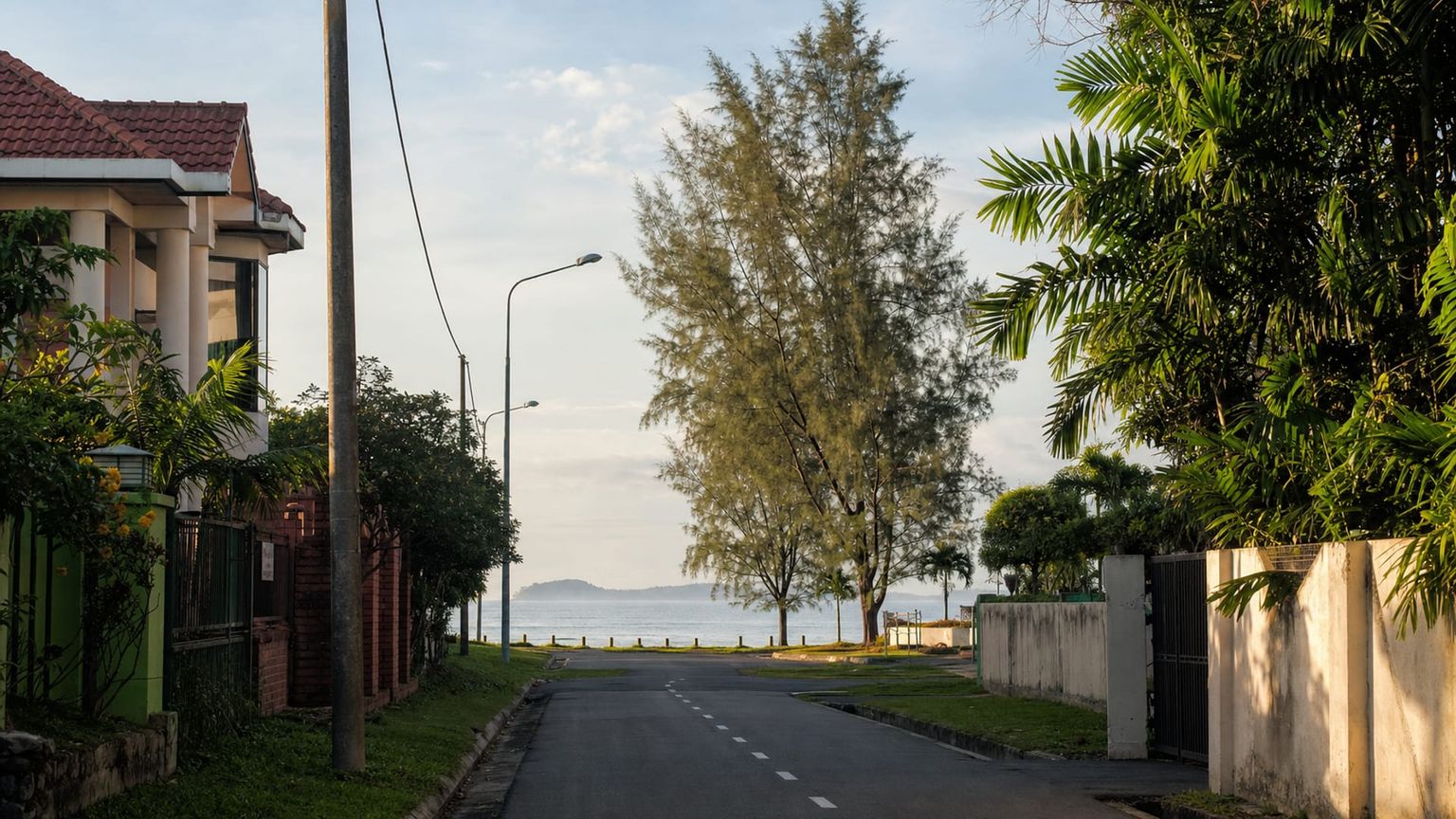
Tanjung Aru stretches along the coast southwest of the center and is known for the beach, sunset views, and resort-style lodging. It suits travelers who want sea air and a wider room inventory while staying close to the airport and the city.
Best for: Beach time, sunsets, airport access, and resort stays
What to expect: Resorts, beachgoers, and casual evening crowds near the shoreline and food stalls.
Hotel prices: Usually about 220 MYR to 700 MYR (~$47 to ~$150) per night for well-rated stays
Distance to major sights: About 10 to 15 minutes by car to the city center; about 5 to 10 minutes by car to Kota Kinabalu (BKI)
Quietness: Daytime brings beach traffic and resort activity, while evenings can be calmer away from the food-stall zone but lively near the sunset strip.
Main trade-off: You trade walking access to the old town for a shorter ride to the airport and a beach setting that sits outside the main sightseeing grid.
Good to know: Book early if you want a sunset-facing room, since the best positions sell out faster than inland units.
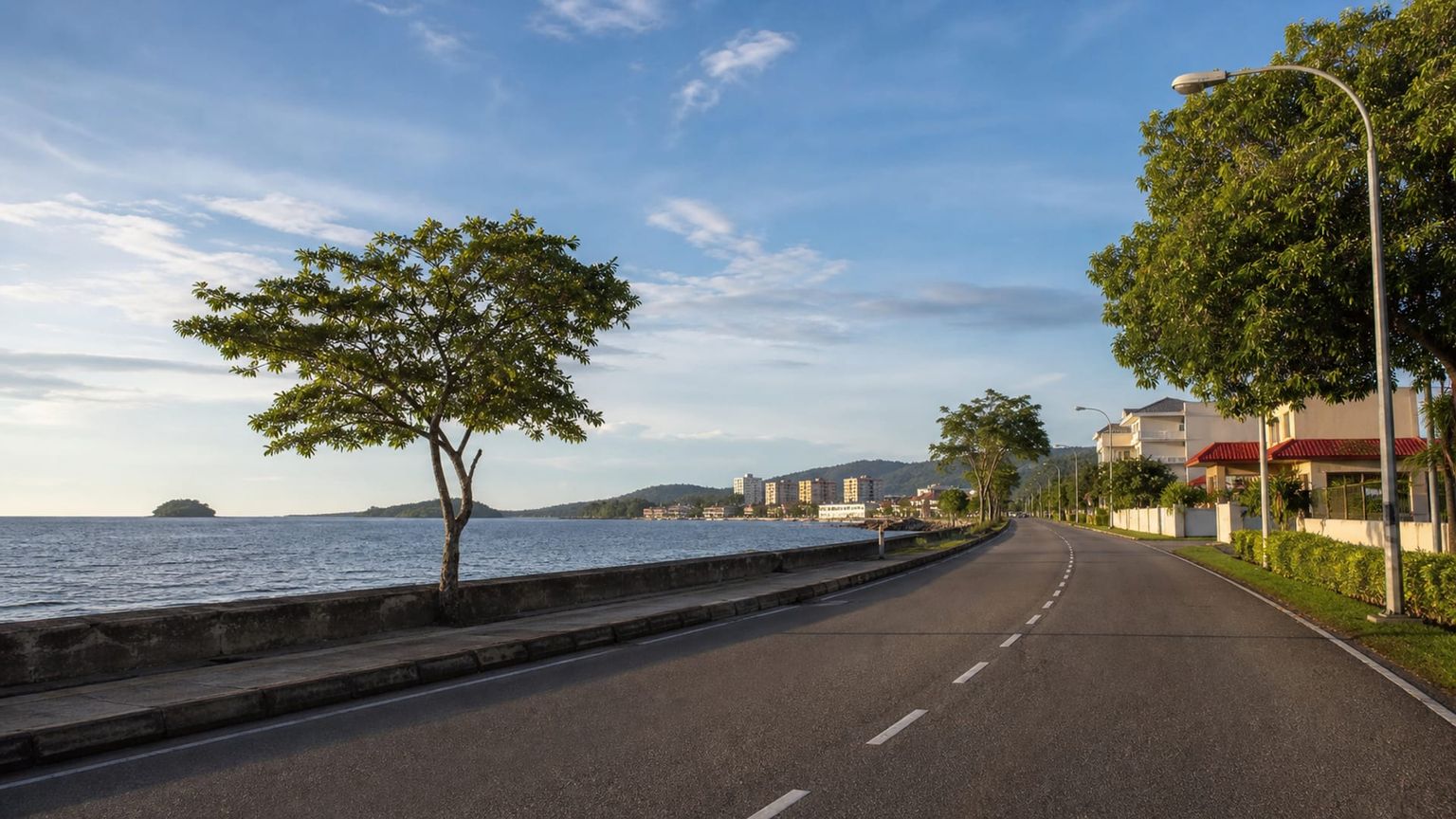
Likas sits north of the center and mixes residential streets with stadiums, government offices, and a few large hotels. It gives visitors a lower-key base with easy road links into the city and toward the northern shoreline.
Best for: Drivers, longer stays, and travelers who prefer a residential setting with parking
What to expect: Local traffic, apartment blocks, and fewer late-night crowds than the waterfront districts.
Hotel prices: Usually about 160 MYR to 320 MYR (~$34 to ~$69) per night for well-rated stays
Distance to major sights: About 10 to 20 minutes by car to Gaya Street and Jesselton Point; about 15 minutes by car to the waterfront
Quietness: Days are active with commuter traffic, while evenings are generally quieter apart from events near the stadium.
Main trade-off: You save some money, but dining and evening choices are thinner than in the city center, so you will often ride in for meals.
Good to know: Check the event calendar before booking, because stadium nights can change traffic and parking conditions quickly.
Travelers usually avoid staying in Inanam, Menggatal, and Telipok, because they sit far north of the main waterfront, Jesselton Point, and the city center, with limited visitor amenities and longer evening taxi rides back from dinner or the market area. Sepanggar and the airport side of Tanjung Aru are also less convenient for a first visit, since they put you farther from the central hotel strip and the main sights on Kota Kinabalu’s waterfront.
Hotel deals
How to get around Kota Kinabalu efficiently
Kota Kinabalu has no metro, so most visitors move between the center, the airport, and beach districts by taxi, ride-hailing, or the city bus network.

Metro
for longer distances
Kota Kinabalu has no metro or suburban rail. For airport-area trips, you will rely on road transport instead, usually a taxi or ride-hailing ride of about 20 to 30 minutes to central Kota Kinabalu, depending on traffic.

Bus and tram
for convenience
Sabah’s city bus network serves central Kota Kinabalu, the airport area, and nearby districts, with local fares often about $0.45 to $1.20 (roughly RM2 to RM6) depending on distance and operator. Routes can be infrequent and stops may be basic, so check the latest timetable or ask at the terminal before you board, and expect airport trips into town to take about 30 to 45 minutes by bus.

Taxi
for convenience or late hours
Licensed taxis use set fares on some airport and hotel transfers, while other trips are metered, so confirm the price before departure if the driver offers a fixed quote. From Kota Kinabalu International Airport (BKI) to central Kota Kinabalu, expect roughly $9 to $18 (about RM40 to RM80) by standard taxi, with payment usually in cash and card acceptance less common than cash.
*Prices are based on rates updated as of June 2026 and may change at the time of travel.
Use taxis or ride-hailing for airport runs and evening returns, buses for the lowest-cost city travel, and walking when you stay near Gaya Street, the waterfront, or Jesselton Point.
Iconic landmarks
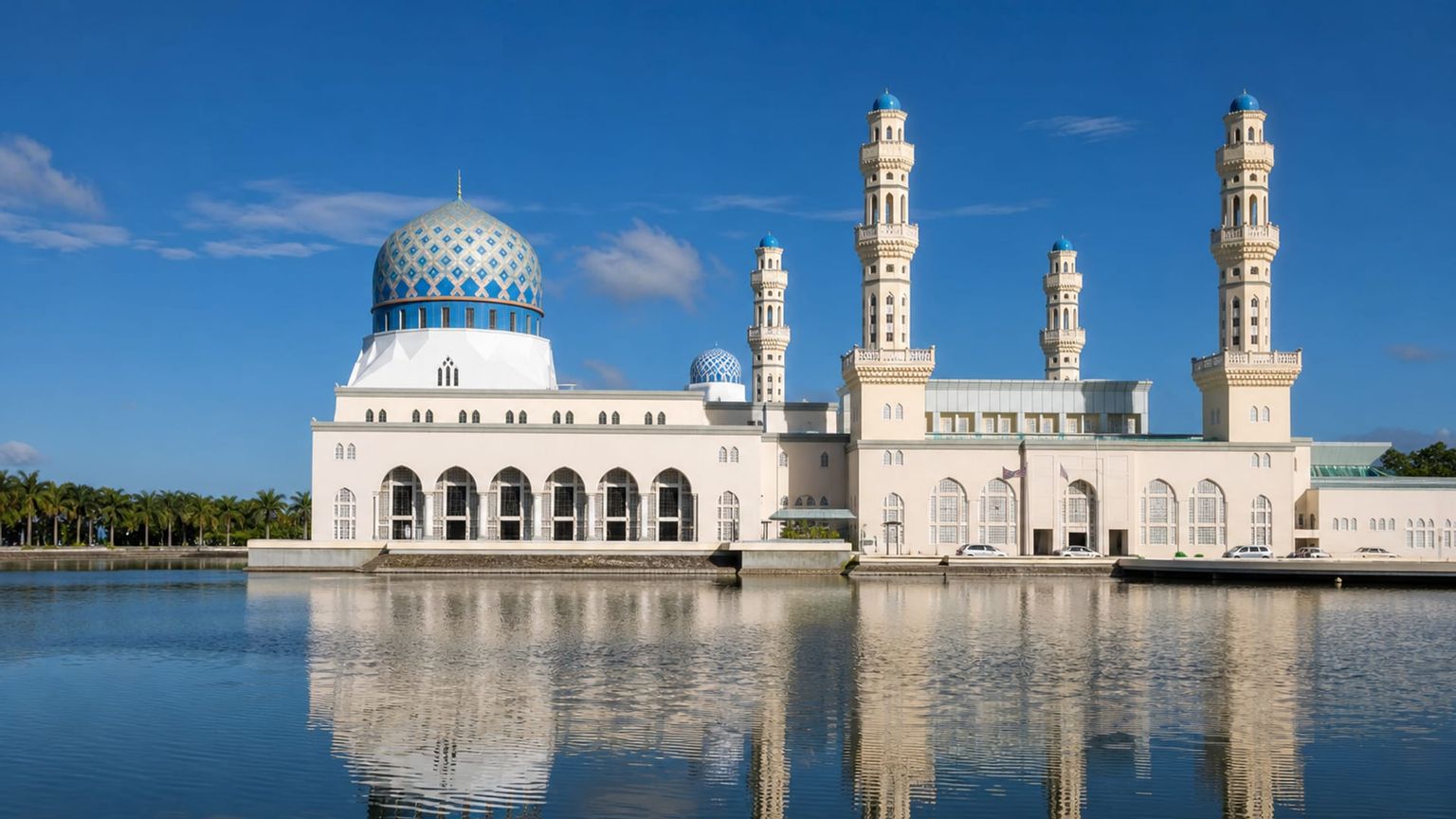
Kota Kinabalu City Mosque
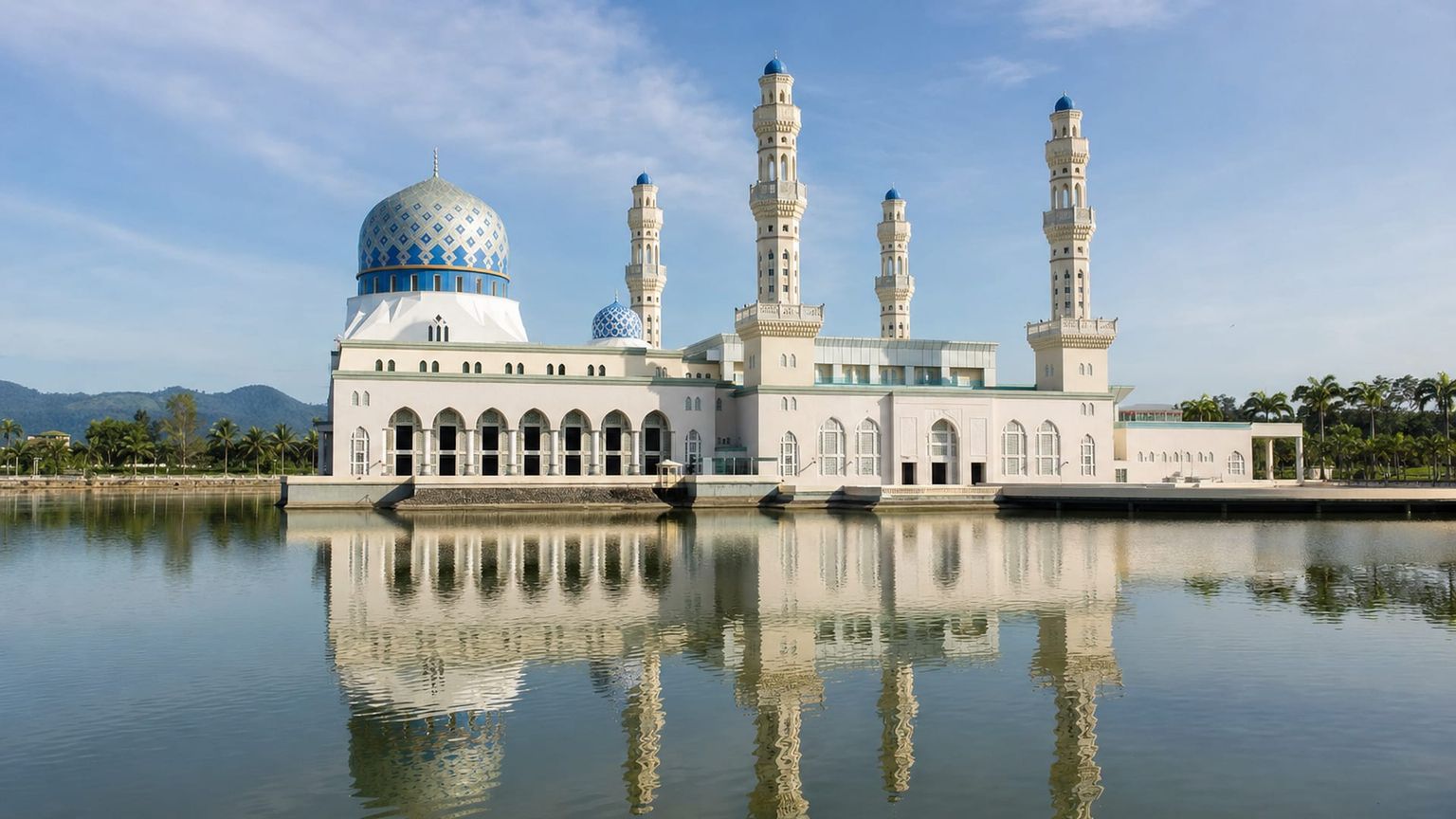
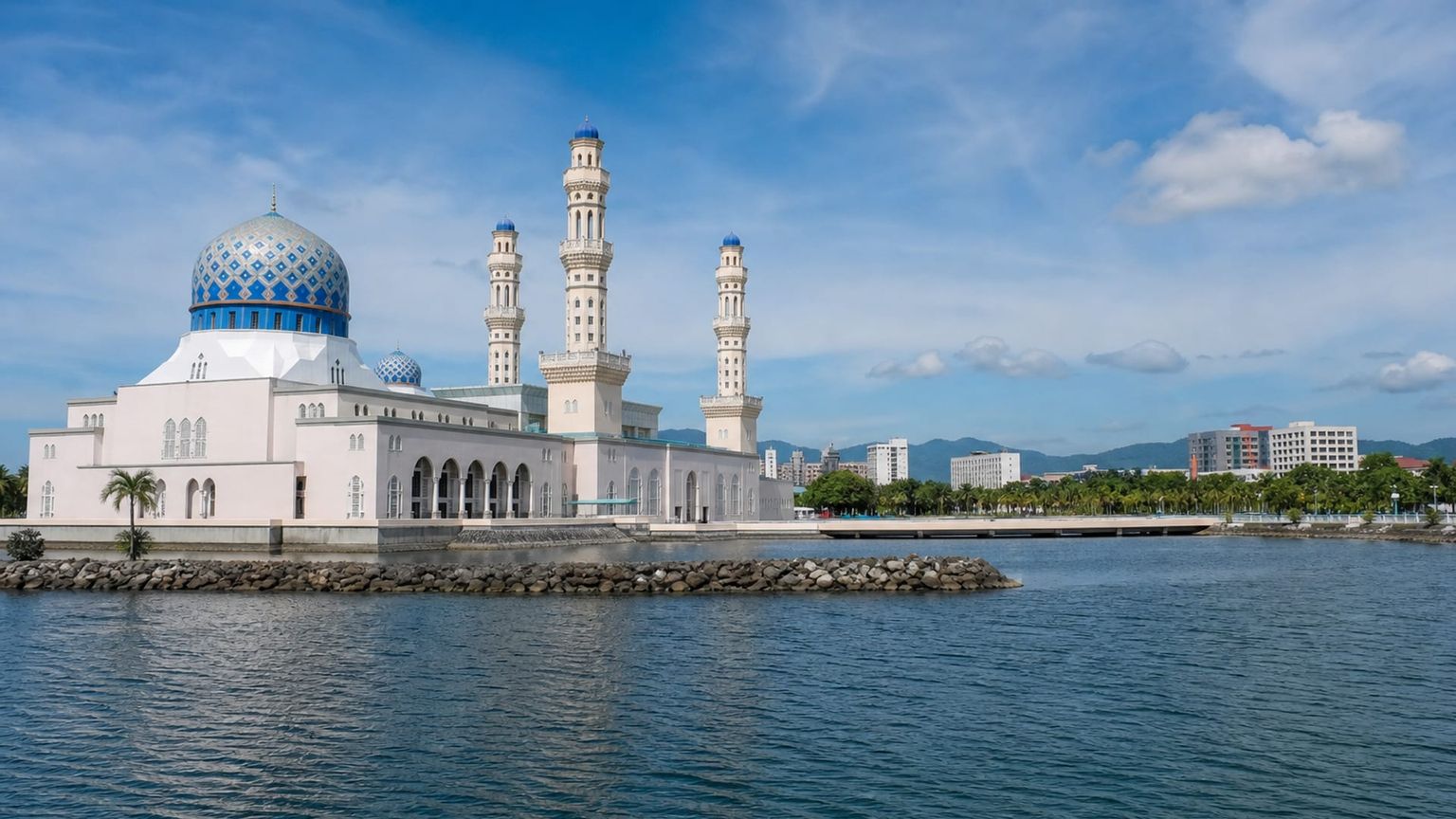
The city mosque rises over a man-made lagoon in Likas Bay, with white domes and mirrored water that photographers target at sunset. It sits about 3 km north of the center and opens to non-Muslim visitors outside prayer times.
Time needed: About 30 to 45 minutes
Entry: Admission costs about $1 ($5 MYR) for non-Muslim visitors, with modest dress required and separate visiting hours set around prayer times.
Tip: Go near sunset, then stay for blue hour when the lagoon reflects the domes best.
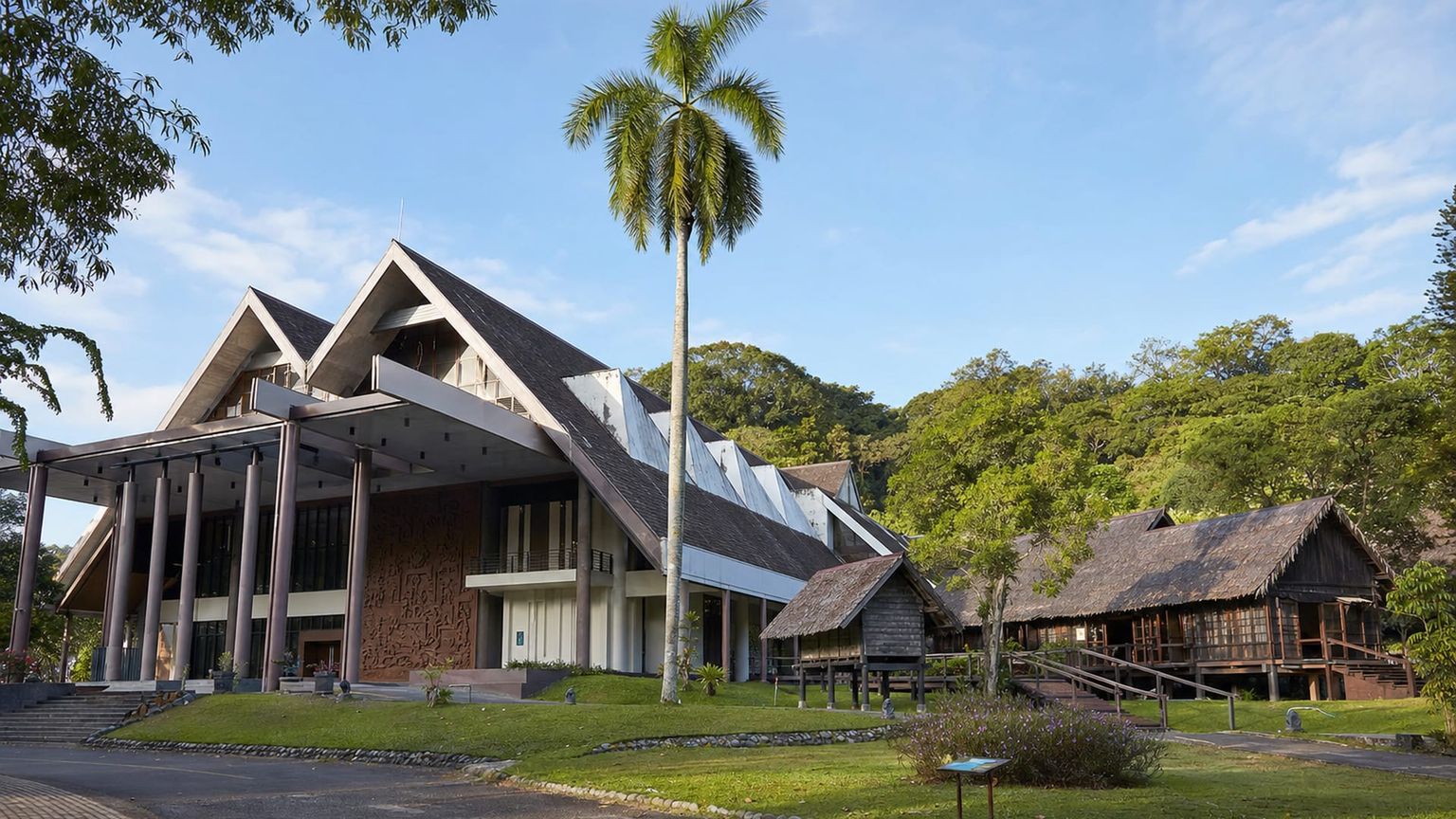
Sabah State Museum and Heritage Village
This museum complex covers Sabah history, ethnography, and traditional architecture in one stop. The Heritage Village adds longhouse and stilt-house replicas, giving a clear look at the state’s ethnic groups without leaving the city.
Time needed: About 2 to 3 hours
Entry: Admission costs about $2 ($10 MYR) for adults and about $1 ($5 MYR) for children, with separate rates for some special galleries. Visit the official site for details.
Tip: Start in the main galleries first, then walk the Heritage Village before midday heat builds.
Tunku Abdul Rahman Marine Park
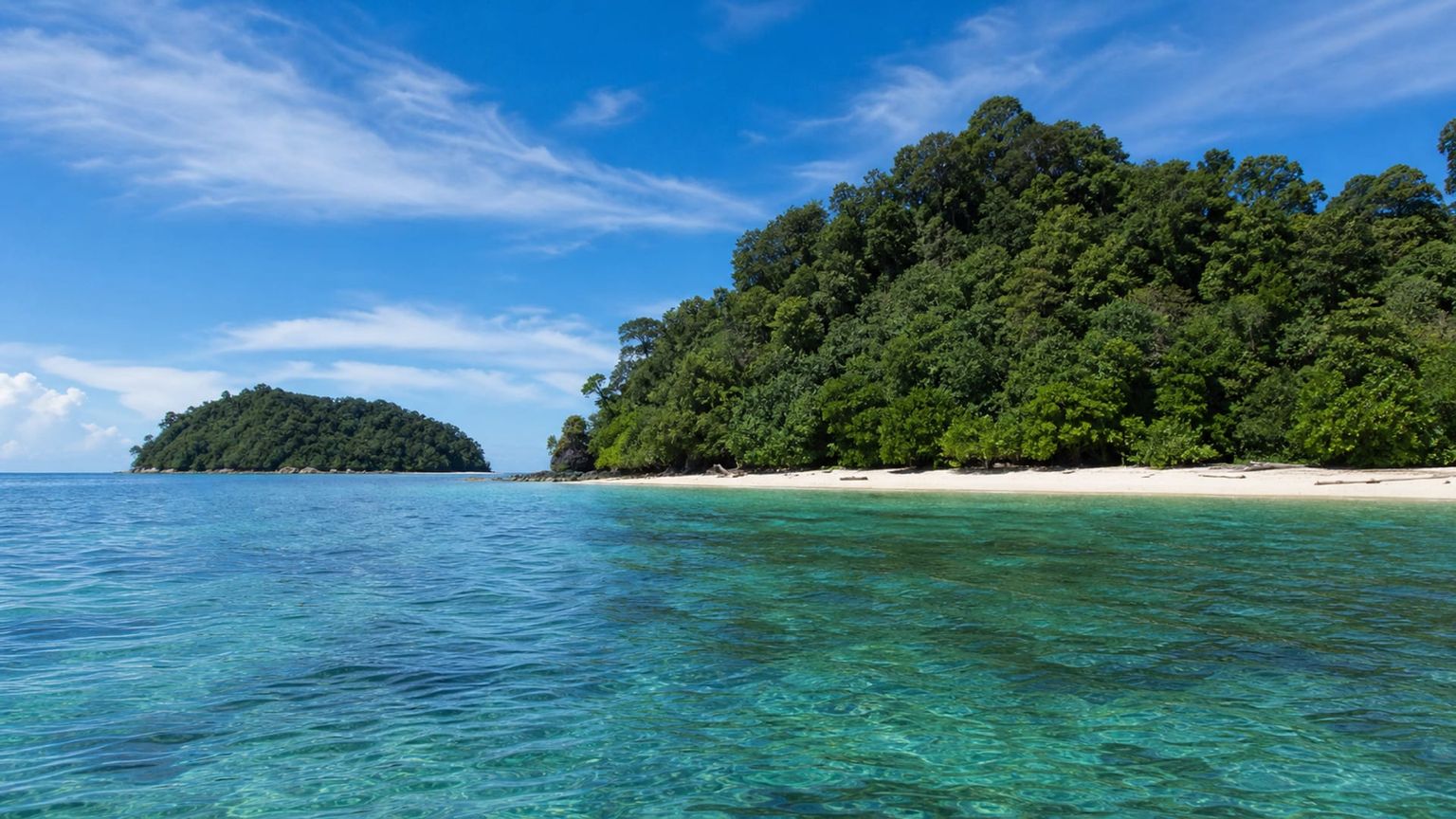
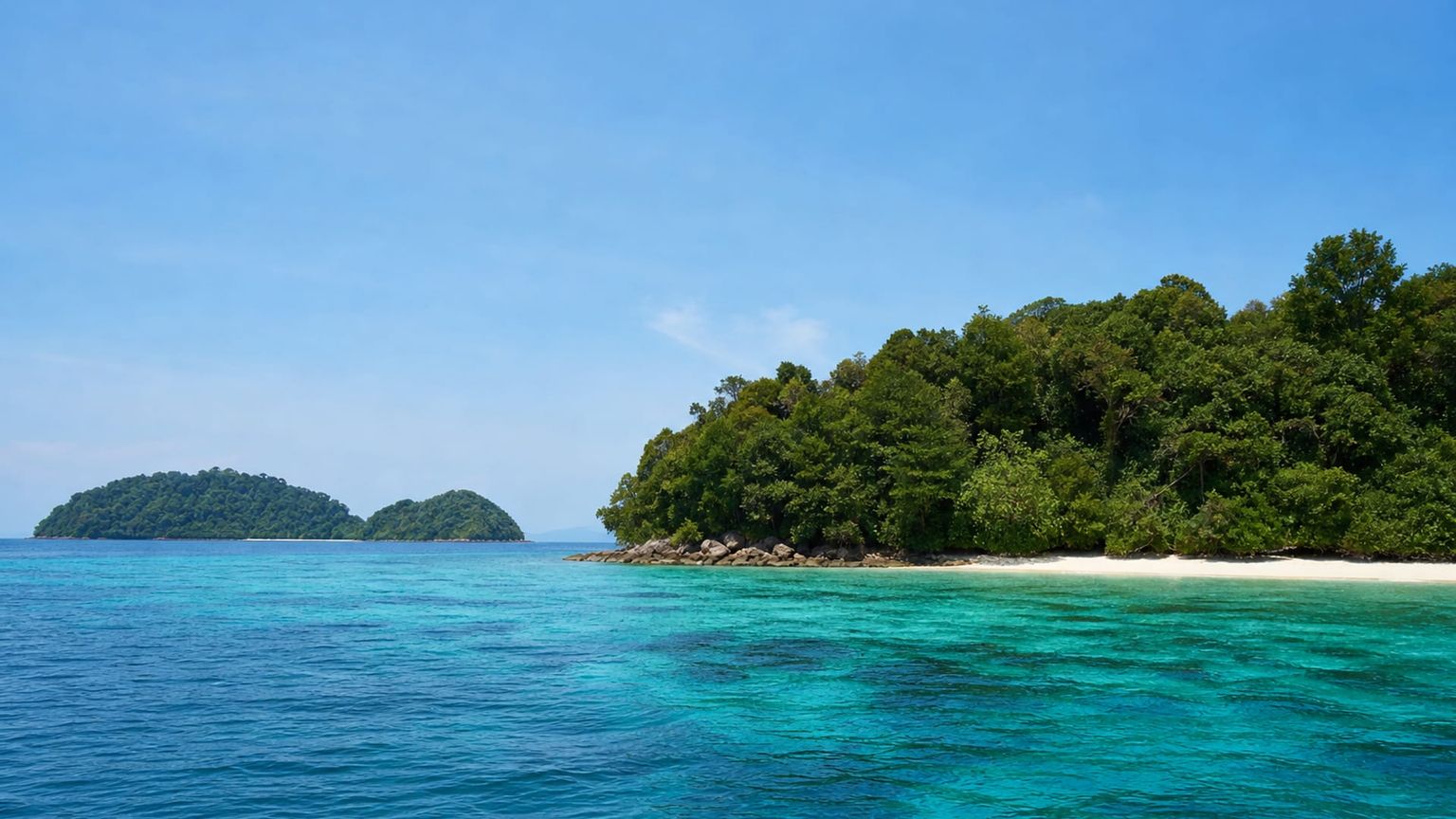
This island cluster lies just offshore from Kota Kinabalu and includes Sapi, Manukan, and Mamutik, all reachable by boat from Jesselton Point. Clear water, coral, and short trails make it the city’s best easy island day out.
Time needed: About 4 to 6 hours
Entry: Boat and park costs usually total about $12 to $20 ($55 to 90 MYR) one way or return, depending on island, operator, and snorkeling gear.
Tip: Take the first boat out, then leave before the late-afternoon return queue grows.
Overlooked sites worth visiting

Tanjung Aru Beach
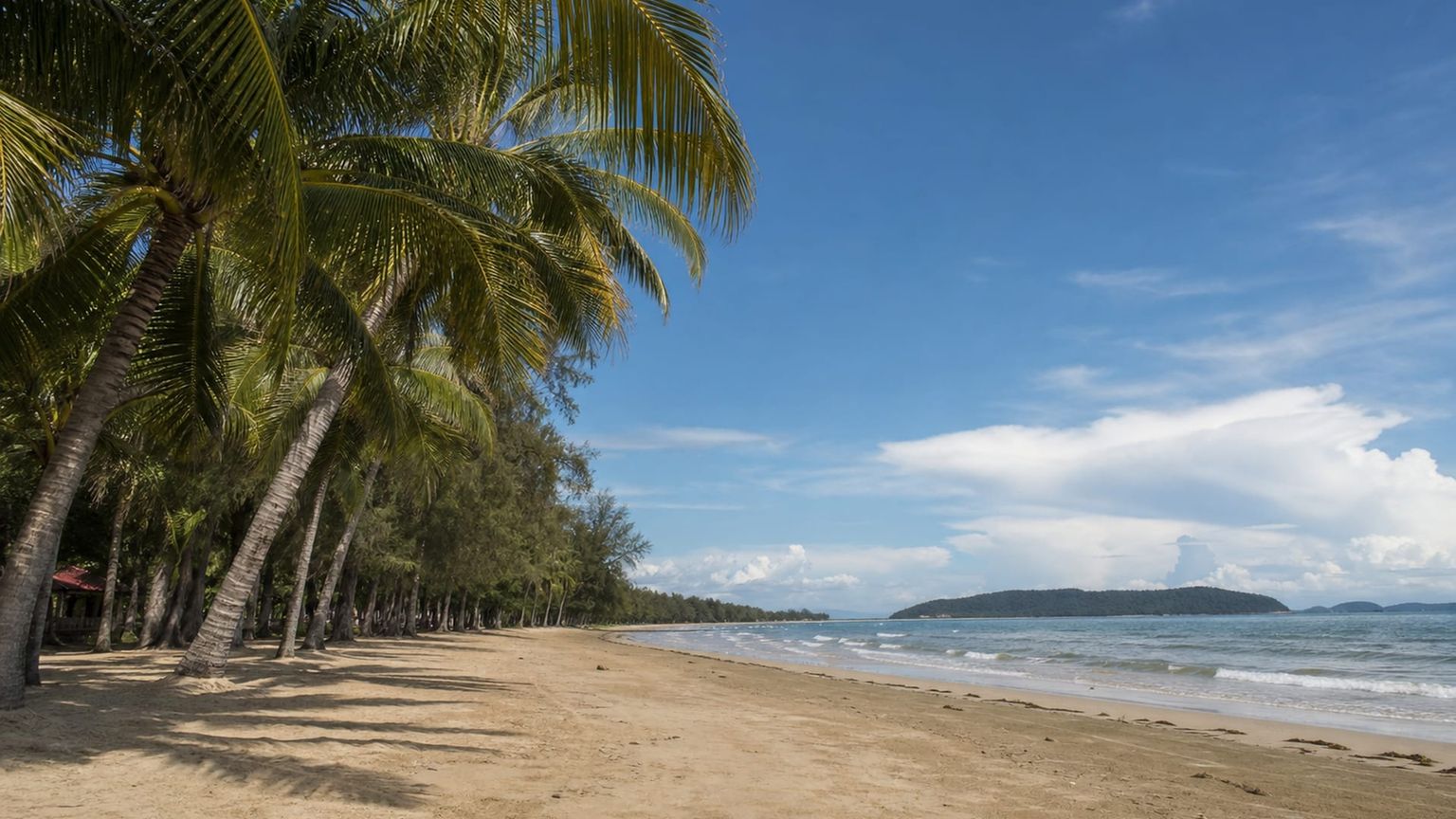
A long public beach south of the center, known for sunsets, sea views, and a broad sandy edge that gives you room for an unhurried walk or a sit-down at the shore.
Time needed: About 1 to 2 hours
Entry: Free to access
Tip: Go about 30 minutes before sunset for the best light.

Atkinson Clock Tower
Built in 1905, this hilltop clock tower is one of Kota Kinabalu’s oldest surviving structures. Its compact setting and city views make a brief stop worthwhile.
Time needed: About 30 minutes
Entry: Free to access
Tip: Pair it with a walk up the old Gaya Street hill.
Traditional food
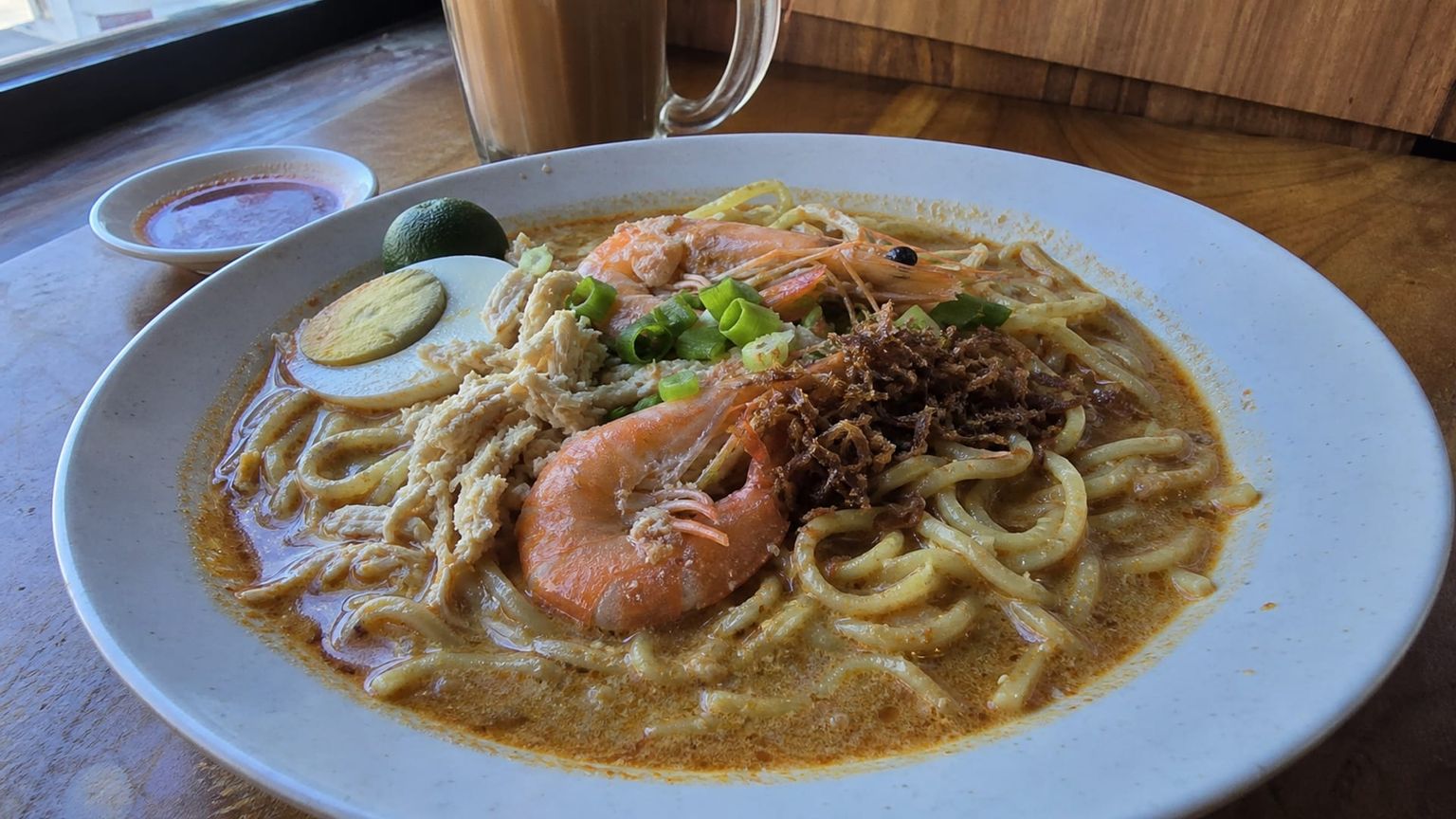
Sabahan cooking leans on seafood, coconut rice, noodles, and sharp, fresh flavors. Hinava, Tuaran mee, Sabahan nasi lemak, and grilled stingray show up across hawker stalls and casual dining rooms.
Hinava
This Kadazandusun-style raw fish dish blends lime, chili, and ginger for a clean, sharp bite. For a dependable city stop, go to Seng Hing Coffee Shop in Kota Kinabalu.
Tuaran mee
Tuaran mee brings springy noodles with a light sear and savory sauce, often topped with egg and char siu. Kedai Kopi Yee Fung in Kota Kinabalu is the canonical bowl for many visitors.
Sabahan nasi lemak
Sabahan nasi lemak keeps the coconut rice base but often adds local seafood or richer sambal treatment. Warisan Square’s Borenos Fried Chicken is a common city stop for a Sabahan take.
Grilled stingray
Grilled stingray tastes best when the fish picks up smoke, sambal heat, and a little char at the edges. Sinsuran Seafood Restaurant in Kota Kinabalu serves a version that fits a classic seafood dinner.
Best time to visit Kota Kinabalu
Kota Kinabalu stays warm through the year, but rain, sea conditions, and holiday crowds change the feel of each season.
Best for: Clear island days and sunset walks when rain eases between showers
What you get: About 77°F to 89°F (25°C to 32°C), with moderate crowds and occasional wet spells
Trade-offs: Holiday periods can push up hotel demand and ferry queues
Best for: Balanced conditions for museums, markets, and the marine park
What you get: About 78°F to 90°F (26°C to 32°C), with lighter crowds before the midyear rush
Trade-offs: Afternoon heat builds quickly, so midday walking can feel tiring
Best for: Beach time and island hopping with long daylight hours
What you get: About 77°F to 89°F (25°C to 32°C), with the busiest tourist flow of the year
Trade-offs: Popular boats and sunset spots can feel crowded
Best for: Food trips, city sightseeing, and easier hotel availability
What you get: About 77°F to 88°F (25°C to 31°C), with fewer visitors and some rain later in the season
Trade-offs: Showers can interrupt a beach day or a late boat return
A realistic 5-day plan in Kota Kinabalu
Five days in Kota Kinabalu works best when you divide the city by zones: the center for history and food, Jesselton Point for the islands, Tanjung Aru for the coast, and a final day for errands and departure.
Land at Kota Kinabalu (BKI) and take a taxi or ride-hailing car into Kota Kinabalu city center or Api-Api, a trip of about 15 to 20 minutes and roughly 15 MYR to 25 MYR ($3 to $5), depending on traffic and your hotel address. If you are staying in Tanjung Aru, the ride is shorter, about 10 to 15 minutes and roughly 10 MYR to 20 MYR ($2 to $4). Check in, drink some water, and keep dinner close to your hotel, with Gaya Street or the waterfront making the easiest first-night choice.
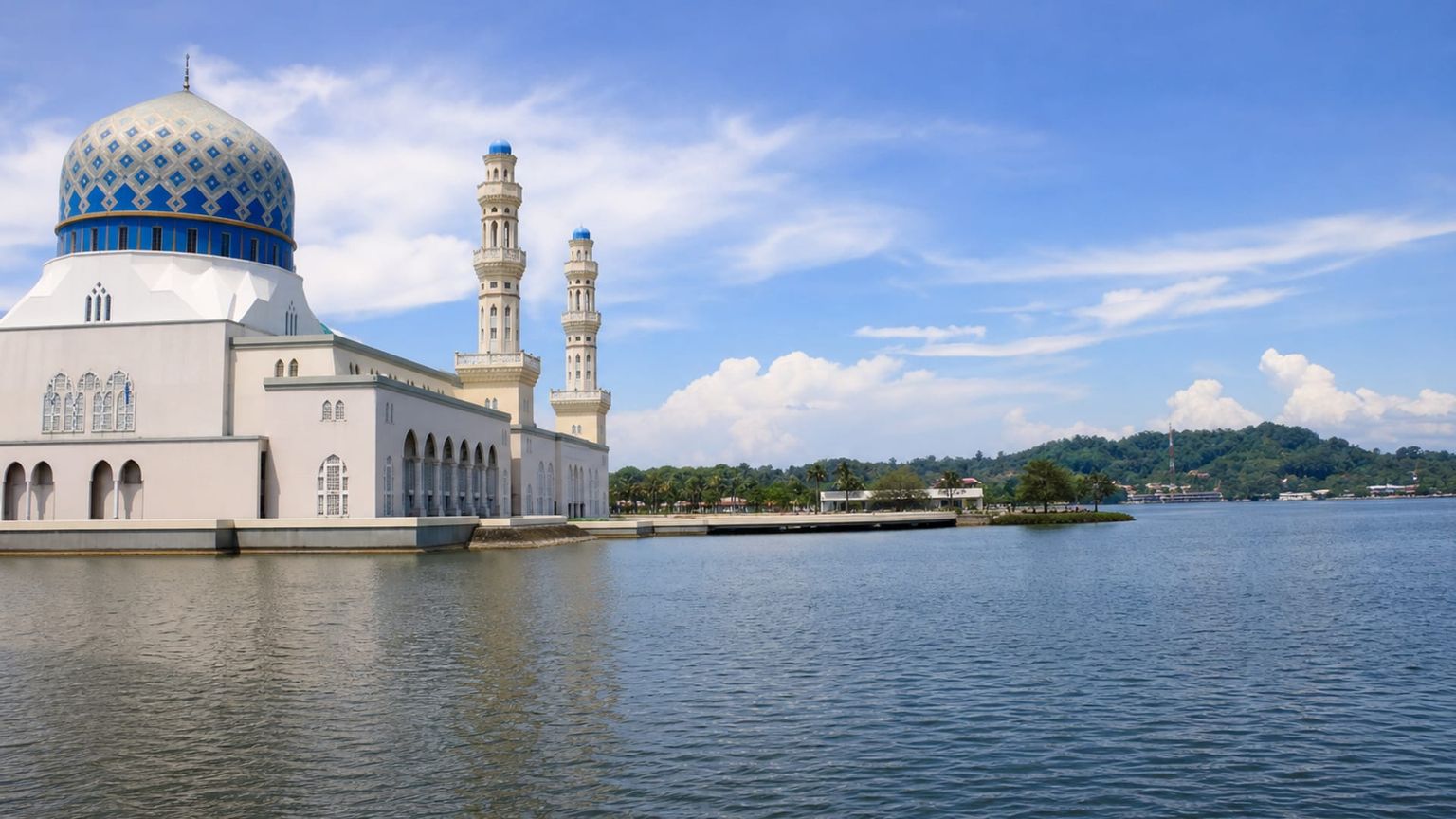
Begin at Sabah State Museum and Heritage Village, where you can spend about 2 to 3 hours on Sabah’s history and traditional houses. From the city center, it is about a 10-minute car ride or roughly 20 to 25 minutes on foot, depending on your pace and heat. After lunch, continue to Atkinson Clock Tower, a short taxi ride or a 15 to 20-minute walk uphill from the old Gaya Street area, then finish at the Kota Kinabalu City Mosque in Likas, about 10 minutes by car from the tower. Plan your mosque visit near sunset, when the lagoon light is best, and return to the city center afterward for dinner.
A boat morning at Tunku Abdul Rahman Marine Park sets the pace for the day, with Jesselton Point in the city center just a 5 to 15-minute walk from most central hotels. Take the first boat, since the island transfer and park costs usually total about $12 to $20 ($55 to 90 MYR), and the full outing takes roughly 4 to 6 hours. Sapi, Manukan, and Mamutik all sit close together offshore, so you can snorkel, walk a short trail, and still be back in town by late afternoon for a waterfront meal.
Start with sunrise or an early beach walk at Tanjung Aru Beach, about 10 to 15 minutes by car from the city center or roughly 5 to 10 minutes from Tanjung Aru lodging. After that, head to the nearby beach district for coffee or a late breakfast, then return inland for a relaxed final sightseeing round or an easy afternoon by the shore. If you stayed in Tanjung Aru, this is the best day to linger near the water before a sunset session on the sand, which is free to access and usually most photogenic about 30 minutes before dusk.
Begin the last day with a short museum stop if you missed Sabah State Museum and Heritage Village earlier, or return for a final look at the galleries before heading into town. From there, spend your remaining hours in Gaya Street and the city center, where you can browse shops, pick up souvenirs, and settle into a café near the waterfront or in Api-Api for a slow lunch. If your flight leaves in the evening, Tanjung Aru gives you the easiest late departure base, since Kota Kinabalu (BKI) sits about 5 to 10 minutes away by car.
Business-class flights from the US to Kota Kinabalu
Flights to Kota Kinabalu usually involve one stop from the United States, and the layover city can shift the total journey by several hours. The examples below show the main options from both coasts.
From New York, Singapore Airlines, Cathay Pacific, Qatar Airways, Emirates, and Turkish Airlines all appear on common one-stop itineraries, and total travel time usually lands between 19 and 31 hours. If you do not mind a layover, routes via Hong Kong (HKG), Doha (DOH), Dubai (DXB), Istanbul (IST), or Singapore (SIN) can trim the fare; round-trip prices usually start at about $5,500 and can reach $9,500.
Los Angeles travelers usually see Cathay Pacific, Singapore Airlines, Qatar Airways, Emirates, and Japan Airlines on itineraries that run about 15 to 18 hours on the shortest versions. Round-trip fares usually begin at about $4,800 and can climb to $8,500, with the shortest itineraries commanding the highest fares.
Kota Kinabalu feels different when you slow down
A well-planned Kota Kinabalu trip keeps the city center, Jesselton Point, and Tanjung Aru in separate blocks, so you can pair museums and Atkinson Clock Tower with dinner near the waterfront, then reserve the island boat morning for its own day. Taxis and ride-hailing cover the longer hops, while walking works best near Gaya Street and Api-Api. If you want a trip shaped around the right neighborhood order, ask the AranGrant experts to help build it







