

Chapters:

Need help with your trip?
Our support team is available 24/7. Request a callback or call us directly at (833) 619-0908
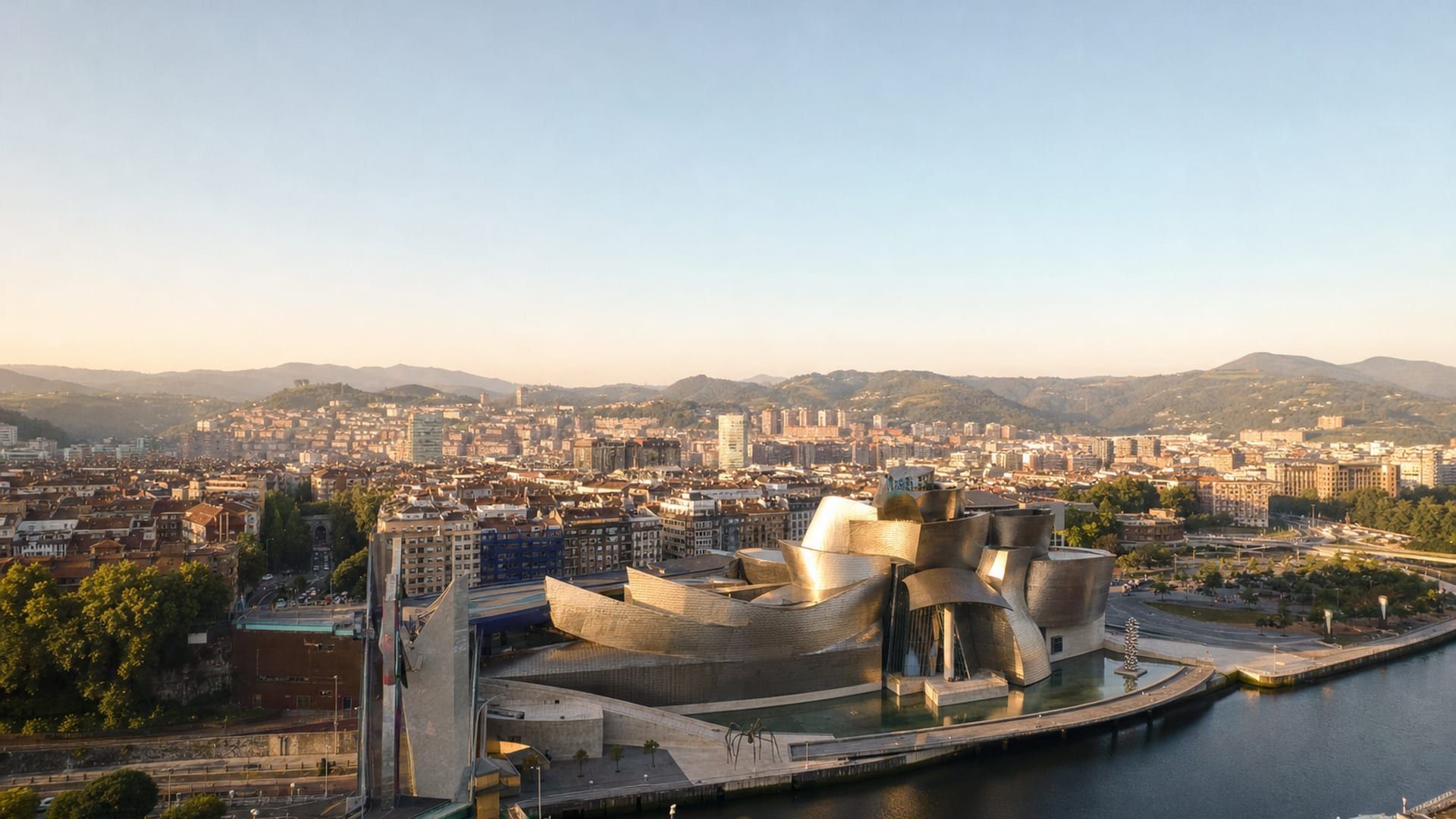
Bilbao rewards travelers who split their time between the riverfront, the old quarter, and one or two hill views, yet many first visits rush from the airport to the Guggenheim and stop there. That leaves the cathedral lanes, Ribera Market, and the city’s Basque dining culture thinly covered.
It also makes the map work harder than it needs to, because several of Bilbao’s best stops sit close together on foot, while others need a timed bus, tram, or funicular ride. If you do not plan the order, you can spend more time backtracking than seeing.
This guide lays out Bilbao in a tighter sequence, from arrival and neighborhood choice to food, transit, day trips, and flights, so each day has a clear focus without crowding the same streets twice.
Useful things to know

Main language(s): Spanish, Basque
Kaixo (KAI-sho) – Hello
Mesedez (meh-seh-DEHZ) – Please
Eskerrik asko (es-keh-REEK AH-sko) – Thank you
Ingelesez hitz egiten duzu? (in-geh-leh-SETH eetz eh-HEE-ten DOO-zoo) – Do you speak English?
Zenbat balio du? (THEN-bat BAH-lee-oh doo) – How much does it cost?

Currency: The local currency is the euro (EUR, €).

Cash and cards: Cards and contactless are widely accepted; carry about €20 to €40 ($22 to $44) in cash for small shops and market stalls.

Tipping: Round up small bills; leave about 5 to 10% in restaurants if service was good.

Traditional food: Bacalao al pil-pil, bacalao a la vizcaína, txangurro, pintxos

Water and coffee costs: Water ~€2 ($2), bar espresso ~€1.50 to €2.50 ($2 to $3).

Taxis and ride apps: Uber and Free Now operate here; local taxi apps may be more limited.

Plug and voltage: Type F socket, 230V

Dining and shop opening hours: Breakfast is about 8:00-10:00 am, lunch 1:30-3:30 pm, and dinner 8:30-10:30 pm. Many shops close for a midday break, often about 2:00-5:00 pm.

Emergency number: 112 for police, fire, and medical emergencies.
Where to stay in Bilbao
Bilbao’s historic old town clusters narrow streets, pintxos bars, and small squares beside the river. It puts you close to the cathedral, the Ribera Market, and easy tram and metro links across the center.
Best for: First-time visits, nightlife, and travelers who want to walk to many central sights
What to expect: Expect busy lanes, frequent restaurant turnover, and strong evening foot traffic, especially on weekends.
Hotel prices: Usually about 120€ to 220€ (~$130 to ~$240) per night for well-rated stays
Distance to major sights: 5 to 10 minutes on foot to Bilbao Cathedral; about 10 minutes on foot to Ribera Market
Quietness: Lively from late afternoon through night, then calmer on weekday mornings
Main trade-off: Some streets stay noisy late, and rooms above bars can pick up weekend sound.
Good to know: Choose a higher floor or an interior room if you want to sleep before midnight.
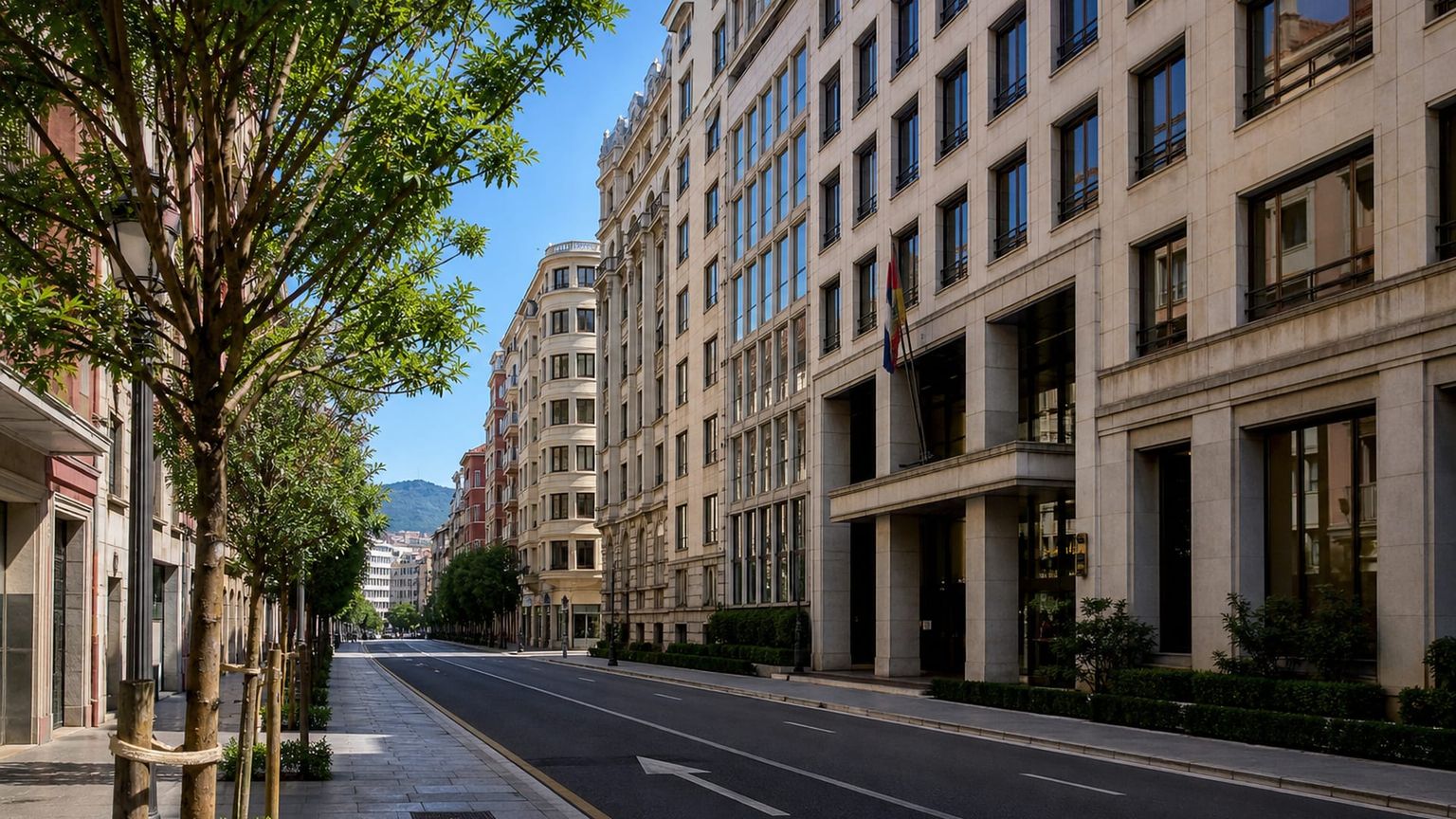
Abando sits in Bilbao’s central commercial core, with broad avenues, the main rail station, and quick access to museums and shopping streets. It works well as a base when you want simple connections without giving up central dining options.
Best for: Museum visits, business travelers, and staying central with easy transit
What to expect: Expect steady daytime movement, office traffic, and a more reserved evening scene than the old town.
Hotel prices: Usually about 130€ to 240€ (~$140 to ~$260) per night for well-rated stays
Distance to major sights: 10 to 15 minutes on foot to Guggenheim Bilbao; about 10 minutes by tram to Casco Viejo
Quietness: Busier by day, quieter after dinner except near major avenues and station blocks
Main trade-off: You may walk a bit farther for the most atmospheric dinner streets and late bars.
Good to know: If you plan early departures, this area puts Bilbao-Abando railway station within easy reach.
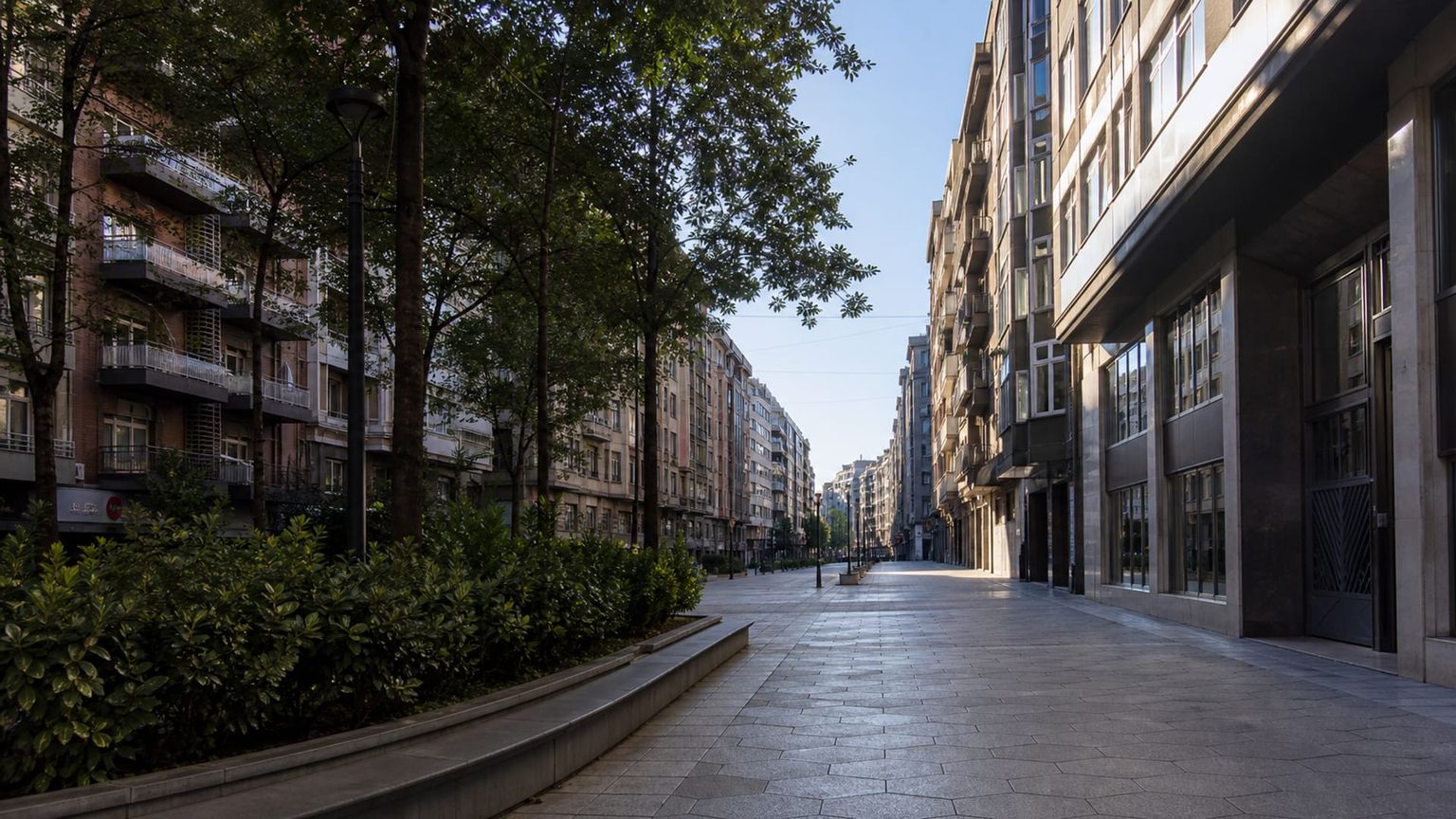
Indautxu spreads west of the center, mixing apartment blocks, local restaurants, and retail streets with good metro access. It matters for travelers who want a central stay that is a little removed from the tightest tourist clusters.
Best for: Longer stays, midrange budgets, and travelers who want central access with fewer crowds
What to expect: Expect neighborhood traffic, everyday cafe use, and a slower pace than the old town, though main streets still stay active.
Hotel prices: Usually about 110€ to 200€ (~$120 to ~$220) per night for well-rated stays
Distance to major sights: About 15 minutes on foot to Guggenheim Bilbao; about 10 minutes by metro to Casco Viejo
Quietness: Generally calmer at night, with more sound on shopping streets and near bars
Main trade-off: You give up some postcard scenery, so the area works best if transit access matters more than a historic setting.
Good to know: Check the exact street, since rooms near night spots and tram corridors can be noticeably louder.
Travelers usually avoid staying in Zorrotza, Basurto-Zorroza, and the far edges of Deusto, because they sit away from the Old Town, Guggenheim, and the central shopping streets, with fewer visitor amenities and more dependence on late-night transit. The airport-side areas near Bilbao (BIO) are also less convenient for a city break, since they add transfer time and offer limited dining and sightseeing within walking distance.
Hotel deals
How to get around Bilbao efficiently
Bilbao’s main visitor links are the Bizkaibus A3247 from Bilbao Airport, the metro and tram across the center, and taxis for direct door-to-door transfers.

Metro
for longer distances
Bilbao has a metro network, with lines that link Bilbao Airport (BIO) to the city only indirectly, so most visitors use a short bus or taxi transfer after landing. A single ride usually costs about $1.70 to $2 ($1.60 to €1.80), and tickets are valid for one trip on the system; day passes and reloadable Barik cards reduce the cost if you make several trips. The metro reaches the city center, the Guggenheim area, and suburbs along the river, with trains running every few minutes at peak times.

Bus and tram
for convenience
Bizkaibus route A3247 connects Bilbao Airport (BIO) with Moyua and the city center in about 15 to 20 minutes, usually for about $3 to $4 ($3 to €3.50), and the ticket is valid for that one ride. Within the city, Bilbobus and the tram cover the main museum, shopping, and old-town areas, and most riders tap a Barik card or pay the driver on selected buses. For airport trips, the A3247 is the main option, while the tram is best for riverside stops rather than the airport itself.

Taxi
for convenience or late hours
Licensed Bilbao taxis use metered fares, with a daytime airport trip to central Bilbao typically costing about $28 to $40 (€26 to €37), depending on traffic, luggage, and the exact drop-off point. You can take one from the airport rank, ask your hotel to call one, or use an approved dispatch app; drivers usually accept cash and card, though card acceptance can vary. Late-night, weekend, and holiday trips cost more because of surcharges, so the final fare can rise above the daytime range.
*Prices are based on rates updated as of June 2026 and may change at the time of travel.
Use the airport bus for low-cost arrivals, the metro and tram for center-to-center movement, and a taxi when luggage, timing, or a late landing matters most.
Iconic landmarks
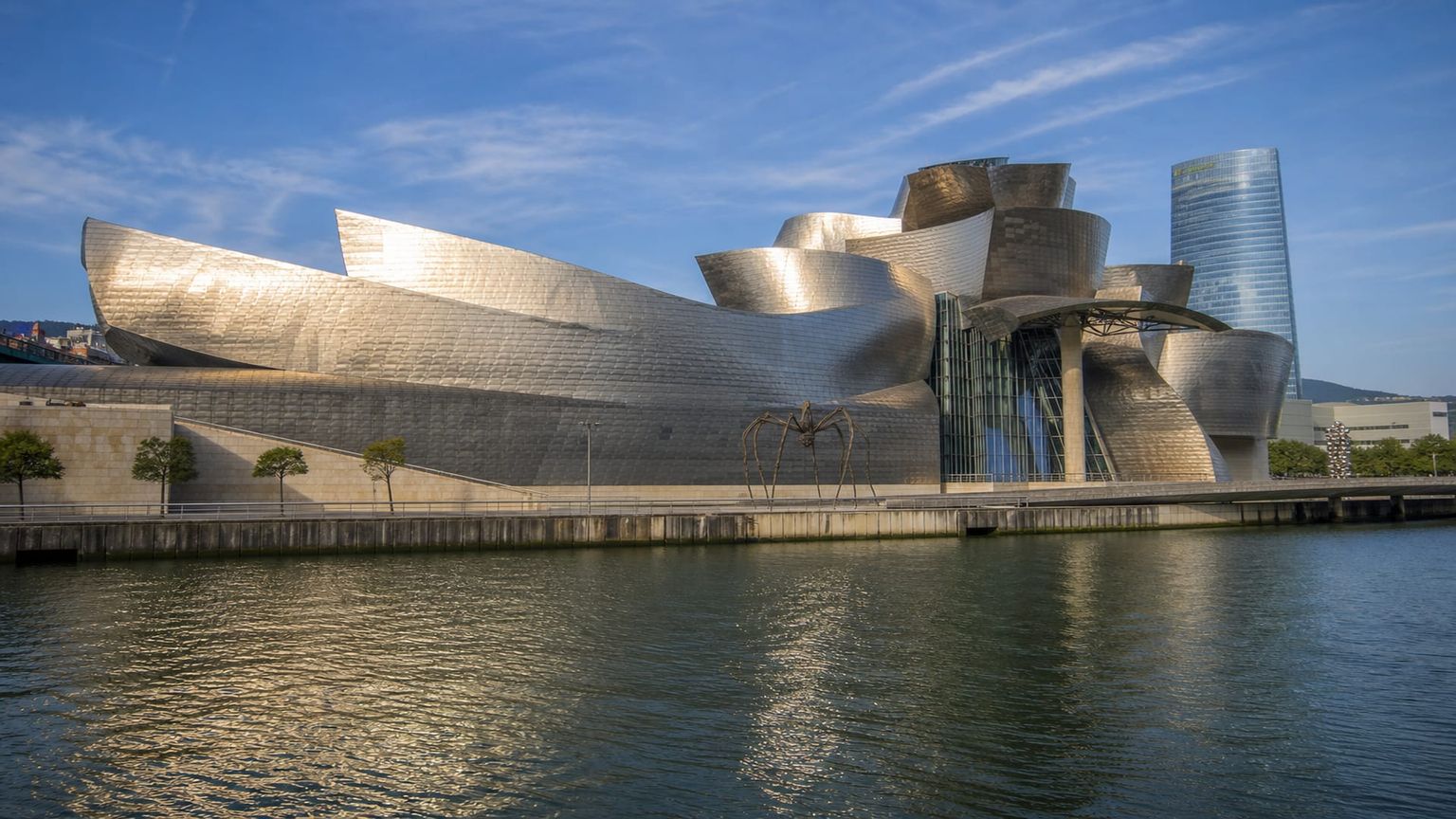
Guggenheim Museum Bilbao
Frank Gehry’s titanium-clad museum on the Nervión river anchors Bilbao’s modern image. Inside, the collection spans postwar and contemporary art, while outside, Jeff Koons’s Puppy and Louise Bourgeois’s Maman draw constant attention.
Time needed: About 2 to 3 hours
Entry: Standard tickets cost $18 to $22 (€16 to €20), with reduced rates for students and seniors; entry is free for children under 12 on select days Visit the official site for details.
Tip: Go early on weekdays, when the galleries open before the larger tour groups arrive.
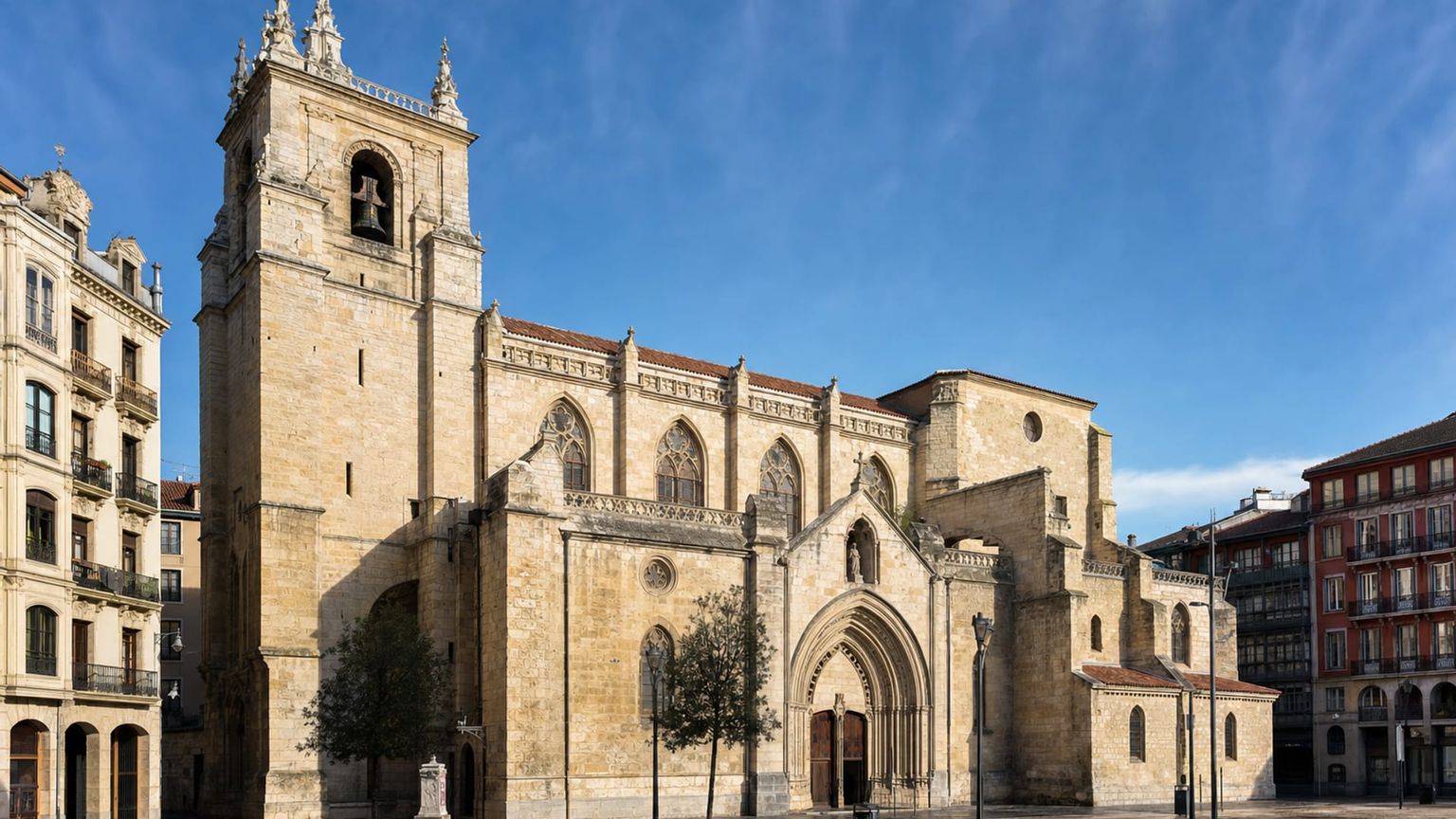
Bilbao Cathedral
This Gothic cathedral in the Casco Viejo dates to the 14th century and preserves a cloister, chapels, and a tall bell tower. Its stonework and narrow setting make it one of the city’s most important medieval monuments.
Time needed: About 1 to 2 hours
Entry: Standard tickets cost $7 to $9 (€6 to €8), with discounts for students, seniors, and children; cloister access is included in the main ticket Visit the official site for details.
Tip: Late morning light brightens the cloister, while the surrounding lanes are quieter before lunch.
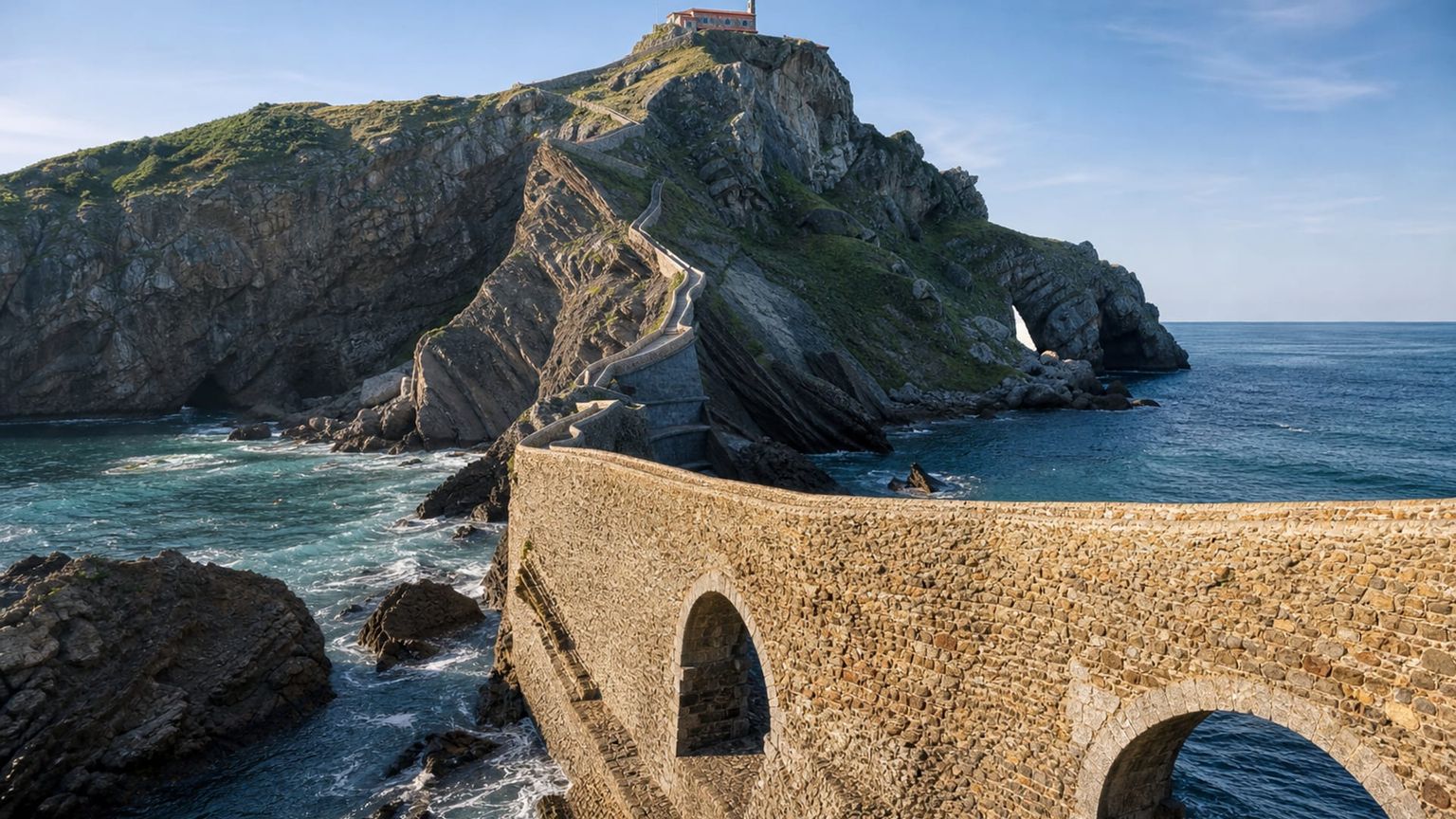
San Juan de Gaztelugatxe
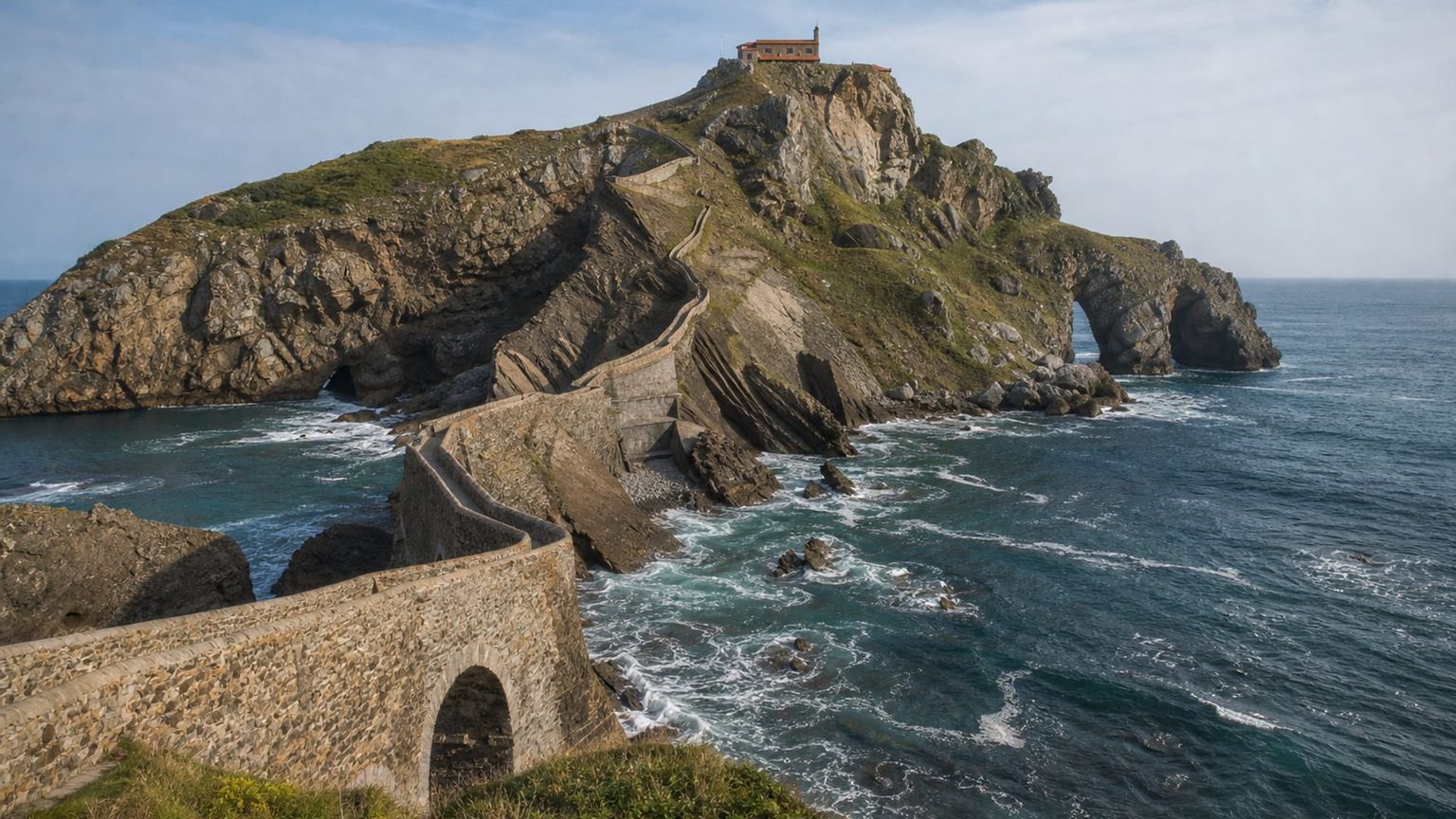
This small islet lies about 35 km from central Bilbao and connects to the coast by a stone bridge and a long stairway. The hermitage at the top and the Bay of Biscay views make the climb one of the area’s signature outings.
Time needed: About 2 to 3 hours
Entry: Free to access, but during peak season the official shuttle and access permit can cost $2 to $4 (€2 to €4) for parking control Visit the official site for details.
Tip: Start early, since the stair climb gets hot and the sea-view sections are busiest by midday.
Overlooked sites worth visiting

Monte Artxanda
Ride the historic funicular to the wooded ridge above Bilbao, then walk the viewpoints for wide city and river views. The area stays calm outside peak hours, with short trails and picnic spots.
Time needed: About 1 to 2 hours
Entry: Funicular tickets cost about $4 to $6 ($3.50 (€3) to $5 (€4.50)) for a round trip, with discounted fares for children and seniors; the hilltop itself is free to explore once you arrive Visit the official site for details.
Tip: Go near sunset for clearer views and softer light.

Bilbao La Vieja
Cross the river into Bilbao La Vieja for small galleries, street murals, and narrow blocks that show a less touristy side of the center. The compact area works well on foot and pairs easily with café stops.
Time needed: About 1 to 2 hours
Entry: Free to walk through. Gallery entries, when open, usually cost about $5 to $12 ($4.50 (€4) to $11 (€10)), and some studios host temporary shows with no fee during local events and open-door weekends.
Tip: Visit in late morning for open studios and lighter foot traffic.
Traditional food
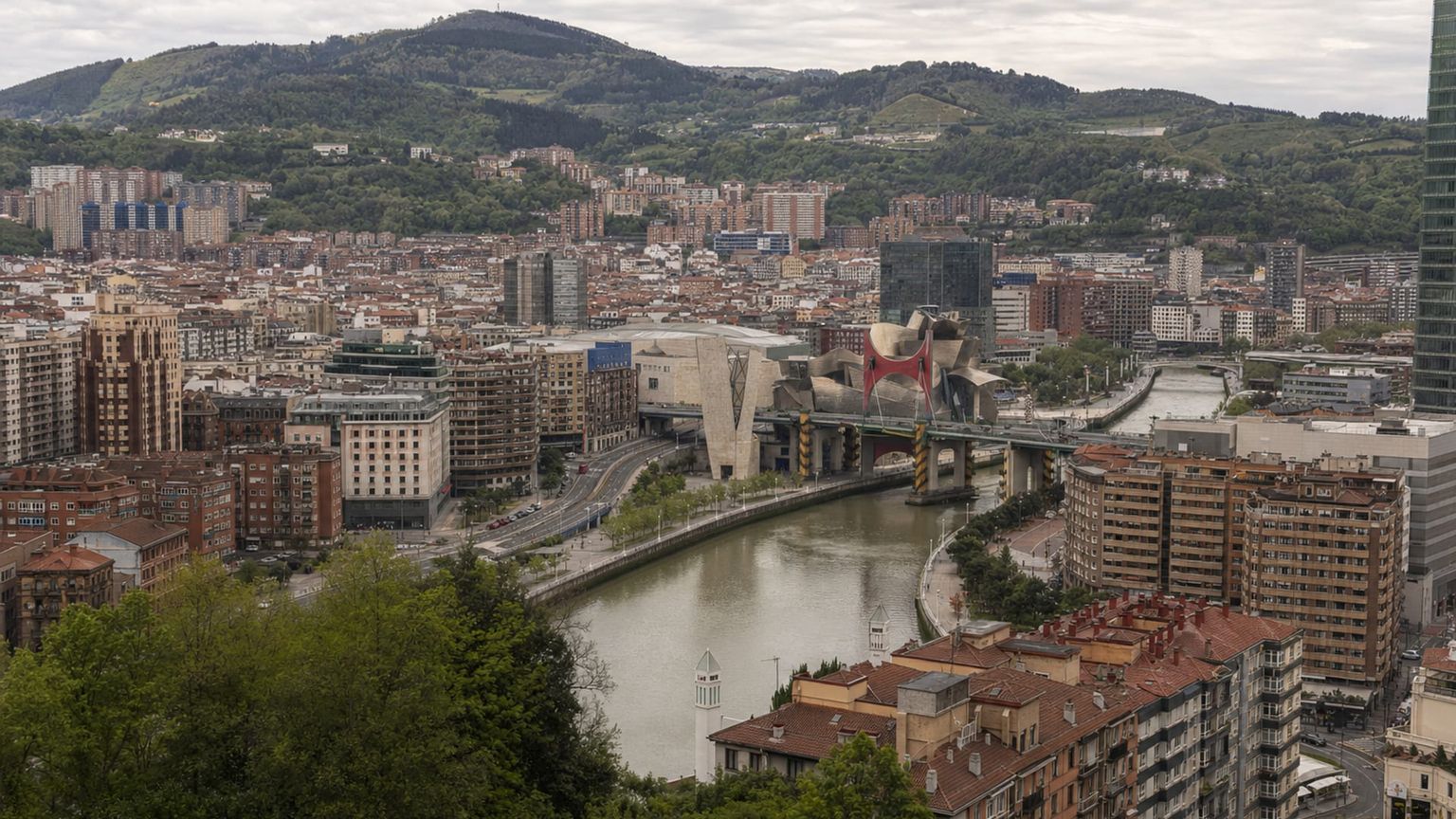
Bilbao’s table leans on the Bay of Biscay, with bacalao, txangurro, pintxos, olive oil, and peppers shaping a dining culture built around small plates, late meals, and busy bars.
Bacalao al pil-pil
Salt cod cooked with olive oil, garlic, and chili until the sauce emulsifies into a glossy emulsion. Casa Rufo is a classic Bilbao address for it, with a menu rooted in Basque cooking.
Bacalao a la vizcaína
Salt cod served with a red pepper and onion sauce that gives the dish its signature color and depth. It fits the style at Baster, where Basque recipes anchor the menu.
Txangurro
Spider crab prepared in a rich shellfish mix, often baked and served in its shell. Mina uses seafood with precision, and it is one of the clearest places in Bilbao to order it.
Pintxos
Small bar snacks built for a glass of wine or txakoli, usually displayed on counters or ordered to order. El Globo is one of Bilbao’s best-known pintxos stops, with a wide range of classic and modern bites.
Best time to visit Bilbao
Bilbao shifts by season, with wetter winters, mild shoulder months, and warmer summer weekends that bring heavier foot traffic to the old town and riverfront.
Best for: River walks, museum days, and easy city sightseeing
What you get: About 50 to 68°F (10 to 20°C), with manageable crowds and frequent light rain
Trade-offs: Showers can interrupt longer outdoor plans
Best for: Long daylight, outdoor terraces, and day trips to the coast
What you get: About 63 to 79°F (17 to 26°C), with the busiest crowds of the year and livelier evenings
Trade-offs: Peak dates book early and popular sites feel fuller
Best for: Museum visits, food stops, and comfortable walking weather
What you get: About 52 to 72°F (11 to 22°C), with lighter crowds after summer and a growing chance of rain
Trade-offs: Weather turns less predictable by late season
Best for: Lower hotel demand, slower sightseeing, and indoor-focused trips
What you get: About 41 to 57°F (5 to 14°C), with the quietest streets but regular wet days
Trade-offs: Shorter days and damp weather limit outdoor time
A realistic 5-day plan in Bilbao
Five days in Bilbao work best when you start in the historic core, shift toward the museum corridor, then reserve a separate day for the coast. That approach keeps the river, the hill views, and the food stops in a cleaner order.
From Bilbao Airport, take the Bizkaibus A3247 into the center, which usually takes about 20 to 30 minutes and costs roughly $4 to $5 (€3.50 to €4.50). Aim for Abando if you want the easiest rail and tram links, or Casco Viejo if you want to step straight into the old town. After check-in, drink some water, then keep dinner close, a simple pintxos crawl in Casco Viejo works well without overdoing the first night.
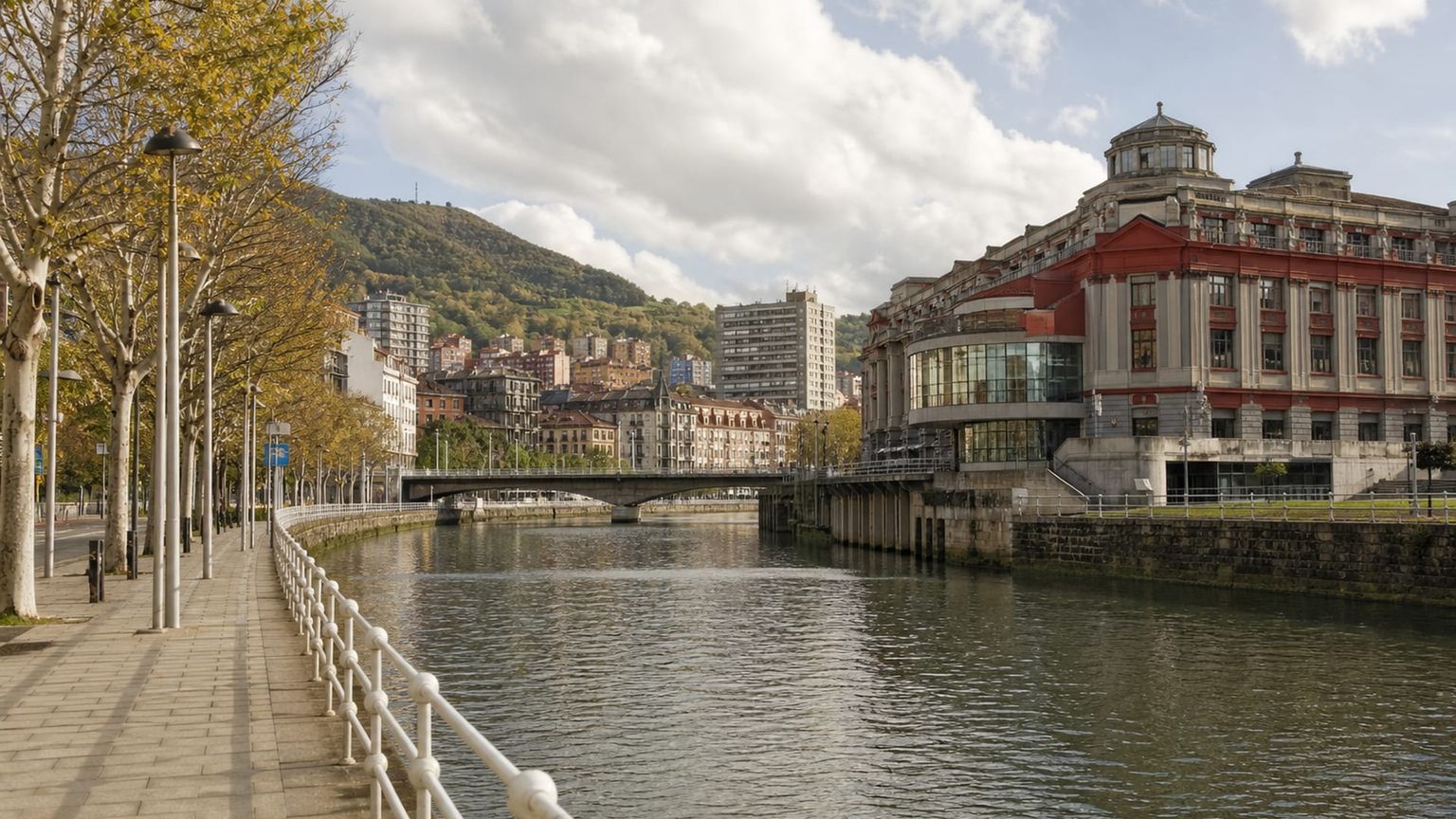
Begin in Casco Viejo with Bilbao Cathedral, then walk about 10 minutes to Ribera Market for coffee and a snack. From there, it is about 15 minutes on foot to the Guggenheim Museum Bilbao, where you can spend 2 to 3 hours with the galleries and the riverside sculptures. Finish with an easy evening walk back toward Abando, or stay in the old town for pintxos and a quieter pace once the lunch crowd thins.
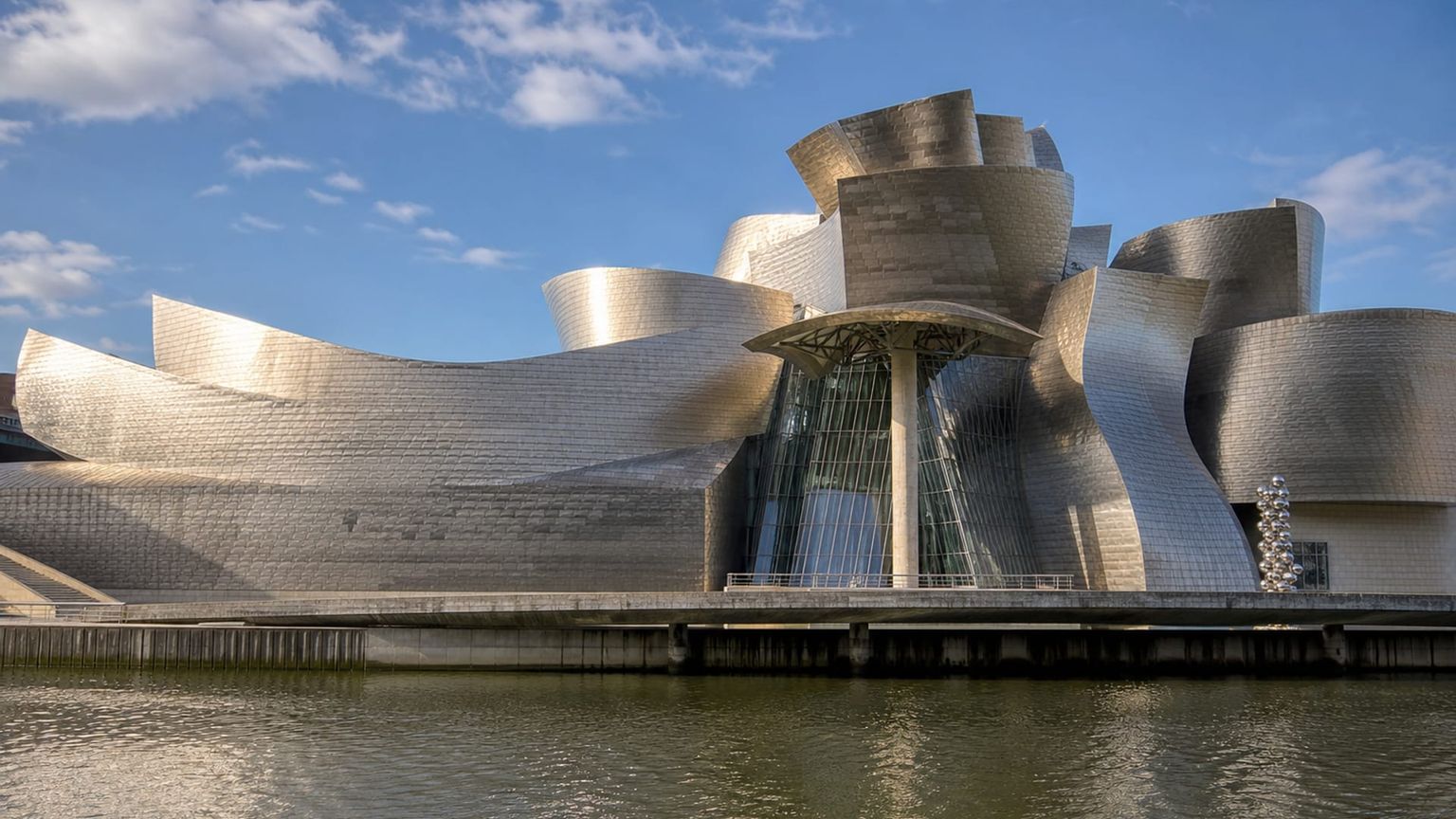
A morning funicular ride sets up a slower view-focused day at Monte Artxanda, which takes about 1 to 2 hours including the trip up and back. From the ridge, return to the river area and cross into Bilbao La Vieja in about 15 minutes on foot for murals, small galleries, and café stops. Stay on that side of the water through late afternoon, then head back toward the center for dinner near the bridge and the riverfront.
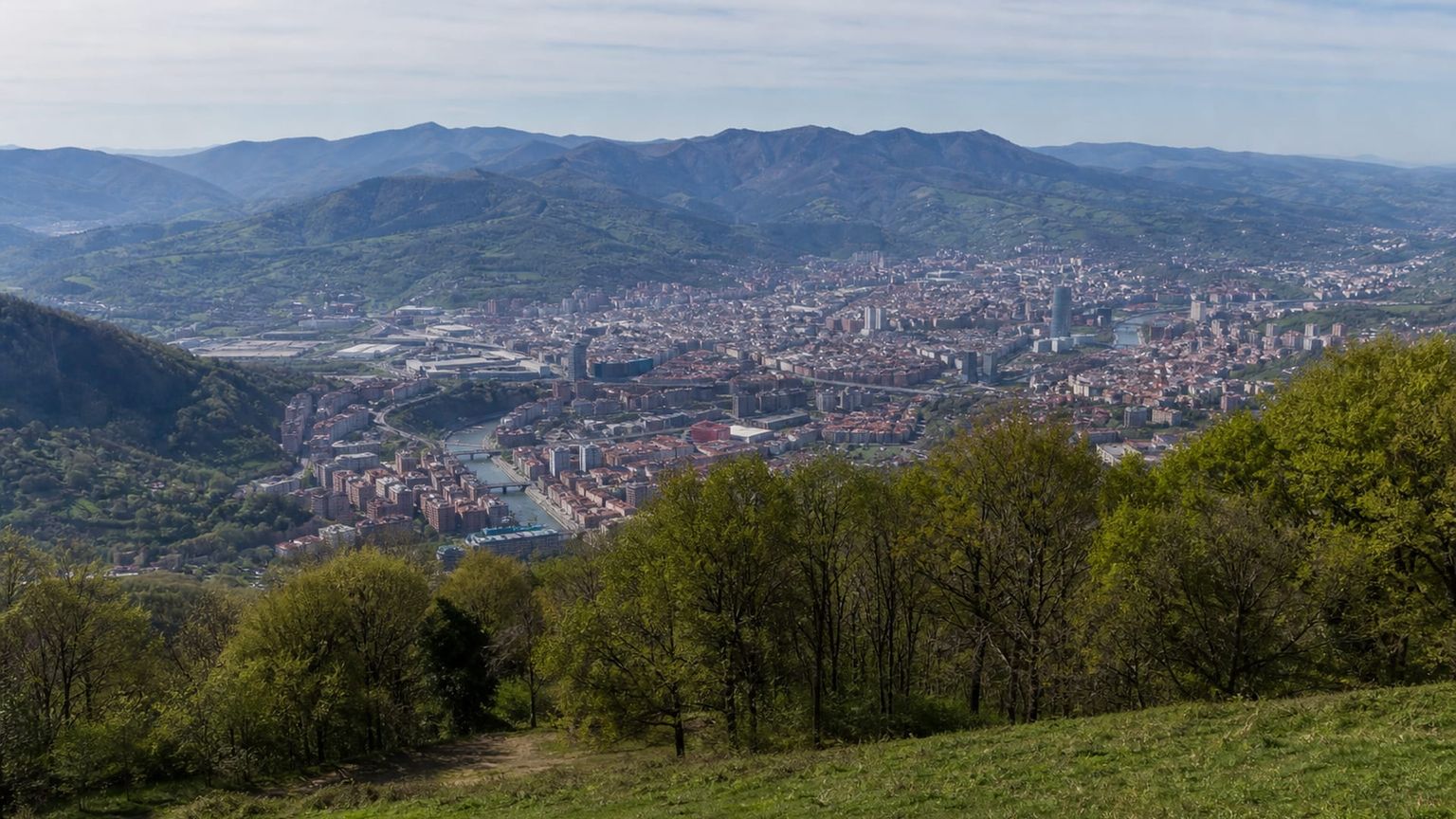
Set out early for San Juan de Gaztelugatxe, since the drive from central Bilbao takes about 50 minutes to 1 hour each way and the climb works best before midday heat builds. Plan on about 2 to 3 hours for the islet, the bridge, and the stairway, then return to Bilbao for a late lunch and a low-key evening in Indautxu or Abando. If you still want one more city view, a short ride back up to Monte Artxanda gives you an easy sunset stop.
For a final day, start with one last museum visit at the Guggenheim Museum Bilbao or return to Bilbao Cathedral if you want a quieter farewell in the old quarter. Then head to Indautxu for shopping along the broader streets, or back to Abando for a last look at the central avenues before your departure. End with coffee in Casco Viejo or a calm lunch in Indautxu, depending on when you need to leave for Bilbao Airport.
Business-class flights from the US to Bilbao
Bilbao draws long-haul travelers through a handful of major hubs, so the useful comparison is usually not nonstop versus nonstop, but which one-stop path fits your schedule and fare target. The East Coast and West Coast options differ enough to merit separate planning.
From New York (JFK), Iberia, American Airlines, Air Europa, British Airways, and Lufthansa all appear on common itineraries to Bilbao (BIO). The nonstop trip takes about 7 to 8 hours, while one-stop plans through Madrid (MAD) or London (LHR) usually cut the fare to about $1,400 to $2,800.
Iberia, American Airlines, Lufthansa, Air France, and British Airways are the usual names on trips from Los Angeles (LAX) to Bilbao (BIO). One-stop itineraries via Madrid (MAD) or London (LHR) often bring the price down to about $1,700 to $3,400, while the nonstop option runs about 12 to 13 hours.
Bilbao feels different when you slow down
A good Bilbao trip has a clear shape, with Casco Viejo for the first evening, Abando for museum access, a funicular ride to Monte Artxanda, and one coastal day for San Juan de Gaztelugatxe. The rest comes from timing, whether that means the A3247 from Bilbao Airport, a tram back to the center, or a slower lunch near Ribera Market. If you want help matching those pieces to your dates, the AranGrant experts can build the route with Bilbao’s neighborhoods in mind







